Where artistry and wedding planning beautifully meet.
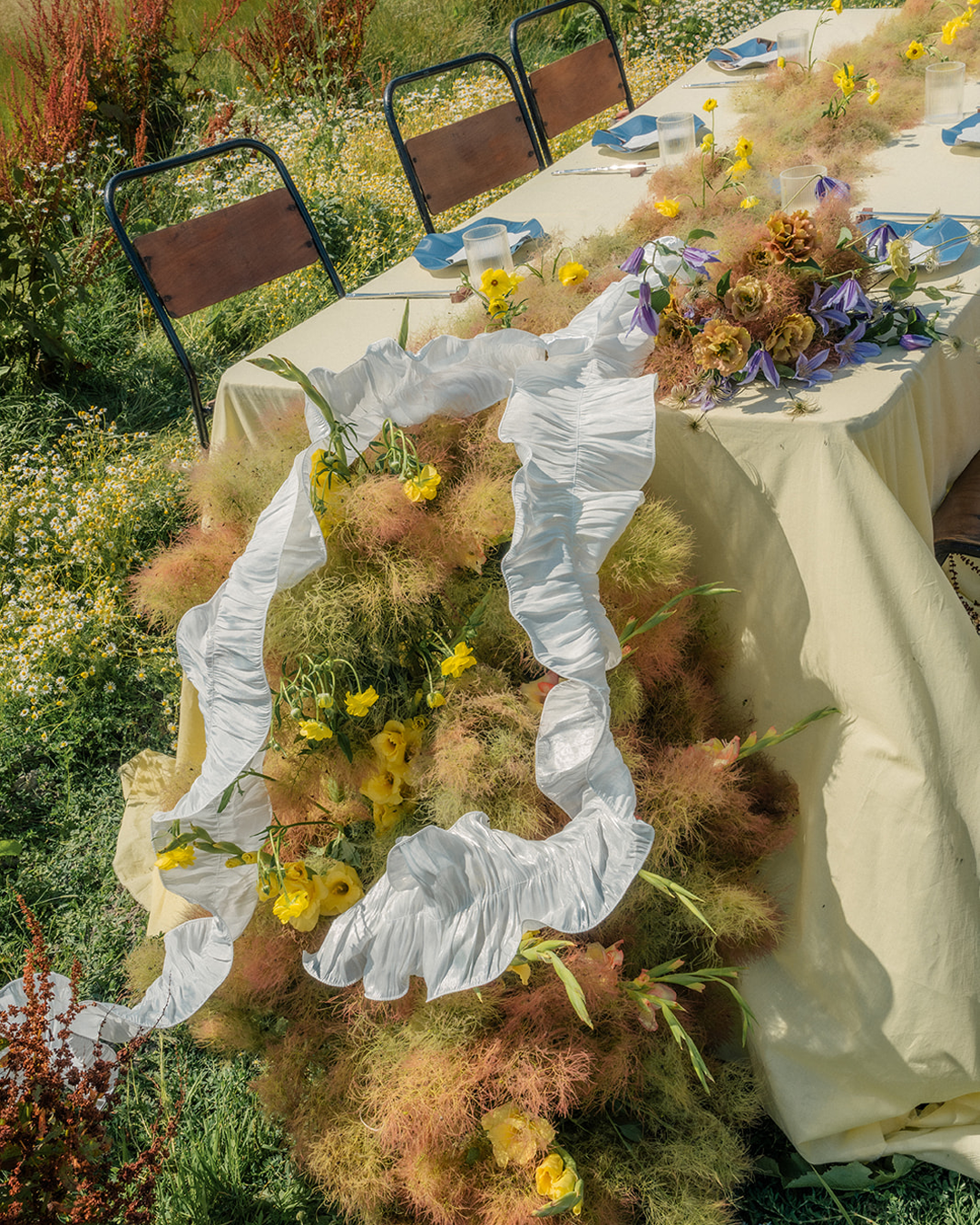
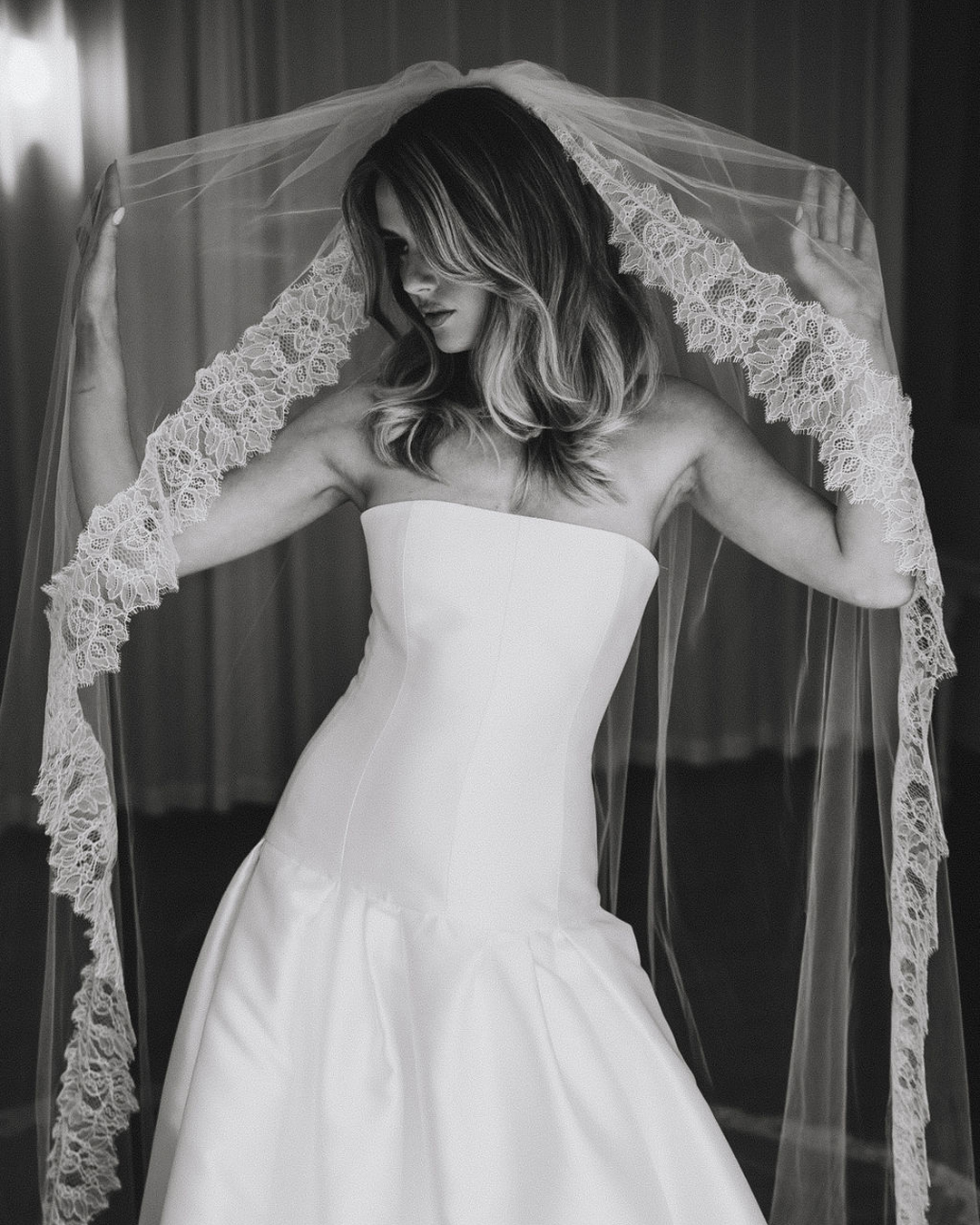
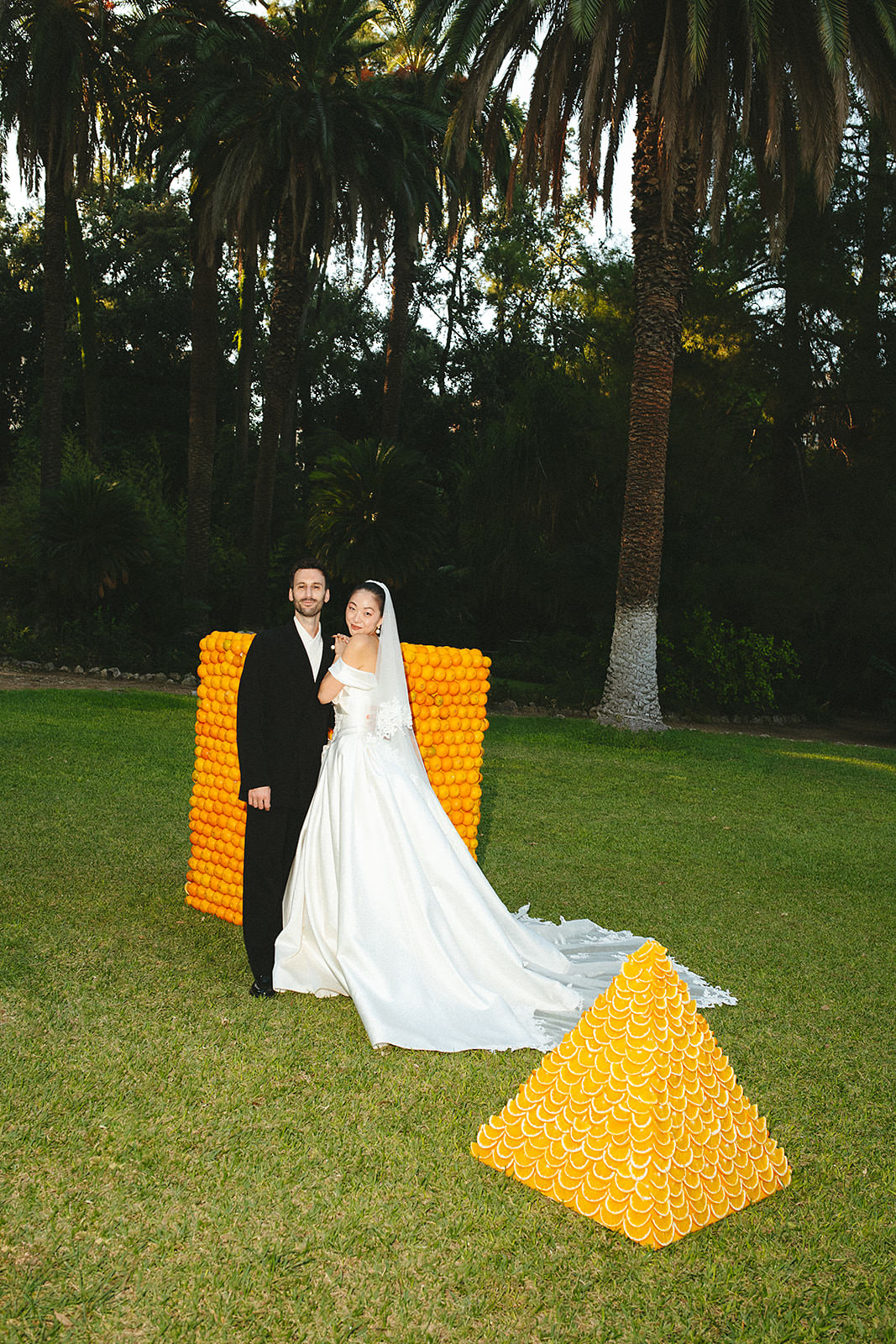
Above lead-in photo by La Dichosa, @ladichosa
There is a rare kind of wedding planner who treats each celebration not as an event to be organised, but as a living work of art to be felt, remembered and experienced. Magdalena, founder of All Things Beautiful, is one of them. With a background that weaves together interior design, visual merchandising and years spent living across continents, her approach is deeply influenced by architecture, atmosphere and an editorial sense of style. Based in Europe yet shaped by the world, she creates weddings that feel modern, thoughtful and quietly luxurious. For the couples who are drawn to design and who want their wedding to hold emotional resonance as well as beauty, her work offers something both distinctive and deeply personal.
We sat down with Magdalena to explore her creative process, her global influences, and the joy she finds in designing celebrations that feel effortless, elegant and entirely one of a kind.
Your work holds this beautiful balance of boldness and calm. When you begin planning a destination celebration, what is the first sensory or atmospheric detail you look for to establish the tone?
For me, the tone begins with observing how the light moves through the space and how we move within it. I pay attention to the relationship between architecture, landscape, and the natural flow of people – where we pause, where connection happens effortlessly. I’m a visual learner, so I often see the space in frames, almost like stills in a film or brushstrokes in a painting. I anticipate moments before they unfold: where a toast will feel natural, how a table will look in golden hour, and which backdrops will make gestures feel cinematic rather than staged. From there, I design to amplify what’s already inherent in the place, letting its character lead. The boldness comes from intention, the calm from how seamlessly every detail belongs
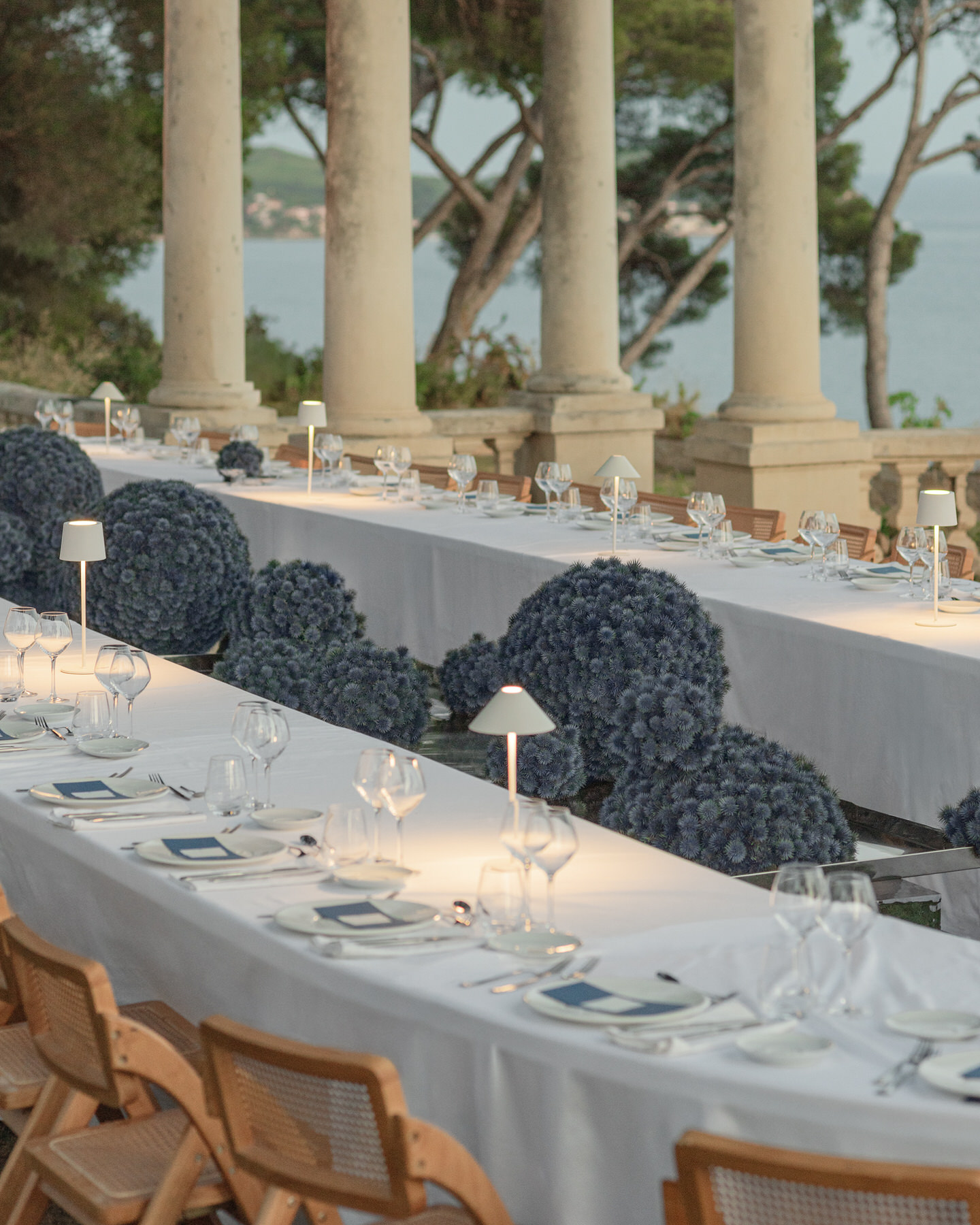
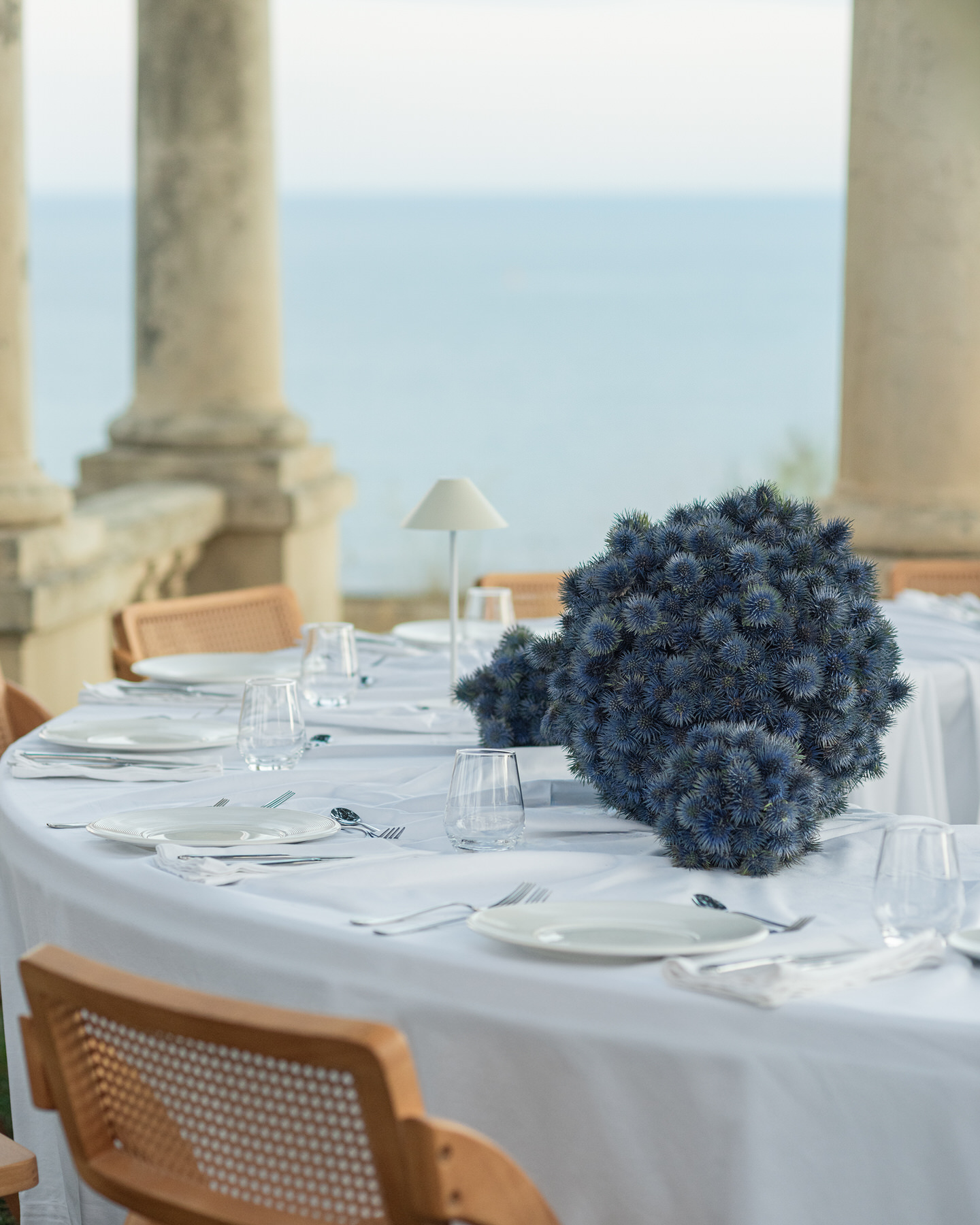
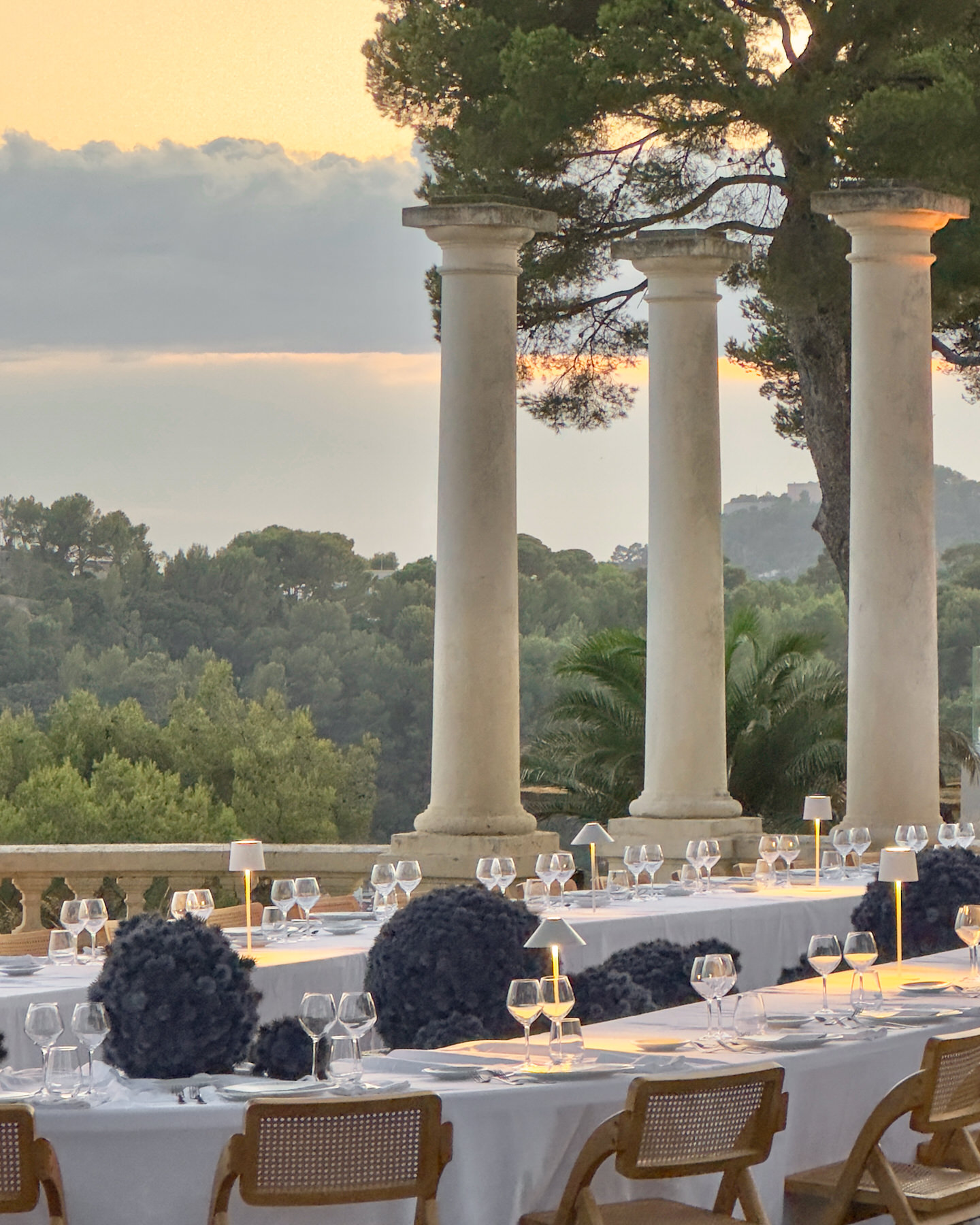
Above photos by Bosque Concepts, @bosqueconcepts
You have lived in ten countries, which is remarkable. How has that movement and immersion in different ways of living shaped your aesthetic and your understanding of how people gather and celebrate?
Living in over ten countries on four continents has made me very aware of how culture shapes the way we gather – not in a performative sense, but in the subtle rhythms of hospitality and shared experience. I’ve seen celebrations where joy is loud and overflowing, and others where connection is expressed in quiet, intentional gestures. Both are beautiful and equally full of meaning.
Aesthetically, it’s given me a deep appreciation for restraint. When you move often, you learn to notice what endures: proportion, texture, craftsmanship. That’s where my love for soft minimalism comes from – not an absence of expression or any kind of rigid simplicity, but a respect for clarity, balance, and order.
It also taught me to meet people where they are. Every couple carries their own cultural ways of loving and celebrating, even if they’re not conscious of it. My role is to translate those nuances into a curated space and atmosphere that feels deeply personal and authentic, not borrowed or generic. You can feel when a celebration is truly theirs, when it feels inevitable, like it could only ever have been that way.
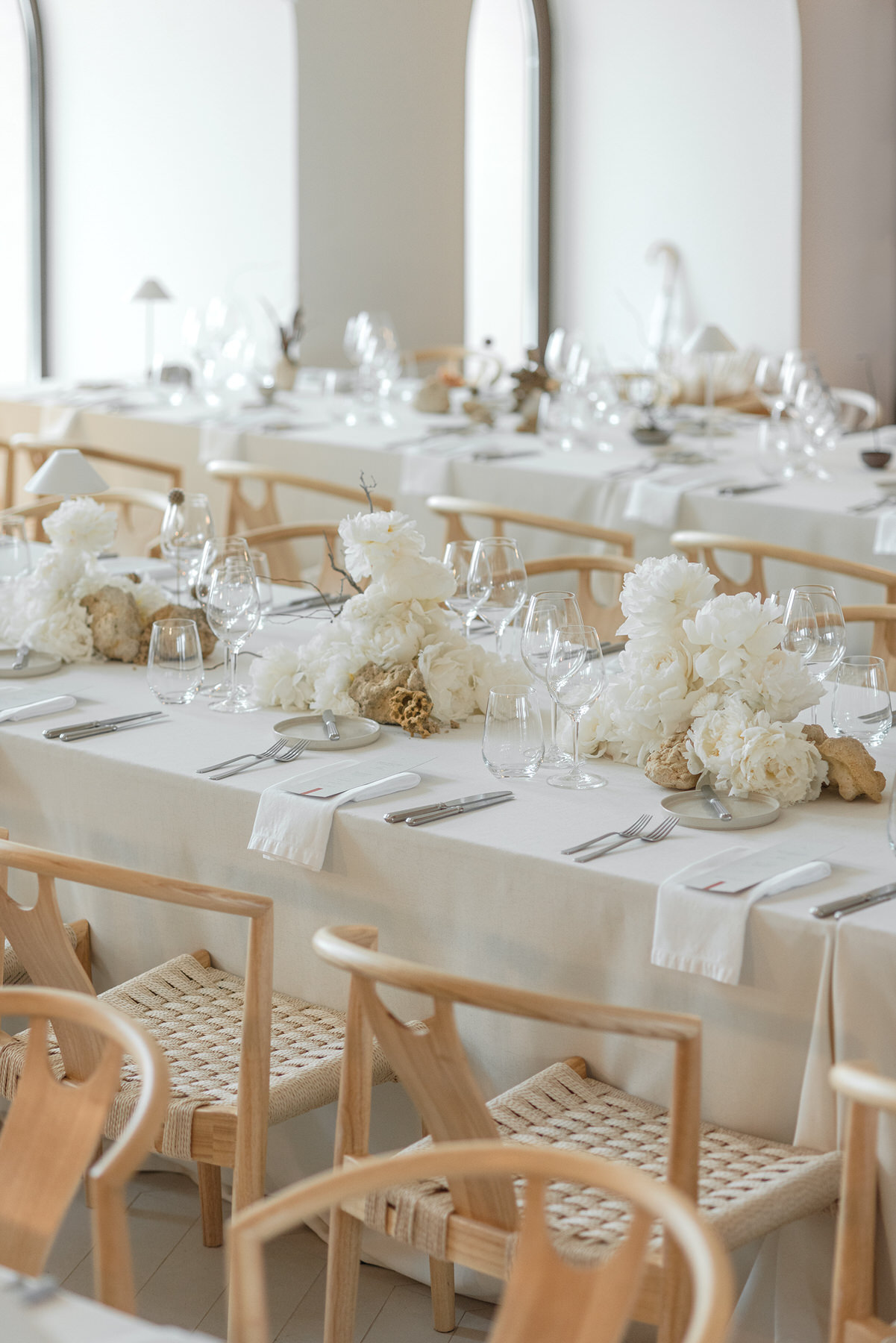
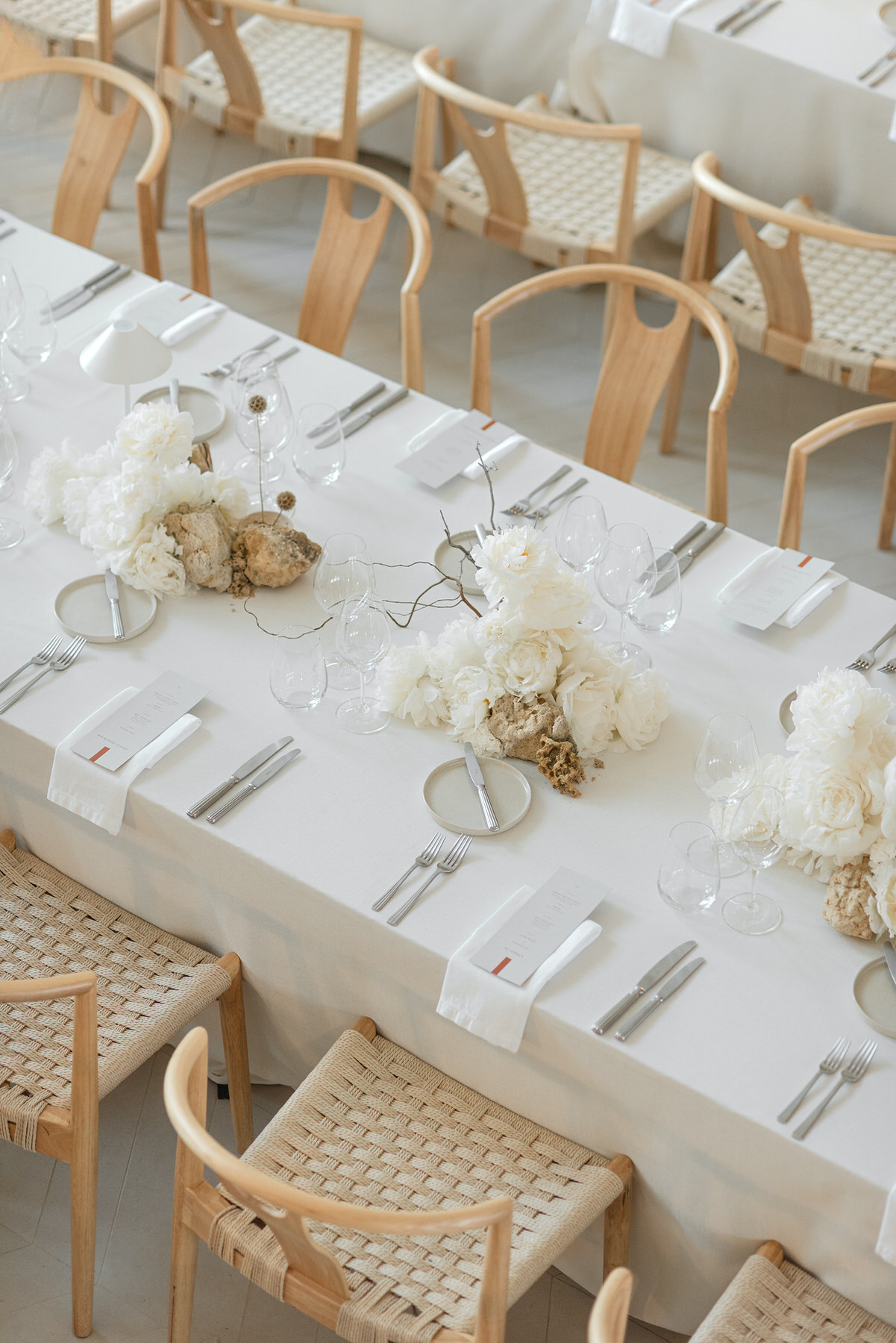
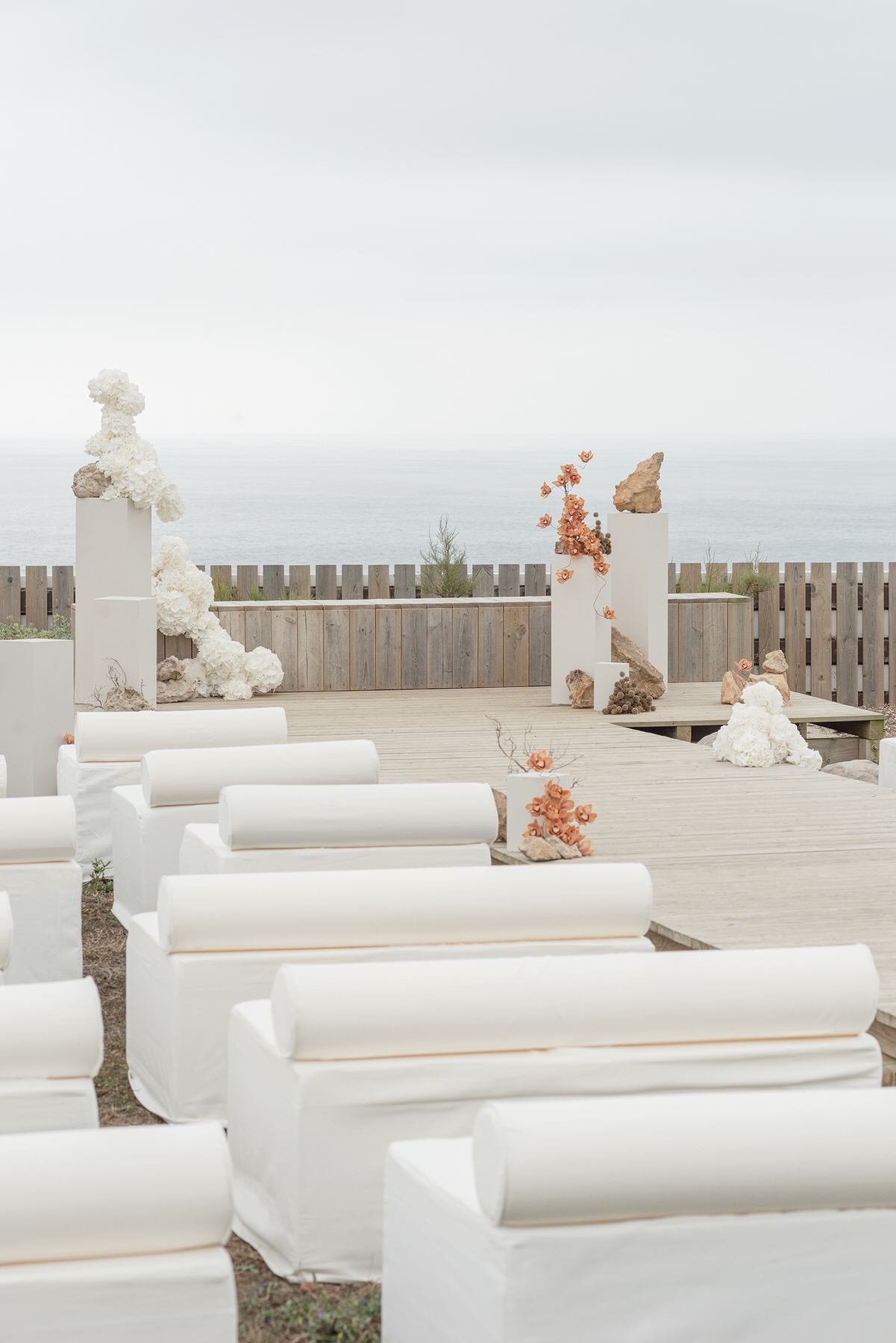
Above photos by Bosque Concepts, @bosqueconcepts
You plan across many regions in Europe, each with its own textures, histories and cultural rhythms. How do you weave all of these influences into one cohesive visual and emotional story for your couples?
I observe the architecture, light, and landscape first, letting the place itself set the baseline for mood and tone. Often, there’s a meaningful reason a couple chooses a location – a personal memory, a connection, a feeling, and local references naturally emerge more prominently. Other times, the destination is secondary, and the story of the couple leads. Either way, I always design in the context of the space and landscape; that relationship is constant. The design becomes a dialogue between place and people: the environment creating a sense of belonging, and the couple’s essence giving it meaning.
Cohesion comes from intention, deciding what matters and allowing everything else to stay quiet. It isn’t about layering influences, but aligning them, so the celebration feels like a single, continuous experience that is unmistakably theirs.
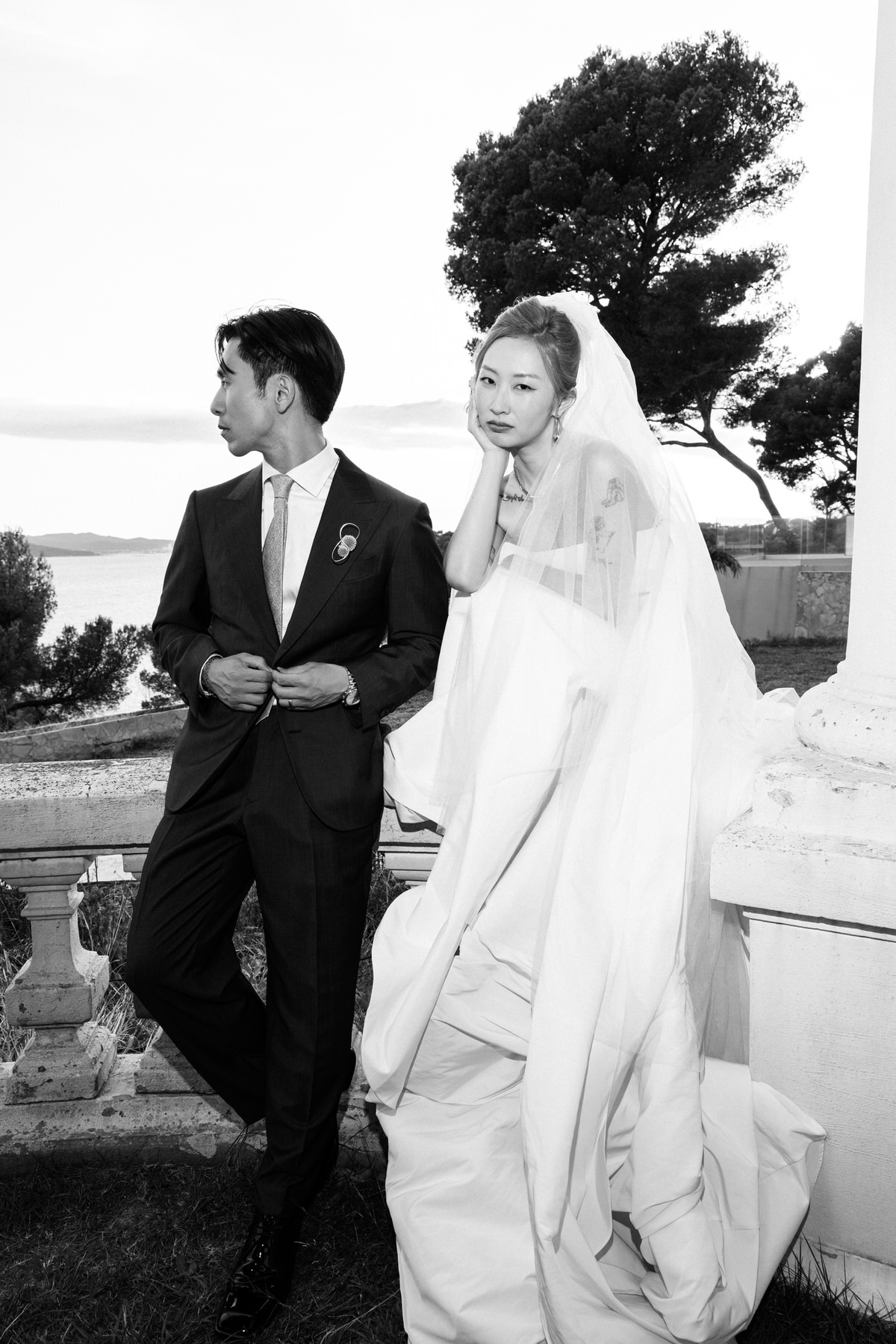
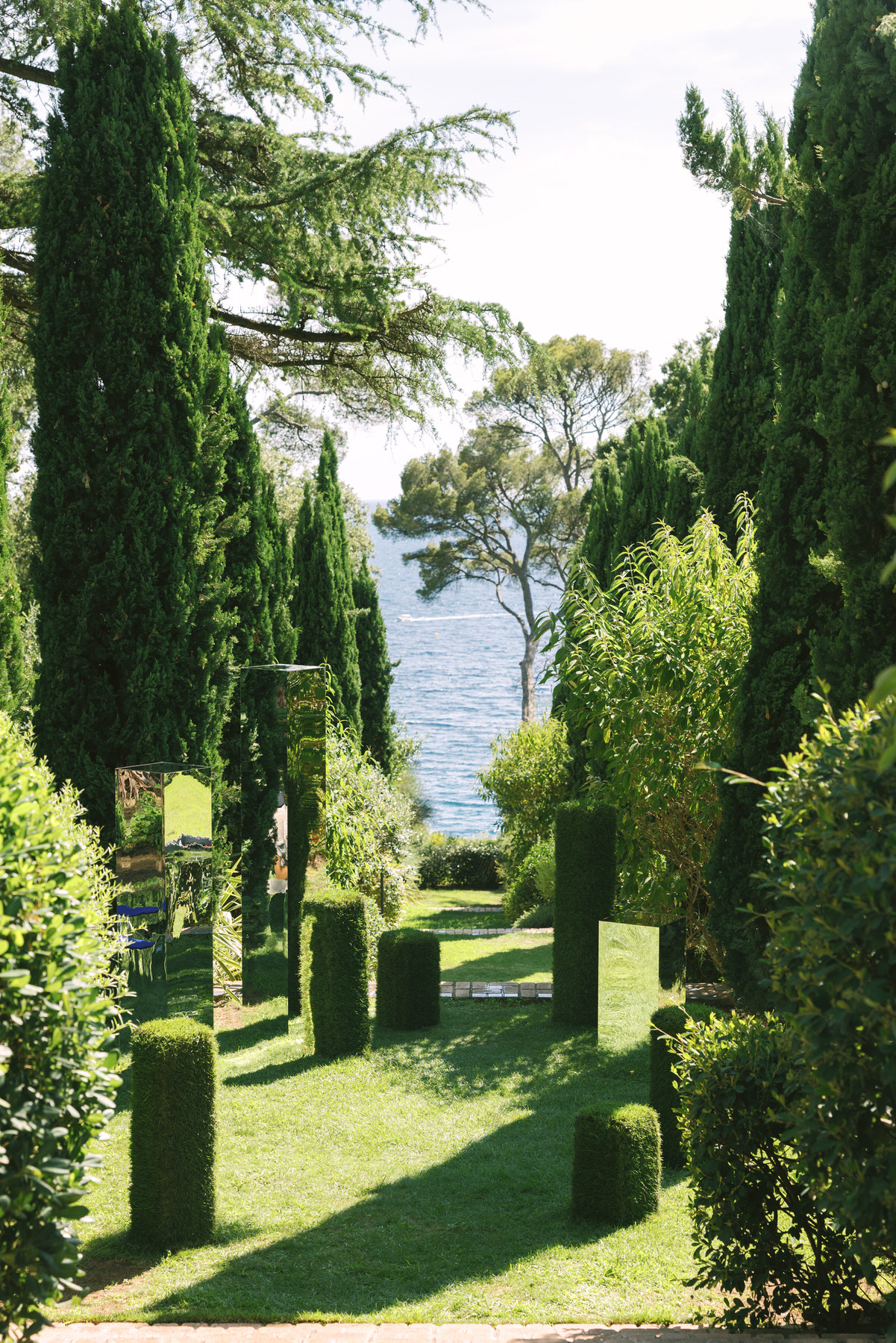
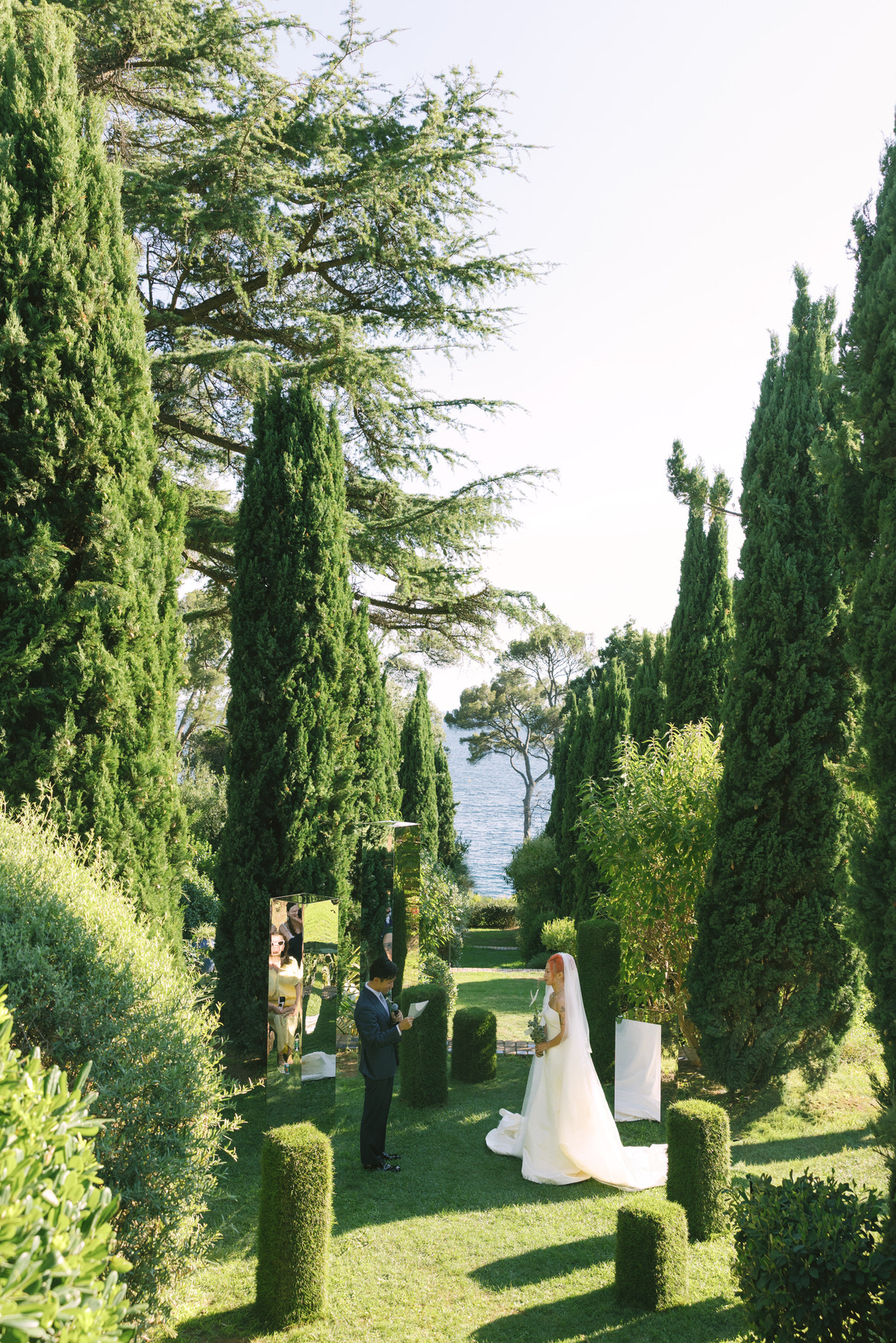
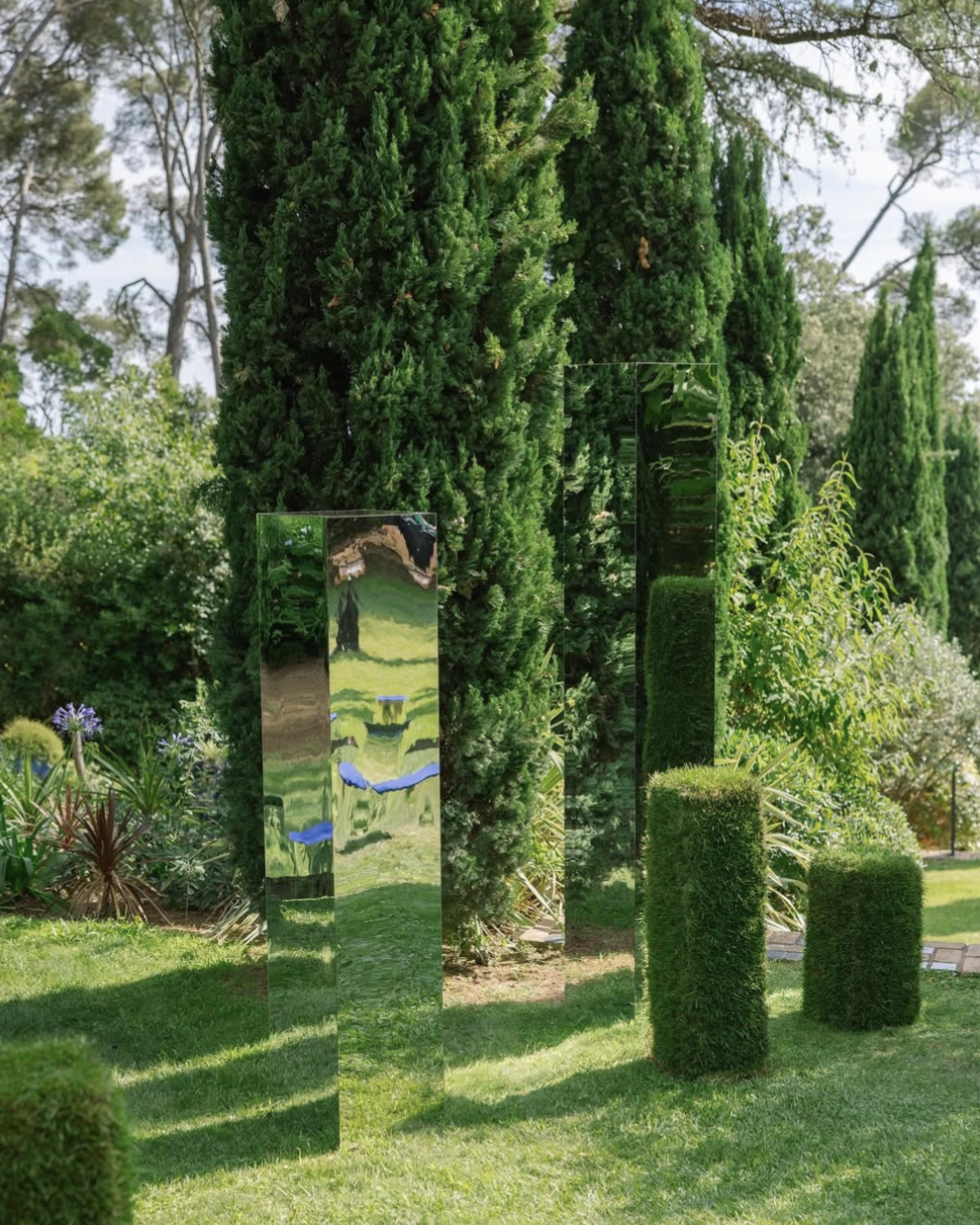
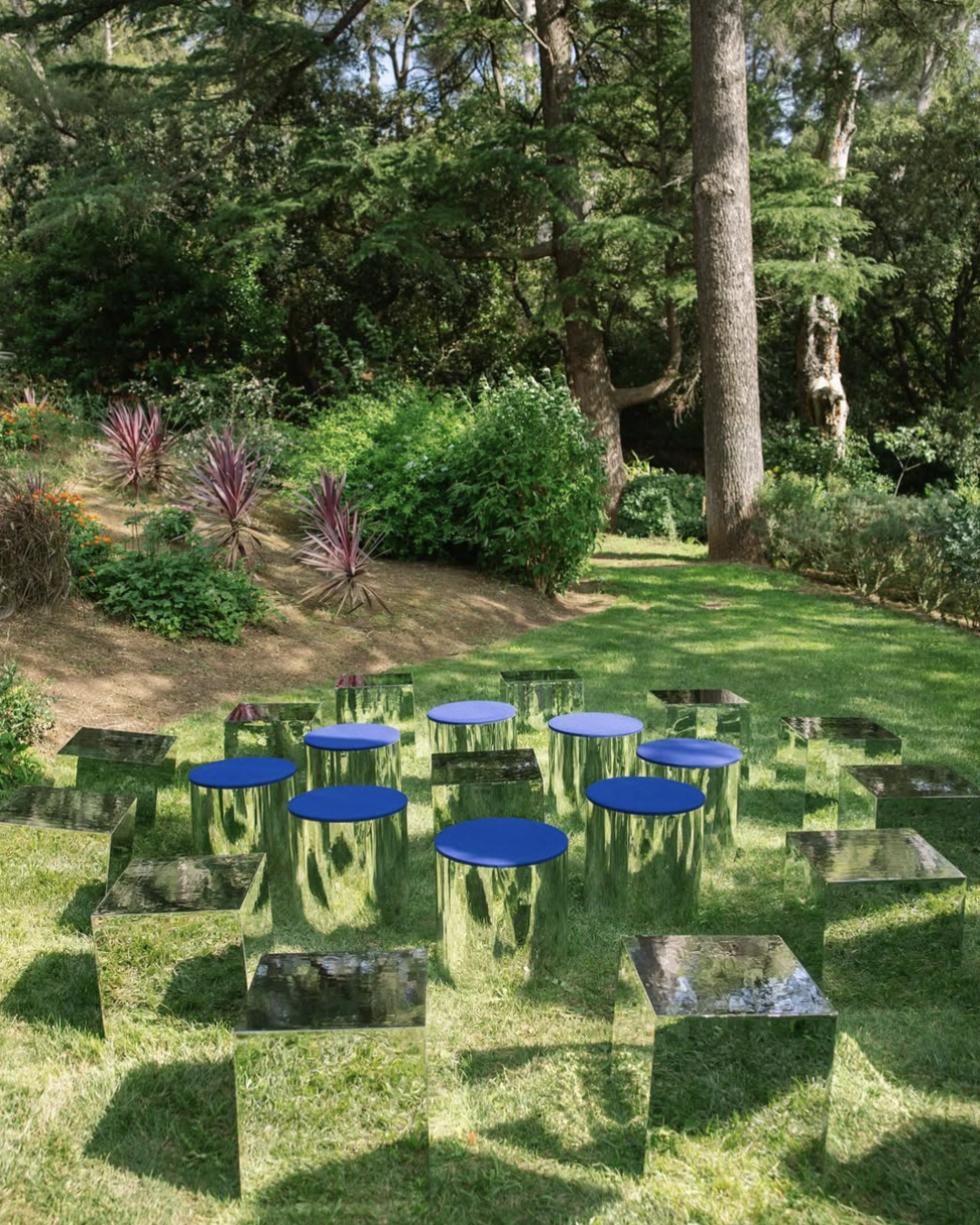
Above photos by Joy Zamora, @joyzamoraphoto
Architecture is a core influence for you. When you walk into a venue or landscape, what are the architectural cues or spatial qualities that immediately begin shaping your design direction?
Architecture has always been important to me. I’ve always loved how it places us in a visual and emotional context, often without us even realizing it. The scale of a room, the openness of a courtyard, the rhythm of columns or windows – these qualities influence the atmosphere before any design choice is made.
I often experience a space in frames, almost like stills in a film or compositions in a painting. I see where a moment will naturally unfold, where a gesture will look effortless, where connection will feel intimate rather than staged. Those visual cues guide how the celebration flows – how guests move, where attention gathers, how the experience breathes.
From there, the design direction reveals itself. It’s less about adding and more about aligning: allowing the inherent character of the architecture to support the visual and the emotional tone we’re creating.
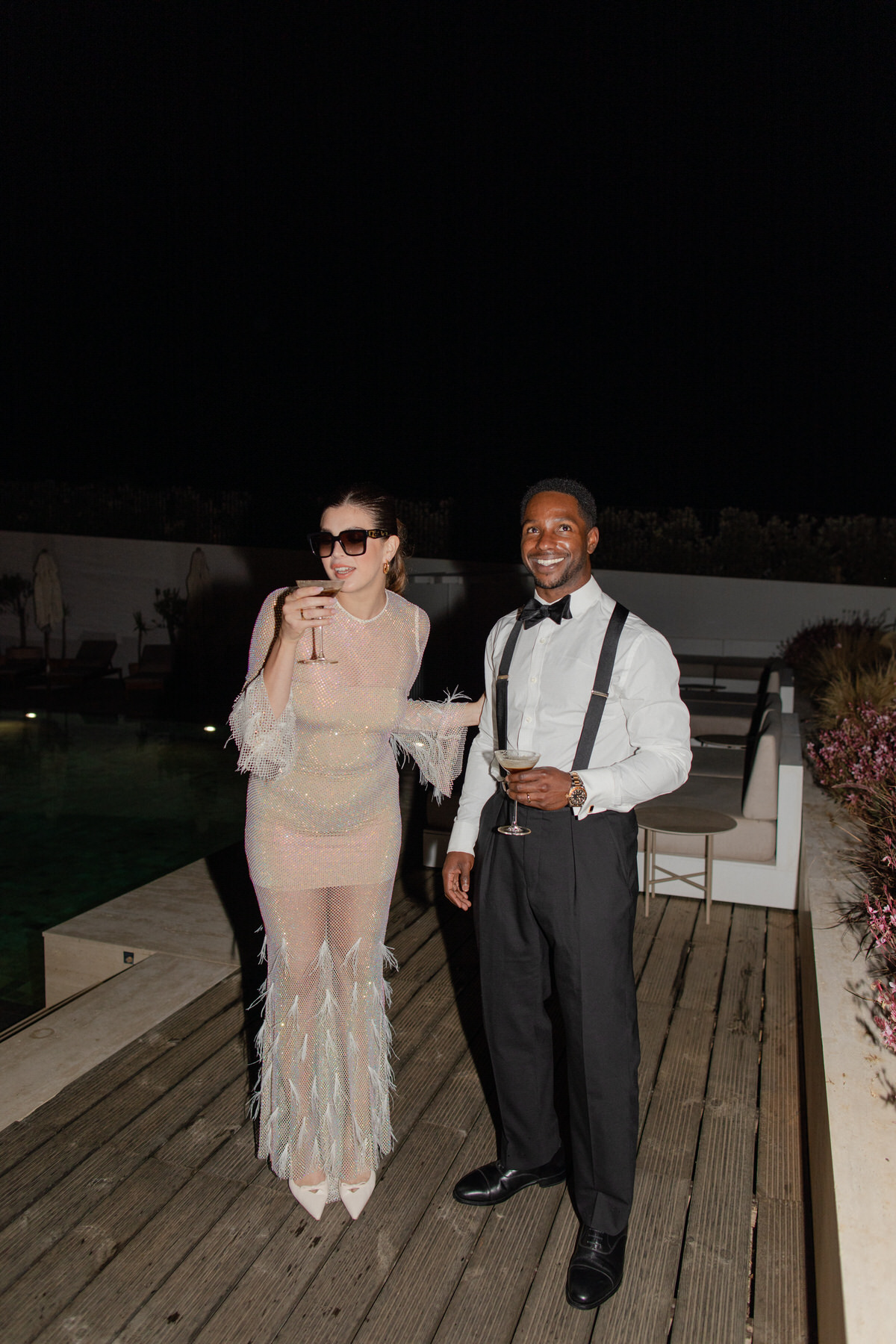
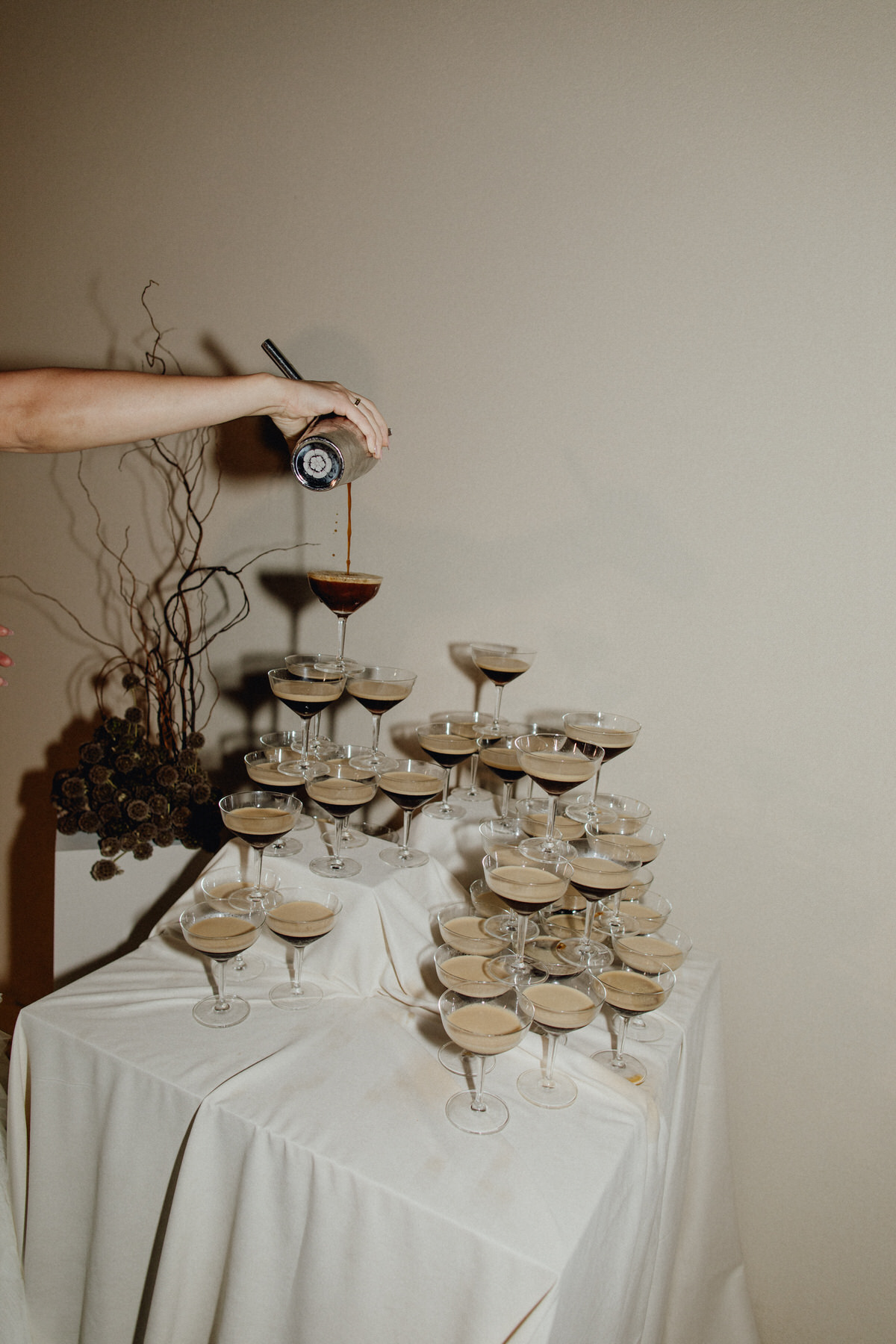
Above two photo by Joy Zamora, @joyzamoraphoto
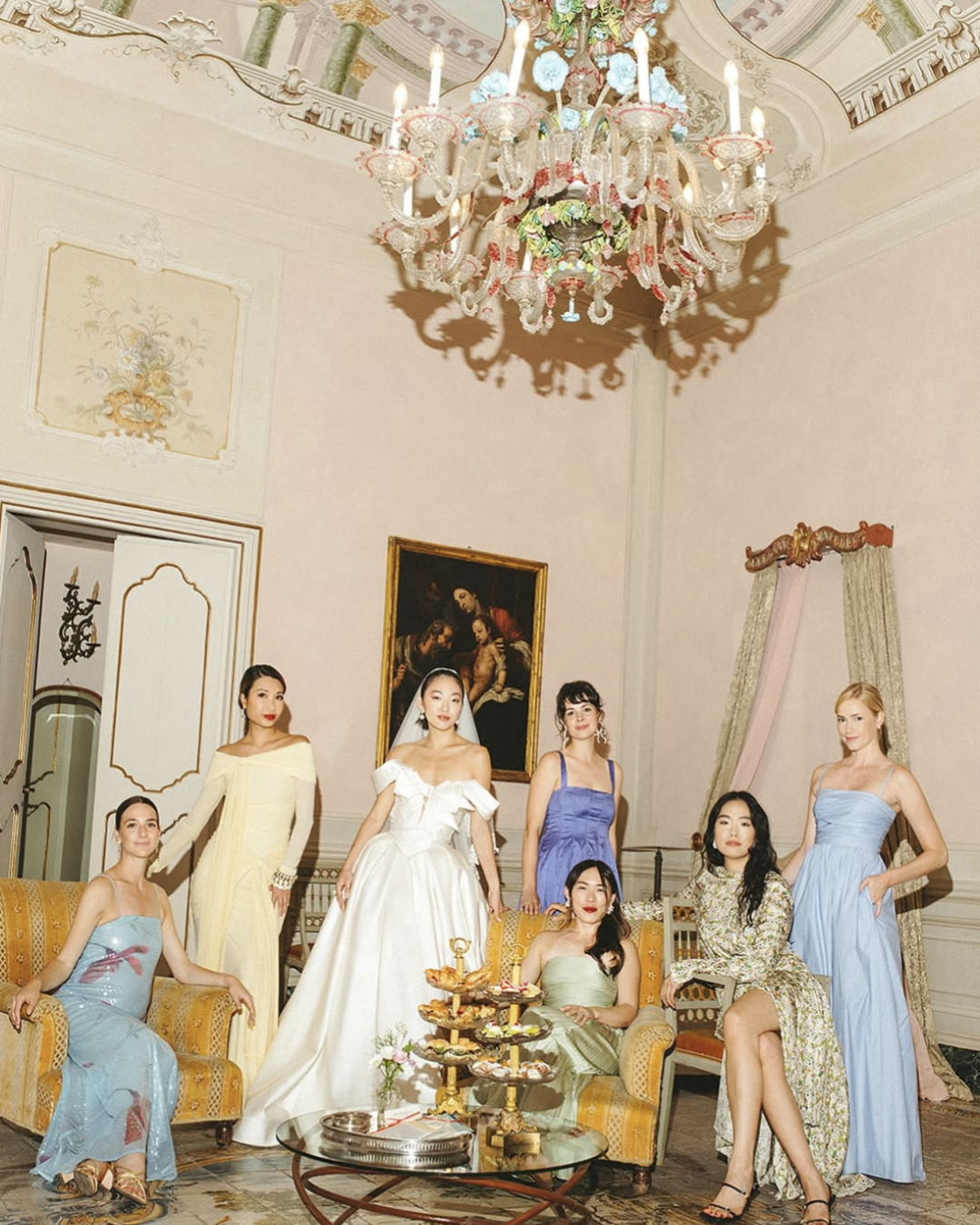
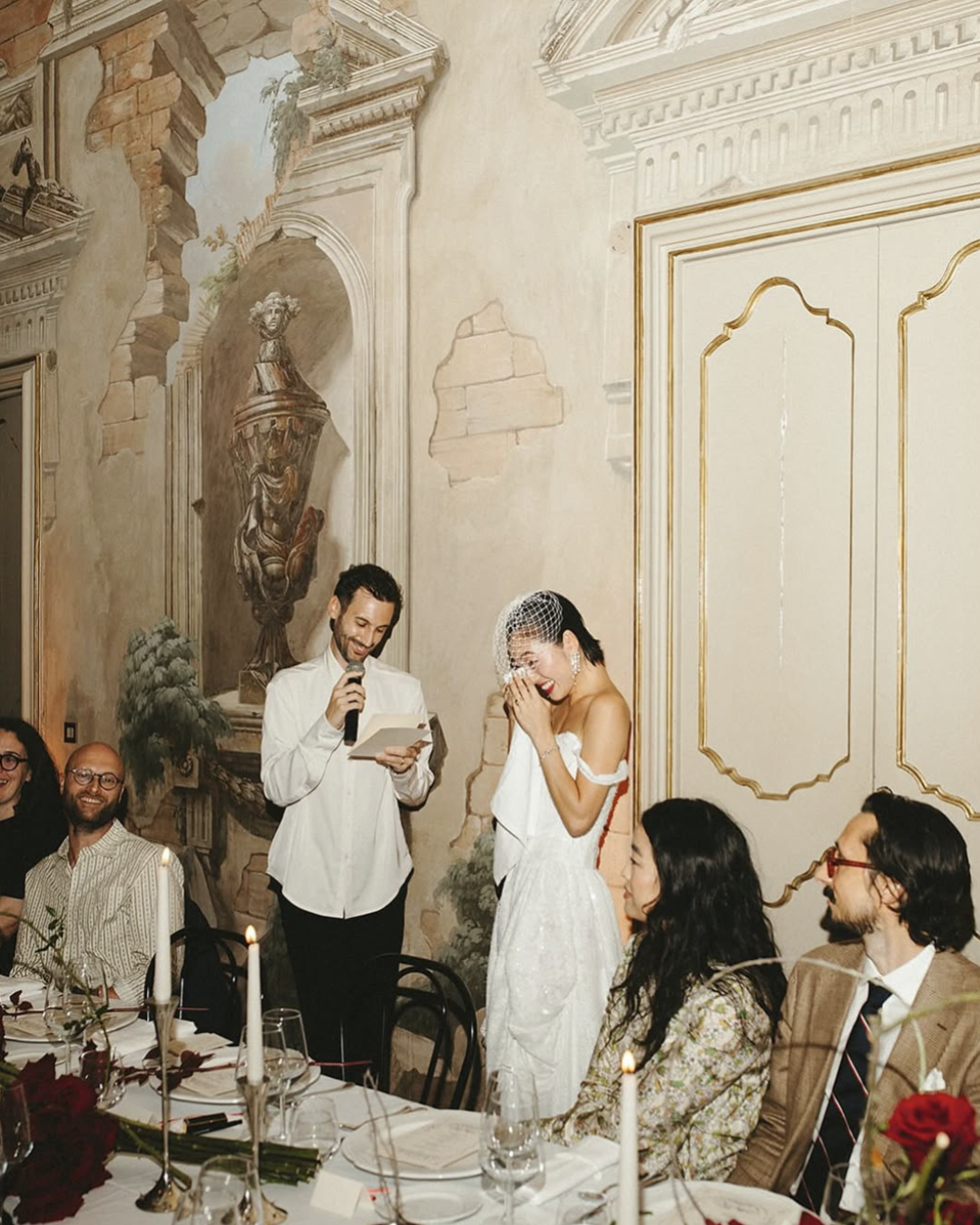
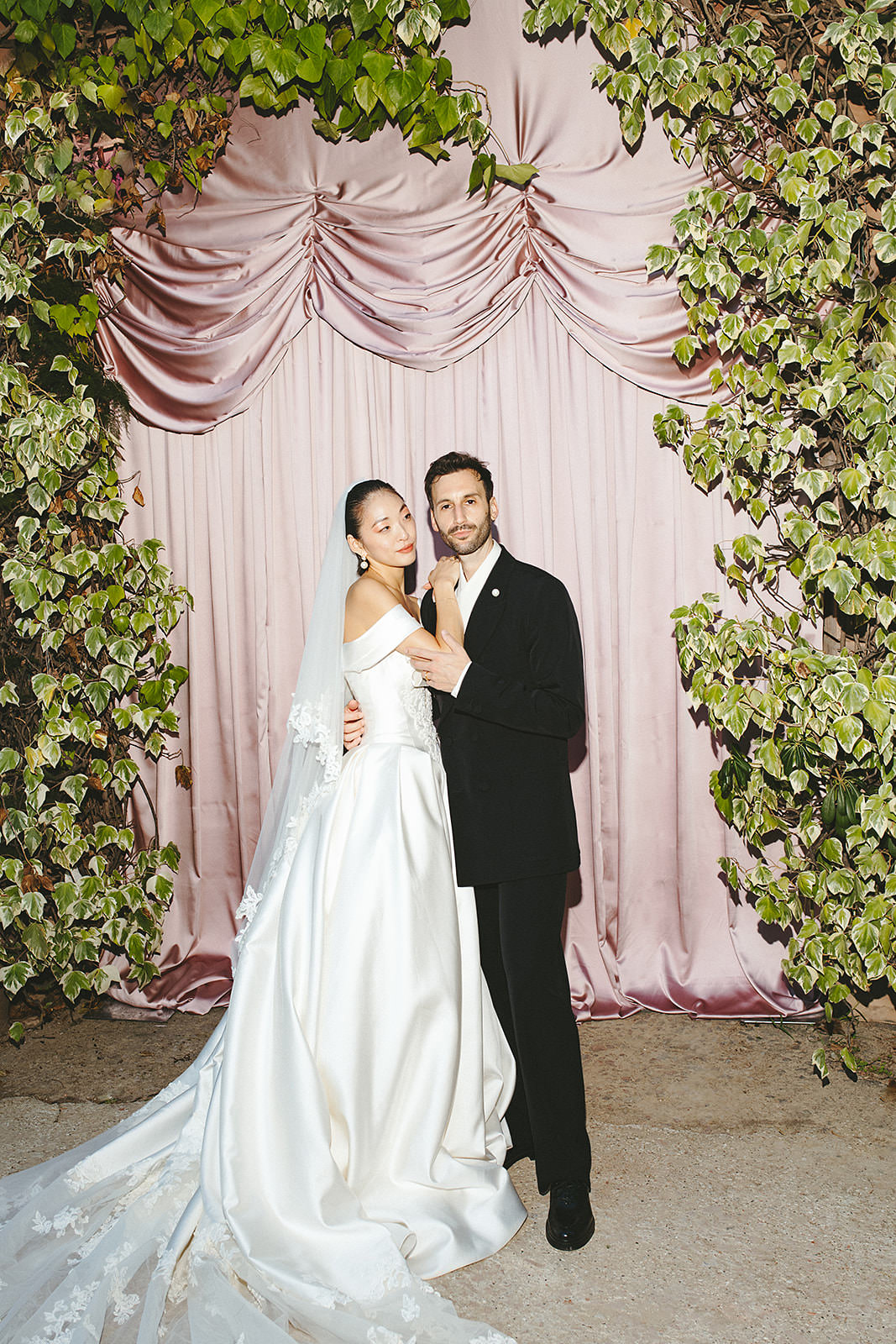
Above three photos by Svenja Petersen, @svenjapetersen_
You speak of relaxed luxury. How do you define luxury now, and what gives a celebration that quiet sense of refinement without being overdone?
Luxury, for me, is rooted in feeling – ease, clarity, and the confidence of being fully yourself. True luxury is knowing who you are and inhabiting that identity unapologetically. Once we stop forcing trends or ideas that don’t belong to us, everything starts to feel effortless.
This is where my aesthetic, luxe minimalism, comes in. Minimalism for me is not rigid or bare; it’s about focusing on what truly needs to be there, with each element carrying depth, texture, and quiet presence. Relaxed luxury then comes from clarity: materials that feel intentional, pacing that allows guests to breathe, and environments that feel elevated and visually impactful but without spectacle. It’s about resonance — a calm, considered confidence you feel the moment you arrive.
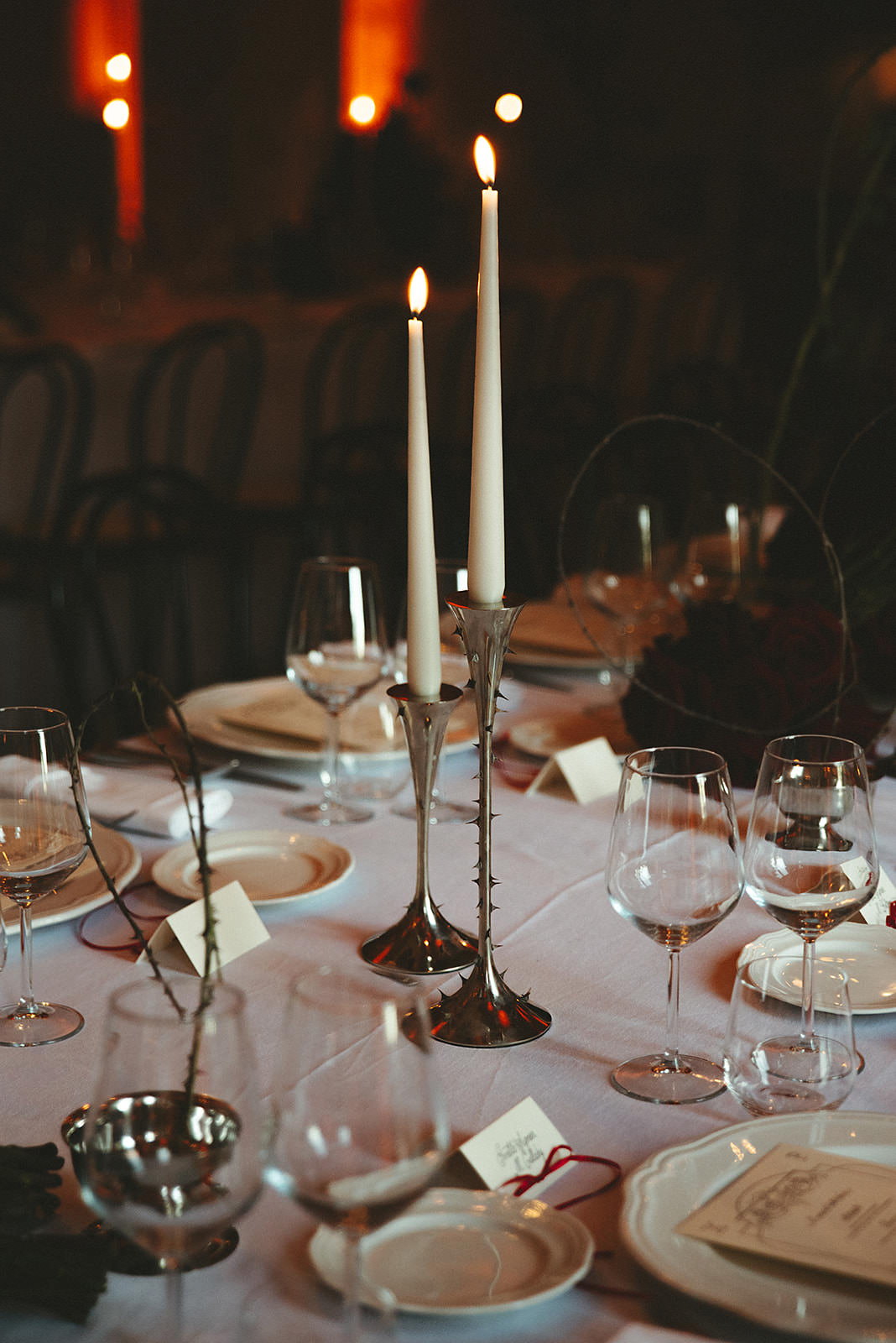
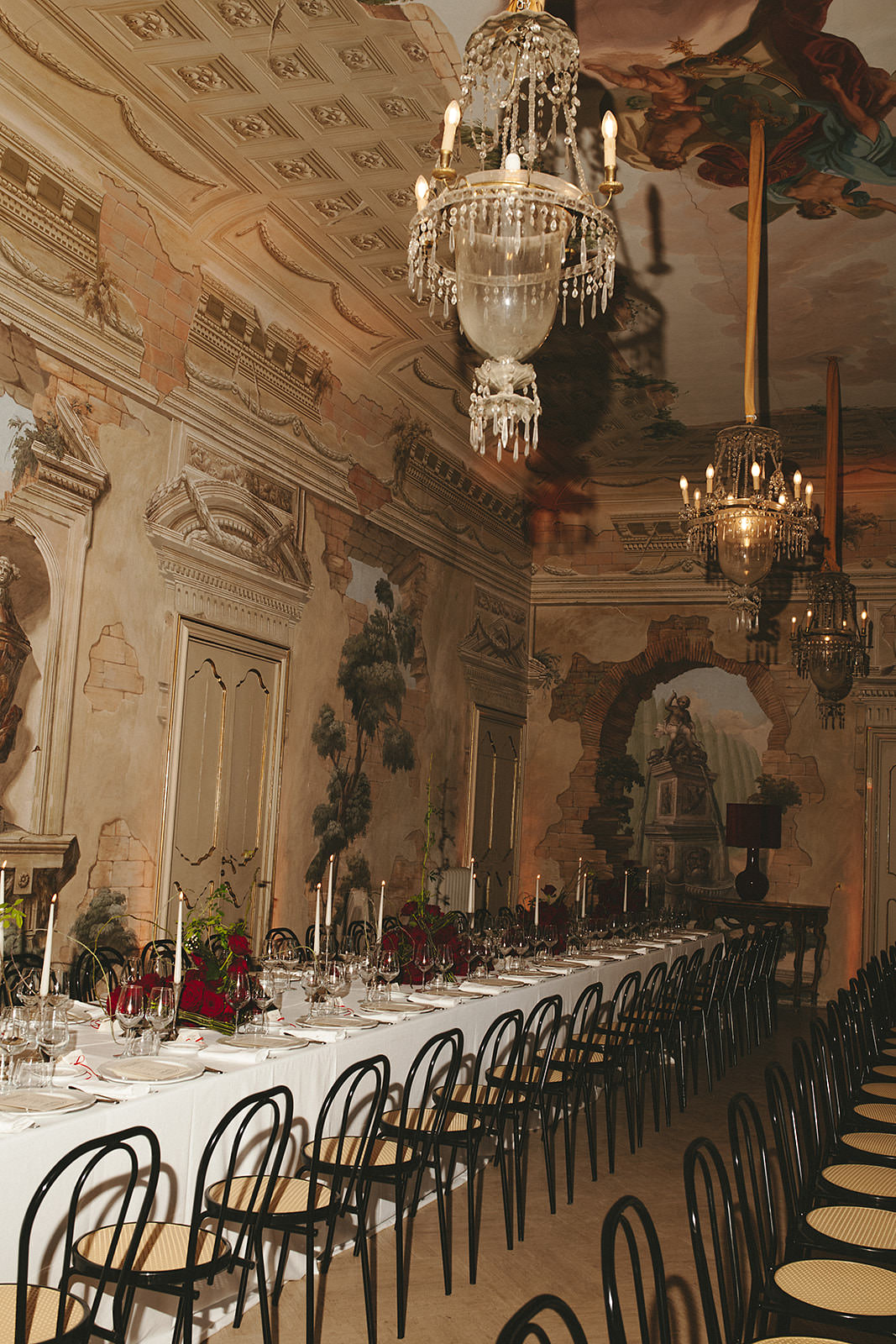
Let’s play for a moment. If the All Things Beautiful aesthetic could be imagined into any event for any couple, in any location. What kind of an event would it be, where would it be and who would be your dream couple to work with?
In its purest form, the All Things Beautiful aesthetic is architectural and curated. I imagine a space where design is already doing a lot of the work: a historic villa with clean lines above the sea, or a contemporary cultural space set against a dramatic landscape — spaces with strong visual identity that don’t need dressing or „transforming“.
The atmosphere would feel curated rather than constructed – sculptural florals, refined tablescapes, a sense of pacing that unfolds with confidence. Guests move through the space the way one might move through a beautifully designed home or gallery: naturally, with awareness and ease. That’s where luxe minimalism lives for me, not less, but precisely enough, chosen with clarity.
The couple would be cosmopolitan and attuned to design. The kind of people who choose hotels for the architecture, who recognize a chair by its silhouette, who appreciate good lighting and thoughtful detail. They love fashion, but not for the label – for the cut, the fabric, the history, the way something lives on the body. It’s quiet confidence, lived-in elegance, quality that doesn’t need to declare itself.
In that context, the wedding becomes immersive – architectural, atmospheric, elegant without effort. Not showy, not minimal for the sake of restraint – but stylish in a way that feels inevitable and completely their own.
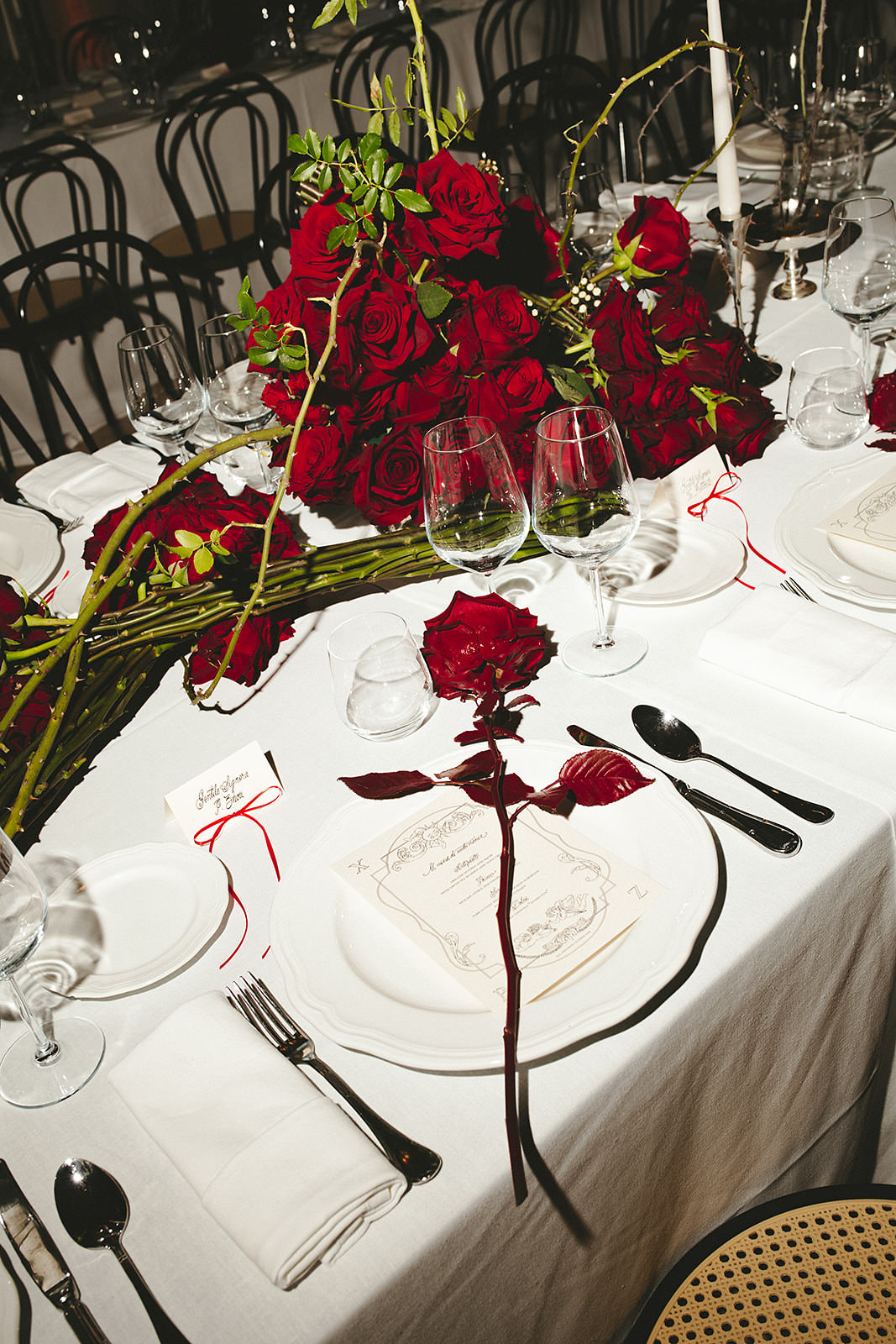
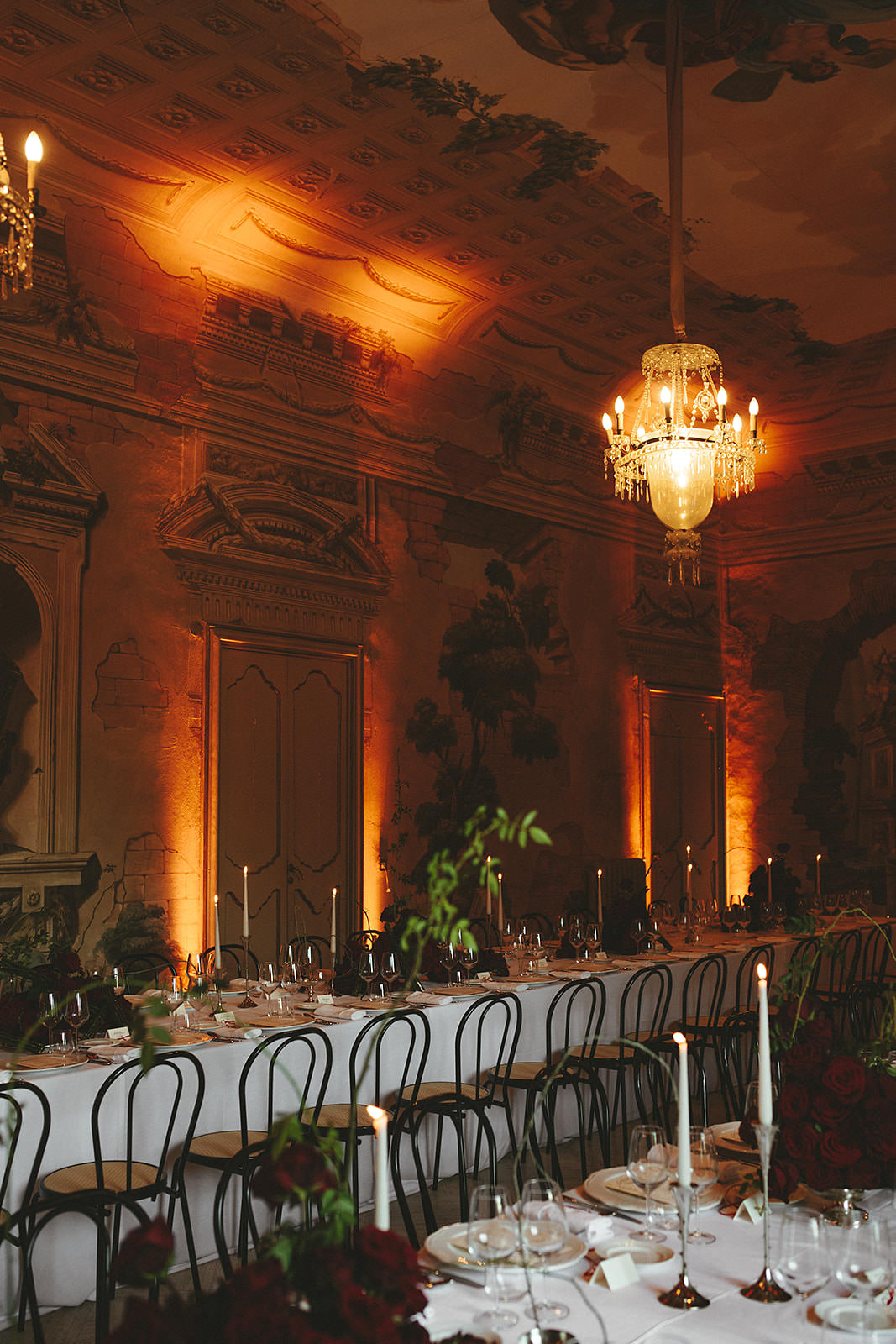
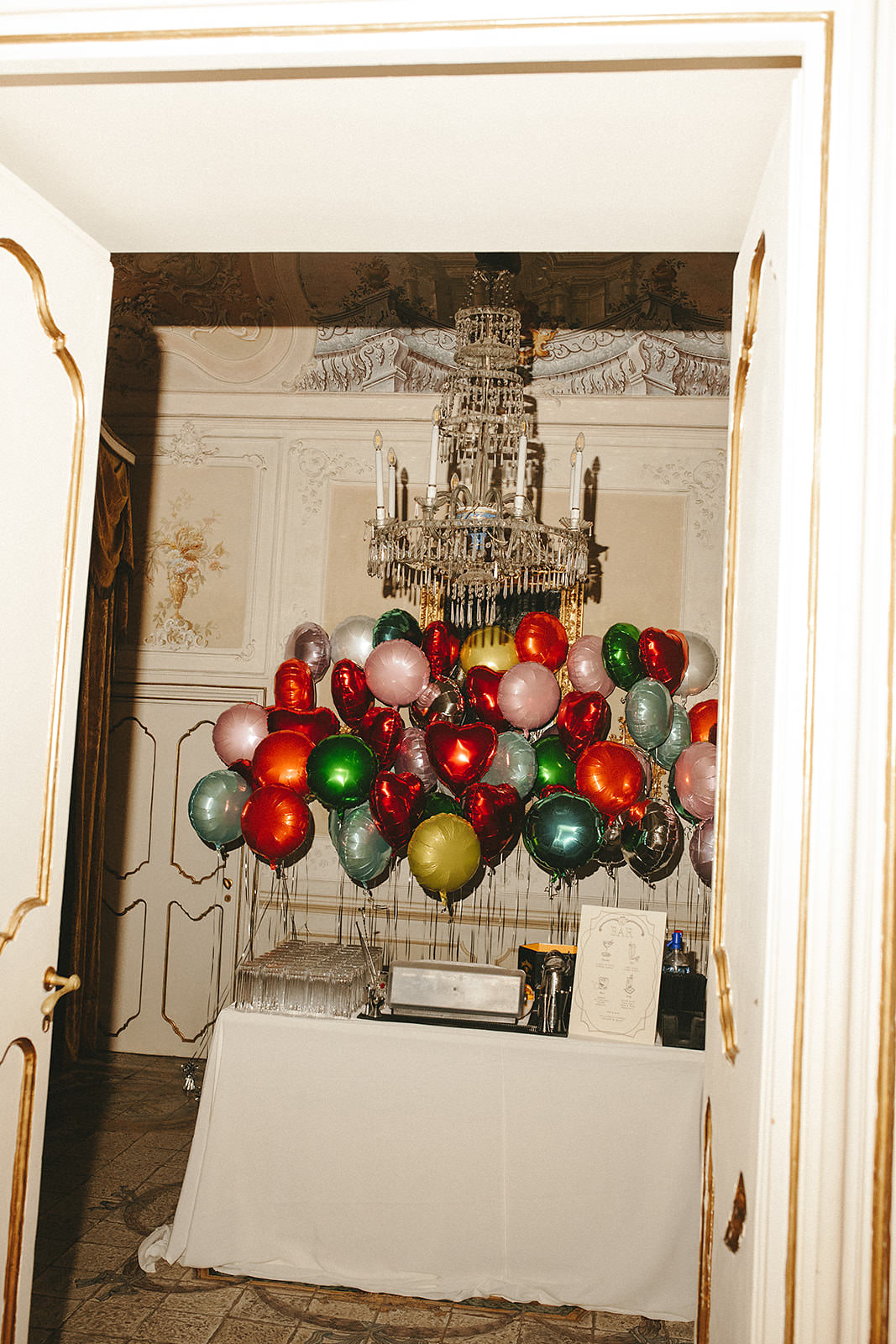
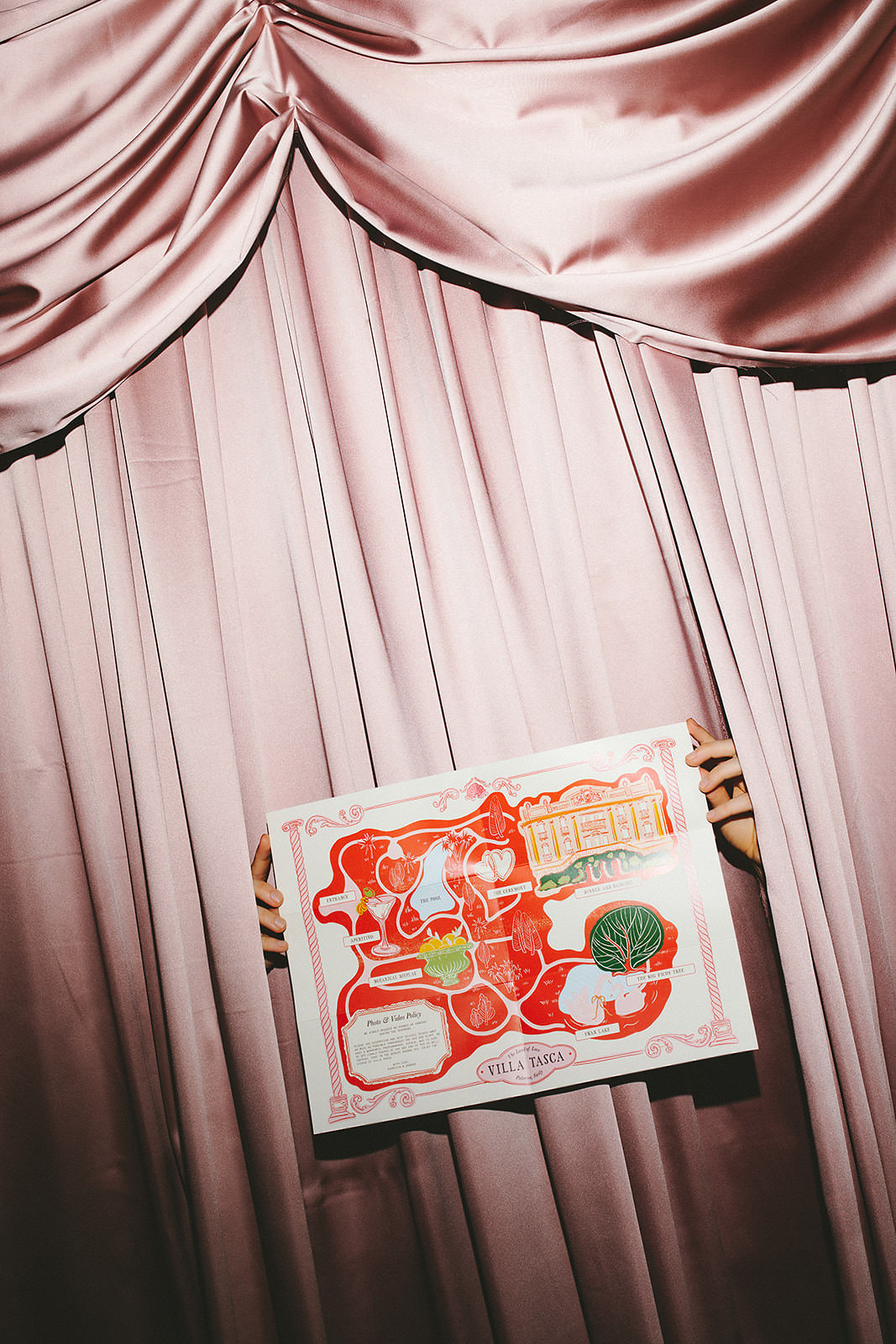
Above seven photos by Svenja Petersen, @svenjapetersen_
Many couples know how they want their wedding to feel, but may not have the visual language to express it. How do you draw out their essence and translate it into design?
Most couples know how they want their wedding to feel, even if they can’t yet articulate it visually. Here I focus on listening – how they see themselves, how they move through the world, what draws their attention. I start with asking them to prepare two visual boards of images that represent each of them – interiors, fashion, street style, vintage cars, restaurants, anything that captures the aesthetic they inhibit. These boards are often more revealing than traditional wedding inspiration, because they show what will make the celebration feel unmistakably theirs. From there, I translate these cues into composition: the flow of the space, placement of tables, interplay of light and shadow, and curated moments. The goal is for guests to walk in and think, ‘Oh my, this is so them!’ It’s less about creating a look, and more about revealing it.
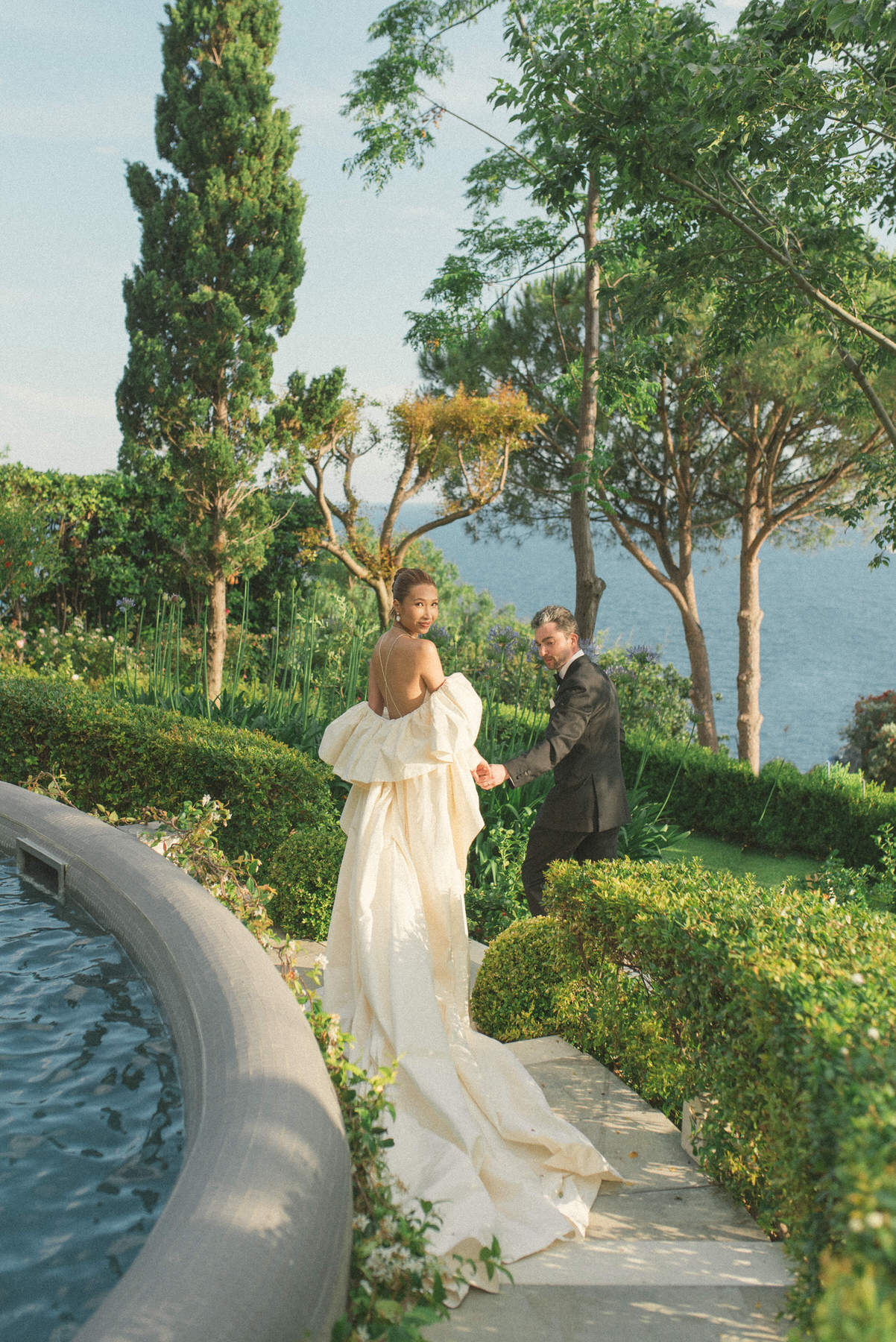
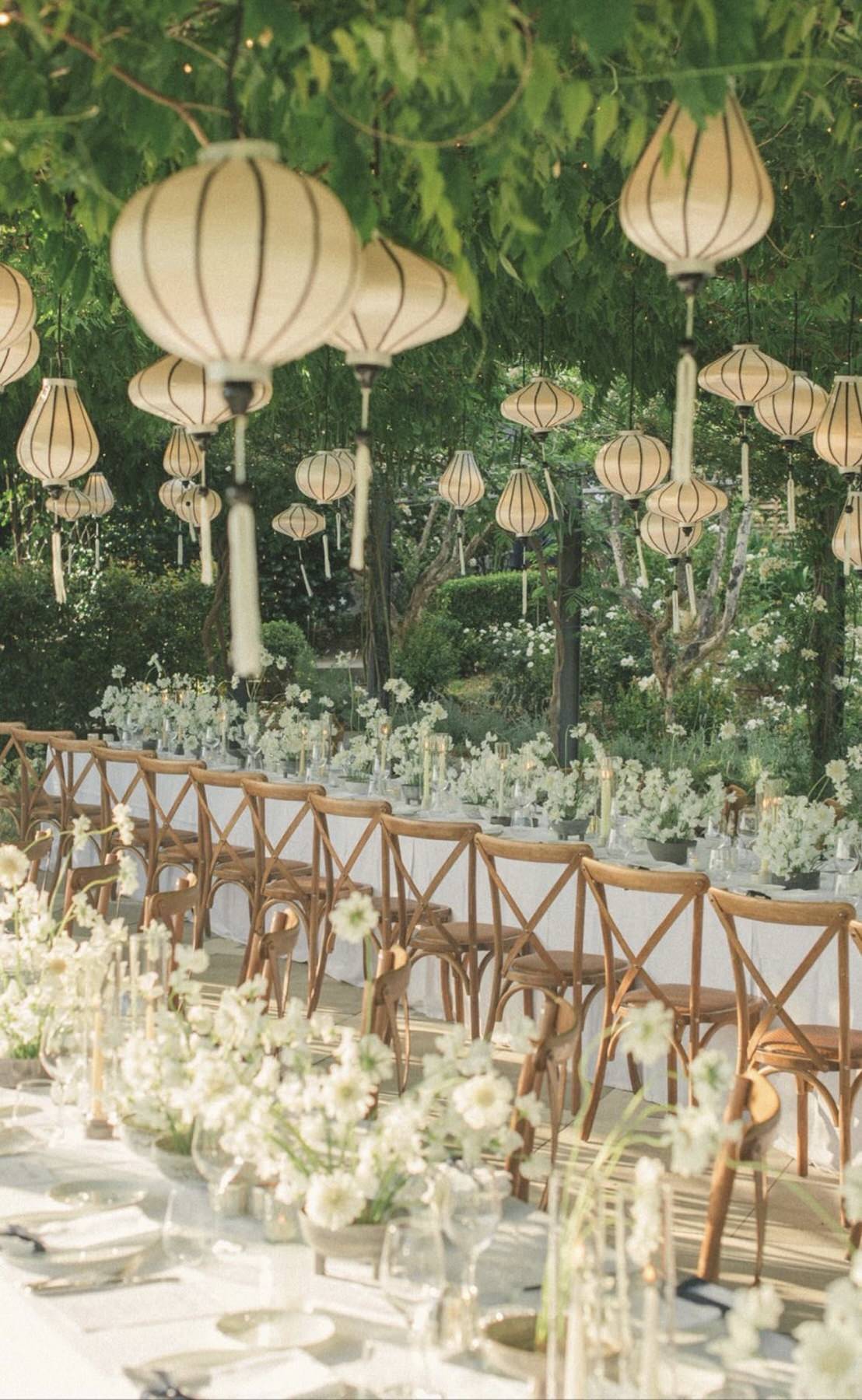
You are known for leading trends rather than following them. What emerging ideas in destination weddings excite you most right now, and where do you feel the future of wedding design is heading?
I’m excited by weddings that set a clear tone from the start and frame the experience as a sequence of thoughtful, immersive moments. I love seeing couples embrace non-traditional solutions and draw inspiration from outside the wedding world: from art, fashion, architecture, and design. They’re exploring previously untapped areas: curating signature scents for tables, experimenting with immersive audio-visual experiences, and rethinking movement and interaction through a space. The key is that these innovations enhance the celebration of two people, without a breathless chase for virality. It’s about crafting moments that feel considered, personal, and unforgettable.
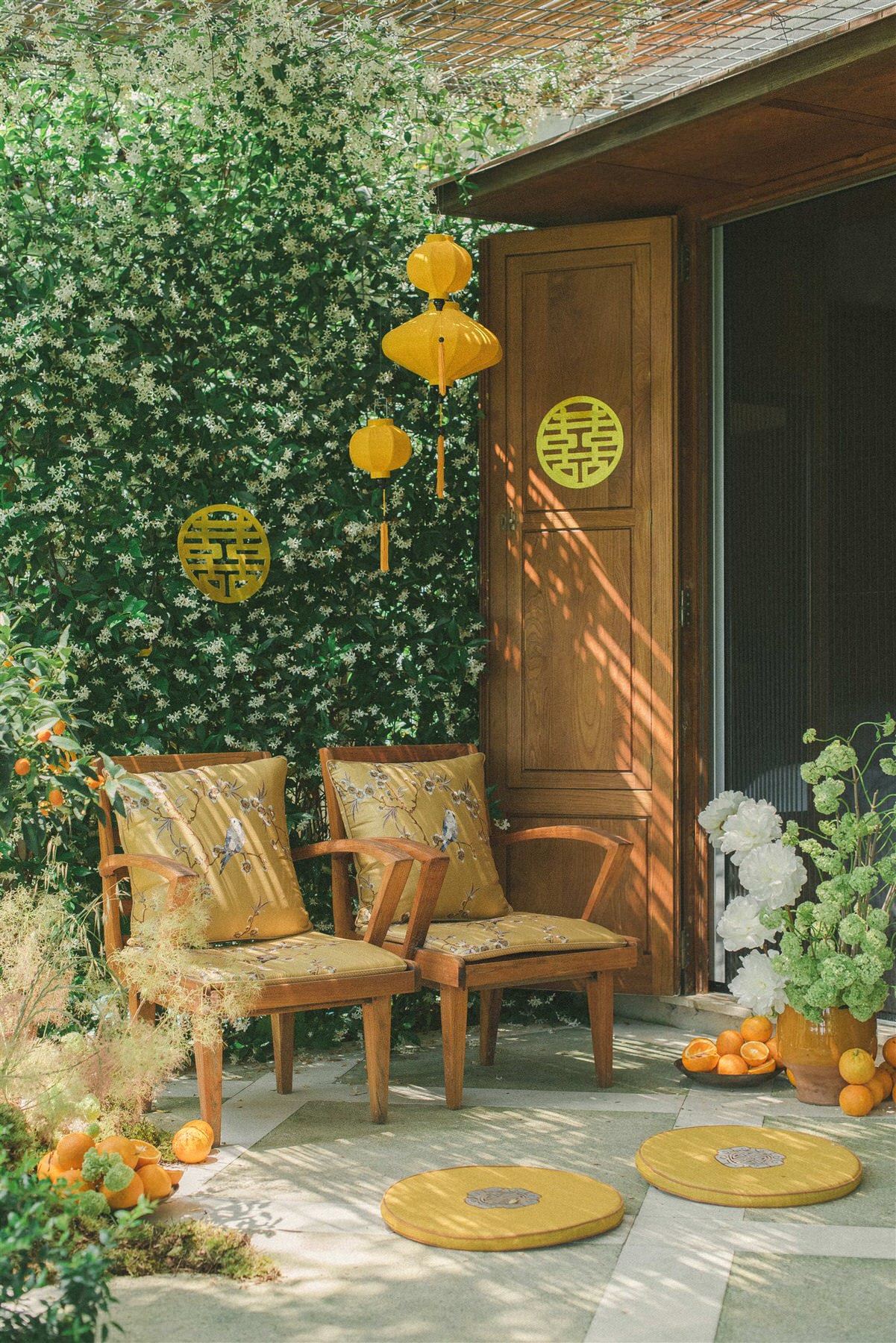
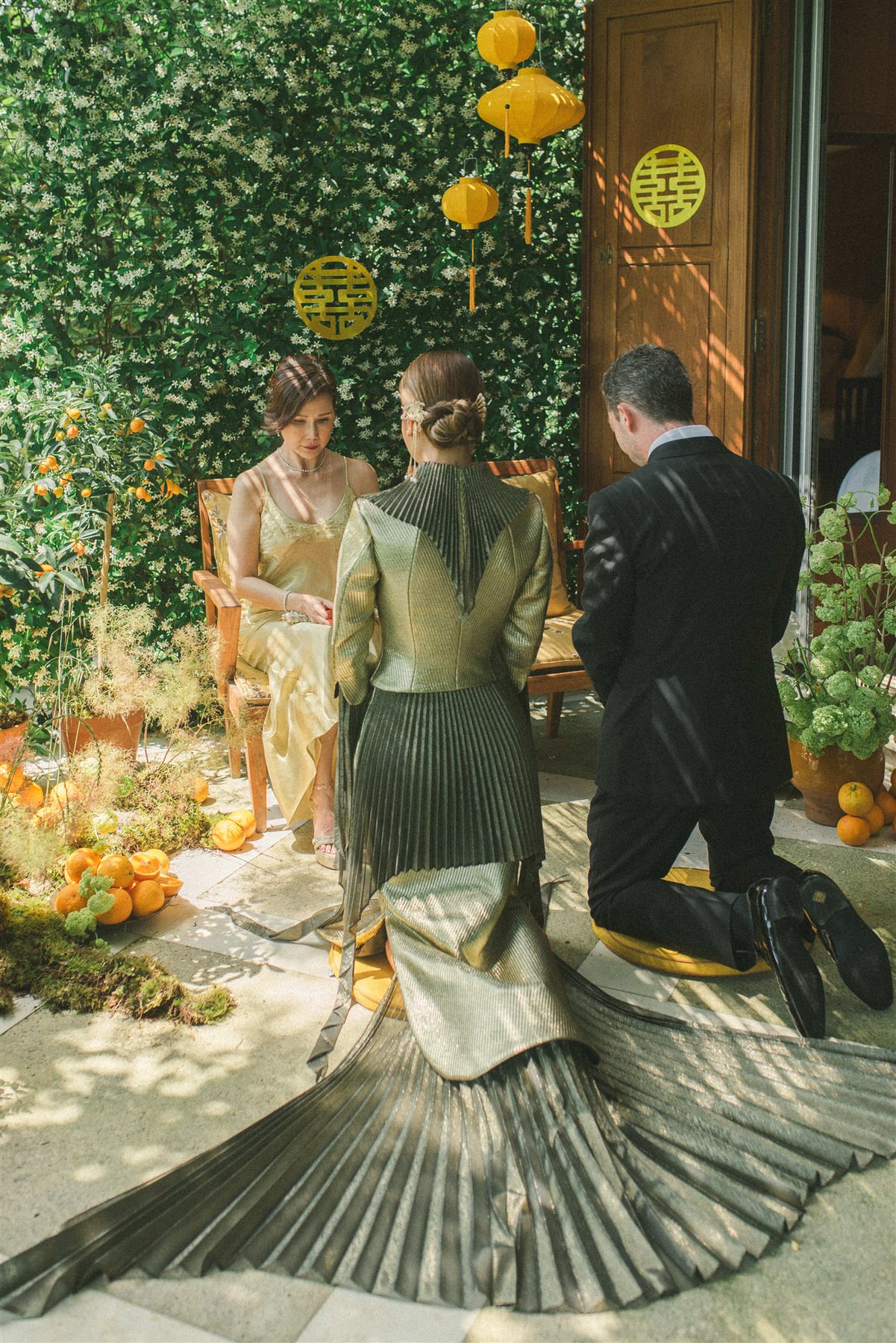
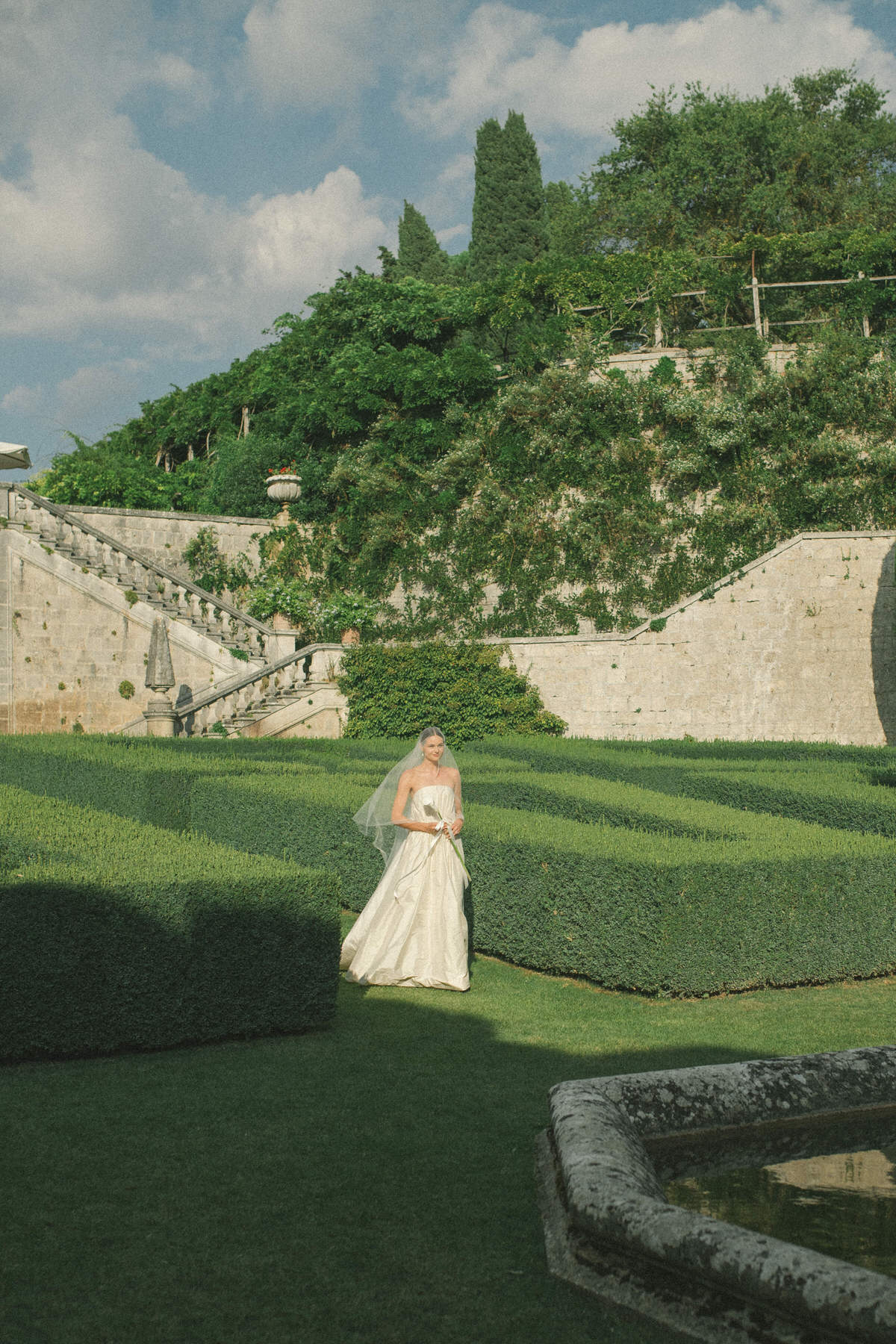
What key piece/s of advice would you give to newly engaged couples about to embark on their destination wedding planning journey?
My key advice is to start with clarity about who you are and how you want to feel, before thinking about colors, flowers, or trends. A (destination) wedding is not just a beautiful set-up; it’s a reflection of who the two of you are, your life together and the experiences you want to share with your guests. When you understand your own taste and priorities, every decision becomes easier and more intentional.
I’m not saying you should avoid and ignore trends entirely; but any choice, whether popular at the time or unconventional, should always align with the greater vision you have for your celebration and who you are as a couple. When everything is in service of that vision, the design feels inevitable, tailored and deeply personal. The most visually striking weddings come from alignment – they make sense in that particular space, with these exact creative choices, for that specific couple.
And when it comes to the „destination“ part of destination weddings, don’t restrict yourself. You don’t need a pre-existing emotional connection to a place – sometimes it’s about discovering the perfect venue in an unexpected location. Lean on your planner to help uncover the essence of what you’re looking for, and let them guide you – whether that ends up being the country you first imagined, or somewhere completely different. Embrace the journey: part of the joy is exploring until you find the space that feels inevitable, inspiring, and perfectly yours.
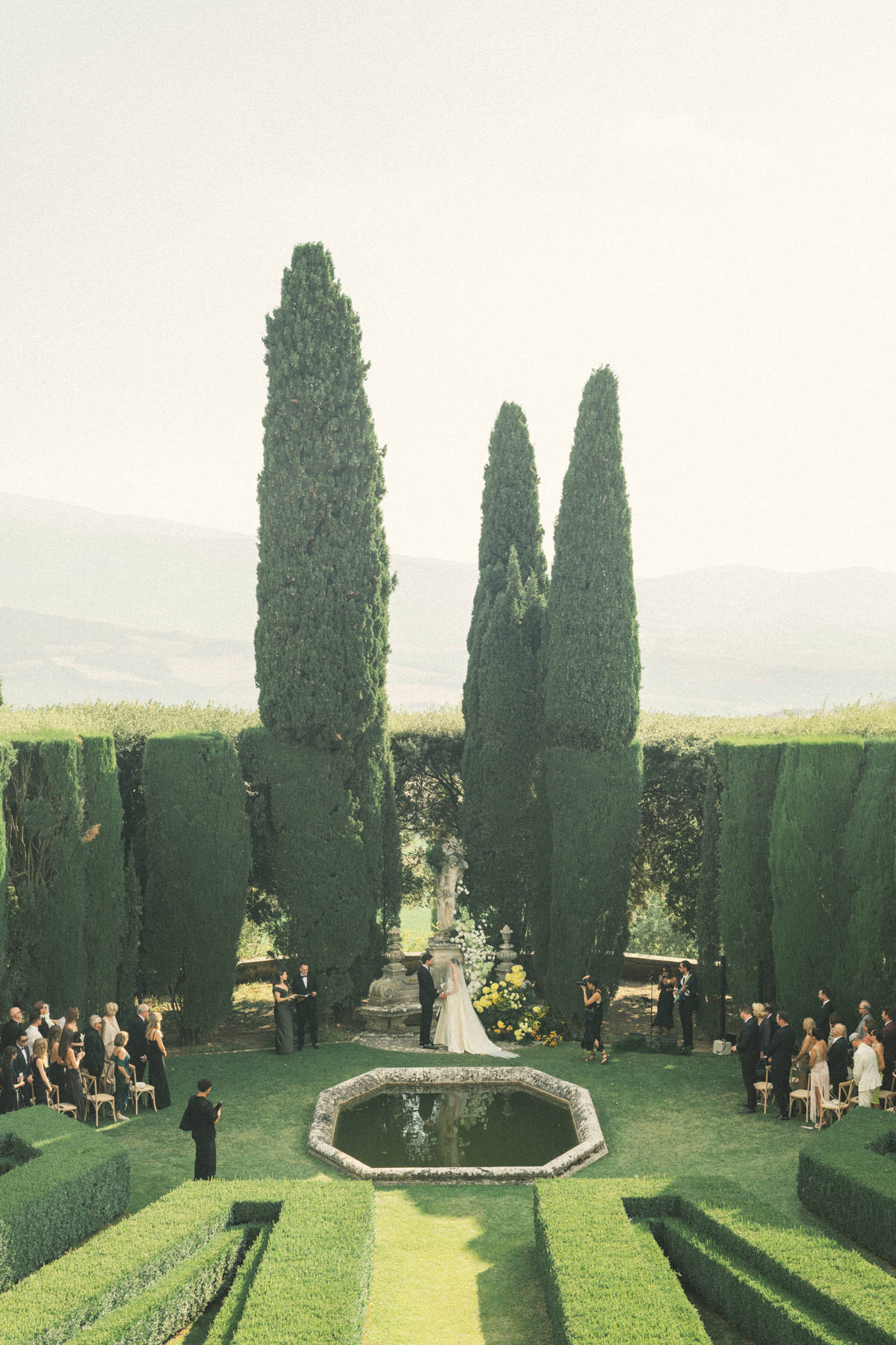
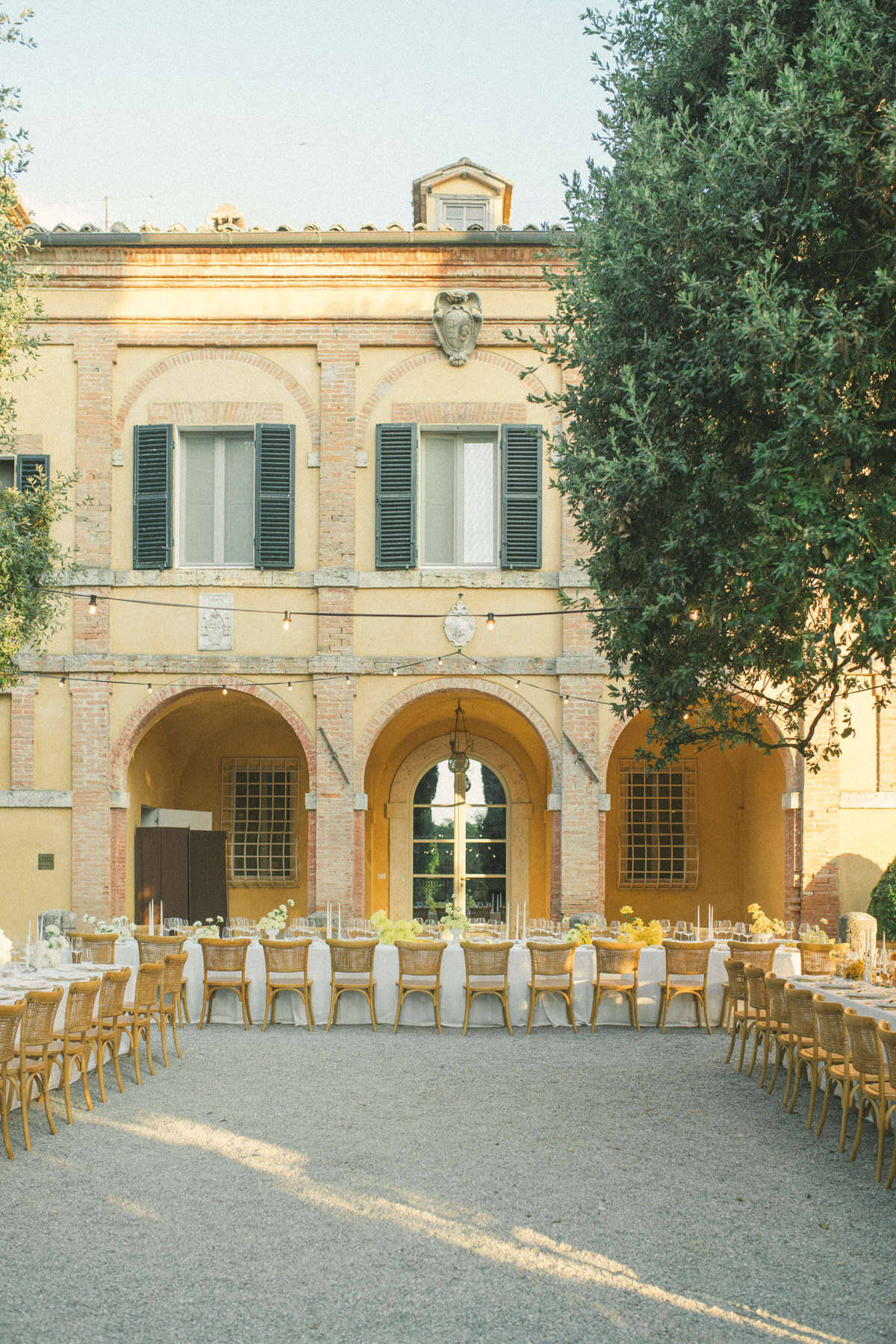
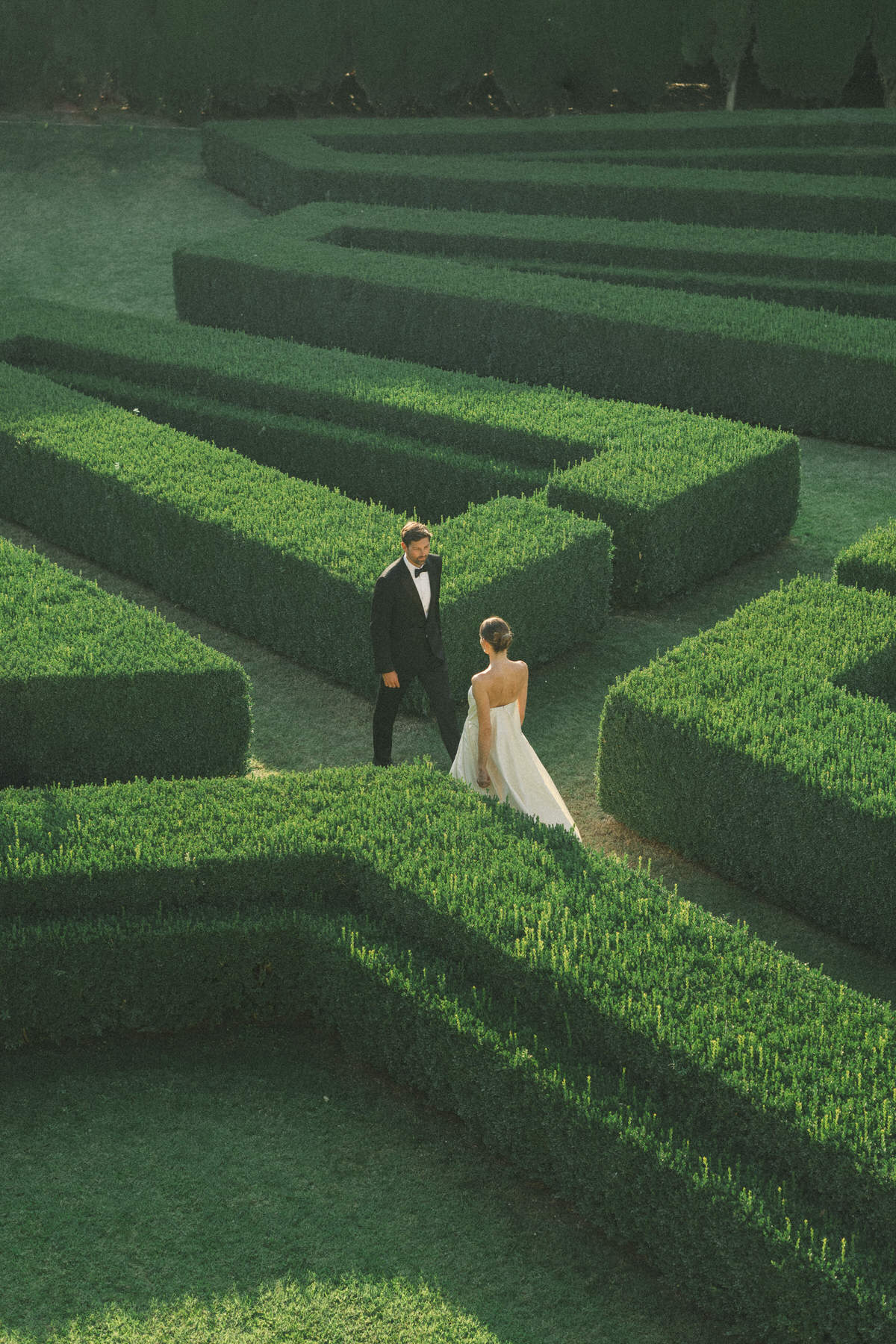
Above photos by La Dichosa, @ladichosa
Discover more by exploring atbweddings.com and @allthingsbeautifulweddings.
PHOTOGRAPHY CREDITS: Bosque Concepts, @bosqueconcepts; Joy Zamora, @joyzamoraphoto; Freda Banks, @fredabankswed; Svenja Petersen, @svenjapetersen_; La Dichosa, @ladichosa