Redefining the language of luxury cakes
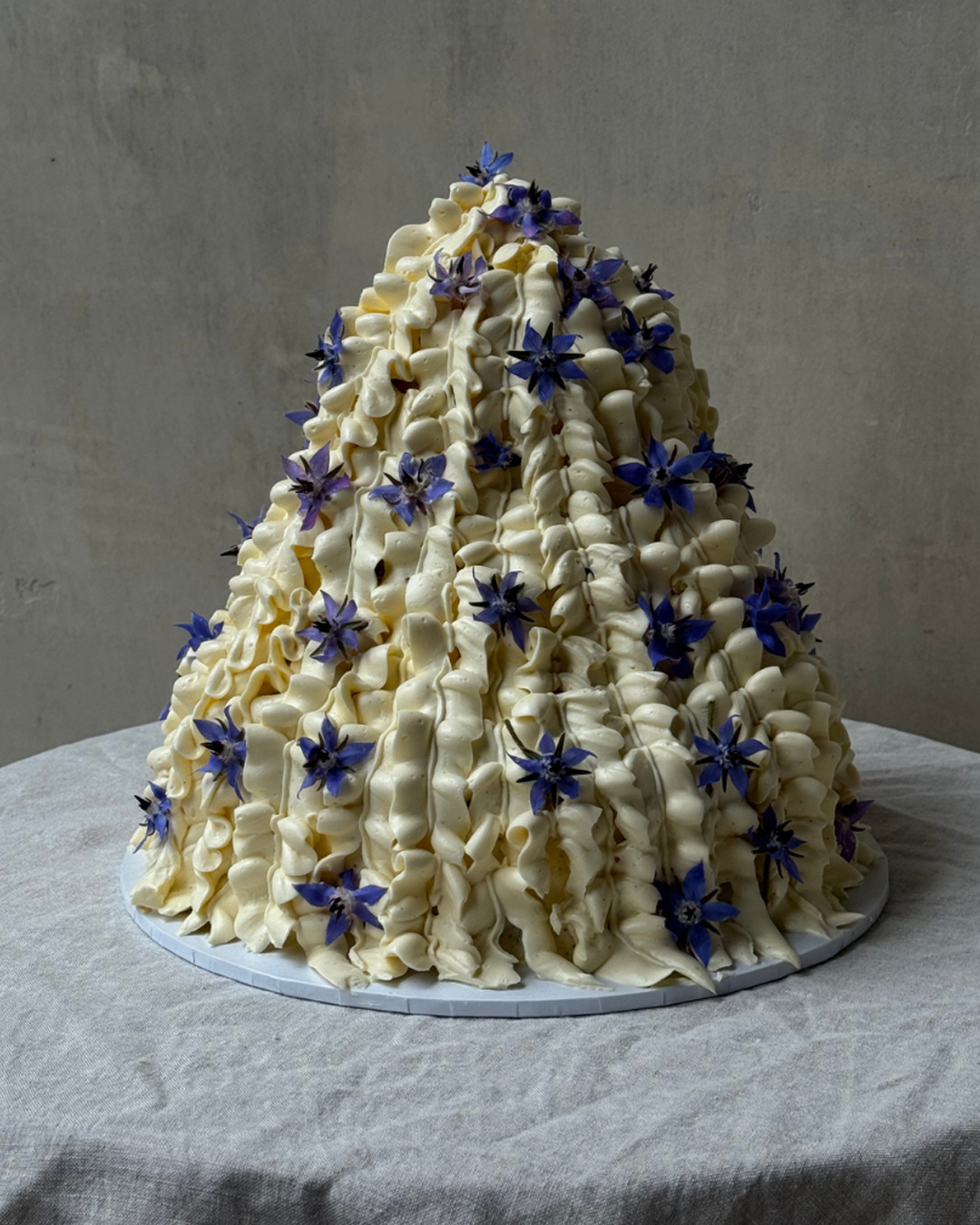
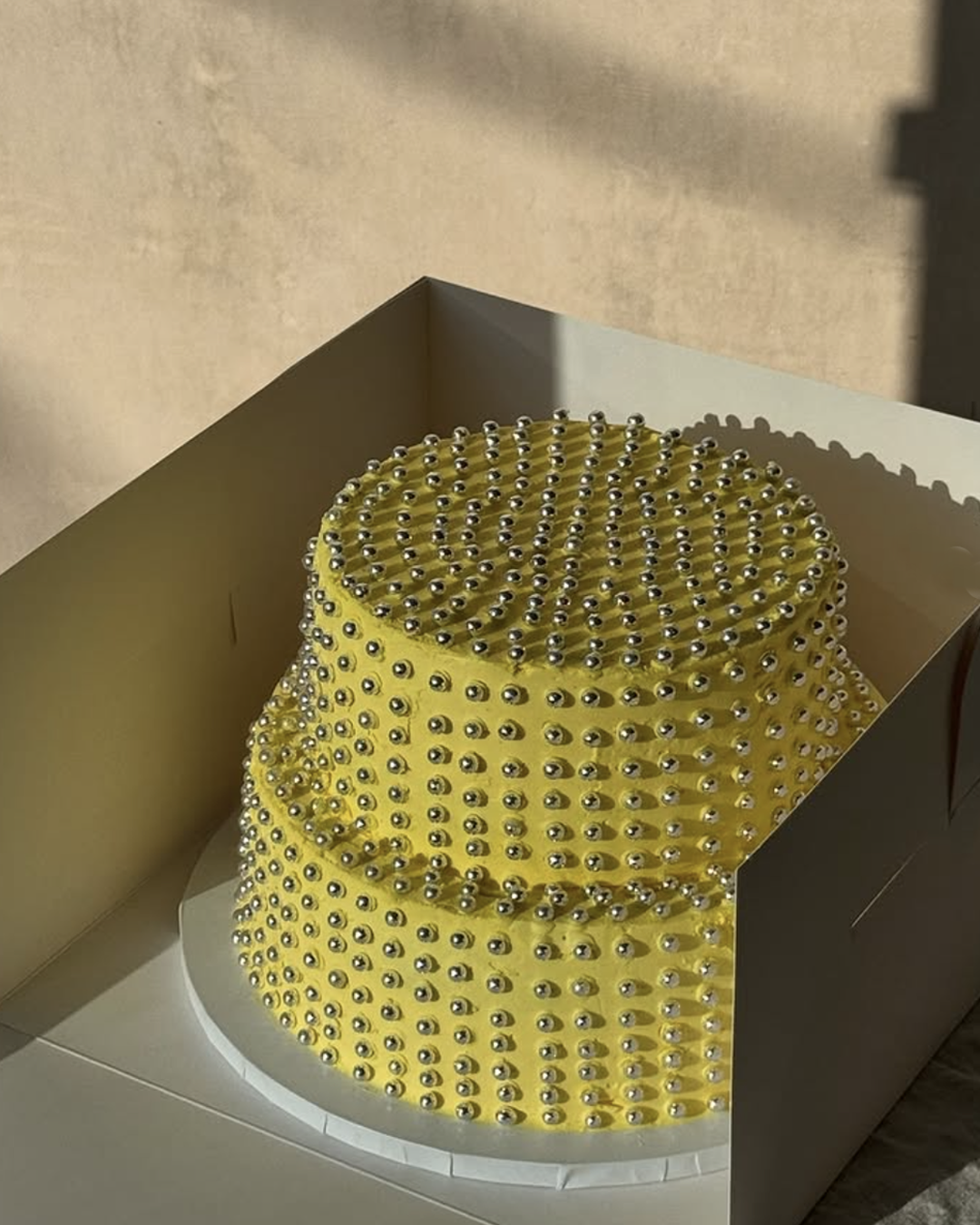
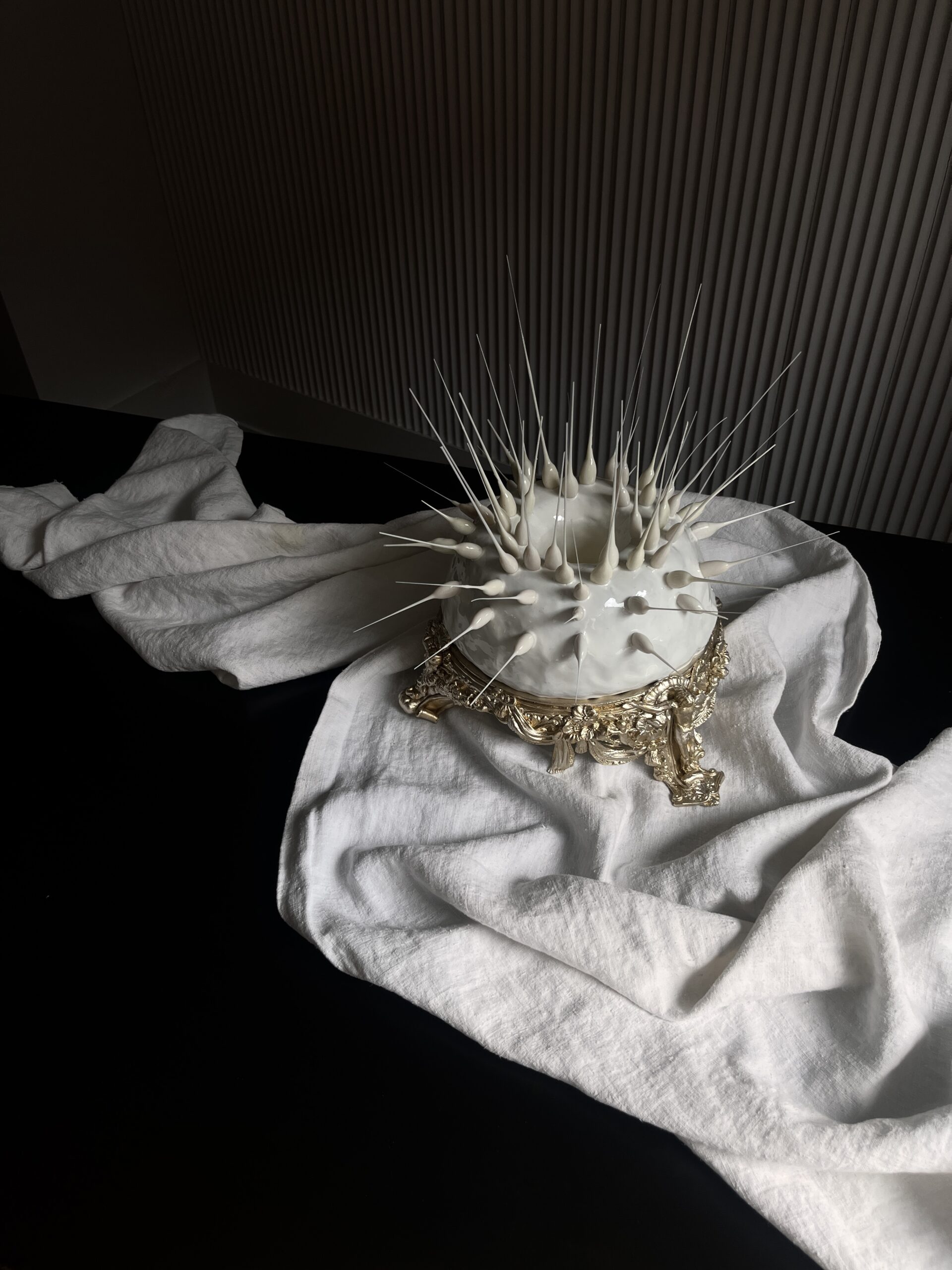
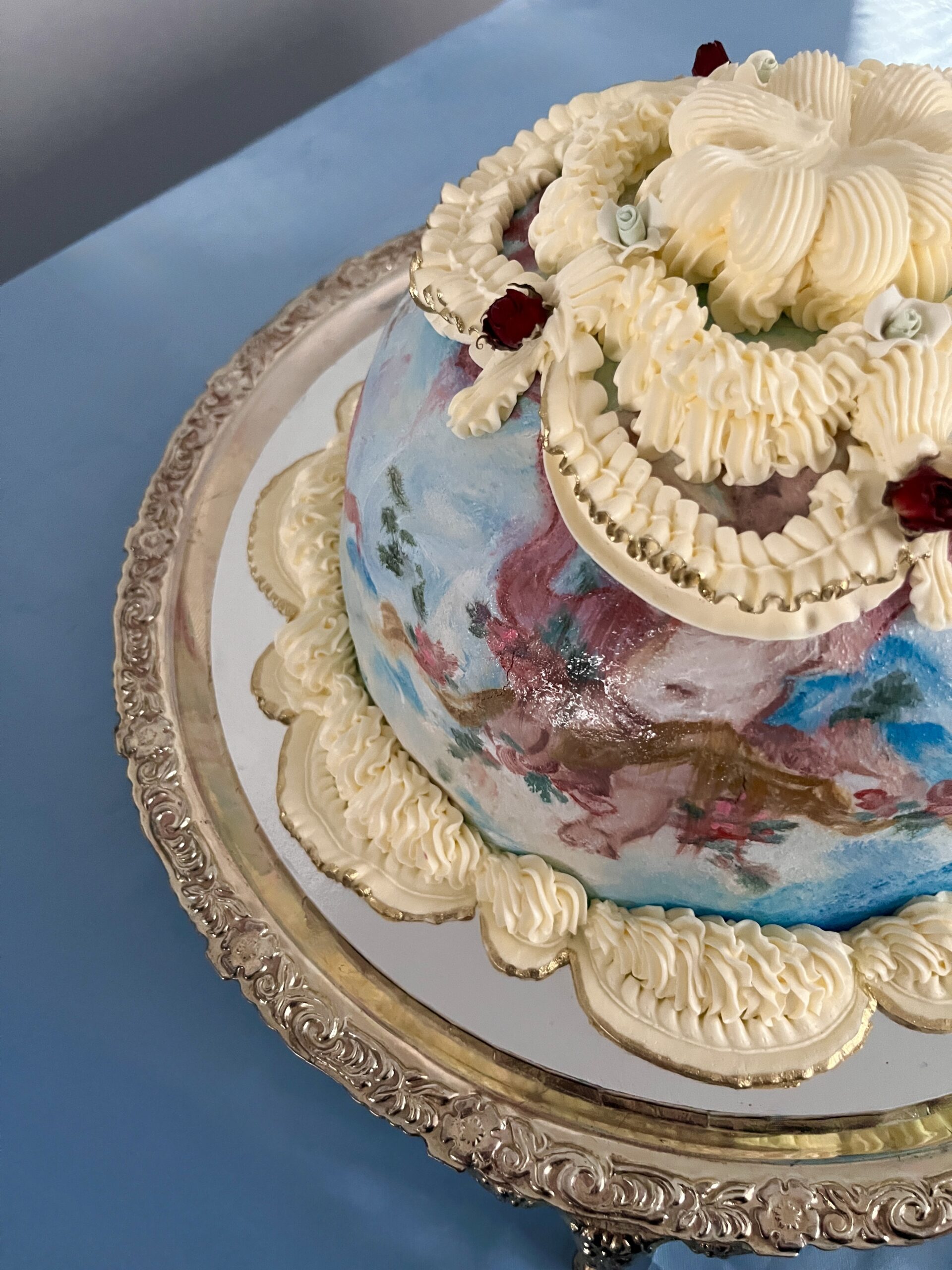
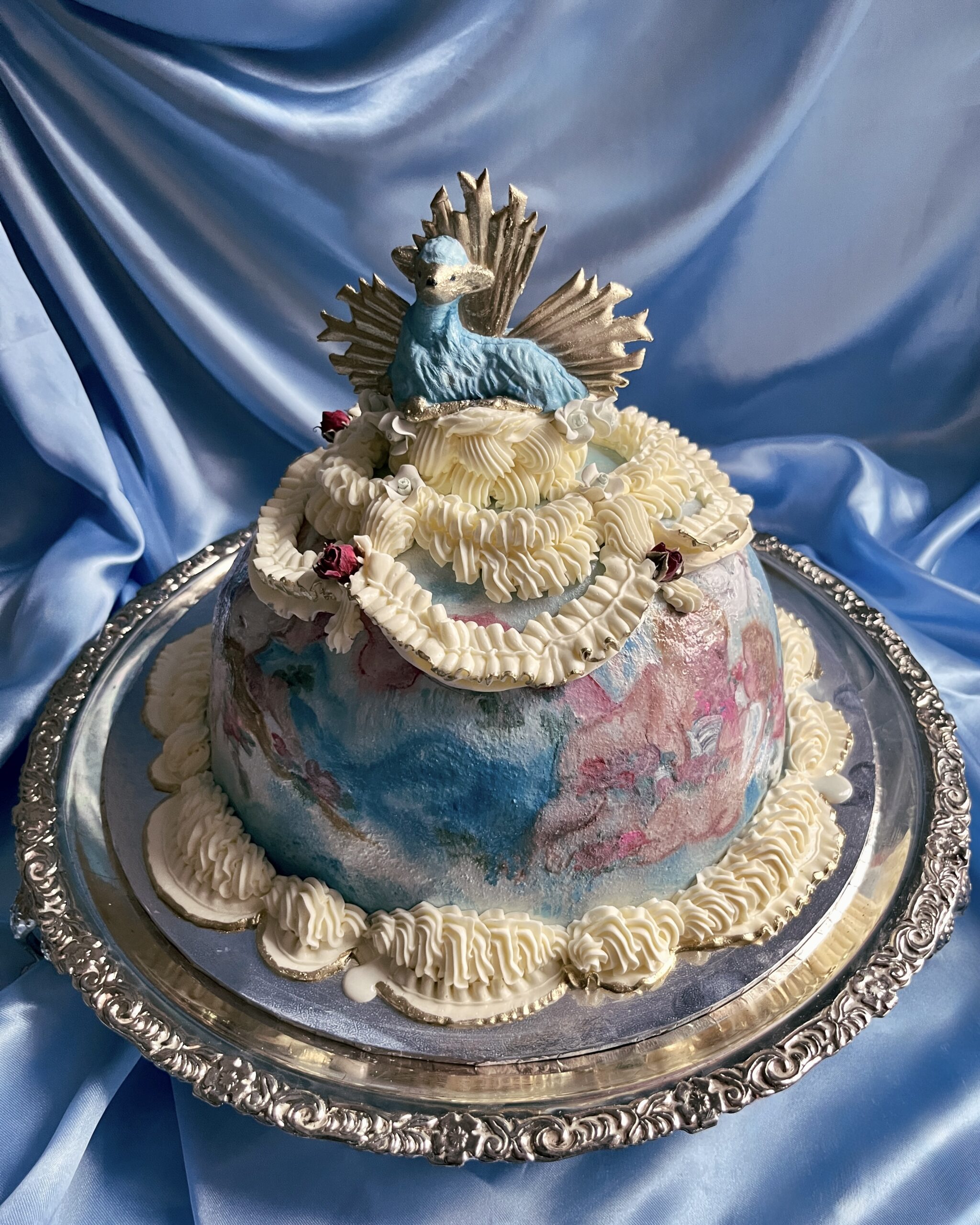
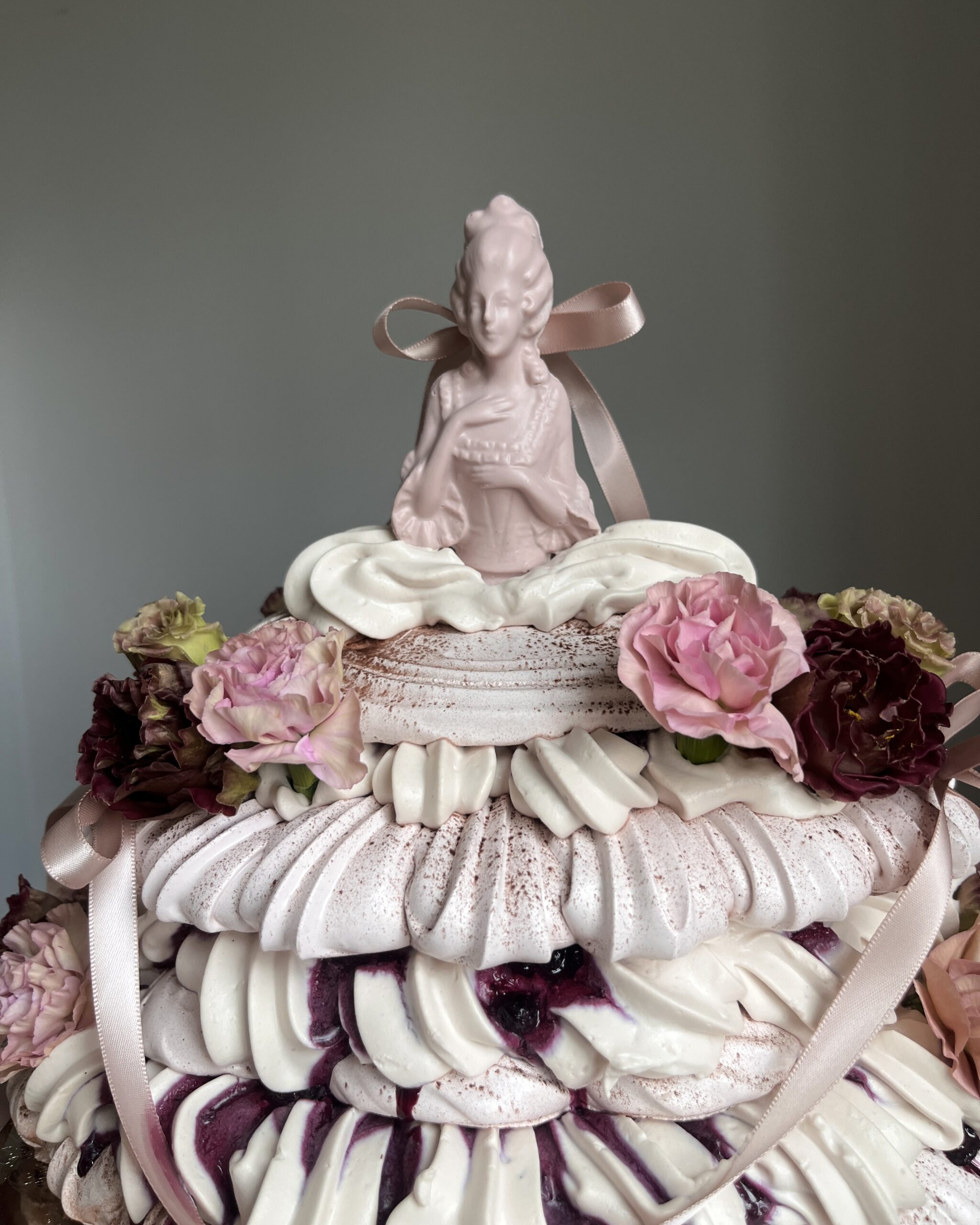
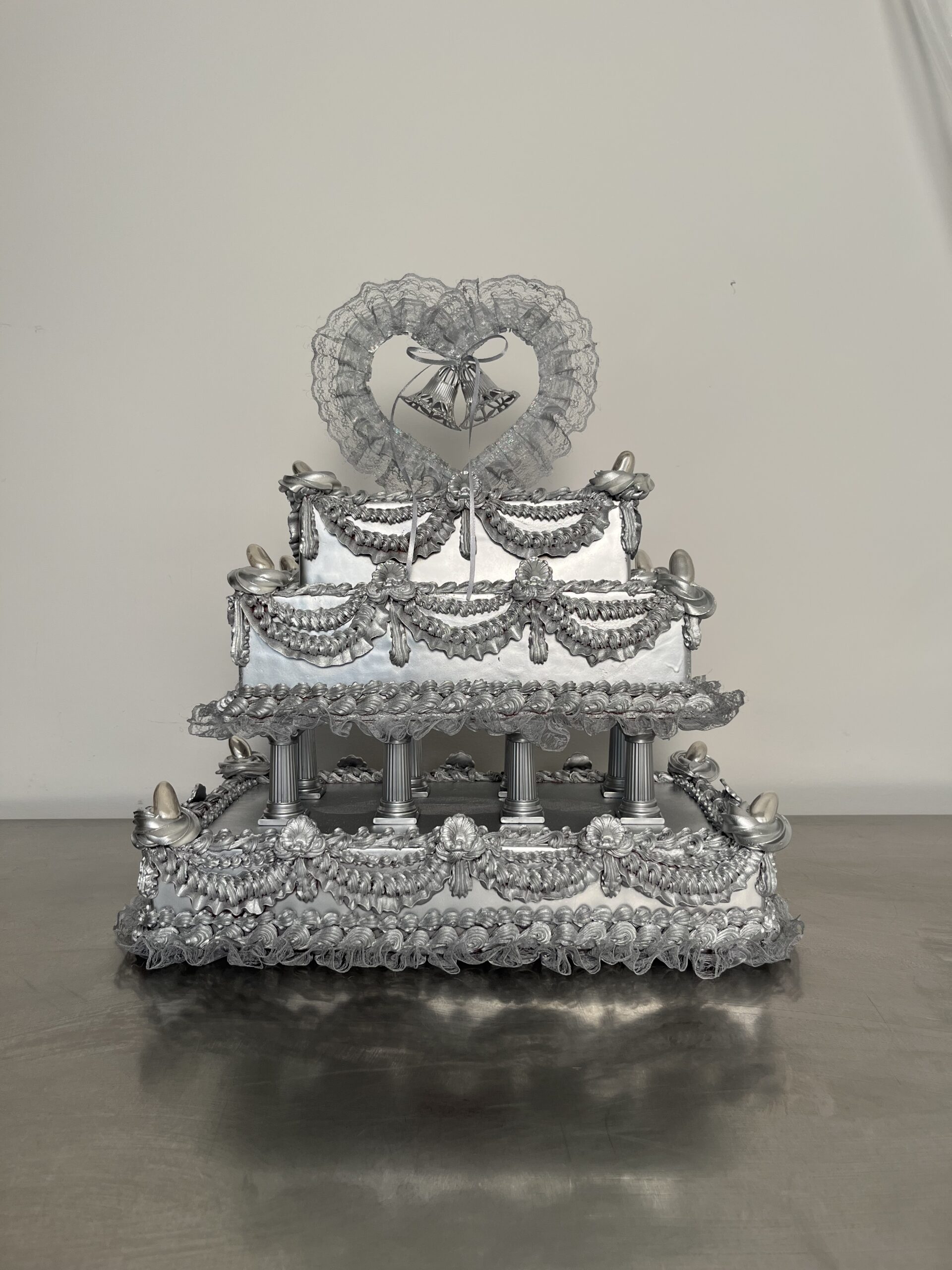
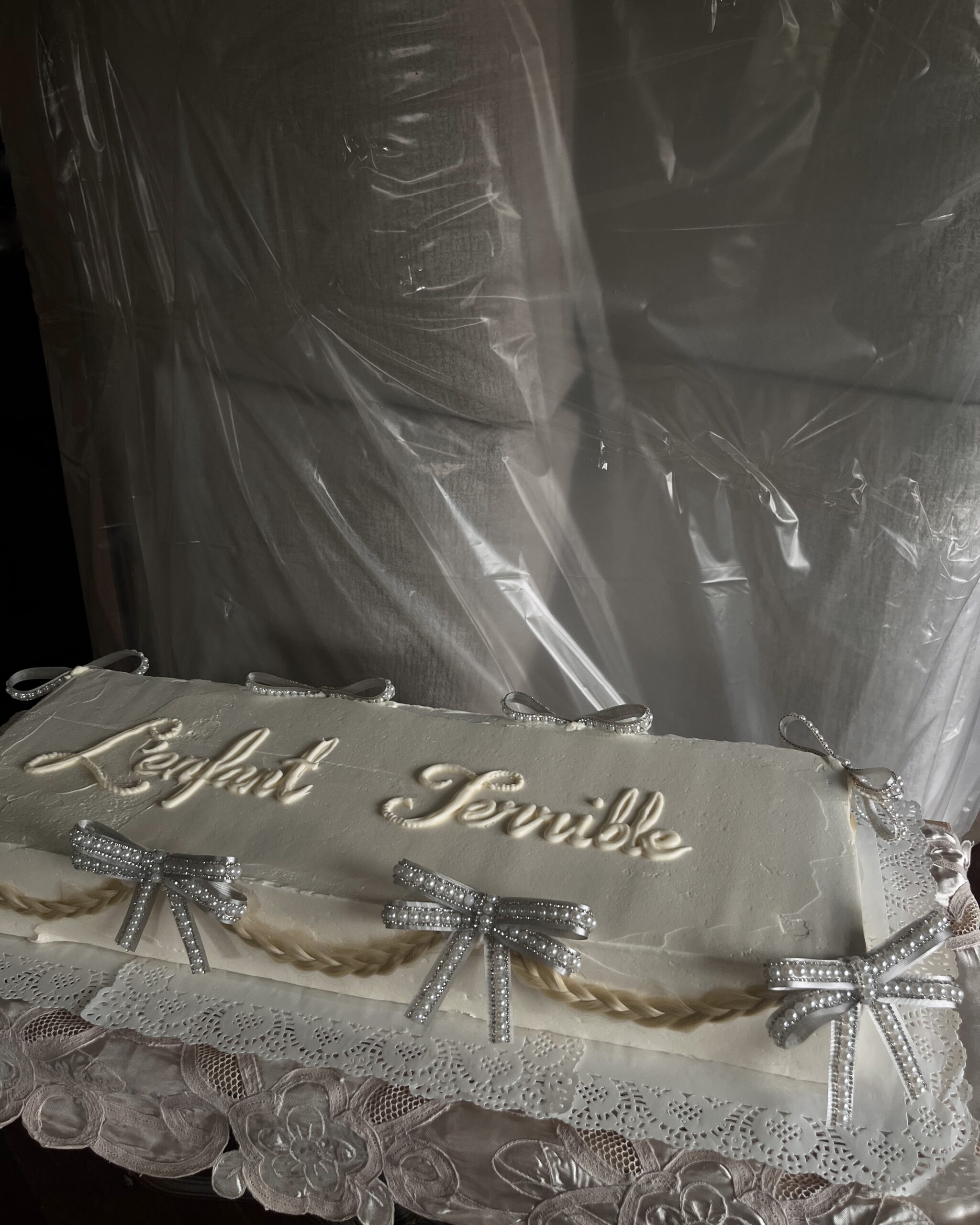
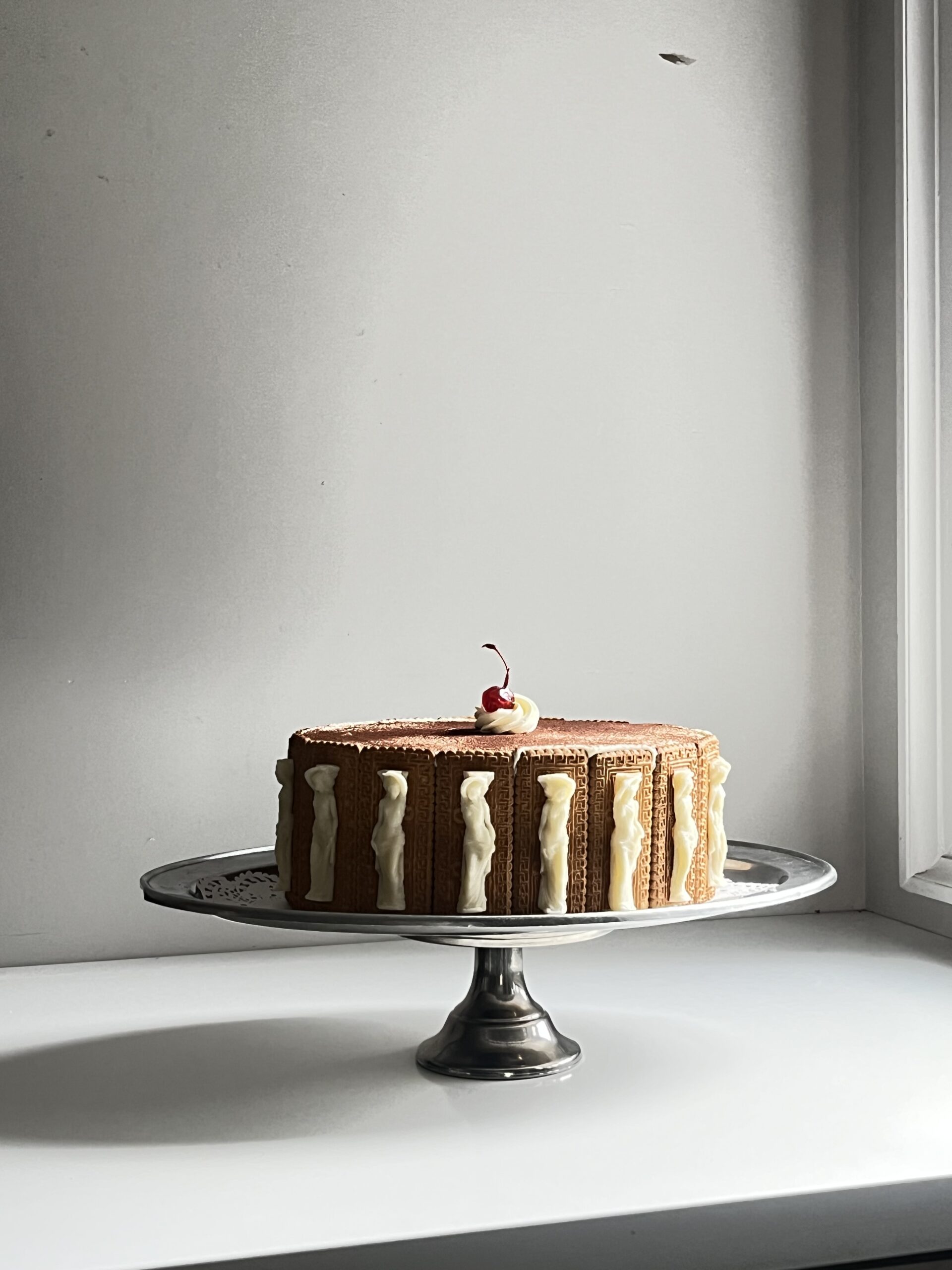
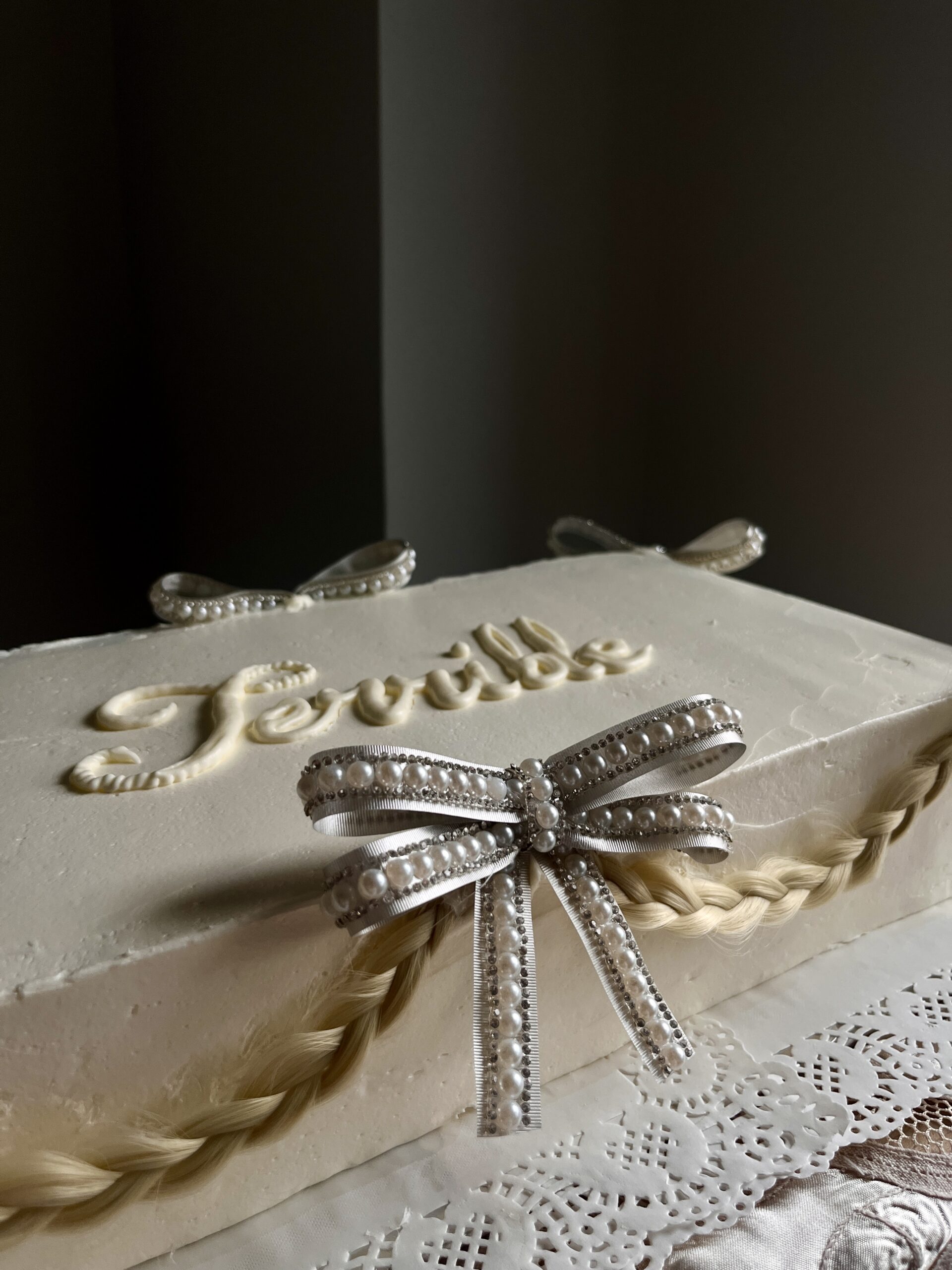
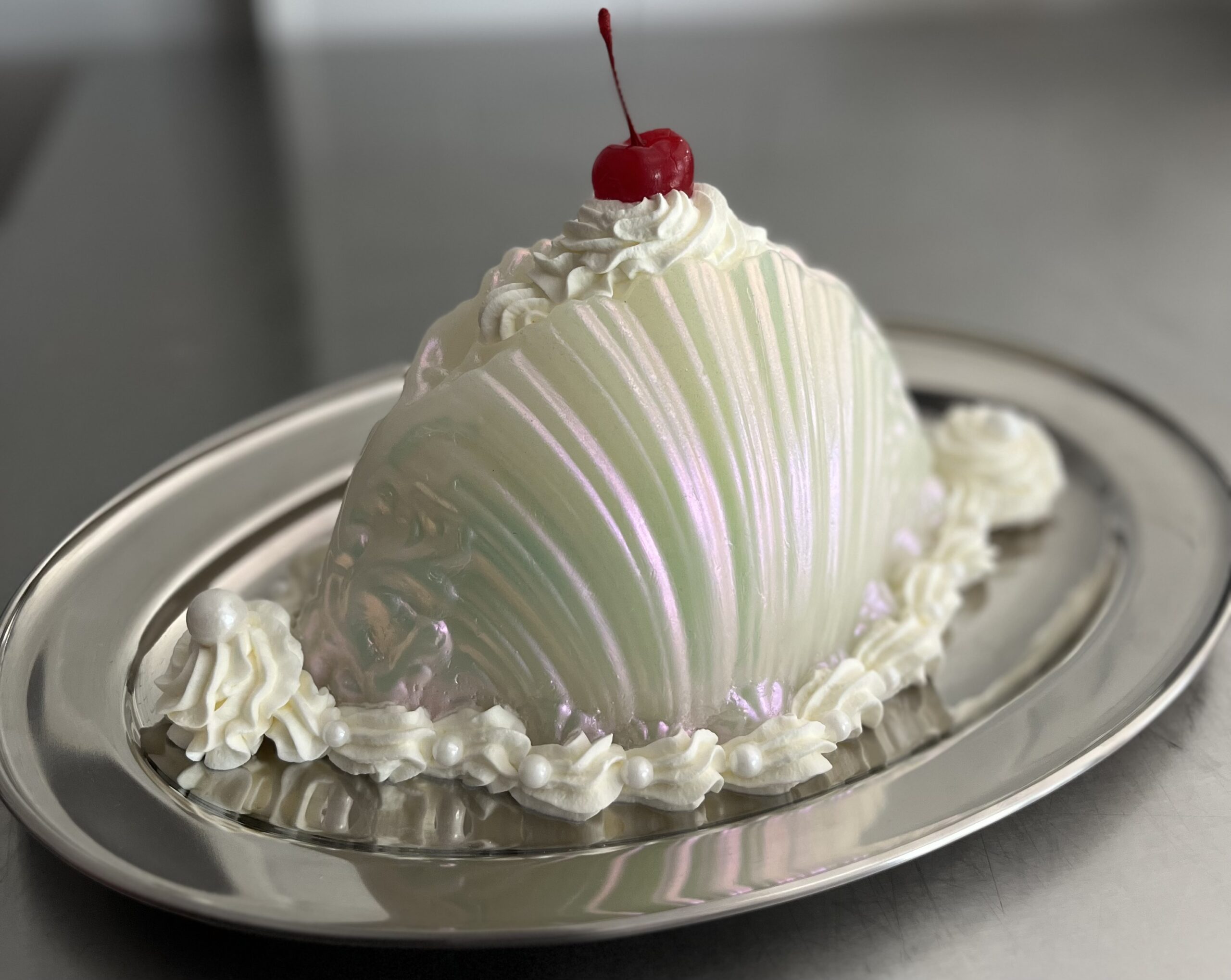
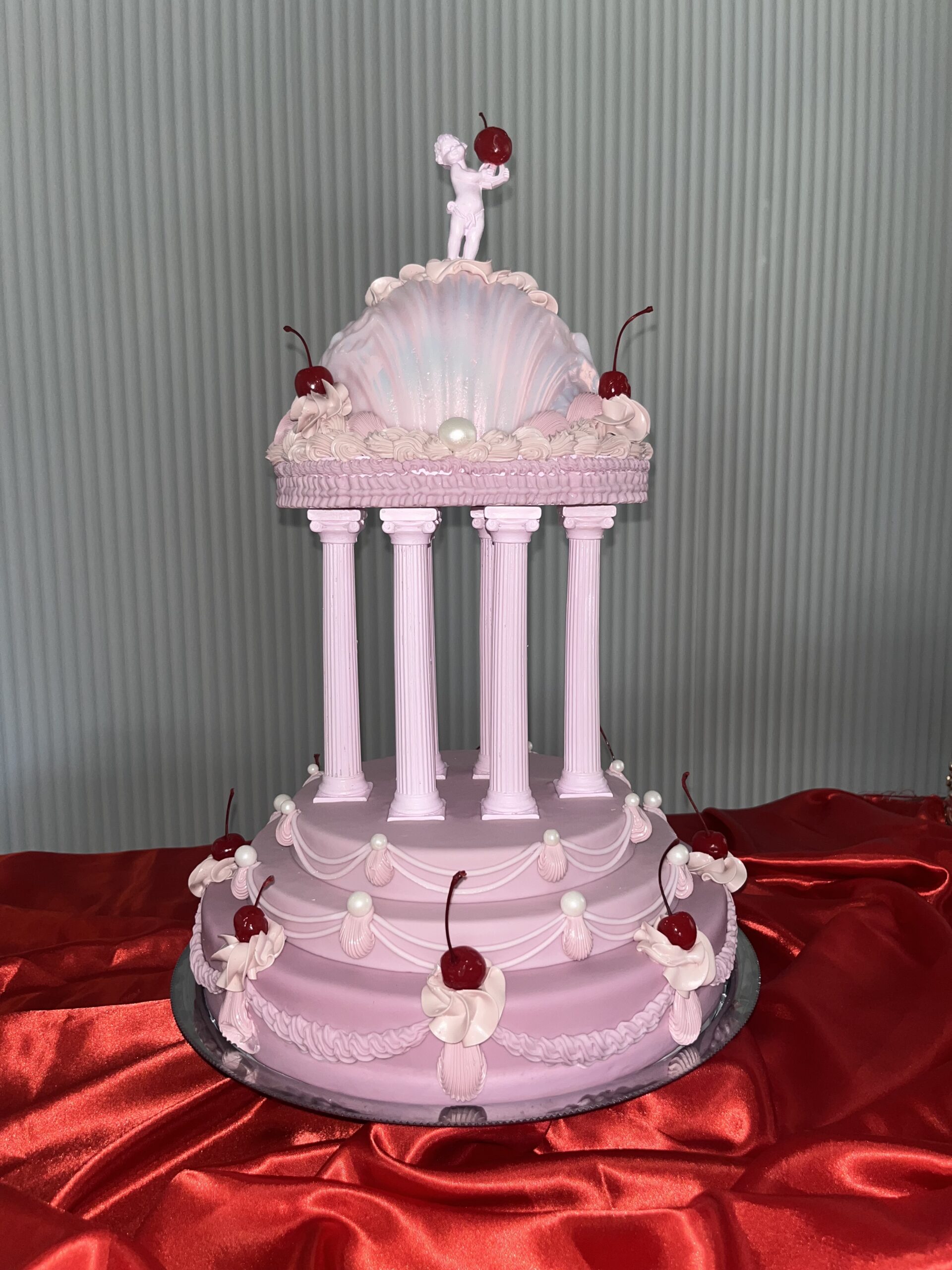
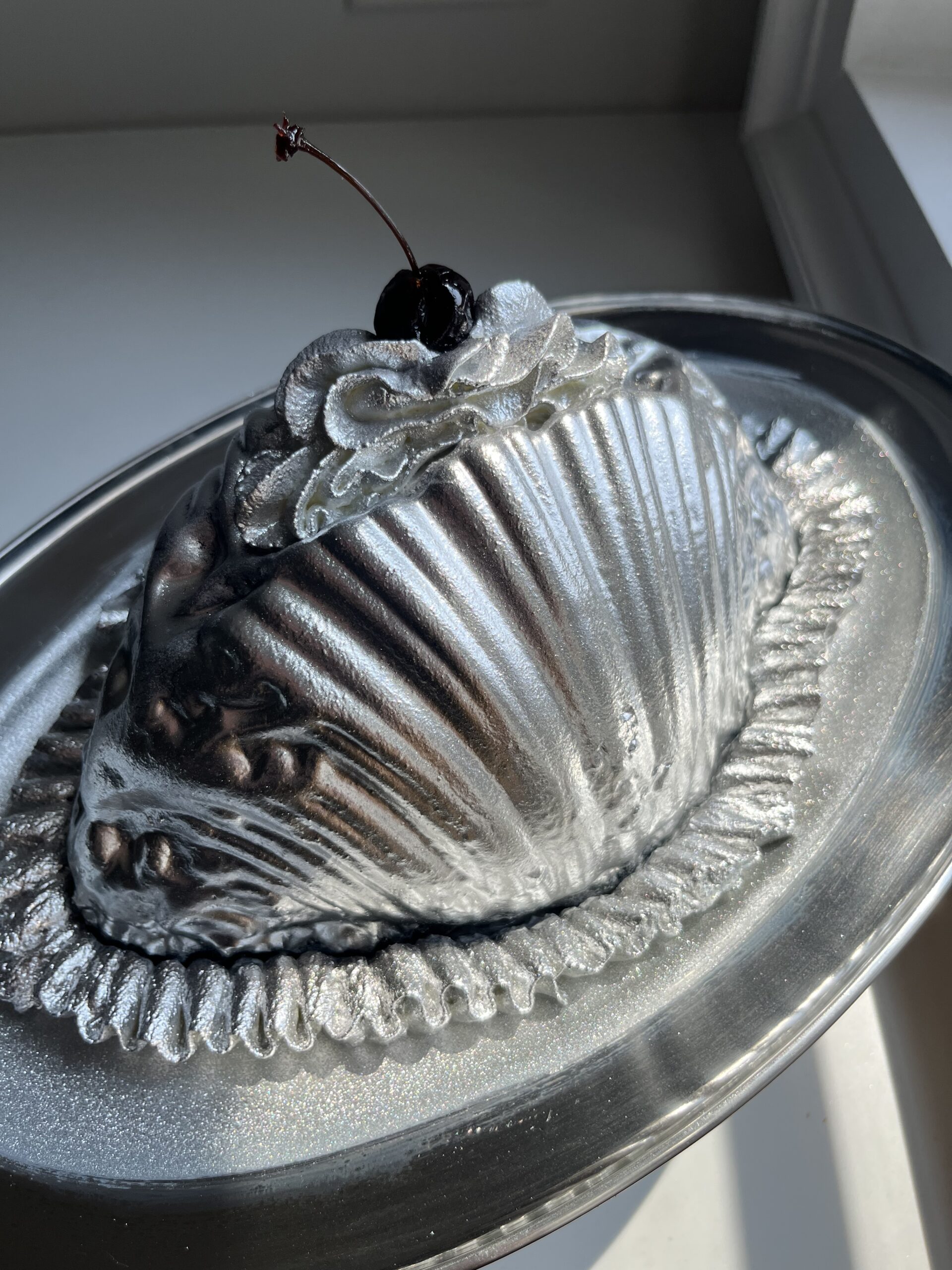
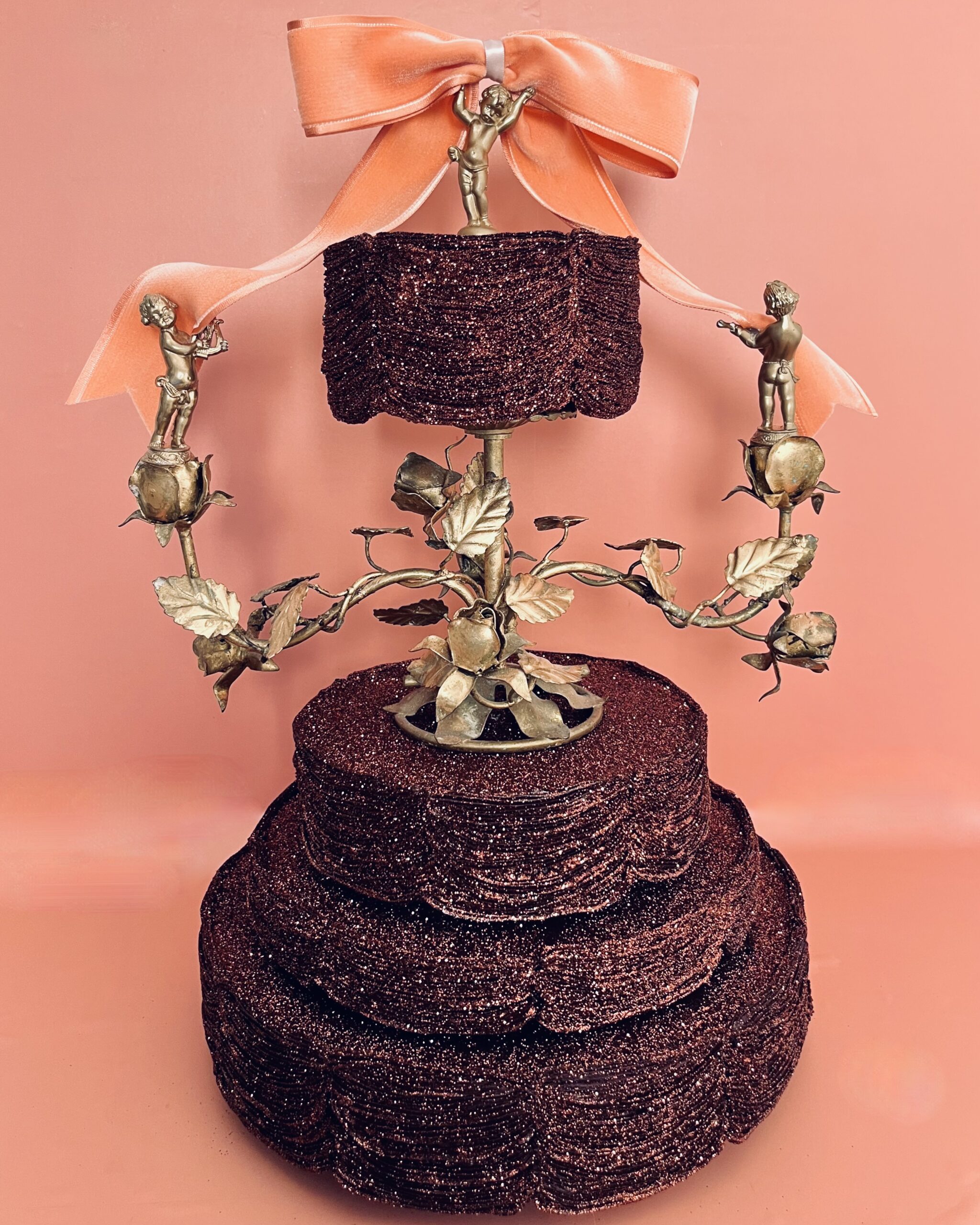
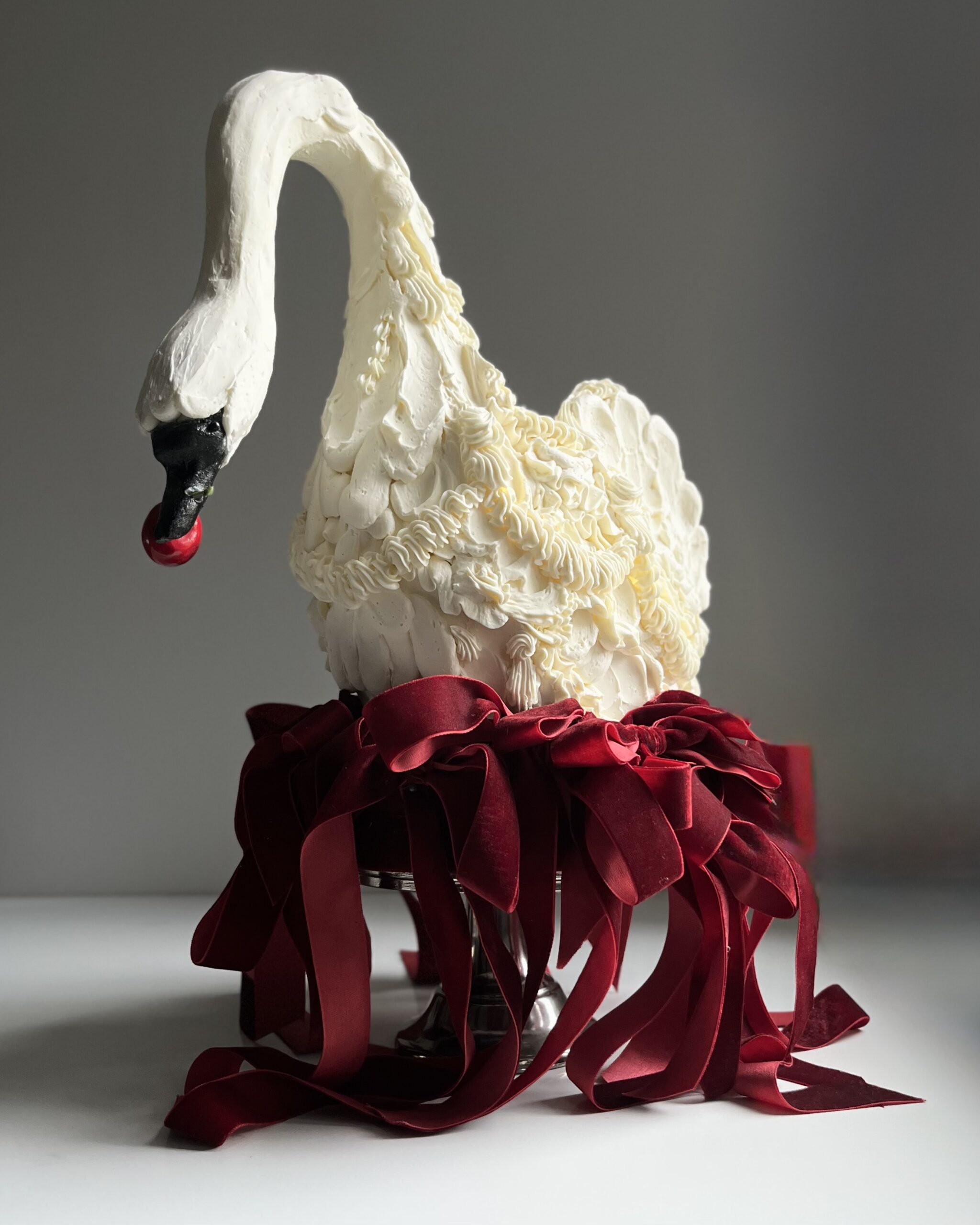
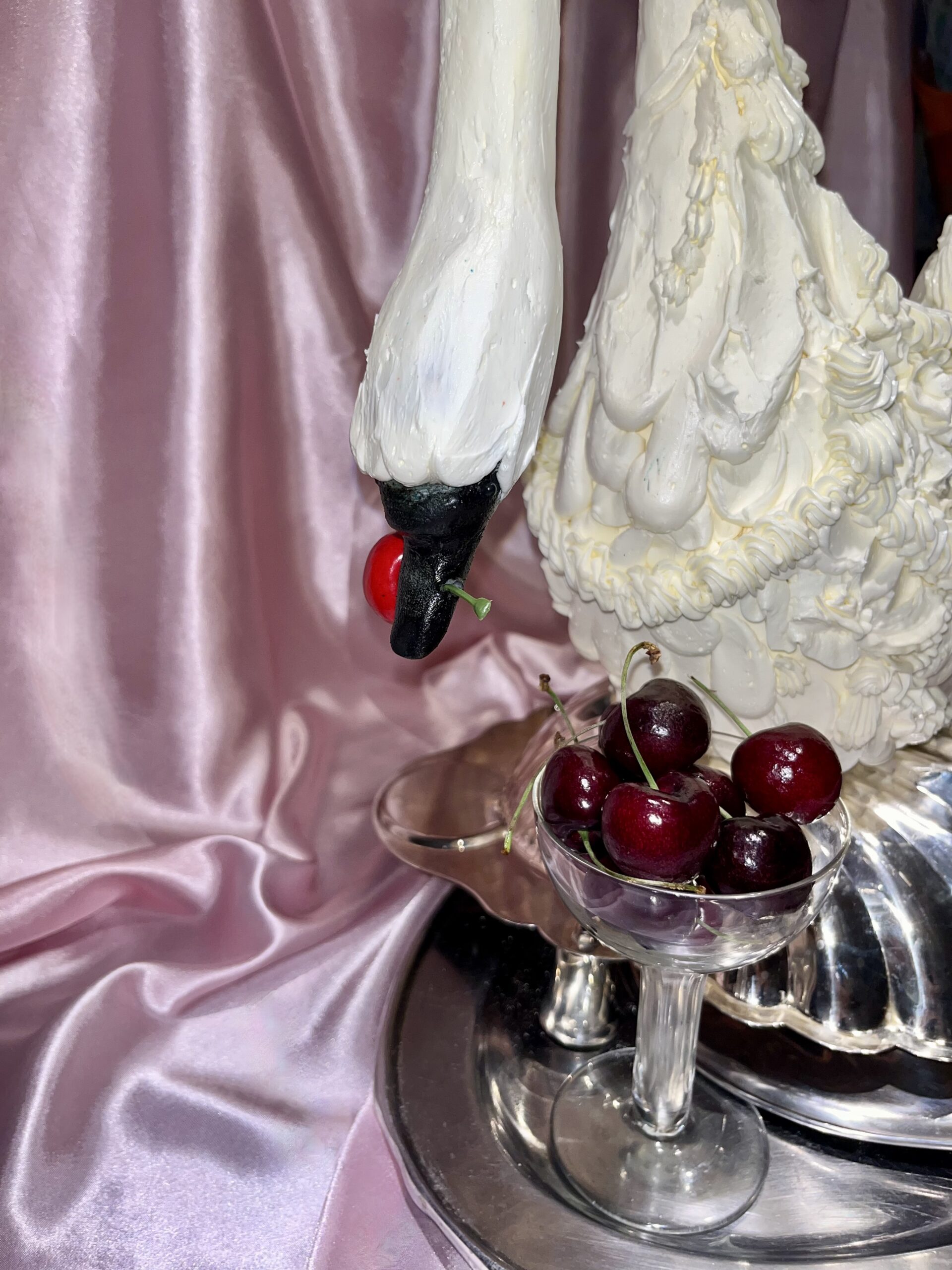
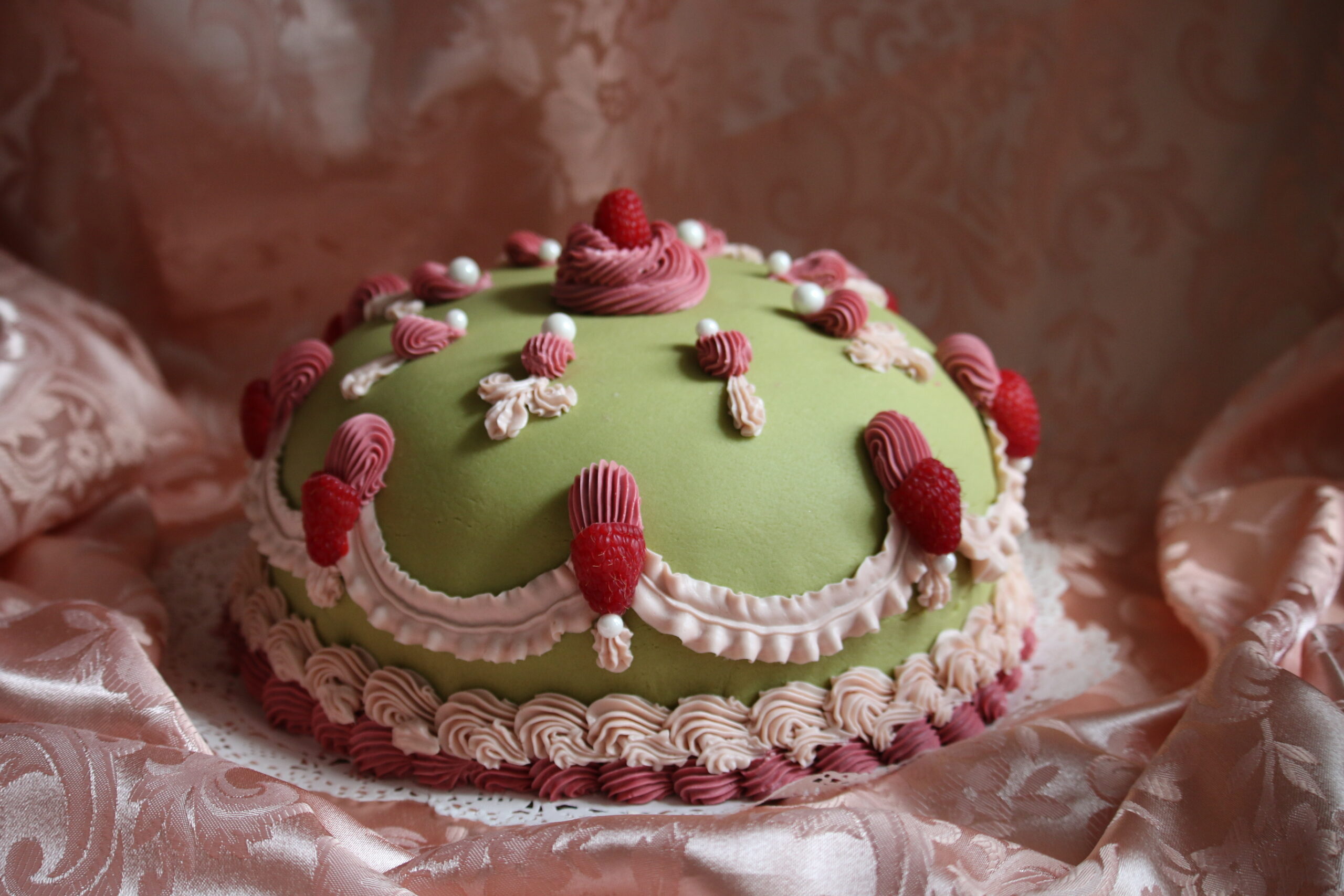
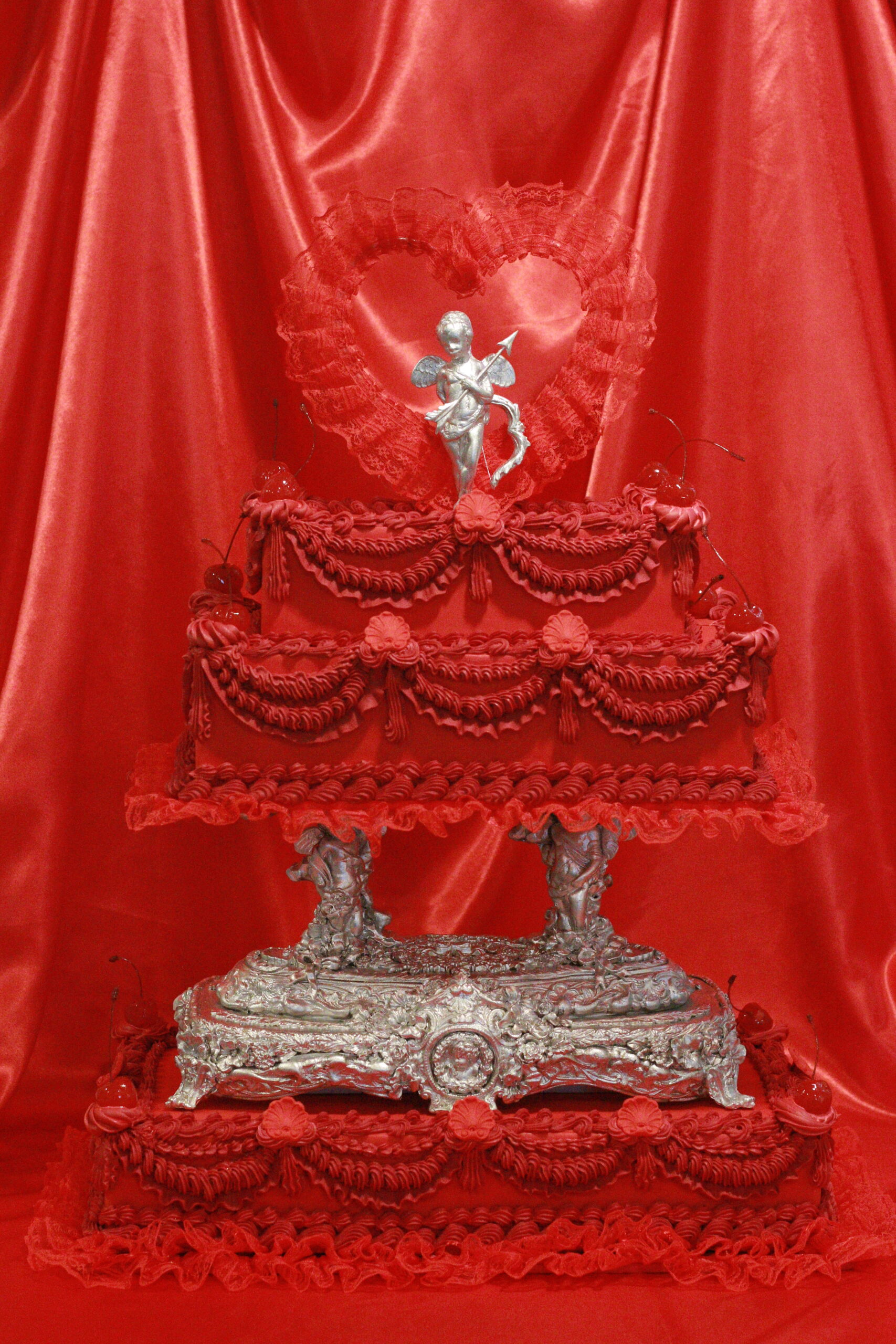
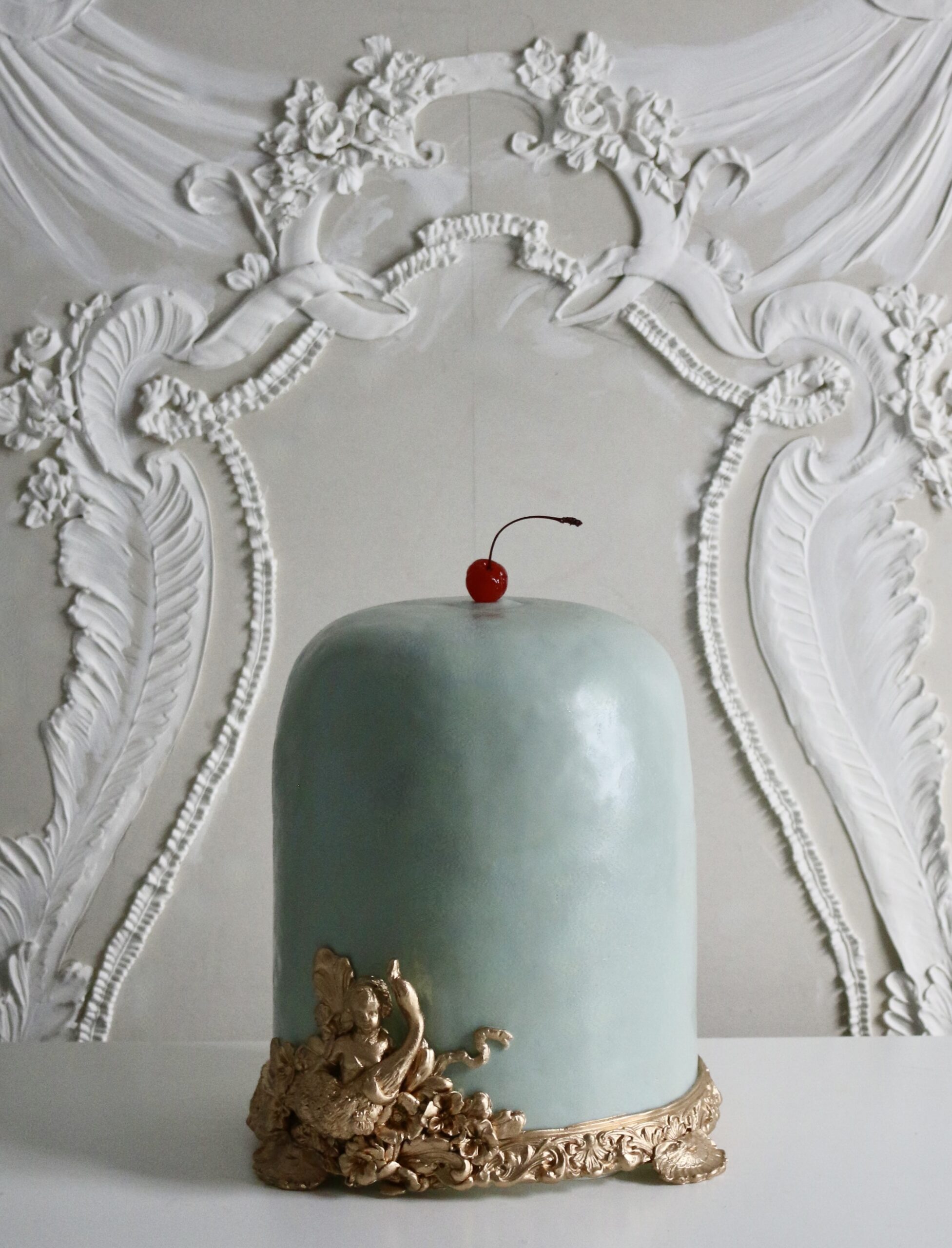
Led by founder Alexandria Pellegrino, this boldly conceptual studio has spent nearly two decades redefining the celebration cake as something far beyond dessert. Working at the intersection of sculpture, storytelling and craftsmanship, Cake Opera creates maximalist confections that feel as much like art objects as they do centrepieces. Each commission is layered with narrative, emotion and exquisite detail, designed not simply to complement a celebration, but to become part of its visual language.
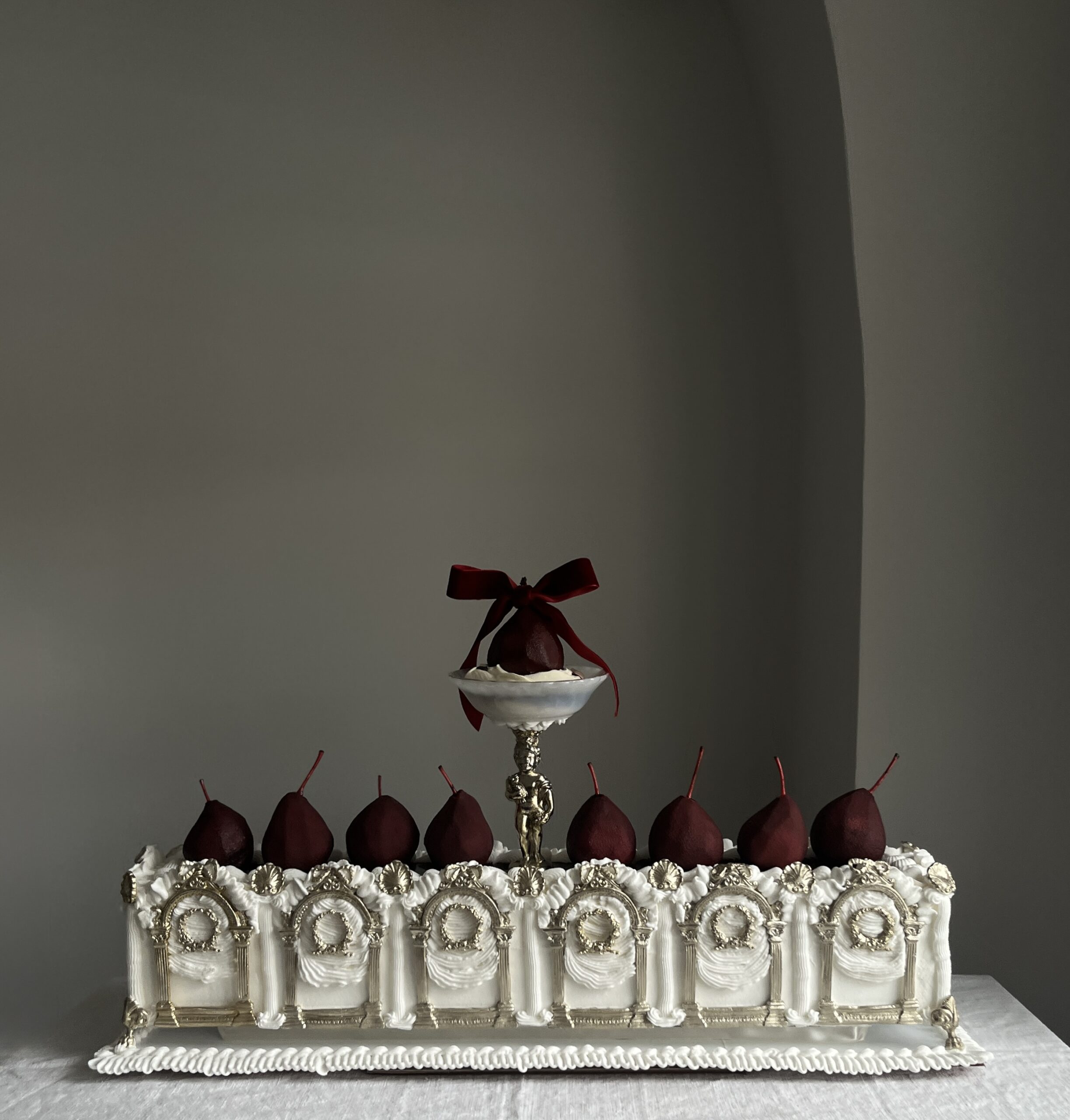
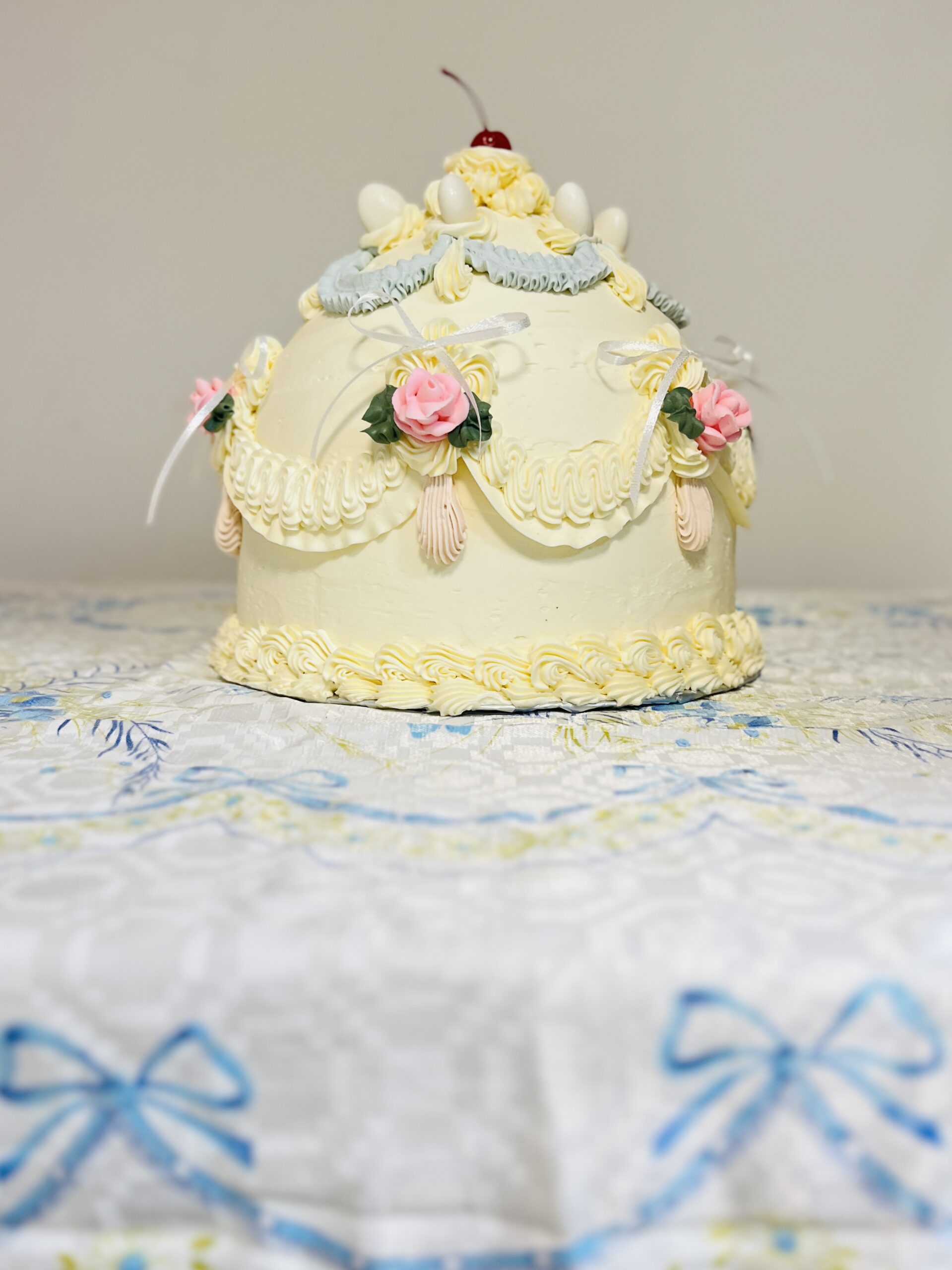
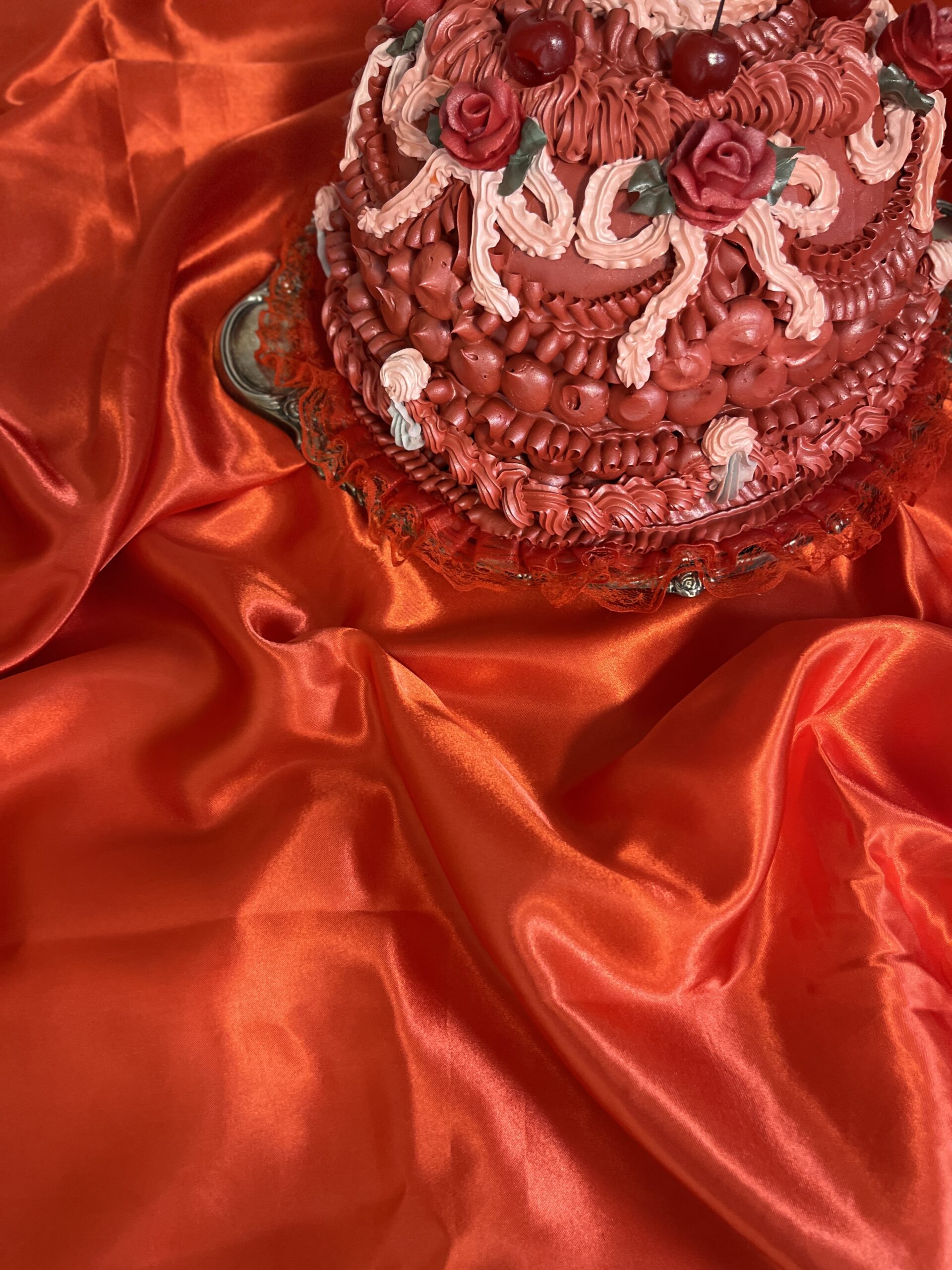
What first drew our eye was not only the extraordinary intricacy of the cakes themselves, but the beautifully curated world surrounding them. From their editorially styled imagery to their distinctly modern point of view, every detail feels considered, fashion-led and quietly theatrical. Challenging the conventional celebration cake mould, Cake Opera is setting trends rather than following them, proving that cake can be every bit as directional as fashion, interiors or art.
With a portfolio featured by some of the world’s most respected publications, including Vogue, Vanity Fair and Martha Stewart Weddings, and with Alexandria recognised as one of the leading creative voices in her field, Cake Opera continues to reshape what modern celebration design can look like.
We sat down with Alexandria to talk artistry, inspiration, craftsmanship and the evolving future of the wedding cake.
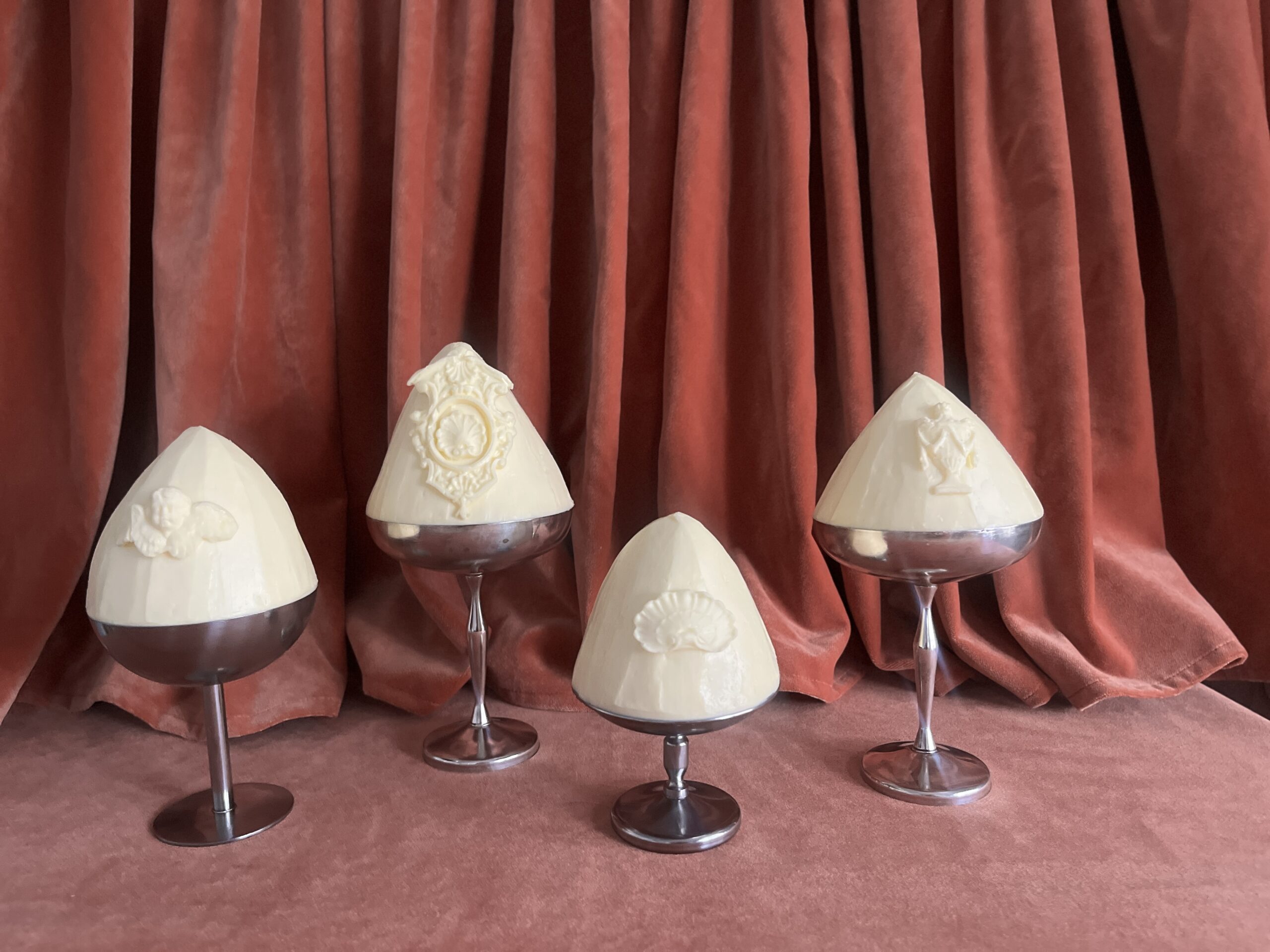
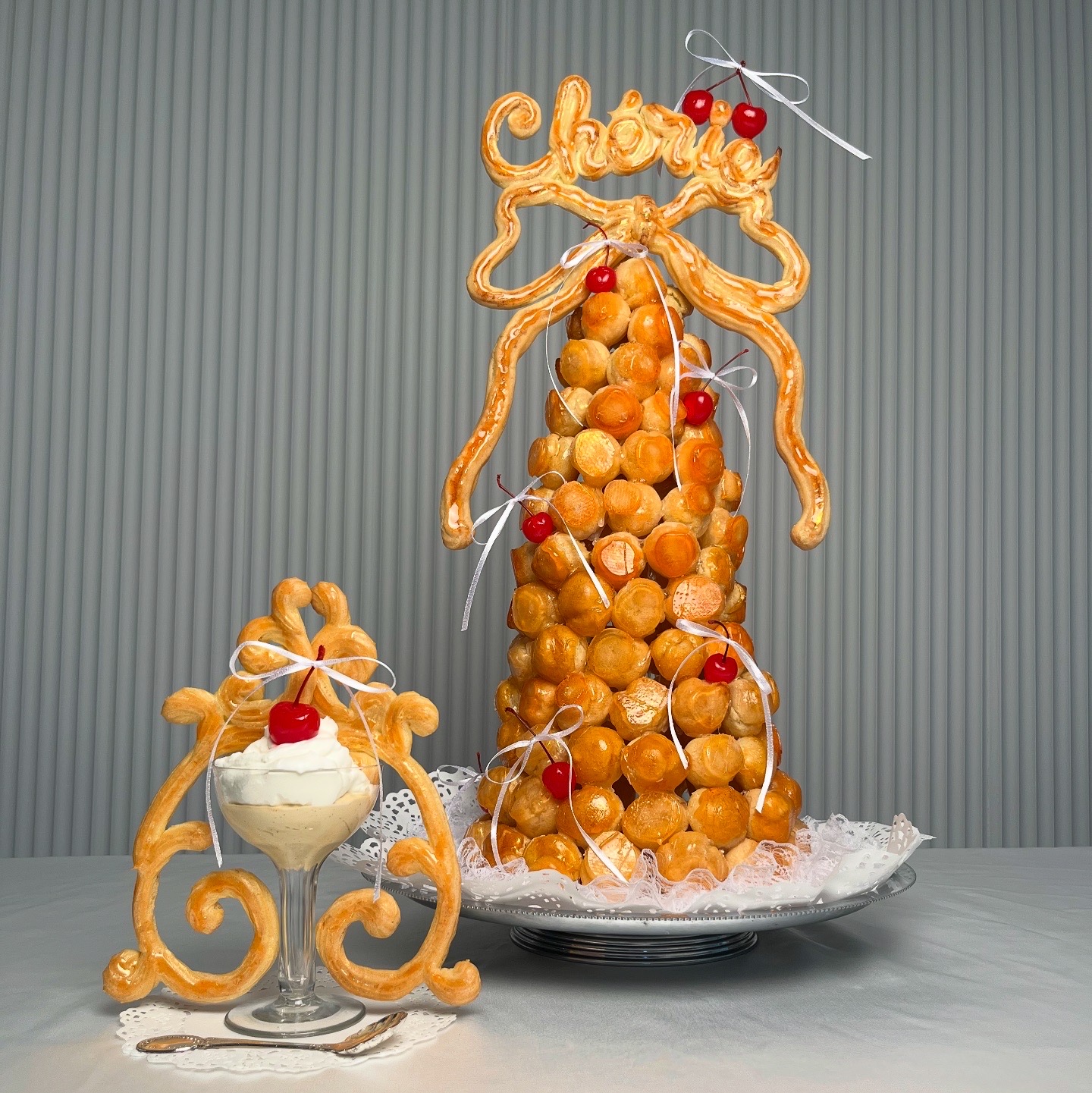
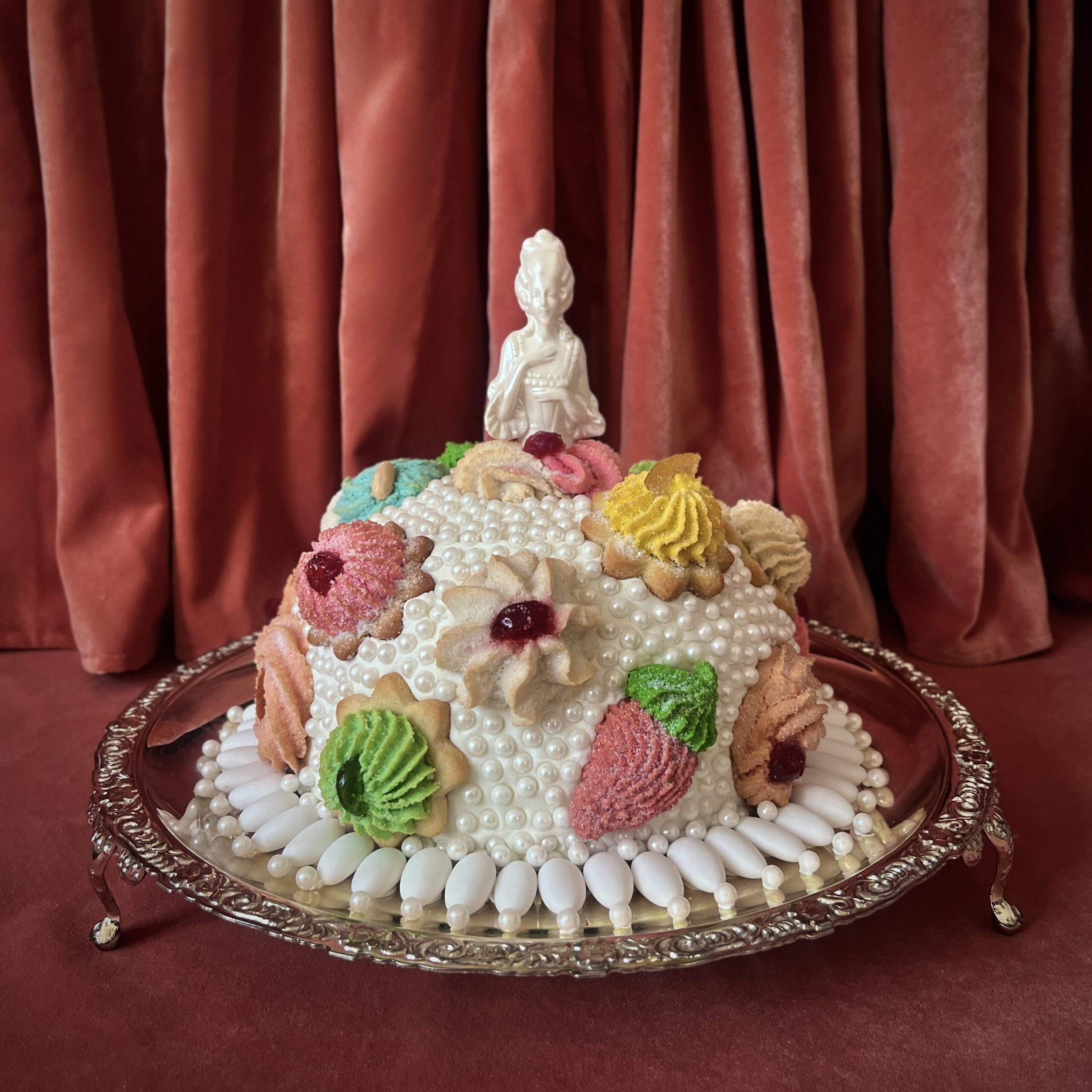
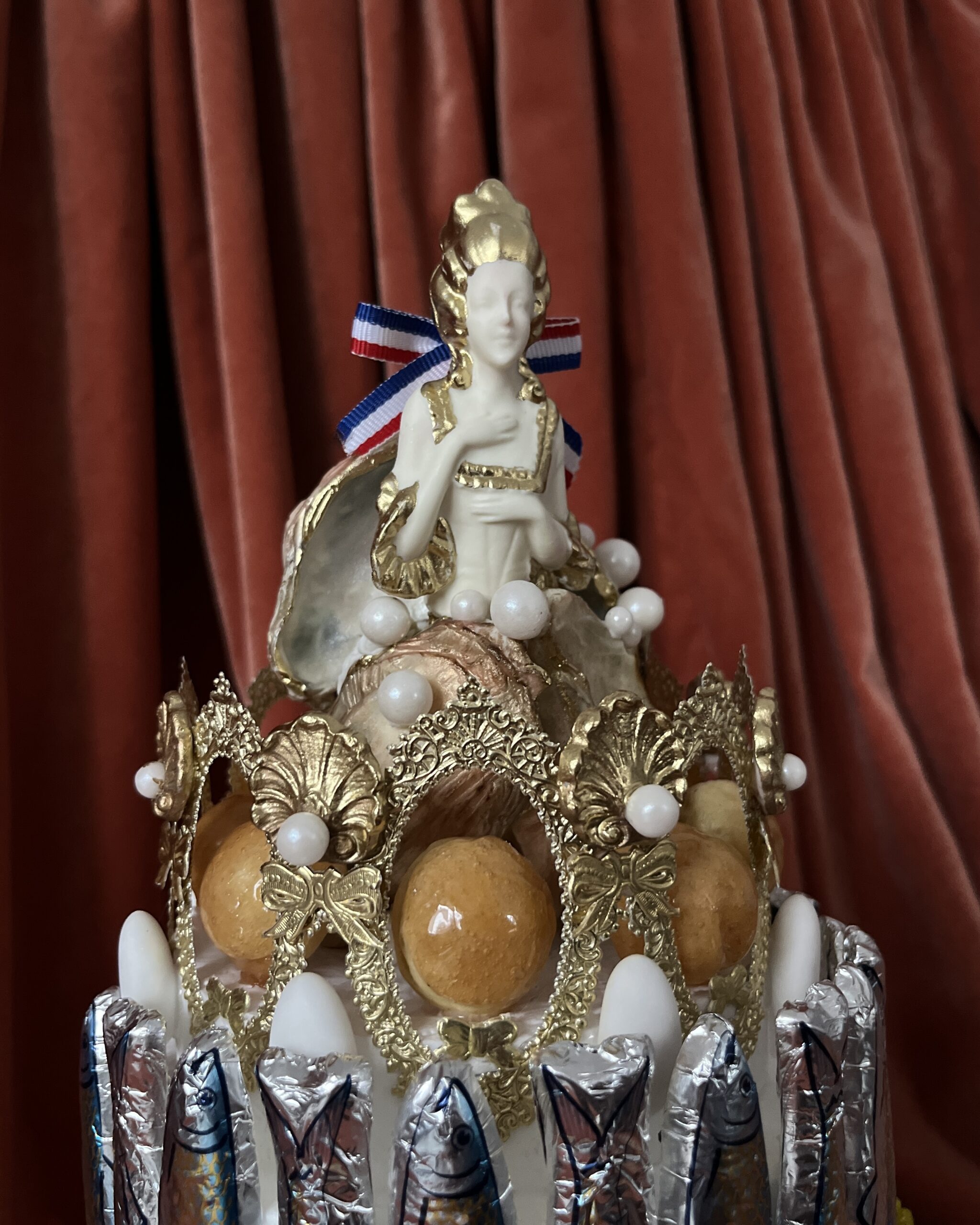
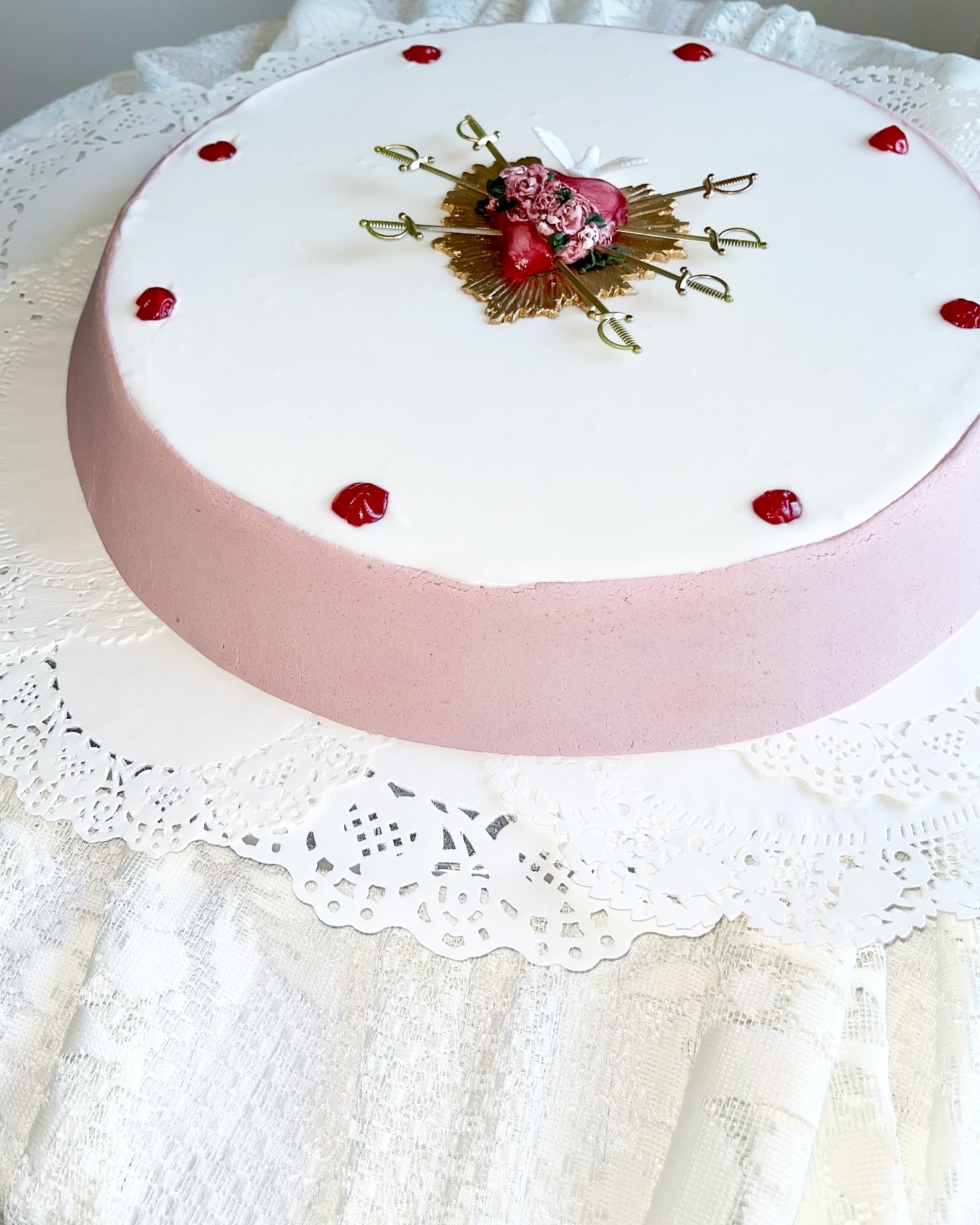
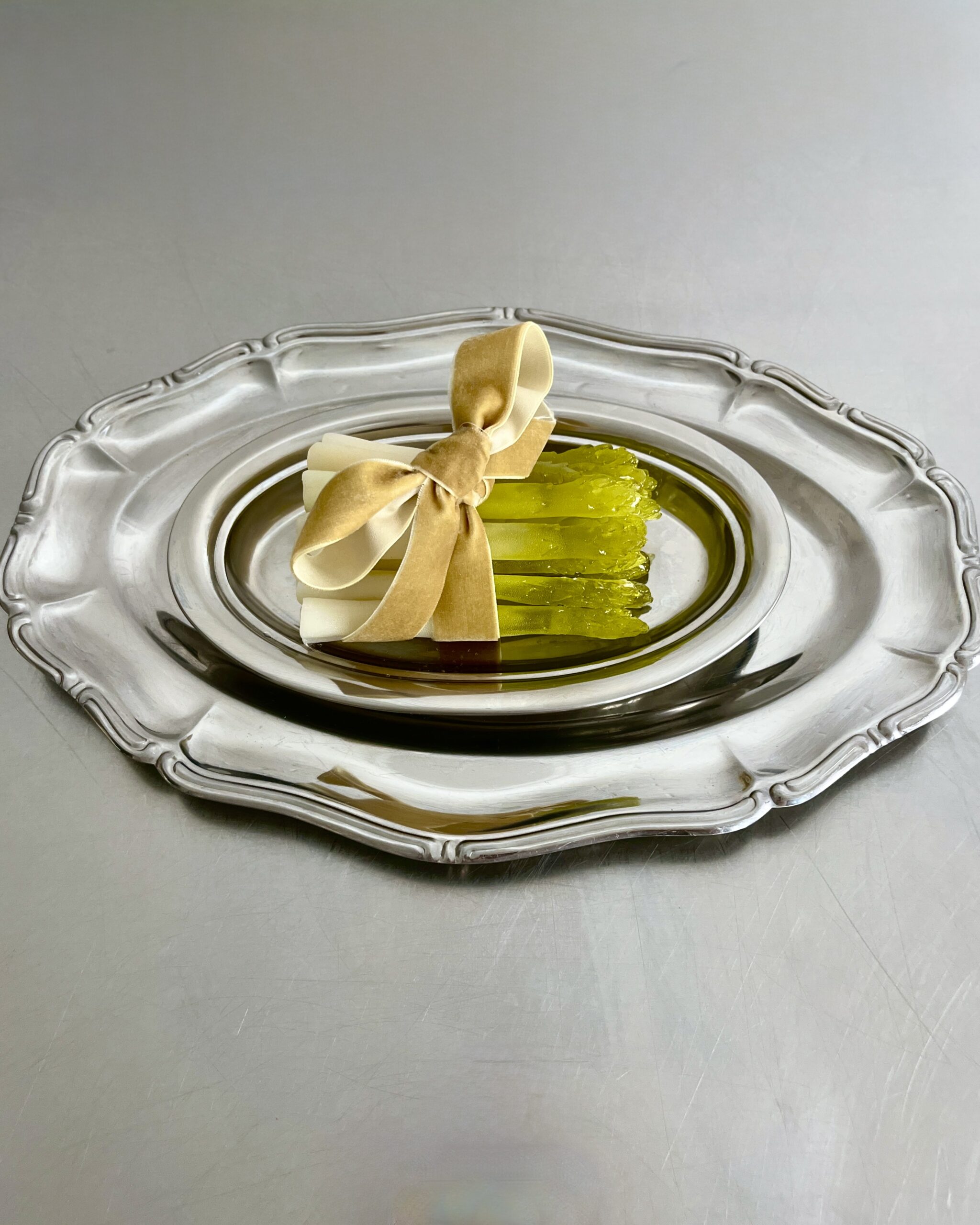
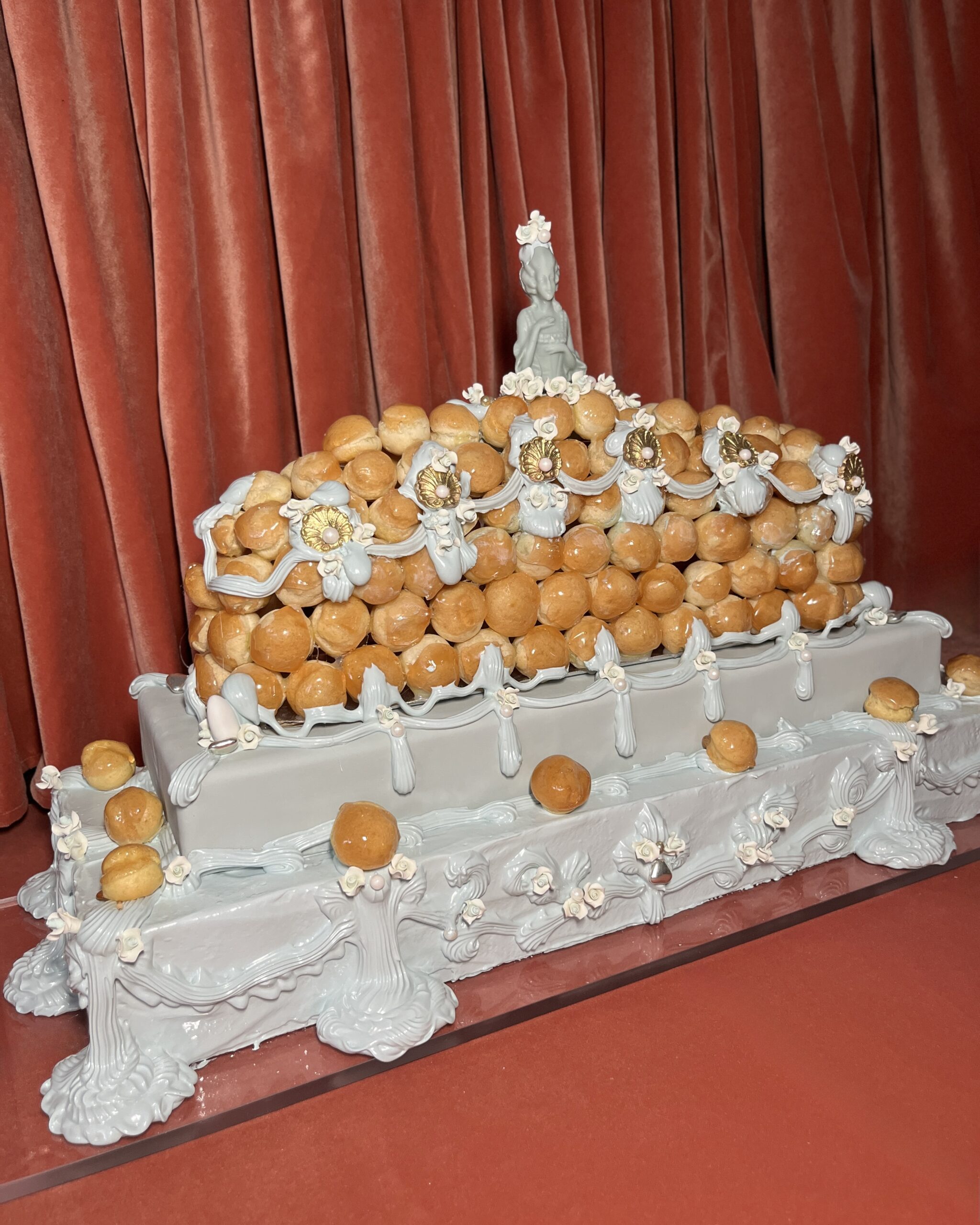
Your cakes feel closer to sculpture than dessert. At what point did you realise cake could move beyond tradition and become an artistic medium in its own right?
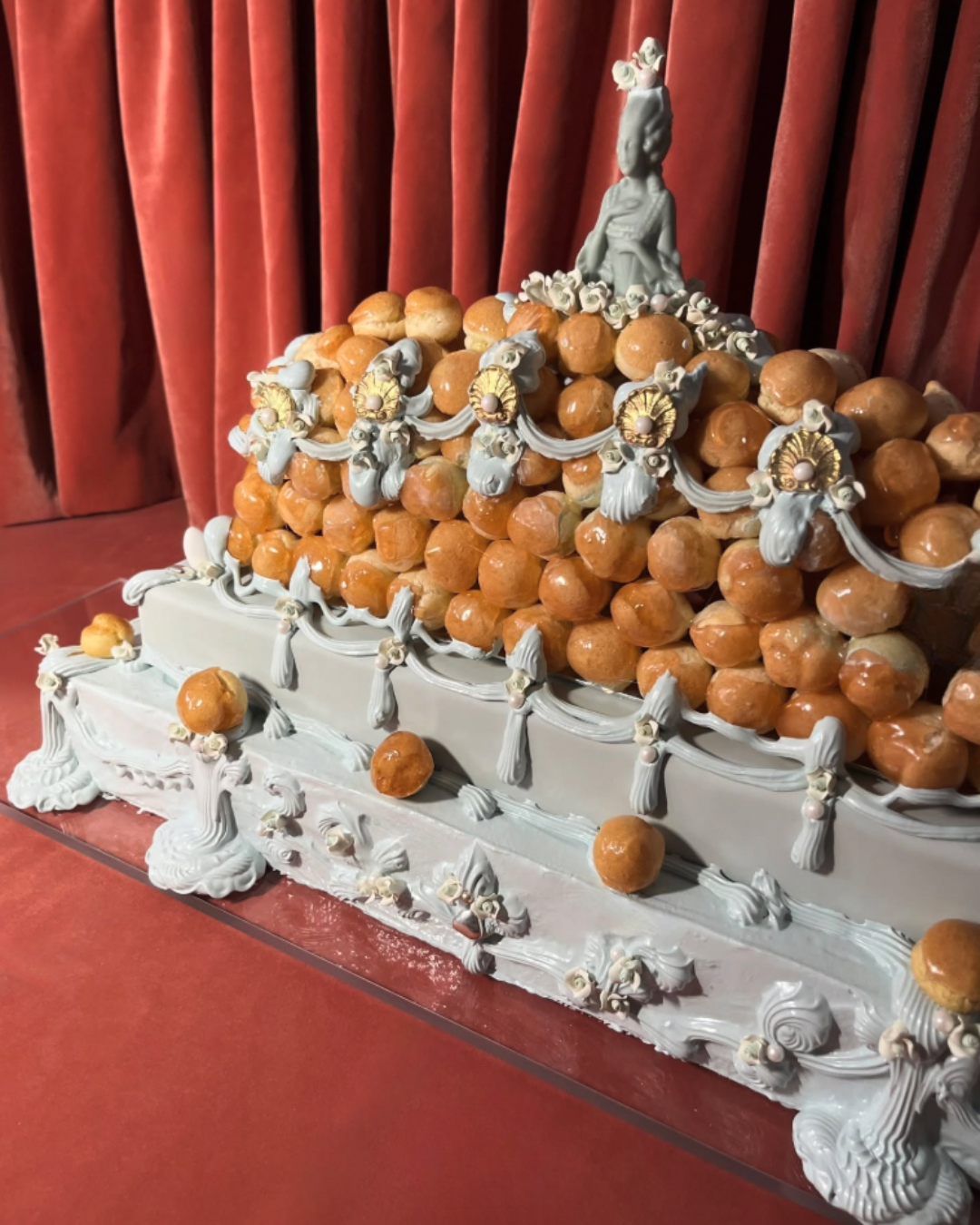
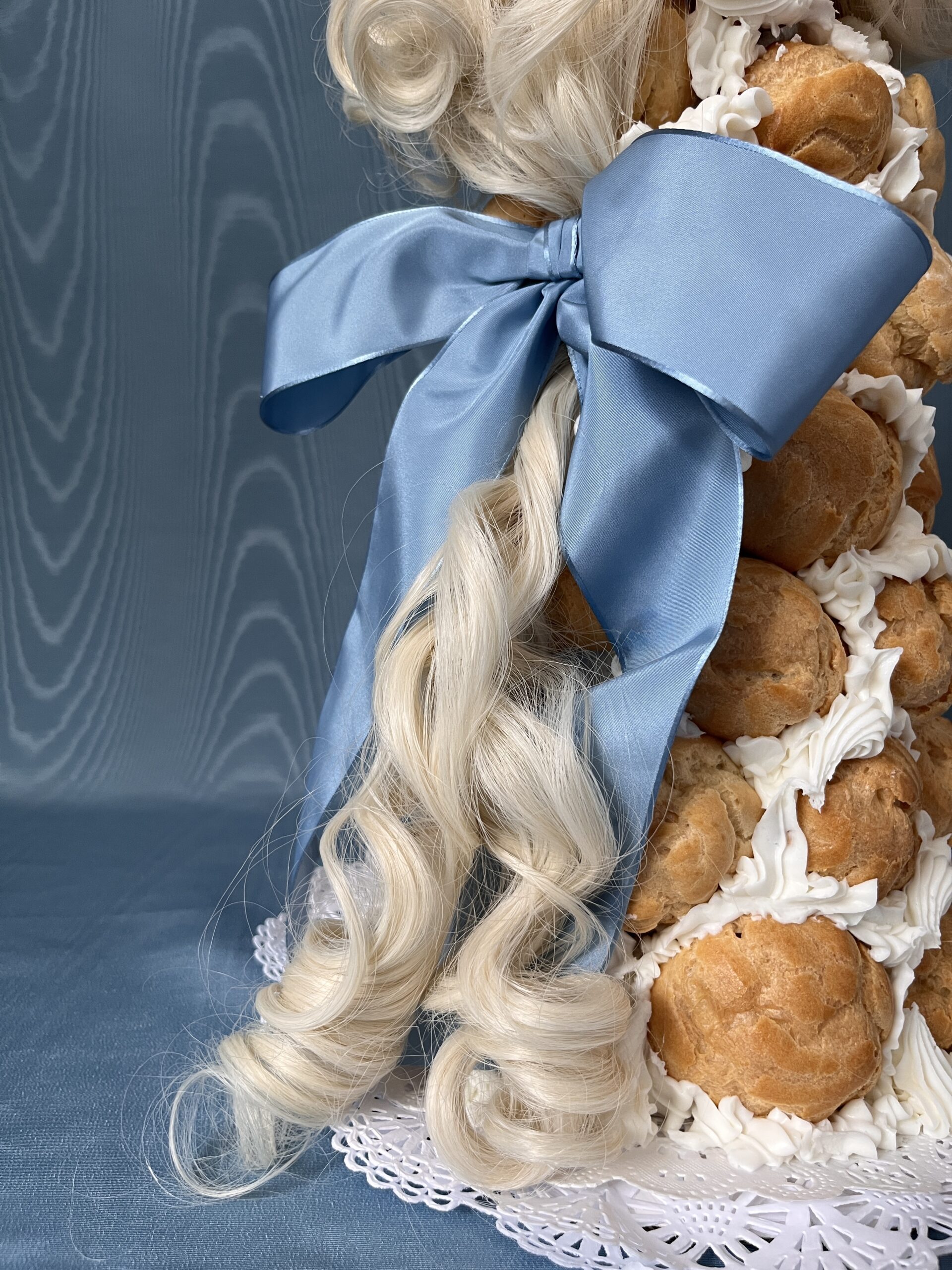
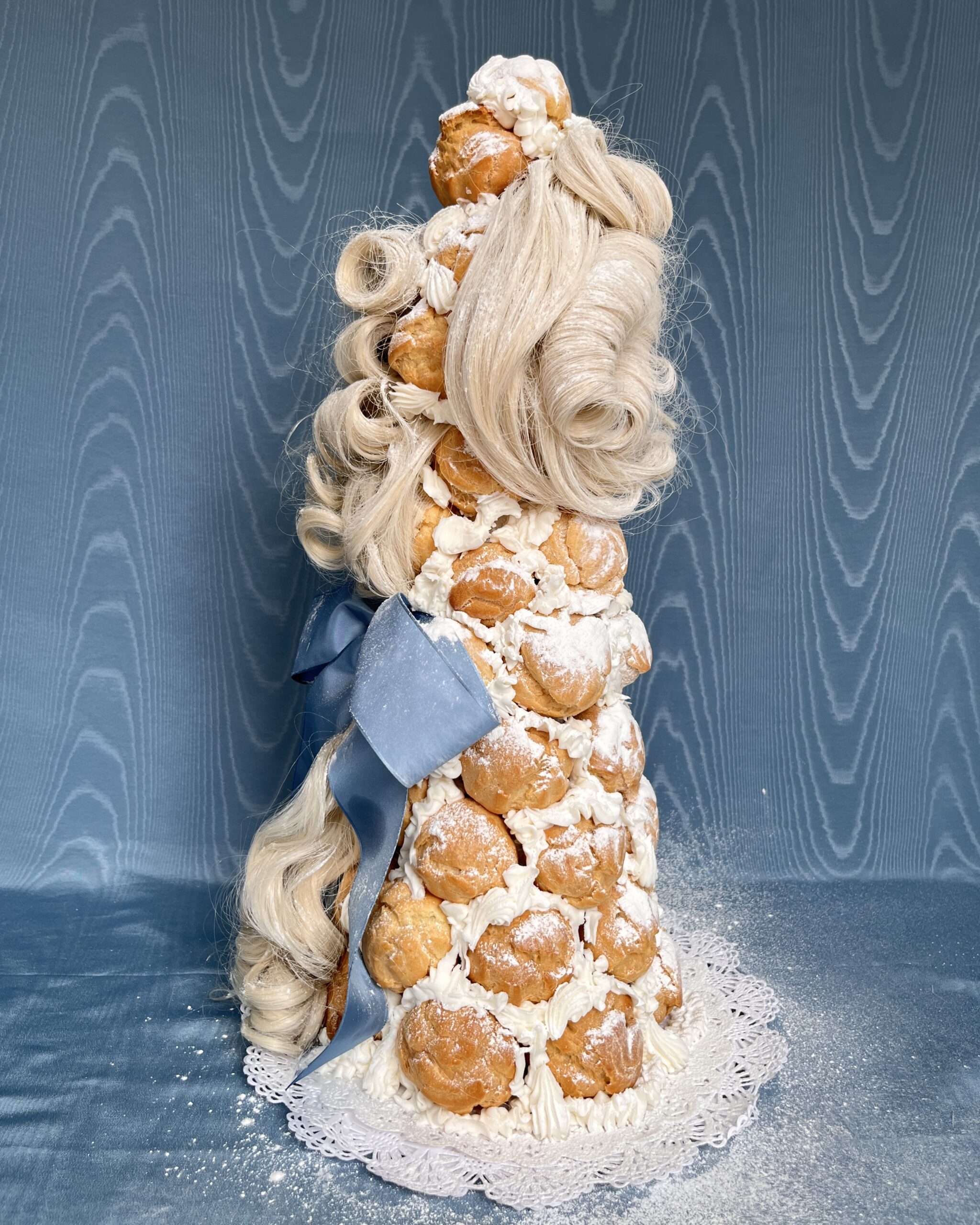
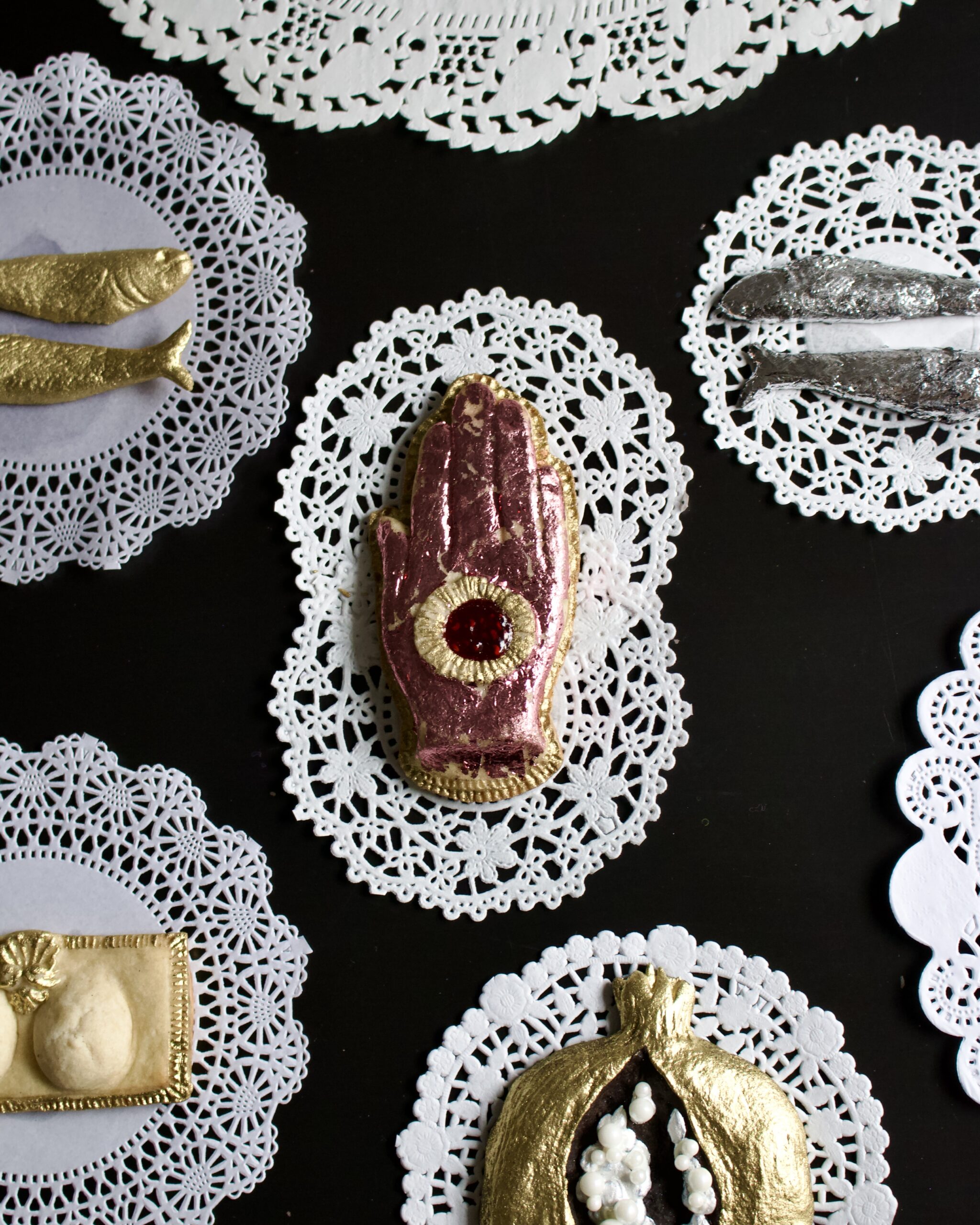
It actually happened the other way around. In other words, I was an artist by trade first and then started working with cake as a medium. This all happened while I was studying at OCAD (Ontario College of Art and Design) back in 2002. I was a Drawing and Painting major, but I’ve always been a straight-up fabricator. I had my hands in everything. My work has always explored the idea of the Beautiful and the Grotesque, and in those early years I was making things like meringue croquembouches piled high with a fully articulated sugar-sculpted skeleton poised at the feet of a plague doctor sewn into dupioni silk brocade. And everything in the most beautiful warm grey tone. I was also embroidering bread with hair and glass beads discarded in ancient boxes from a millinery shop in Bologna. Every part of fabricating these bizarre little vignettes was part of it. The materials I used and how it was made were as important to me as the final object itself. Being entranced by the process of the craft, I arrived at hardcore French pastry as an institution itself. I mean, I can go on and on about this sort of thing forever. I still find the entire genesis of it all quite interesting myself!
The visual world of Cake Opera is so beautifully considered, from the cakes themselves to the way they are styled and photographed. How much does image-making and presentation shape your creative process, and what inspires that aesthetic language?
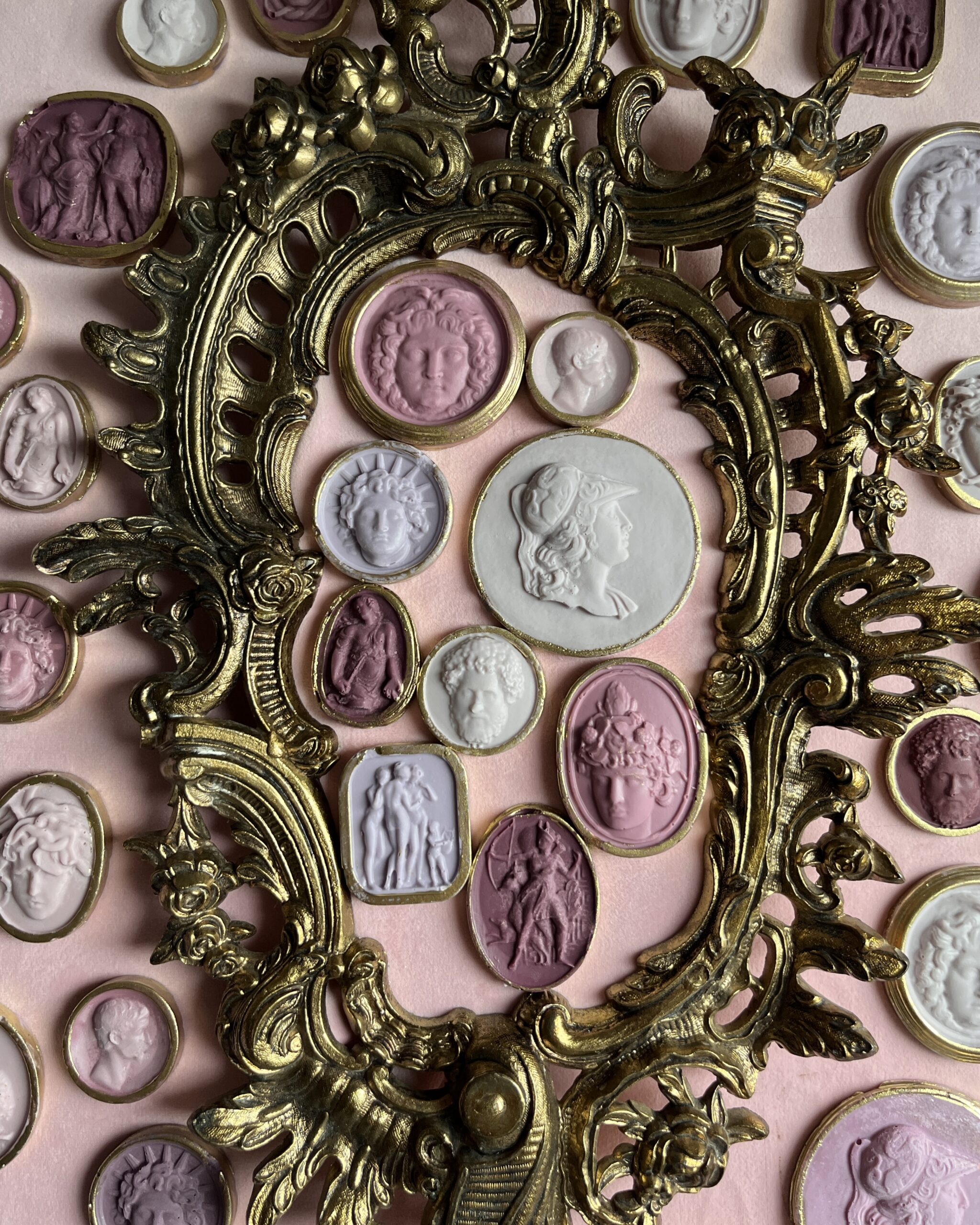
Yes, you are absolutely right about this. So I would say that the cake does not begin and end with the cake, just as a player is not an entire opera. In fact, the name Cake Opera was sort of born from the idea that I was creating an opus, or “my life’s work,” which undoubtedly included all aspects of everything I had learned about and loved, in particular the decorative arts and history itself.
The process can work both ways in that I could have an idea for a cake and then the way I present it becomes an extension and a tool to further the narrative, OR the environment takes shape first and the cake becomes the exclamation point. The final concentrated expression of the story being told.
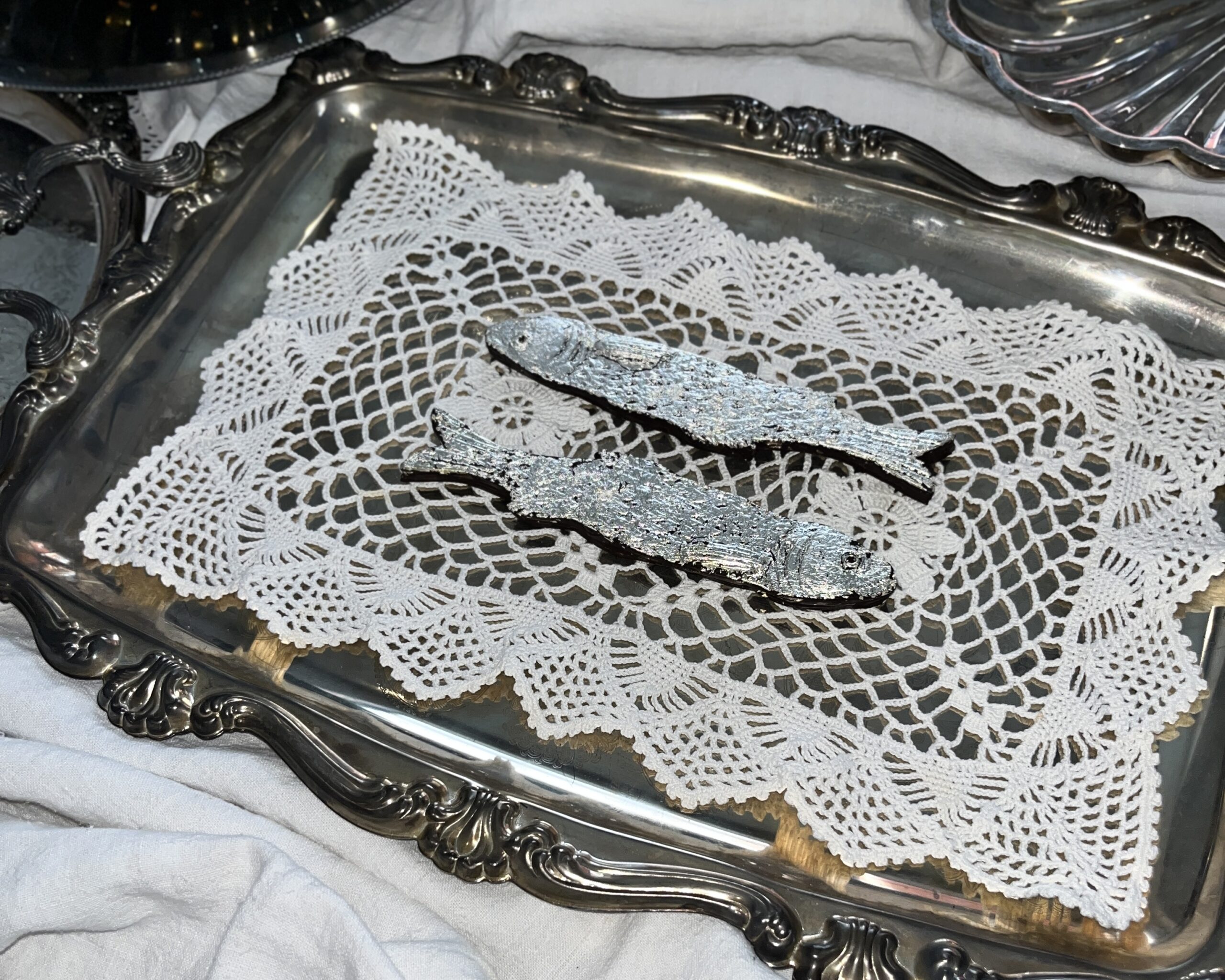
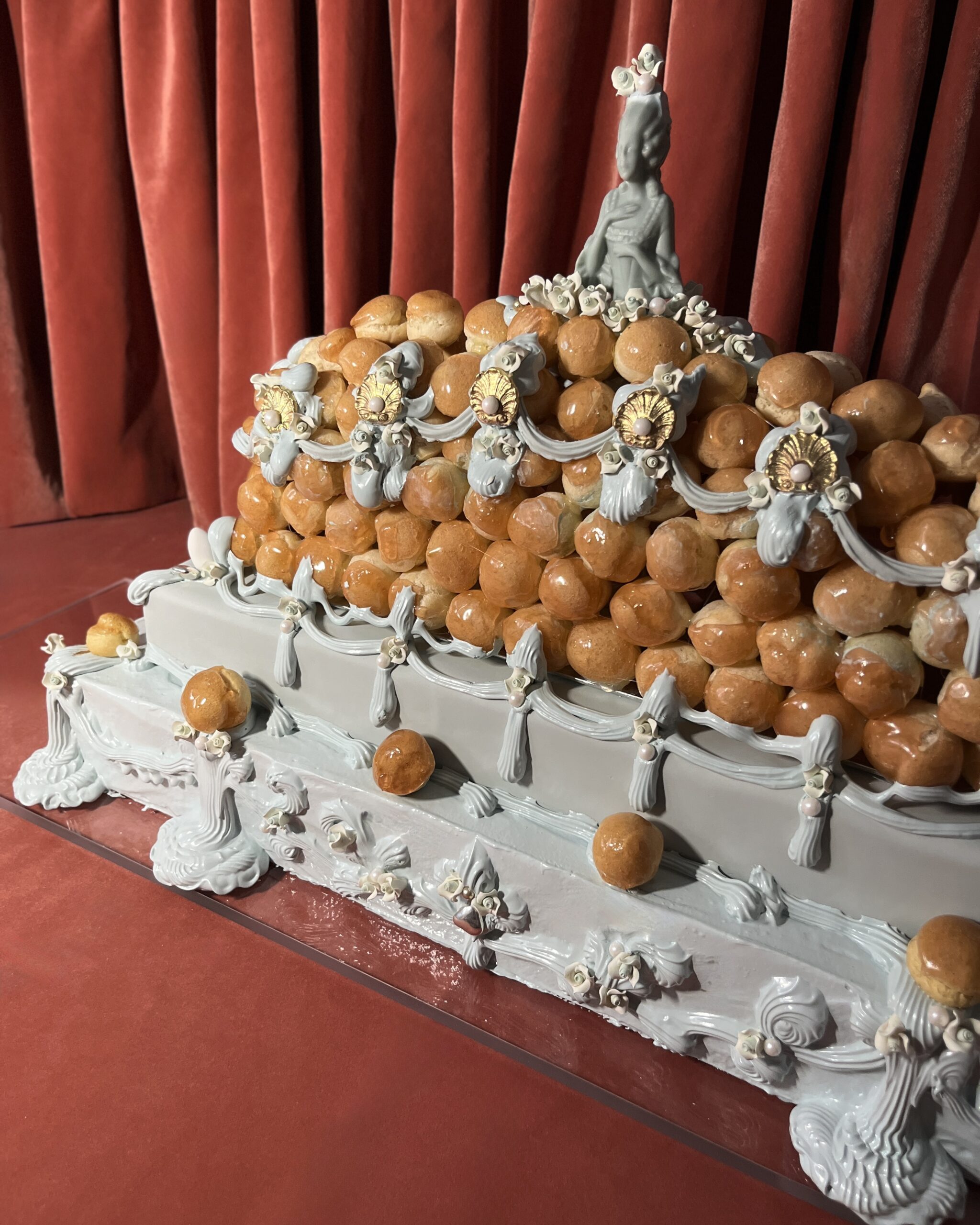
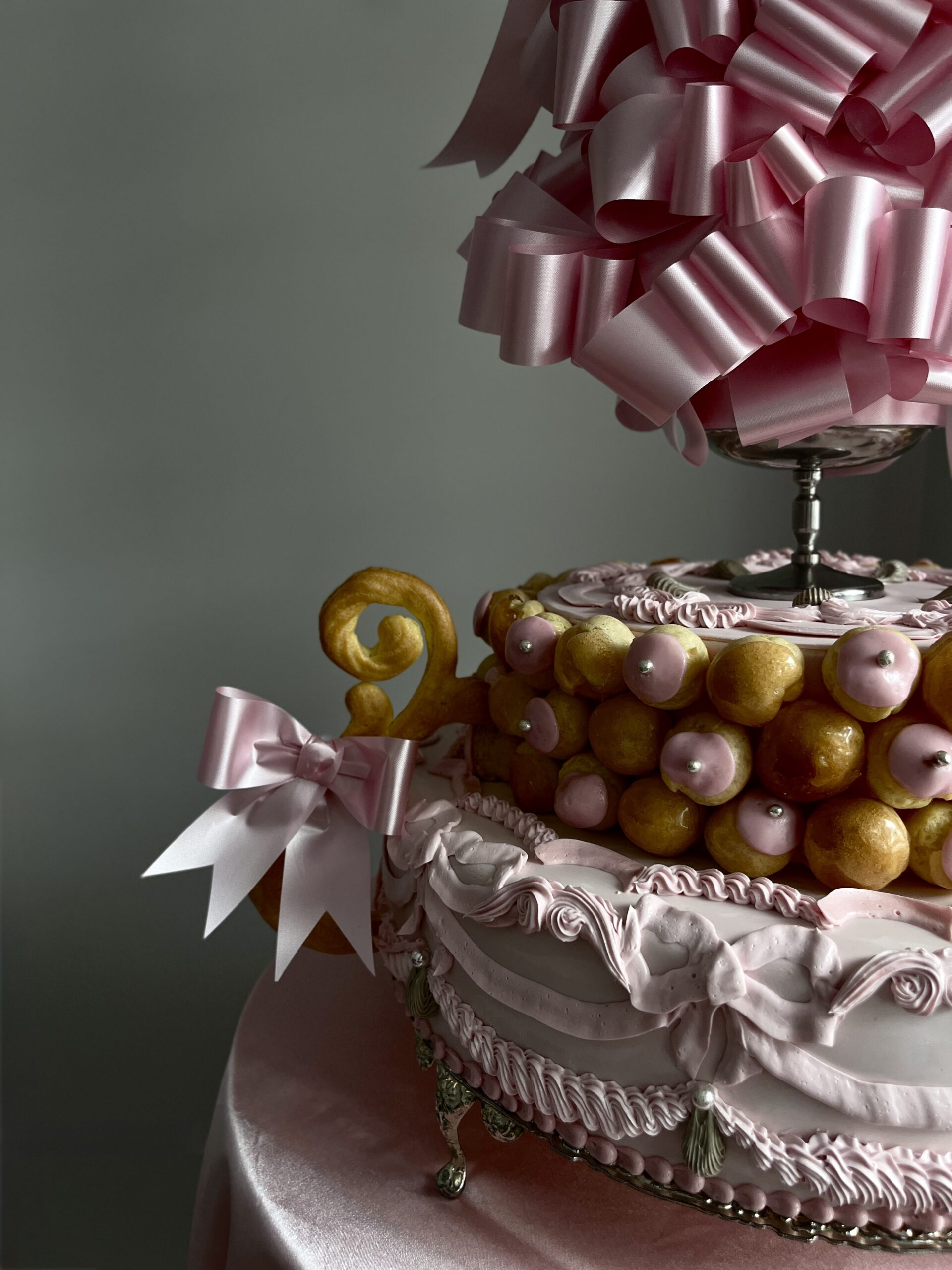
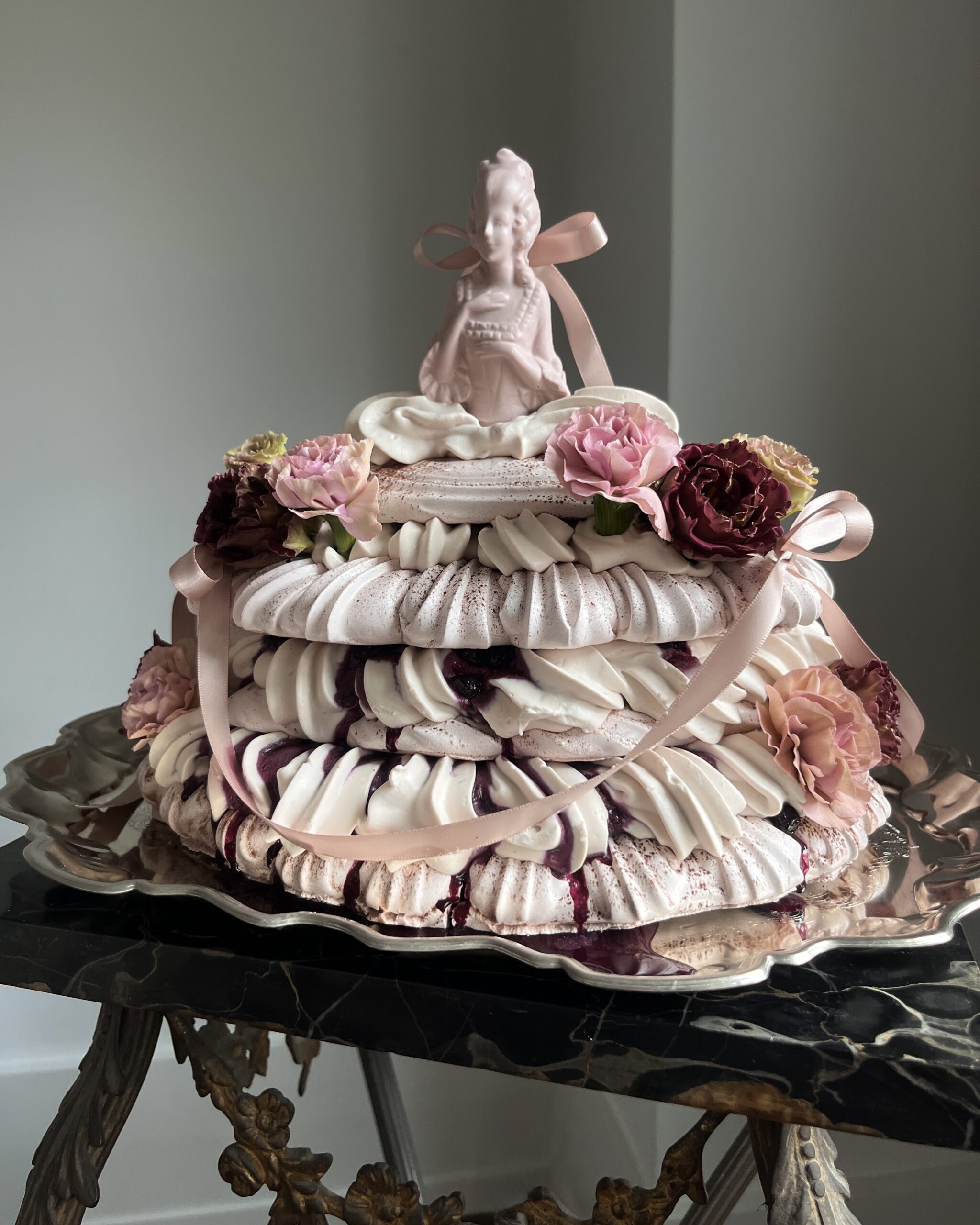
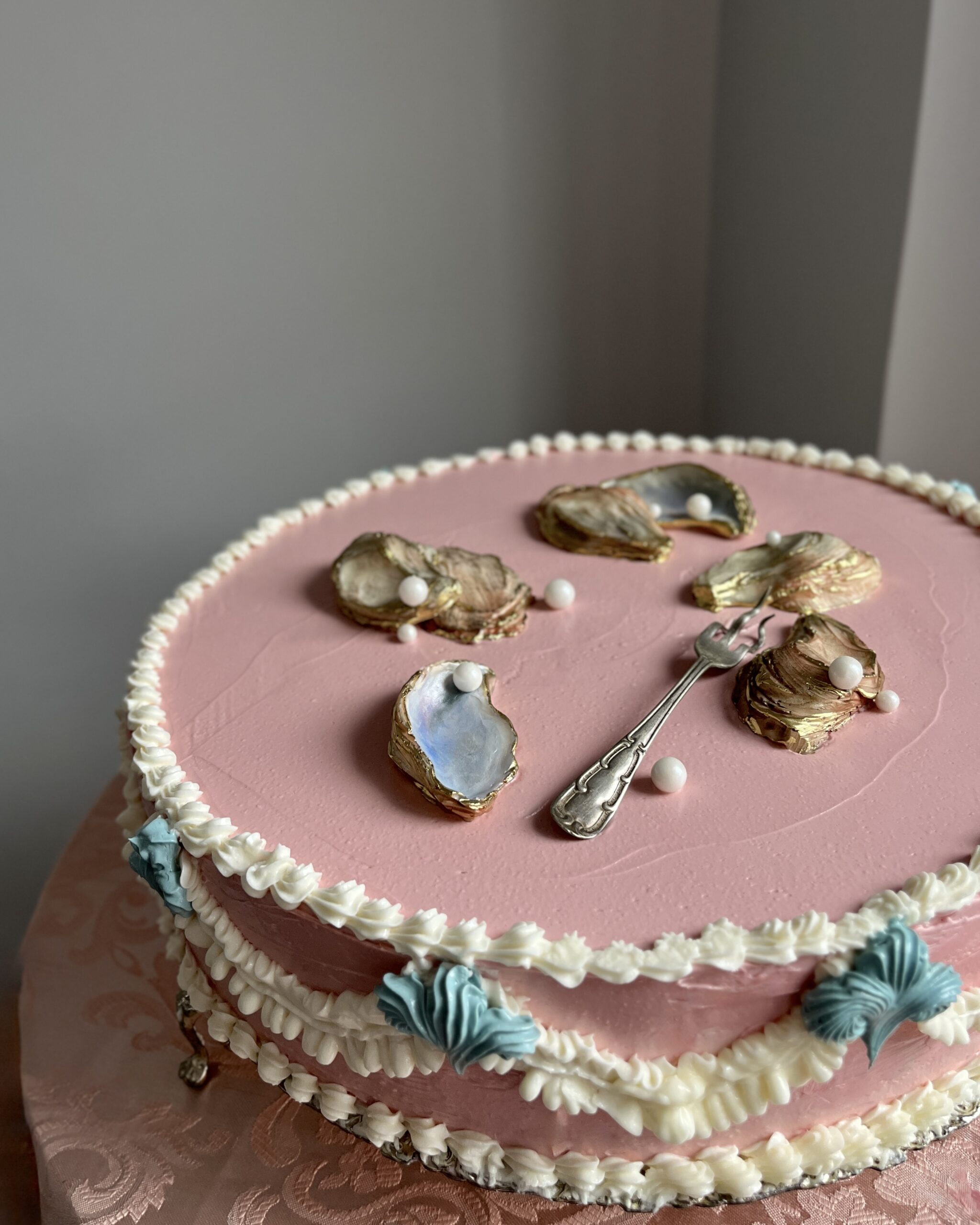
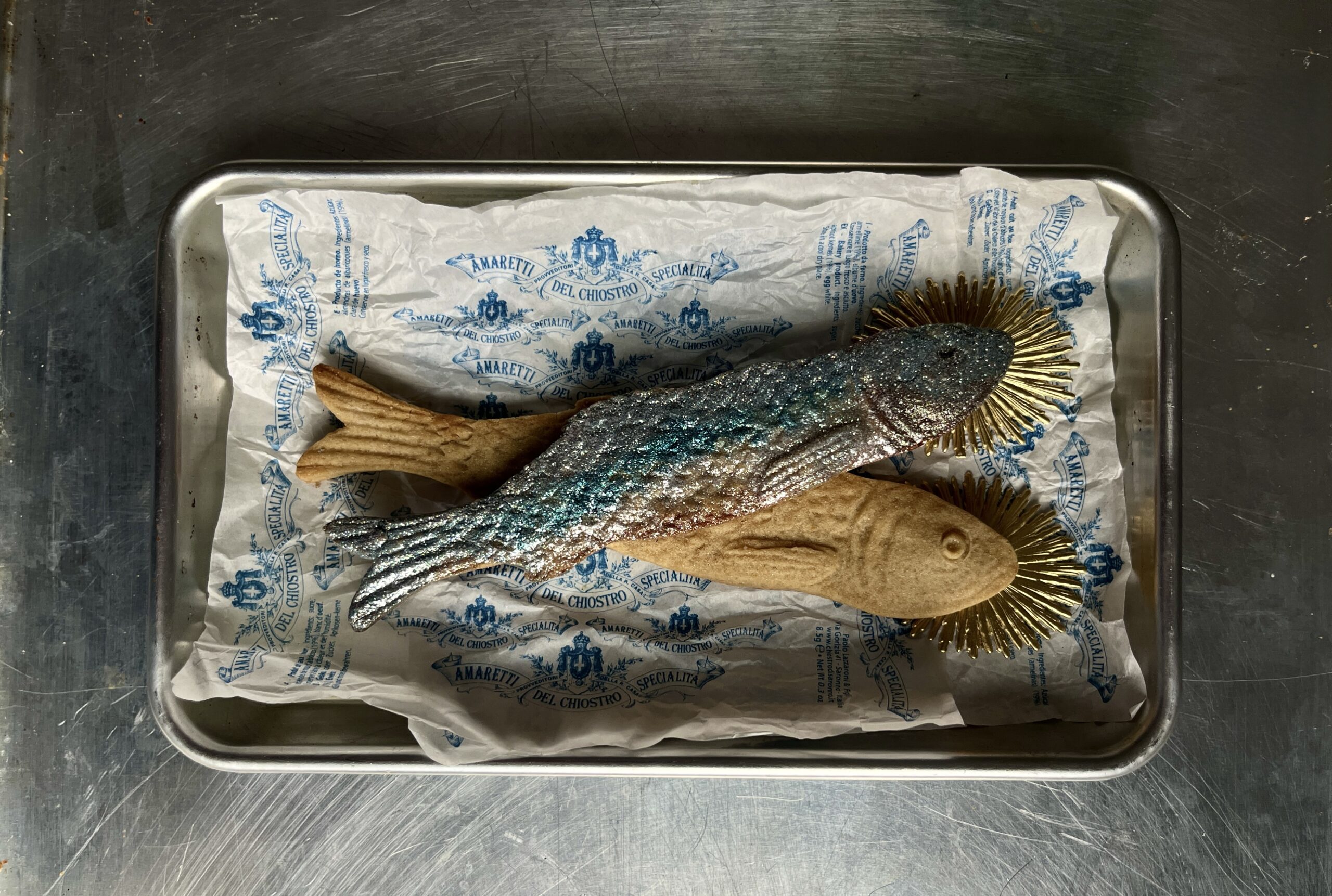
If Cake Opera were a fashion house, what would its current collection look and feel like? What references, silhouettes, textures or cultural moments are informing your work right now?
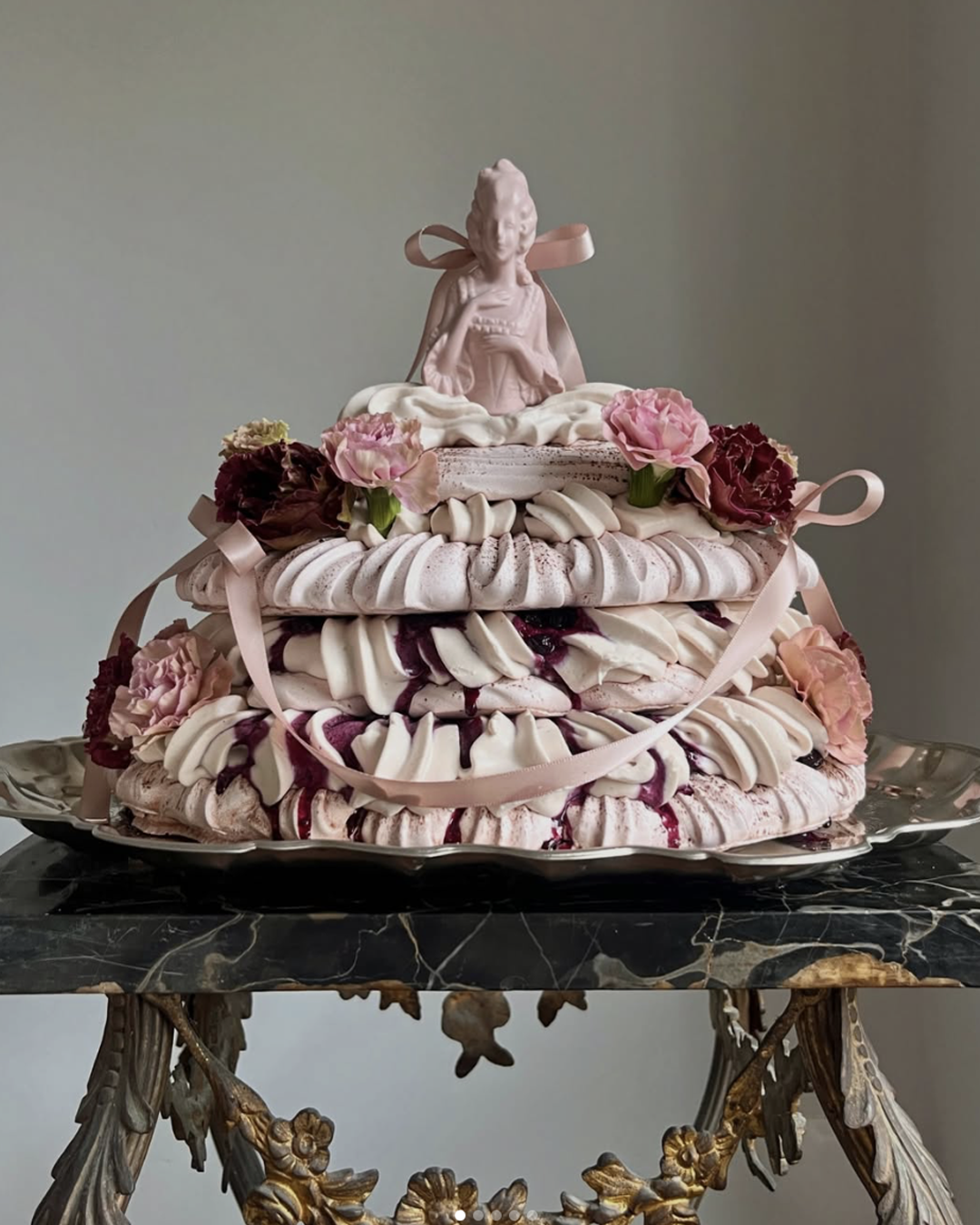
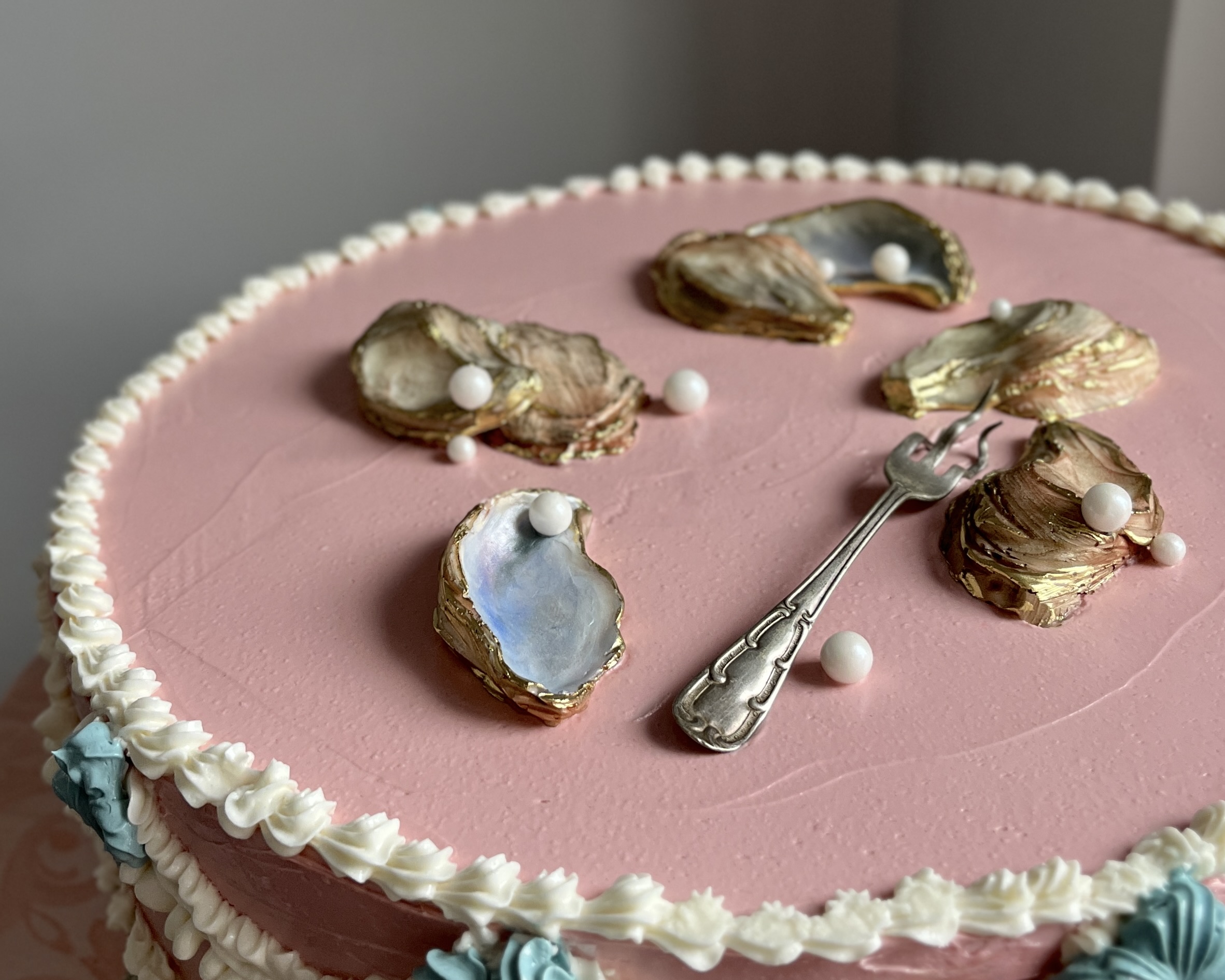
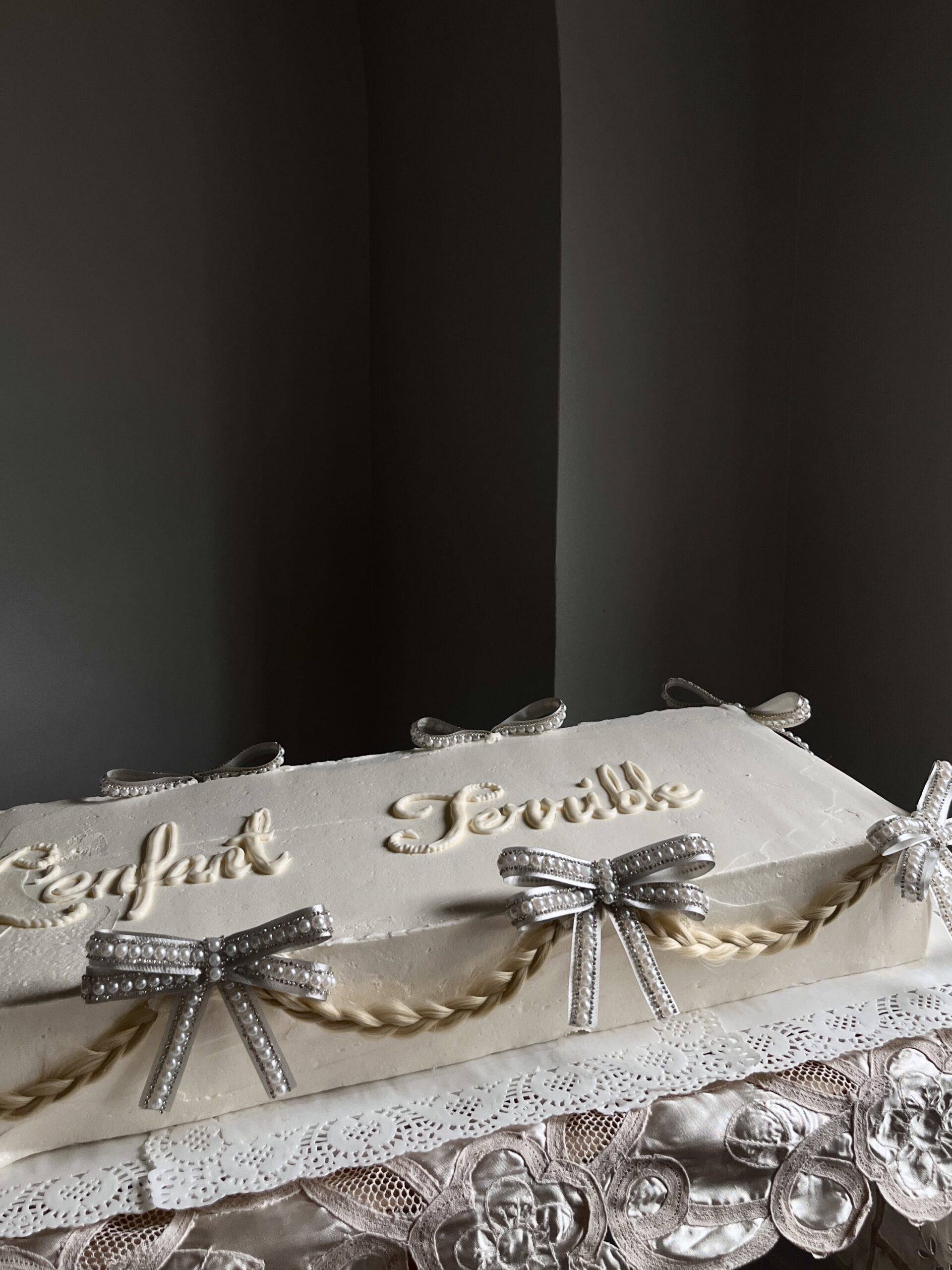
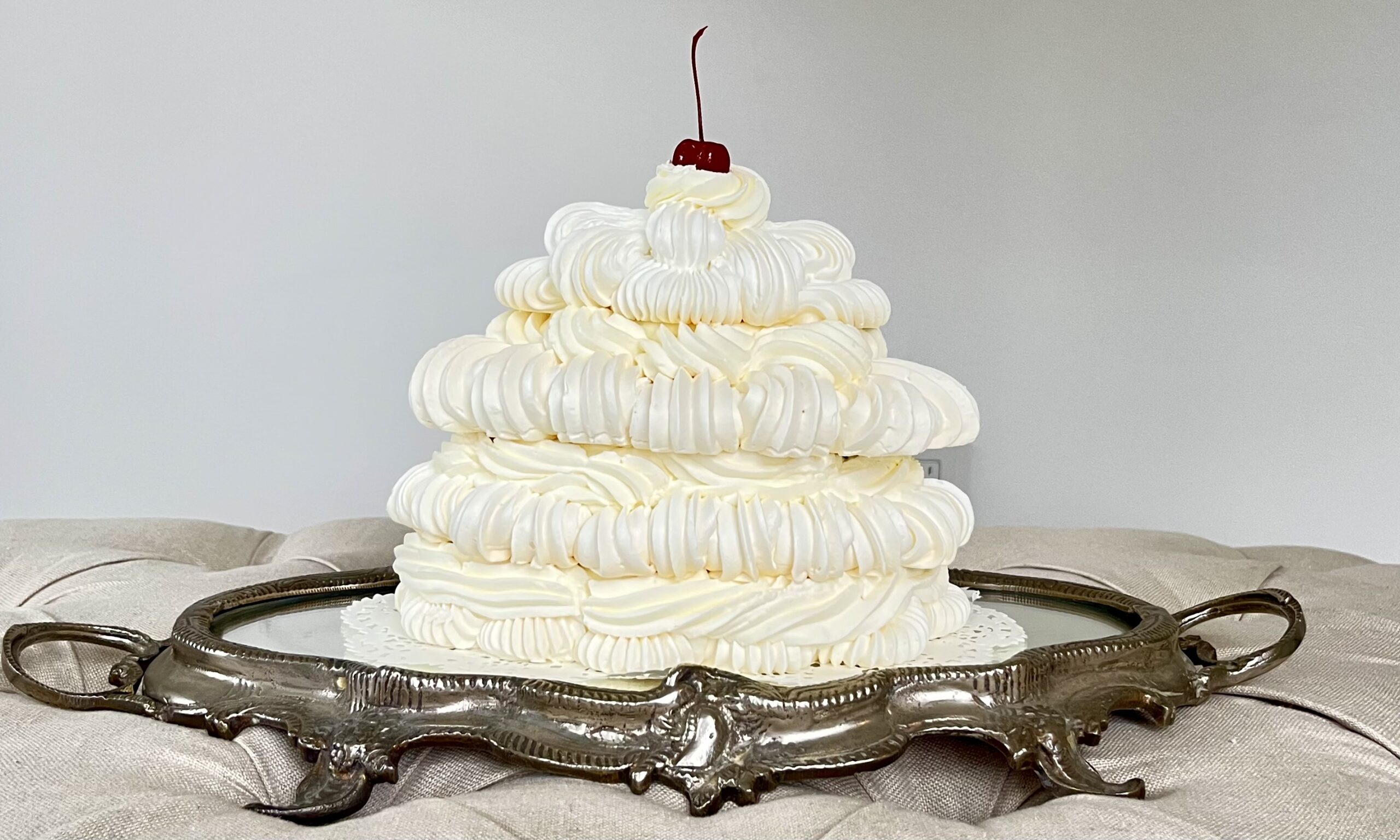
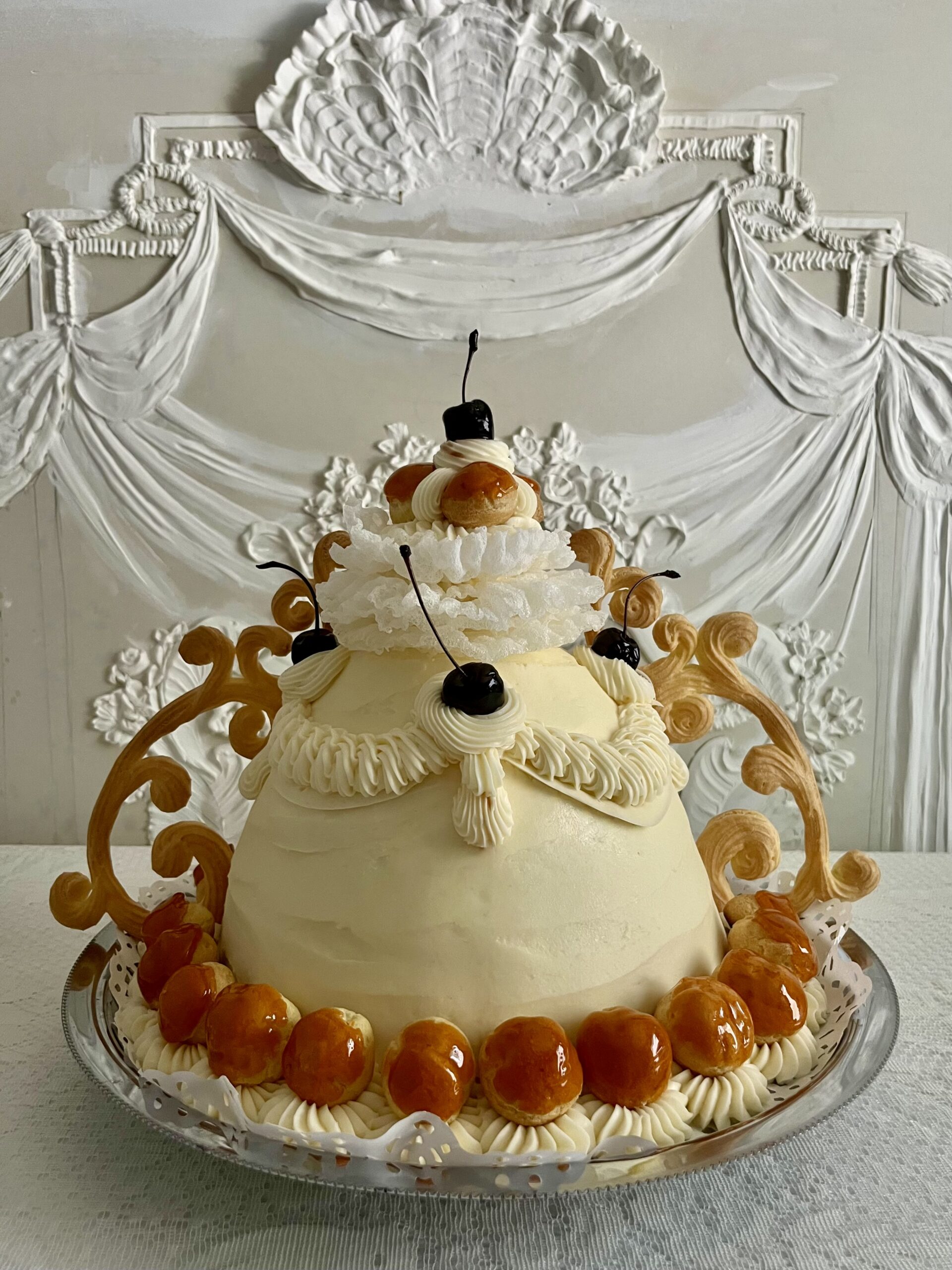
I am forever exploring the concept of the Beautiful and Grotesque. I think this constant theme will become more and more pronounced over the next year. I am really excited about the psychological tension between hair as beauty and hair as contamination. Alongside that, I find myself more and more being drawn aesthetically to food that unapologetically looks like food, in particular nougatine, meringue, and Pâte a choux . Not only does it emphasize the tension I am trying to create conceptually, but I love these moments where food retains evidence of itself. It’s honest, and in the case of nougatine, it is literally transparent and does not hide what it is.
You have built a reputation for challenging what celebration cakes can be. What are some of the outdated ‘rules’ of the cake world you most enjoy quietly dismantling?
I believe techniques do not become outdated, but I do think curiosity does. I believe Good work is good work. A Lambeth cake, a contemporary design, a sculpted cake, or a traditional wedding cake, each can be exciting when executed exceptionally well.
What I do find less interesting is the tendency for trends to become destinations rather than jumping-off points. The speed at which ideas circulate today can sometimes create an echo chamber of repetition. I would love to see more people asking not how to reproduce what is already popular, but how to push it somewhere unexpected. The future of cake design won’t come from perfect copies; it will come from individual voices.
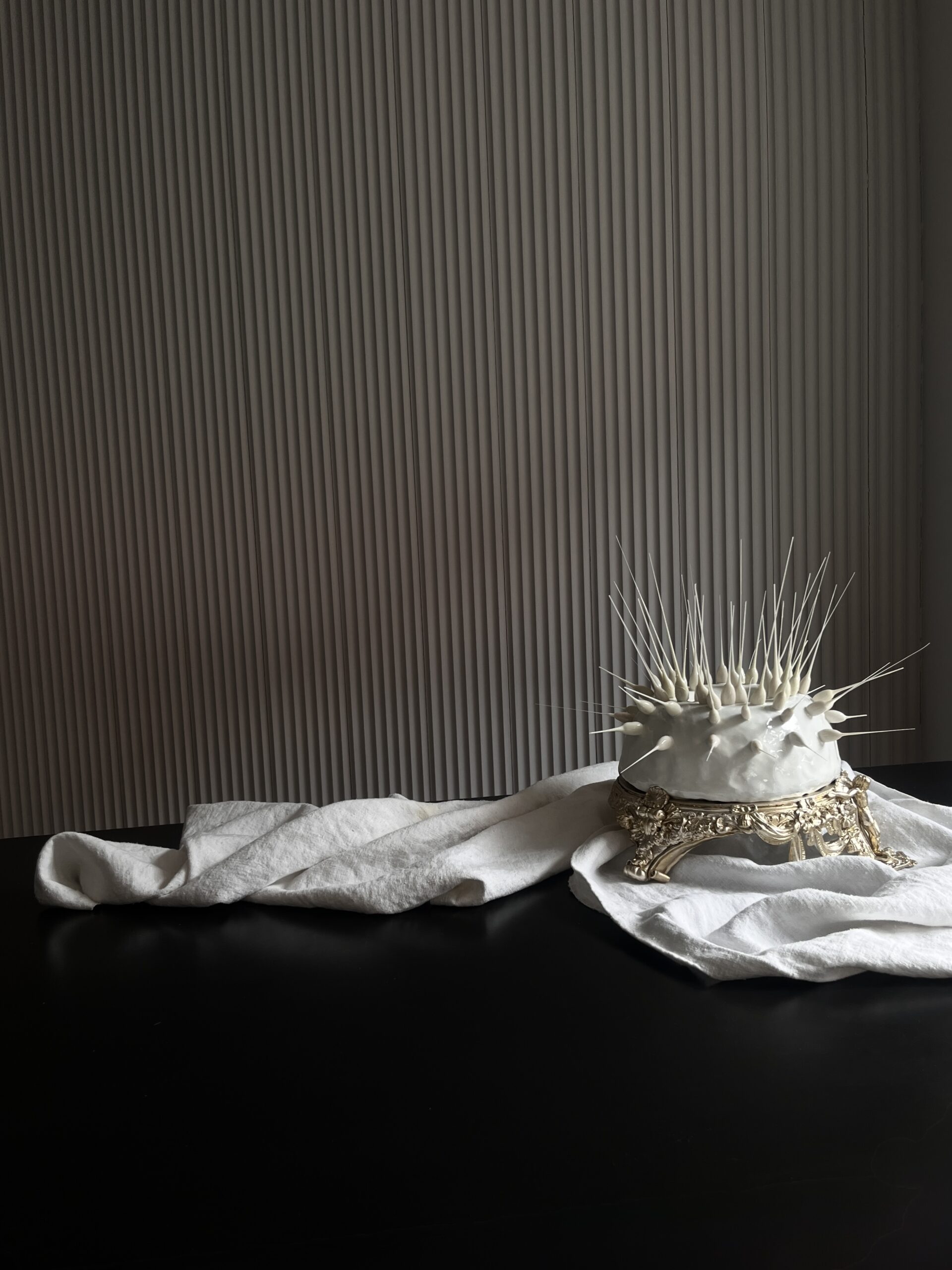
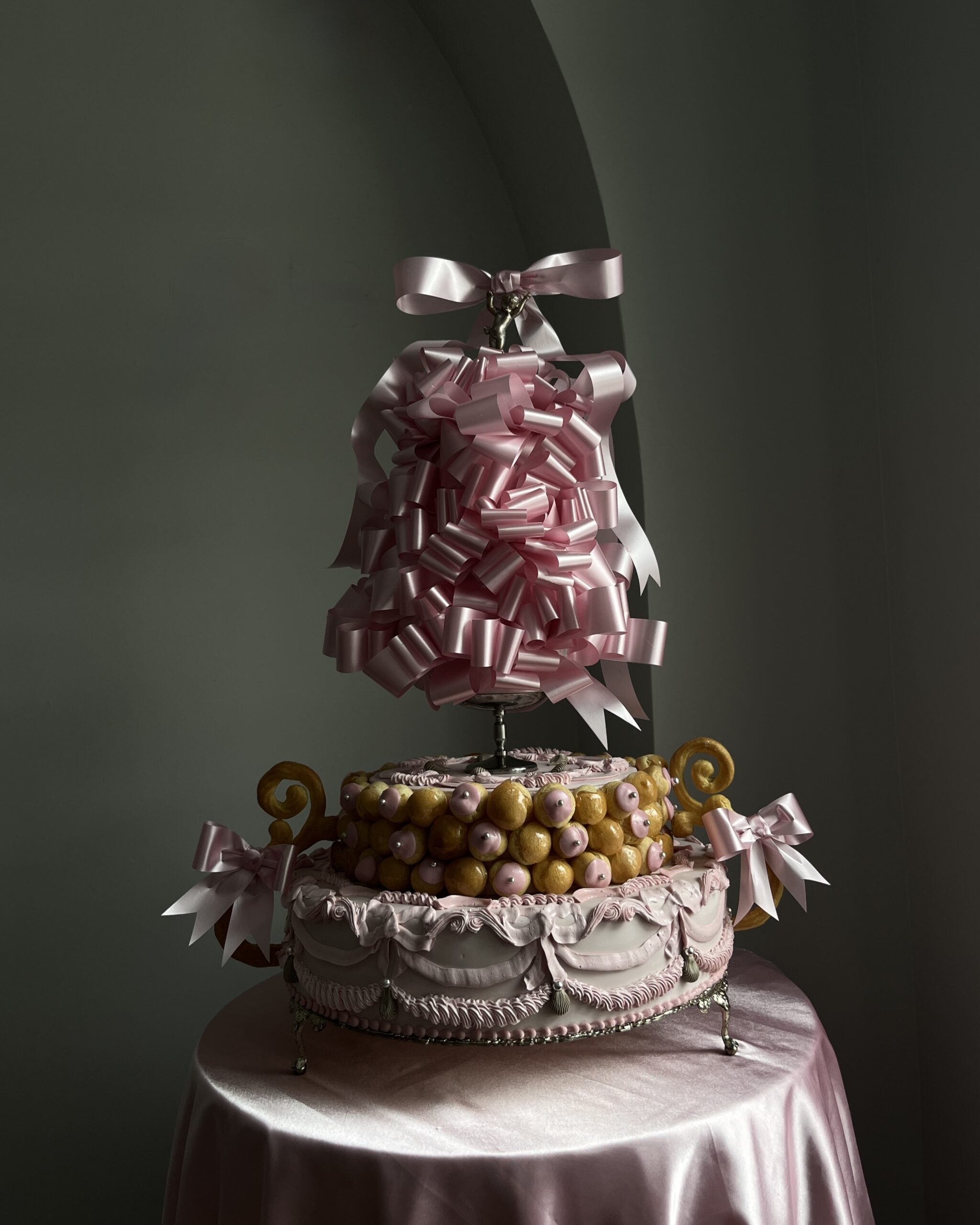
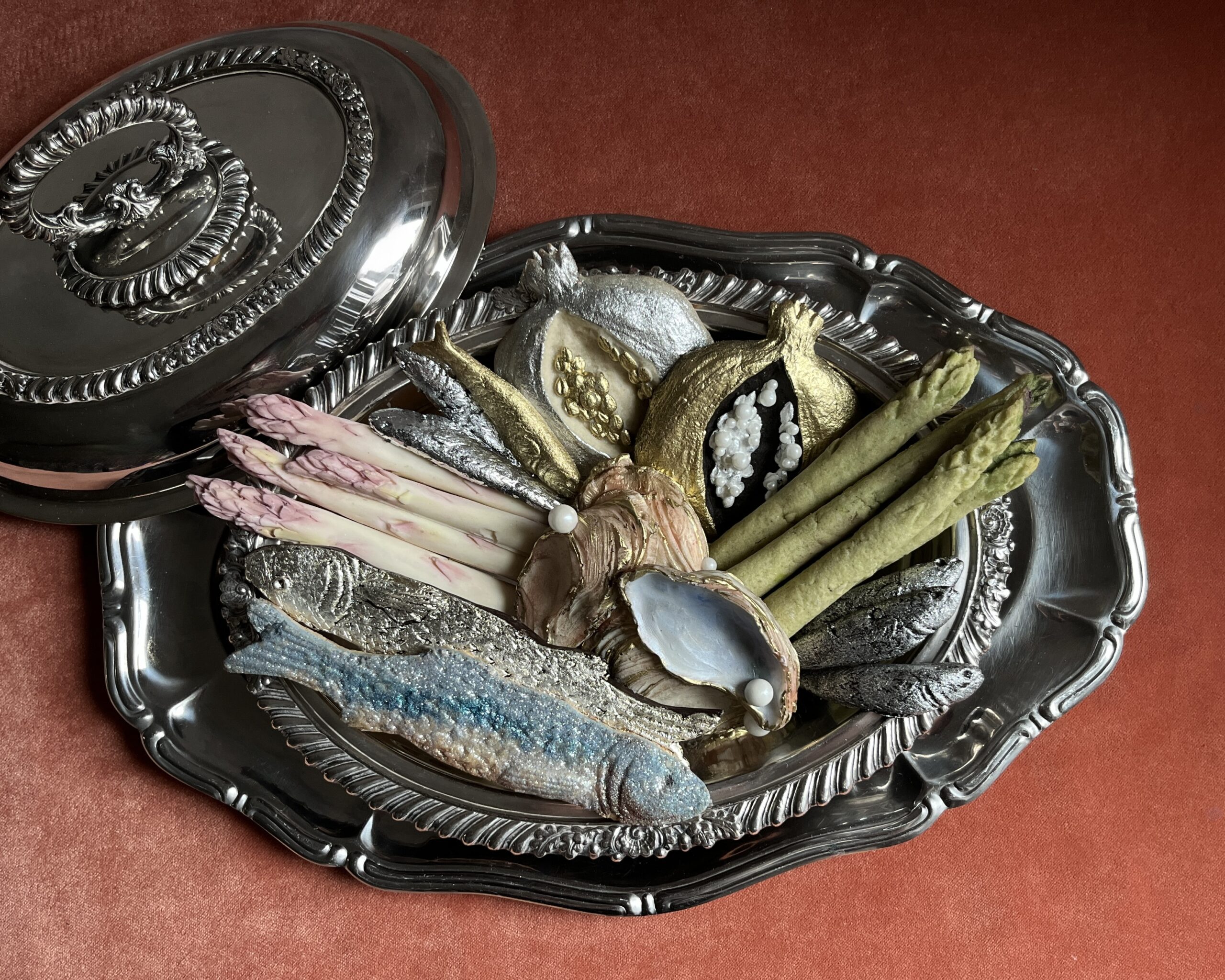
We are always fascinated by sourcing. How do you select ingredients and produce, and what does quality look like to you when creating something that needs to be both visually striking and genuinely delicious?
For me, quality is less about luxury and more about purpose. Every ingredient has a role to play, and understanding where quality makes a meaningful difference is part of the craft.
I use the best ingredients I can source for the job at hand. If the flavour of the butter is central to a recipe, I want exceptional butter. If the chocolate is carrying the flavour profile, I want chocolate with depth and character. The same is true of vanilla, nuts,fruit, and eggs. Not because expensive ingredients are inherently better, but because each ingredient contributes something different to the finished piece.
A cake can be visually striking, but if it doesn’t deliver a memorable eating experience, it feels incomplete. The goal is always to create something where the technical, visual, and sensory elements support one another equally.
For couples beginning the cake conversation, what should they realistically consider when setting a budget? What details or design decisions tend to have the biggest impact on cost, and where is it worth investing?
When couples ask about budget, I always find it difficult to answer with a single number because no two projects are alike. The work I create today is highly individualized, and each commission brings its own creative, technical, and logistical challenges.
In many ways, clients are not simply commissioning a cake; they are commissioning a process. Much of the work happens long before baking begins: developing concepts, solving technical problems, designing supporting elements, and often creating pieces or environments that have never existed before. The challenge (and the joy) lies in bringing something new into the world rather than reproducing something that already exists.
Earlier in my career, I produced a far greater volume of wedding cakes. Today, I choose to take on fewer projects and devote more time and energy to each one. That allows me to fully immerse myself in the creative process and to pursue the kind of ambitious, highly personalized work that both I and my clients find most rewarding.
For that reason, I encourage couples to think less about a predetermined number and more about what role they want the cake to play within their celebration. The scale of the vision, the complexity of the work, and the level of customization all contribute to the final budget.
What does your creative process with wedding couples look like from first conversation to final reveal? How do you balance their vision with your own instinct for pushing the design somewhere unexpected?
My role is not to replace the couple’s vision with my own, but to expand upon it. I tend to look for the most expressive, theatrical, or emotionally resonant version of an idea and follow it as far as it can go. What begins as a simple concept often evolves into something richer, more layered, and more immersive through the design process.
After more than two decades of creating cakes, I think many clients come to me precisely for that amplification. They bring the spark, and I help build the fire. The final work should still feel unmistakably theirs, but perhaps viewed through a more dramatic, imaginative lens than they initially envisioned.
Lead times can often surprise couples. When should people ideally begin thinking about their wedding cake, and what tends to happen when the process is left too late?
Conventional wisdom says to book your cake as early as possible, and in general I think that’s good advice. More time allows for a deeper creative process, especially when a project involves custom elements, unusual techniques, travel, or large-scale installations.
That said, I have never been particularly dogmatic about timelines. Over the years, I have taken on projects with remarkably short lead times simply because the idea was compelling and the logistics were achievable. Some of my favourite projects have come together under circumstances that, on paper, probably should not have worked.
For me, the question is less about how much time remains and more about what is realistically possible within that timeframe. If I believe a project can be executed to the standard my clients expect, I am often willing to take on a challenge. If I don’t believe it can be done properly, I will be honest about that from the outset, and I won’t waste your time.
The greatest advantage of planning early is not necessarily securing a date but more so allowing time for creating space for ideas to evolve.
A little creative quick-fire. What is one thing currently inspiring you in each of the following: a city, a piece of art, a fashion designer, and a flavour?
Vienna! I’m headed there for a job in a few weeks, and learning to understand the nuances of what makes something distinctly Viennese has me fully immersed.
A Toulouse Lutrec postcard I’ve had on my fridge for 25 years. It’s one of the prints that I believe is a little more difficult to find, but it’s an old vanilla coloured ground with his gorgeous black gestural line work of a woman with a cropped yellow bob and black opera gloves. Above her is written the word CONFETTI.
Nougatine! Praline! Whatever you want to call it, I love everything about it. And it’s so old-school classical European pastry.
If you could create an entirely unconstrained cake commission inspired by any cultural reference, whether an opera set, a runway collection, a historic interior or a cinematic moment, what would it be and why?
If I had complete freedom for a cake commission, I would always come back to this image from Great Expectations ,the old black-and-white version from 1946, the Miss Havisham scene at the wedding banquet.
Everything is still set as if the moment is about to happen, but it never does. The table is laid, the room is dressed for celebration, but it’s all been left. It’s covered in a thick layer of dust and lacey cobwebs, and in black and white monochrome it becomes even harder to tell what’s really there and what’s just shadow. It looks like a ghostly memory.
What I love about it is that it sits right between something beautiful and something unsettling, again the beautiful and the grotesque. You can still see what it was meant to be: a perfect, formal, happy day, but it’s been left long enough that time has turned it into something else completely.
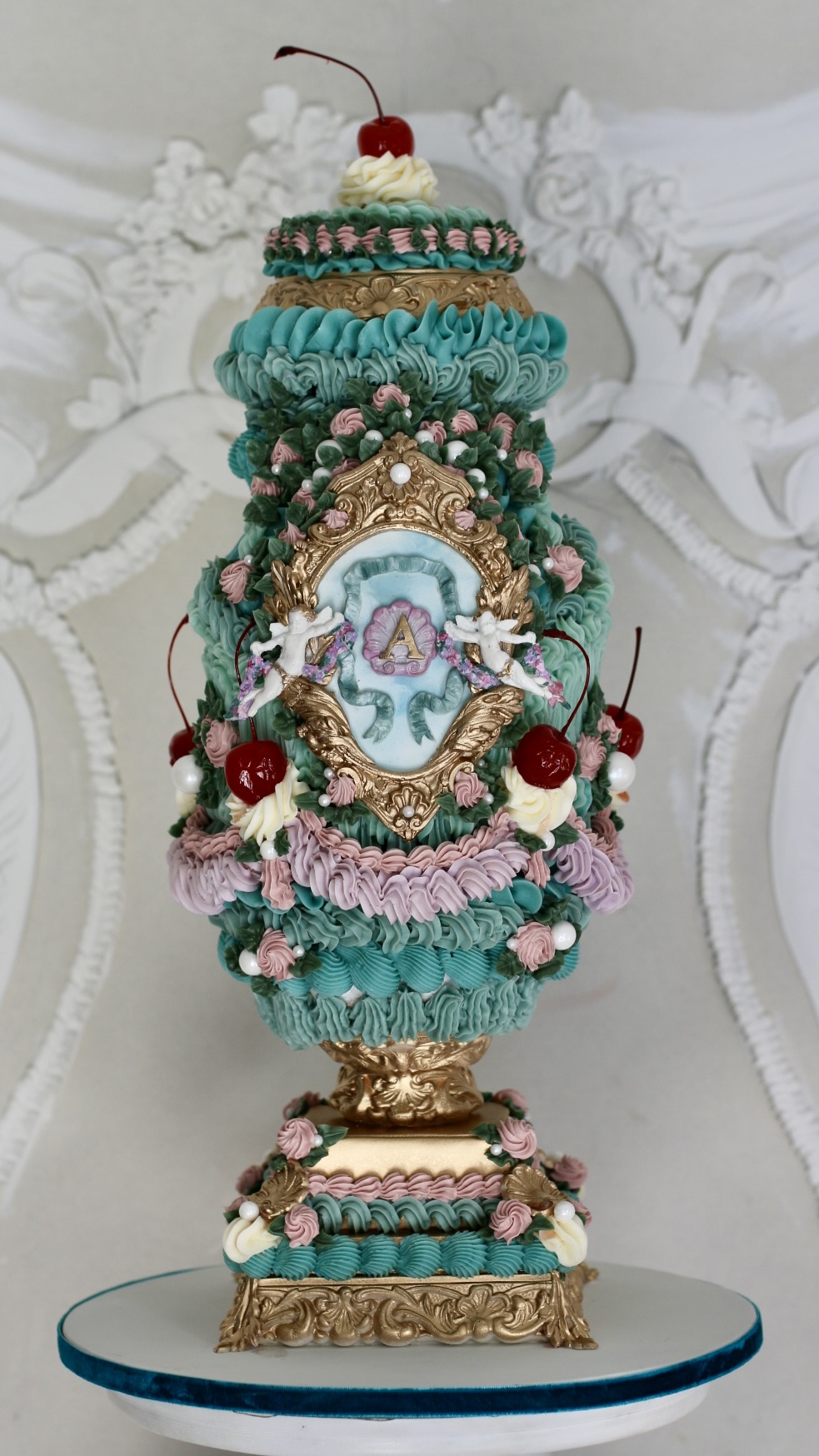
Your work feels unapologetically expressive. In an industry that can often lean towards repetition, how do you stay ahead of trends and continue setting them rather than following them?
I don’t really follow trends in a direct way, but I don’t avoid them either. I usually treat them as something to work with rather than something to copy. Almost like raw material.
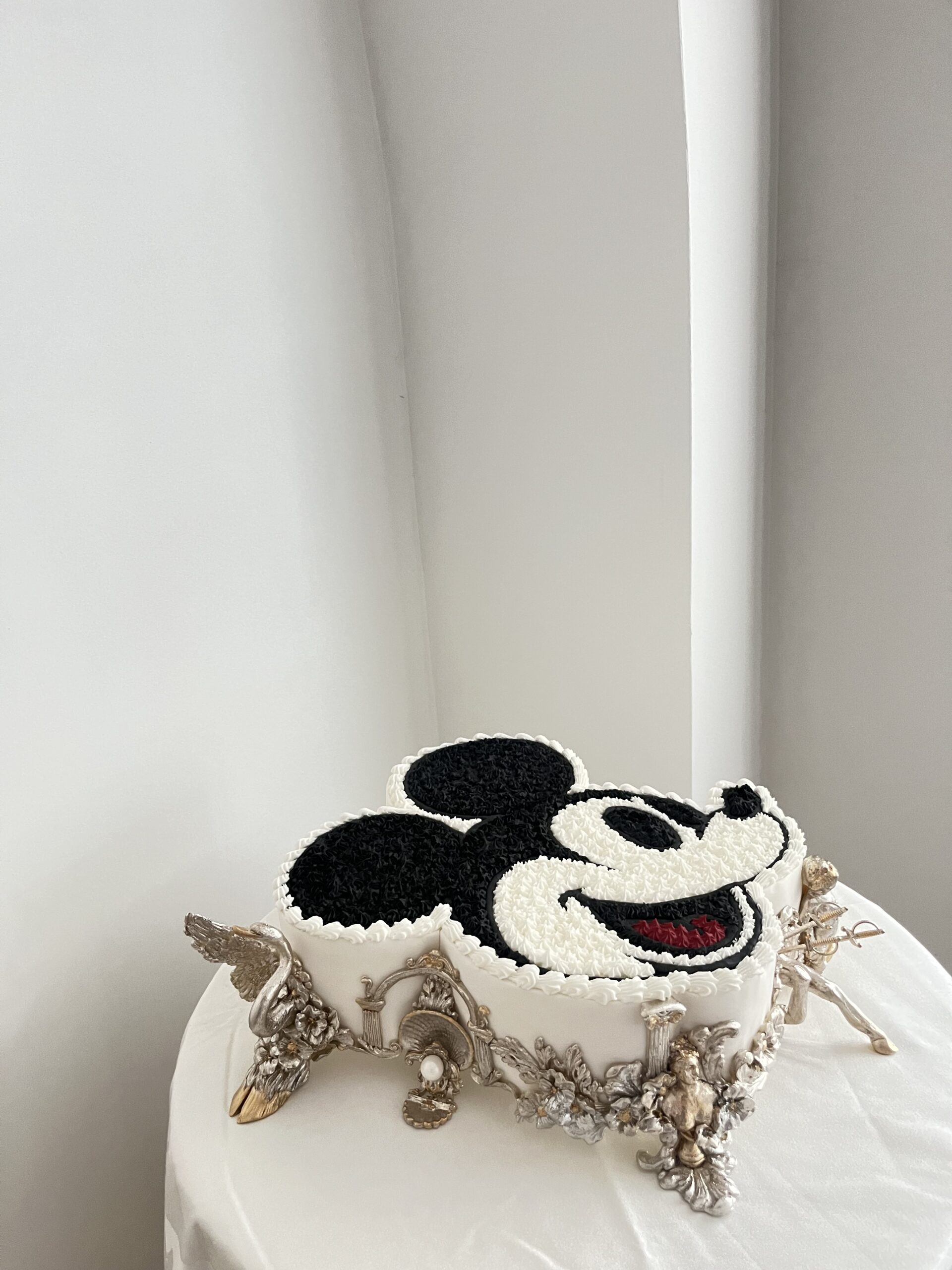
If I like a trend, I’ll take it, but I can’t just use it as it is. I always have to push it through my own language until it becomes something else. Usually that means making it more theatrical, more layered, more… Cake Opera.
There are a few things I always seem to bring into it. There’s usually a bit of awkwardness, a bit of decadence, something unexpected and playful, and always some kind of narrative running through it. I like when something feels a little off, but still beautiful enough that you’re drawn in.
It’s not about controversy for the sake of it. It’s more about taking something familiar and twisting it just enough that it becomes a story rather than just a reference, and I like to take the viewer with me as a witness. That’s usually how I stay ahead of things, because I’m not really interested in repeating what’s already there. Why would you?
A playful one to finish. Which cake trend deserves its final curtain call, and which underappreciated detail or flavour do you think is waiting for its standing ovation?
I think what interests me is not changing the material, but changing the assumption around it. For example, Fondant is one of those materials that’s been heavily criticized in popular perception.
A lot of that comes from how it’s been portrayed in television and online baking culture, where instead of showing how it has been used in pastry for centuries as a delicate and highly technical material, it has evolved into something overly sweet, overly artificial, and unhygienic.
As all trends are essentially aesthetic hyperboles, I believe when sugar paste returns, it will reclaim its own reputation. So again, for the cheap seats in the back, I’m here to defend the beautiful and the grotesque 😉
For more information visit cakeopera.co and @cakeoperaco