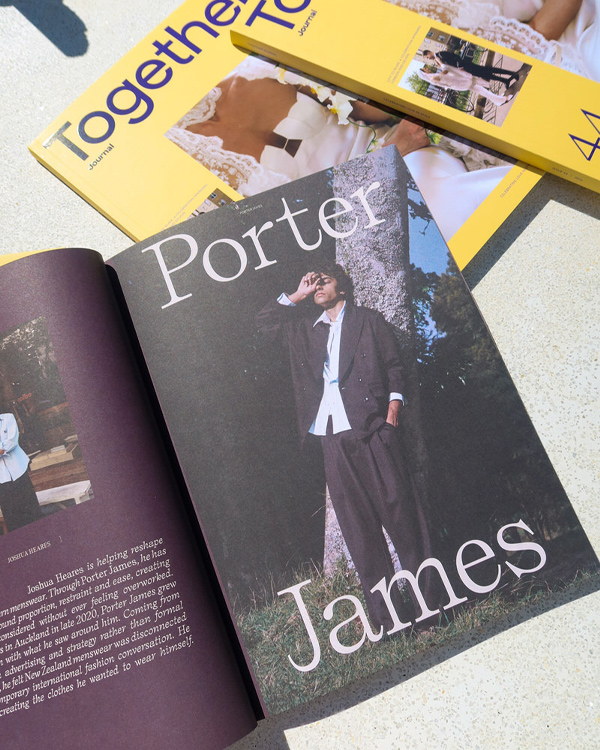
Moving beyond traditional suiting, Porter James champions considered tailoring designed for life beyond the occasion.
Joshua Heares is helping reshape the language of modern menswear. Through Porter James, he has built a wardrobe around proportion, restraint and ease, creating clothes that feel considered without ever feeling overworked. Founded by Heares in Auckland in late 2020, Porter James grew from a frustration with what he saw around him. Coming from a background in advertising and strategy rather than formal fashion training, he felt New Zealand menswear was disconnected from the contemporary international fashion conversation. He responded by creating the clothes he wanted to wear himself
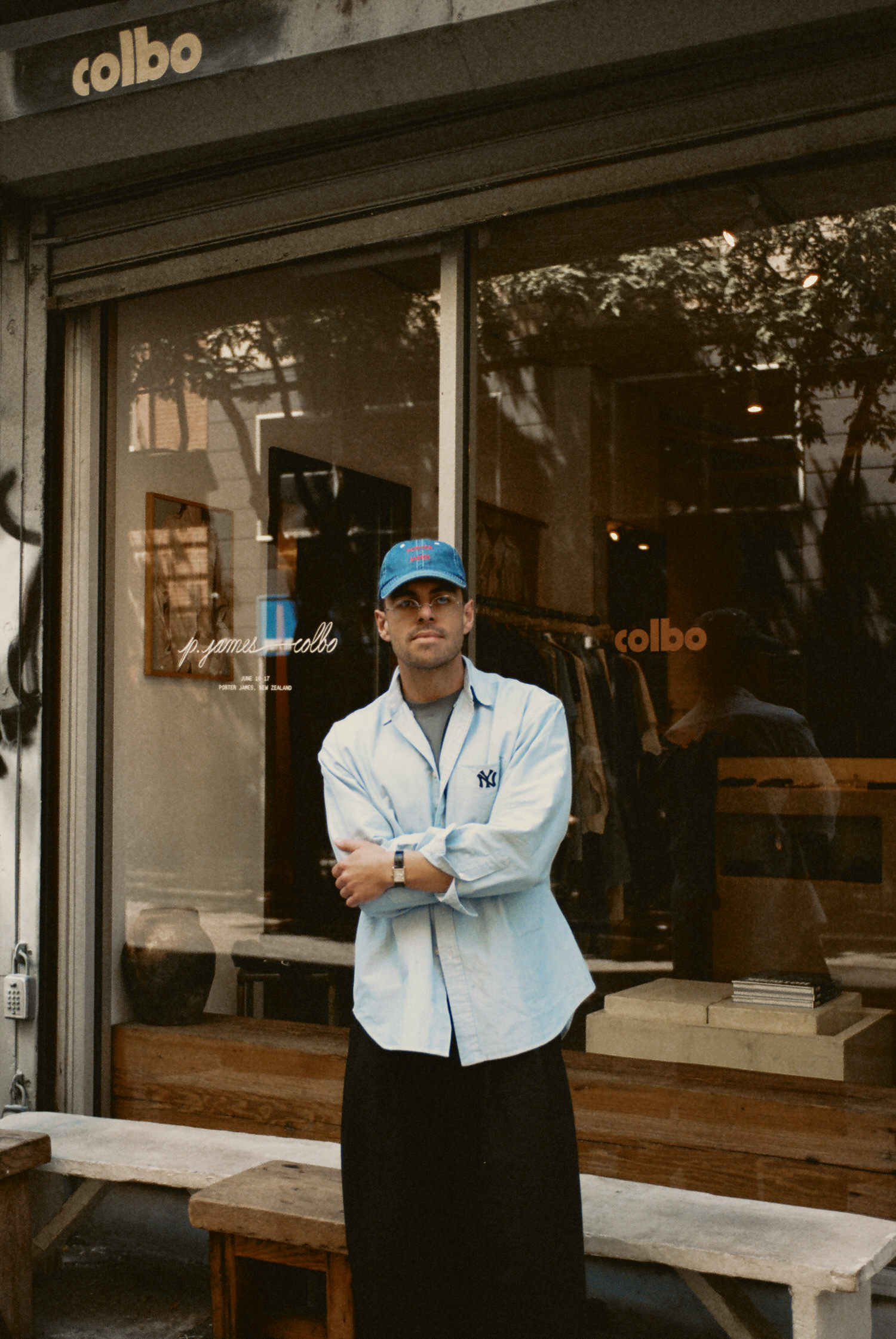
Joshua Heares – Founder of Porter James
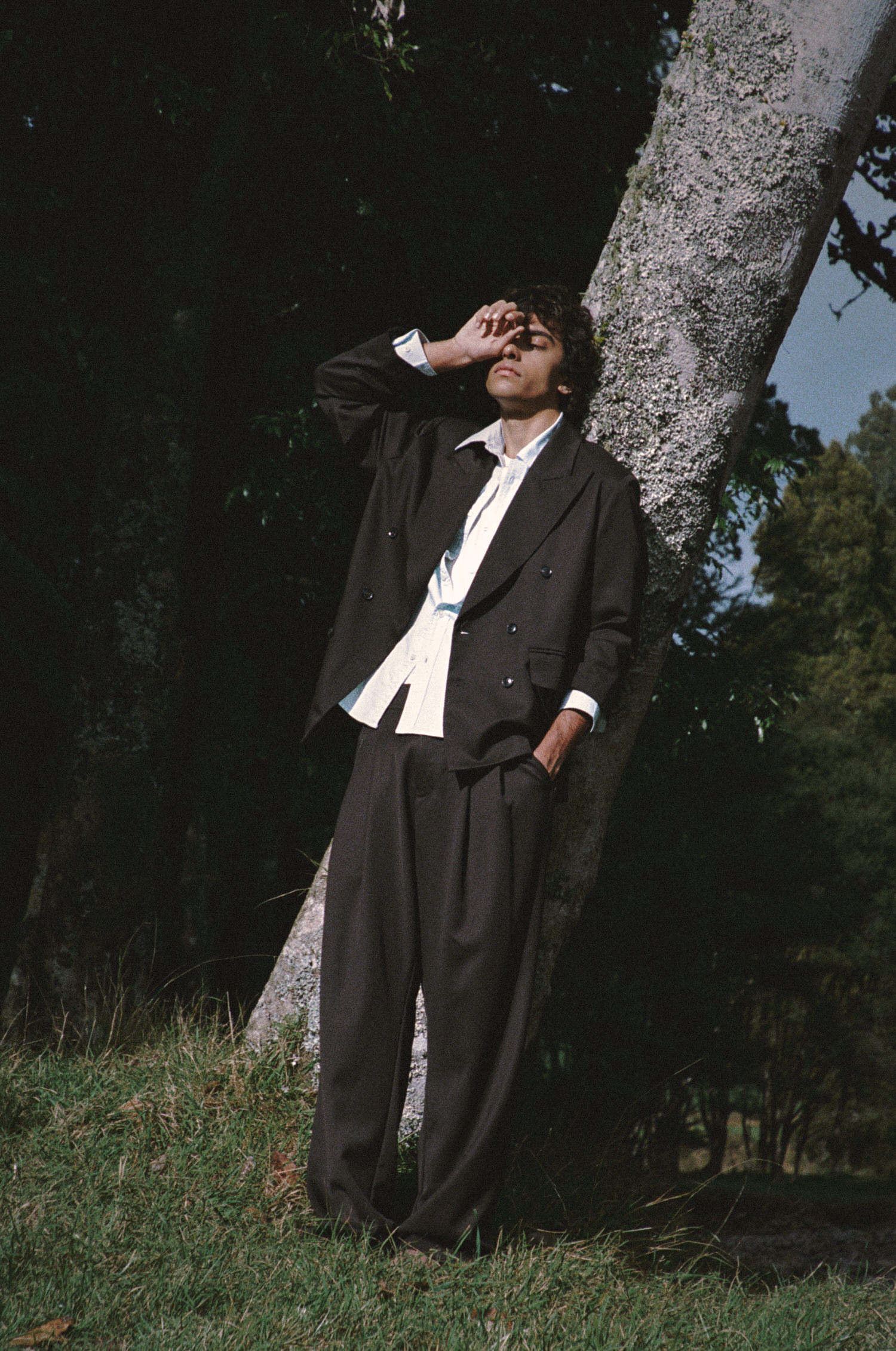
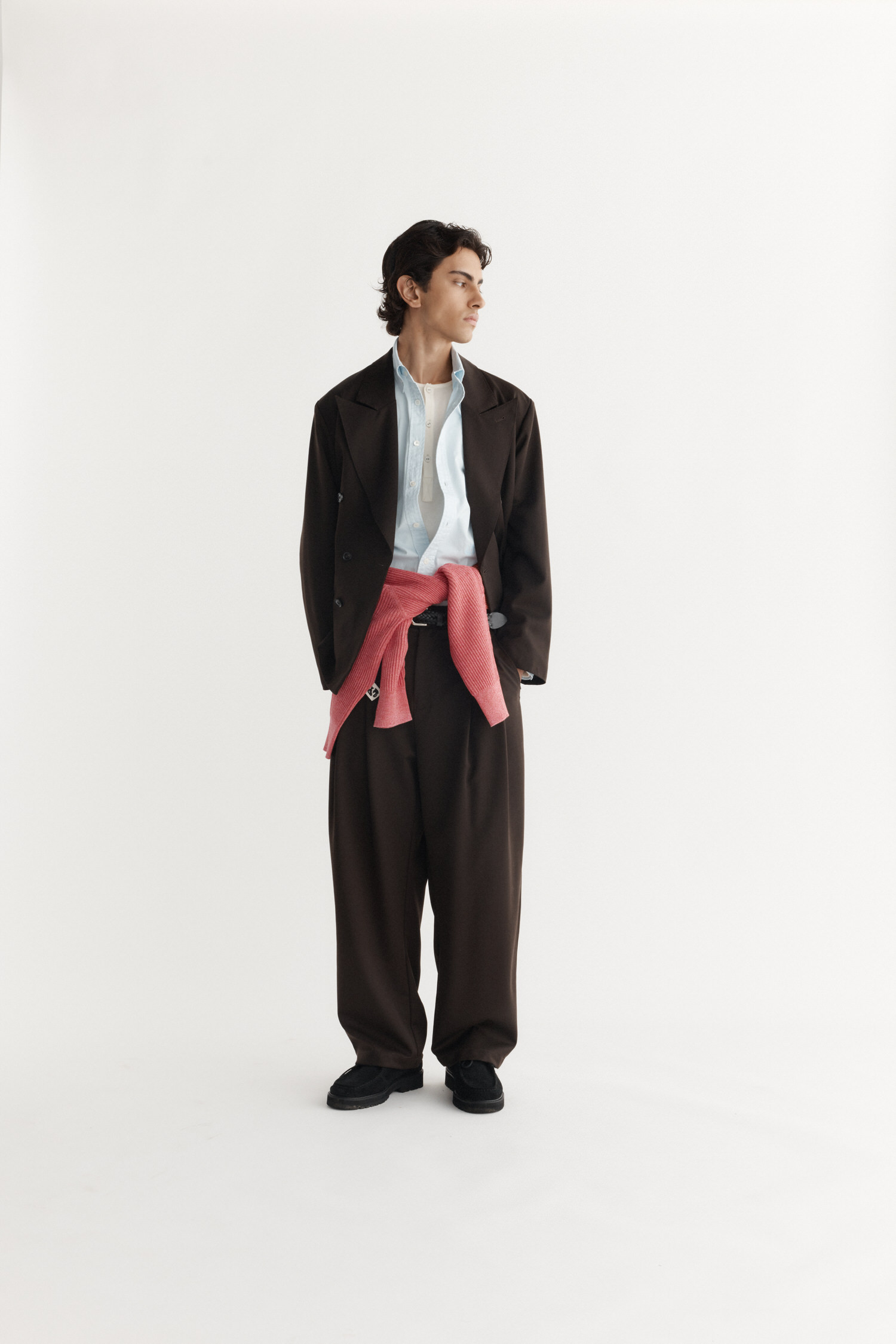
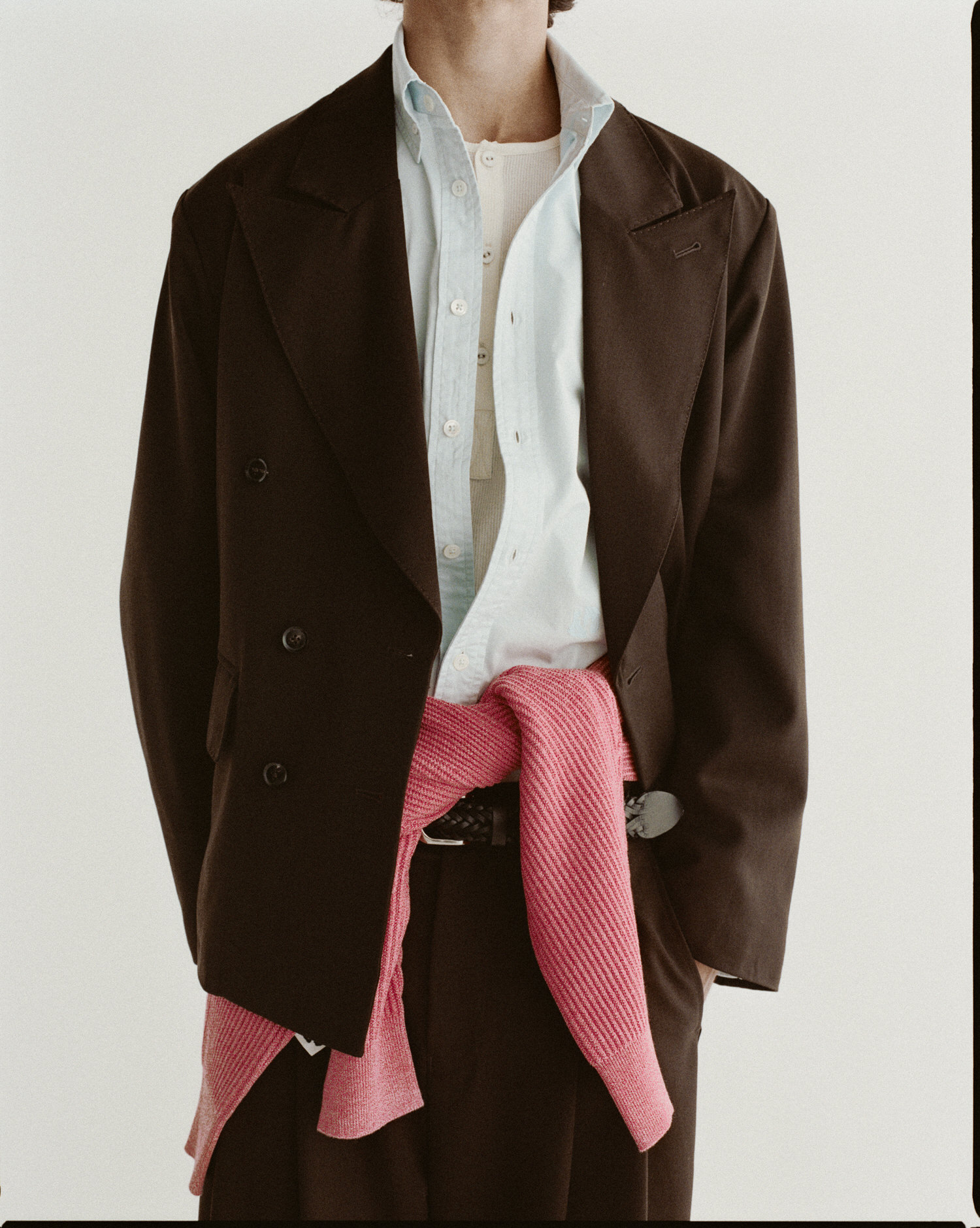
What has emerged since Joshua founded Porter James is a distinctly New Zealand interpretation of modern menswear, informed by international references but relaxed in attitude. Tailoring is softer, trousers are fuller, proportions are considered, and fabrication does much of the talking. Rather than reinventing itself each season, Porter James operates around an idea of continual refinement, building a modular wardrobe of pieces intended to work together and endure beyond a single moment.
That philosophy feels particularly relevant to the way men are dressing now. The boundaries between work, weekends, events and weddings are becoming increasingly fluid. A beautifully cut trouser might be worn with knitwear one day and tailoring the next. A suit chosen for a wedding should have a reason to exist long after it. Occasion dressing no longer necessarily means dressing like somebody else.
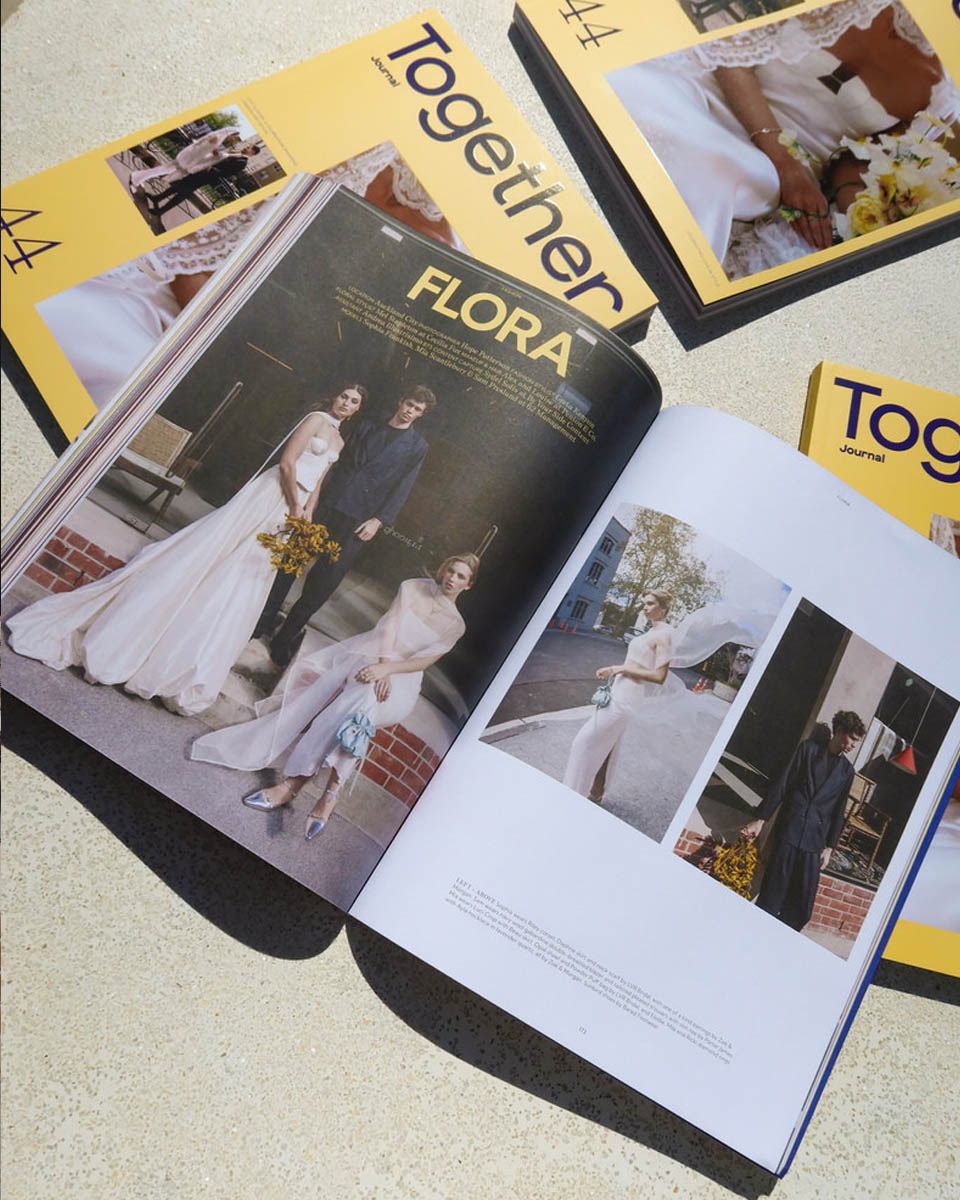
We have watched that shift play out from within the pages of Together Journal, too. Over the years, Porter James has increasingly appeared on grooms, groomsmen and wedding guests who are interested in fashion but don’t necessarily want conventional wedding attire. It is an organic fit for a brand that doesn’t position itself as inherently wedding-focused.
Now spanning relaxed everyday pieces through to increasingly assured tailoring, Porter James occupies an interesting space in men’s fashion. It is neither traditional menswear nor trend-led fashion, but something in between.
We talk to Joshua about proportion, personal style, dressing for significant moments and why the best wedding purchase might be something you will wear the following week.
Porter James began partly because you couldn’t find the clothes you wanted to wear. As the brand has grown, how has your idea of modern menswear evolved?
The more the brand evolves, the more restraint I exercise. Quieter designs, I guess, which are underpinned by quality fabrics.
You talk about “continual refinement” rather than constant reinvention. In an industry built around newness, how do you know when a familiar Porter James shape needs evolving and when it is better left alone?
It’s really instinctive, if I’m honest. My intuition guides me. As a creative, your point of view is the product. That’s what your customers are paying for.
I will selfishly discontinue a product if I no longer feel it aligns with the vision, even if it’s selling well.
Proportion has become such an important part of the Porter James language. What can changing proportion do for the way a man looks and, perhaps more importantly, feels?
I think it’s about dressing for your body type. Antipodean men are typically fuller, with more muscle. Growing up, I struggled to wear Northern Hemisphere brands because they simply didn’t fit. Tall and narrow, European-like.
The right fit is a huge part of inspiring confidence. We’re seeing more Porter James on grooms, groomsmen and guests, yet the clothes never feel overtly “wedding”.
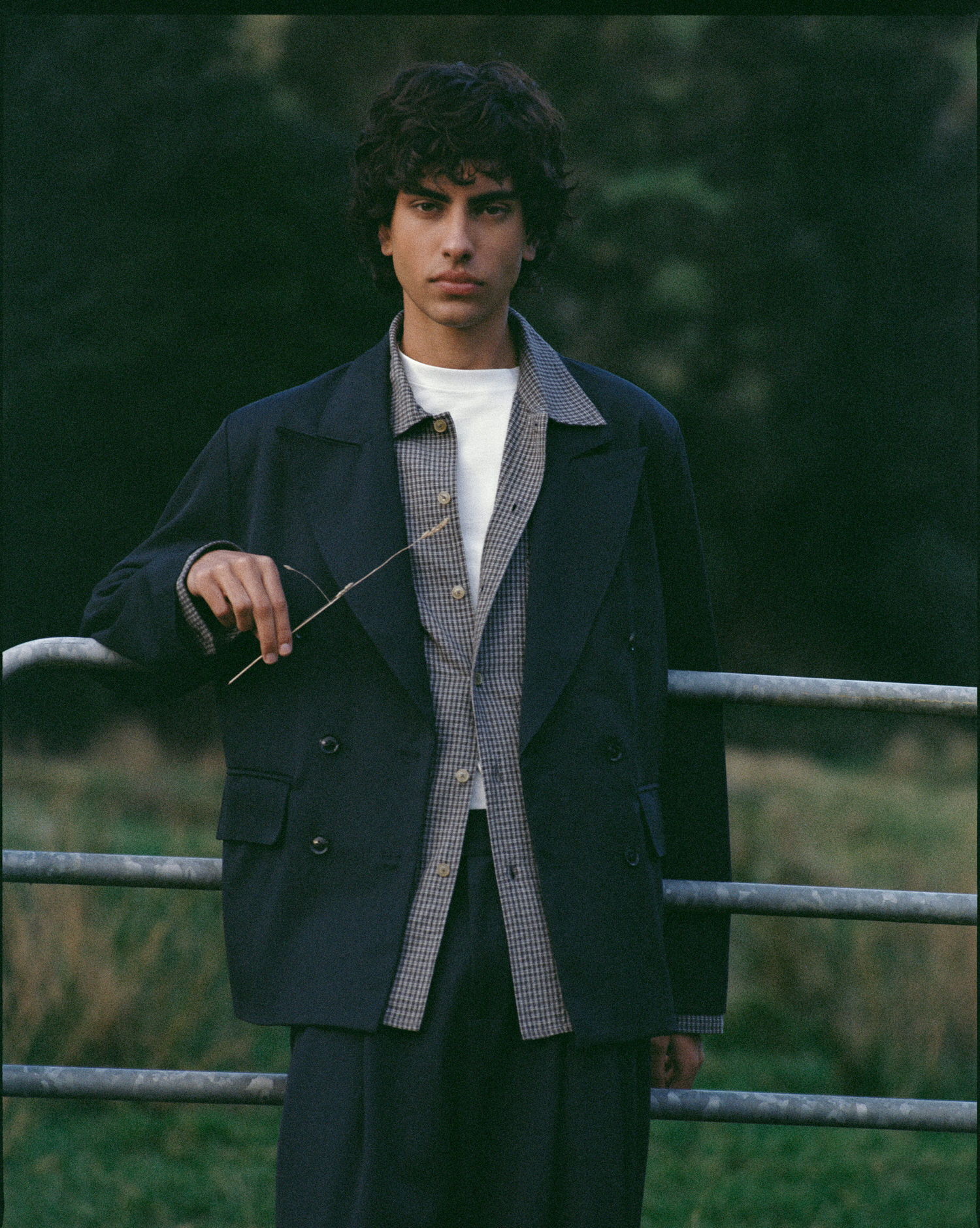
When you’re designing tailoring, do you think about the different lives a piece might have, from work and dinner to a wedding or significant event?
Absolutely. Let’s be real: the cost per wear on wedding attire isn’t typically great, so I design with an entirely modular wardrobe approach.
The wool jacket you wore to your mate’s wedding should also look beautiful with your denim.
You’ve described Porter James as an extension of your own identity, and your idea of “a life well-designed” goes beyond clothes. What are you most particular about outside fashion?
Design is holistic. From your home interiors and the car you drive to the clothes you wear. Everything is a byproduct of your world. That’s my approach to Porter.
If I’m honest, I’ve learned more about being a designer through graphics, furniture and music than I have from fashion.
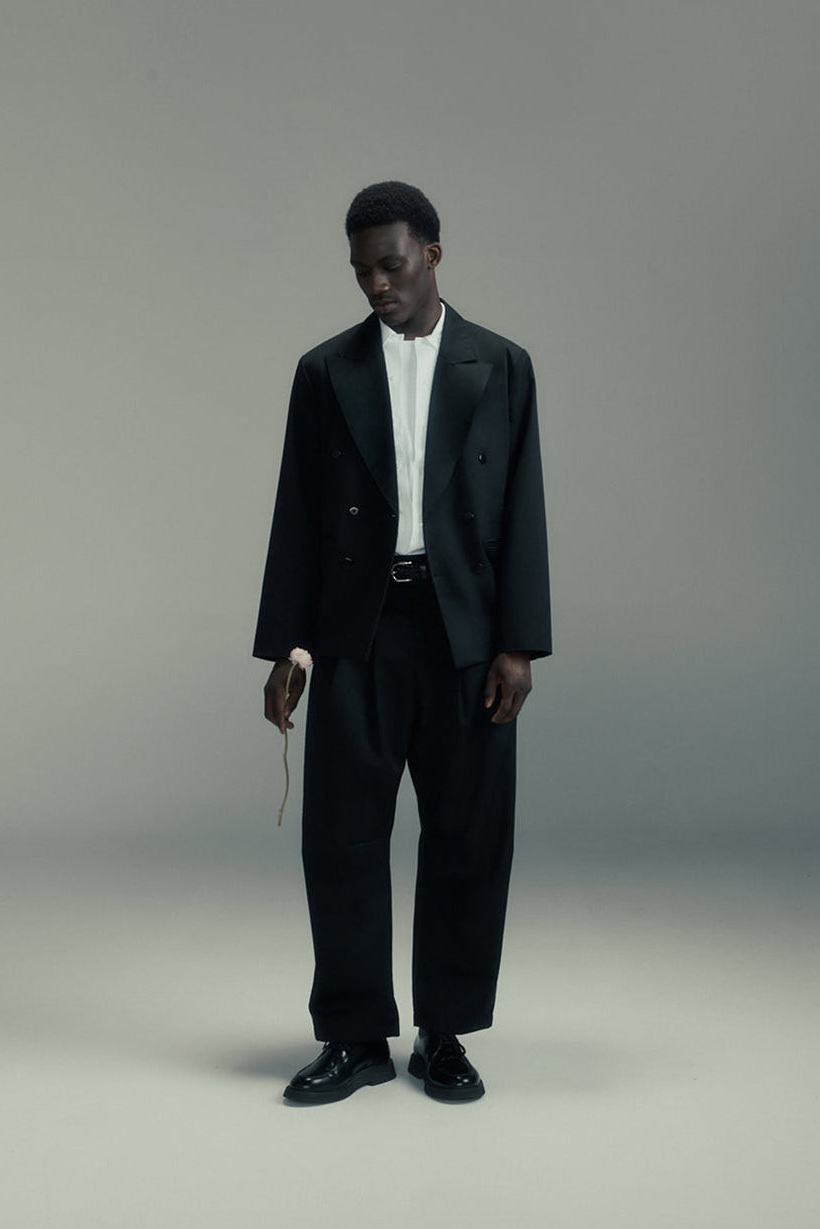
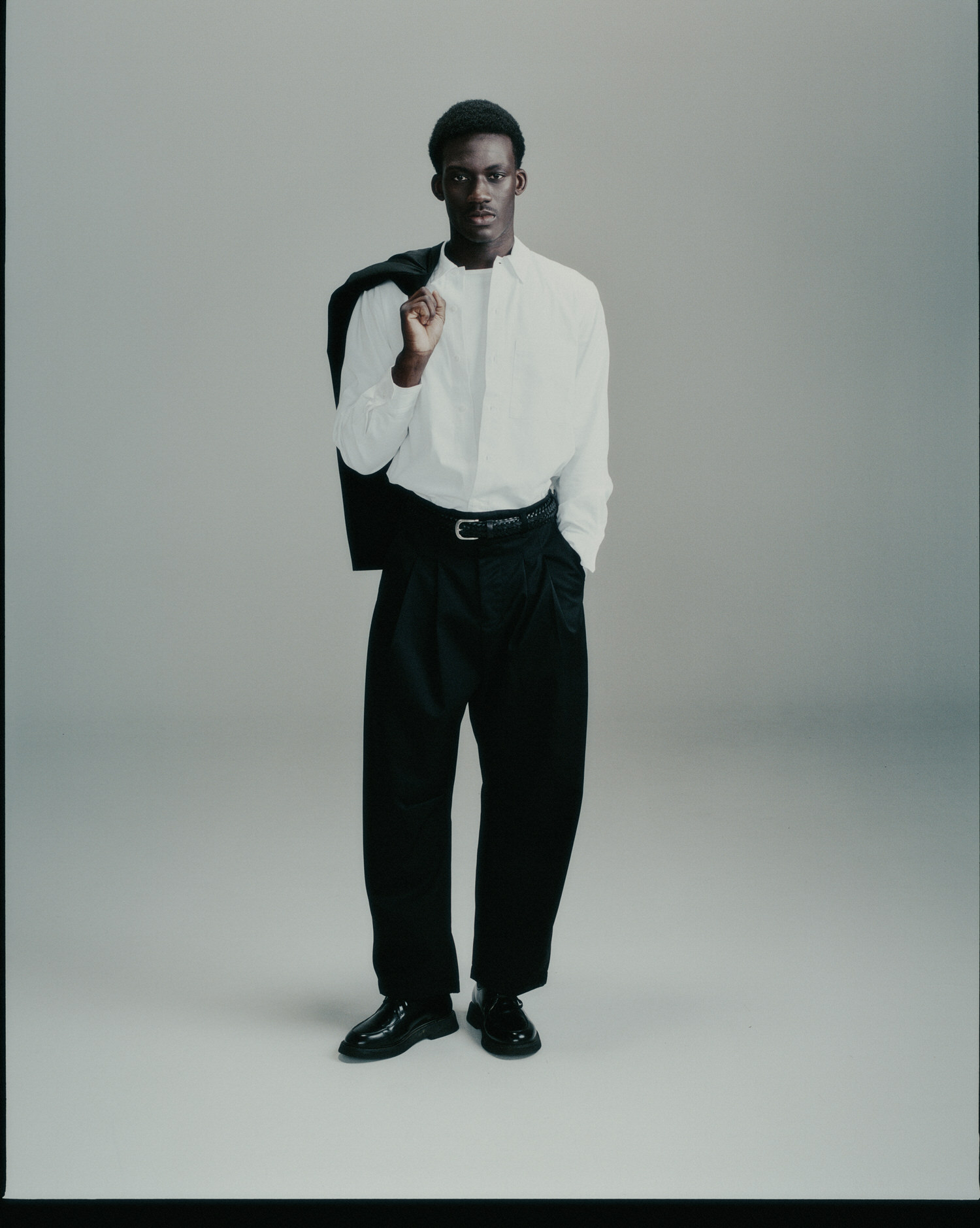
Men seem increasingly willing to experiment with silhouette, fabrication and styling rather than relying on the conventional suit as a uniform for important occasions. Where do you think menswear, and particularly the way men dress for weddings and events, goes from here?
I think we are in a good place currently, and I hope we continue to refine where we are at. Modular, relaxed (not baggy), premium fabrics. The general population still has some ways to go, however, so hopefully we can eradicate more slim-fitting suits over the coming years.
A new approach to dressing up
Porter James makes a convincing case for removing the boundaries between fashion and occasionwear. These are pieces for people who care about what they wear, whether the destination is a wedding, dinner, an important meeting or simply somewhere worth dressing well for. And for the growing number of grooms and wedding guests looking beyond conventional suiting, Porter James offers something increasingly relevant: clothes worthy of the occasion, without being defined by it.
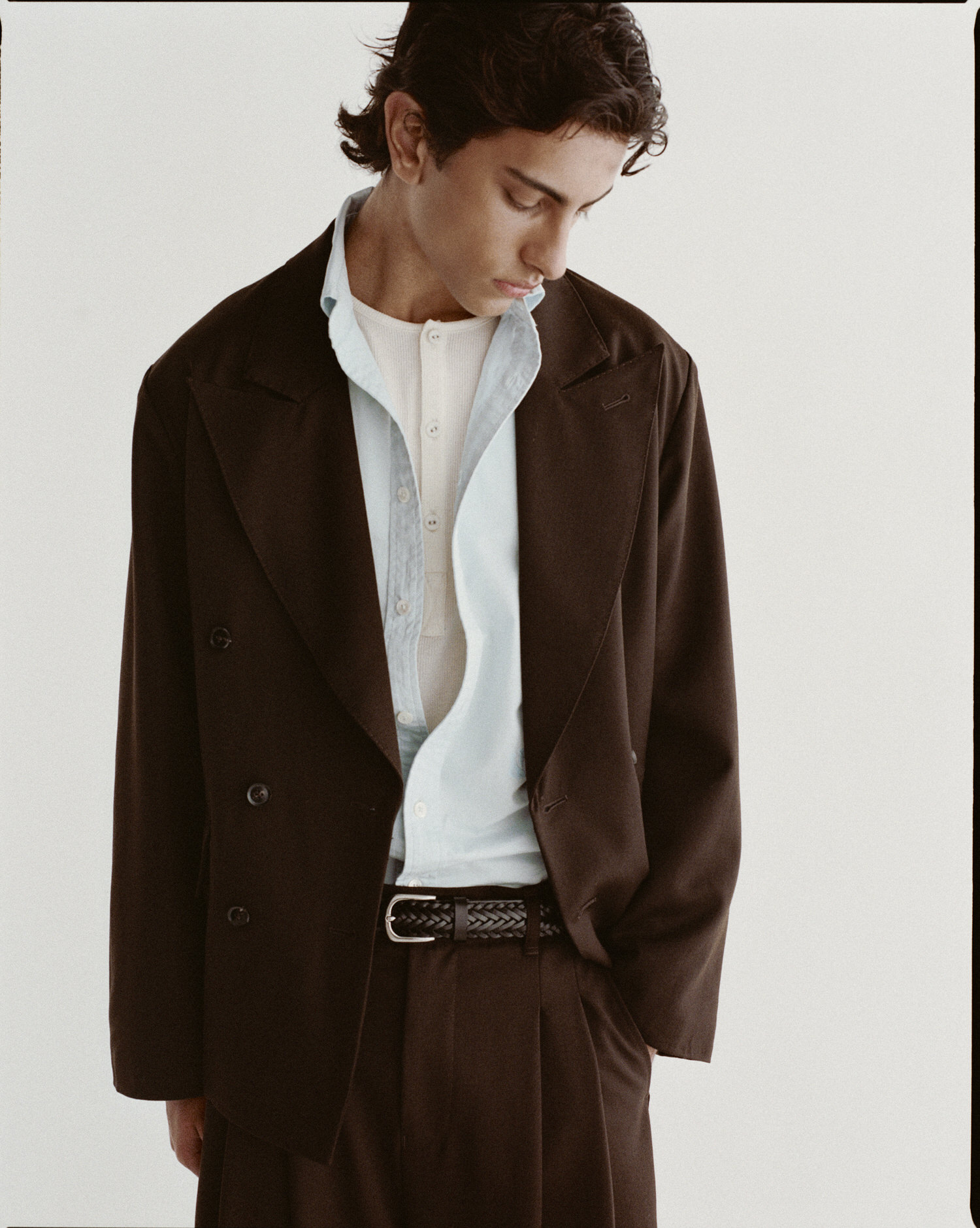
For more information, visit porterjames.com and @porterjames
Porter James