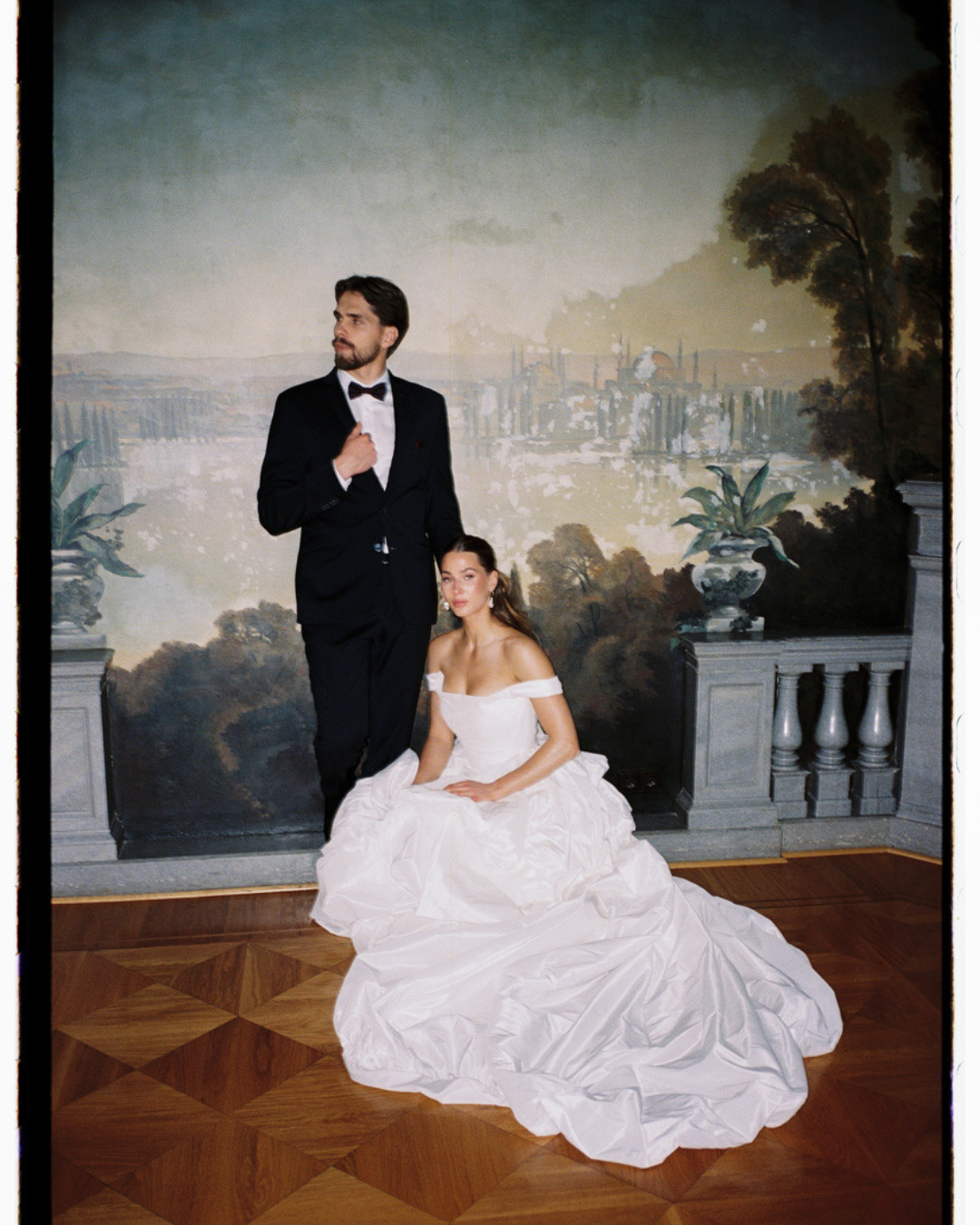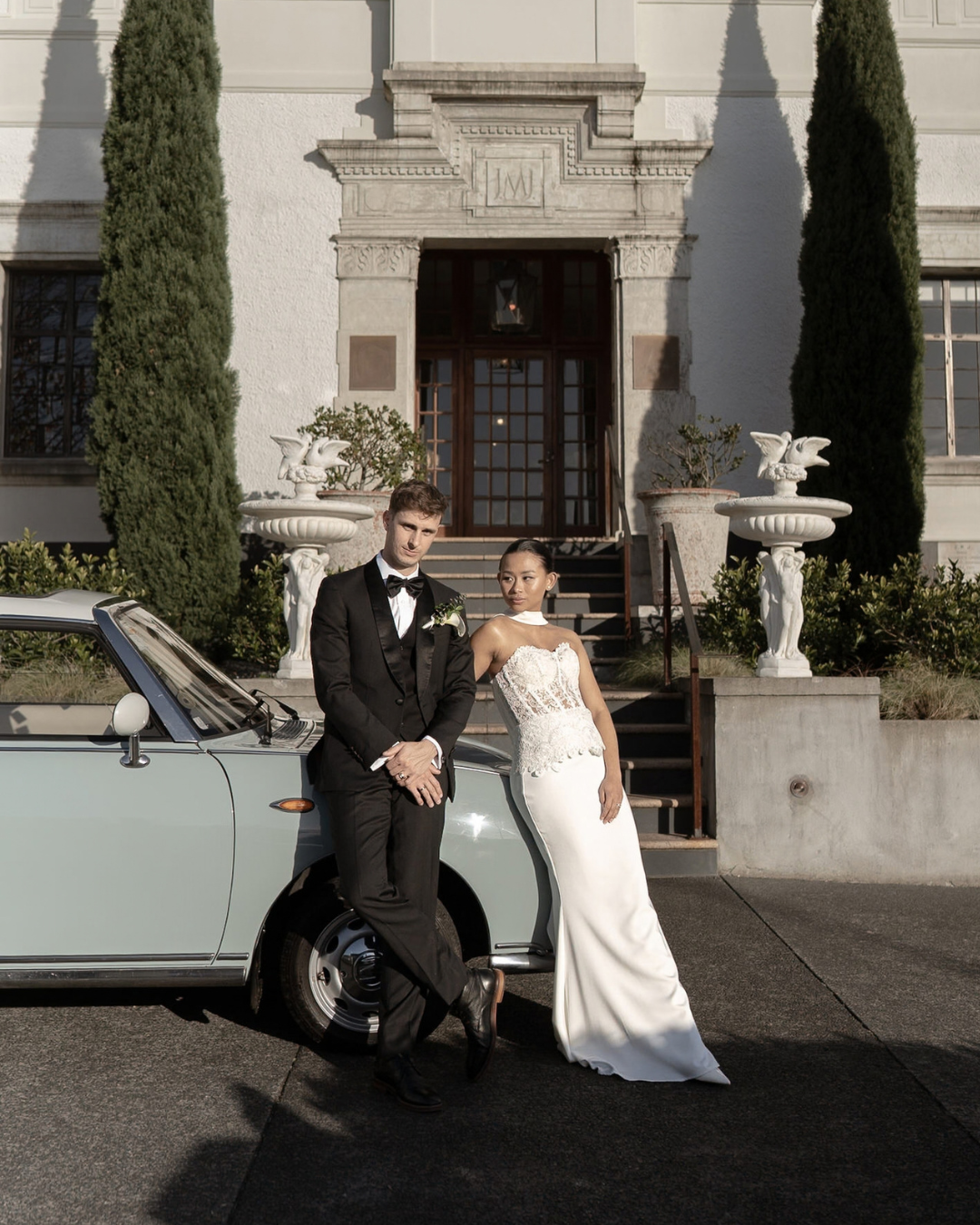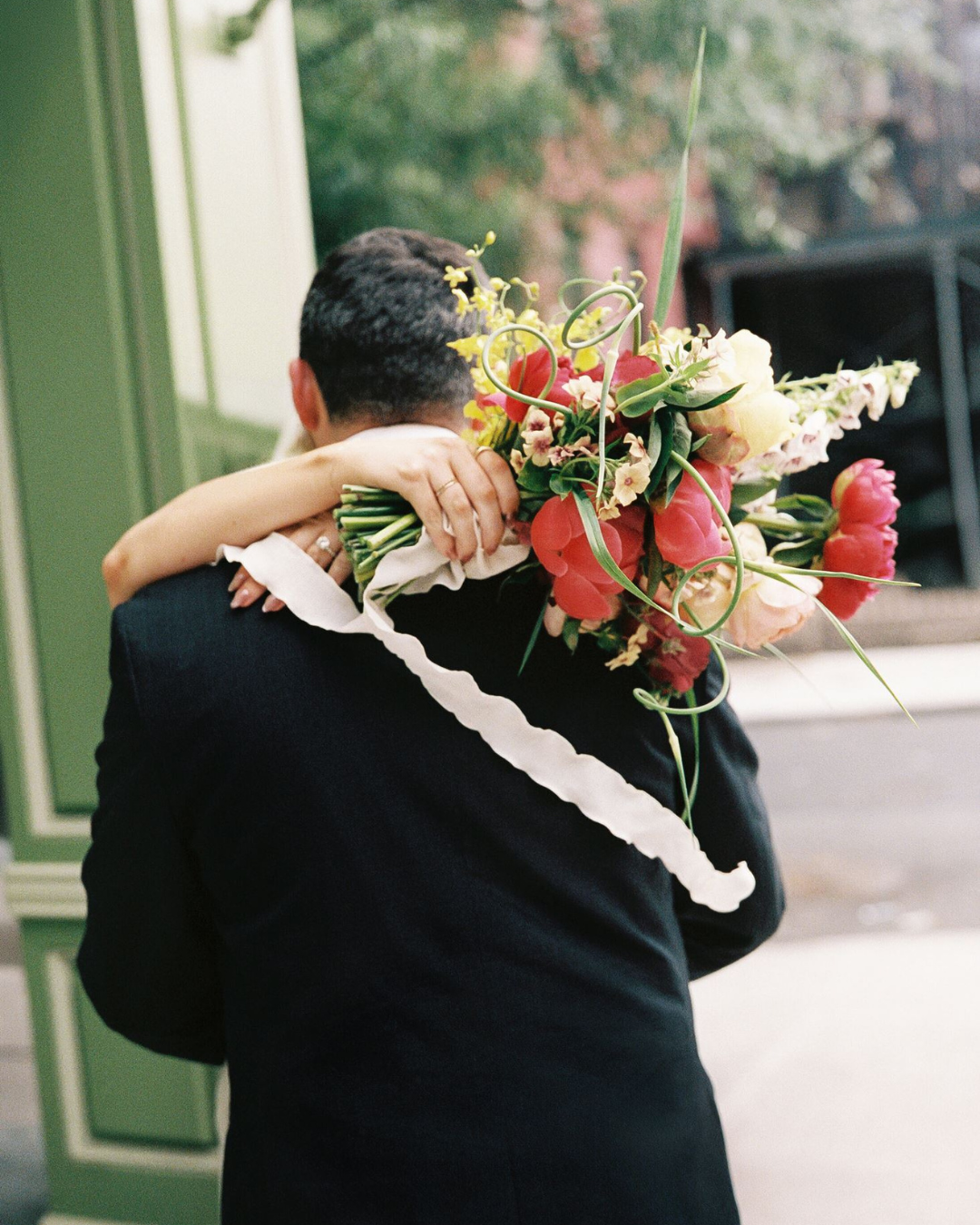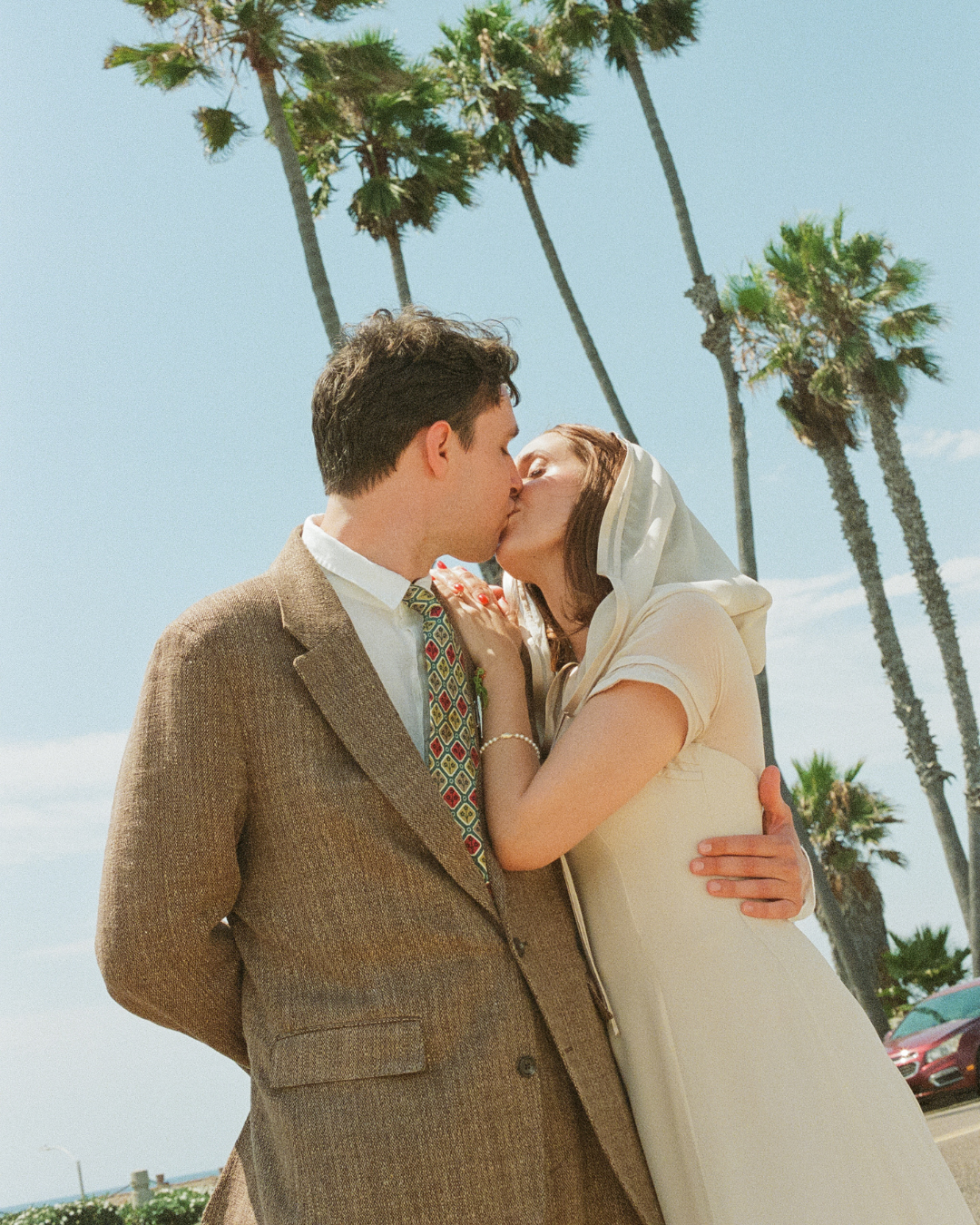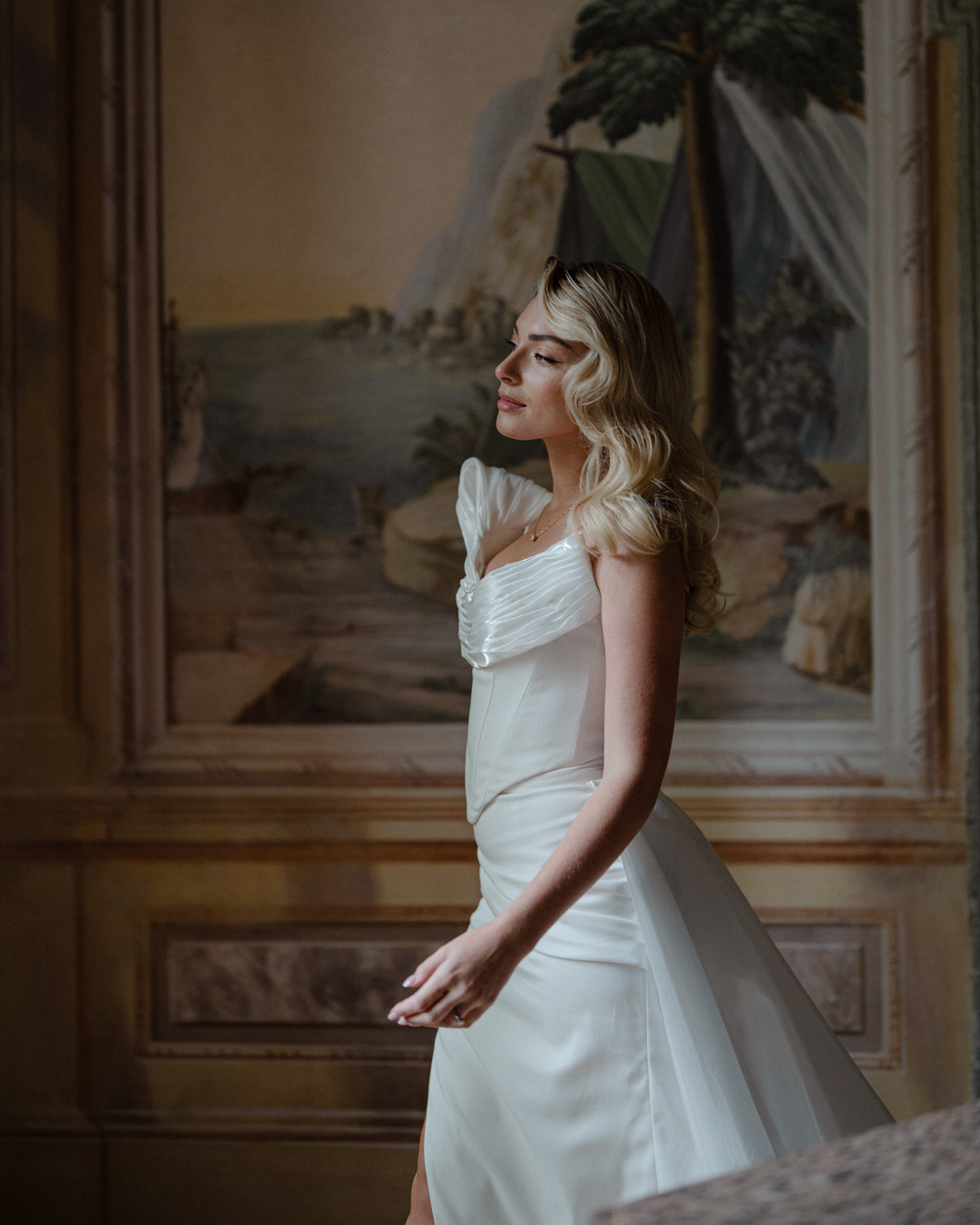
Calm, intuitive and quietly celebratory.
Ellie Kia approaches wedding photography with the sensitivity of an artist and the intuition of someone deeply attuned to human connection. Her work is not defined by spectacle or trend, but by feeling. A look held for a fraction longer than expected, a quiet touch, the softness that lives between moments. It is this emotional fluency that has made Ellie one of the most sought-after wedding photographers across New Zealand, Australia and Europe.
Originally drawn to painting as a child, Ellie found her creative language early, using colour and form as a way of connecting with those around her. Photography became a natural evolution, offering a medium through which she could document love in its most honest, unspoken expressions. Today, her imagery balances editorial refinement with deep emotional truth, creating photographs that feel both timeless and alive.
Ellie’s presence on a wedding day is as important as her visual approach. Calm, intuitive and quietly celebratory, she guides couples through the experience with warmth and ease, allowing space for authenticity to unfold. As she prepares for a new chapter based in Sydney, while continuing to shoot throughout New Zealand and Europe, her perspective remains global, curious and deeply personal.
Here, Ellie reflects on her creative process, the evolving landscape of wedding photography, and the moments that continue to inspire her most.
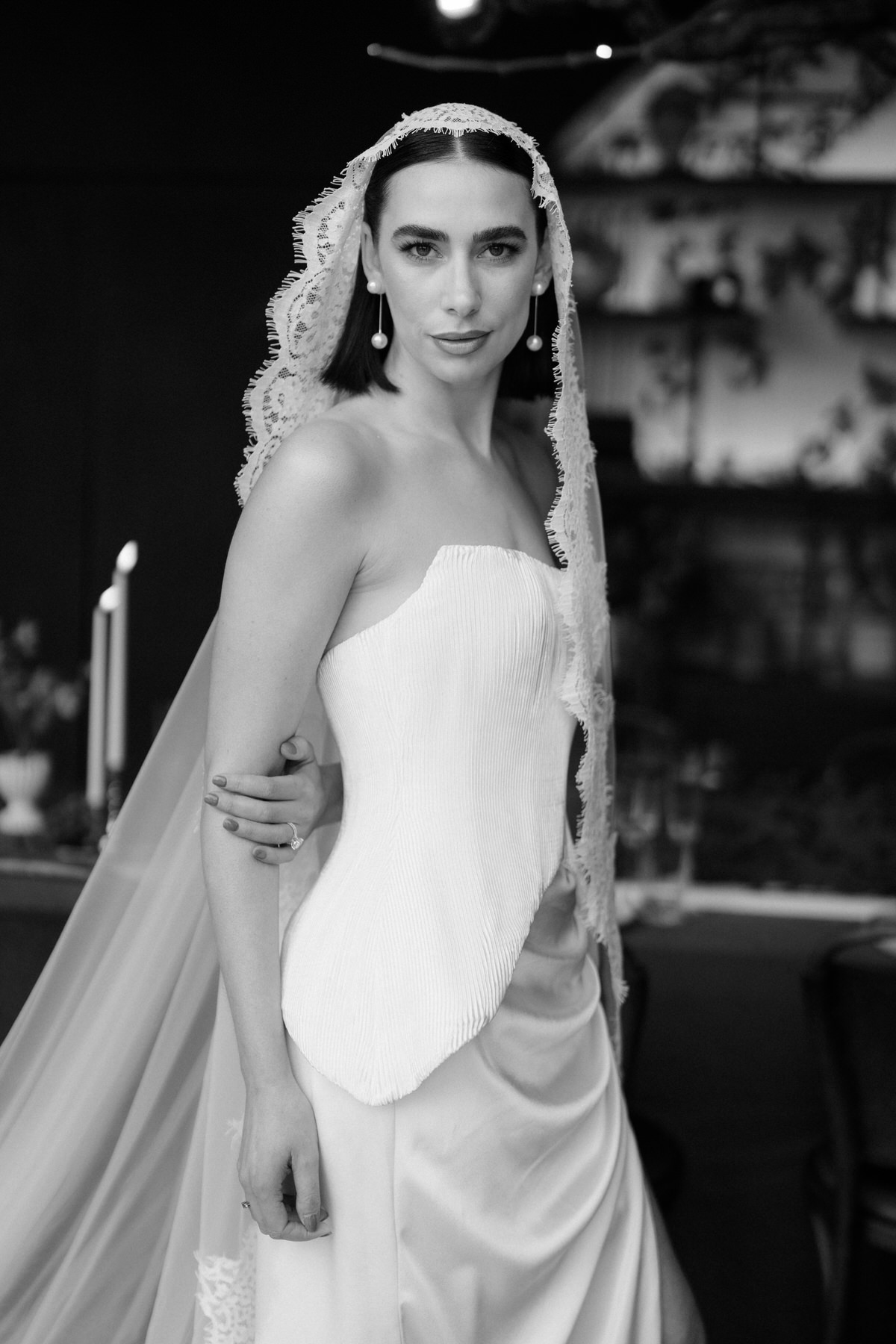
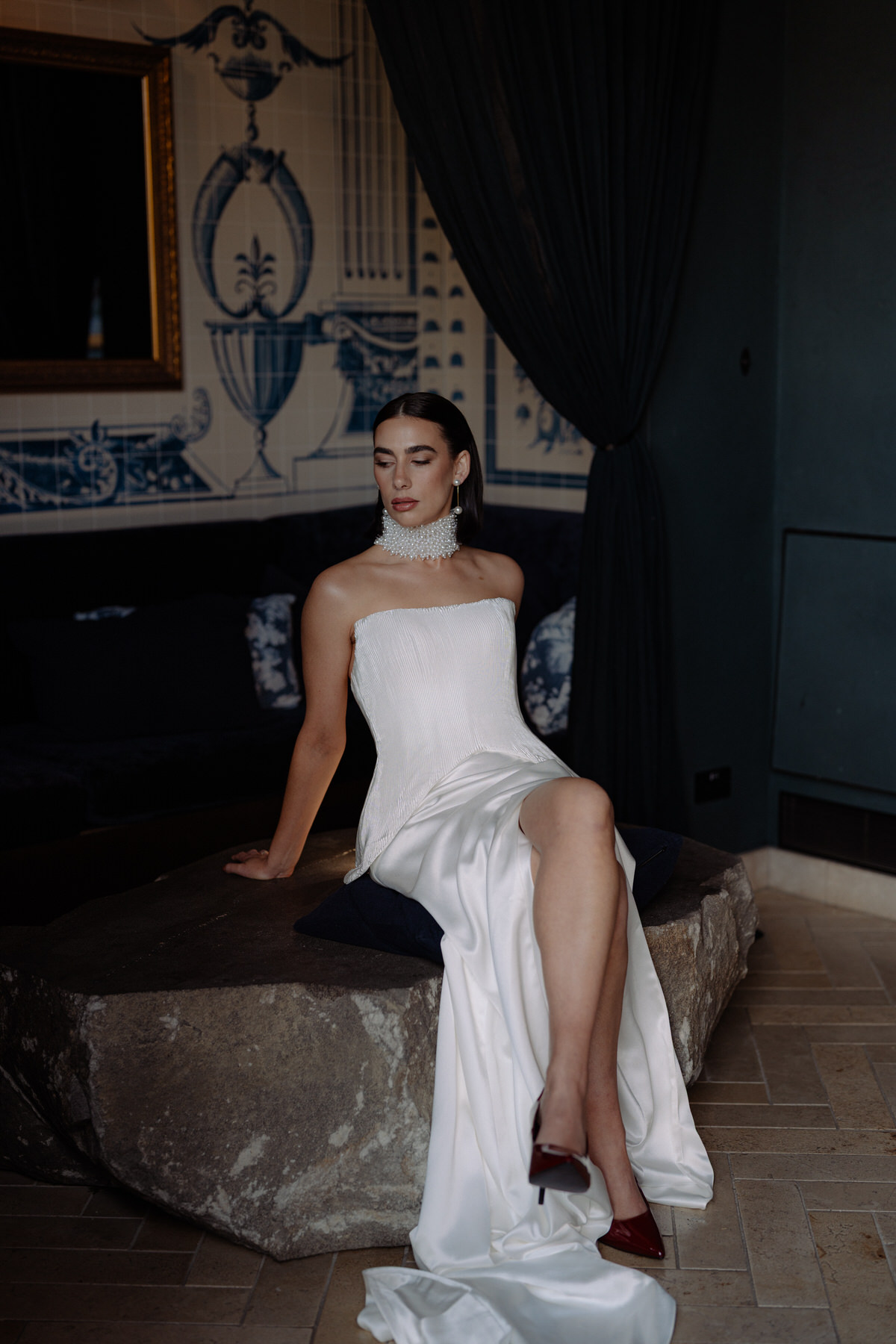
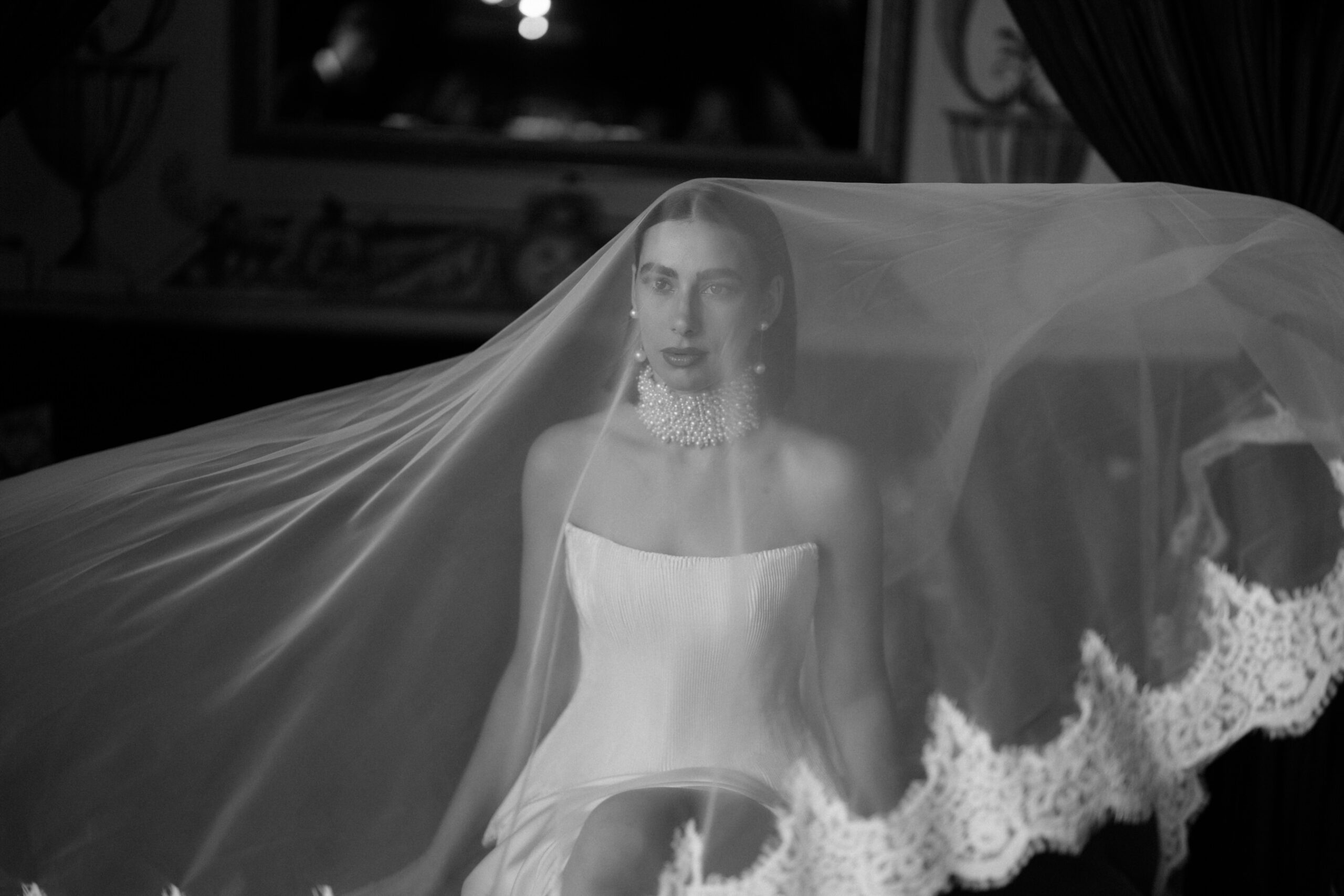
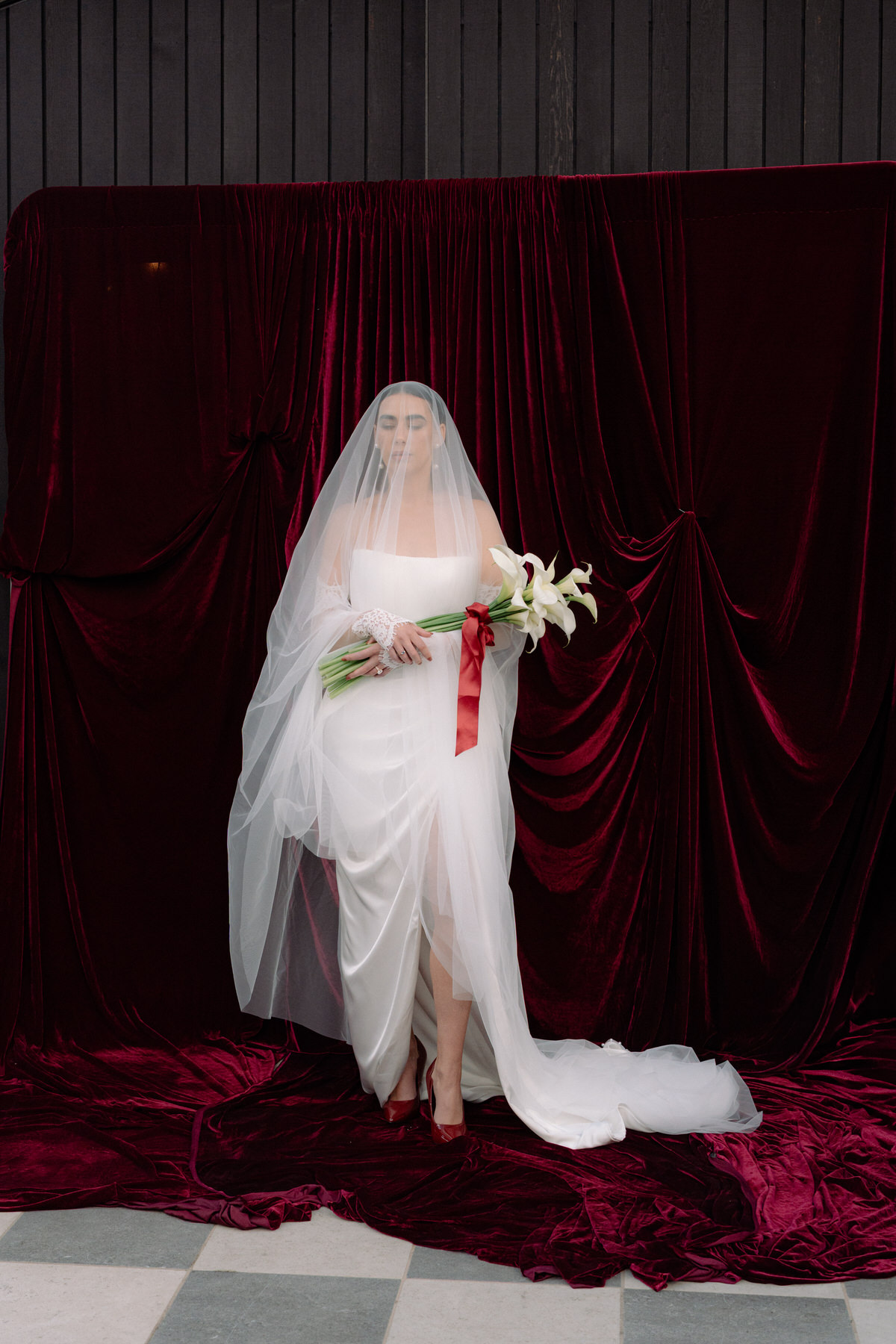
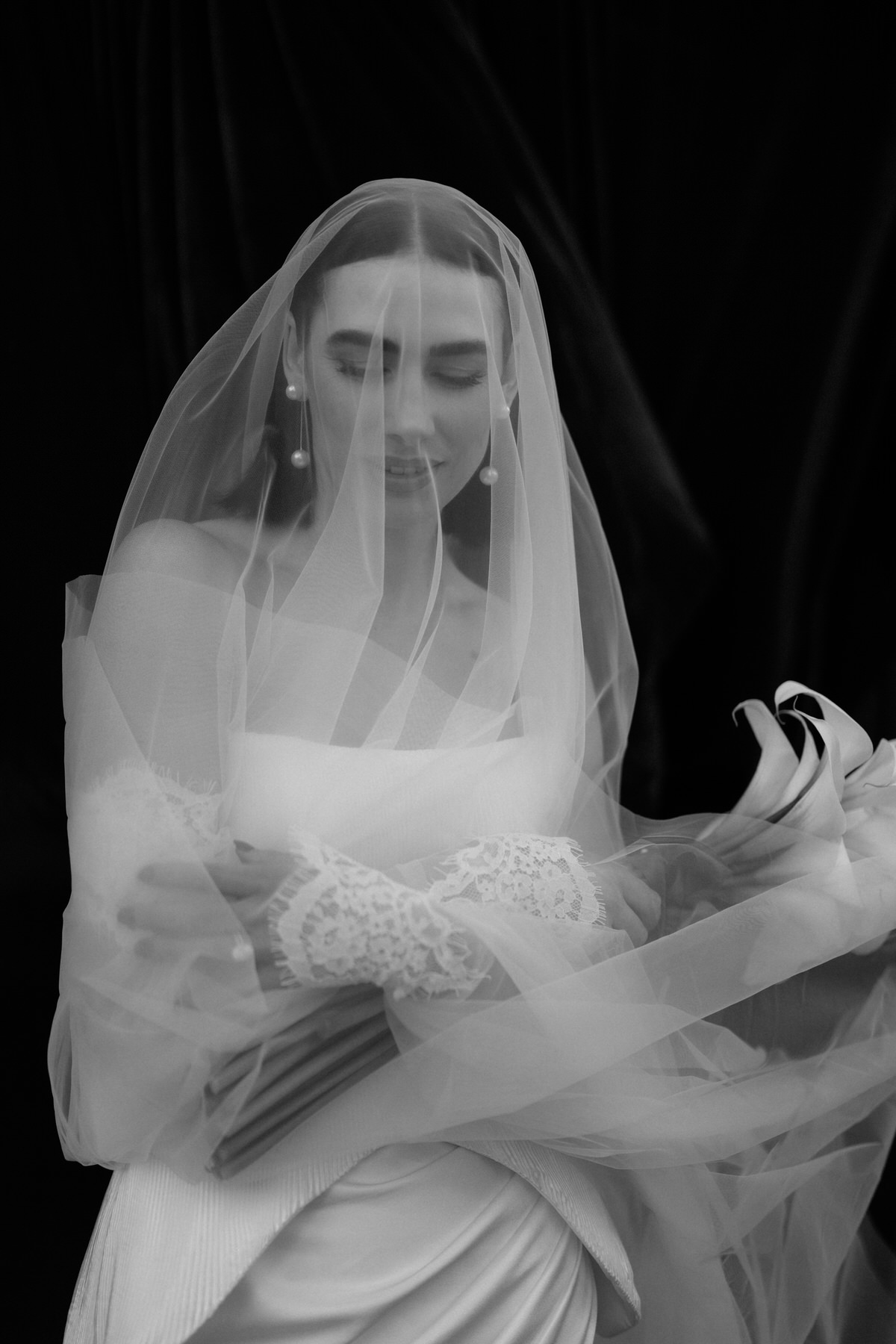
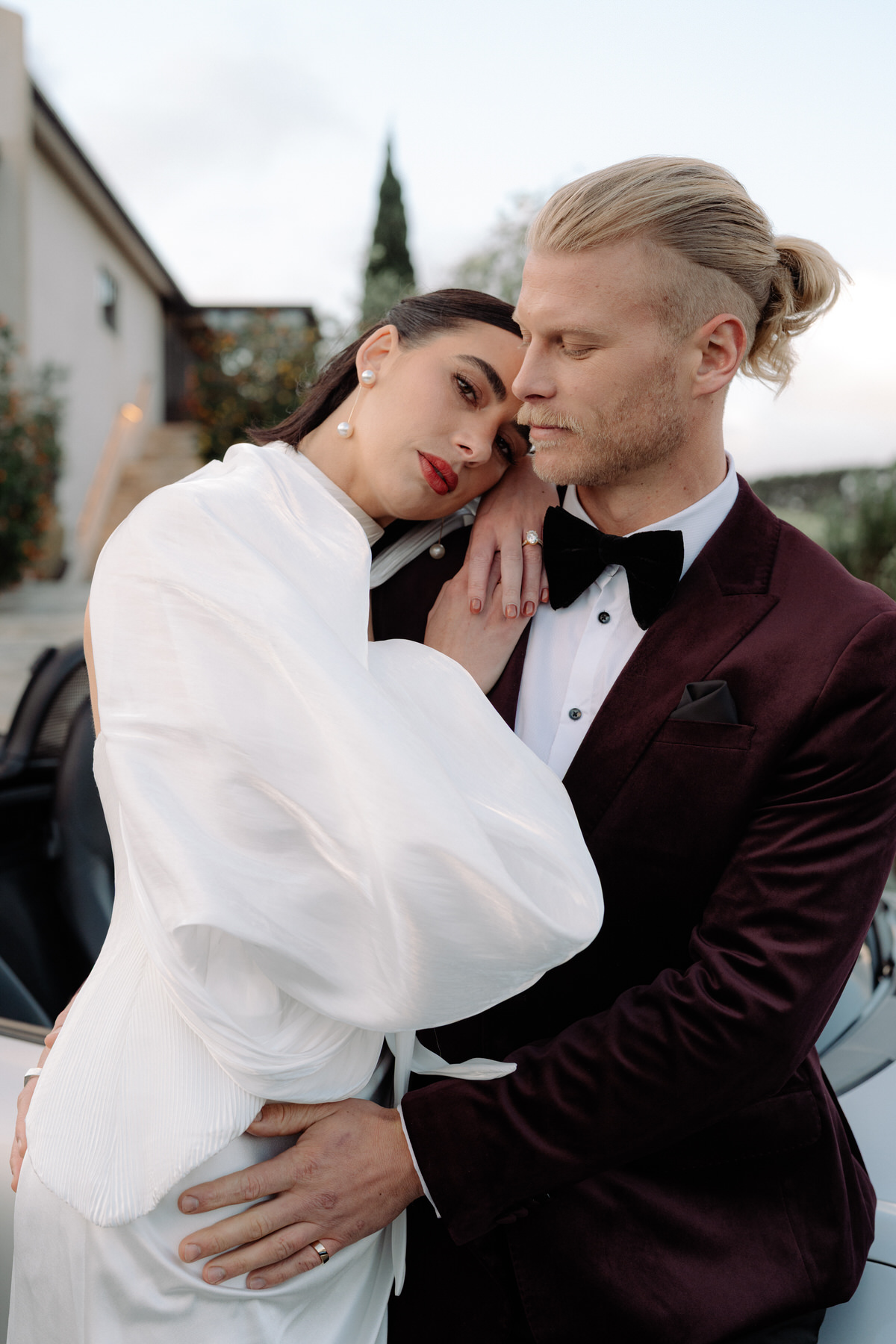
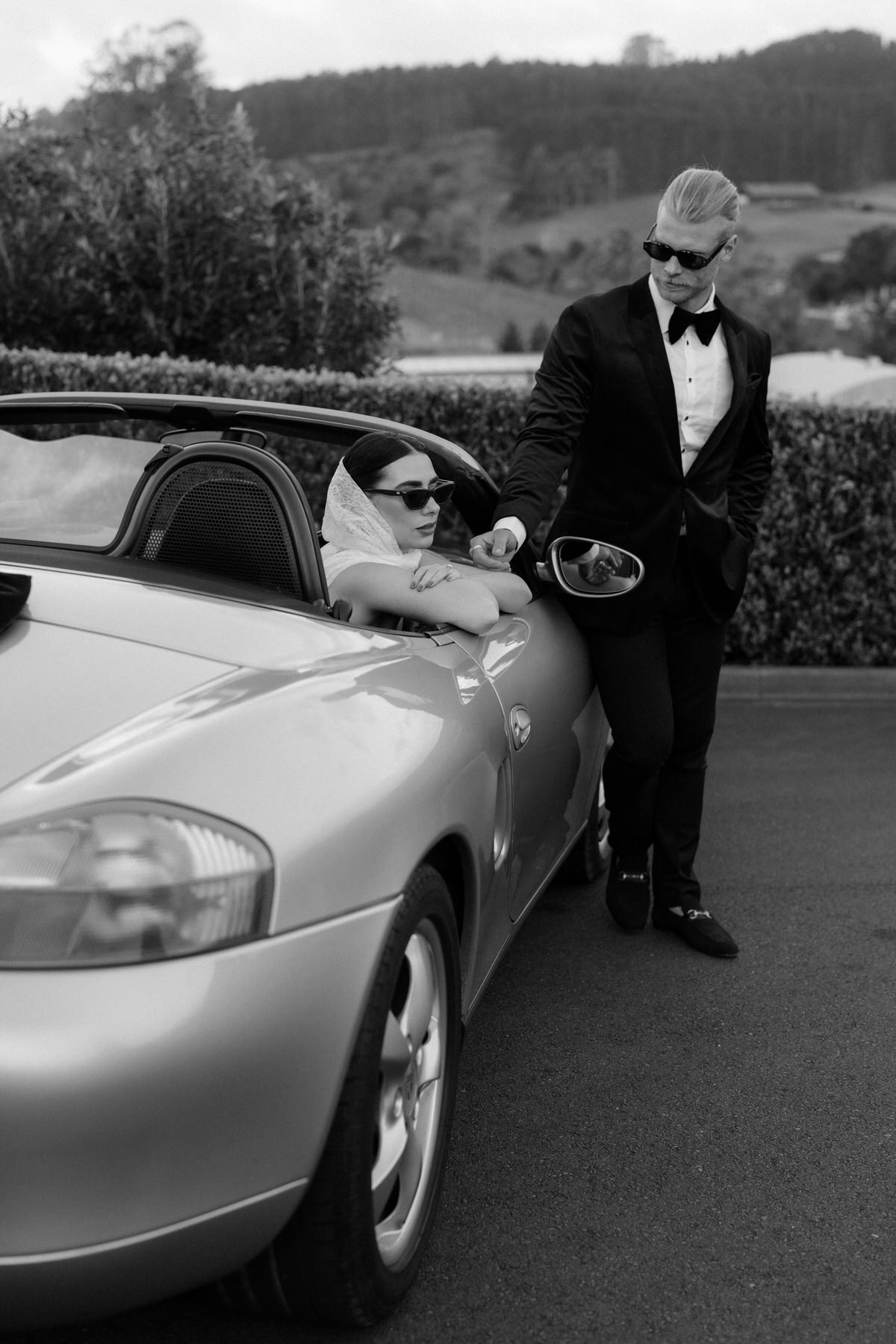
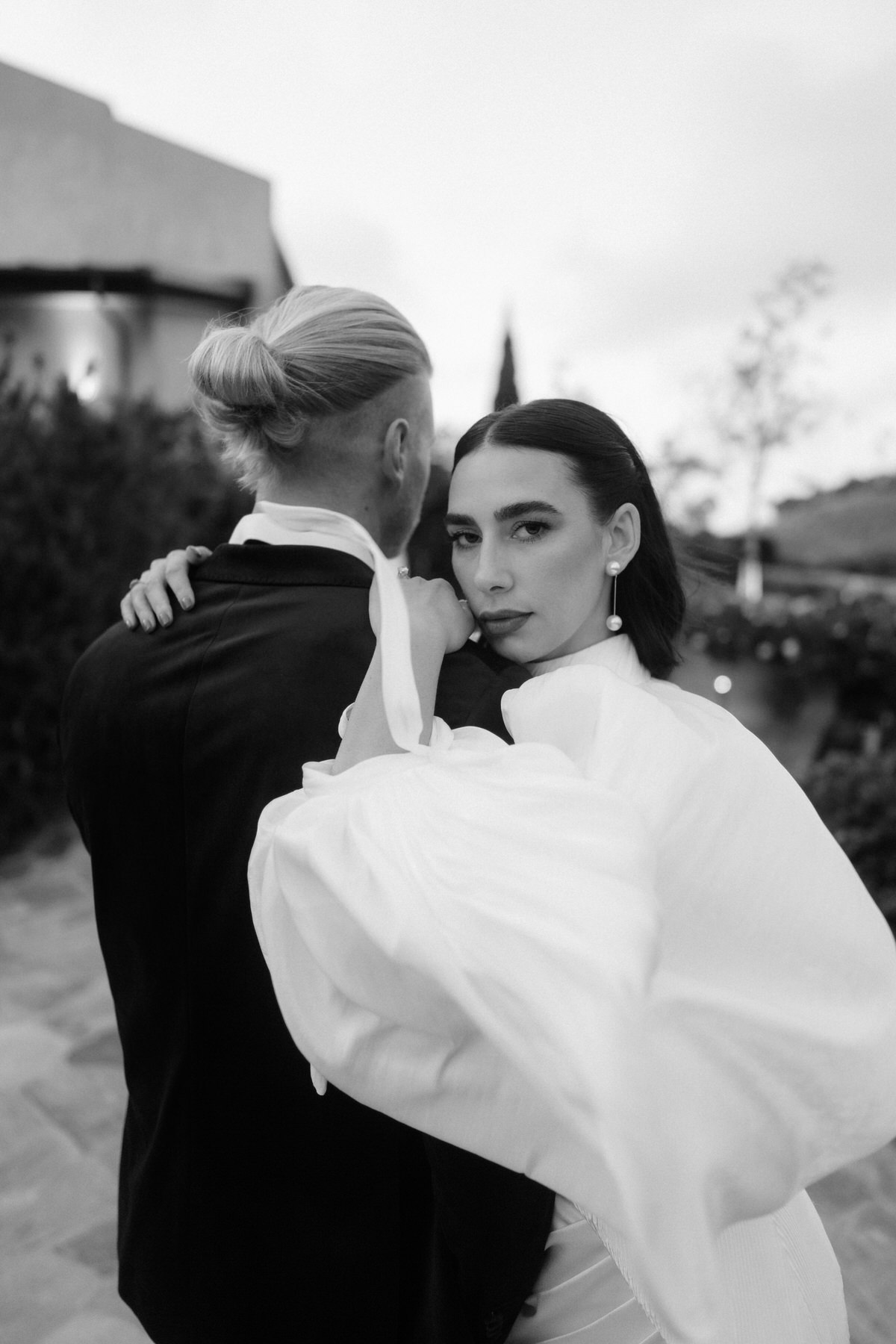
Your work is instantly recognisable for its emotional depth and editorial elegance. How would you describe the visual and emotional signature that defines an Ellie Kia photograph?
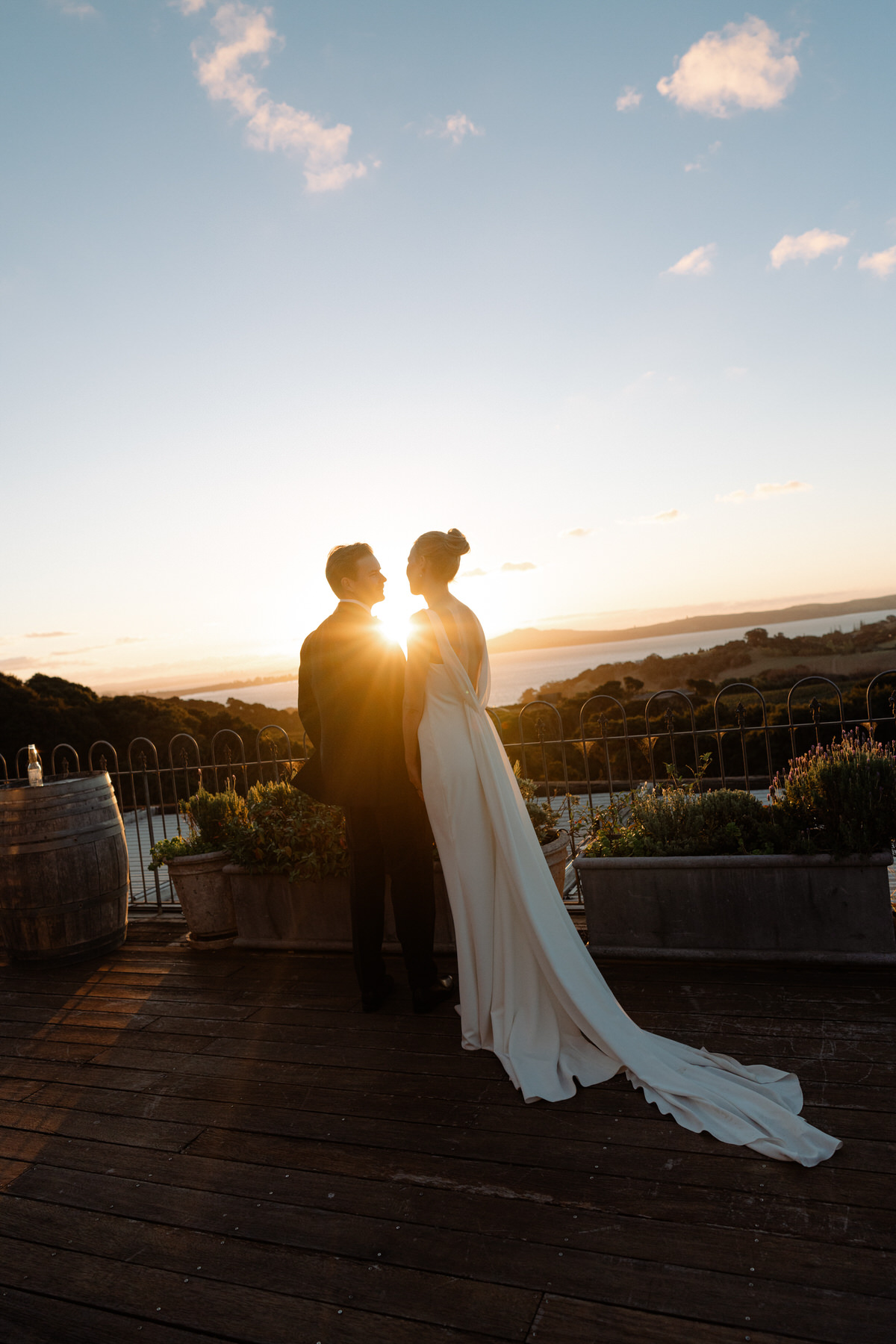
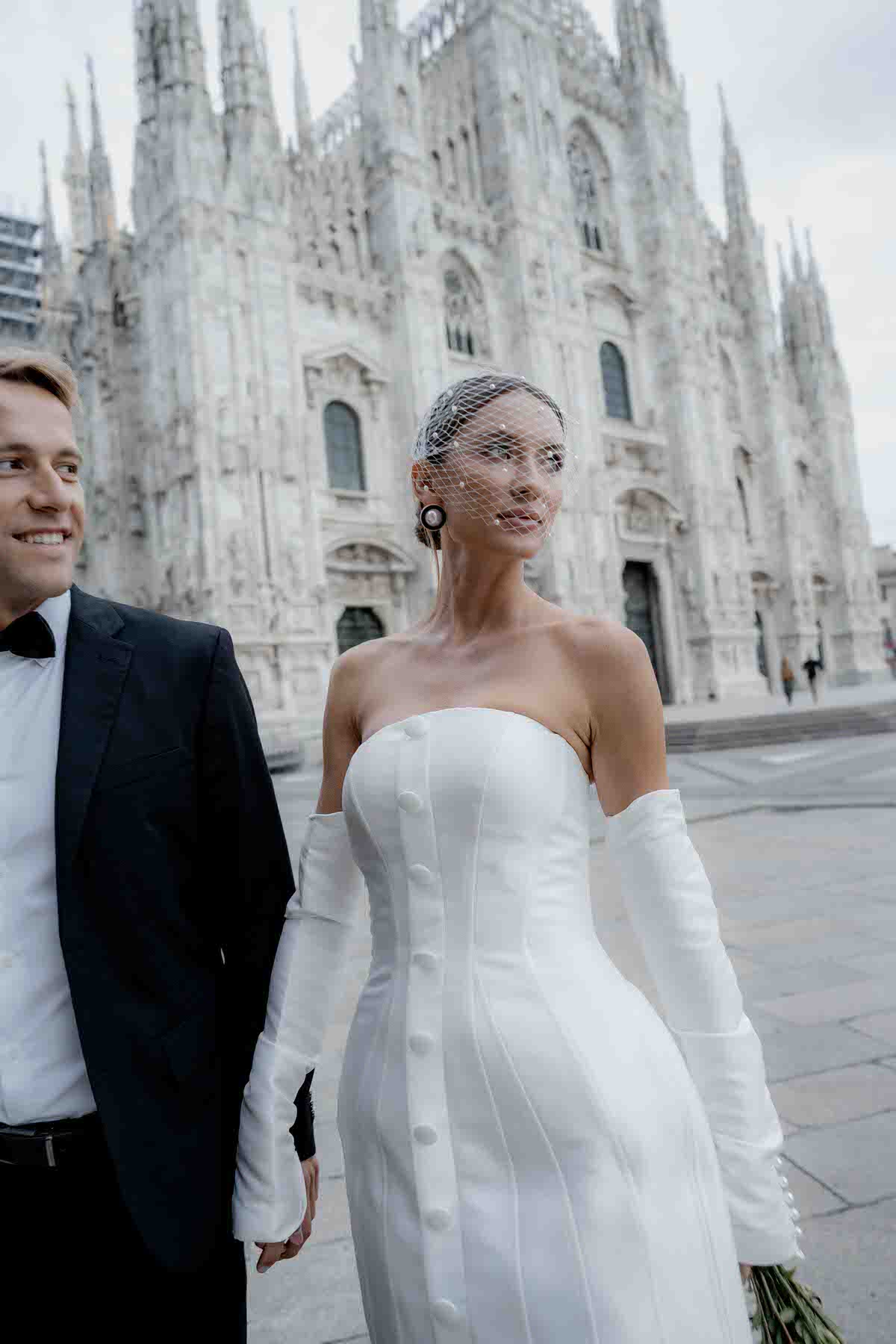
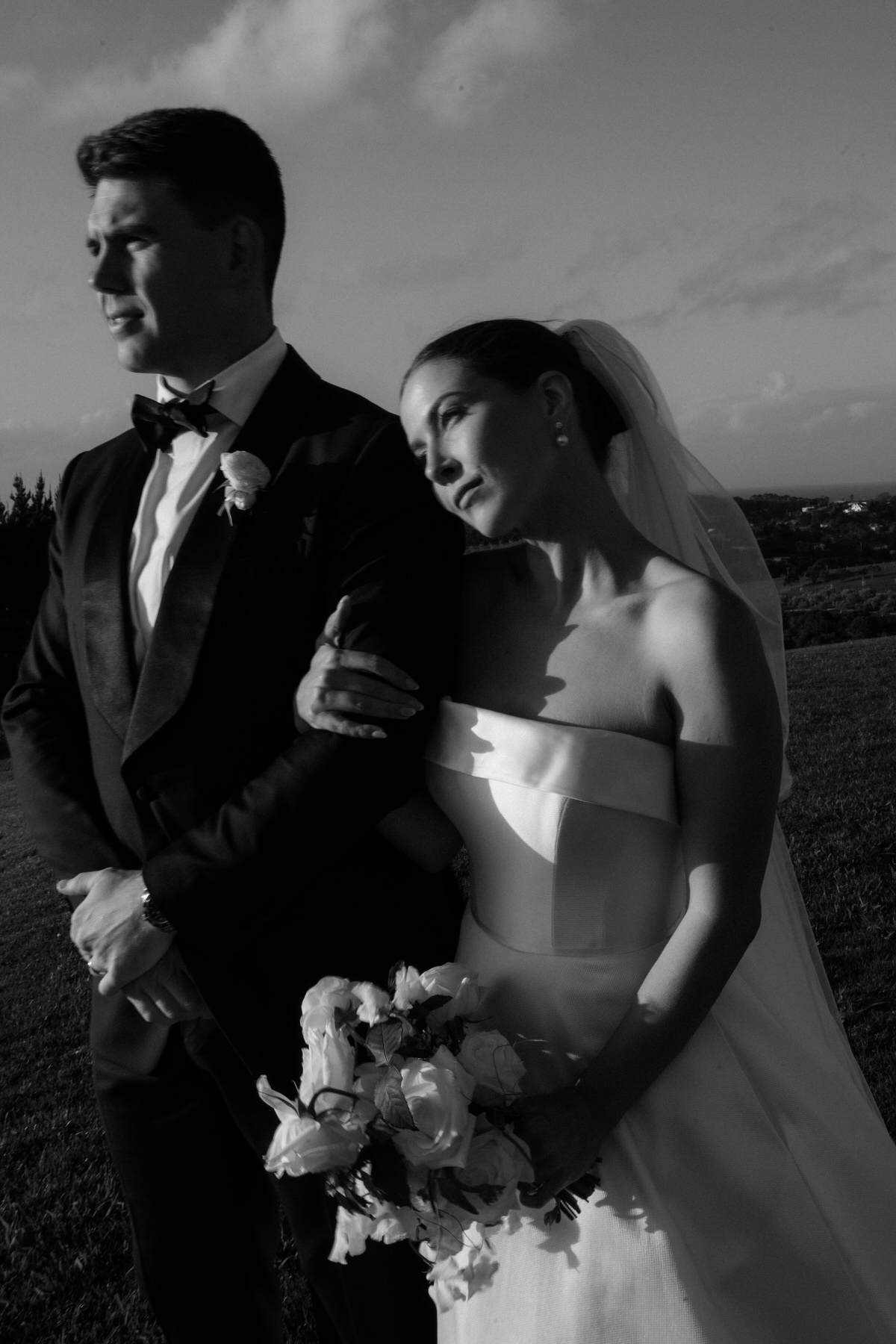
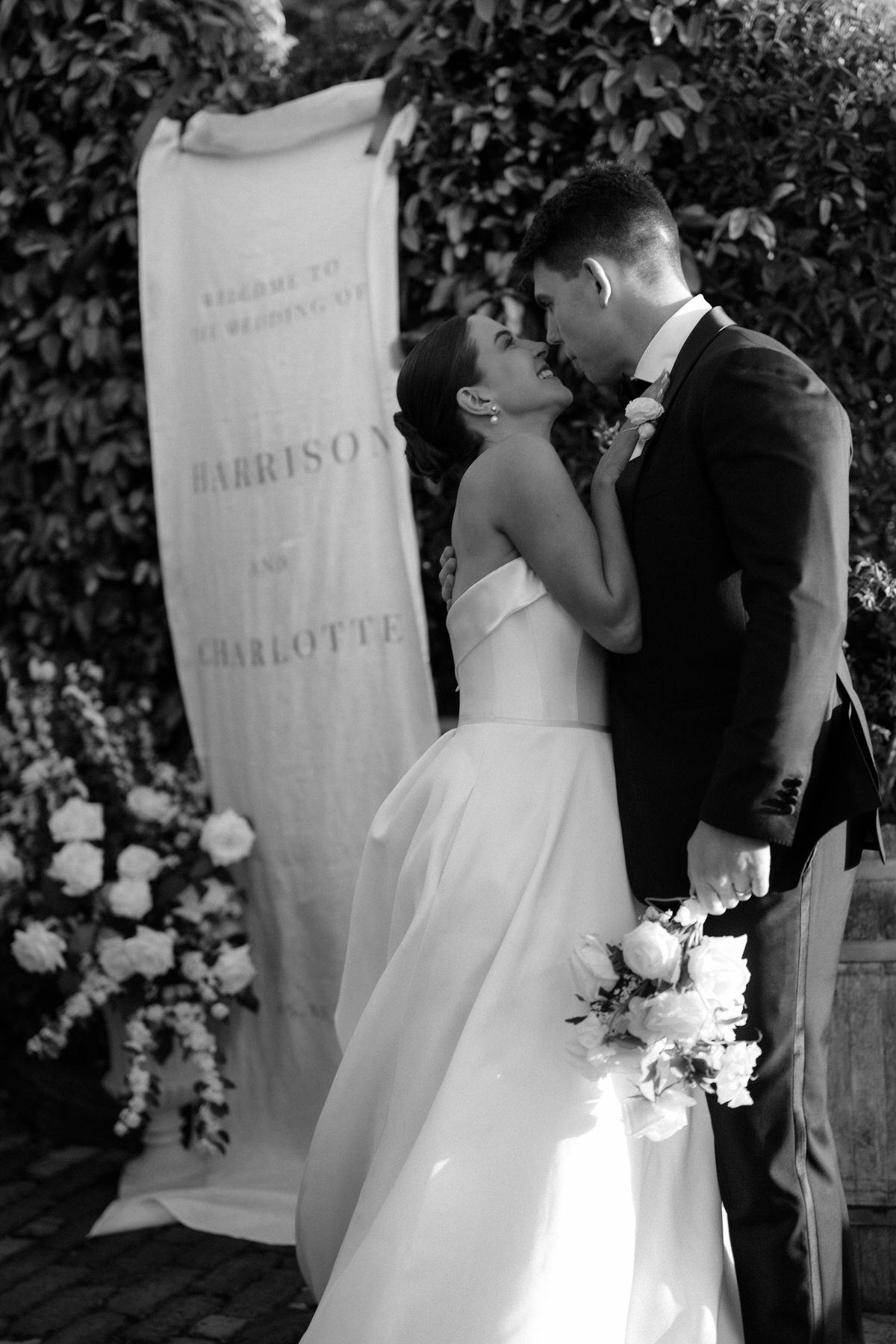
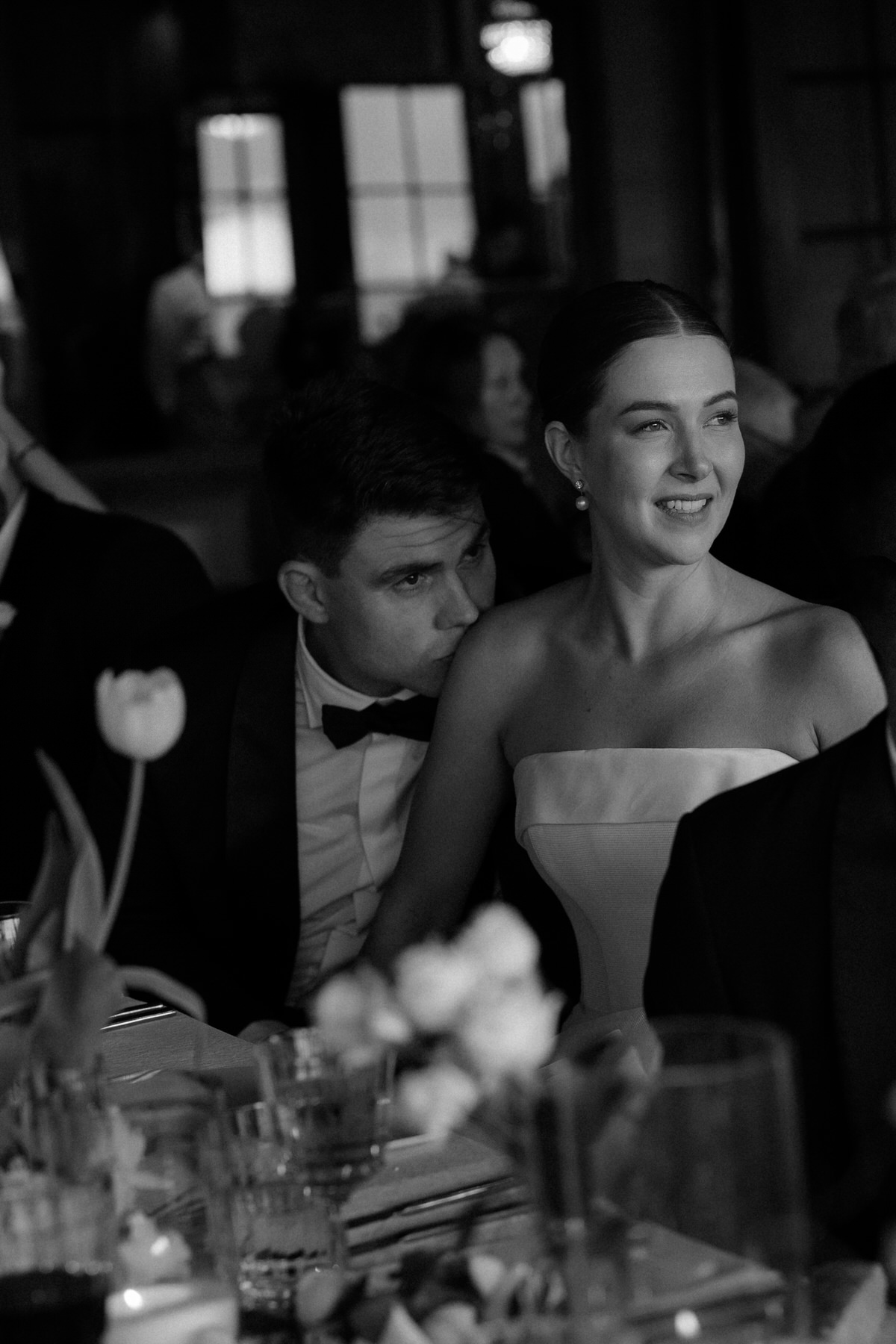
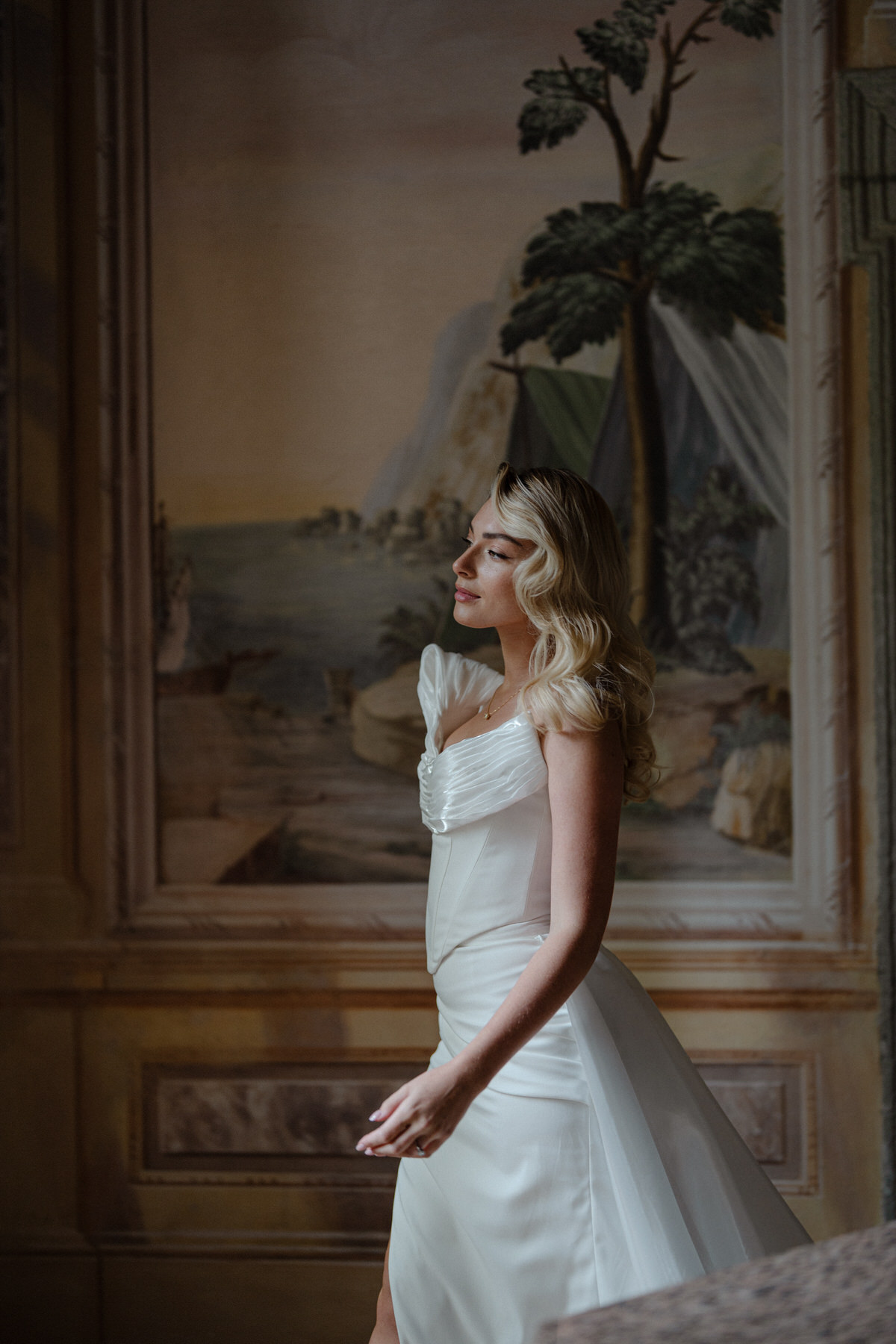
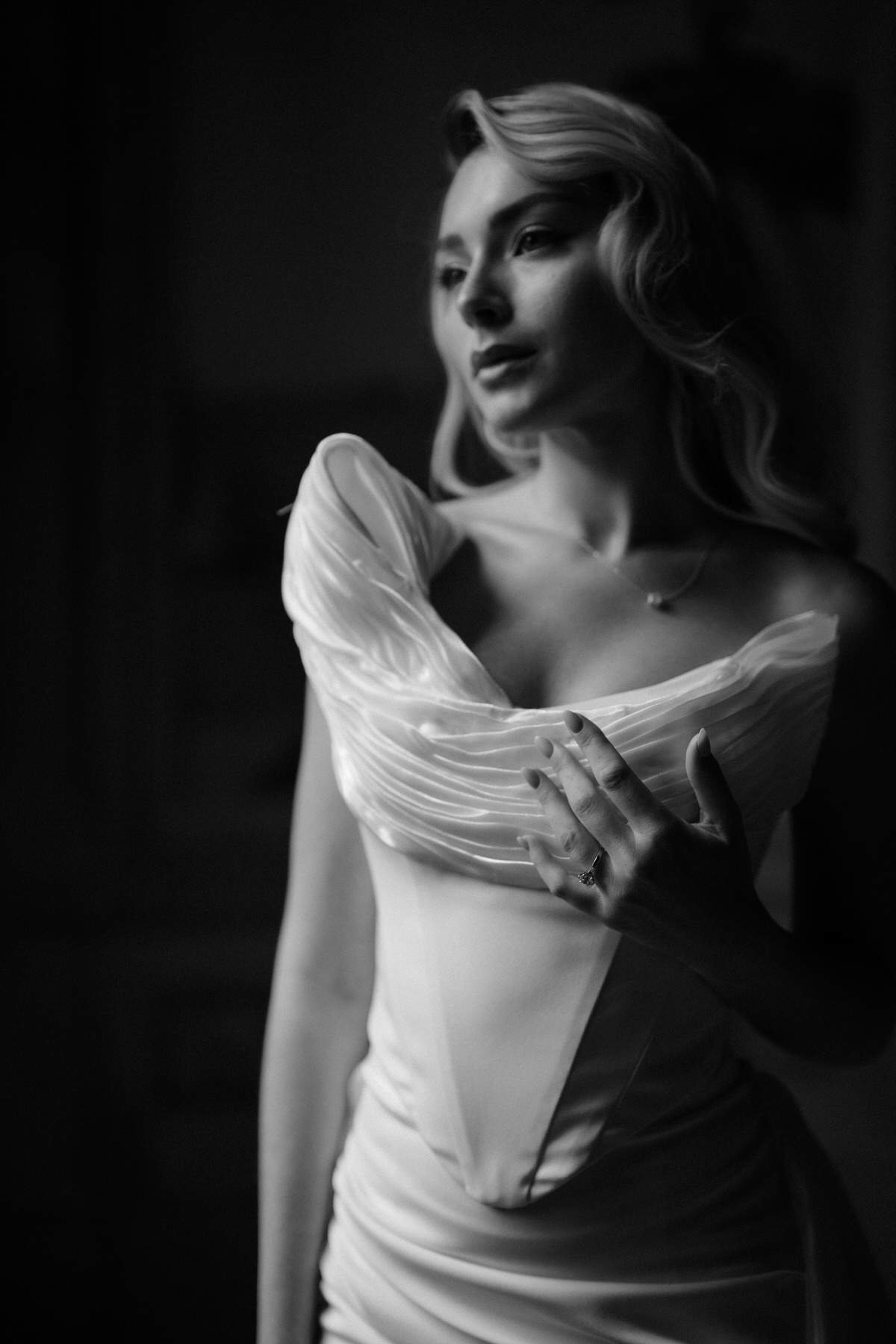
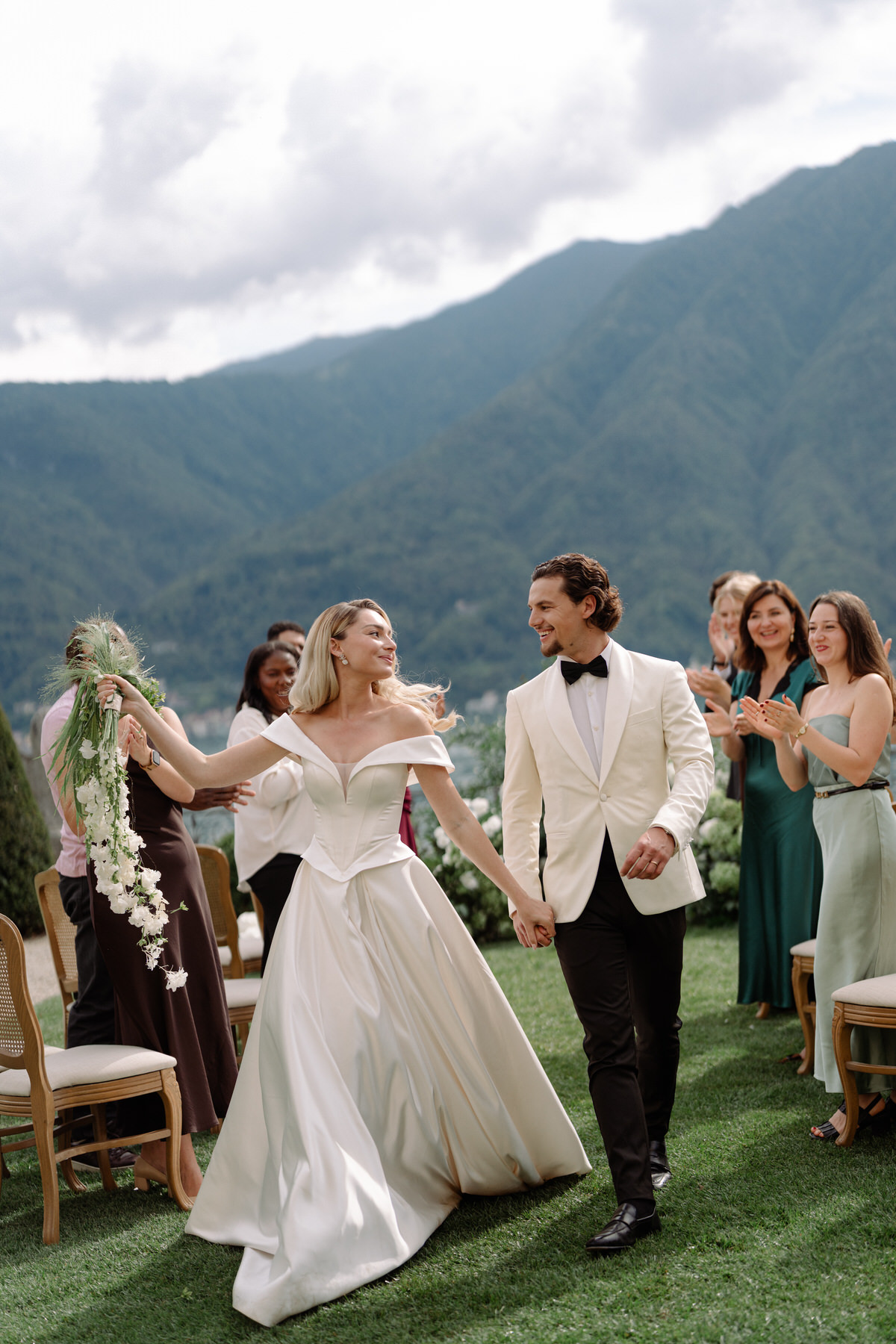
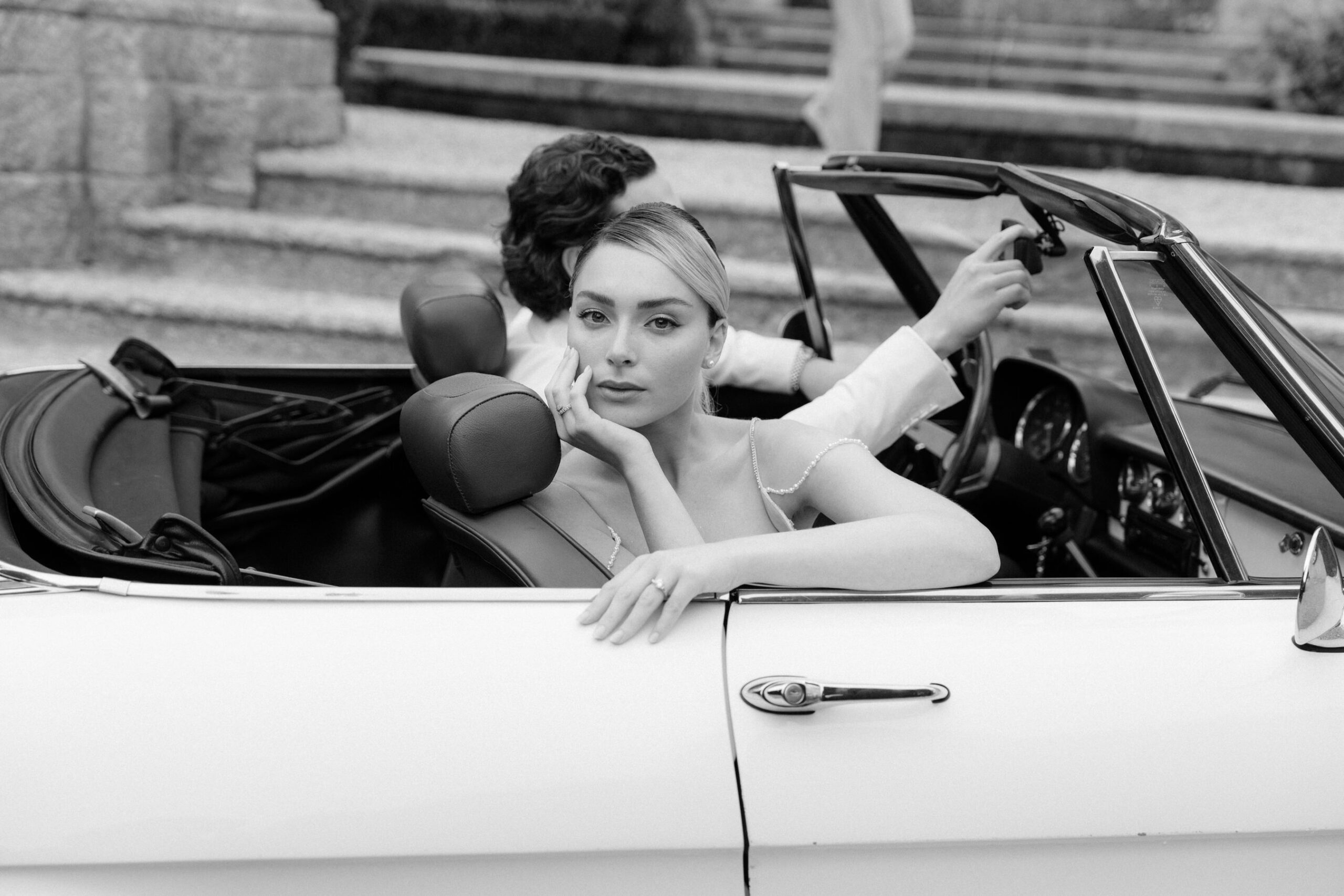
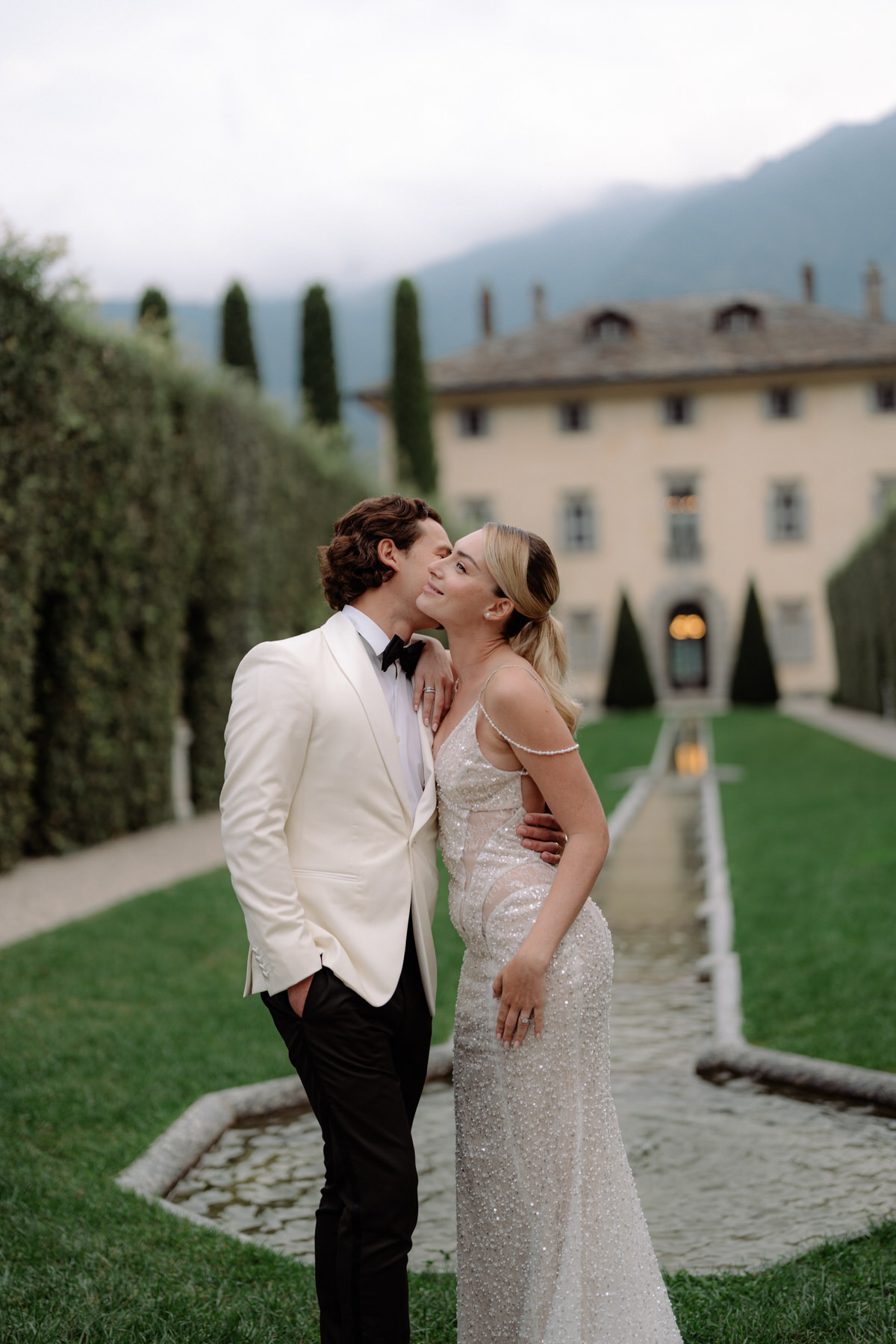
I think what really defines my work is how it feels, not just how it looks. I’m always drawn to soft light, clean composition, and that refined editorial aesthetic, but emotion is always my starting point. I watch for the quiet, honest moments. A hand squeeze, a deep breath, a glance that says everything without words.
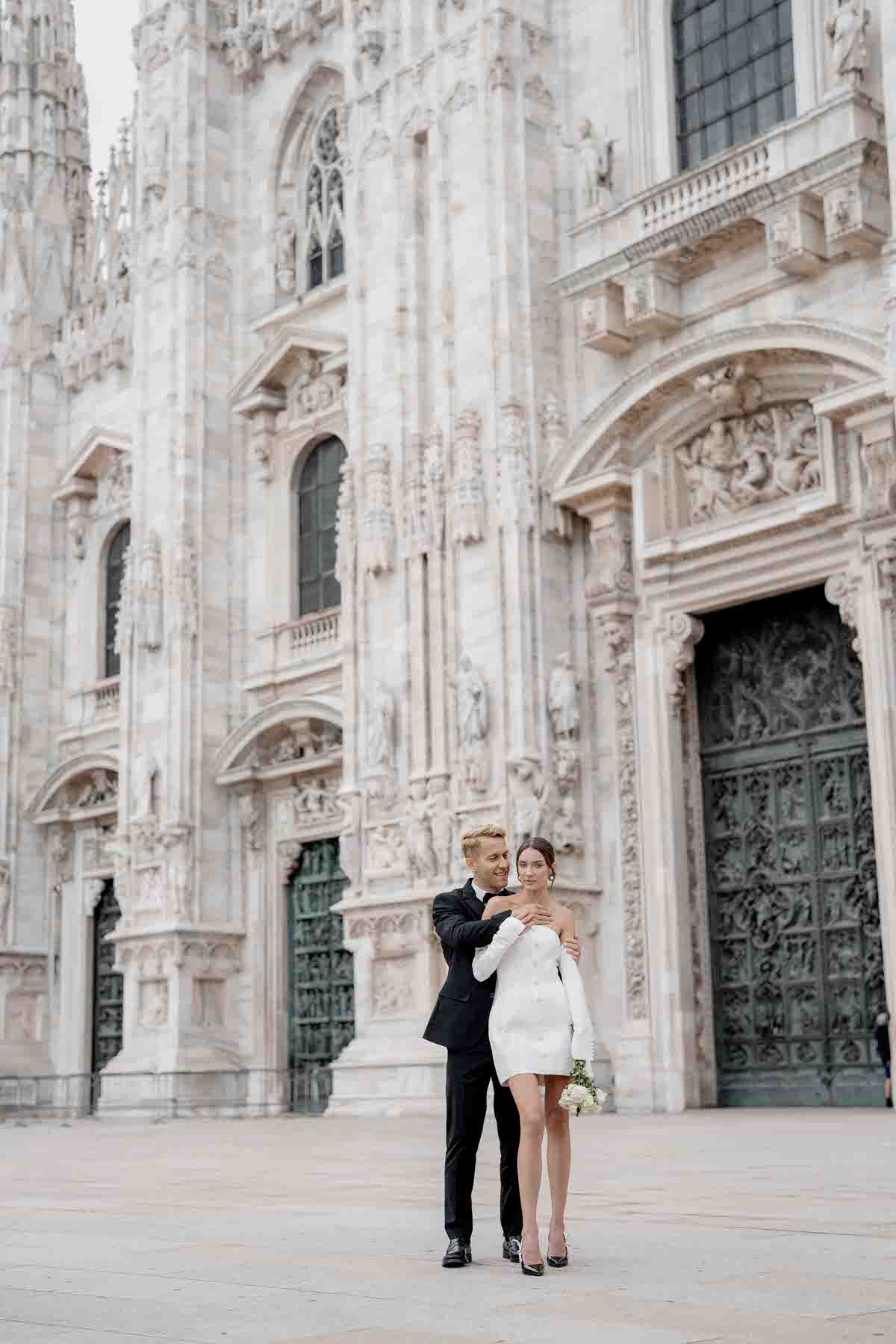
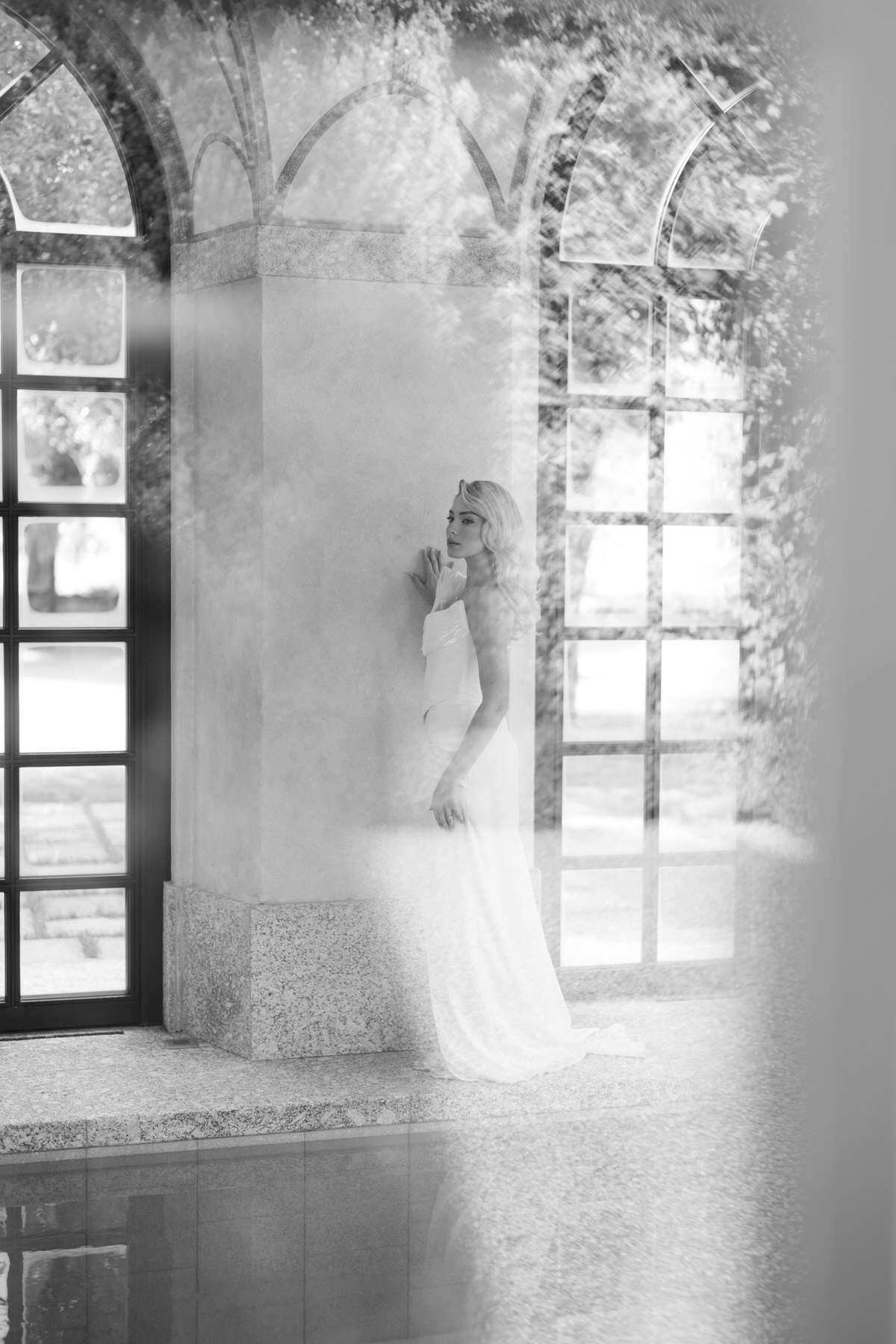
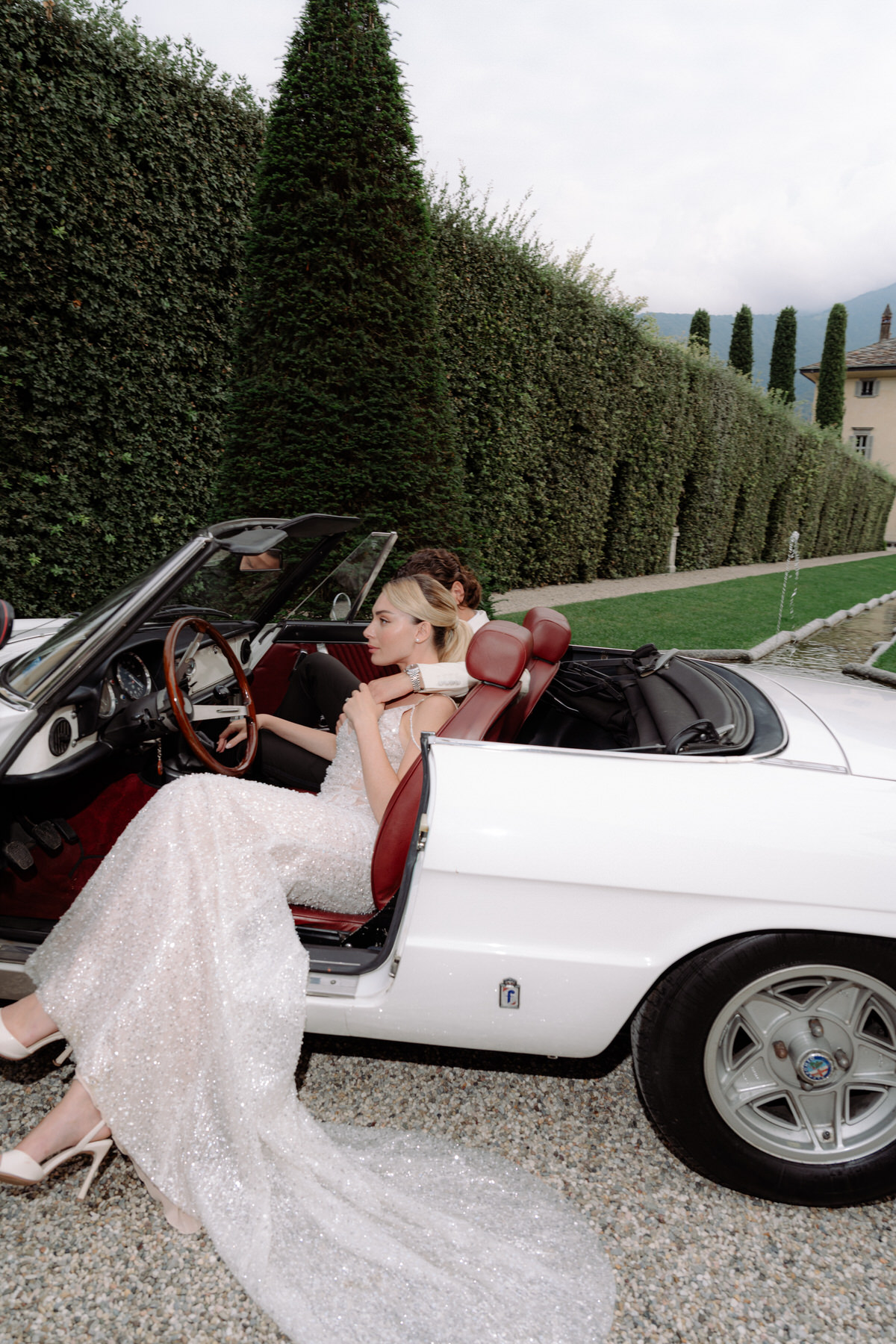
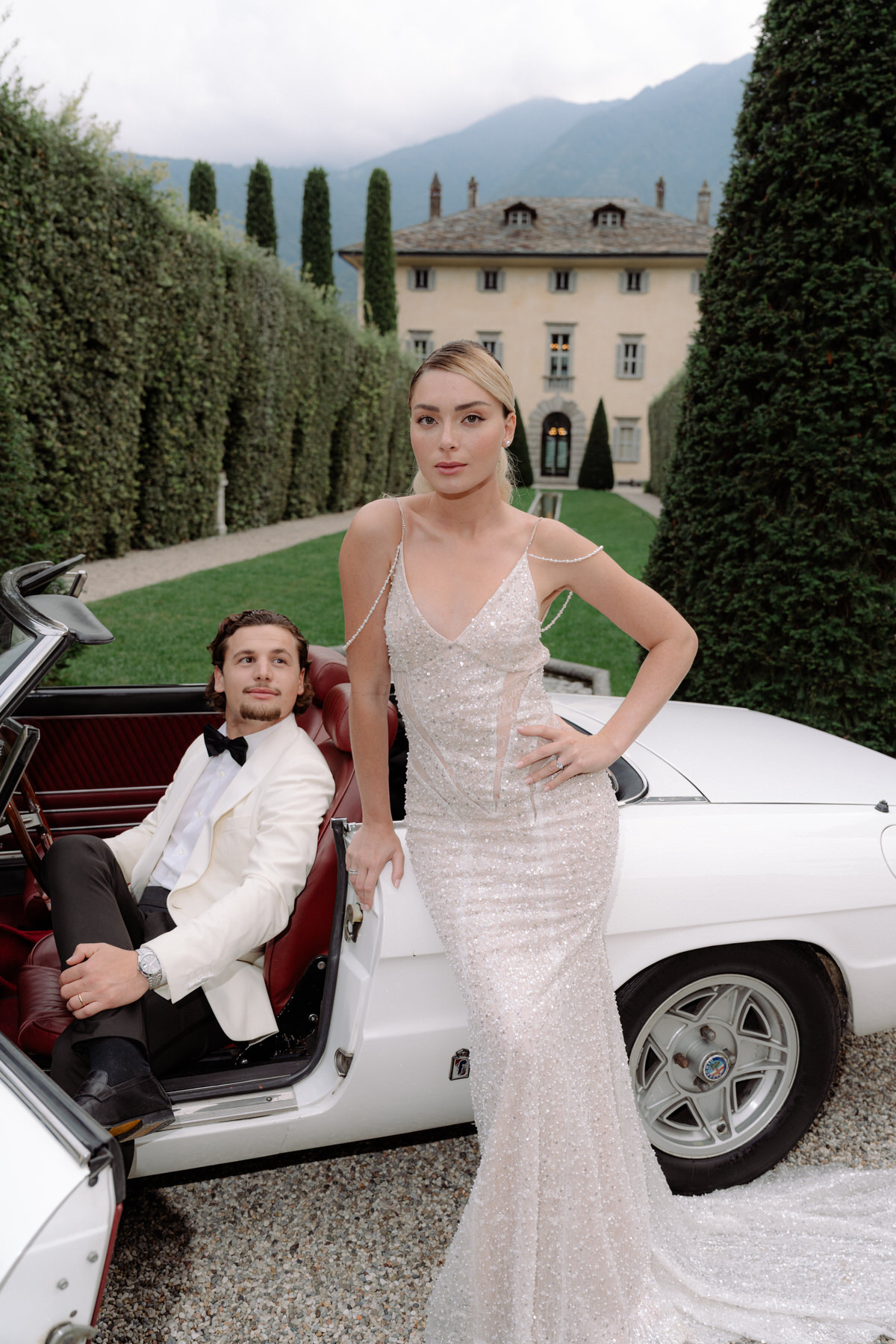
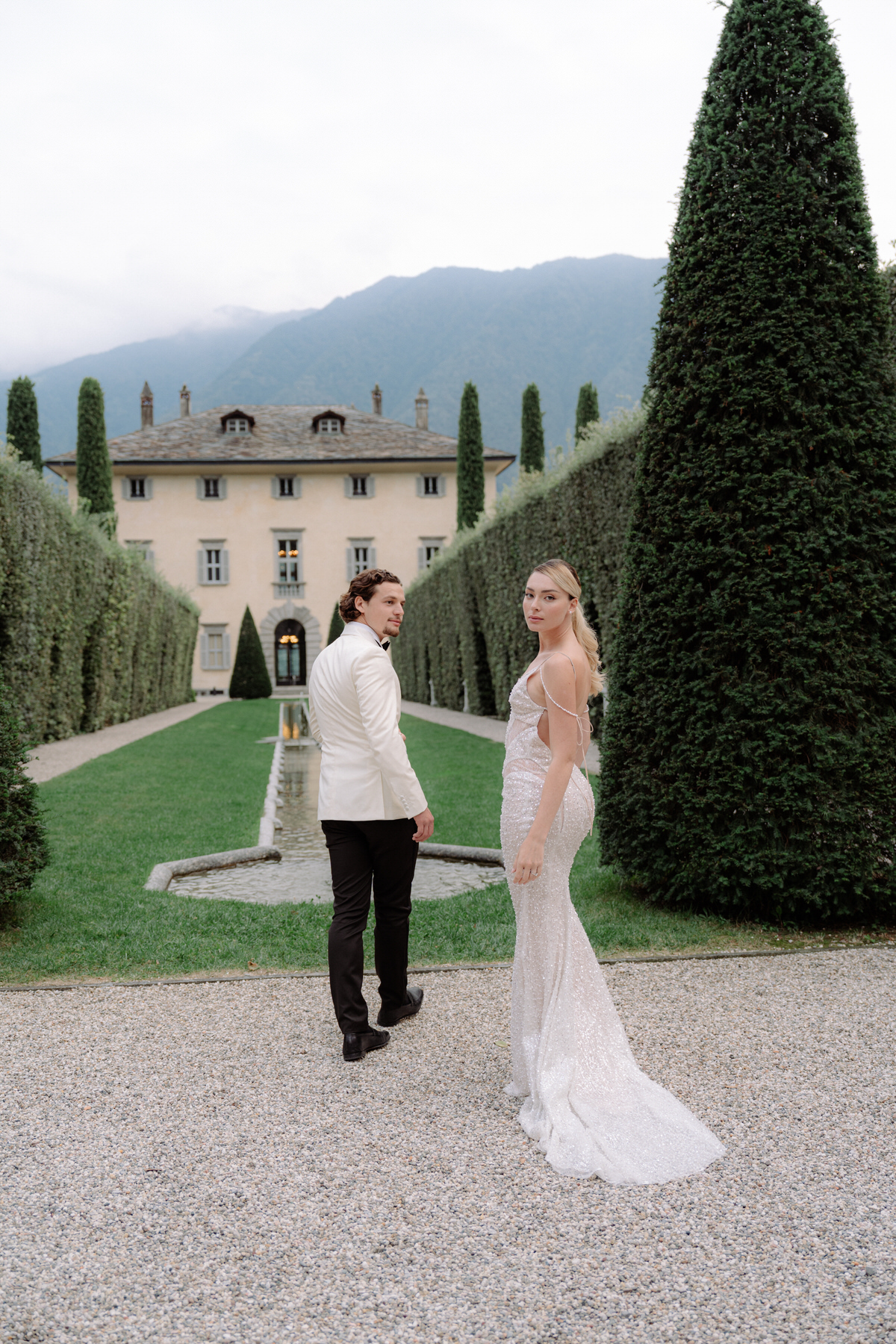
Something I always try to do is find the luxury within a moment. For me, luxury is not about how expensive a wedding is; it is about how it is seen. Even the simplest setting can feel incredibly elegant when you notice the right light, the right angle, and the right detail. I love revealing that beauty and making it feel effortless, because every wedding has its own kind of elegance waiting to be noticed.
It also works the other way around. Even the most lavish wedding still needs intention and sensitivity to feel timeless. My goal is always the same: to create photographs that look refined and beautiful, but more importantly, feel deeply personal and real.
You often speak about photography as a way of documenting connection rather than simply capturing moments. How does that philosophy shape the way you move through a wedding day with a couple?
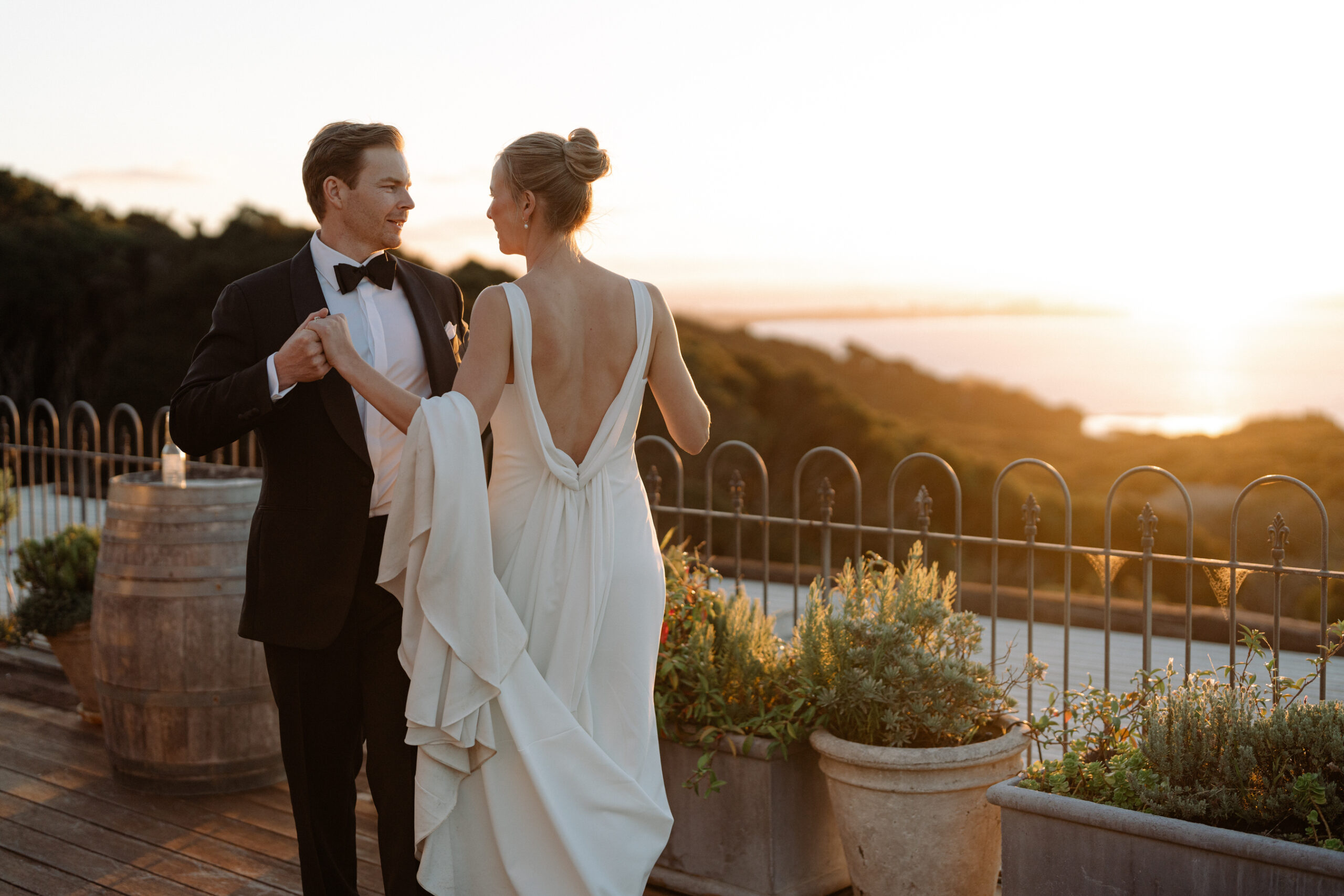
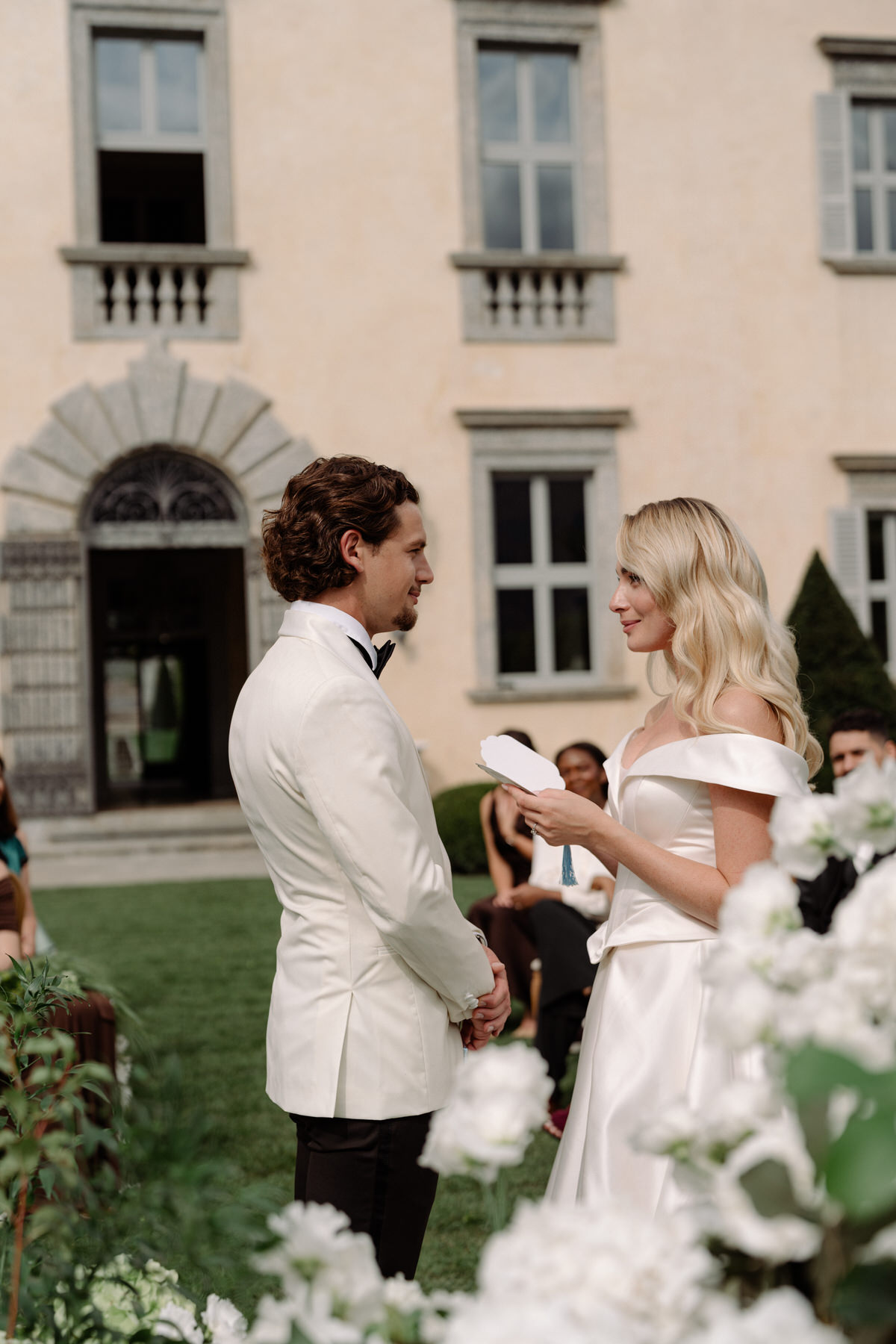
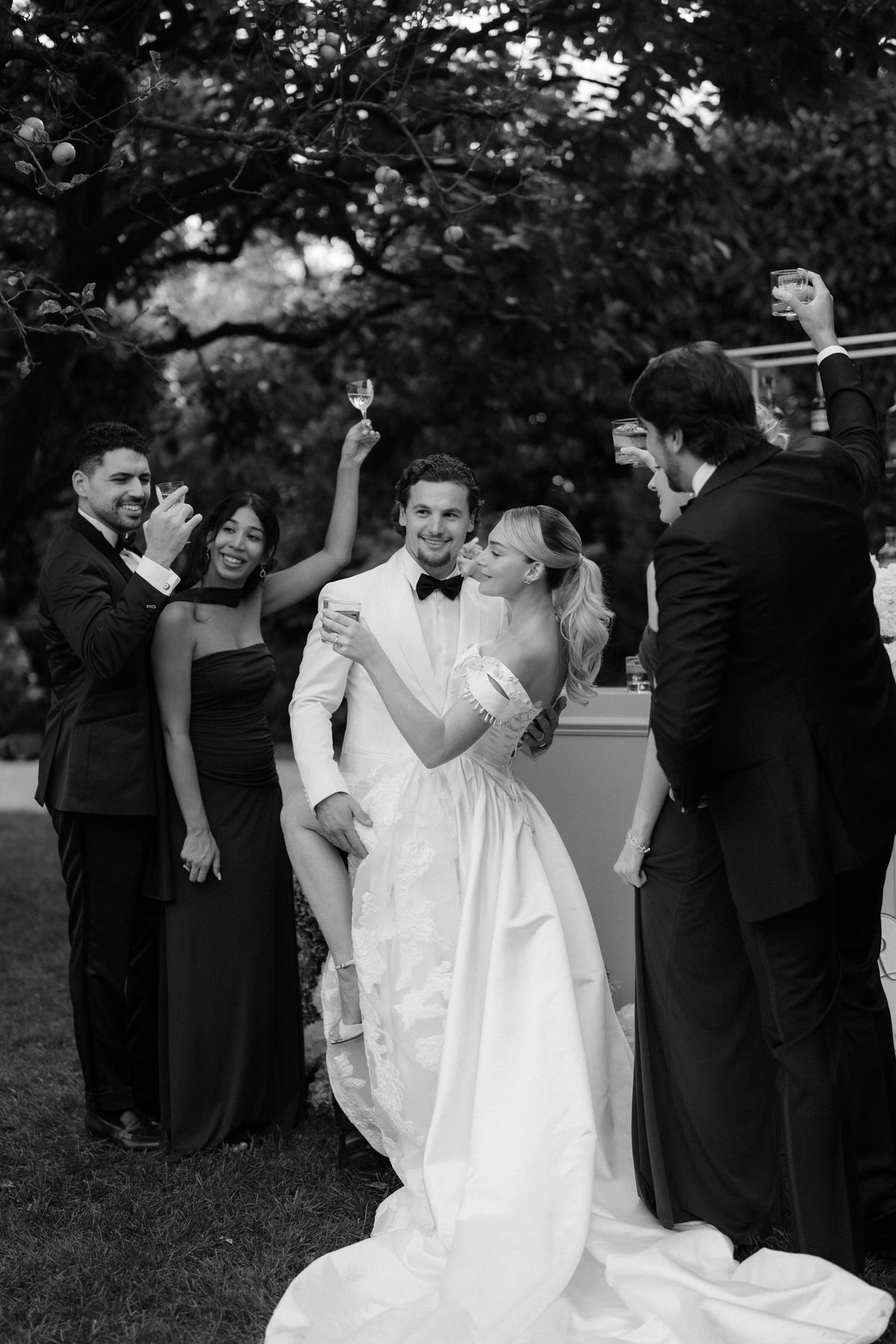
For me, photographing connection really comes down to observation. I pay a lot of attention to eyes, hands, and body language because those are the places where emotion lives. When I’m posing a couple, I’m not thinking about poses first. I’m watching how they naturally interact, how they stand near each other, how they touch, how they look at one another. I want them to look at their photos later and see themselves, not feel like they’re looking at someone else’s picture.
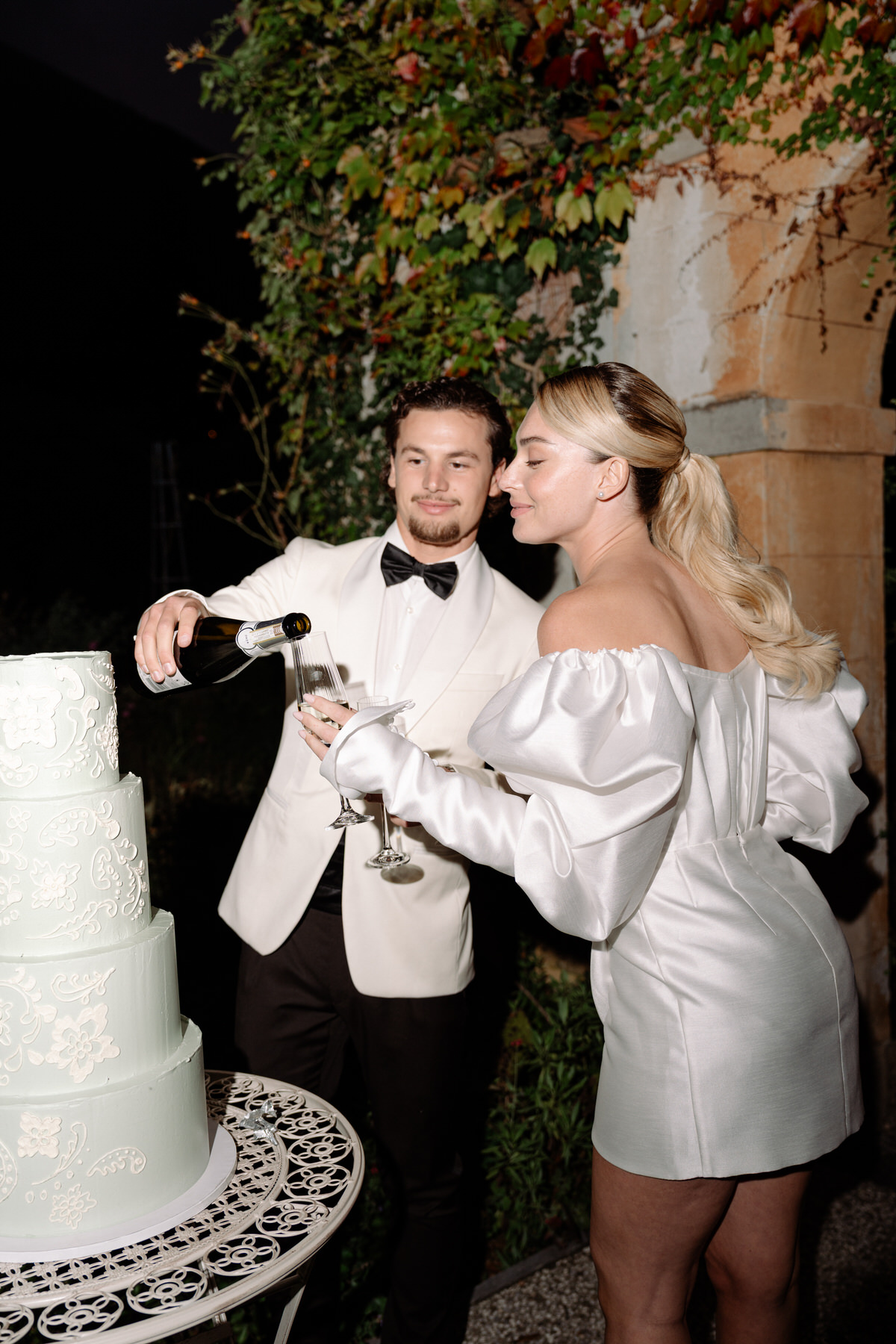
If a smile is small and genuine, I let it happen rather than forcing something bigger. Often, I’ll talk with them, joke a little, or create a light moment, and in between those seconds is when the real expression appears. Even if I guide them, it’s always gentle and intentional, because I never want the pose to feel like my idea. I want it to feel like them.
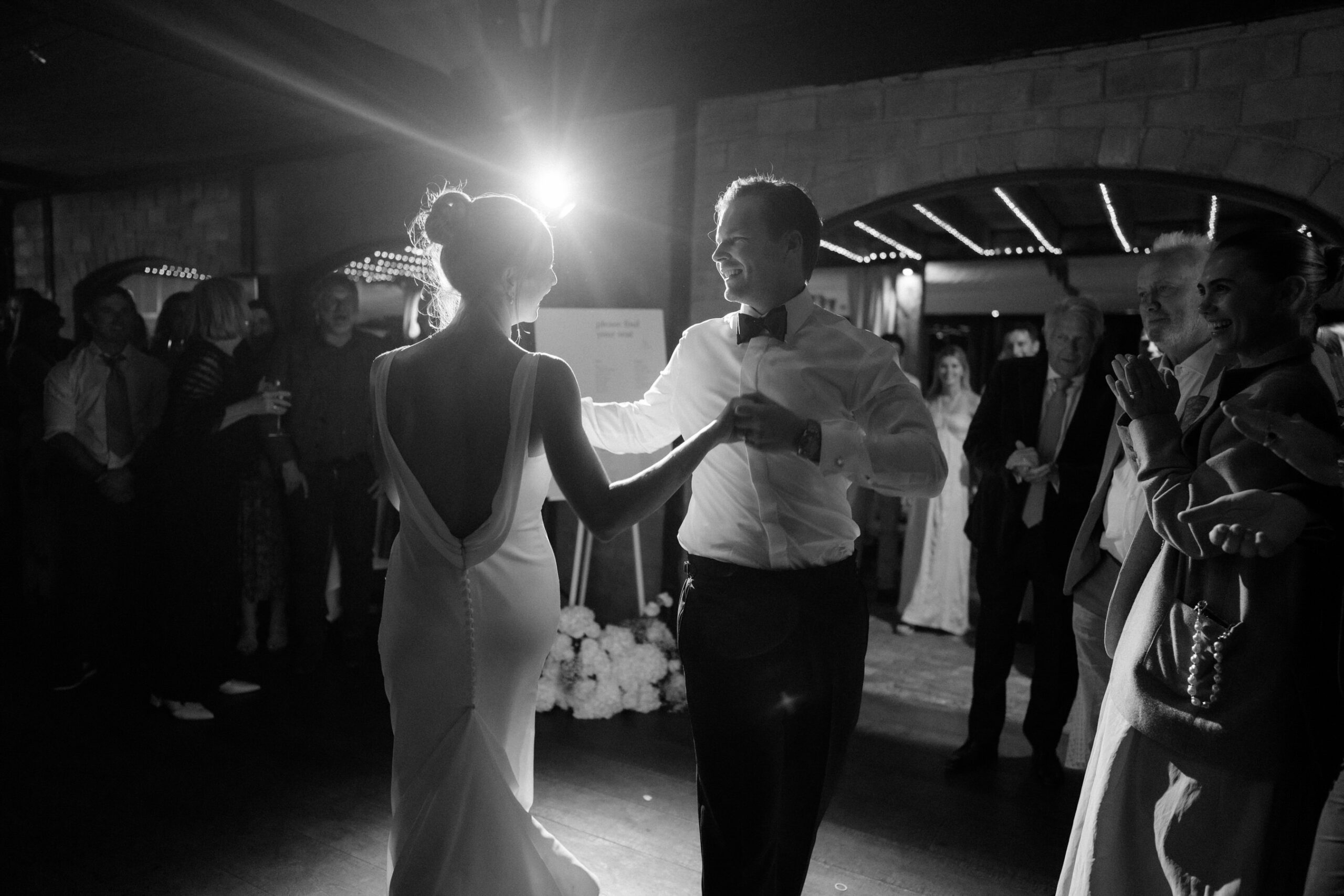
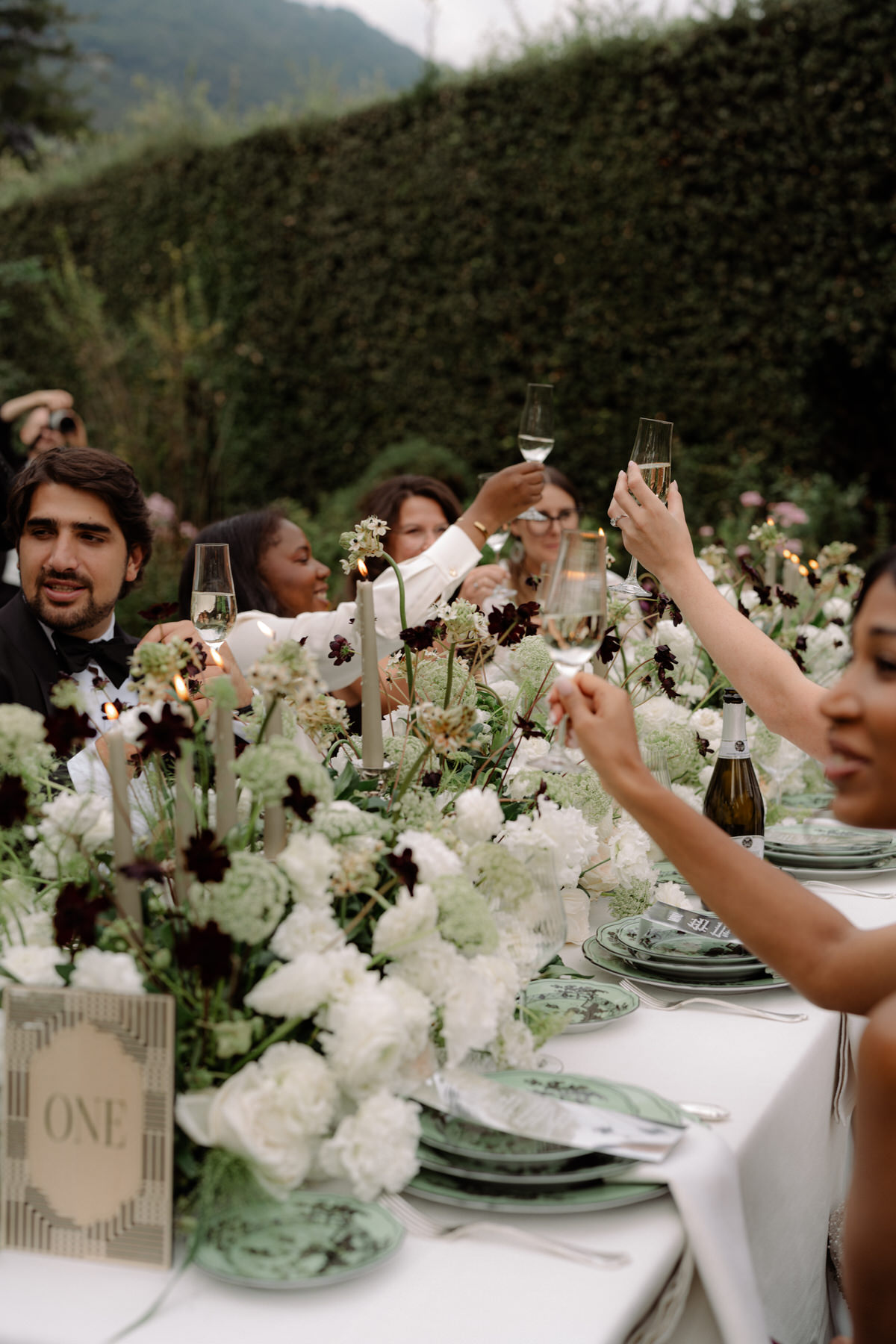
I also try not to be the centre of attention as a photographer. Especially during ceremonies or receptions, I move quietly around people rather than directing the room. That way, everyone stays present in the moment instead of feeling watched. If a couple is shy, I work with that energy instead of against it. I would never ask them to do something that doesn’t match their personality, because the second they feel uncomfortable, they disconnect from themselves and from each other.
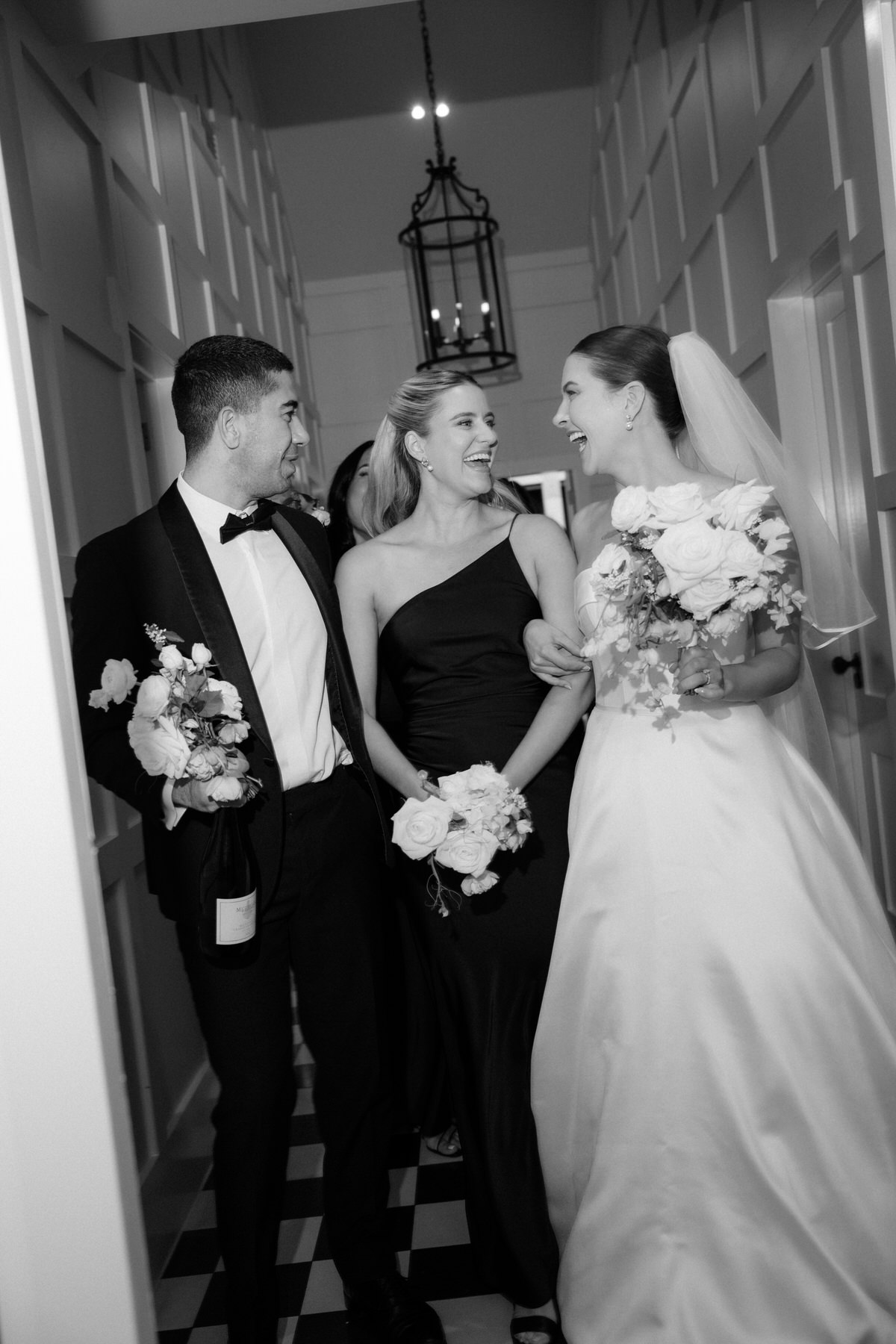
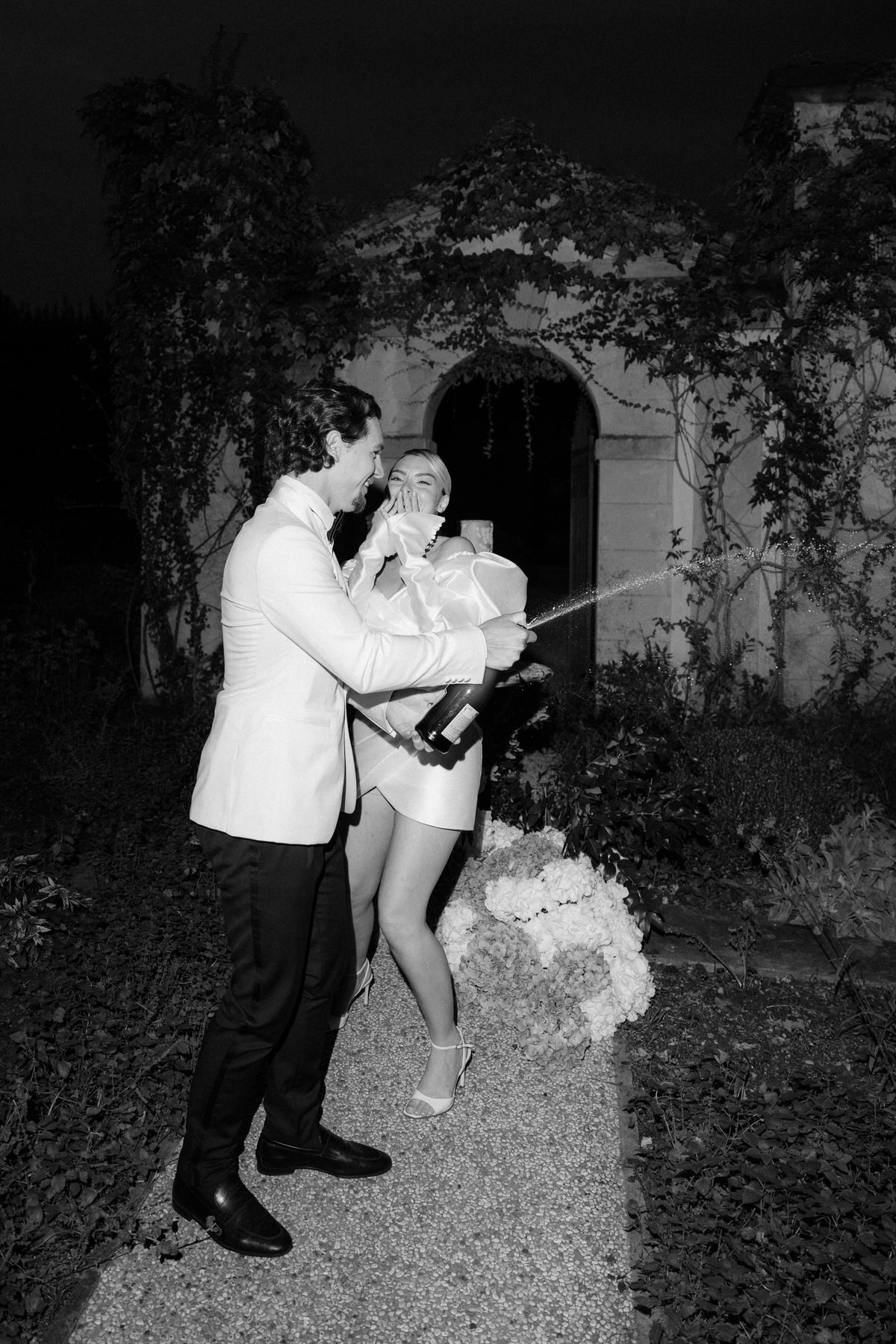
Sometimes that means removing pressure, especially for someone who might not love being photographed. When they feel relaxed and free to enjoy their day, that’s when the real smiles, the cuddles, the tears, and the laughter happen naturally. During the day, I’m always watching for those honest emotions. I capture the wide scene, but I’m also looking closely for the small, meaningful moments happening within it. Those are the frames that hold the deepest connection.
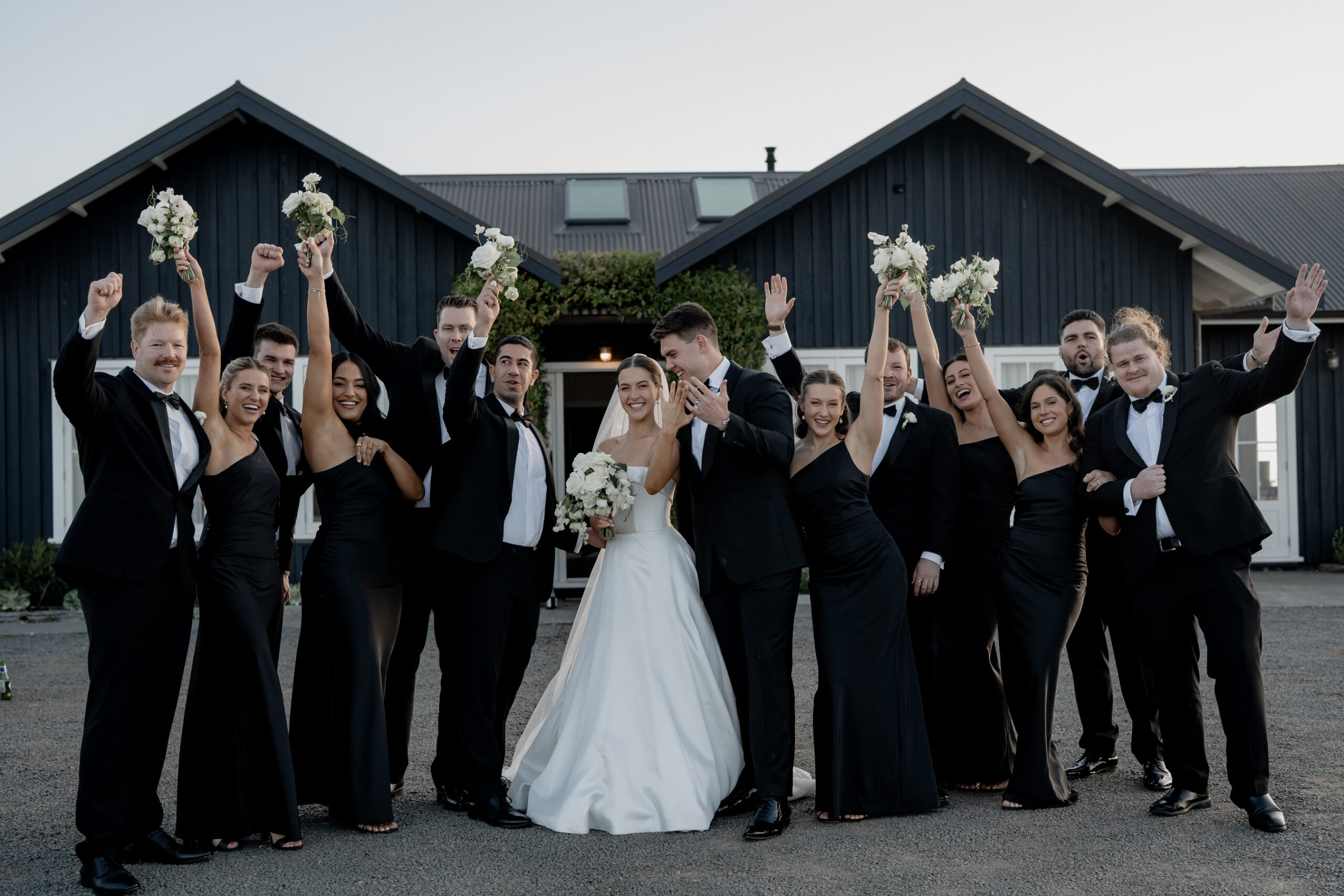
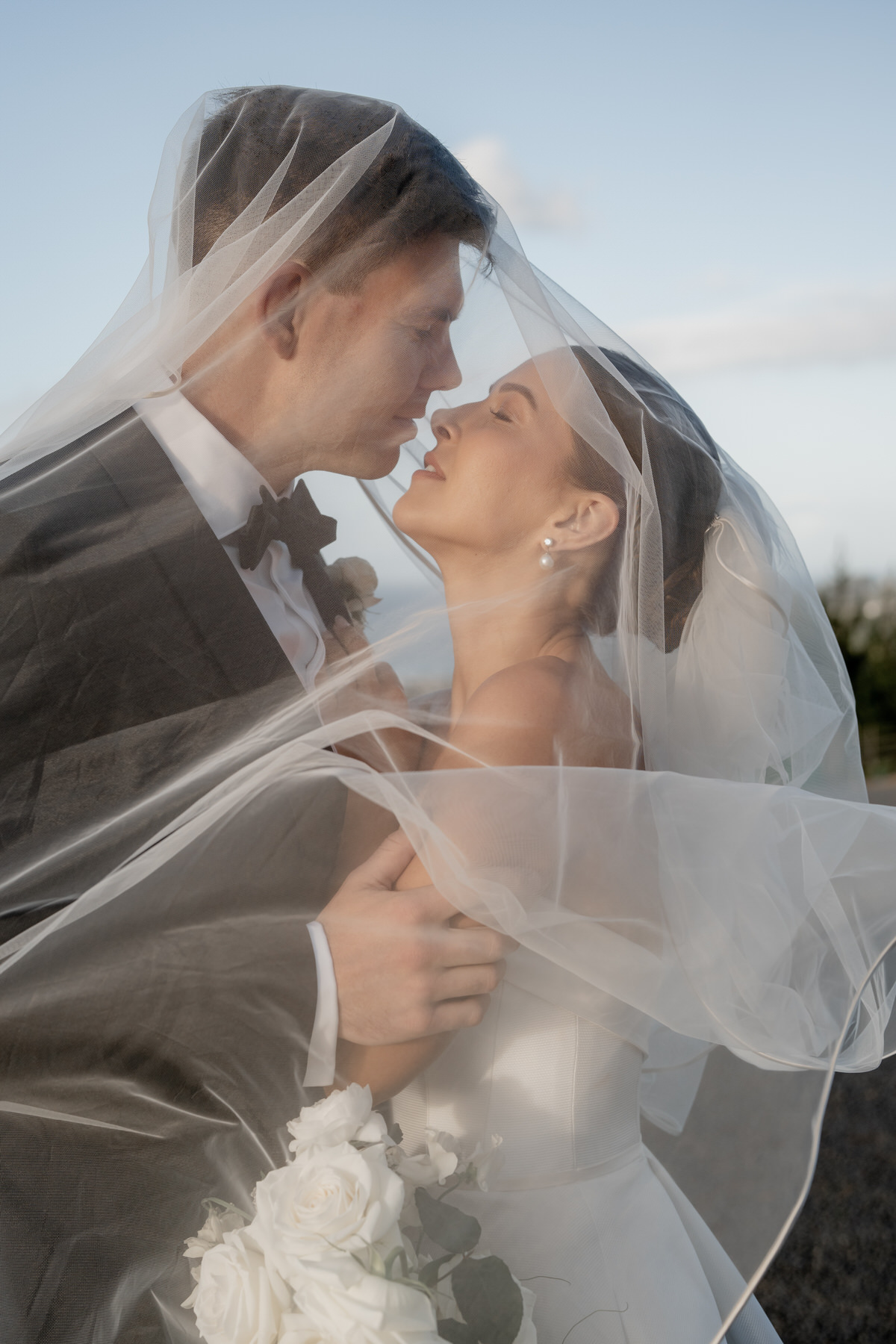
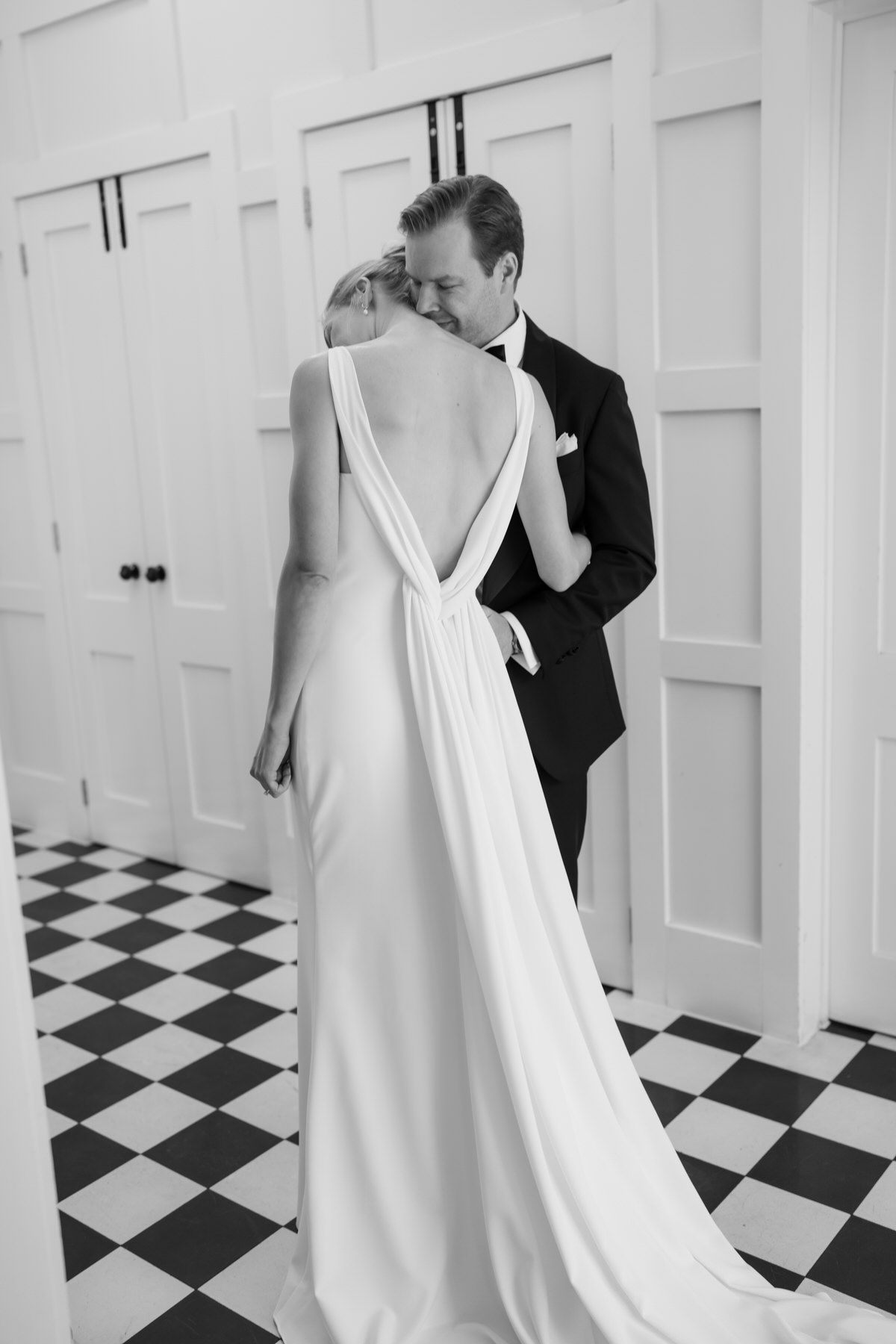
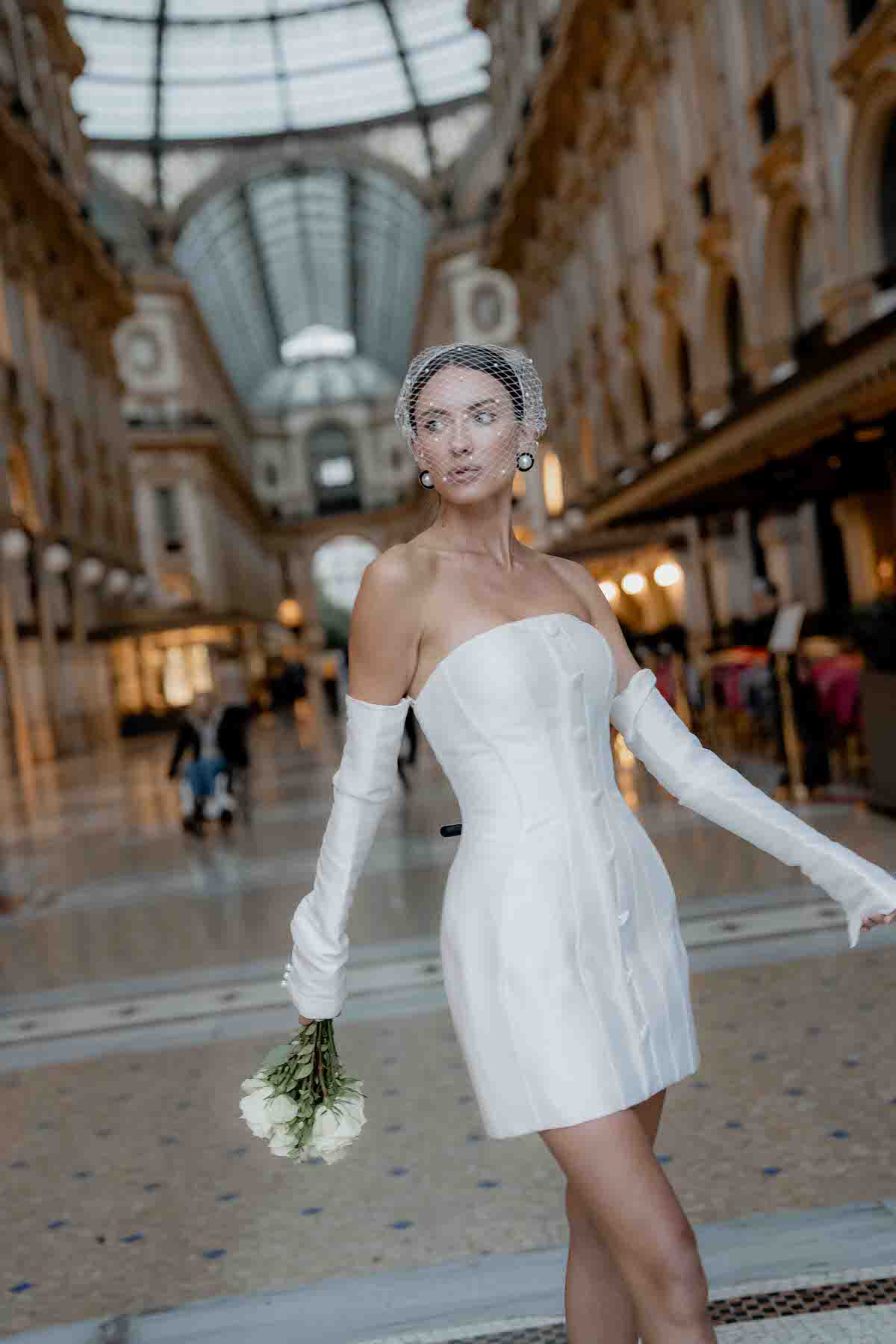
From your early love of painting to photography becoming your primary medium, how has your artistic background influenced the way you see light, colour, and composition today?
It’s actually hard for me to describe my artistic background because I never really saw myself as naturally artistic in the beginning. I loved painting when I was younger, but I was also a perfectionist, and that part of me made it difficult to continue. I felt like if I couldn’t be the best, it wasn’t enough, so I stopped.
When I moved into photography, that perfectionism came with me. At first, I still wanted everything to be perfect, but over time, I discovered that perfection can actually stop you from creating. I realised that if I kept chasing perfection, I would never make anything meaningful, because I’m my own biggest critic. Learning to let go of that a little is what helped me grow.
In a way, that critical eye is also my strength. It pushes me to improve constantly. I can see when something doesn’t feel right, or when something feels too influenced by trends, and I always try to come back to what feels true to me rather than copying anyone else. That’s when I started creating images that weren’t technically perfect in the traditional sense, maybe the angle isn’t exact, or everything isn’t flawless, but the emotion is real. And for me, that honesty is more powerful than perfection.
I actually started photography with landscapes, but I quickly realised they didn’t fulfil me. I wanted people. I wanted eyes, connection, real emotion, real colour in human moments. That journey is what led me to weddings, because weddings are entirely about connection, and that’s what inspires me most.
Many couples say they feel unusually calm and held around you on their wedding day. How do you intentionally create that sense of ease, especially in emotionally charged or high-pressure moments?
I think one of my strengths is being able to read people’s emotions. Wedding days can be very intense, and everyone feels that energy differently. Because I’m very aware of that, I adjust myself to what each person needs in the moment. If someone feels stressed, I don’t overwhelm them with too many directions or stay too close for too long. And if they’re fully enjoying a moment, I never interrupt just for the sake of a photo. Protecting their experience always comes first.
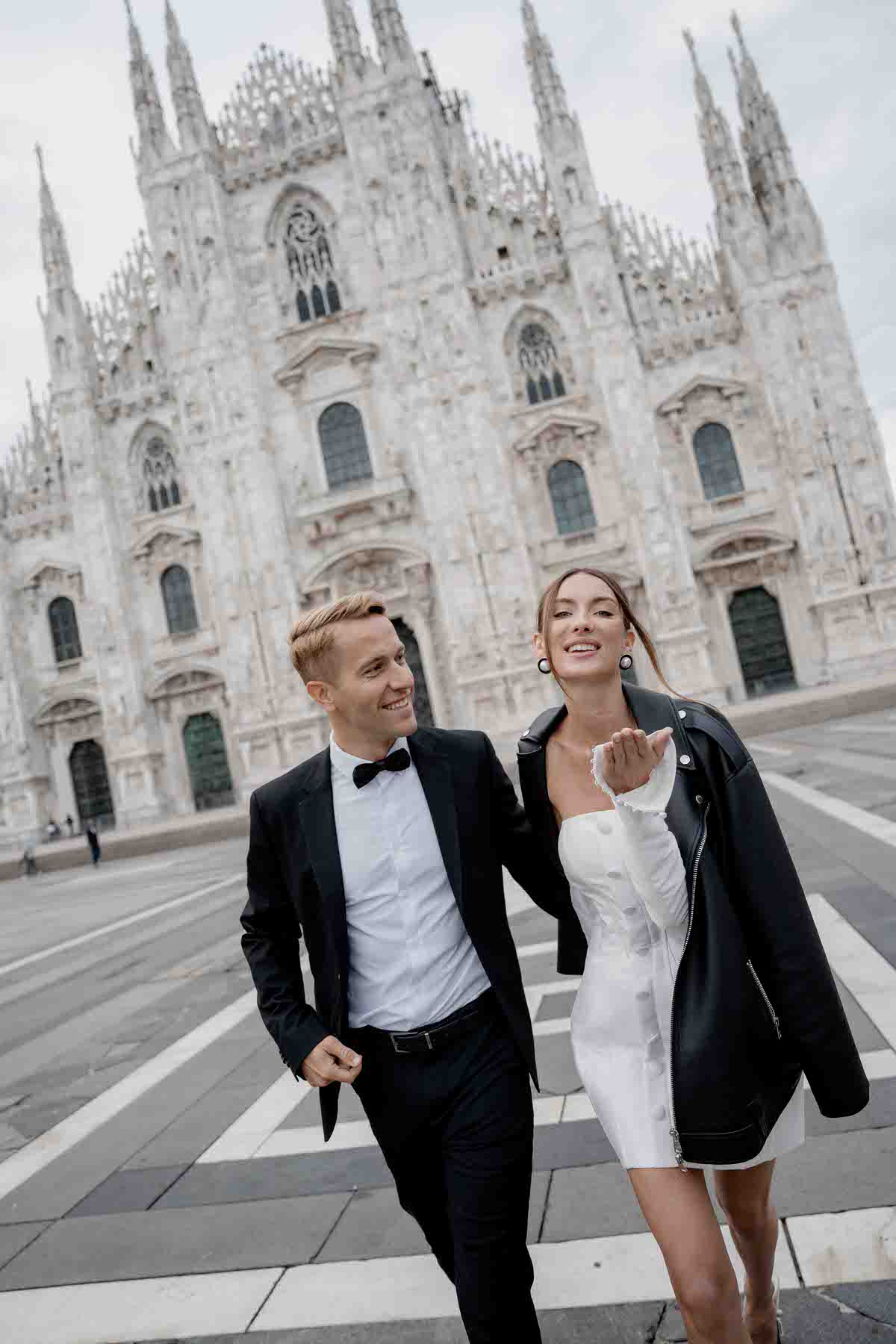
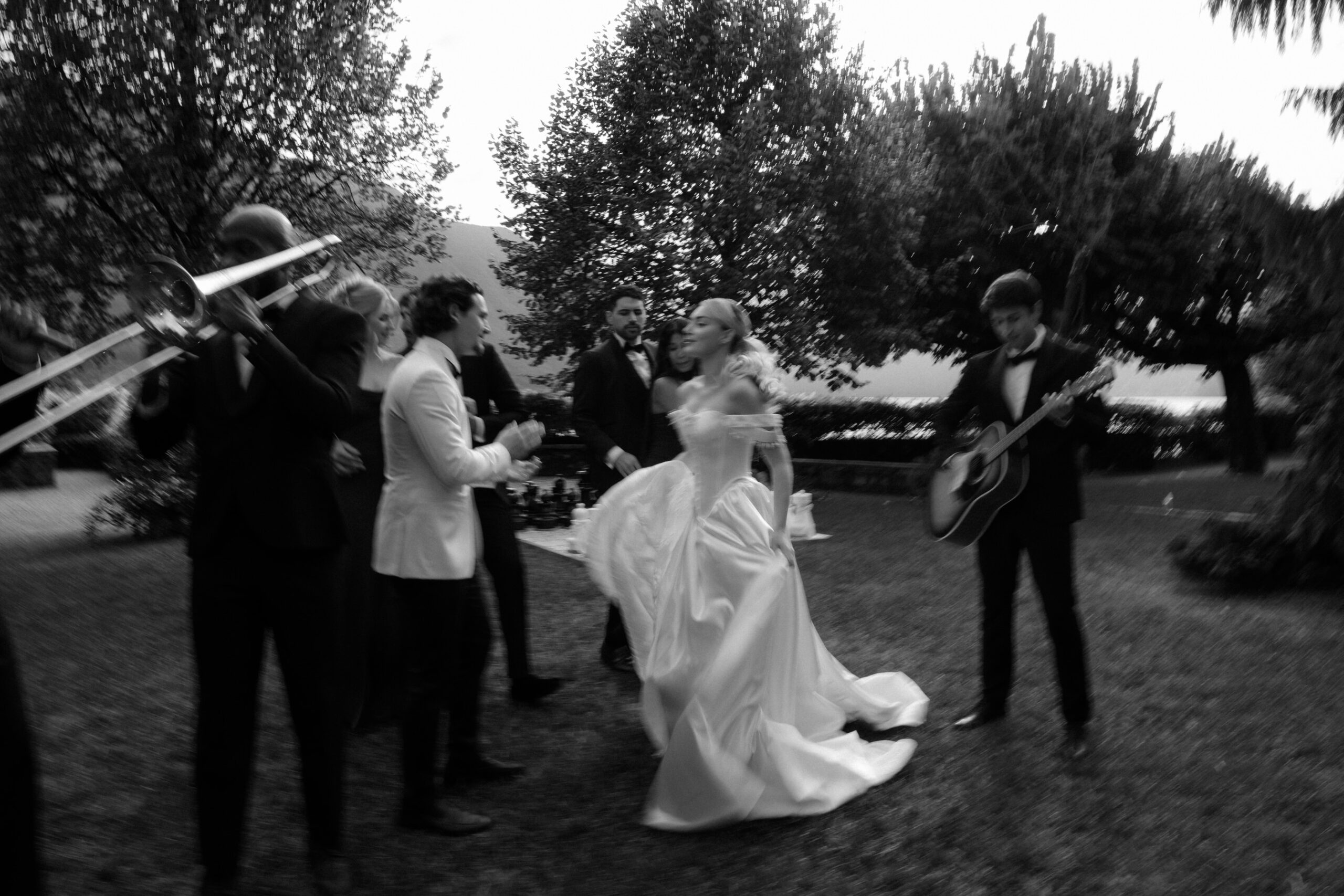
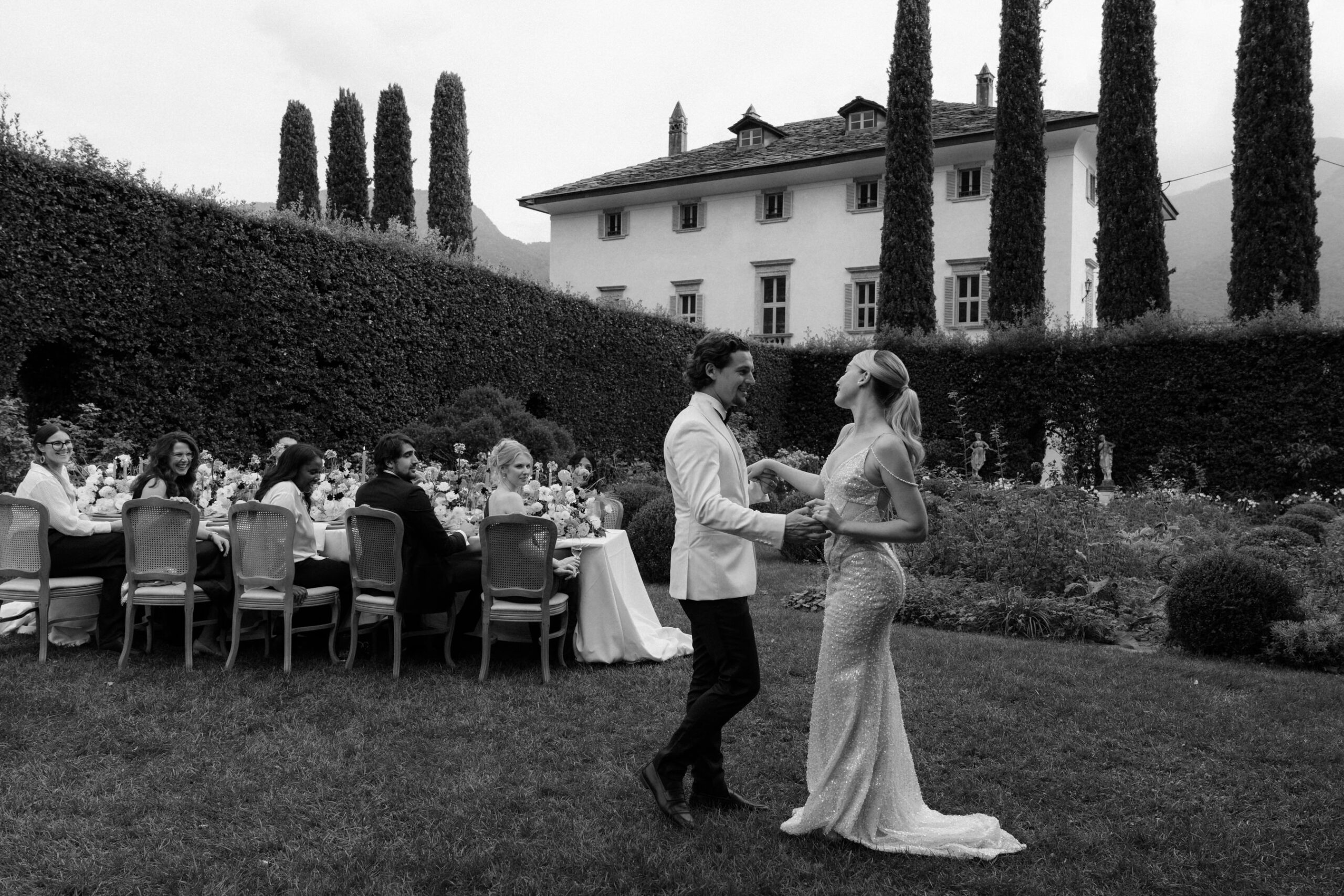
When I work with couples, I guide them, but I also give them space. I let them move, talk, and interact naturally with each other. I capture the refined, editorial portraits in between those moments, but I also let them walk, laugh, or dance together so their connection stays real rather than staged.
I also try to create calm by quietly managing time for them. I keep track of the schedule so they don’t have to think about it. They can stay present, knowing someone is gently holding the flow of the day. And if emotions run high or someone feels overwhelmed, I never take anything personally. I understand the pressure they’re under, so I stay grounded and supportive.
I think that combination of emotional awareness, calm energy, and intention is what helps couples feel safe around me. When people feel safe, they relax, and when they relax, that’s when the most genuine moments happen.
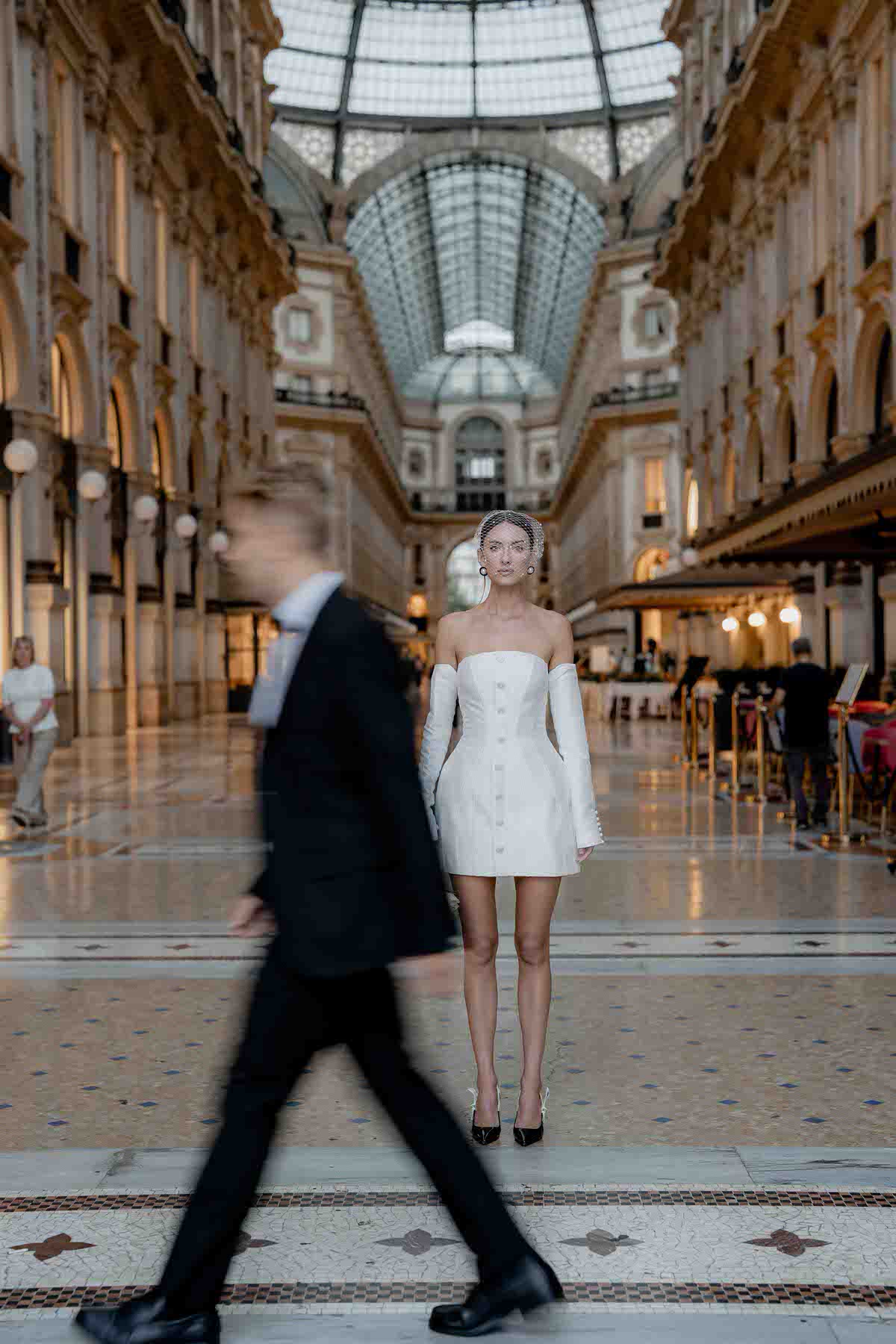
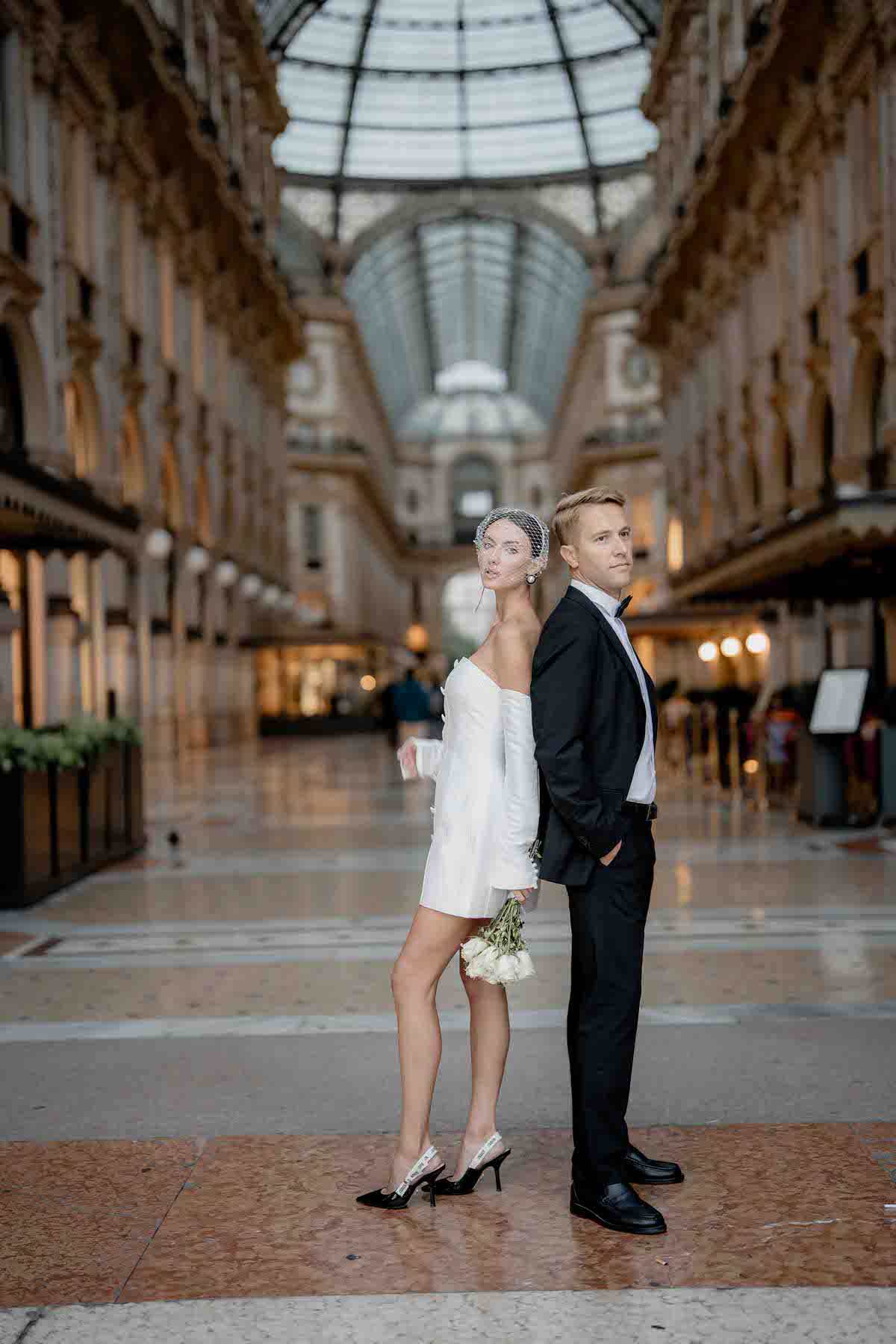
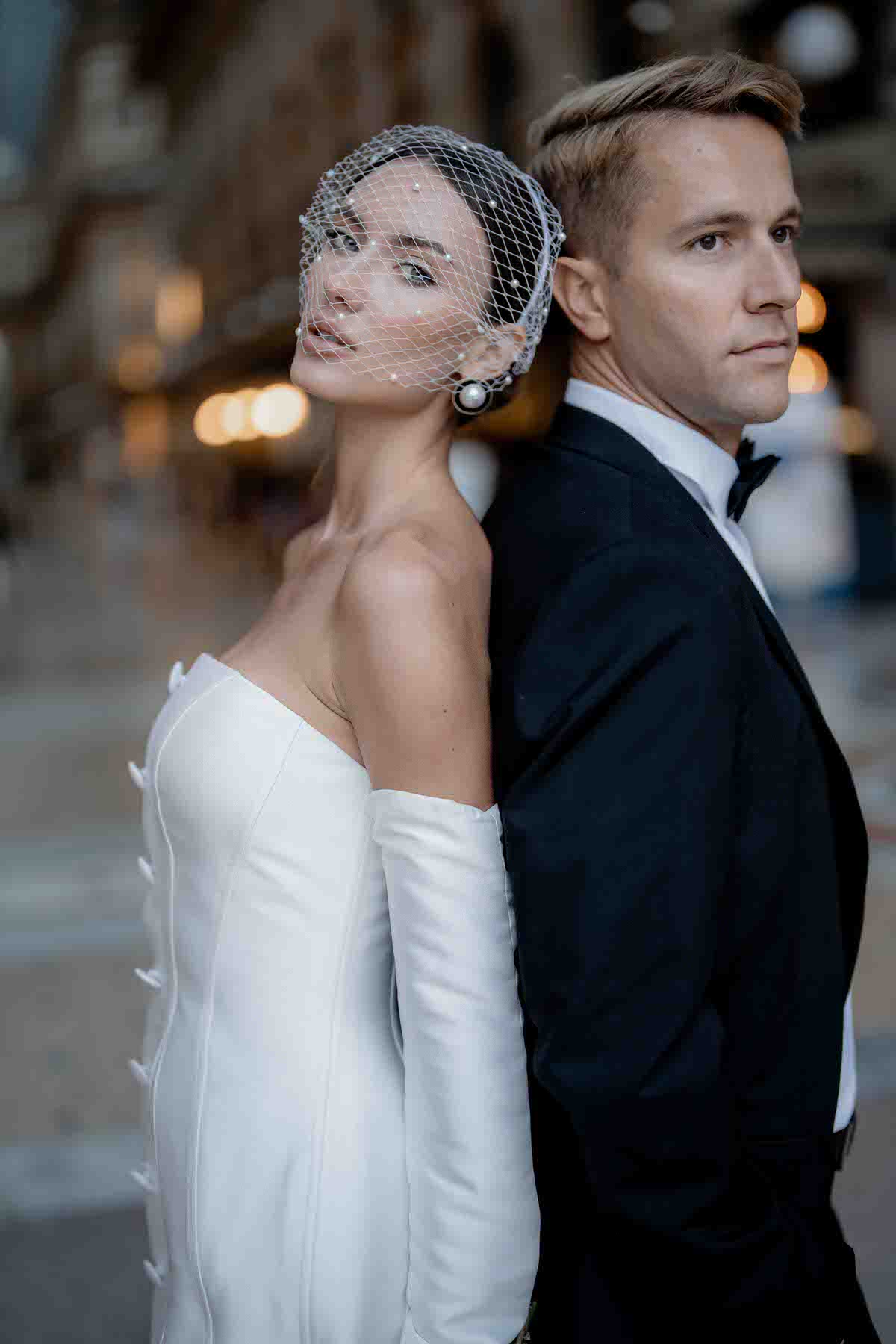
With your move to Sydney, your availability across Australia is expanding. How do you see this next chapter shaping your work, and what excites you most about being more present in the Australian wedding scene while still returning to New Zealand?
Moving to Sydney feels really inspiring for me creatively because being in a new place always brings a sense of excitement and curiosity. When you step into a new environment, everything feels fresh. You start noticing light differently, architecture differently, even the way people move through a space. That sense of discovery challenges me, and that’s where my creativity really comes alive.
New Zealand, on the other hand, gives me something equally valuable, which is familiarity and trust. I know many of the venues, I understand the landscapes, and I can walk in already knowing how I want to approach the light or the setting. That comfort allows me to go deeper creatively because I’m not figuring things out from scratch. I’m building on experience and pushing myself to create something new each time, even in places I know well.
So for me, it feels like the perfect balance. Sydney brings that fresh energy, that city atmosphere and architectural inspiration, while New Zealand still gives me the romance of nature, vineyards, and spaces I’ve grown up with. The connection I capture between couples stays the same wherever I am, but being between these two places keeps me inspired, curious, and always evolving.
Looking ahead, are there any dream locations, destinations or types of celebrations you feel especially drawn to photographing over the coming years?
Looking ahead, the types of weddings I’m most drawn to are the ones where connection really matters. When couples come to me and say that being with the people they love is their priority, that excites me. It tells me they are present in their day, and that gives me the opportunity to capture genuine emotion.
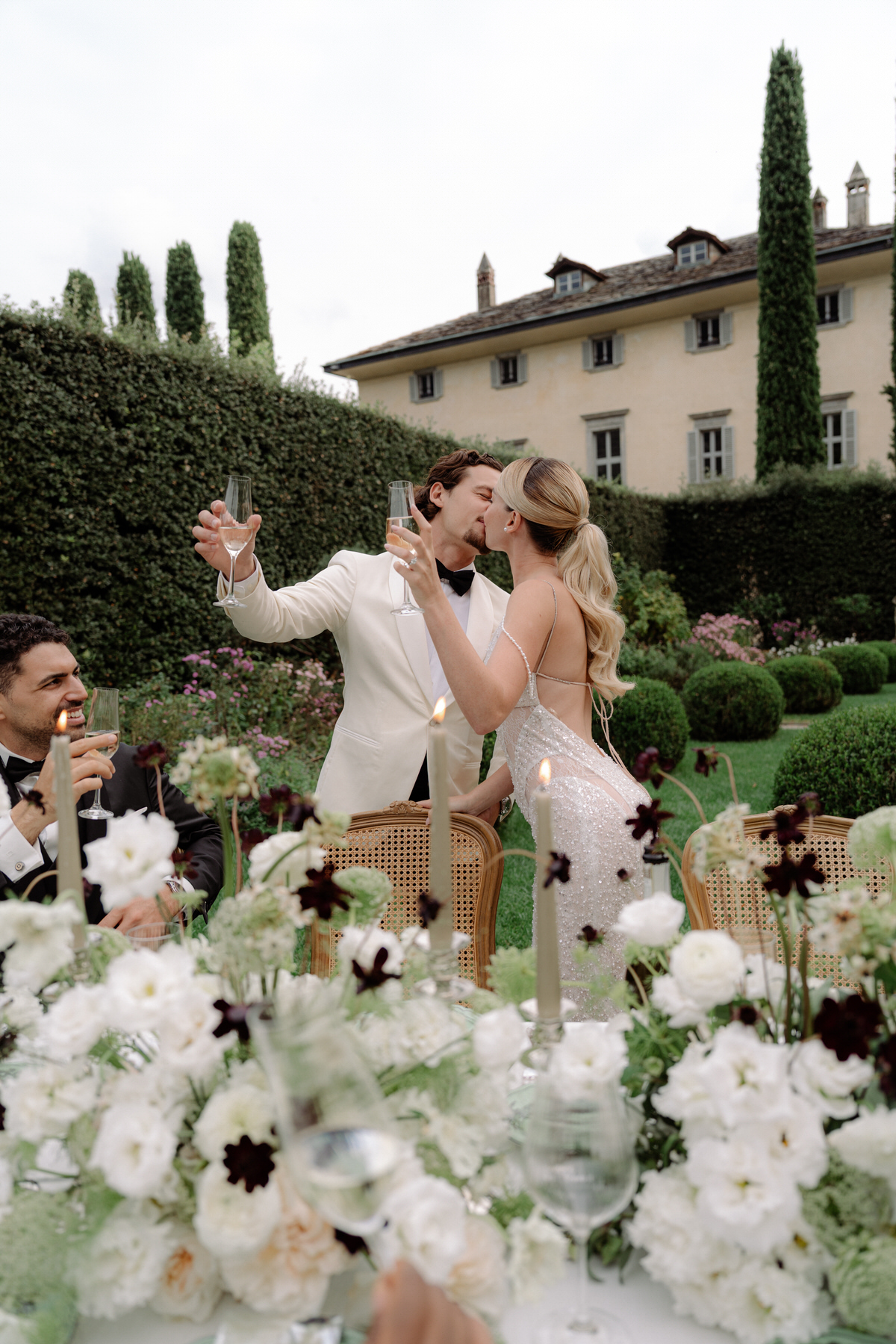
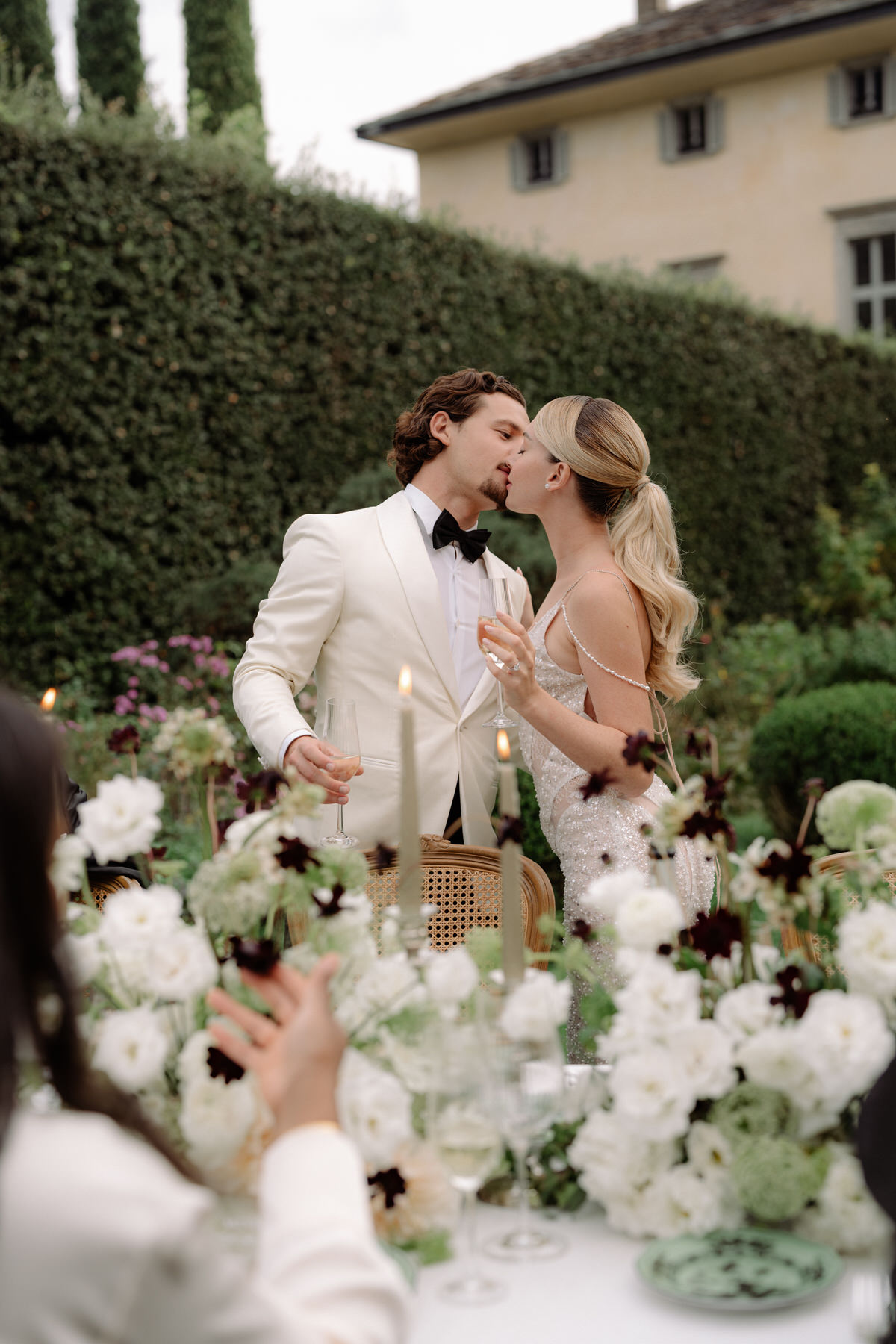
I also really love weddings where design and elegance are thoughtfully considered. Not in a way that overshadows the people or the connection, but where the details, the dress, the venue, and the overall aesthetic feel minimal, intentional, and beautiful. When design and connection come together, it creates a day that feels timeless and effortless, and that is exactly the kind of atmosphere I love to capture.
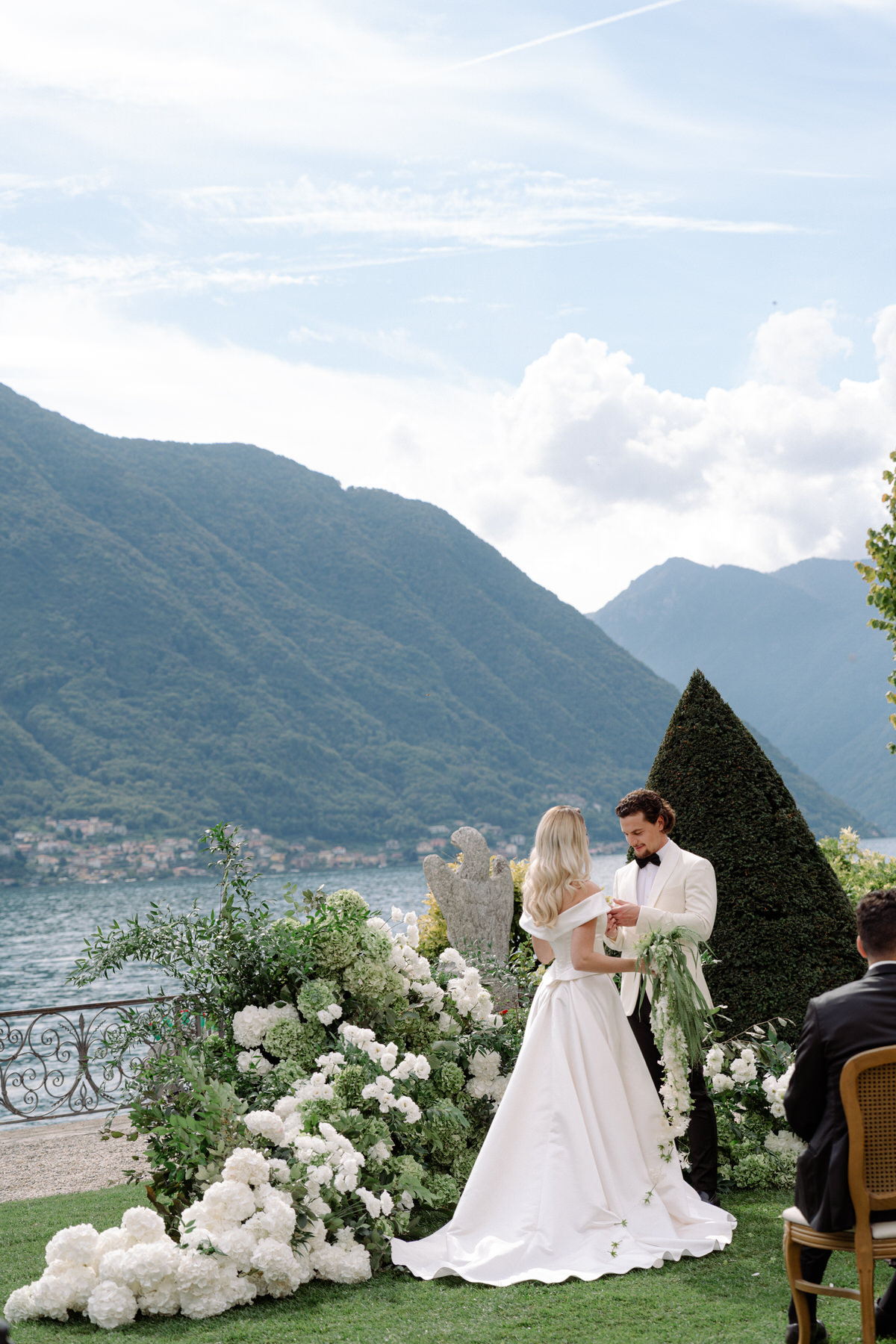
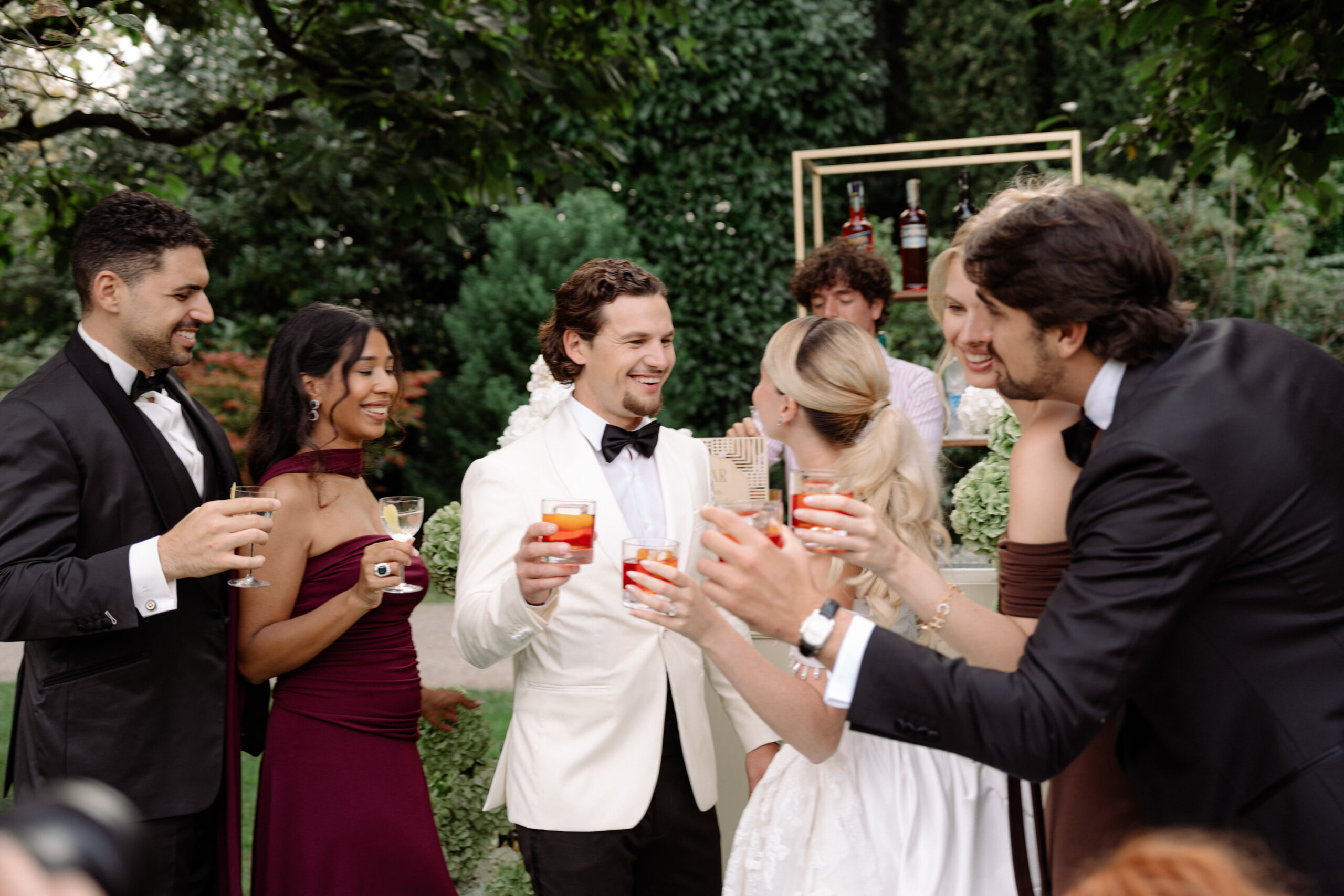
I’m especially drawn to smaller, intimate weddings where couples can write personal vows and enjoy the day fully. I adore seeing couples present with their people, moving naturally, laughing, and connecting, while the setting around them feels elegant and intentional.
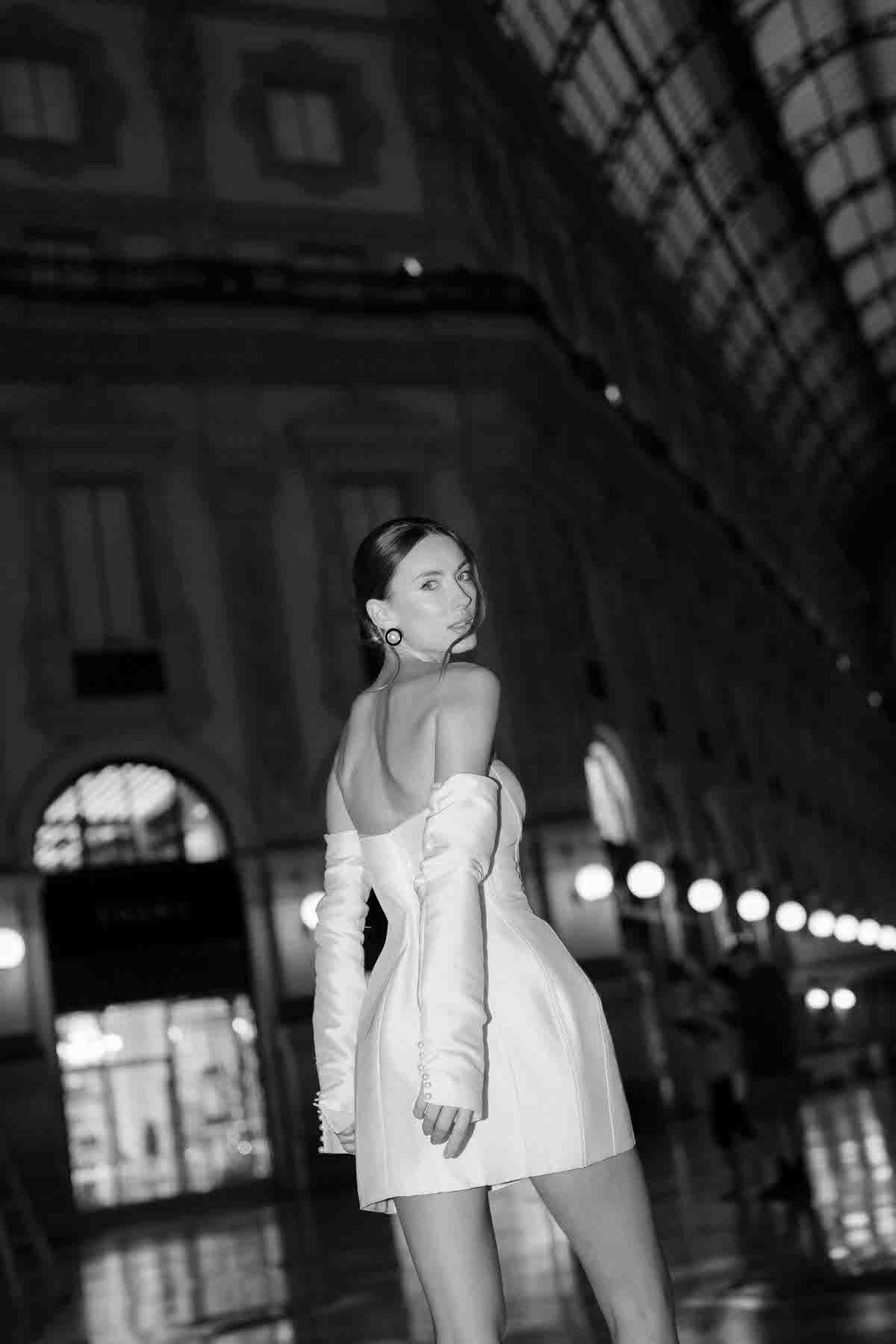
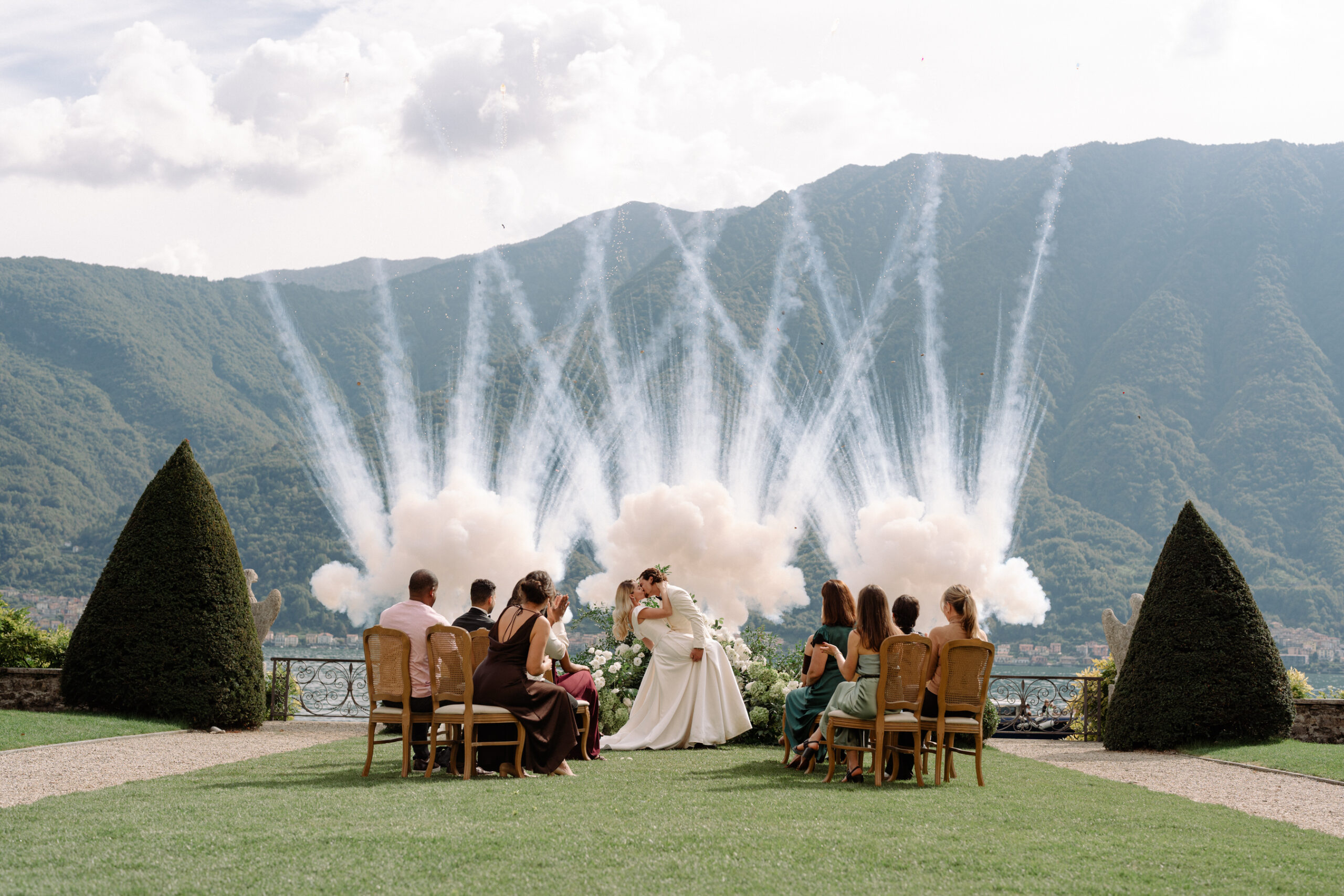
As for locations, I would love to photograph weddings in art galleries, where I can explore creating beauty within a unique architectural space. I’m also drawn to Italian or Tuscany-inspired weddings, where the light, the scenery, and the romantic atmosphere come together naturally. For me, it is the combination of genuine human connection and thoughtfully designed spaces that makes a wedding truly magical.
The film and photography worlds are evolving rapidly. What are you currently noticing across the wider film and photo sectors, and what shifts do you anticipate shaping the future of visual storytelling?
I feel like right now the industry is really finding a balance between the sharp, clean, editorial digital look and the softer, nostalgic film aesthetic. It’s interesting because you can shoot the same room, with the same light, but different cameras and approaches give completely different feelings.
I mainly work in digital, but I also shoot film as a secondary medium. Some photographers focus entirely on film, others entirely on digital, and I think that balance is something couples really appreciate. Ten years ago, film wasn’t widely appreciated in weddings — everyone wanted digital. Now people are much more aware of what they want, and they value both styles.
I think this balance is likely to stay for a while. Film is becoming more expensive, so it might not always be the main option for every couple, but the mix between digital and film feels like the sweet spot. Technology also continues to push digital forward, giving us incredible clarity and crispness that film can’t quite replicate. So, I think we’re in a moment where both worlds coexist, and that’s exciting. The key will be maintaining that balance, so neither side is lost — the sharp, fresh digital look and the timeless, emotional film look can both continue to thrive together.
Specifically within wedding photography, what trends or changes are you seeing right now, and what do you believe will define the next era of wedding imagery?
Right now, I feel like the wedding photography world is in a phase of balance between digital and film, sharp and editorial images, and more nostalgic, emotional storytelling. The challenge I see is that sometimes couples choose photographers based on the aesthetic they like, without considering whether that photographer truly fits the vibe or scale of their wedding. Not every style works for every type of wedding, and that’s something I think is really important for couples to understand.
For example, a photographer who excels at small, intimate, candid, film-based weddings may not be the right choice for a large, luxury wedding with hundreds of guests. The scale, lighting, architecture, and details of the day all matter, and you need someone who has experience working in that context. Similarly, a photographer used to European editorial weddings might not capture a sunny beach wedding in New Zealand in the same way, because they aren’t familiar with the light, the location, or the energy of that setting.
I think what will define the next era of wedding imagery is awareness and intentionality. Couples are starting to understand that style and mood need to match the wedding itself, not just a trend. When every element of a wedding — the venue, the design, the couple’s personalities, and the team capturing it aligns, that’s when images feel truly timeless. The future, for me, is about creating that harmony: balancing nostalgia and modern editorial, film and digital, personal connection and luxury detail, so that every wedding feels like itself and not just following a trend.
For couples navigating the process of choosing a photographer, what advice would you offer to help them find someone who not only aligns with their aesthetic but truly understands the emotional weight of the day?
I think the most important thing for couples to consider is how a photographer makes them feel, not just whether they like their portfolio. Style and aesthetics matter, of course, but the emotional weight of a wedding day is so personal and unique, and the right photographer will understand that.
I always tell couples to look for someone who notices the small, quiet moments and cares about capturing real connection. Ask yourself, do you feel comfortable with them? Do they listen to you and understand what matters most to you on your day? A photographer can create beautiful images, but if you don’t feel at ease around them, those genuine moments can be lost.
It’s also worth seeing how they talk about their work. Are they focused on just poses and trends, or do they speak about capturing emotion, relationships, and the experience of the day? When couples choose someone who prioritises connection and presence as much as aesthetics, the photos end up not only beautiful but meaningful, something they will treasure for a lifetime.
For more information, visit elliekia.com and @elliekia.weddings.
Ellie Kia