Editorial wedding photography inspired by landscape and quiet moments.
John Donaldson approaches wedding photography with a quiet, considered eye shaped by years spent photographing landscapes across New Zealand and Australia. Working seamlessly across film and digital, his imagery balances nostalgia with clarity, capturing weddings as they naturally unfold. With an unobtrusive presence, he focuses on the in-between moments that give each celebration its emotional depth.


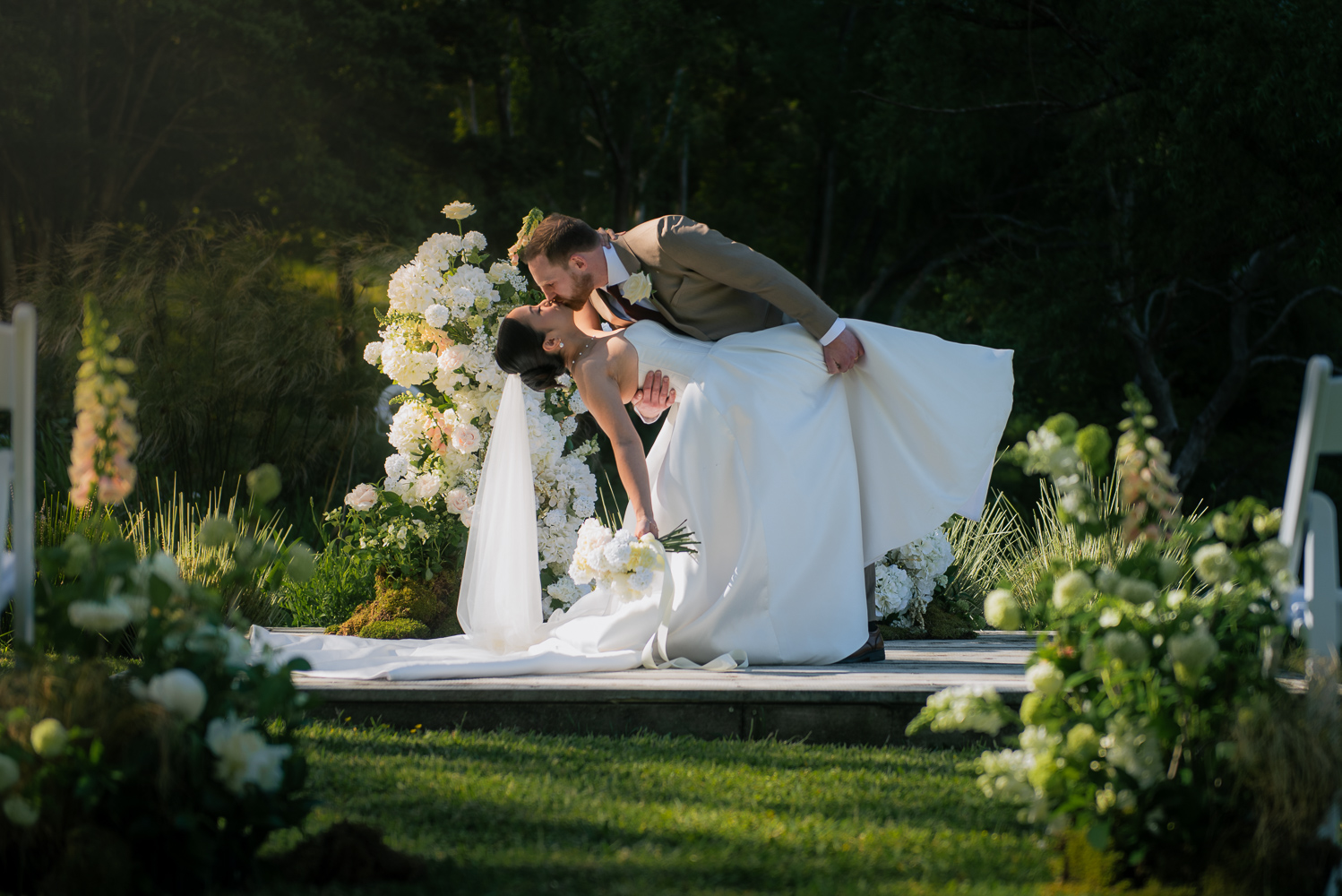
You began your photographic journey capturing landscapes. How does that early relationship with light, space, and nature still shape the way you see a wedding day?
I’ve always loved being outdoors, and for me, photography began as a way to capture the landscapes of New Zealand. When photographing a wedding, I like to include the scenery as part of the story, whether its mountains, a beach, or the city. Shooting landscapes also taught me to work with any kind of weather, which comes in handy at weddings. You might hope for sunshine, but even on a cloudy day, it’s possible to create beautiful images.
Your imagery carries a romantic, nostalgic tone without feeling staged. What draws you to this balance, and how do you maintain it while working so naturally?
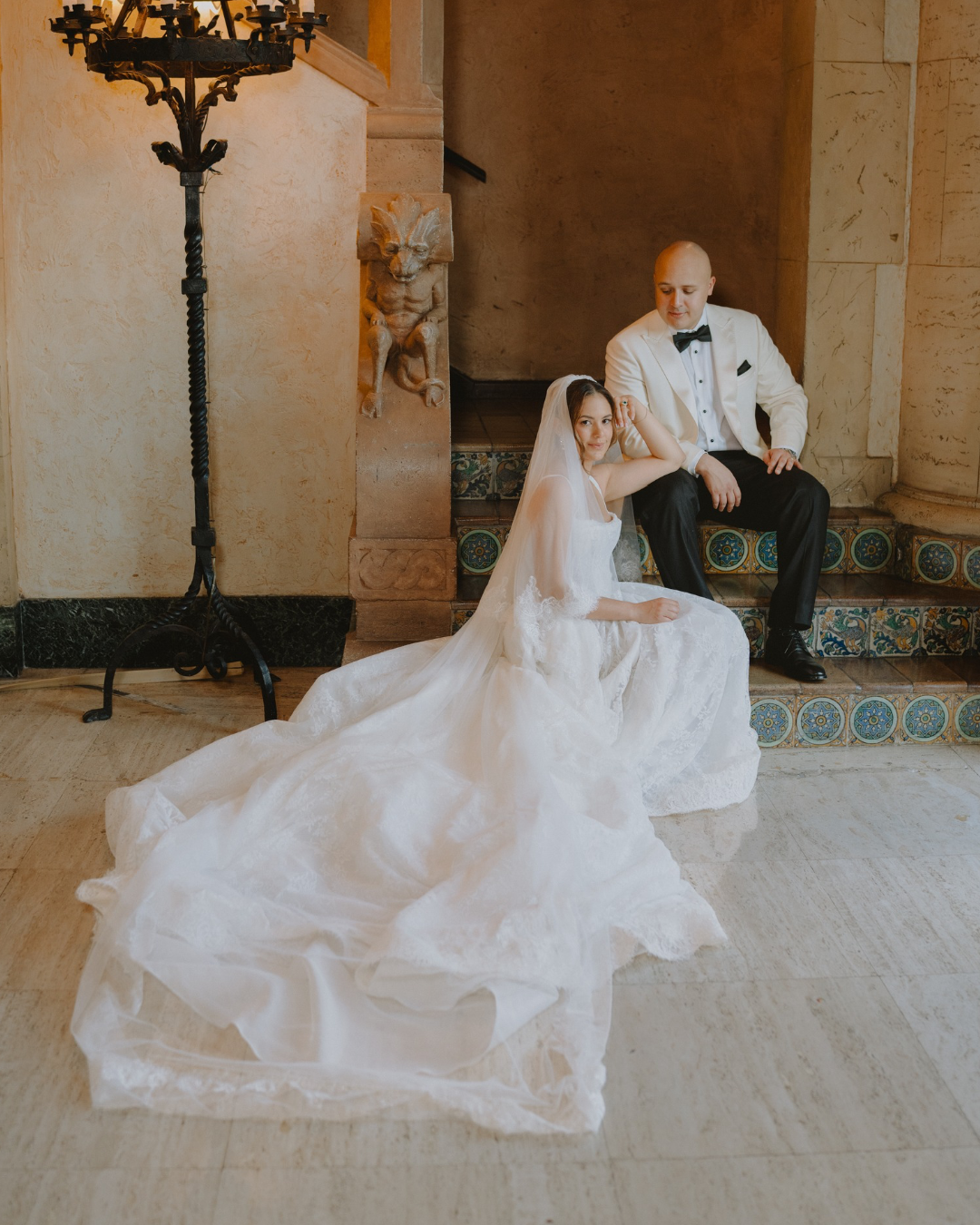
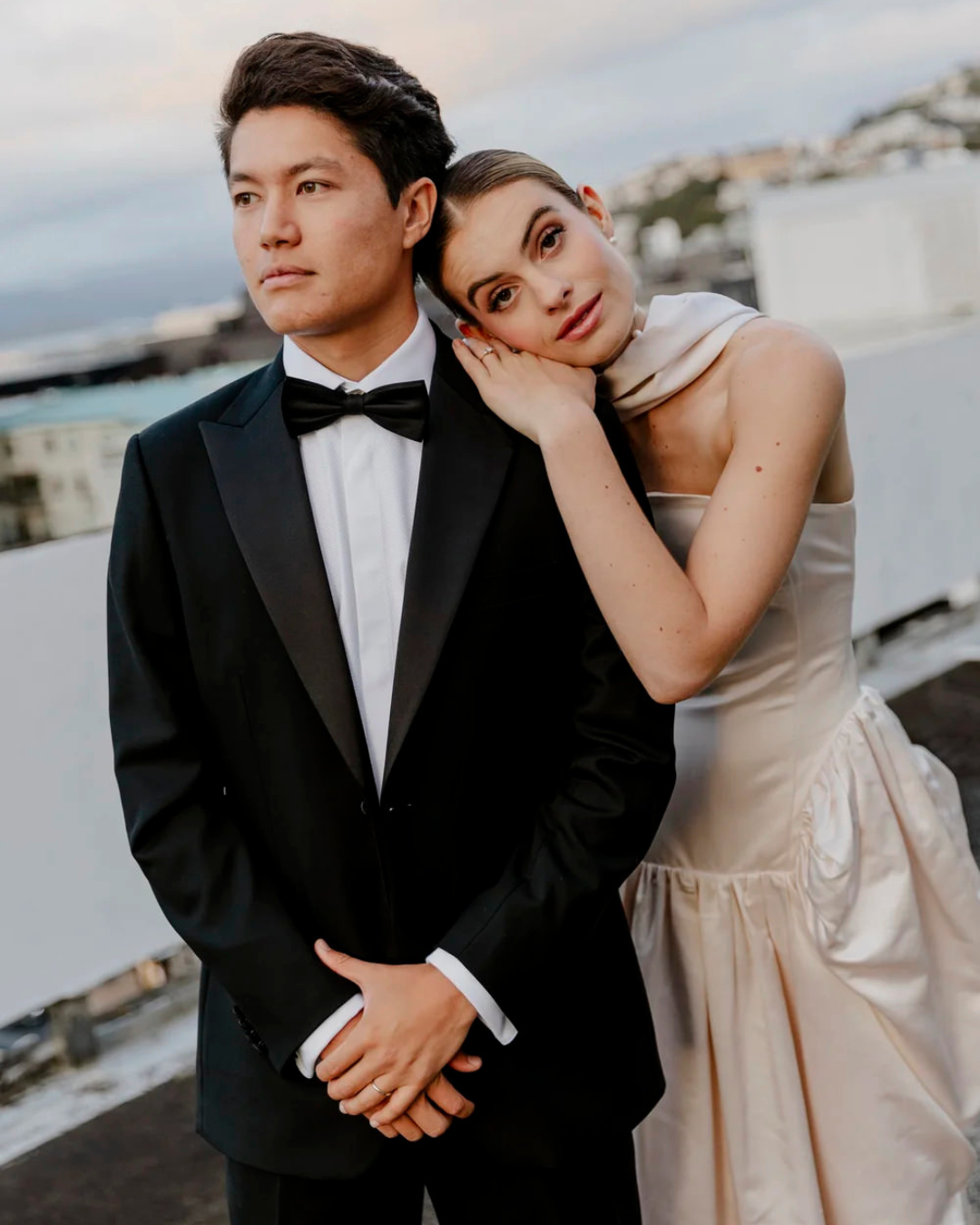
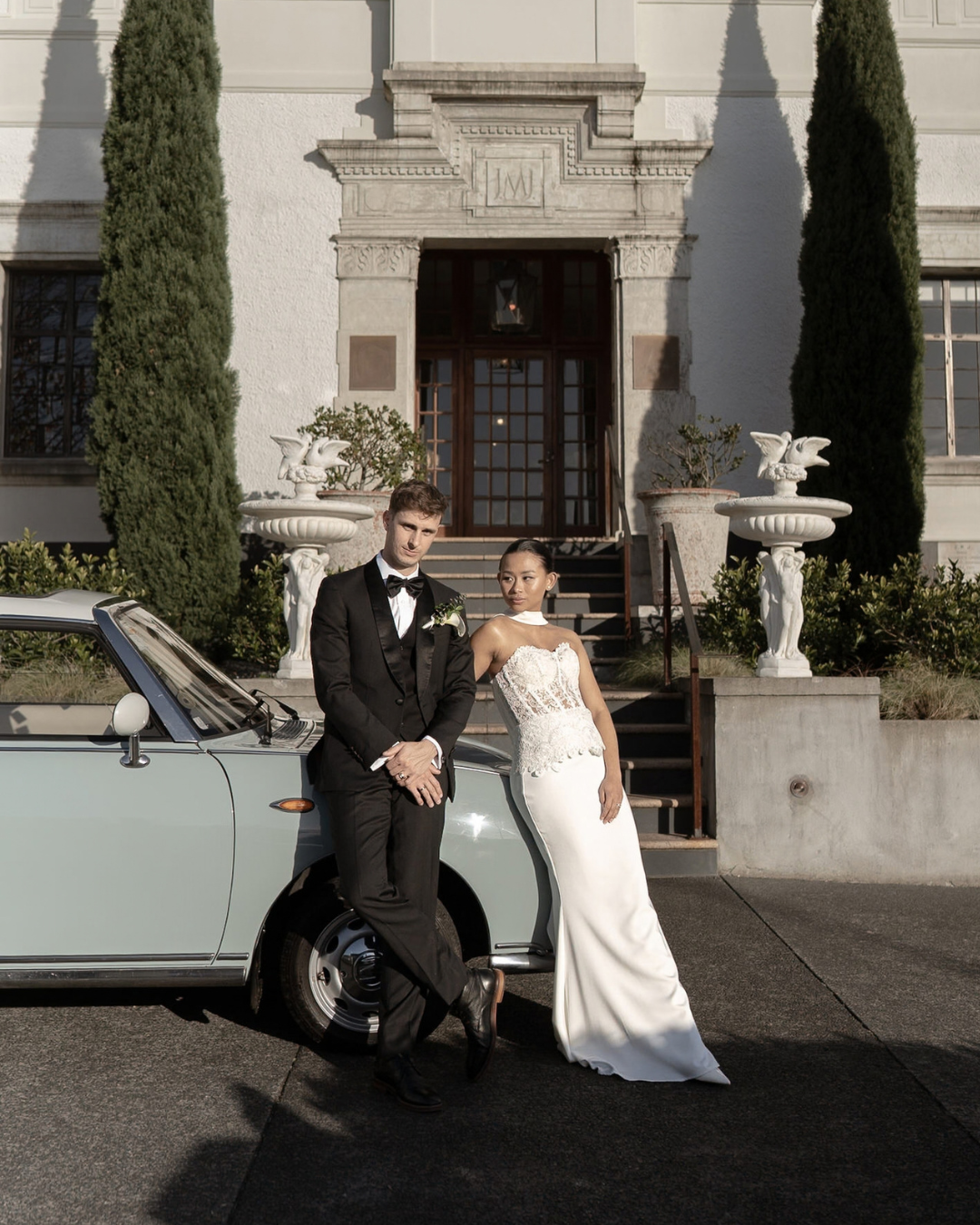
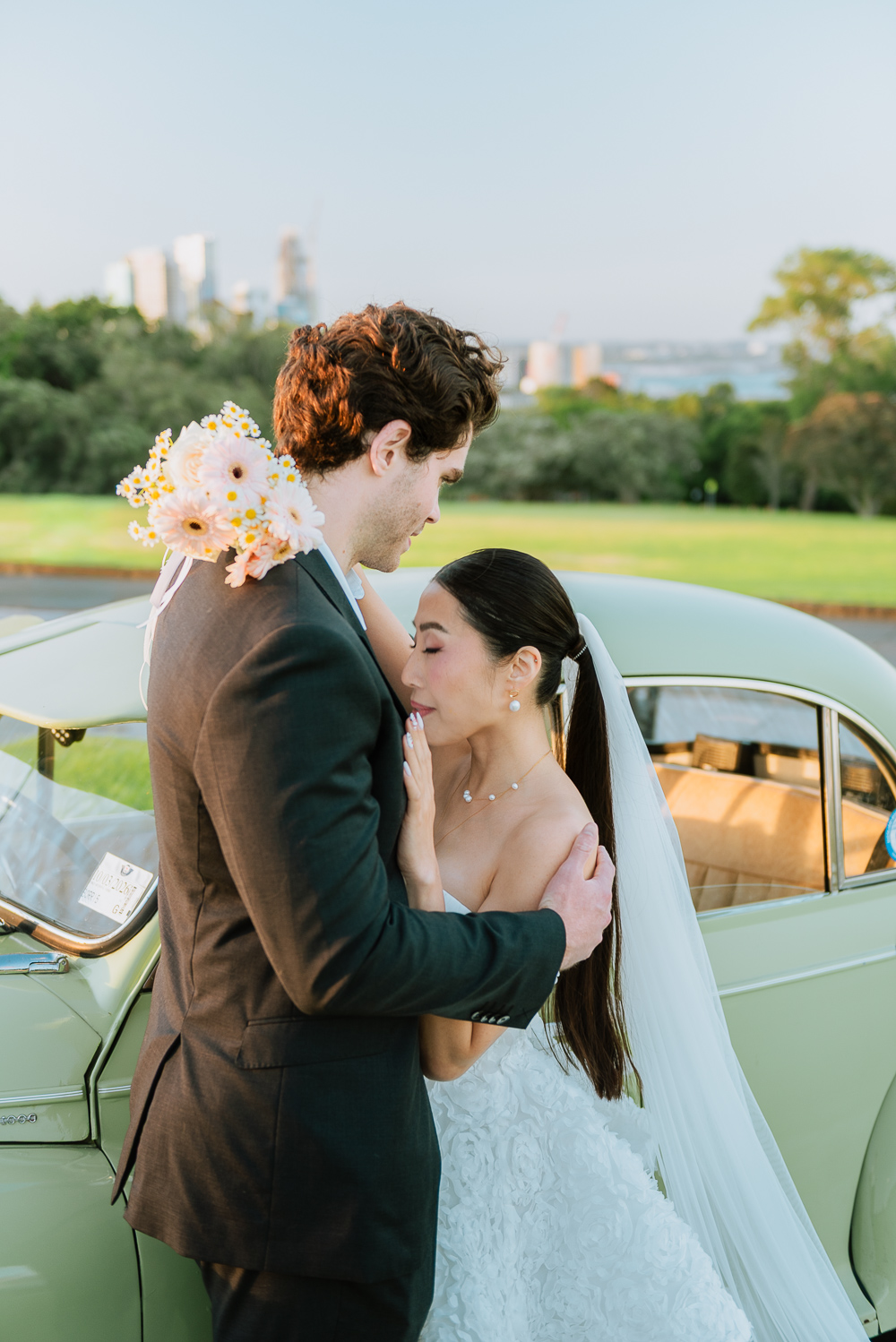
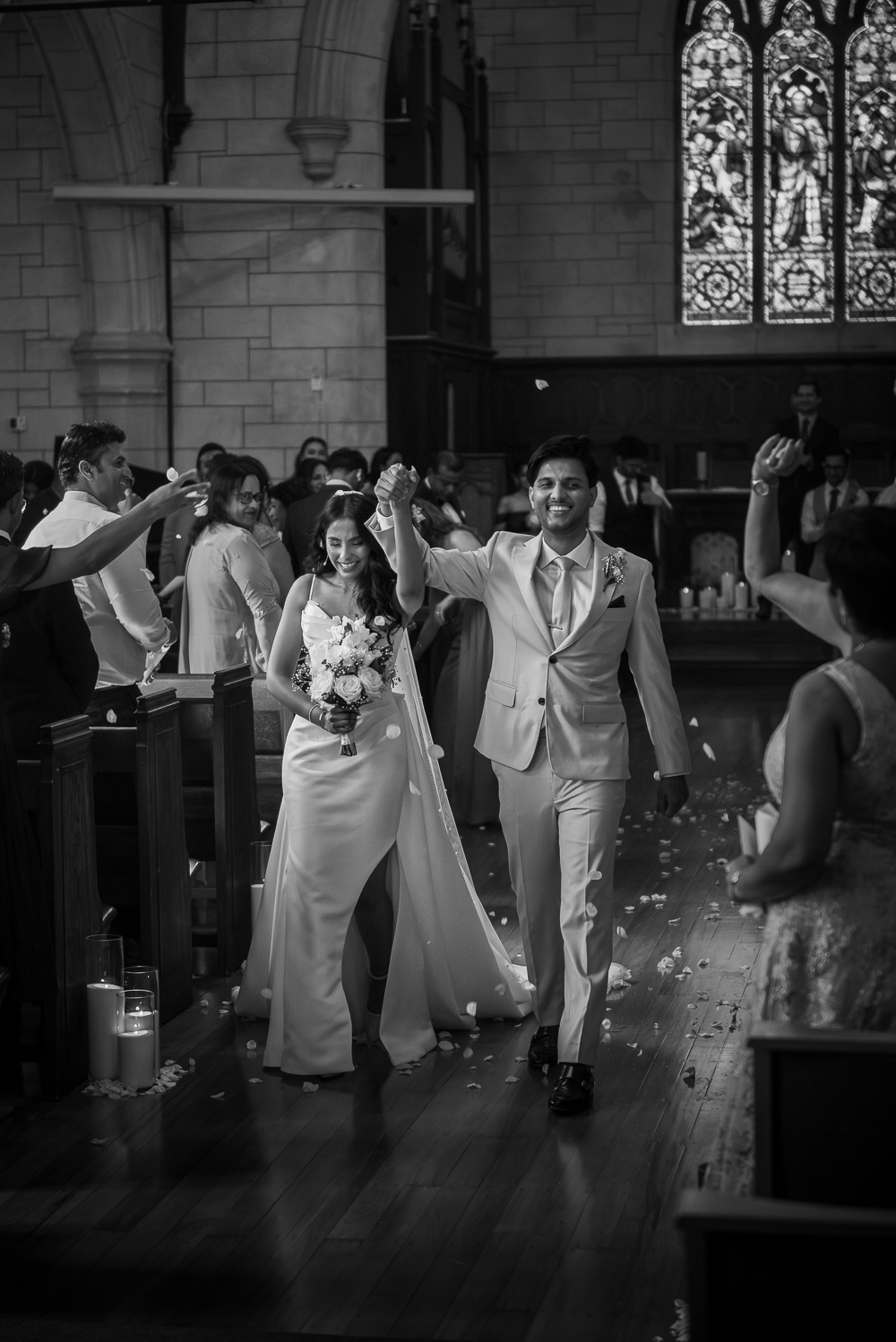
I want my images to feel natural rather than posed. The best way to achieve this is by being observant and ready to capture genuine moments as they unfold. At the same time, I often guide couples into simple actions that feel natural and fun, so they can relax and enjoy themselves, and I can still capture those authentic interactions.
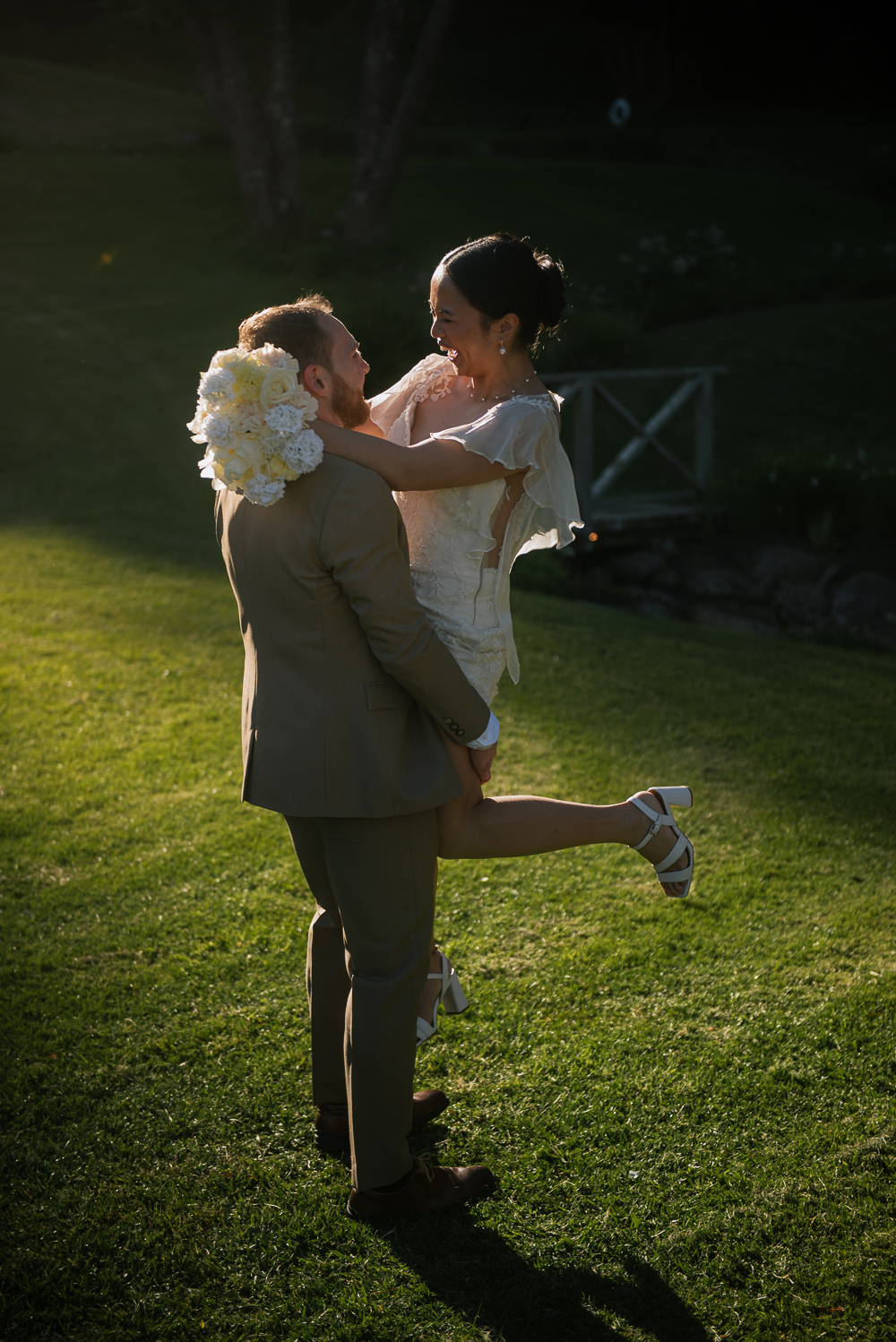
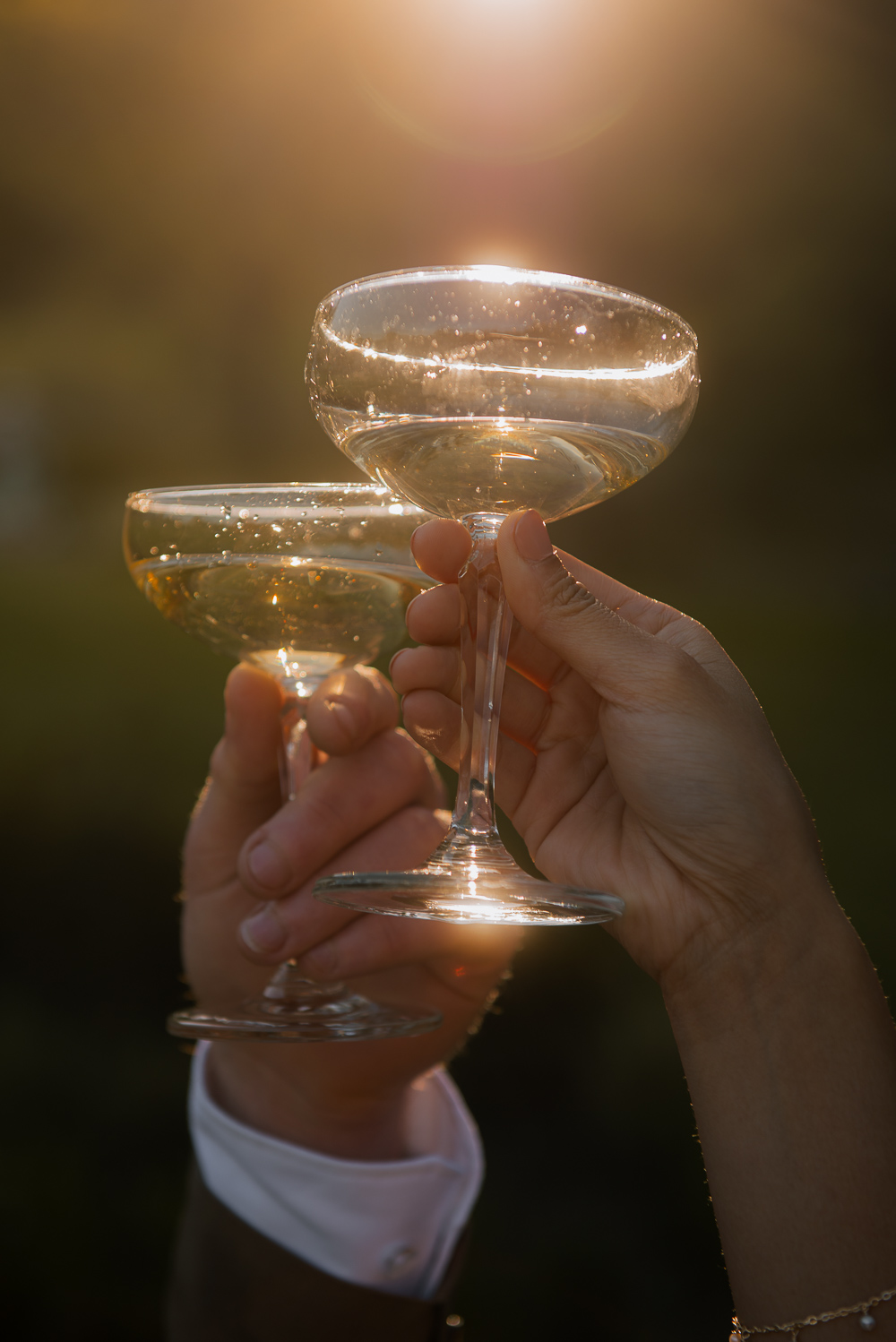
You describe your approach as unobtrusive. How does stepping back allow you to notice moments others might miss?
I believe a wedding is first and foremost a celebration between the couple, their families, and their friends. By stepping back and being unobtrusive, I let people enjoy the day as if I weren’t there. When they don’t feel observed, people often feel more free to show genuine emotions, and I aim to quietly capture those moments without intruding.
You work across both film and digital. What do you love about each, and how do they complement one another within a single wedding story?
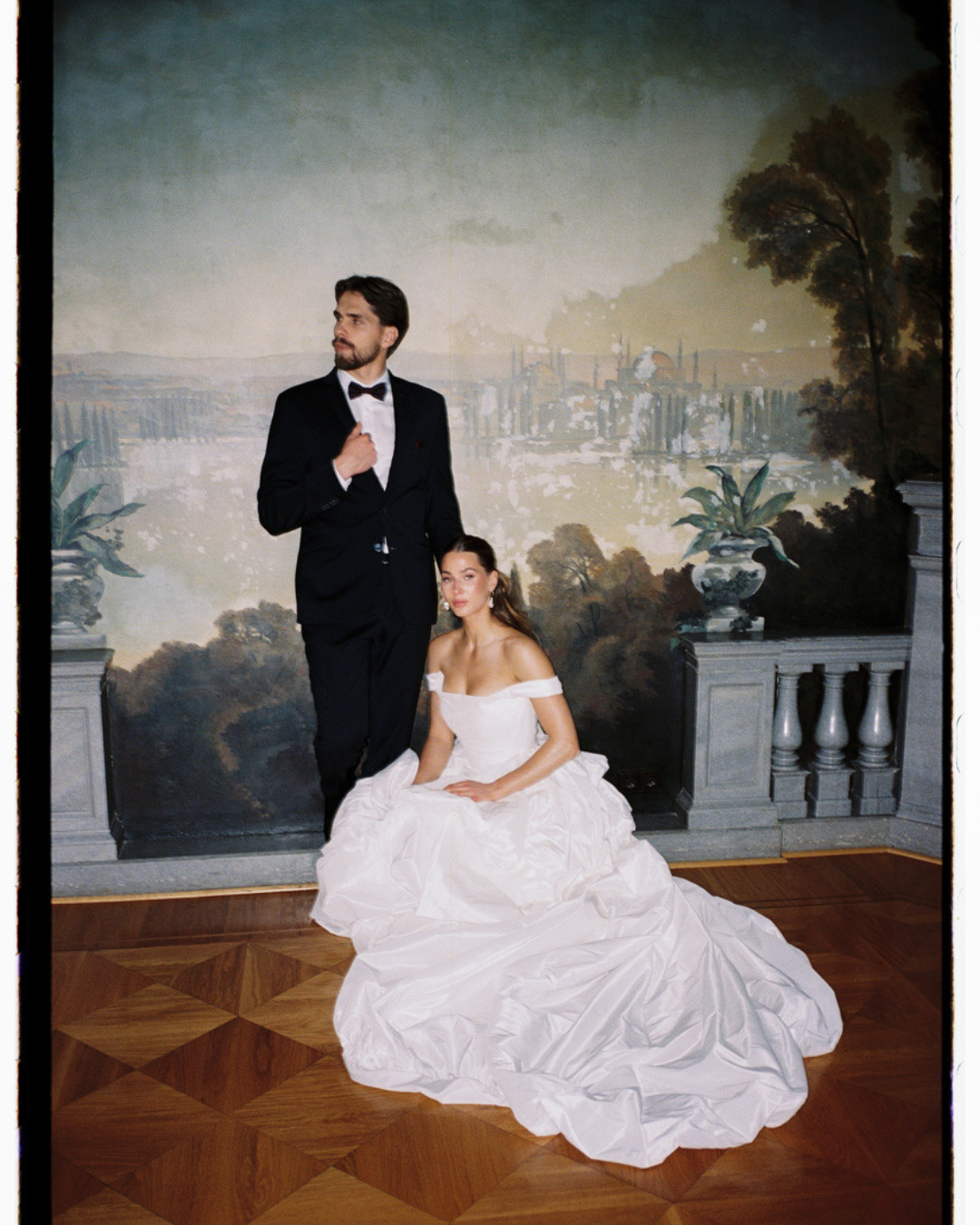
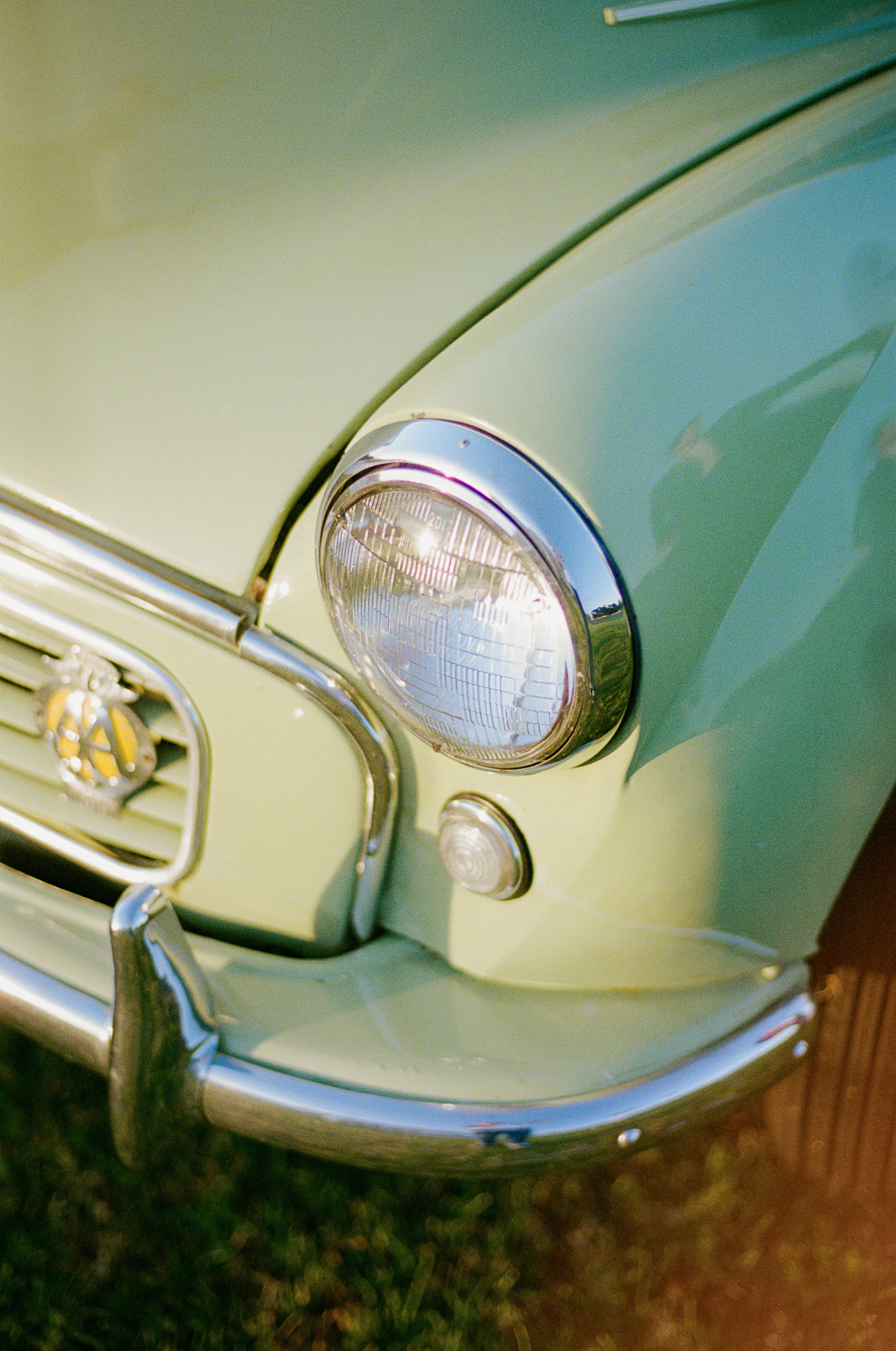
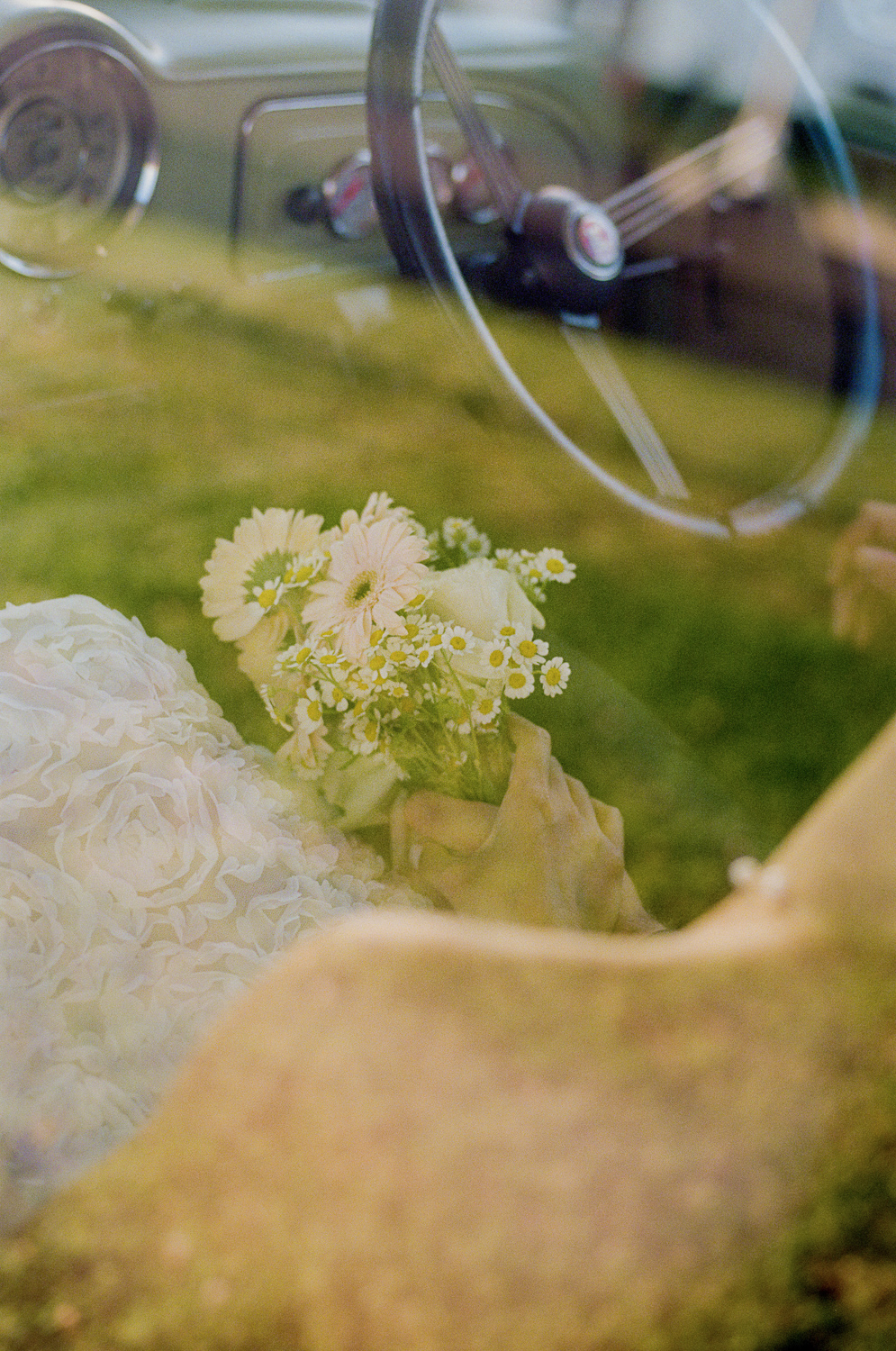
I’ve always been drawn to a vintage aesthetic, and I’m so glad it’s back in fashion now! I think both digital and film have a place in modern wedding photography. I love the colours film produces, which are nostalgic and refined, and I enjoy the experience of using older cameras. Digital is faster, more reliable, and captures more detail. I often shoot both together, using the tones and colours of the film as a reference when editing digital, creating a cohesive wedding story that balances nostalgia with clarity.
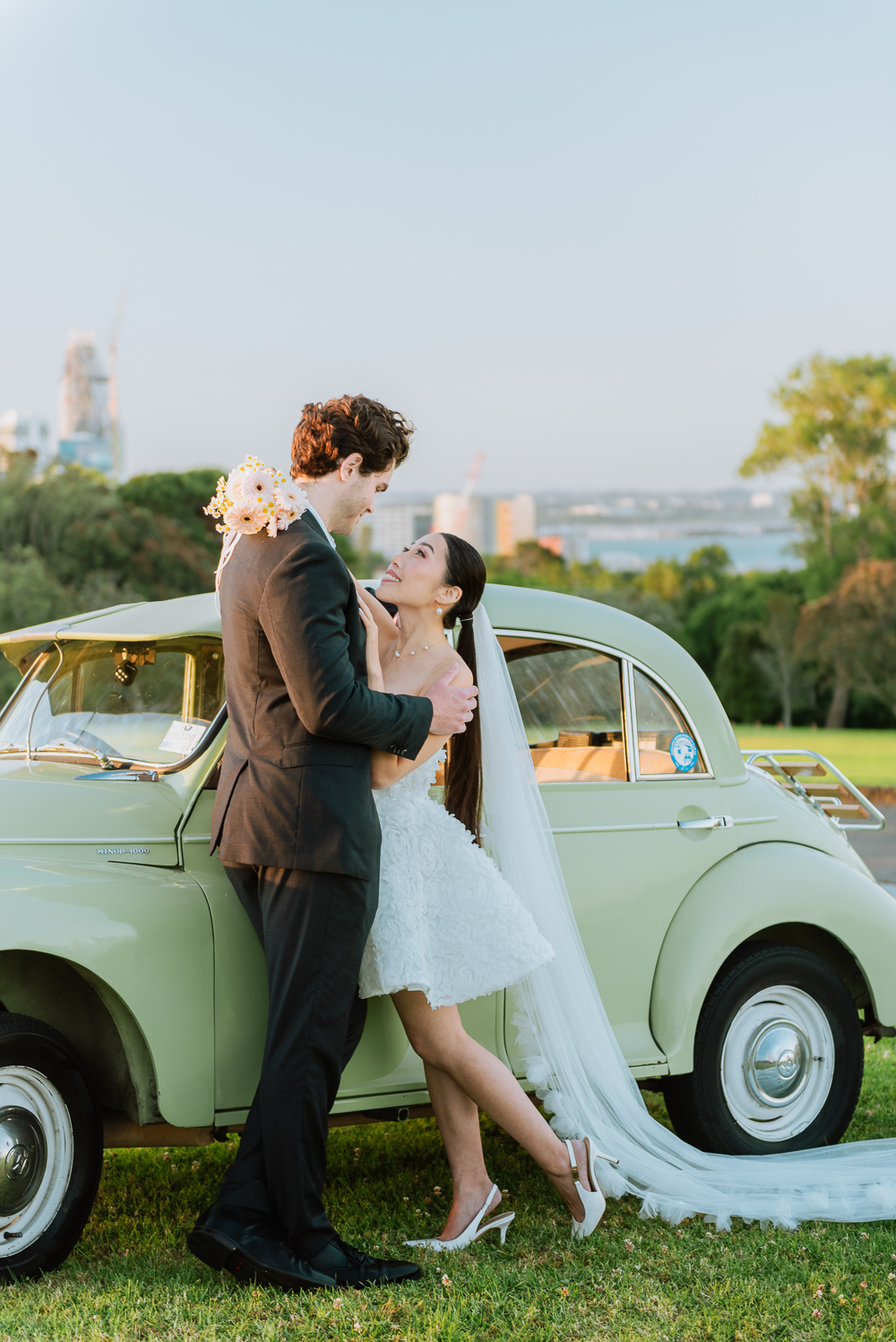
There’s a quiet sense of ease in your photographs. How do you help couples feel comfortable enough to forget about the camera altogether?
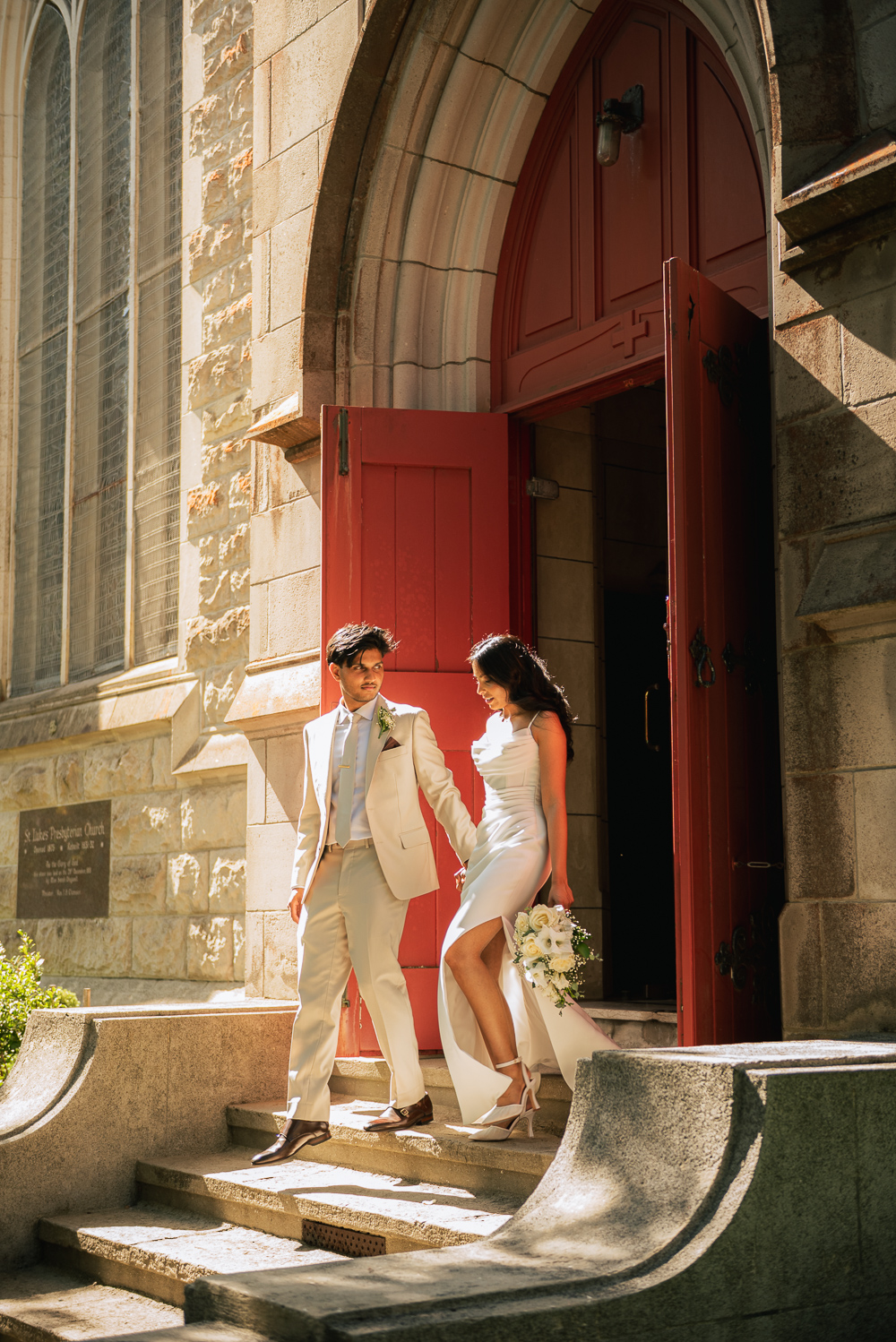
I want to not just be the photographer at a wedding, but also like an extra friend with a camera. I get to know couples beforehand and approach photoshoots in a way that’s fun and relaxed. I often guide couples into simple natural actions, such as asking the groom to whisper something funny into the bride’s ear. I have no idea what he’s saying, but it always sparks a genuine laugh and creates a candid, genuine moment.
Your work feels informed by more than just weddings. What influences — visual or otherwise — tend to inspire you most outside this space?
I draw inspiration from all kinds of sources such as landscapes, architecture, art, or music. I love incorporating these elements into my photos, and I often look to other artists for ideas about colour, composition and light. Music also inspires me, especially classical composers like Tchaikovsky, whose work feels like pure emotion captured in sound.
Are there small, fleeting moments on a wedding day that you’re always quietly watching for? The ones couples may not realise matter until later.
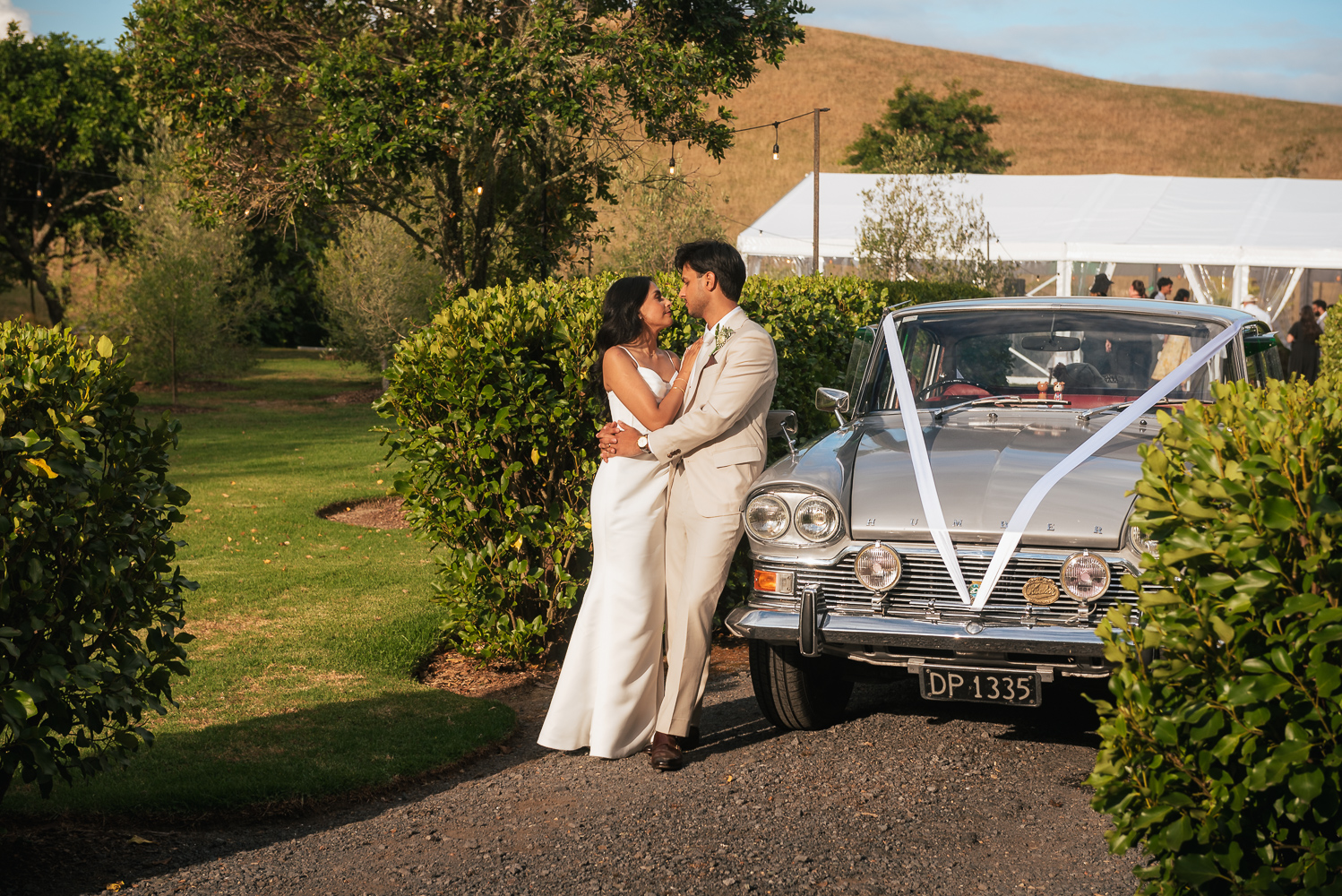
I like trying to capture the in-between moments, for example when travelling from one location to another, or during the pauses between the day’s events. Those are times when you can capture a real moment, when people aren’t posing, and including these pictures in the gallery gives a more complete picture of the day. I also keep an eye on guests, watching conversations unfold and timing a shot just as a smile or laugh appears. Couples love looking back on these and seeing their favourite people enjoying the day.
You photograph across Australia and New Zealand. Are there particular landscapes or locations that consistently spark your creativity?
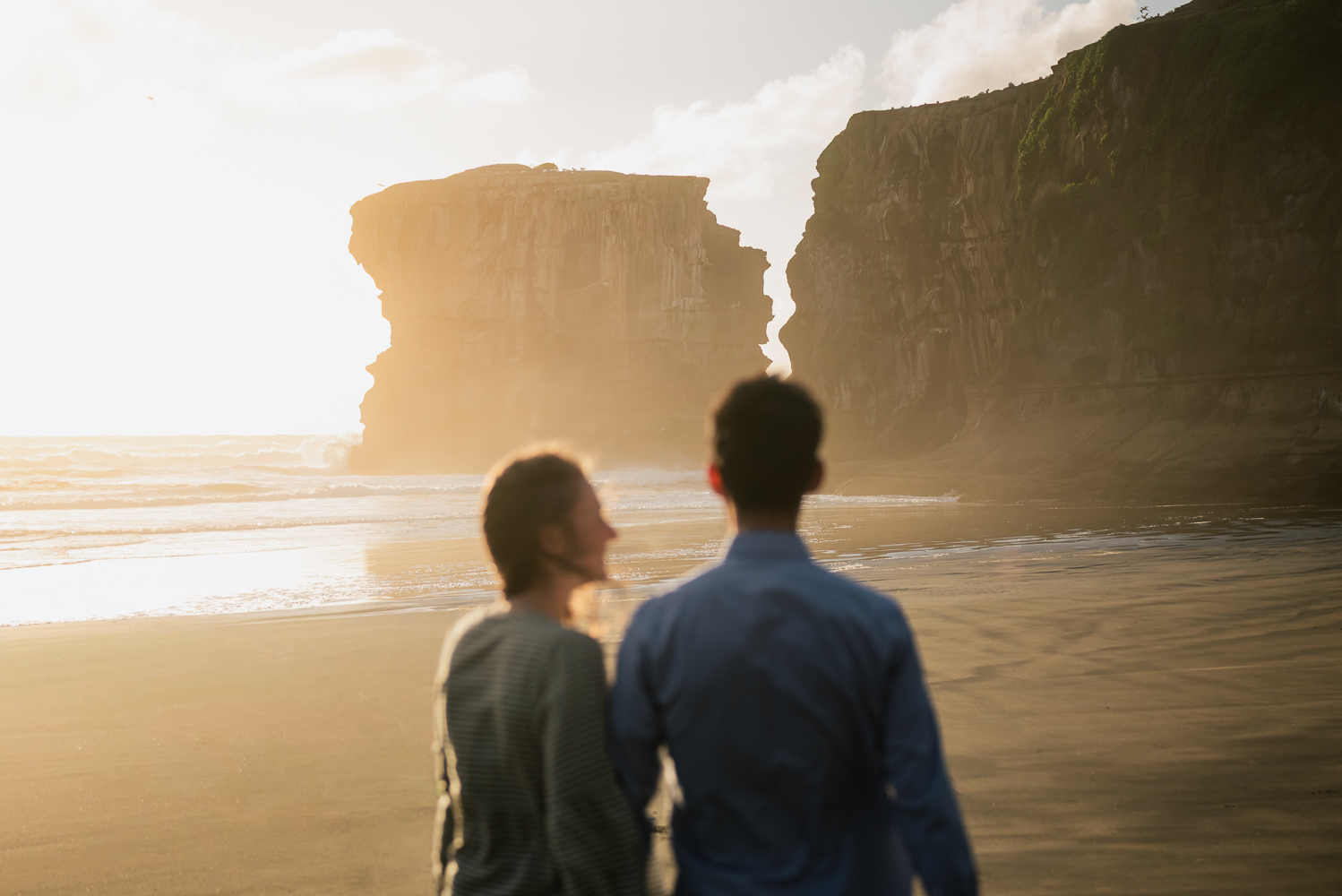
The west coast beaches of Auckland have always been a favourite of mine. The sunsets there are incredible, the landscapes are dramatic and rugged, and some are quite remote, requiring a hike or a drive down a gravel road, which adds a sense of adventure. I also love Lake Wānaka, where the lake, mountains, and trees come together so perfectly. In Australia, I’ve grown to really like the Melbourne CBD, particularly the contrast between historic buildings and modern skyscrapers. That intersection of old and new gives the city a strong sense of character and lived-in beauty.
As your work continues to evolve, what kinds of stories or emotional tones are you most excited to explore in the years ahead?
Over the next few years, I want to continue developing my style, creating images with real emotion and authenticity, expressed in a way that feels both nostalgic and modern. I’d also love to capture more elopements. There’s something special about heading to a beautiful place without the pressure of a large wedding day. I find elopements really romantic, and I love the idea of stepping away from the crowds to share a day that is genuine and personal.
For couples beginning their search, what advice would you offer when choosing a photographer they’ll trust to capture their day with honesty and care?
Everyone is different, and every wedding is unique. Some couples prefer an unobtrusive photographer who blends into the day, while others feel more comfortable with a larger team and a stronger presence. Style matters too. If you love the way a photographer edits or composes their images, that’s the one to go with.
It’s also important to take time to get to know your photographer to see if you’d enjoy spending a full day together. When you feel comfortable with the person behind the camera, the images always reflect it.
For more information visit @johndonaldsonphotography and johndonaldsonphotography.com. Explore more of John Donaldson’s Photography in the Together Journal Online Directory.
John Donaldson Photography