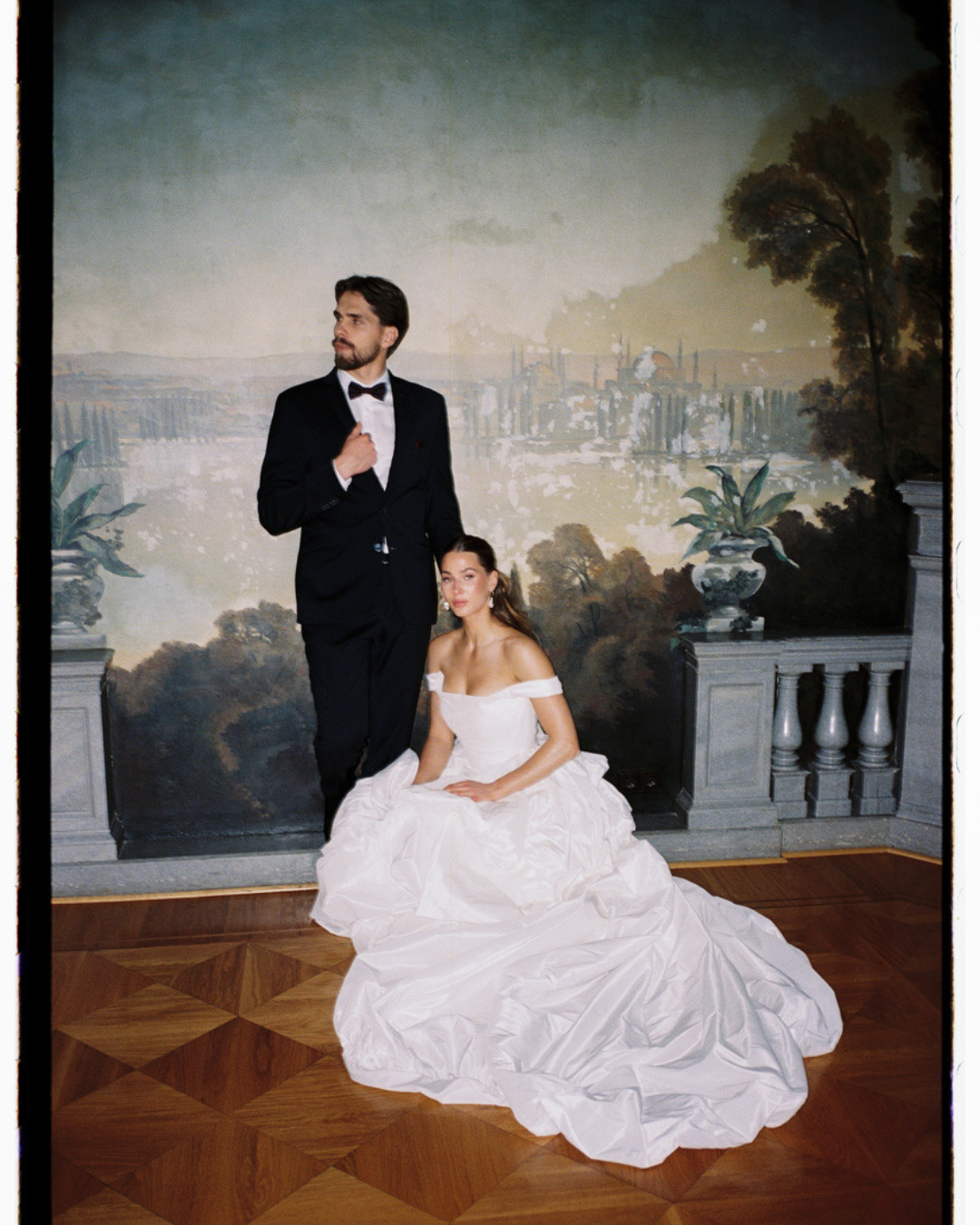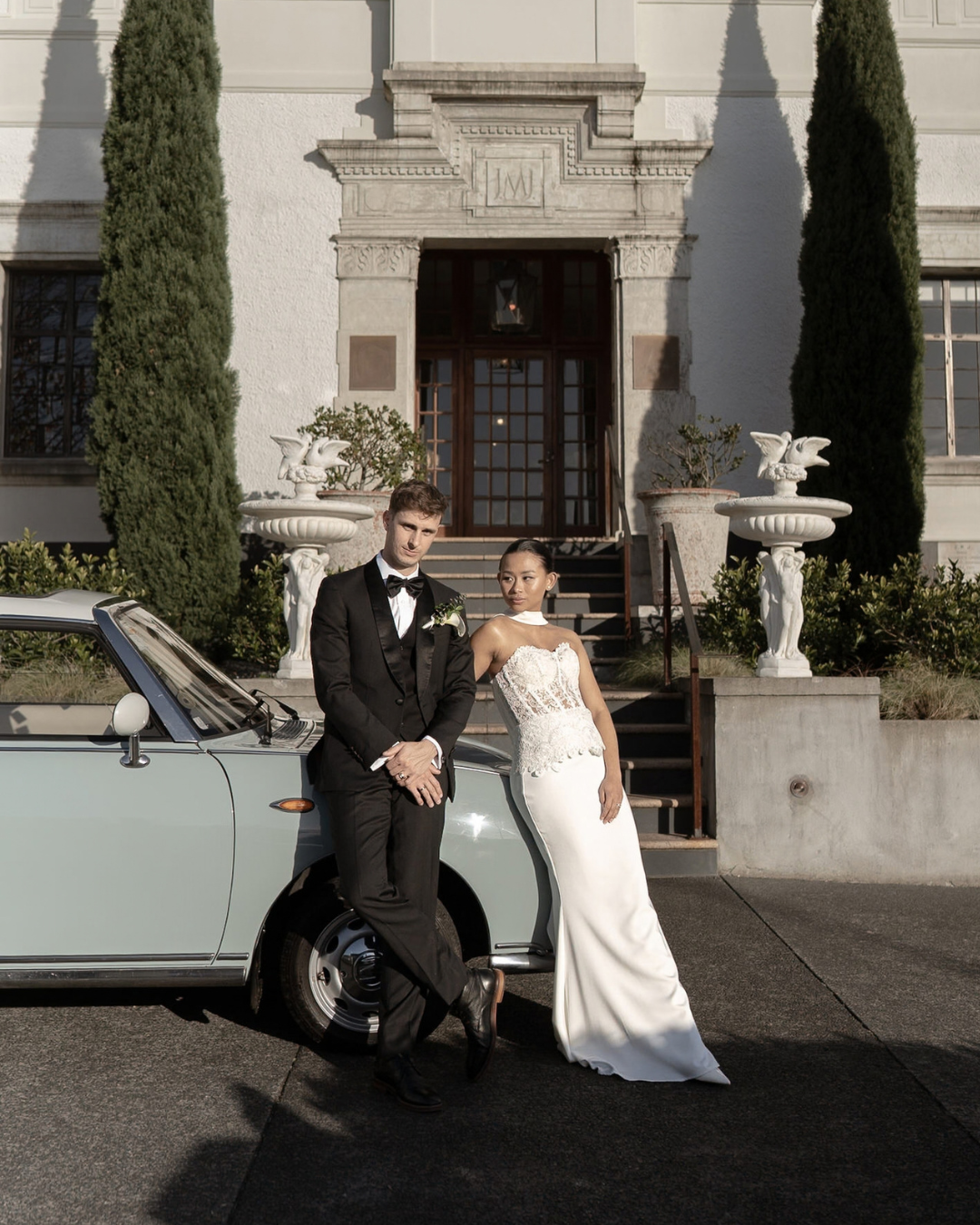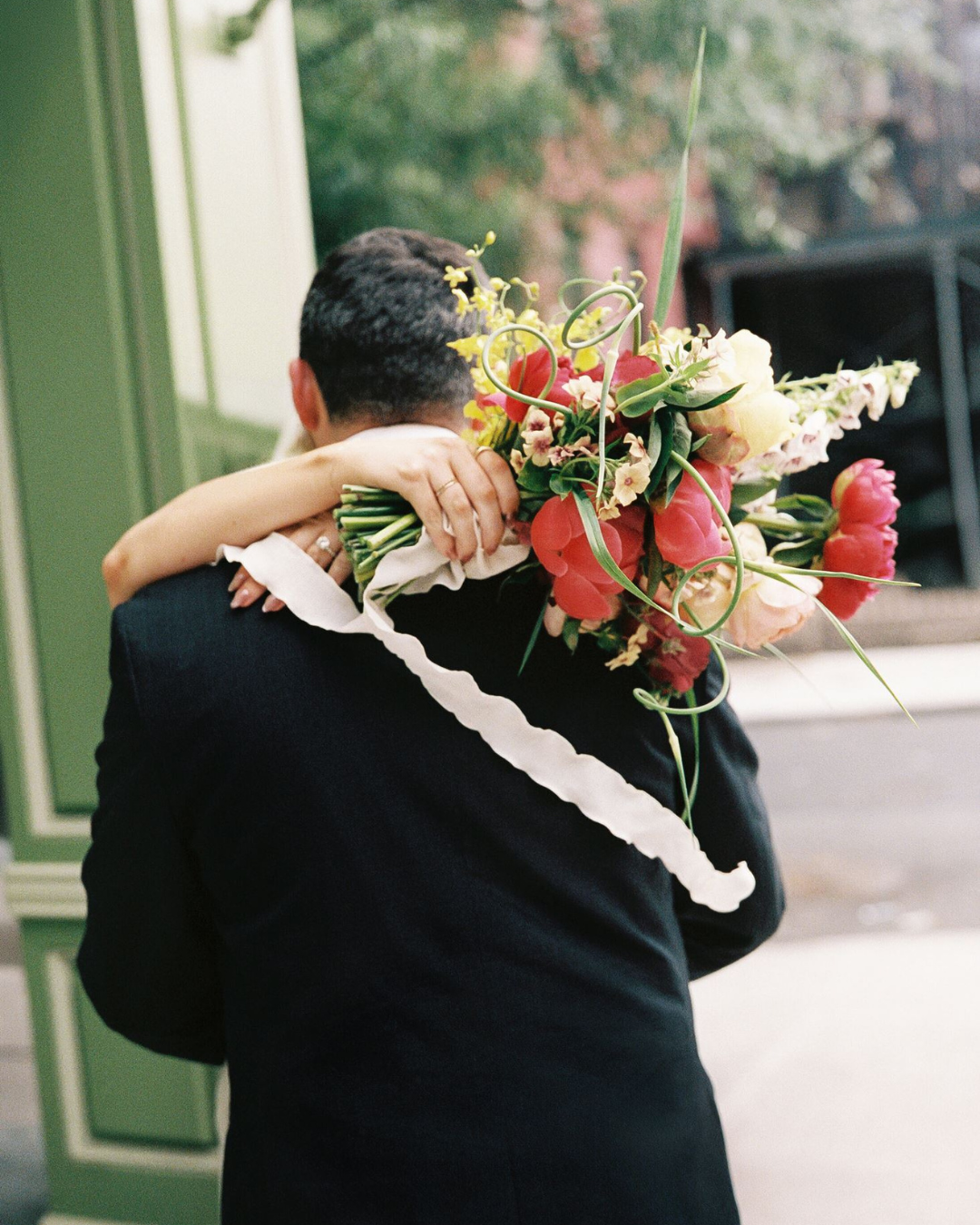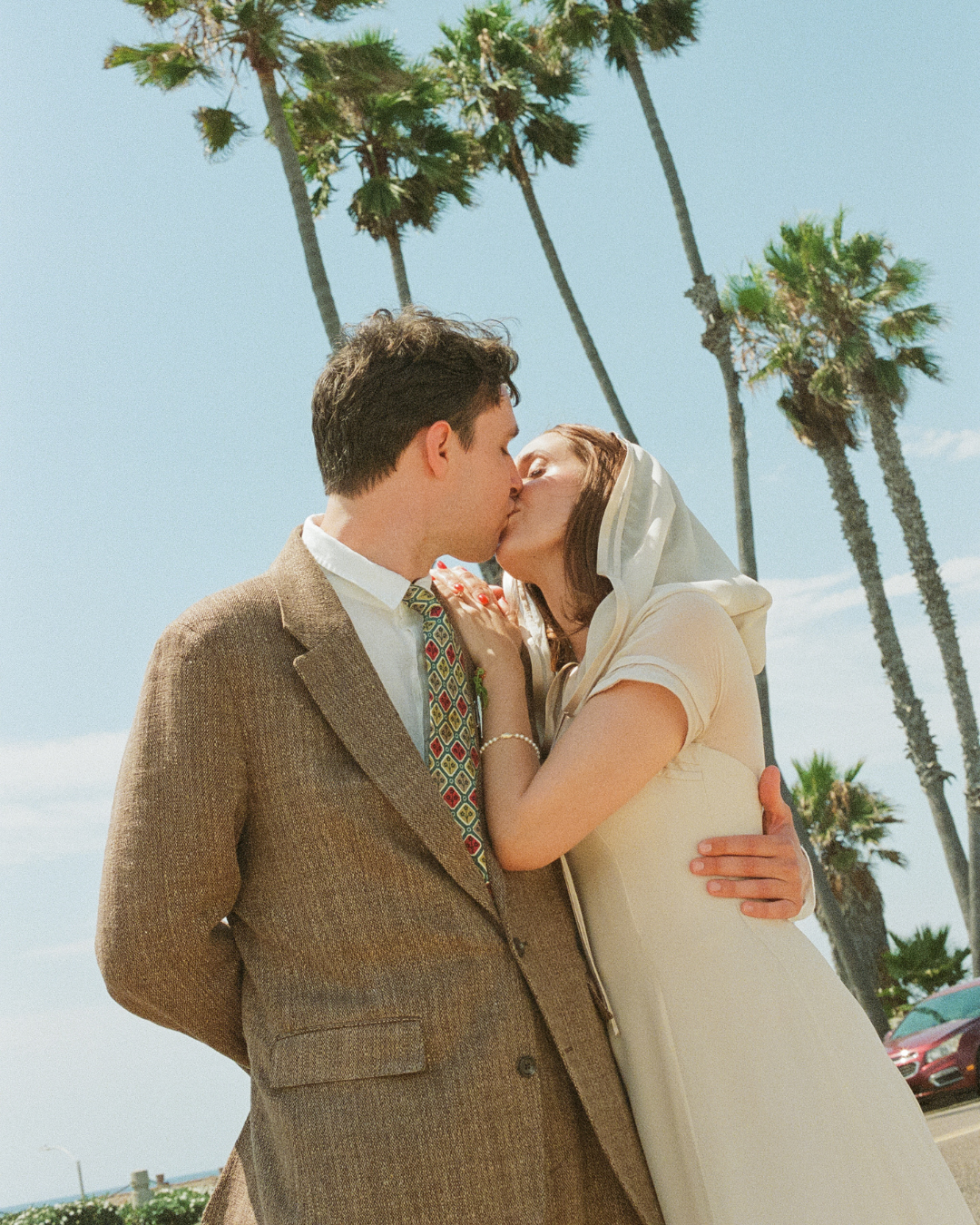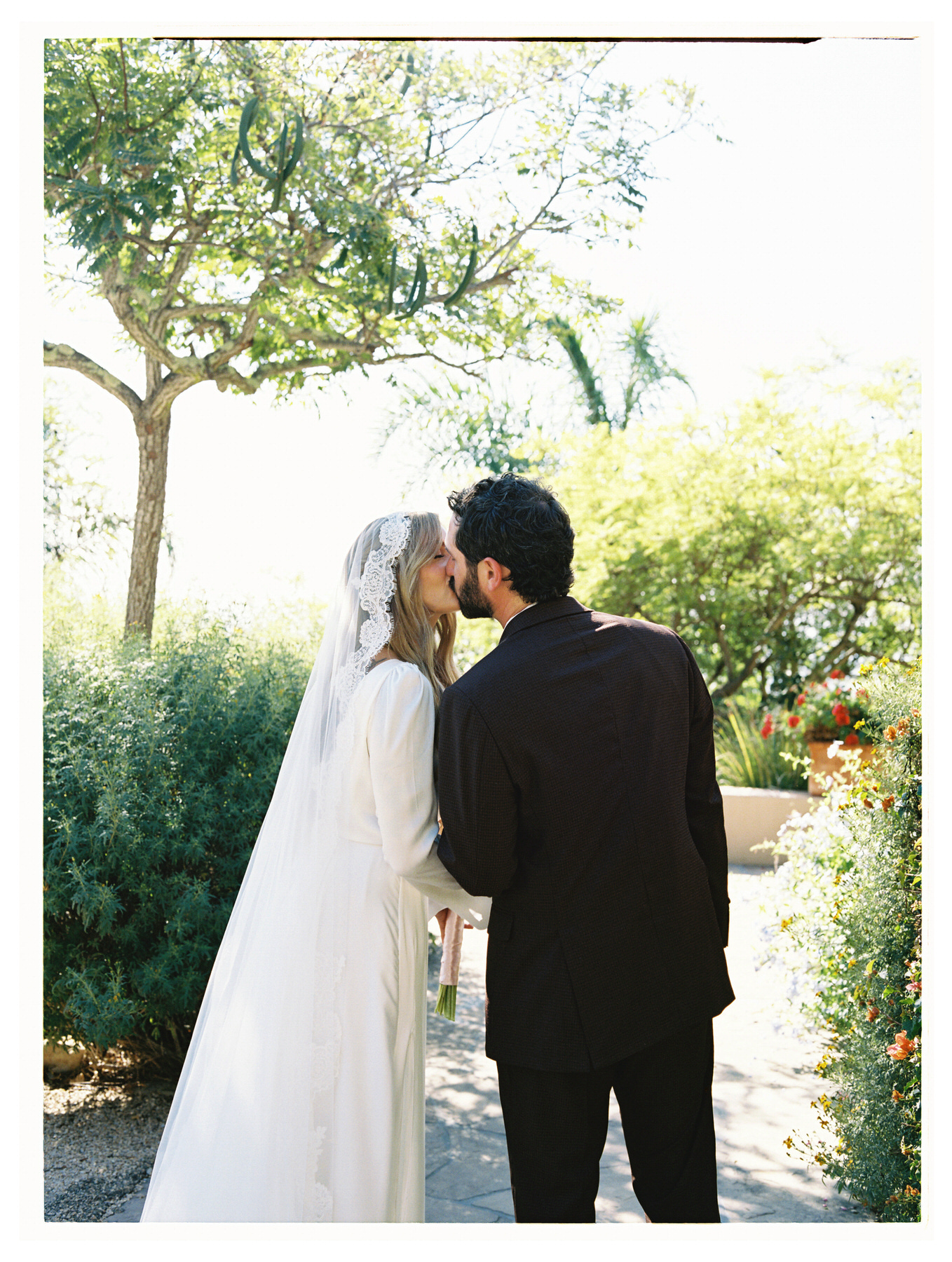
Discover Klaui Varadi’s film-rooted perspective on modern weddings.
A treasured contributor and friend of Together Journal, we have long admired Klaui Varadi’s work and have been honoured to feature it across both our print pages and digital platform over the last few years.
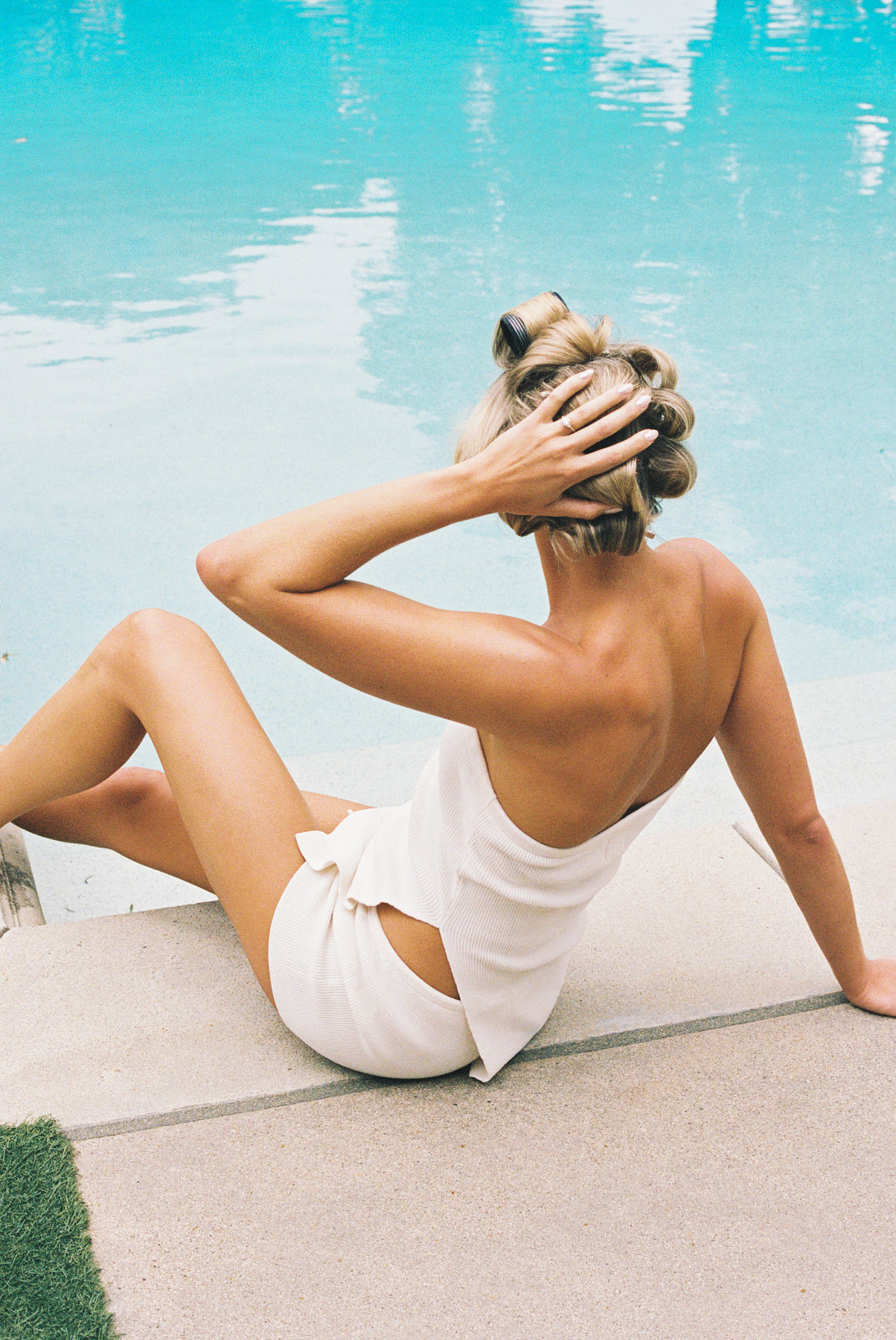
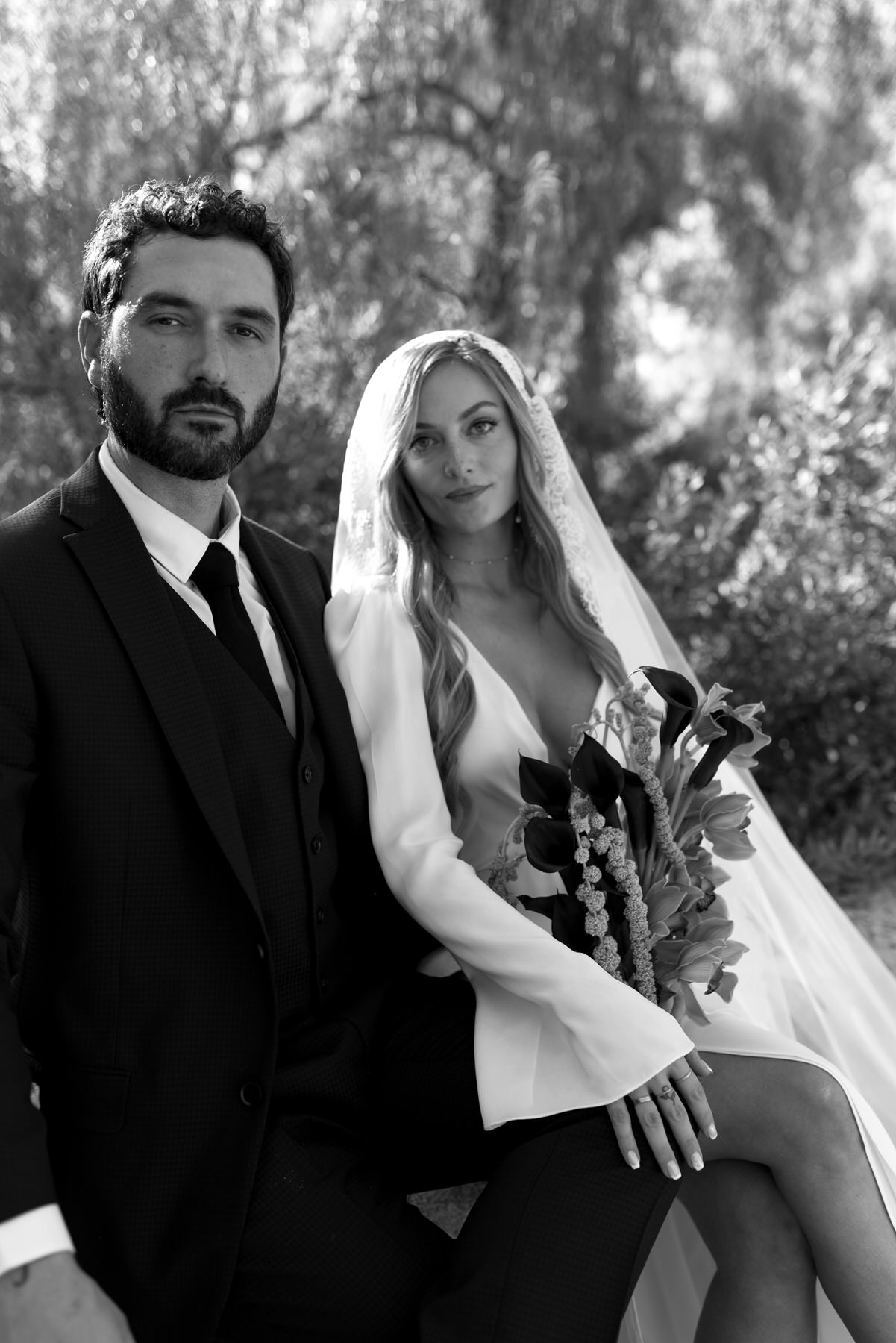
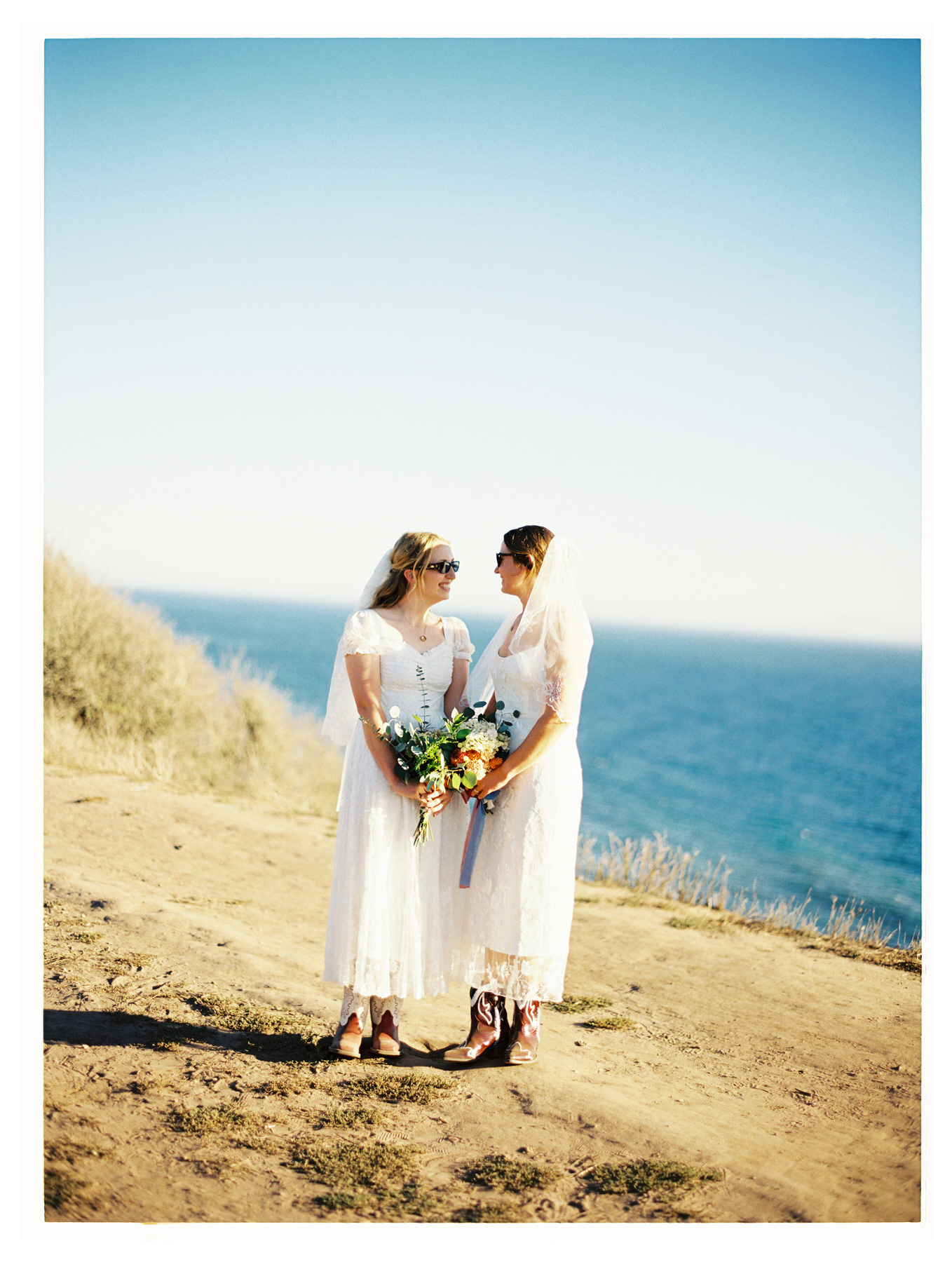
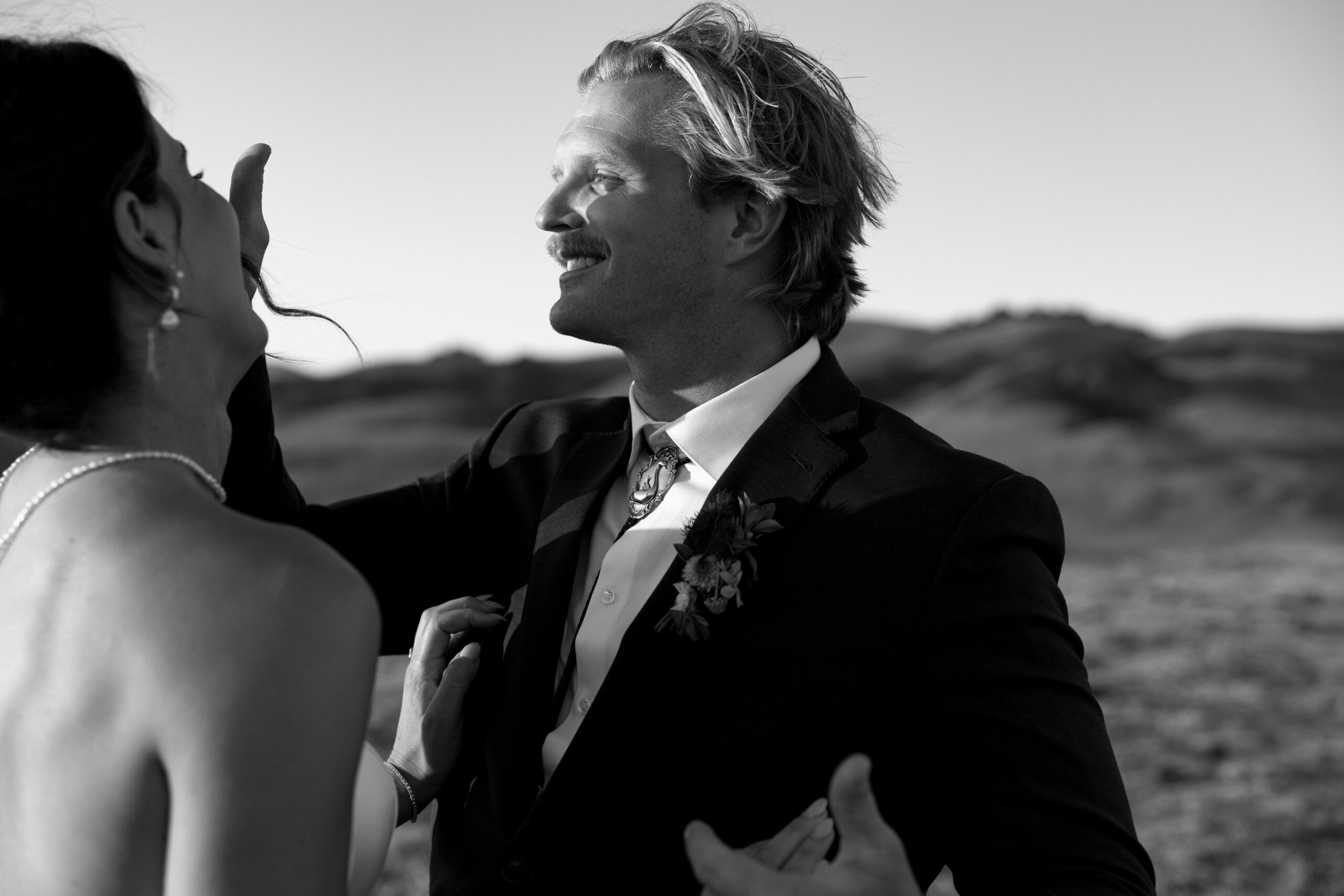
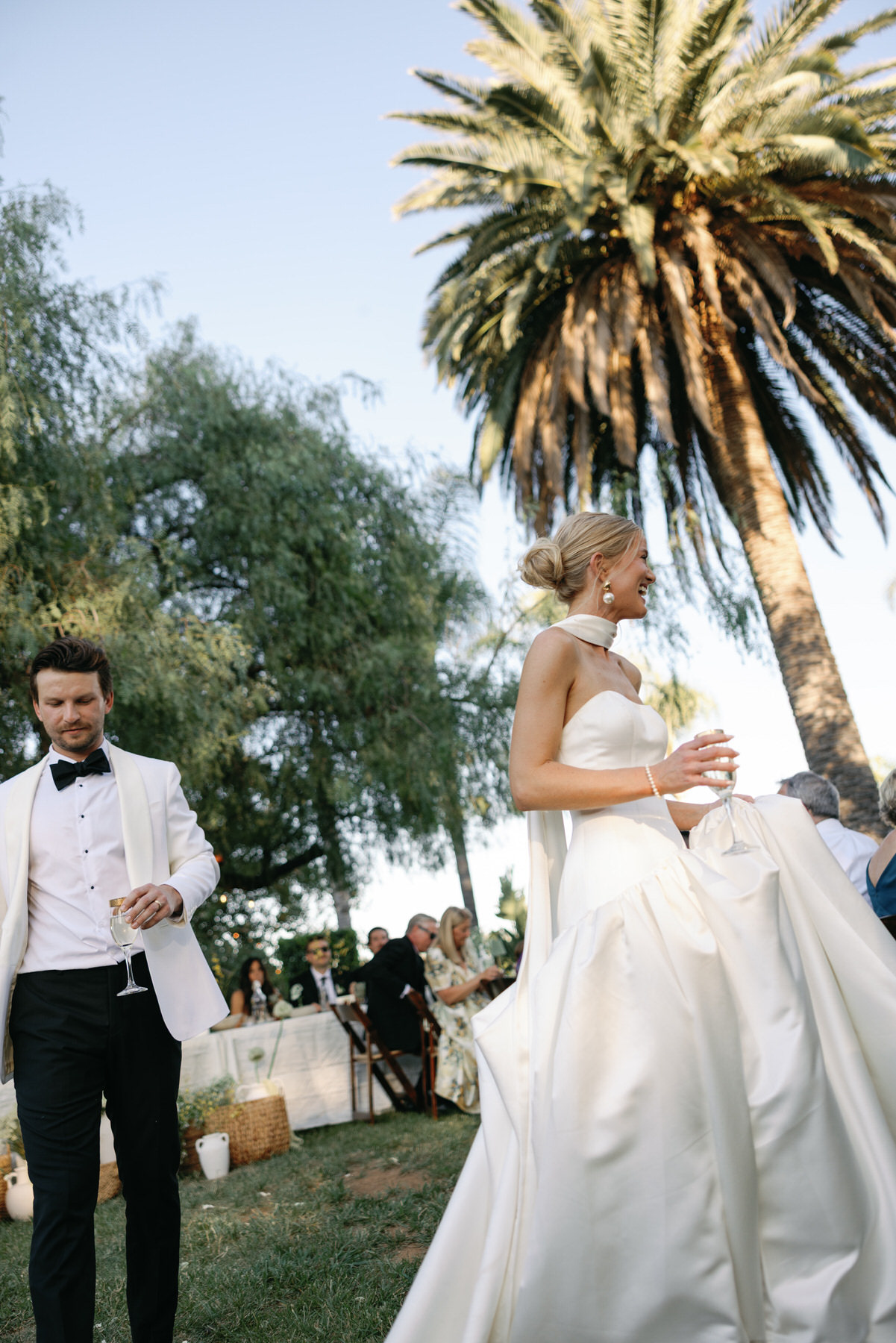
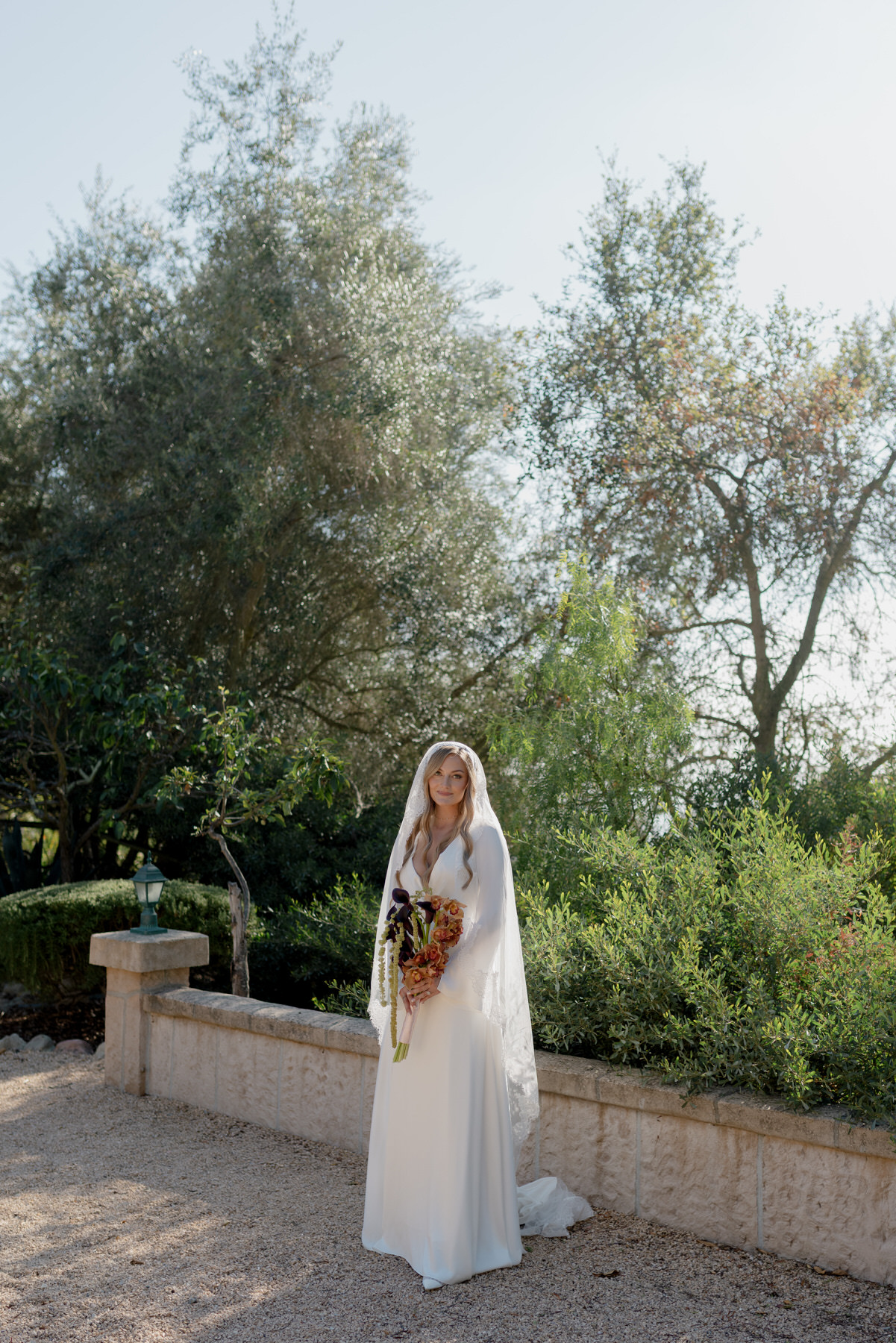
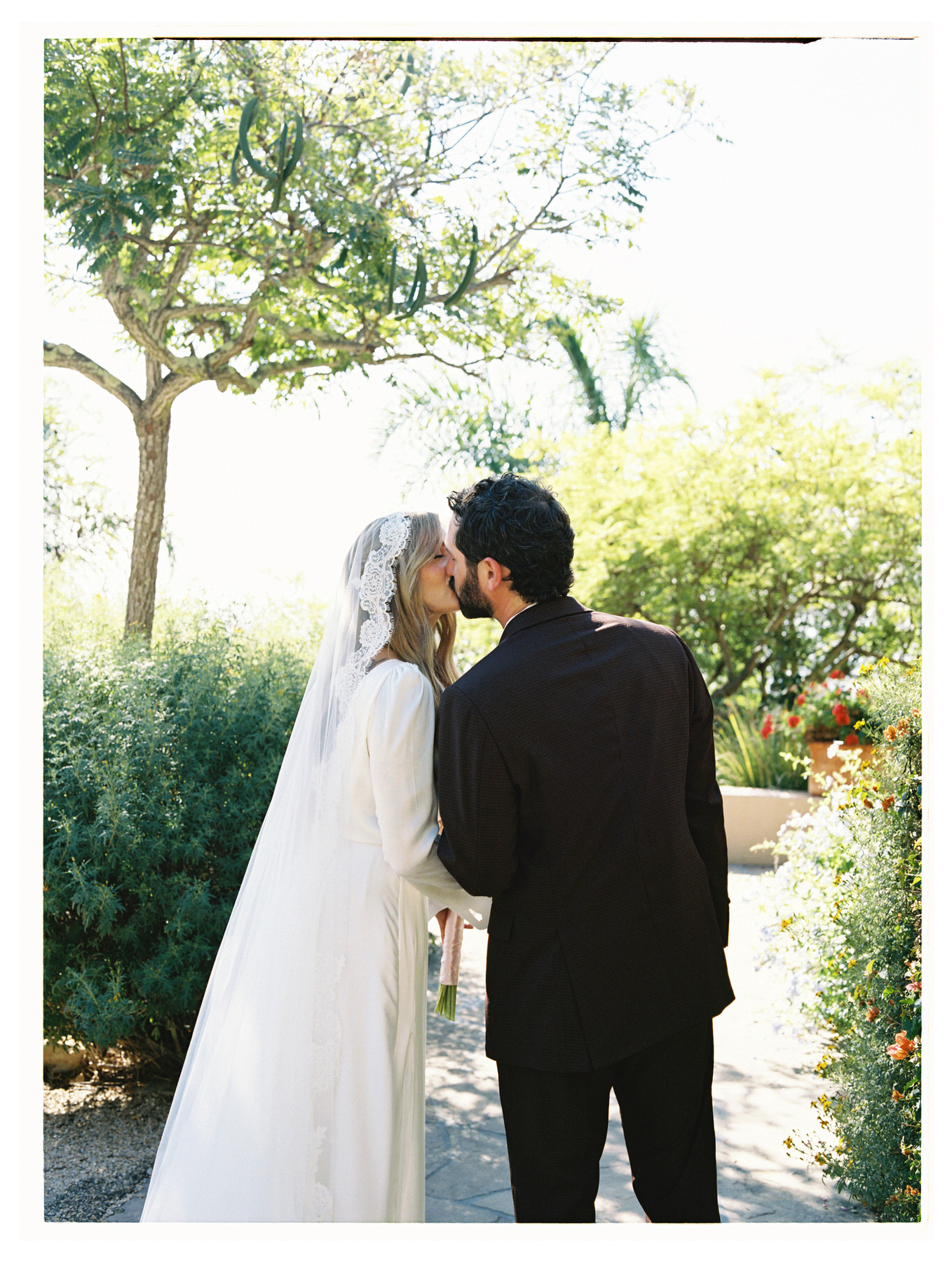
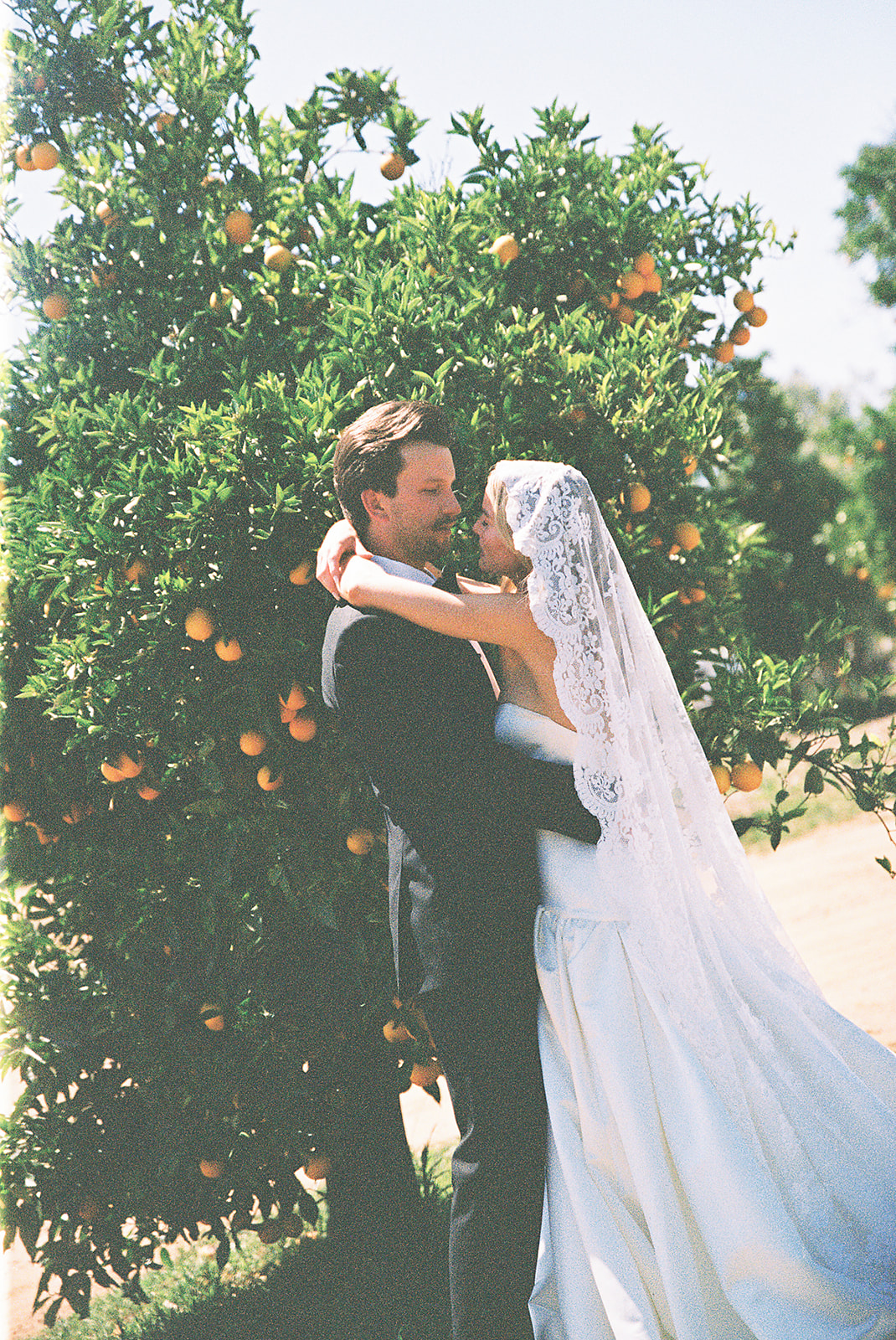
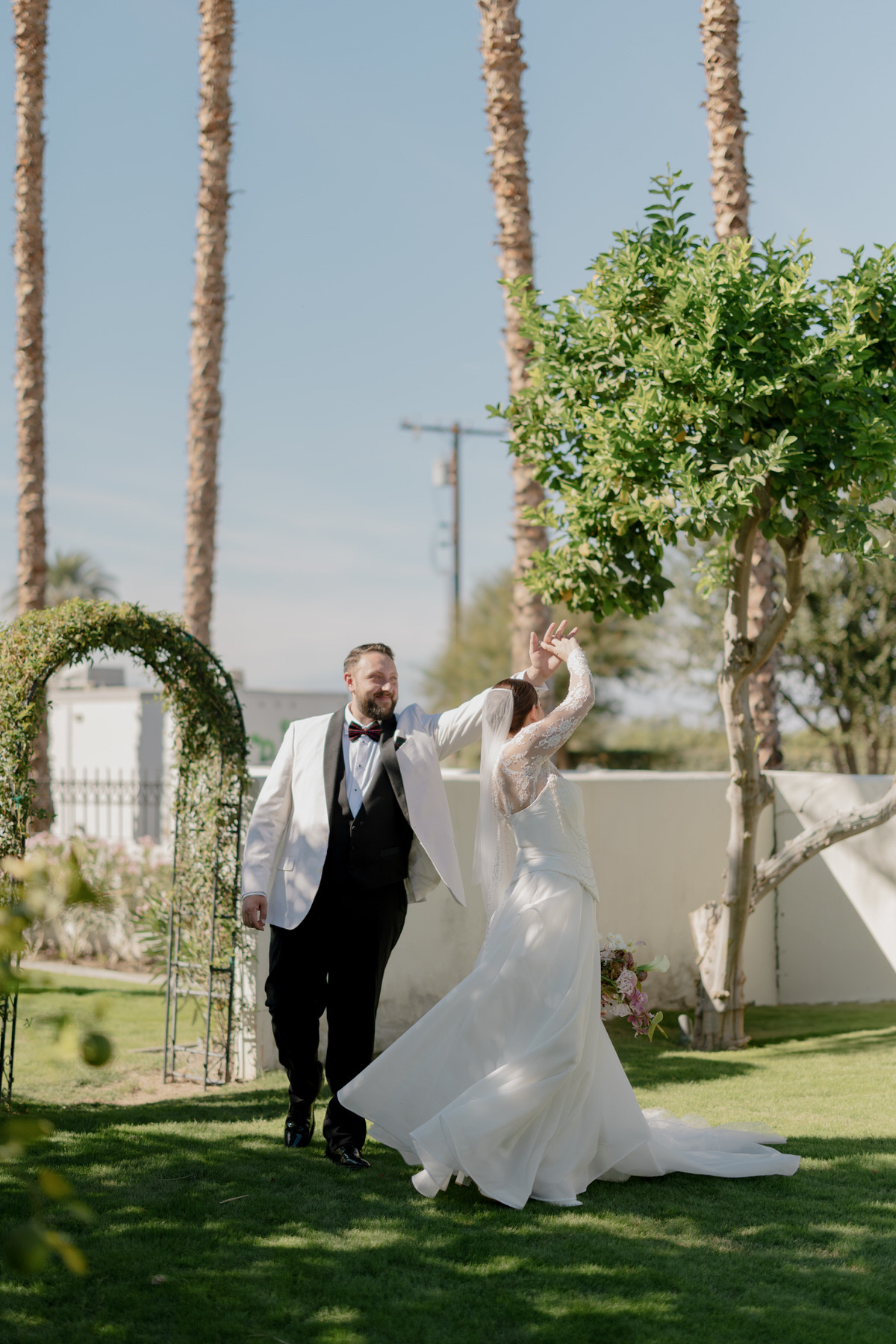
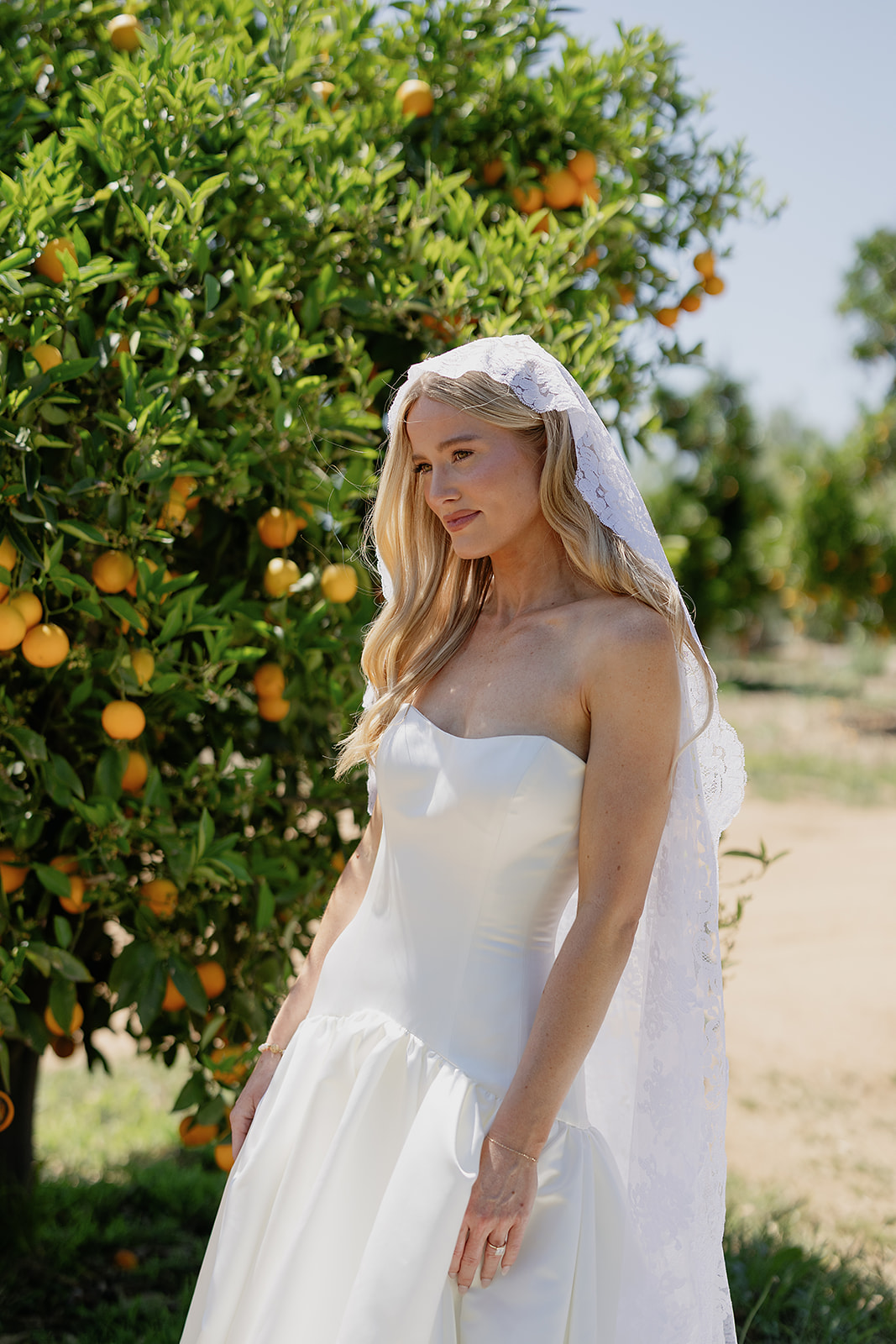
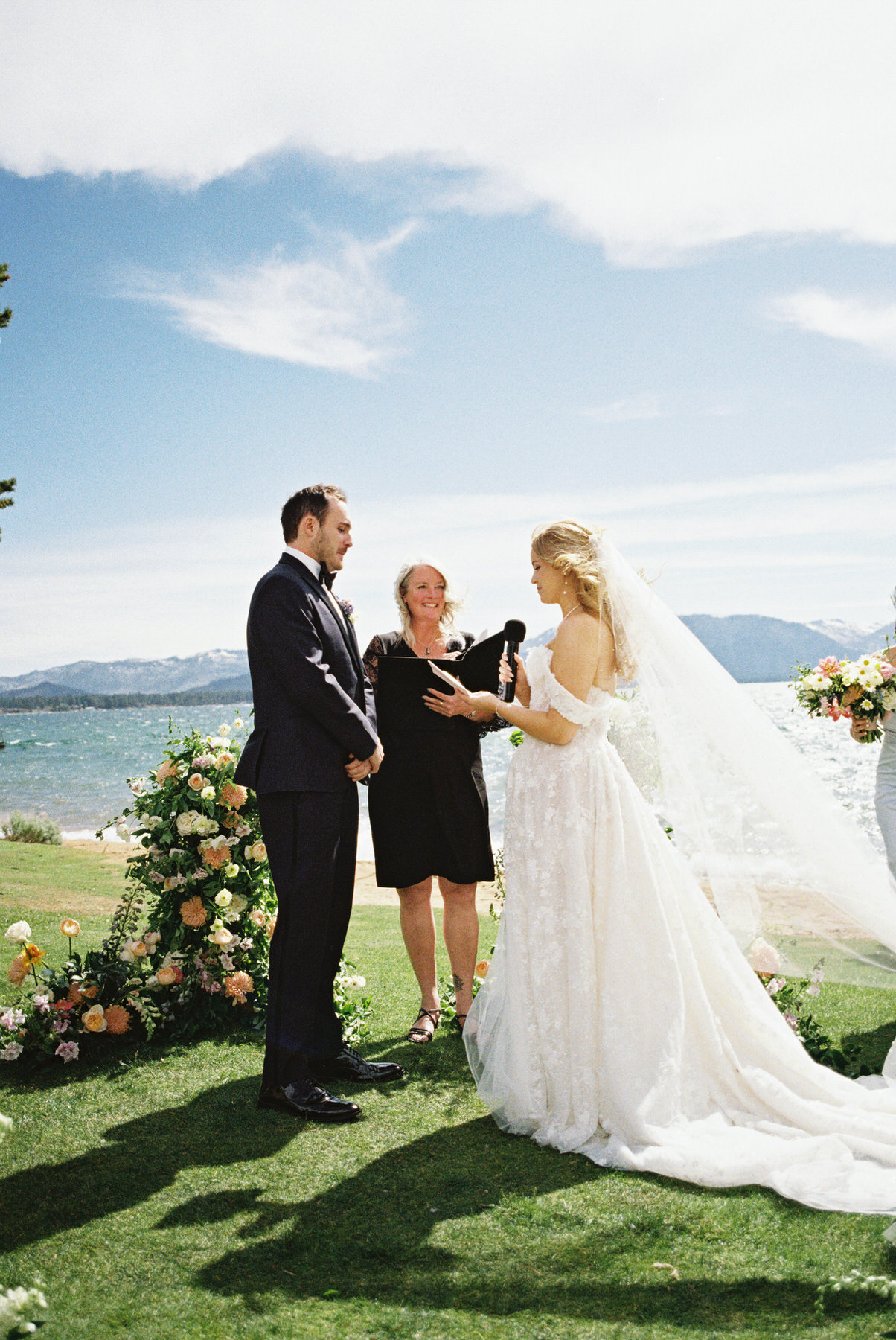
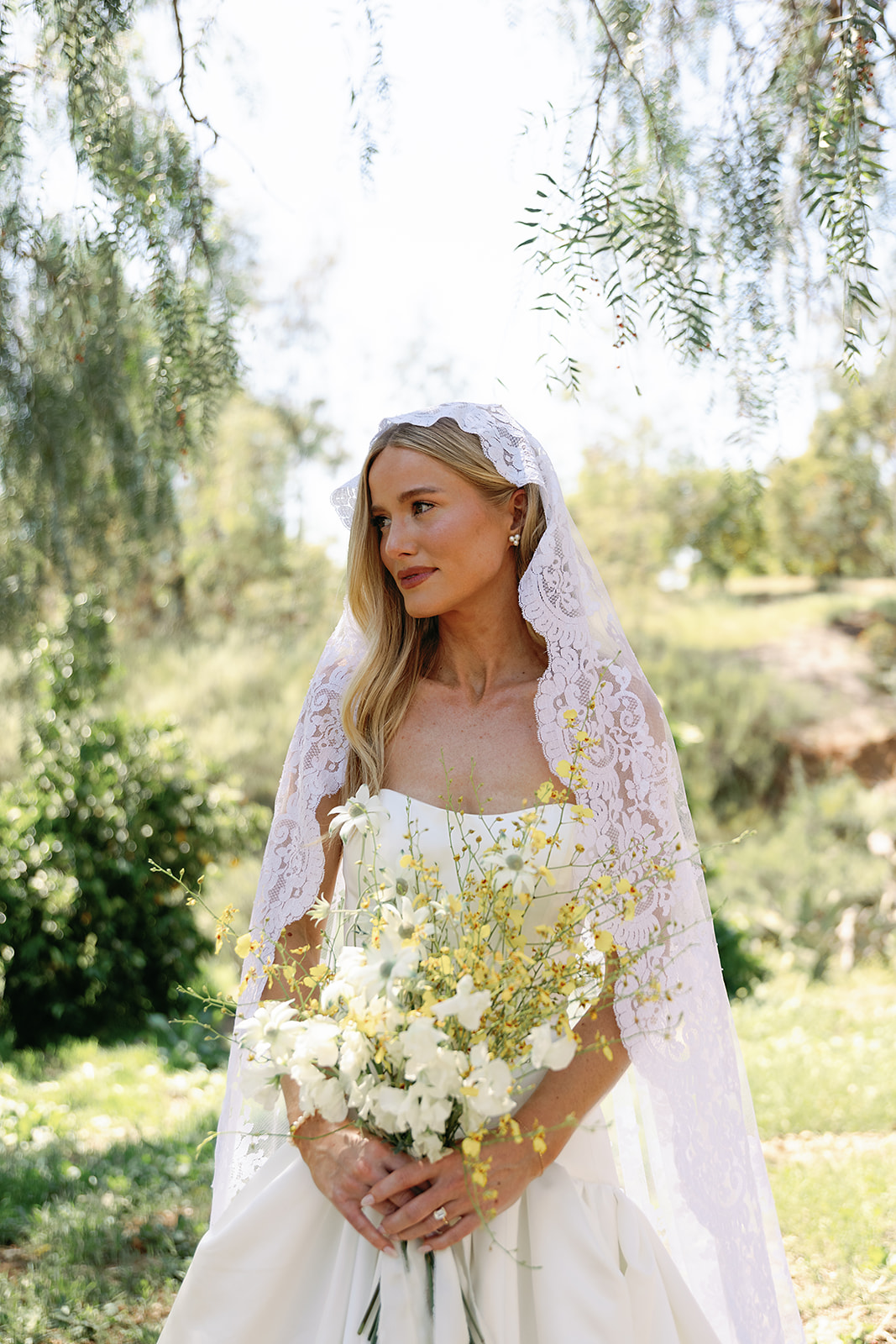
Based in Orange County, California, while travelling globally for her clients, Klaui creates imagery that feels both intimate and intentional. With a foundation rooted in film and an editorial eye, her work exists in the space between instinct and refinement. There is a softness to her images, yet nothing feels passive. Each frame carries weight, emotion and a distinct sense of presence.
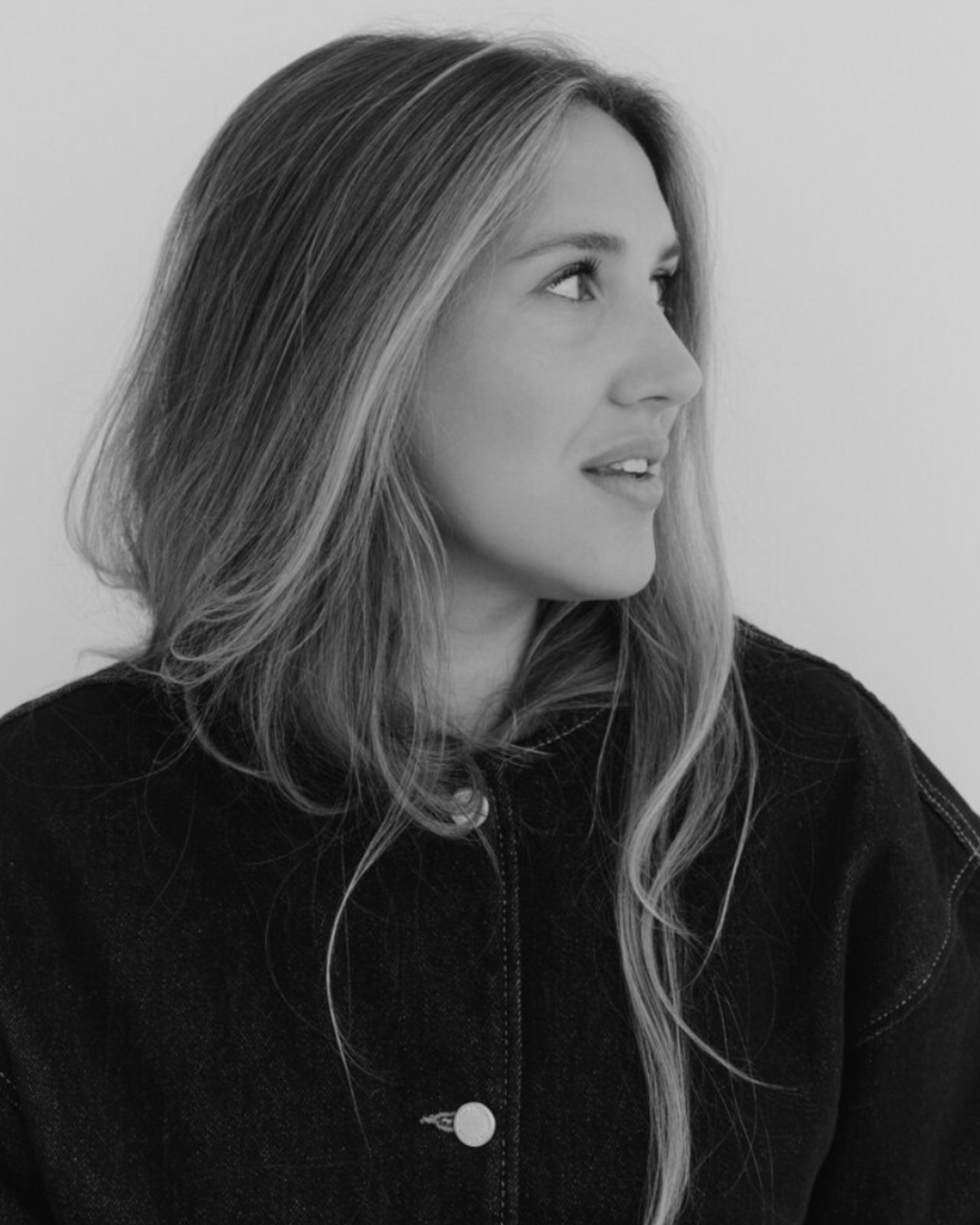
Portrait of Klaui Varadi above.
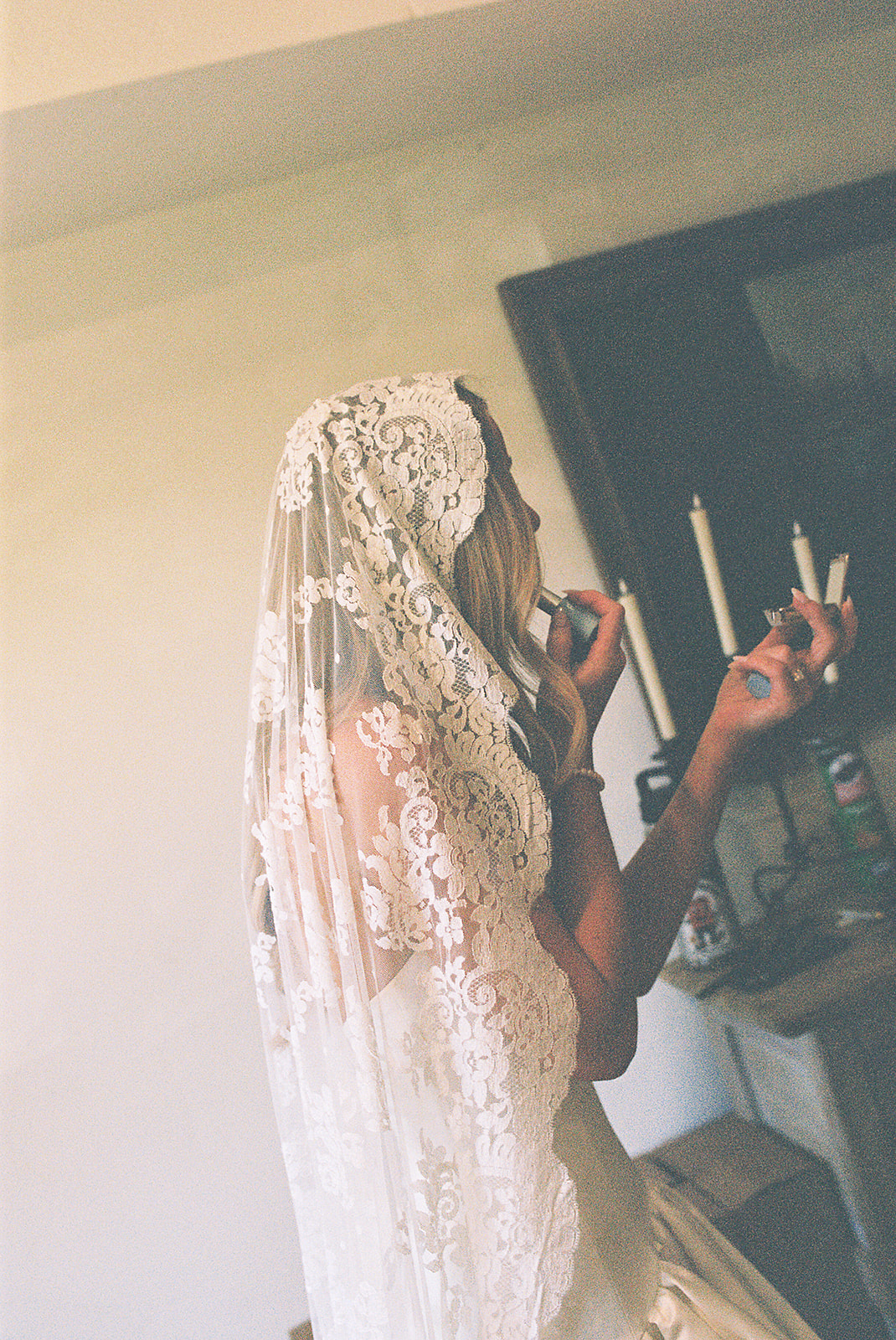
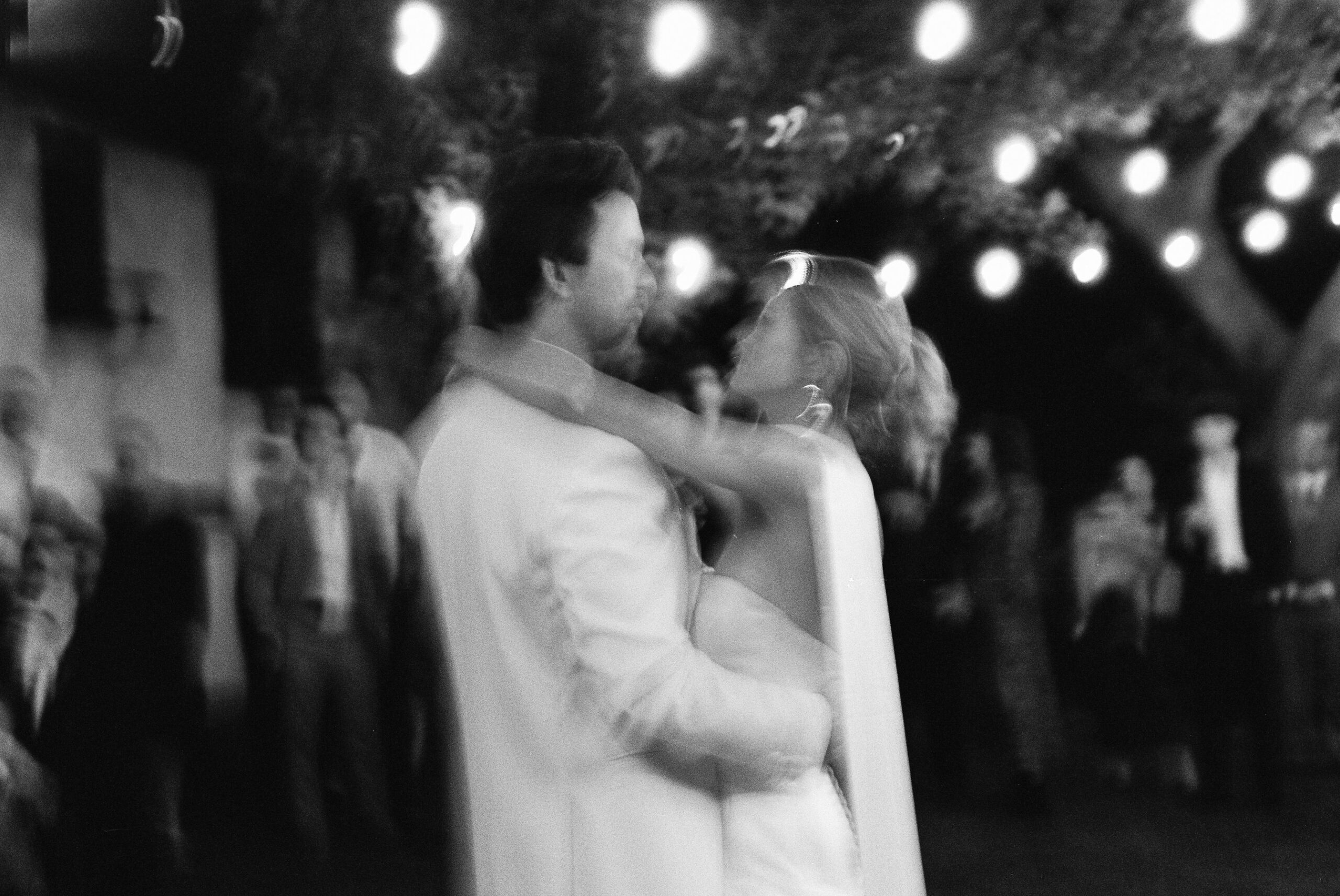
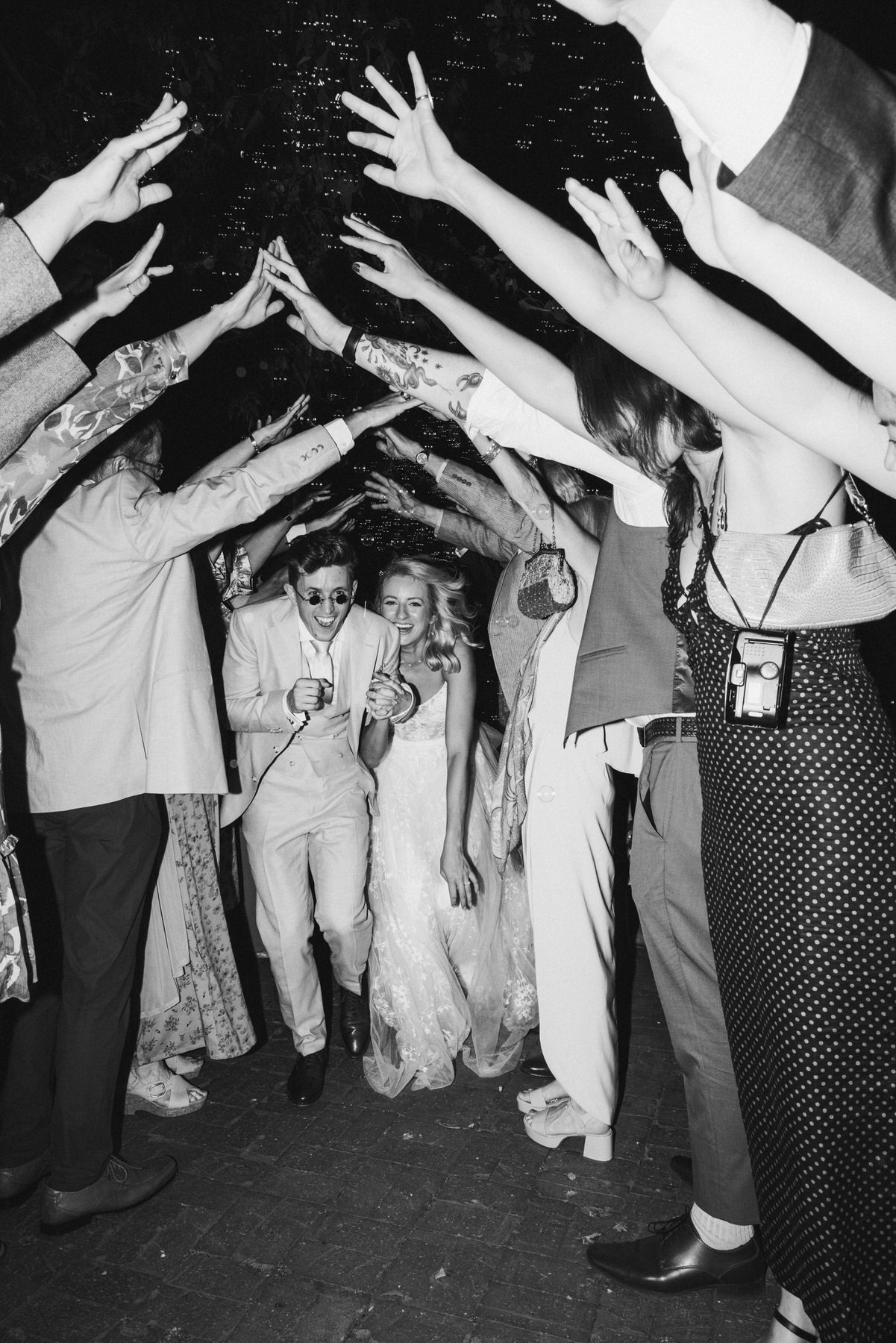
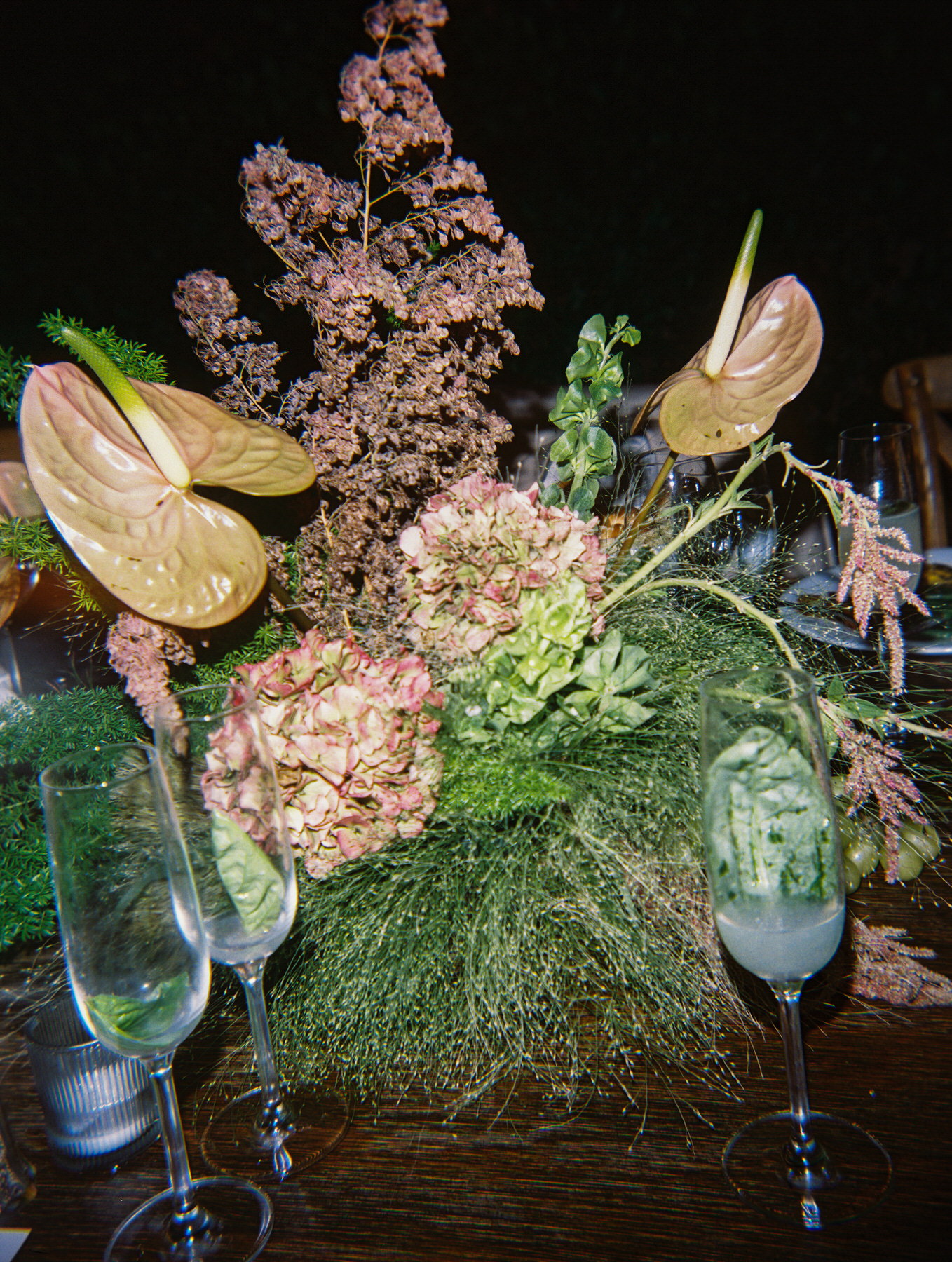
Shooting predominantly on 35mm and 120 film, she embraces a slower, more considered process, one that prioritises feeling over perfection. Her approach invites vulnerability, encouraging couples to lean into the moment rather than perform for it. The result is a body of work that feels deeply personal, subtly nostalgic and undeniably modern.
We spent time with Klaui, exploring her background and creative process, offering insight into the perspective behind her work.
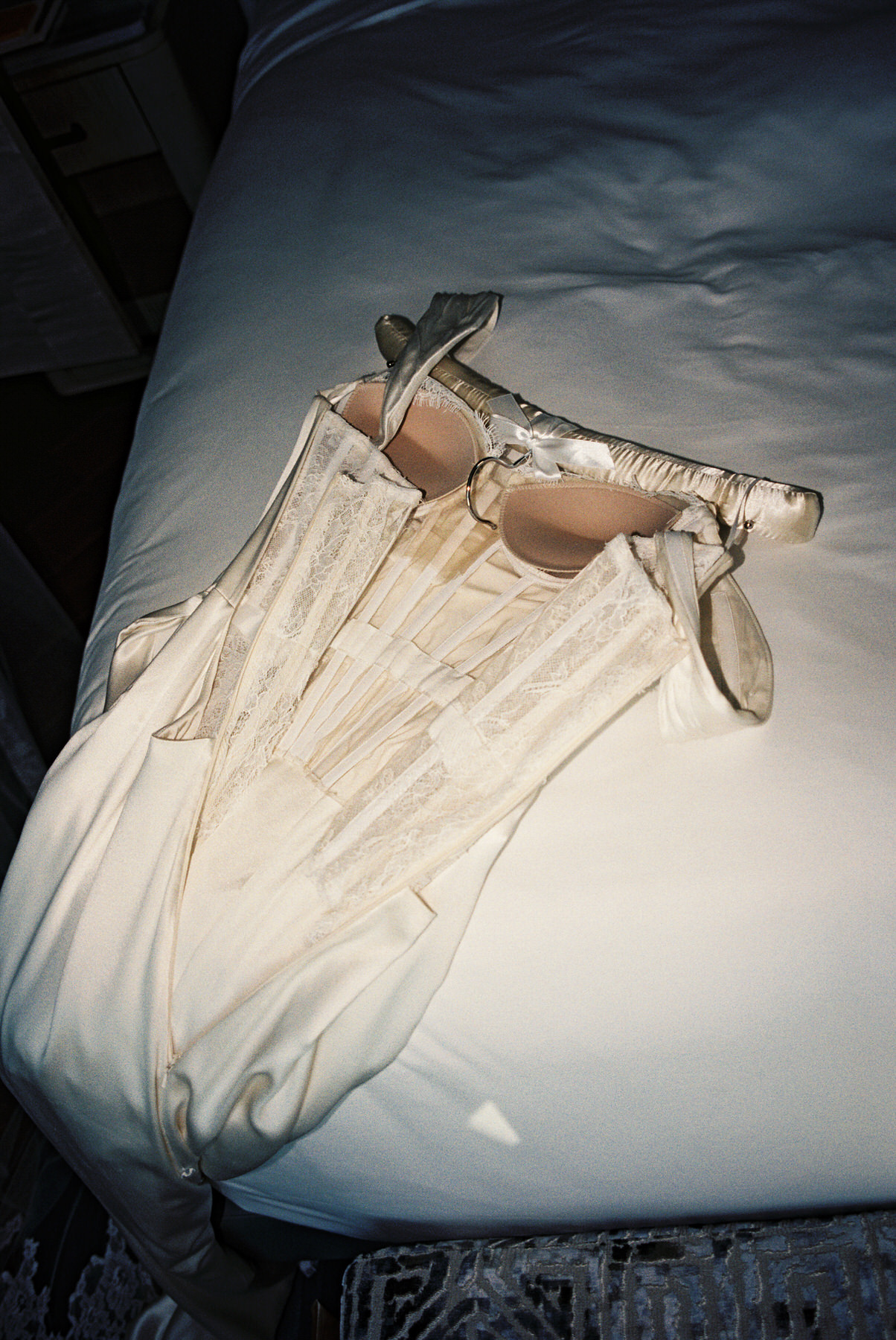
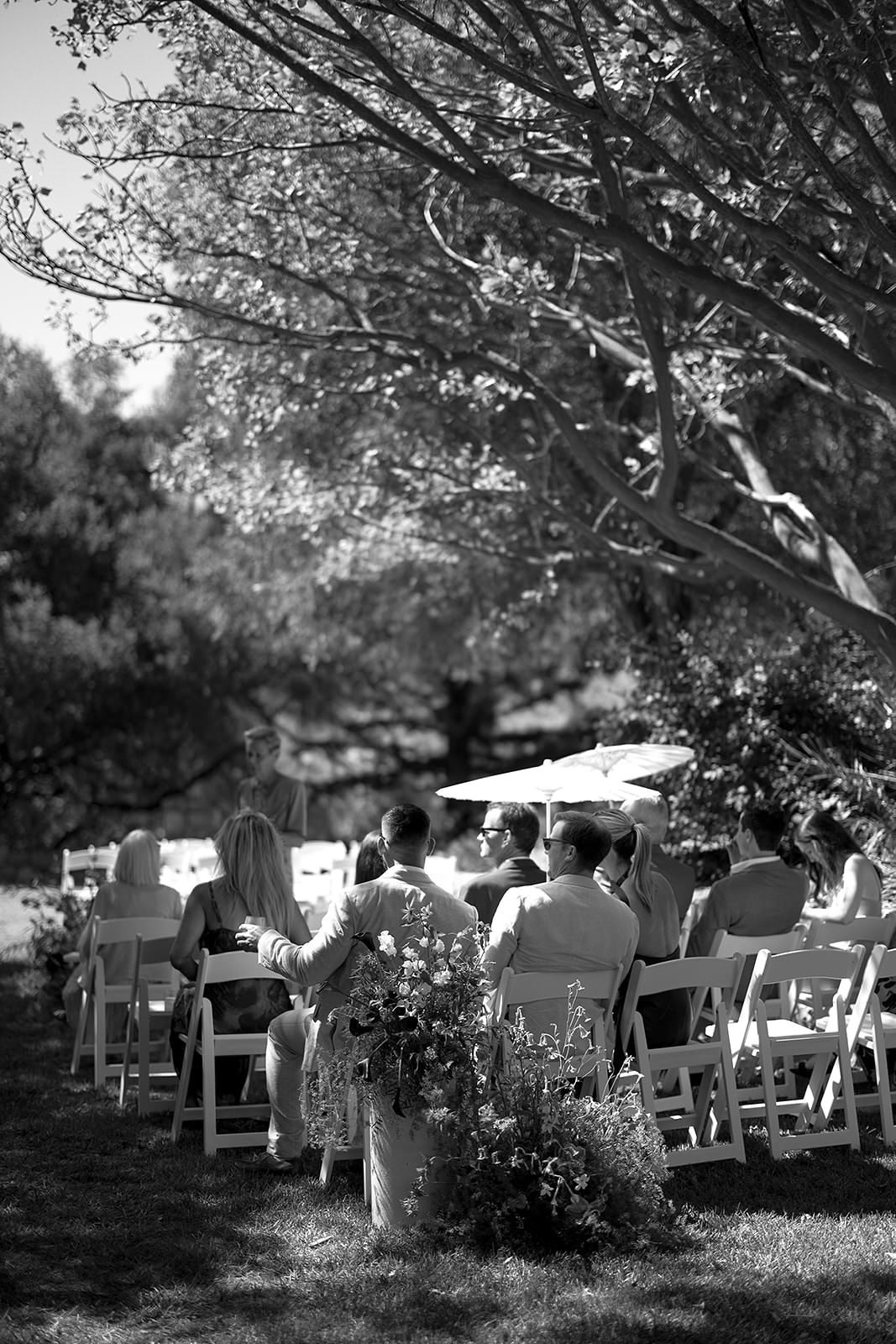
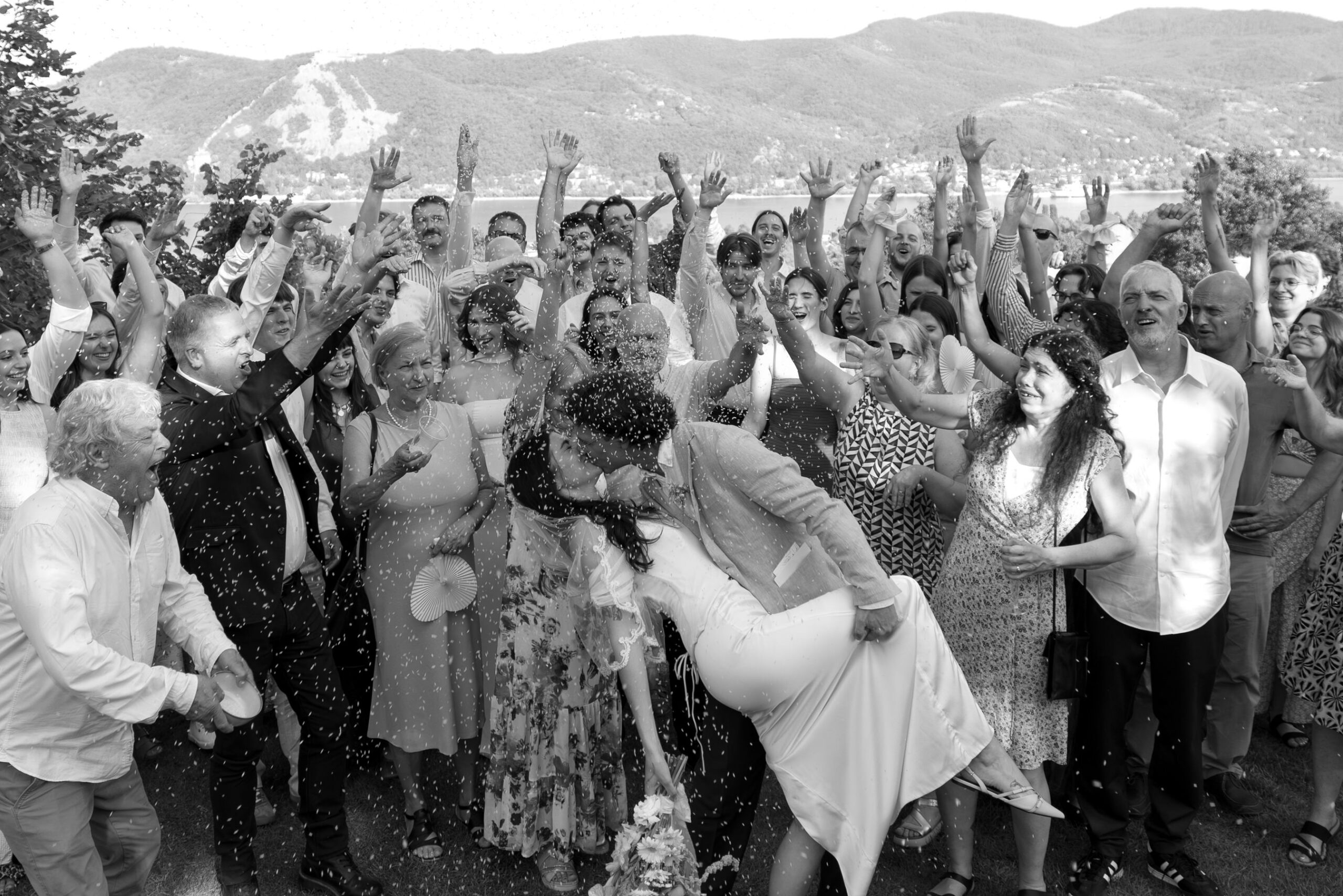
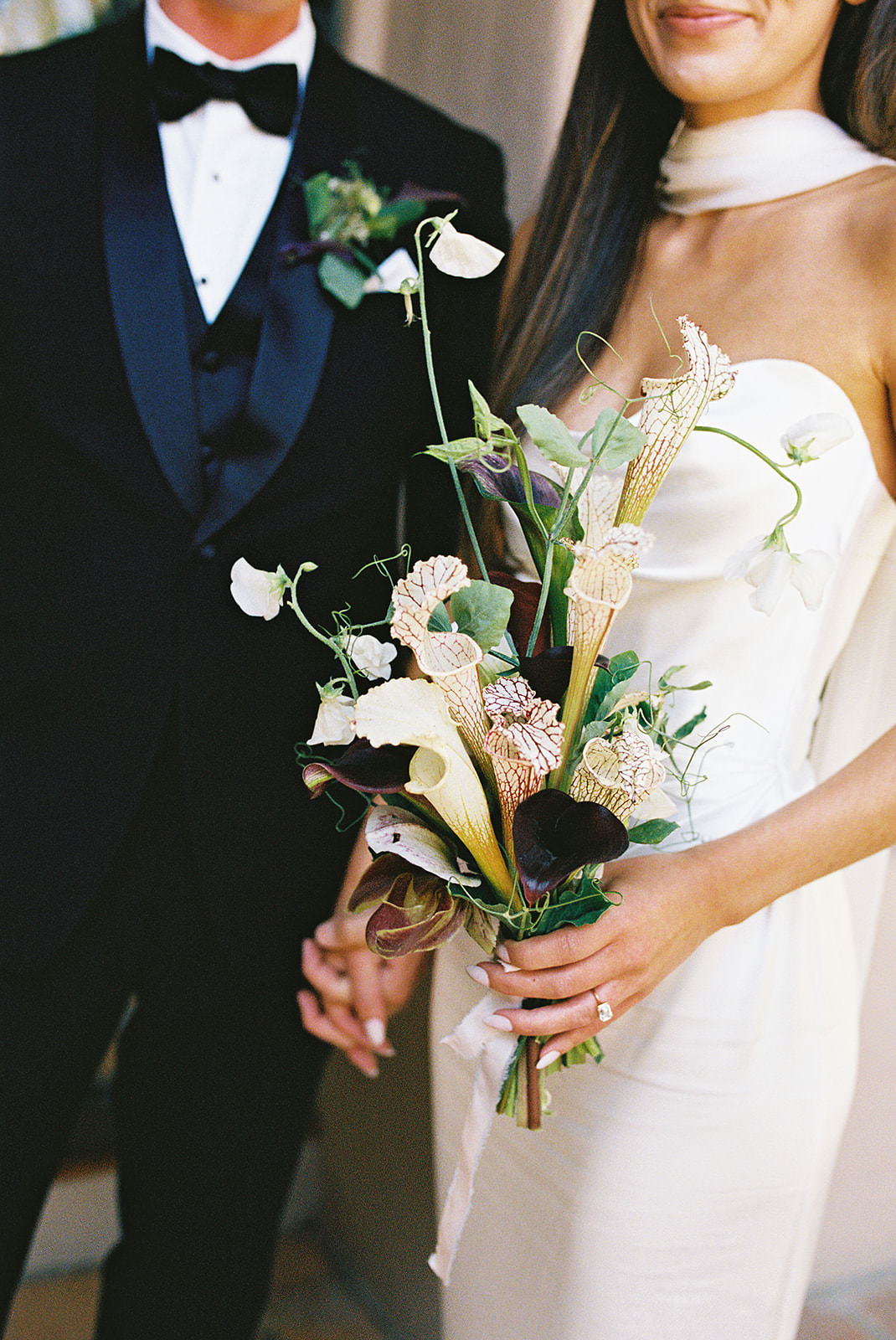
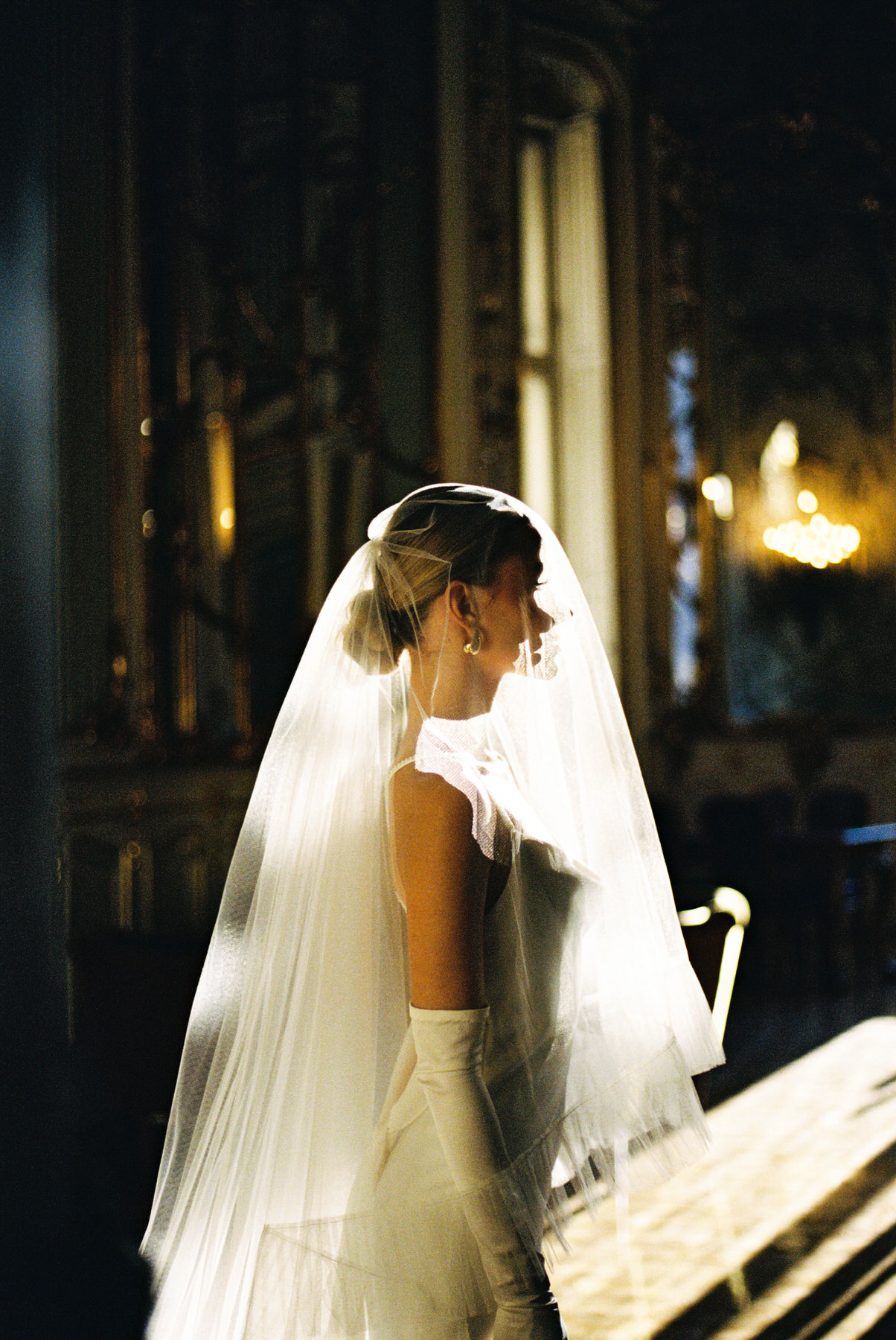
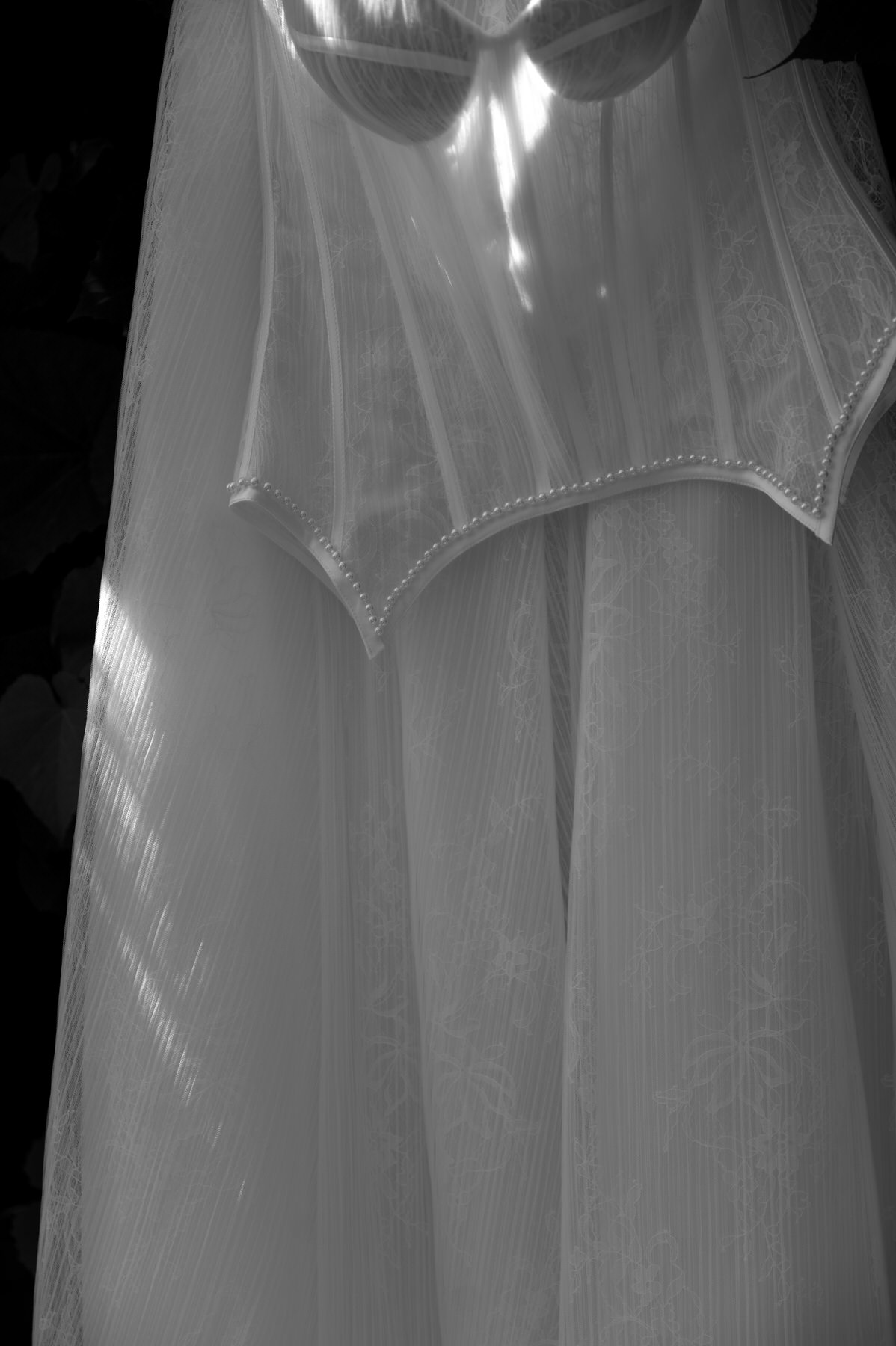
Your work feels incredibly emotive and instinctive. What draws you to the quieter, more candid moments over the traditionally ‘perfect’ ones?
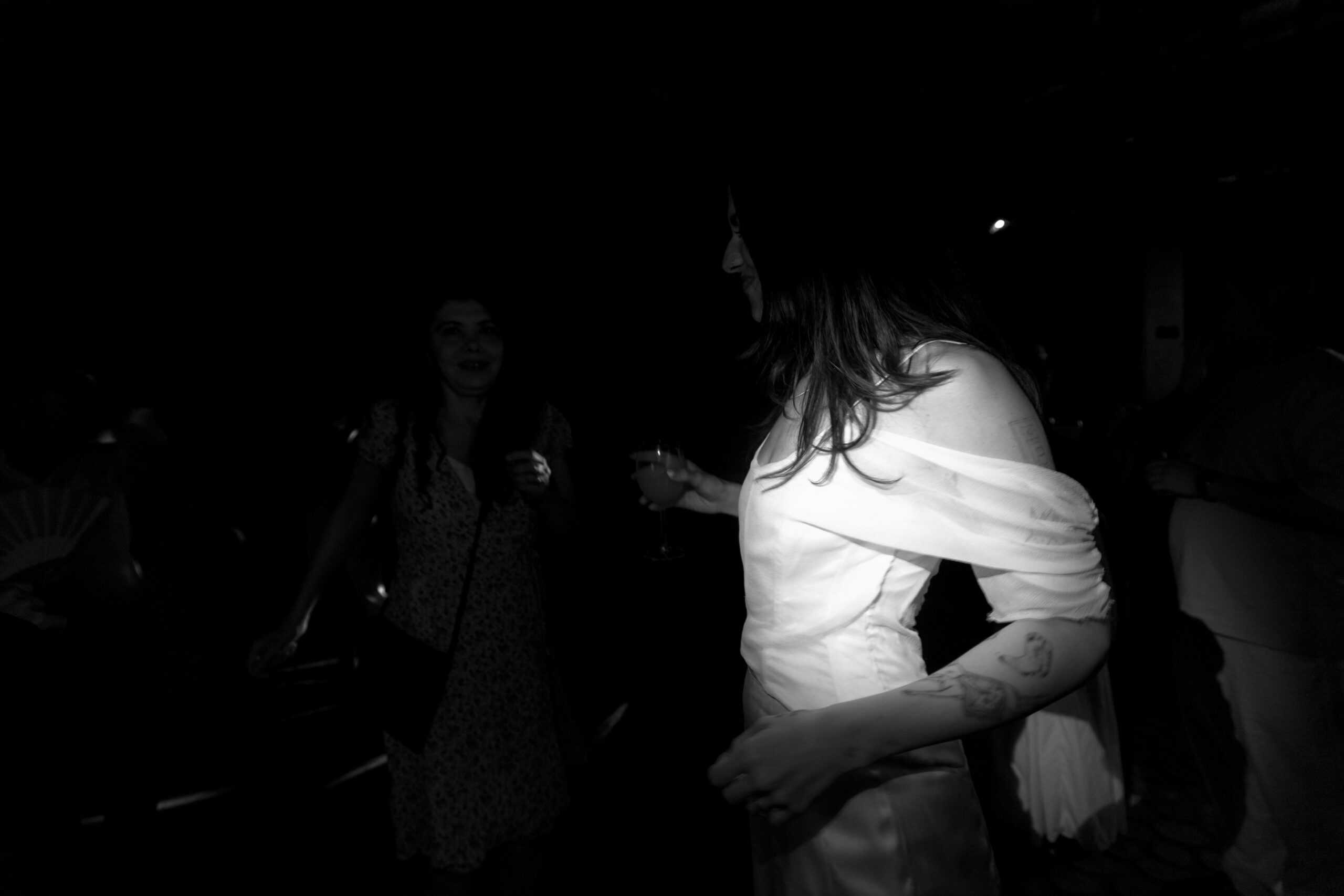
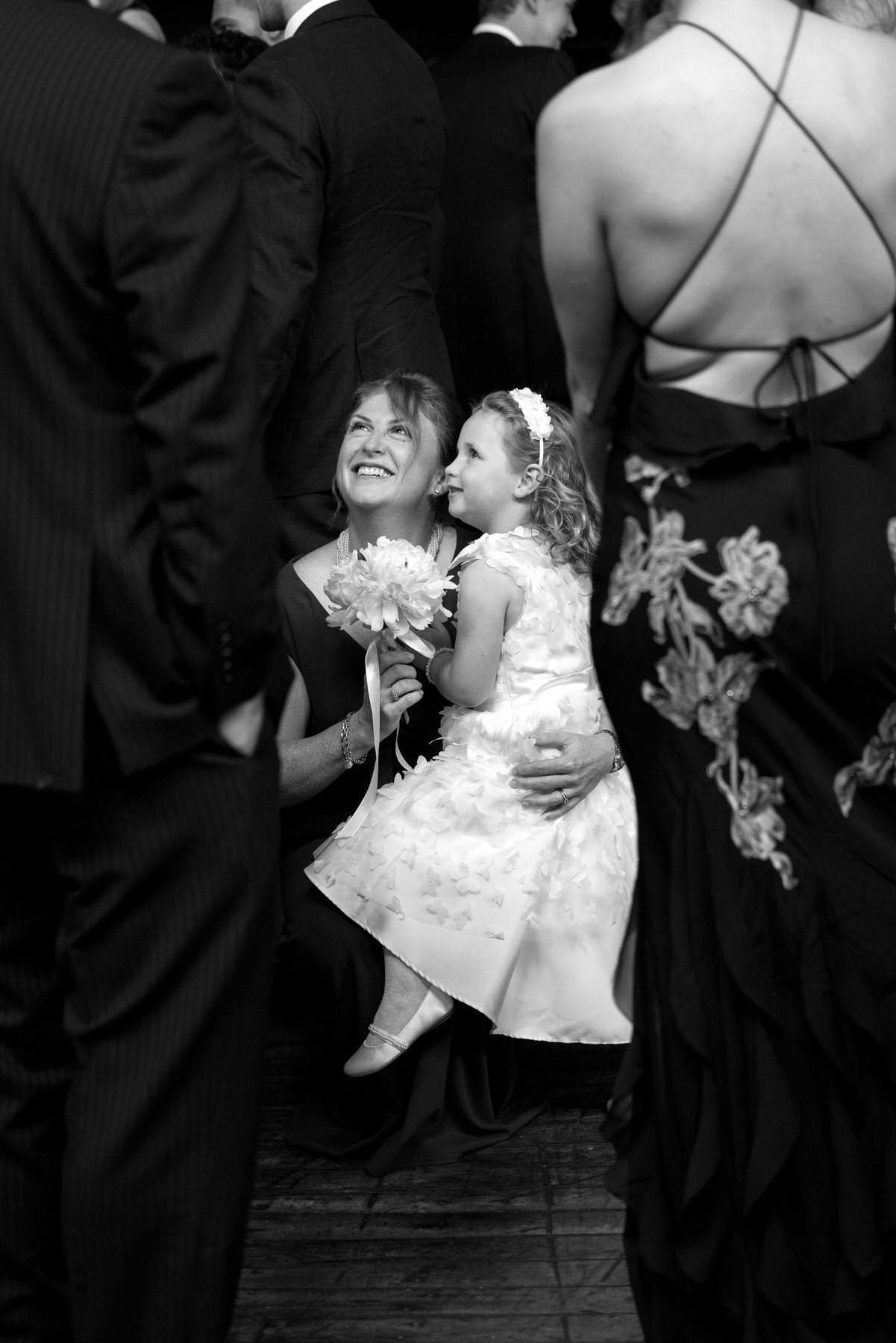
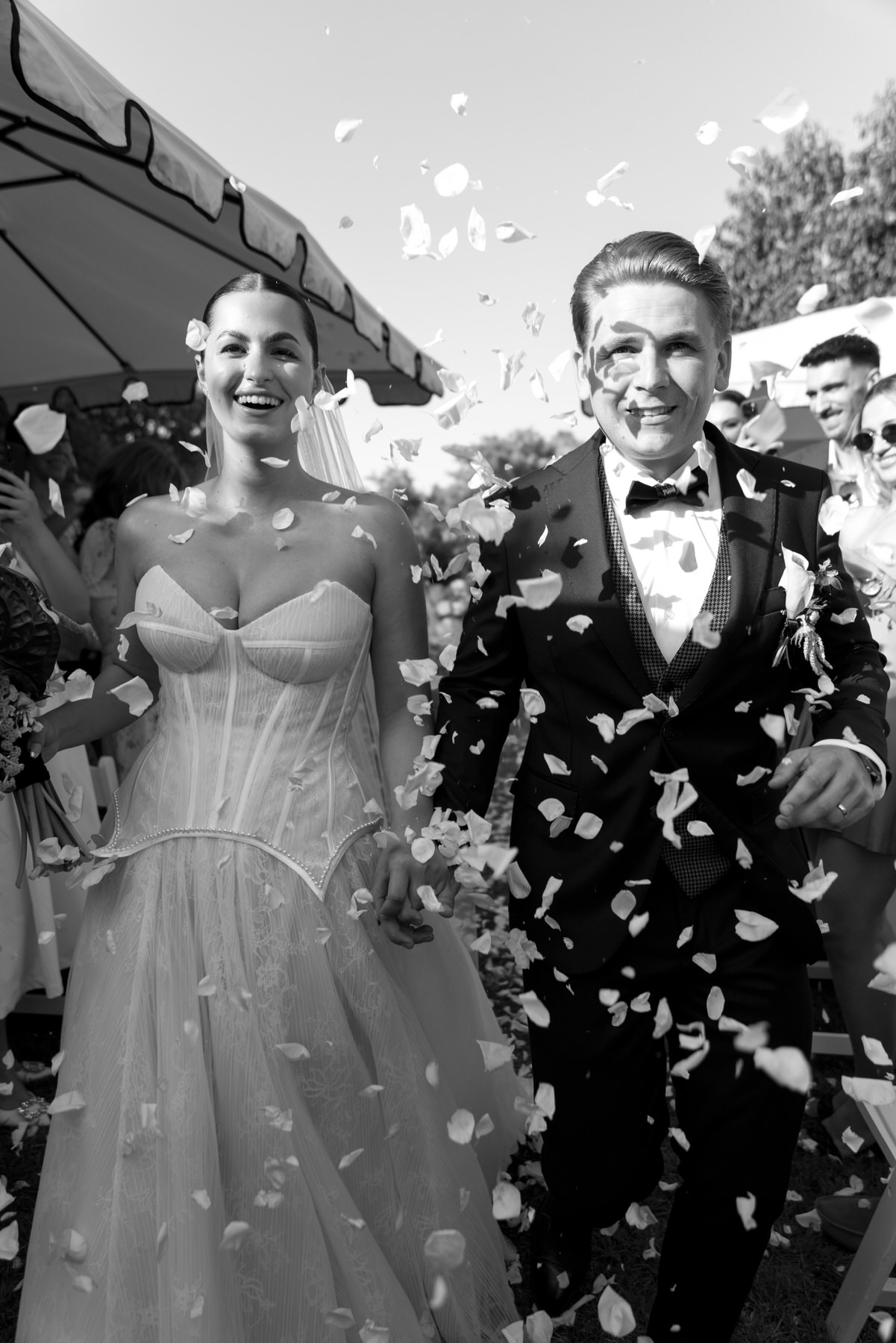
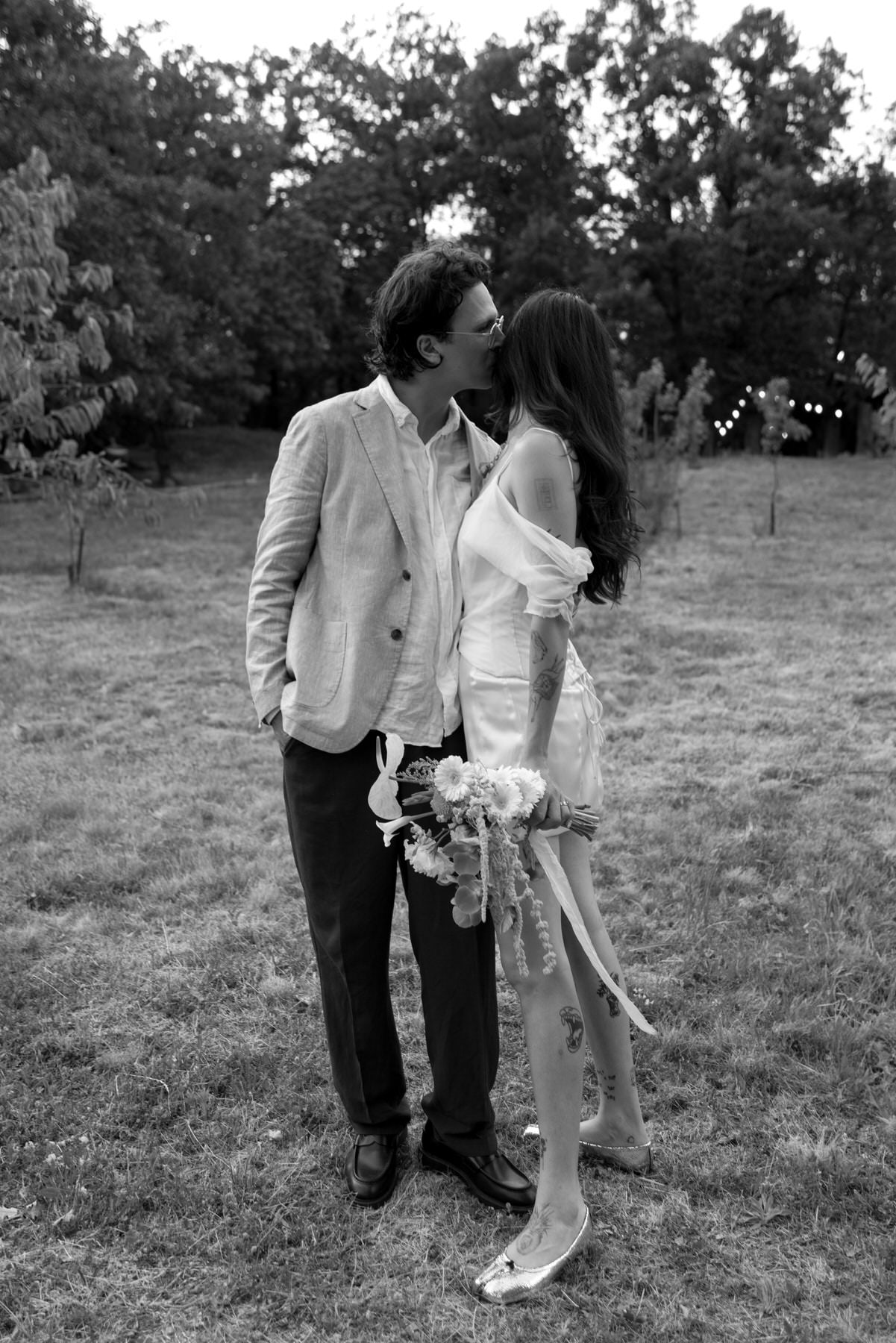
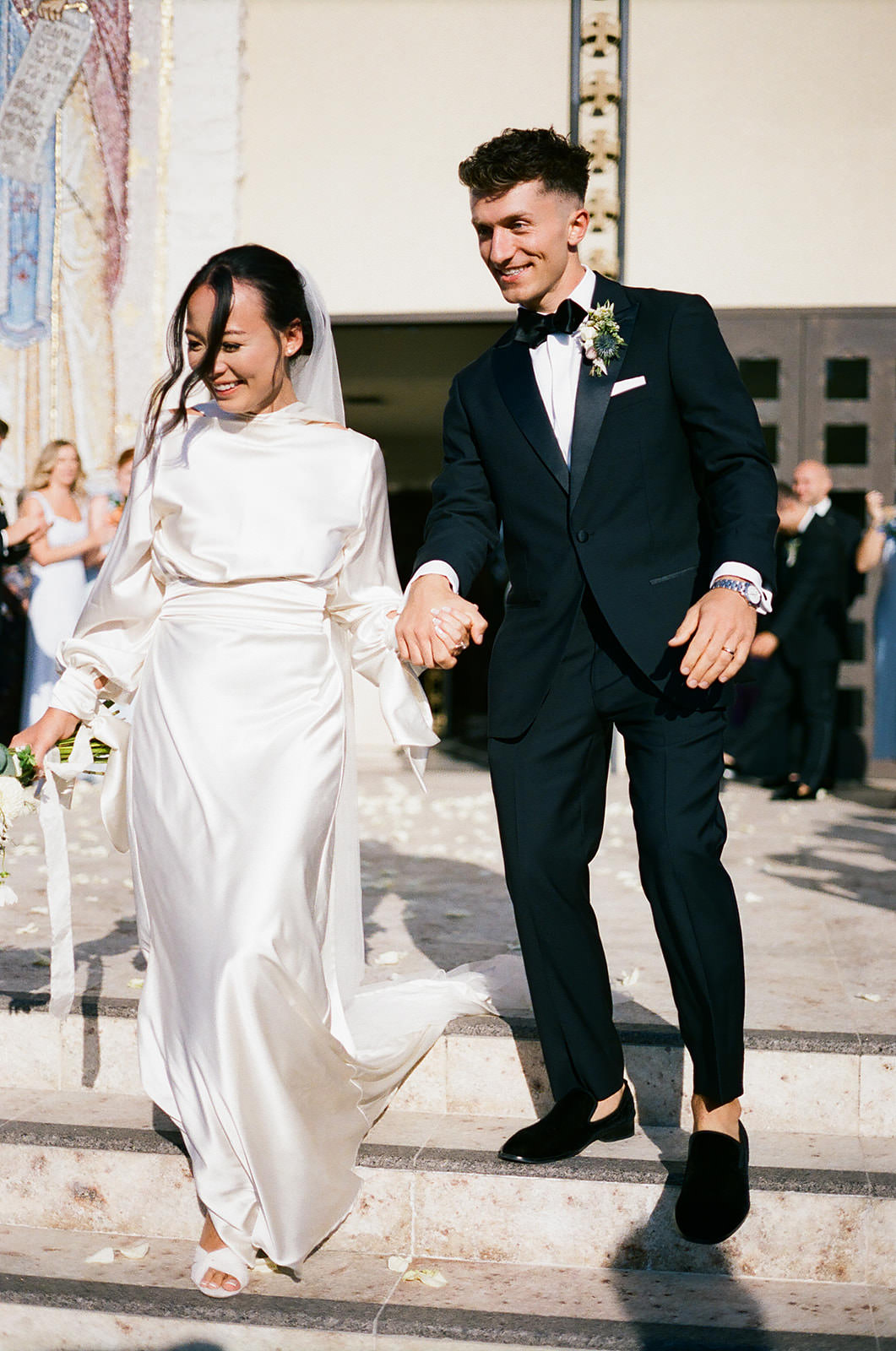
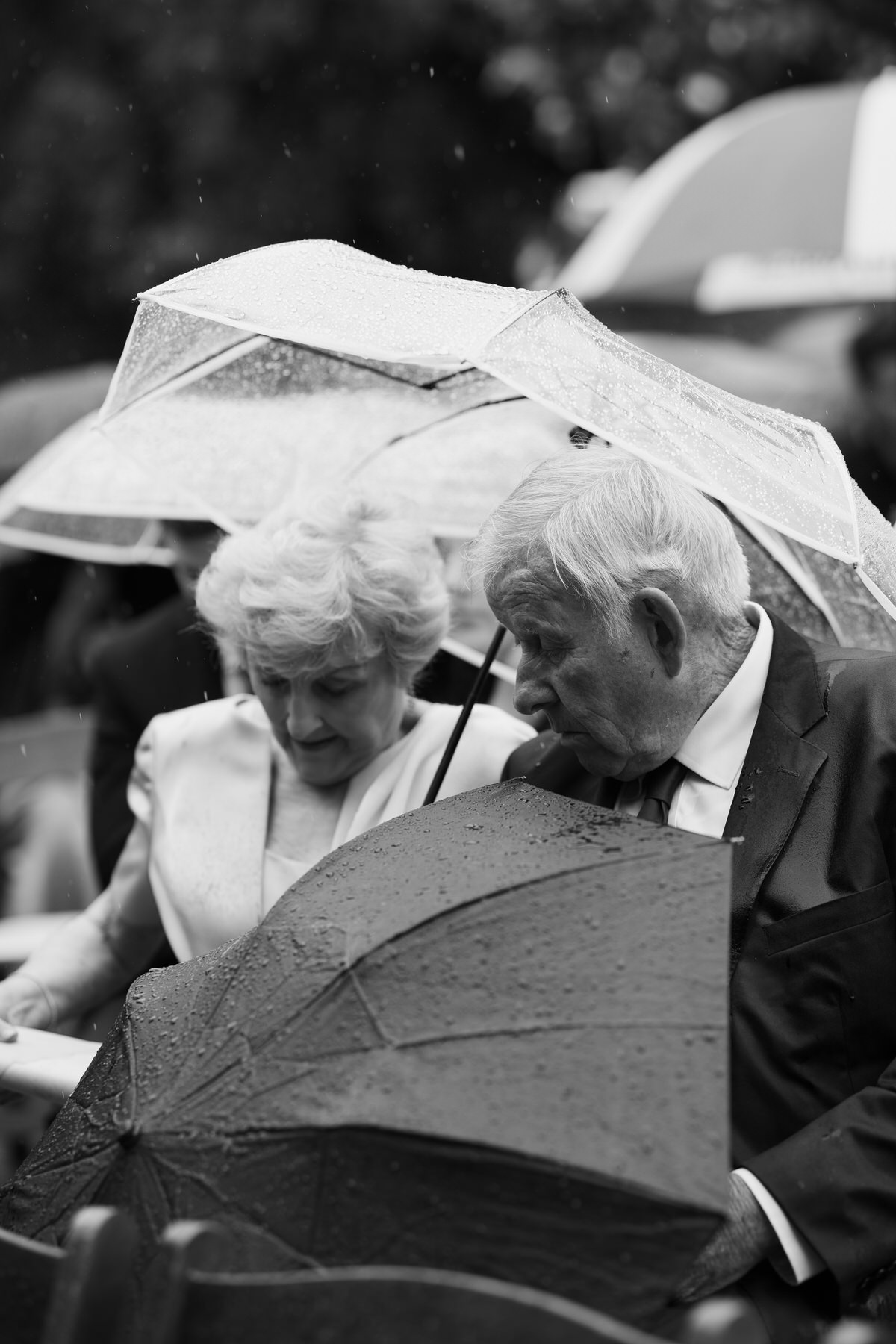
I think I’m drawn to the quieter moments because they feel the most honest.. The in- between. The exhale. The way someone’s hand naturally reaches for the other without even thinking about it. The traditionally perfect moments are beautiful, of course. There’s no doubt about that! And I’ll always make sure my couples have plenty of images that feel elevated and timeless. But what moves me the most is what happens just before or just after that. The soft smile when they think no one is looking. The way a parent’s expression shifts for half a second. The slightly imperfect, deeply human stuff. Maybe it’s because I grew up between cultures, between places, always observing. I think it’s very much who I am as a person. I’ve always noticed the subtle things. And especially as a mom now, I feel time in a completely different way. I know how quickly the tiny gestures disappear. Film has also shaped the way I see. You can’t overshoot it. You have to feel it. You have to trust your instinct. That instinct is usually guiding me toward emotion over perfection. Toward connection over performance.The “perfect” photo is lovely. But the one that makes you feel something ten years later is usually the quiet one. And that’s what I’m always chasing.
You ask for a high level of trust from your clients. How do you create an environment where people feel comfortable enough to be truly vulnerable in front of your lens?
I personally think that trust starts way before the camera ever comes out. I’m not just showing up on a wedding day as a vendor. I’m showing up as someone who has already listened to them, understood what matters to them and what doesn’t. I know what they’re nervous about, what they don’t want. And I truly care deeply about the energy I bring into a space. Calm. Observant. Grounded. That alone shifts how people feel in my opinion. I also never force vulnerability. I don’t over pose. I don’t demand emotion. I just try to create space for it. I give gentle direction when it’s needed, but then I step back. When people don’t feel watched, they relax. And that’s usually when the real moments can unfold organically. Film plays huge role in that too, because when I’m shooting film, I can’t machine gun a thousand frames. It slows everything down. It makes the moment feel intentional instead of performative. People feel that.
And honestly, above all else, I always lead with empathy. I’ve been photographed. I know how exposed it can feel. So I guide in a way that feels collaborative, not controlling. At the end of the day, I’m not trying to capture a performance. I don’t want them to do things just because they liked the way someone else did it on pinterest. I’m trying to capture who they are when they feel safe enough to be themselves, because i think that is the realest form of trust. And that is the version of them that will still feel honest 10+ years from now!
Shooting on film requires patience and intention. What is it about 35mm and 120 that continues to hold your attention in a digital world?
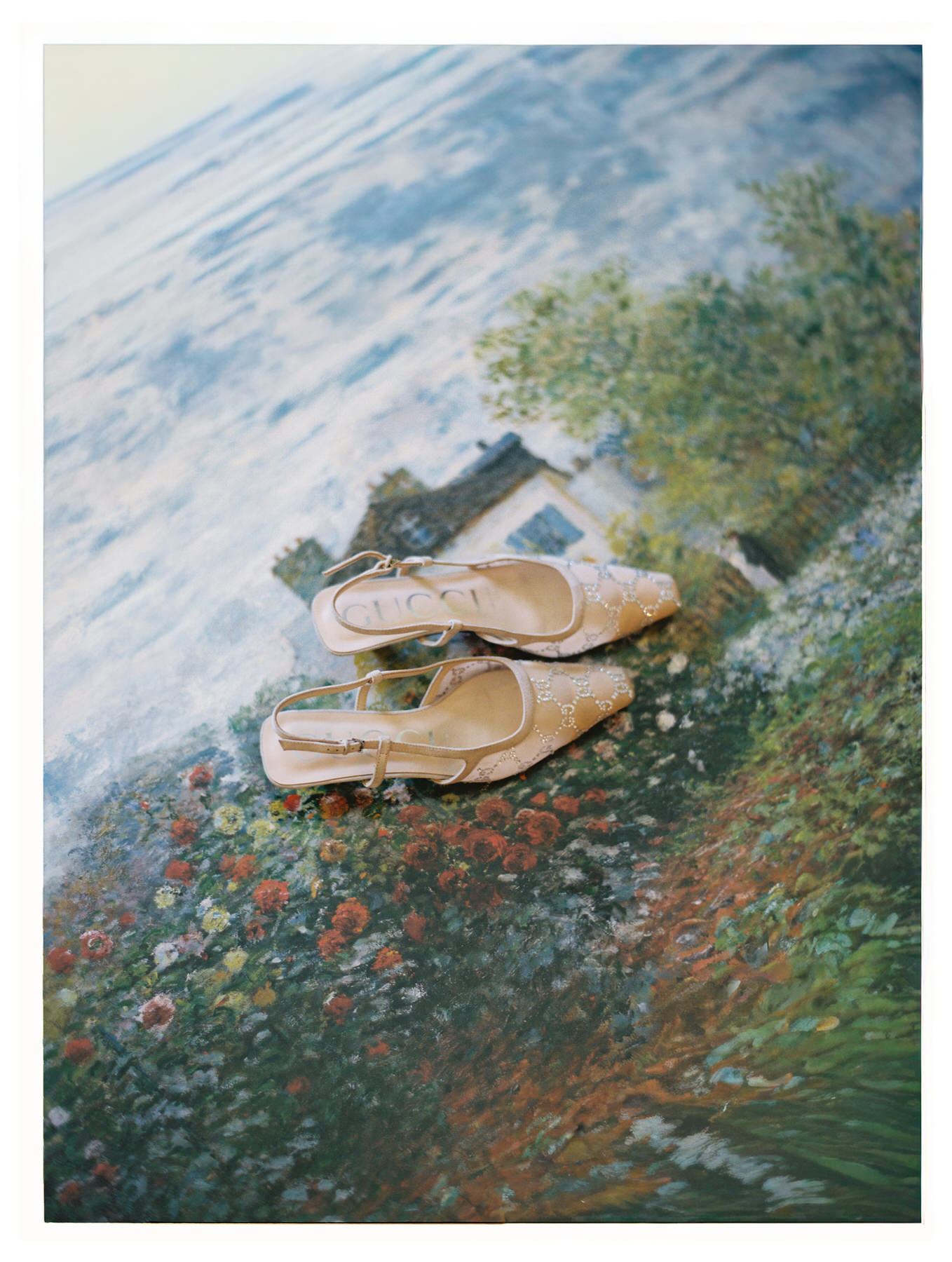
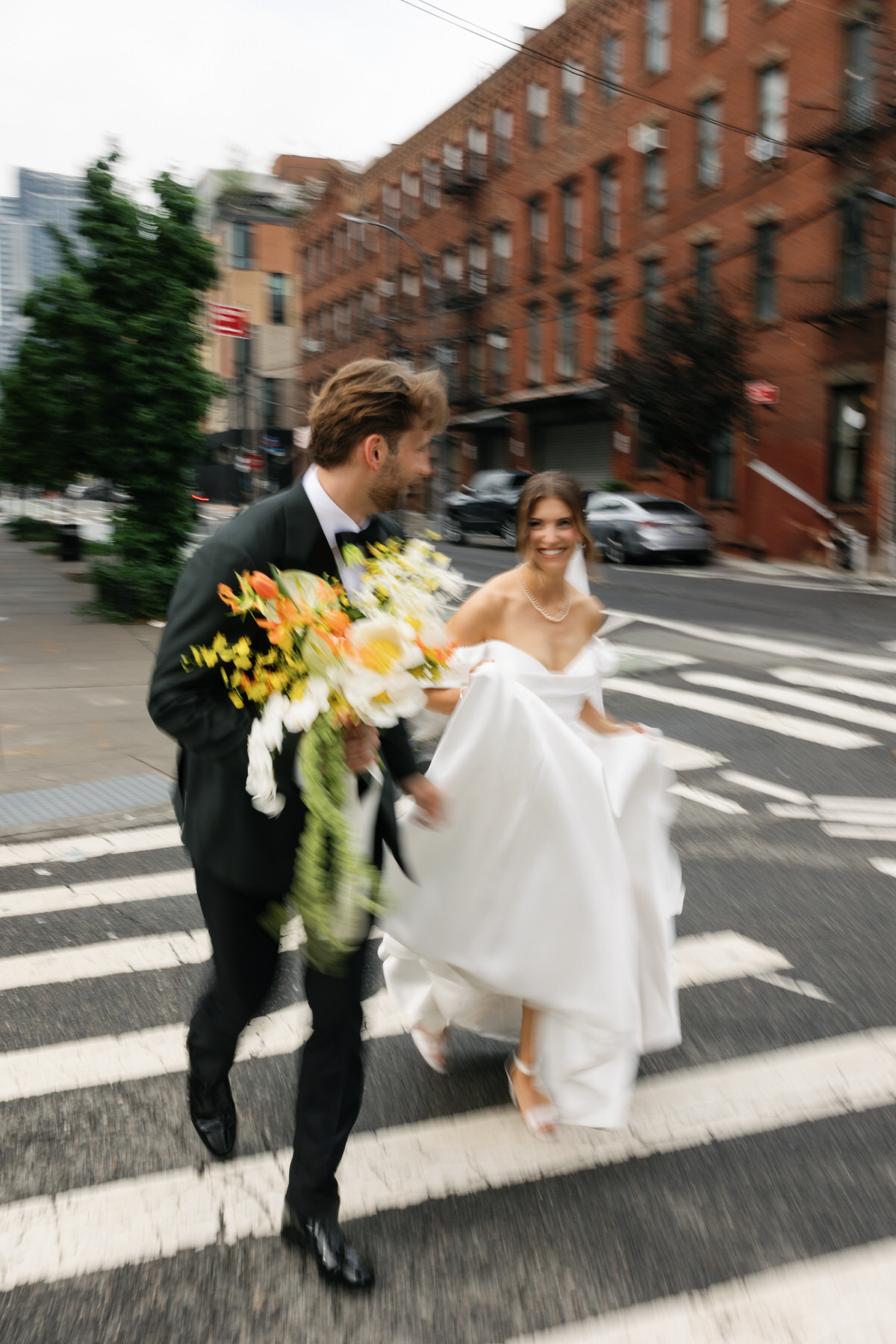
Film just makes me slow down in a way nothing else does. With 35mm and 120 there’s no safety net, no overshooting and figuring it out later, every frame actually matters, so I’m forced to be present and trust my instinct. 35mm feels really intimate and emotional to me, almost like I’m documenting from inside the moment, and 120 is slower and more intentional, the way it renders light and skin just feels different, softer, richer, more dimensional. In such a fast digital world, film feels grounding, like it pulls me back into why I started doing this in the first place. I love that it’s not perfect, the grain, the tiny unpredictability, the texture, it all feels more human. Digital is incredible and I use it intentionally, but film keeps me connected, it keeps me honest, and I don’t think I’ll ever get bored of that.
There is a subtle editorial quality to your work. How has your background influenced the way you compose and direct your images?
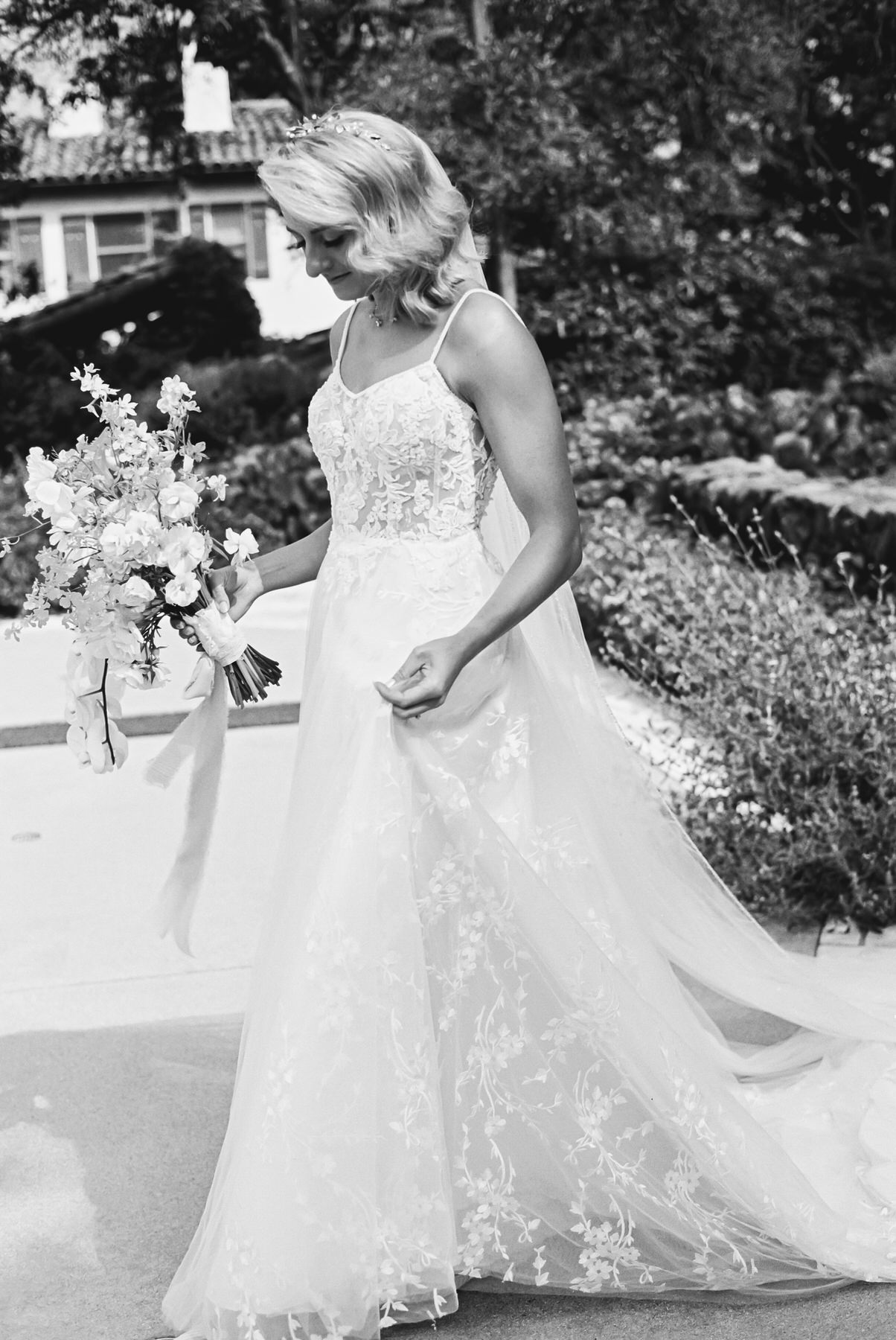
I think that the editorial quality might come from a version of me that existed before weddings were ever part of the plan. When I first started photography, I genuinely thought I’d end up in fashion. I had this very specific dream of photographing high fashion, seeing my image on the cover of Vogue, creating something sculptural and elevated. I always thought to myself that once my images made it on the cover, that’s when I would feel success. But I never actually shot in that world, but I studied it obsessively. I was constantly looking at how light shaped a face, how posture could feel powerful or soft, how negative space and composition could make an image feel intentional instead of accidental.
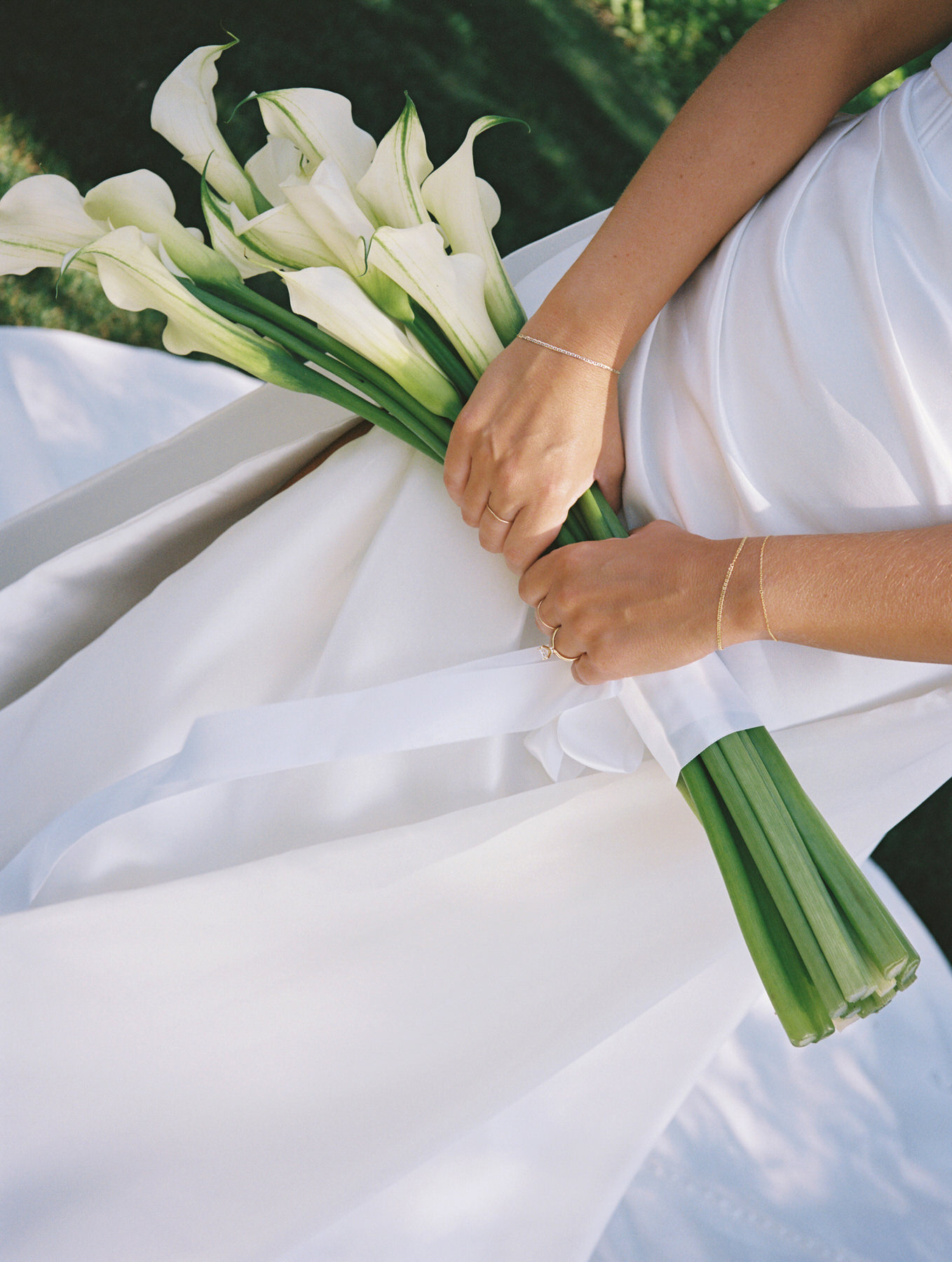
Even though my career unfolded differently,in the best way possible,I think that that foundation never left me. So now, when I’m photographing a wedding I’m still thinking about lines, balance, movement, the way a dress falls, the way architecture frames a couple. But it’s become a very subconscious thing that I do. Of course, I’ll subtly adjust a shoulder or guide someone’s stance if I need to, not to make it feel posed, but to refine what’s already there.
I think that’s why my work feels editorial but still emotional and real. It’s this blend of something I once aspired to be and something I so deeply live in now!
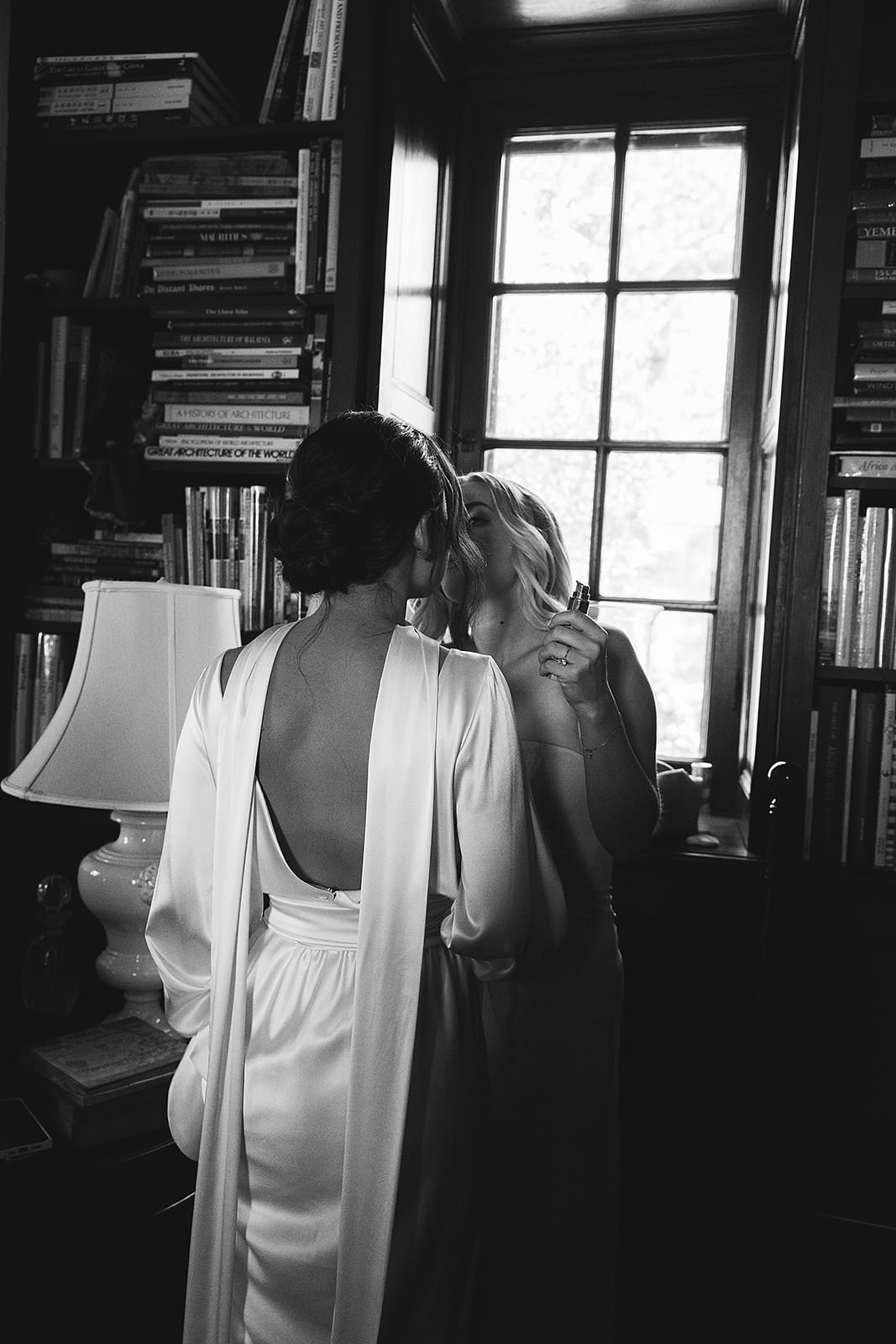
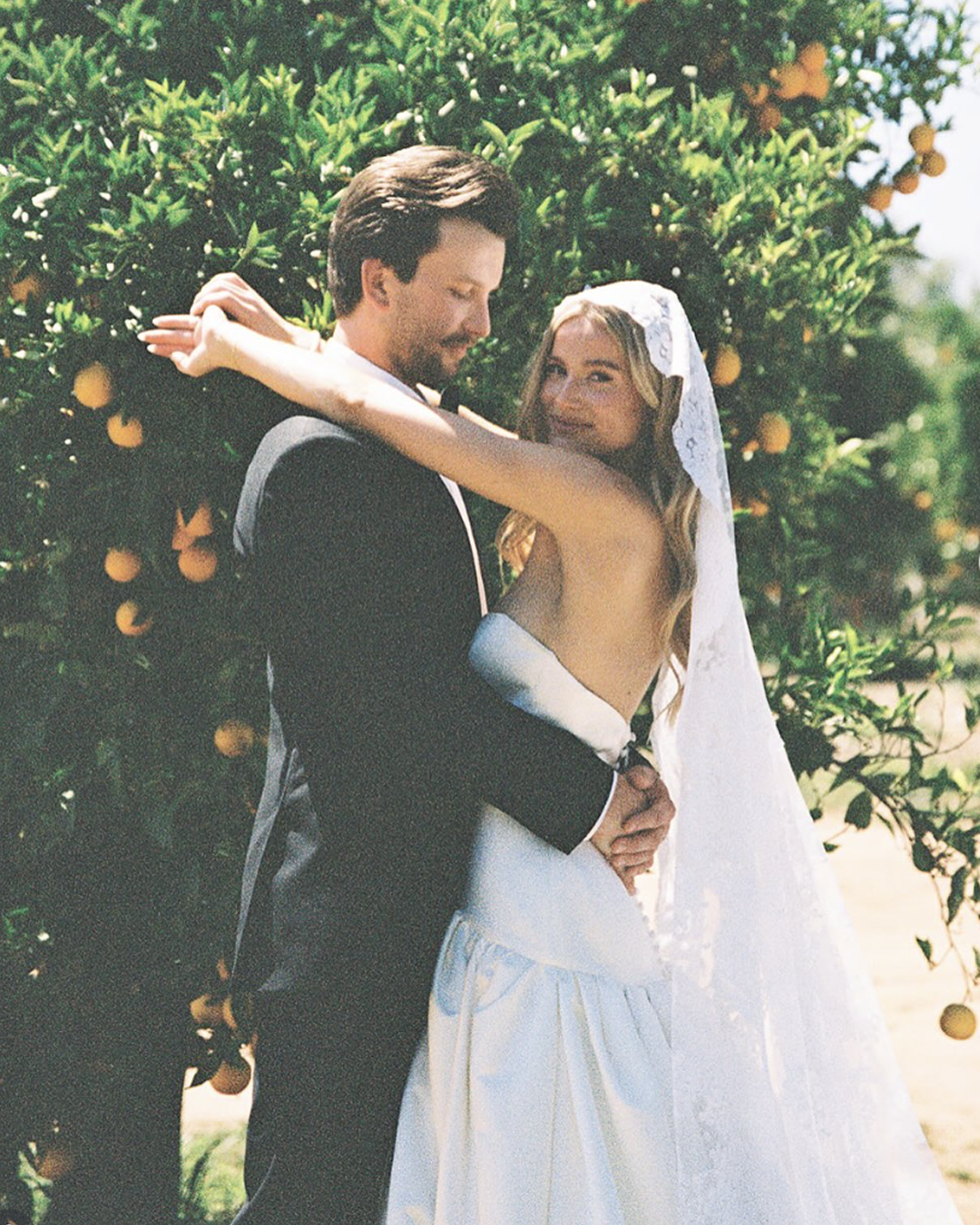
You mention that your style is not for everyone. What does your ideal couple look and feel like to you?
I think when I say my style isn’t for everyone, I don’t mean that in an exclusive way at all. I just genuinely believe that every couple has a style and every photographer has a style, and it’s kind of like dating, you have to find the right match both ways. There are couples who love very traditional, highly posed photography with a clear shot list and a more structured approach, and that’s beautiful, it’s just not how I naturally work. The couples who connect with me usually care more about feeling than formality. They’re drawn to emotion, movement, quiet moments, and they trust the process instead of needing to control every frame so they never question why I don’t take a shot list. It really just comes down to choosing someone who makes you feel comfortable from the very beginning. If that ease is there right away, you can trust that they’ll bring that same grounded energy into your wedding day, especially when emotions are high and everything feels a little heightened and fast.
If you could photograph one fleeting, in-between moment at every wedding, the one most people might miss, what would it be?
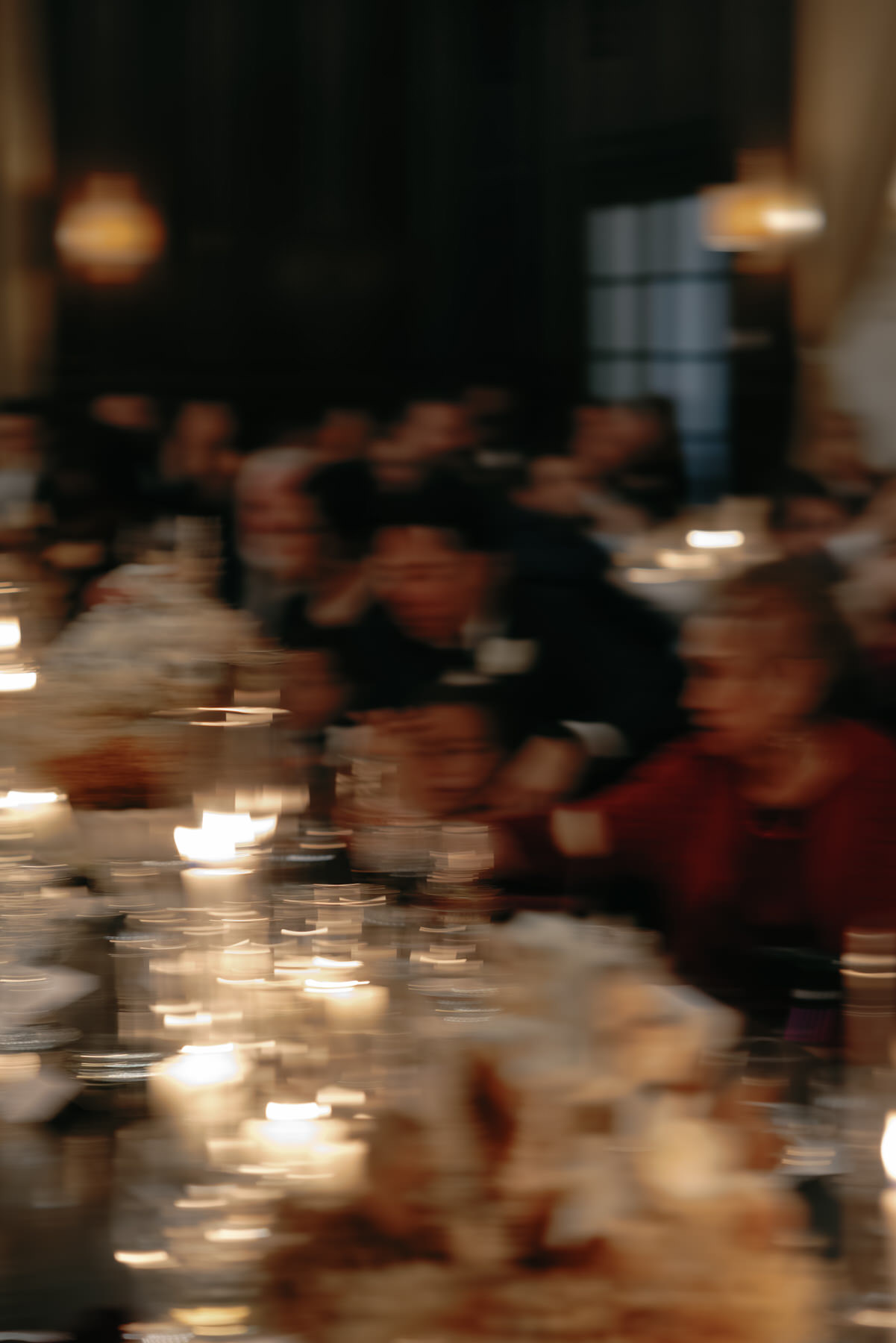
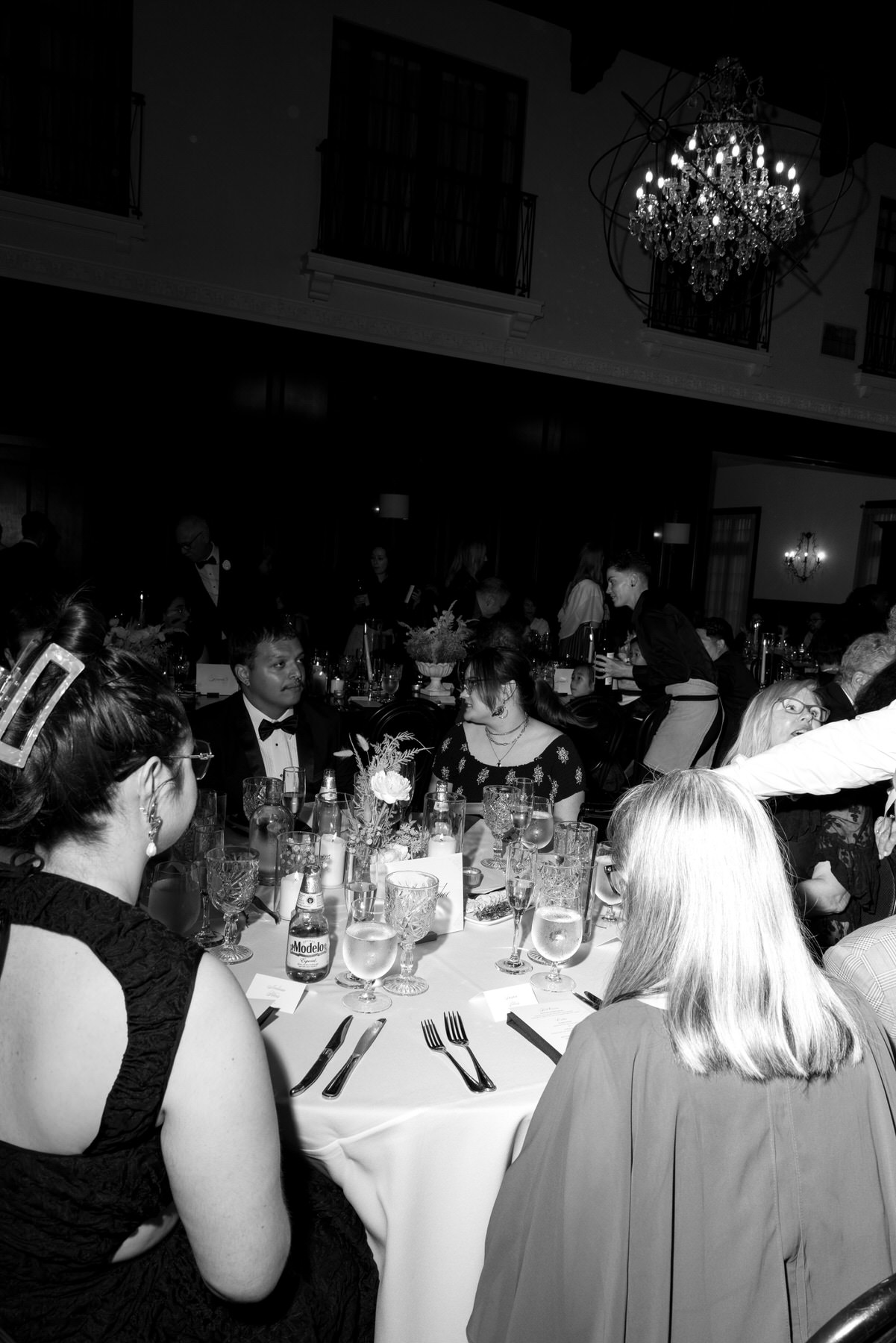
Wow, I love this question so much. It’s hard to choose just one because there are so many, and my answer might shock a lot of people,but the moment that stays with me most that I adore photographing, actually happens during the reception. The couple is finally sitting down next to each other probably for the first time all day. The ceremony is over. Most of the anticipation has passed. They’re finally married… And for the first time all day, there’s a small pocket of stillness. When the speeches begin, I watch their faces as they’re looking around the room at all these people who have shaped their lives. Parents. Siblings. Friends who have witnessed different versions of them over the years. And then, every so often, when something is said about one of them, they turn and look at each other. It’s very quick. Almost instinctive. But in that glance, there’s history. There’s recognition. There’s this quiet acknowledgment of everything that led them there! That’s usually the moment that moves me most, because it feels like time folding in on itself. Past, present, future, all sitting at the same table. It’s not heightened or dramatic. It always just feels so real.
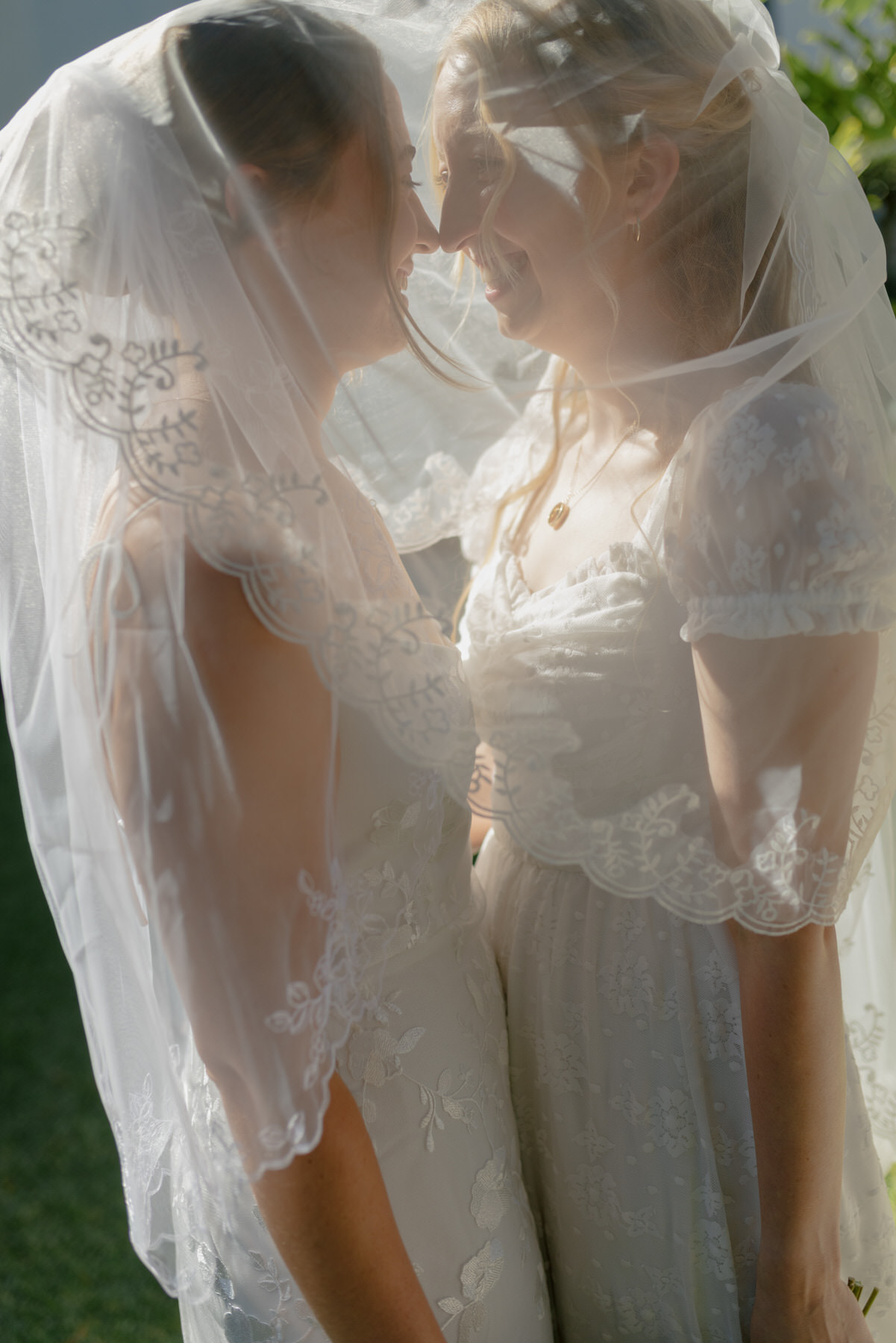
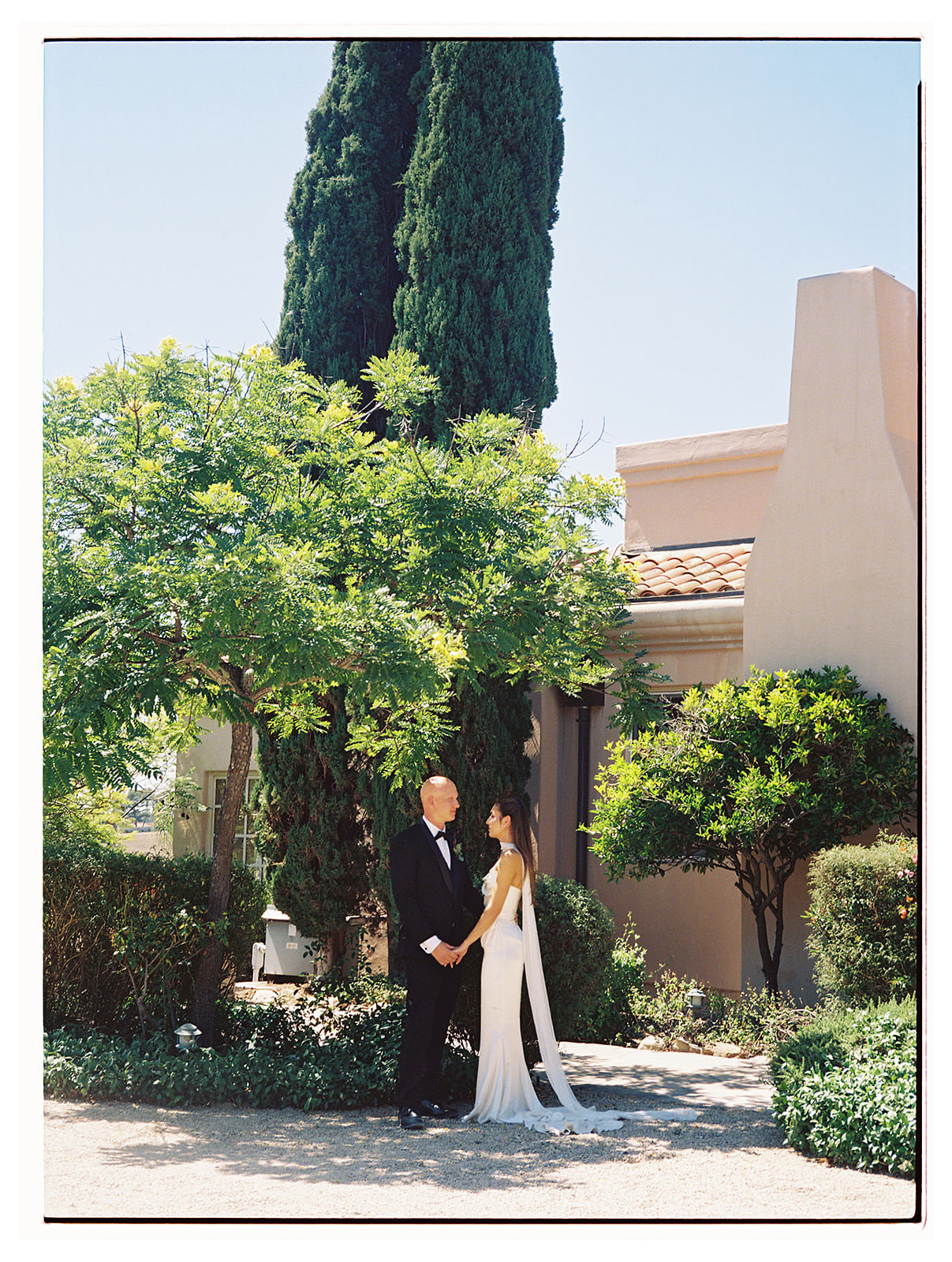
Weddings are often filled with expectation and structure. How do you gently disrupt that to capture something more honest?
Weddings definitely come with a lot of expectation and structure, timelines, traditions, all the “this is how it’s supposed to go” energy. And i’m not there to fight that. I respect it a lot actually. But within all of that, i am always looking for the cracks where real life slips through. Sometimes it’s as simple as not over directing. I’ll give enough guidance so someone doesn’t feel awkward, but then I step back and let them settle into themselves. Or I’ll keep shooting after they think the moment is over when for me, that’s actually where it begins. A lot of the most honest images happen right after the “official” photo or sometimes even before.
The wedding space is constantly evolving. Are there any changes you’re seeing that you particularly welcome or quietly resist?
I think one shift I quietly resist is weddings starting to feel like content days. I completely understand wanting beautiful photos and thoughtful details, of course that matters. But sometimes it can start to feel like the priority is creating the most Instagram worthy cover image instead of actually experiencing the day. And I think that’s where it can get a little disconnected.
What I always hope is that we don’t drift too far from why everyone is there in the first place. It’s not a styled shoot. It’s not a brand campaign. It’s a commitment. It’s family. It’s history in the making. The irony is that the most powerful images, the ones that last, usually come from presence, not performance.
At the same time, I do welcome couples feeling more empowered to do things their own way. Smaller guest lists, less rigid traditions, more intentional choices. That feels healthy. I just hope that as the industry evolves, we keep the heart of it intact.
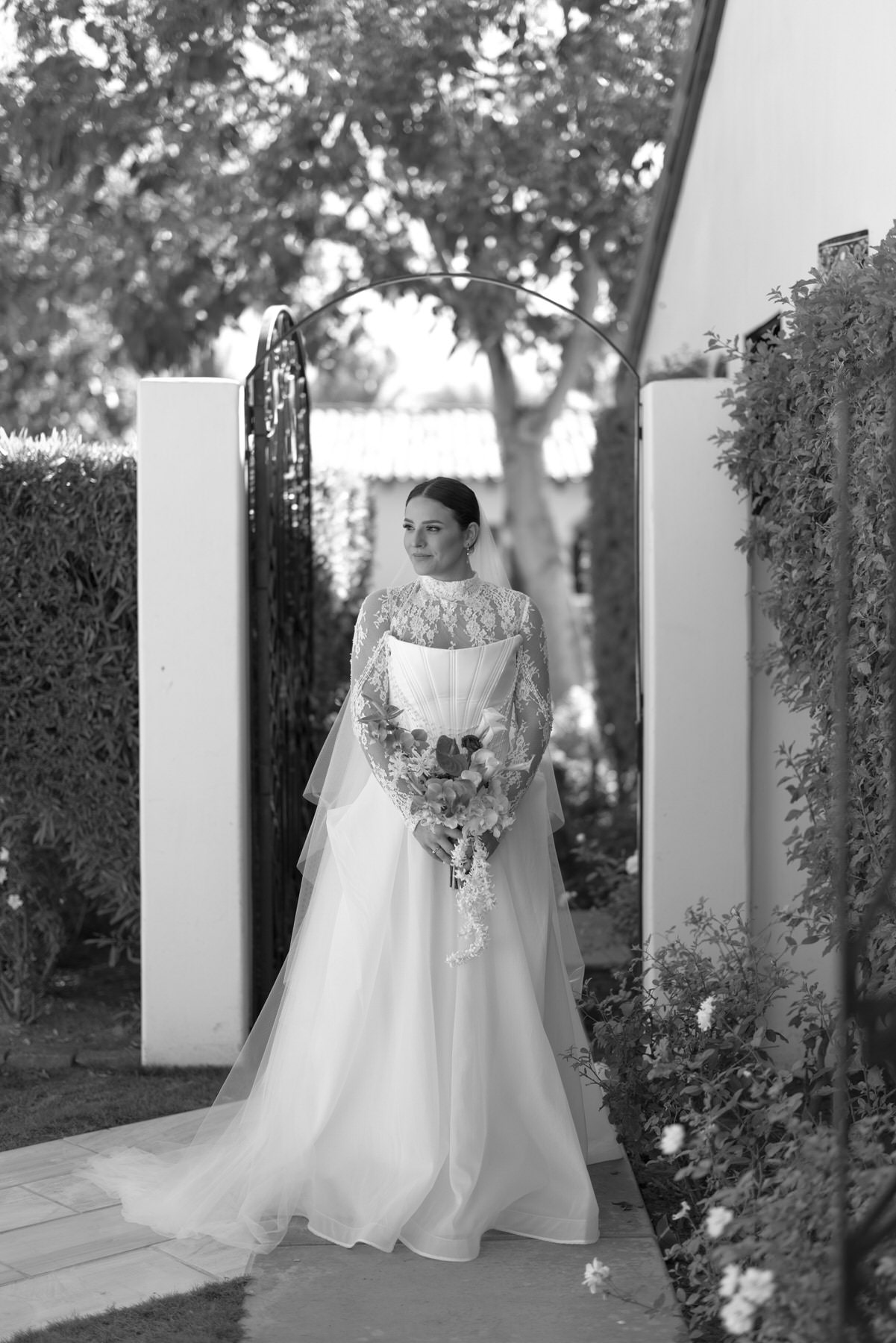
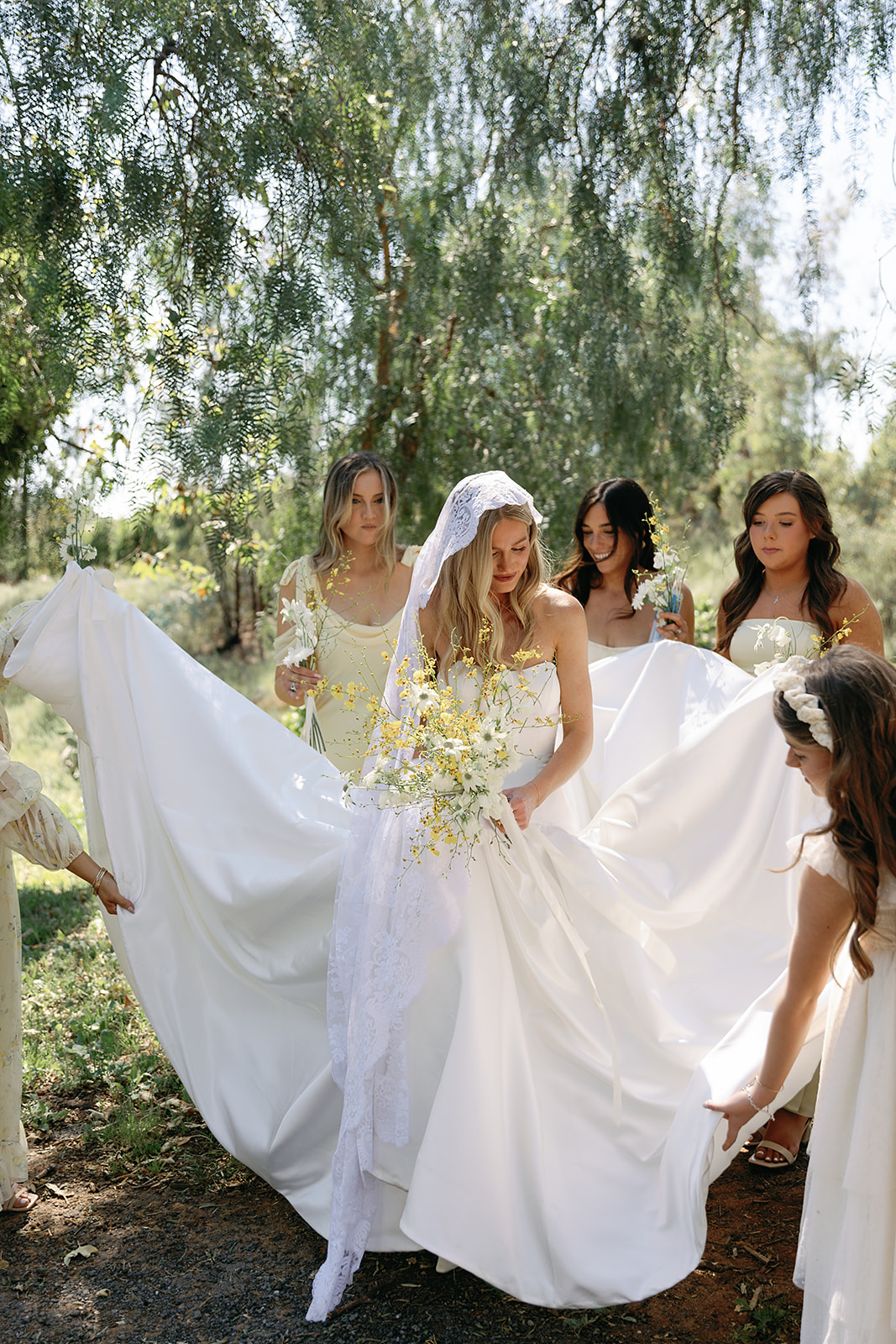
What consistently inspires you on a personal level, and how does that filter into your work?
On a personal level, I’m constantly inspired by time. The way it moves. The way it changes people. The way something ordinary one day becomes sacred years later. Becoming a mom deepened that for me to be honest. You start to realize how quickly phases pass, how the smallest gestures, the way someone reaches for you, the way they laugh, won’t always look the same. That awareness makes me pay attention differently. I’m also really inspired by art outside of weddings. Fashion imagery, old film photographs, cinema, architecture when I travel, especially going back to Europe. Texture, light, stillness. All of that feeds the way I see things. .And honestly, observing people inspires me. I majored in sociology for a reason haha. The quiet dynamics between family members. The way someone softens around the person they love. That filters directly into my work because I’m always looking for what feels true rather than what looks impressive or aesthetic. Everything that inspires me personally comes back to the same thing in my photography, noticing what won’t exist in quite the same way again.
As you continue to grow in the wedding space, what excites you most about where your work is heading next?
Ahh. I also really really love this question. I think what excites me most, honestly, is how much closer I feel to my own voice. For the longest time, especially in the beginning, I think I was subconsciously trying to prove something. That I could belong here. That I was good enough. That I could create images that looked the way they were “supposed” to look.I used to have so many conversations with people close to me about these invisible milestones. I told myself that when I reached a certain number of followers, that would mean I had made it. When I got published, that would be proof. If I photographed someone famous, then it would finally count.
I was constantly placing arrival somewhere in the future, attaching all my sense of worth to numbers, names, or validation. As if success was something external that would one day confirm I belonged int his space. Looking back, I realize I was chasing a feeling more than an achievement. I thought those markers would quiet the doubts I had. But growth, for me, has been understanding that “making it” was never about being seen at that scale. It’s about feeling aligned with the work I’m creating and grounded in why I’m creating it at all in the first place.
What feels exciting now is trusting myself more. Leaning further into instinct and letting the work get quieter, more restrained, more intentional. Not chasing trends. Not chasing validation. Just refining what already feels true to me and who I am. I’m excited about depth. About creating work that feels less reactive and more rooted. About photographing weddings in a way that feels almost archival, like something you’d find years later and feel immediately be transported back. And if I’m being really honest, I’m excited about caring less about how it’s received and more about how it feels to create it. That feels like huge growth to me.
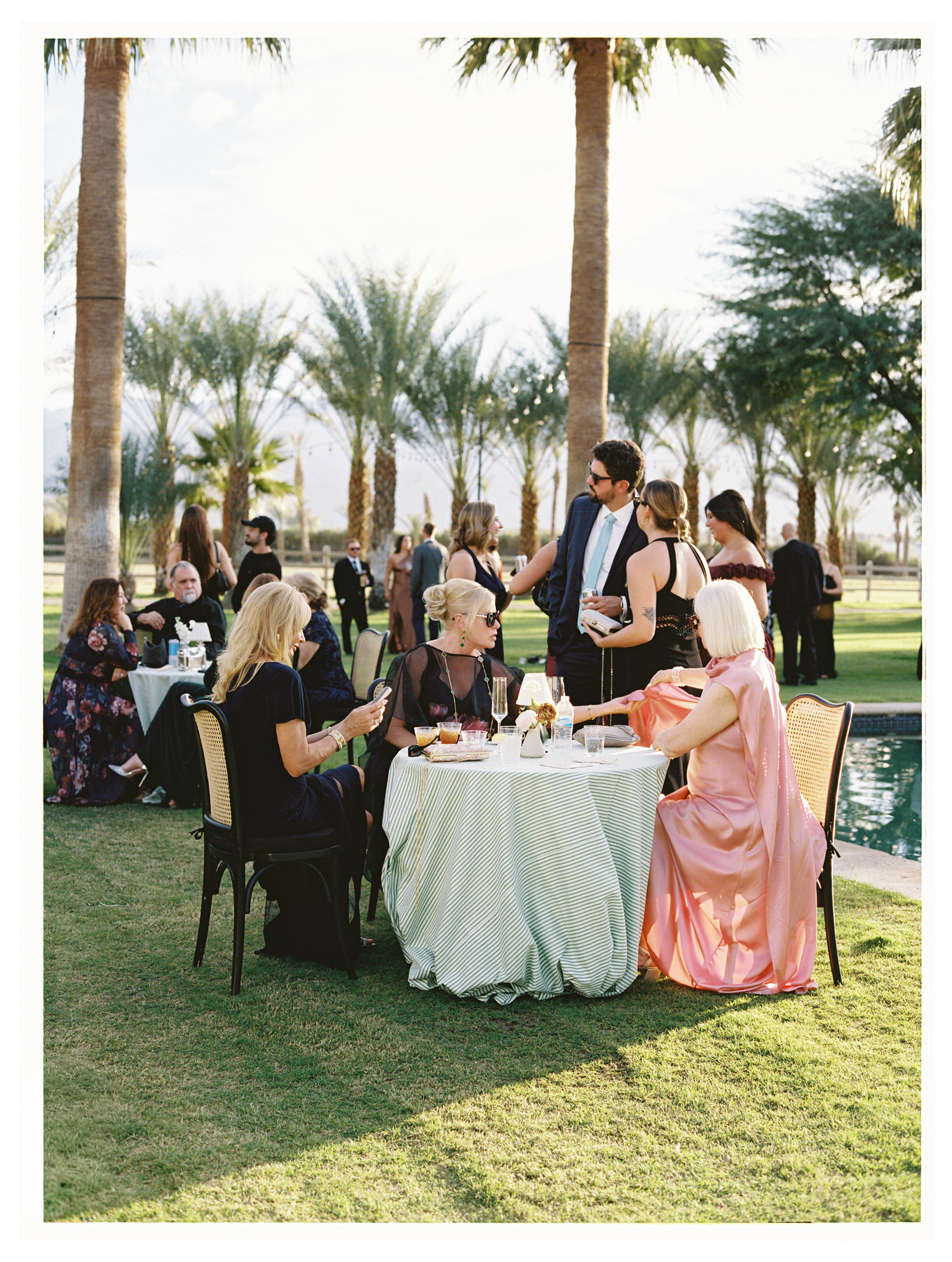
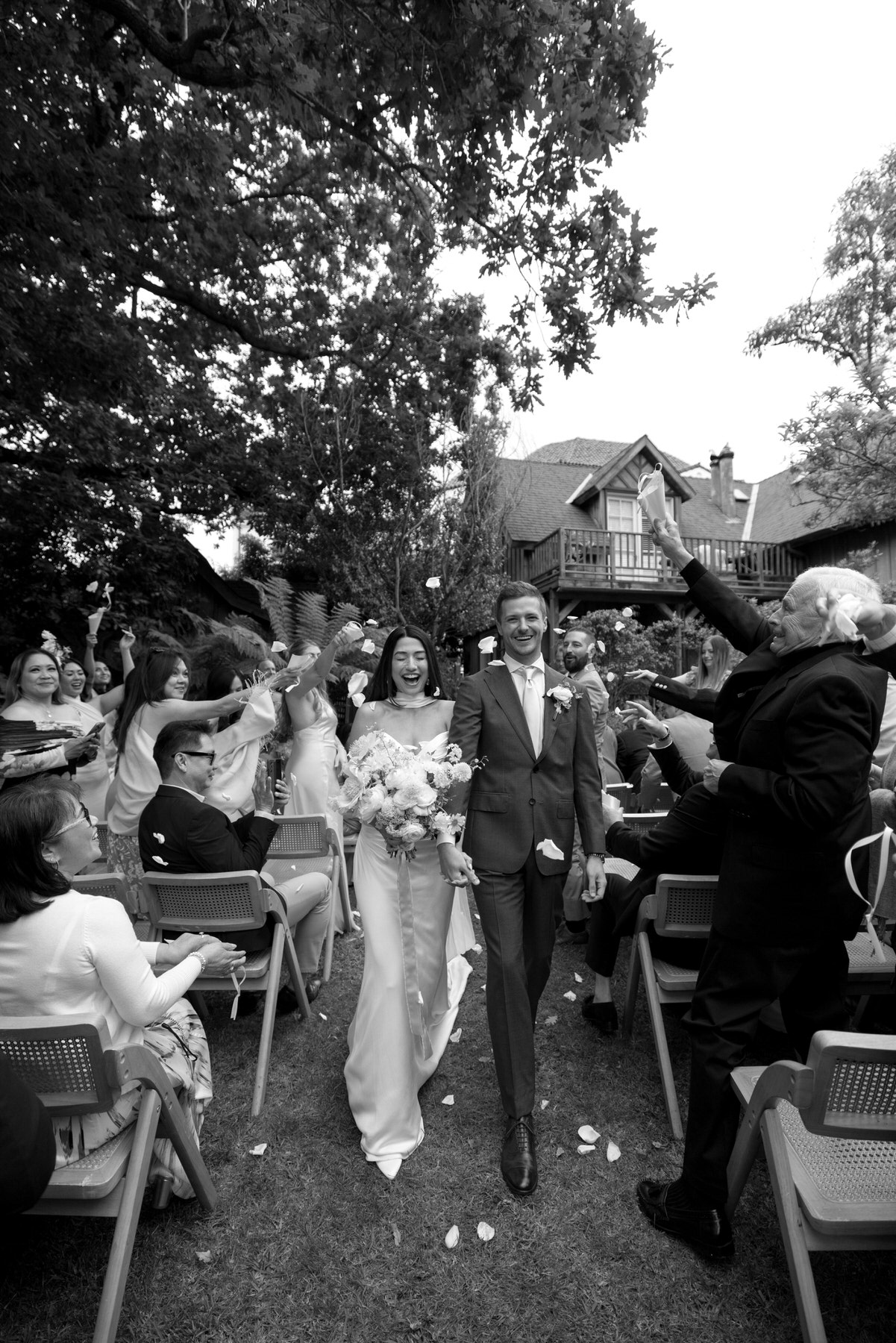
What do you hope your couples feel, not just see, when they look back at their photographs in ten or twenty years?
Hmm. I hope they feel like themselves. Not a version of themselves that was curated for the day, not the aesthetic, not the details first. I hope they feel who they were in that exact season of life.
I hope when they look back in ten or twenty years, they don’t just see what their wedding looked like, they feel the weight of it. The nerves. The steadiness. The people who were there, some who may not be there anymore. I hope it brings them back to the texture of the day, not just the highlight reel. But more than anything, I hope the photographs age well emotionally. That they still feel honest. That they don’t feel trendy or performative. That they feel like a time capsule of love, youth, family, and the beginning of everything.. If they can look at these photos decades later and feel something shift in their chest, then I’ve done what I set out to do!
For more information, visit klauivaradi.com and @klauivaradi. Explore more of Klaui Varadi in the Together Journal Online Directory.
Klaui Varadi