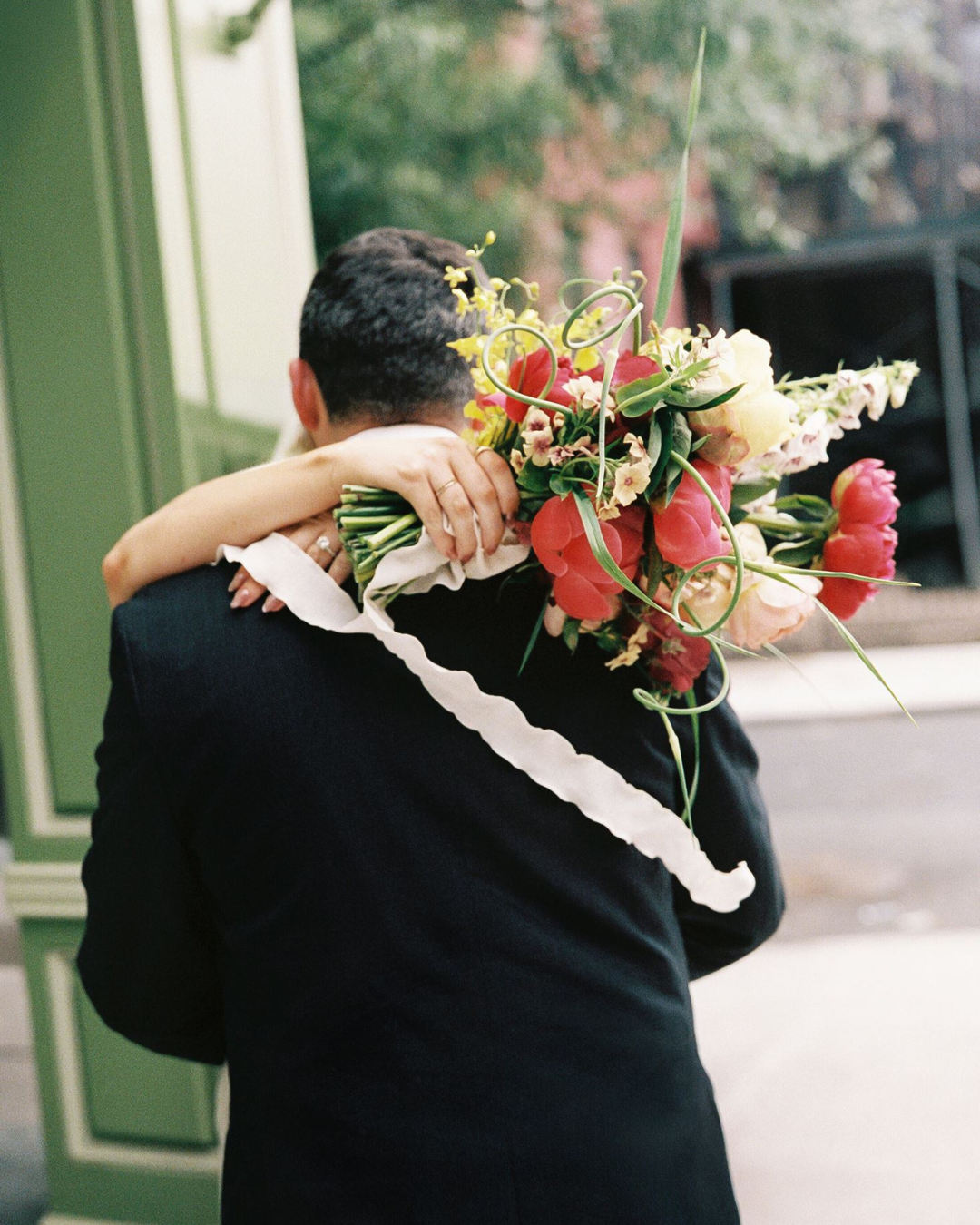
Where atmosphere, intuition, and human connection converge
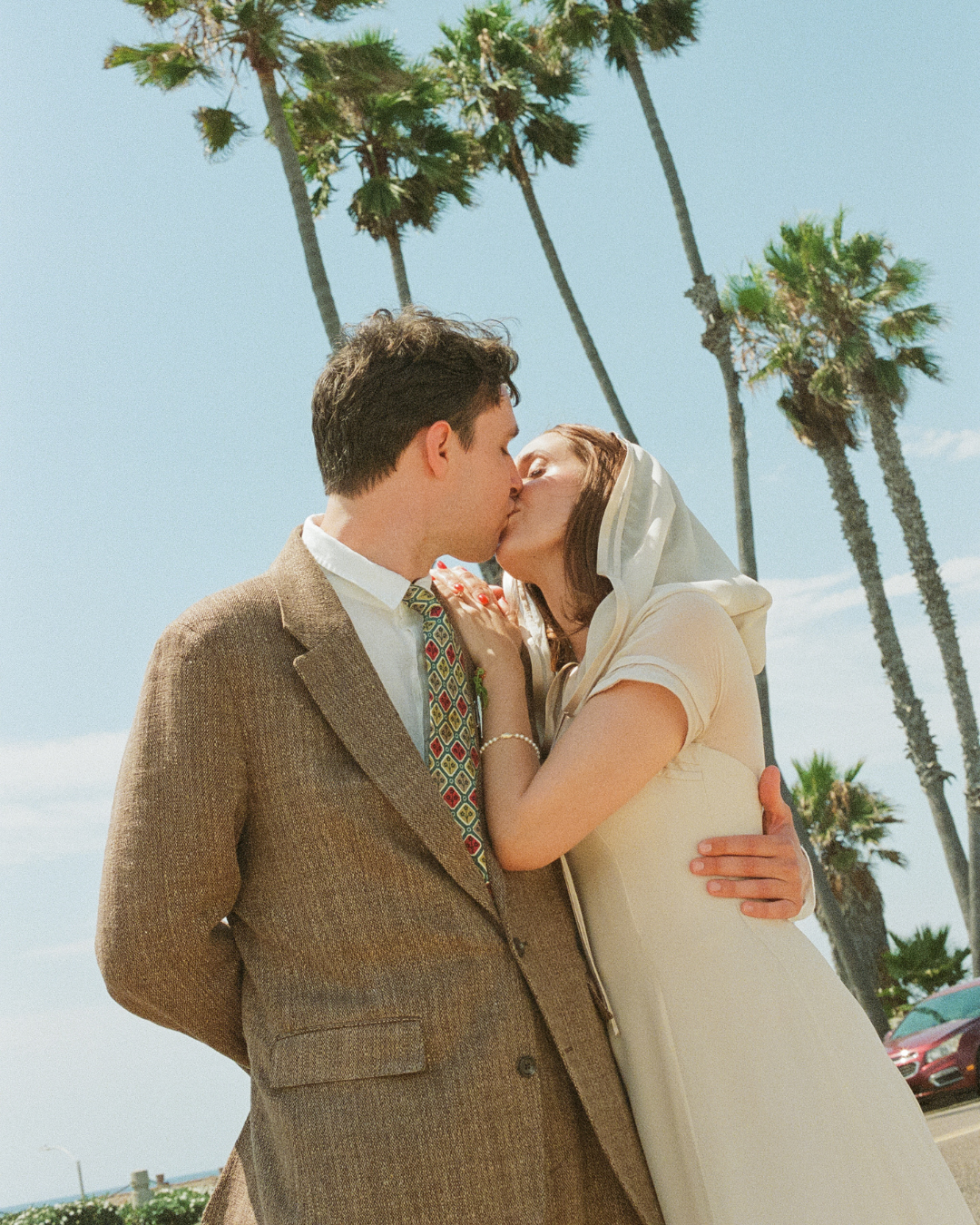
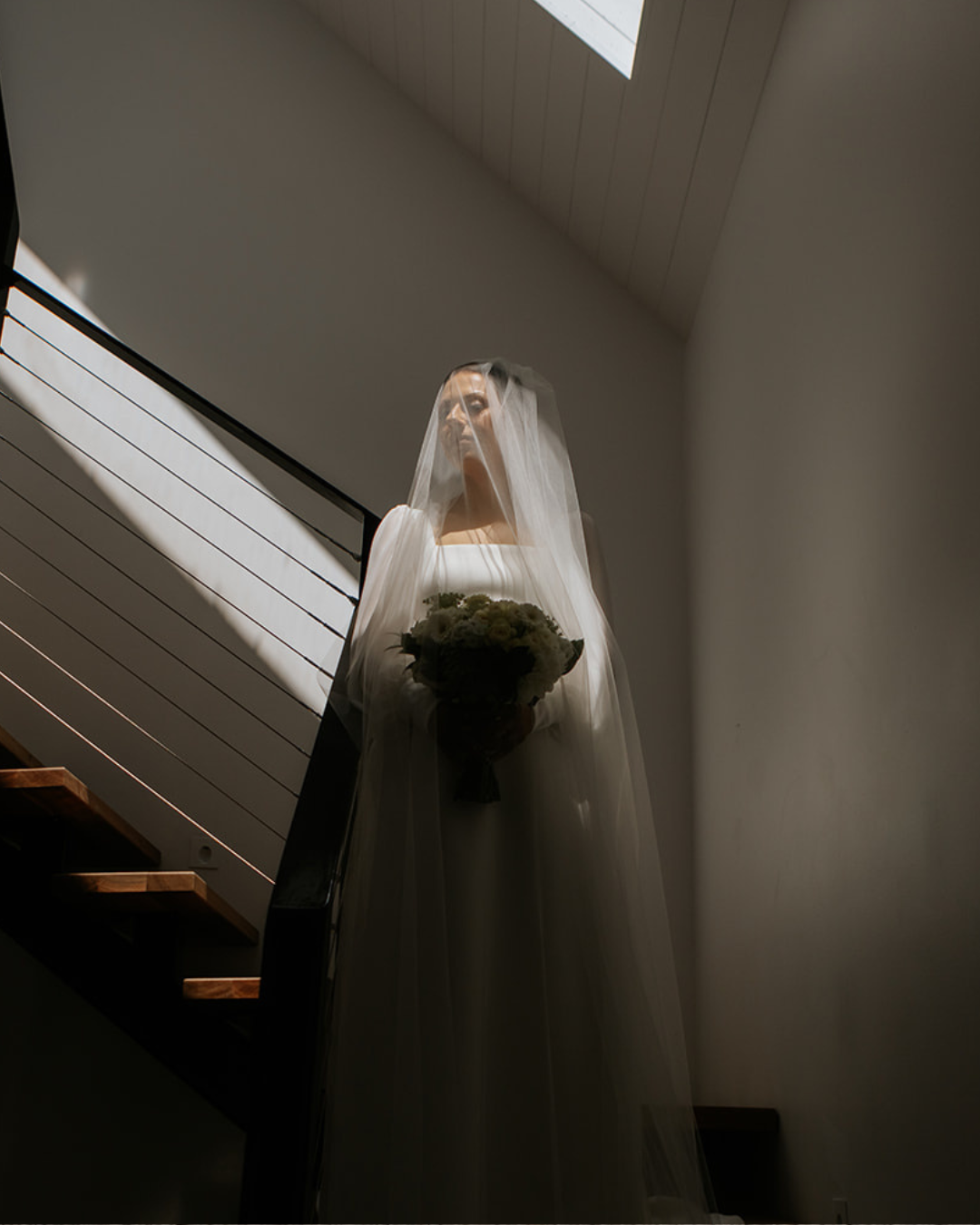
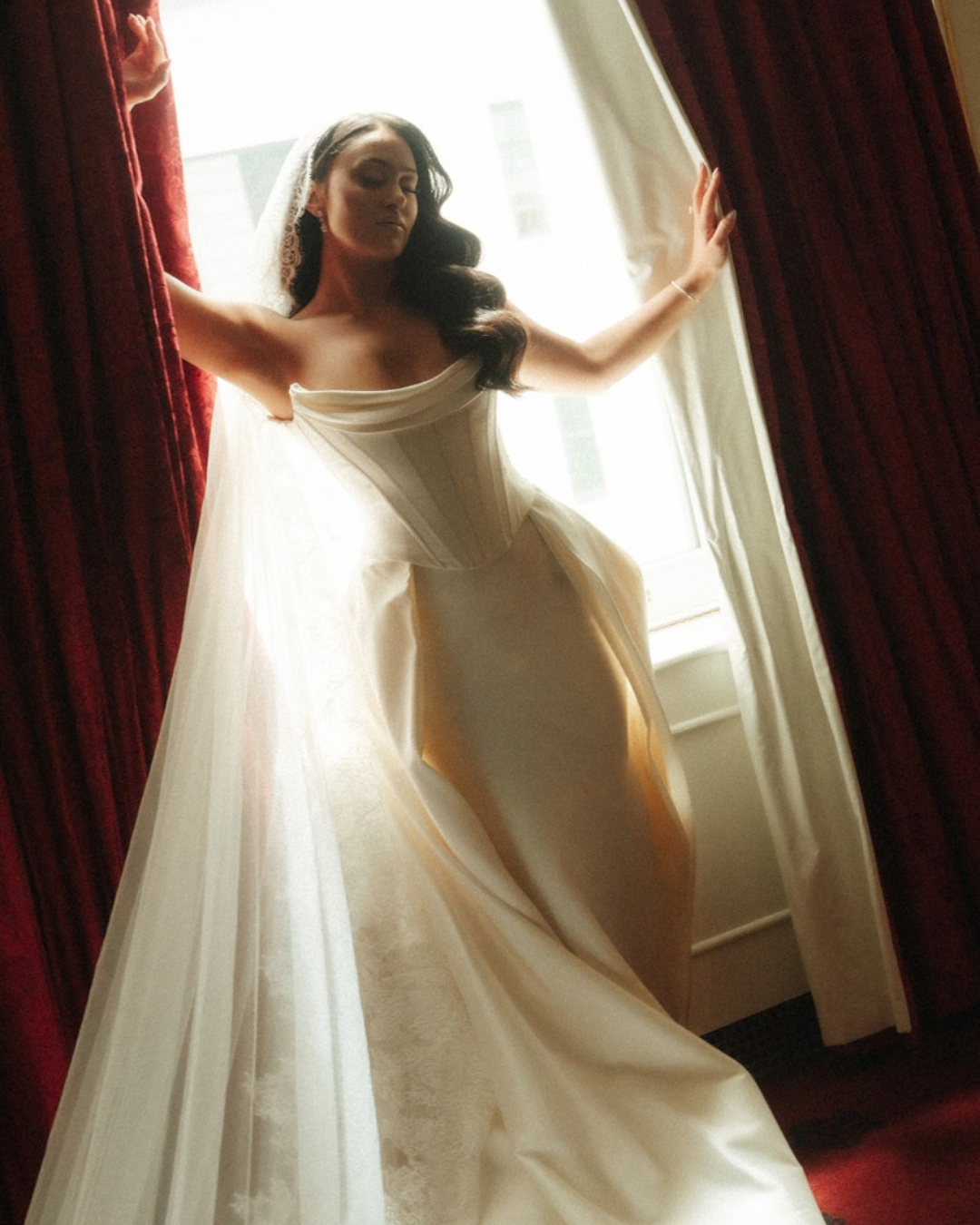
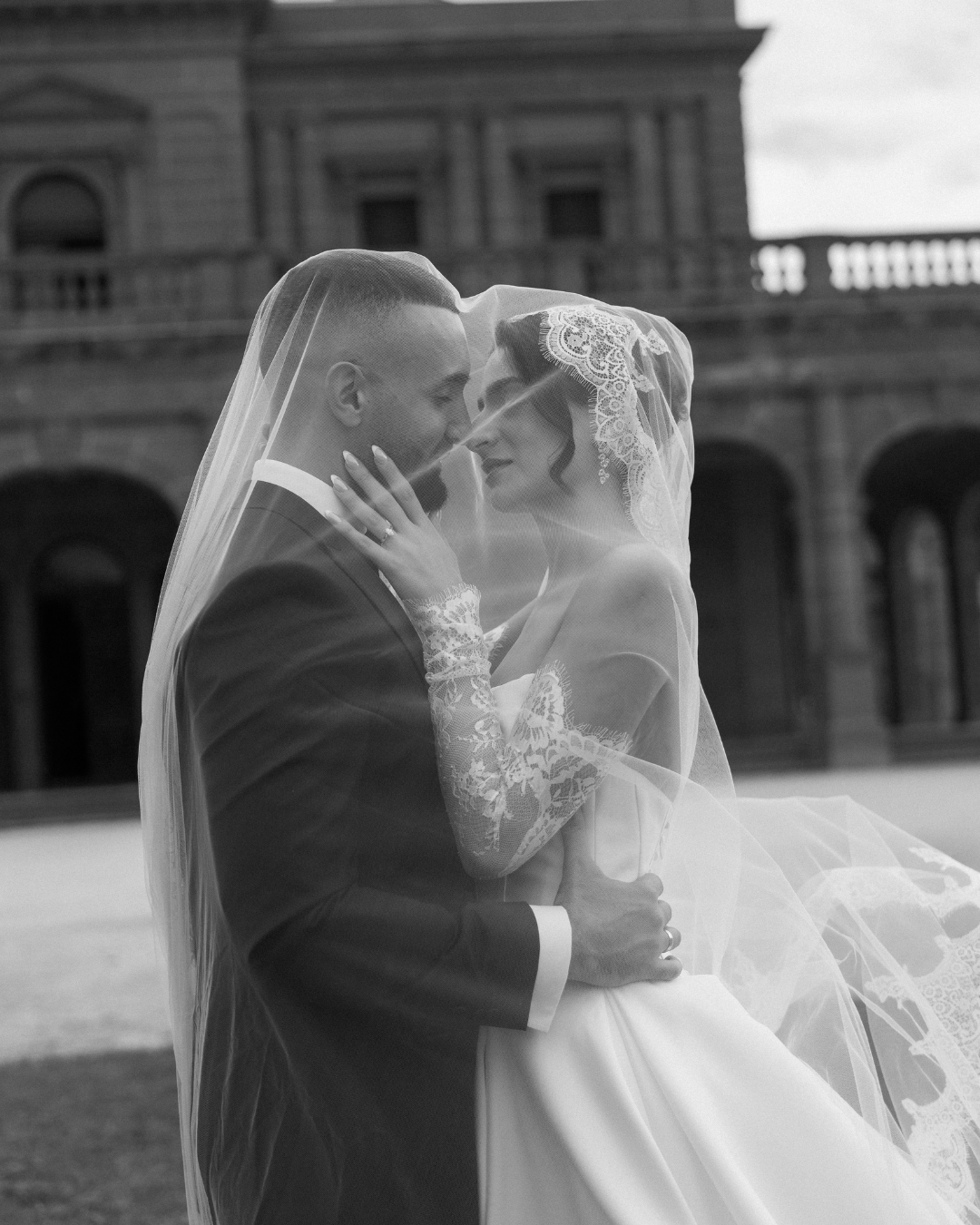
New York-based photographer Rebecca Lader approaches weddings with a curious eye and an instinct for the moments that unfold beyond the obvious. Shaped by years spent photographing music, film, and creative spaces, her work is attentive to the energy of a room as much as the people within it. Light, architecture, movement and fleeting gestures become part of each frame, creating photographs that feel immersive, distinctive and emotionally true.
In the Q&A below, Rebecca shares more about the influences behind her perspective, the details that draw her in, and what it means to create images that feel deeply connected to a place and its people.
What first drew you to the visual world of weddings, and what continues to surprise you about it?
I actually came to weddings after years of photographing music, film sets, behind-the-scenes imagery, and events, and I think that shaped the way I saw them from the beginning. I was drawn to the sheer amount of life happening at once – people from completely different parts of someone’s world sharing a room, heightened emotion, fashion, movement, beautiful spaces, and moments you only get one chance to notice. What continues to surprise me is how different every wedding really is. You can always walk into a room and find a dynamic, gesture, or way of celebrating you’ve never encountered before. That unpredictability keeps me curious and feels like a treasure hunt for the eyes.
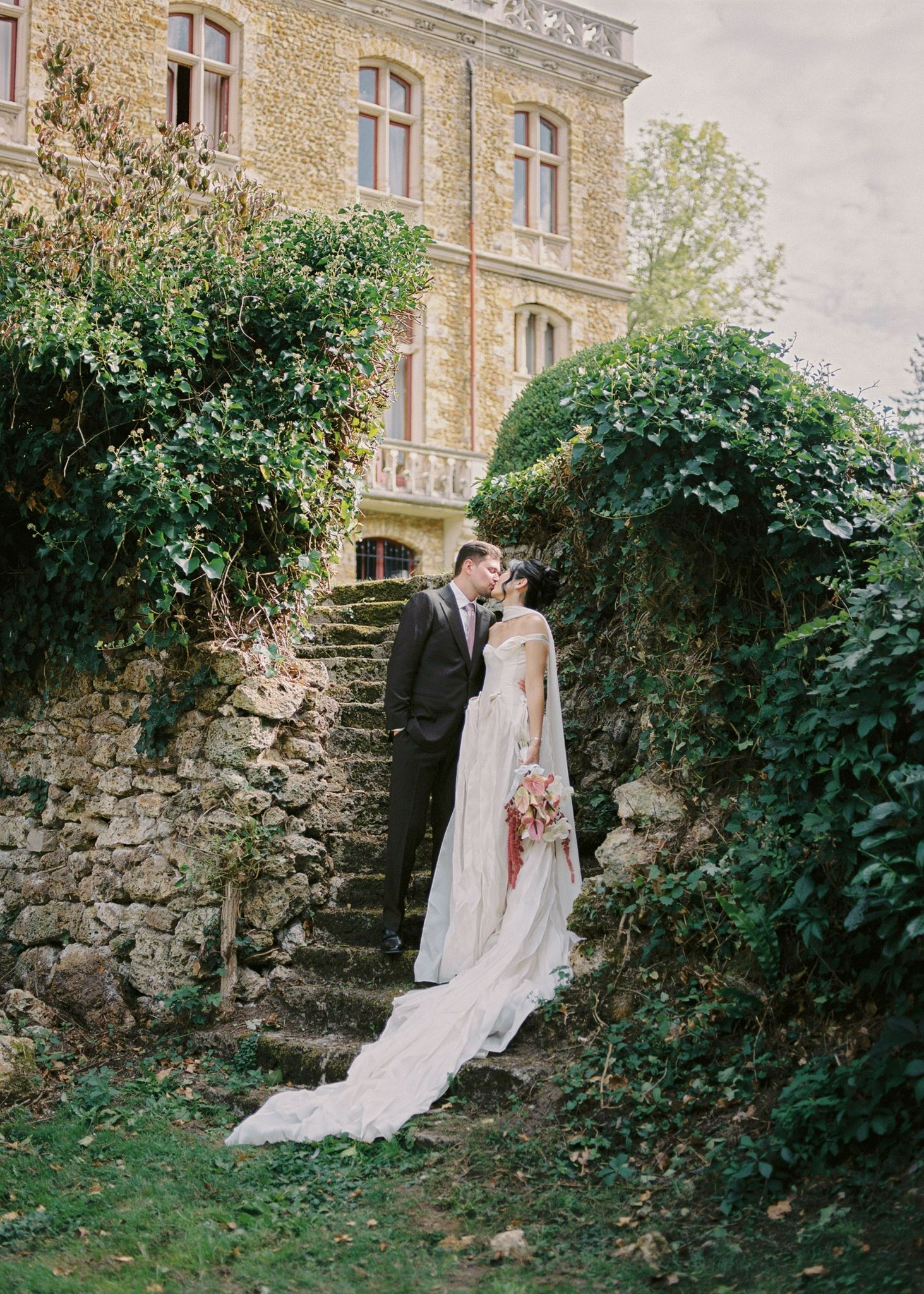
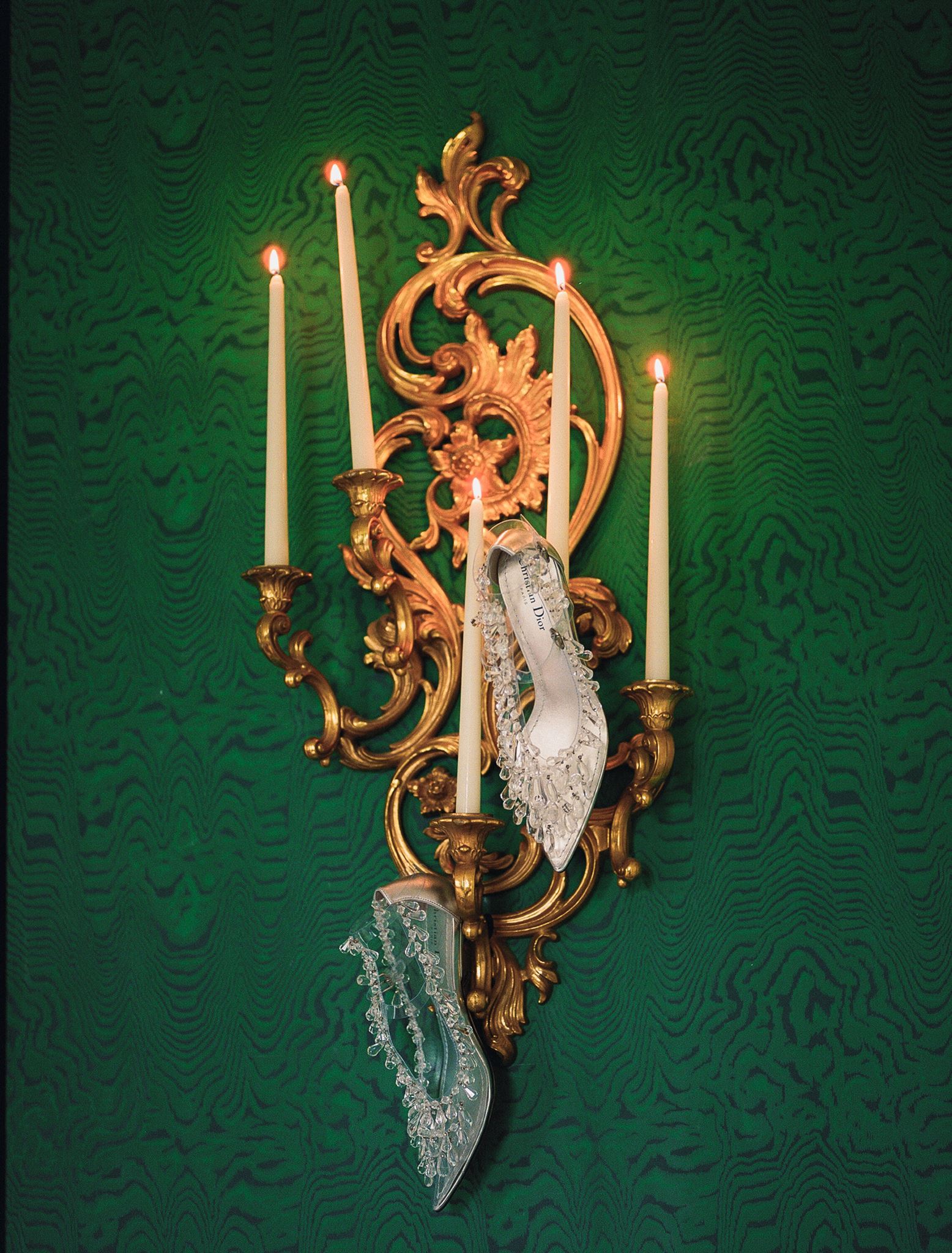
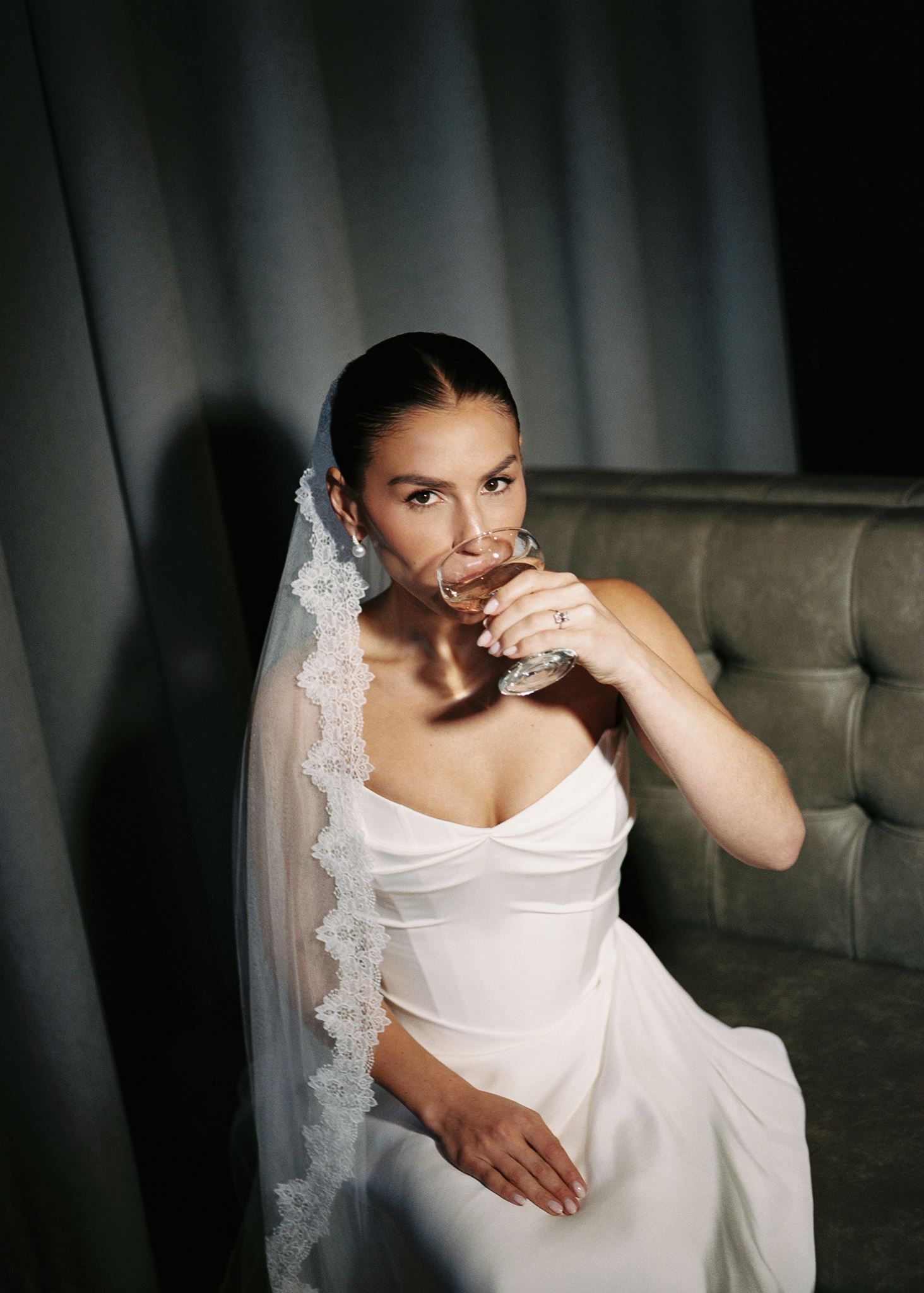
What do you think gives your photographs their particular sense of place and atmosphere?
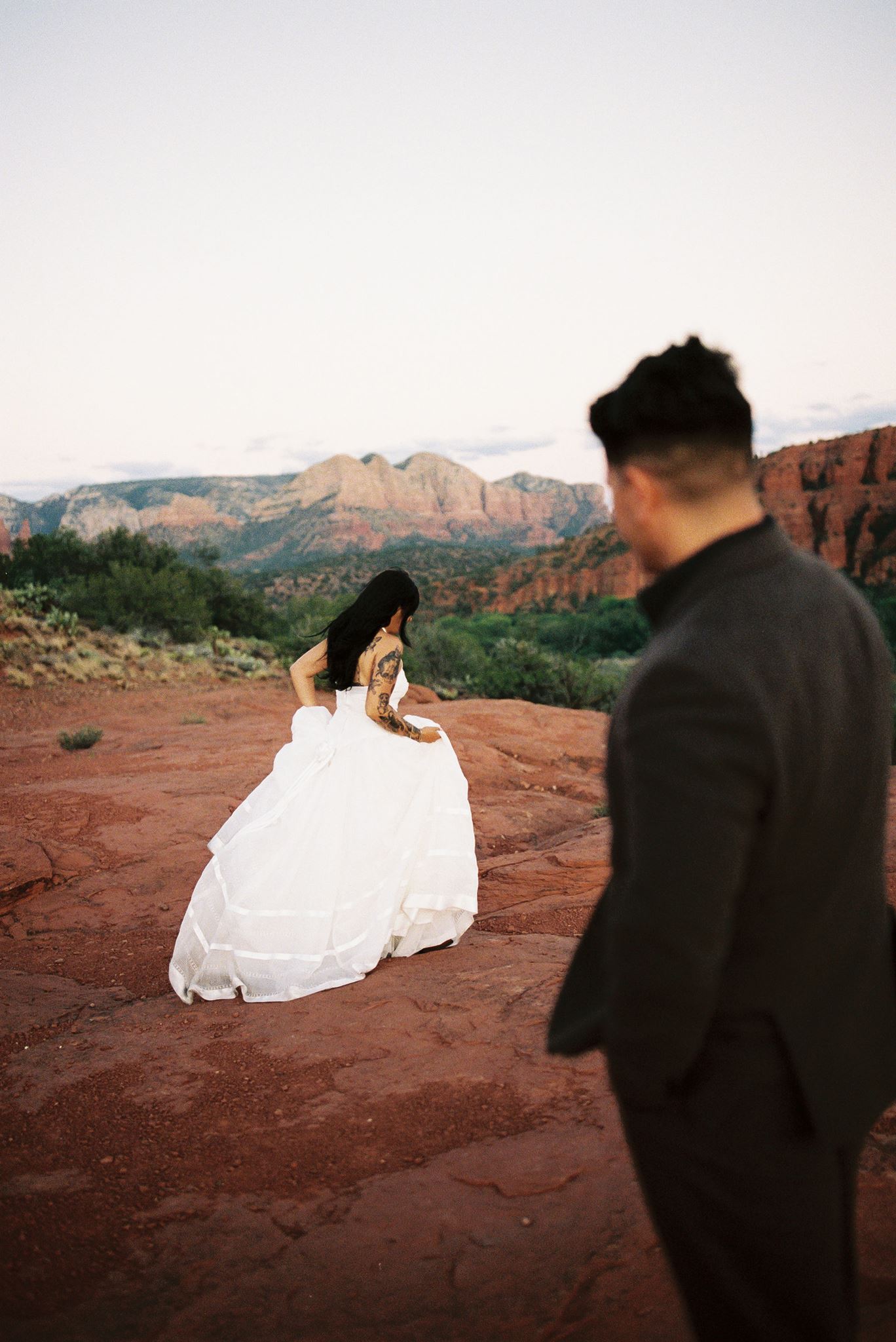
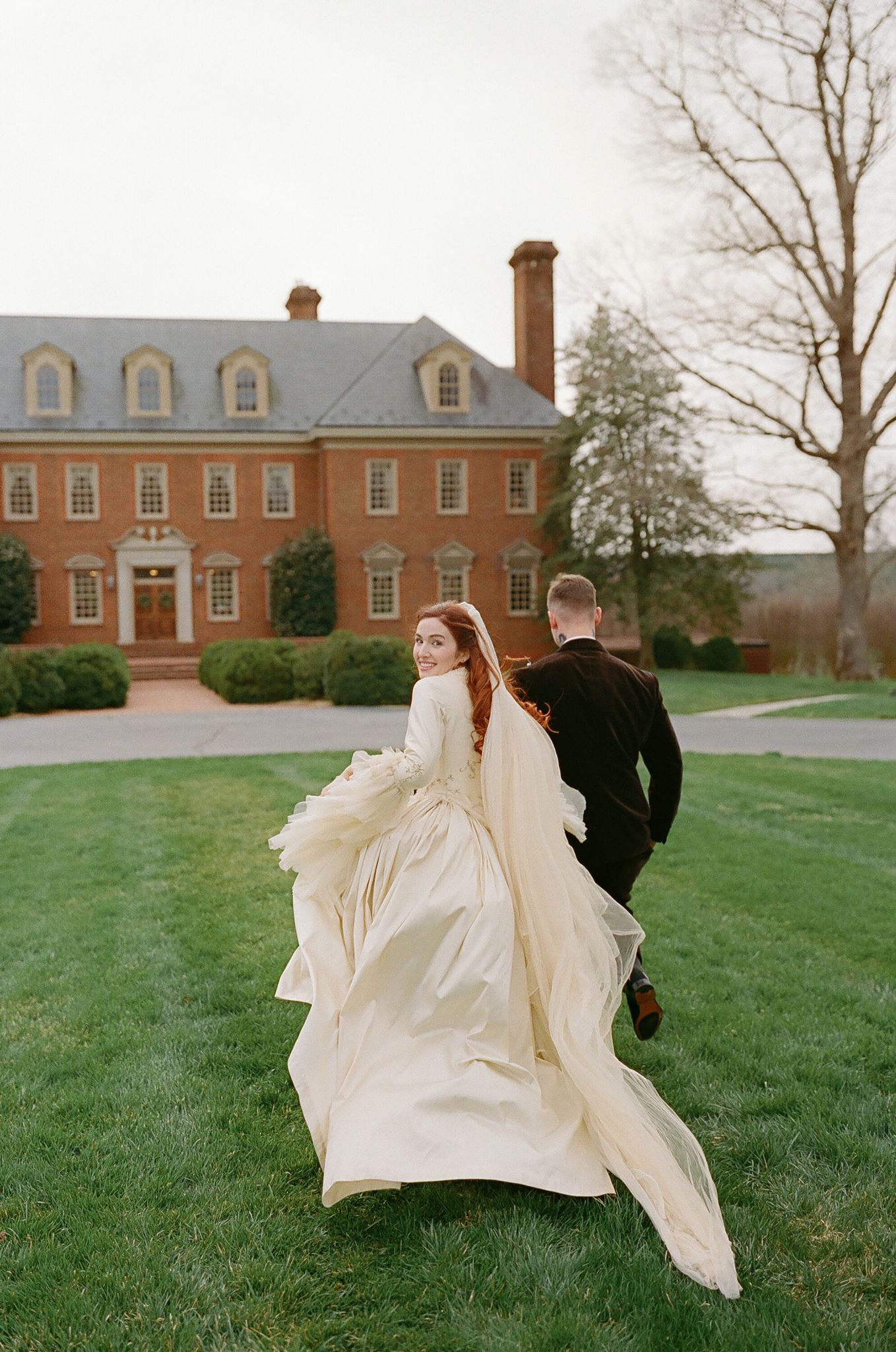
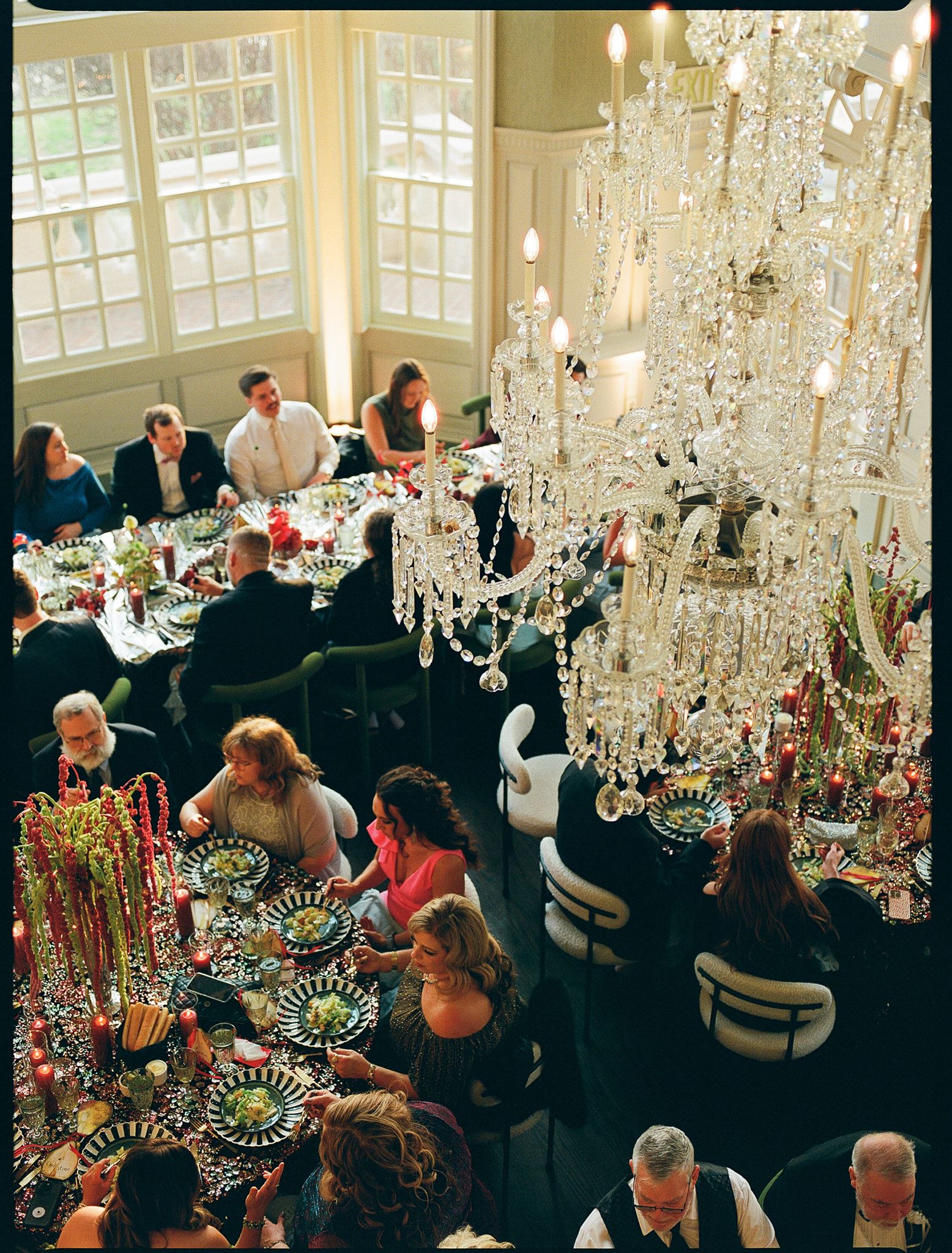
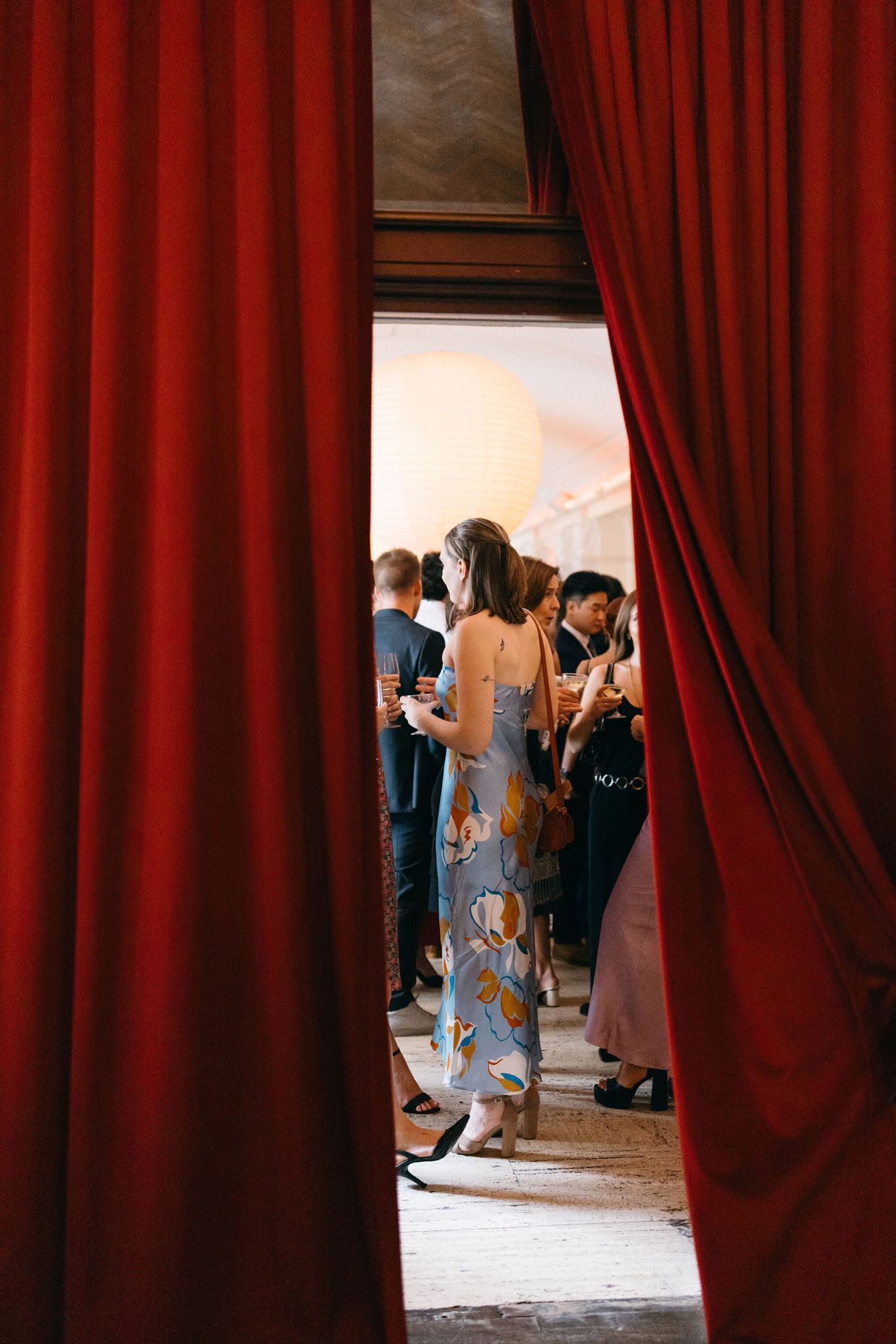
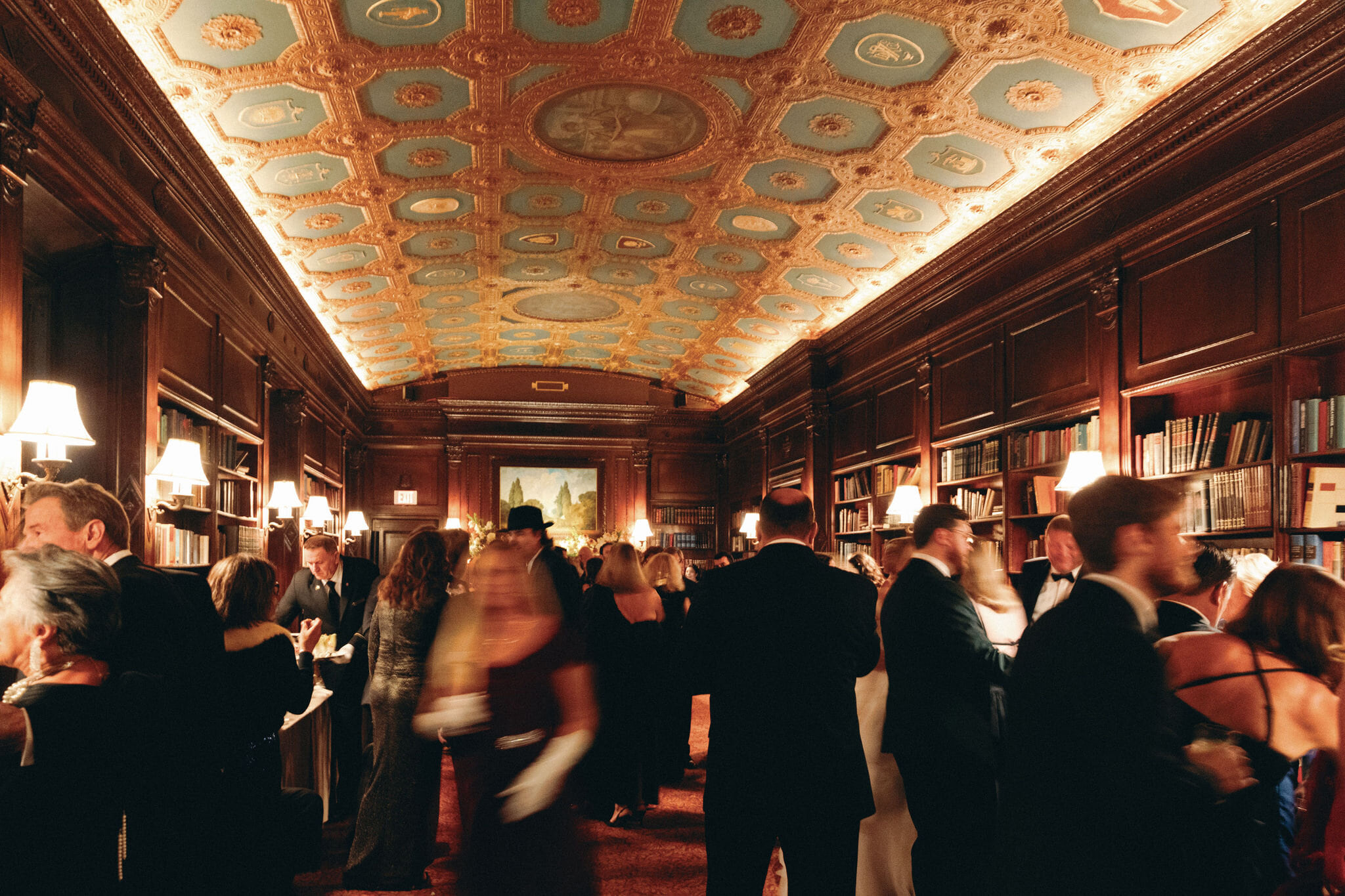
I pay as much attention to what surrounds a moment as I do to the moment itself. Light, architecture, color, weather, what’s happening at the edge of the frame – all of those things become part of how I document. I’m interested in photographs that call on your senses – images that can bring back what it felt like to be there within it all, rather than isolating people from their surroundings. I think my love of cinematography, creative production, and the relationship between people and their environments plays into that as well. I’m always thinking about how a setting can hold emotion and become part of the story rather than simply acting as its backdrop.
How do you approach creating images that feel polished and considered without losing the spontaneity of the day?
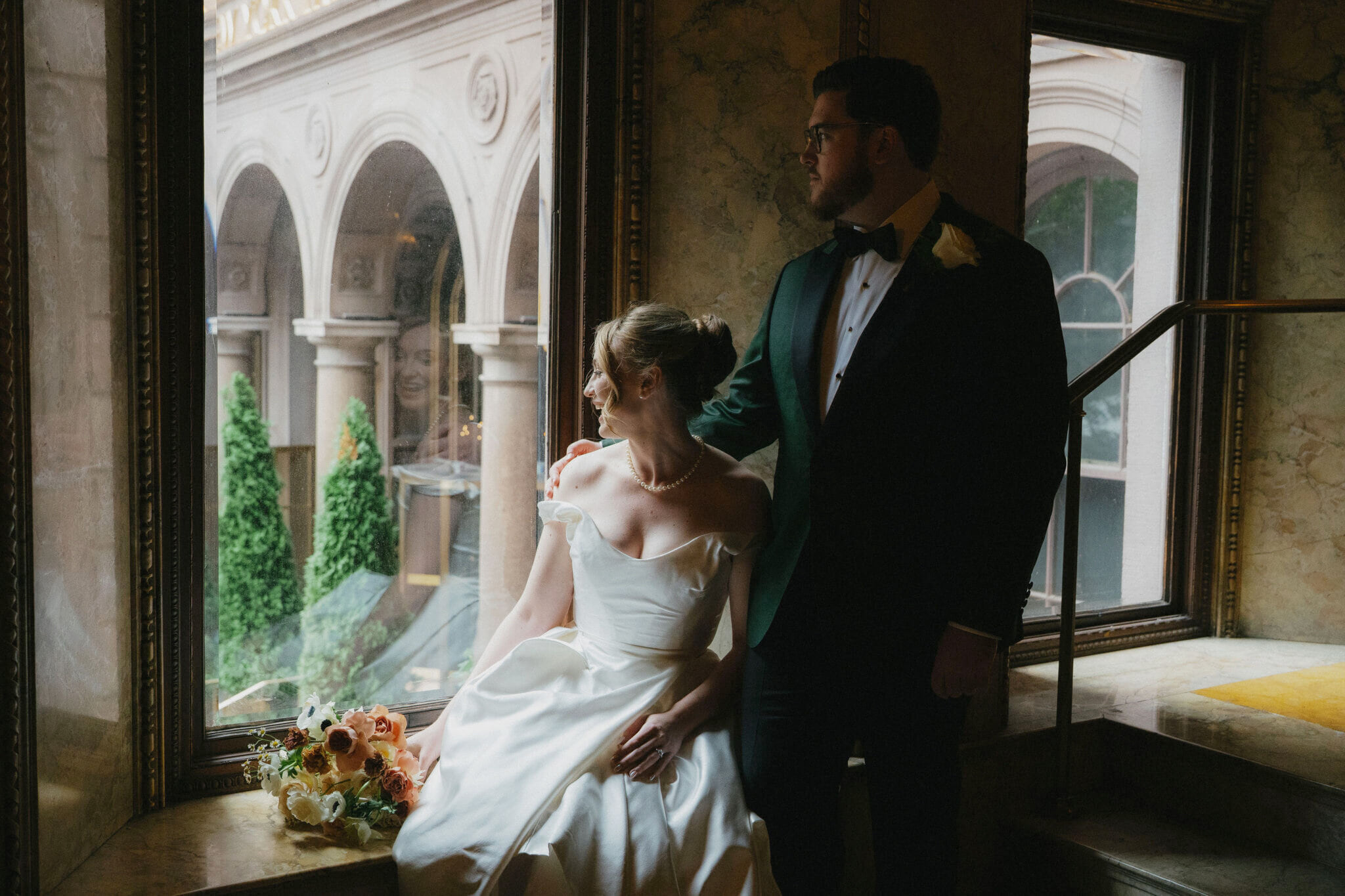
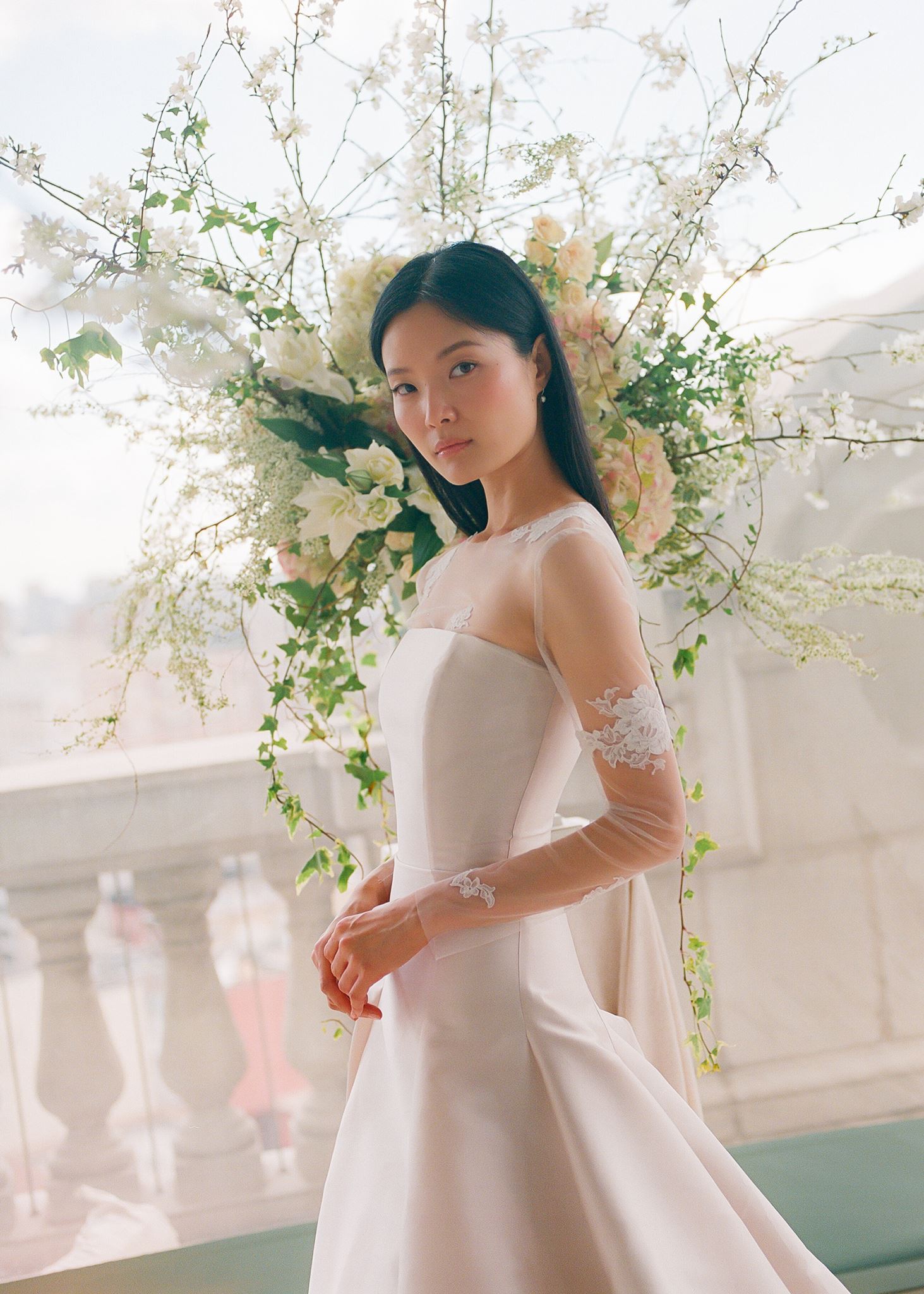
I’m constantly moving between observation and intention. Sometimes the photograph is already happening and my job is simply to recognize it; other times I see the potential for something and will step in to shape it. During portraits, I’m comfortable offering direction, refining a composition, or building an image around interesting light or a particular setting, but I want there to be enough room for the people in front of me to still feel like themselves.
I think polish comes from being visually deliberate rather than controlling every variable. I’m always considering composition, light, gesture, and what belongs in the frame, while staying responsive to what’s actually unfolding. Knowing when to direct and when to leave something completely alone is a huge part of the process.
What kinds of people, places or details tend to make you instinctively reach for your camera?
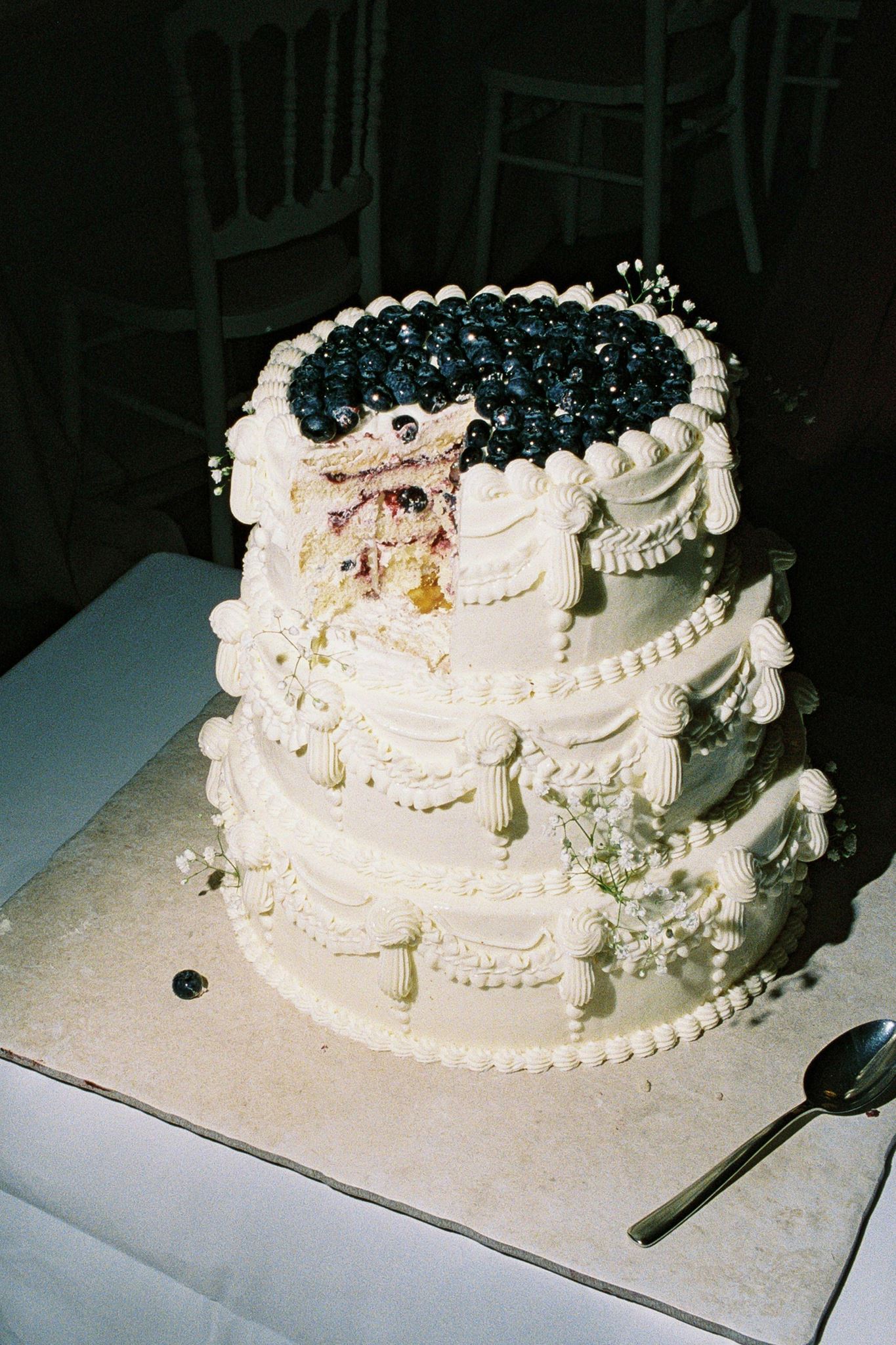
Usually something I can’t quite predict. Interesting light, an unexpected color combination, someone completely absorbed in what they’re doing, a person standing just outside the center of the action. I notice hands a lot, and the way people instinctively reach for one another. I love places that show evidence of having been lived in, and tables after people have been sitting around them for hours. I’m drawn to things that feel fleeting, slightly strange, or impossible to recreate. If something makes me stop and think, that’s interesting, I’m usually already reaching for my camera.
How does working in a city as visually layered as New York influence the way you see a wedding?
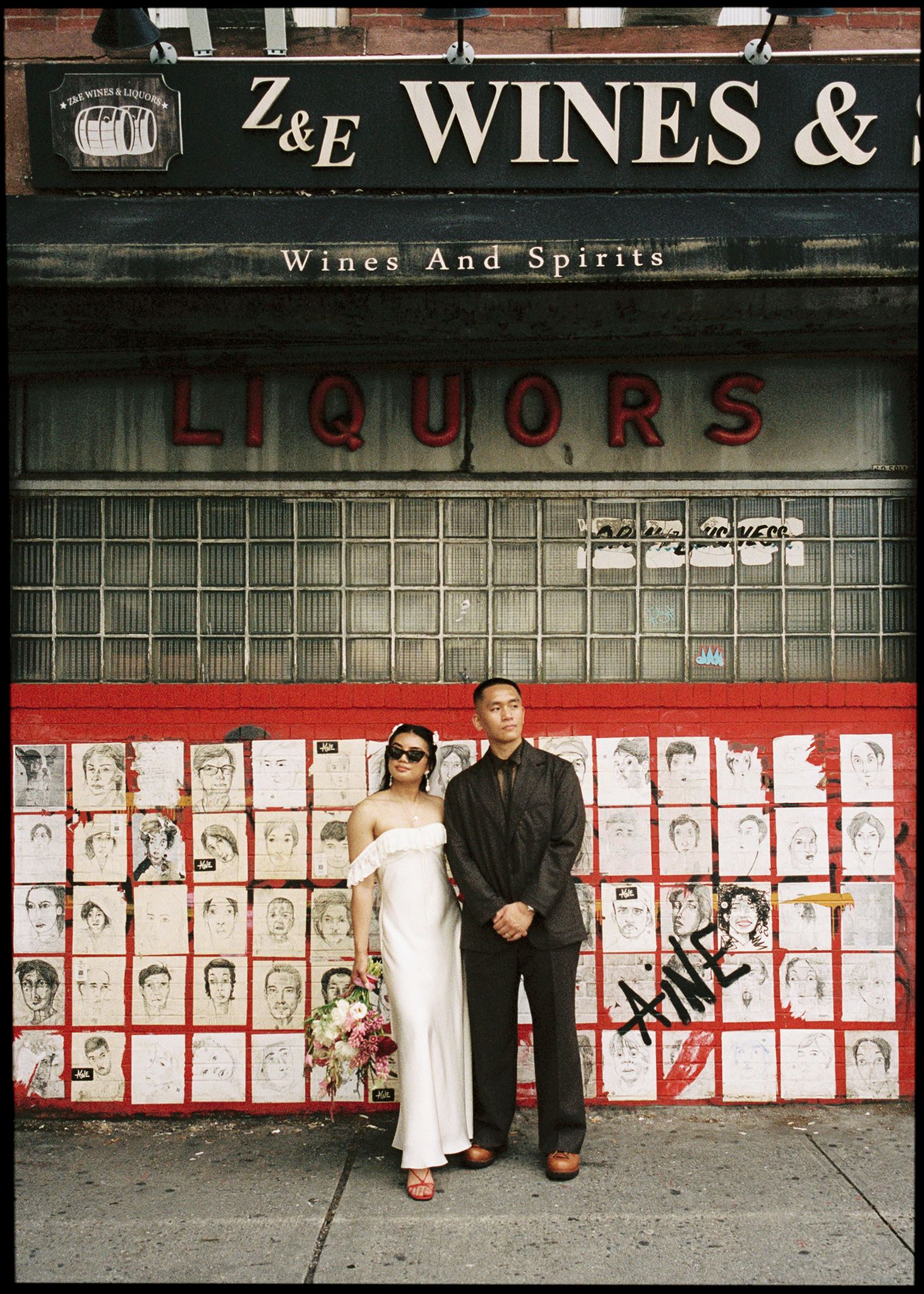
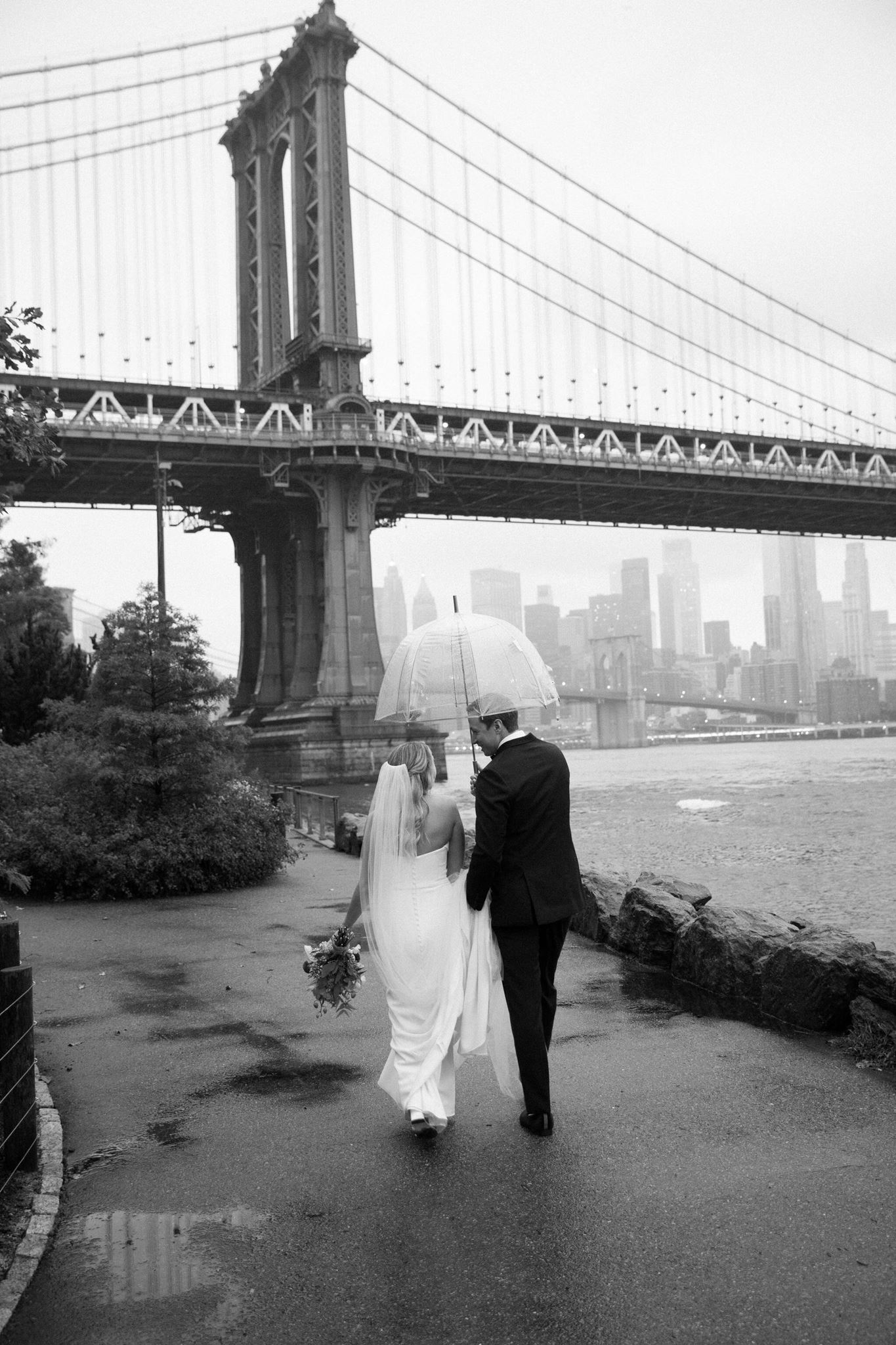
New York taught me not to wait for everything around a photograph to become perfect. There’s always something happening – people crossing through your frame, traffic, reflections, strange light bouncing between buildings. Rather than fighting those things, I’ve learned to let them become part of the photograph. There’s a certain visual tension to the city that I love: beauty next to chaos, elegance next to something completely ordinary. I think it made me more responsive as a photographer and more interested in making something from what’s actually there.
What is something you’ve learned from your couples that has changed the way you photograph?
I’ve learned how much more I’m able to see when I understand something about the people I’m photographing first. Early in my career, I probably thought knowing how to read a room was enough. My couples have taught me that trust changes what you’re able to see. The more I understand their relationships, their families, what they value, and what they’re excited or nervous about, the more instinctively I can recognize the
subtle dynamics unfolding around me on the wedding day.
What’s a wedding moment that might look insignificant to someone else but always catches your attention?
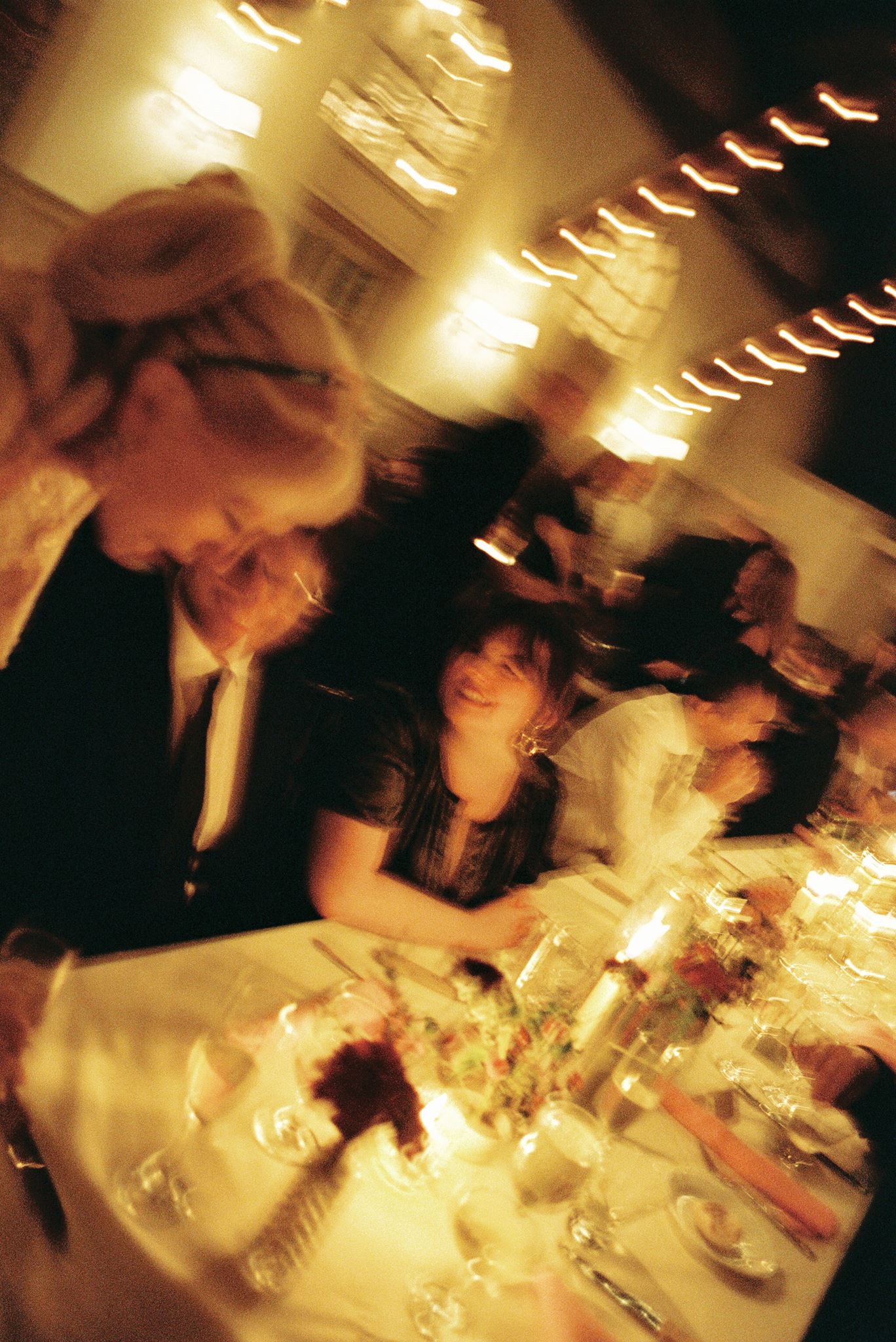
I’m always watching the people who think they aren’t part of the photograph. Someone across the room watching a person they love, a group of friends gathering in the corner of the bar who maybe haven’t all been together in years, a hand reaching instinctively for another, the expression that happens immediately after everyone else has looked away. Those moments can be visually tiny, but they often tell me much more about the relationships in the room than the obvious ones do.
If you could photograph one completely unexpected wedding anywhere in the world, what would the setting look like?
Japan has been at the top of my list for years. I’d love a celebration that moves between extremes – the density and neon of Tokyo, late-night karaoke rooms and streets that feel almost cinematic after dark, followed by somewhere much quieter where the landscape can take over. Kyoto, the mountains, an onsen somewhere far from the city. I’m fascinated by the contrast between hypermodern spaces and places that carry such a visible sense of history.
Give me incredible fashion, a small group of people, unfamiliar surroundings, and time to wander with my camera and I’d be very happy.
What visual or creative influences are you particularly excited by right now?
Cinema is probably my most enduring visual influence. I return often to films like Paris, Texas, La Haine, In the Mood for Love, The Red Shoes, and The Tales of Hoffmann – films where color, composition, and light create an entire emotional world. I’m particularly drawn to the cinematography of Robby Müller and the world-building of David Lynch.
Photobooks have become another constant source of inspiration. I love Wim Wenders’ Once, and I often return to Larry Sultan’s Pictures from Home – the way he transformed the seemingly ordinary material of his own family life into beautiful compositions and an enduring record of his parents. Sofia Coppola’s Archive resonates with me for a different reason: its scrapbook-like, personal quality and the way photographs, notes, references, and ephemera become a record of an entire creative life.
Lately I’ve also been increasingly interested in photographs that leave room for ambiguity – images that don’t explain themselves immediately or center the most obvious subject. I’m inspired by work that asks you to stay with it for a second longer. Contemporary photographers like Strange Victory and Pet Fish continually remind me how exciting it is to experiment and follow your own visual curiosities.
Outside photography and film, music, landscapes, interiors, fashion, and the strange visual combinations you encounter simply walking around New York continually find their way into how I see.
What would you encourage couples to prioritise when choosing a photographer whose perspective feels right for them?
Look beyond whether you simply think the photographs are beautiful and ask yourself whether you recognize something in the way that person sees. Pay attention to what they notice, what they choose to include in a frame, how their photographs of people make you feel, and whether certain photographs stay with you after you’ve stopped looking at them. And then make sure you connect with the person behind the camera. You spend an
extraordinary amount of your wedding day with your photographer. Feeling understood and trusting their perspective matters just as much as loving the finished work.
Discover more by visiting rebeccaladerweddings.com and @rebeccaladerweddings. Explore Rebecca Lader on the Together Journal Online Directory.