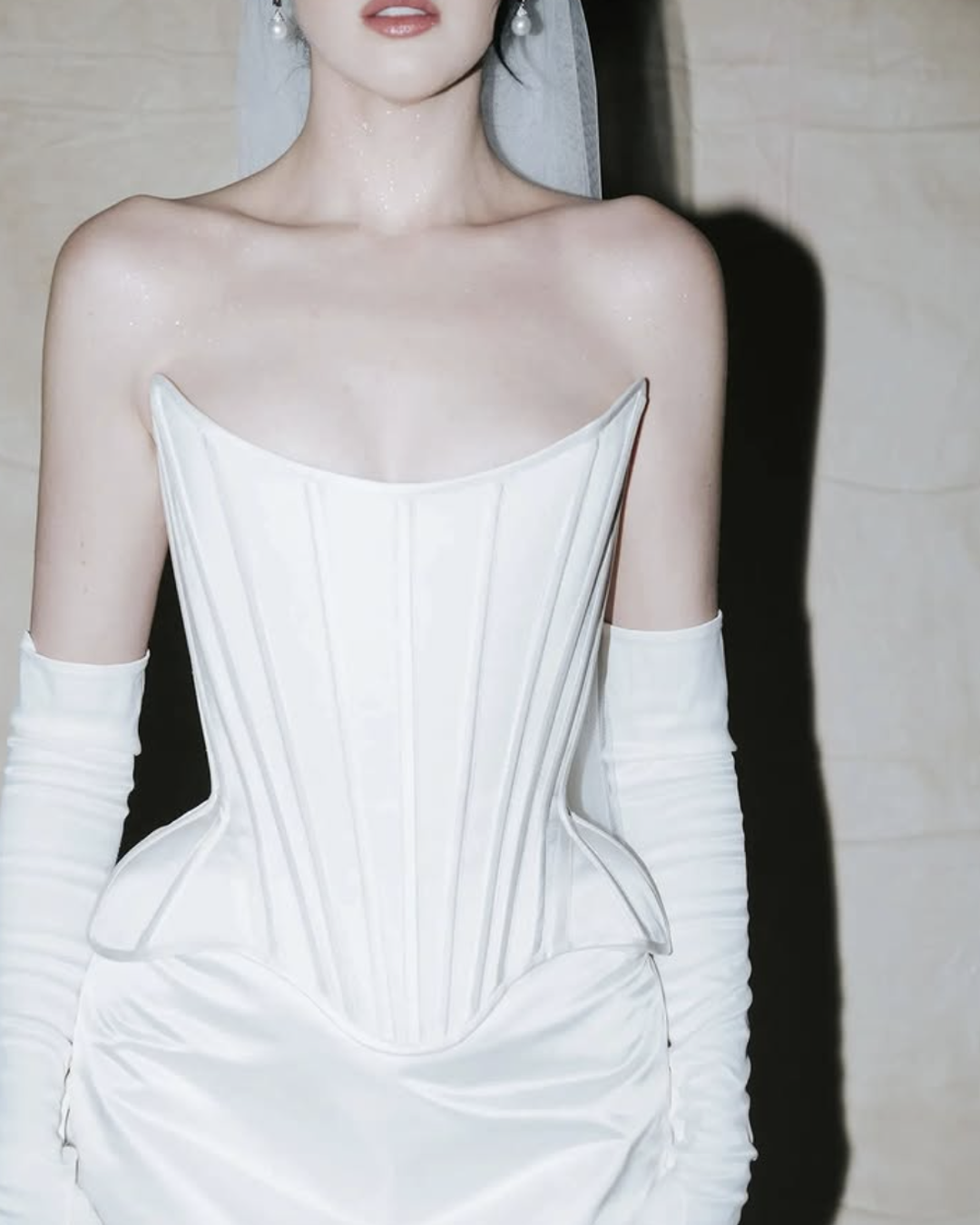
A fashion-first bridal destination for women rewriting tradition.
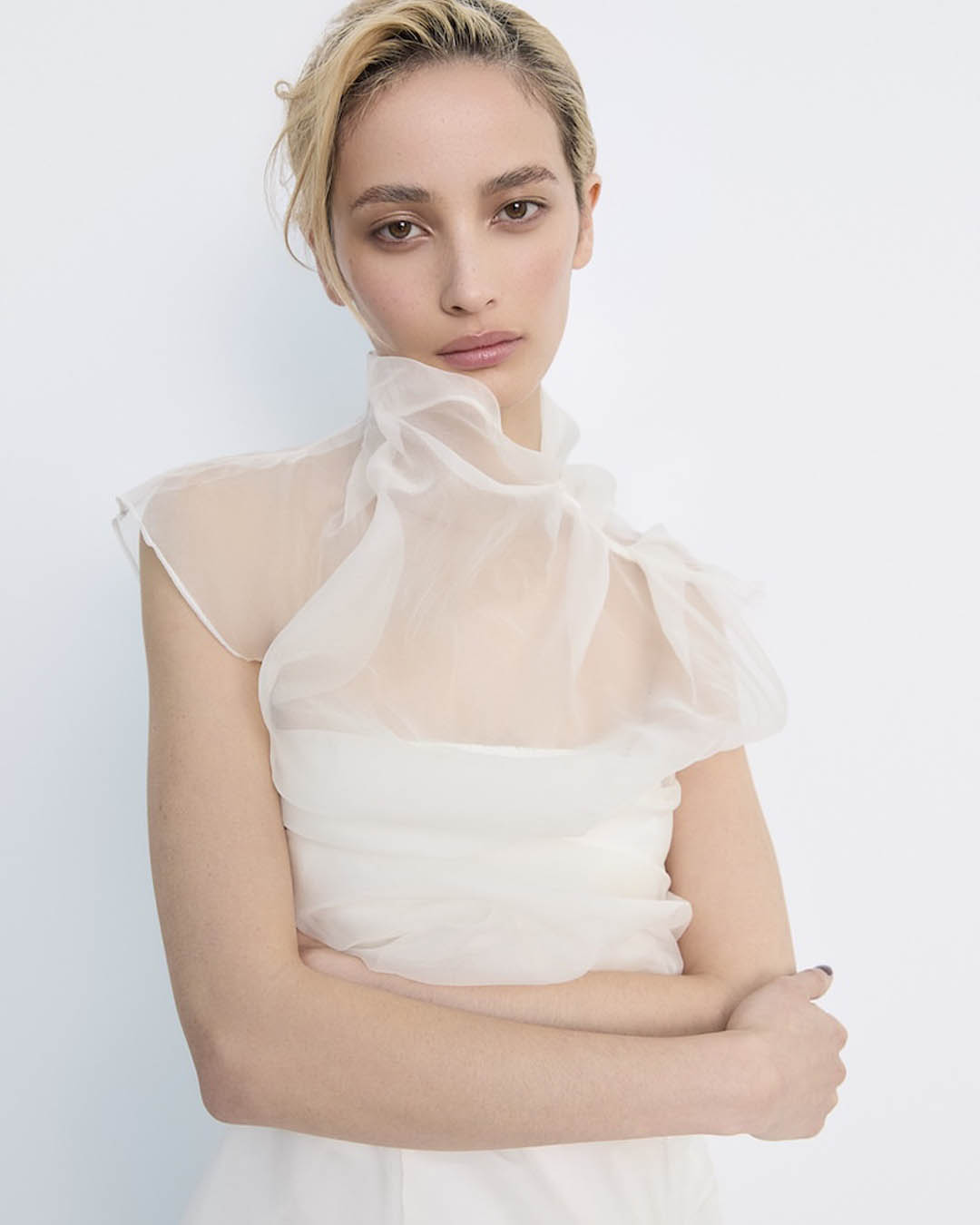
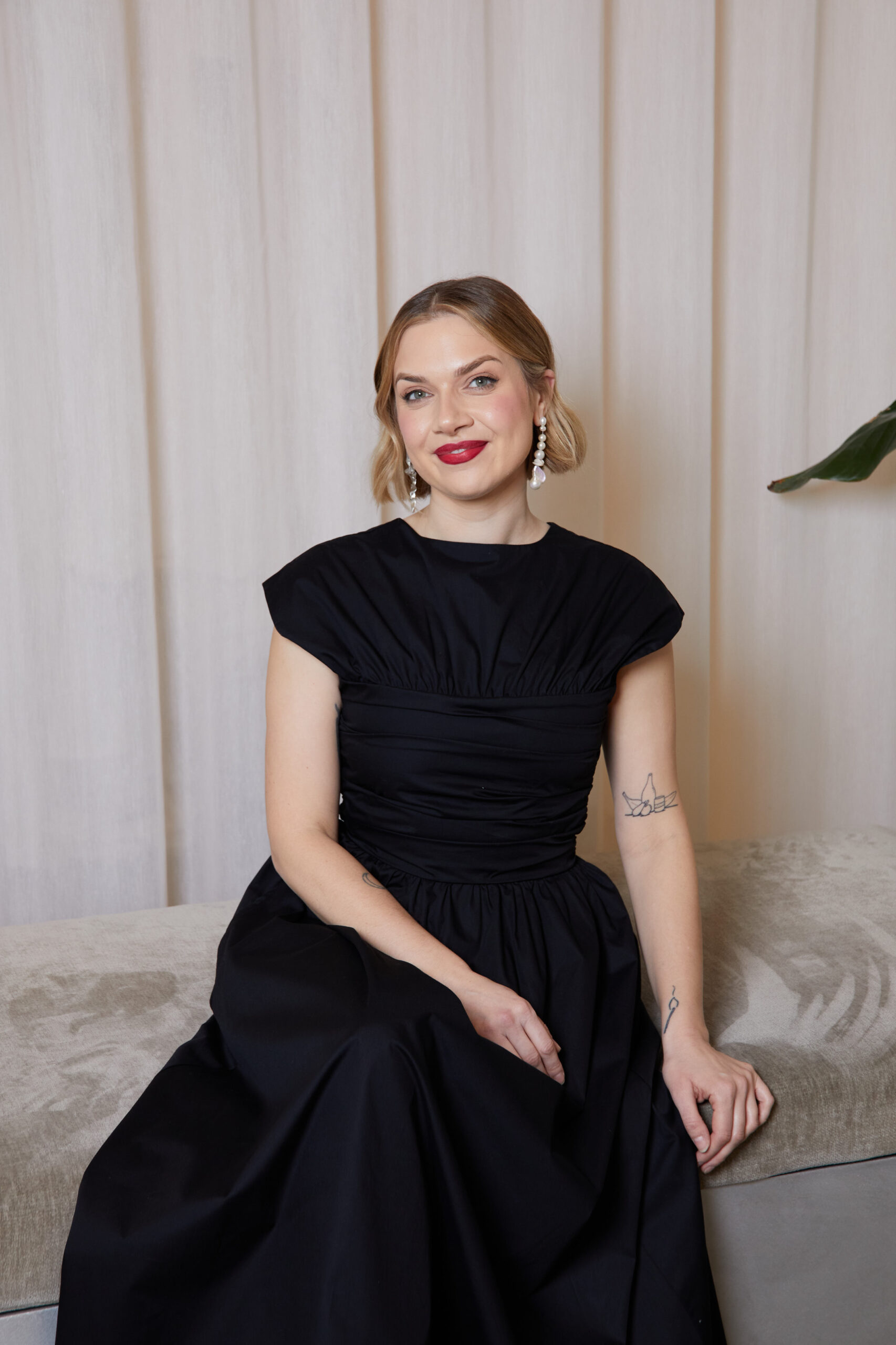
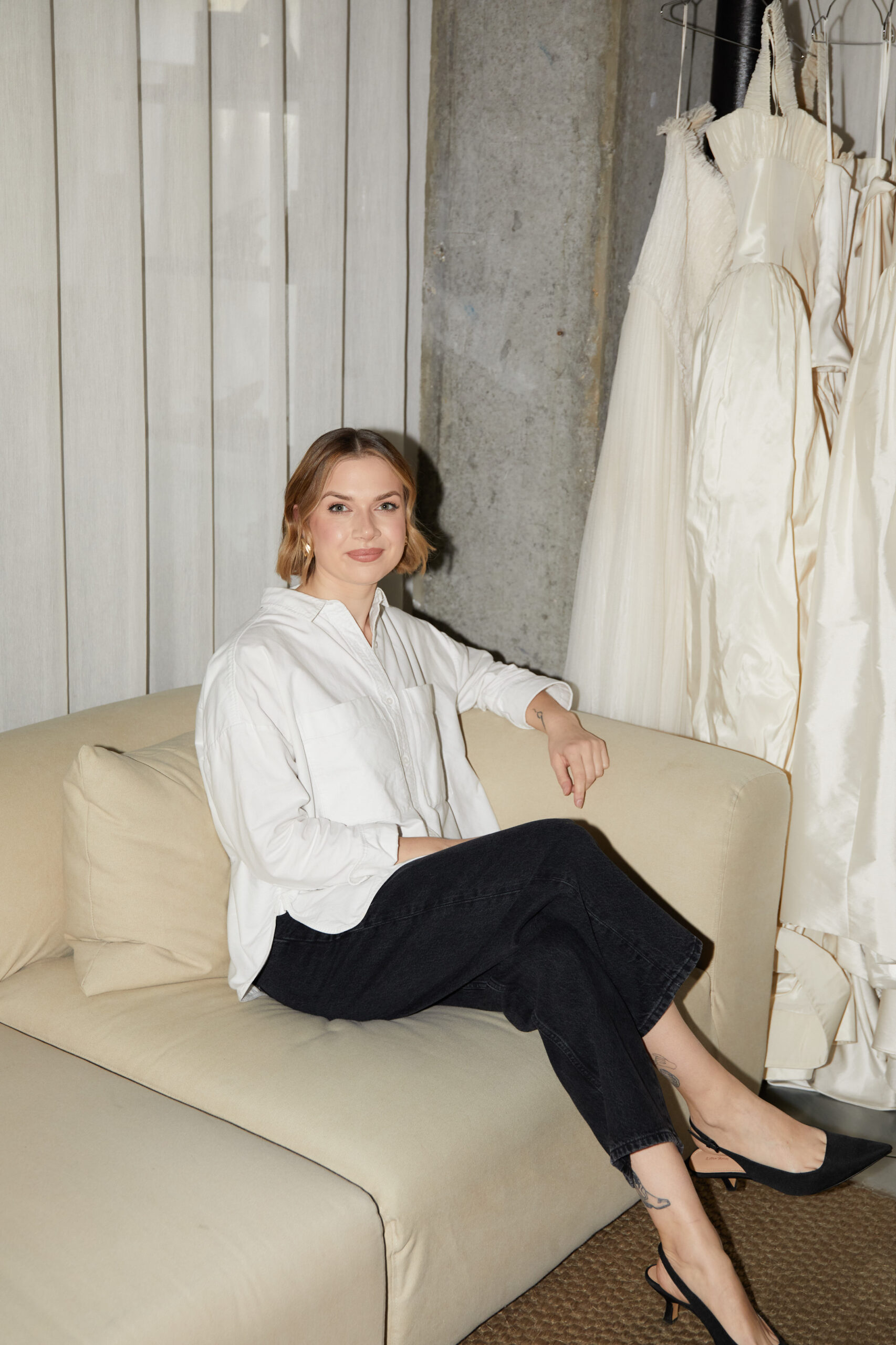
Founded by Annelise Sealy, London-based boutique The Fall Bride has quietly become a destination for women who see their wedding wardrobe as an extension of their personal style rather than a departure from it. Founded in 2019, The Fall was created for the contemporary, independent woman who feels disconnected from the traditional bridal script. With a bold, fashion-first point of view, the boutique curates an edited selection of striking, non-traditional designers from around the world, chosen as much for their values as their aesthetics. Ethical production, female-led studios and a relaxed yet elevated experience sit at the heart of its approach, redefining what modern bridal can look and feel like. Annelise (pictured below in the top-right-hand position) shares her journey so far with Together Journal…
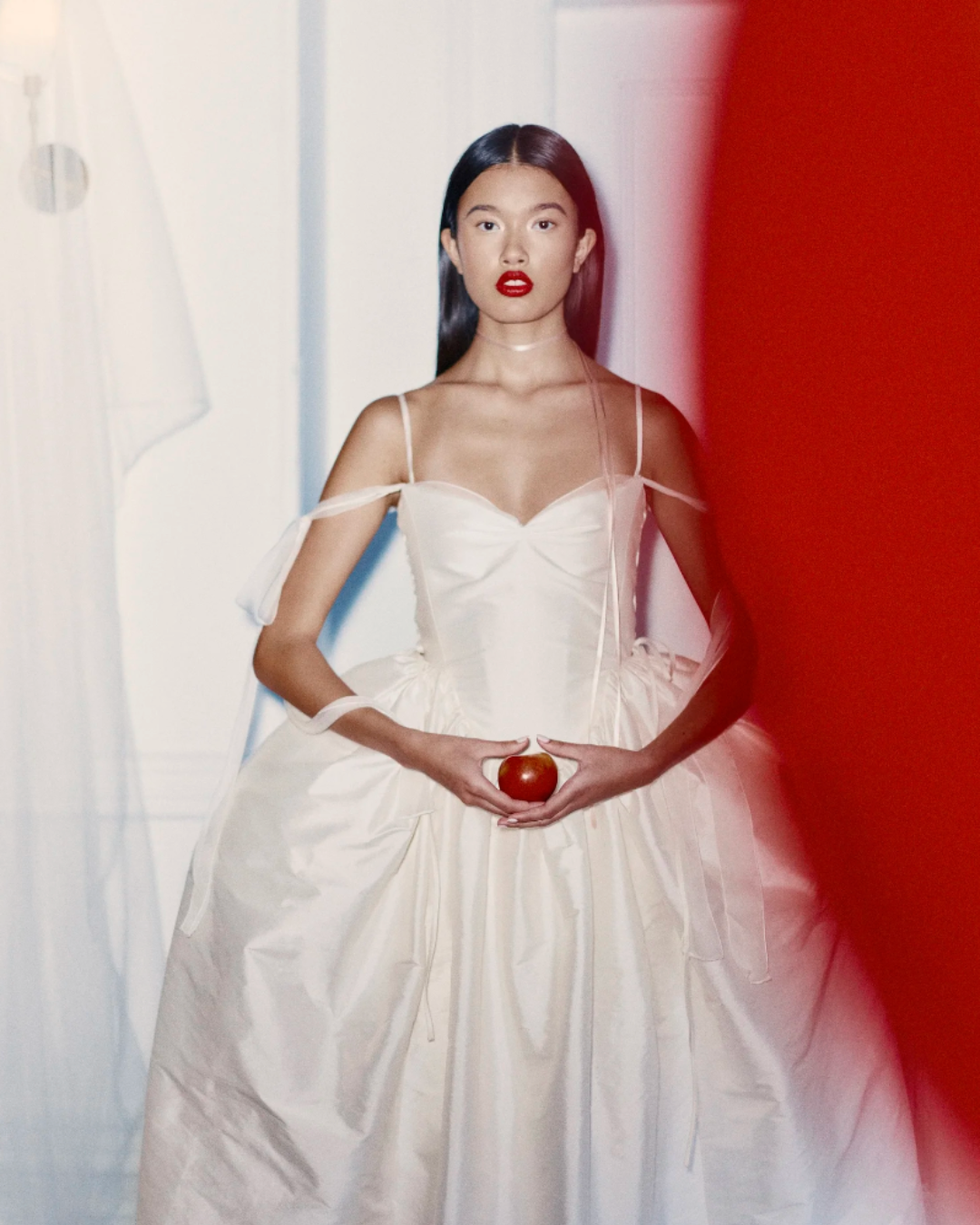
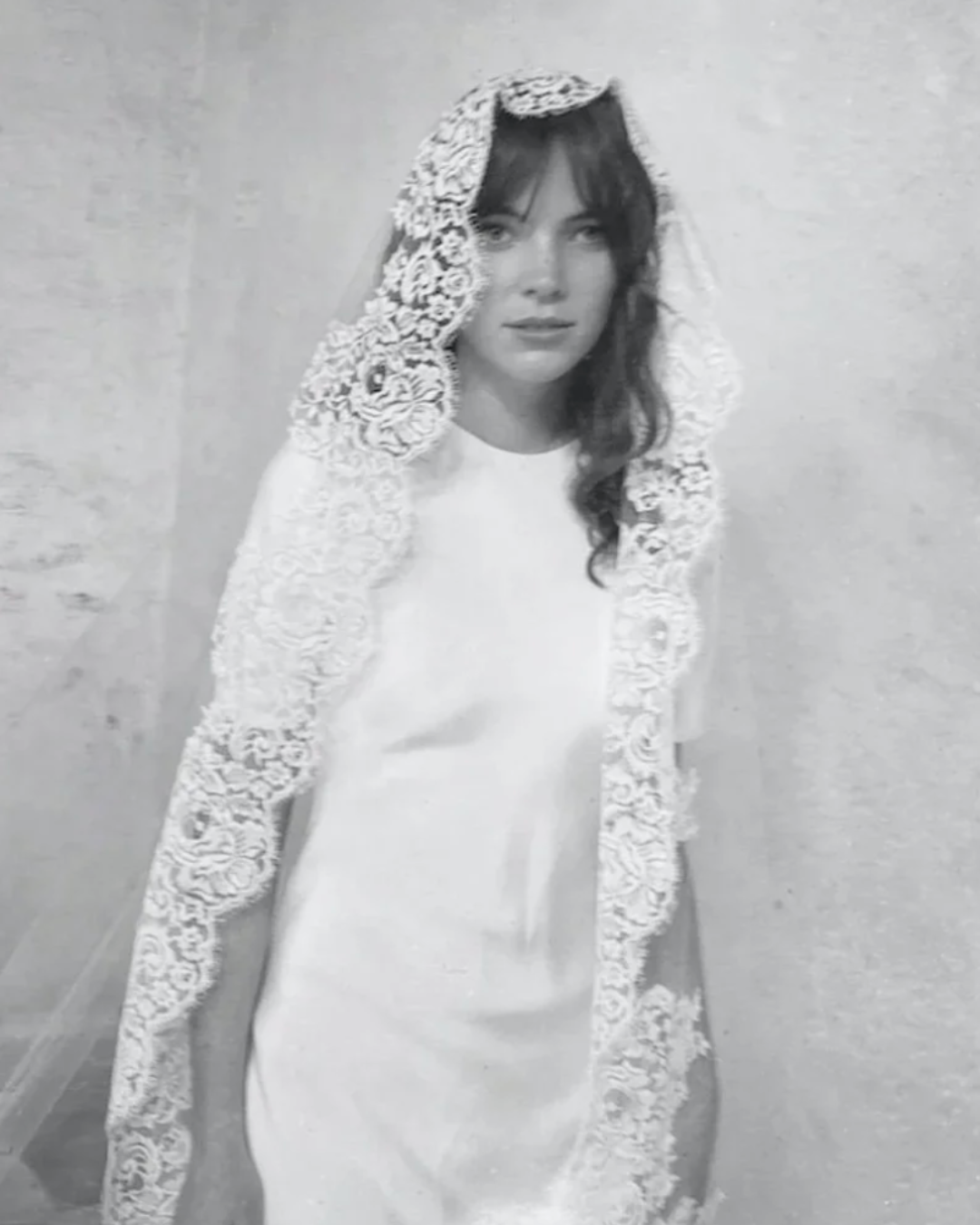
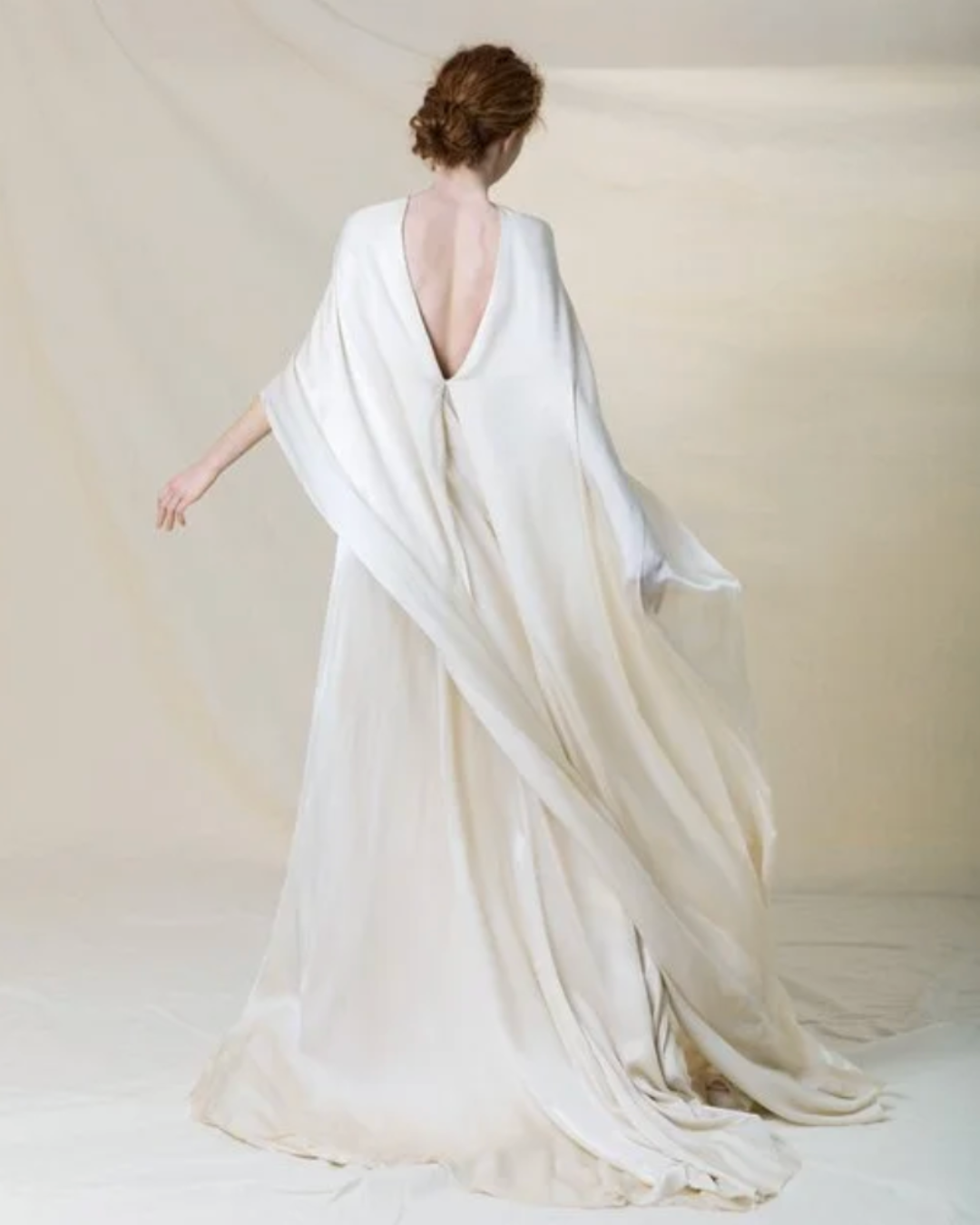
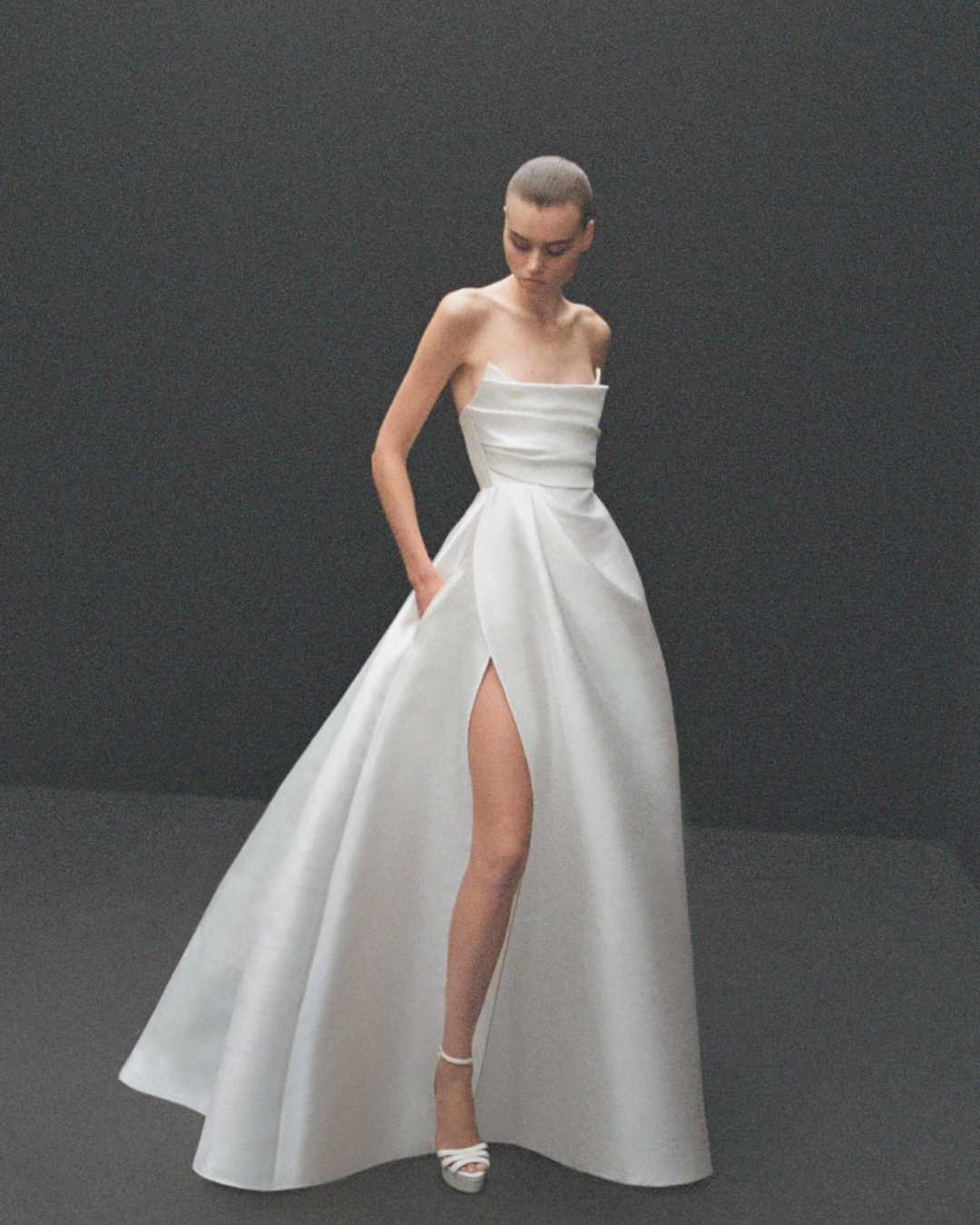
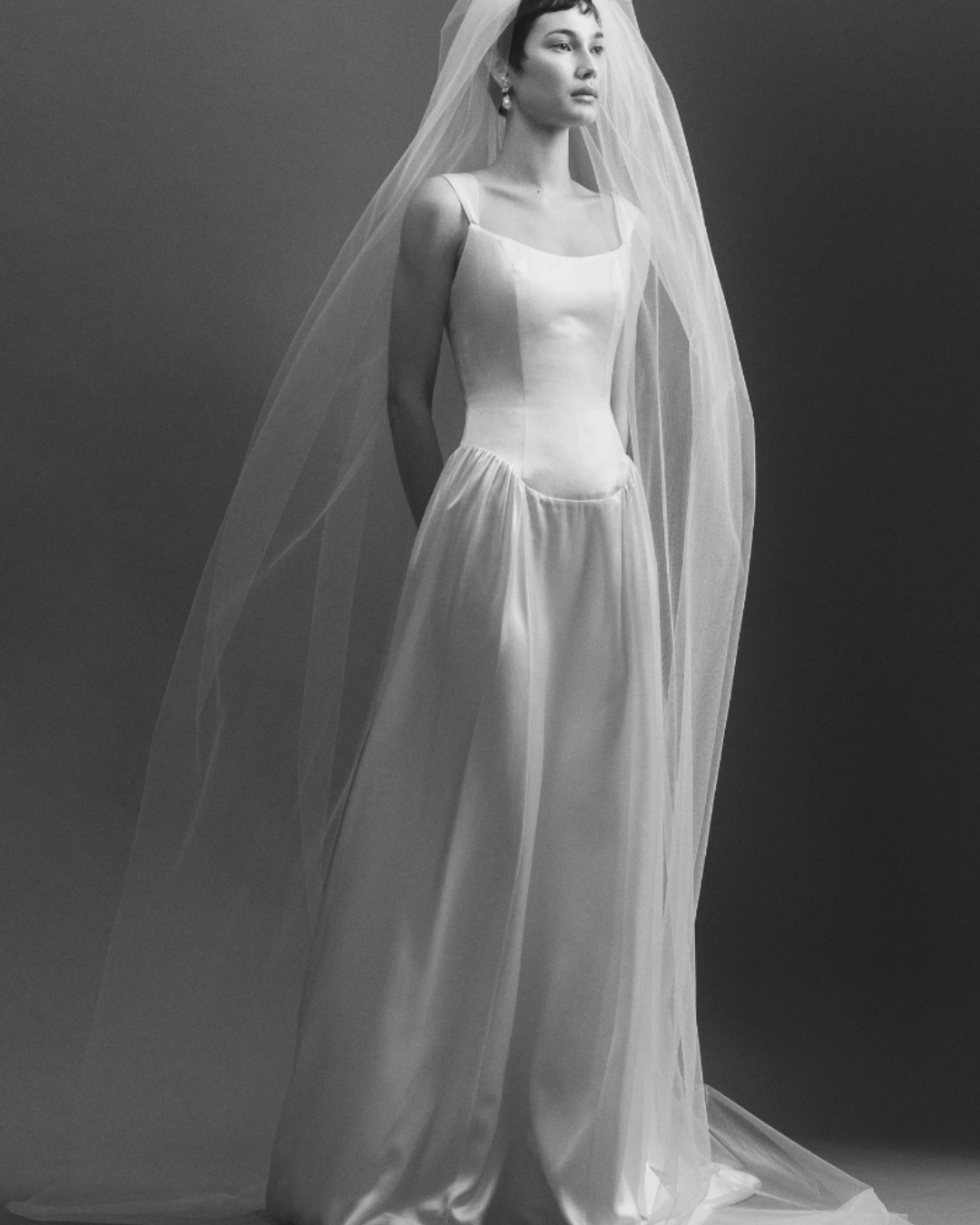
The Fall Bride feels closer to a fashion concept space than a traditional bridal boutique. What was missing from the bridal world that made you feel compelled to create something entirely different?
When I started The Fall Bride, I had over a decade of experience in the fashion sector, and when I was first navigating bridal, I felt an immediate disconnect. The industry seemed to ask women to step into a role, visually and emotionally, that often had very little to do with who they actually were.
I wanted to create a space that treated bridal as part of a woman’s wider wardrobe and identity, not a costume she puts on for a single day or an isolated category governed by ritual. What also felt missing was trust: trust that women know themselves, trust that they don’t need theatrics to feel special, and trust that modern bridal can be intelligent, expressive, and quietly powerful.
Your designer lineup feels sharply curated rather than expansive. When you are sourcing new talent, what qualities must a designer have beyond beautiful garments to make the cut?
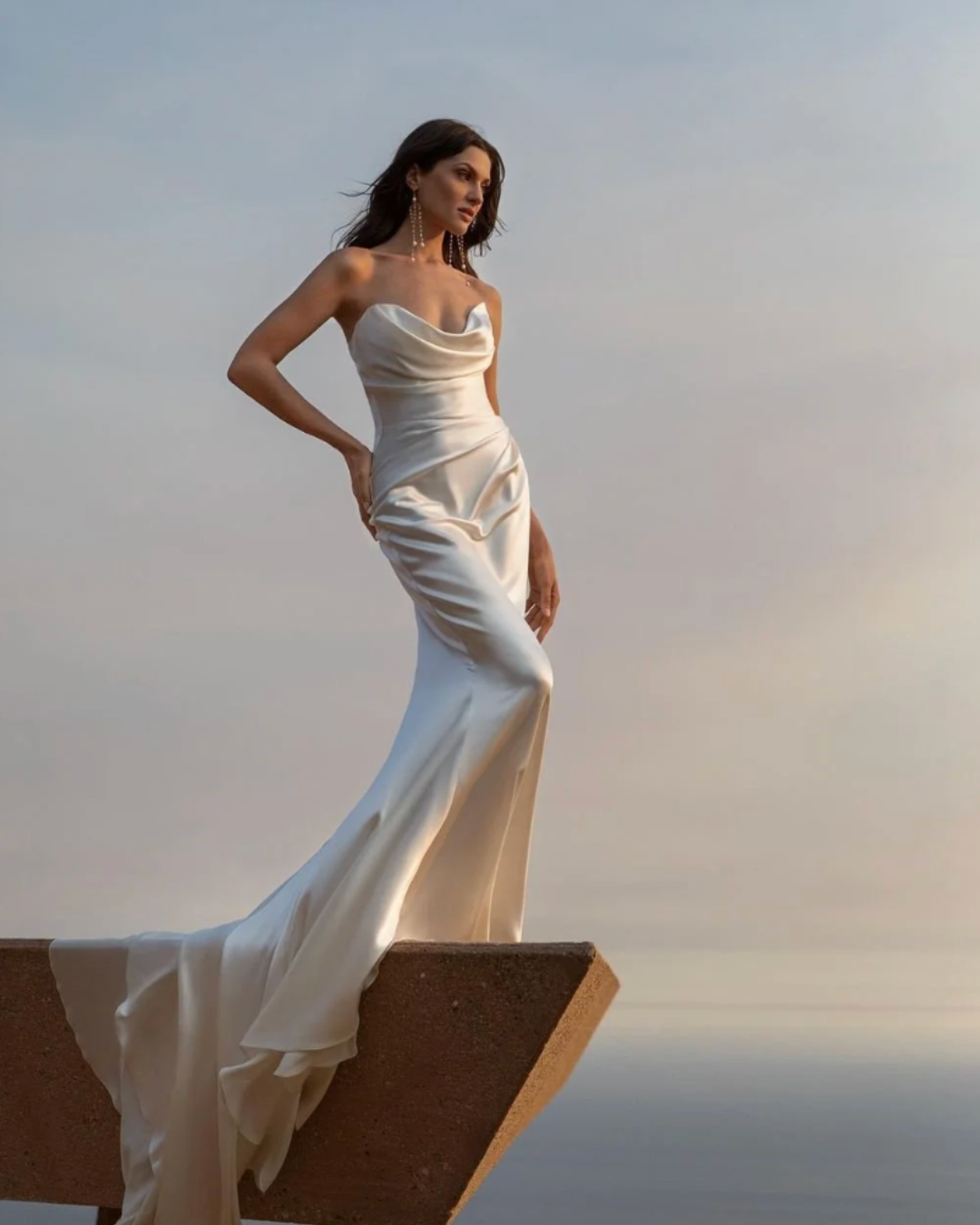
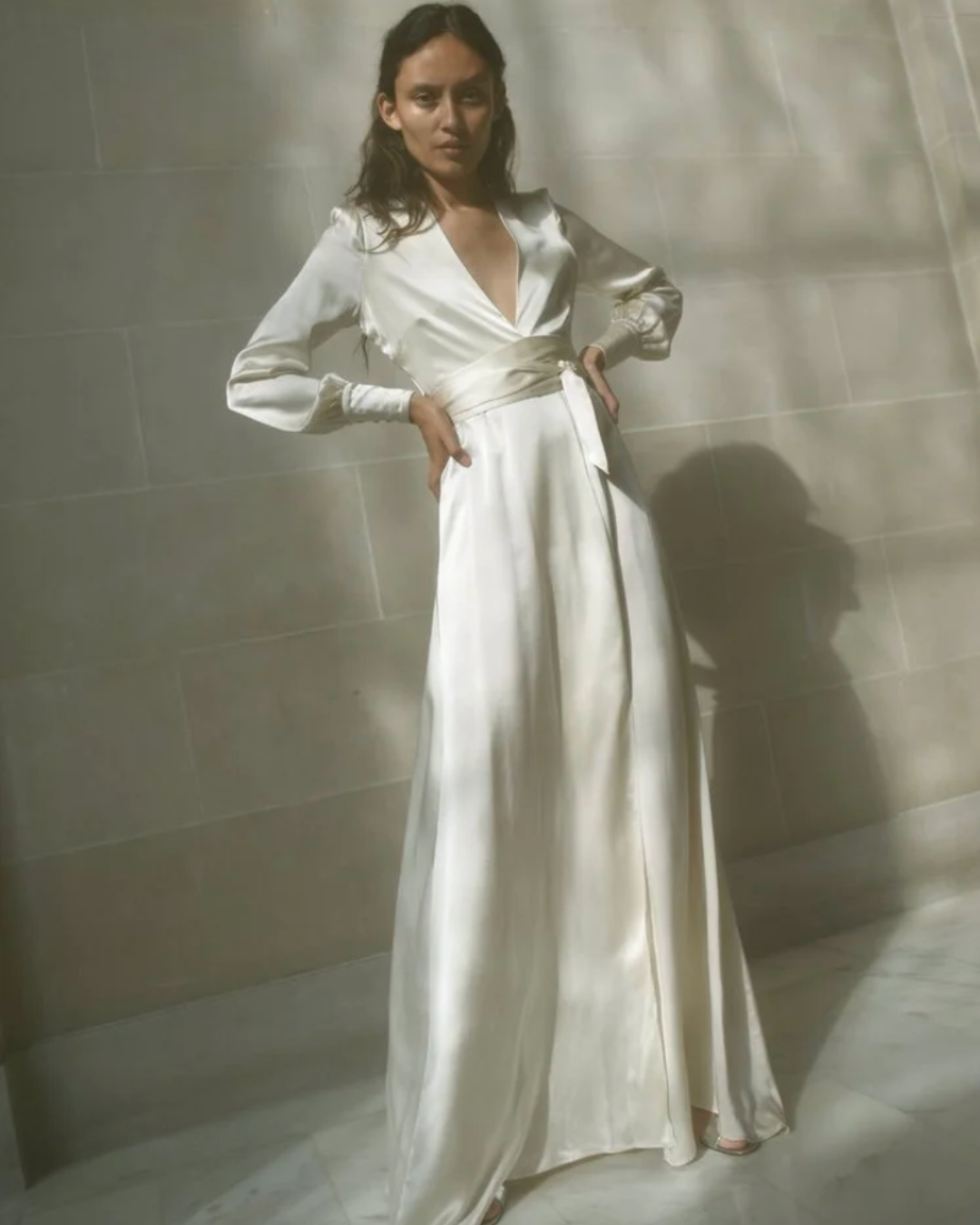
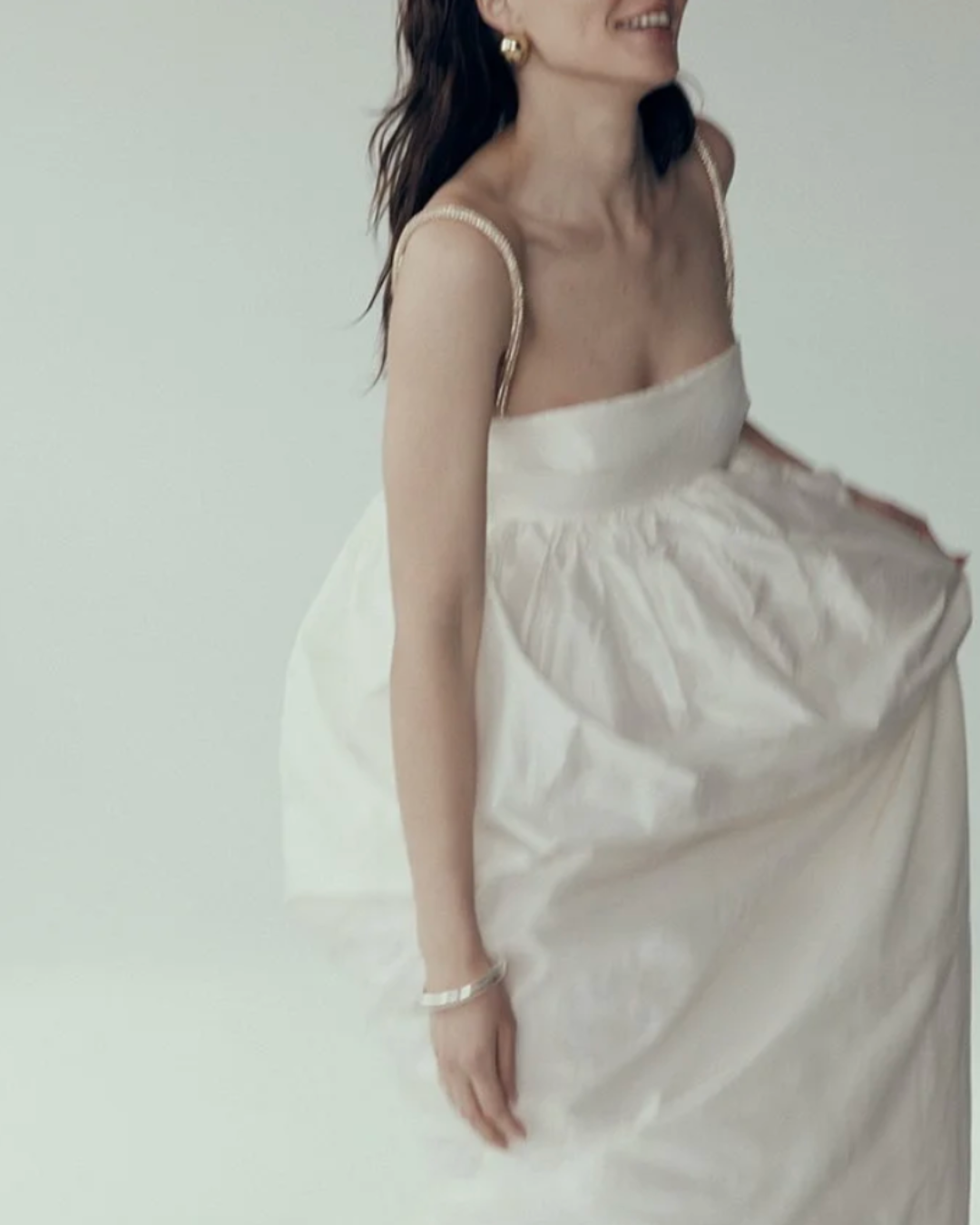
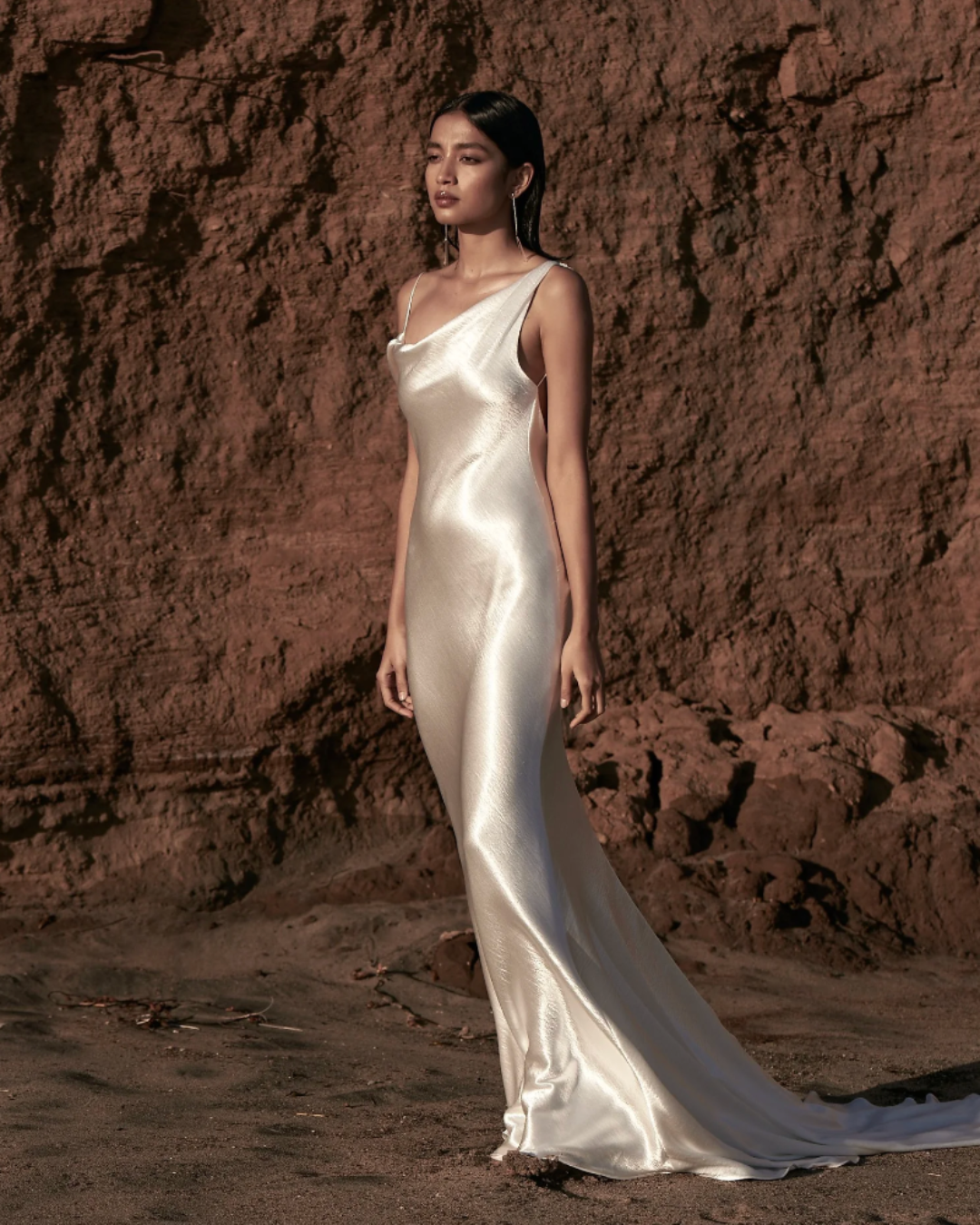
For readers’ reference, the following designers are stocked at The Fall Bride: Alex Perry, Betagne studio, Cassandra Graham, Cortana, Former Girlfriend, Harriette Gordon, Jessica Bennett, Kamperett, Katherine Tash, Lola Varma, NEWHITE, Prea James, & For Love, A.M. Faulkner, Completedworks, Loeffler Randall, Otiumberg, Rebecca Anne, Shyla
Beyond design excellence, I prioritise clarity of vision, disciplined editing, and responsible production. I look for designers who understand longevity – emotionally and commercially – and whose pieces function beyond a single moment.
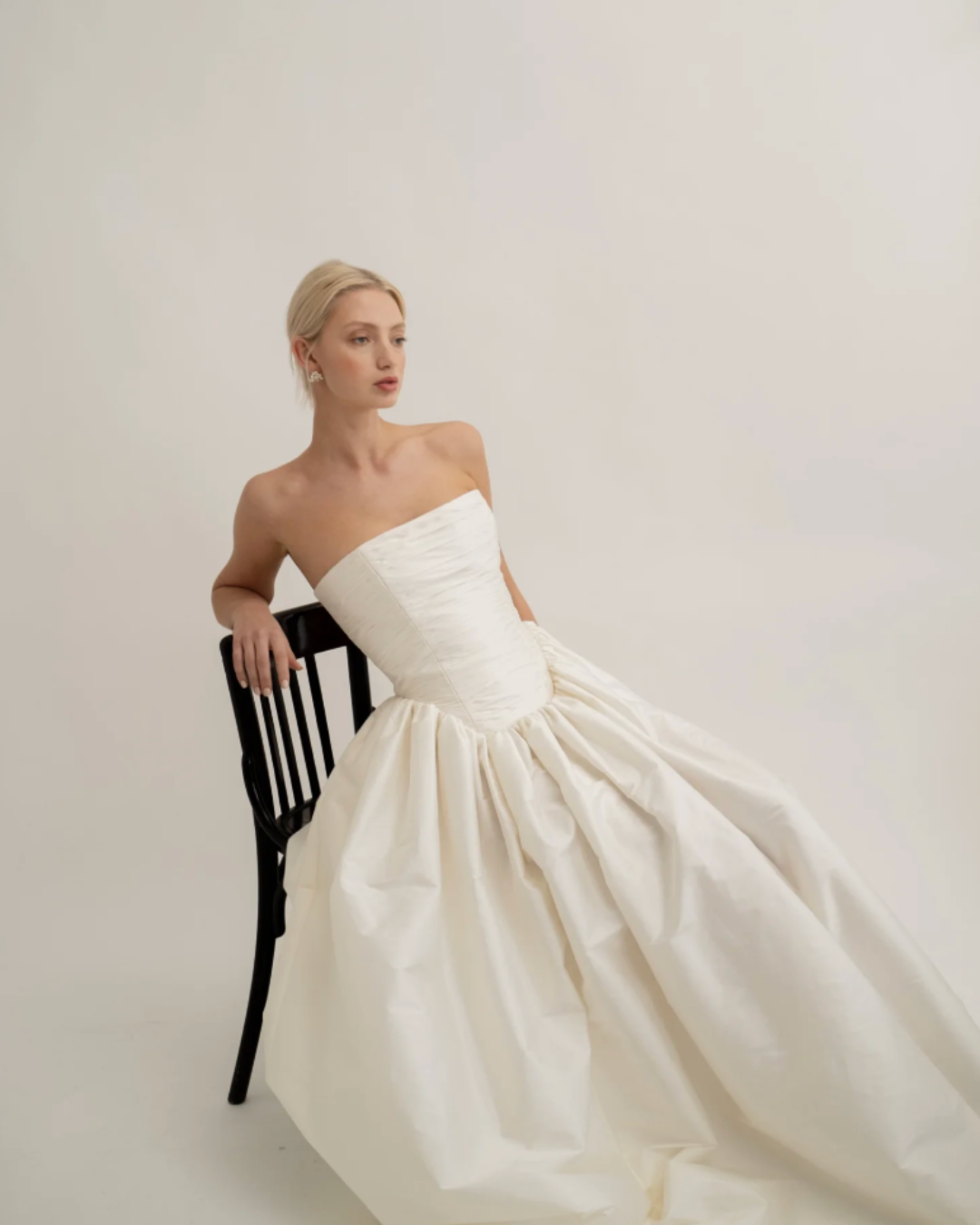
Values play a central role in your selection process, from ethical production to female-led studios. How do these principles shape your vision of modern bridal, and why are they essential rather than optional?
Alignment of values, from ethical manufacturing to scale-conscious growth and a customer-first service approach, is all just as important as aesthetic compatibility.
The bridal market is increasingly saturated and, unlike in other fashion categories, our customers are almost always first-time buyers. That creates a heightened responsibility on our side as a retailer. Values such as ethical production, transparency, and female-led studios are not just philosophical positions – they are practical safeguards as well as core personal values for me as a businesswoman and director.
We actively edit out brands that can’t deliver consistently, responsibly, or at the level that our clients deserve. Modern bridal, to me, is about accountability as much as aesthetics: ensuring that every designer we represent can support a meaningful, high-stakes purchase with integrity. Today’s bridal customer is informed, intentional, and values transparency. In a crowded market, strong values aren’t optional – they are absolutely essential to protecting both the customer experience and the long-term credibility of both ourselves and the category as a whole.
You have reimagined wedding dress shopping as calm, intuitive and deeply personal. What elements of the traditional bridal experience were you most eager to dismantle?
The traditional model often centres on scale, spectacle, and emotional escalation. I was more interested in creating an environment that supports clarity and confidence. By removing pressure-driven rituals and excess formality, we allow clients to engage with the garments – and their decisions – in a way that feels considered, modern, and aligned with how they already shop for fashion.
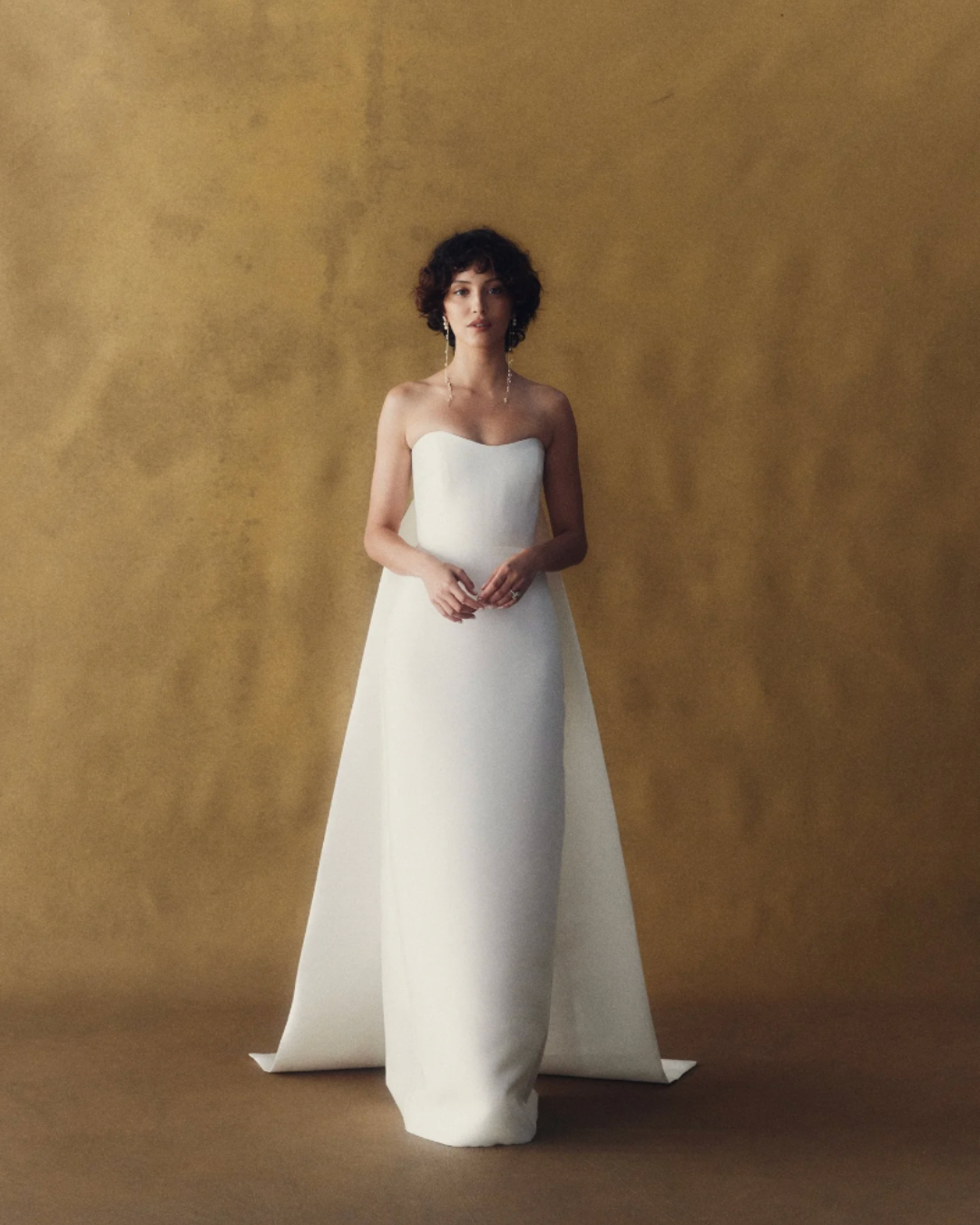

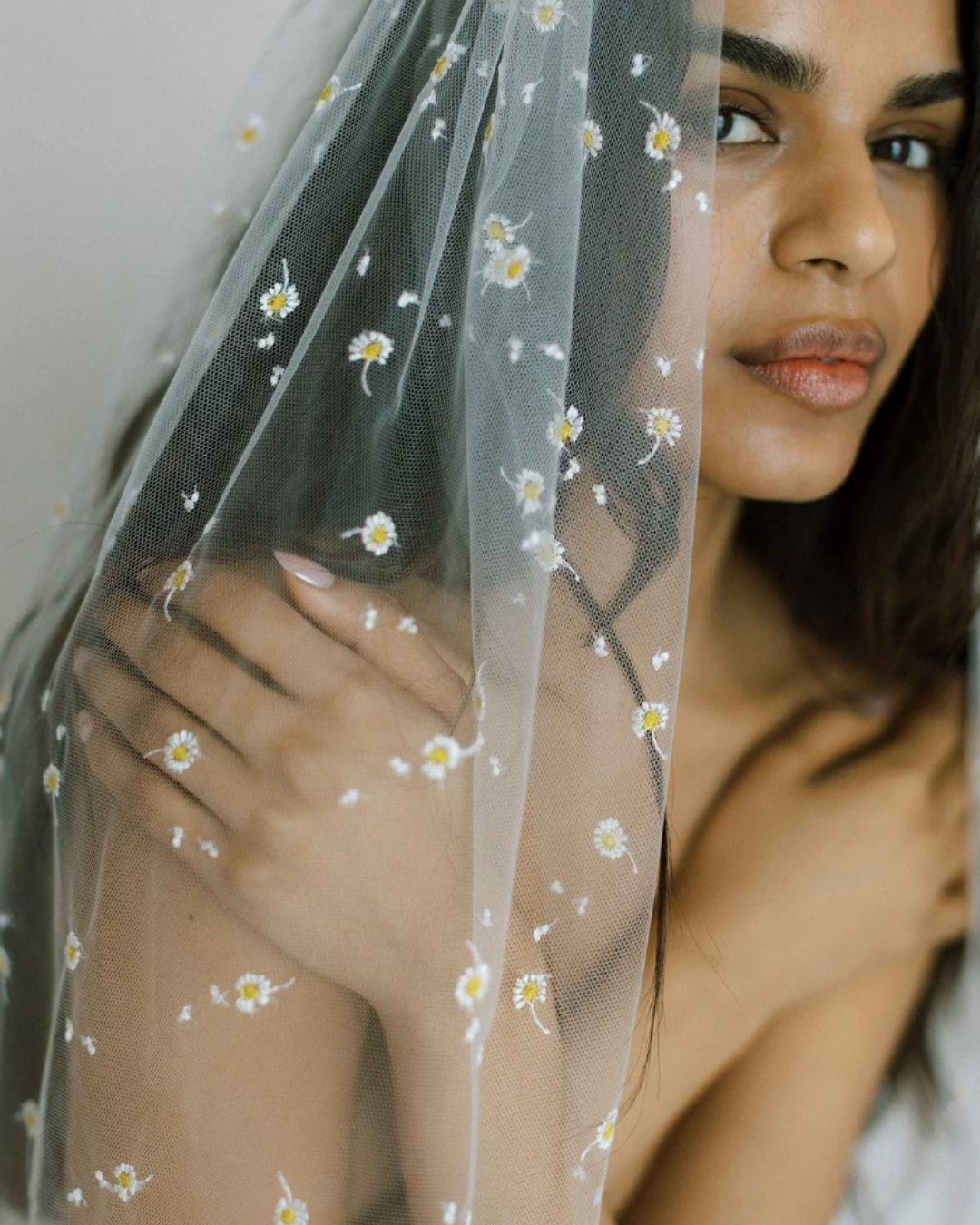
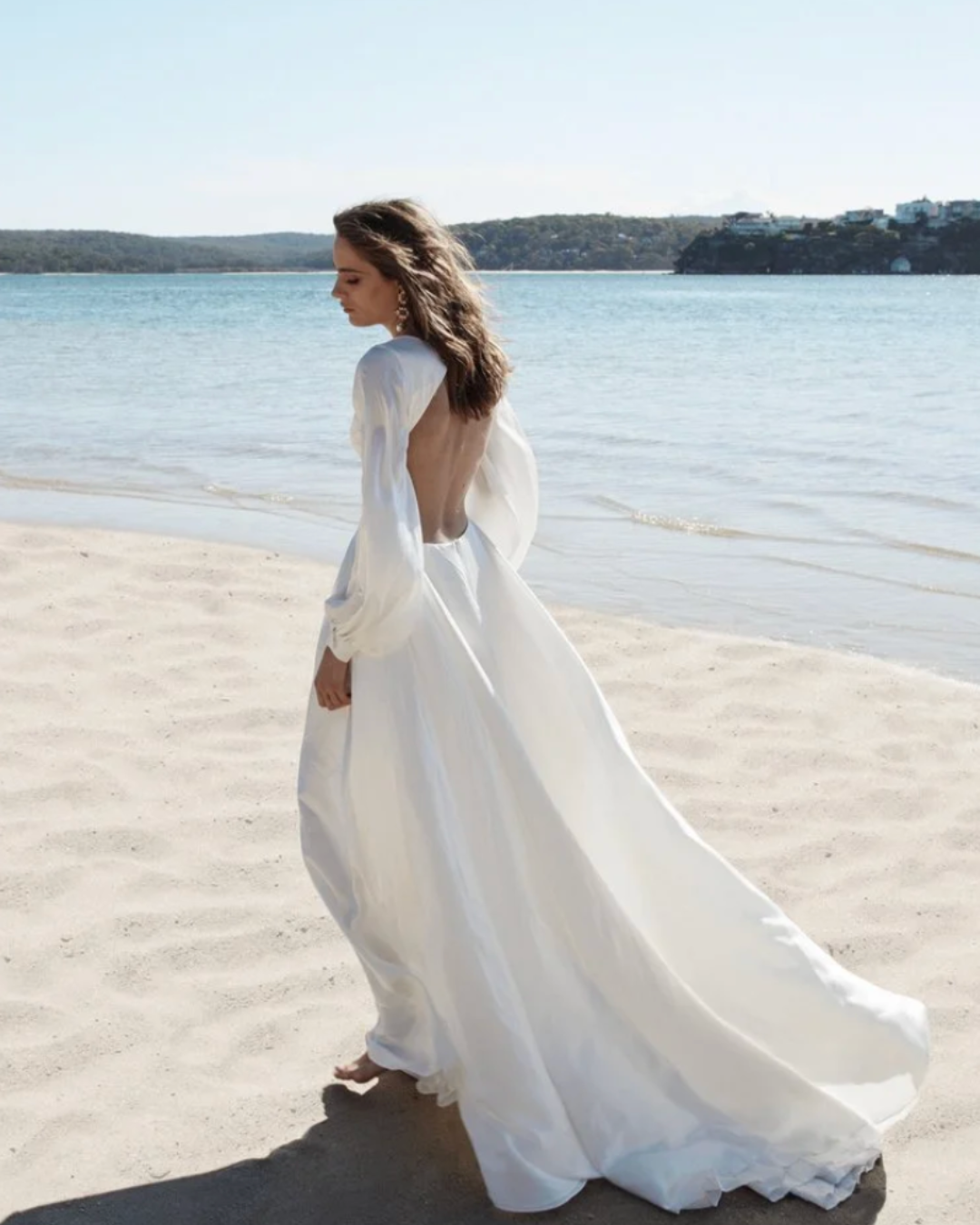
If The Fall Bride were a woman at a dinner party, how would she be dressed, who would she be talking to, and what would she quietly roll her eyes at?
She’d be dressed with such clarity and ease that you’d feel compelled to ask where her outfit is from – not because it’s loud or recognisable, but because it feels elevated and considered. She’d be talking to someone outside the bridal industry entirely, drawn to conversations about culture, design, and how women actually live and work now. She’d quietly roll her eyes at performative opinions designed to land rather than linger, disposable fashion framed as empowerment, and people who name-drop instead of saying something interesting.
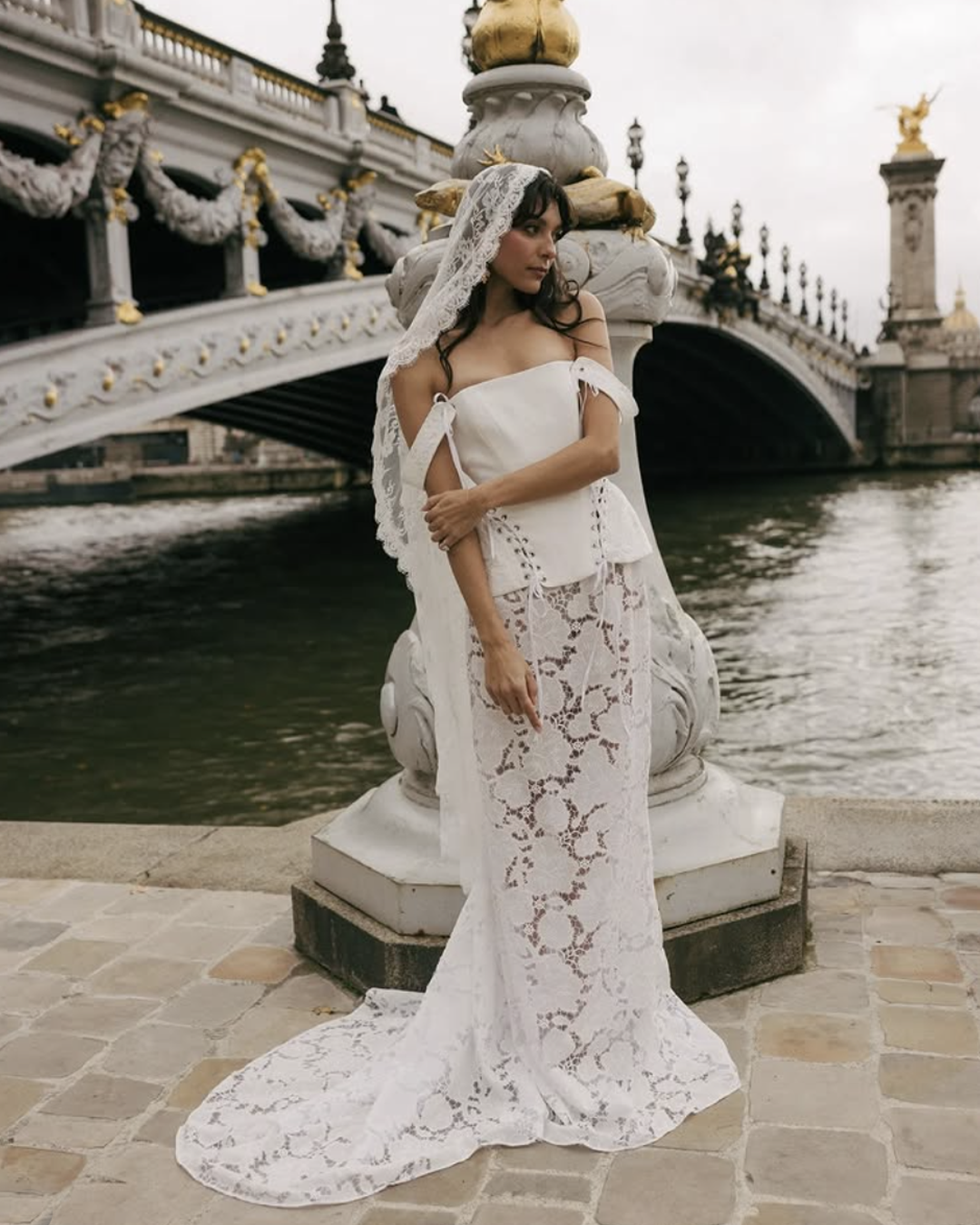

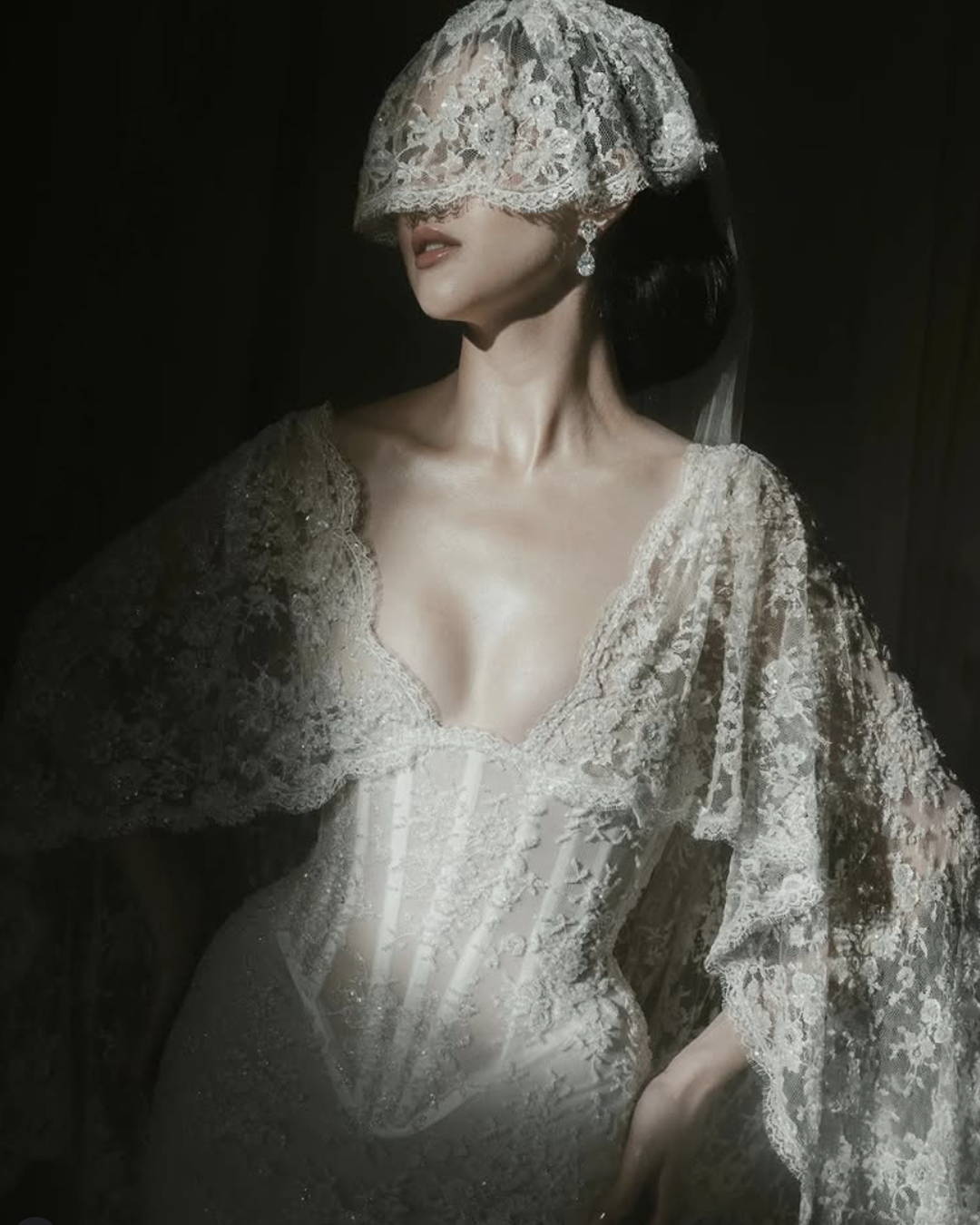
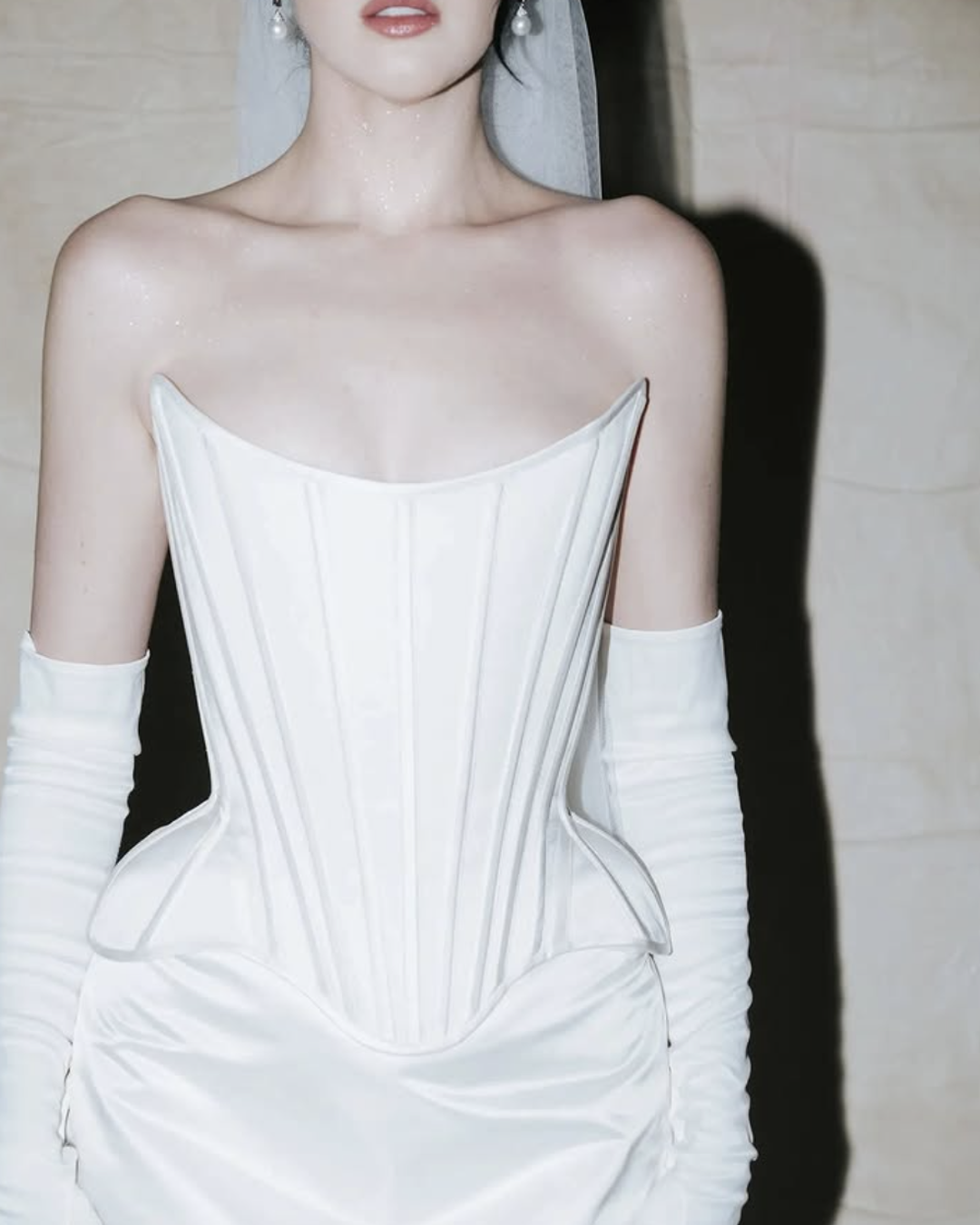

Bridal fashion often operates in its own bubble. Where do you personally look for inspiration outside of weddings, and how does that broader cultural lens influence what ends up in store?
I look to the wider creative ecosystems, and surround myself with women across many disciplines, from art to literature, fashion to architecture. Understanding how real women dress in their everyday lives ensures that our curation feels relevant and forward-facing. That perspective keeps The Fall rooted in fashion rather than fantasy, and responsive to cultural change rather than insulated from it.
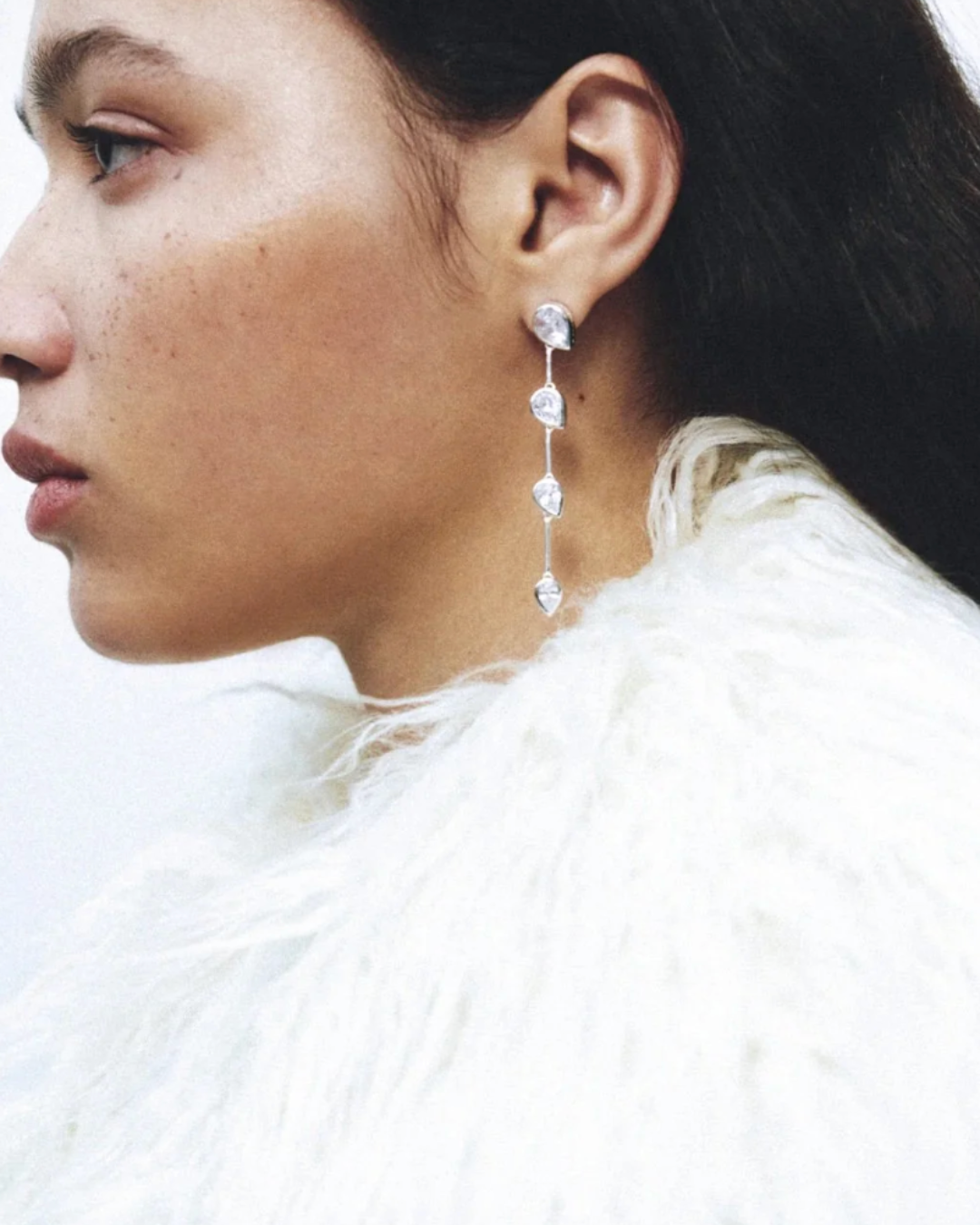
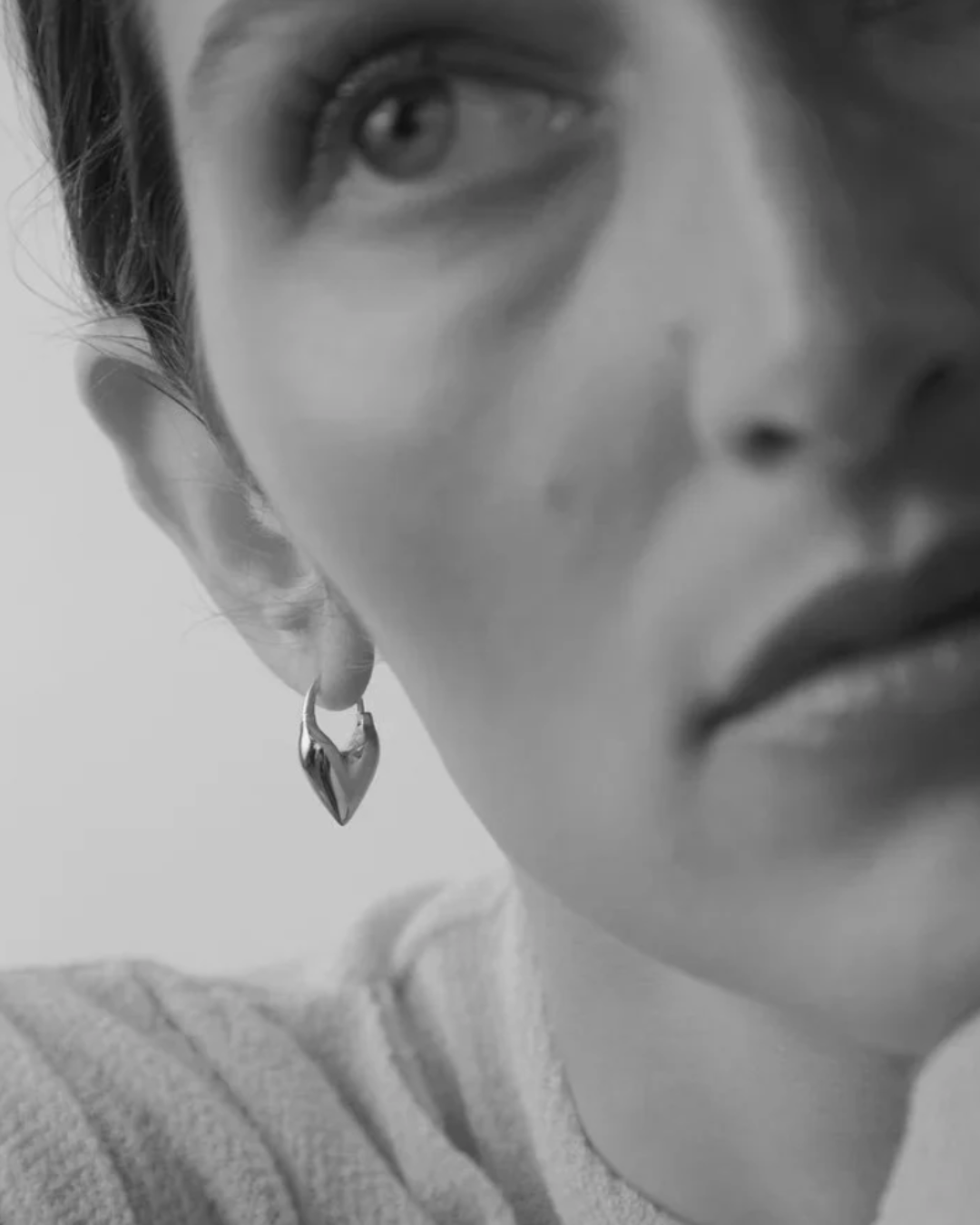
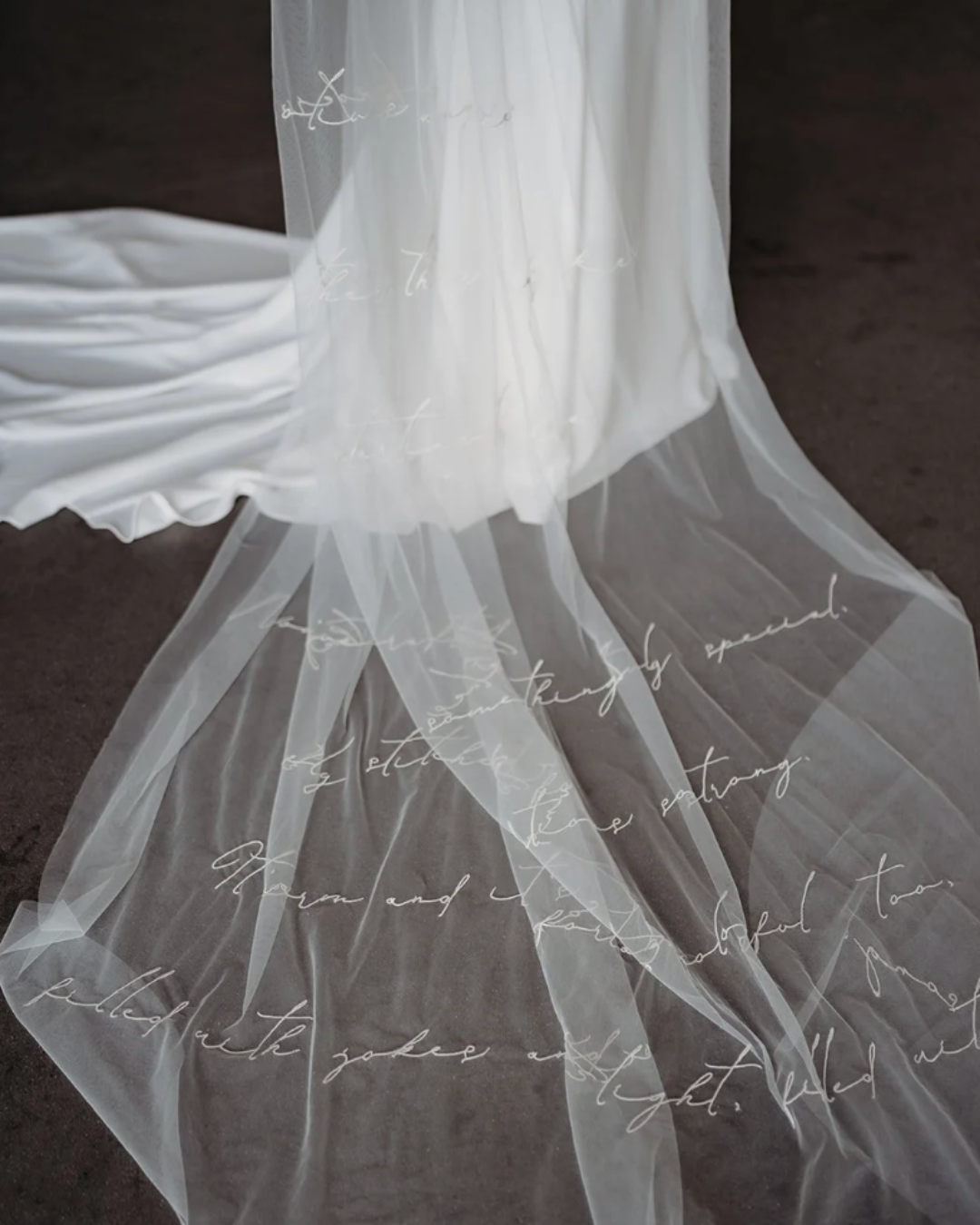
Your aesthetic challenges convention without rejecting romance altogether. How do you define romance for the contemporary bride, and how is that evolving?
Romance has evolved from overt symbolism to something more internal and personal. For today’s bride, it’s expressed through proportion, fabric, and feeling – not excess. It’s about refinement rather than transformation, and confidence rather than performance.
Looking ahead, how do you hope The Fall will shape the future of bridal fashion, not just in terms of style, but in how women feel when they walk into a space designed entirely for them?
My ambition is to help reposition bridal as a thoughtful, fashion-integrated category; one that respects women’s intelligence, values, and individuality. If The Fall can contribute to a future where women feel calm, empowered, and assured in their choices, then it’s shaping not just how bridal looks, but how it’s experienced.
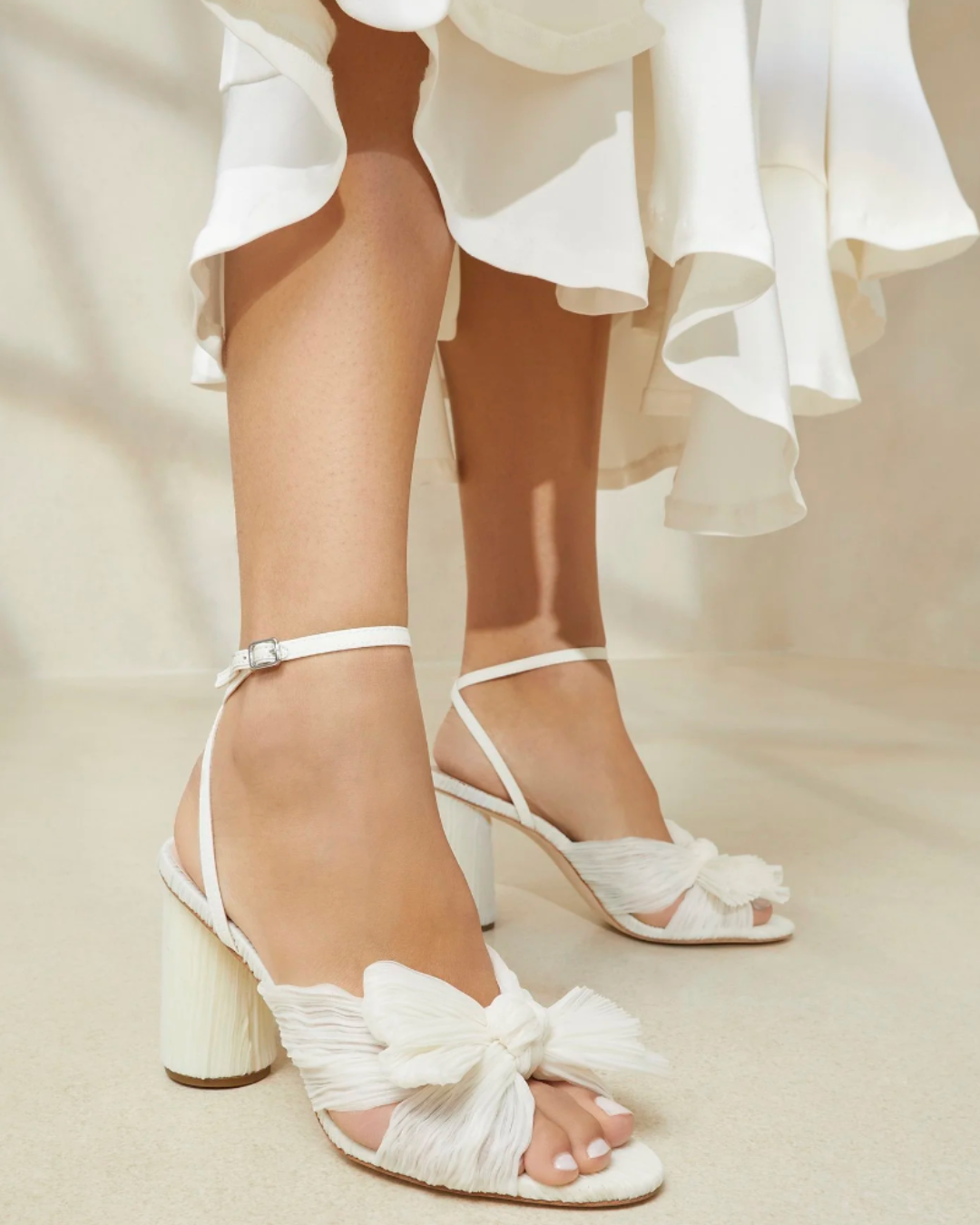
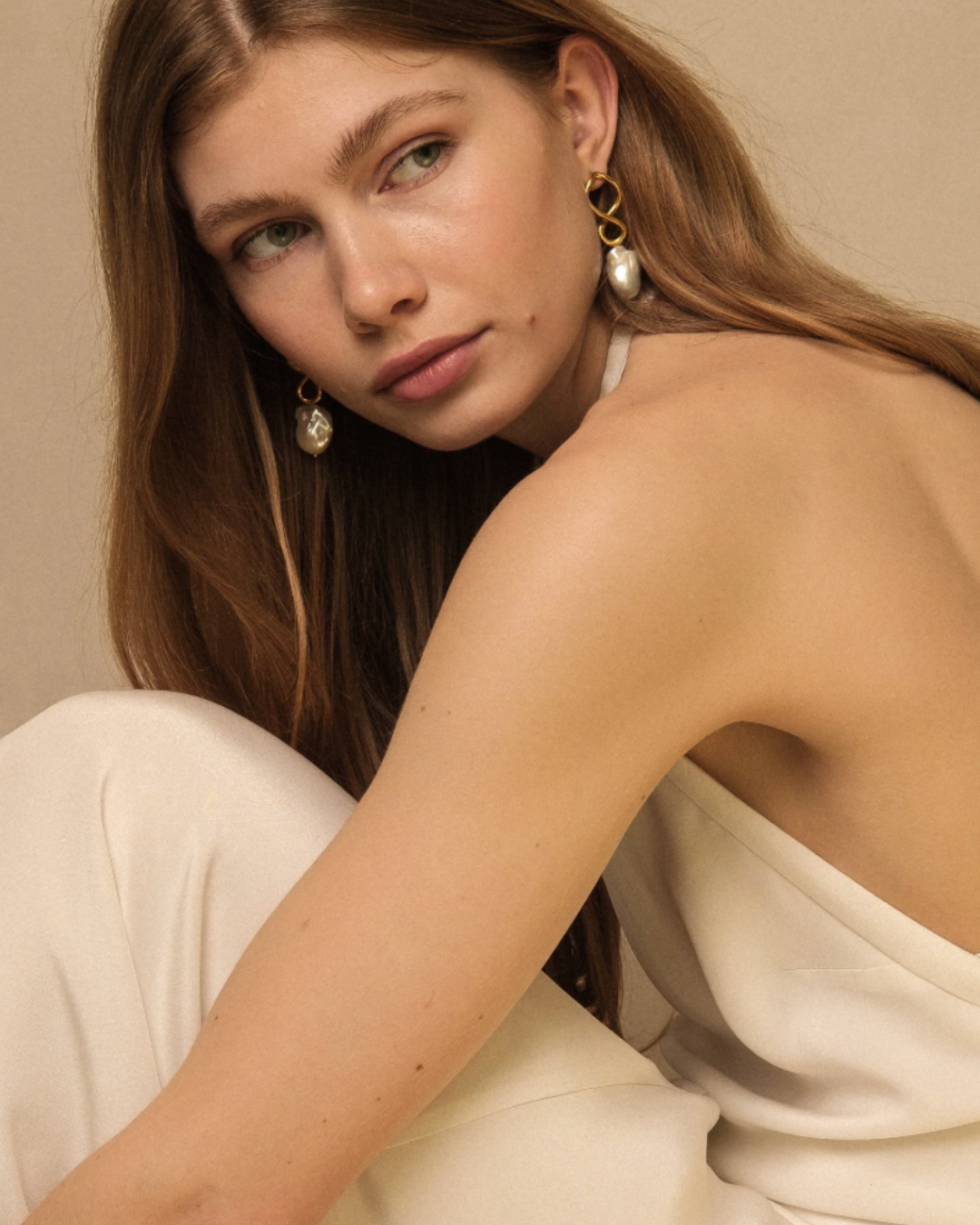
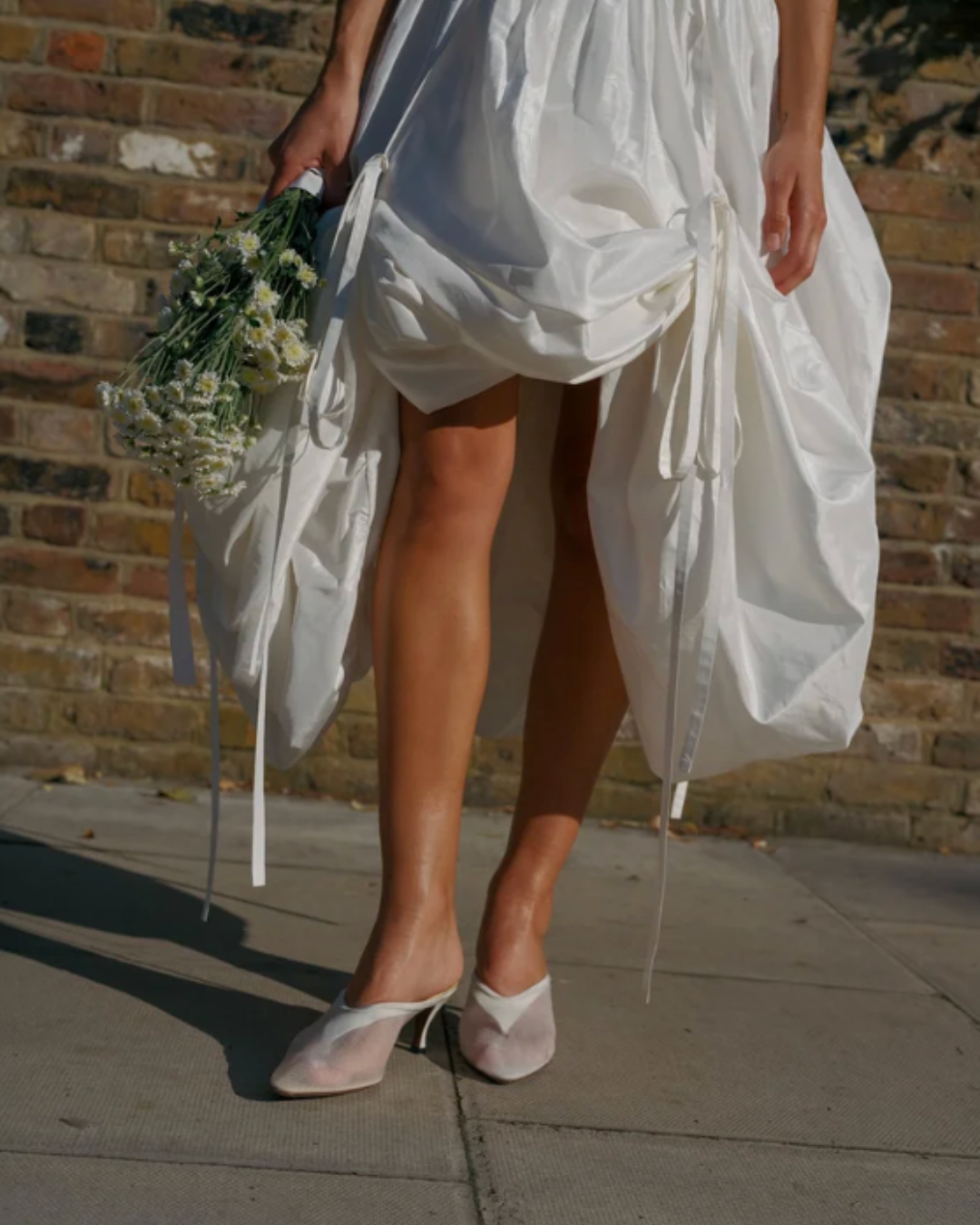
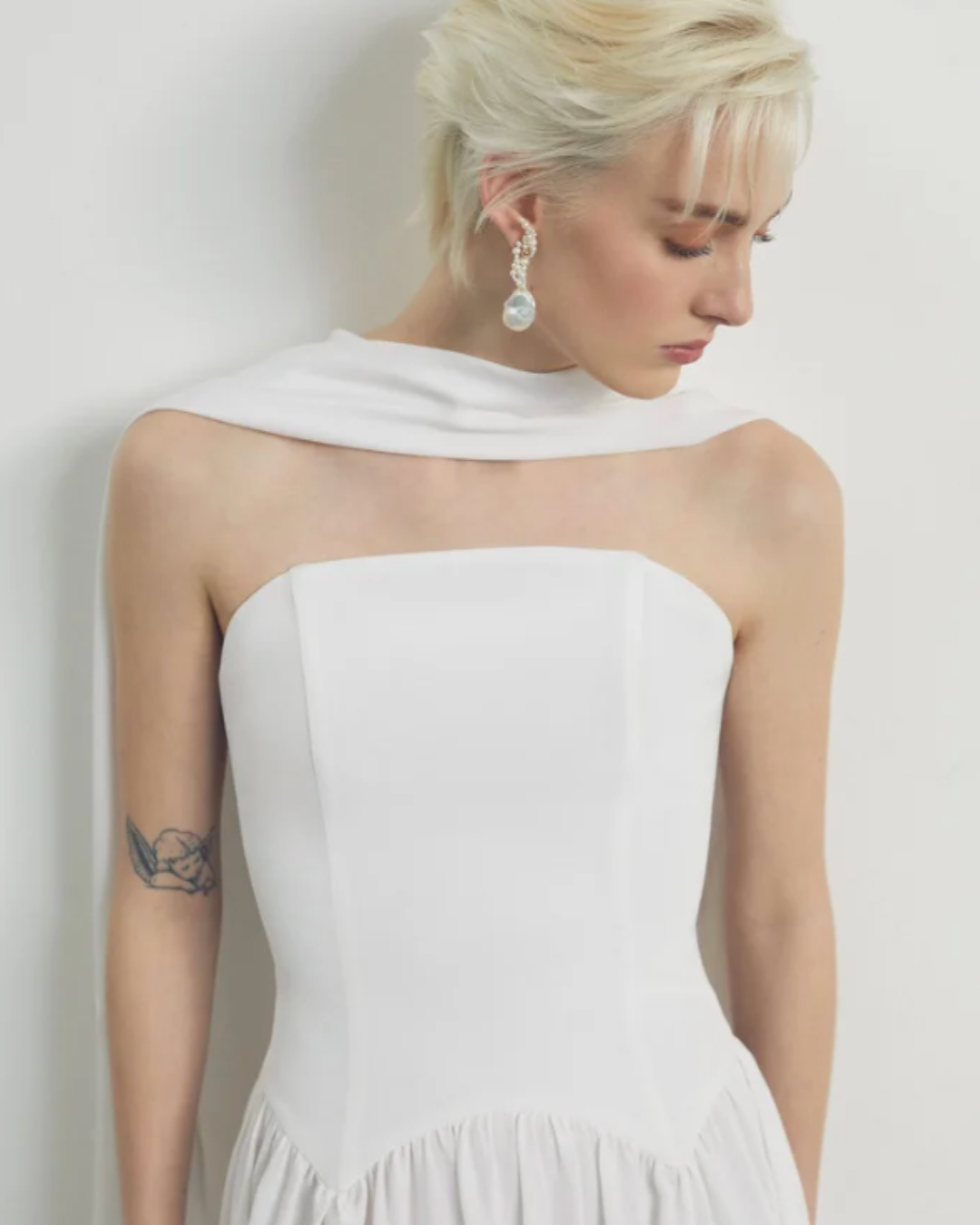
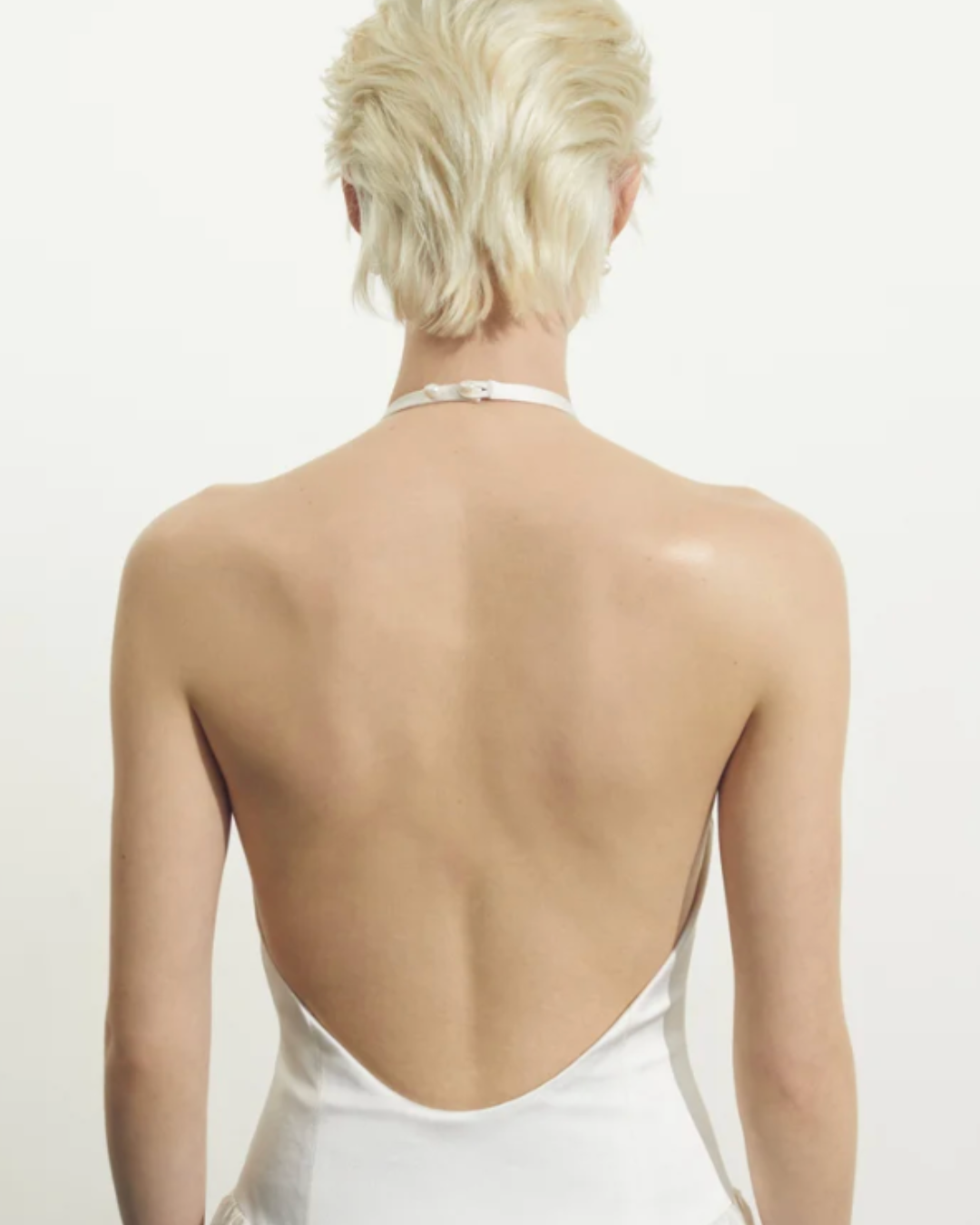
For more information, visit thefallbride.com and @thefallbride.