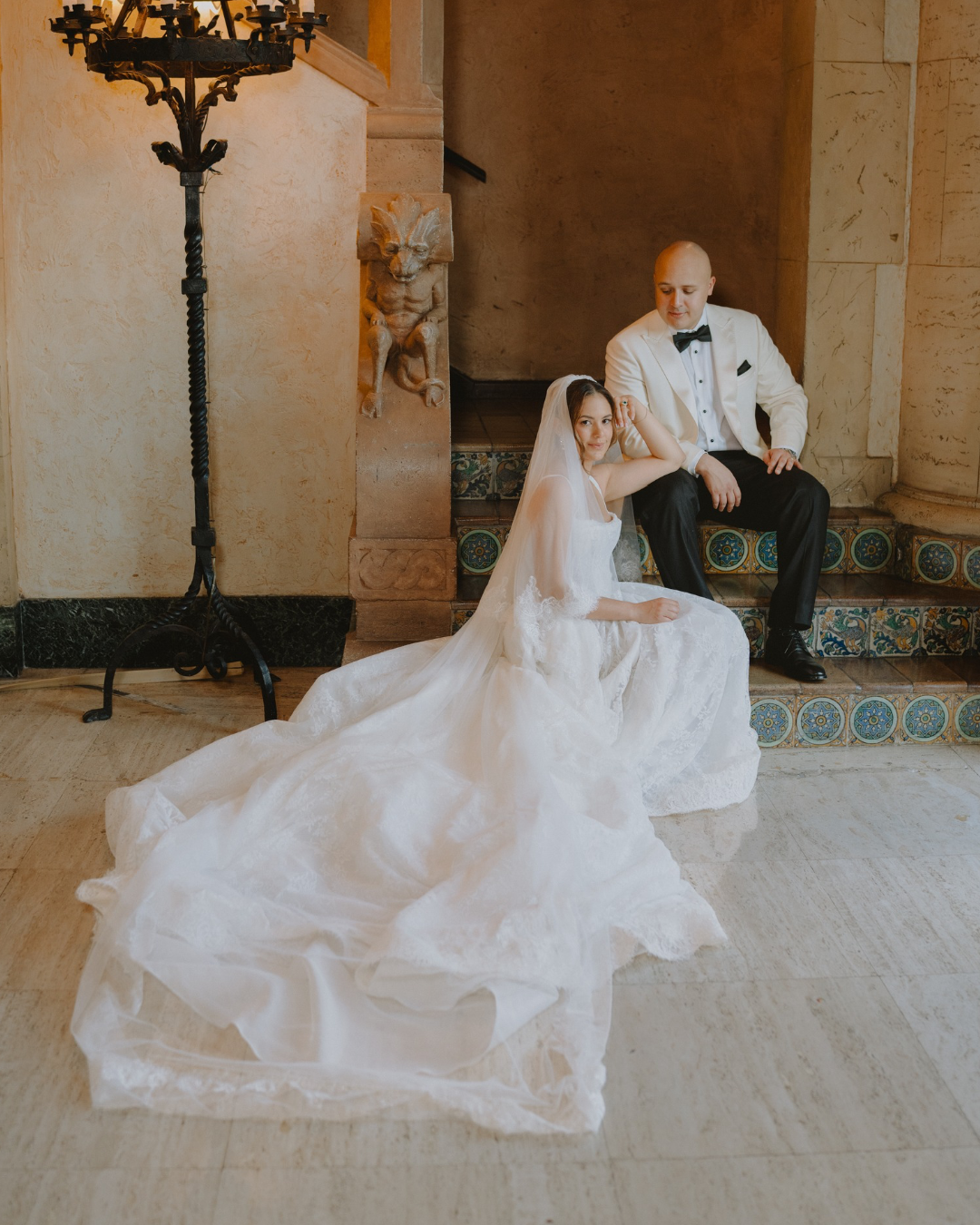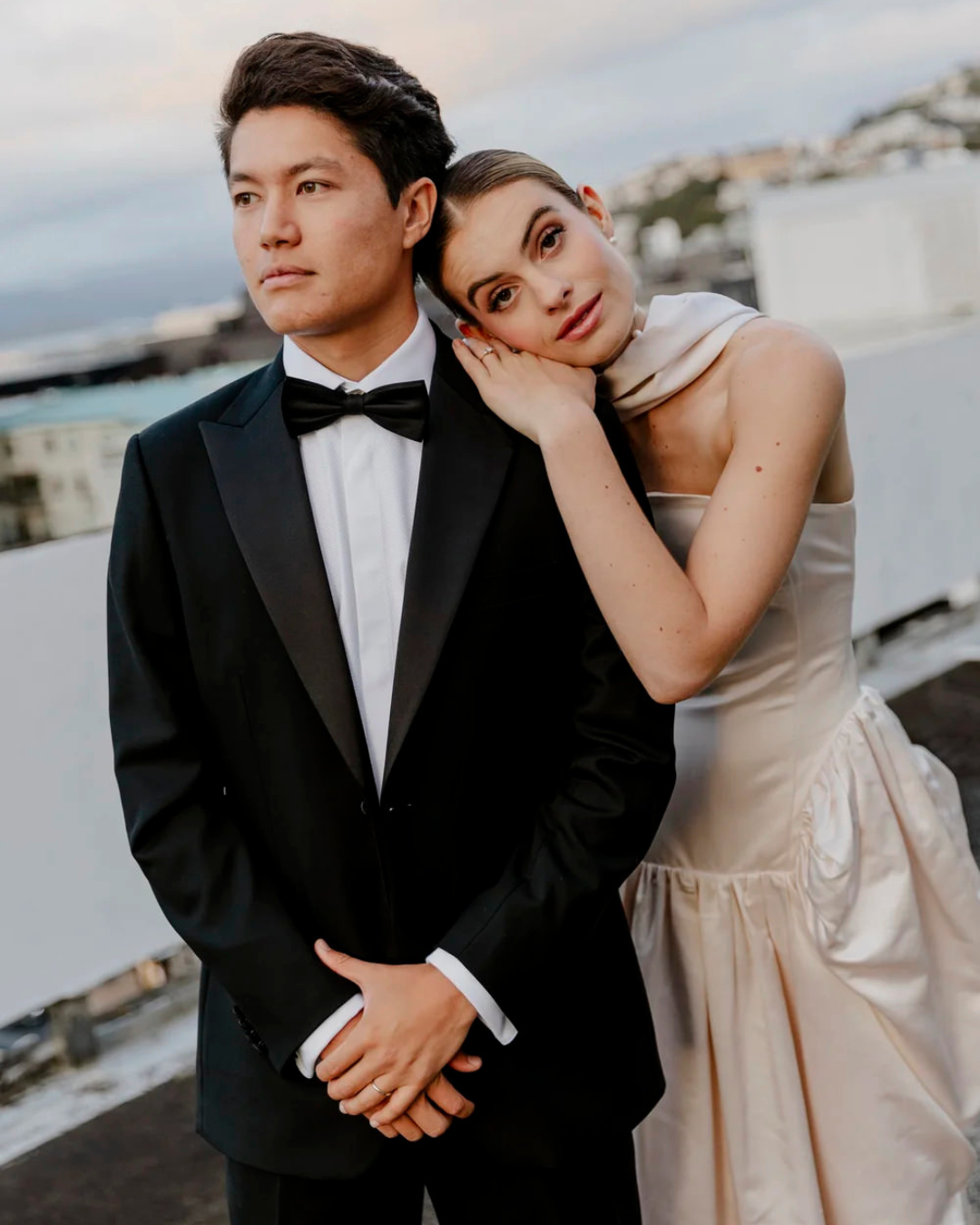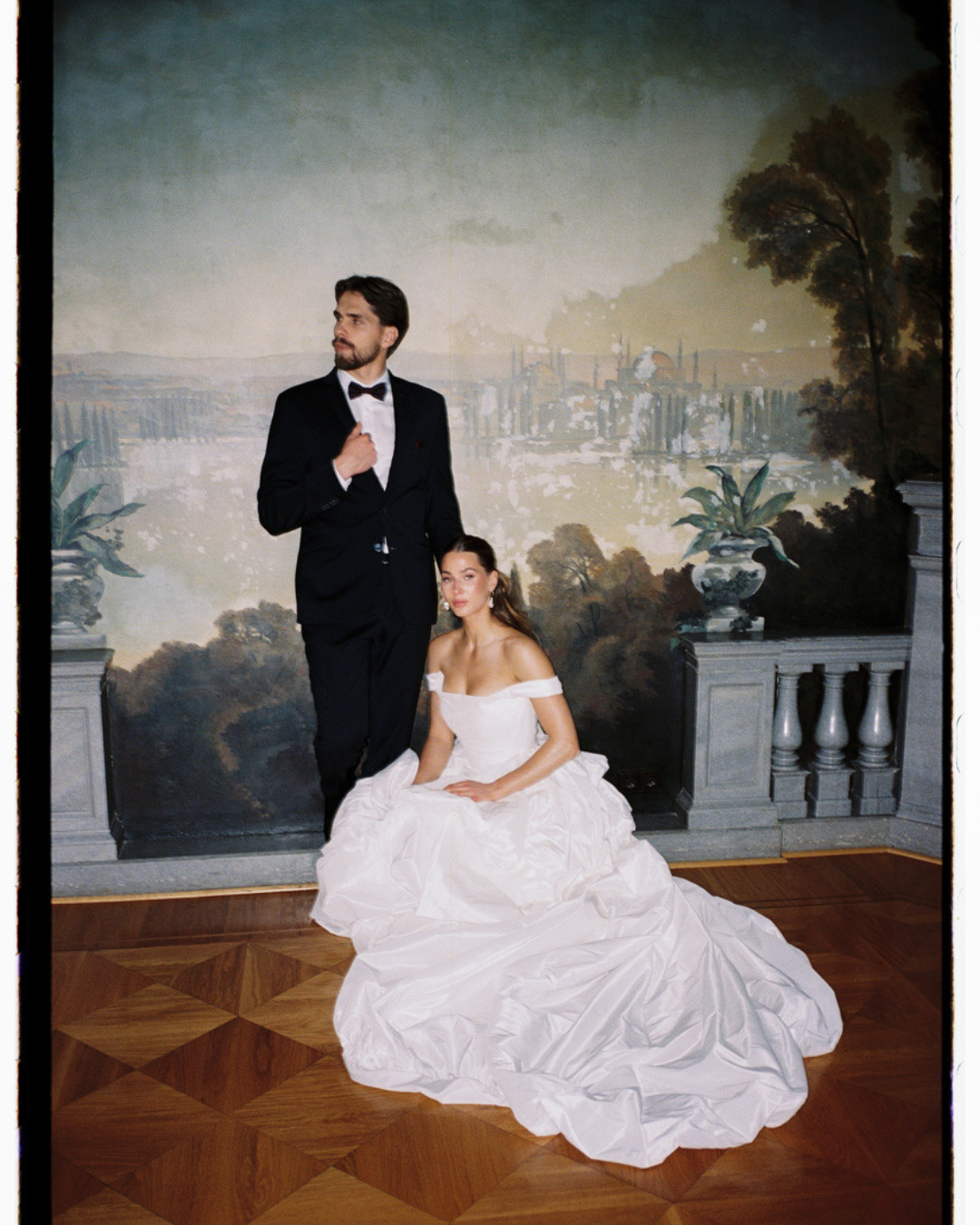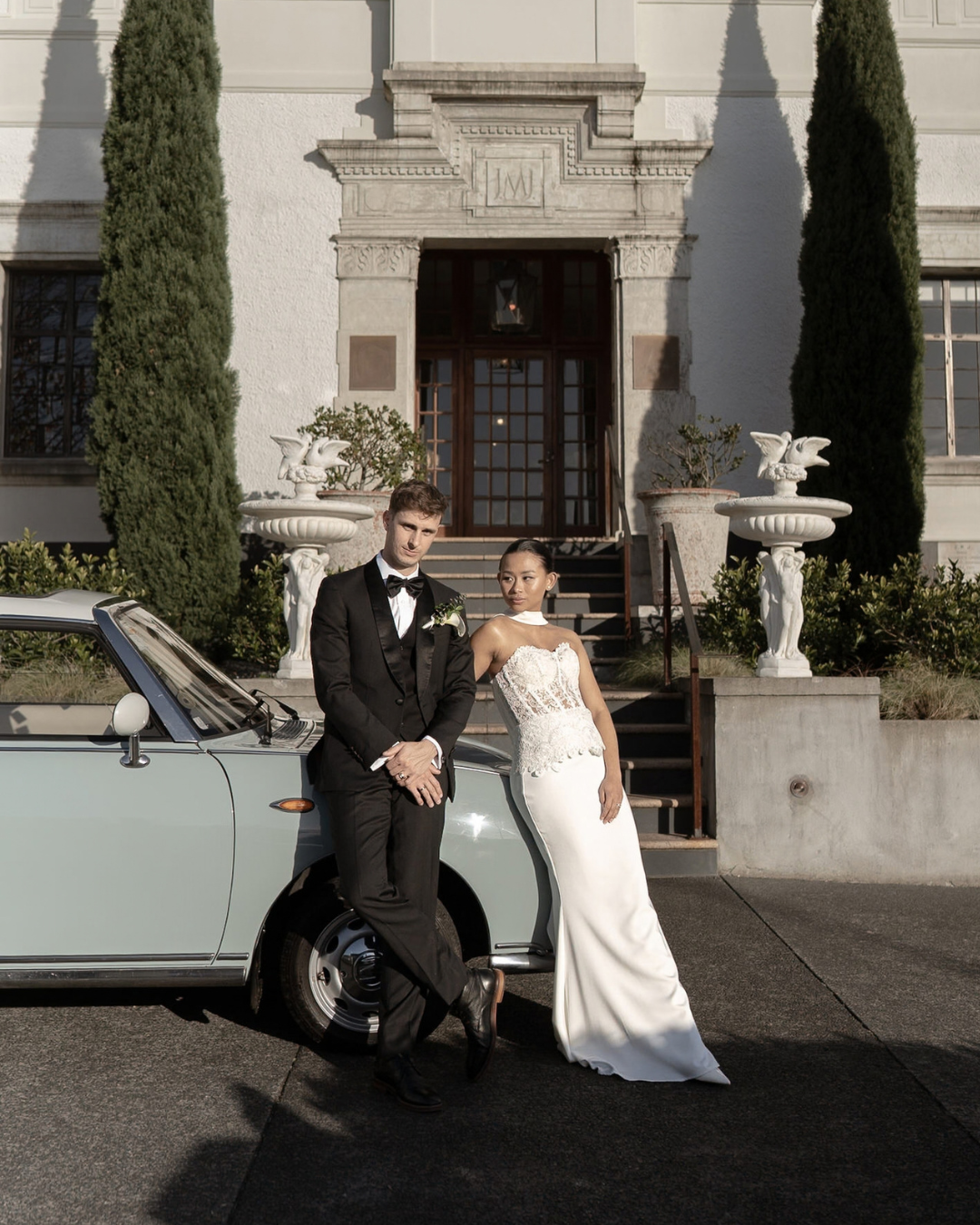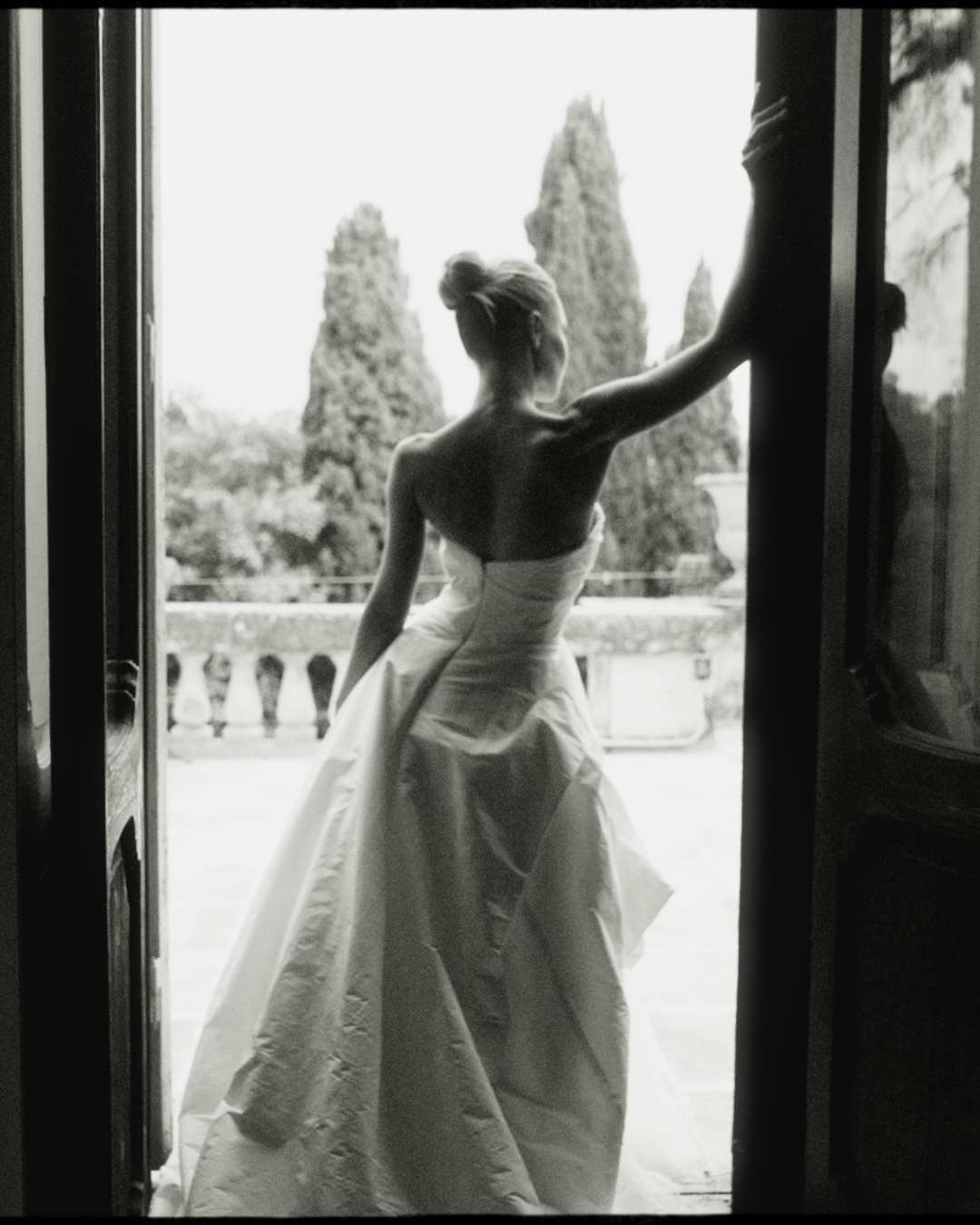
An insight into Tiago Kerber’s emotive, film-led wedding cinematography.
Tiago Kerber is a wedding cinematographer whose films feel like living works of art. Based between New Zealand and Europe, he blends the raw, timeless beauty of analogue film with the precision and clarity of modern digital cinema. Working with couples around the world, Tiago takes on only a select number of weddings each year, ensuring every project is deeply personal and tailored to the couple’s unique story. Known for his striking, contemporary visual style, he transforms weddings into cinematic experiences that linger long after the day is over. With a distinctive eye for detail and a dedication to storytelling, Tiago’s work captures the emotion, energy, and individuality of each couple, turning fleeting moments into films that feel both intimate and timeless.
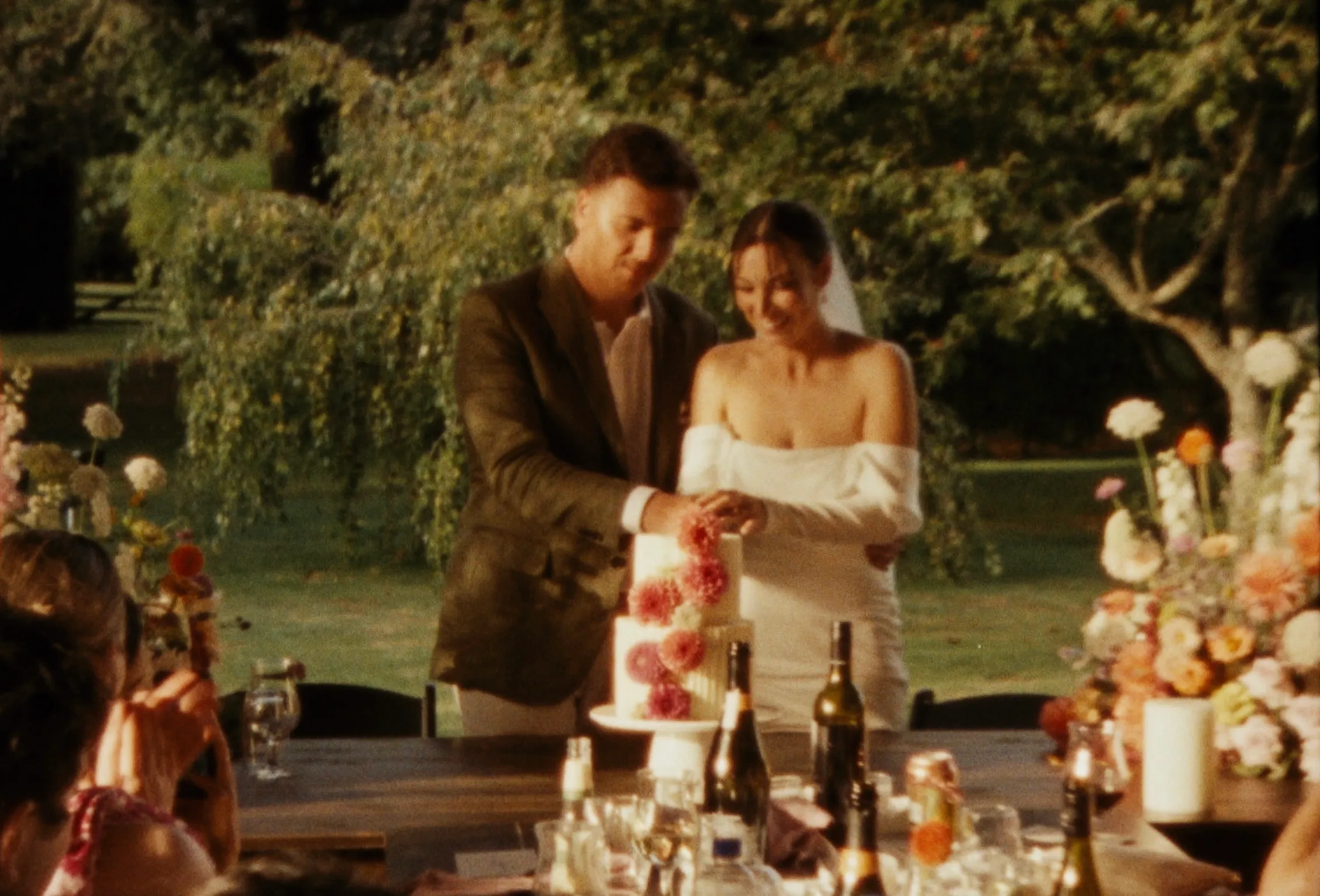
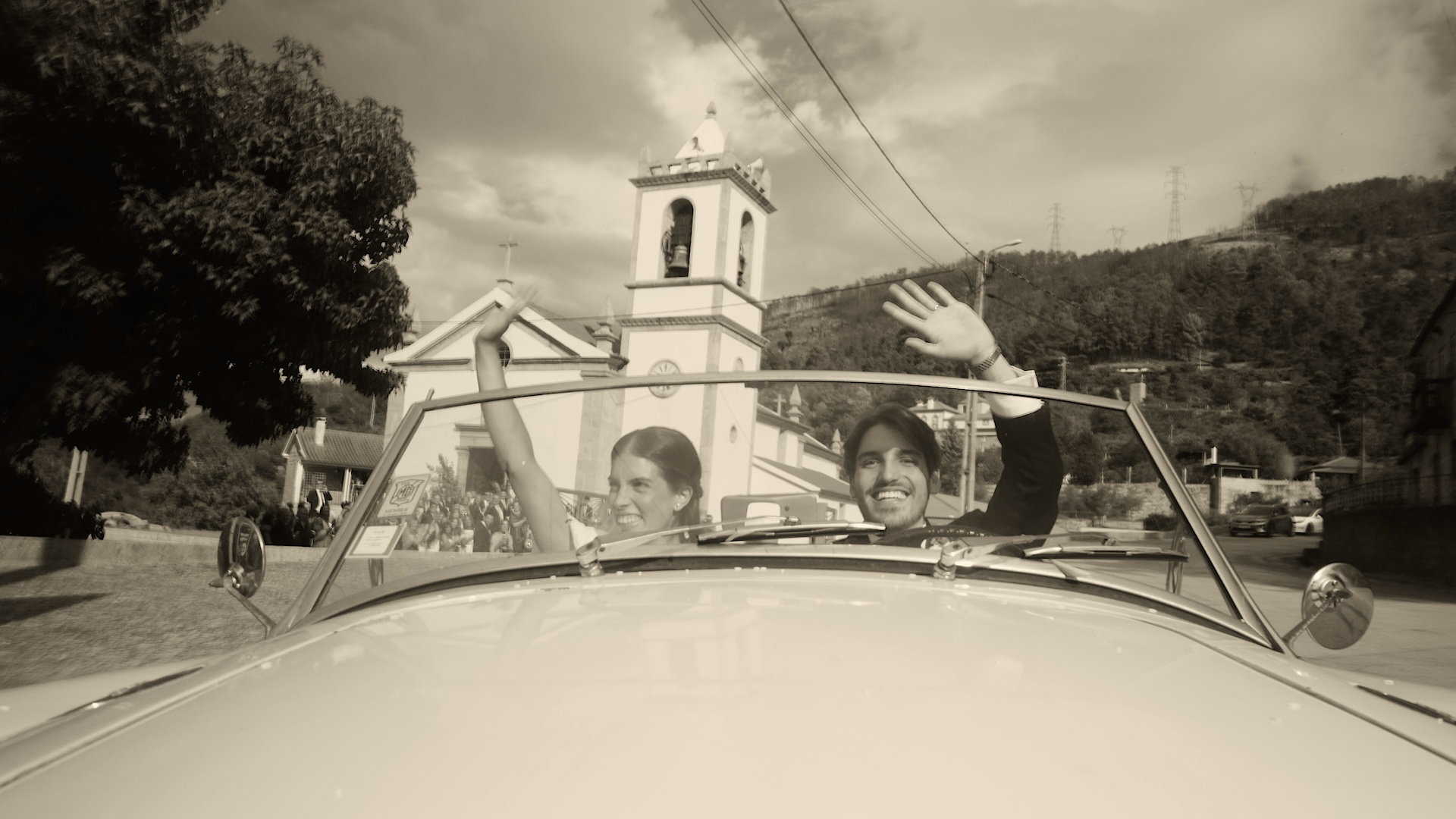
Fran & David ( Porto)
Your films have such a distinct analogue-meets-digital aesthetic—what draws you to this mix?
Analogue and film are where my passion and excitement primarily come from, and most of what I share on social media is shot on film. But I don’t see film as only a style or aesthetic; it’s a tool that helps me feel and see life in a certain way. What really matters to me is the feeling of a moment and the people in front of me, and that exists beyond any format.
Film makes me slow down and be completely present. It makes me more intentional with what I choose to capture and trust my instincts, paying attention to how a moment feels before pressing record. For me, a strong image or a meaningful moment should work regardless of the format. Film doesn’t make something good; it just captures it in a certain way.
The versatility and adaptability of digital is so important for something like a wedding day, where things move fast, and you constantly have to adjust on the go. I also use digital to record audio, which, in my opinion, is such an essential part of storytelling. Being able to hear laughter, clinking glasses, vows, speeches, even the birds in the background, all of that brings you right back into the moment in a way visuals alone can’t.
So the mix of analogue and digital isn’t just about creating a look and particular style, it’s about using the right tools to capture the feeling of the day as honestly and intentionally as possible.
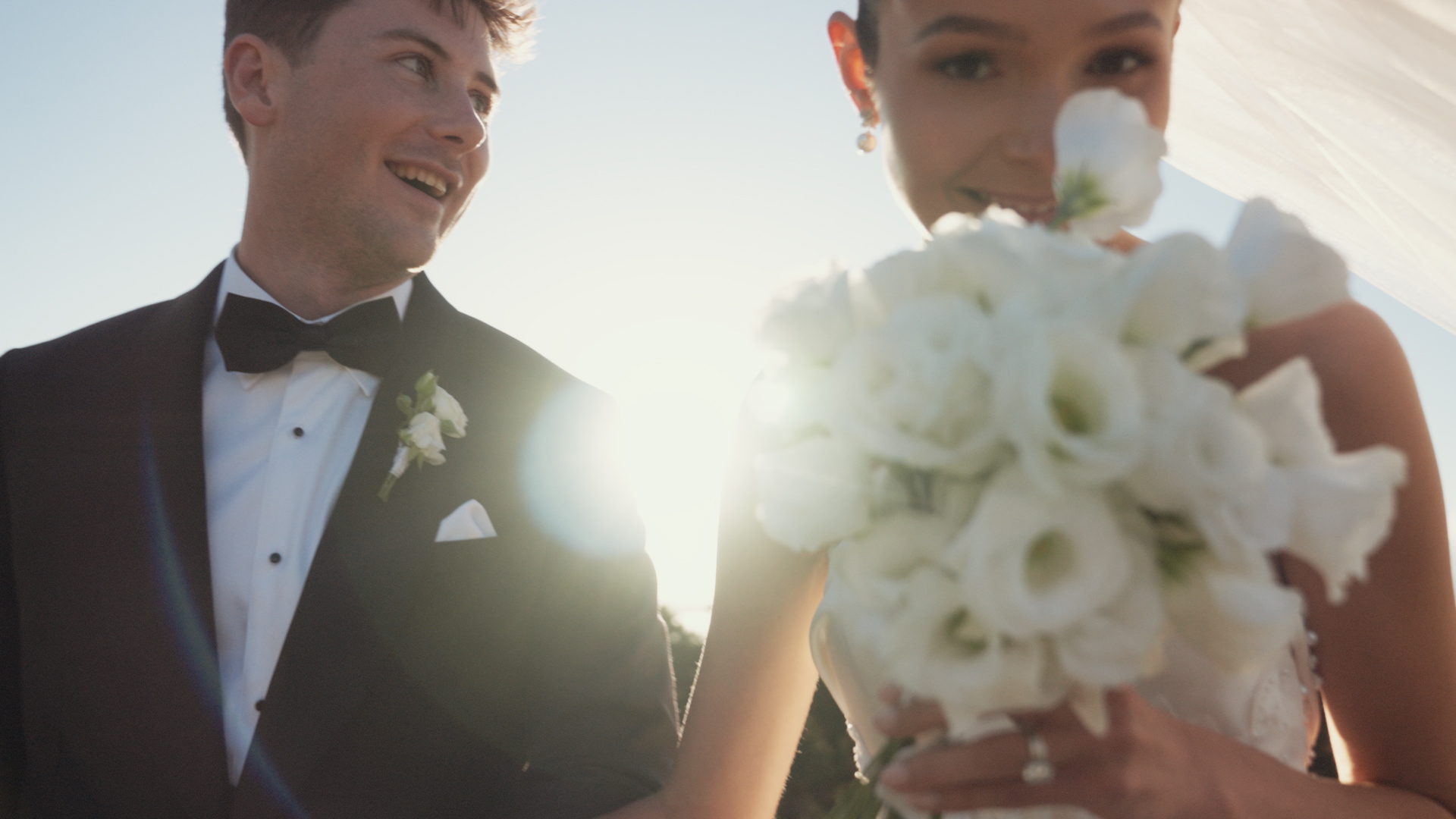
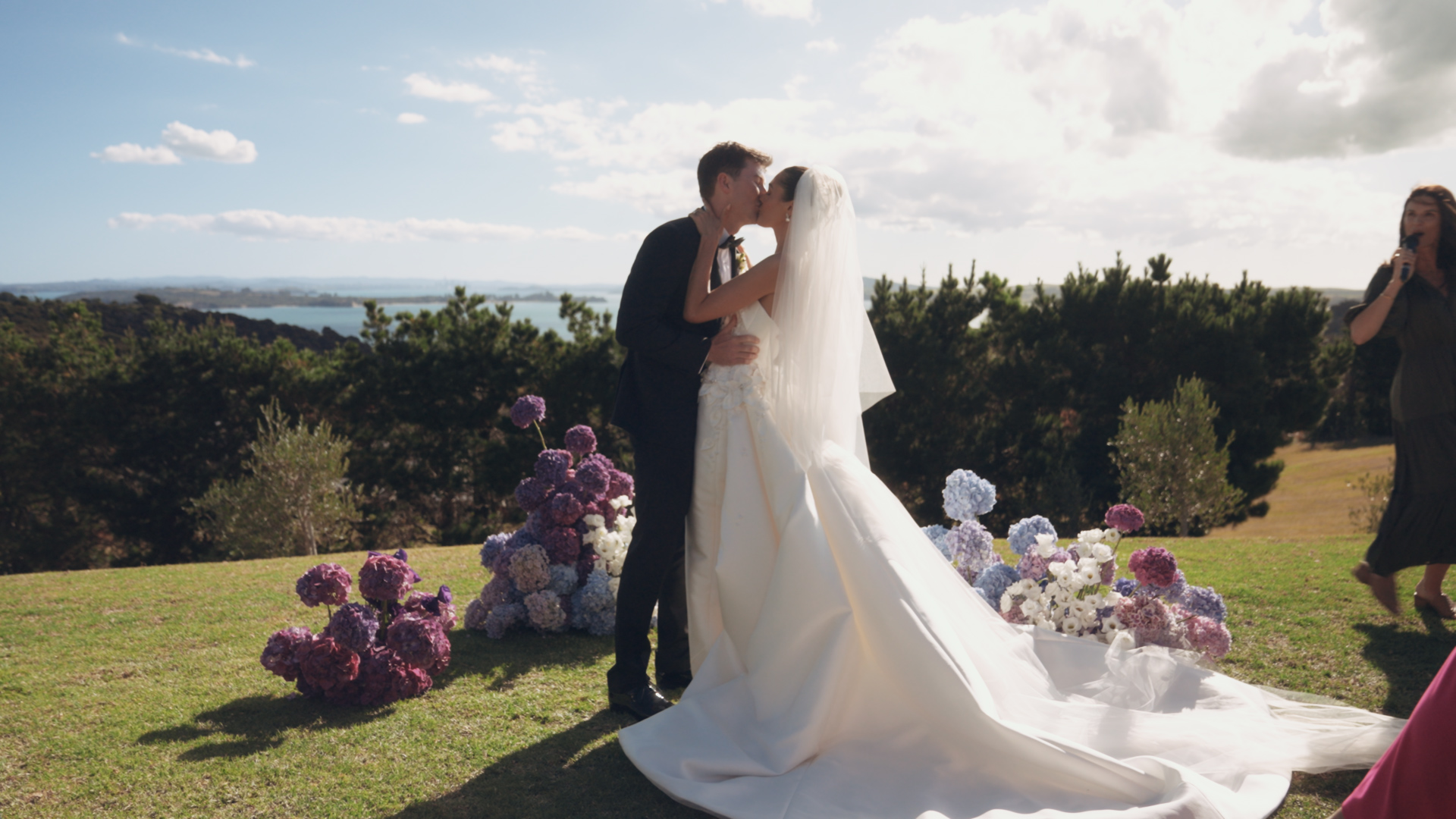
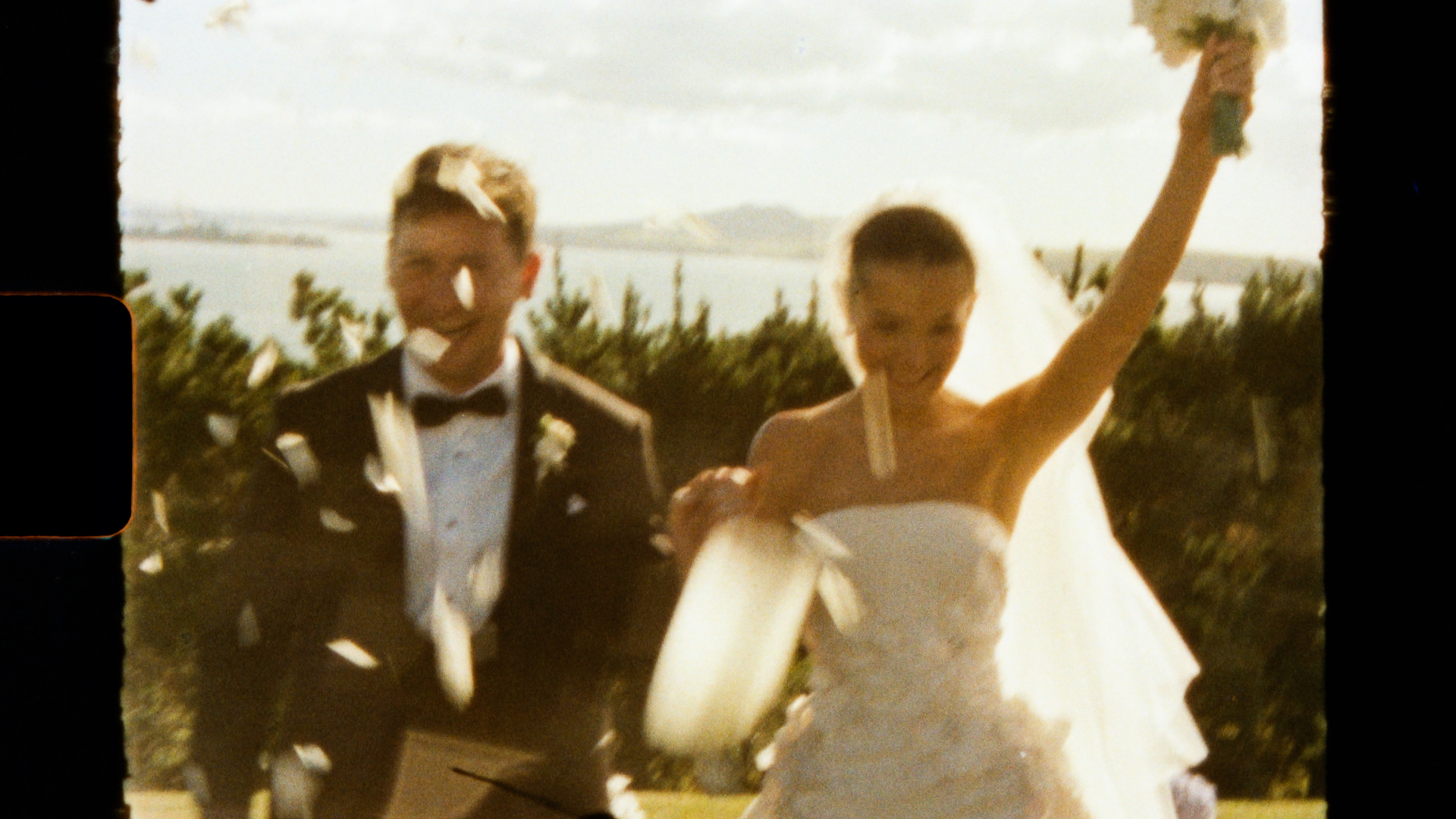
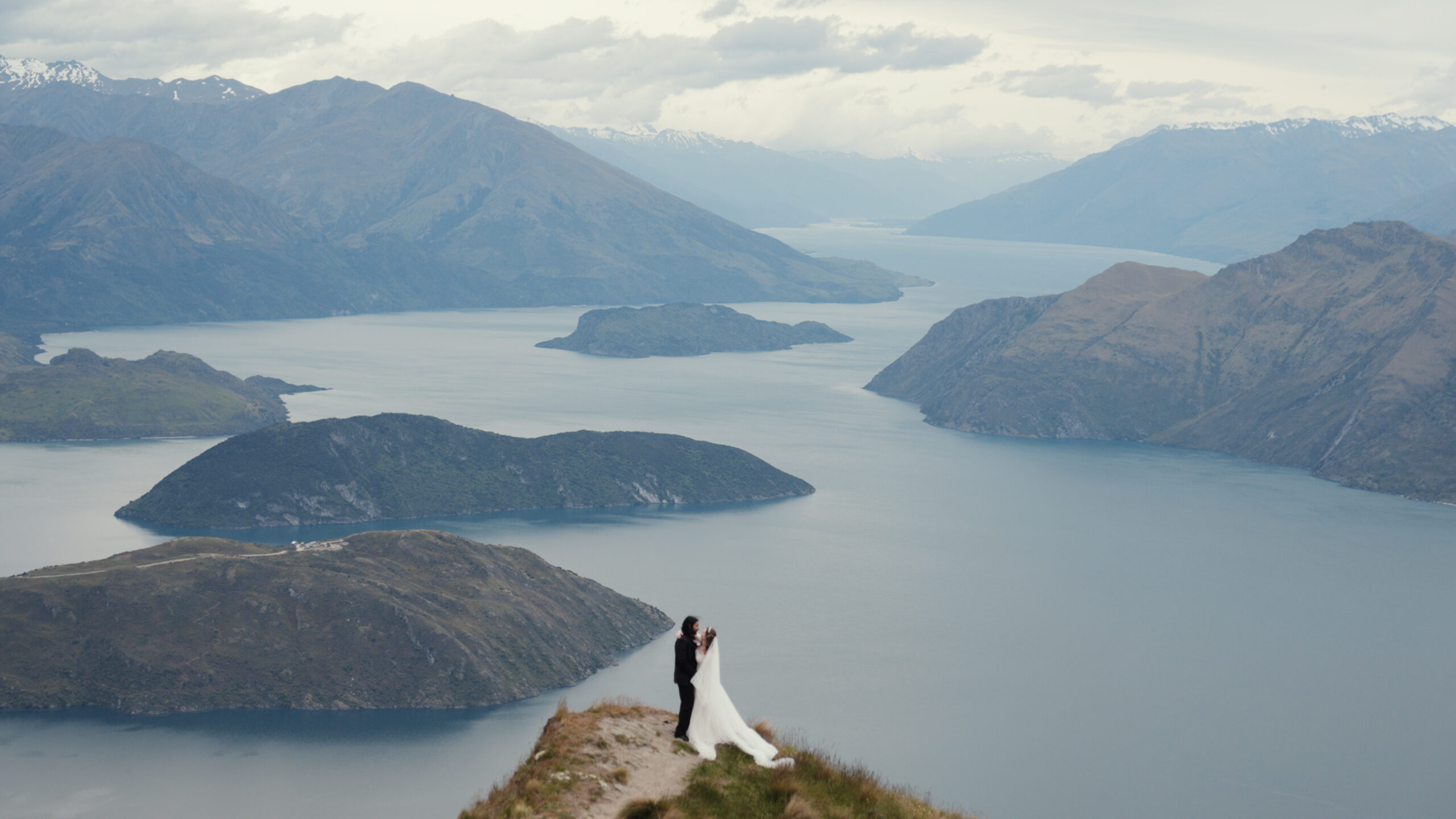
Amelia & Charlie (Waiheke Island, New Zealand)
You work with couples across the globe—what’s the most memorable location you’ve filmed a wedding?
Each location has its own magic and energy, which keeps my job very exciting and inspiring, but if I had to choose, I think Taormina in Italy would be my favourite so far. The beautiful medieval town, the blue Mediterranean Sea, and views of volcanoes make it a dream location to shoot in.
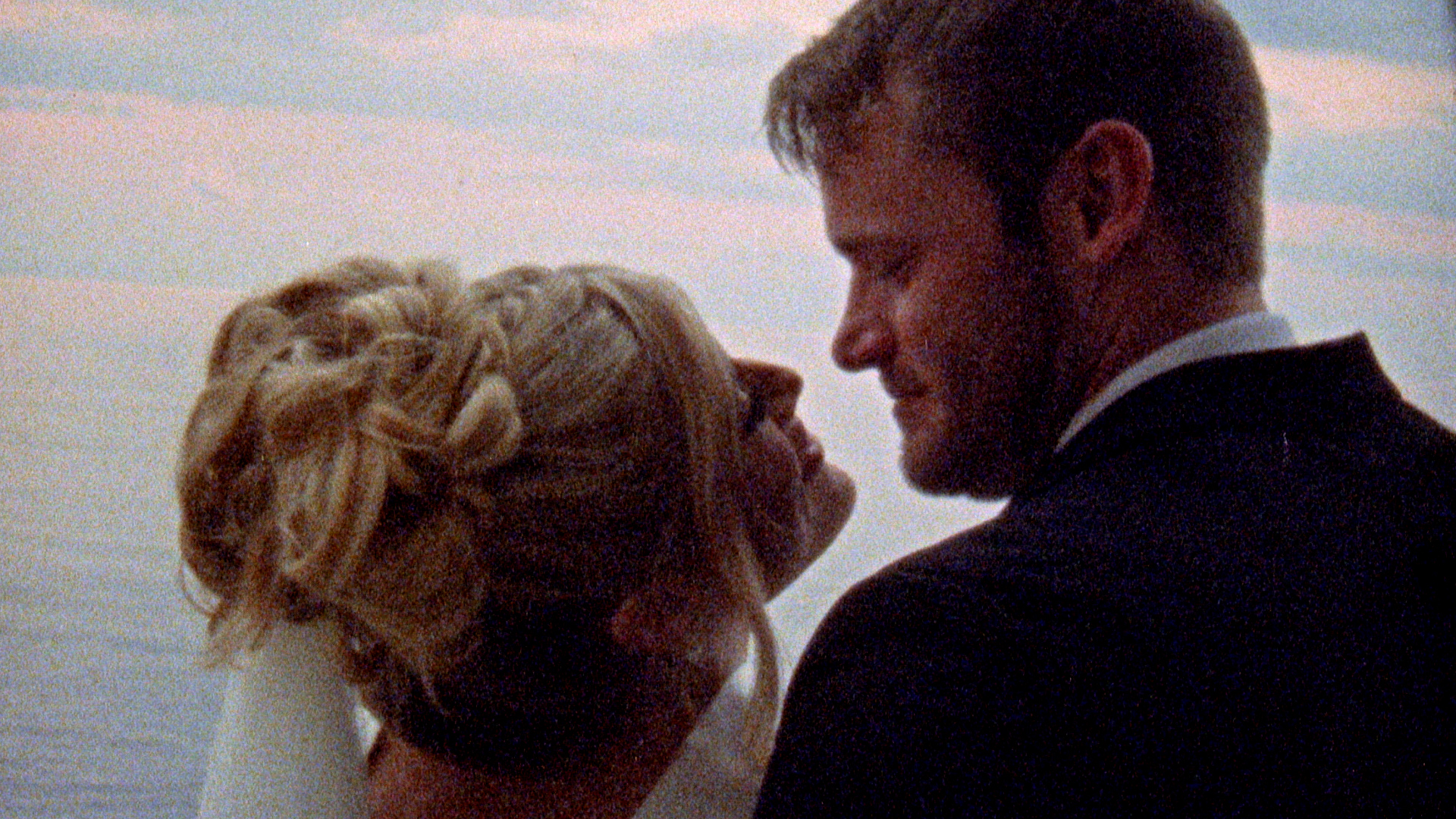
Adriana & Alex (Taormina)
Which tiny, quiet moment do you find yourself chasing on every wedding day?
I’m always drawn to the quieter, more intimate moments away from the spotlight.
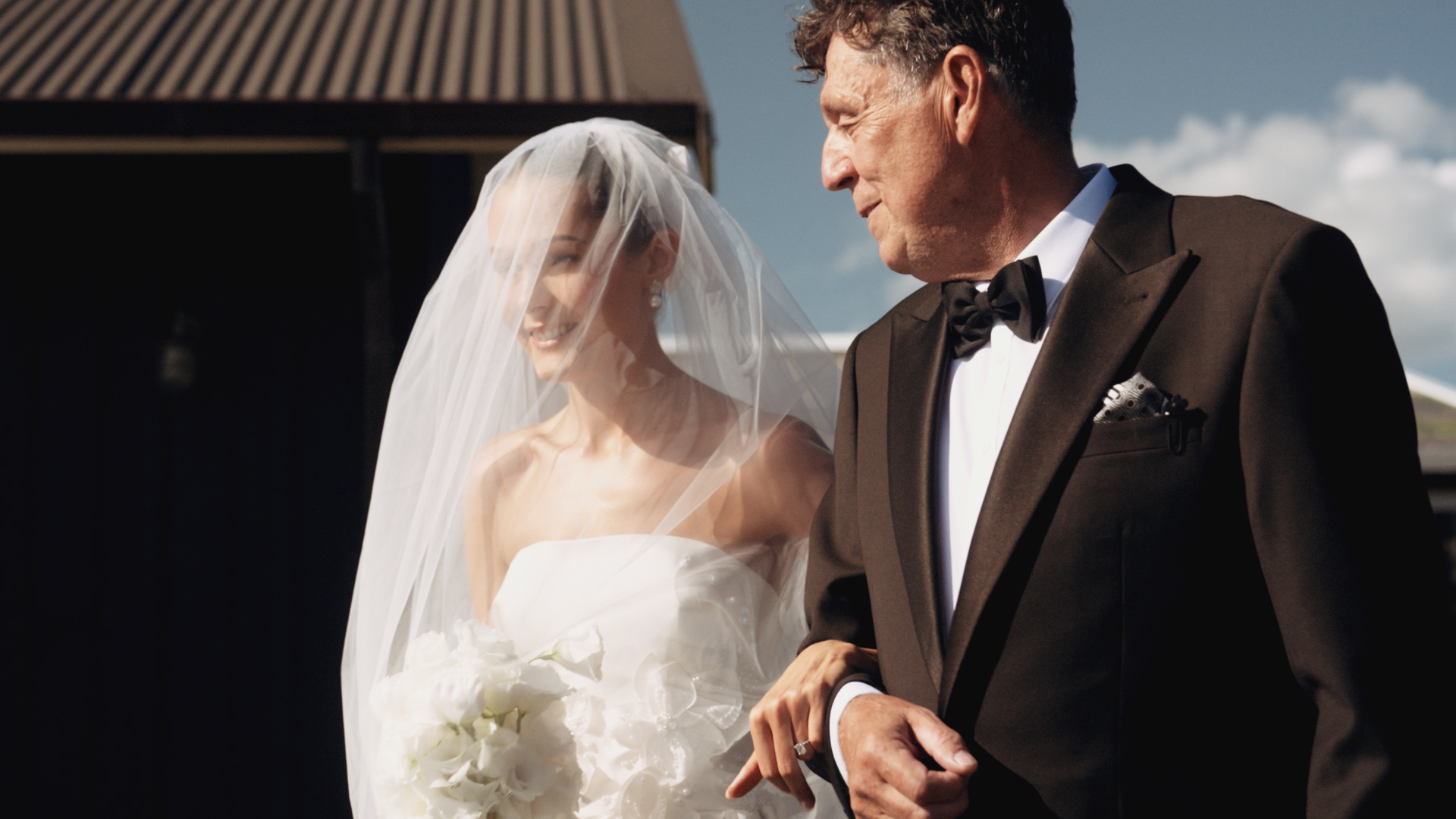
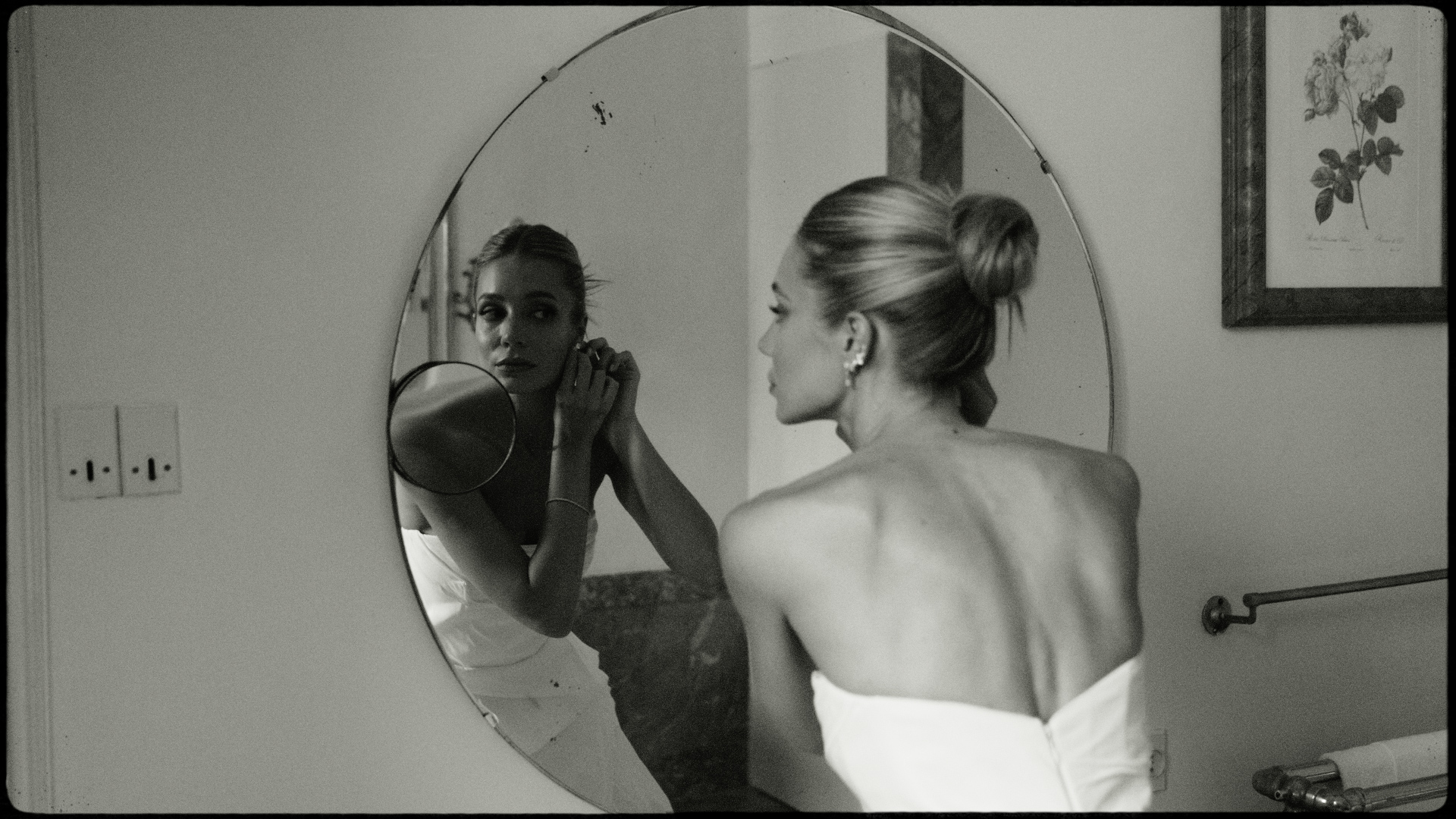
The way a mother looks at her daughter while she’s getting ready, the glances during vows, the reactions to speeches, those moments carry so much emotion and make a film feel more special.
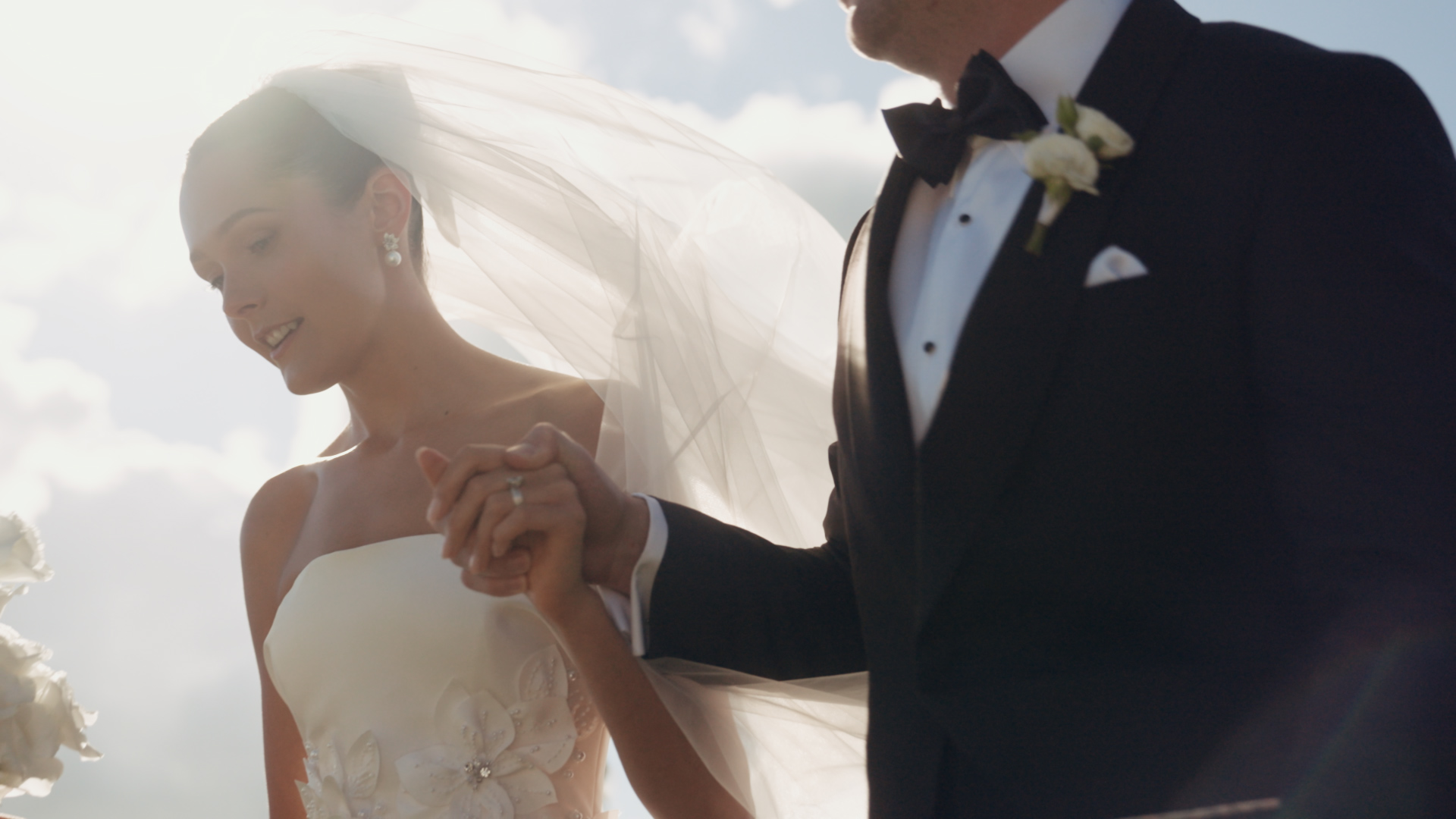
How do you make sure each film feels completely personal, while still being visually cinematic?
I limit the number of weddings I shoot each year to ensure I can provide a deeply personal and bespoke experience to each couple I work with. I take time to understand who they are beyond the surface, and on the wedding day, I am very attentive not only to how everything looks in front of the camera, but how things feel and the energy of the day.
I don’t follow a template or a fixed way of shooting or editing. Each film is shaped by the people, the energy, and the rhythm of the day. The intention is always to create something that feels true to them, and that is honest, personal, and timeless.
The cinematic side comes naturally through that process, by choosing intentionally how I want to tell the story. How to compose a shot, the way I use light, when to move the camera or not, music and ambient sounds, are all elements that contribute to making a film cinematic.
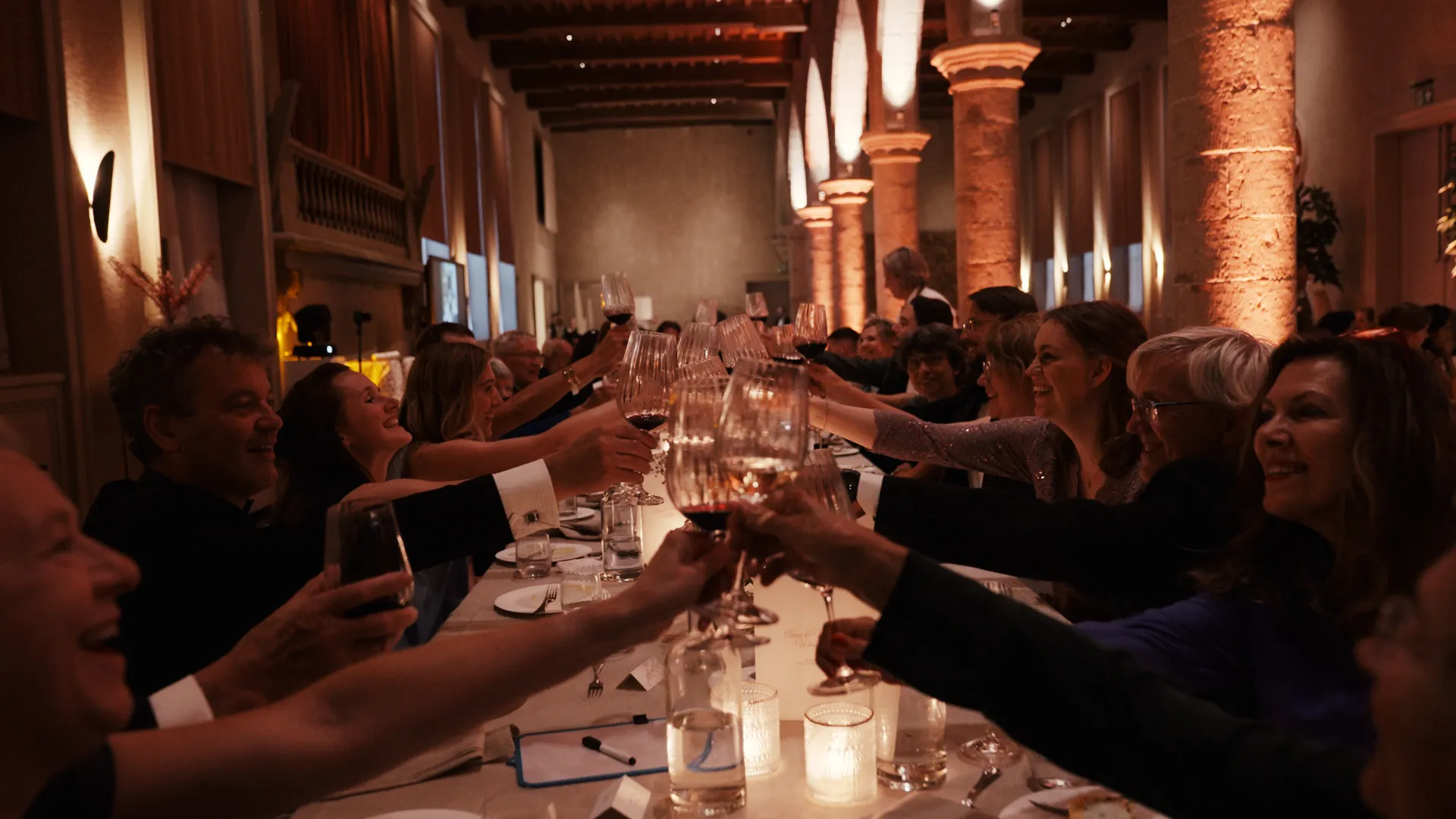
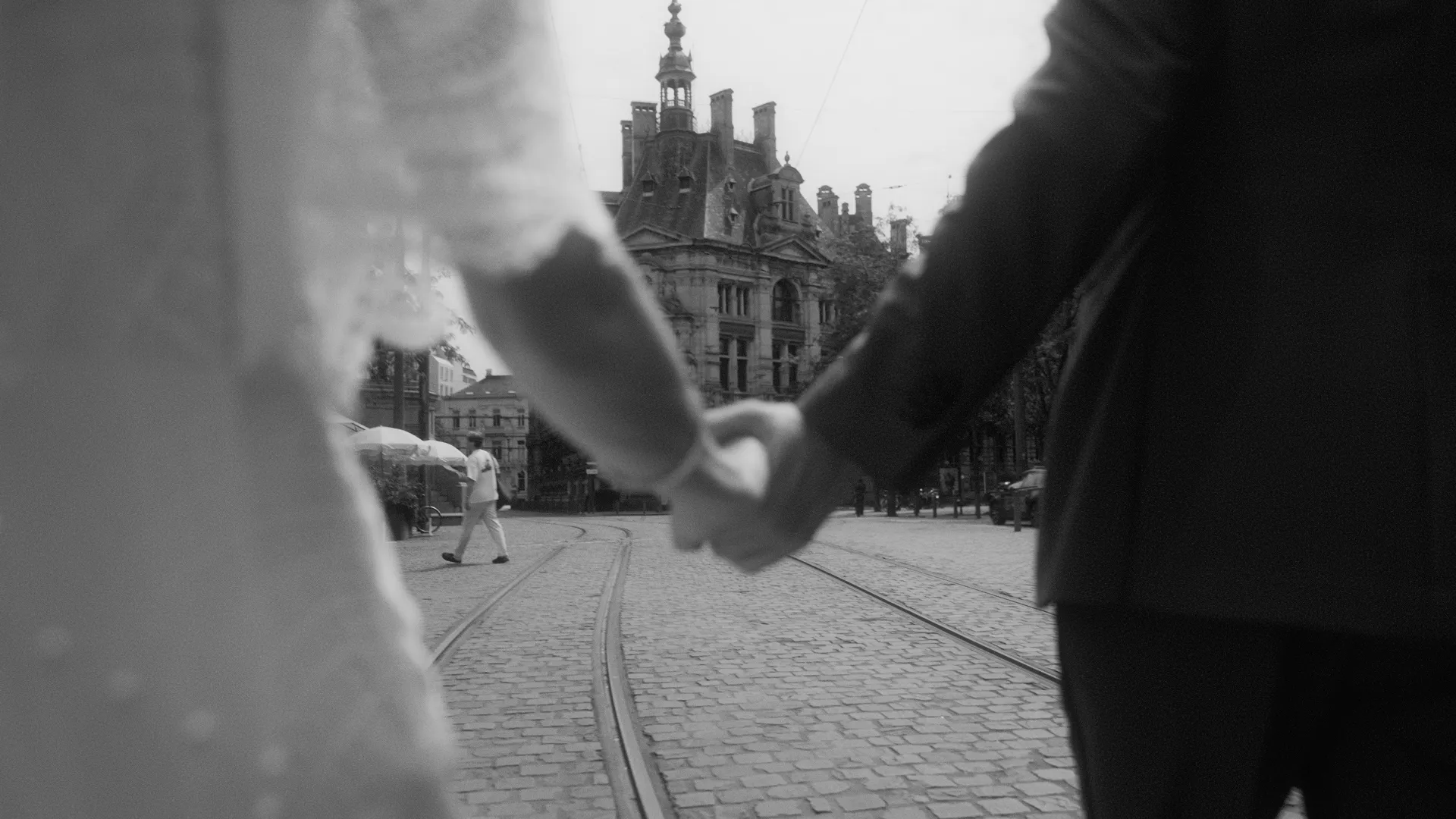
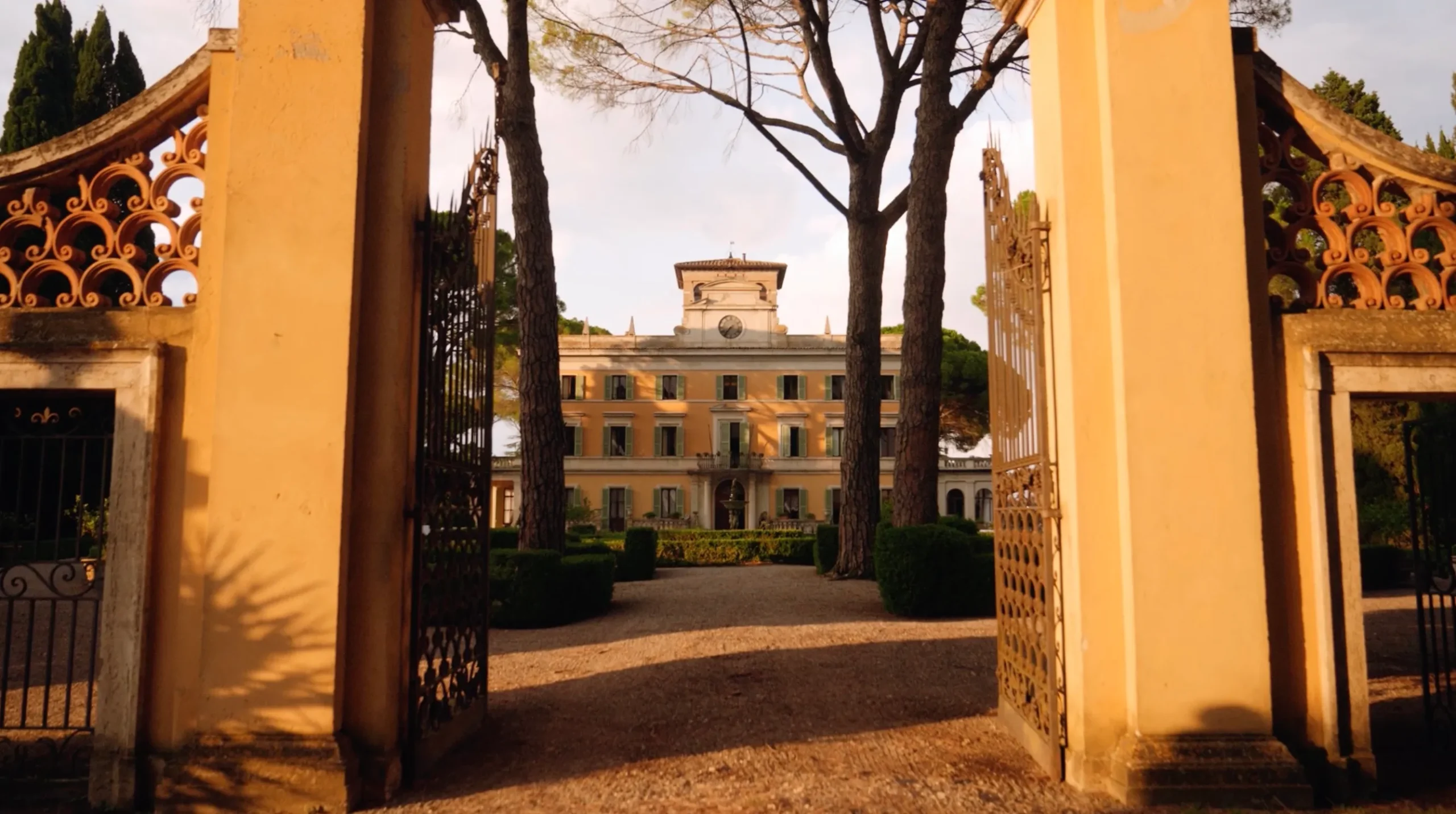
Anna & Milo (Antwerp)
If you could invent one quirky wedding ritual just for the camera, what would it be?
It would be something very simple, stepping away from everything for a moment, just the two of them, with no distractions.
A wedding day moves fast and is full of emotion, and it’s easy to get caught up in it all without ever really pausing to take it in. I like to create space for couples to just be together, breathe, and feel what’s actually happening.
It’s funny because it’s not really for the camera, but every time I have done it, the couple have loved it and thanked me for it, saying it meant a lot to them.
How do you know when a shot is perfectly alive—instinct, planning, or magic?
I feel like when I’m shooting, there’s a lot of magic, but that often comes from a mix of both planning accordingly and trusting my instincts.
Most of the time, it comes down to feeling rather than thinking. After years of experience, the technical side becomes second nature, which allows me to stay present and respond intuitively to what’s happening around me.
When everything aligns, the energy, the timing, the emotion, you can feel it. That’s when a shot feels truly alive.
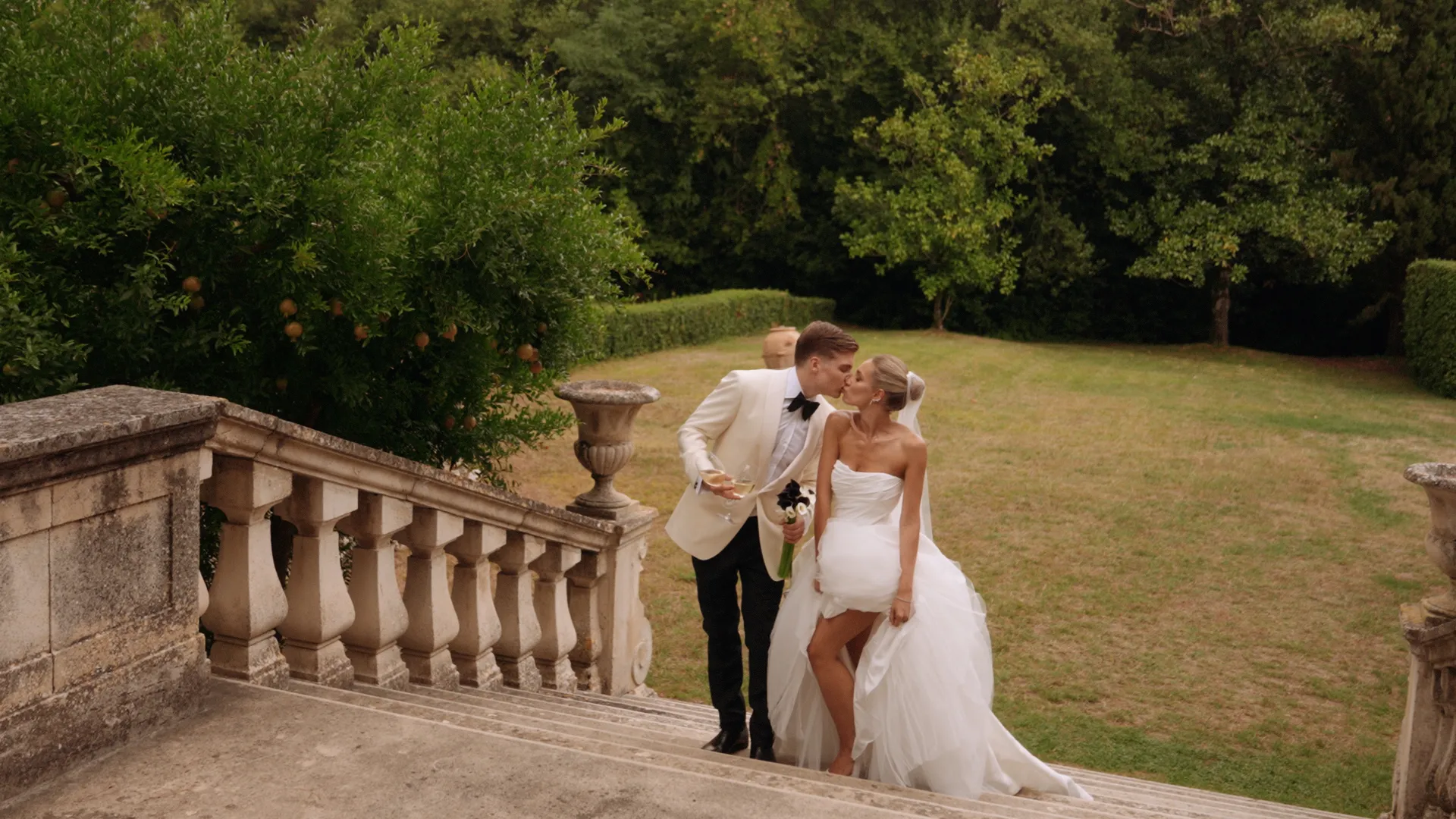
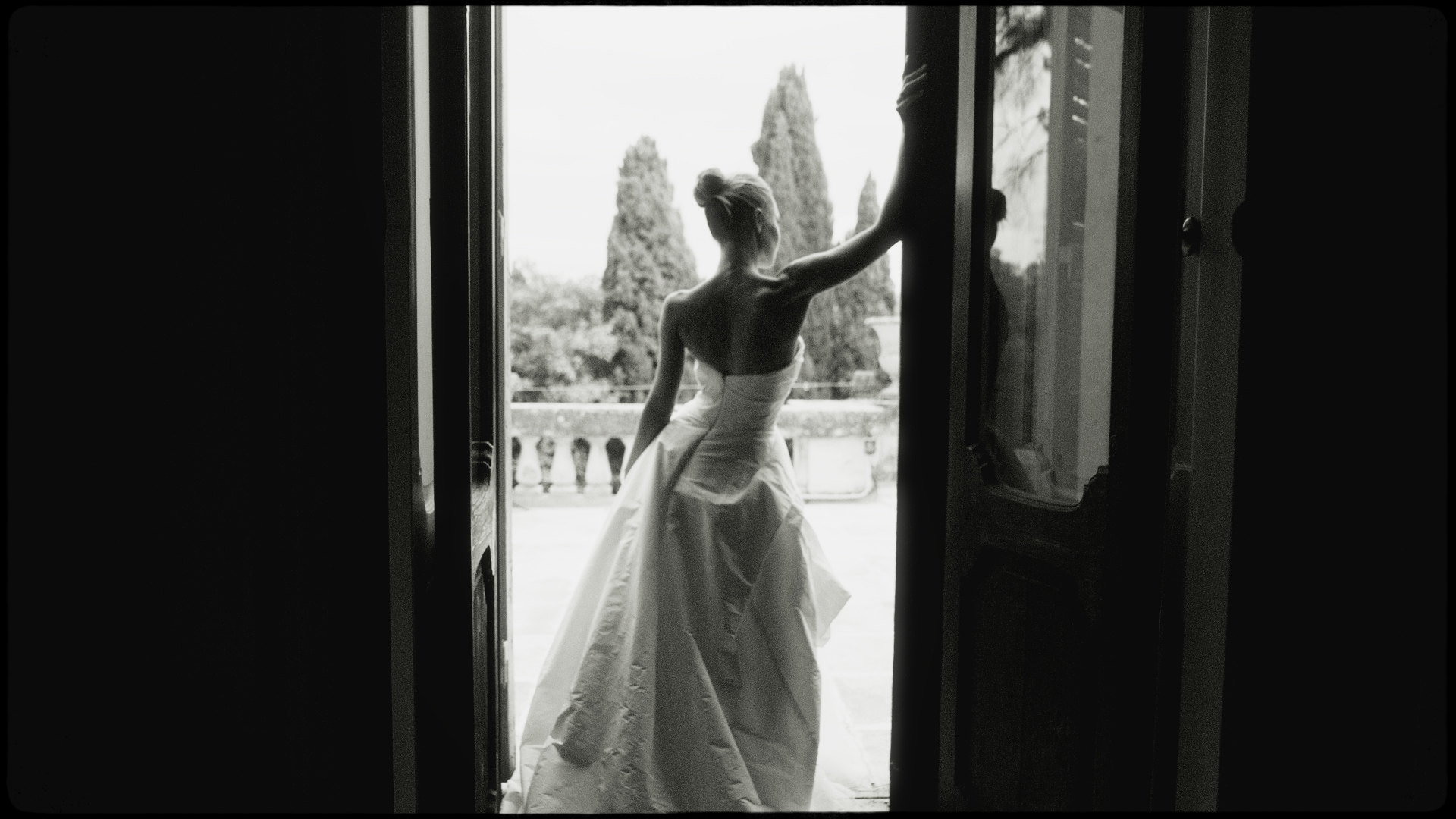
Liza & German (Umbria, Italy)
What excites you most about capturing weddings today, compared to other creative projects?
I’m drawn to realness, and a wedding is full of that.
Compared to other projects, there’s a depth and unpredictability to weddings that you can’t script, and once something happens, it can’t be repeated. Also, a wedding film has such a long life compared to many other projects that are only watched for a few weeks after they come out.
That’s what keeps it exciting for me, the challenge of being present to notice all the fleeting moments and translate them into something that feels honest and alive, immortalising the day for generations to come.
Katie & Damian (Sicily)
Are there any experimental techniques or storytelling styles you’re eager to try in the coming years?
I’m always experimenting, that’s a big part of what keeps my work exciting.
At the moment, I’m really keen to keep exploring different film formats, with 16mm being at the top of that list. I recently got a Bolex from 1965, which has been a beautiful process of learning and slowing things down even further.
Also my editing style is evolving, leaning into slower pacing and allowing moments to breathe more. I’m interested in creating space within a film, so the feeling has time to settle rather than being rushed.
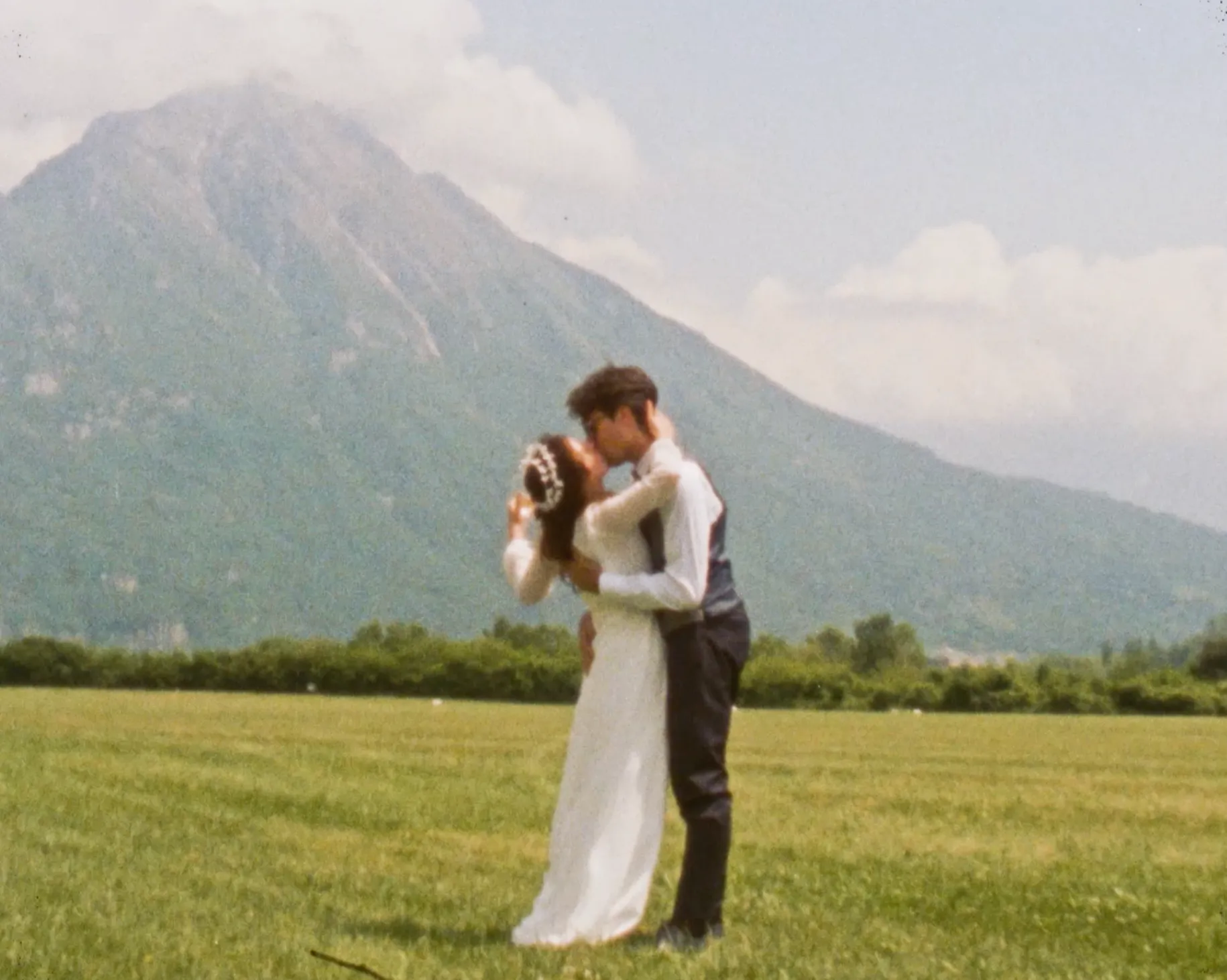
Valeria & Michele (Dolomites)
Sophie & Sam (Hawkes Bay)
If your films could have a personality of their own, what would it be?
I think my films would be the kind of person who makes people feel seen. Someone calm, observant, and emotionally intuitive, who doesn’t need to say much, but feels everything.
They’d slow time down in a subtle way, drawing attention to what really matters. Not the big, obvious moments, but the quiet ones in between, the ones that often go unnoticed, but hold so much meaning.
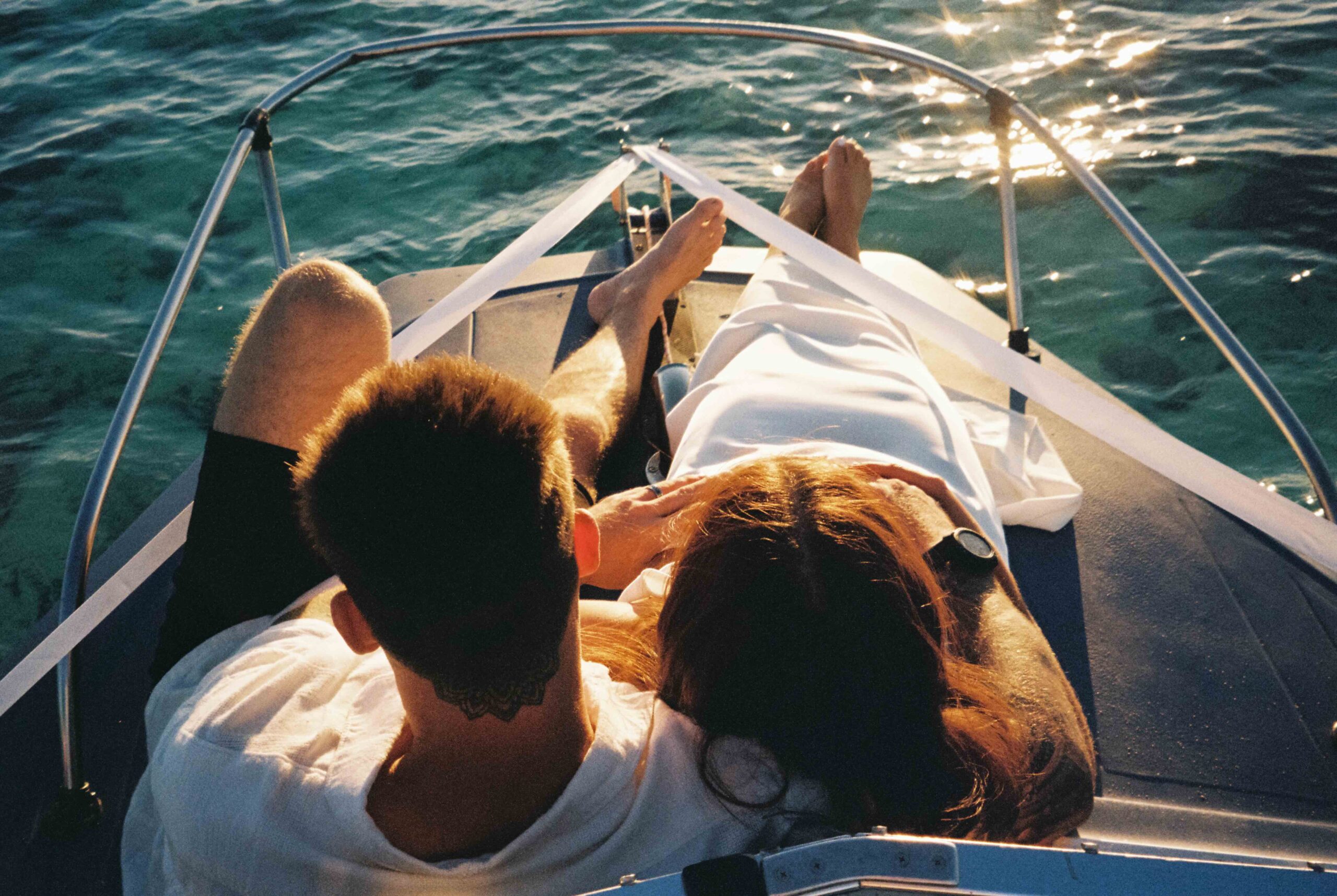
Karley & James (Exmouth WA)
If your films had a “soundtrack” made entirely of ambient sounds, what would we hear?
Waves rolling in, a gentle breeze, distant laughter, the soft movement of fabric; subtle, natural sounds that place you right back in the moment.
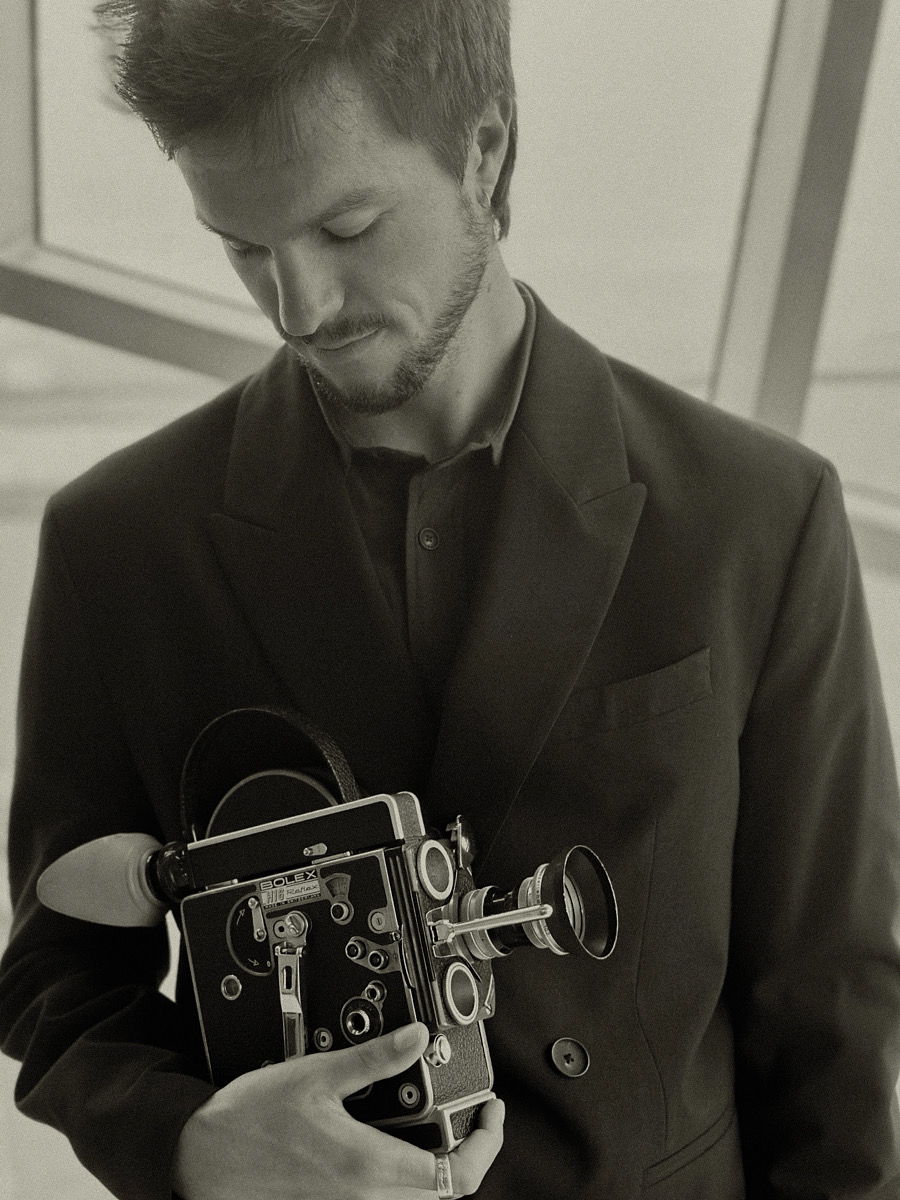
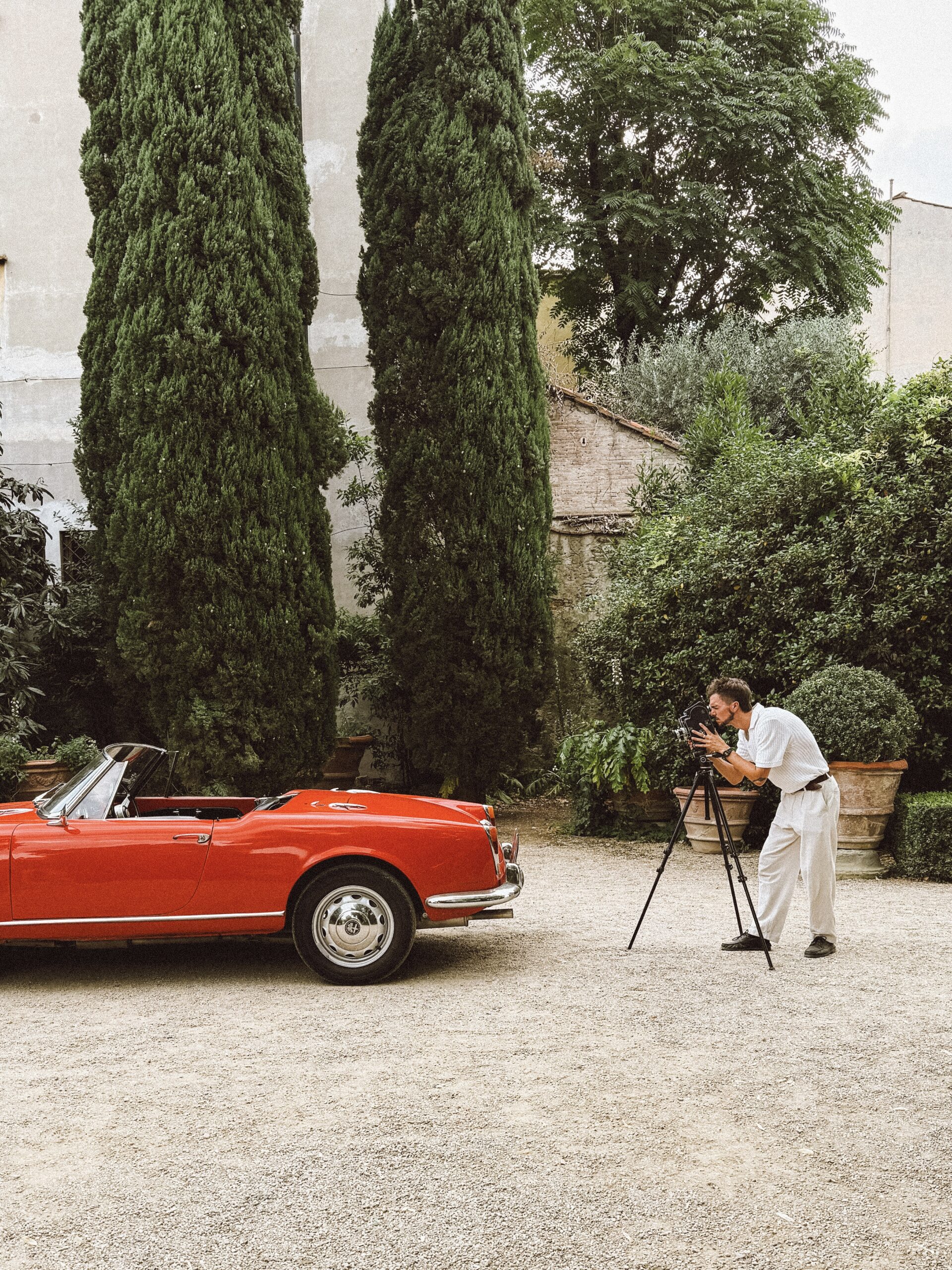
ABOVE Tiago Kerber
For more information visit tiagokerber.com and @tiagosfilms
Tiago Kerber