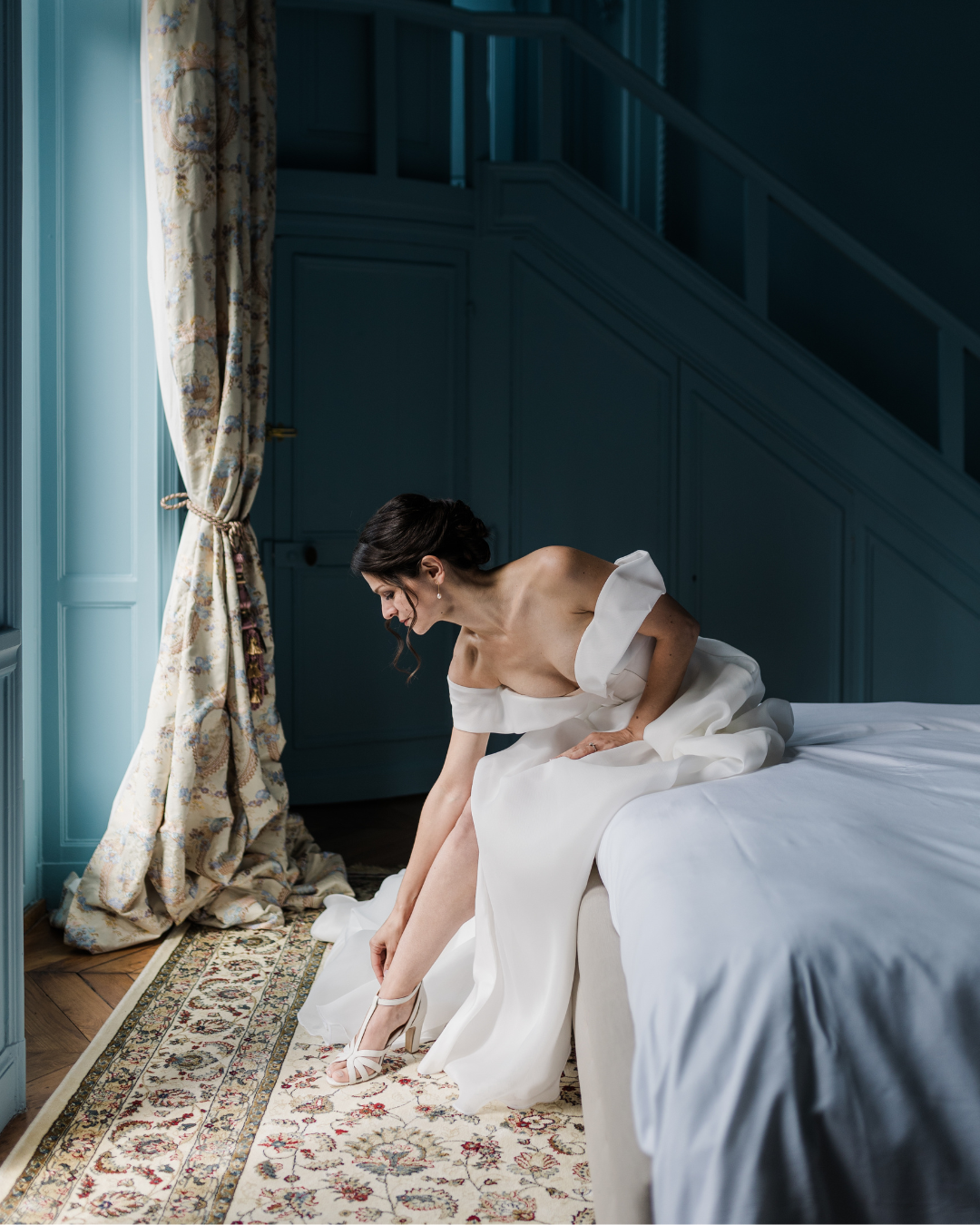
Capturing weddings with an artful eye for atmosphere, connection, and the beauty of being fully present.
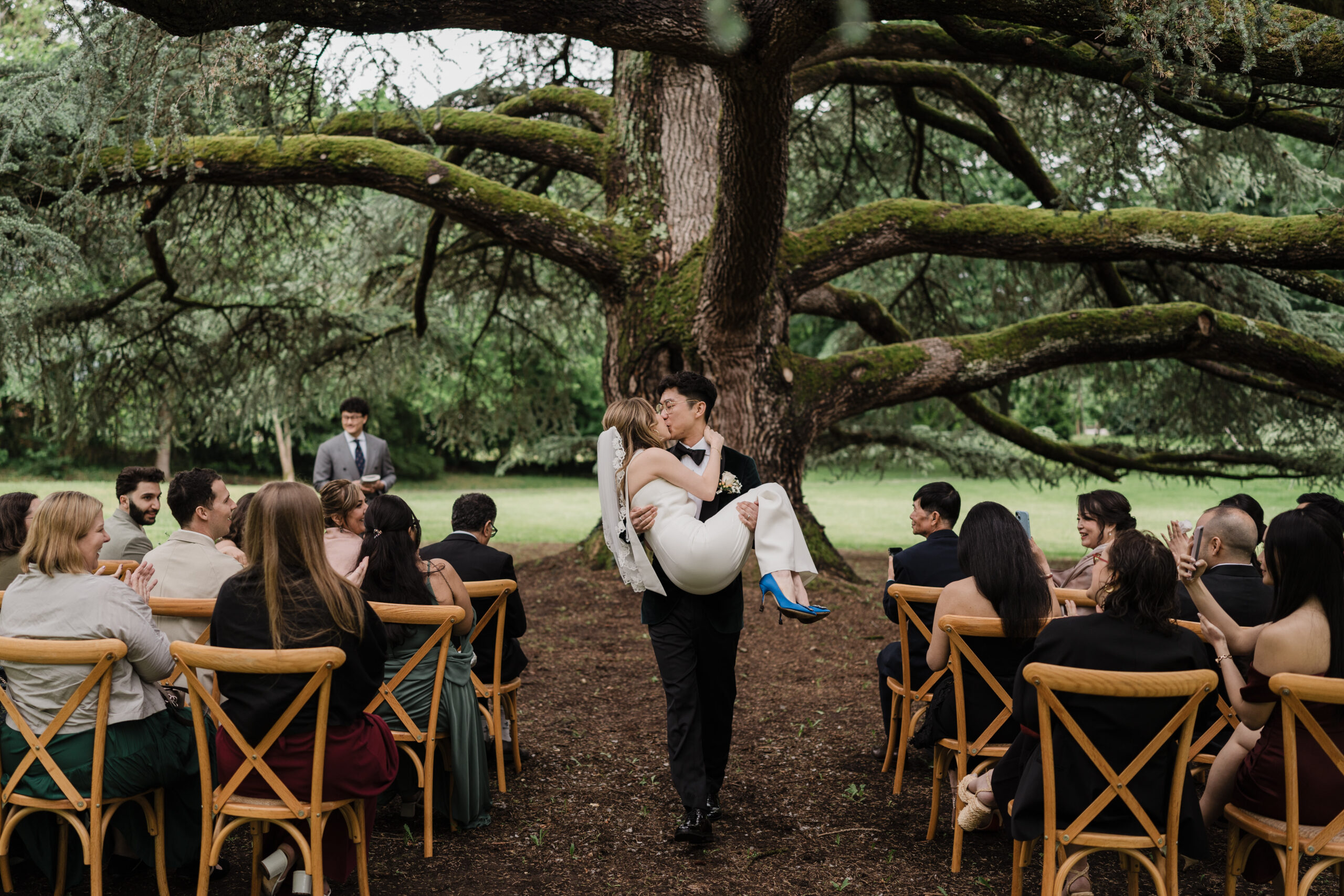
Based in Paris and photographing celebrations across Europe and beyond, Aurélie of Vibrant Feelings approaches wedding photography with a rare blend of artistry, intuition, and care. Guided by the belief that beautiful imagery should never come at the expense of presence, she creates photographs that feel deeply atmospheric, emotionally honest, and effortlessly elegant. Inspired by architecture, travel, and the quiet details that often go unnoticed, her work captures not only how a wedding looked, but how it felt. Drawn to intimate, multicultural, and queer celebrations, Aurélie documents each story with sensitivity and intention, creating timeless images that become treasured memories for years to come.
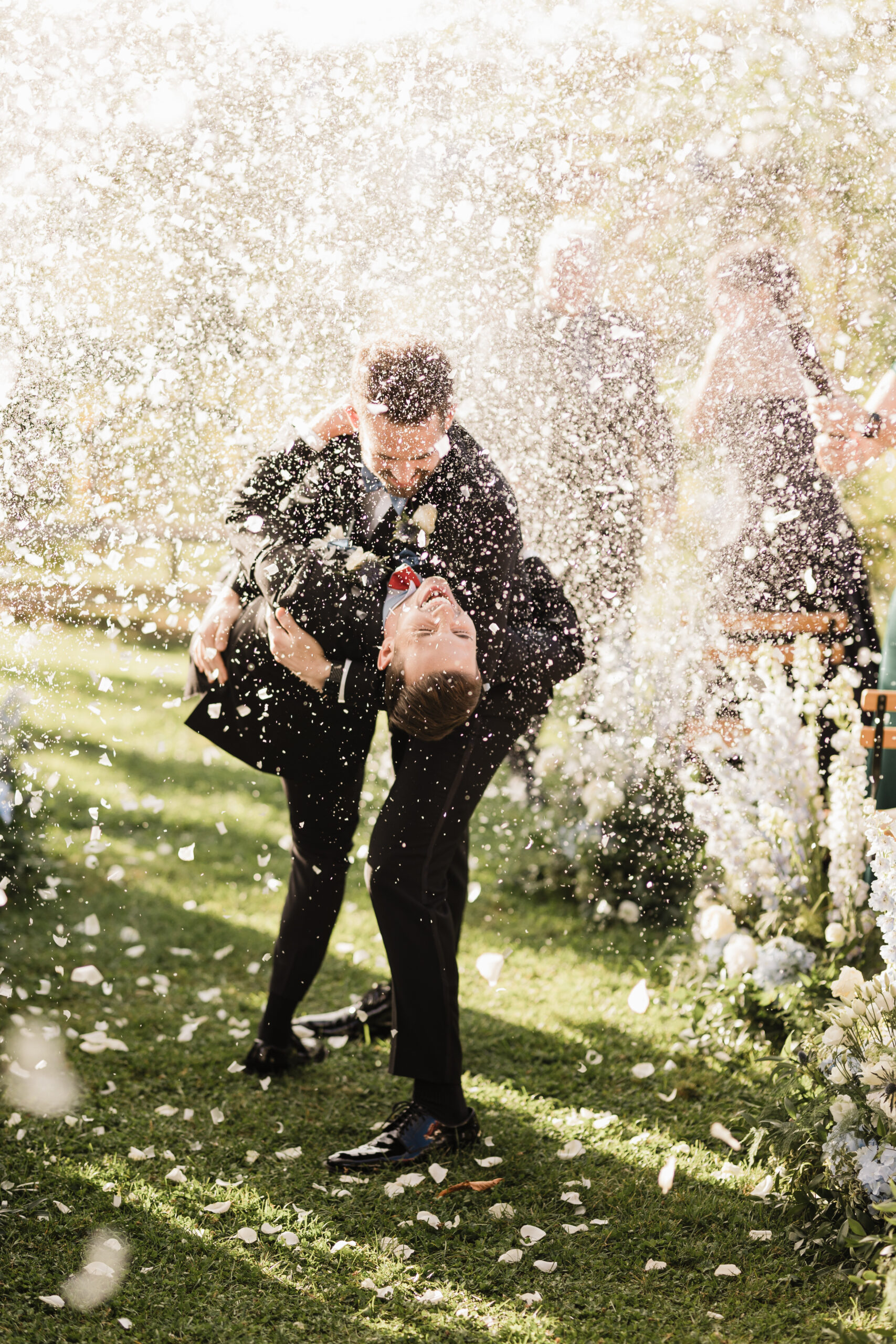
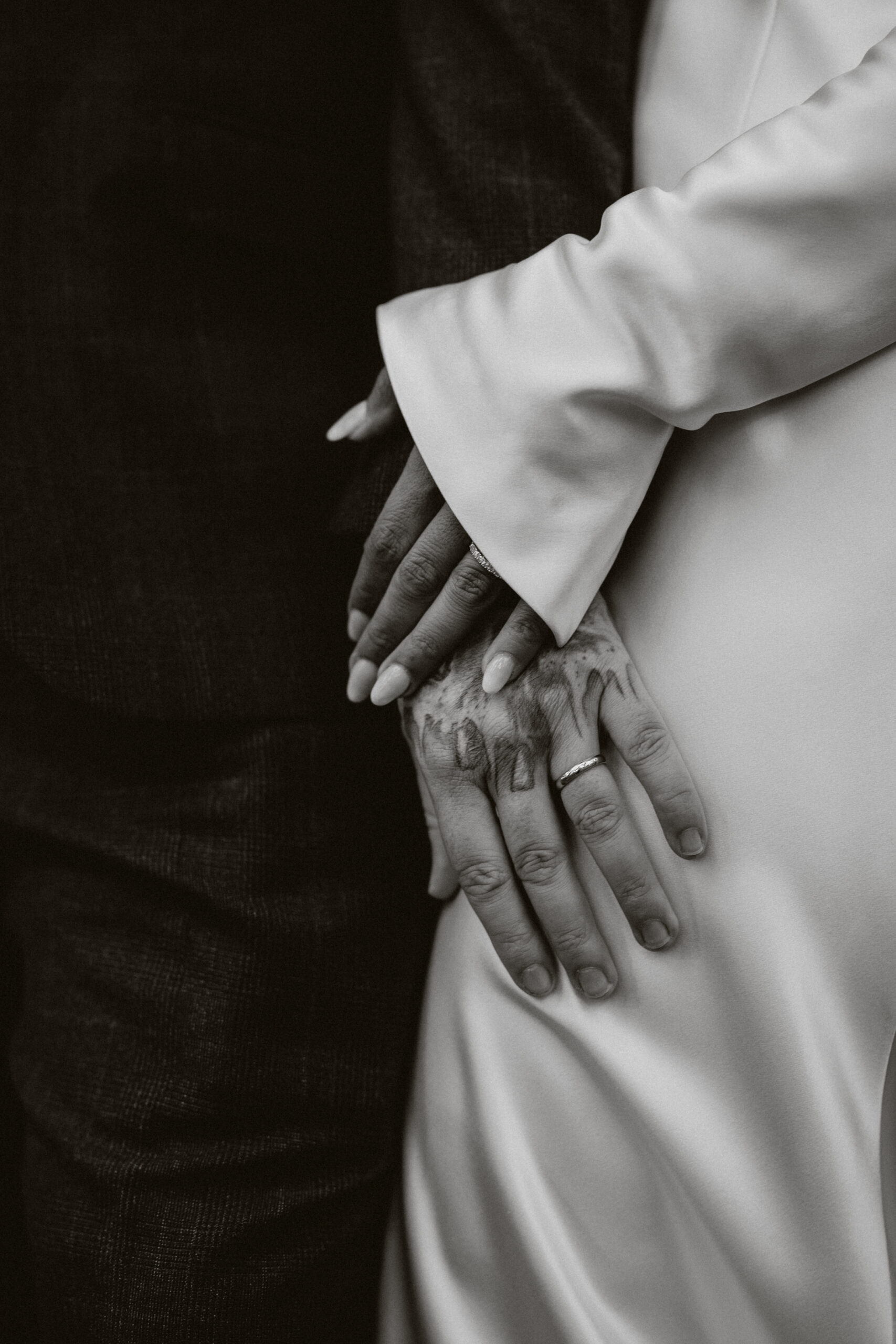
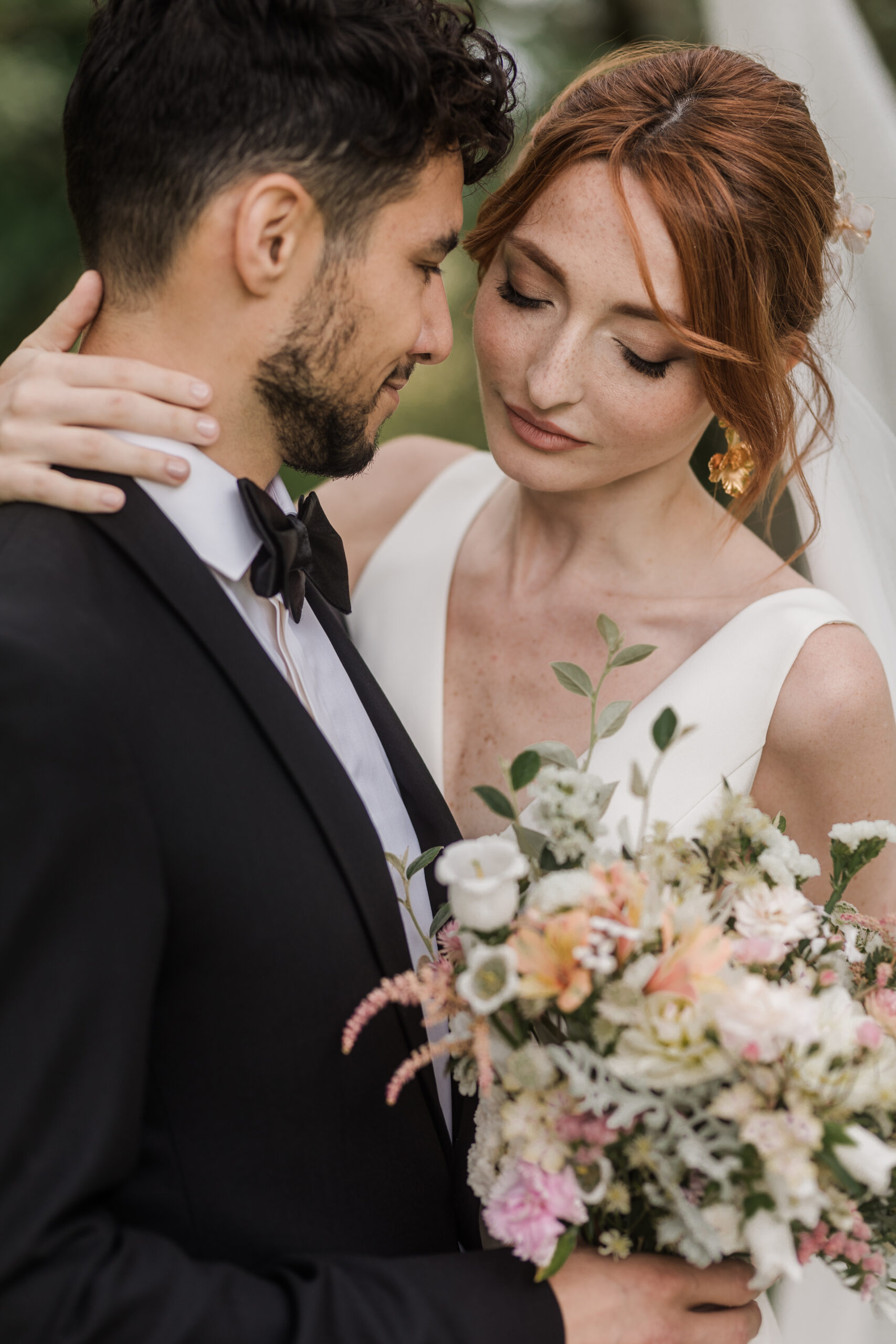
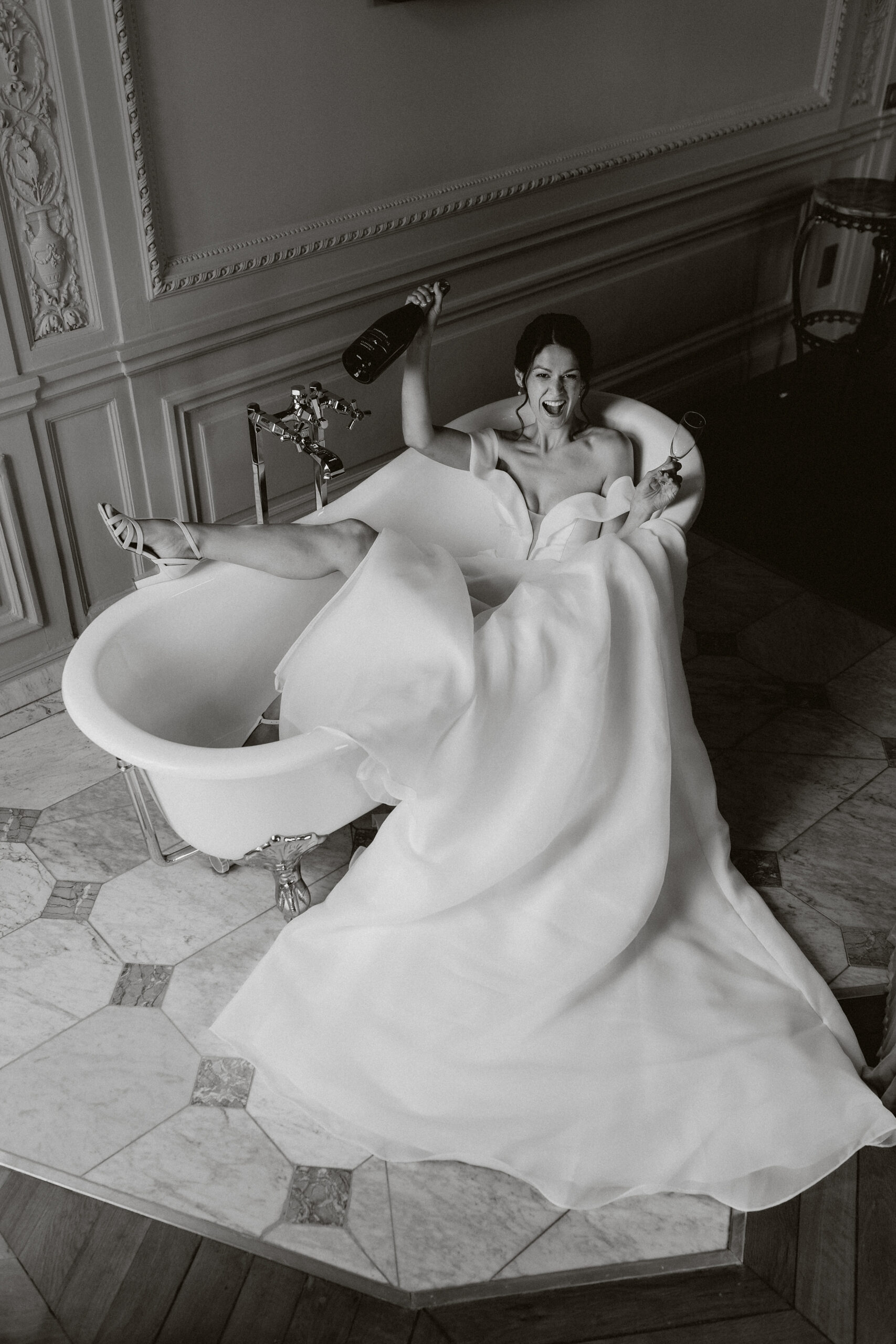
Your work is guided by the belief that beautiful images should never come at the expense of presence. How has that philosophy shaped the experience you hope to create for your couples?
For me, presence is the real luxury. A wedding day should not feel like a production where beauty is achieved by interrupting everything that is alive. I want my couples to feel fully inside their celebration, not constantly pulled out of it for photographs.
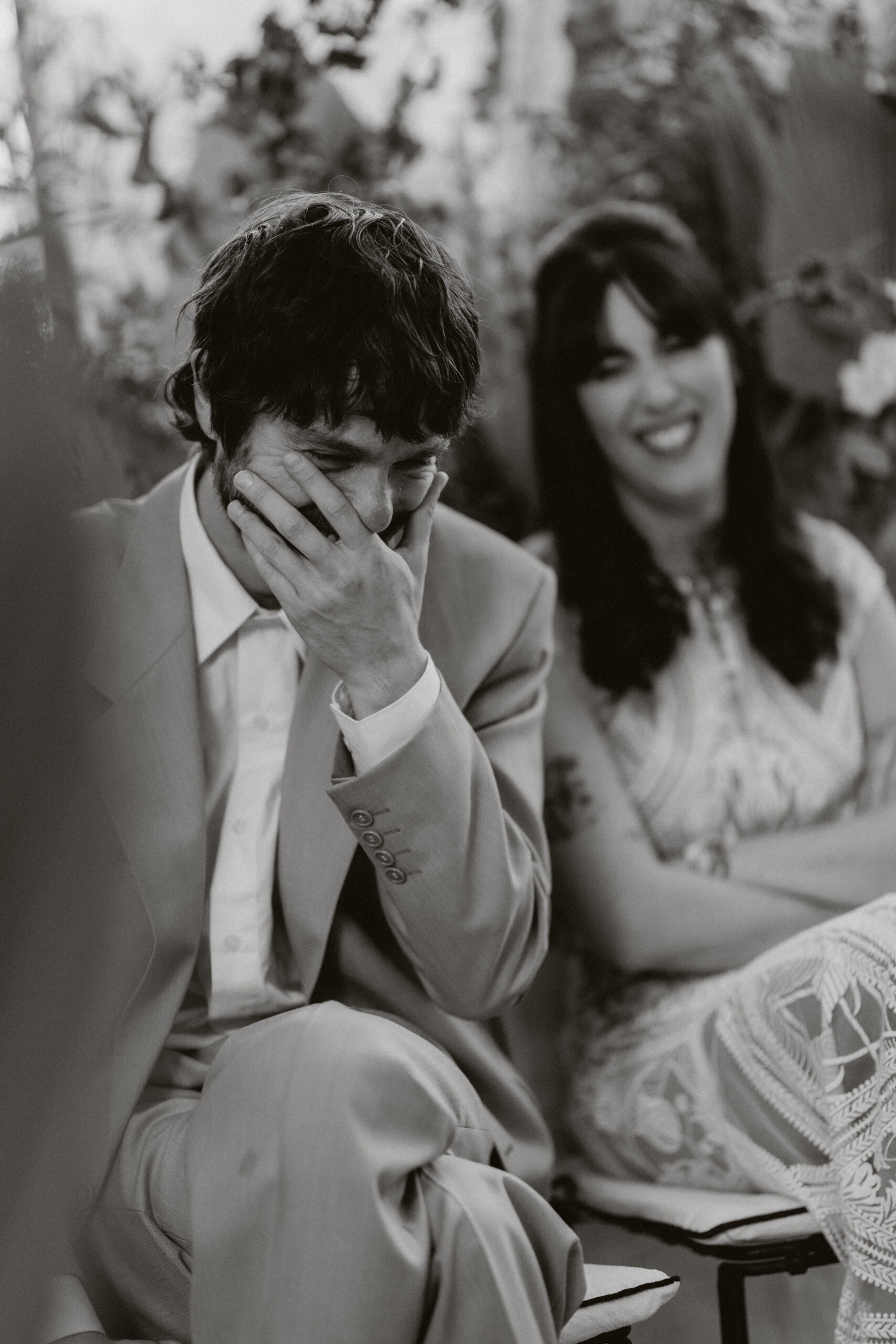
This philosophy shapes the way I guide them: gently, clearly, but never in a way that takes them away from the emotion of the day. I create space for beautiful portraits, of course, but I am just as interested in the in-between moments — the touch of a hand, the breath before walking in, the quiet glance across a table. The experience I hope to offer is one where my couples feel held, understood and free to be themselves. The images come from that place.
You are particularly drawn to intimate, multicultural and queer celebrations. What is it about these kinds of gatherings that resonates with you most?
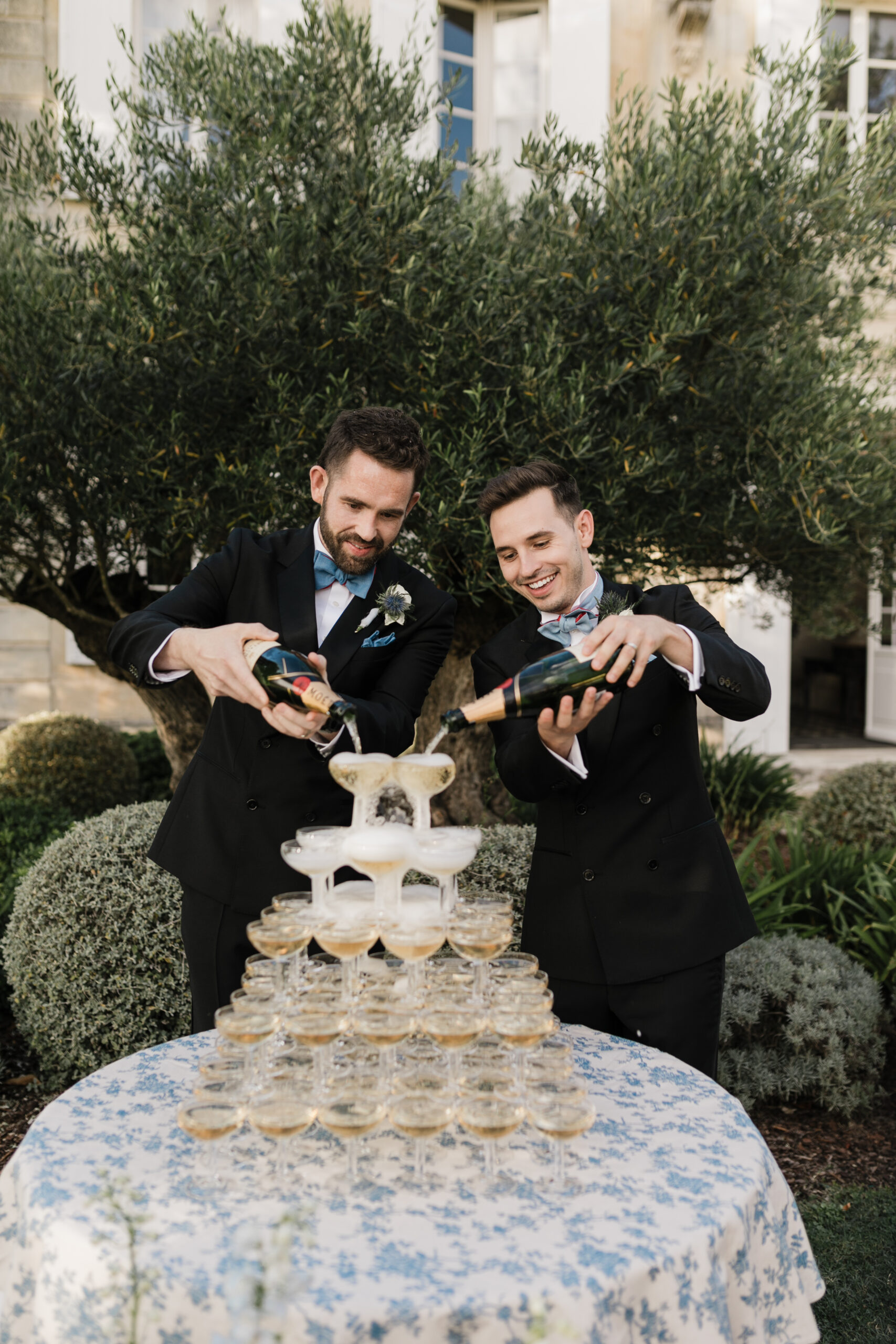
These celebrations often carry a very strong sense of intention. Nothing is assumed. Traditions are chosen, reimagined, blended or sometimes beautifully left behind. That resonates deeply with me.
Multicultural weddings are full of layers: languages, rituals, families, textures, food, music, ways of loving and celebrating. Queer celebrations often bring another kind of emotional clarity — the feeling of creating a space where love can exist fully, safely and proudly. I am moved by couples who build a day that reflects who they are, rather than what a wedding is supposed to look like.
I think that is why I am drawn to intimate and mixed-culture celebrations: they are rarely generic. They are personal, nuanced and alive.
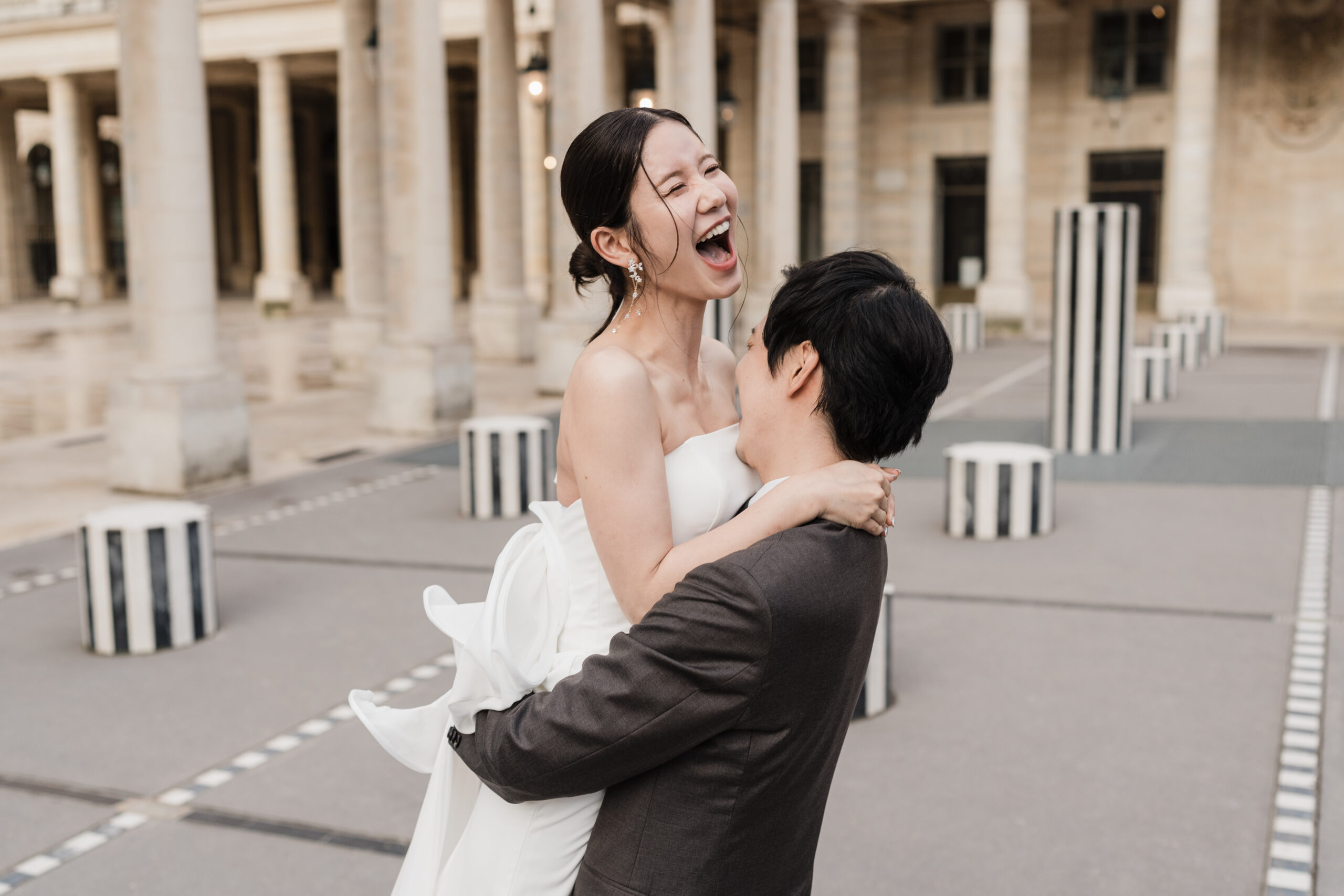
Having started out photographing concerts and festivals, what lessons from those early days still influence the way you work today?
Concerts taught me how to anticipate emotion before it happens. On stage, everything changes in a second: light, movement, intensity, connection. You learn to read a room very quickly and to react without disturbing what is unfolding.
That instinct still guides me at weddings. I pay attention to rhythm, atmosphere and energy. I notice when the room shifts, when someone is about to laugh, cry, speak or reach for another person. Concerts also taught me to work with imperfect conditions — low light, movement, pressure, unpredictable moments — and still create images with feeling.
There is something very musical in the way I photograph weddings. I look for crescendos, silences, pauses and moments of release.
Travel and street photography have both shaped your visual language. How do architecture and a strong sense of place influence the stories you tell?
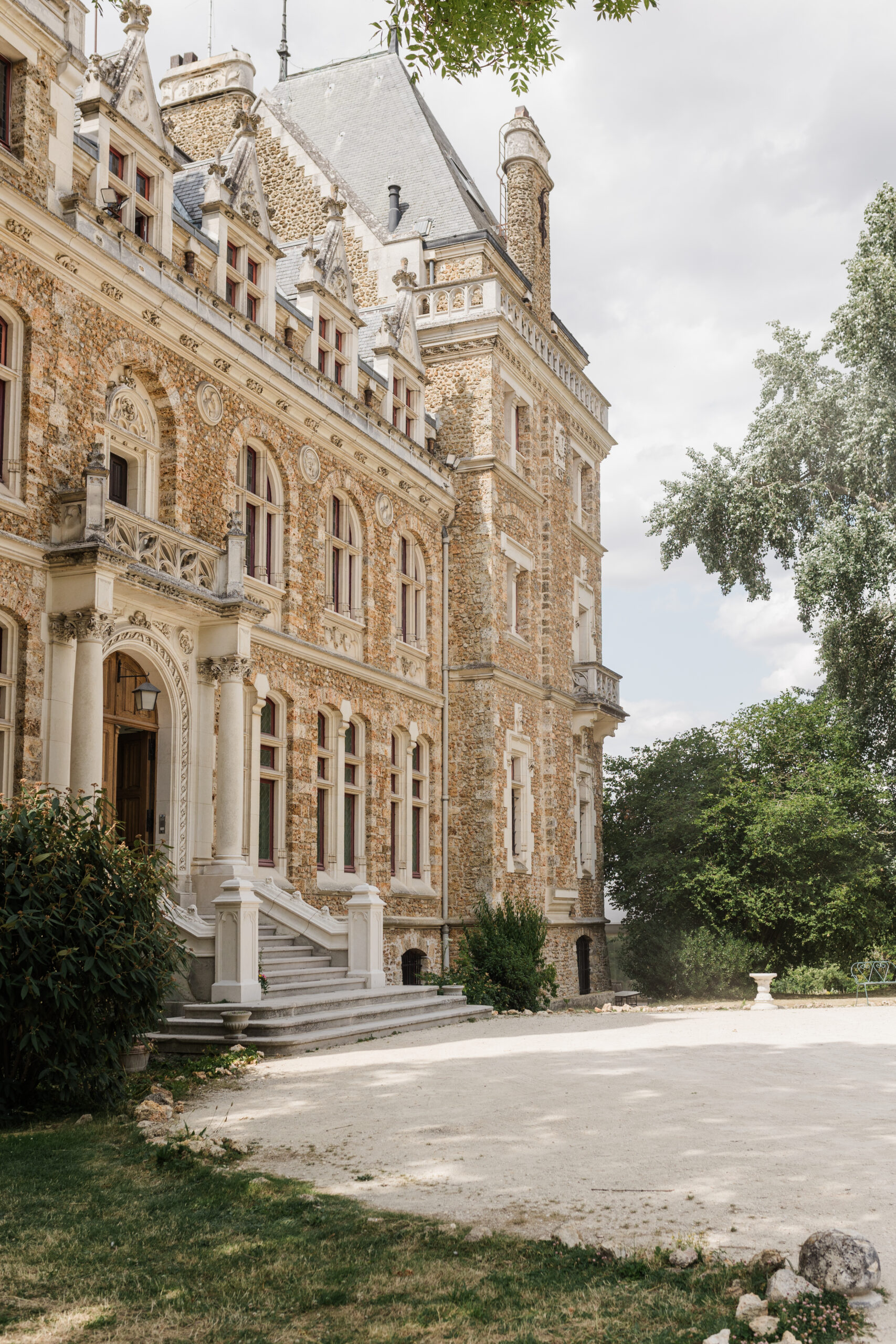
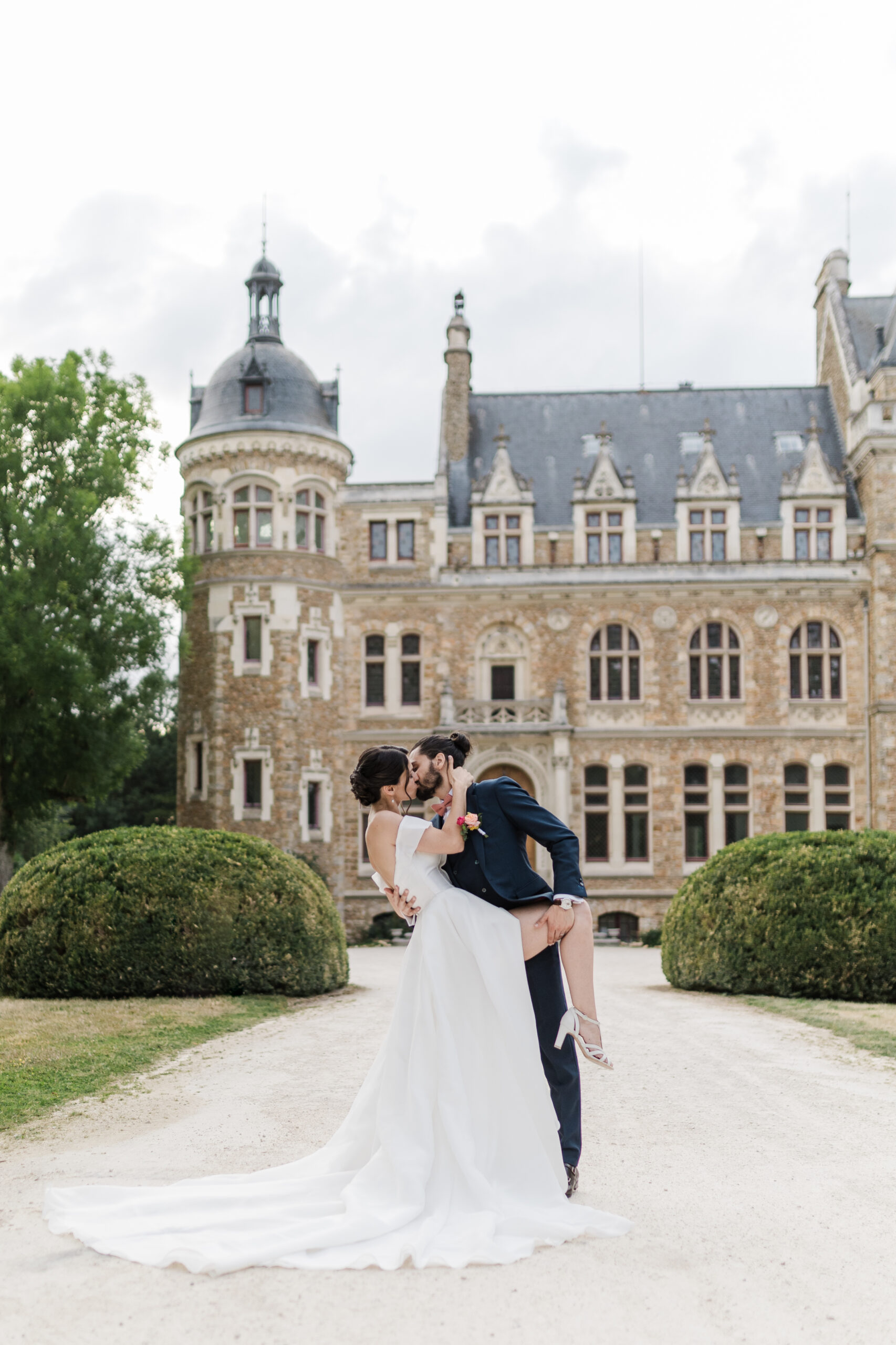
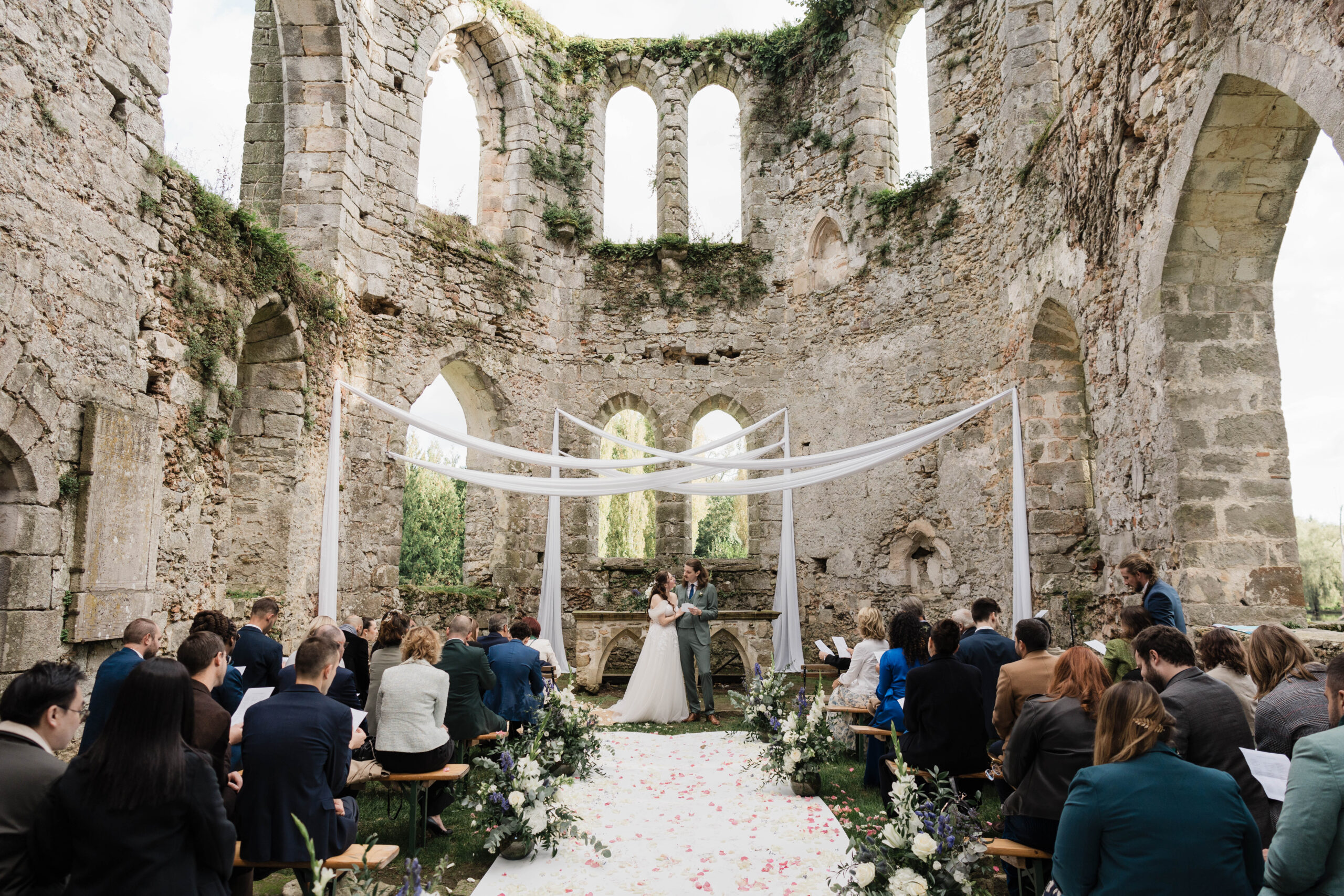
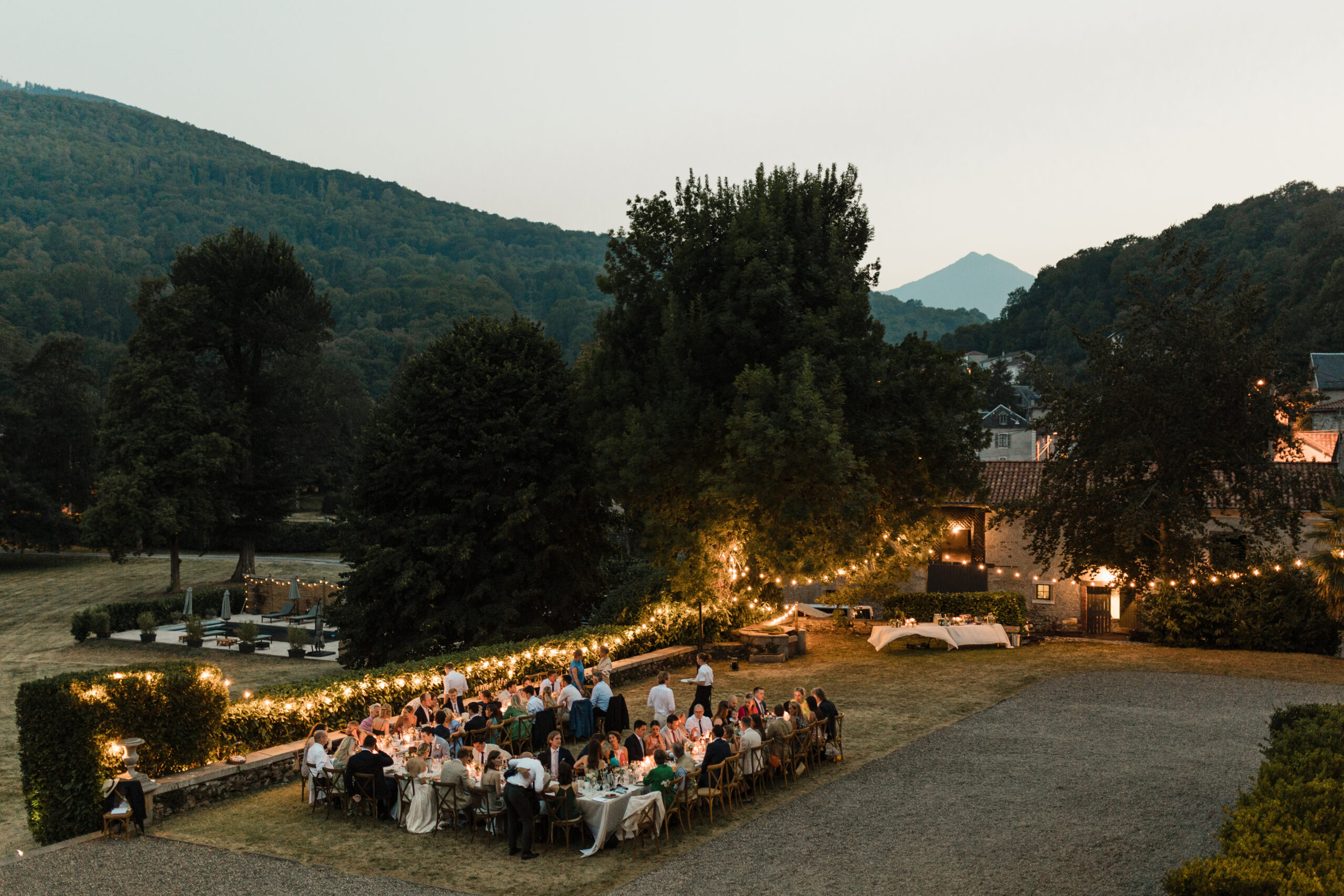
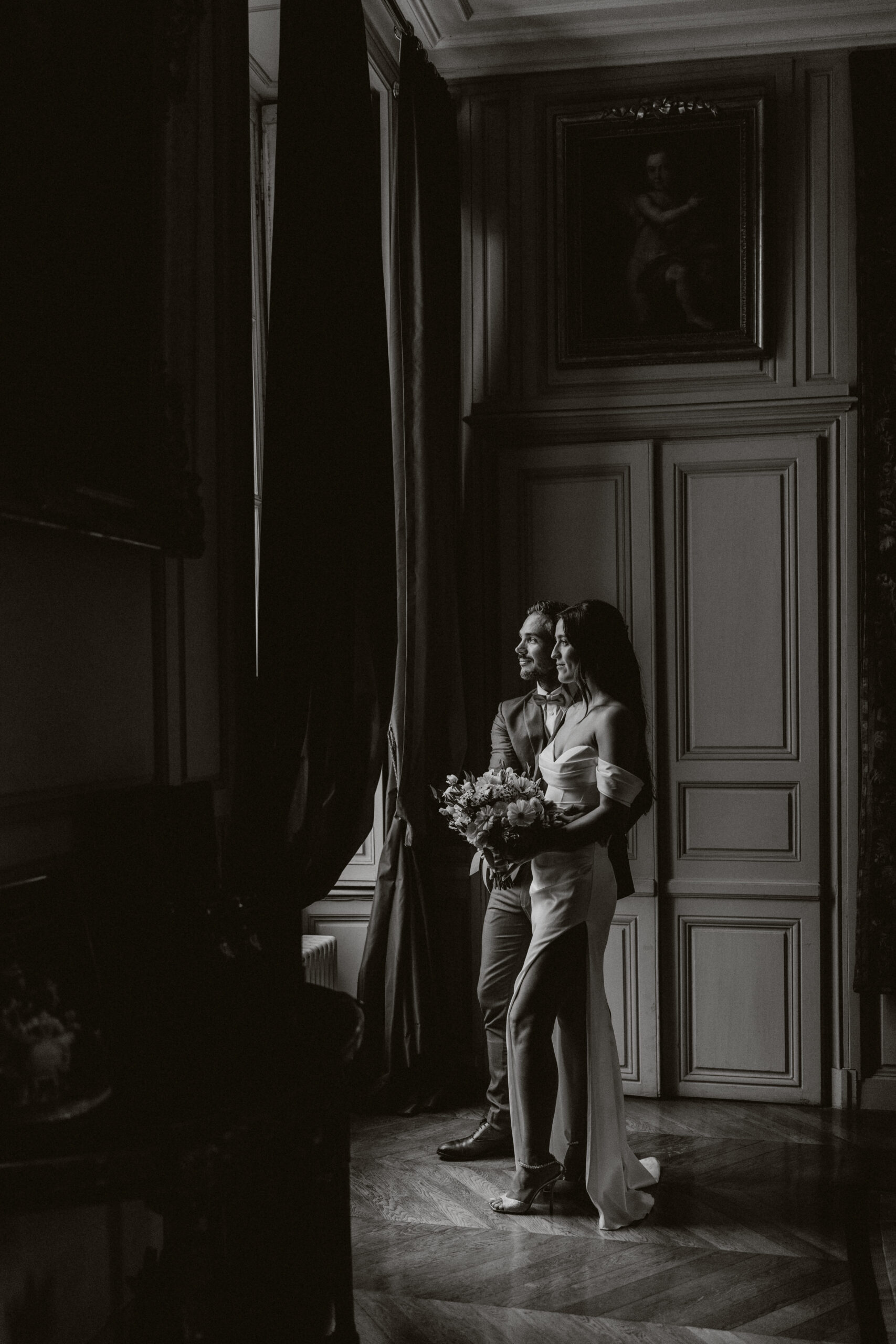
A place is never just a backdrop for me. Architecture, interiors, streets and landscapes all carry memory. They tell us something about the couple’s world, about the mood of the day, about the way the celebration exists within a larger story.
I am very drawn to old buildings, layered interiors, gardens, coastlines, quiet streets and places with texture. I like when the environment has a presence of its own — not overpowering the couple, but surrounding them with atmosphere.
In destination weddings especially, a strong sense of place is essential. Whether it is Paris, an old European estate, a Mediterranean village or a city somewhere in Japan, I want the images to feel rooted. Years later, the couple should remember not only how they looked, but how the air felt, how the light moved, how the place held them.
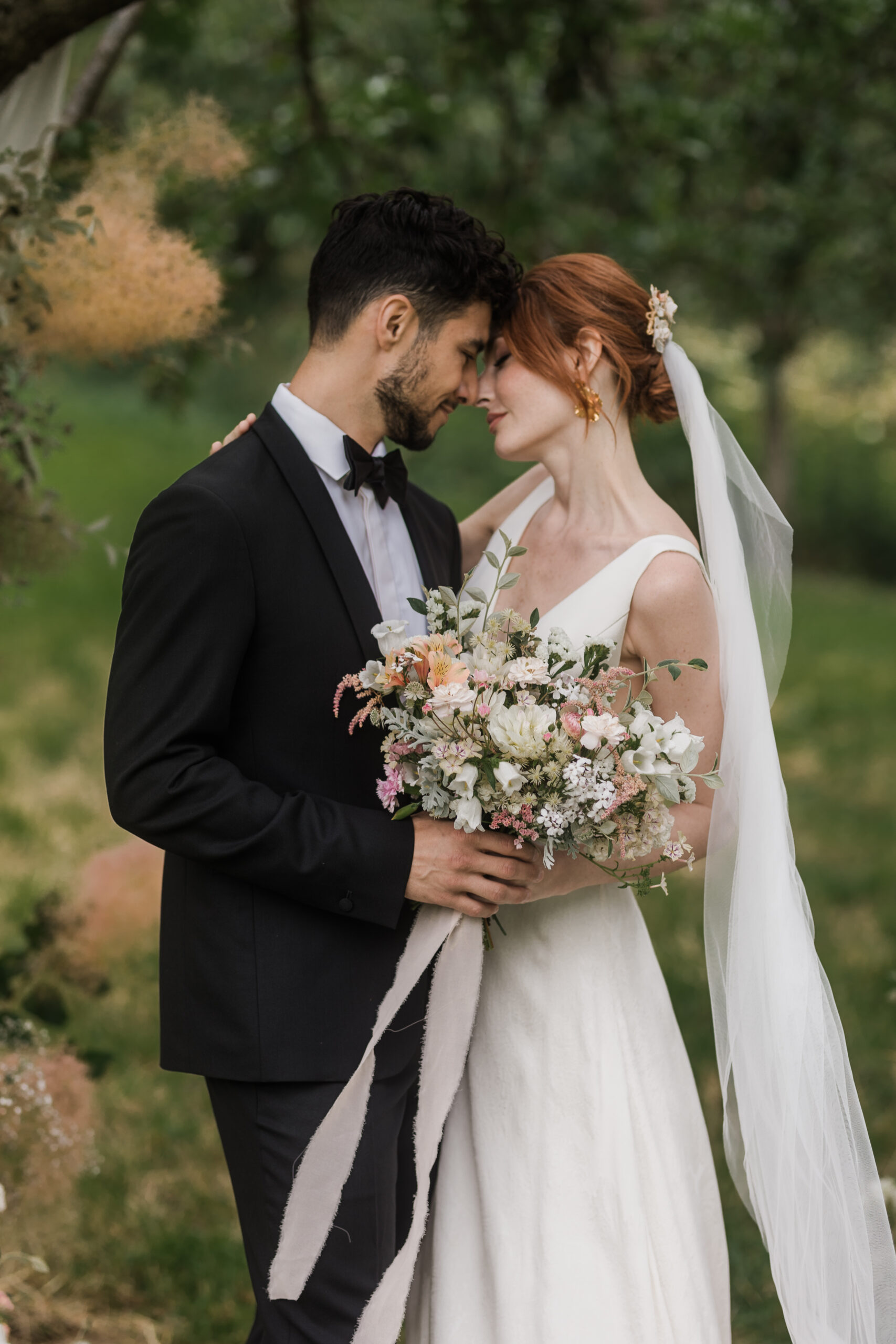
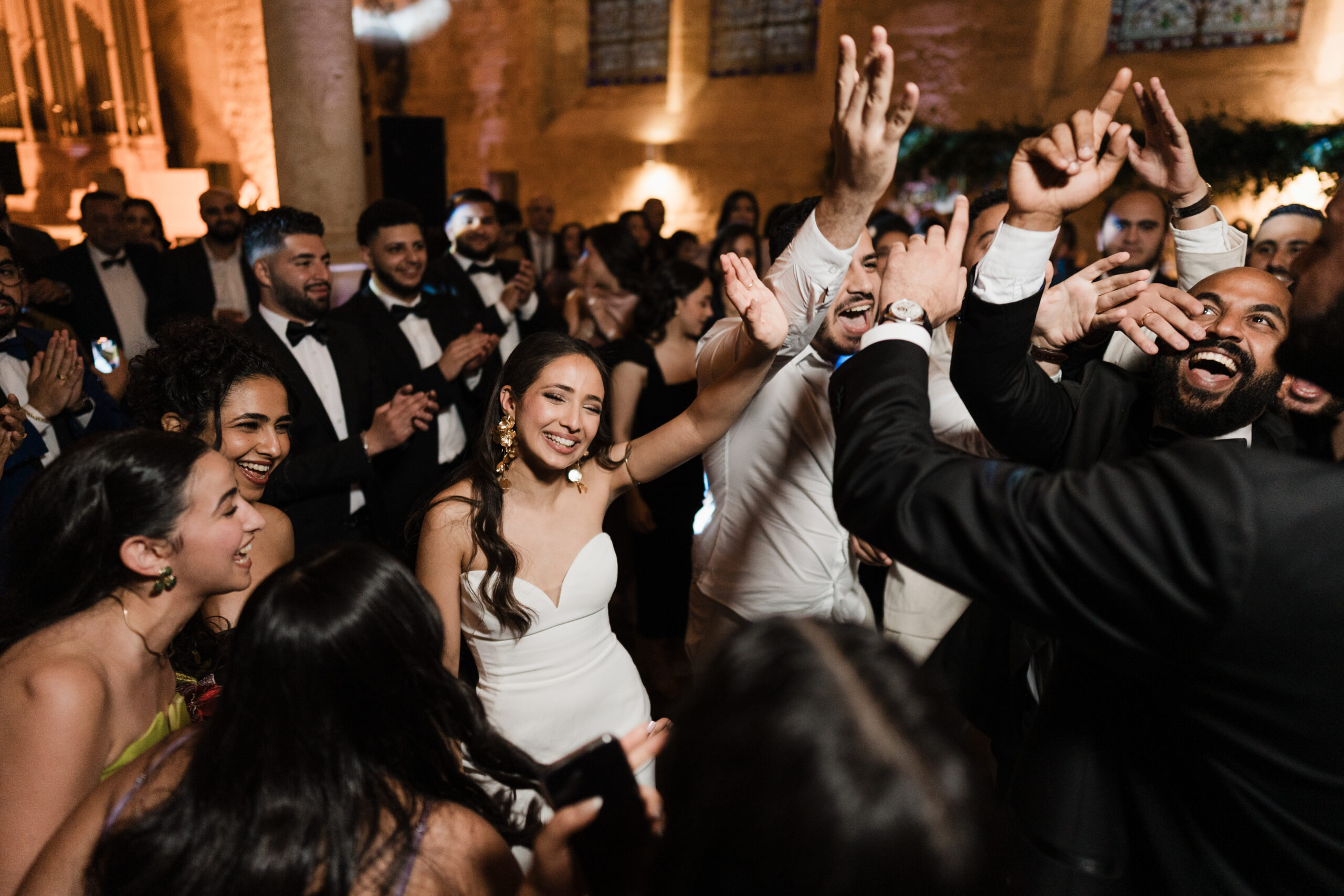
Your photographs have such a beautiful sense of atmosphere. What are some of the subtle moments or details that you find yourself instinctively drawn to throughout a wedding day?
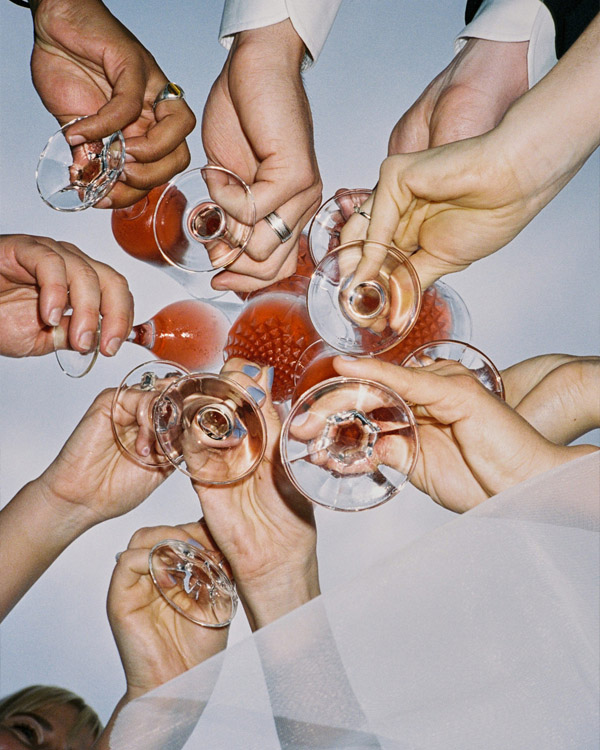
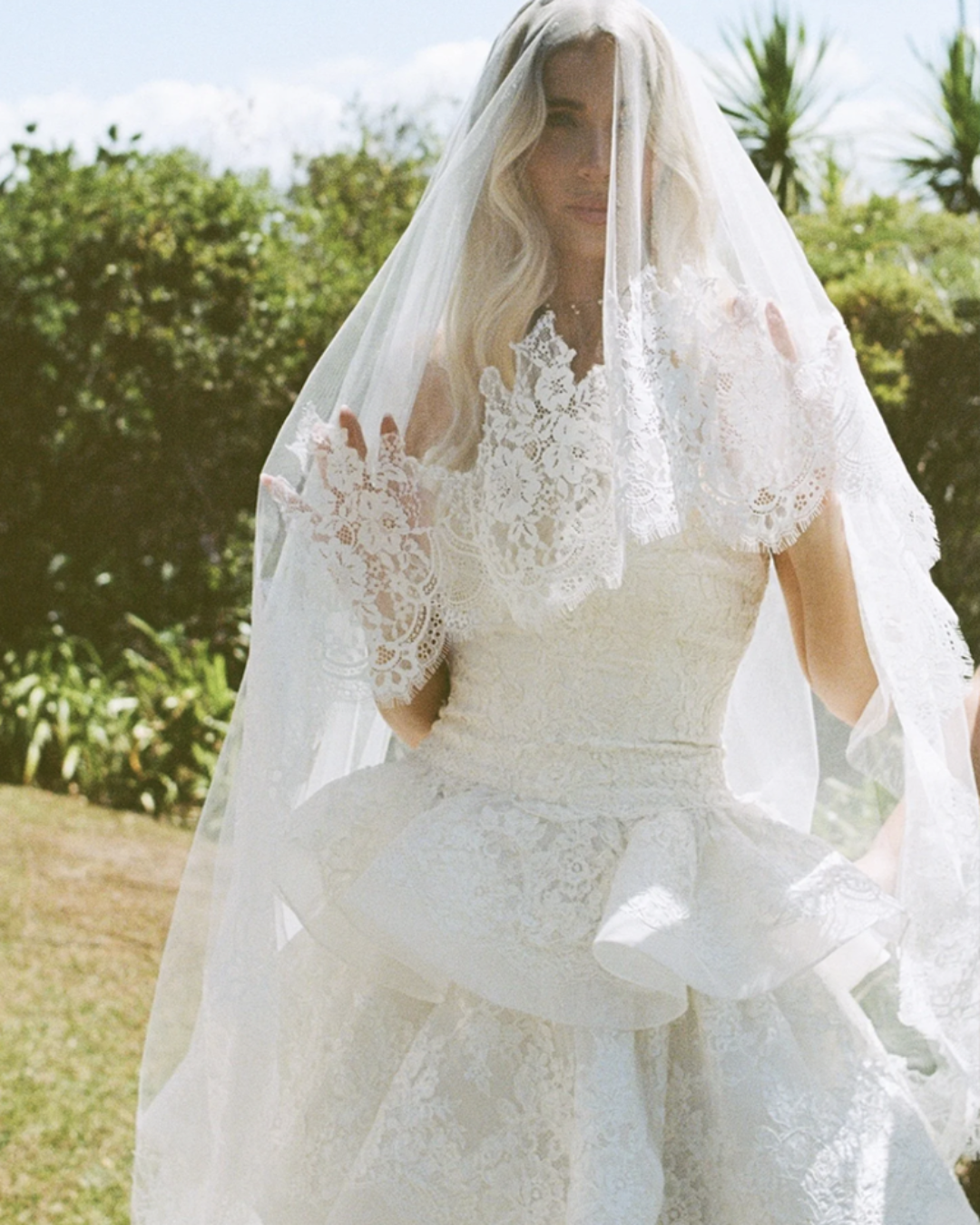
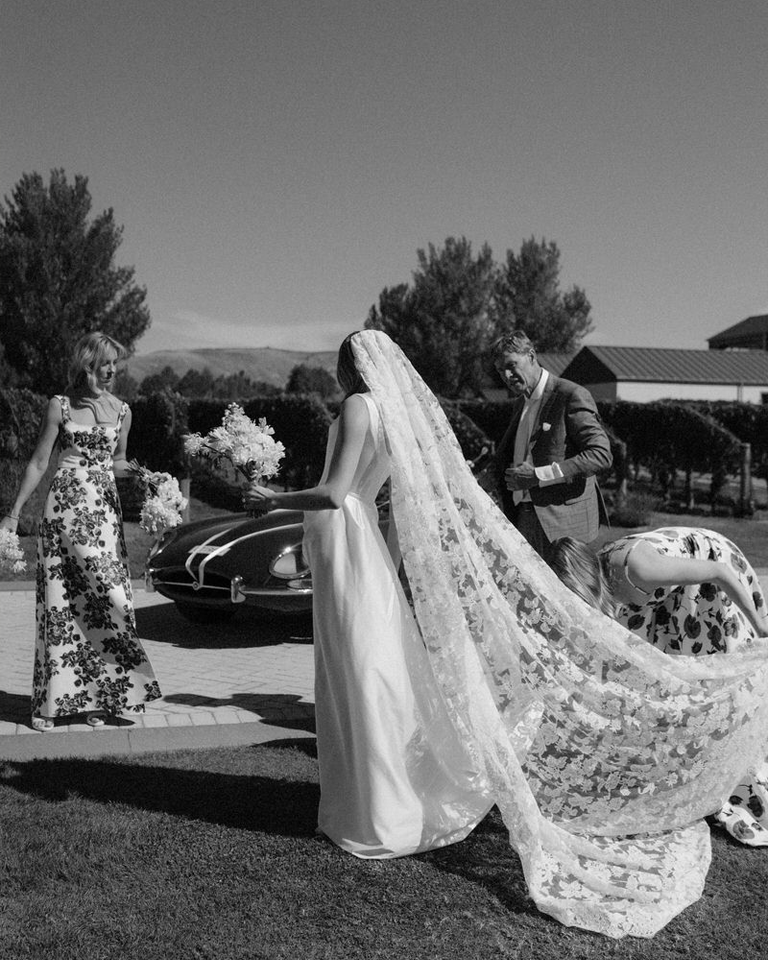
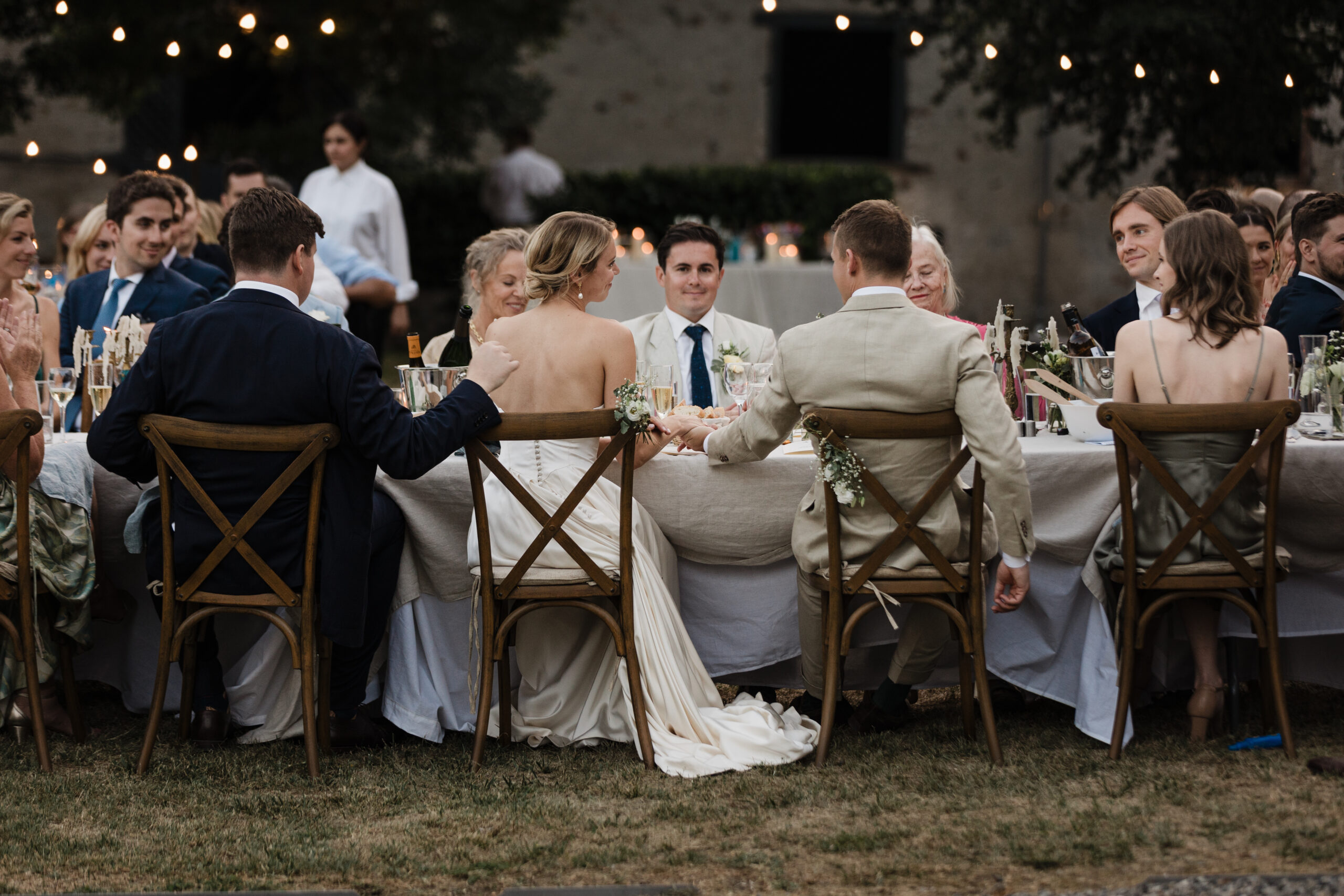
I am very instinctively drawn to tension and tenderness. The hand that tightens around a glass before a speech. Someone adjusting a veil or a jacket without making a big moment of it. A parent watching quietly from the side. Two people touching knees under the table. The silence just before a ceremony begins.
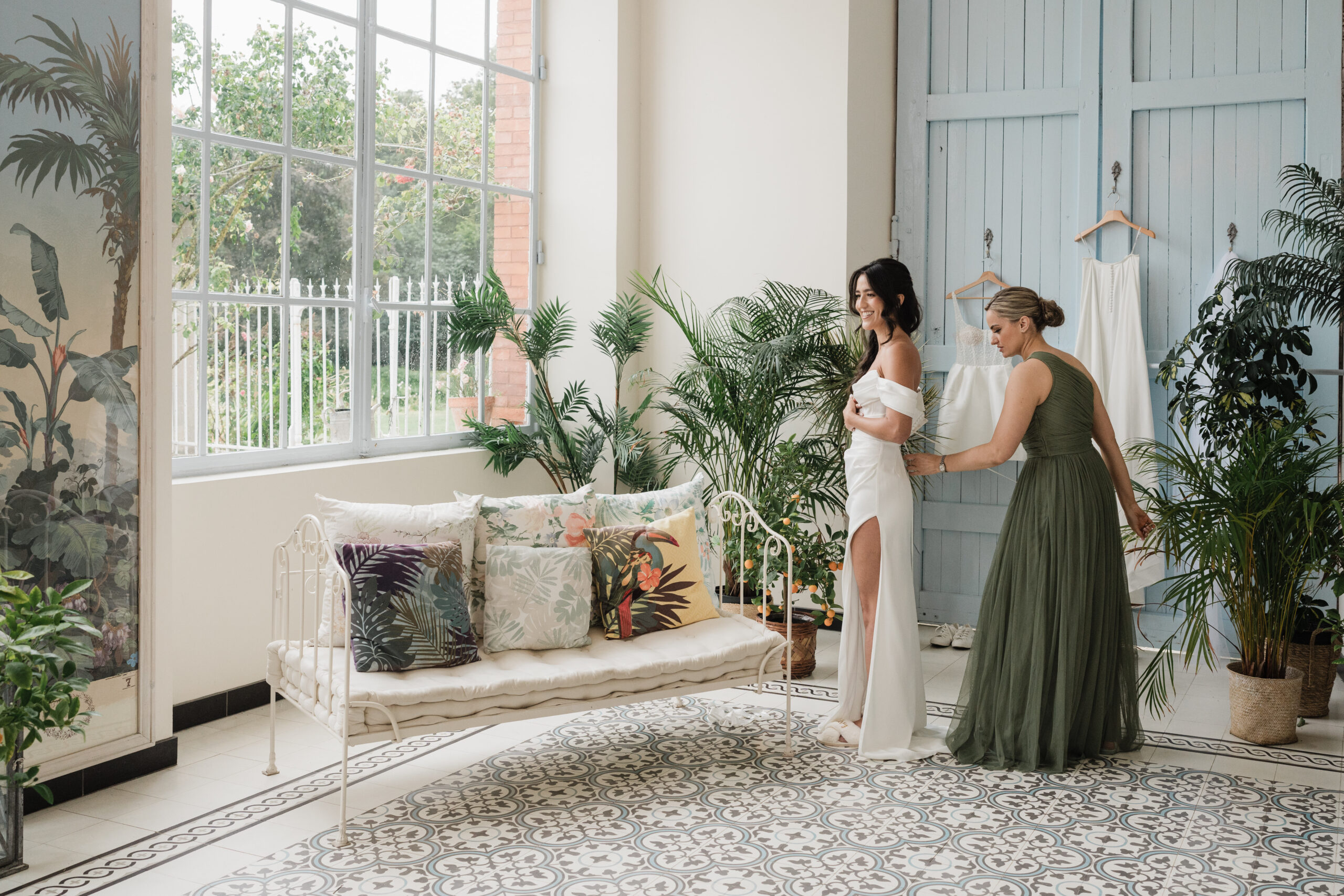
I also love details that feel inhabited rather than staged: flowers that have moved throughout the day, a table after dinner, a dress slightly undone, shoes left somewhere, candlelight on glass, rain on stone, the trace of the celebration rather than only its polished version.
Atmosphere often lives in these quiet signs. They are small, but they carry a lot of truth.
You mention being inspired by old buildings, layered interiors and natural landscapes. Is there a particular setting or destination that always sparks your creativity?
I am very inspired by places that feel cinematic without trying too hard. Old European buildings, historic houses, intimate hotels, worn stone, heavy curtains, gardens, cliffs, forests and interiors with depth always spark something in me.
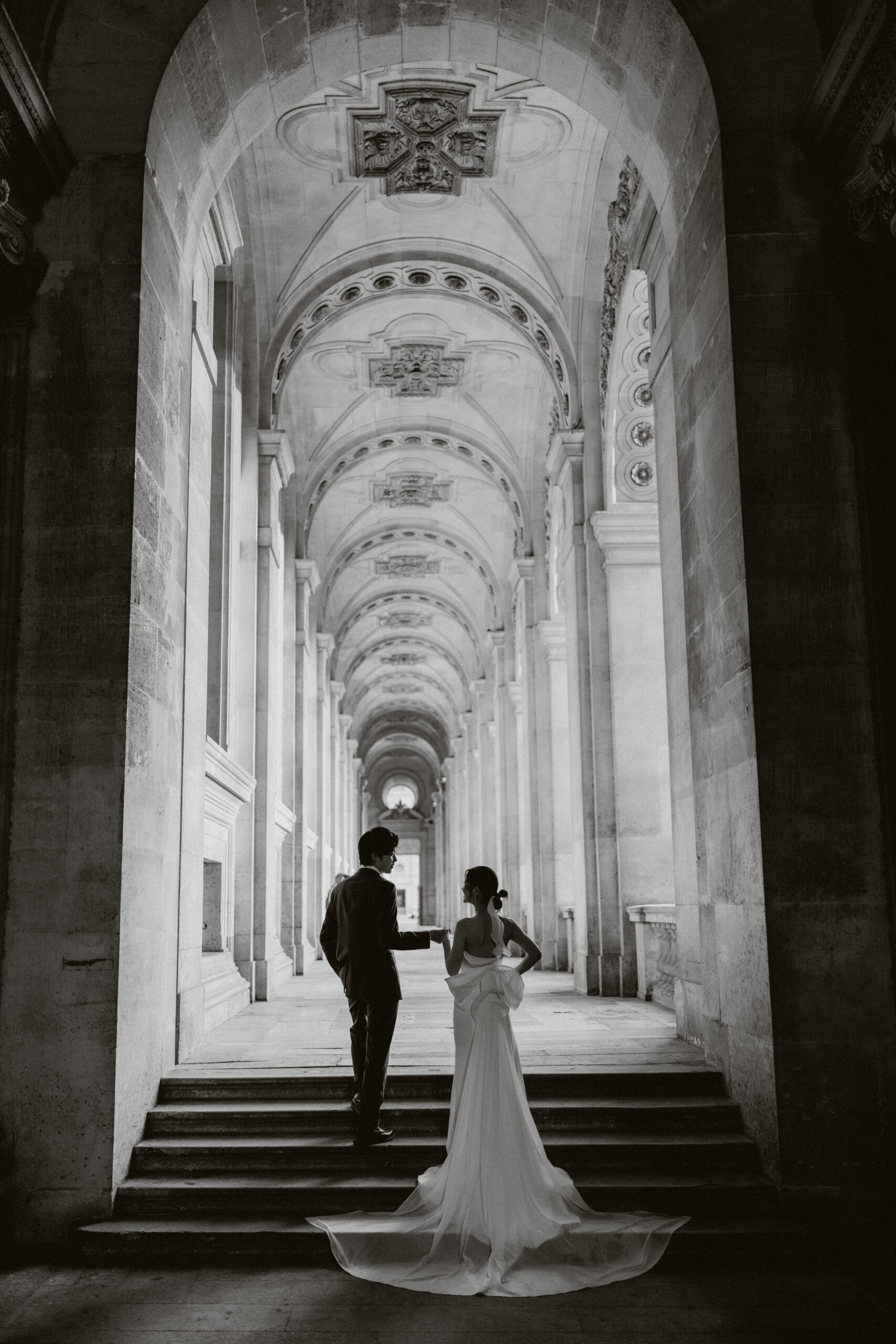
Paris will always be part of my visual language, but not necessarily the postcard version of Paris. I love its more intimate side: courtyards, old staircases, quiet streets, private salons, soft morning light.
I am also deeply inspired by Japan — not as a cliché, but for its relationship with detail, restraint, seasonality and atmosphere. A place like Kyoto, or even more remote natural landscapes, has a quiet intensity that really speaks to me. I am always looking for destinations where beauty is layered, not obvious.
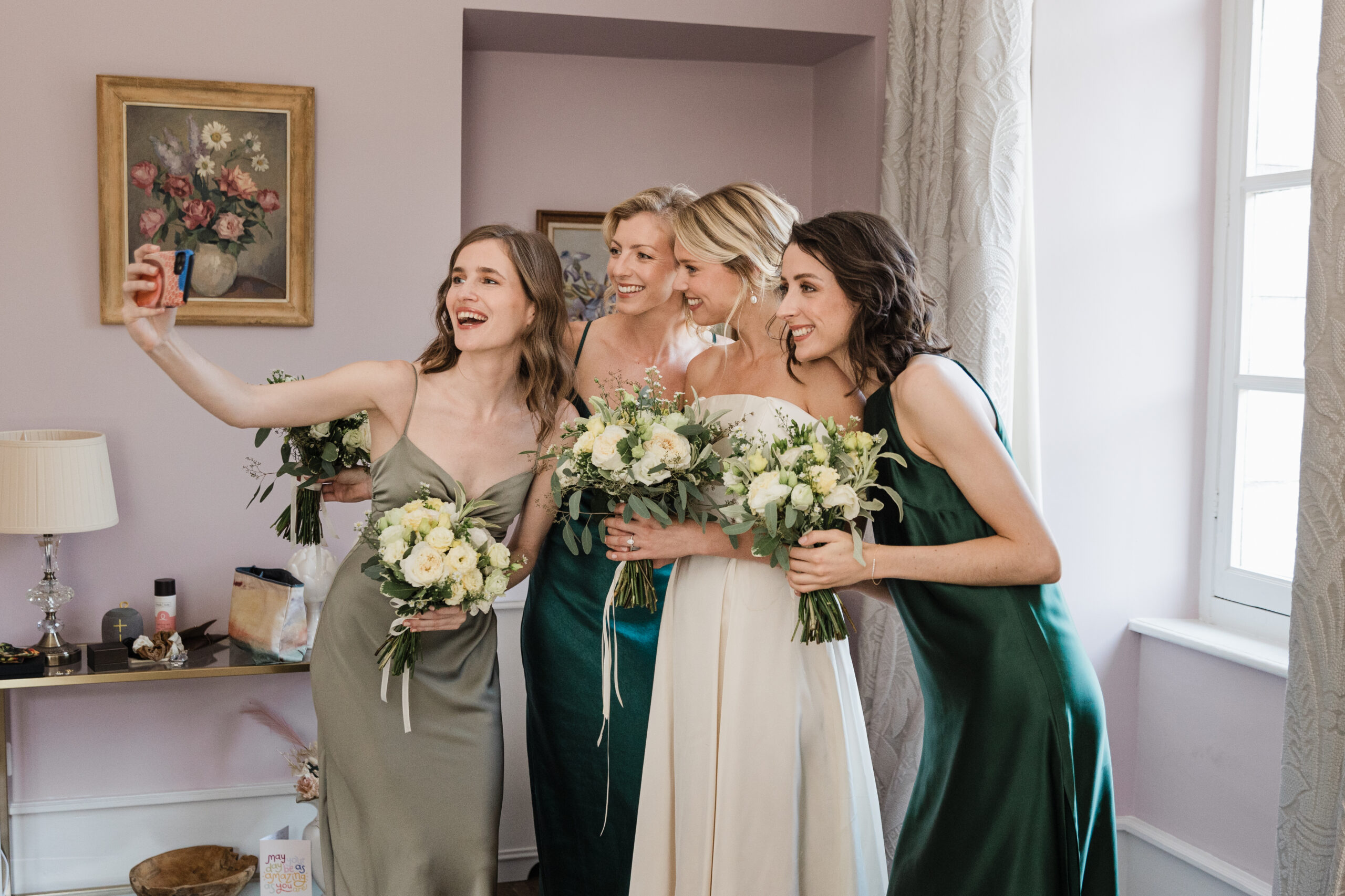
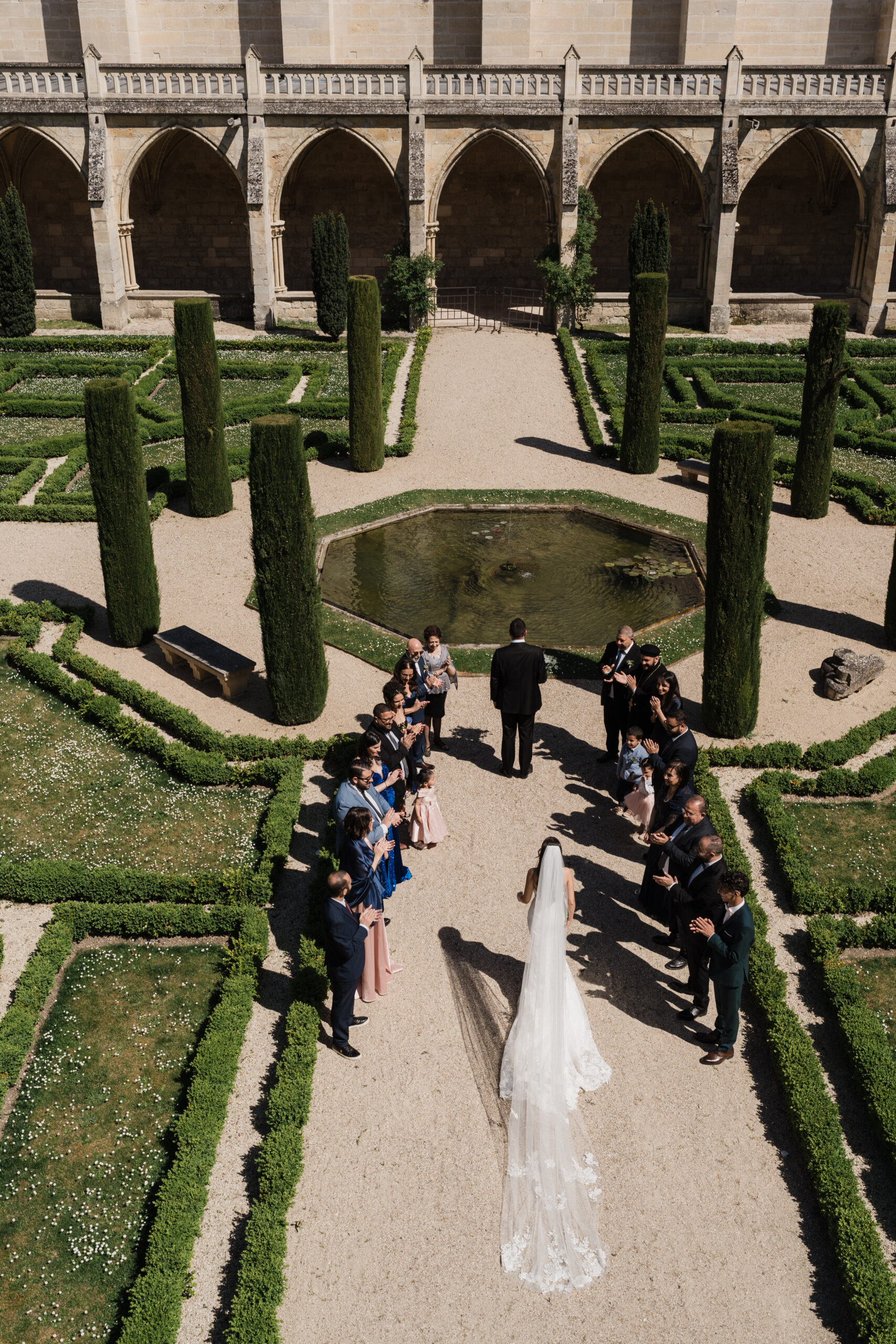
As an Artisan d’Art, you bring great care to everything from preparation to the final edit. Which part of the creative process brings you the most satisfaction?
There are two moments I find especially satisfying. The first is before the wedding, when I begin to understand the couple’s world: their story, their references, their sensitivities, the atmosphere they want to create. That preparation allows me to be very present and intuitive on the day itself.
The second is the final edit. This is where the story becomes whole. I love refining colour, rhythm and emotion until the gallery feels coherent and alive. Being recognised as an Artisan d’Art in France means a lot to me because it reflects this level of care — not only in the act of taking photographs, but in the craft, the choices, the finishing and the way the images will live over time.
The most satisfying part is when I feel that the final story is elegant, emotional and completely true to the couple.
An unexpected one—if you could spend a day photographing purely for yourself, with no brief or timeline, where would we find you?
Probably wandering alone in a city I do not fully know yet, very early in the morning or just before nightfall. I would be walking without a precise plan, following light, architecture, reflections, strangers, small gestures and quiet scenes.
You might find me in Japan, in a backstreet after the rain, or somewhere in Europe where the buildings feel old and a little mysterious. I would not necessarily be looking for spectacular images. I would be looking for atmosphere — the kind of images that feel like fragments of a film or a memory.
Photographing for myself is often about slowing down and paying attention to what most people pass by.
Connection, memory and atmosphere sit at the heart of your work. When your couples look back at their photographs years from now, what do you hope they remember most?
I hope they remember how it felt. Not only the beauty of the place or the elegance of the day, but the emotional temperature of it all.
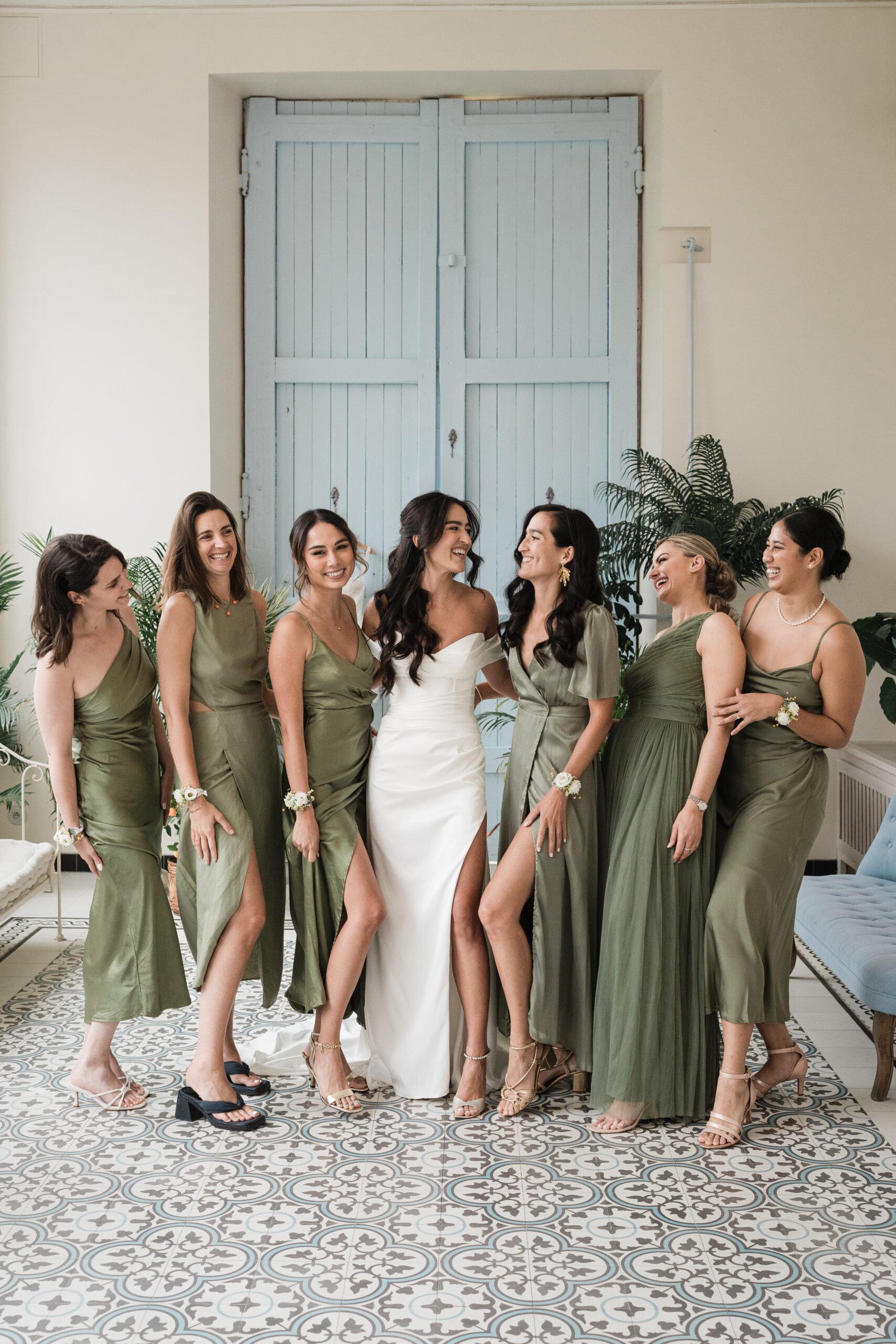
I want them to remember the people who were there, the way someone held them, the laughter during dinner, the nervousness before the ceremony, the freedom of dancing, the softness of being seen exactly as they are.
Of course, I want the images to feel beautiful and timeless. But more than that, I want them to become a doorway. Years later, I hope the photographs bring them back to the presence, the atmosphere and the love that surrounded them.
Looking ahead, what kinds of stories and celebrations are you most excited to capture across Europe and beyond?
I am especially excited by celebrations that feel intentional, intimate and deeply personal — weddings where the couple is not trying to perform a perfect version of luxury, but to create something meaningful, beautiful and true to them.
I would love to photograph more multicultural and queer celebrations across Europe and beyond: destination weddings in historic houses, private villas, old hotels, gardens, coastal landscapes, cities with strong architecture and places where cultures meet naturally.
I am drawn to couples who care about atmosphere, art, food, music, design and emotion. Couples who want elegance, but not stiffness. Beauty, but not performance. A wedding that feels refined, alive and completely their own.
For more information visit vibrant-feelings.com and @vibrant_feelings_photography
Vibrant Feelings