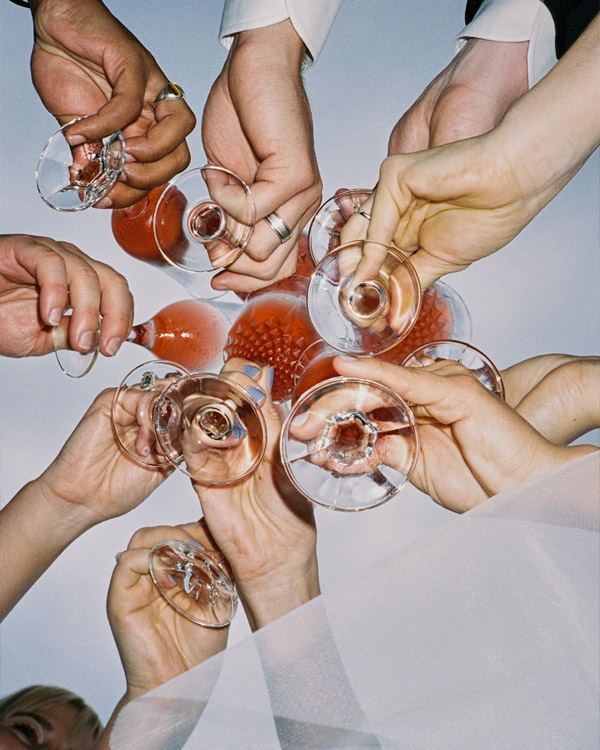
Wanting the images to feel true before they feel perfect
Studio Anjori arrives in the wedding world with the kind of perspective that immediately feels different. Founded by brothers Ben and Anjori, the Australia-based studio brings more than a decade of experience across fashion, advertising, film, documentary, architecture and interiors into a space that is inherently more personal.
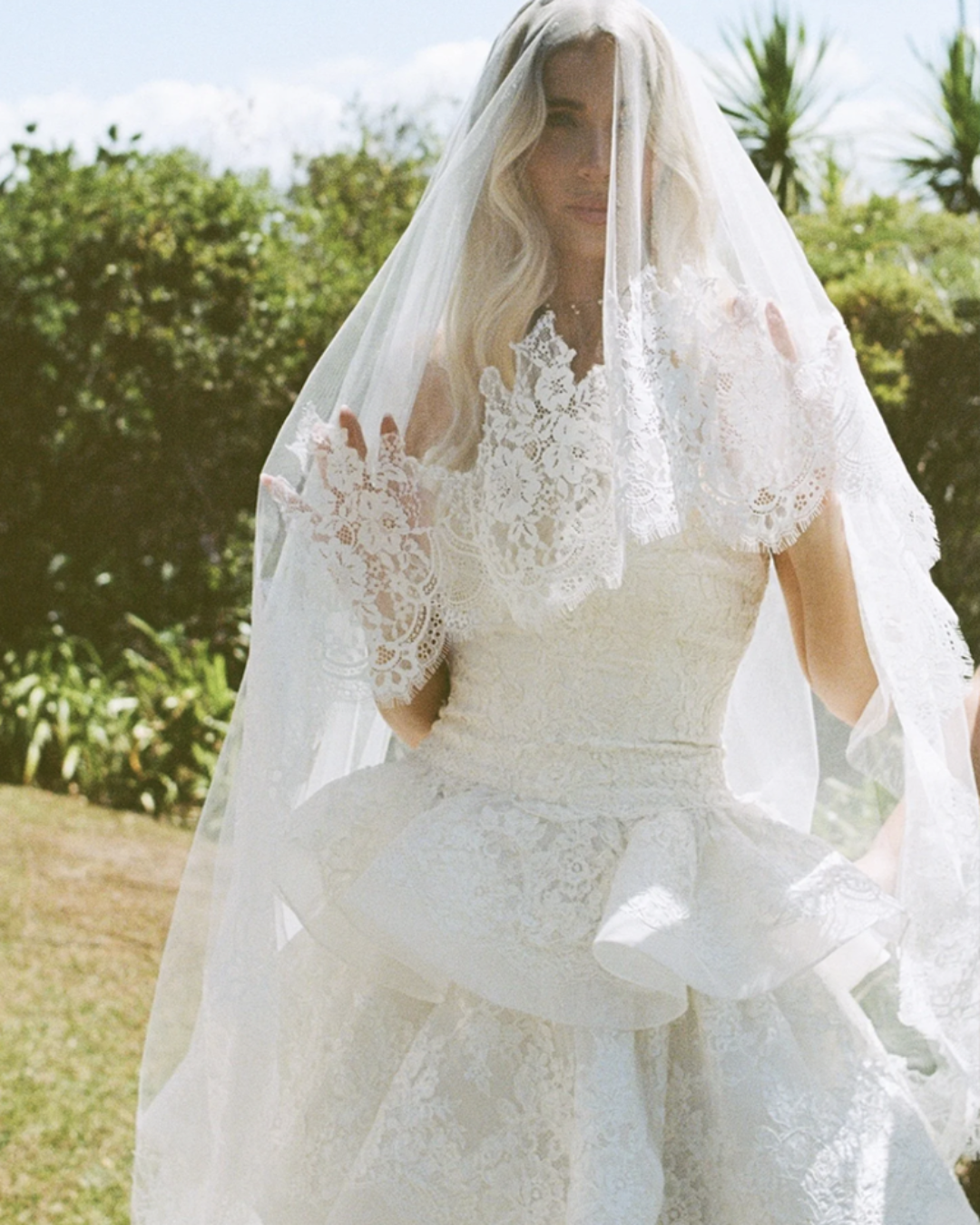
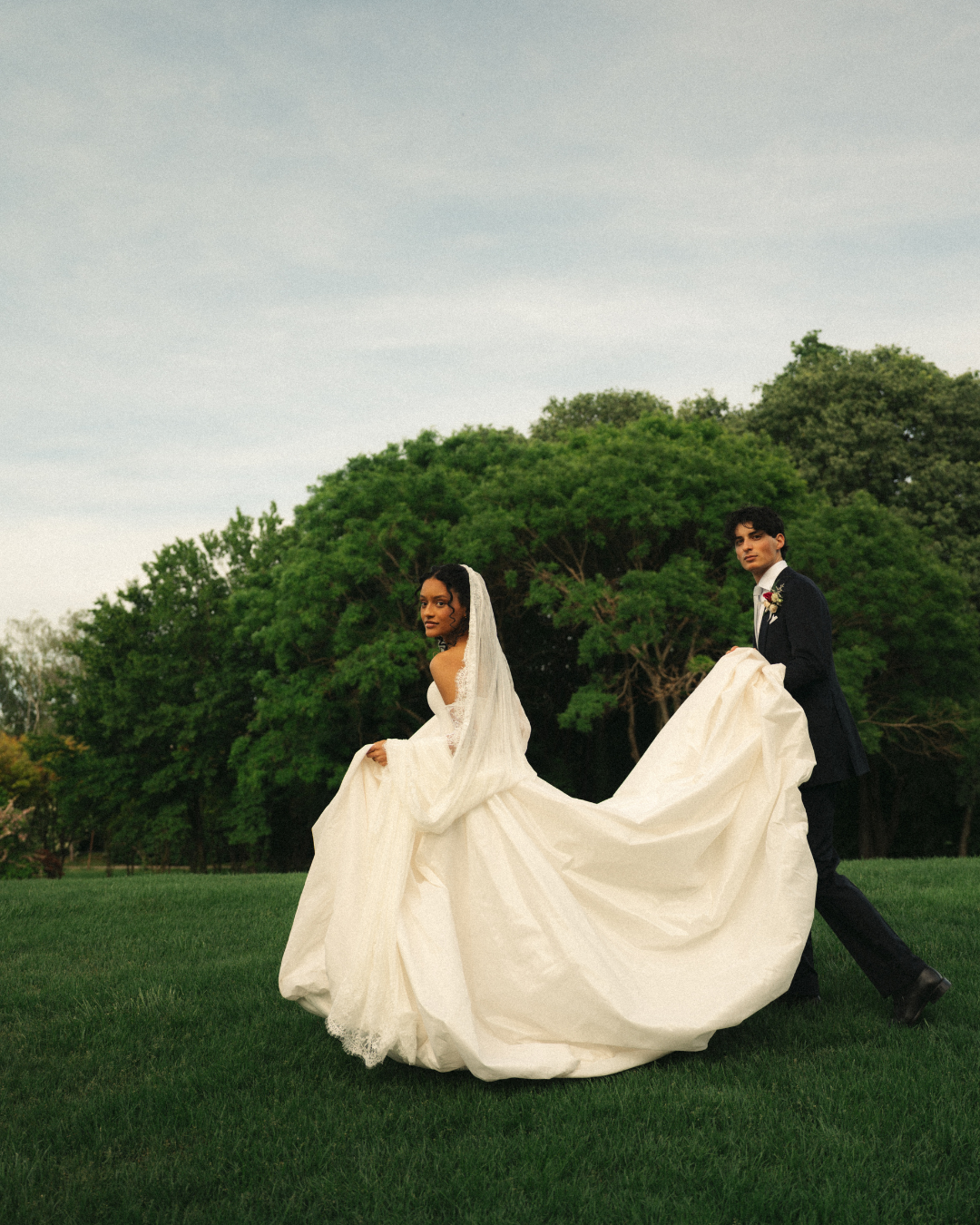
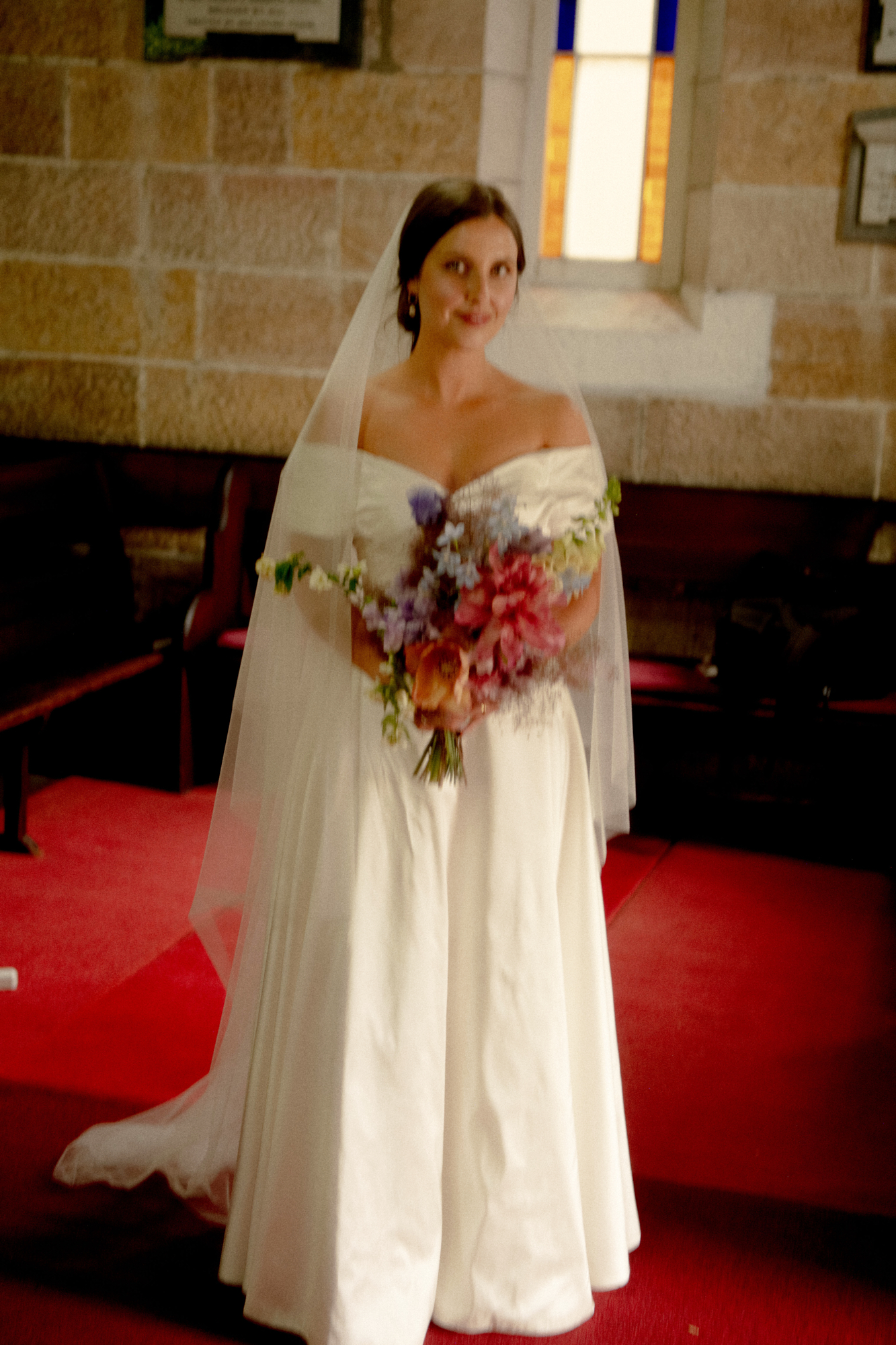
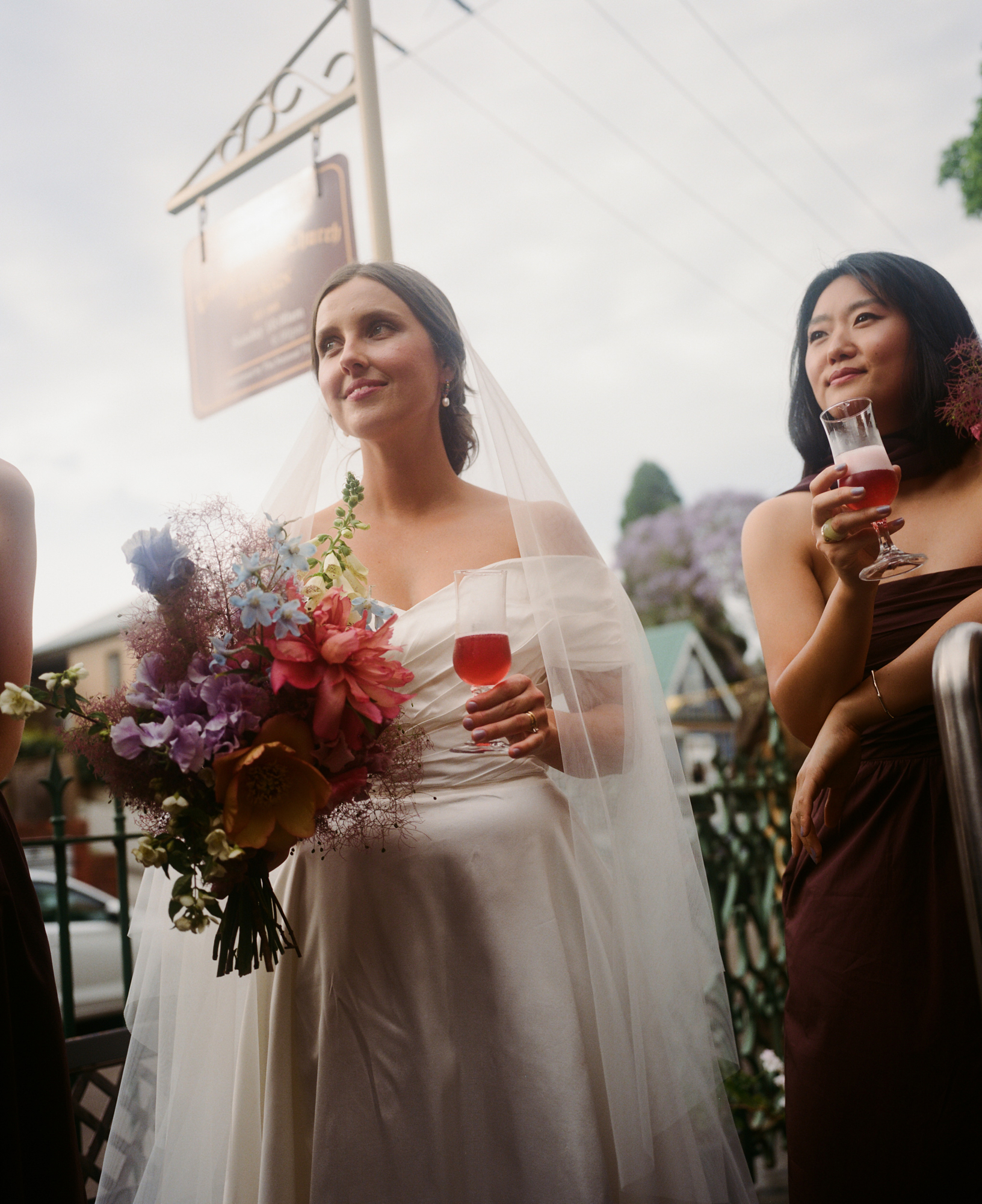
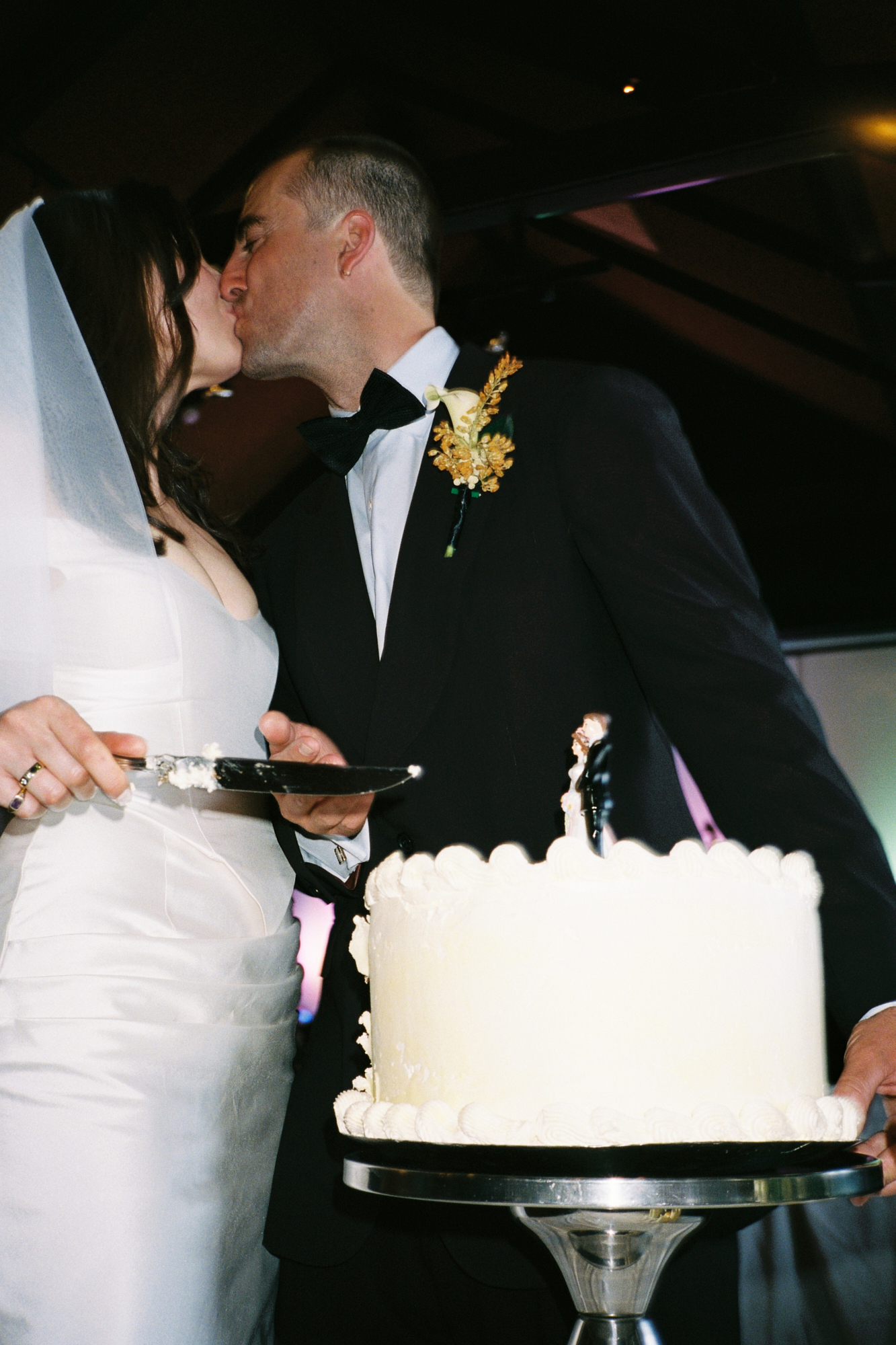
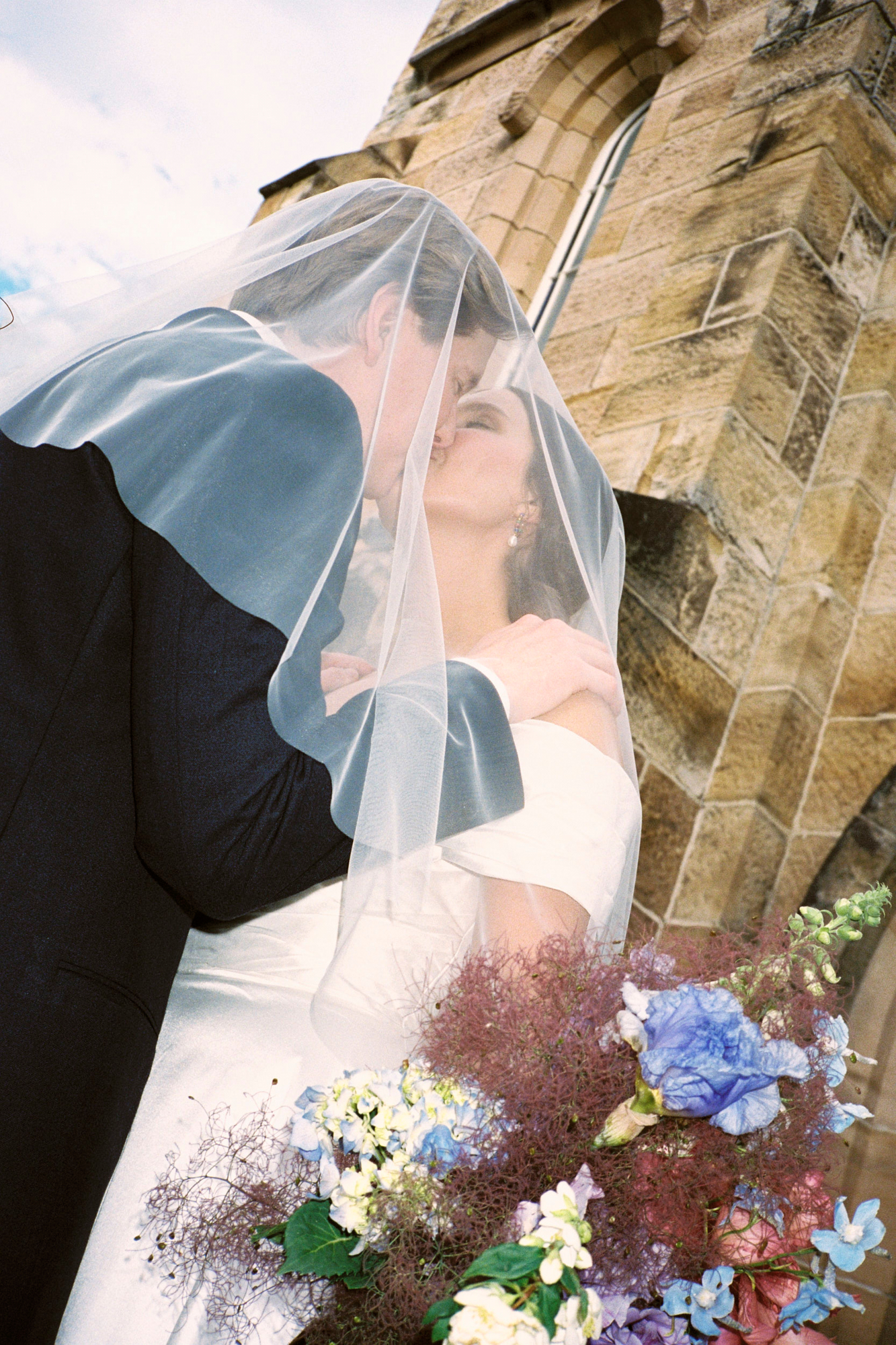
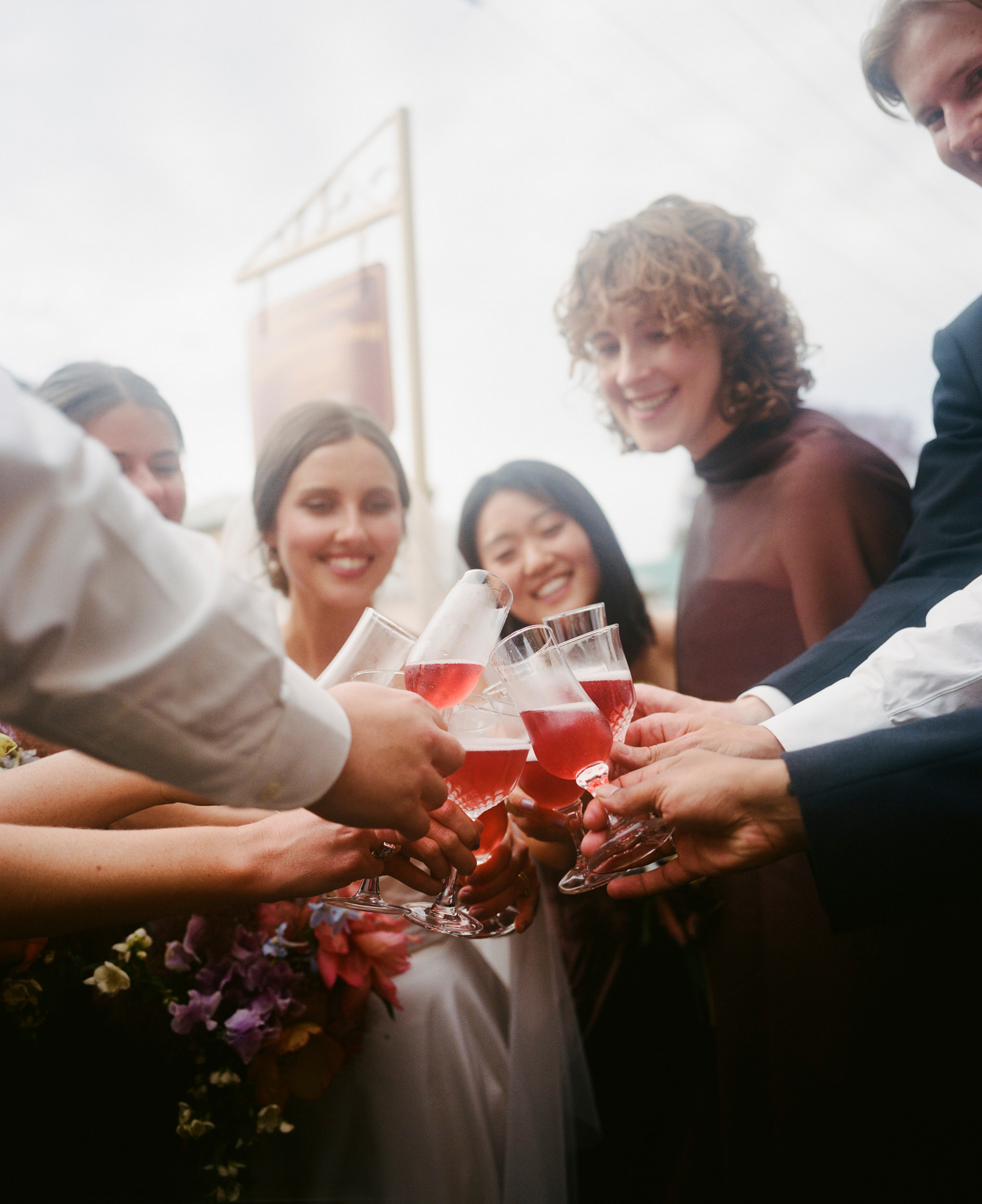
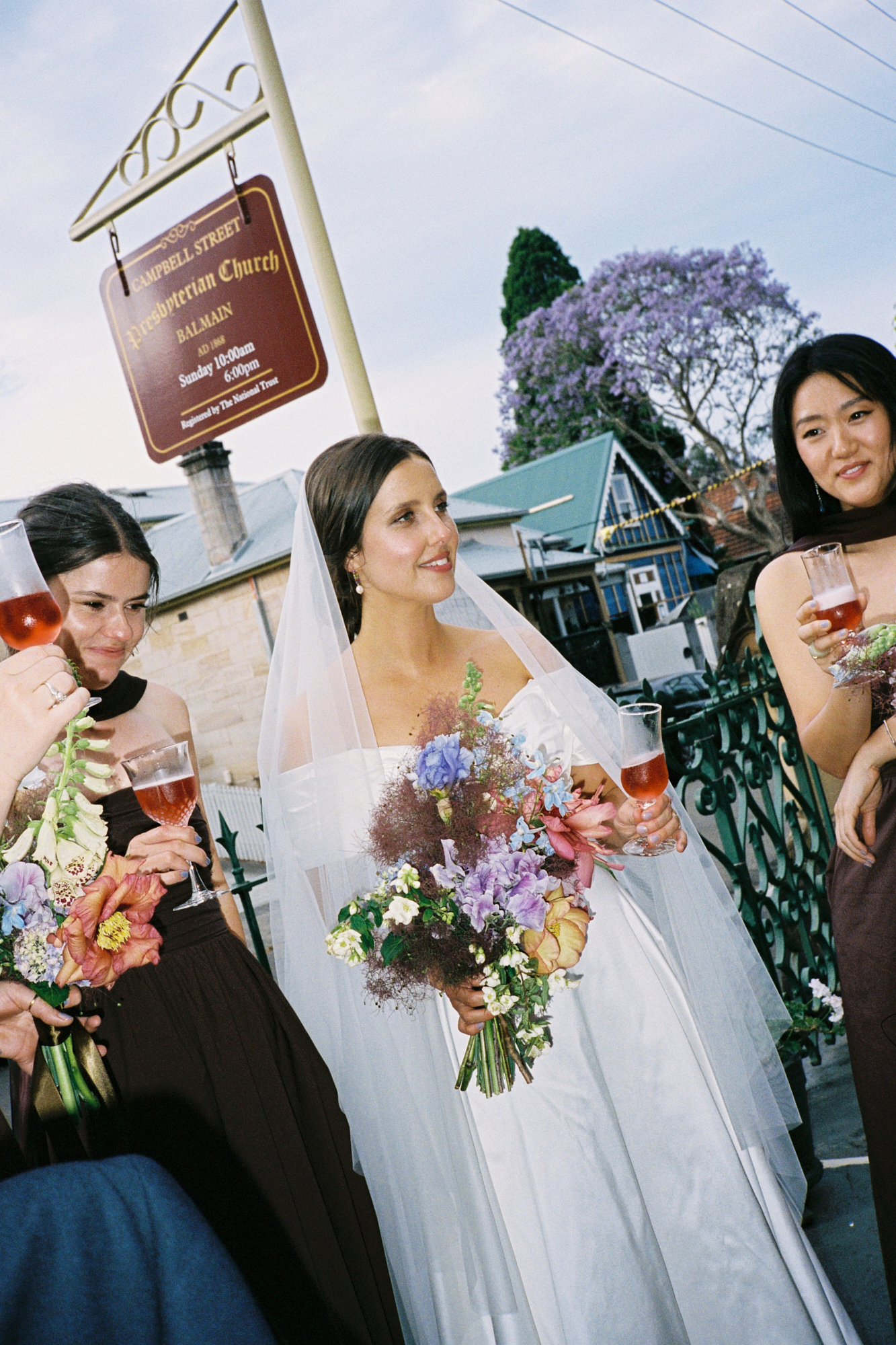
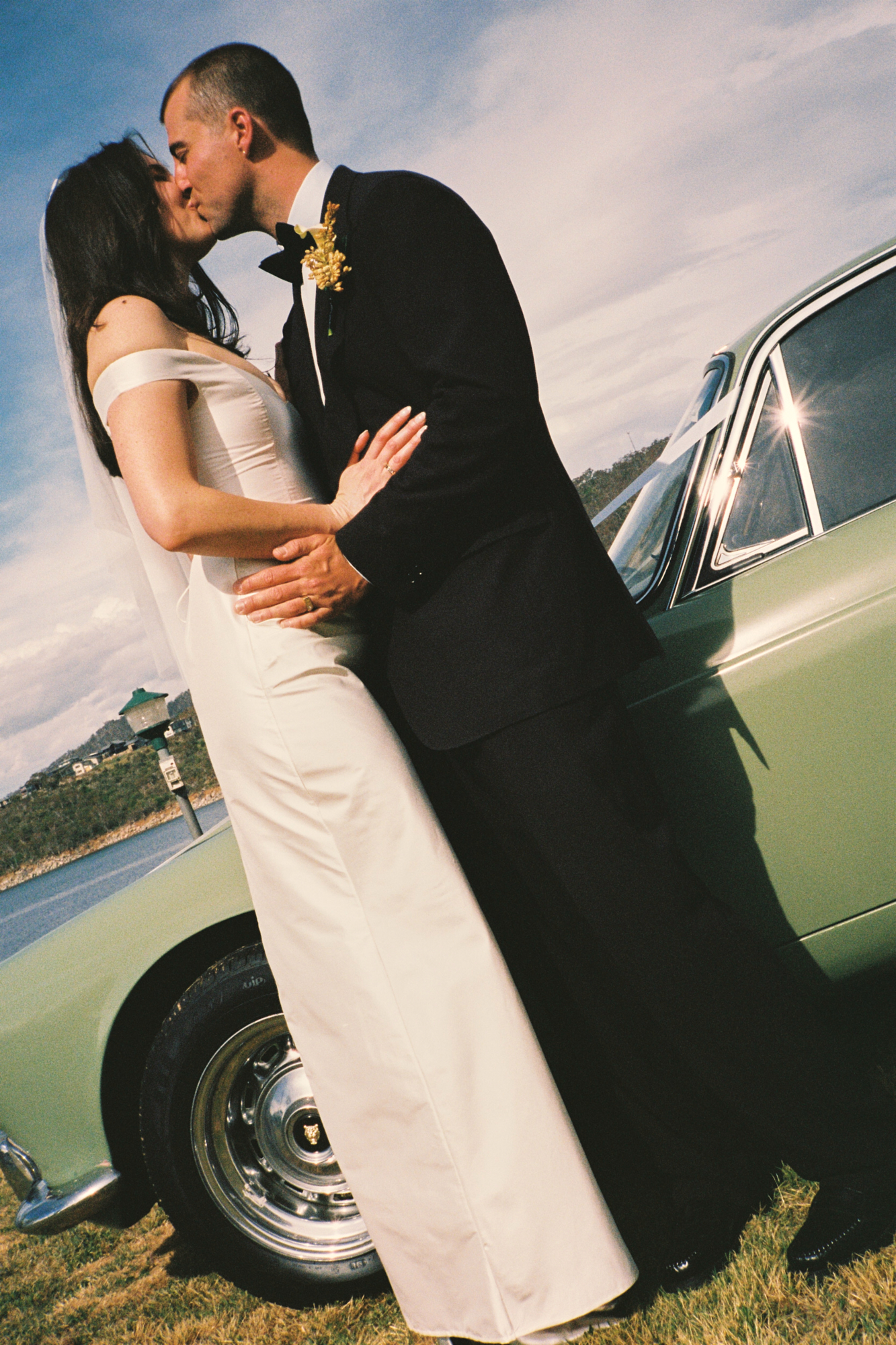
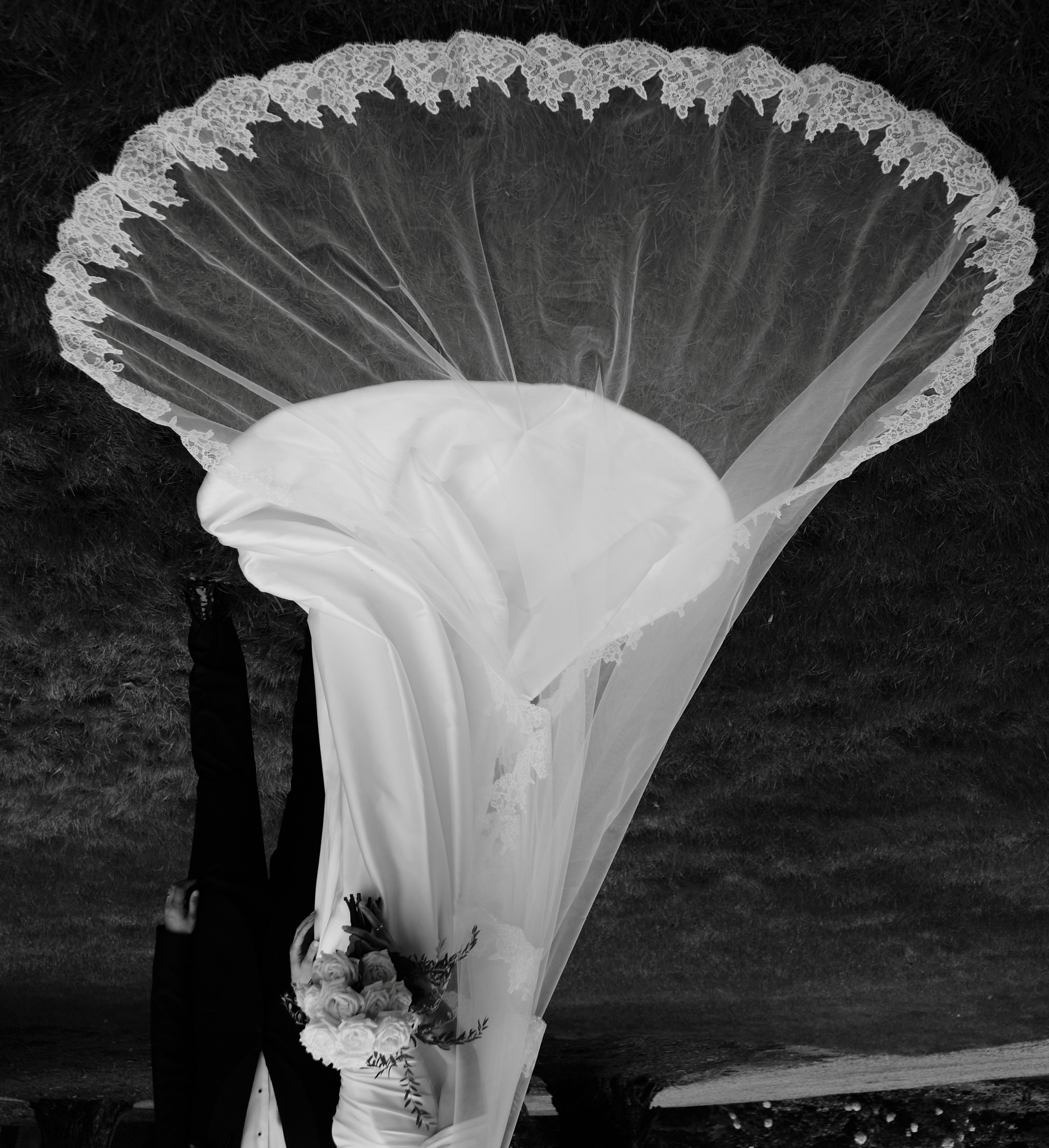
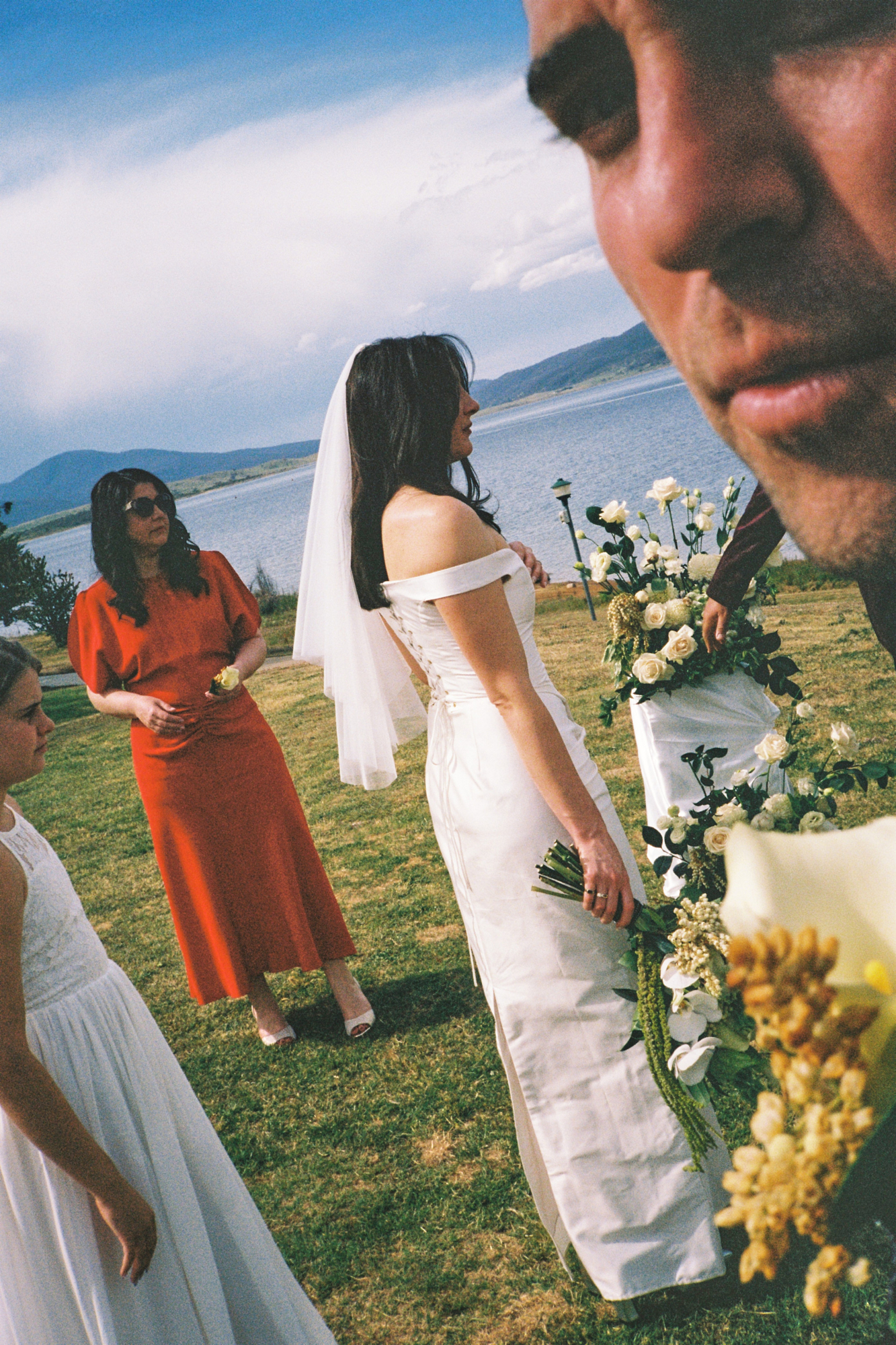
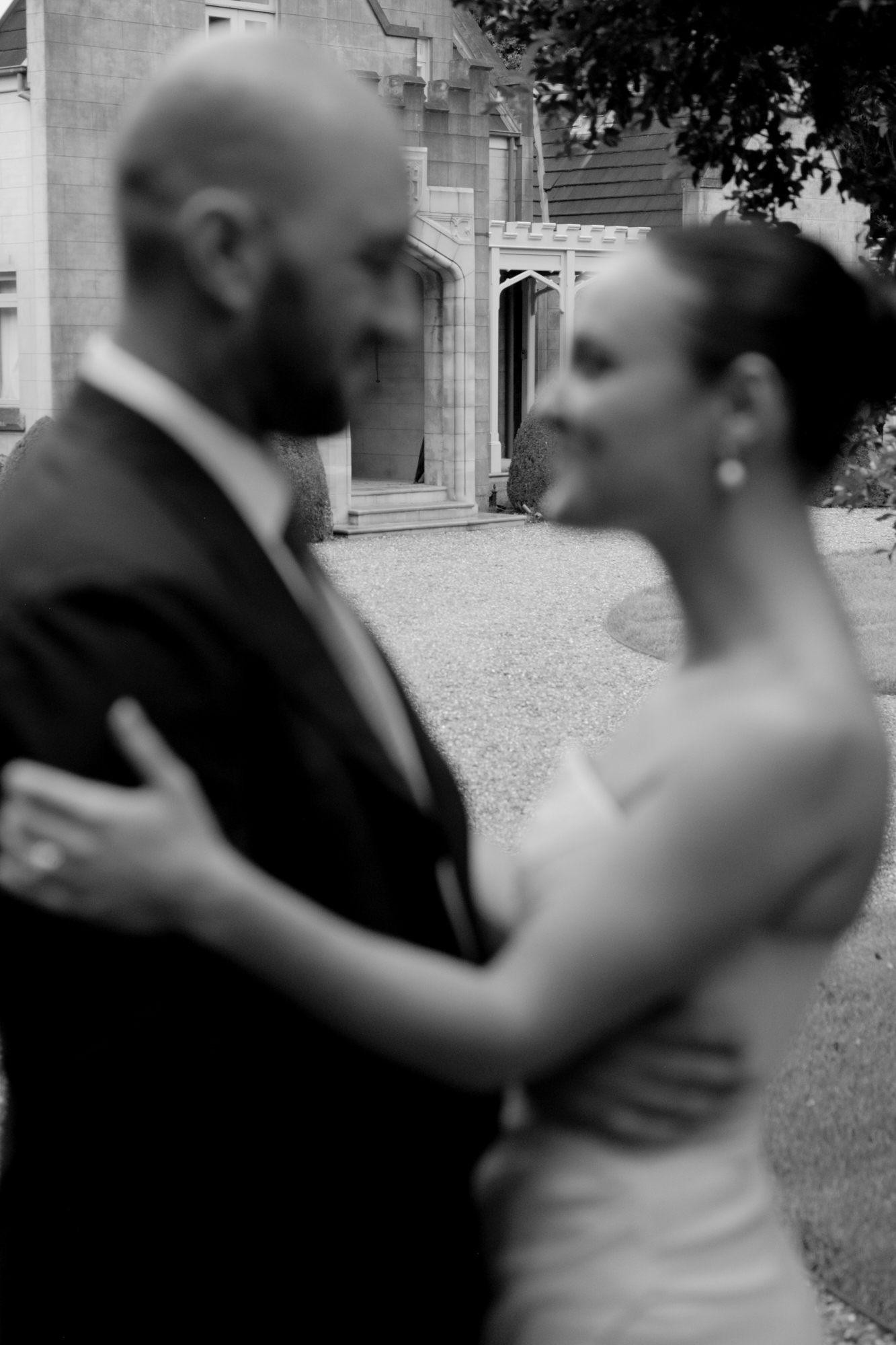
That background is evident in the work. There is a cinematic quality to the way they see a wedding, but never at the expense of honesty. Their images feel considered without feeling constructed, nostalgic without leaning into sentimentality, and distinctly modern while retaining the kind of visual restraint that should allow them to age beautifully.
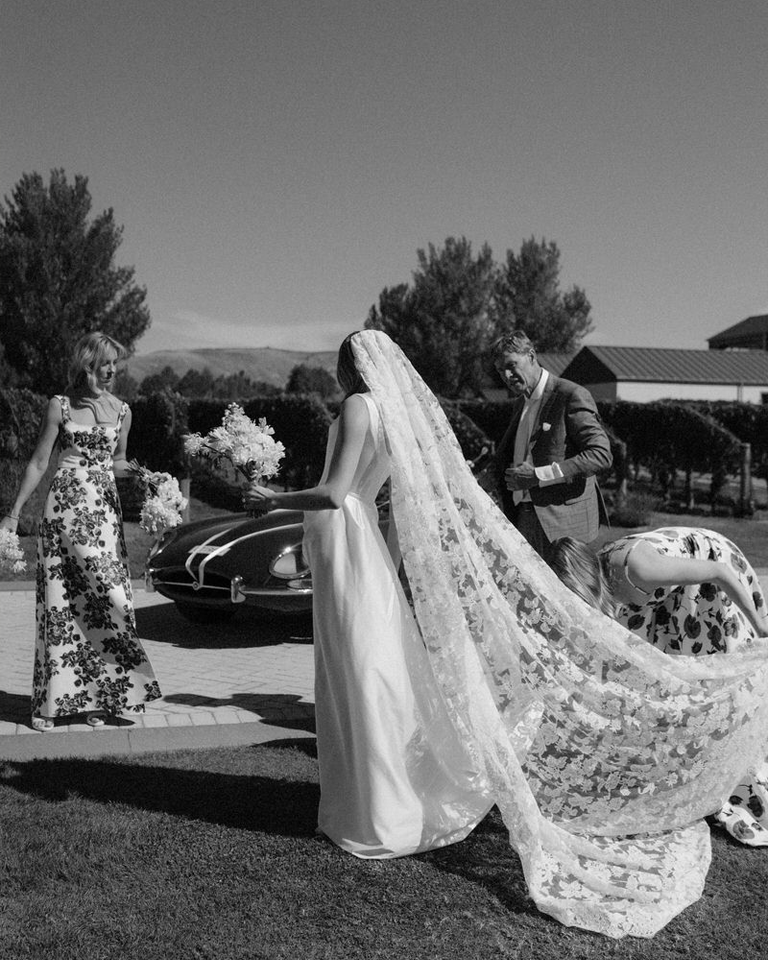
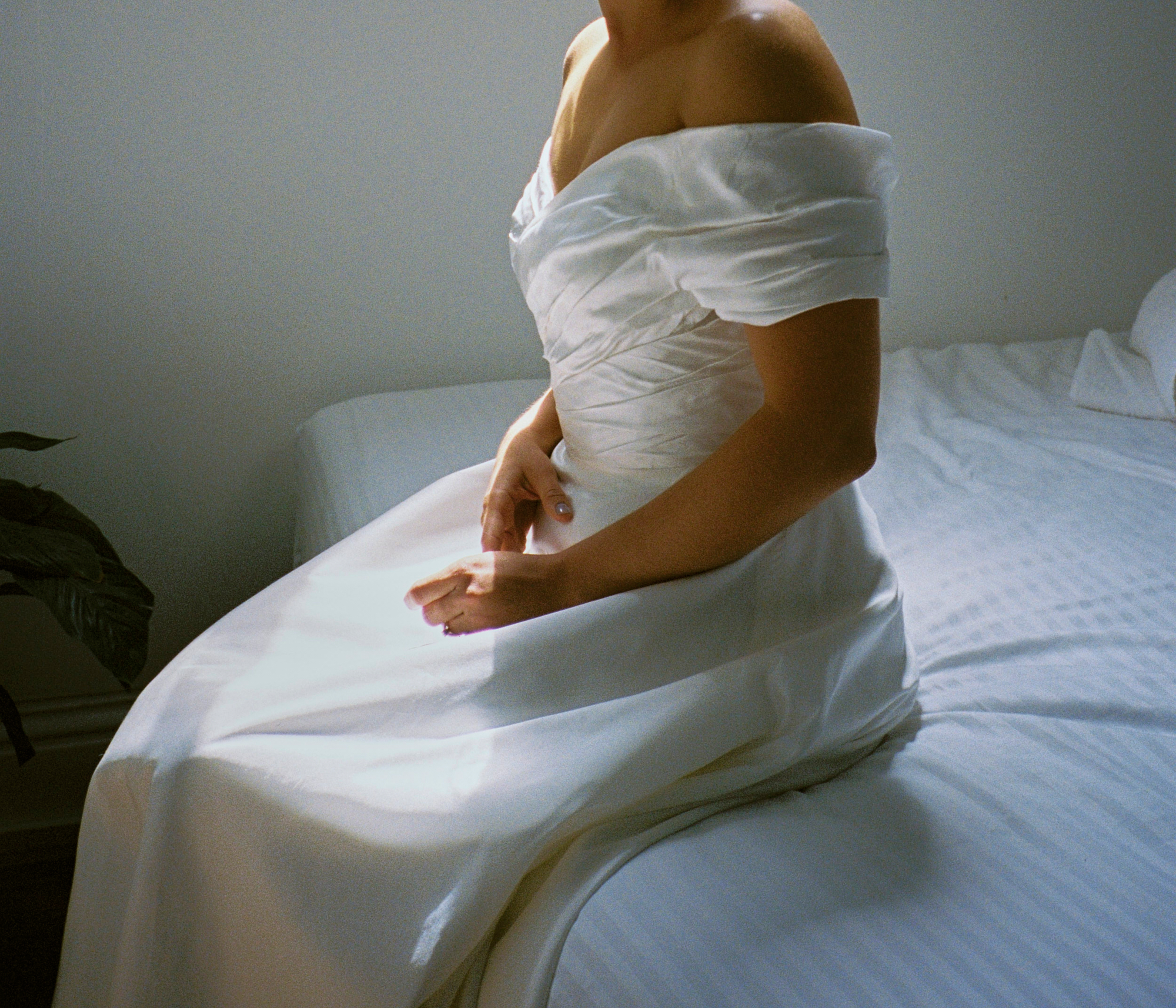
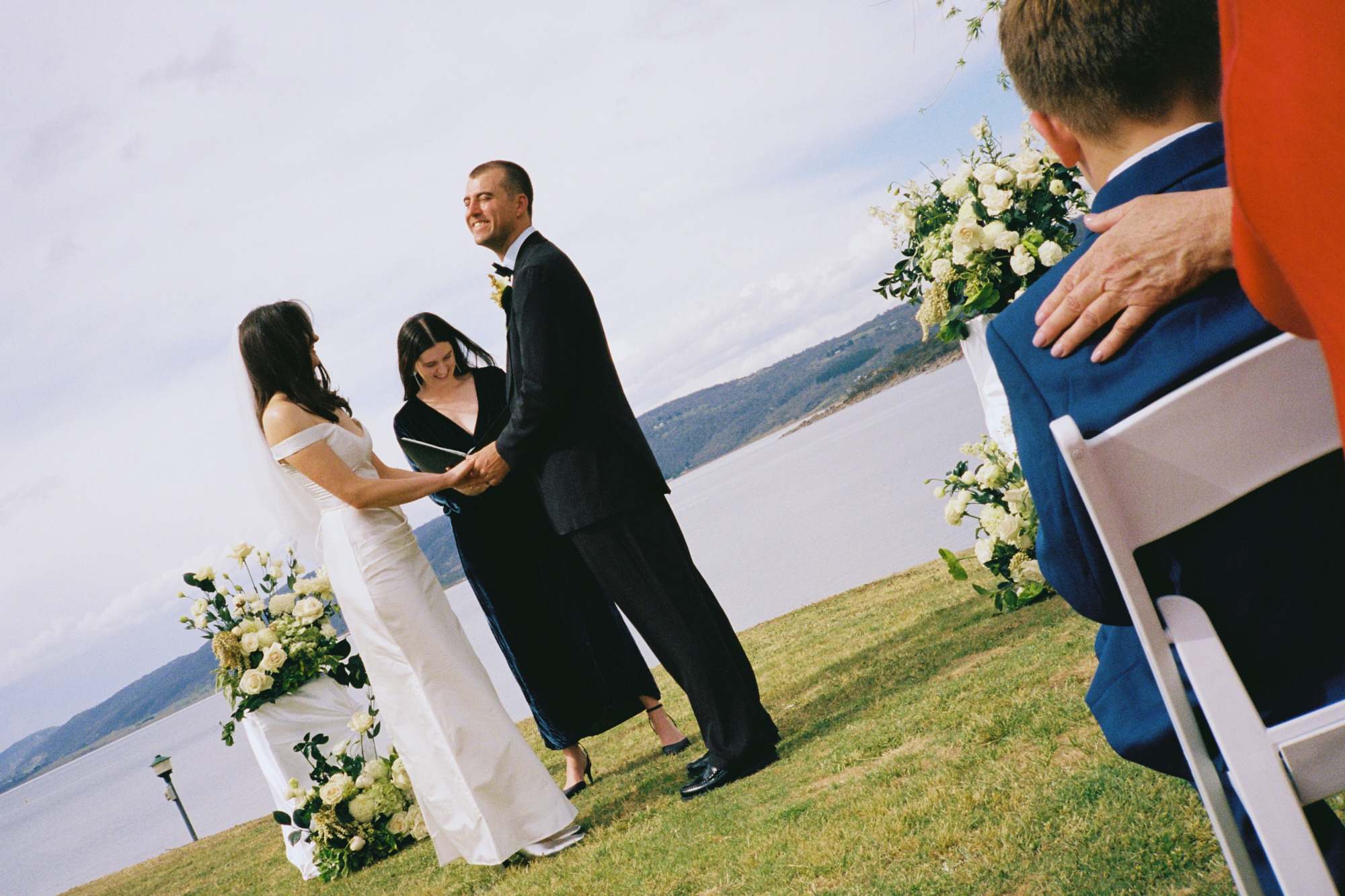
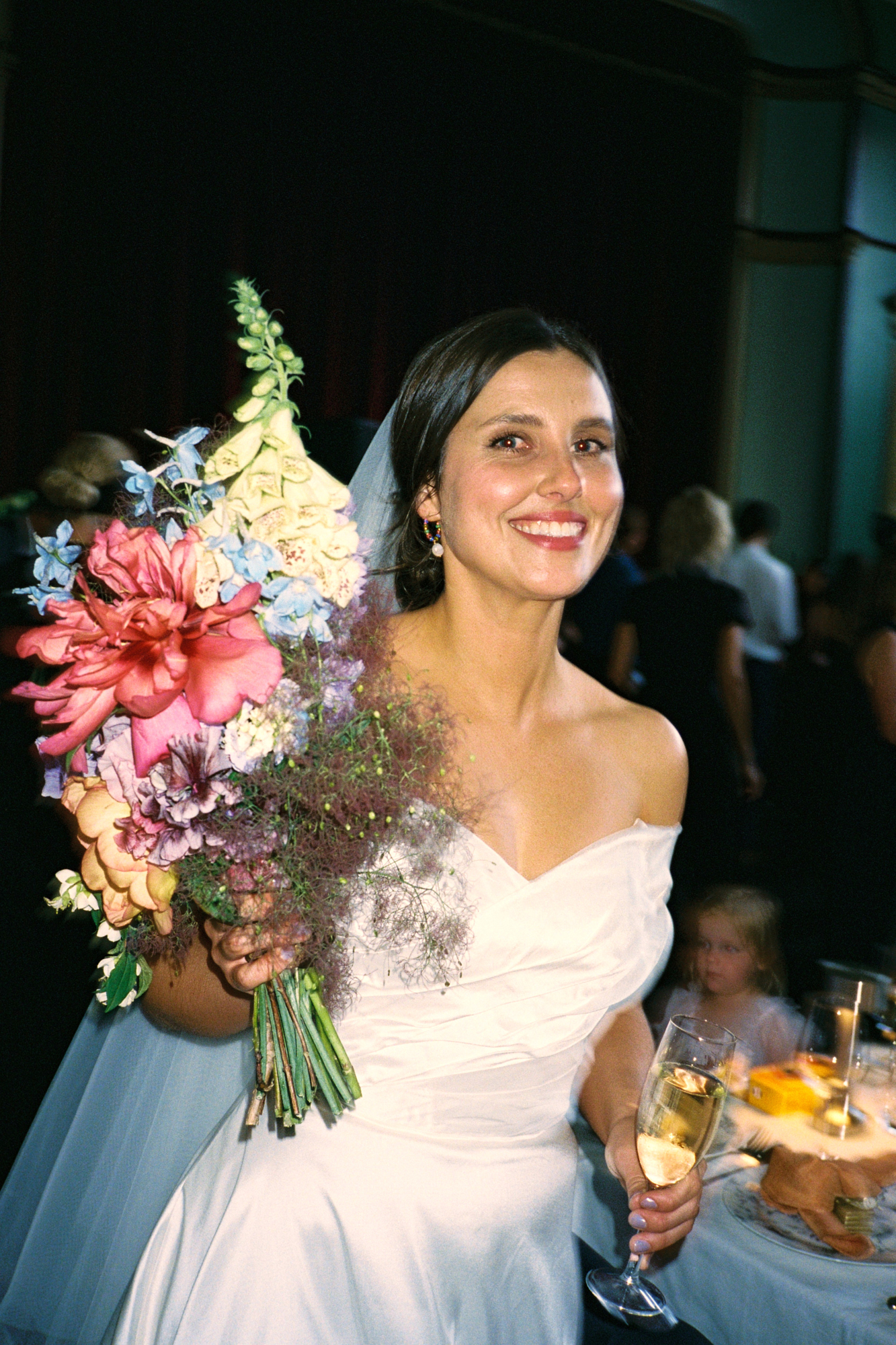
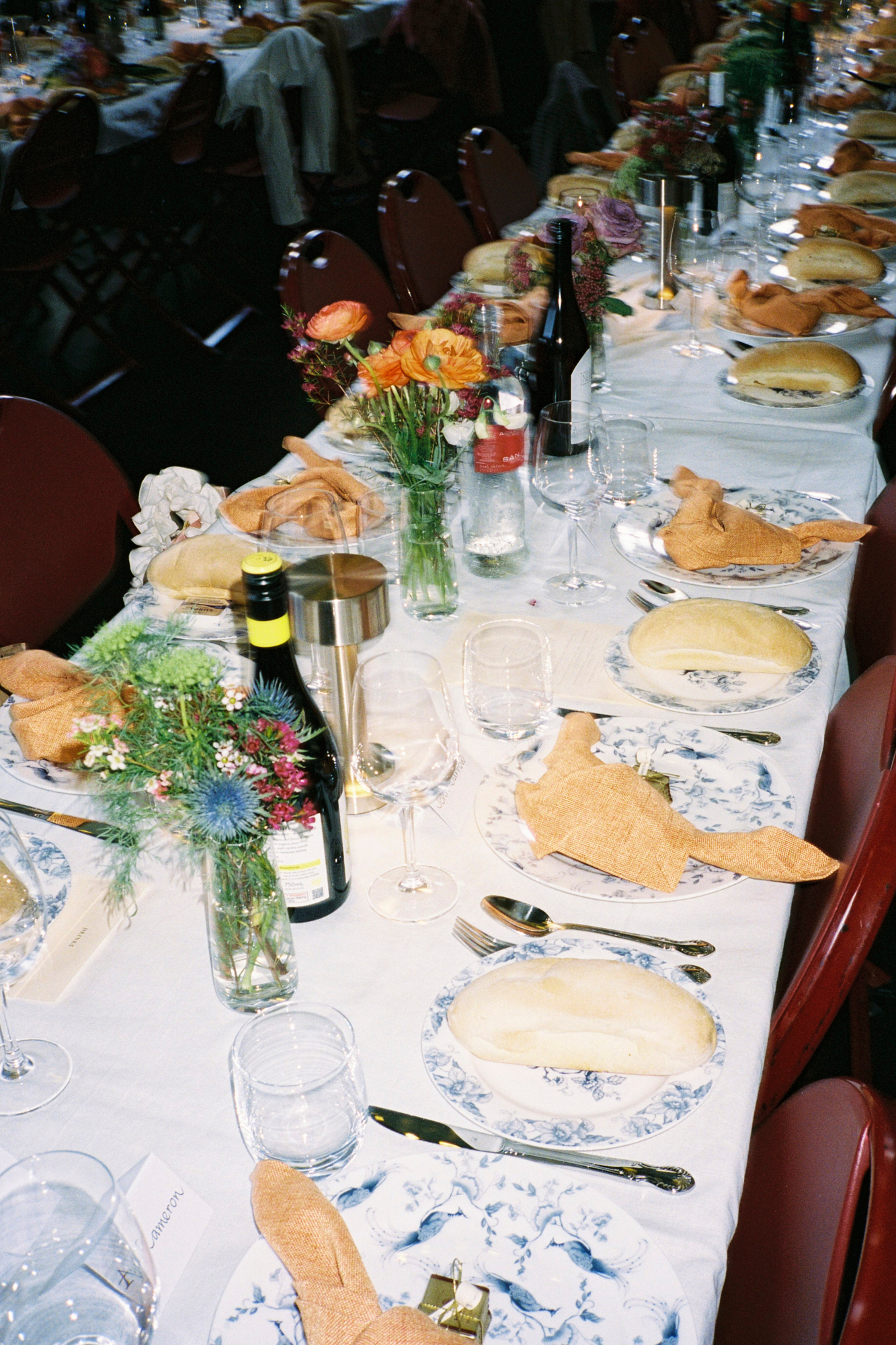
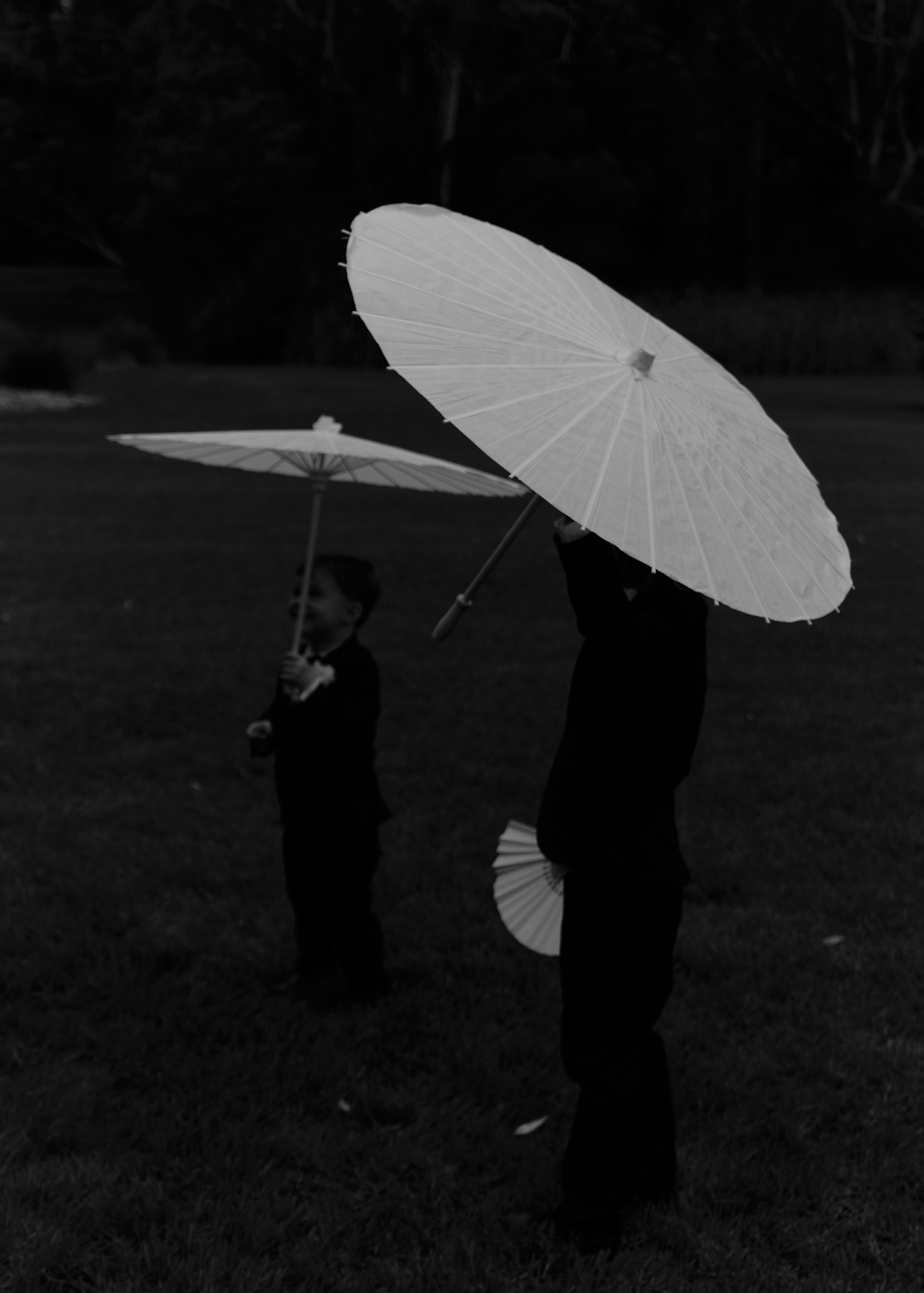
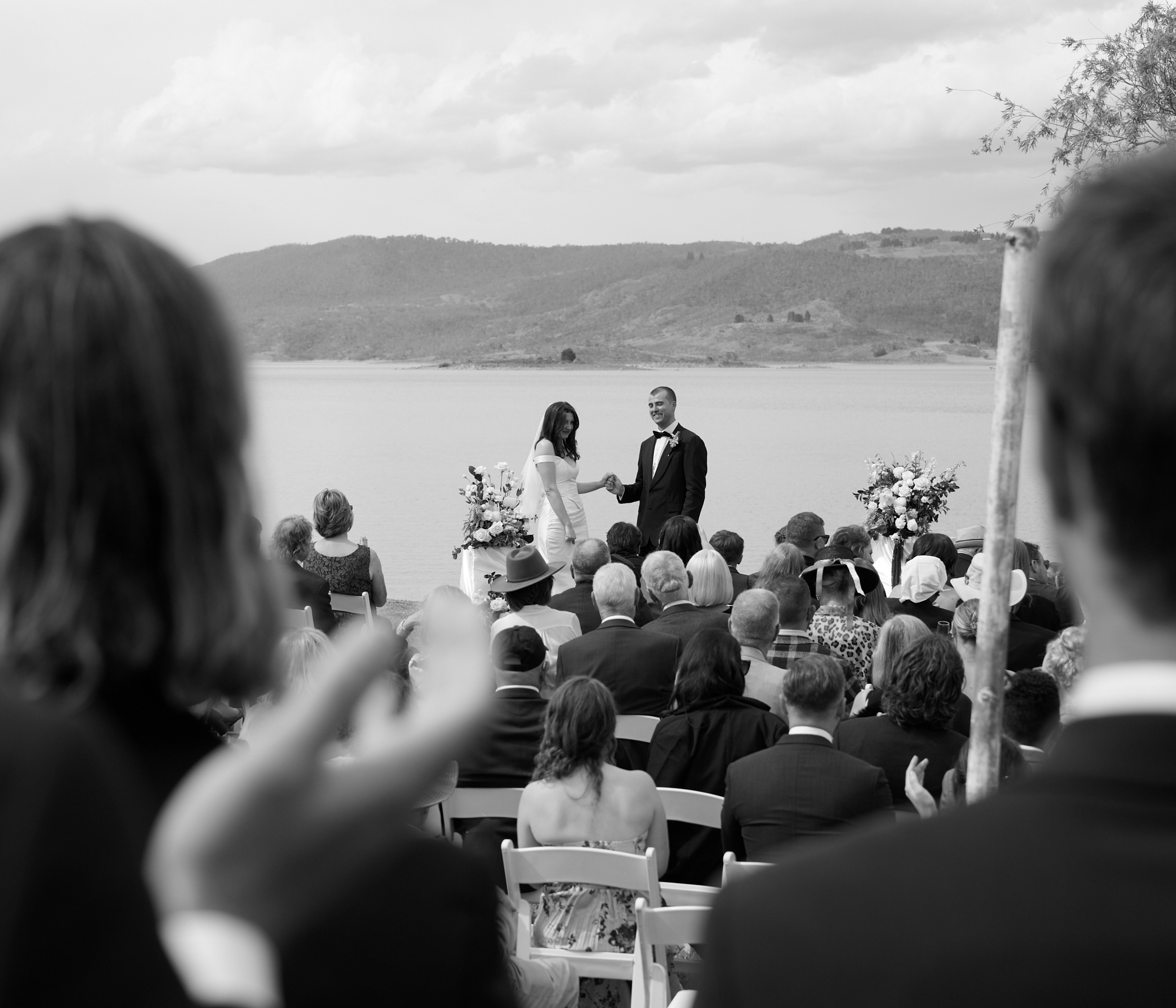
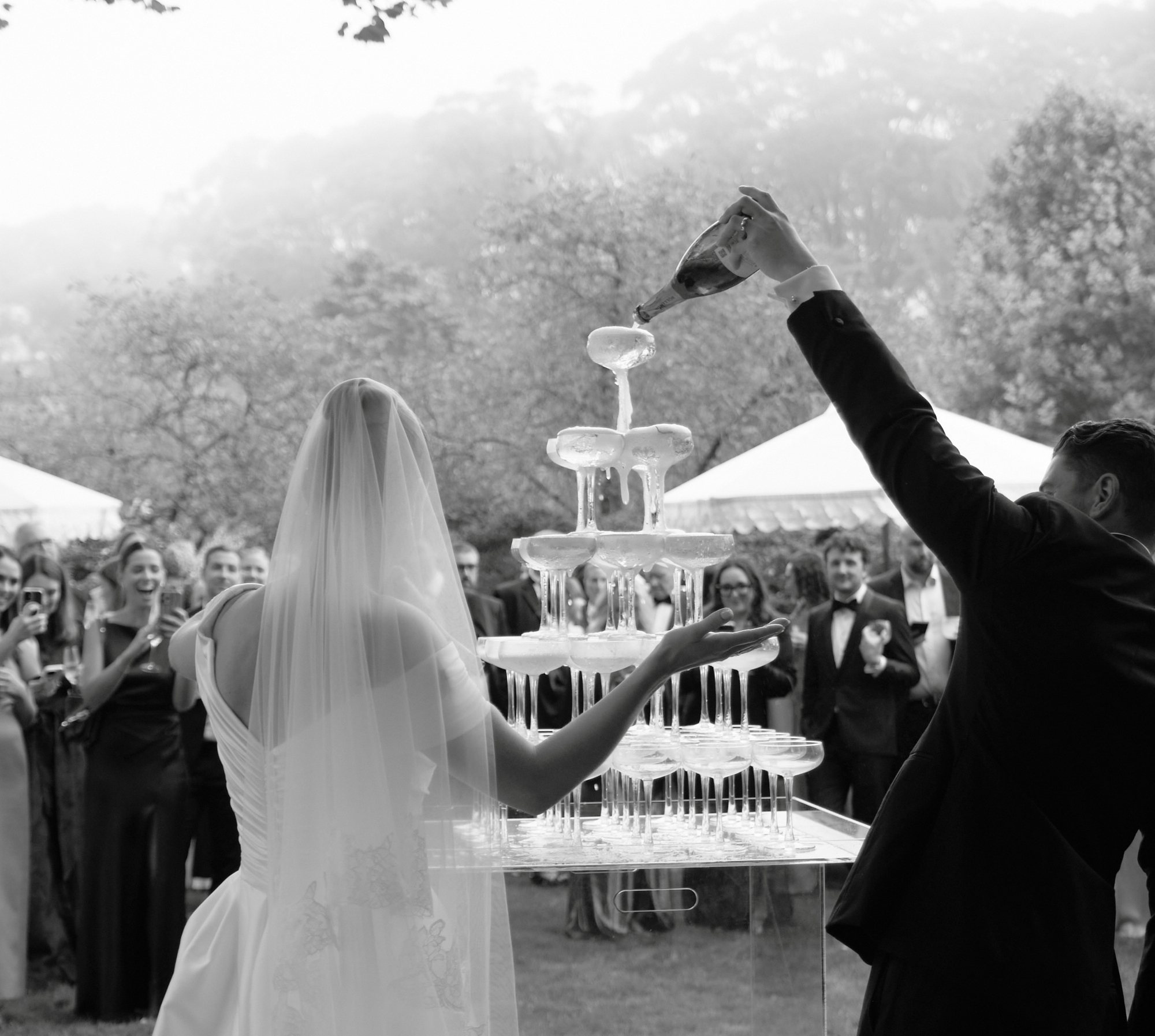
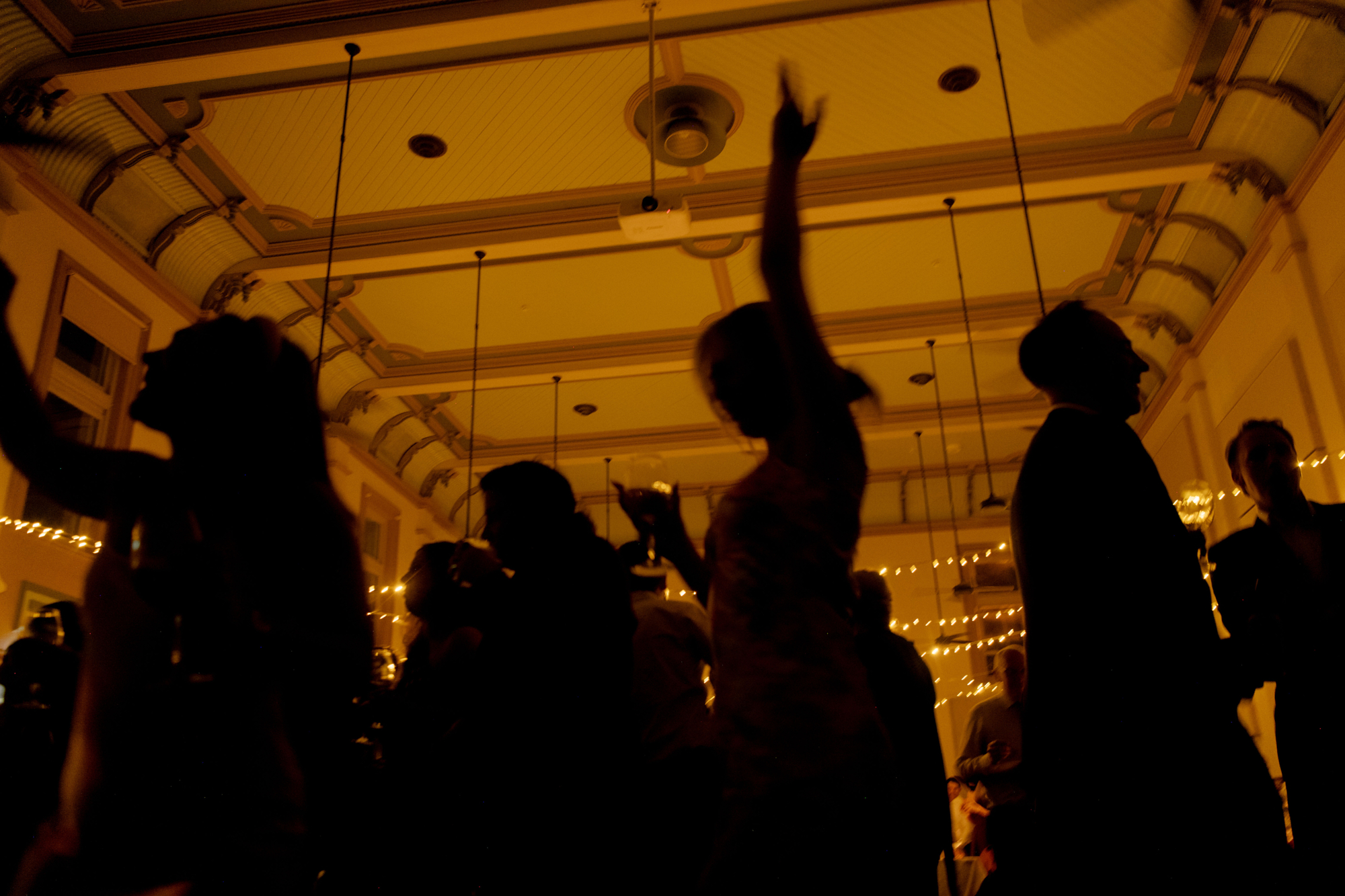
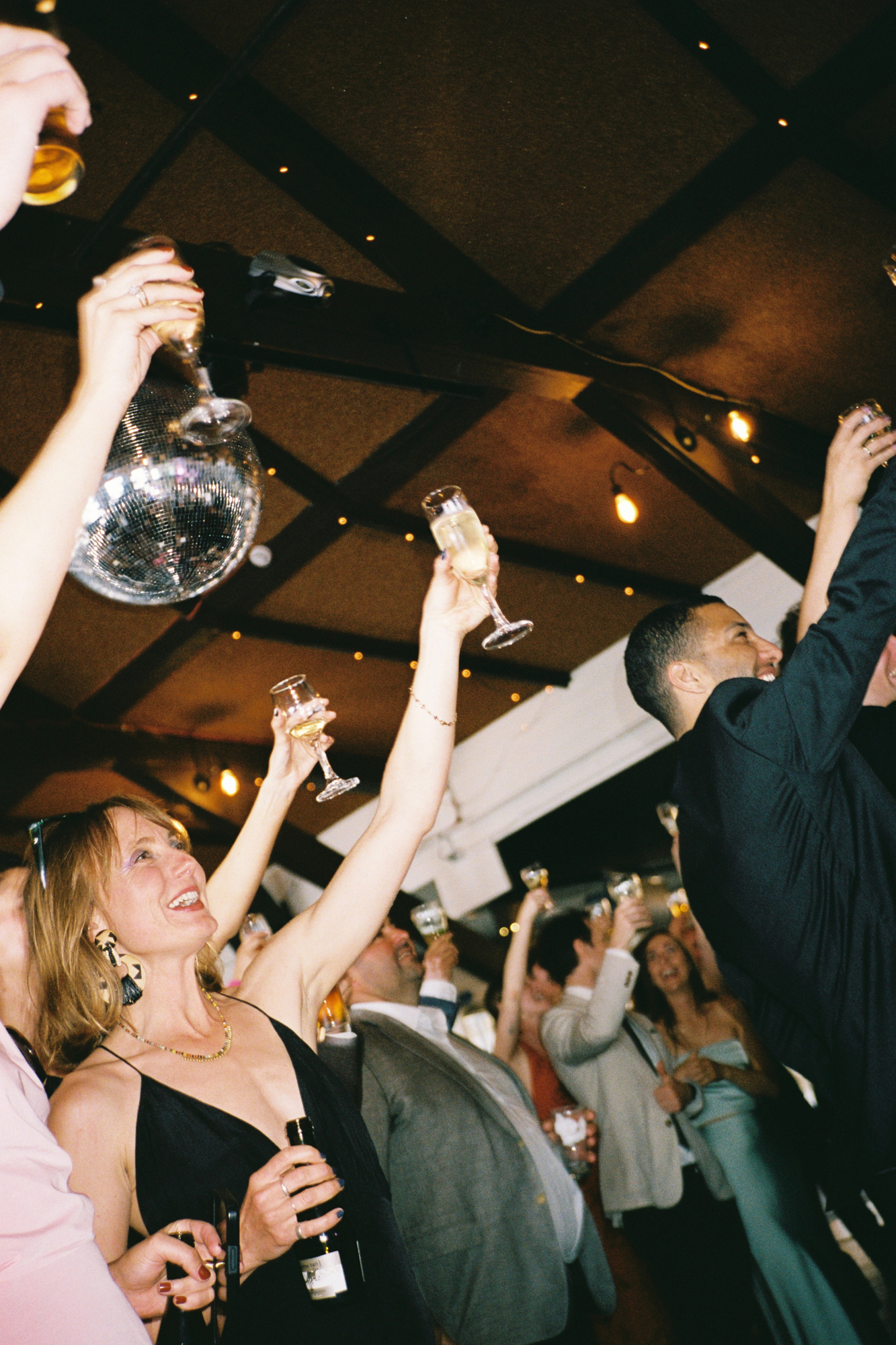
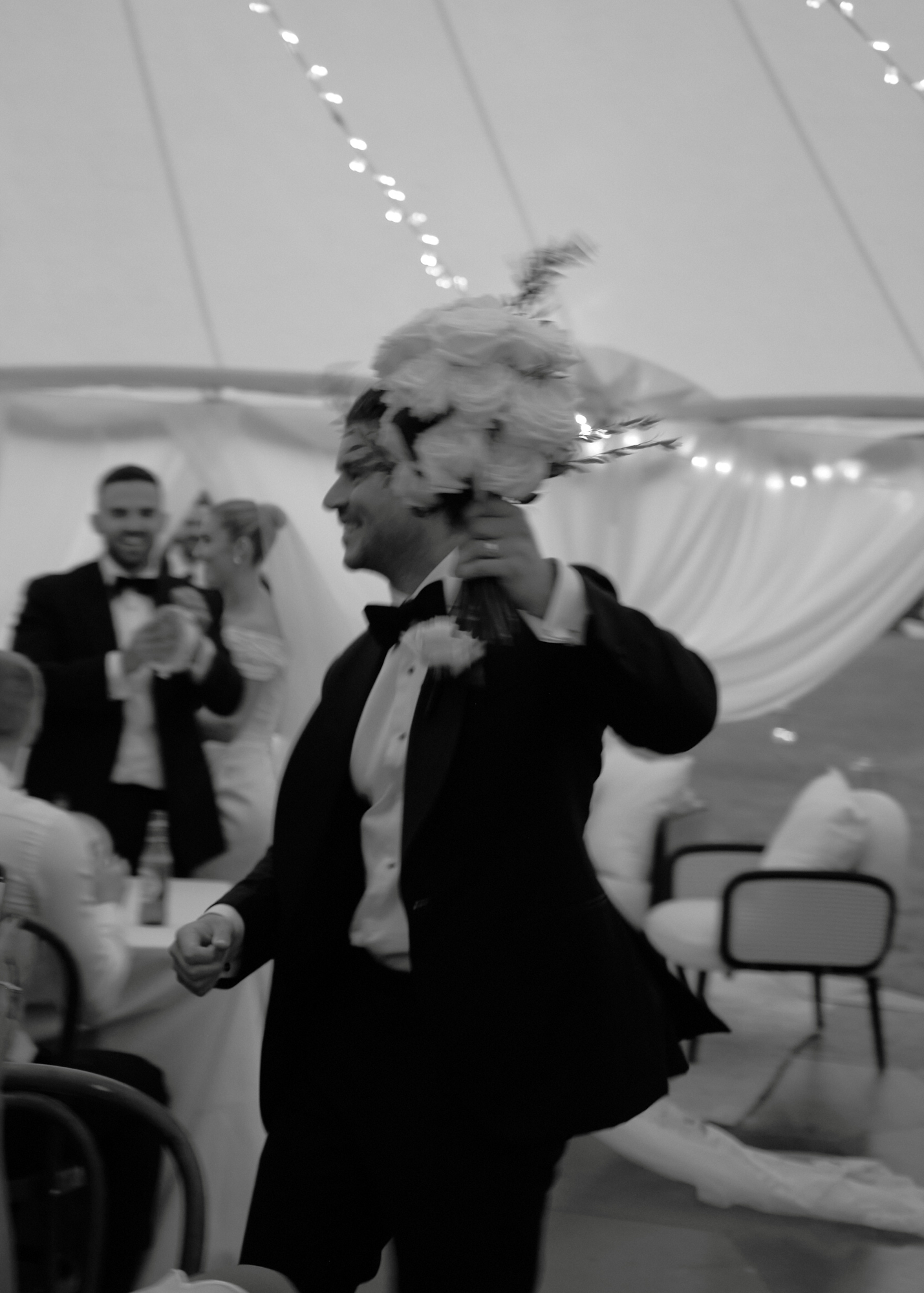
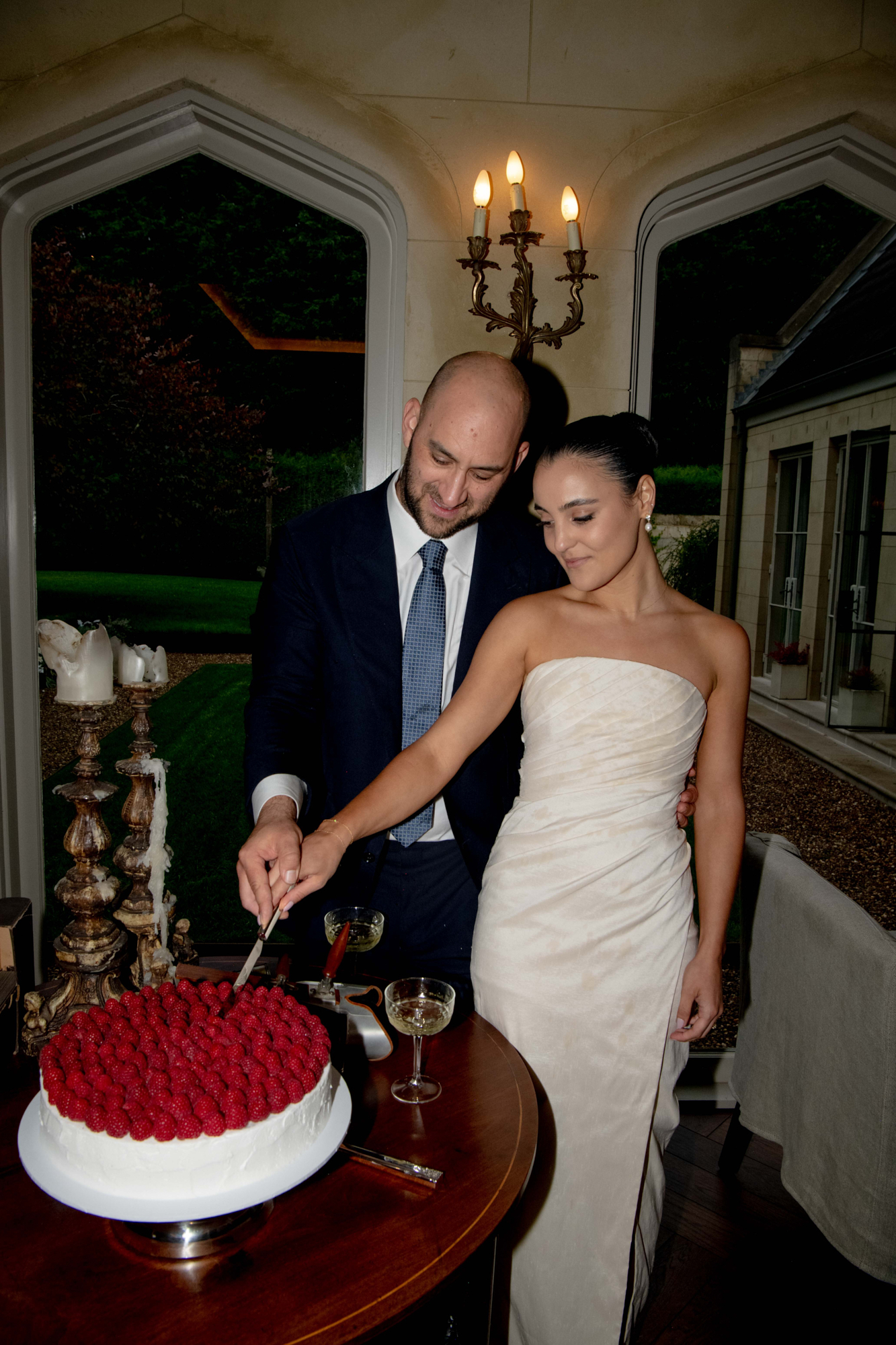
Rather than choreographing a day, Studio Anjori is interested in what happens around the edges of it: shifting light, fleeting expressions, nervous energy, the quiet before a ceremony and the atmosphere of a room once it fills with people. Their commercial and editorial experience gives the work polish and confidence, while their documentary instincts keep it grounded in something much more human.
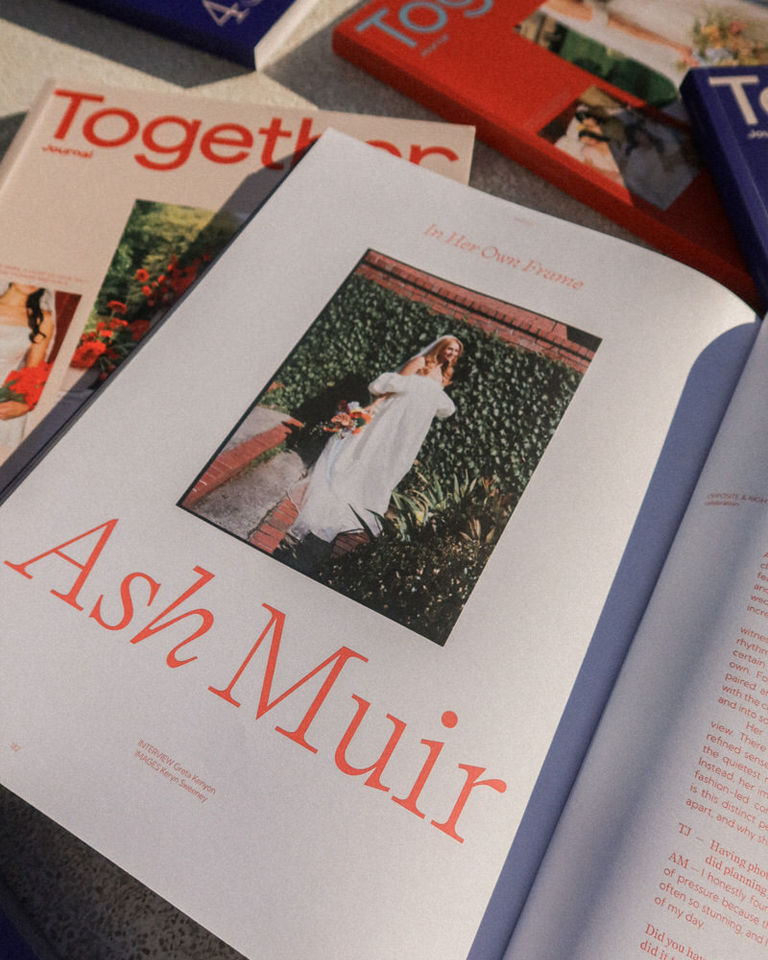
For Together Journal, it is exciting to see new creative energy entering the wedding space from outside its traditional boundaries. Studio Anjori feels like a fresh force, bringing a different visual language and a strong sense of authorship to the celebrations they photograph. With one of their weddings now live on Together Journal, we wanted to learn more about the brothers behind the lens, the creative worlds that shaped them, and what they hope to bring to weddings next.
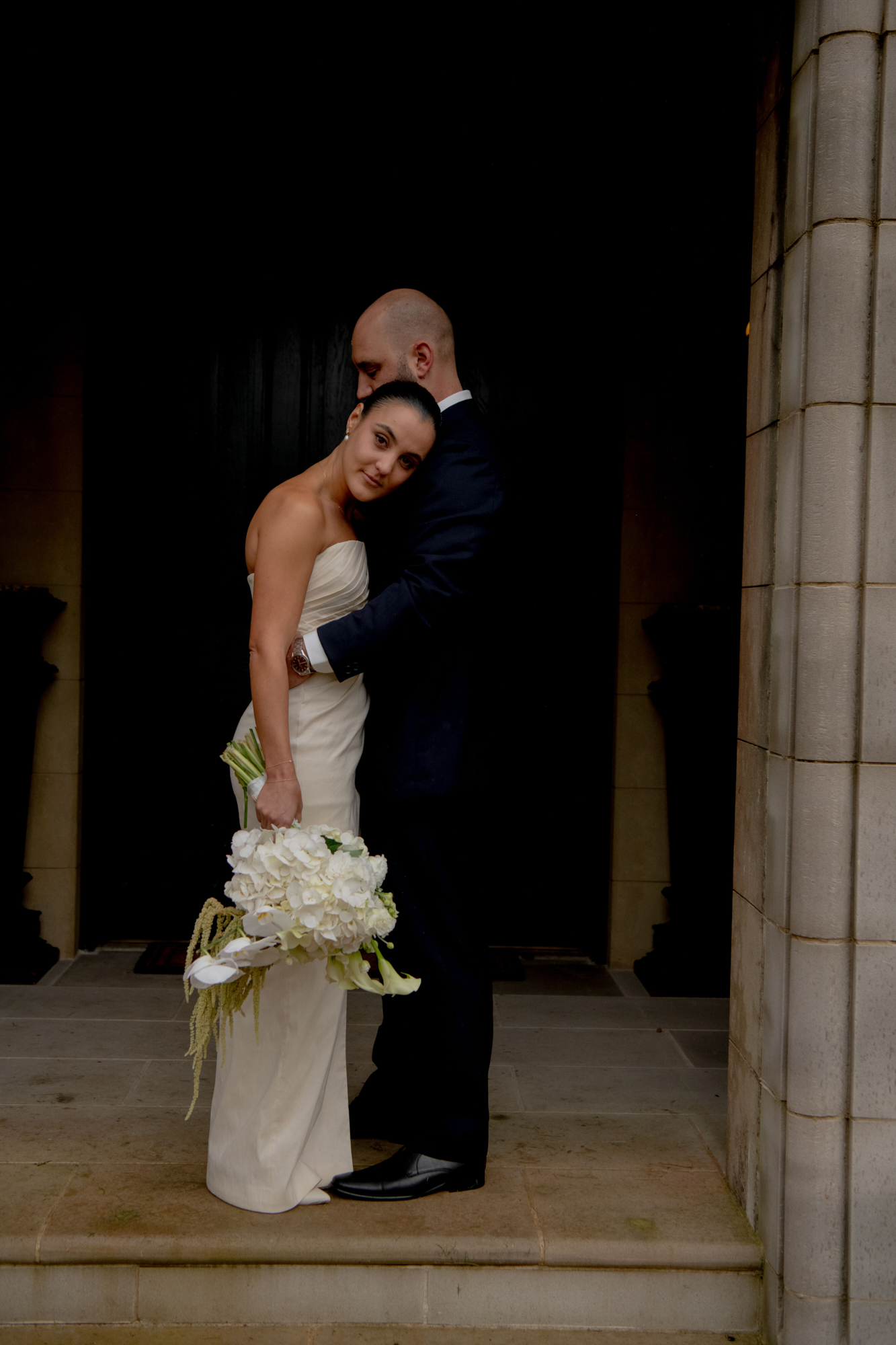
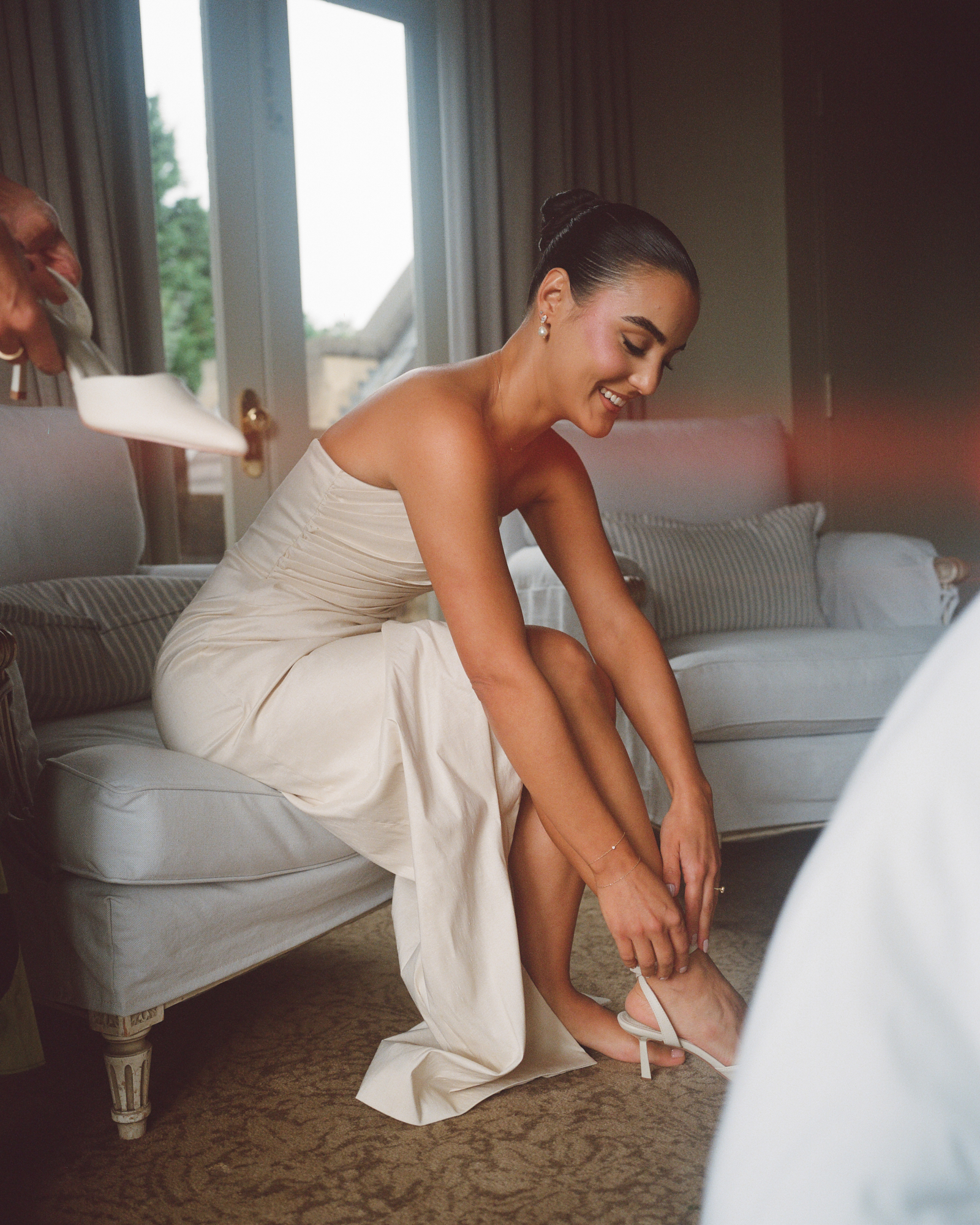
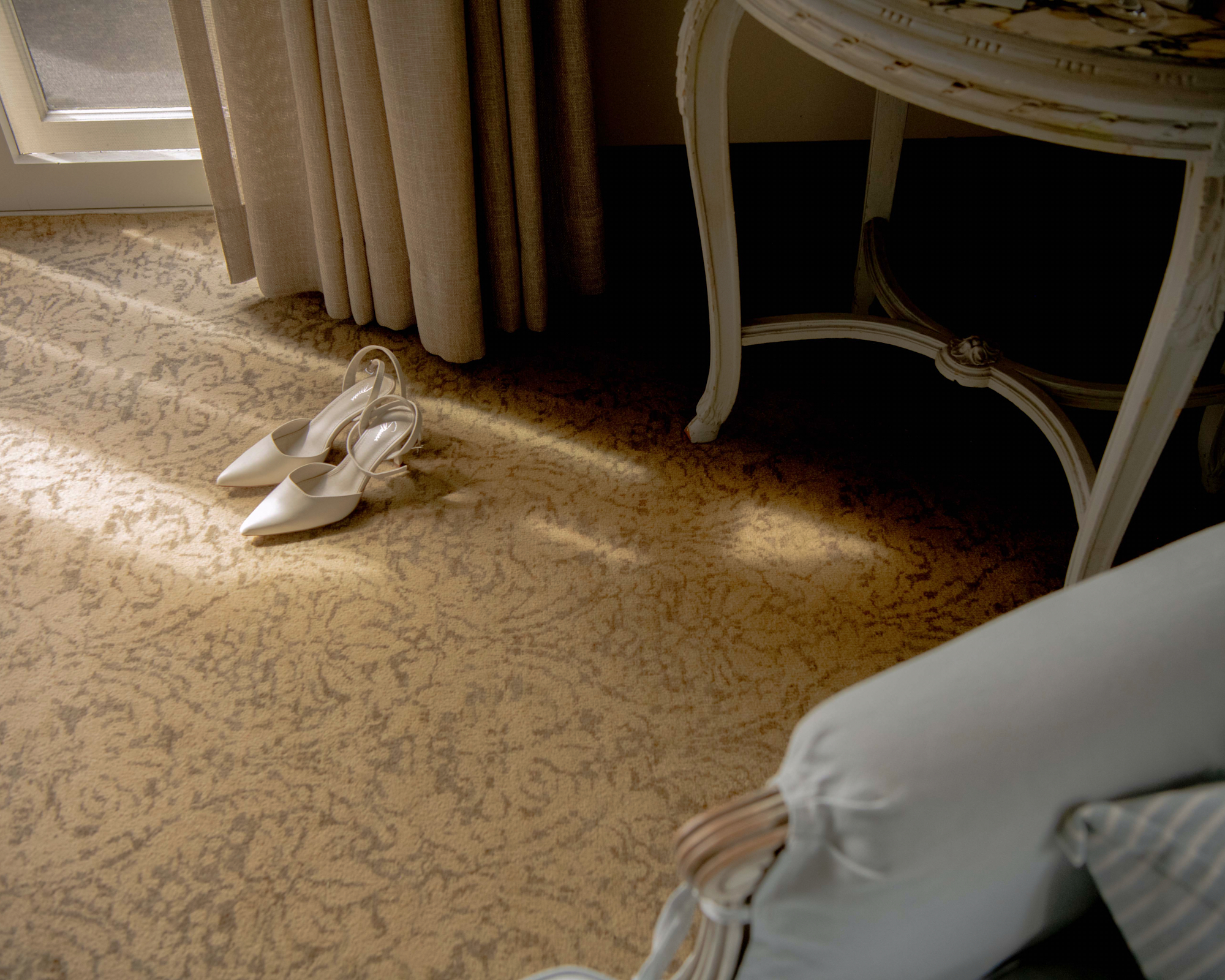
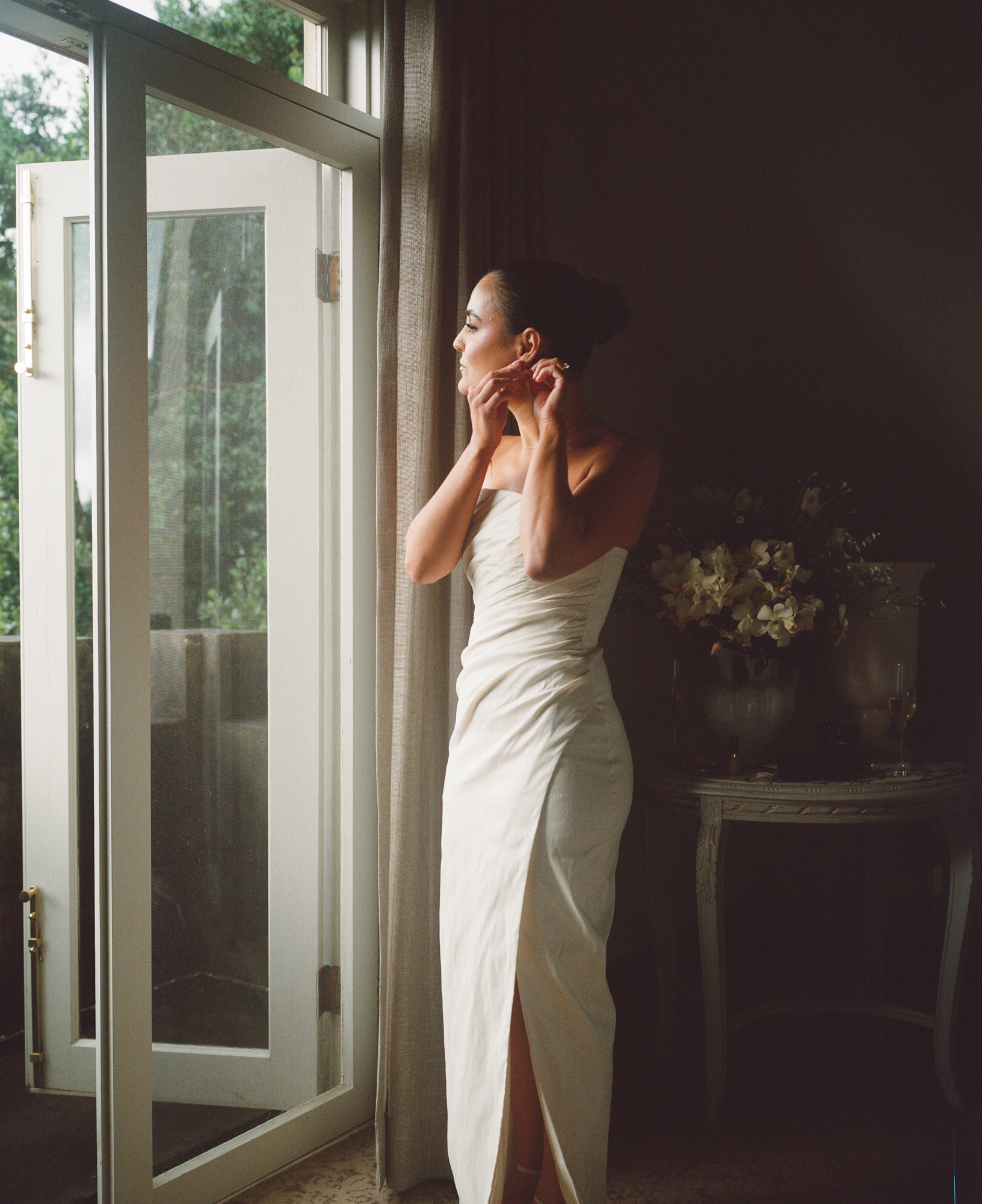
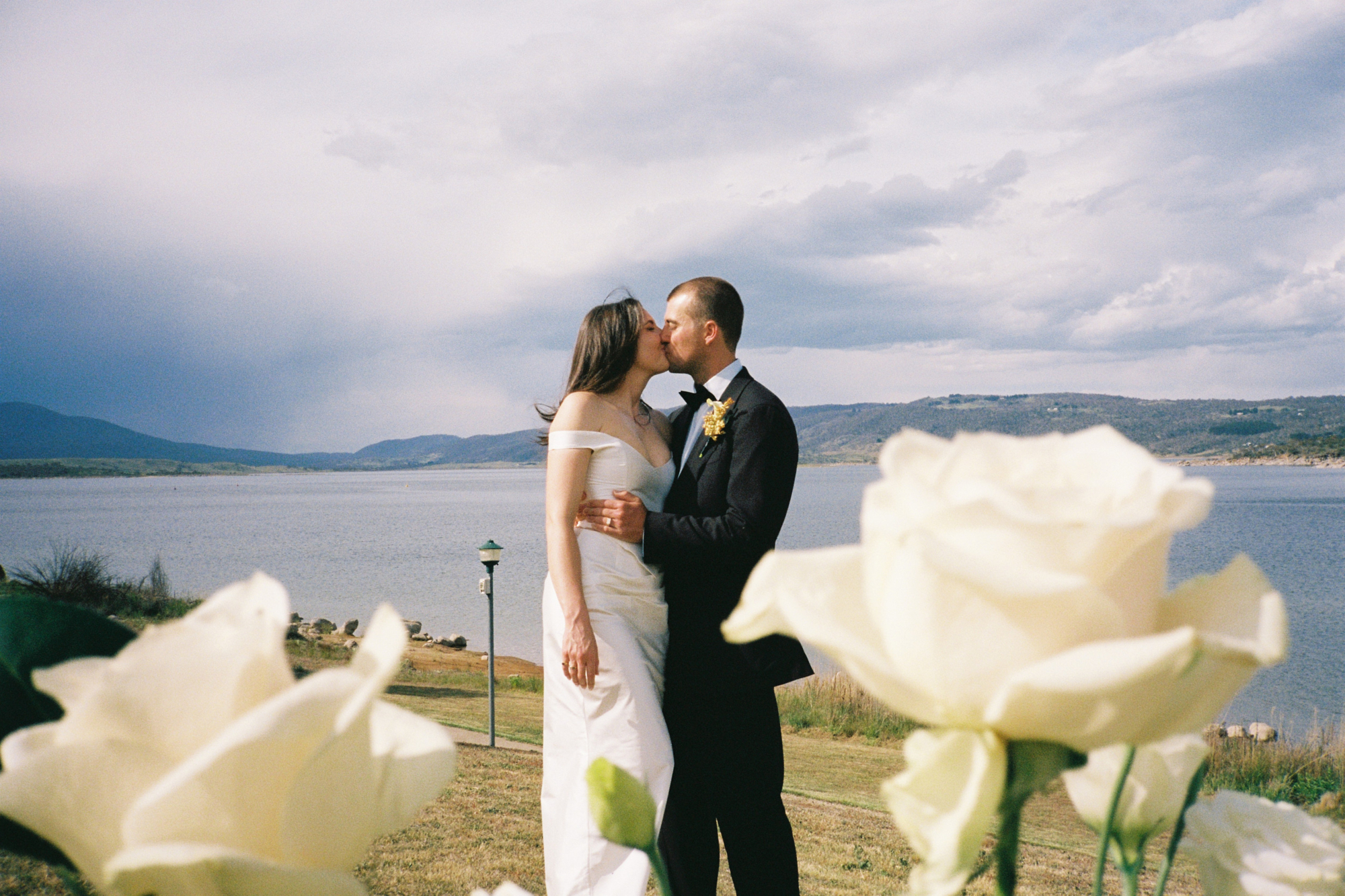
You both came to weddings after more than a decade working across fashion, advertising, film and documentary. What did you see in weddings that made you want to step into this world more seriously?
We think there’s an interesting parallel between the worlds we’ve come from and weddings. Across fashion, advertising, film and documentary, we’ve always been drawn to moments that feel honest, instinctive and emotionally meaningful.
There’s something about a wedding where all of those things come together naturally. The love between people, the small gestures, the chaos, the intimacy and the celebration. You might normally find those elements within a scene in a film, fashion story or documentary, but here they’re completely real and unfolding in front of you.
That’s what drew us to it. We see an opportunity to bring everything we’ve absorbed from those worlds into the way we photograph weddings, working with intuition and intent to create photographs that feel timeless and allow people to recognise the feeling of that day years later.
Your work feels polished and cinematic, but never overly directed. How do you bring the discipline of commercial photography into a wedding without losing the unpredictability that makes the day interesting?
We think a lot of that discipline has actually come from learning not to control things too much. For us, the commercial side isn’t about directing a moment into existence. It’s about being aware of light, colour, composition, movement and emotion, and being ready to recognise something when it naturally happens.
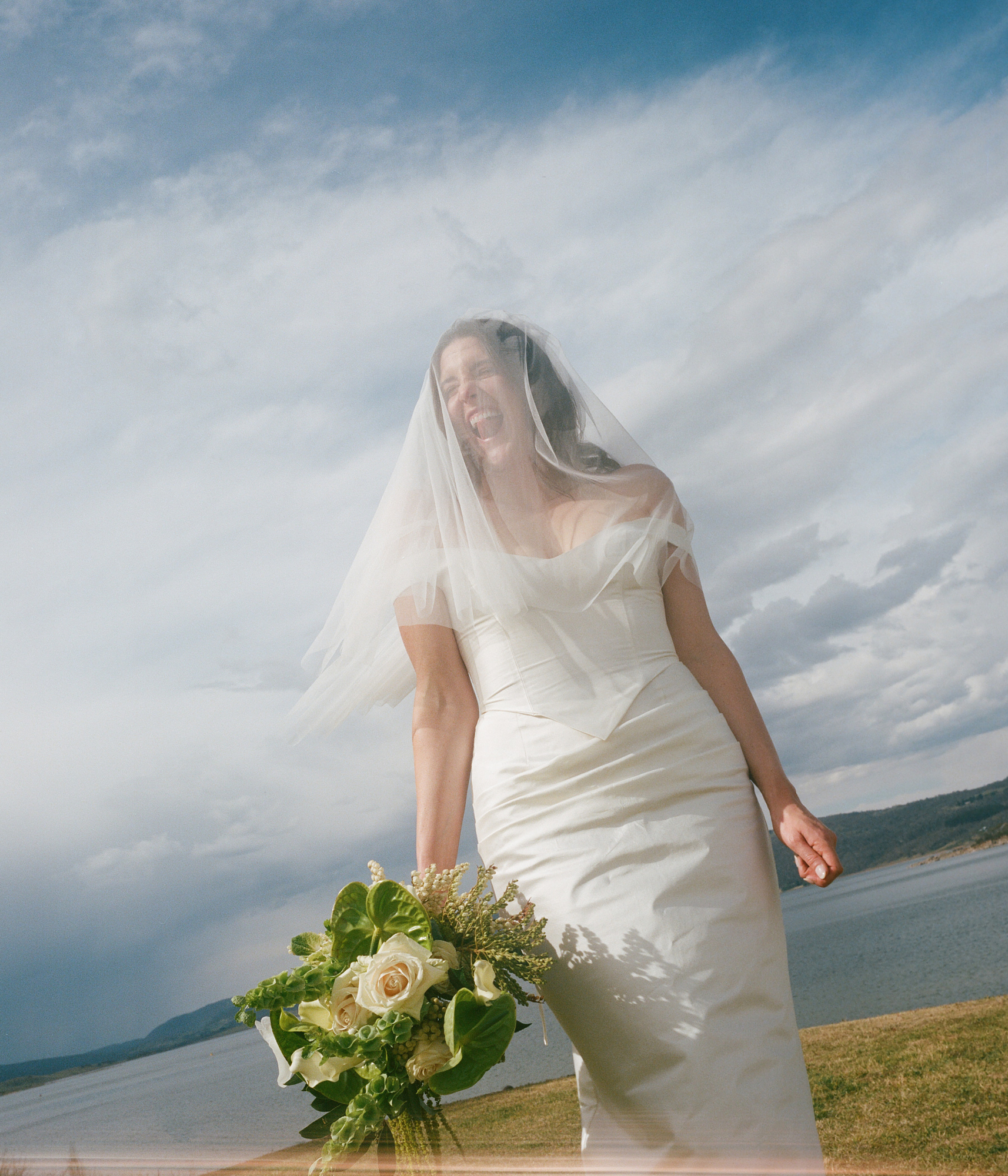
We’re very interested in the space between intention and spontaneity. The moment you over direct something, you often lose what made it interesting in the first place. It’s usually the in between moment, the unexpected gesture or unrehearsed expression that carries the most truth.
So we actually enjoy not knowing what’s around the corner. The discipline is in being prepared and observant, while the freedom is in allowing the day to surprise us.
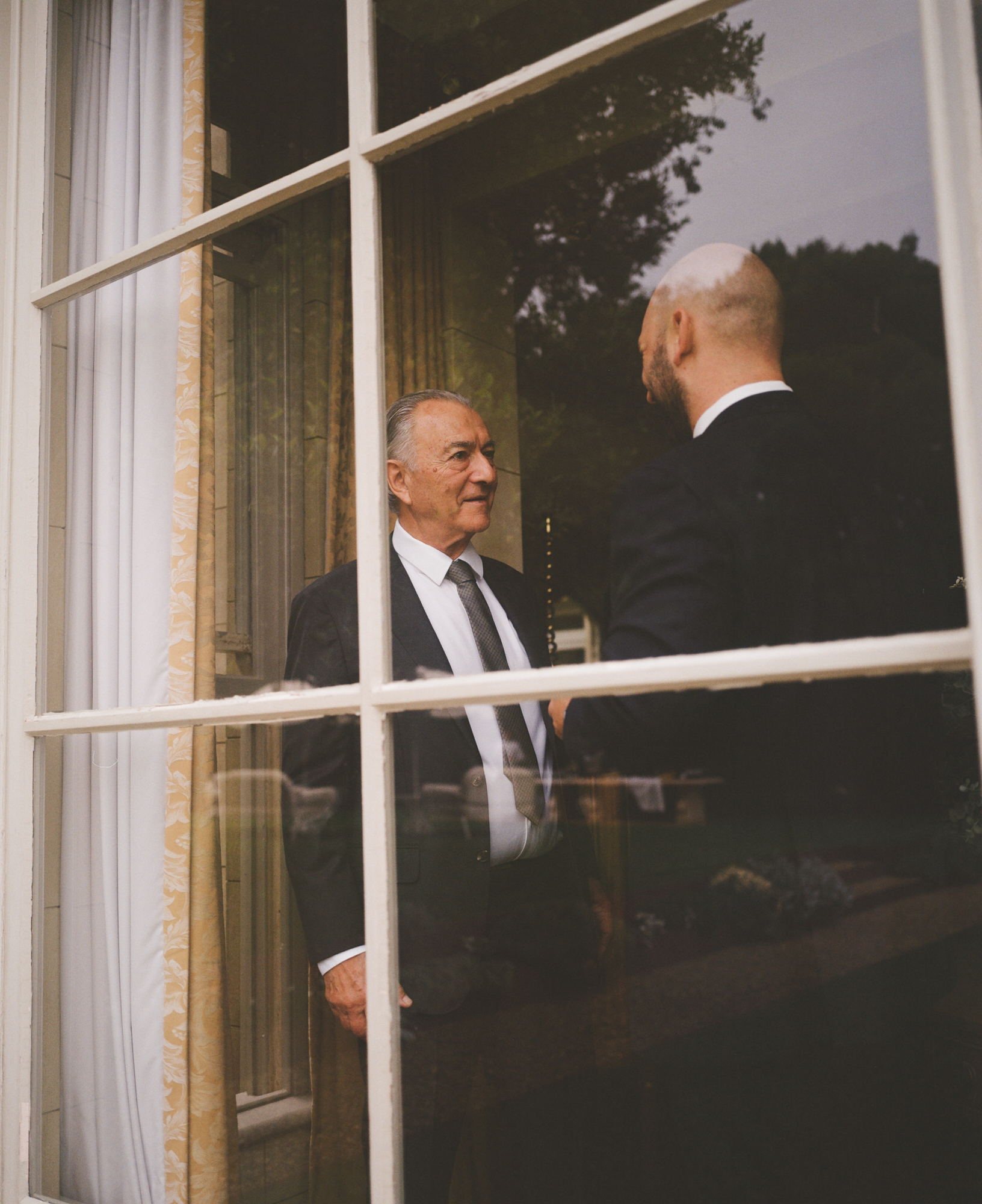
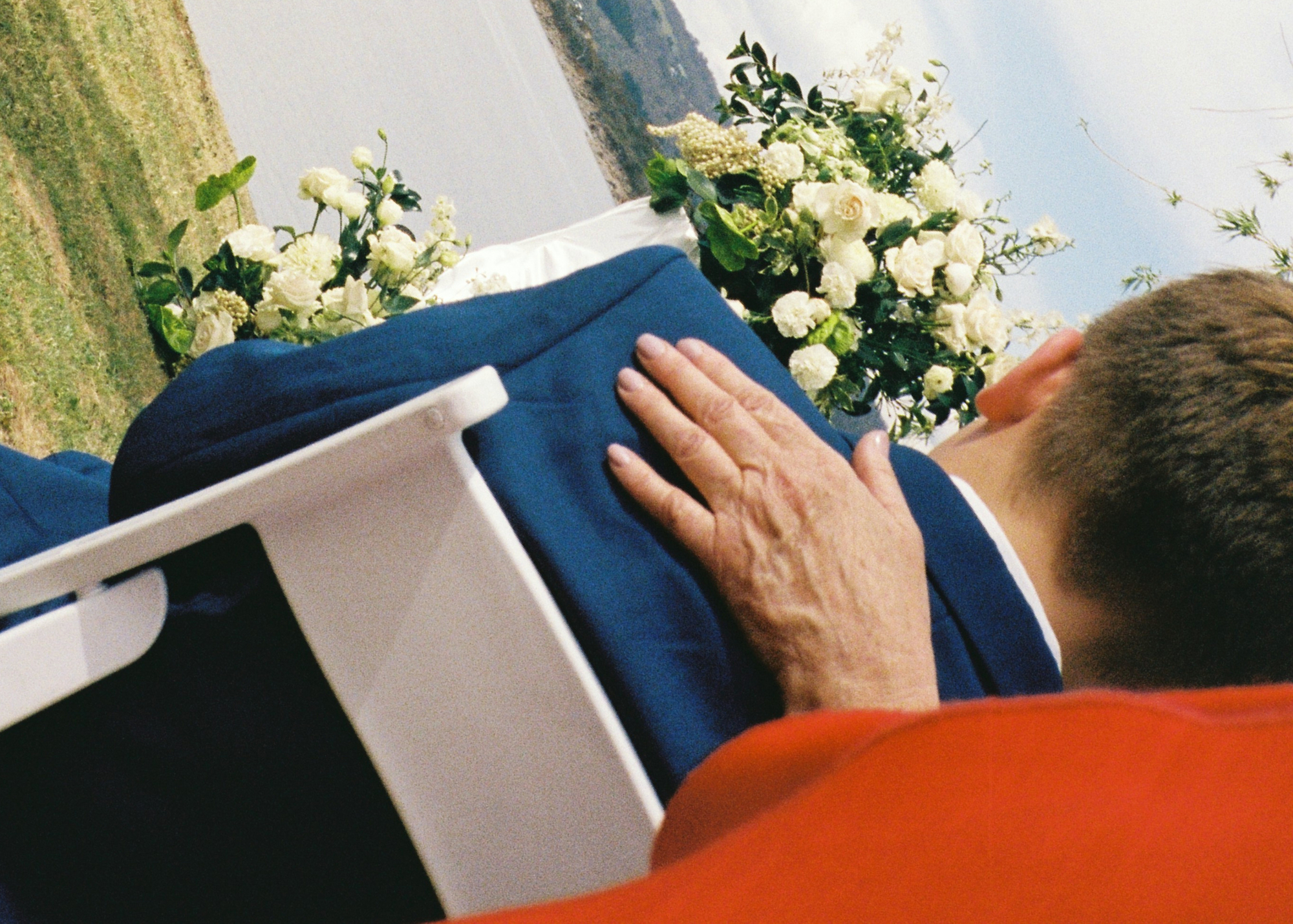
You describe yourselves as working in the “in-between”. What are the moments you find yourselves instinctively watching for that other people might overlook?
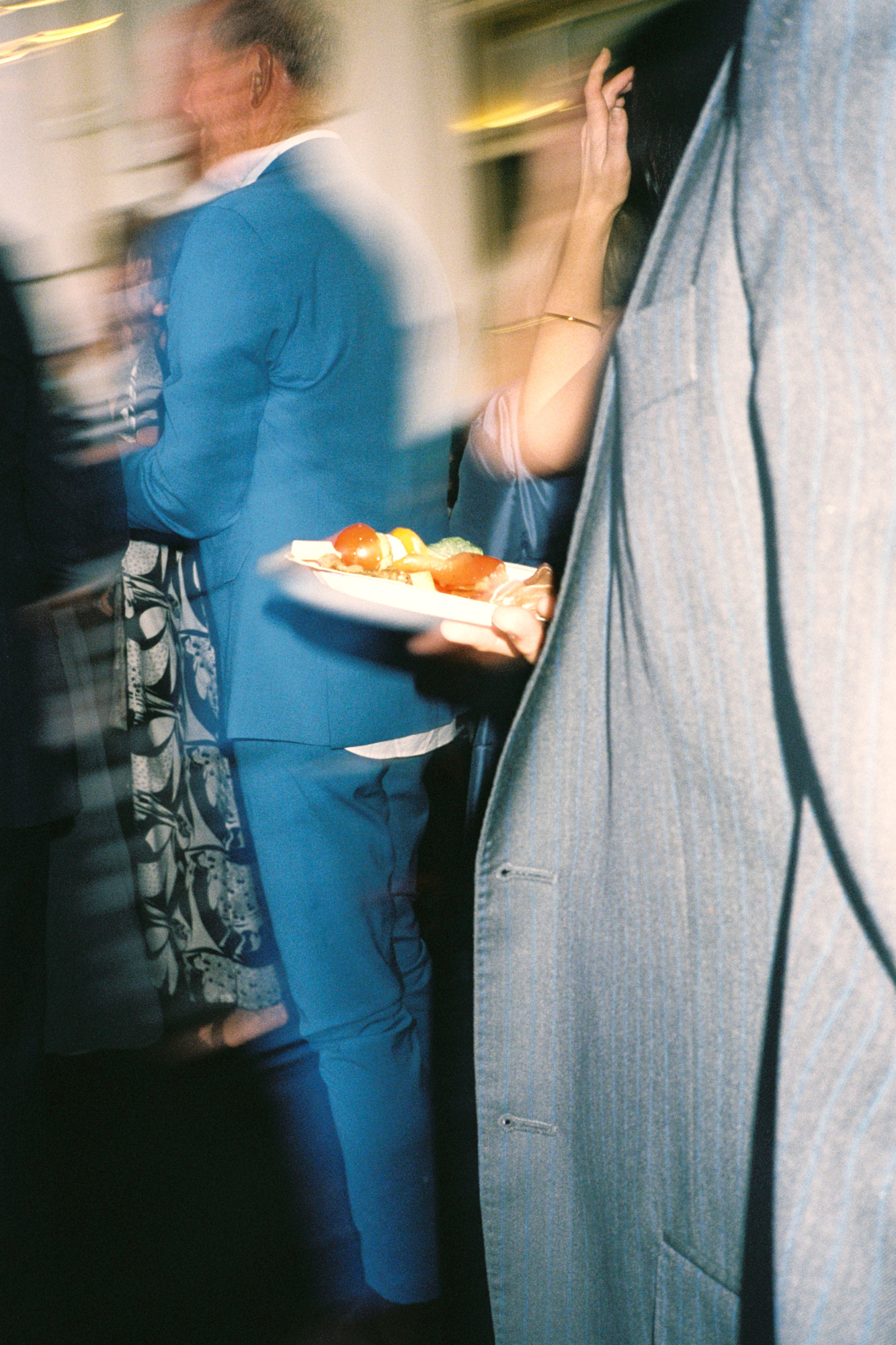
We think the in between is often where the real character of a day reveals itself. It’s not necessarily the obvious moments, but the spaces around them, where something is happening without anyone really being conscious of it.
We find ourselves watching for a glance that lasts a fraction longer, someone drifting away from a conversation, a hand resting on a shoulder, or the way a room changes when someone enters it. Sometimes it’s a gesture, sometimes a piece of light, sometimes simply a feeling that’s difficult to articulate.
Those moments interest us because they exist independently of the camera. We’re perhaps less interested in photographing what is happening than what is felt between what is happening. That space is fleeting, and you only have an instant to recognise it.
There is something both nostalgic and very contemporary about your imagery. Is that balance something you consciously pursue, or is it simply a by-product of the way you both see?
We think it’s less of a conscious pursuit and more a by product of the way we’ve both learned to see.
Being brothers and so close, we’ve grown up sharing many of the same visual references and experiences. At the same time, we found our own voices quite young and developed them independently through different forms of photography. So while our approaches aren’t identical, there’s a shared visual language underneath them.
We’re drawn to things that feel timeless but also very present. There’s an appreciation for texture, imperfection and emotion alongside a more modern instinct for composition and restraint. Ultimately, it’s two individual perspectives that have grown up alongside each other and developed their own visual rhythm.
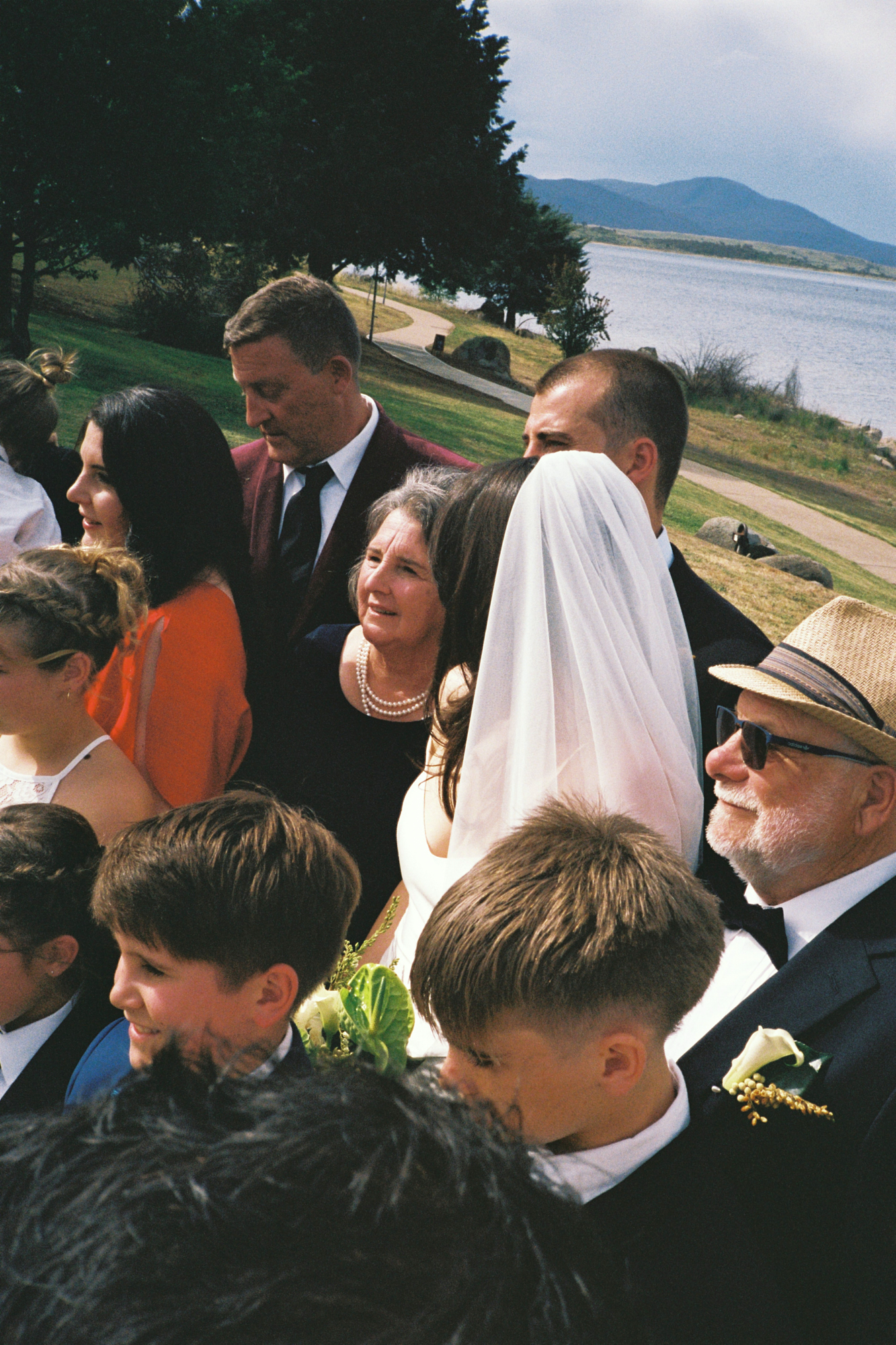
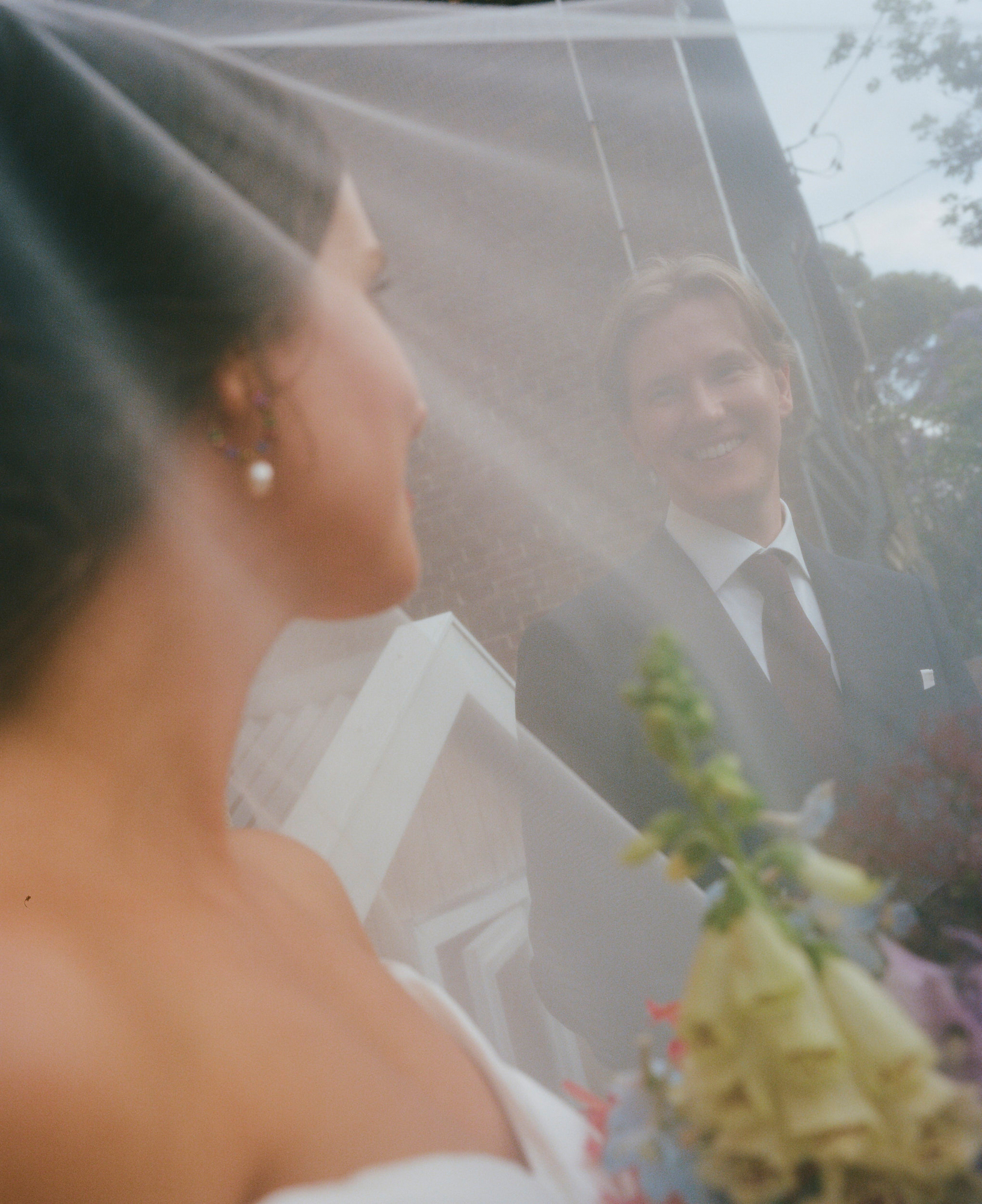
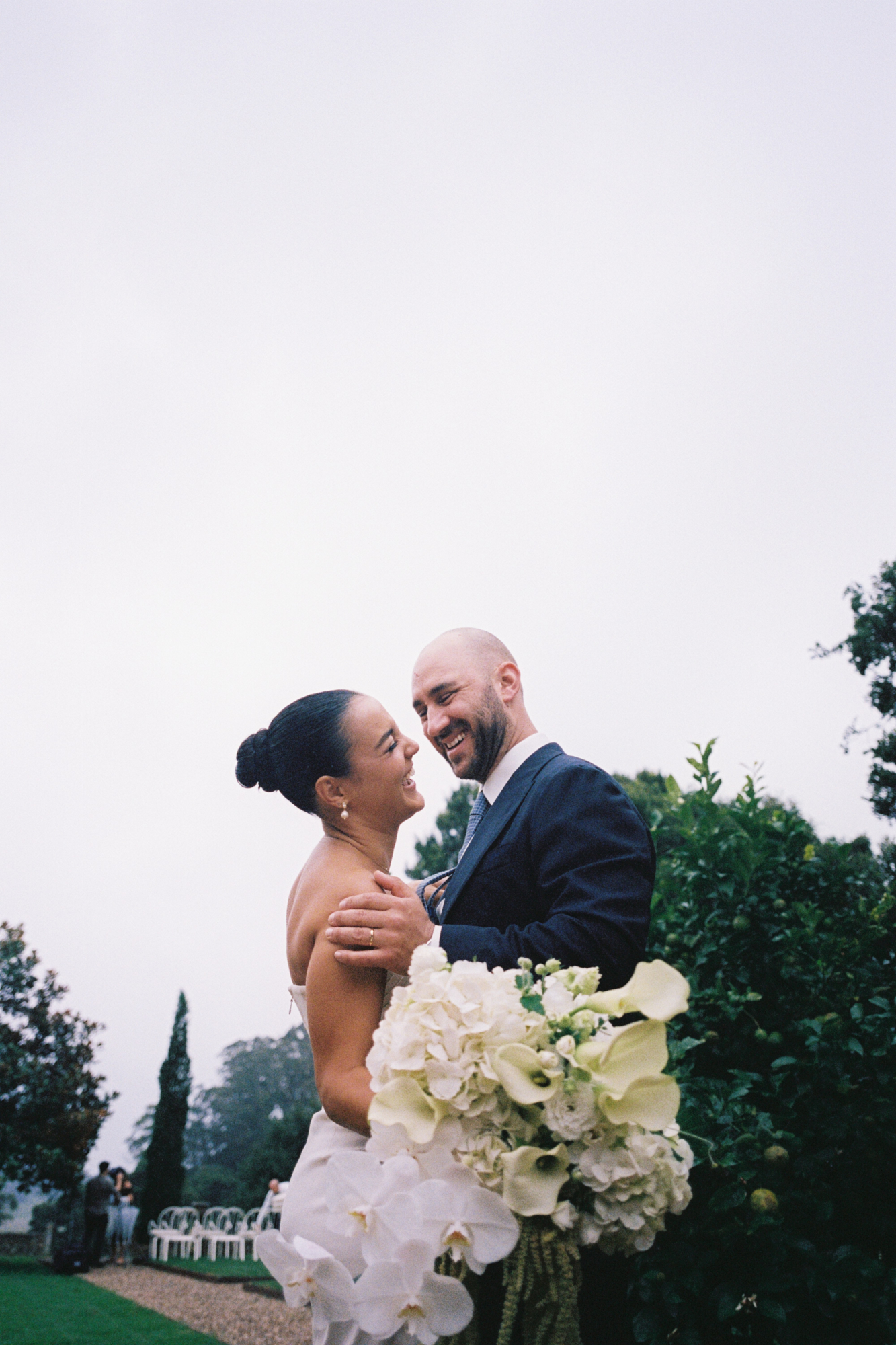
You are brothers as well as creative partners. Where are your instincts completely aligned, and where do you see a wedding differently from one another?
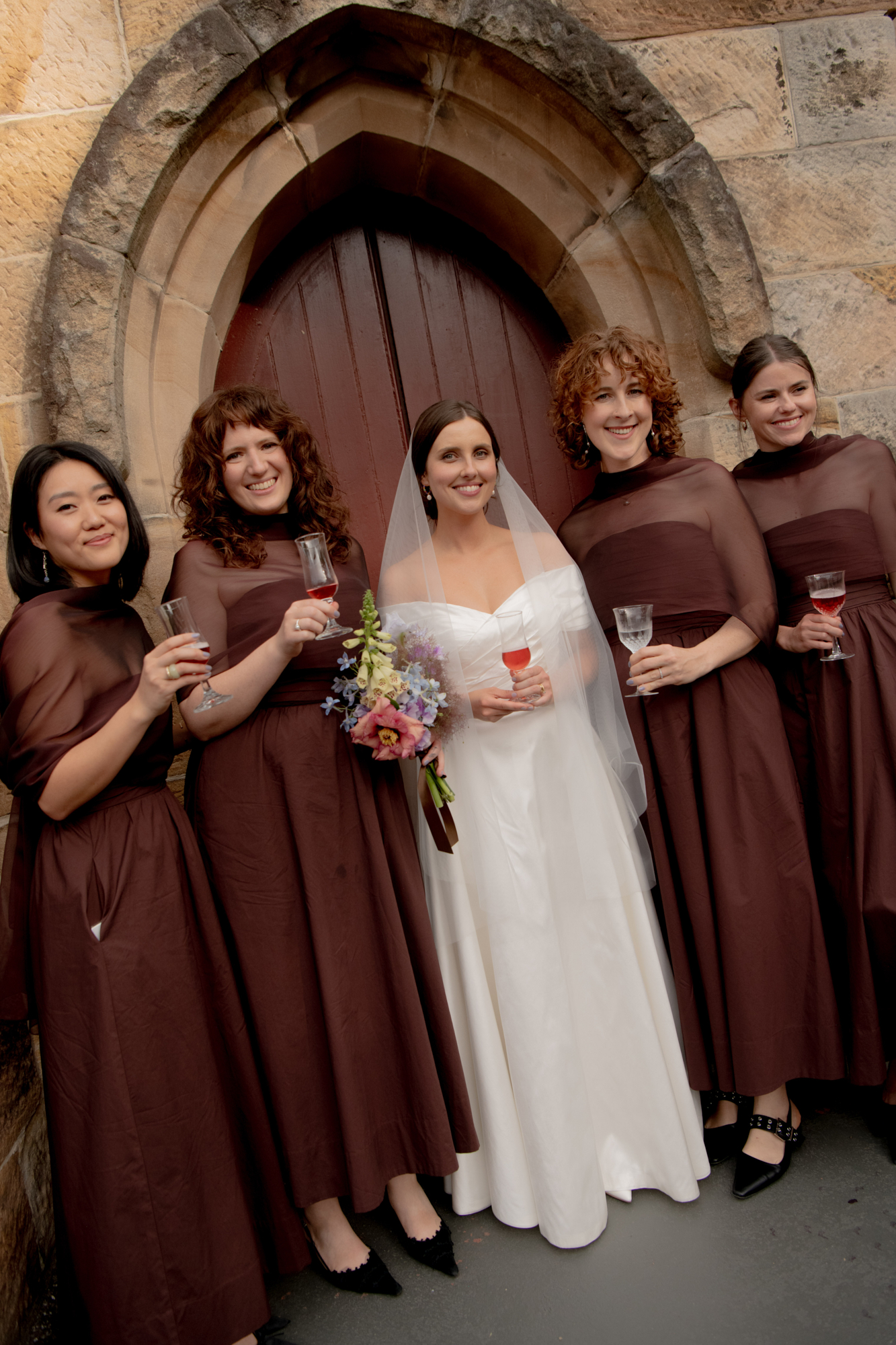
We think the reason we work so well together is that we don’t necessarily see a wedding in the same way, and we don’t need to. There’s a natural trust between us that allows each of us to follow our own instincts, knowing that together those perspectives create a more complete story.
One of us might move towards something more abstract or intimate, while the other looks at the wider environment, the energy of a room or the moments surrounding it. Then those roles naturally shift.
For us, the difference is the point. It creates a visual conversation where individual moments begin to connect and make sense alongside one another. Rather than photographing the same thing from two perspectives, we’re interested in how two perspectives can build something larger together.
Fashion photography often involves enormous control, while weddings offer almost none. Do you find that lack of control creatively liberating, terrifying, or a little bit of both?
We think there’s still a sense of control, but it exists in a different place. It’s not about controlling what happens in the room, but understanding its energy, knowing when to move towards something, when to step back and when to create enough space for things to unfold naturally.
A wedding is something alive. The energy changes, people change, emotions shift, and something unexpected can completely alter the feeling of a moment. We don’t find that terrifying. In many ways, that’s where the work becomes most interesting.
A big part of what we’ve learned is that our presence has to make people feel comfortable. When people stop feeling observed by the camera, something more honest can emerge.
The freedom comes from accepting that we can’t control the outcome. We can only control how present we are, how intuitively we respond and how much trust we create around us.
If you could steal one thing from cinema and permanently bring it into wedding photography, what would it be?
We’d steal the ability of cinema to create a world of its own.
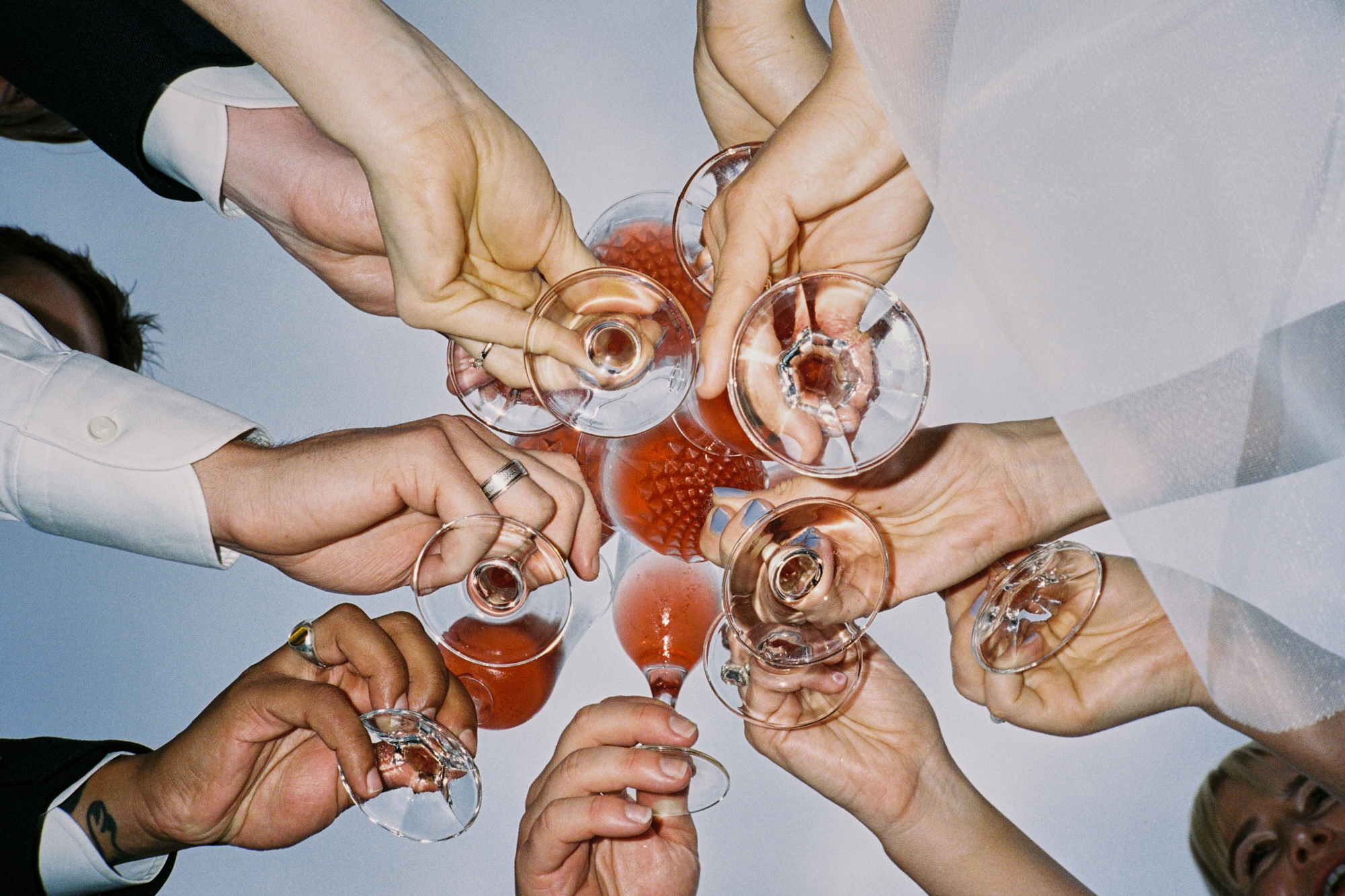
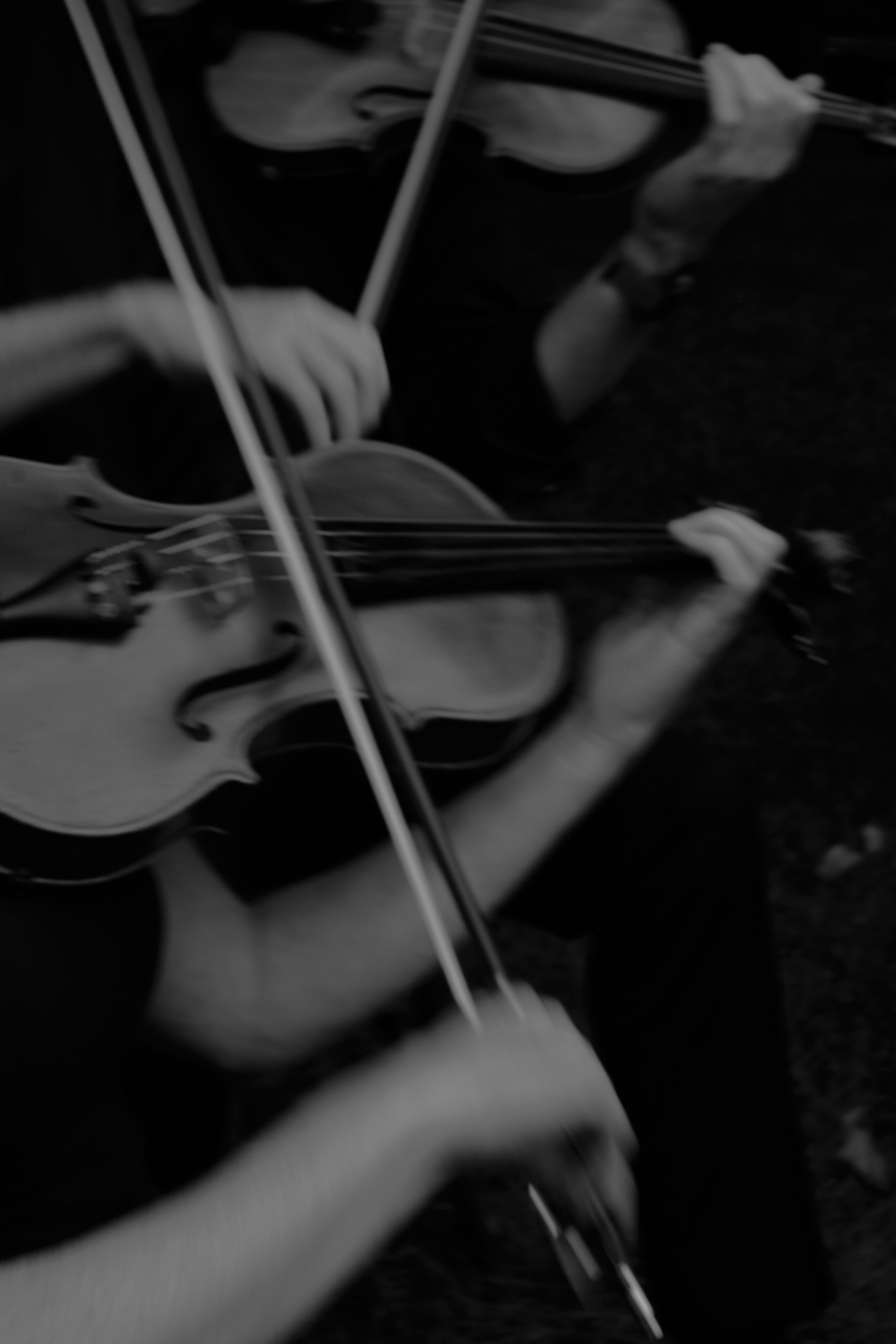
The great films we remember aren’t always the ones where we recall every scene. It’s the feeling, the atmosphere, the strange fragments and emotions that stay with you afterwards.That’s what we want to bring into wedding photography. We want each wedding to form its own visual language, with its own rhythm, abstract moments, quietness, intensity and unexpected fragments.
Ultimately, we want the photographs to leave you with something beyond memory. Something you can feel, return to and perhaps see differently each time. In that sense, the wedding becomes its own film, just without a script.
Your approach is deliberately light on choreography. How do you know when a moment needs guidance and when the best thing you can do is disappear into the background?
We think it comes down to listening to the moment before deciding whether to intervene.
Sometimes a little guidance creates a kind of permission. People can need a small amount of direction to feel comfortable enough to let go of themselves. But there’s a point where guidance begins to replace what is naturally happening, and that’s when we step back.
We’re constantly reading the space between people. Sometimes you can feel something about to happen, and the best decision is simply to create enough room for it to arrive on its own.
For us, disappearing isn’t about being invisible. It’s about becoming part of the environment without becoming the subject of it. The real skill is knowing that intervention and restraint are both creative tools, and knowing which one the moment is asking for.
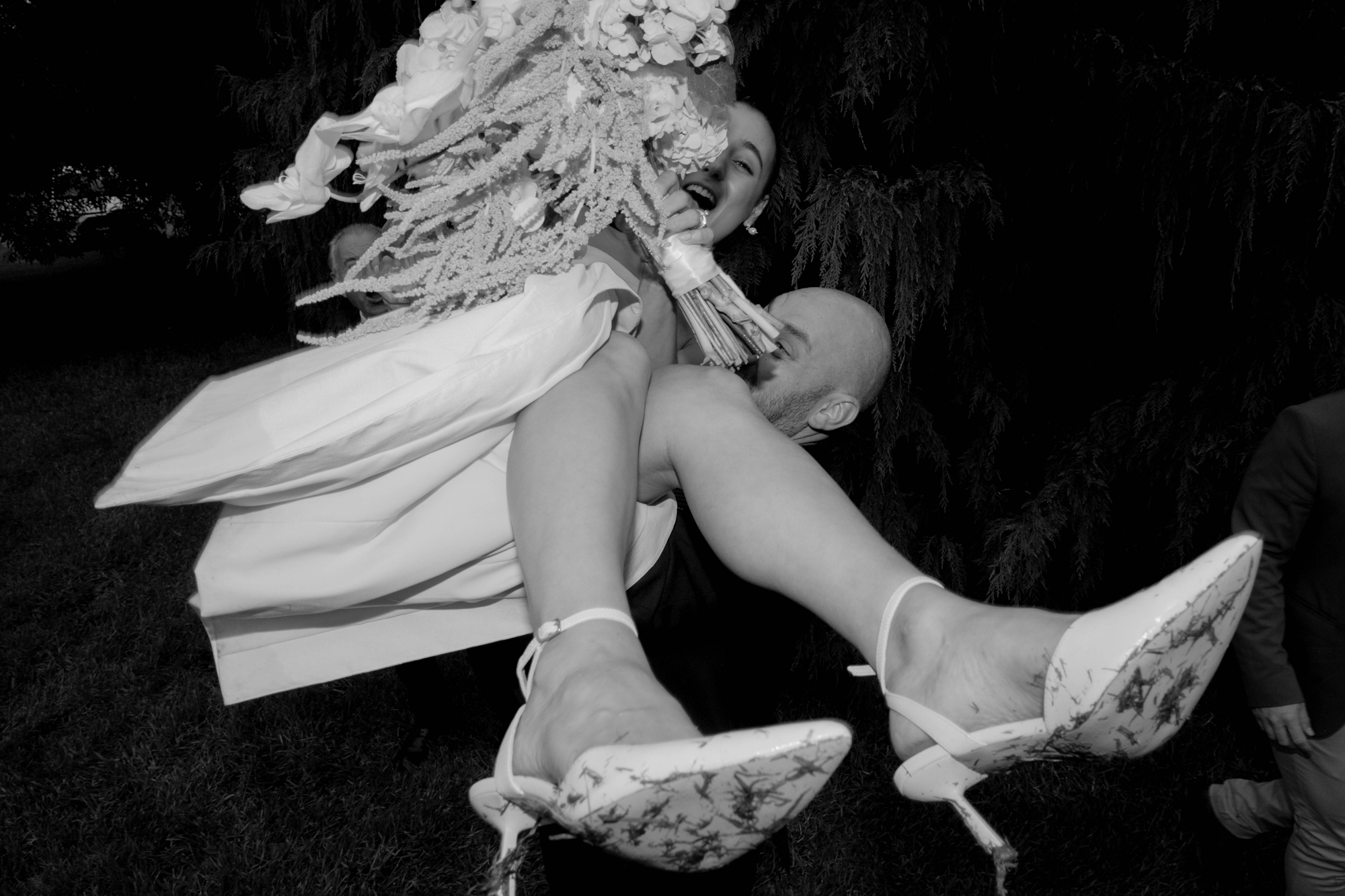
Weddings are full of visual tropes. Is there anything you are consciously trying to unlearn, avoid or reinterpret as you establish Studio Anjori’s own language?
We’re less interested in unlearning the tropes than in questioning why they exist in the first place.
A wedding already has its own visual language, and we don’t want to impose another one over the top of it. We’re interested in stripping away the expectation of what a wedding photograph is supposed to be and looking at the day with fresh eyes.
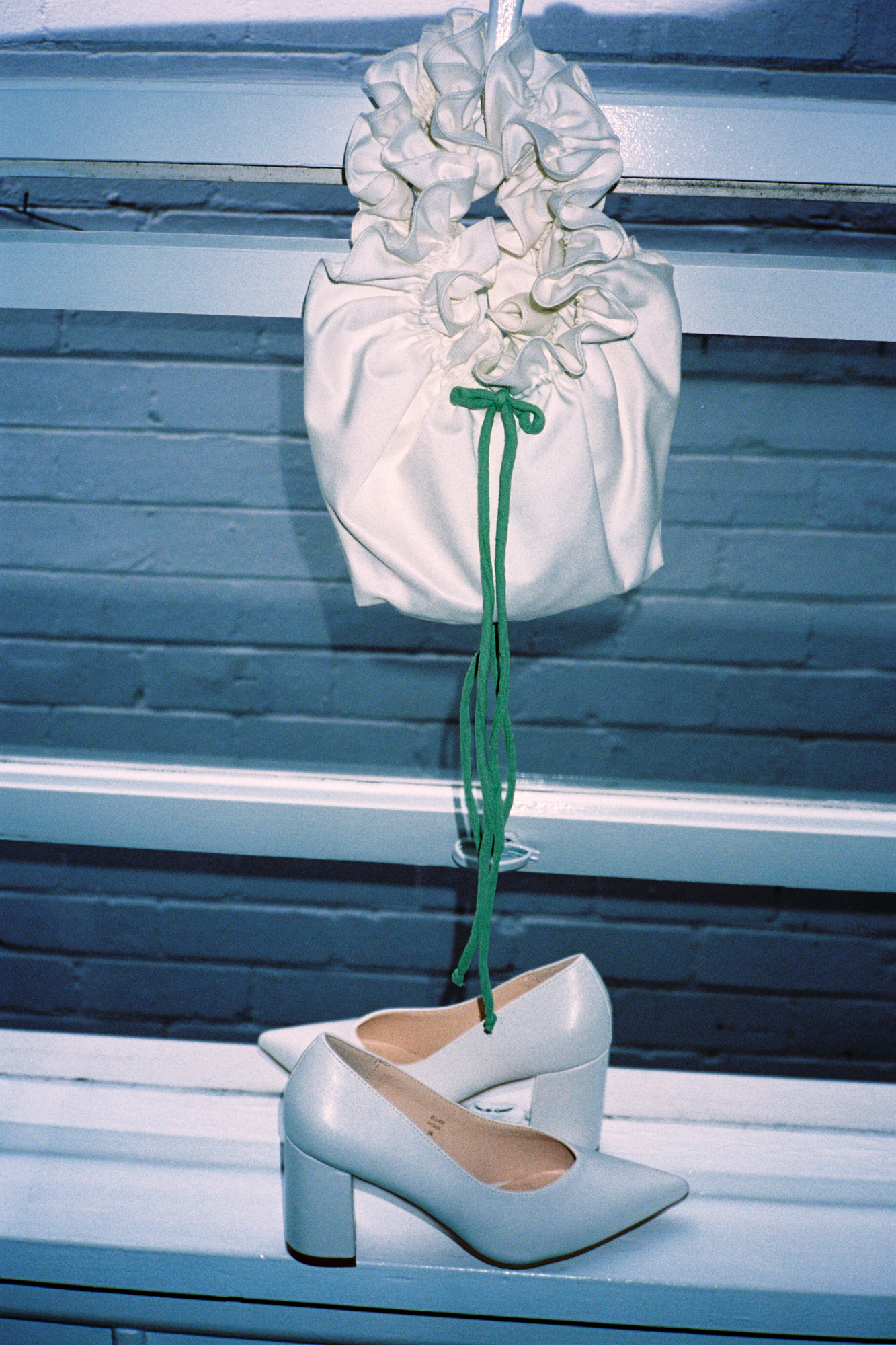
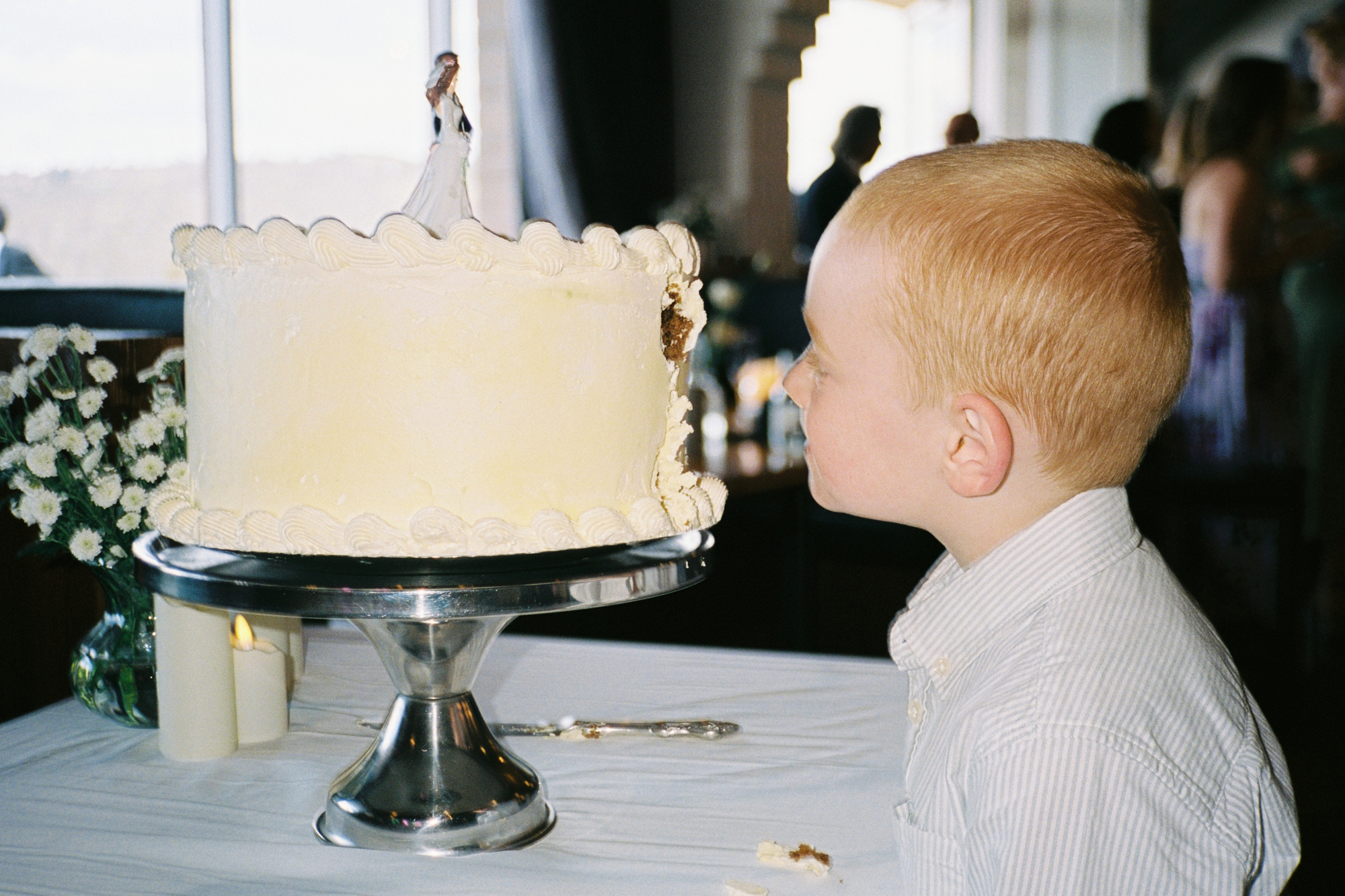
Sometimes that means finding beauty in something completely ordinary, or allowing something imperfect, strange or unresolved to exist within the story.
Ultimately, we don’t want to make photographs that simply say, “this is a wedding.” We want to make photographs that say, “this was their world.”
You are still relatively new to the wedding space, which makes this feel like a particularly exciting moment. What do you hope your work looks and feels like five years from now, and what do you hope never changes?
It’s genuinely a very exciting place for us to be. We’re still at the beginning, which means there’s a lot that hasn’t been discovered yet. We think that’s exciting not only for us, but hopefully for the people who come into this world with us.
Five years from now, we’d love the work to feel more expansive, more instinctive and more distinctly our own. We don’t want to arrive at a fixed aesthetic. We want the language to keep evolving with the people, places and stories we encounter.
But the thing we hope never changes is the curiosity. Walking into a wedding not knowing exactly what we’re going to find, and being genuinely excited by that uncertainty.If five years from now we’re still surprising ourselves with what we make, then we think we’re doing something right.
For more information visit studioanjori.com and @studioanjori