A Different Kind of Gold Standard
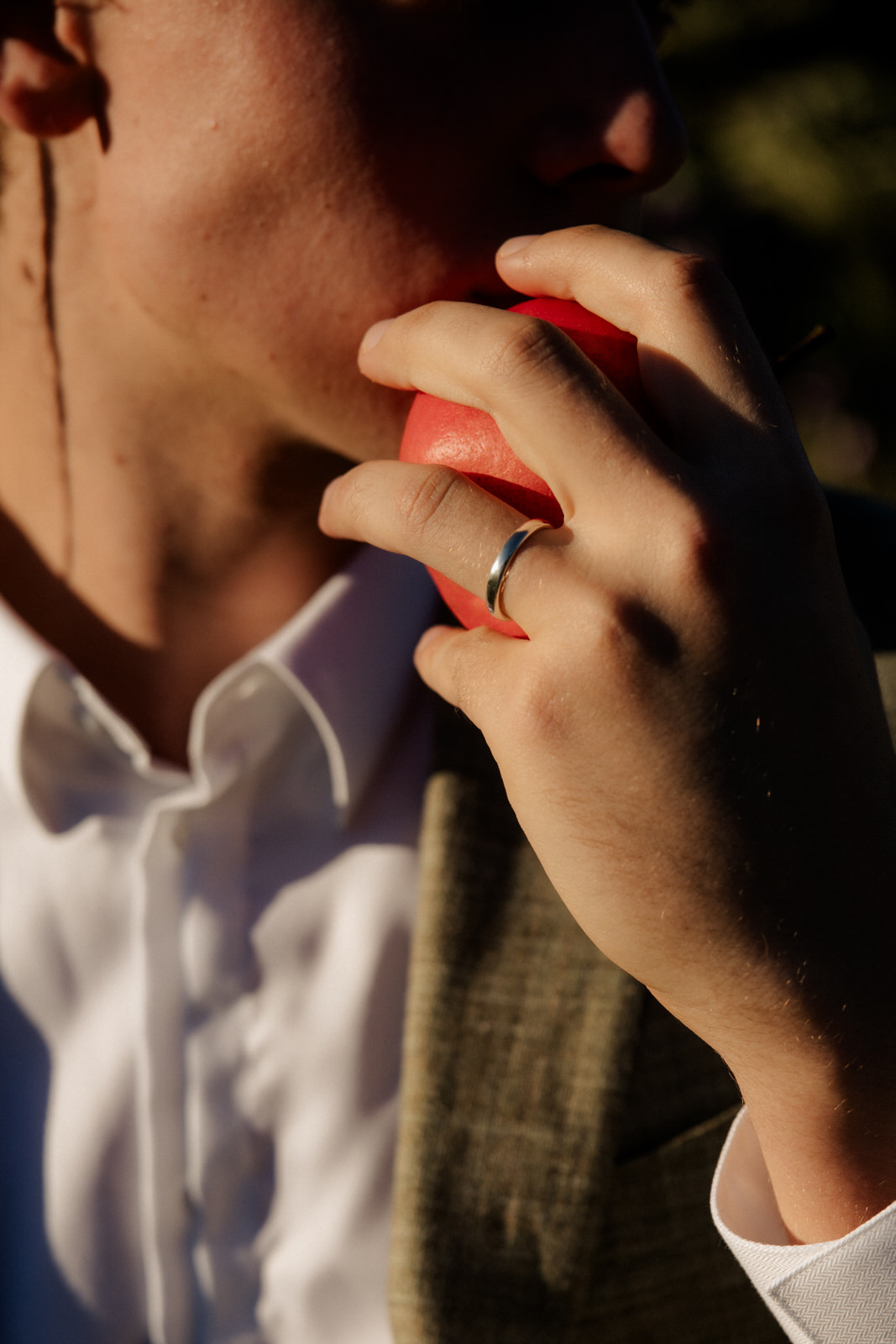
A wedding ring is one of the few pieces of jewellery we choose to wear for a lifetime. Its design matters, of course, but so do its provenance, how it is made, and the people behind it. For New Zealand jewellery house Good Gold, these considerations have shaped a business built around a beautifully simple idea: creating exceptional gold wedding bands with as little impact as possible.
First conceived in 2016, Good Gold grew from decades of jewellery industry experience through Ash Hilton Jewellery. Its founders wanted to take everything they had learnt about making wedding rings and refine it into a more focused offering, one that placed craftsmanship, ethical sourcing and the customer experience at its centre.
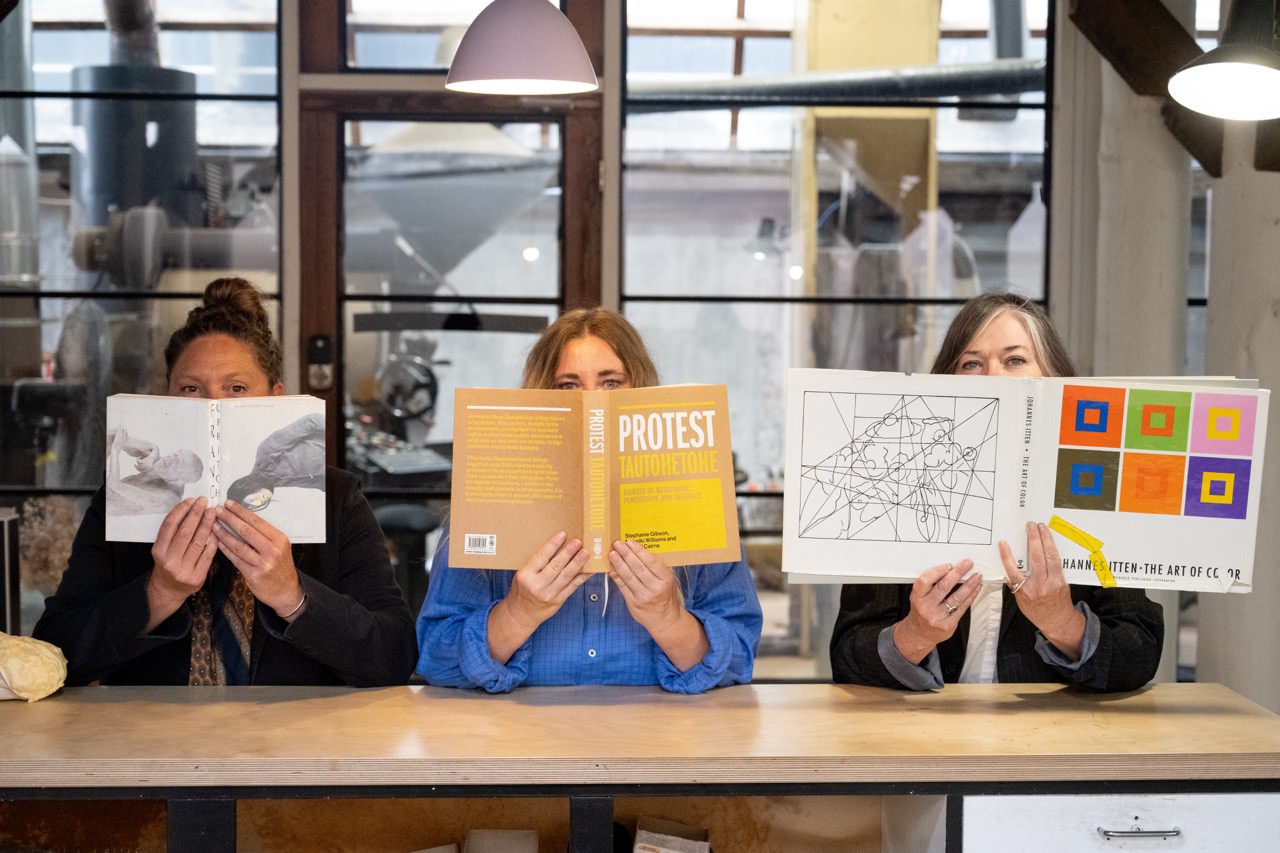
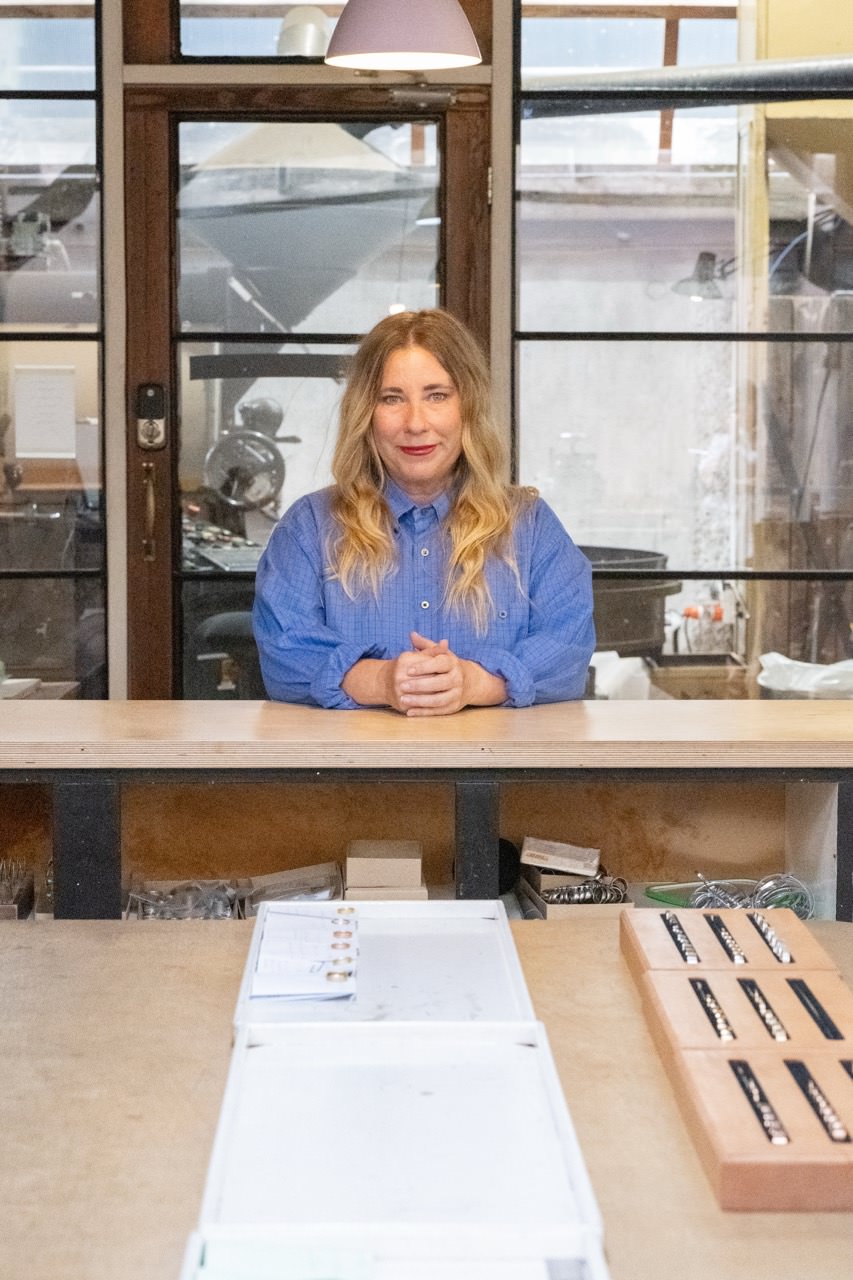
Today, Laurel, Siggy and Katie run Good Gold, three women who bring complementary skills, creative perspectives and experience to the business, united by a shared vision and a genuine commitment to doing things differently. Their philosophy is refreshingly straightforward: to make beautiful, enduring jewellery while leaving as light an impact on the world as possible. It’s a considered approach that extends from the gold they source and the way they make their rings to the relationships they build with the people who wear them.
The brand also has a wonderful sense of personality. The team finds inspiration in the extraordinary fact that the gold in their rings originated in outer space, lending something almost magical to a material we often take for granted. Yet their ambitions remain firmly grounded in real human connections. They want every couple to enjoy an exceptional, genuinely personal experience and to feel as good about the origins and craftsmanship of their rings as they do about wearing them. For Good Gold, the relationship doesn’t end with the purchase. It’s about creating something meaningful, standing behind its quality and being there for the people who wear it for years to come.
Rather than following seasonal trends or continually expanding its offering, Good Gold has chosen to concentrate on the classic gold wedding band. The collection explores subtle variations in width, profile, finish and colour, allowing each piece to feel personal while remaining quietly timeless. This approach values considered design over excess and recognises that the most successful everyday jewellery must be as comfortable and enduring as it is beautiful.
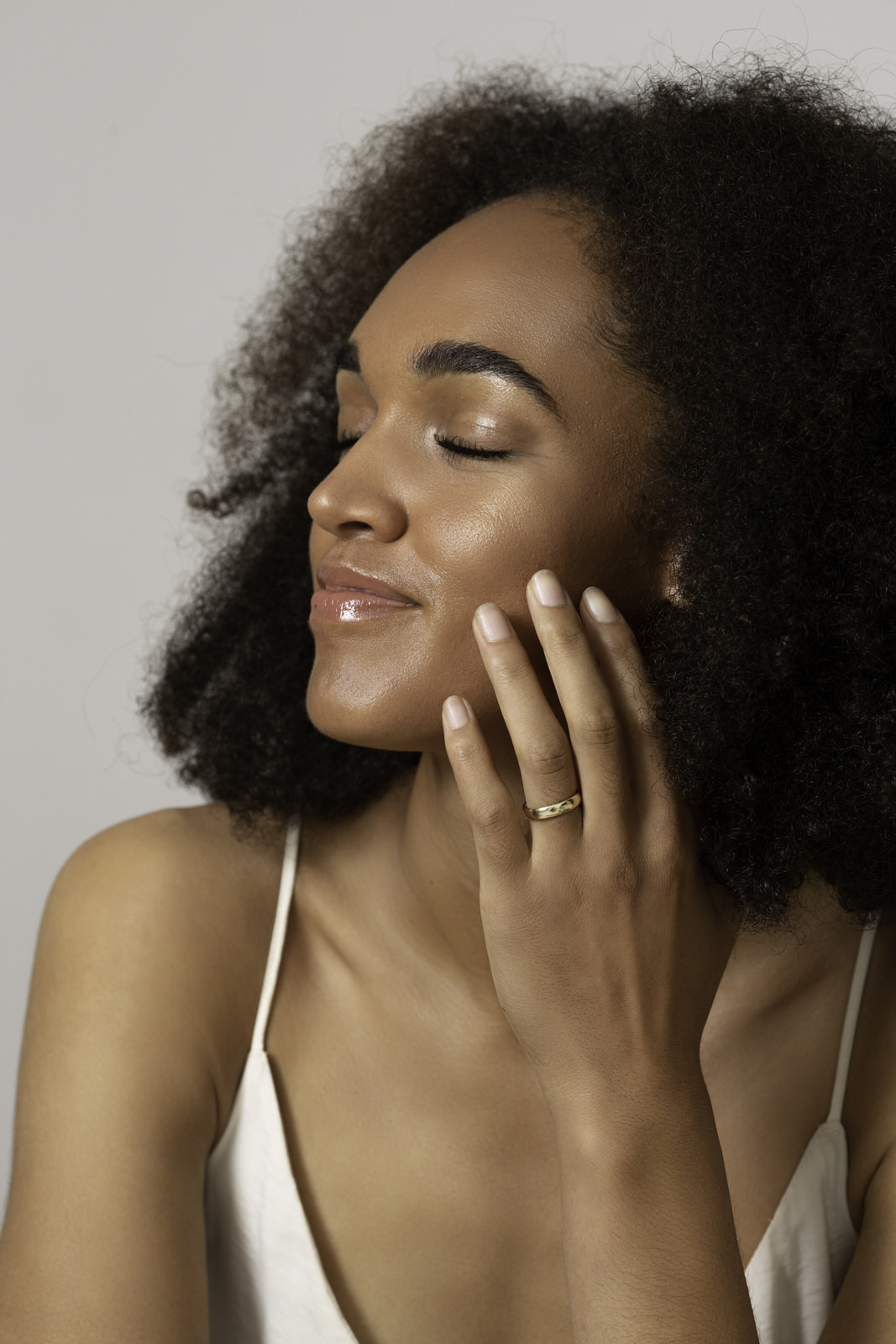
Perhaps the most distinctive aspect of Good Gold is its commitment to New Zealand alluvial gold. Sourced from the country’s rivers and coastlines, where water has naturally deposited gold, the material offers an alternative to conventional hard-rock mining. Good Gold works with small-scale local miners, keeping the origin of its primary material close to home.
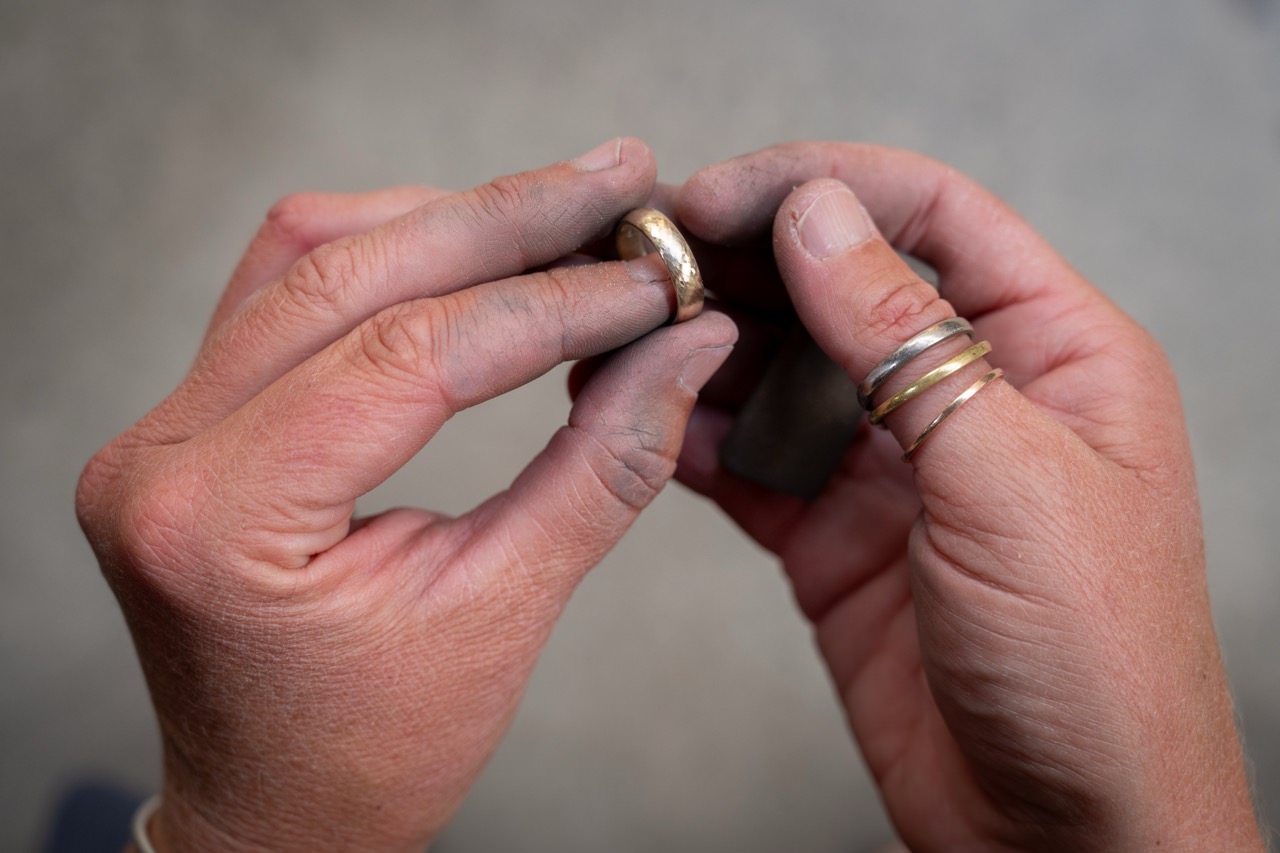
The rings themselves are made by hand using traditional techniques. The gold is formed, joined and worked to create strength and durability. This attention to construction reflects a philosophy that extends beyond the initial purchase. Good Gold offers a lifetime guarantee and places considerable importance on the relationship between the maker, the wearer and the ring itself.
Together, Journal and Good Gold share a longstanding relationship and an appreciation for thoughtful design, genuine craftsmanship and a more considered approach to the wedding industry. We’re delighted to share their story with our growing audience, exploring the values and vision behind the brand, their expertise in responsibly sourced gold, and the artistry of creating wedding rings designed to be worn and treasured for a lifetime. We also take a closer look at the practicalities of choosing a wedding band, from understanding gold and its origins to finding the right design for individual lifestyles.
In Conversation with Good Gold
Good Gold was born from years of experience in the jewellery industry and a desire to approach wedding rings differently. Looking back to the original idea in 2016, what did you want to change about the way wedding bands were made and sold, and how has that vision evolved as the business has grown?
We wanted to be expansive about “sustainability.” We were trailblazers in sourcing ethical gold, but we also wanted a business that was personally sustainable so we could keep making in-house and maintain full control over workshop practices and the source of the gold.
As we’ve grown, we’ve decided to expand out instead of up. We’ve switched from a traditional owner/employee model to a worker’s collective. We share risk and reward equally, leading to richer collaboration and problem-solving.
Ethical gold sourcing is central to everything you do. You use New Zealand alluvial gold, which differs from conventionally mined gold. Can you explain what alluvial gold actually is, where in New Zealand yours originates and how it is collected? What checks and relationships give you confidence in its provenance, and why do you believe this approach makes a meaningful environmental and ethical difference?
Traditionally mined gold comes from crushing vast amounts of rock that contain gold and then using mercury and cyanide to extract the gold from the crushed rock. To get enough gold to make one wedding ring, you create 10-20 tonnes of (incredibly toxic) mining waste. The risk to the earth and surrounding communities is extraordinary.
Rain, rivers, and tides wash alluvial gold out of rocks through natural water action. The gold is then collected by a dredge, which sucks up the gold-rich sand or river gravel. Then this sand or gravel is passed over mats and rinsed with water. Since gold is so dense and heavy, it sticks to the mats. Operations range from simple one-man beach dredges to more industrial setups using diggers and larger dredges.
We’re incredibly lucky that one of our founders’ fathers has worked in the gold industry for decades, from the massive pit mines in Australia to working a tiny operation on the west coast. He’s built relationships with all the “gold guys” on the coast and helped us build relationships with them too. Long drives up coastal roads, cups of tea, and walks on beaches cemented our supplier relationships.
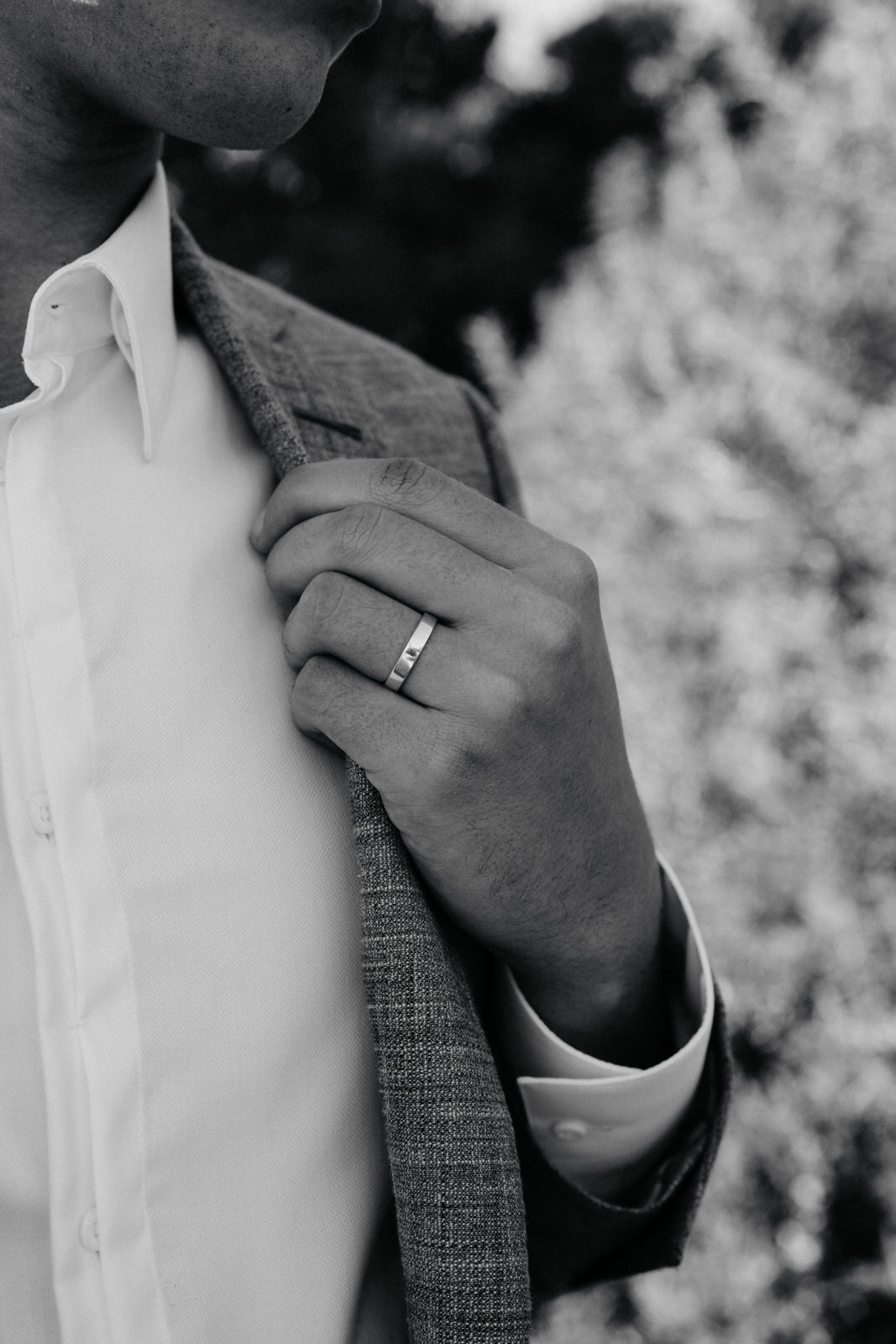
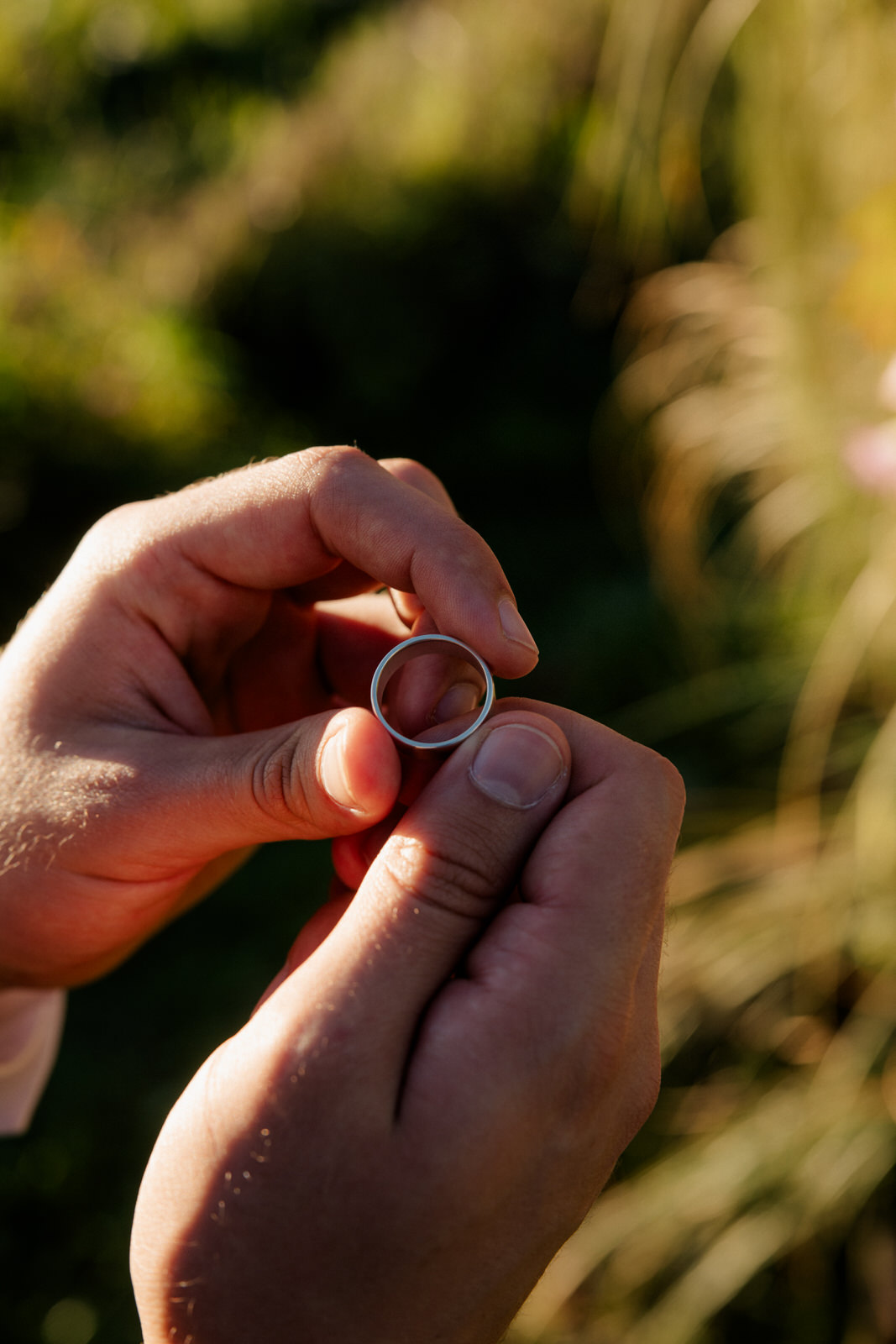
You’ve deliberately chosen to focus on the classic gold wedding band rather than following jewellery trends. What makes a beautifully simple band so creatively interesting to you? When you’re working with such a restrained form, how do subtle decisions around proportion, profile, width and finish give a ring its own character? How many band styles do you have, and will you be introducing any more?
I love this question! Siggy has the kind of brain that can detect the smallest snag, the tiniest change of angle, the sound of a file not quite filing correctly. She loves to constantly refine her systems, to make the most beautifully balanced, most comfortable ring to wear.
For the rest of us, we’re in love with the craft, the story of the materials, the dedication to an old-world method of making. We’re all romantics; we love love, we love our workshop and love that we can make a living without sacrificing our values.
One of the things that distinguishes Good Gold is the way your rings are made. Rather than casting them, you use traditional hand-forming techniques. Could you explain the difference between a cast ring and a handmade band, and why the construction method matters for something intended to be worn every day, potentially for generations?
A cast ring is made by pouring molten metal into a pre-made mould. You can carve your own form or buy a pre-made one. It’s the most efficient way to make a lot of the same designs in one go. There are particular designs that are only possible by casting, like the incredible work of Polly Wales, where the gemstones are cast in place. But in general, it’s used to save time.
We prefer to handmake our wedding bands. We start with a strip of metal rolled to the correct dimensions, bent into a circle, and soldered. This process involves a lot of hammering, heating and cooling of the metal. Working a ring this way actually makes the gold atoms align, giving the finished ring strength and solidity. We think these are excellent qualities to work into a wedding ring, a marriage.
It also preserves an old-world technique which we think is pretty cool.
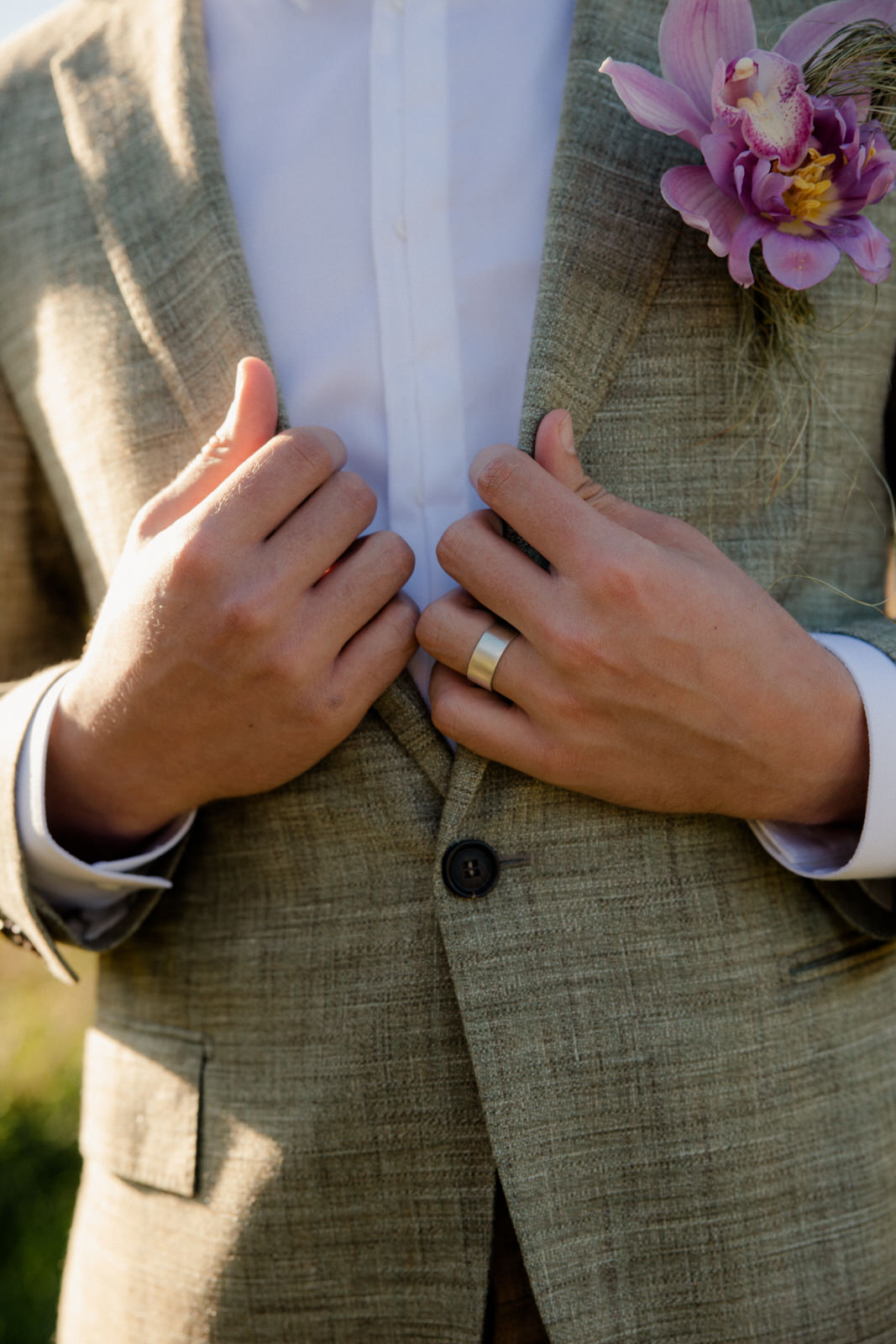
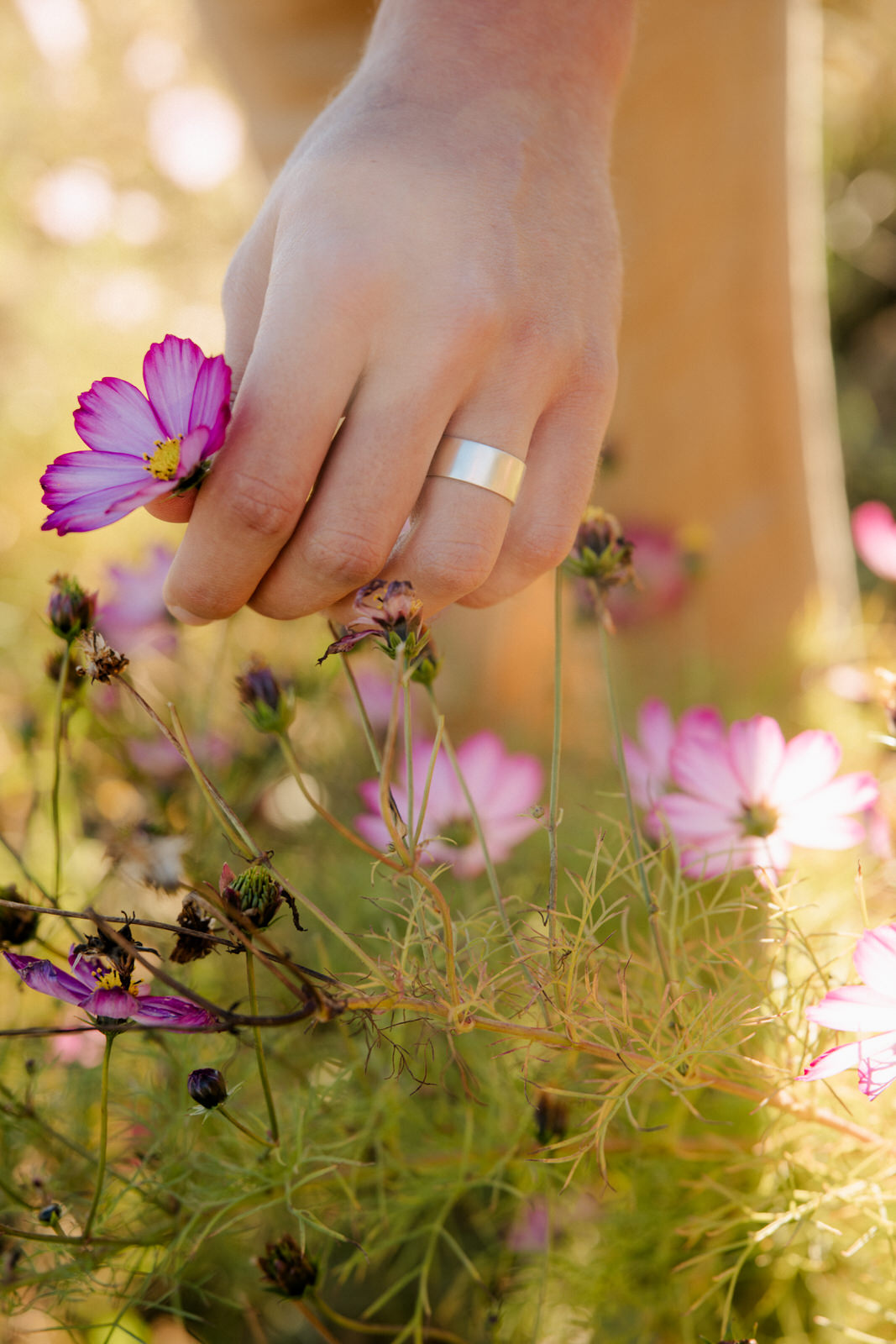
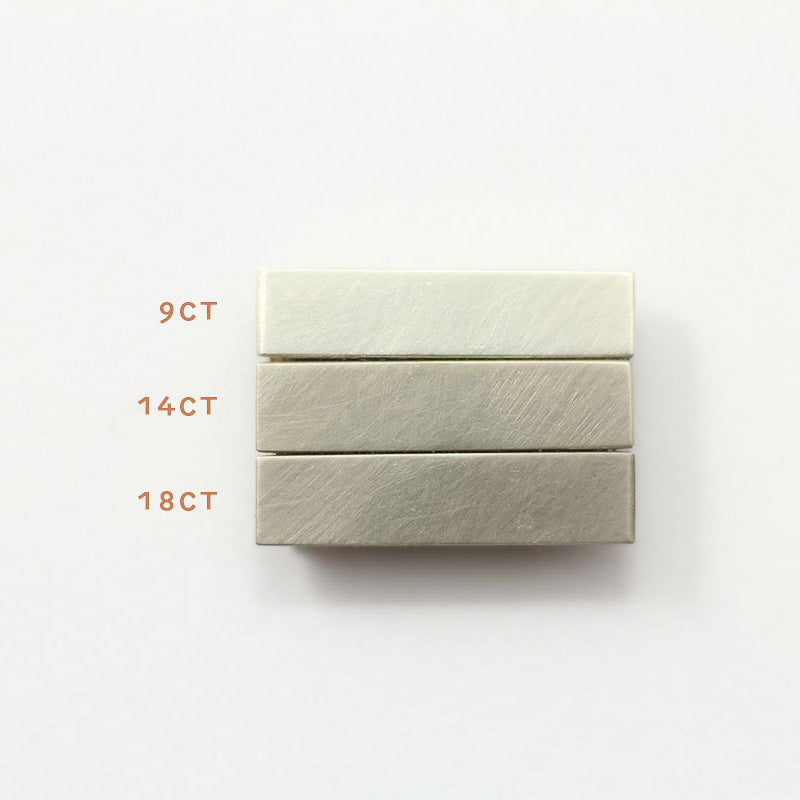
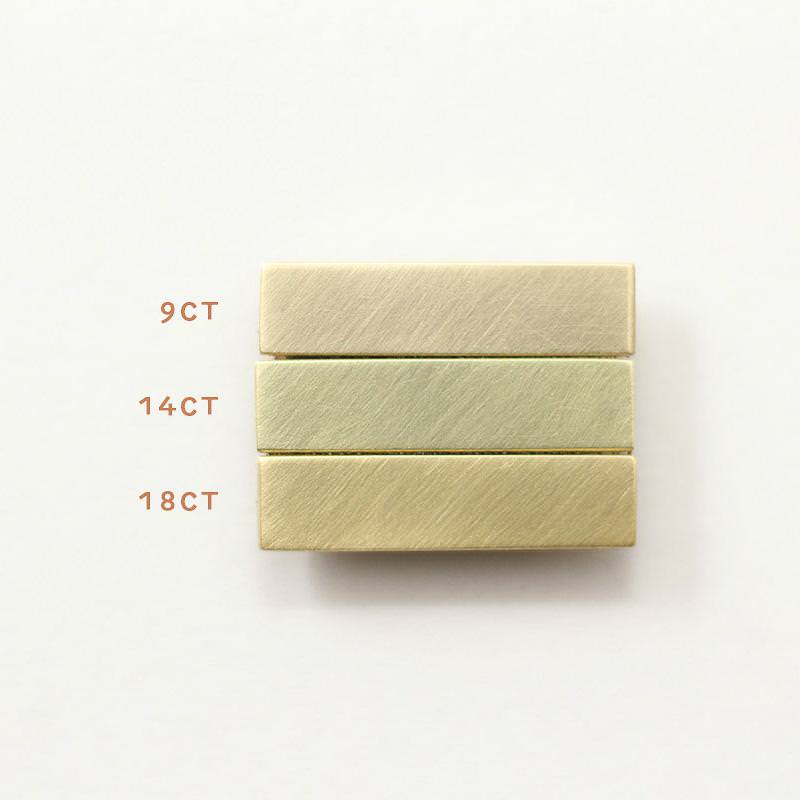
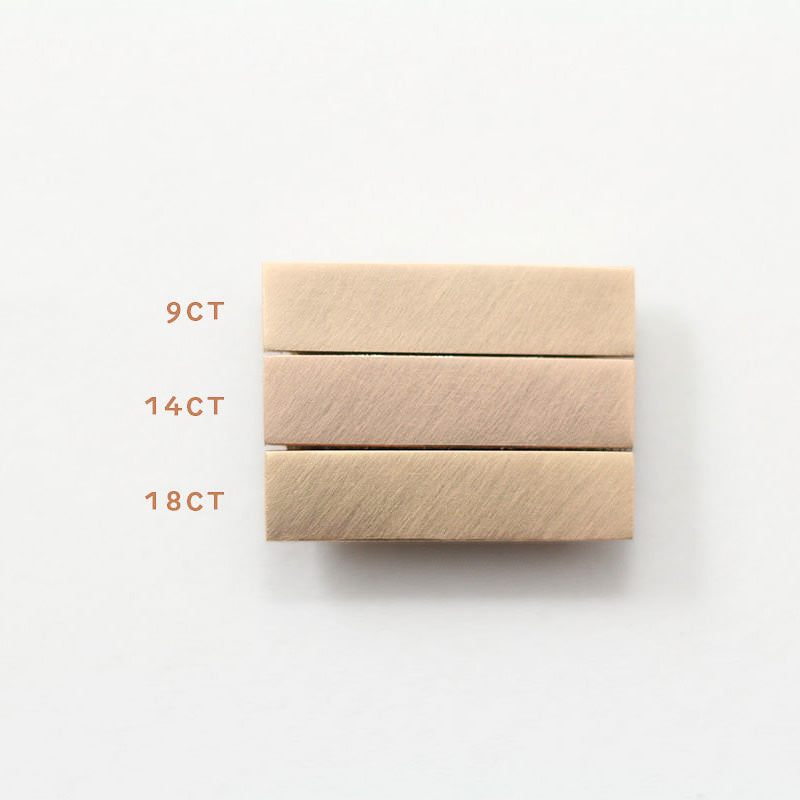
Gold can be surprisingly confusing for someone buying their first significant piece of jewellery. Could you talk us through the differences between 9K, 18K and 24K gold, including how alloy metals influence strength, colour and wear? And when it comes to yellow, rose and white gold, how are those different tones created, and what should couples consider when choosing between them?
It’s so much! We have a great series on our Instagram that talks you through it. Essentially, pure gold is 24 karats. It’s deep, glowing yellow in colour, beautiful, but too soft to wear every day. So we add other metals to the gold, which, through the power of alchemy, makes it harder. This is how we get different karats: 18k gold is 18 parts pure gold and 6 parts other metals; 14k is 14 parts pure gold and 10 parts other metals, and so on.
We can also change the colour of gold depending on the other metals we add. For instance, white gold is made using only silver-coloured metals to make the various karats (a mix of sterling silver, palladium, and platinum). For rose gold, we add copper, which is naturally red.
The other thing that changes with the different karats is the price. Gold is very valuable, so prices vary widely by karat. So budget will be a big factor in which karat you choose. Also, the colour varies because the percentage of white gold changes.
People are often concerned that the durability changes depending on the karat, but we think this is the least important part of the decision. All reputable jewellers should offer lifetime guarantees and a maintenance programme.
A wedding ring needs to work with the person wearing it, not just look beautiful in a photograph. What advice would you give couples when choosing a band for their lifestyle? For example, are particular gold purities, widths, profiles or finishes better suited to people who work with their hands, lead active lives or prefer something they barely notice they’re wearing?
Here’s the thing: rings aren’t indestructible, so you’ll need to take precautions with your ring no matter what you pick. For instance, we repair so many rings that get bent out of shape because people wear them while lifting heavy weights. This won’t break your ring, but if you want it to stay round, best to take it off while lifting. Also, the number one demographic of people who lose their rings: surfers. Cold water makes your fingers shrink, so it’s very easy to lose a ring this way.
Another consideration is ring width and heat. We also hear from many people who are worried they have a metal allergy because they get a rash under their ring. Ninety-nine per cent of the time, they are wearing a wider band in the heat; your finger swells a bit, you might get a bit of seawater or sweat trapped, and it irritates your hand. This is usually super temporary and usually happens when people are on their honeymoon (somewhere tropical or Euro Summer). Thankfully, this is an easy fix and resolves on its own once you’re back in your usual climate.
So, my professional opinion is that durability should be the lowest priority in your decision matrix. If you are routinely working in hot conditions, maybe opt for a narrower band, or we can make it ¼ of a size bigger. If you surf or lift weights, take your ring off.
After 20 years of working with wedding rings, I know there is a solution to every issue that might come up.
For couples beginning their search, what should they look for in a reputable jeweller, and which questions should they be asking before making a purchase? Beyond design and price, how important is it to understand where the gold originates, how the ring is constructed and what guarantees or assurances a maker can provide?
I wouldn’t buy a ring unless I knew the gold’s origins. If you care about blood diamonds, you should know where your gold was sourced. Child labour, dark money and horrific environmental effects are widely known to be associated with gold mining around the world.
If you are investing in a ring you intend to wear for the rest of your life, you should know that it is guaranteed to last at least that long. Jewellers should back up their work with the proper guarantees and warranties.
Also, for a ring to be worn every day, I’d probably choose a handmade ring over a cast ring.
Wedding planning involves so many decisions, and rings can sometimes be left until quite late. Could you explain how your ordering process works, including the difference between ready-made and made-to-order pieces, the timelines couples should allow and how you help them get the sizing and fit right? Are there any common mistakes you would encourage people to avoid?
We keep a small stock of ready-made rings we can use in a pinch, but we typically make each ring to order. We recommend 3 months before your wedding to allow plenty of time for resizing, but we can usually meet any time frame. Just last week we had a couple get in touch on Tuesday for their Friday wedding, and we made it happen!
We love the idea that the relationship between a couple and their jeweller doesn’t need to end when the rings are collected. What does that ongoing relationship look like at Good Gold? Could you tell us about your lifetime guarantee, resizing, aftercare, returns and exchanges, and how couples can stay connected with you as their rings and lives evolve?
Yes! Aftercare is just as important to us as getting to know you before your wedding. We know that buying a ring online can be tricky, so we offer free returns and exchanges for 60 days, your first resize for free and a lifetime of free repairs and maintenance. We include a care kit with every ring so that you can polish or re-mattify your ring at home.
Looking ahead, how do you see attitudes towards gold, sustainability and wedding jewellery changing? What do you think the next generation of couples will value most, and what continues to excite or challenge you creatively? We’d also love to hear whether there are any new ideas, collaborations or developments on the horizon for Good Gold.
I love finding ways to expand our definition of an ethical business. We want to constantly challenge our relationship to systems of oppression and examine the ways we participate in and benefit from these systems. For instance, we boycott digital ads on platforms that already hold extraordinary wealth, which is hard on our financial position, but I think it’s important to give up personal gains for the good of the collective.
I think (I hope!) that more and more people will understand the true cost of global gold mining practices and that alternatives exist. I know people are aware that individual actions can feel like a tiny drop in the bucket, that collectively small actions equal big results.
We have committed to collaborations with other artists, designers and photographers. We have a very exciting editorial we’re about to release with Gloria.NZ that we shot at Gloria of Greymouth that we can’t wait to share with the world very soon!
For couples based outside the South Island, whether elsewhere in New Zealand or overseas, how does the Good Gold experience work from a distance? Could you walk us through the process of choosing a ring, finding the perfect fit and getting finger sizing right without visiting you in person? How do you ensure couples receive the same personal service and support, wherever they are in the world?
An excellent question! When we first started selling jewellery online, I never imagined that so many people would be willing and excited to purchase their rings without seeing them first. We’ve worked really, really hard to listen to our customers’ questions, concerns and pain points in the process and develop systems to address these issues before they arise.
We offer a free ring sizer that we will send anywhere in the world that takes the guesswork out of finding your ring size (and so many people prefer to do this at home as opposed to visiting a shop to have it measured). We also know that offering free returns and exchanges (including shipping there and back) eases the experience.
For more information, visit goodgold.nz and @goodgold.nz