Barcelona embraced romance with renewed fashion confidence
BBFW vs NYBFW
For the modern bridal industry, the contrast between New York Bridal Fashion Week and Barcelona Bridal Fashion Week reveals two interpretations of the contemporary bride. While both events shape the global bridal conversation, their visual language, runway energy and approach to bridal fashion remain distinctly their own.
New York continues to champion a more fashion-led perspective. The runways feel intimate, editorial and emotionally restrained, often blurring the line between bridal and luxury ready-to-wear. Collections lean into sculptural silhouettes, refined draping and understated styling, with many designers favouring modern minimalism over traditional bridal codes. The focus is less on fantasy and more on individuality, craftsmanship and cultural relevance. Brides are imagined as fashion-conscious women with a strong sense of personal style.


Above imagery of @yolancris by @saraseaside
Barcelona, meanwhile, embraces romance, glamour and spectacle with a distinctly European sensibility. The shows are larger in scale and often more theatrical in presentation, celebrating the artistry and emotion long associated with bridal fashion. Across the runways, intricate embellishment, dramatic lacework, sweeping trains and couture detailing remain central. There is a visible appreciation for femininity, craftsmanship and occasion dressing in its most elevated form.
What makes the relationship between the two fashion weeks particularly interesting right now is how they are beginning to influence one another. Barcelona has become increasingly fashion-forward and directional, while New York has softened slightly, reintroducing romance and femininity after years dominated by stark minimalism. Together, they reflect a broader shift within bridal fashion itself, where individuality, emotion and style are no longer mutually exclusive, but increasingly intertwined.


@vaishalisstudio by @leo_tornev
Barcelona Bridal Fashion Week 2026 felt like a turning point for bridal fashion, with many collections moving beyond traditional bridal codes and embracing a far more expressive, fashion-conscious point of view. While romance and craftsmanship remain at the heart of Barcelona’s identity, this season the runways felt sharper, more directional and increasingly aligned with the language of contemporary fashion.
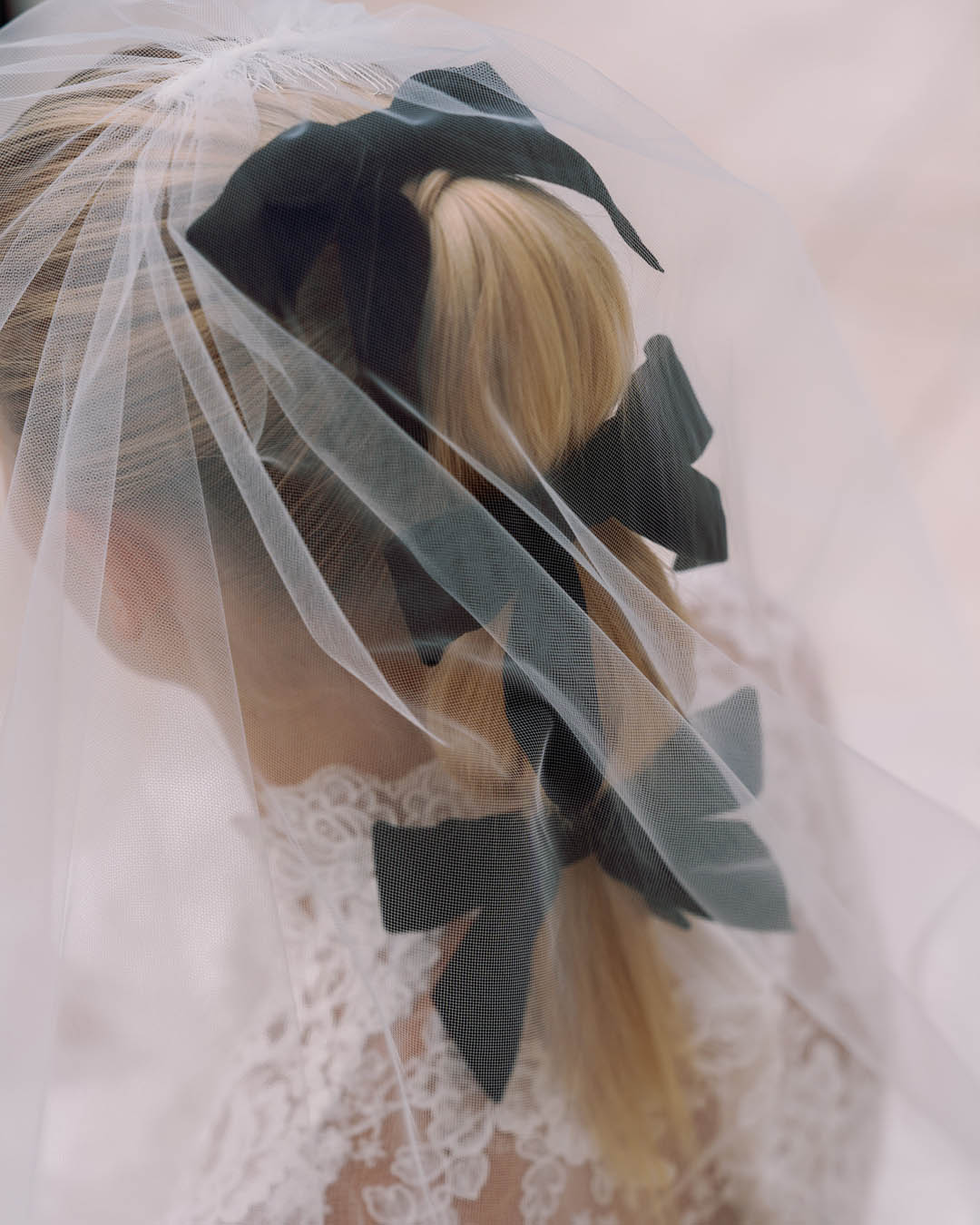
Among the standout collections, Yolancris continued to push bridal into more artistic territory, presenting layered textures, fluid silhouettes and hand-finished detailing that felt instinctive rather than overly polished. Their approach to fabric and movement captured the growing appetite for gowns that feel emotional, individual and slightly undone in the most beautiful way.


Above Yolanchris by @leo_tornev + @saraseaside
At Isabel Sanchis , sculptural volume emerged as a defining theme. Dramatic proportions, architectural shaping and confident silhouettes brought a couture-like energy to the runway, while still retaining softness and femininity. Across Barcelona more broadly, there was a noticeable return to shape and structure, with many designers embracing corsetry, defined waists and exaggerated skirts in a way that felt modern rather than overtly traditional.


Above Isabel Sanchis by @leo_tornev
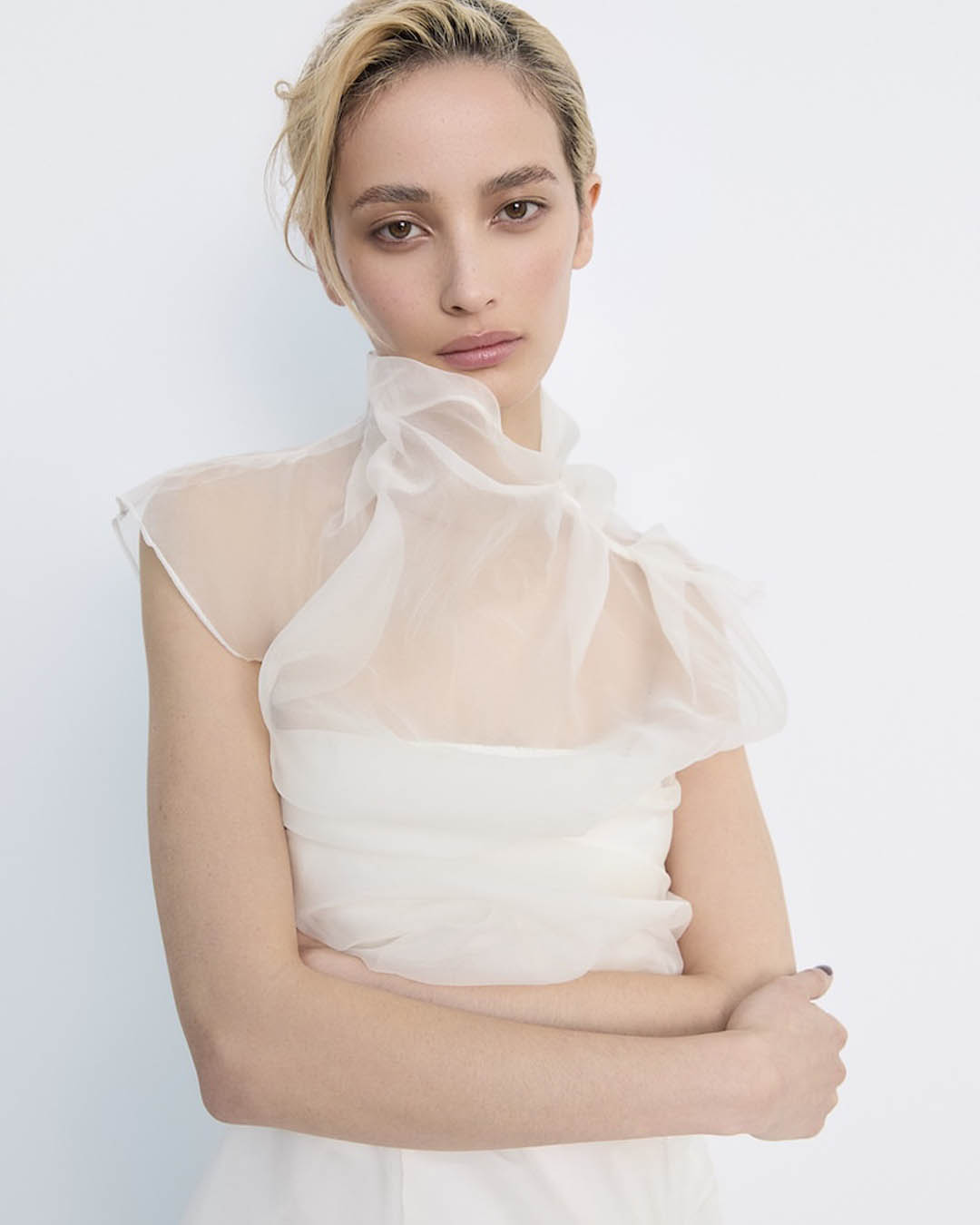
Immaclé offered one of the more refined takes on contemporary bridal minimalism. Clean lines, fluid fabrics, and restrained detailing reinforced the growing movement toward quieter luxury in bridal fashion, where cut, construction, and styling speak louder than embellishment alone.


Above @immaclenovias by @saraseaside
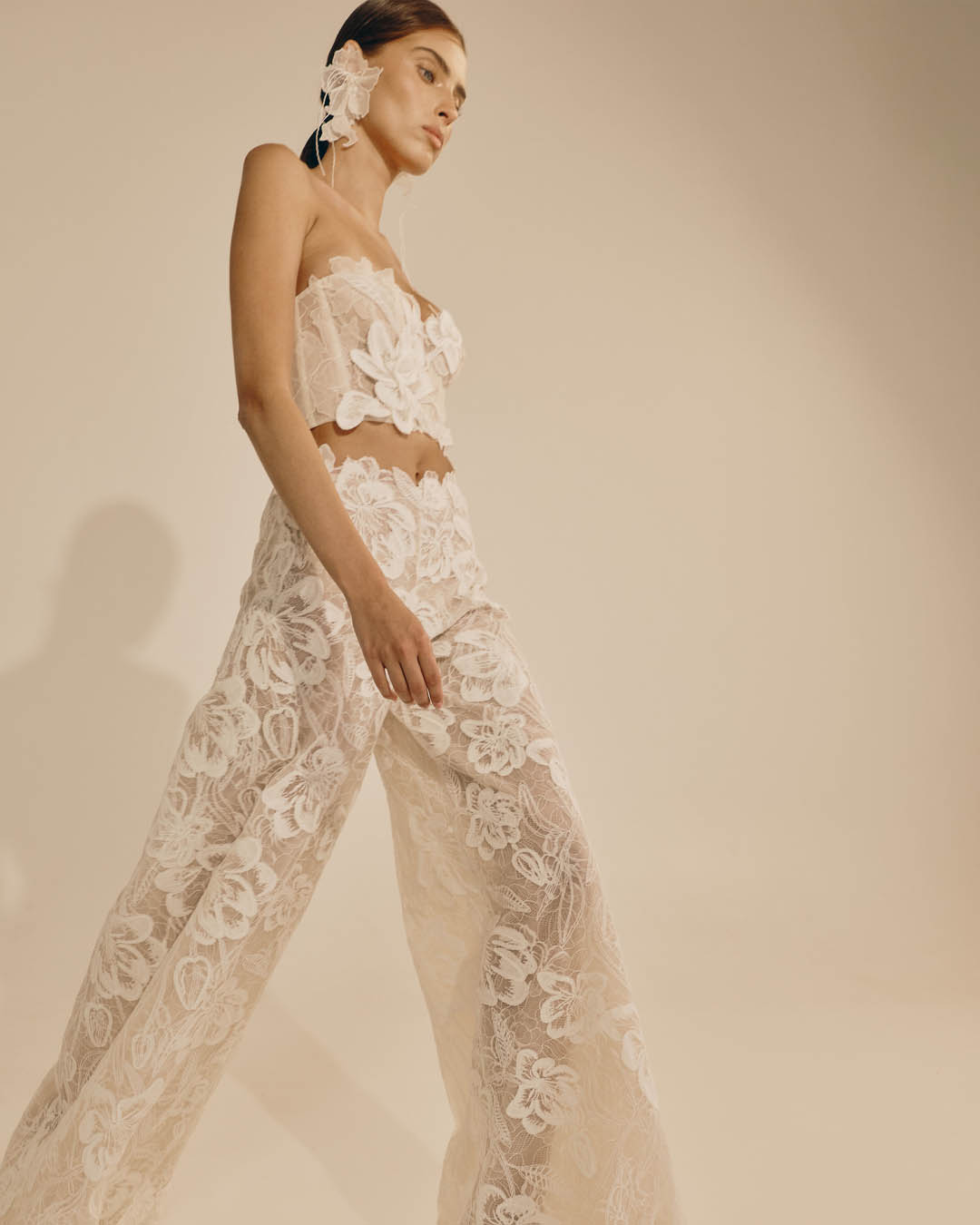
Texture also became one of the season’s strongest visual stories. Collections embraced dimensional lacework, botanical appliqué, pleating and richly worked surfaces, though often with a lighter hand than previous years. At Katy Corso, softness and sensuality were balanced beautifully with modern styling, creating gowns that felt romantic yet highly wearable for a contemporary bride.


Above Katy Corso by @leo_tornev
Meanwhile, brands such as Justin Alexander reflected the continued expansion of bridal wardrobes beyond the ceremony gown itself. Tailoring, sleek second looks and versatile separates appeared throughout the week, reinforcing how today’s bride is increasingly dressing for an entire wedding experience rather than a single moment.


Above Justin Alexander by @leo_tornev
One of the more interesting shifts across the week was the growing diversity of creative perspectives entering the bridal space. Labels, including Vaishali Studio, brought an artisanal and globally influenced approach to fabrication and craftsmanship, contributing to the increasingly international and fashion-led feel of Barcelona’s runways.


Above Vaishali Studio by @saraseaside
Perhaps the clearest takeaway from BBFW 2026 was that bridal fashion is becoming less prescriptive and far more personal. Brides are no longer looking to fit within a singular bridal ideal. Instead, the strongest collections offered individuality, emotion and a clear design perspective, whether expressed through dramatic couture volume, quiet minimalism or richly textured romanticism. Barcelona still celebrates glamour and femininity, but this season it did so with a renewed sense of confidence and creative freedom.
Over the coming weeks, we’ll be sharing more detailed coverage of some of our favourite collections and uniquely positioned brands from the week, spotlighting the designers whose vision, craftsmanship and originality stood out most strongly to the Together Journal team.