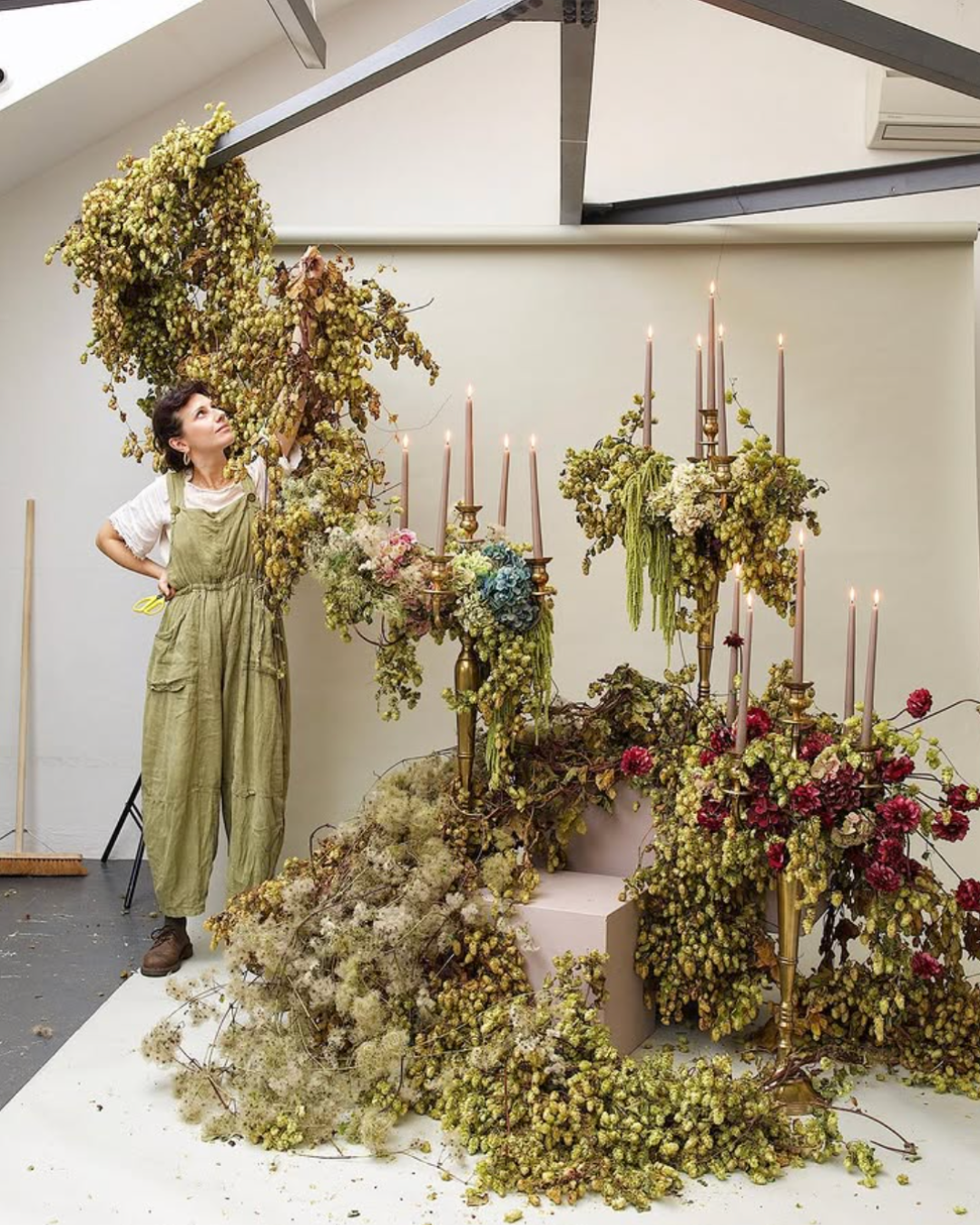
Federica Carlini transforms floristry into an expressive dialogue between nature, art and culture.
Born in central Italy and now based between London and Italy, Federica Carlini brings a distinctly thoughtful and cross-disciplinary perspective to contemporary floristry. With a background spanning Management Economics, sustainable design, and event production, her work sits at the intersection of art, culture, and nature.
Her practice is deeply informed by a fascination with botany as a form of expression, shaped further by time spent within the design team at LOEWE Flores and her ongoing role as an educator with London Flower School.
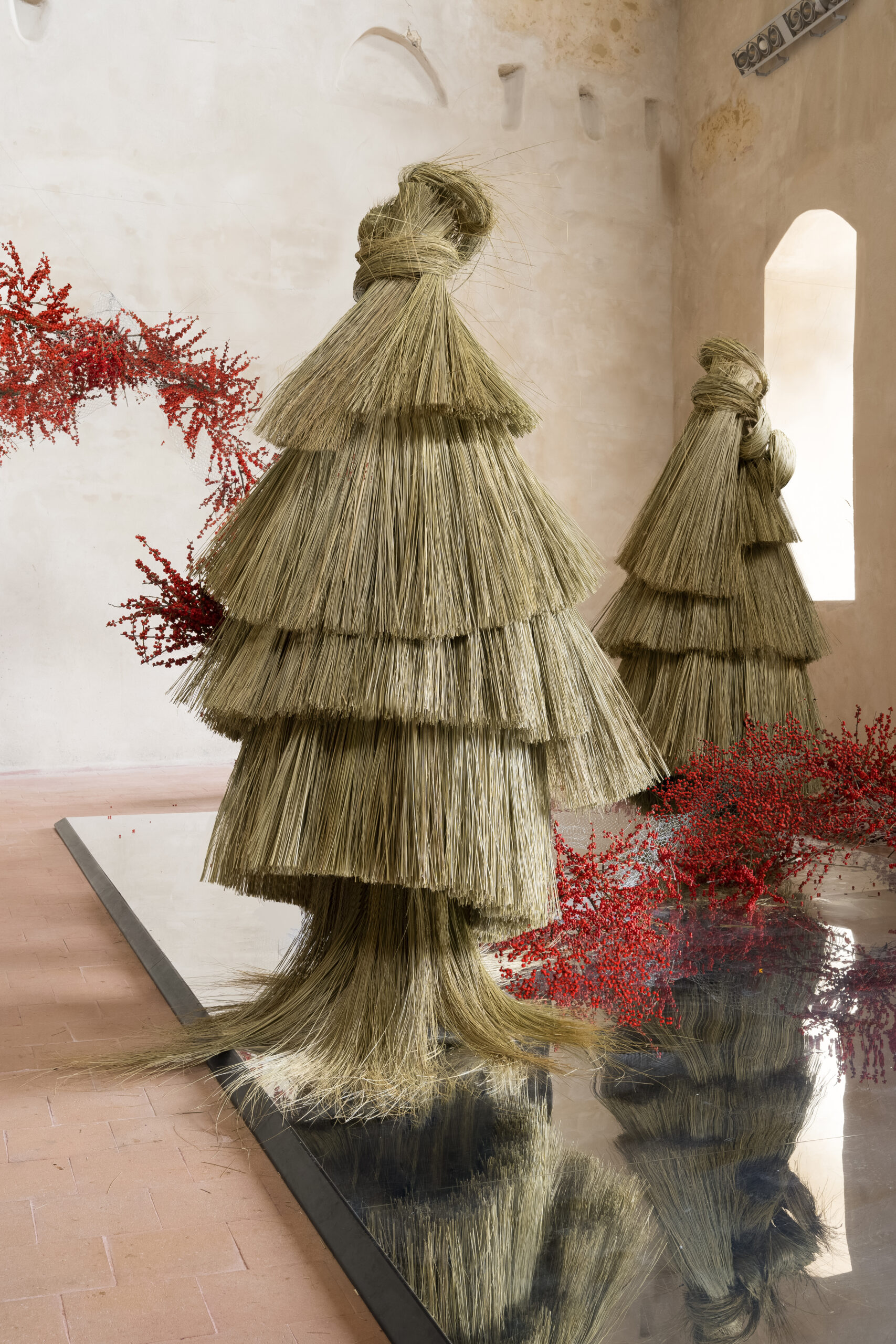
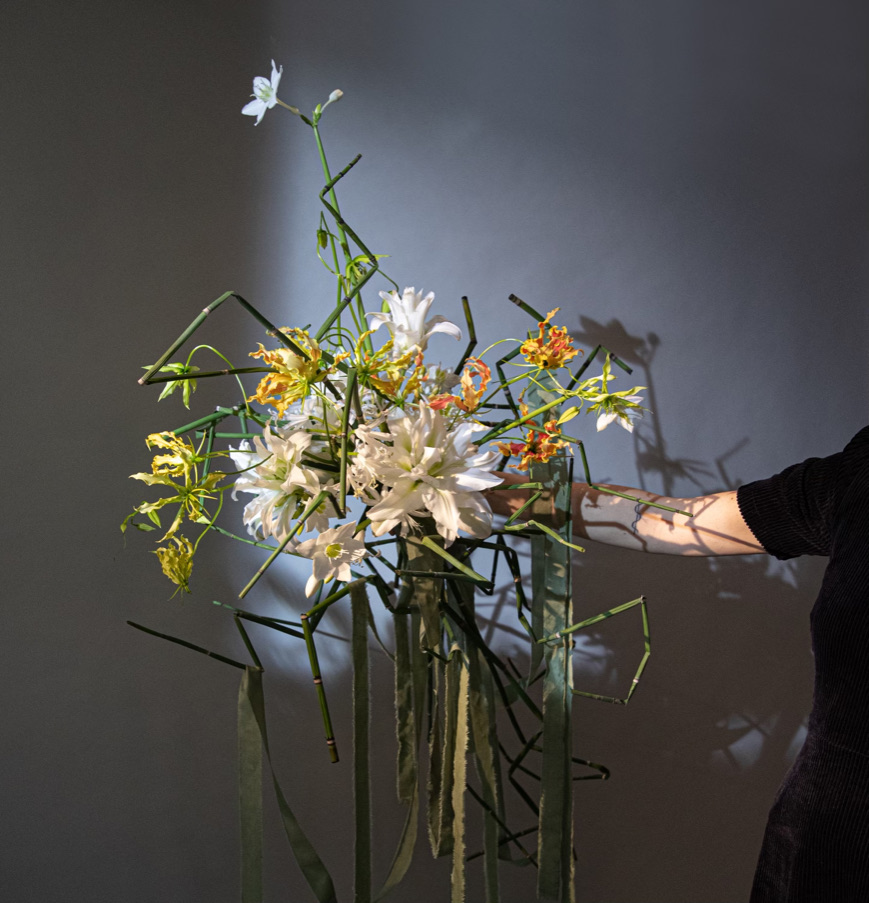
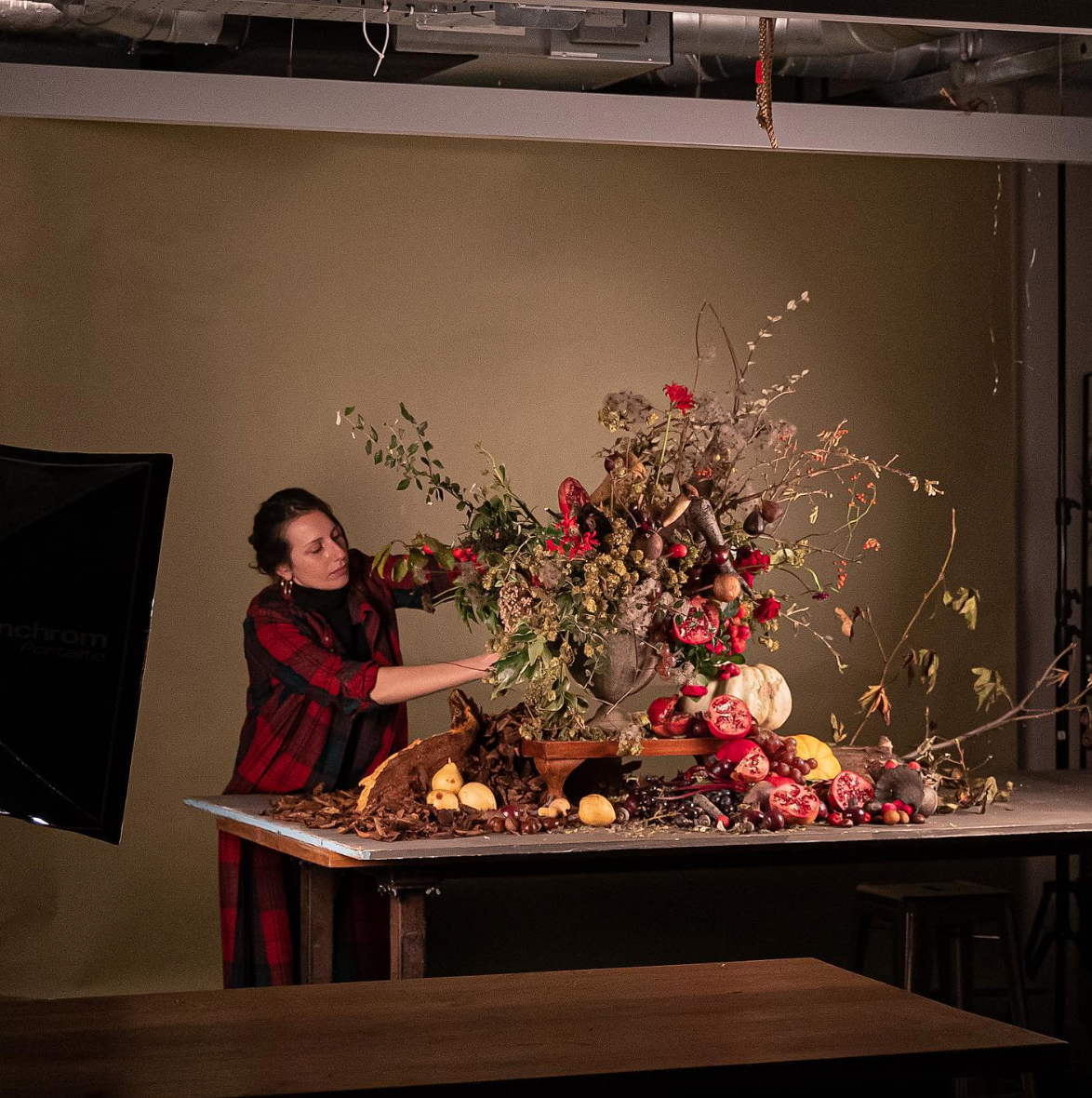
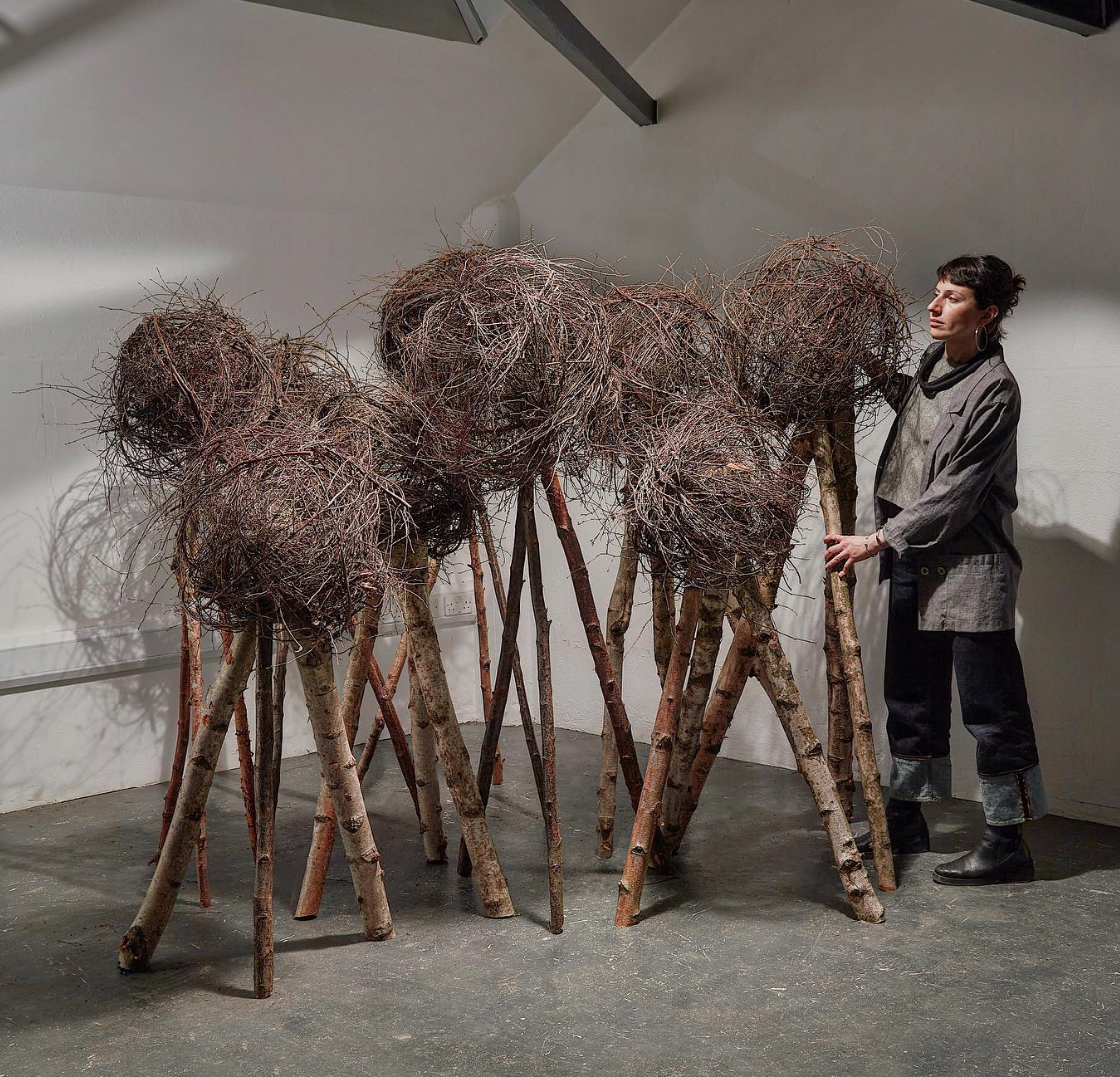
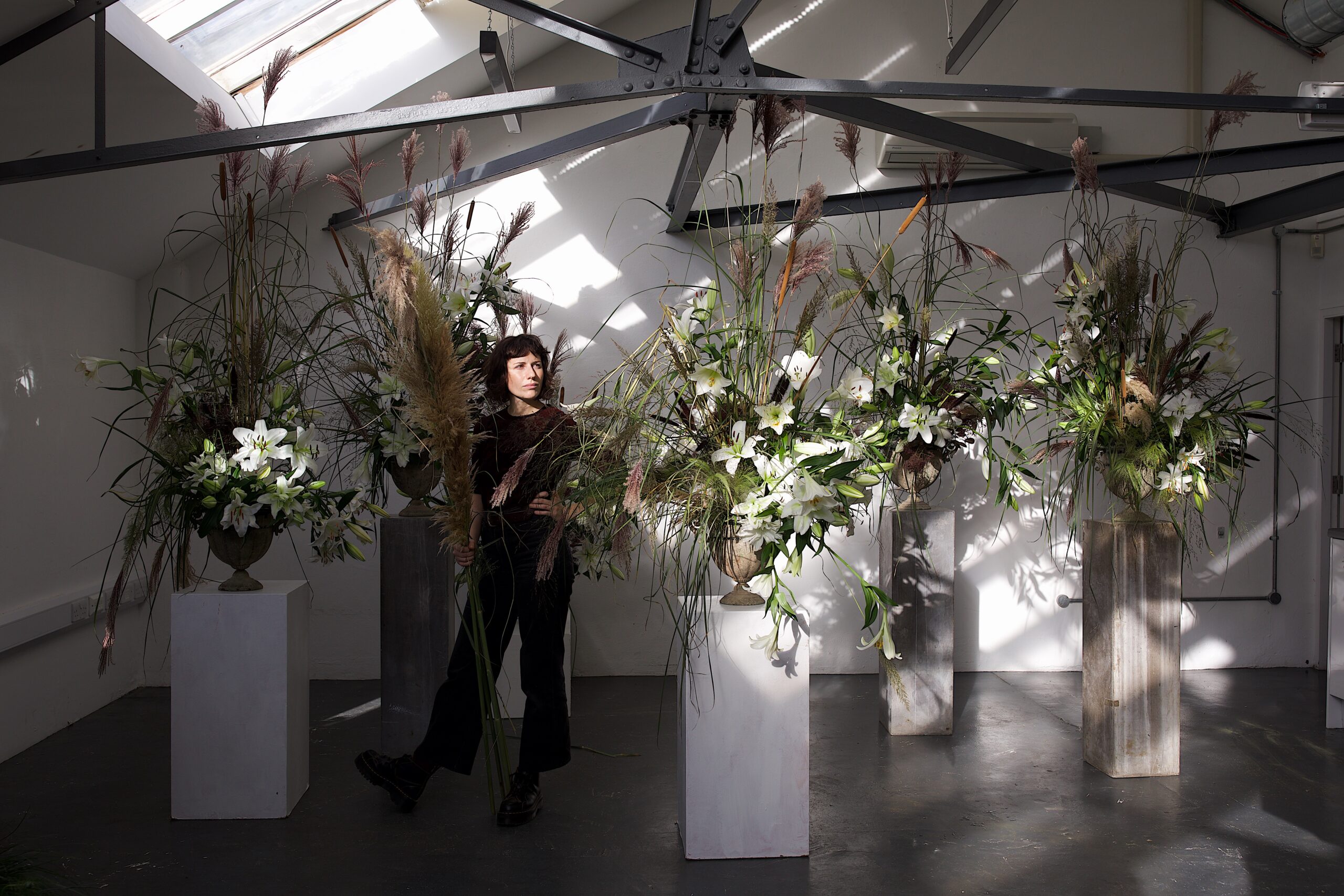
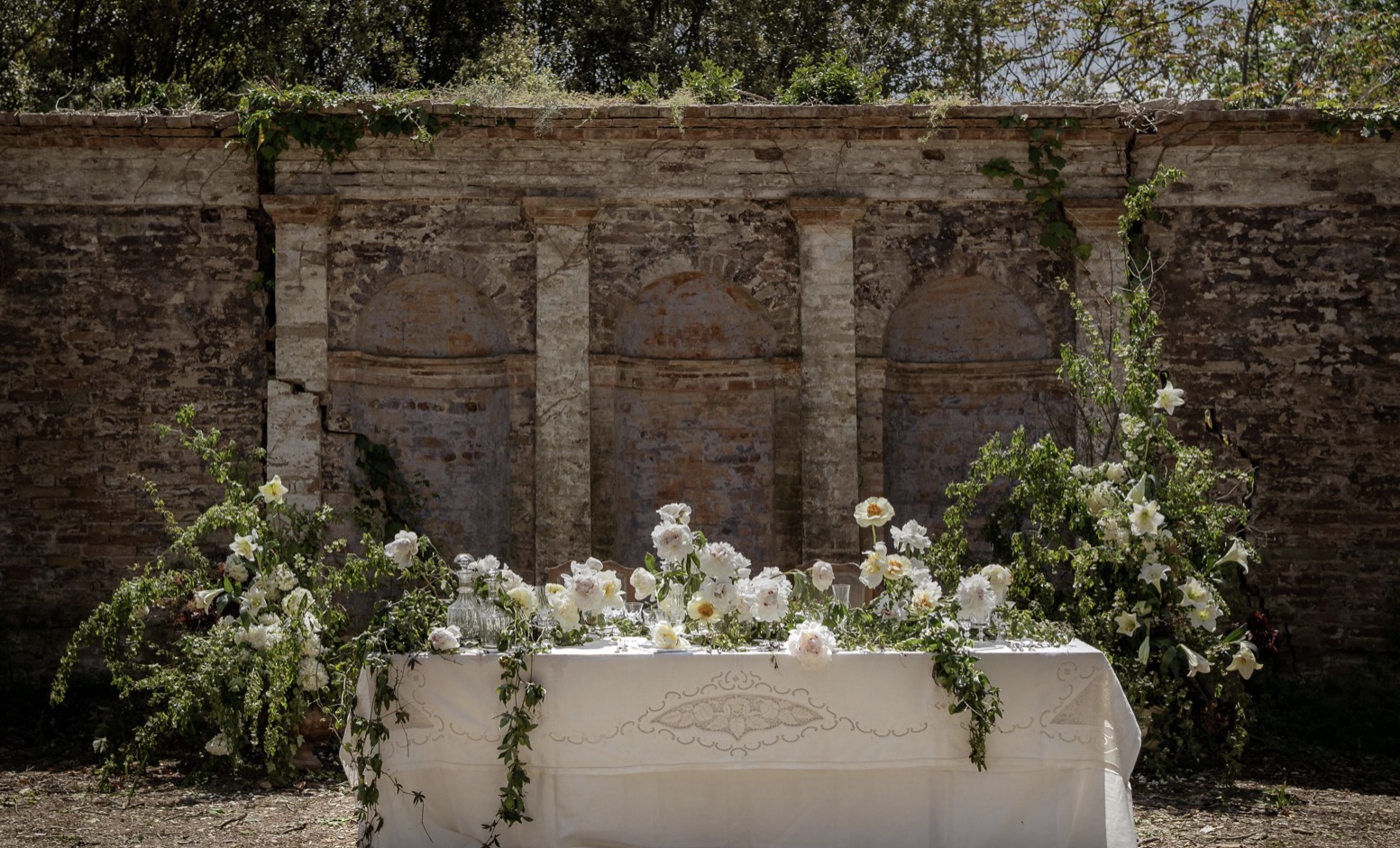
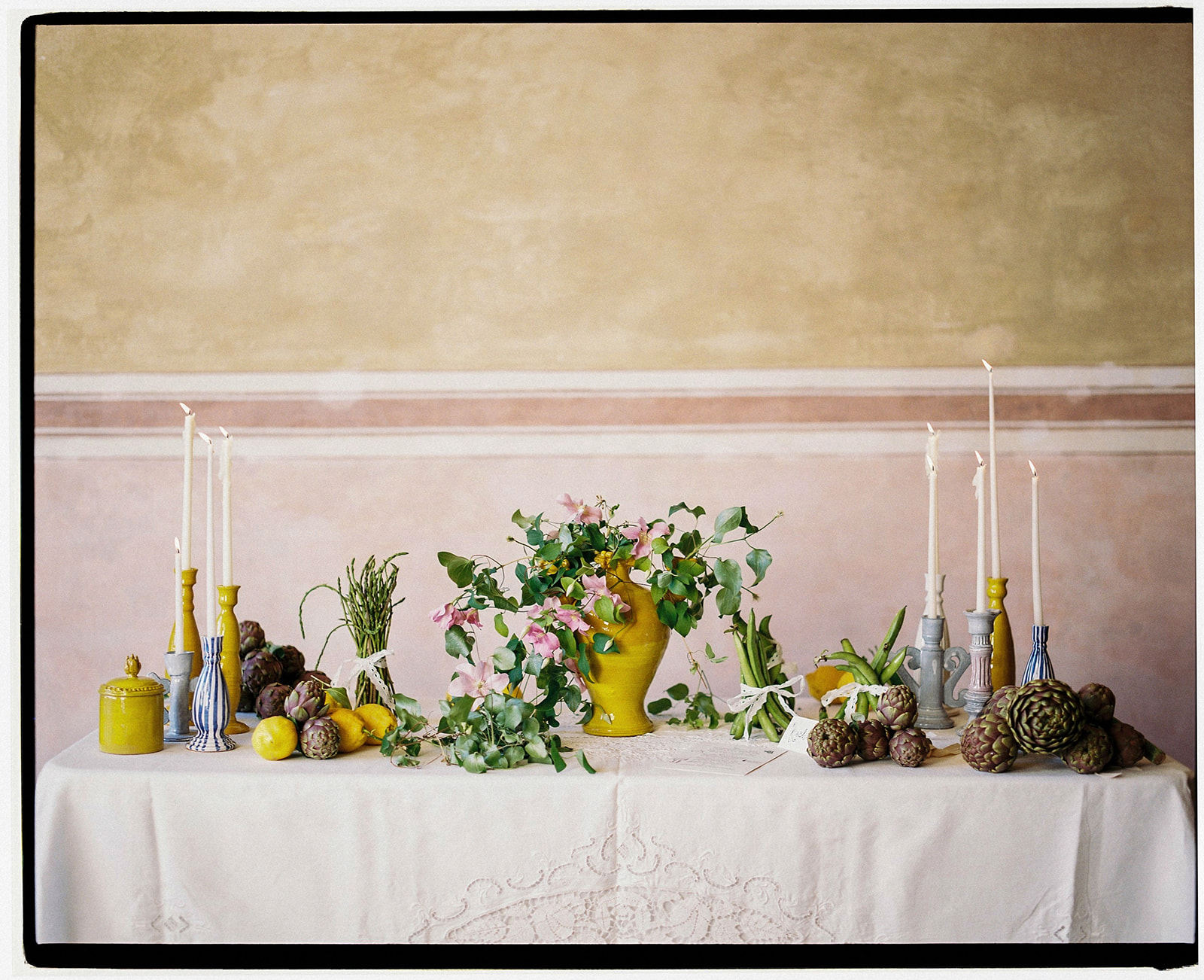
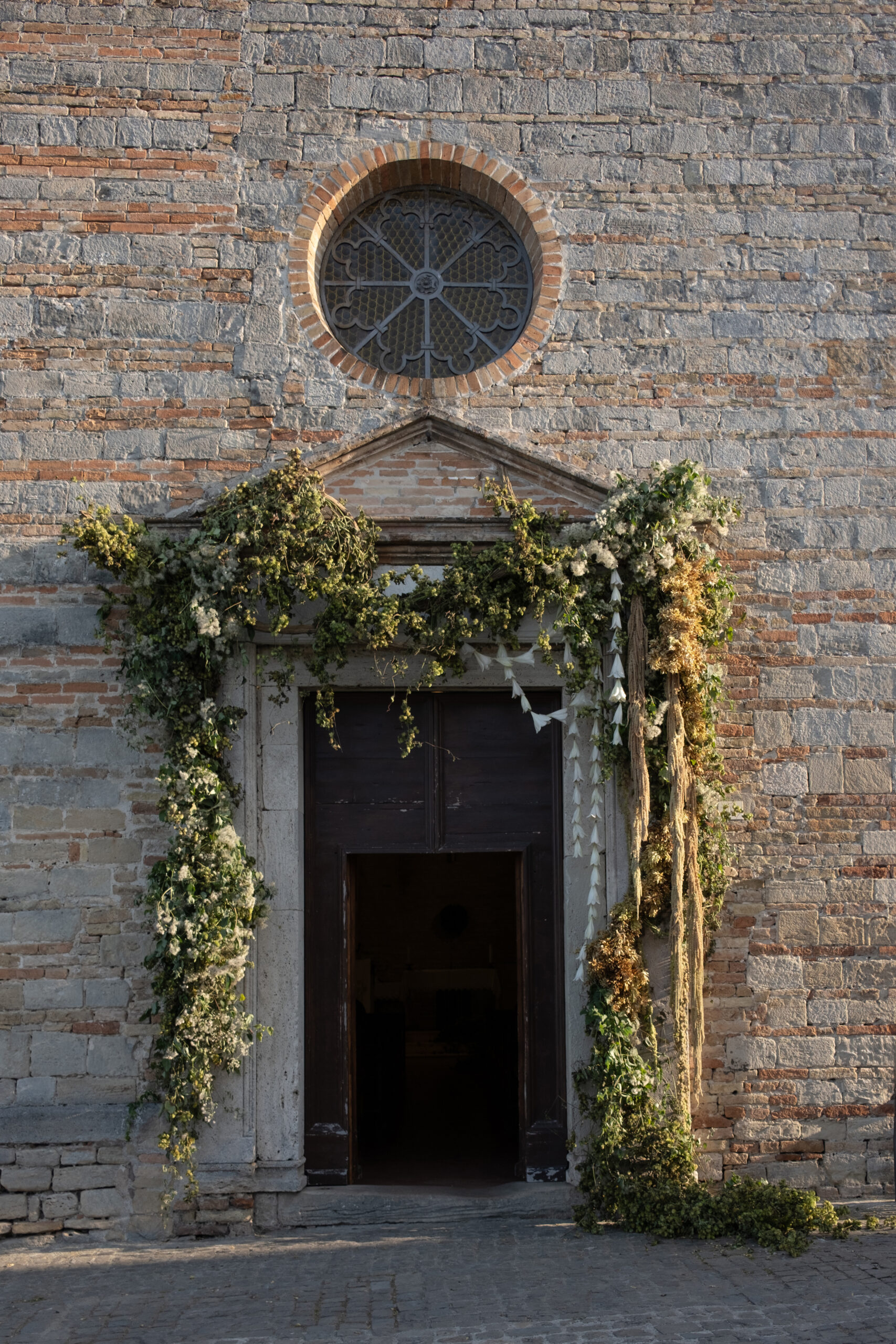
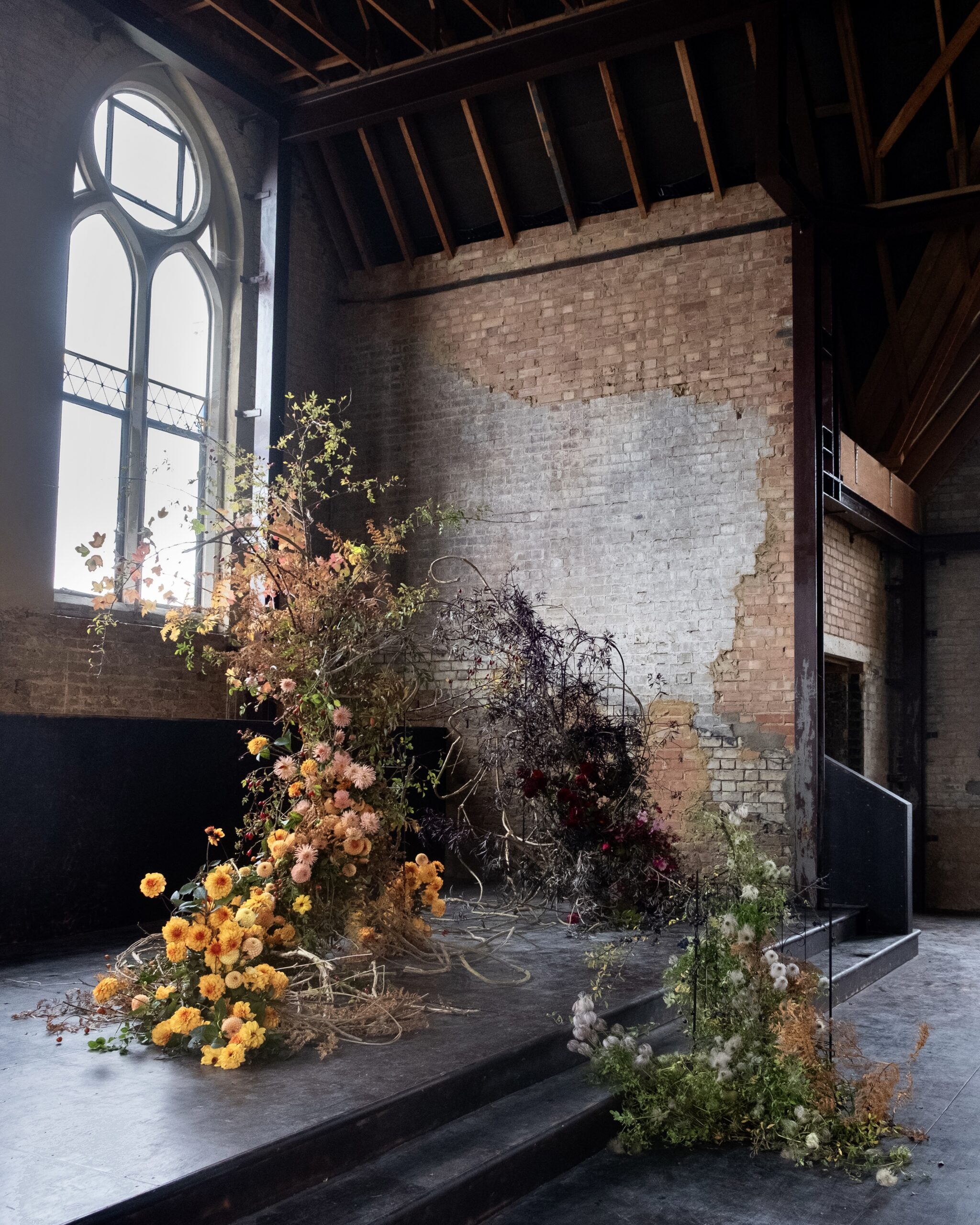
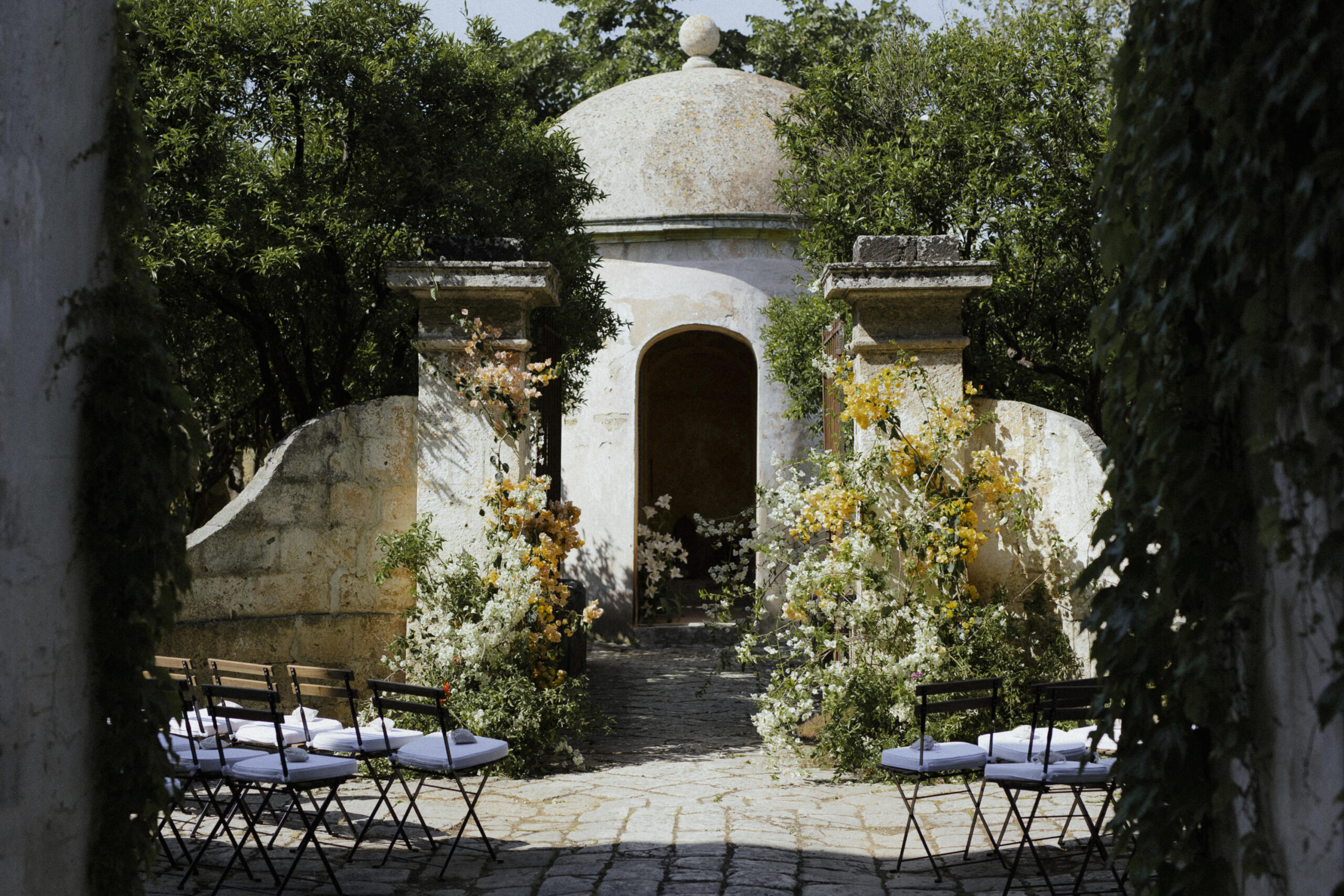
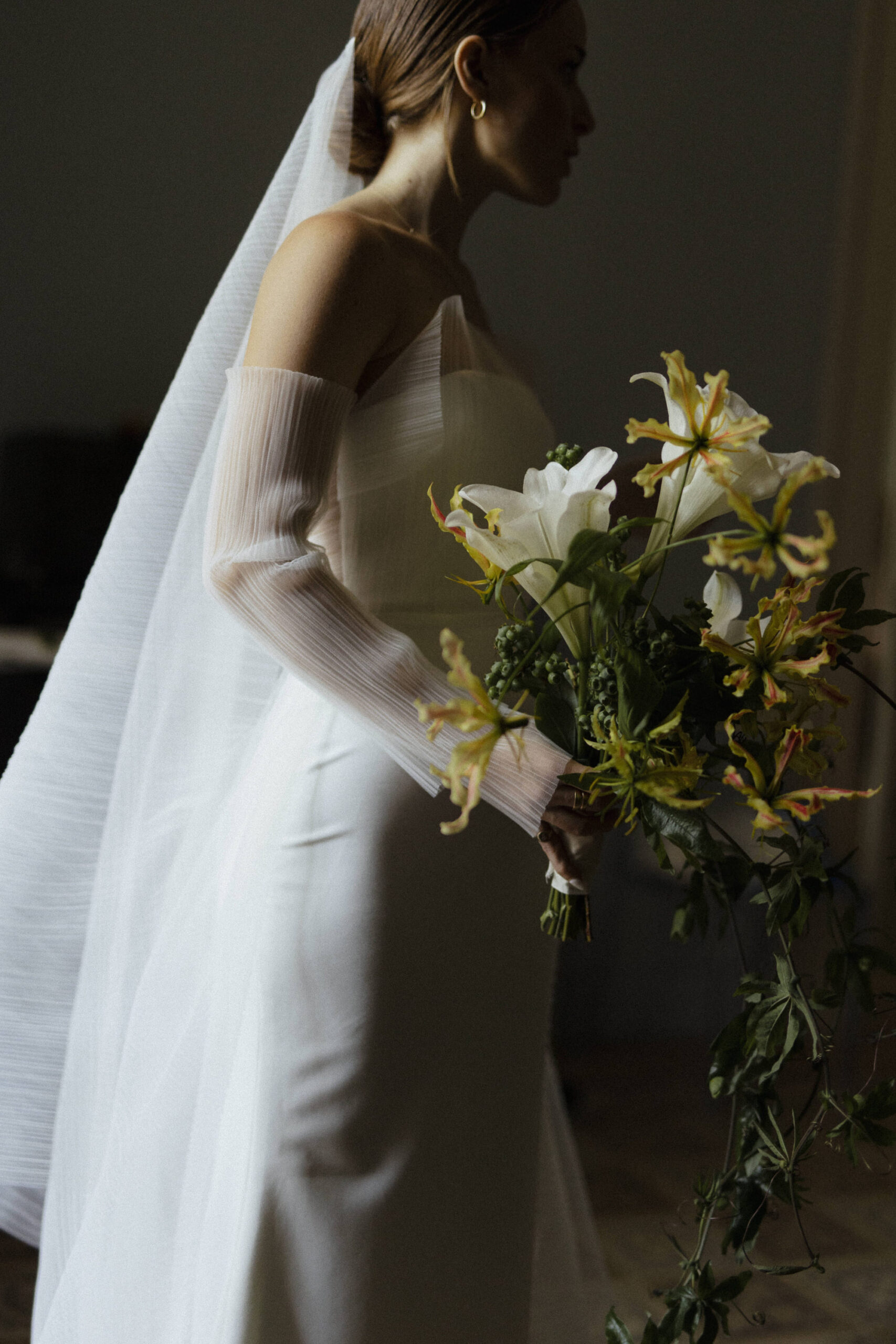
Working across weddings, installations and multi-sensory table styling, Carlini approaches flowers as both medium and message. Her work explores the emotional and cultural language of natural elements, creating immersive environments that feel both grounded and quietly transformative.
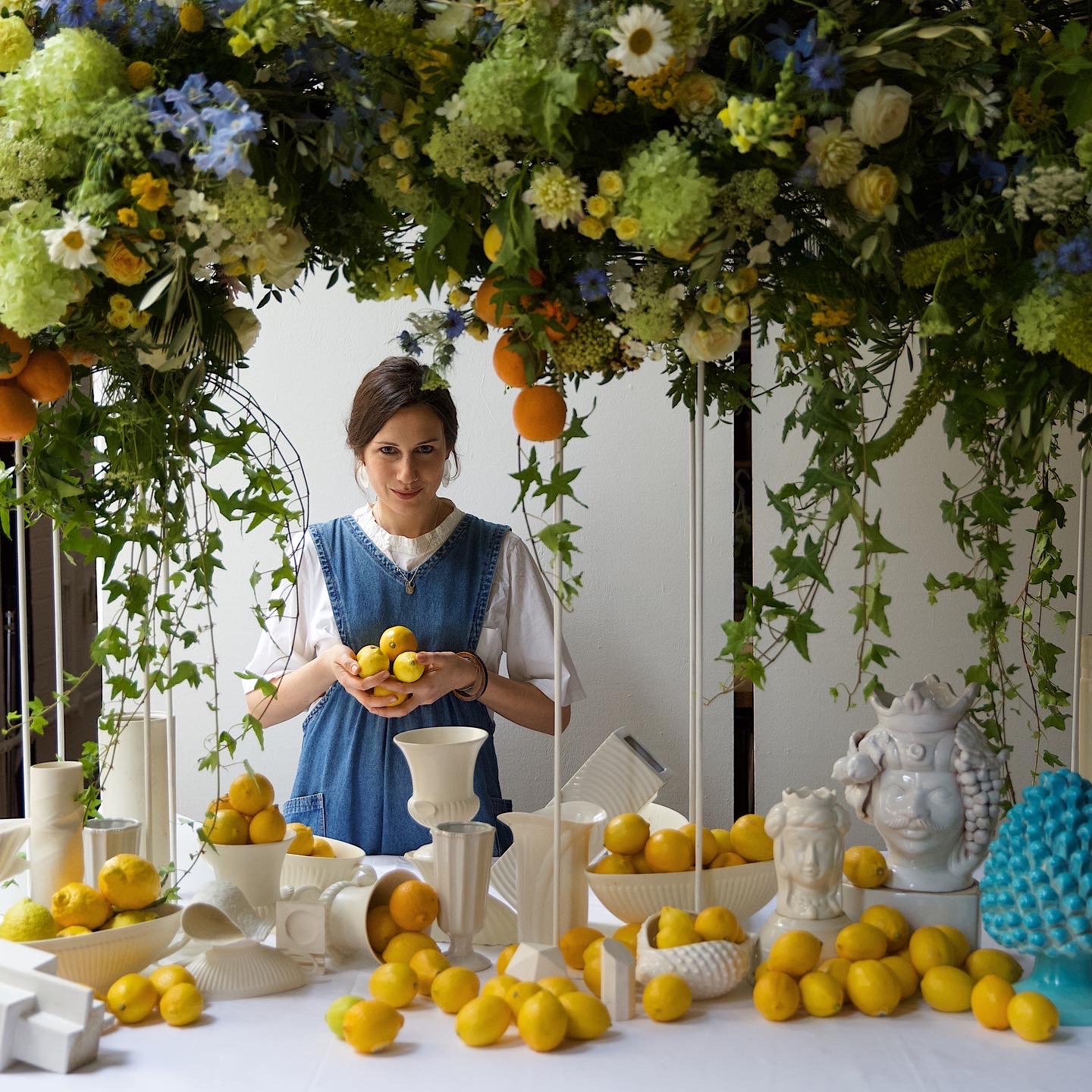
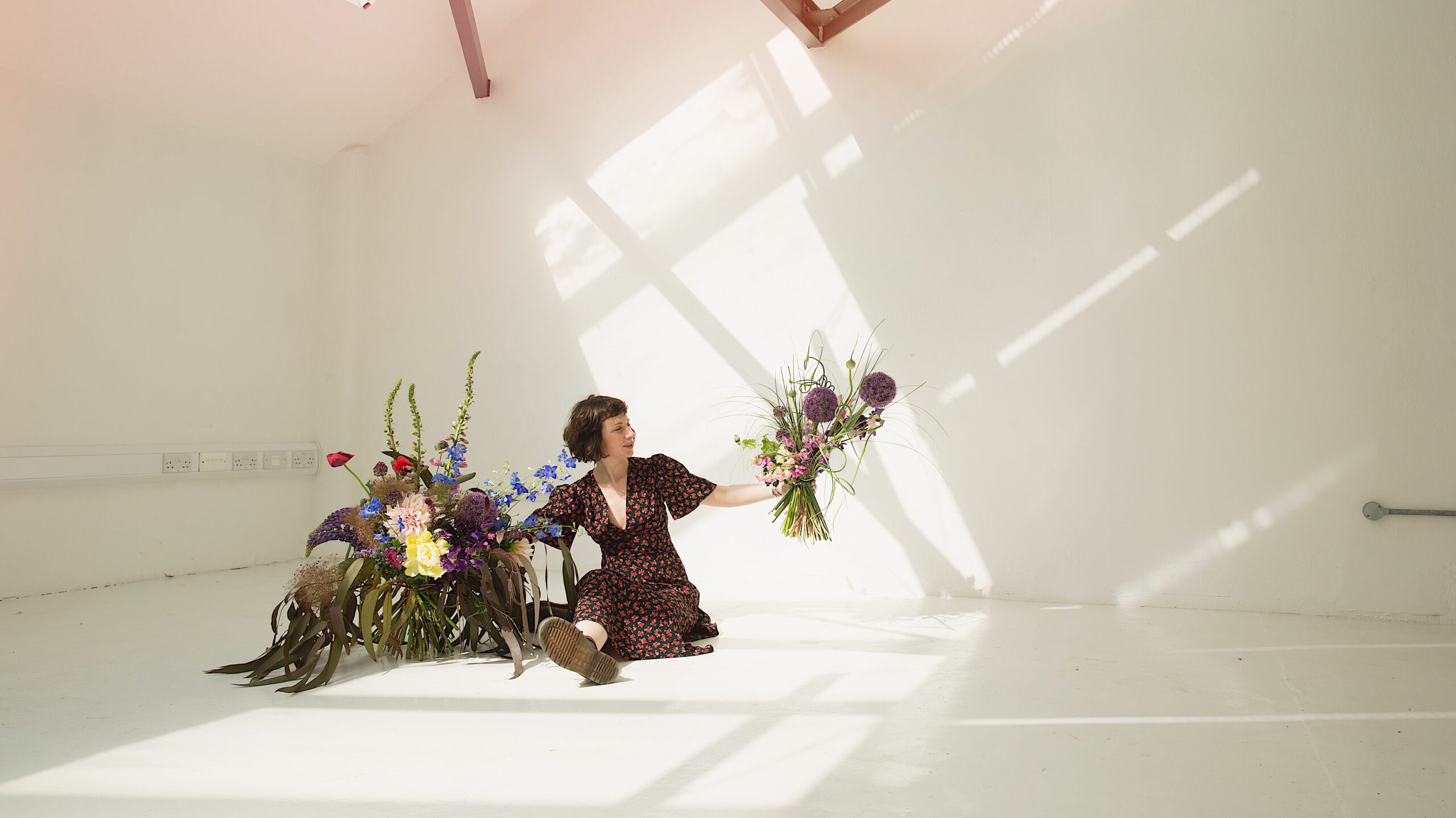
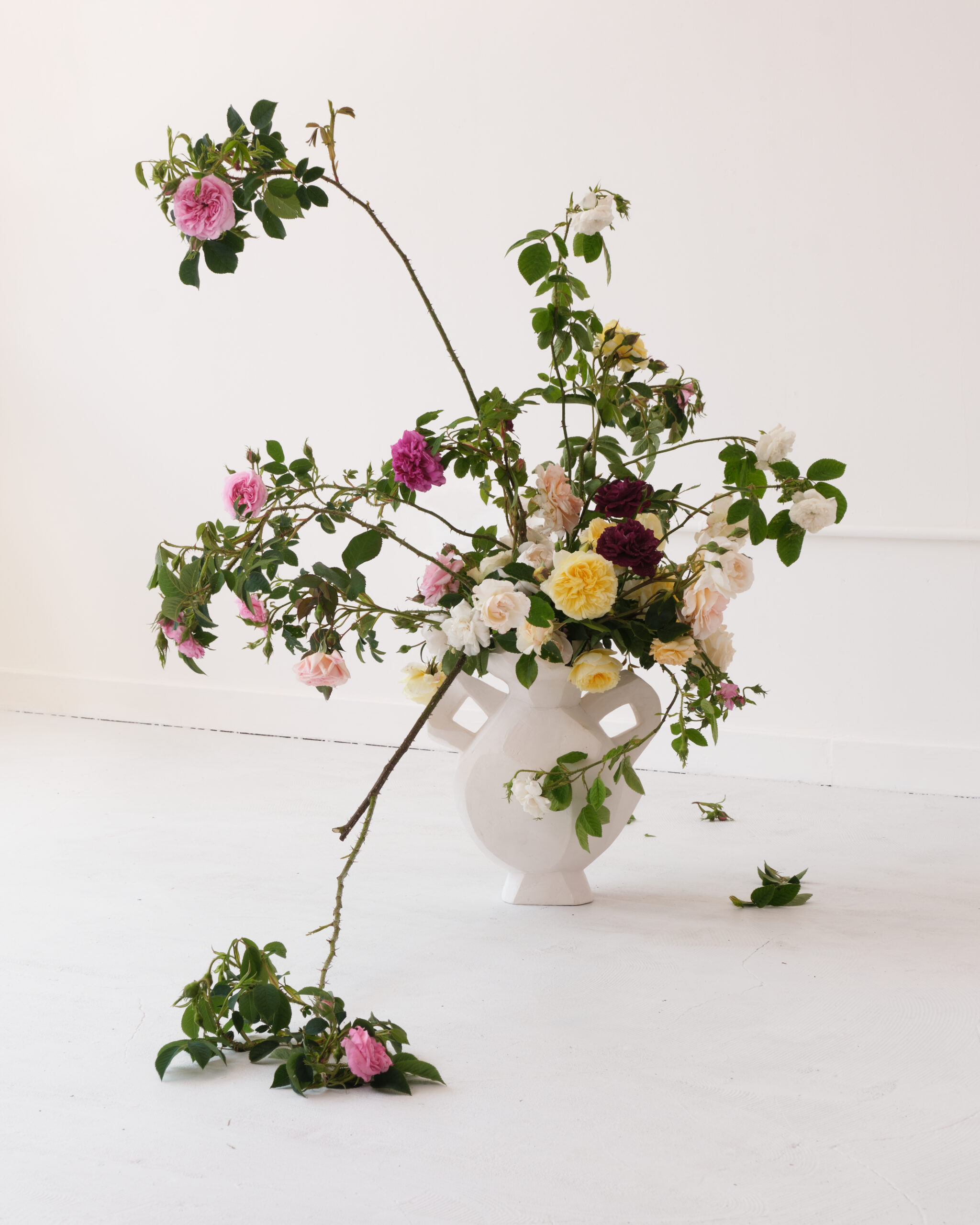
Your path into floristry is far from traditional. How has your background in economics, sustainable design and event production shaped the way you approach flowers today?
I have definitely had moments when I thought that, had I known I would become a florist, I might have chosen a different path at university, perhaps something more connected to design, art, or horticulture. But how can we know? Life simply happens!
On the one hand, the studies I pursued shaped the way I encountered flowers, perhaps precisely because they left me feeling that something was missing. On the other hand, now that I run my own business, I truly value what I learned. First, because managing a creative business is a challenge for me, and I am grateful to have had that foundation, even though I am still constantly learning. Secondly, I believe every experience shapes our work in one way or another and contributes to what makes us unique.
In fact, not having a formal creative education pushed me to study independently and build confidence in those areas. I dedicate much of my adult life to exploring exactly what I feel I lack. There is always time to keep studying, and floristry is a profession that requires continuous learning, so any background can become a strength if you remain curious.
Also, the experimentation with different media, ideas, and creative approaches has always been fundamental to my personal and professional evolution. I am interested in engaging with worlds that are often outside my immediate field because they challenge my assumptions and expand my perspective, and surrounding myself with artists, designers, and thinkers working in different disciplines is fundamental to the evolution of my practice because it continually expands the way I see and interpret the world.
You often speak about flowers as a form of communication. What are you trying to say through your work, particularly in the context of a wedding?
What has always fascinated me about flowers is their ability to express beauty through essentiality and, through that essence, to create a sense of well-being.
Whenever I create, I always start with a brief, a goal, and an experience I want people to feel. It is about the energy that flowers bring into a space and the atmosphere they help create. Flowers have the ability to transform reality, make it more interesting, and communicate messages that are often felt rather than spoken. Constance Spry said, “Flowers in a room have a quality similar to the presence of people or fire; they give life, they give a presence that makes everything more interesting.”
The experience is always connected to the location, its history, and the cultural significance of the flowers within that context. Flowers communicate emotion and help shape an experience. Their forms, textures, colours, and relationships with light, objects, and architecture all contribute to the story.
In weddings especially, the narrative begins with the couple: their story, what they want to feel, and what they want their loved ones to experience. My role is to translate those emotions into a floral language that feels connected to both the people and the place.
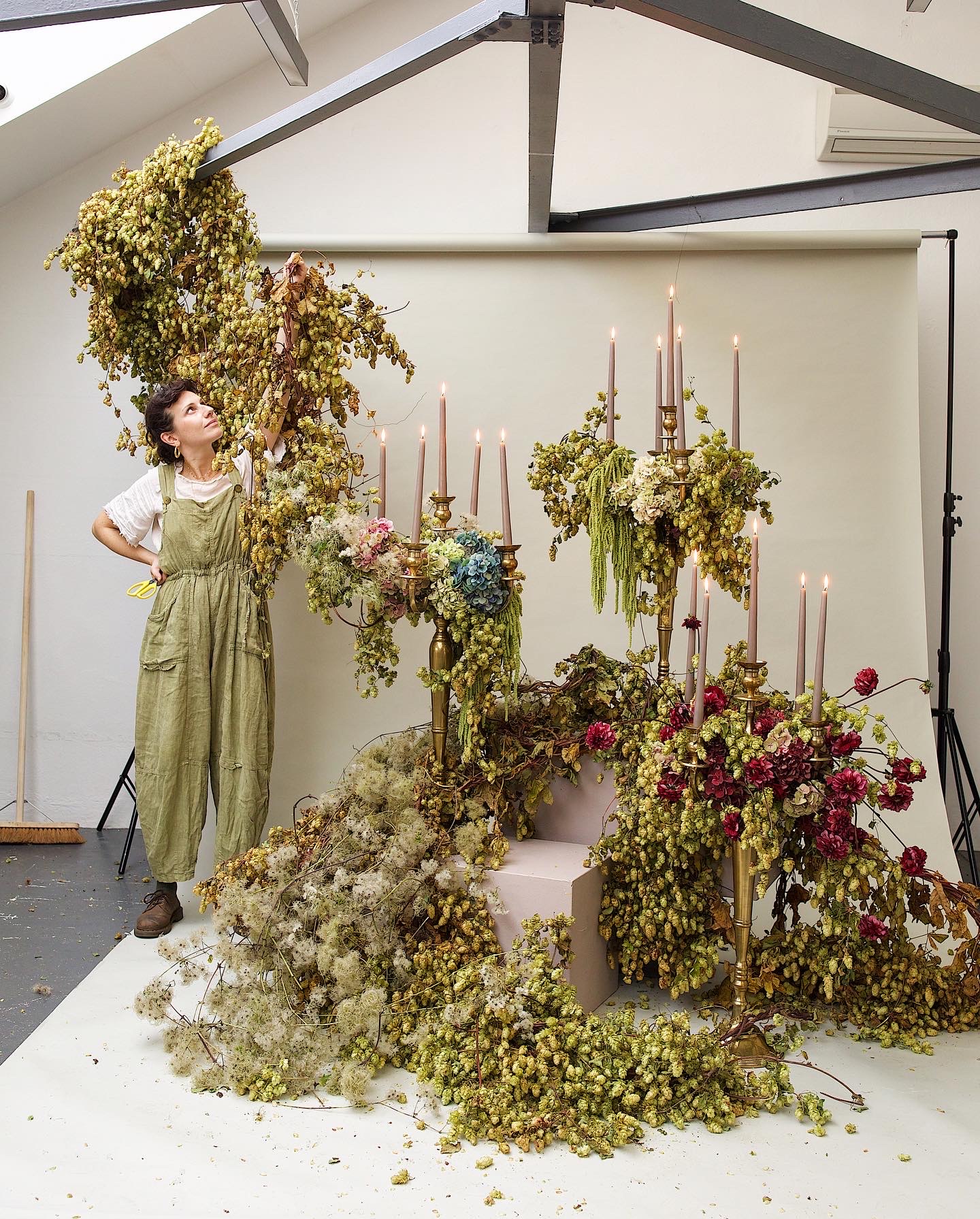
There is a strong sense of culture and symbolism in your practice. How do you translate this into something that still feels personal and relevant to each couple or client?
Everything starts with conversation. Whether I am speaking with the couple or the planner, I am listening for key words, emotions, references, memories, and desires. Every story is unique, and those nuances become the foundation of the design.
From there, I build a project that combines personal narratives with broader cultural and historical influences. The result is something that feels rooted in a larger tradition while remaining entirely specific to the people and place it is created for.
I also try to approach every project differently, finding new ways to use materials or experimenting with unexpected combinations. I do this both for the project itself and for my own creative growth. It often requires more work, but it keeps me passionate and deeply connected to what I do.
Having worked with LOEWE Flores, what did that experience teach you about pushing floristry into a more conceptual, artistic space?
LOEWE Flores was my first real encounter with floristry, especially within the context of luxury, craftsmanship, and design. It taught me the importance of presentation, materiality, and attention to detail.
Most importantly, the shop was deeply inspired by the work of Constance Spry, who remains one of my greatest influences and creative muses. Through that experience, I began to understand flowers not simply as decoration, but as a medium capable of expressing ideas, narratives, and artistic concepts.
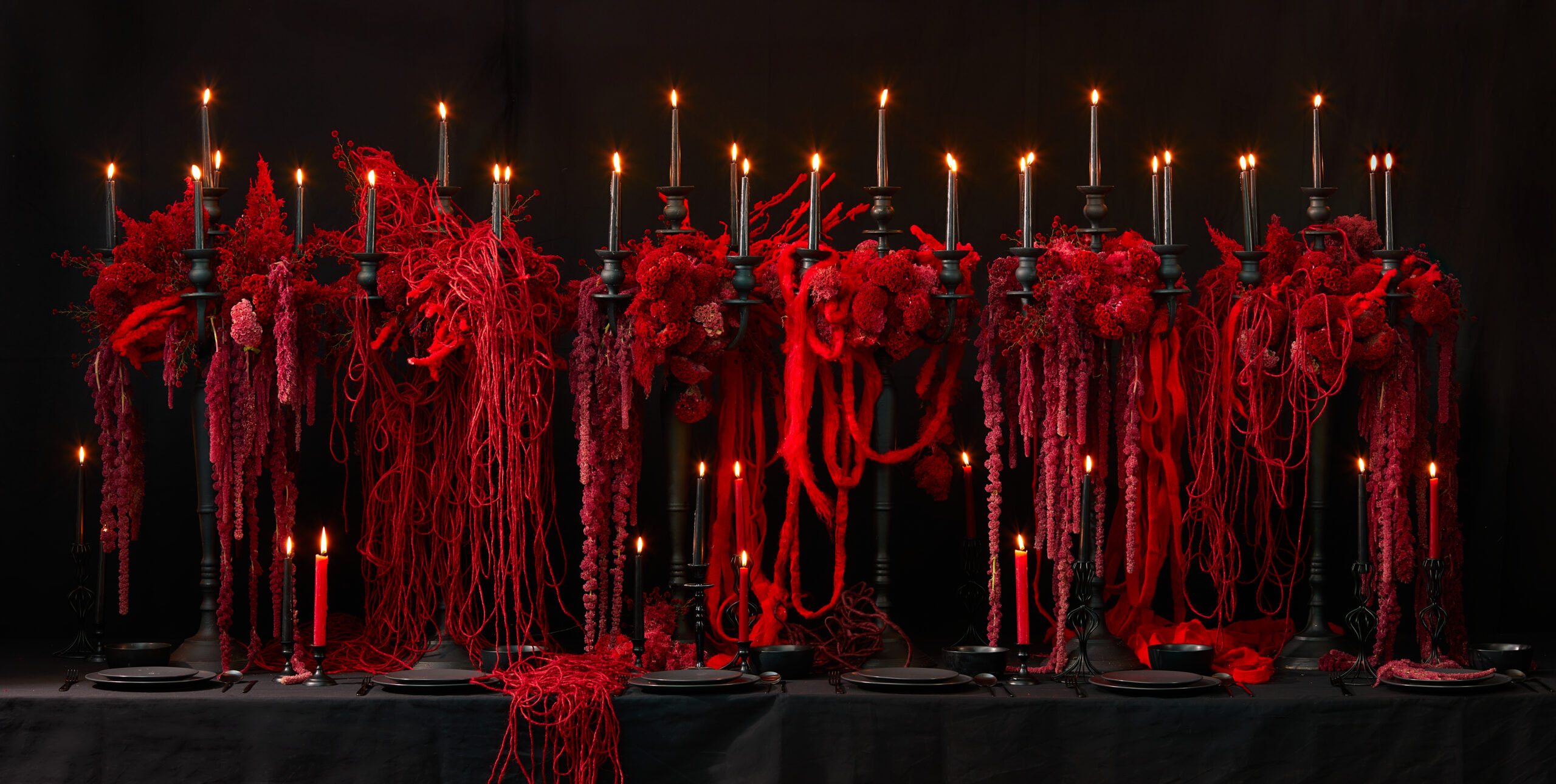
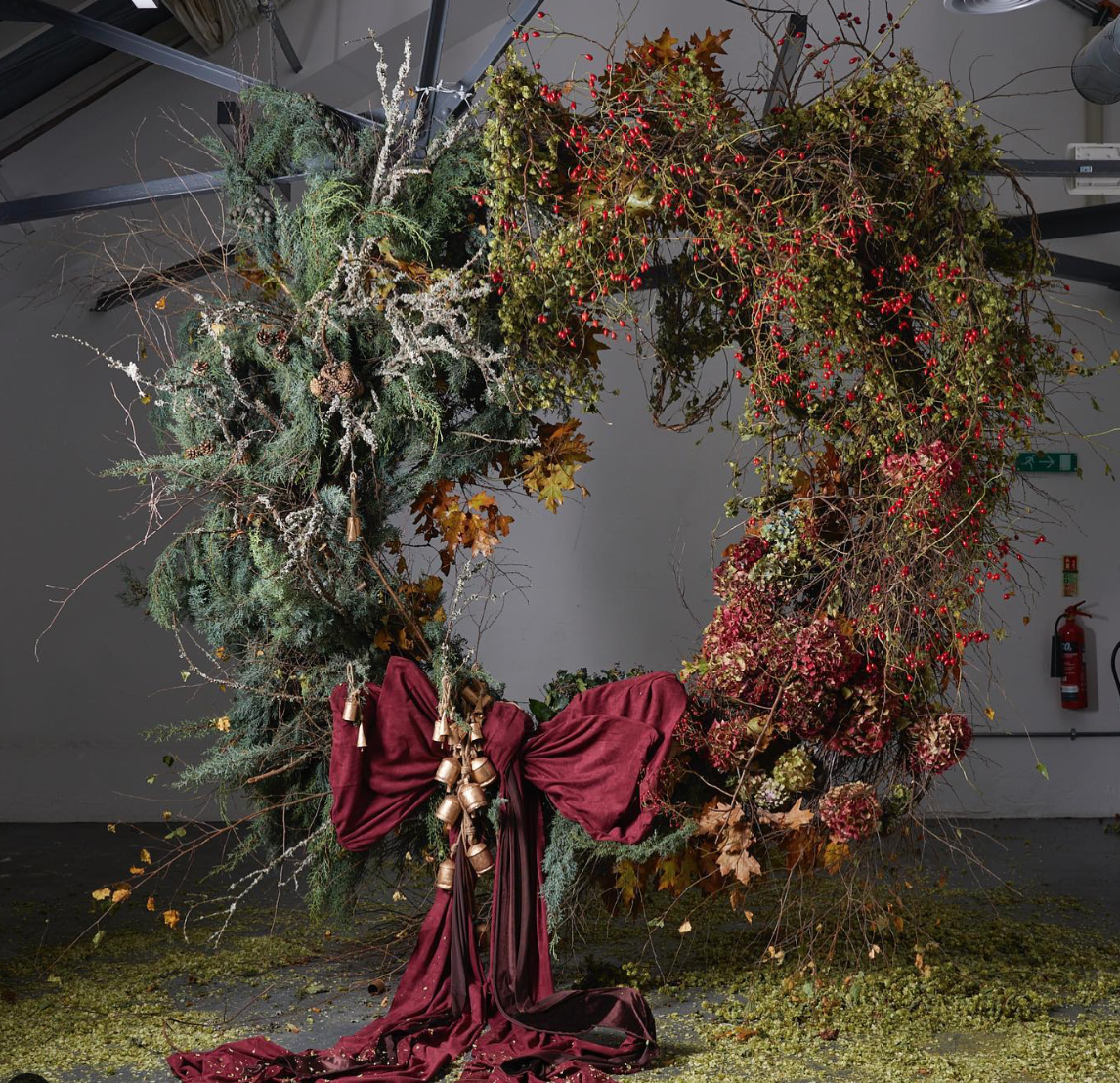
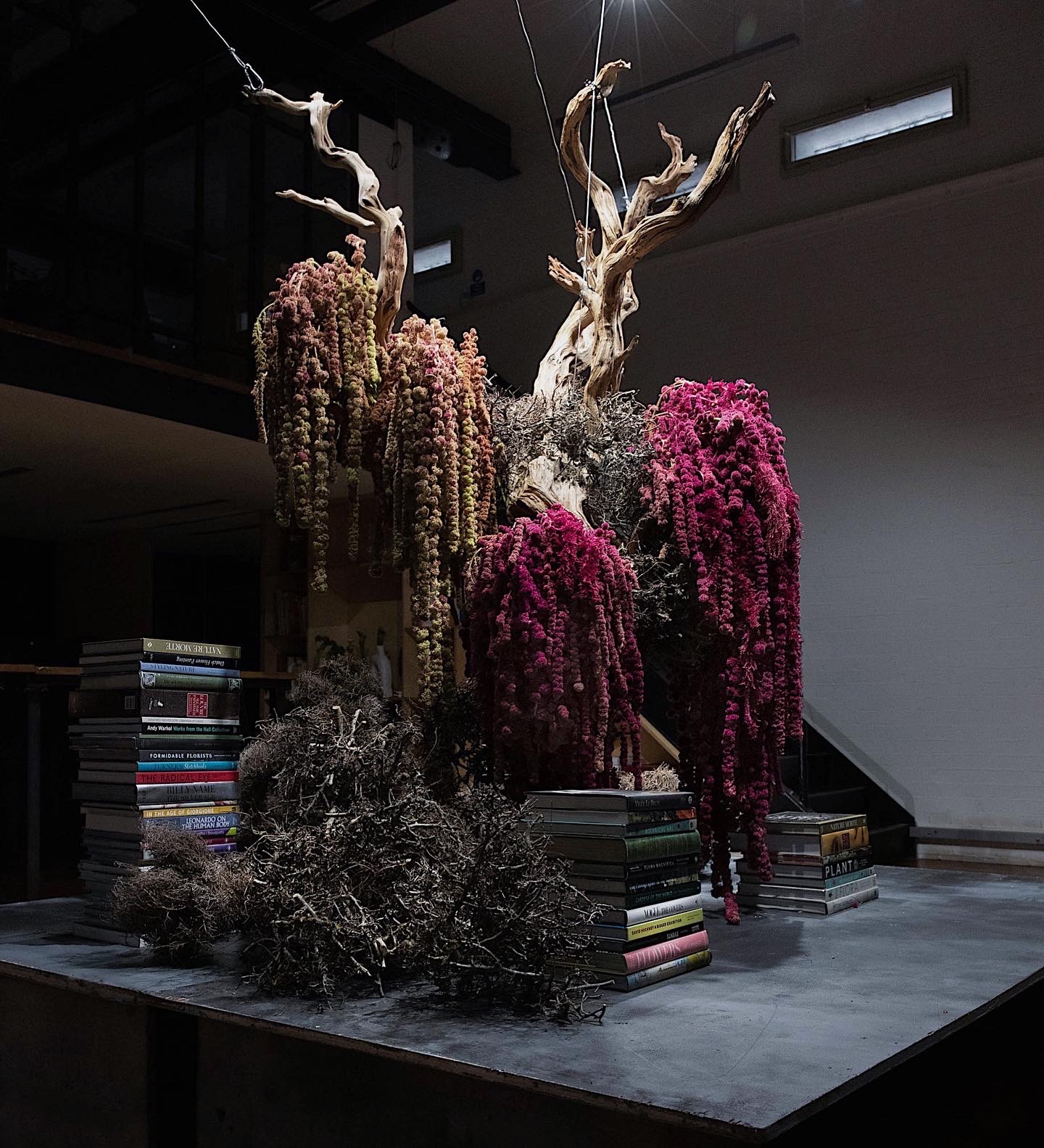
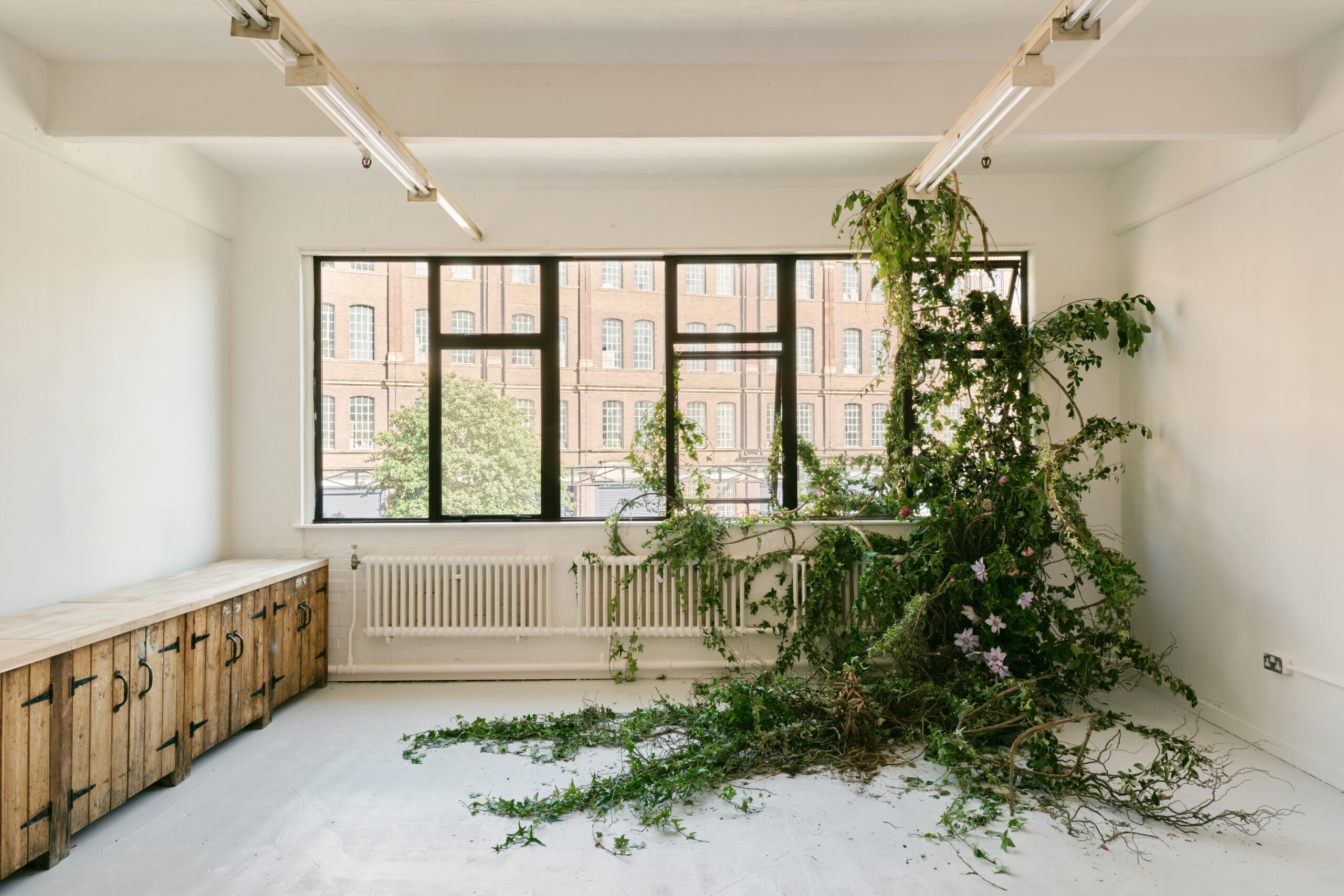
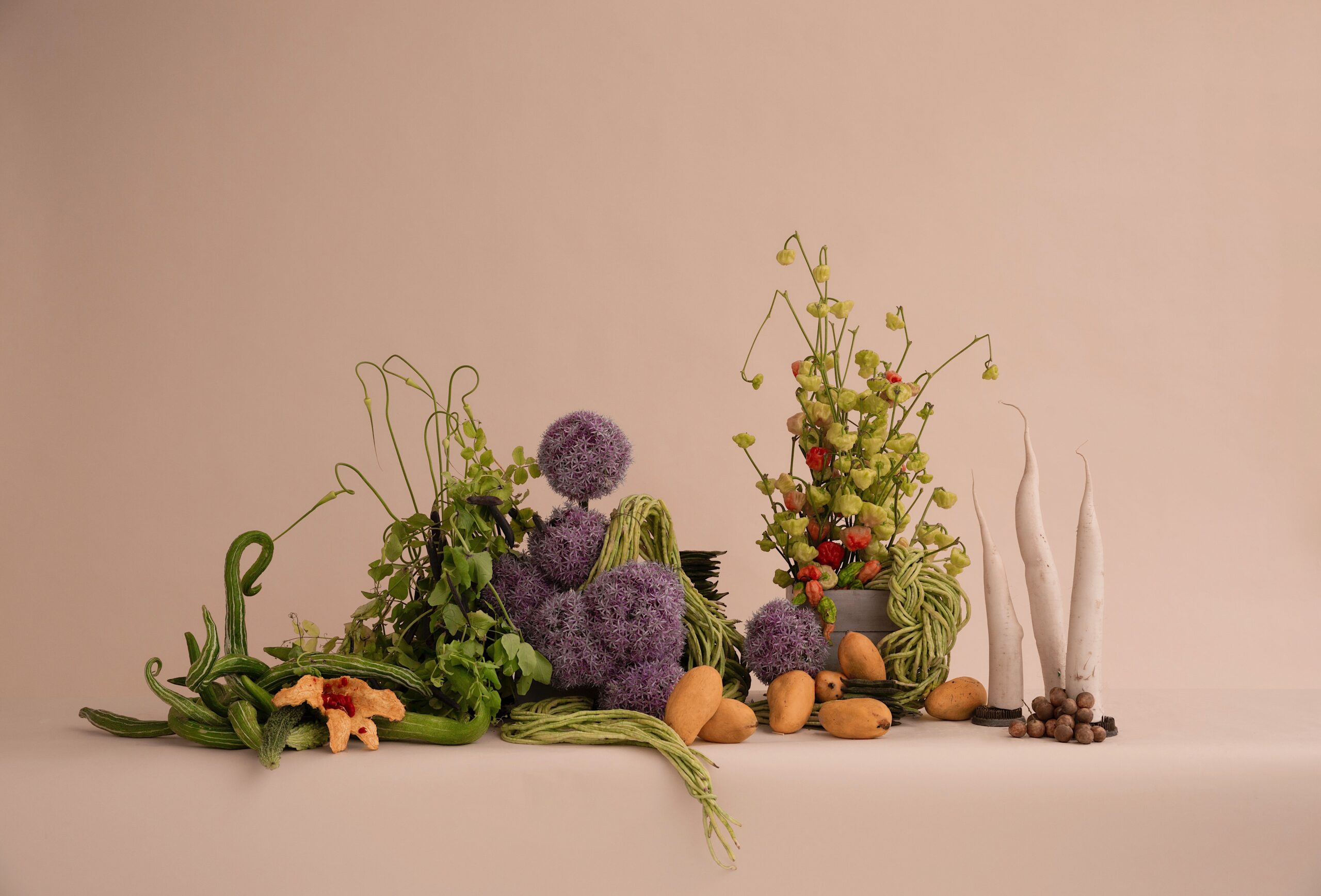
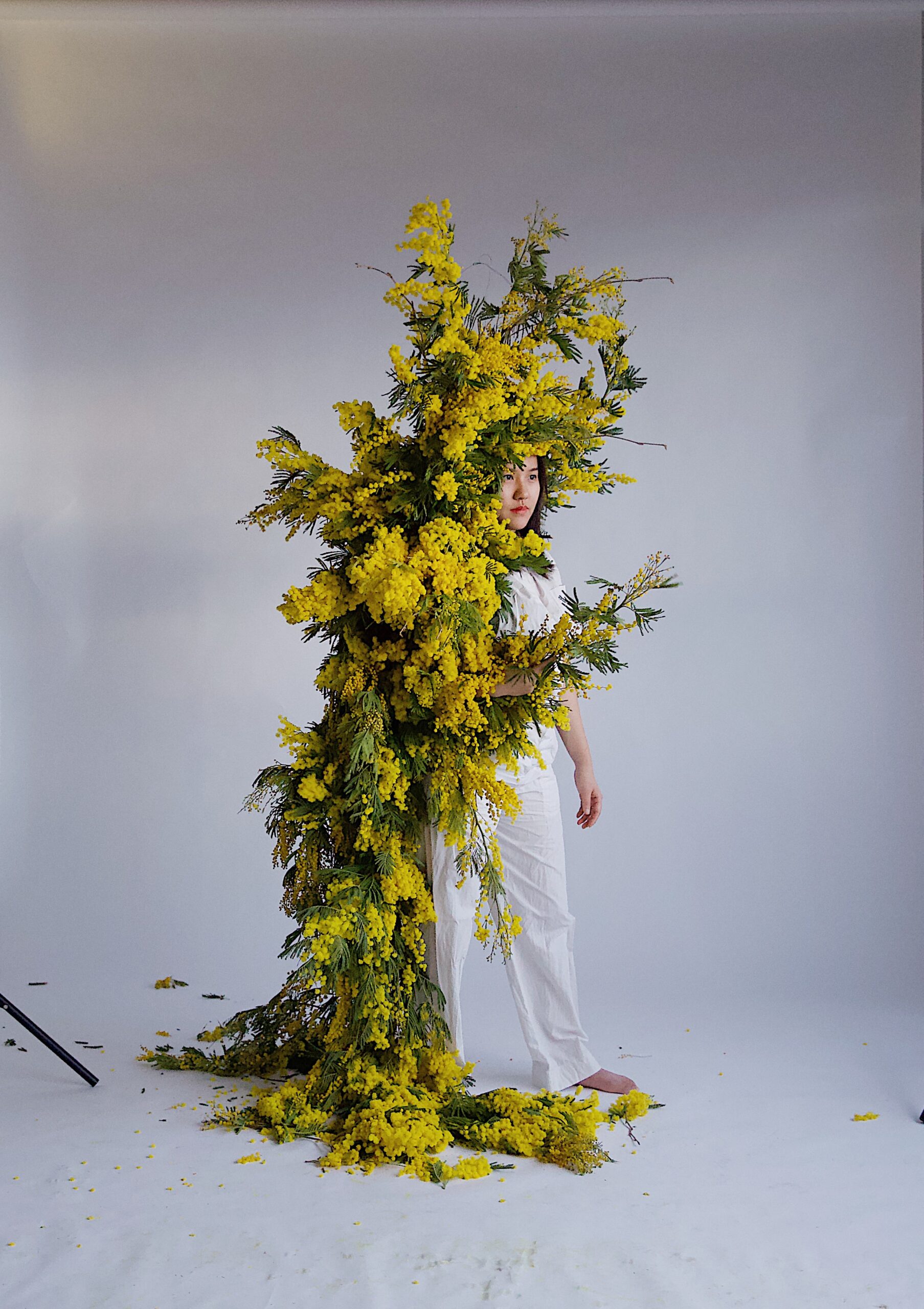
Your work often blurs the line between floristry and art and is described as a form of communication. When designing for a wedding or an event, where do you begin: with the space, the table, or the story?
The story. It is always about the story for me. The story of the couple, the location, the project, the traditions of the area, and the people involved. Stories generate images, images create meaning, and meaning becomes memory. For me, everything else follows from there.
In particular, my practice, both artistic and educational, focuses on the sociocultural importance of flowers and natural elements in our daily lives. I am particularly interested in their ability to influence experiences and memories through our connection to nature and to something deeply human and instinctive.
You grew up surrounded by craft, food and the ritual of the table. How does that early influence continue to show up in your work today?
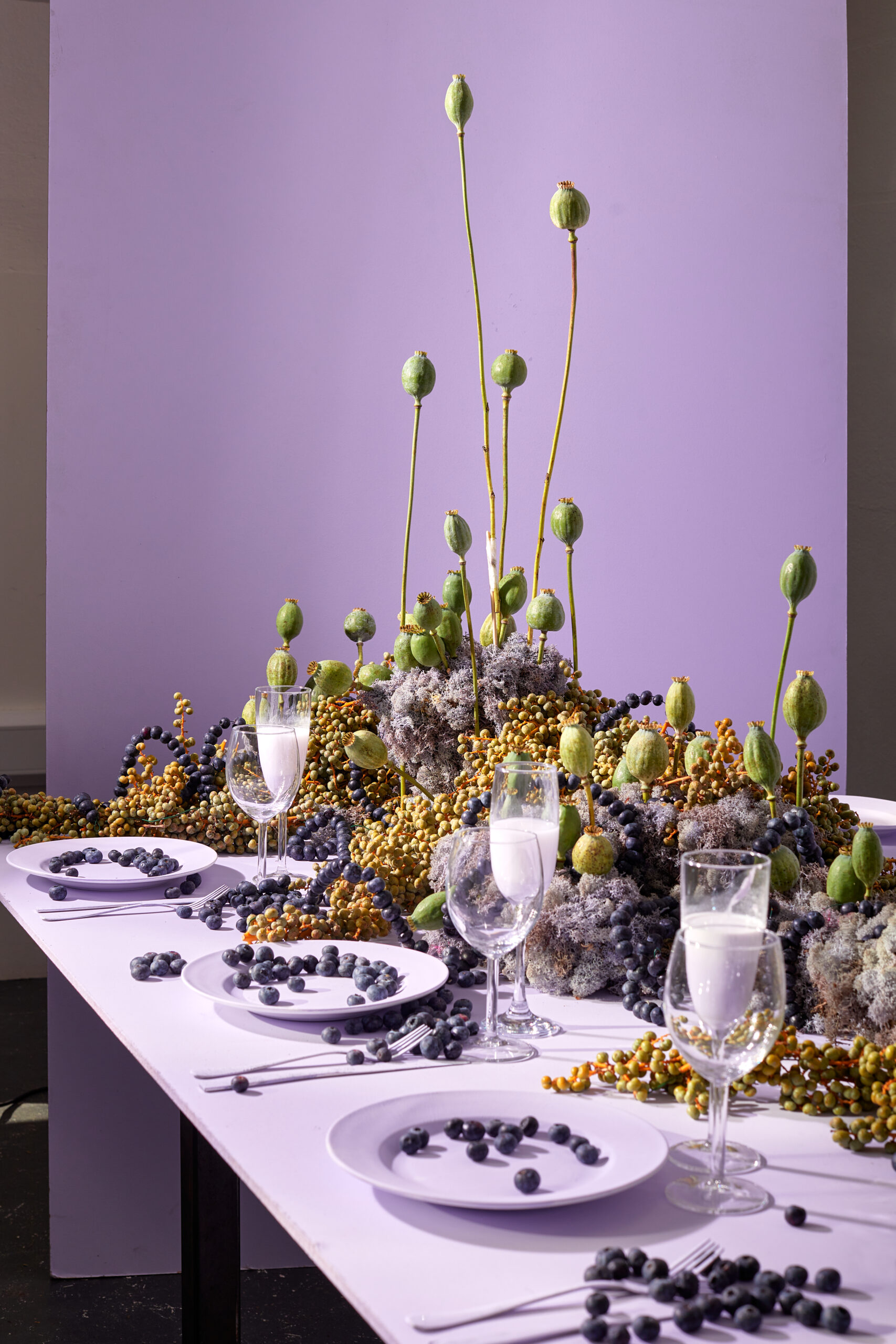
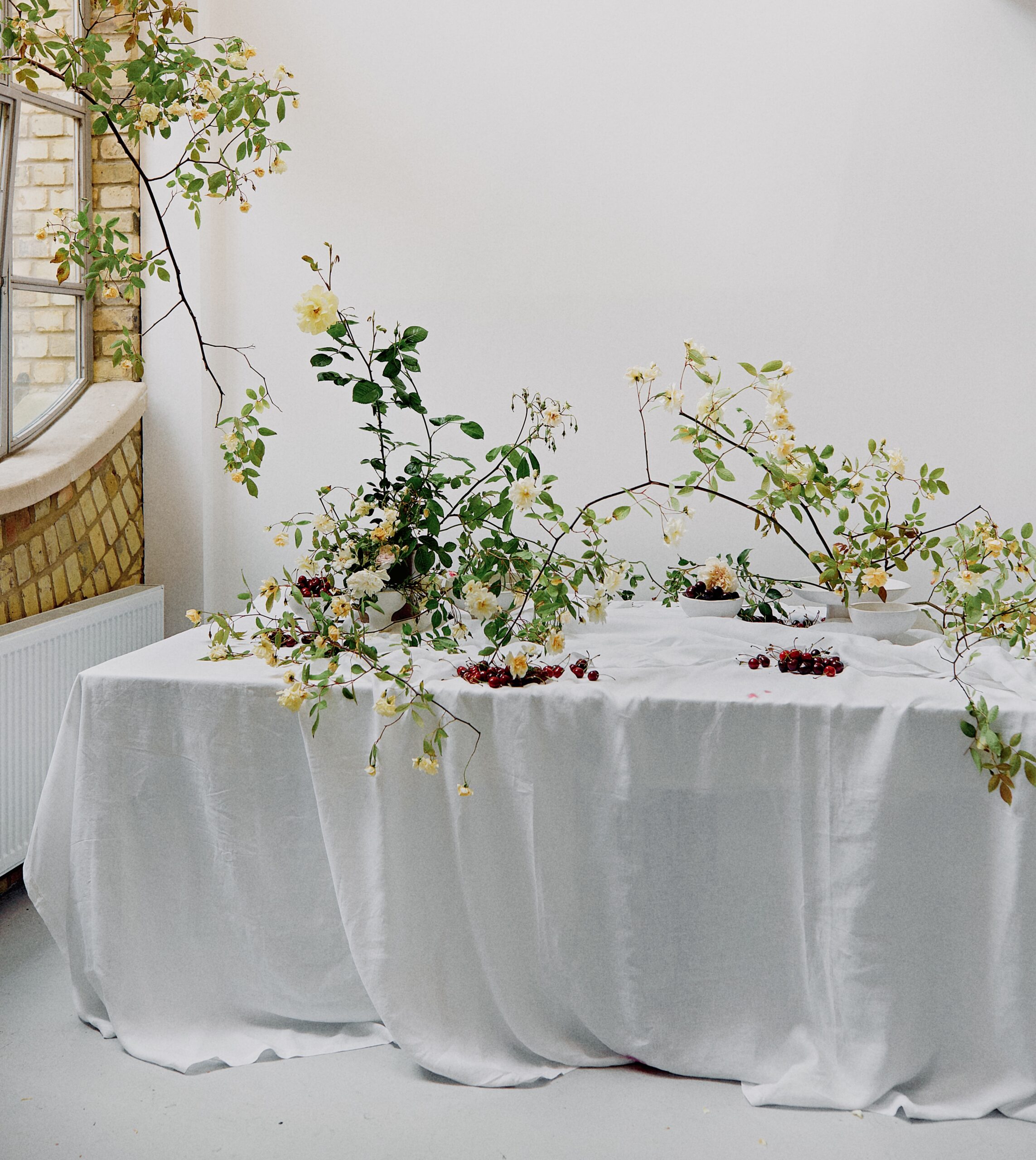
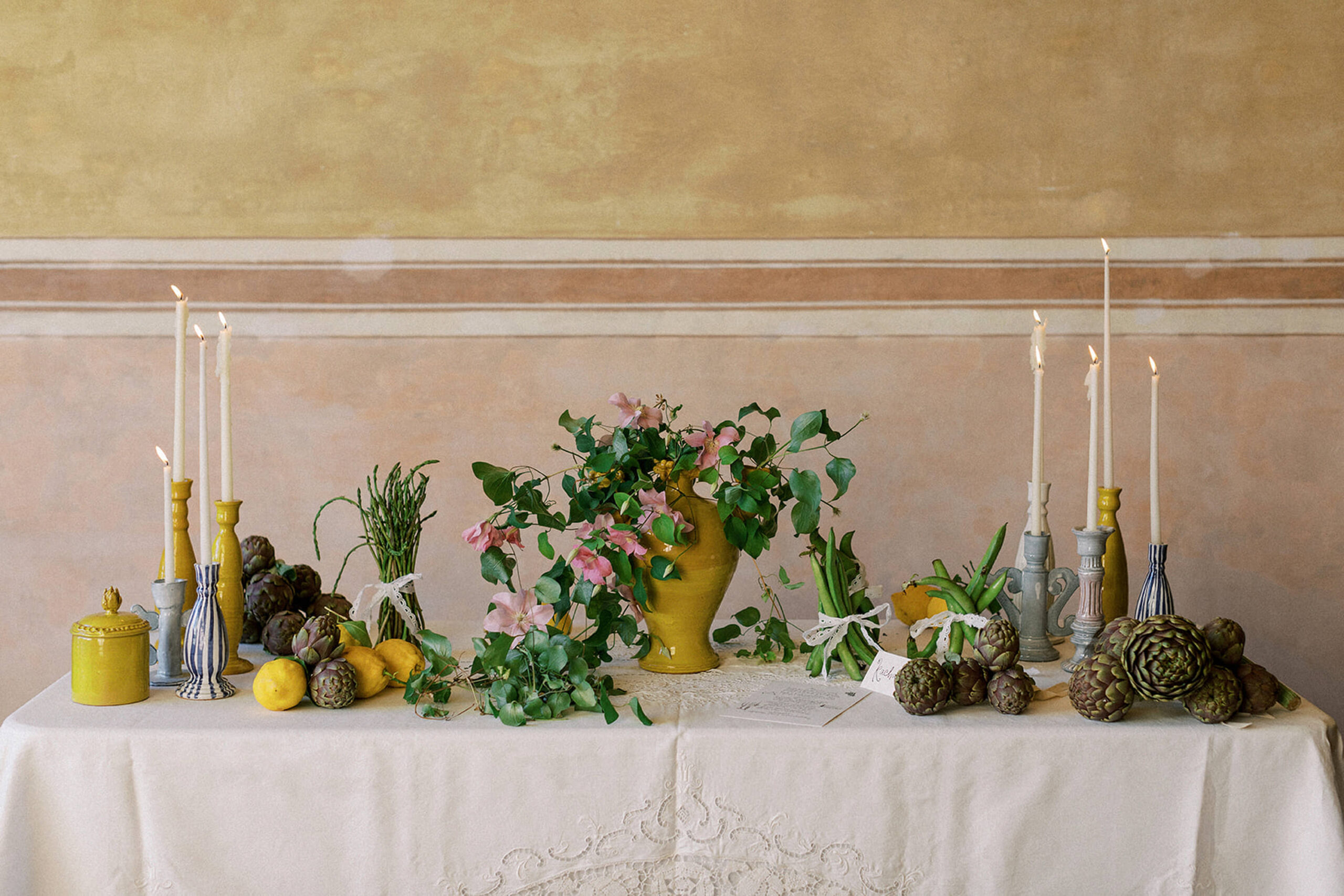
The ritual of gathering around a table remains incredibly important to me. Sharing food is one of the oldest forms of human connection, and I have always been fascinated by how a table can become a place of conversation, celebration, and memory.
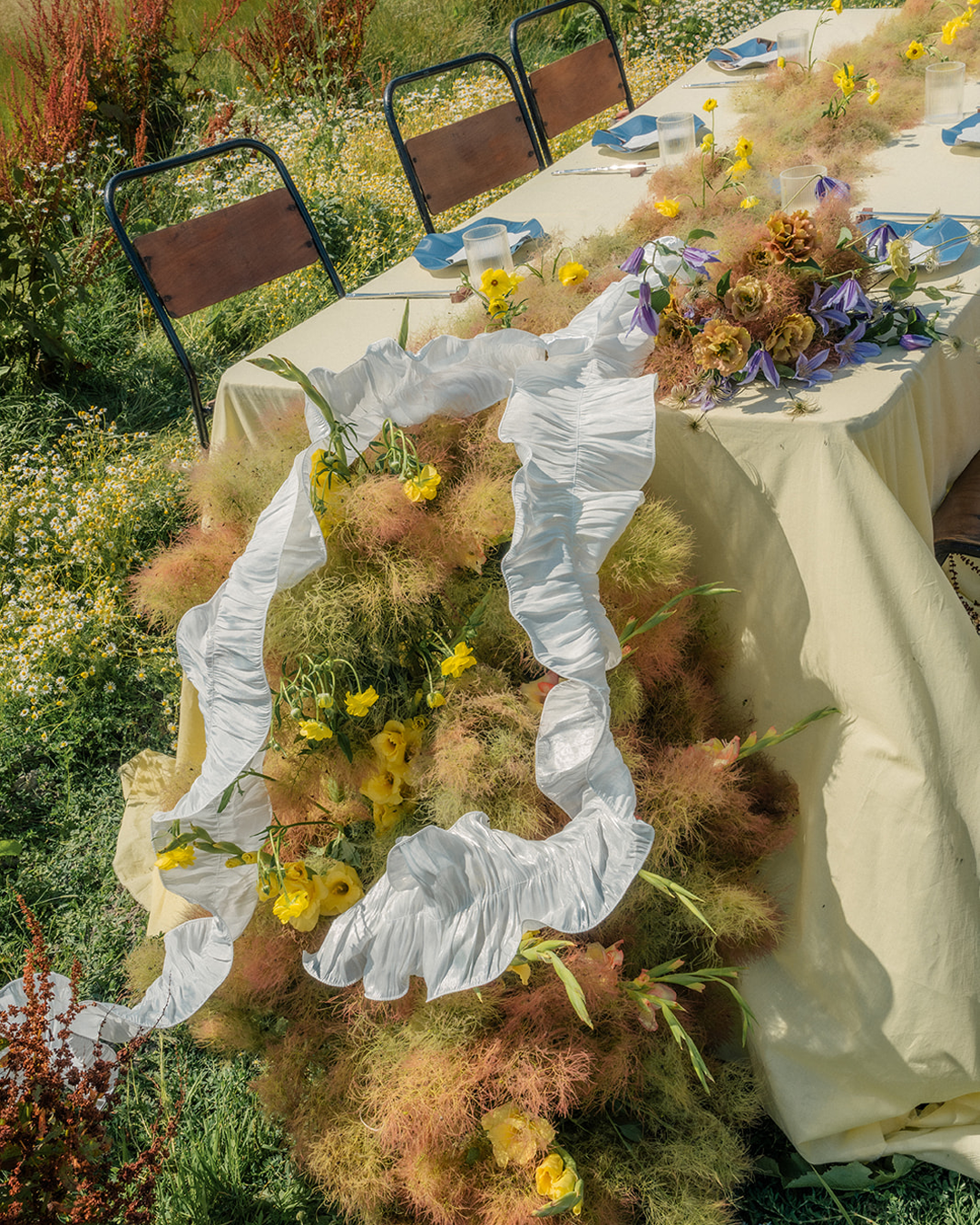
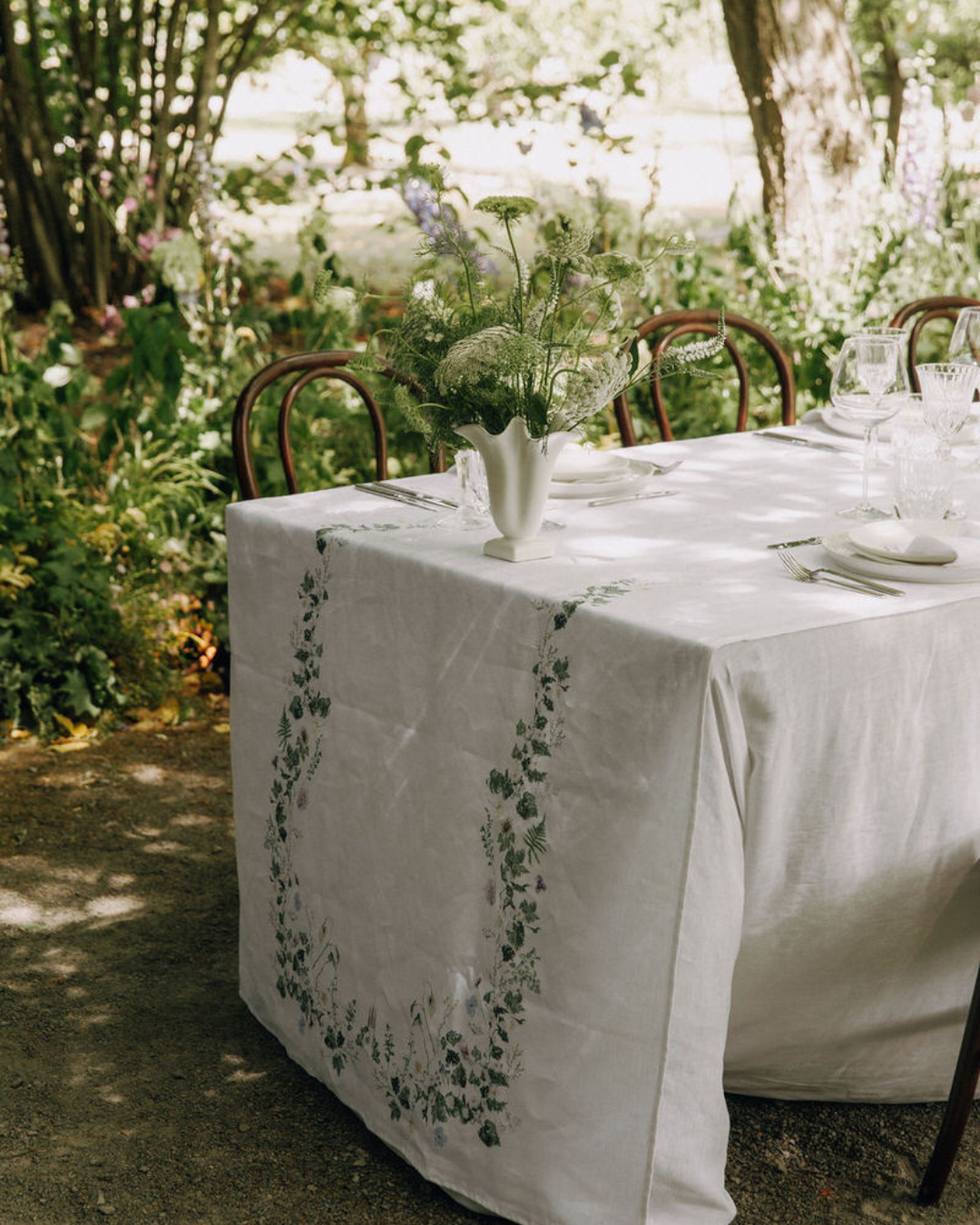
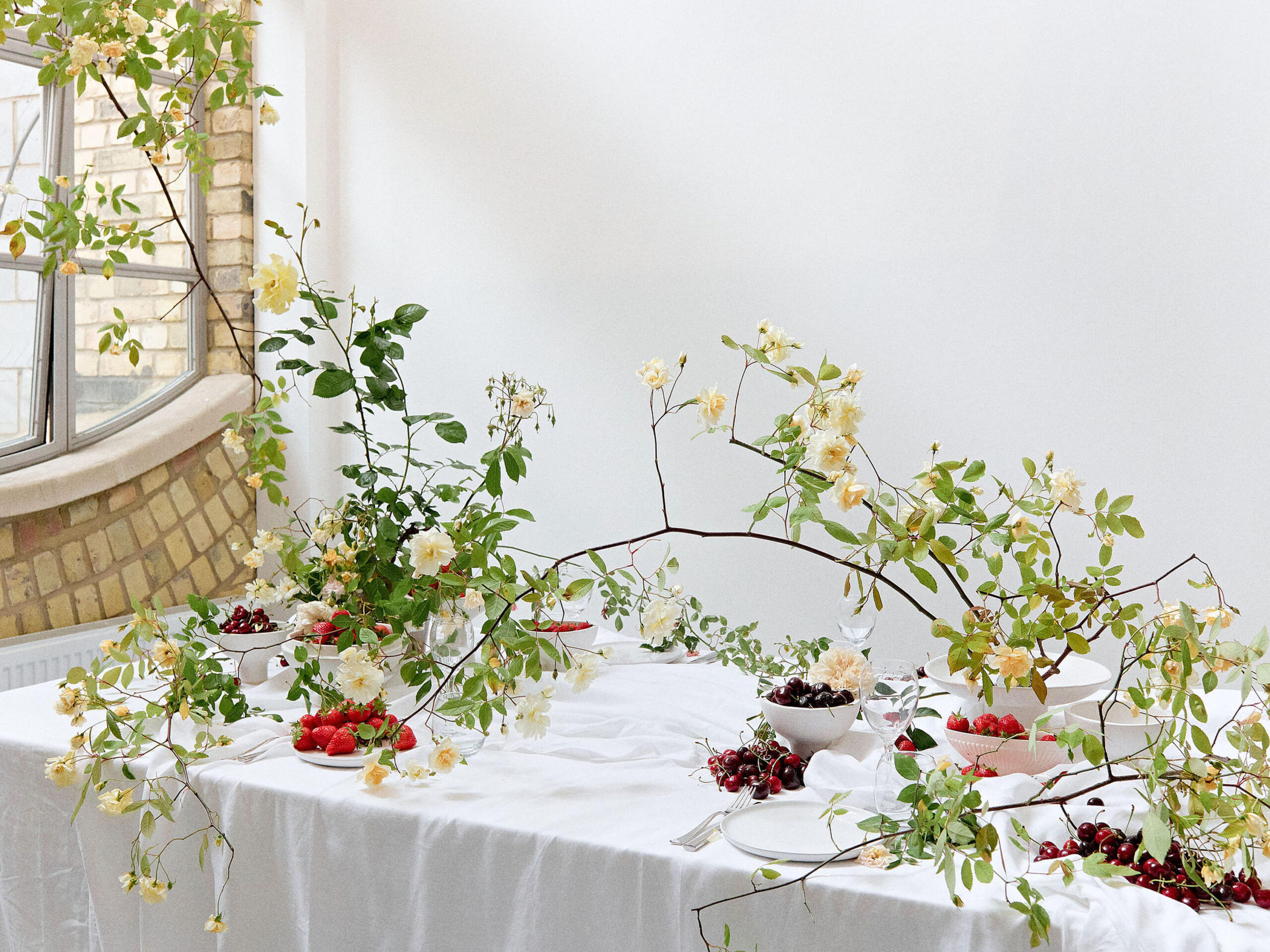
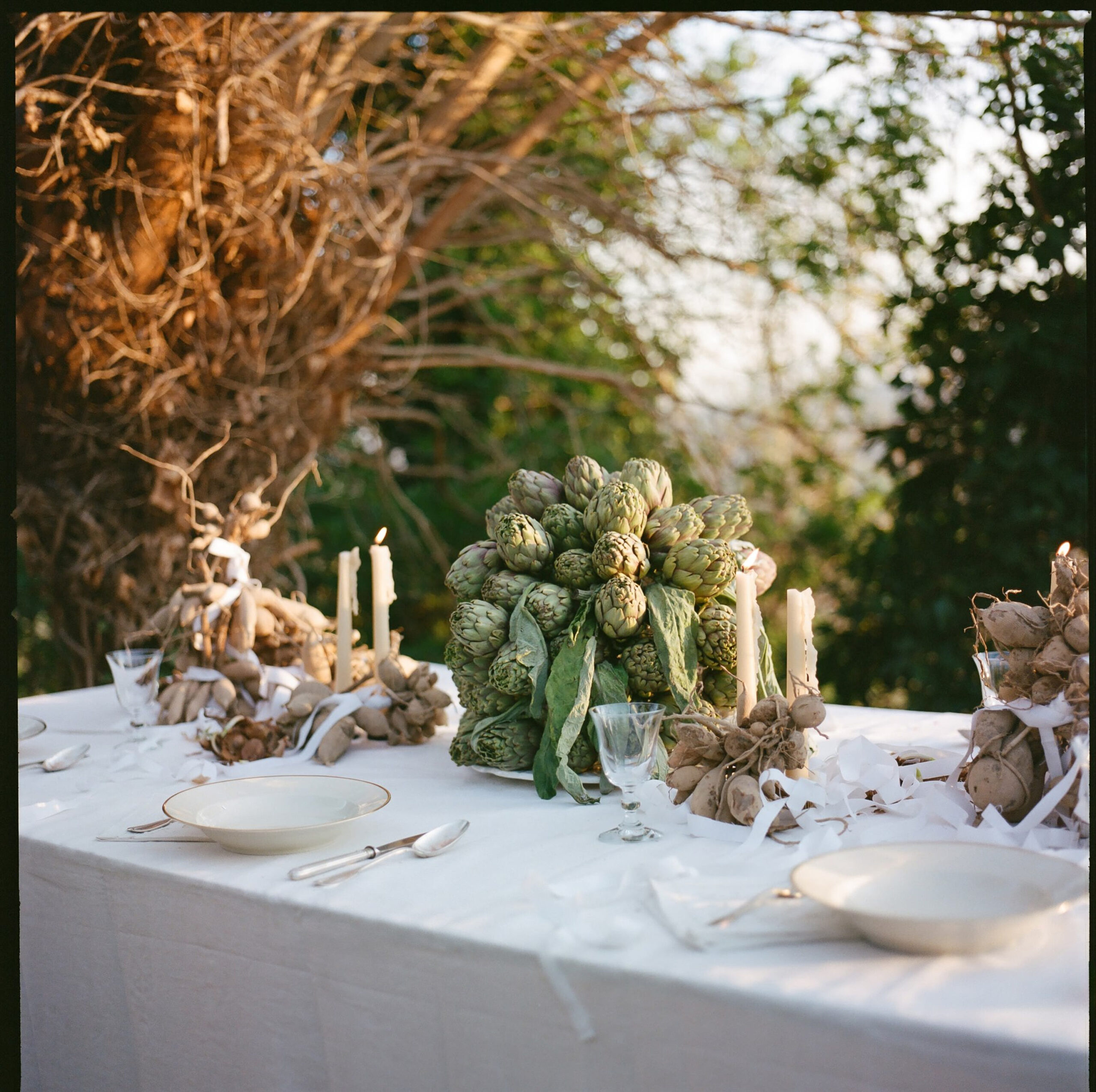
This influence naturally appears in my work through tablescapes and floral arrangements designed to enhance those moments of togetherness. I see the table as a stage where relationships unfold.
A lot of that early influence shows up in my work today, as my constant source of inspiration is the study of traditions, history, craftsmanship, art, and design. I use botanical materials as a way to explore these worlds artistically.
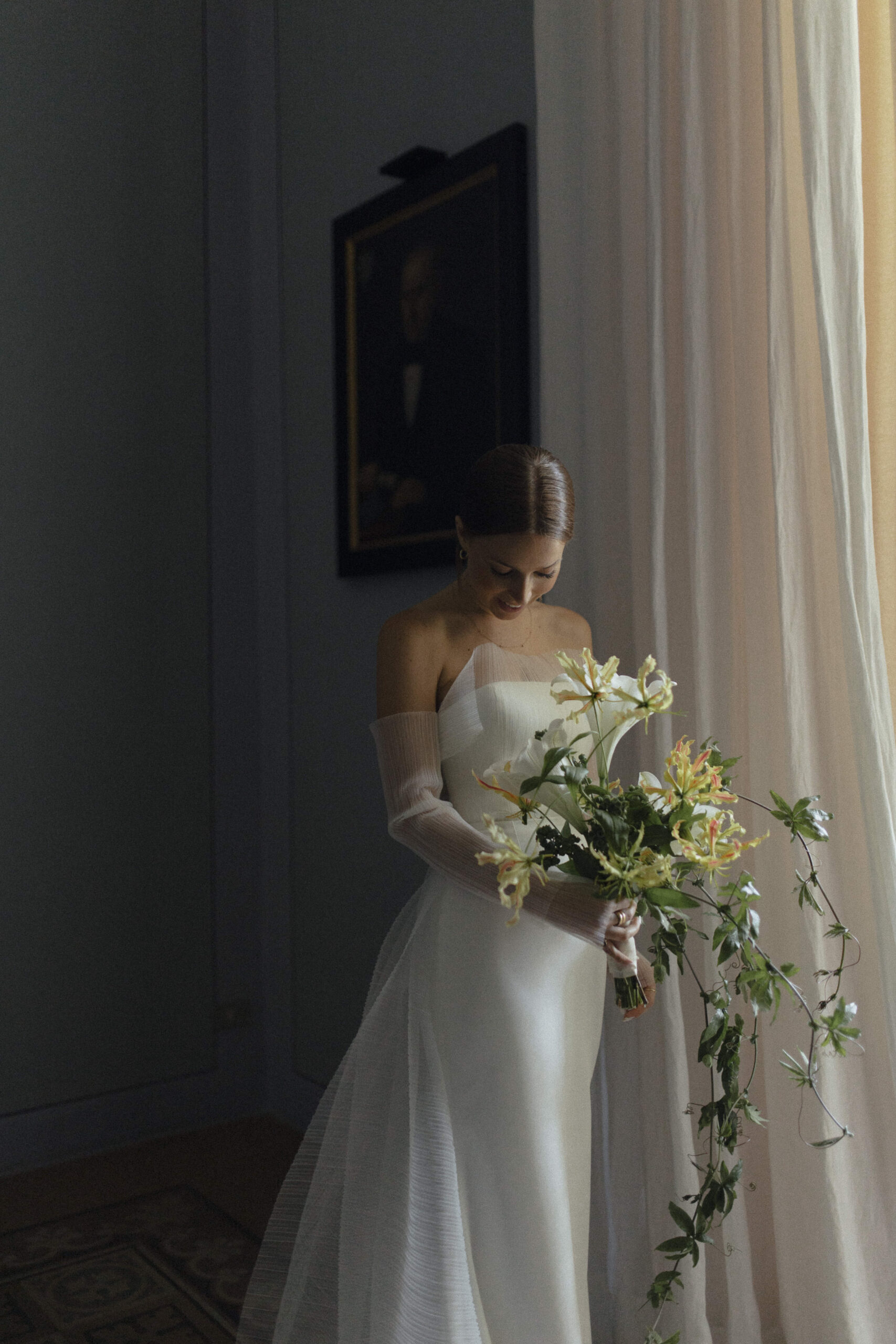
As both a designer and educator at London Flower School, how does teaching shape or challenge your own creative evolution?
Teaching is one of my greatest motivations to keep learning, experimenting, and questioning my own practice; it is one of the strongest drivers of my own learning.
It forces me to ask myself why I make certain decisions: why I choose a particular material, technique, or composition. In order to teach something, you need to understand it deeply enough to articulate it. That process pushes me to be more intentional and consistent in my work and to understand why I do it. I often challenge myself the most when preparing for classes.
I constantly study how forms, colours, and textures communicate meaning. These visual languages have evolved over centuries, carrying emotional and expressive significance that often transcends words. Teaching encourages me to continually question my choices, articulate my intentions, and deepen my research.
More importantly, it pushes me to remain curious. When I discover something meaningful, I feel a responsibility to share it and create opportunities for others to experience that same sense of wonder. Ultimately, I hope to create experiences that allow people to connect with something essential and, through that connection, discover something about themselves.
Many of your compositions feel instinctive, yet highly considered. What does your creative process actually look like from first idea to final installation?
My creativity is rooted in a process of inquiry and exploration. For me, the final work is never simply the outcome; it is the visible trace of a journey that includes conversations, encounters, research, experimentation, and exchanges with people from different disciplines and ways of thinking.
My process begins with research and mapping. I collect references, stories, textures, colours, cultural elements, and observations connected to the project, understanding the story, the location, the cultural references, and the emotional atmosphere we want to create.
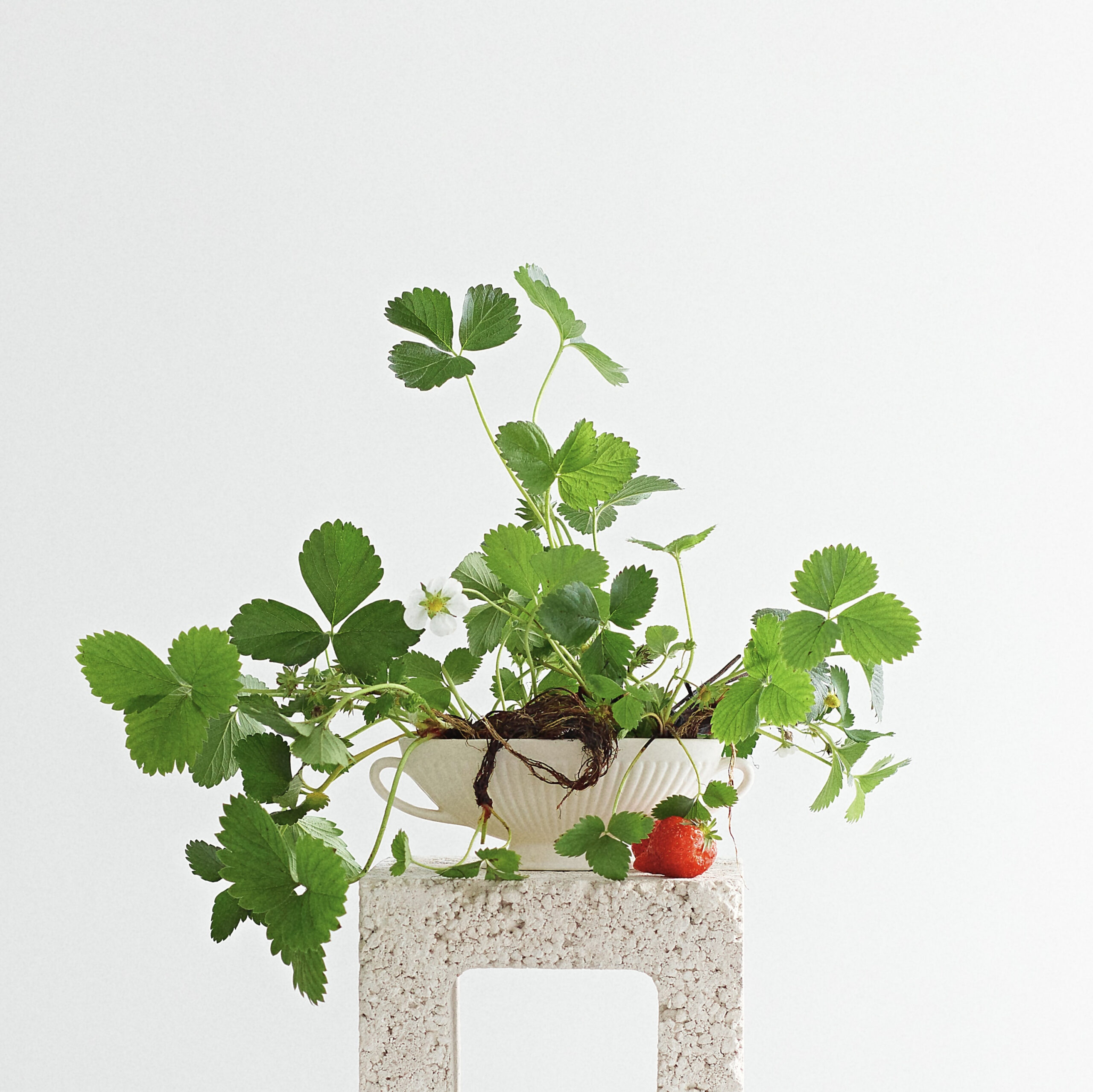
From there, I develop concepts, materials, and structures, while leaving room for intuition and spontaneity and a a visual and emotional framework that guides every decision, while leaving room for intuition and spontaneity. Flowers are living materials, and part of the beauty of working with them lies in responding to their nature.
Once the concept feels clear, I move into material selection and experimentation. The final installation is often where instinct takes over, but it is supported by a great deal of preparation, reflection, and planning.


Weddings can sometimes lean towards tradition. How do you gently challenge expectations while still honouring the emotional weight of the day?
I actually love tradition. I grew up in a traditional family and have lived abroad, and travelling has also exposed me to different perspectives and ways of living.
For me, understanding tradition gives depth and meaning to a project. Traditions connect us to previous generations and remind us that we are all part of a larger human story. I see them as a source of inspiration rather than a limitation.
My approach is to start from those roots and evolve them into something contemporary. I think my work naturally balances innovation with respect, creating designs that feel fresh while still honouring the cultural and emotional significance of the wedding day.
If you were hosting a dinner party that reflected your floral style, who would be invited and what would it look and feel like?
This is probably the most difficult question because my floral style evolves alongside my own personal growth.
It would depend entirely on the occasion. If it were my own wedding, as it actually was, I would choose an abundance of garden roses, which are my favourite flowers, combined with unexpected and playful elements. At the same time, depending on the location, it could also be something incredibly minimal yet highly atmospheric.
The guest list would include my family and closest friends, many of whom are scattered around the world. The atmosphere would be warm, joyful, and full of life. Most importantly, there would be great music, my second greatest love, and dancing until the morning
For more information, visit federicacarlini.com and @freiderica.
Federica Carlini