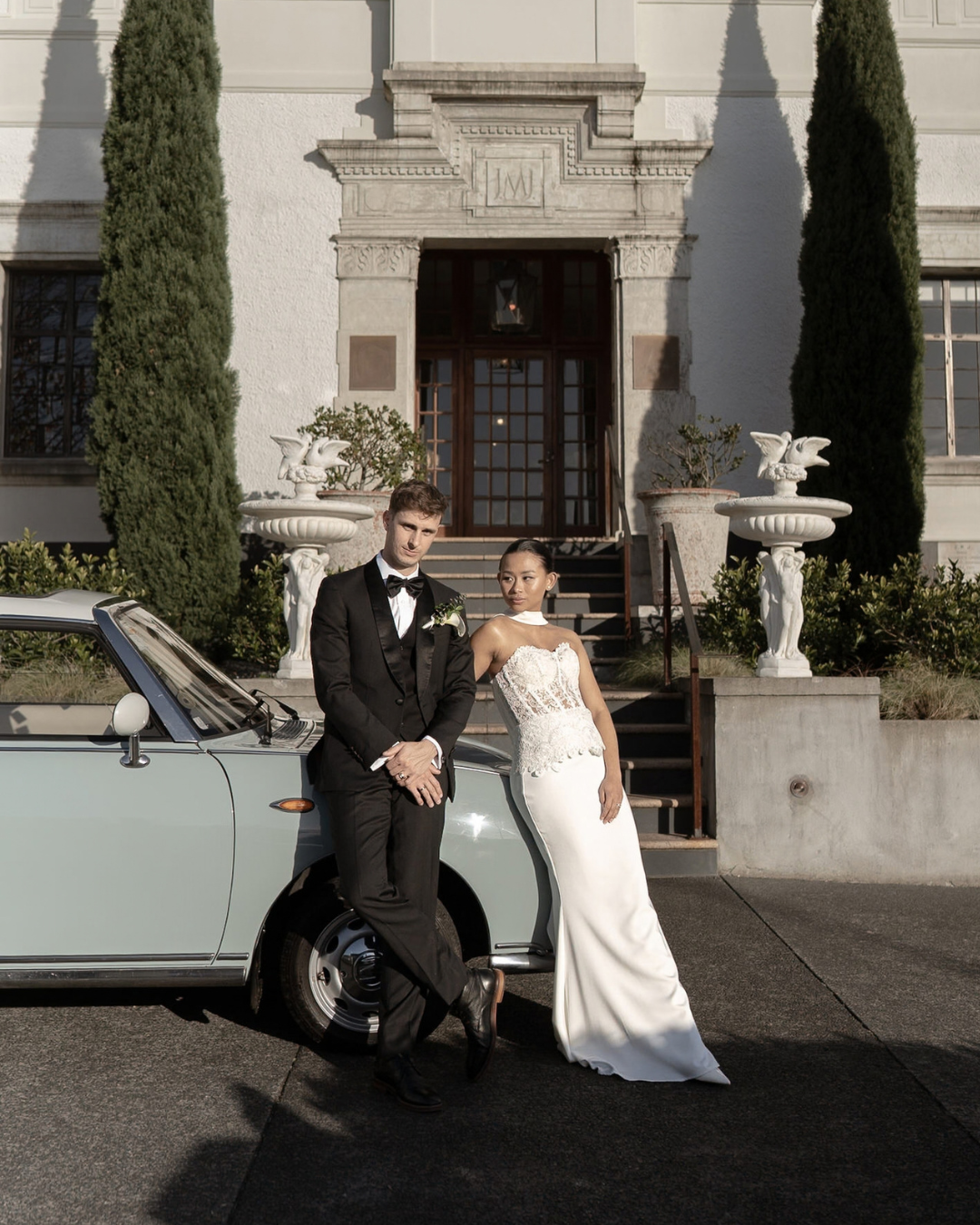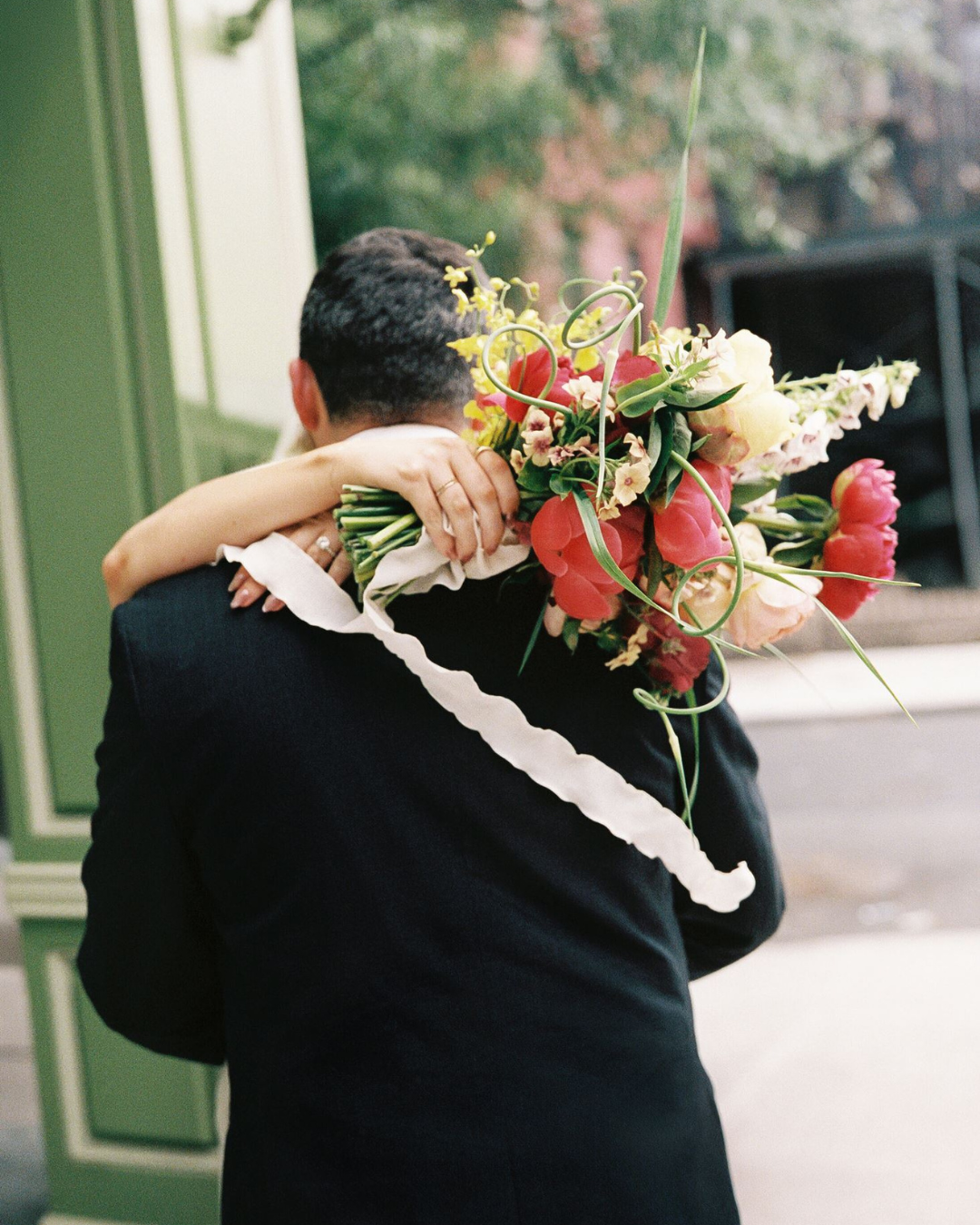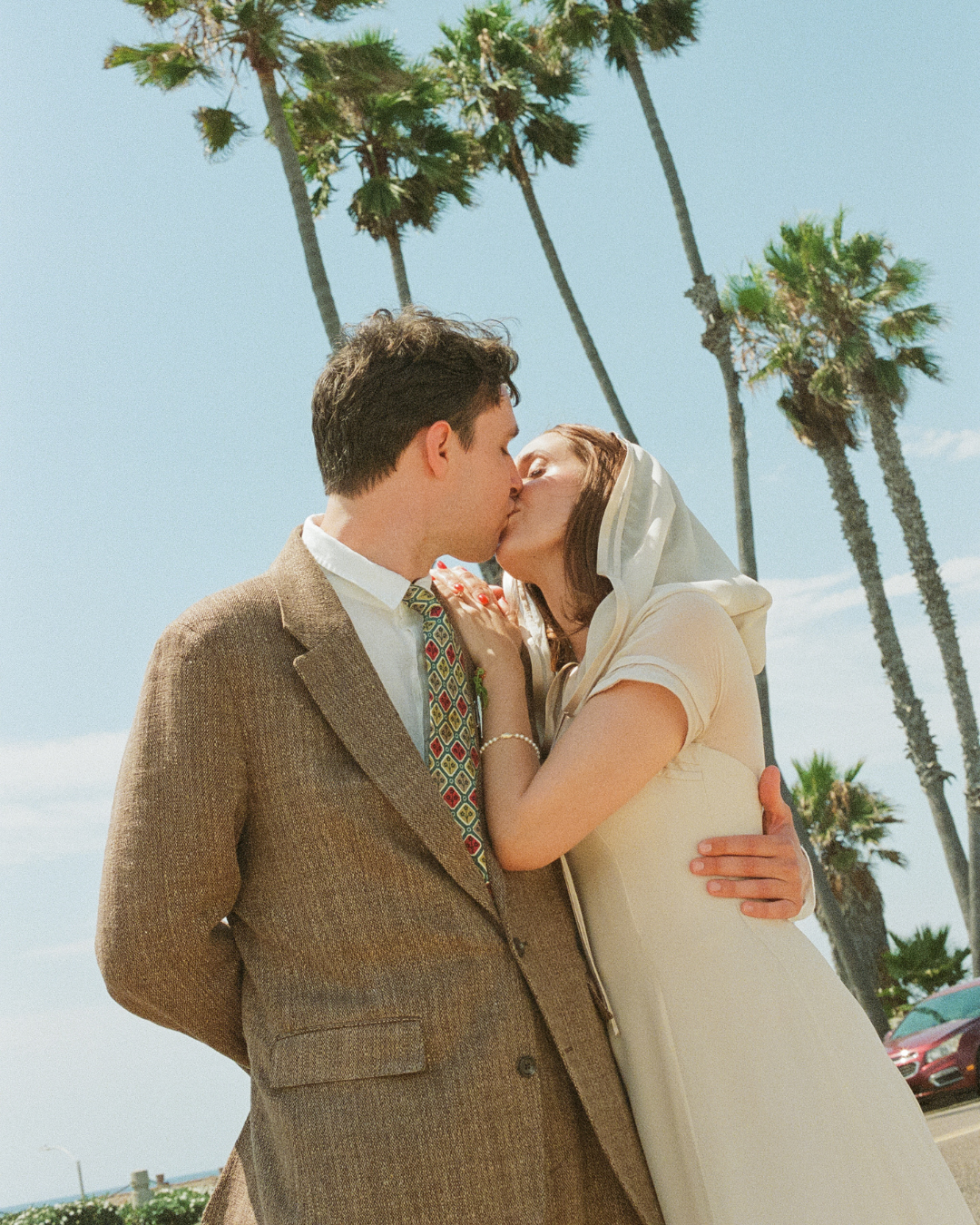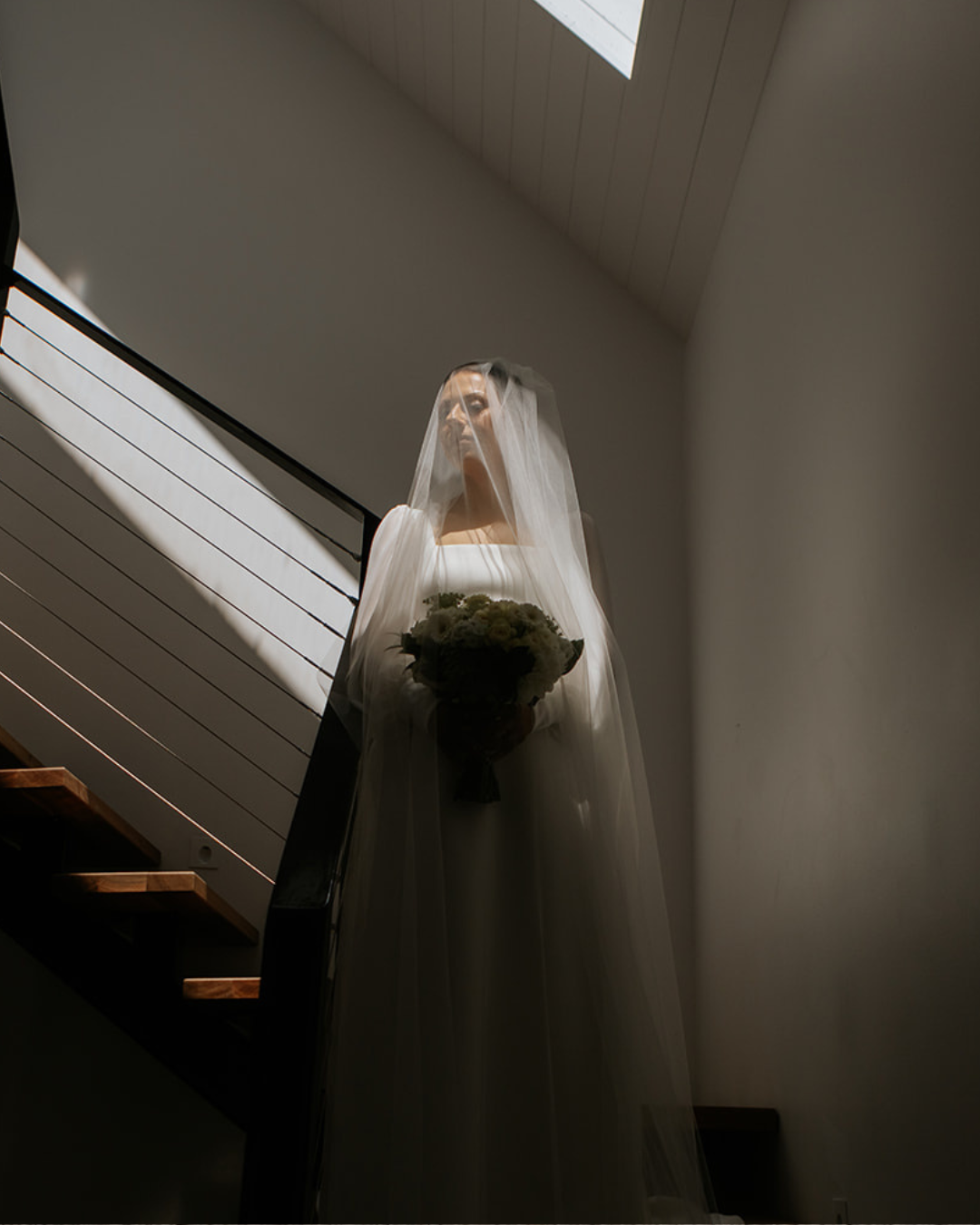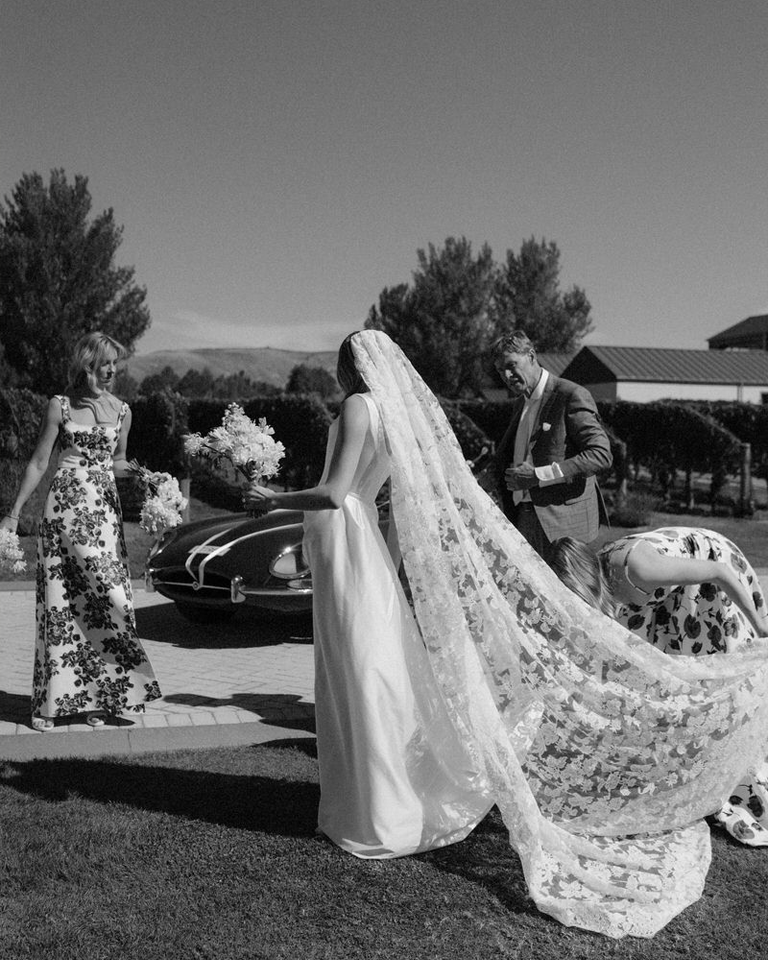
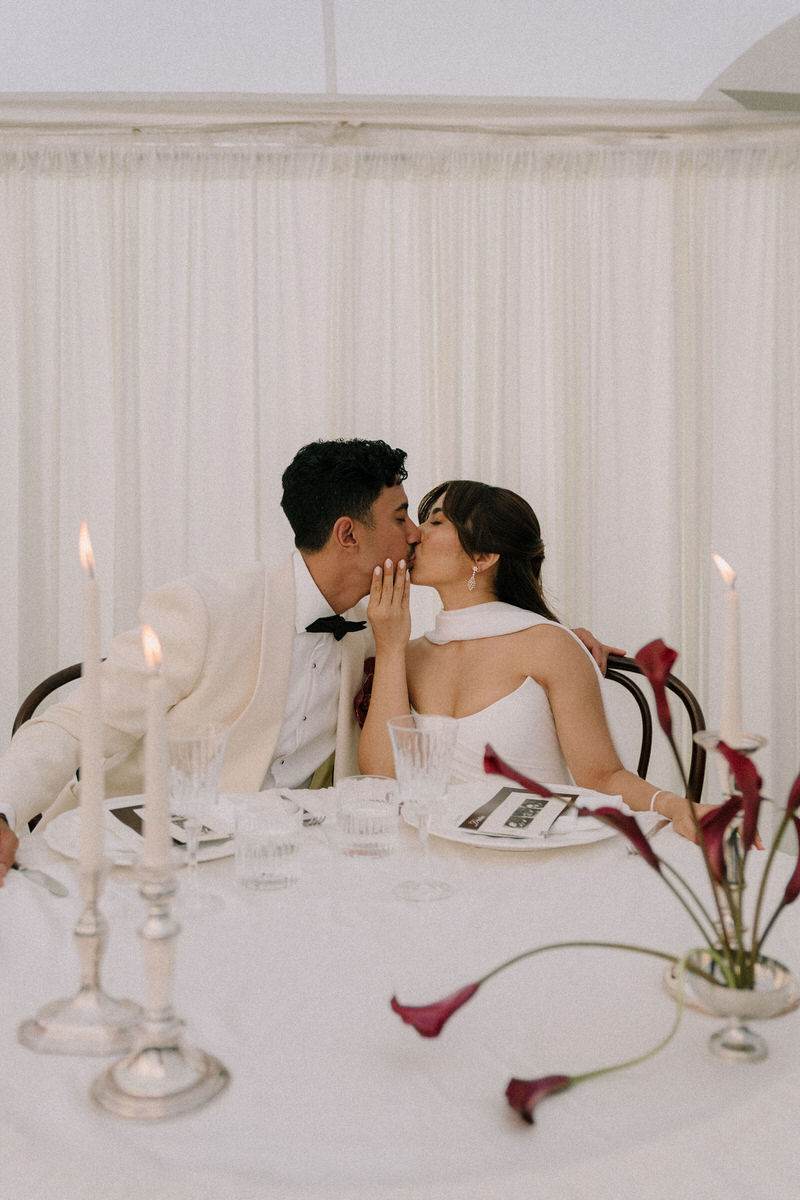
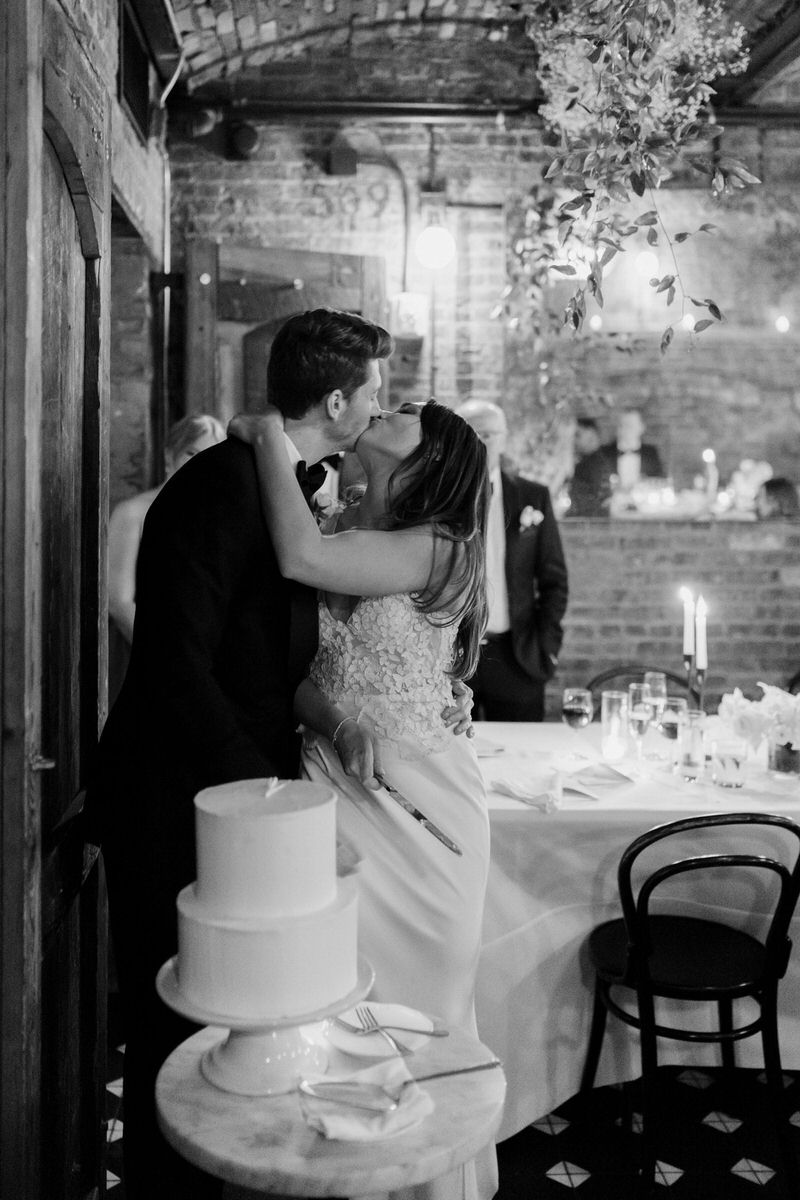
The quiet moments are often the most unforgettable.
Long before Together Journal had found its place in the world, Danelle was part of a remarkable group of photographers who believed in what we were building. Generous with both her time and extraordinary talent, she helped shape the visual language and editorial direction of our earliest issues. Since then, her work has appeared throughout our pages year after year, graced multiple covers, and become synonymous with the thoughtful, design-led storytelling our readers have come to know and love. She is one of our longest-standing contributors, a treasured collaborator, and a dear friend. It is impossible to imagine the Together Journal story without her, and for that we are endlessly grateful.
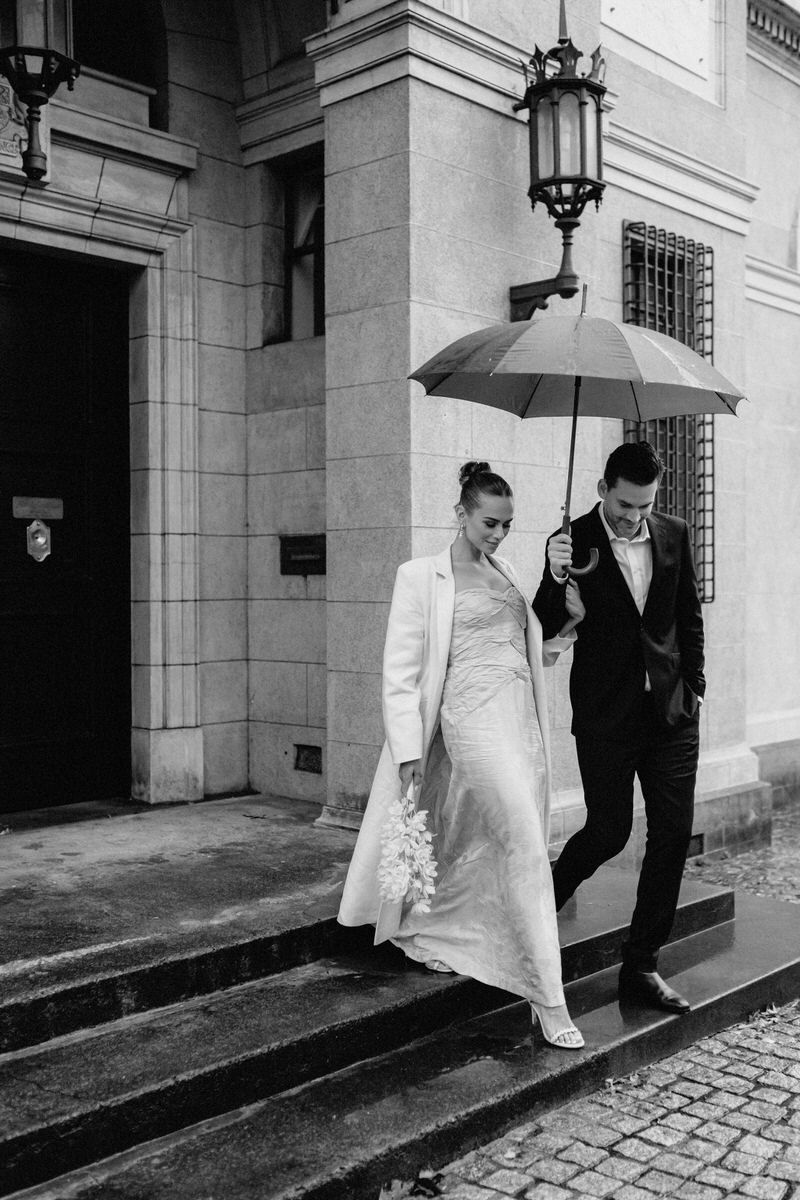
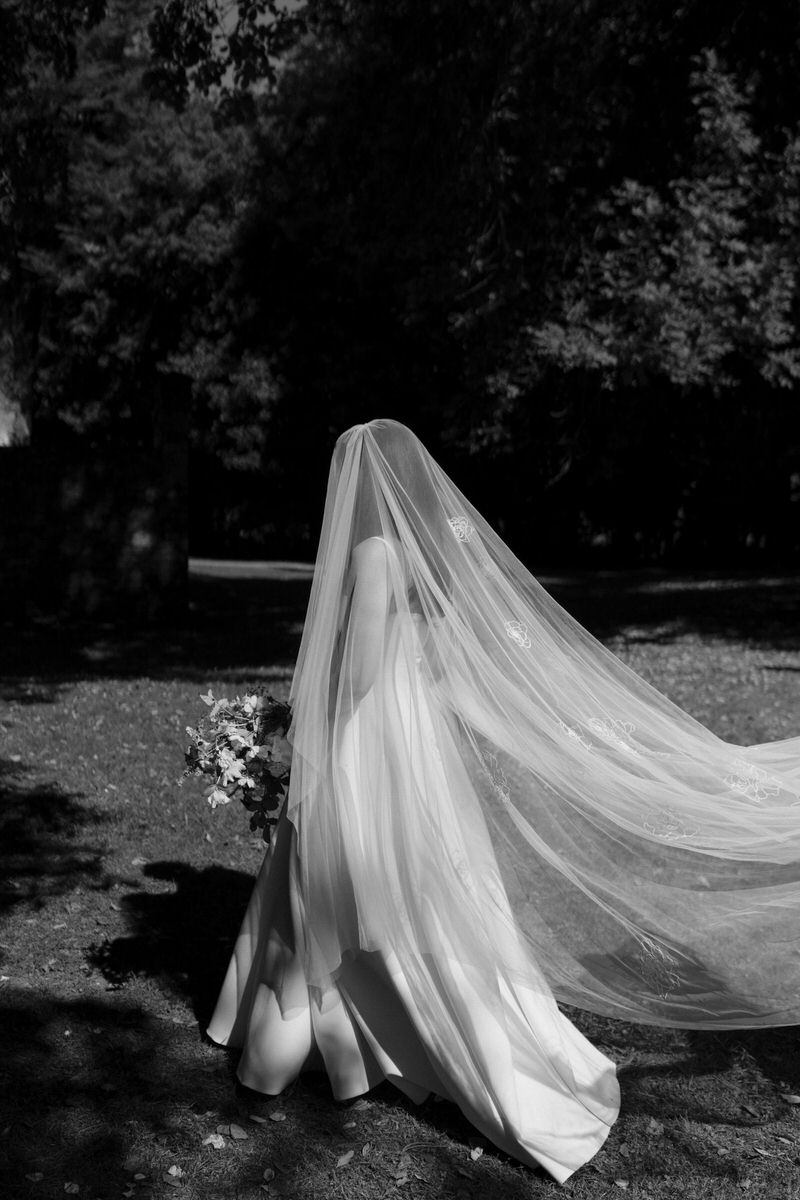
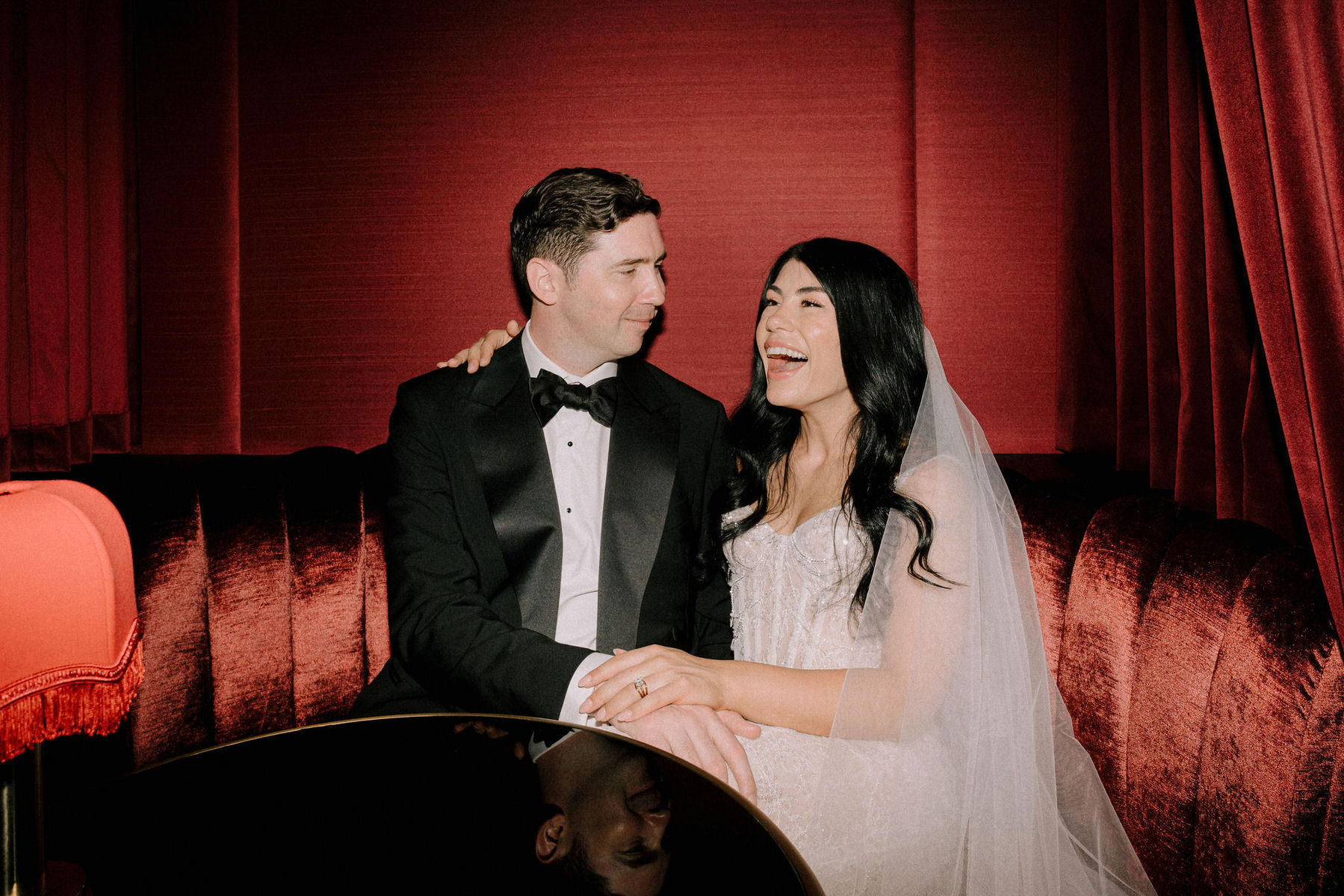
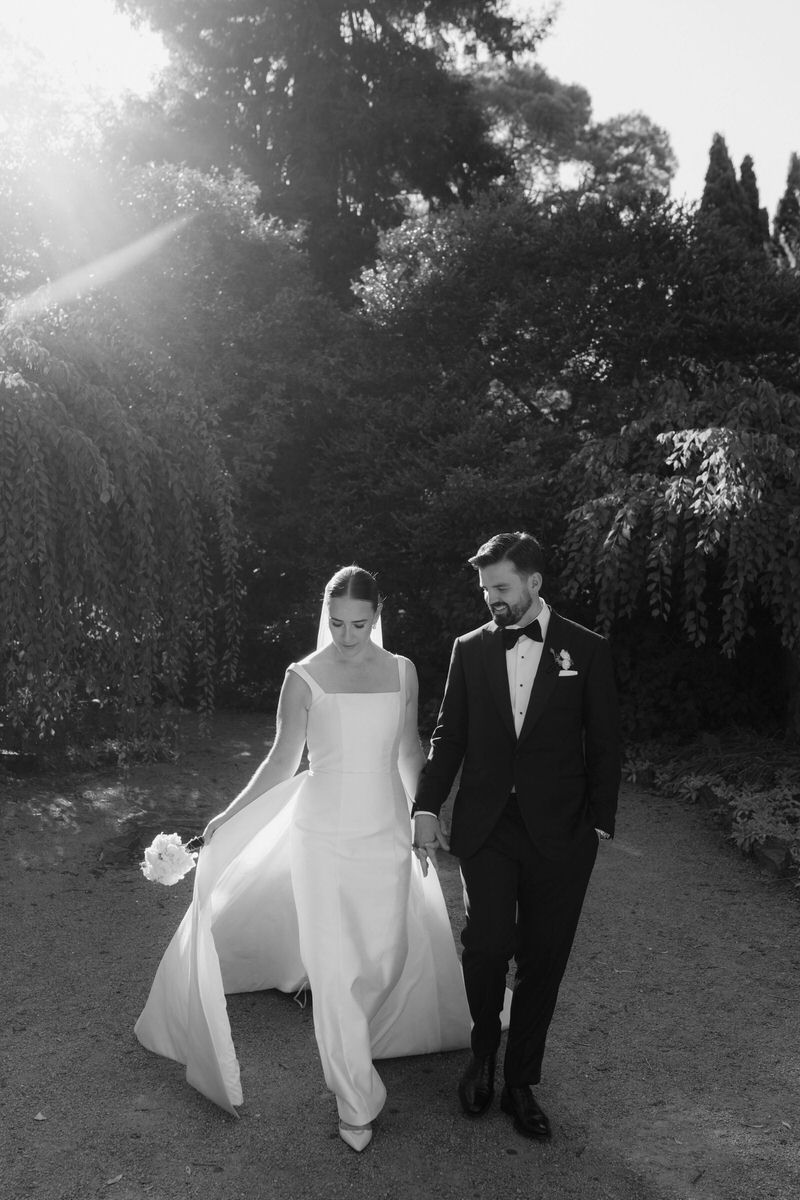
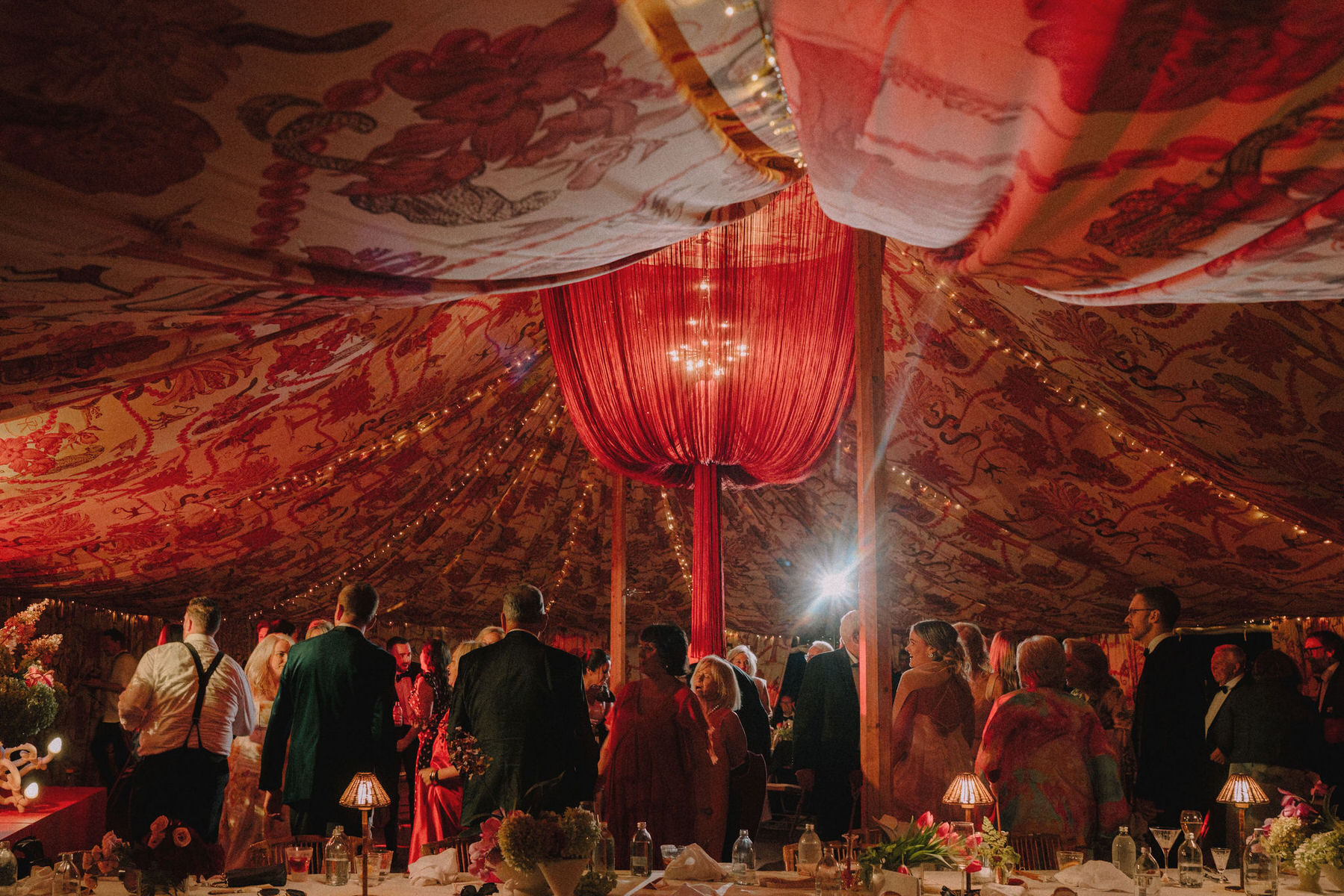
Now based in Melbourne, Danelle continues to create imagery that feels unmistakably her own after more than fifteen years behind the camera capturing weddings. Her photographs possess a rare balance of structure and softness, where considered composition meets genuine human connection. There is an effortless elegance to her work that never feels contrived. Instead, it is rooted in presence, restraint and an innate understanding of people.
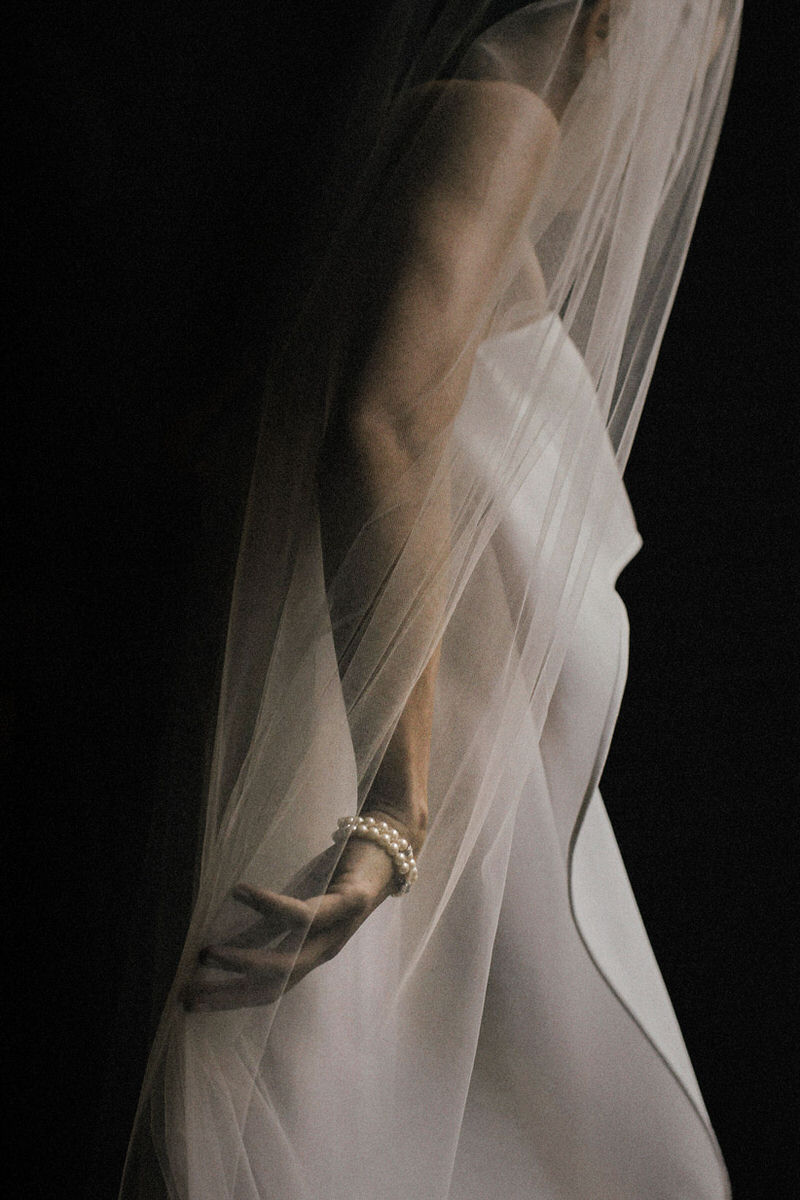
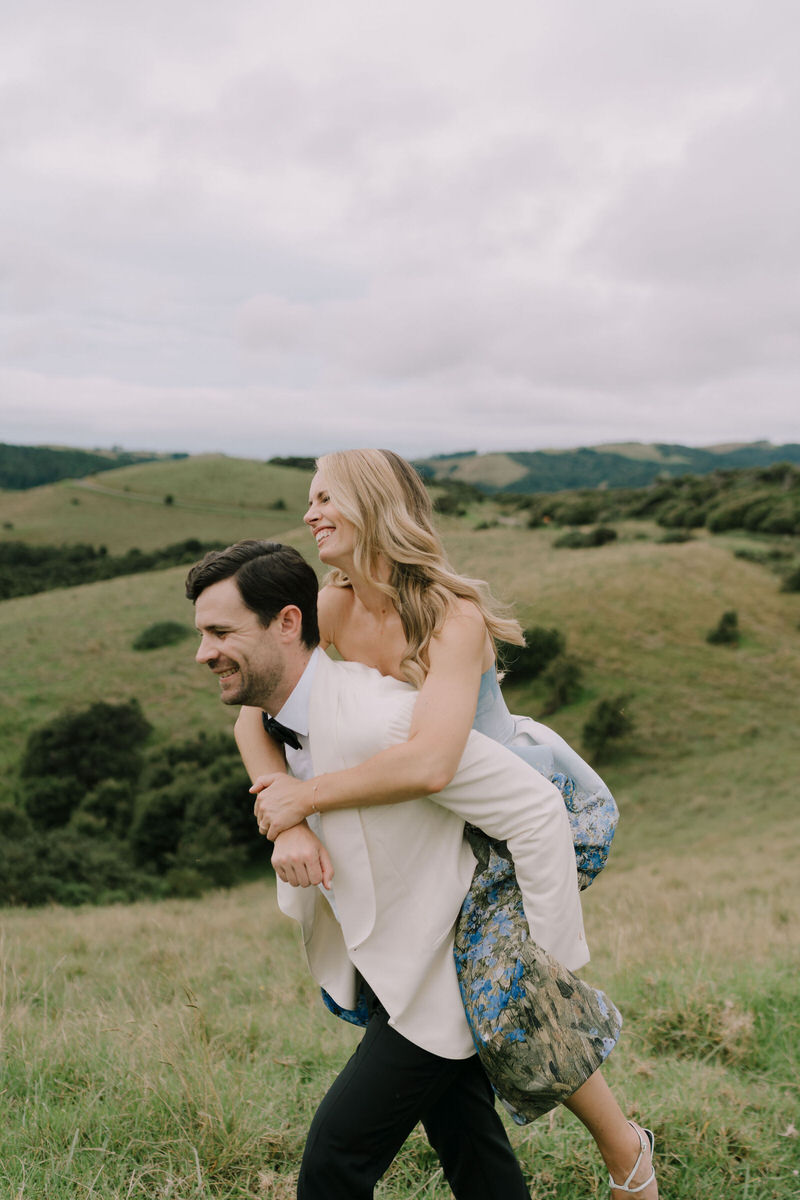
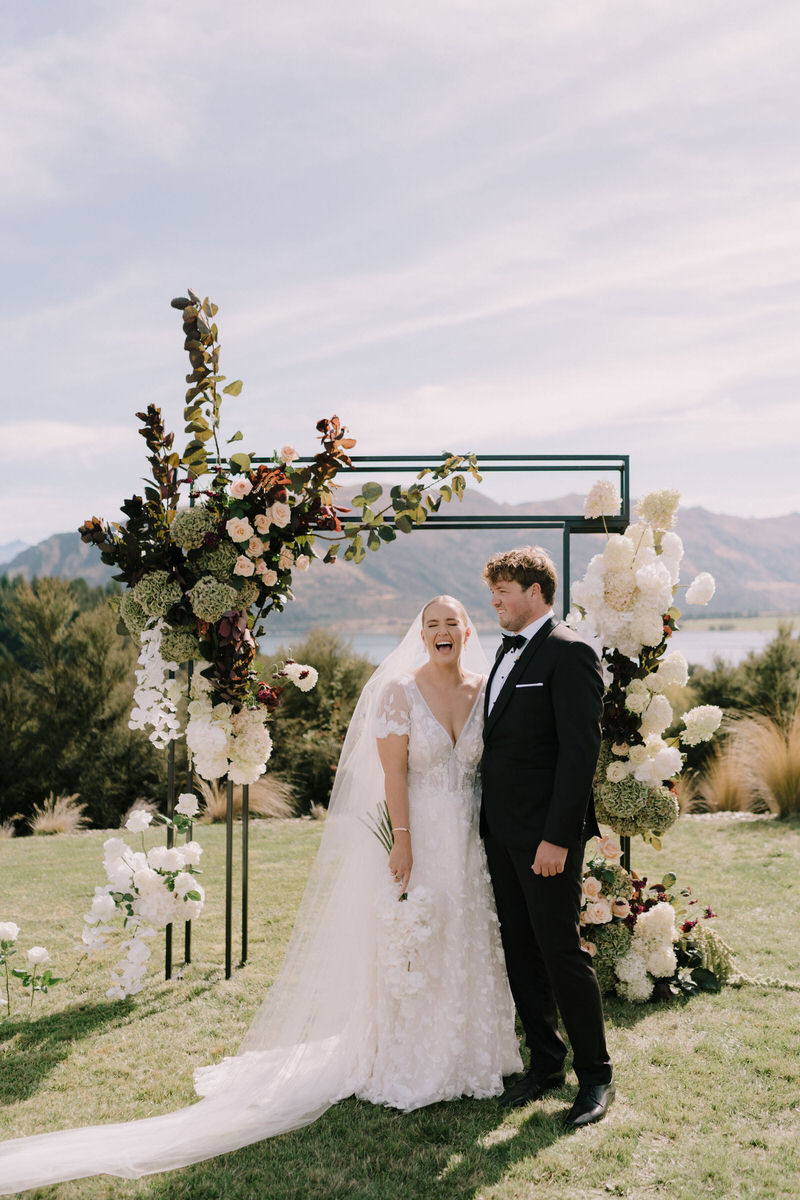
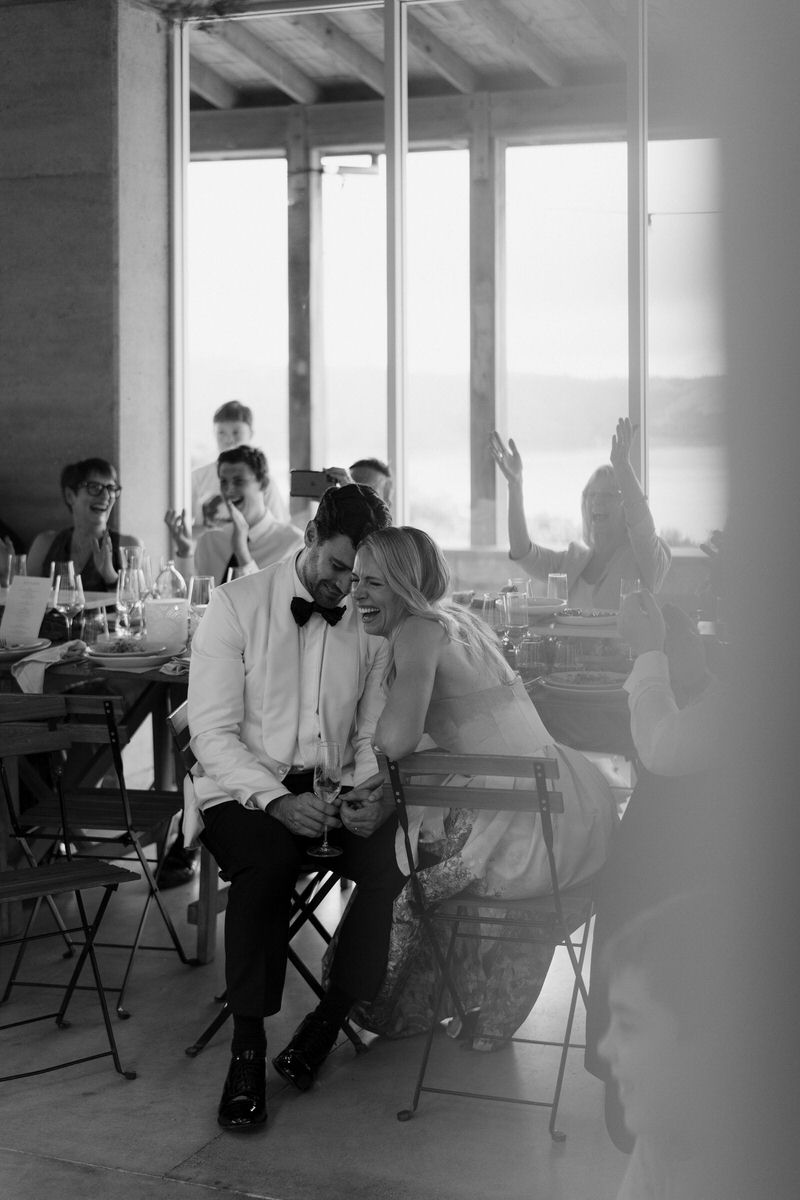
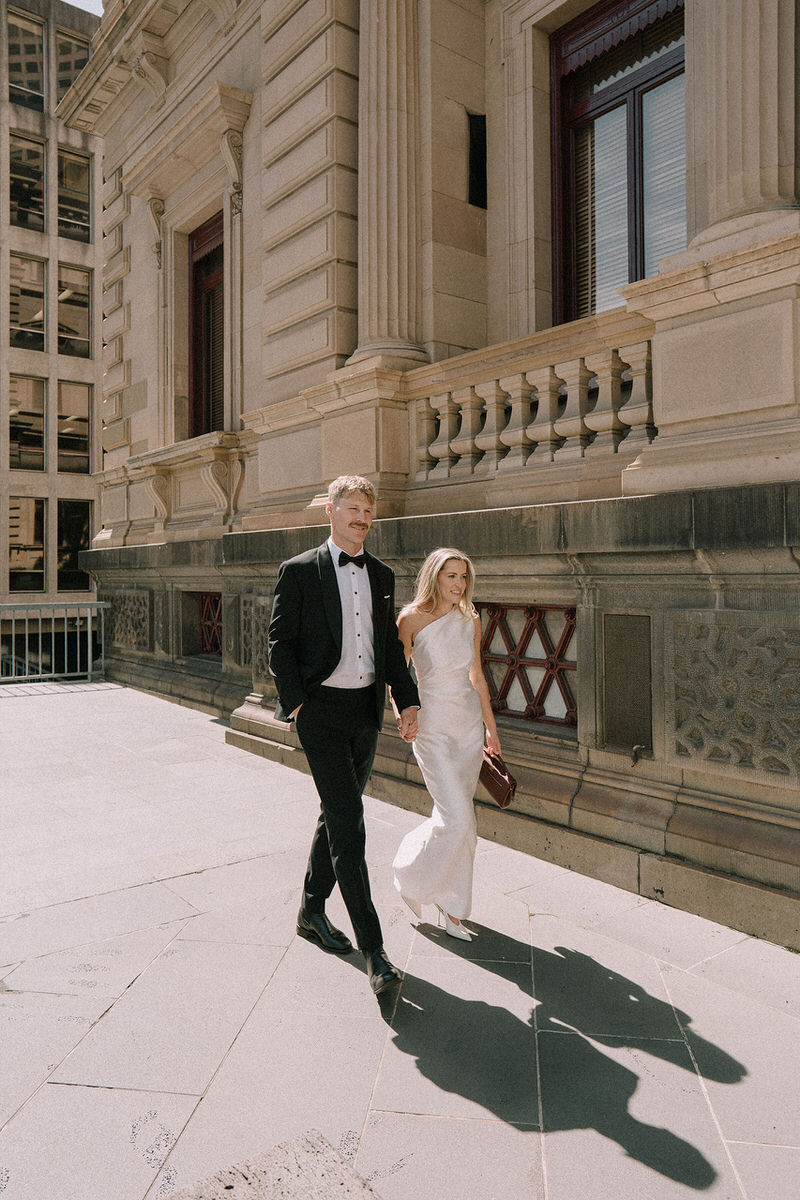
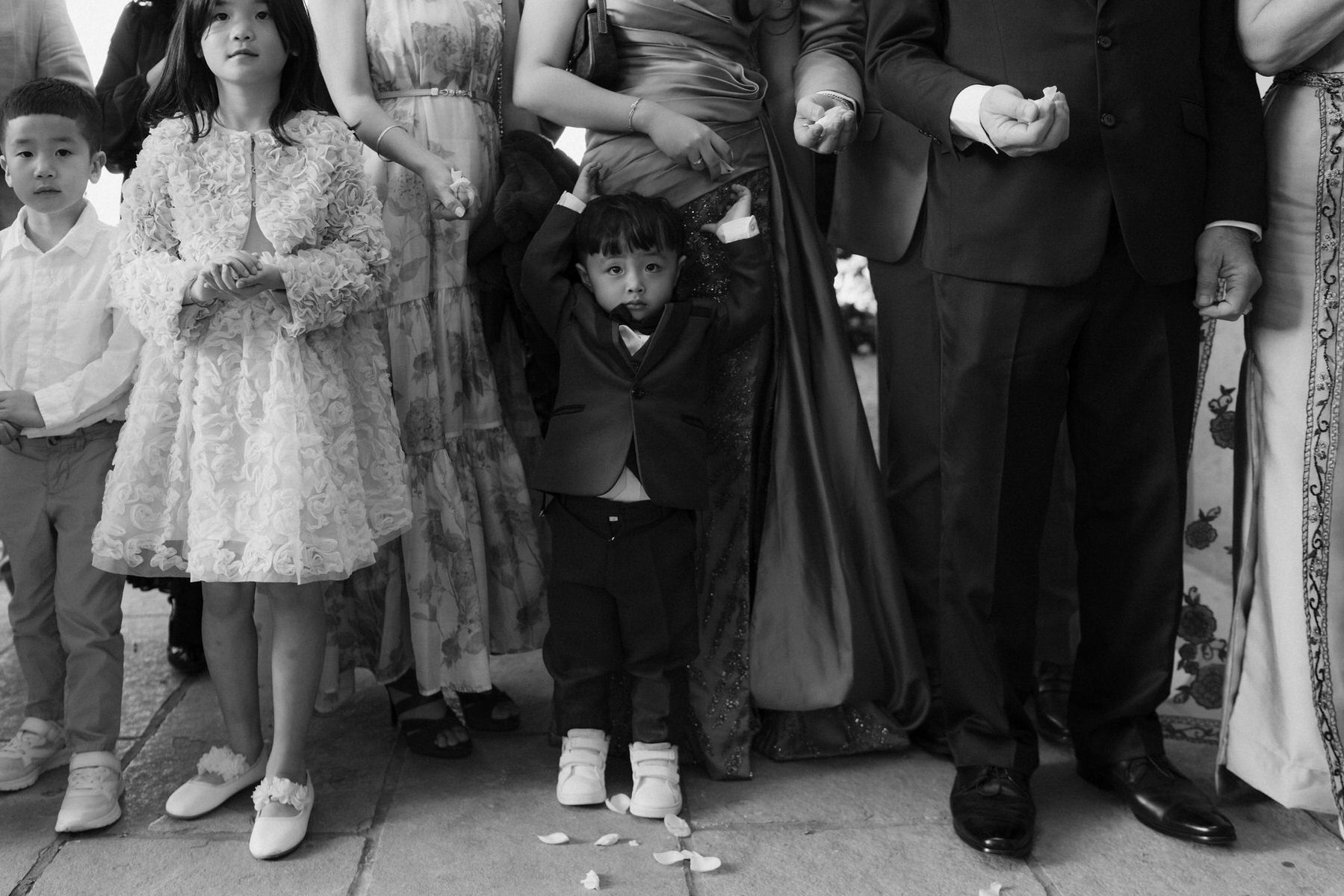
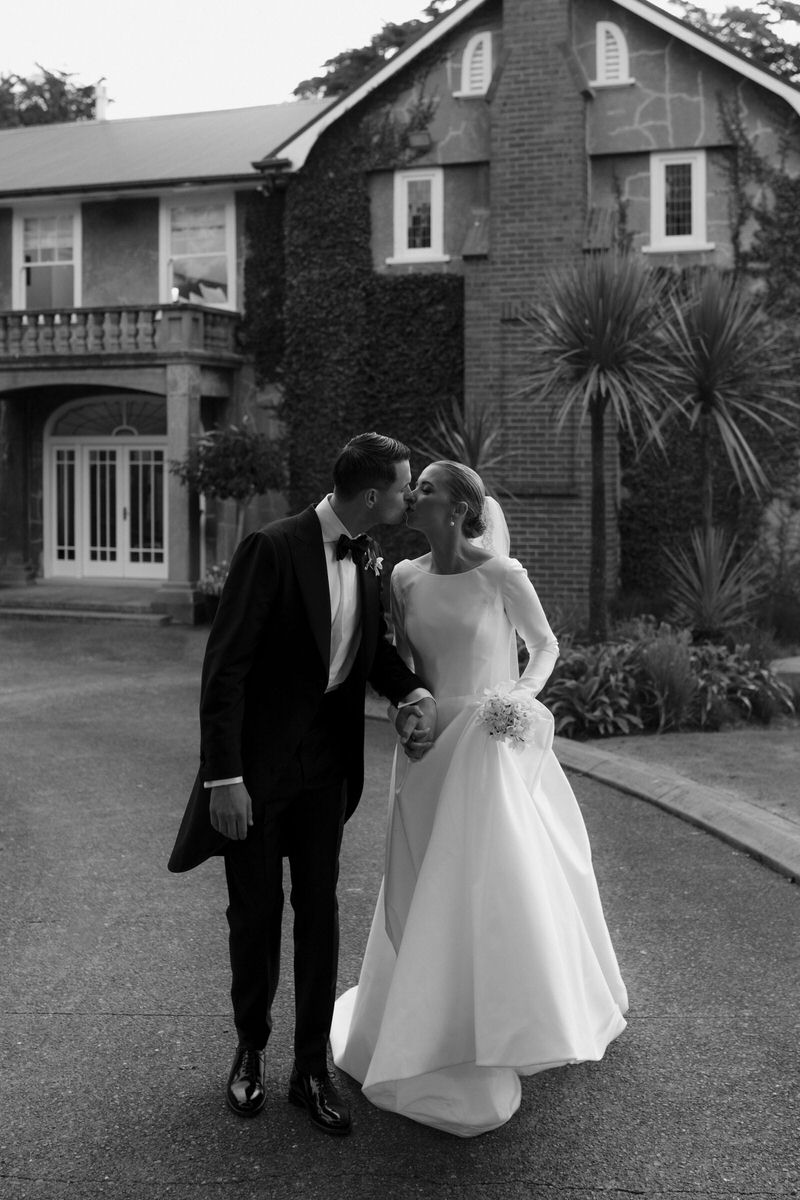
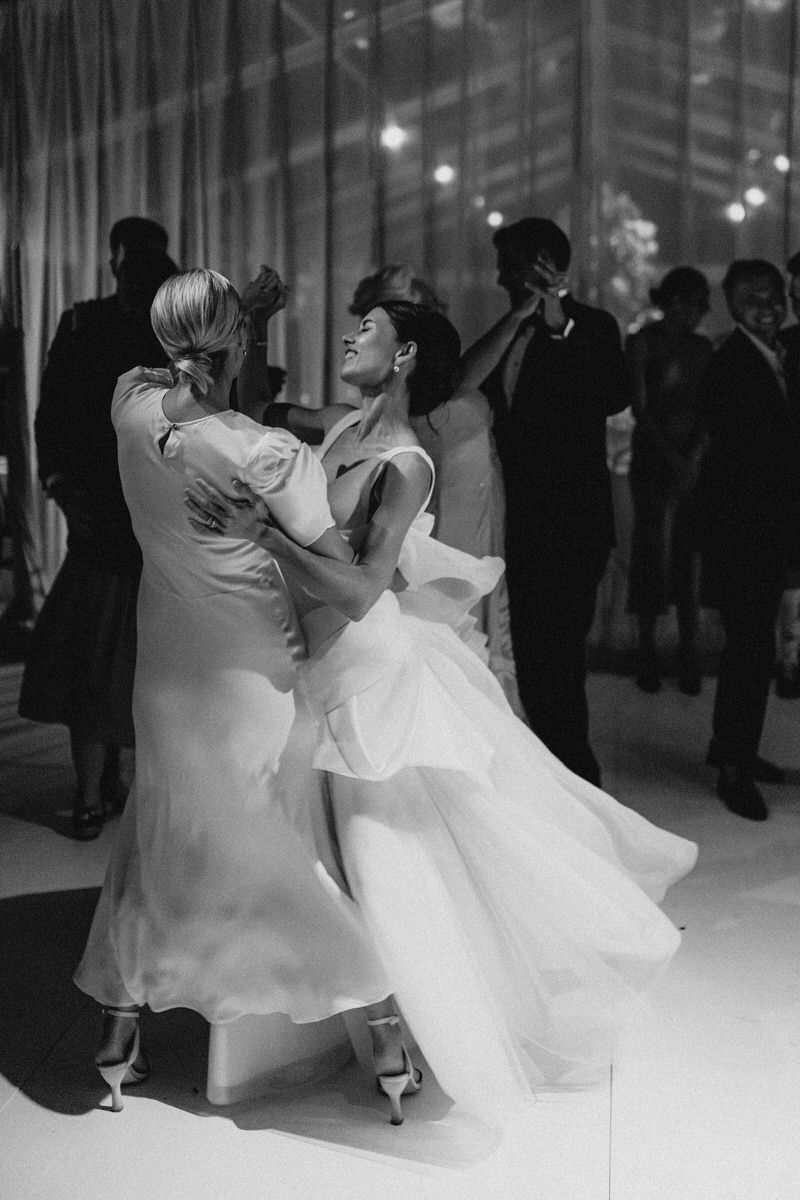
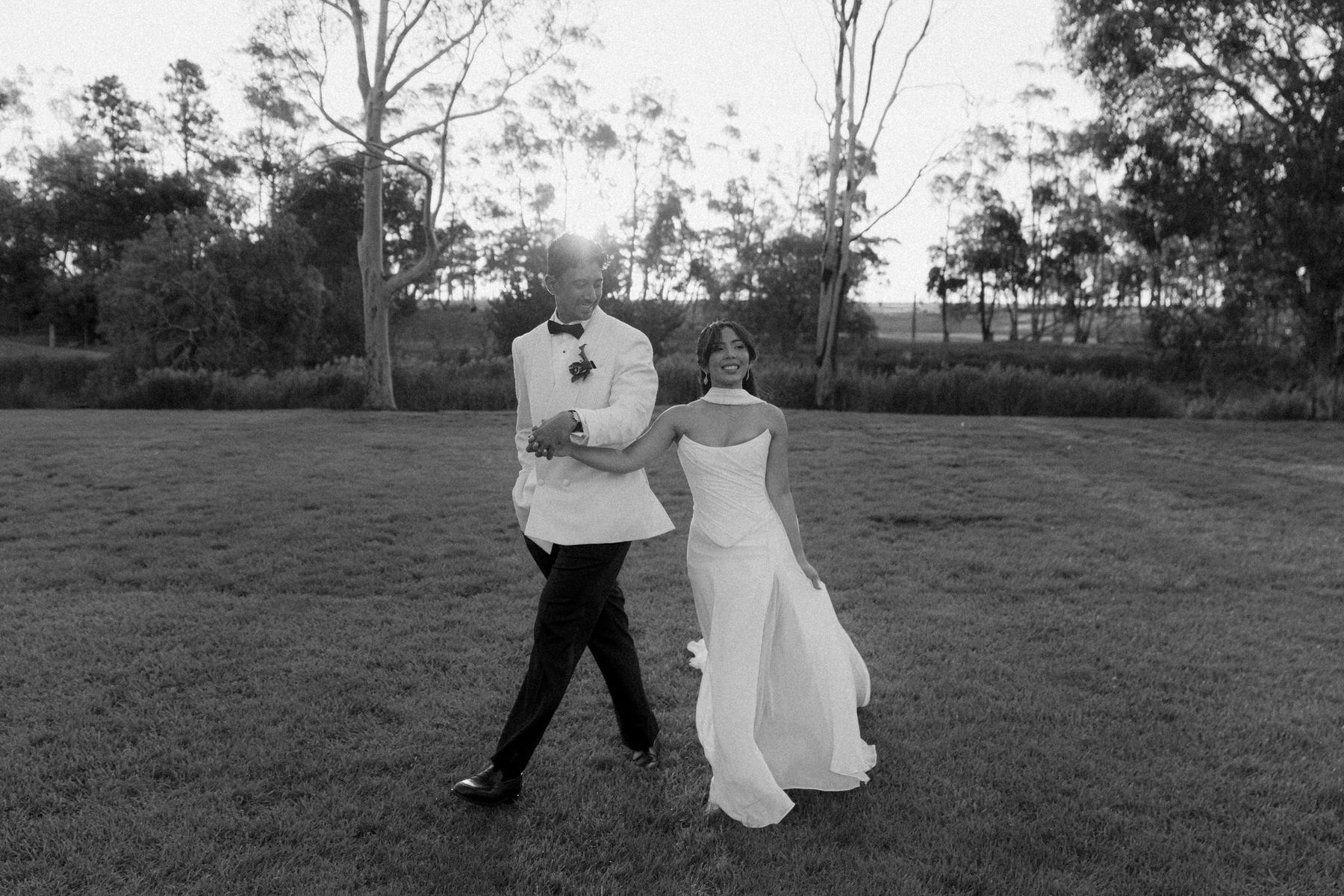
While wedding photography has evolved dramatically over the past decade, Danelle has never chased trends. Her work has remained quietly confident, always prioritising feeling over performance and authenticity over perfection. She has an extraordinary ability to notice the moments many would overlook, the subtle glance, the gentle shift in light, the almost imperceptible gesture that somehow comes to define an entire day. It is this sensitivity that allows her photographs to endure, revealing new details and emotions each time they are revisited.
As editors, we have had the privilege of seeing not only the beautiful highlights shared publicly but also countless complete wedding galleries from across New Zealand, Australia and far beyond. Without exception, every collection has left us deeply moved. Danelle has an exceptional gift for making people feel entirely at ease, allowing moments to unfold naturally while quietly observing with remarkable intuition. There is something almost magical about her presence, never imposing, always noticing.
That instinct has been shaped not only by years spent documenting weddings, but by a broader creative practice. Alongside her wedding work, Danelle has photographed fashion and commercial projects, experiences that have refined her editorial eye and innate understanding of light, composition and visual storytelling. More recently, she has turned her lens towards the botanical world, creating a series of exquisite limited edition floral art prints that reveal the same sensitivity, restraint and appreciation for beauty that define her wedding photography. It is this breadth of creative expression that makes her work feel so enduring. Every image, whatever the subject, carries the unmistakable signature of an artist who understands not just how something looks, but how it should make the viewer feel.
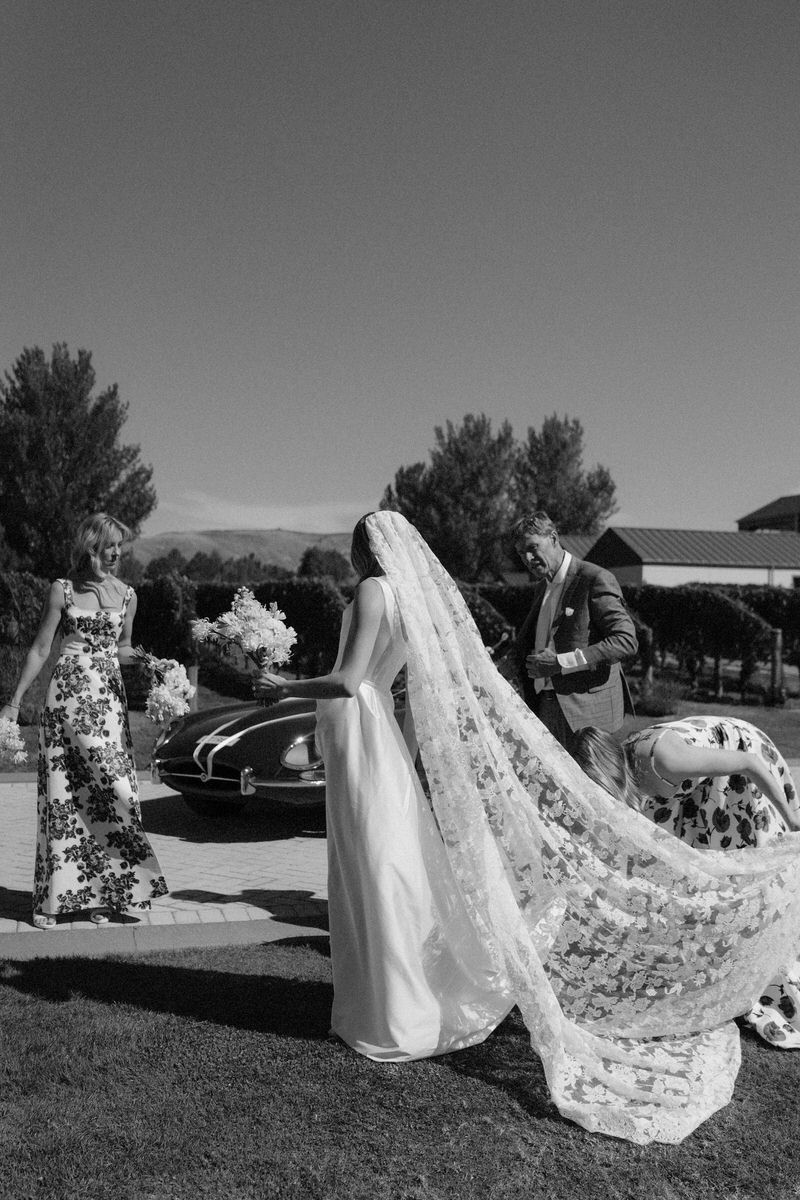
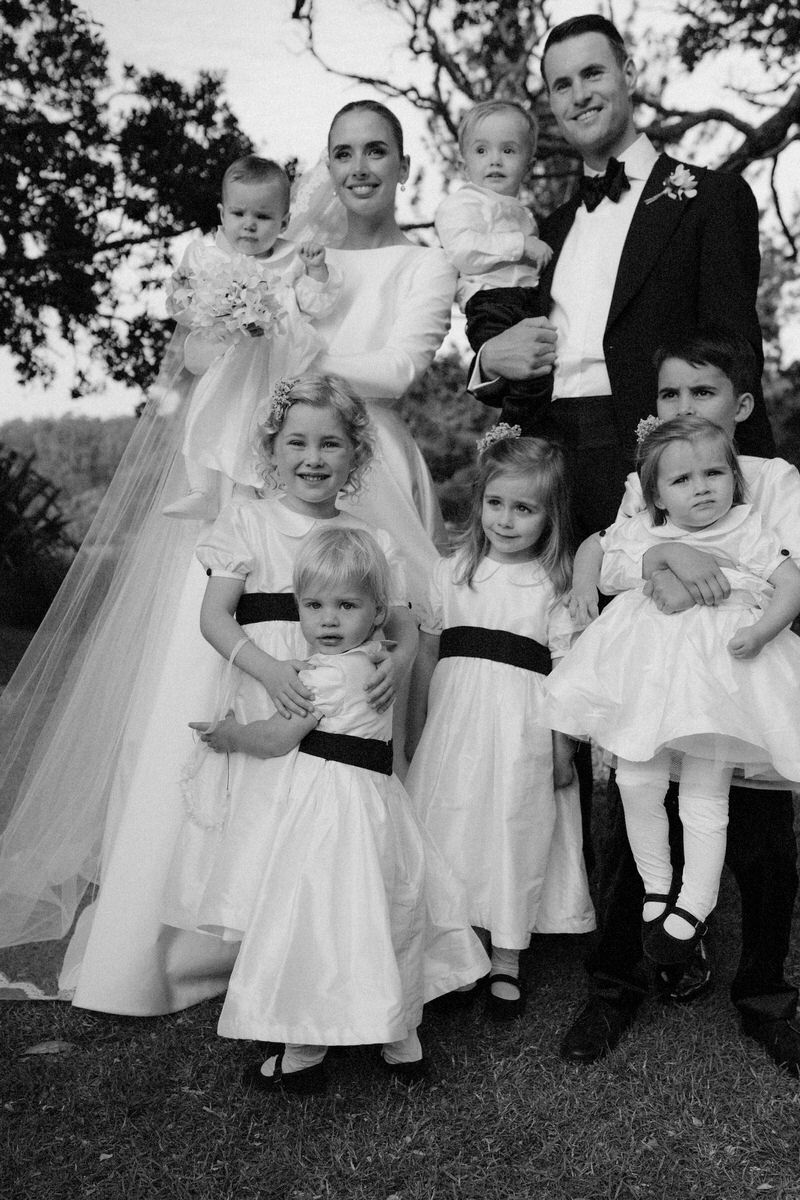
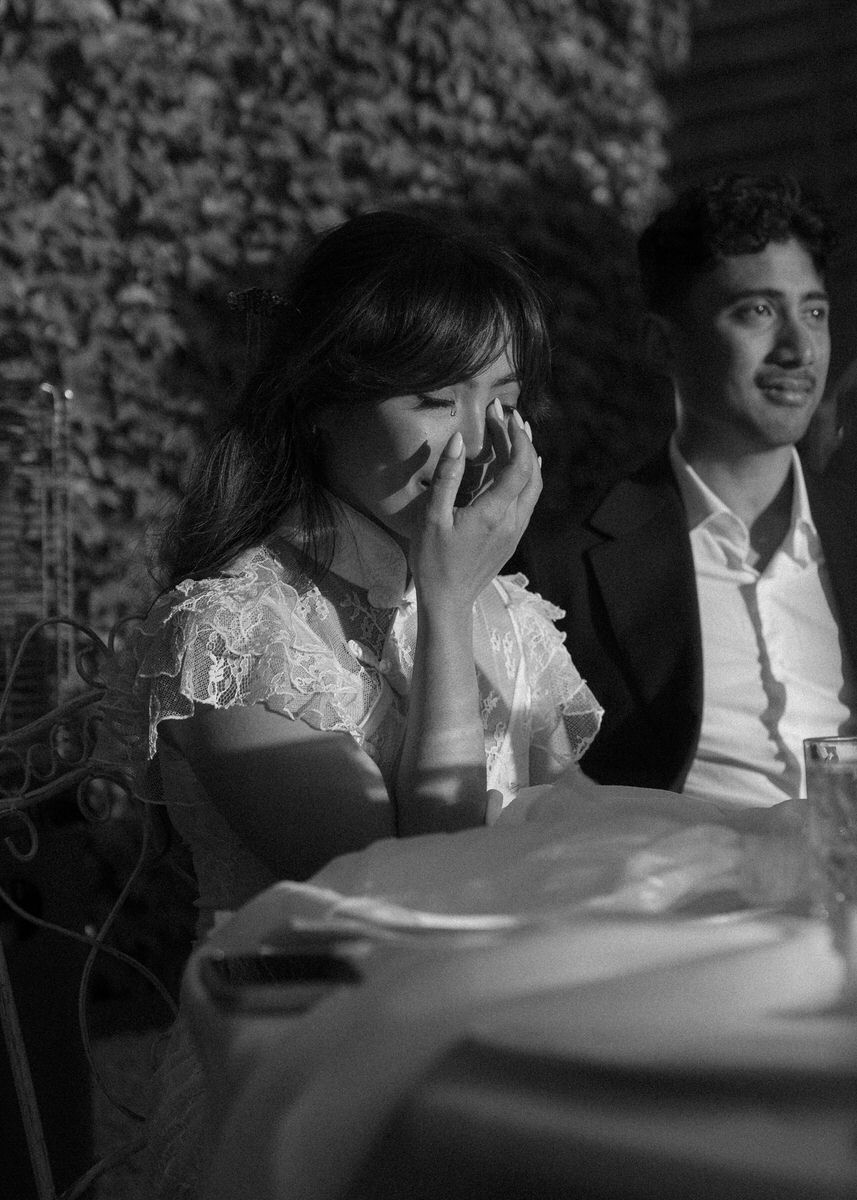
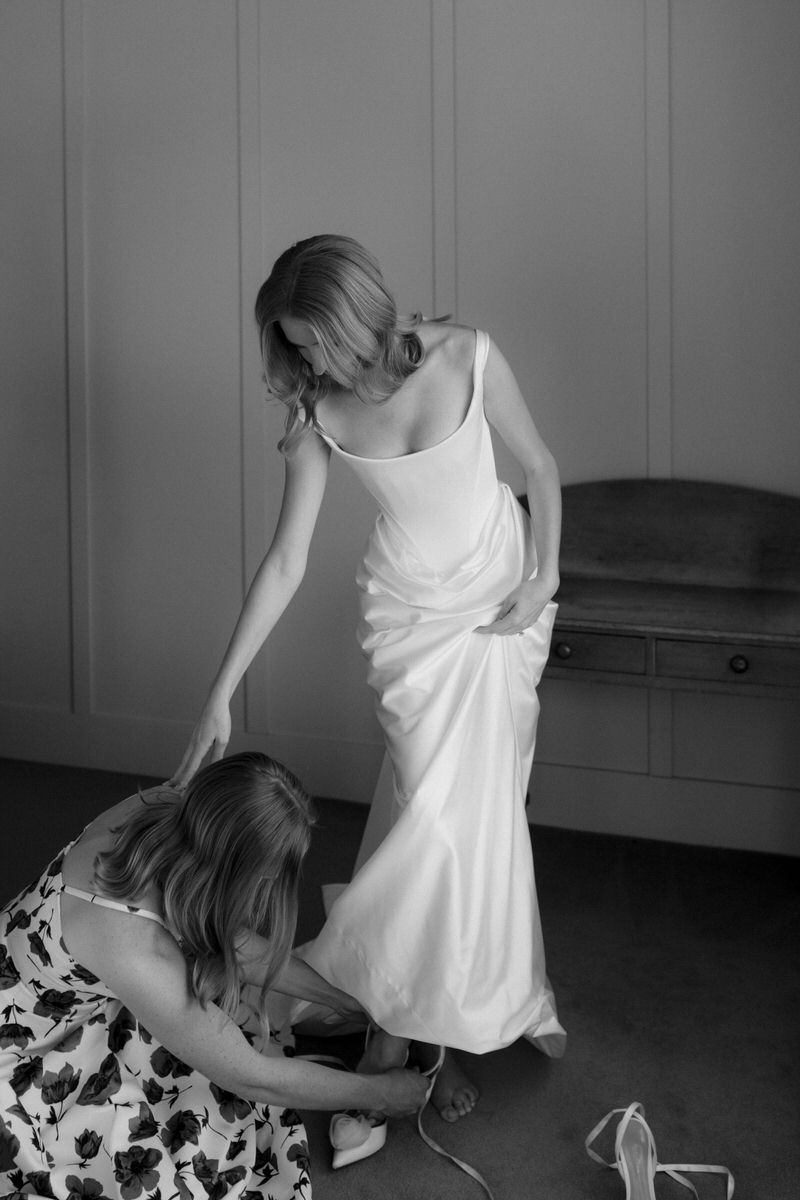
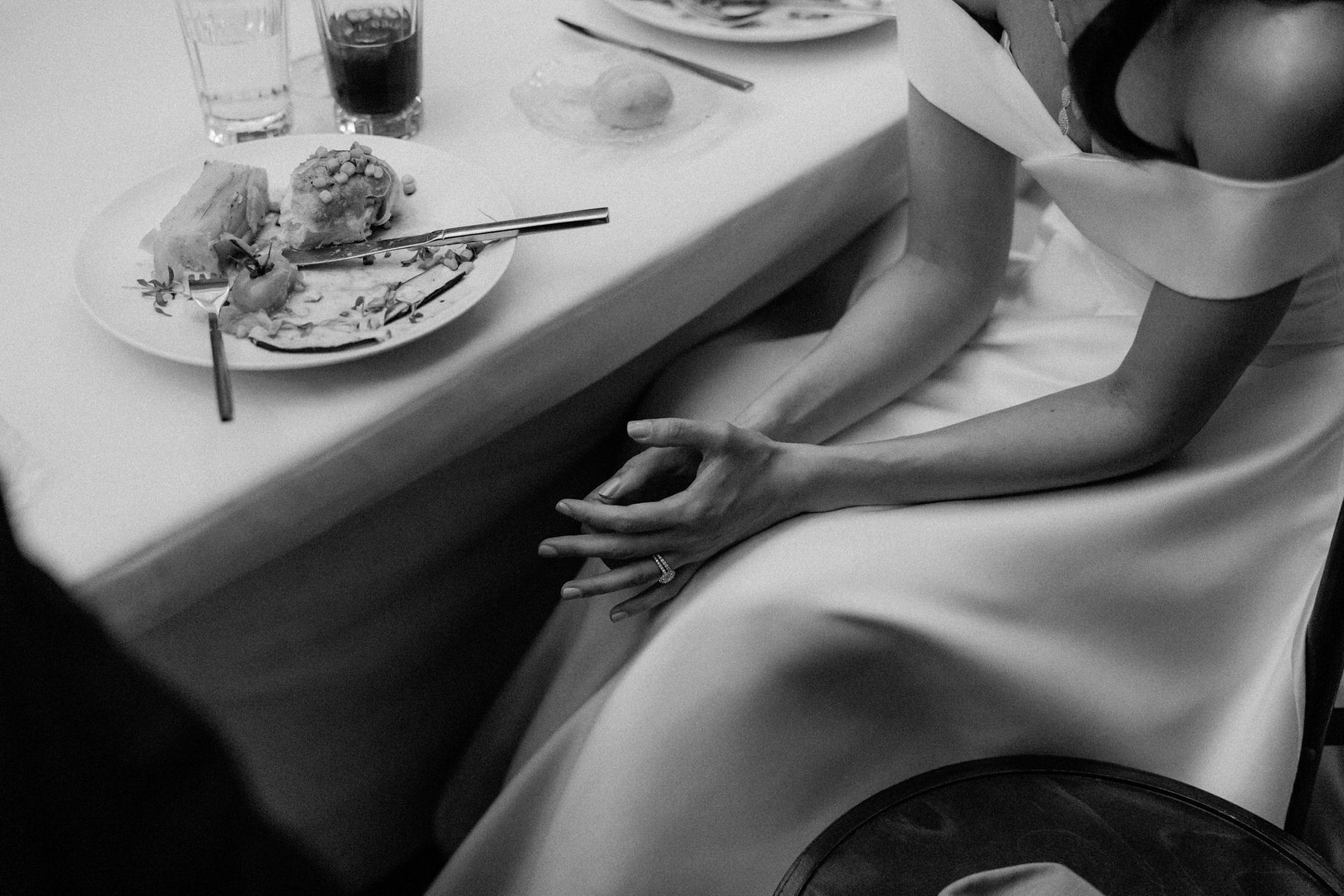
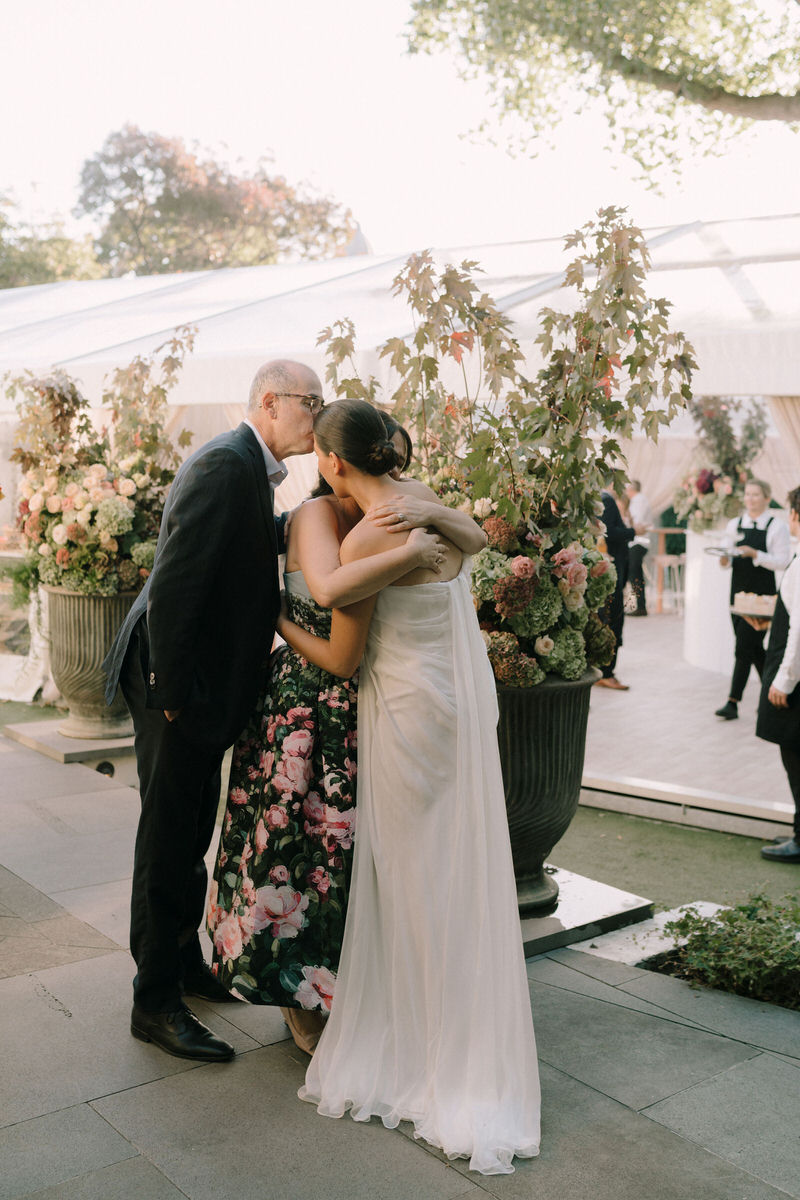
For so many years you’ve quietly resisted the pressure to follow trends, yet your work has never felt anything other than contemporary. How do you know when to embrace change, and when to trust your own instincts?
I’ve actually always been someone who approaches change quite cautiously, which can have its downfalls, but I think it has also served me well creatively. I’ve never been particularly interested in adopting something simply because it is new or because everyone else is doing it. I tend to know quite instinctively what I’m drawn to visually, and equally what I’m not, so in that sense it has always felt quite natural to stay in my own lane.
I think you can still stay in your own lane while allowing your work to evolve. I make a point of immersing myself in art, design and photography, and that gives me a sense of where visual culture is moving without necessarily feeling the need to follow it. I also notice when I am feeling creatively stagnant, and that’s usually when I know I need to explore something new or give my work a bit of a nudge. Not because I want to reinvent myself for the sake of it, but because I want to keep growing creatively.
I’ve always wanted my work to feel contemporary without being too tied to a particular moment in time. I’m naturally influenced by what I’m seeing around me, but that doesn’t mean I need to follow it. I think as long as I stay curious and keep exposing myself to new things, the work can evolve naturally while still feeling like my own
Your photographs often feel less like documentation and more like memory. When you look through the lens, are you thinking about the moment itself, or how that moment might be remembered decades from now?
There is something about looking through a viewfinder that allows me to create a small vignette of time within a much bigger, much more energetic scene. I can become completely immersed in what is happening inside that frame while still being aware of everything around me and where my attention might need to move next. After sixteen years, that way of working has become almost instinctive. I’m not consciously thinking about how a photograph might be remembered decades from now, but becoming a mother has made me much more aware of the passage of time and how quickly things change. I think that has made me more conscious of the weight that photographs can hold, not just for the couple but for the family around them and perhaps generations who aren’t even part of the story yet.
You never really know which seemingly ordinary moment will become the photograph someone treasures most.
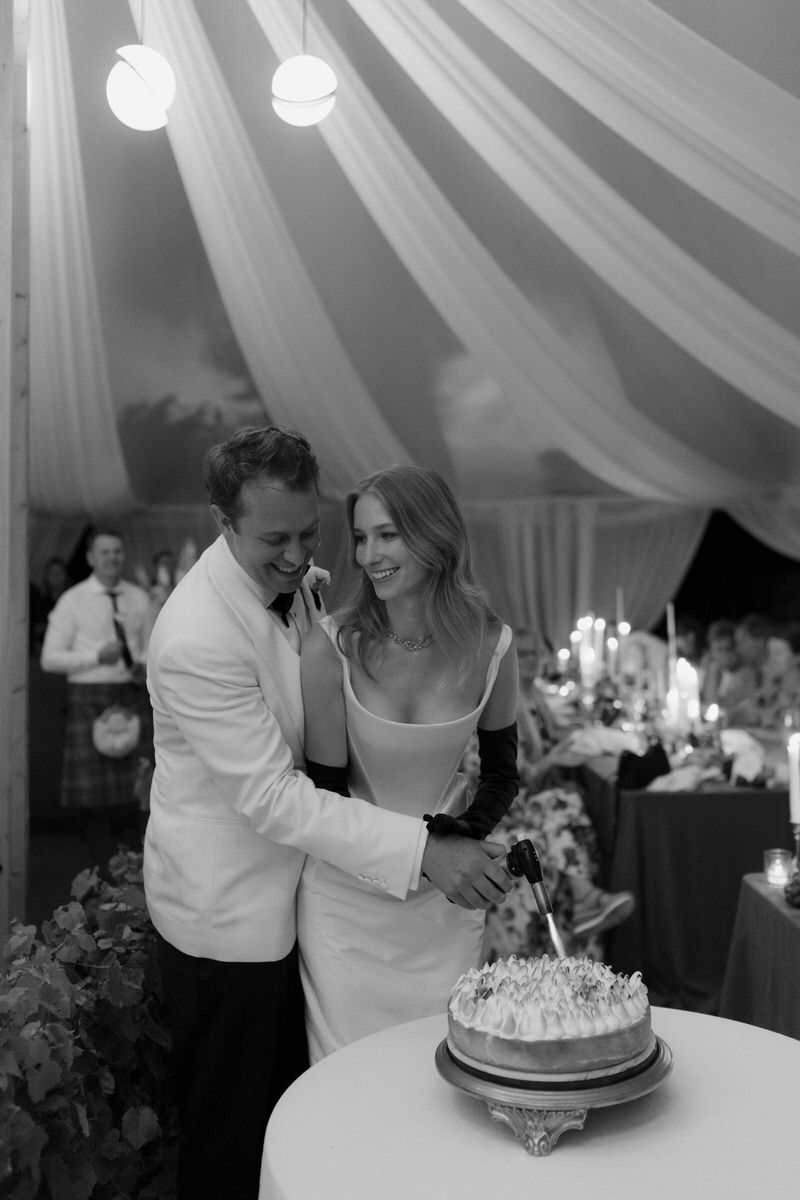
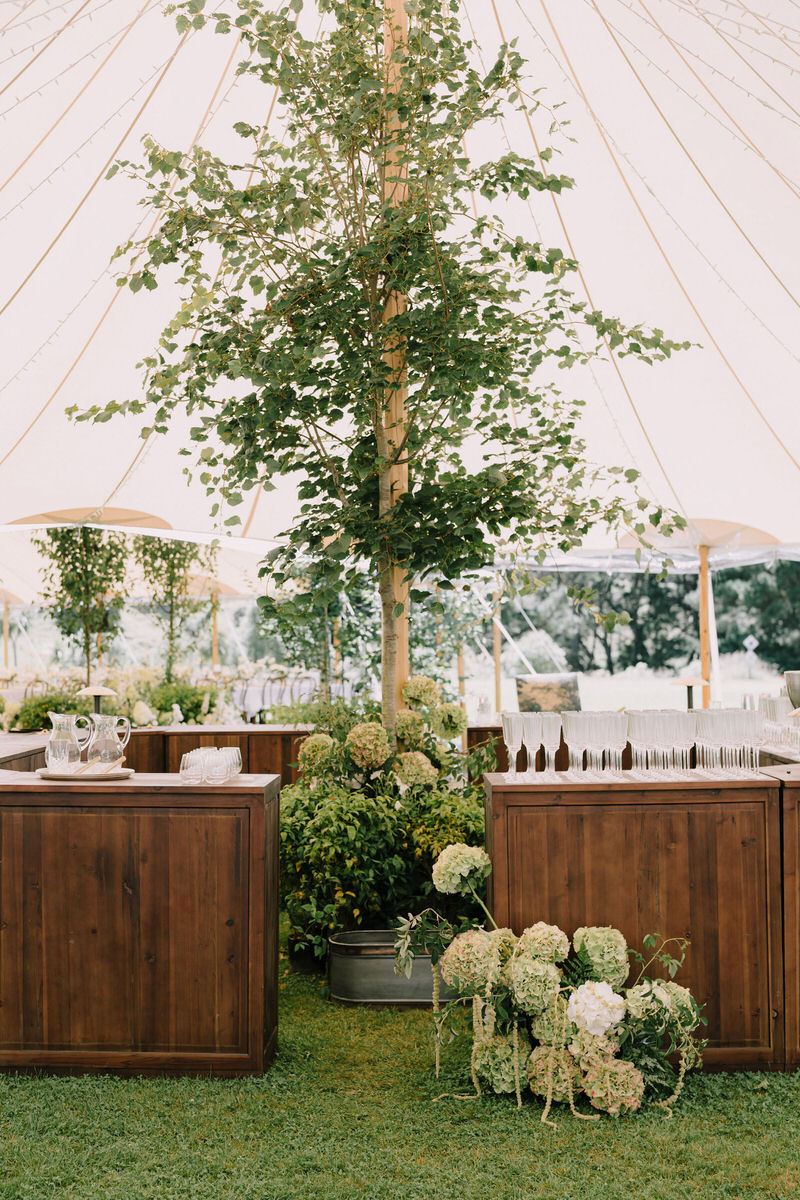
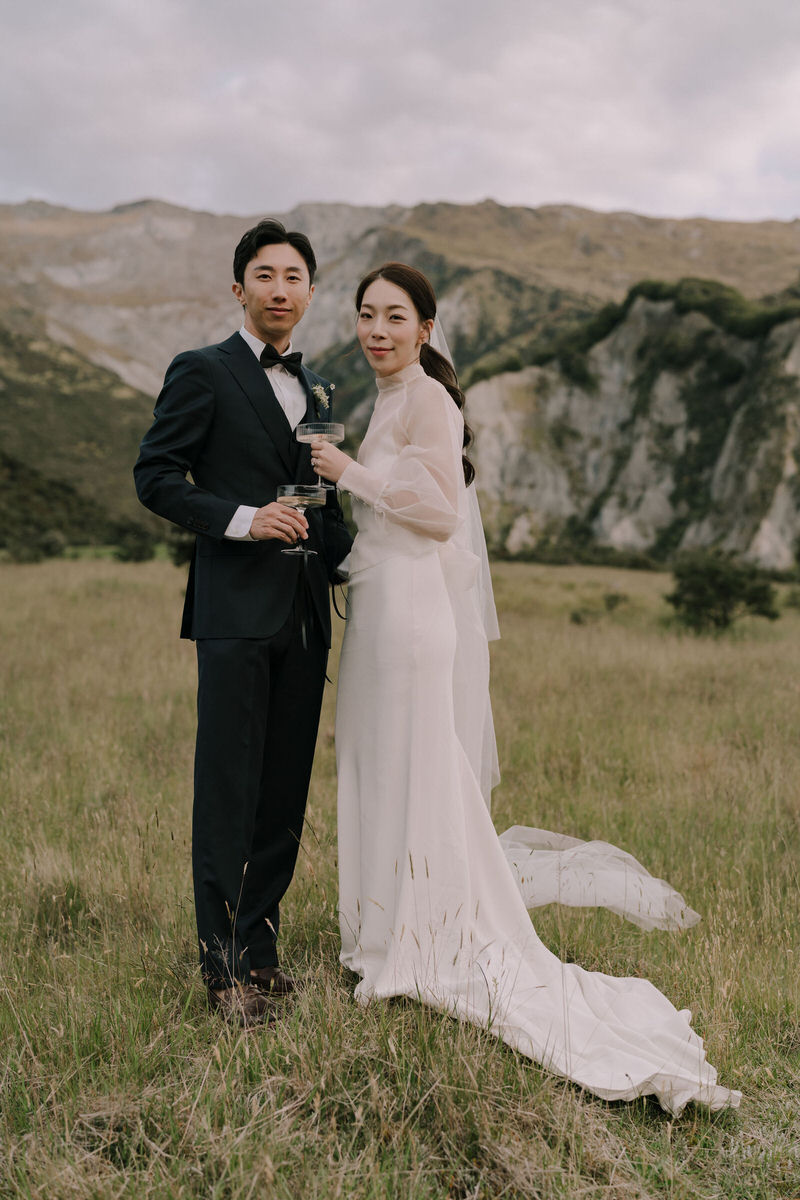
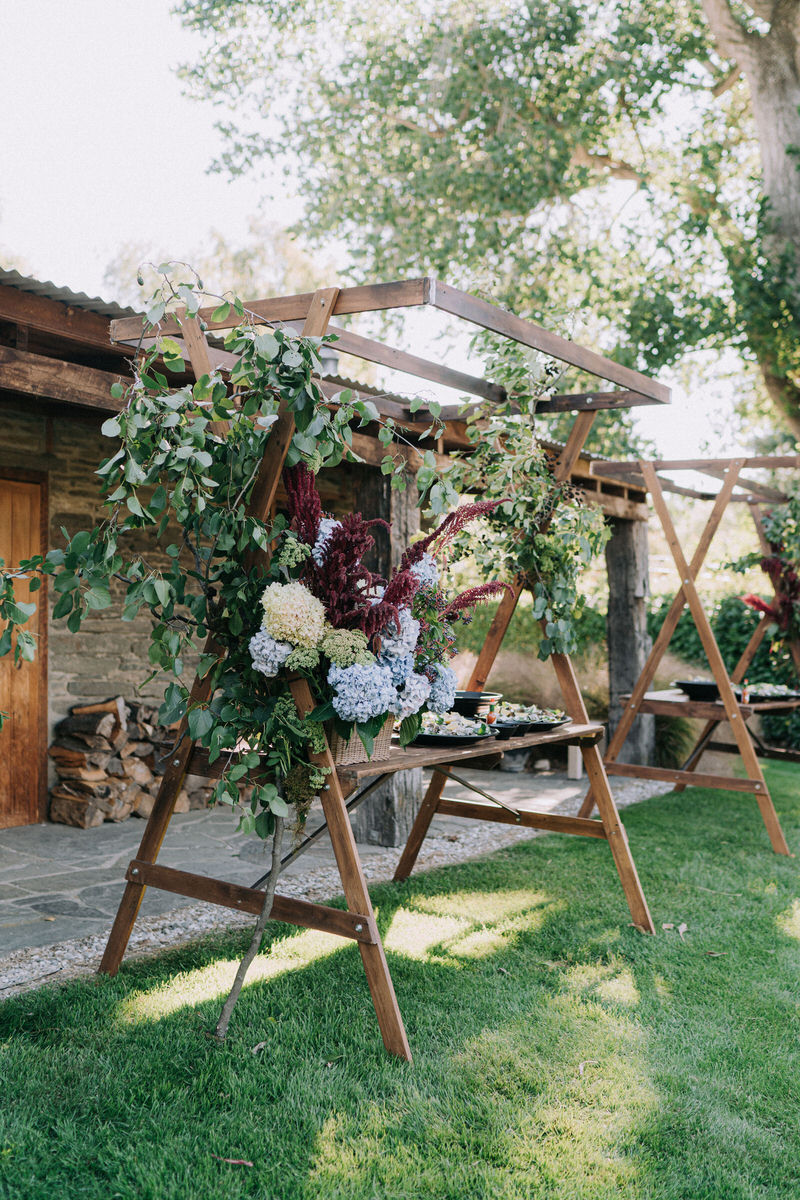
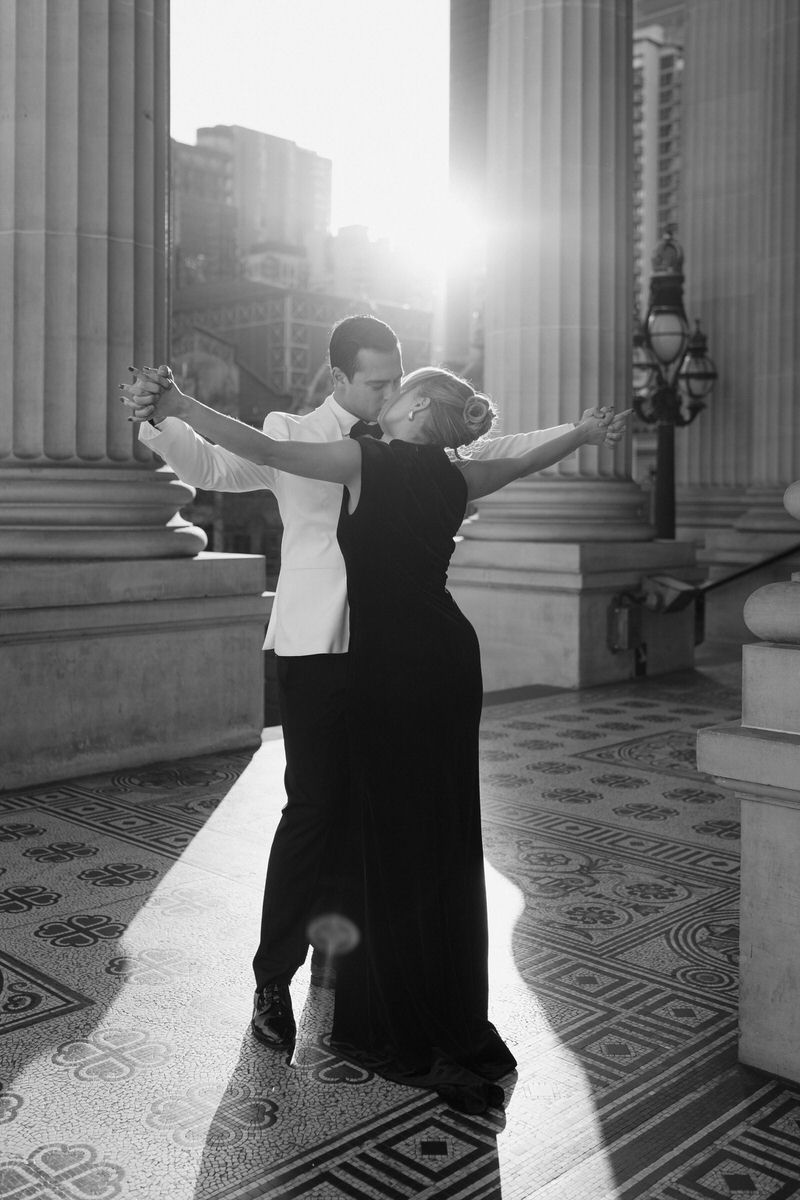
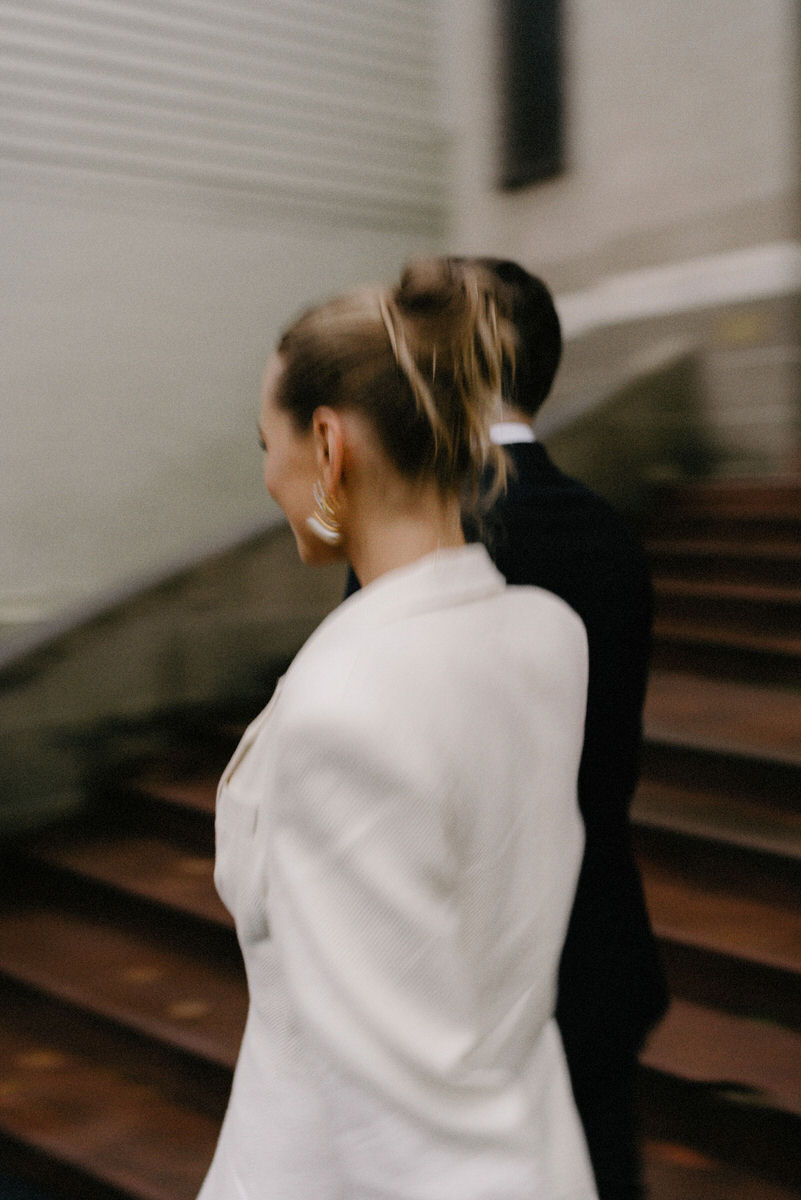
In an era where so much of our visual world feels faster, louder and more immediate, your work embraces restraint. Do you think quietness has become a luxury, both in photography and in weddings themselves?
There has definitely been a move towards quiet luxury over the last few years, and I can see why it has found its way into weddings. I’m drawn to a lot of that myself, but I think there’s a difference between something being genuinely reflective of who you are and simply adopting an aesthetic because it’s currently popular.
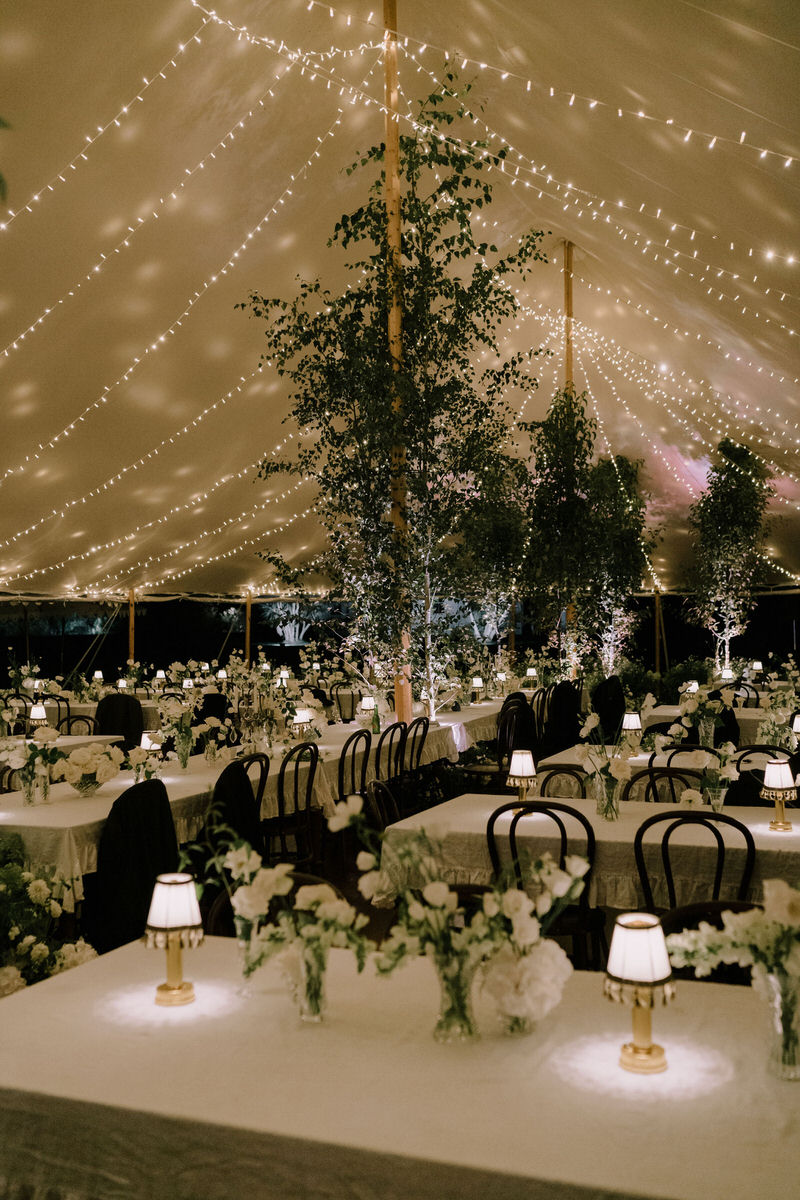
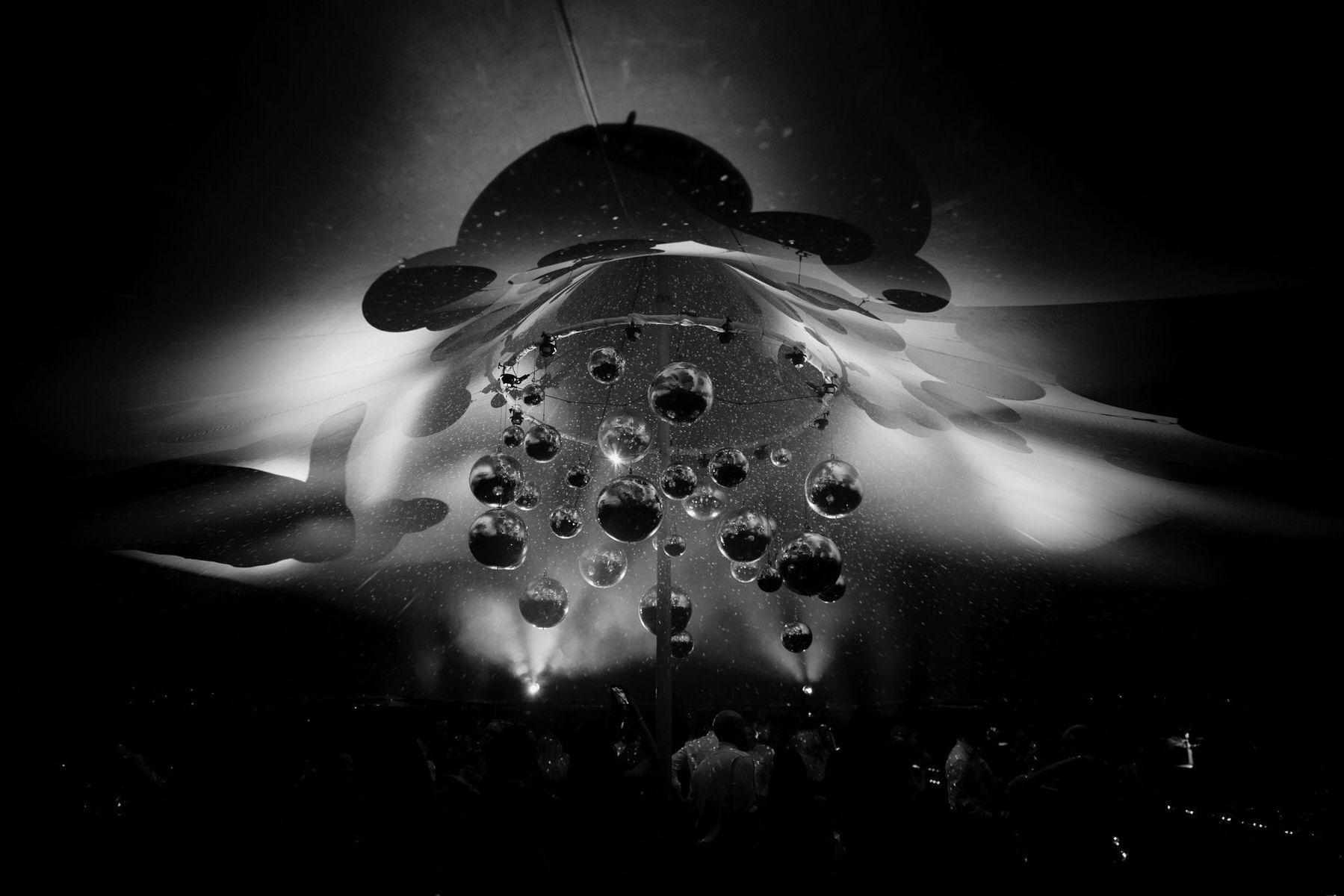
For me, restraint is more about how I curate what I see than how much I photograph. I often photograph a lot because I don’t want to miss the small, seemingly insignificant moments that may become meaningful later. I’m looking for what feels real within all of that, rather than trying to make the day look a certain way. I think that’s probably why I’m drawn to quietness in the first place. It gives you a little more room to notice what is already there.
You’ve always had an extraordinary ability to make people feel completely comfortable in front of your camera. Is that something you’ve consciously cultivated over the years, or does it come from the way you naturally connect with people?
I’ve always felt that making people comfortable in front of the camera begins long before I actually hold the camera up. Particularly with weddings, I want to build trust from the very beginning of the relationship, so that by the time the wedding day arrives, they already feel safe and comfortable in my presence.
I think some of it comes naturally to me, but connection is also something I’ve consciously cultivated at the heart of my business. I’m genuinely interested in people and in understanding what makes them feel at ease, and I think that comes through in the way I photograph. For me, the camera is almost secondary, and the relationship comes first.
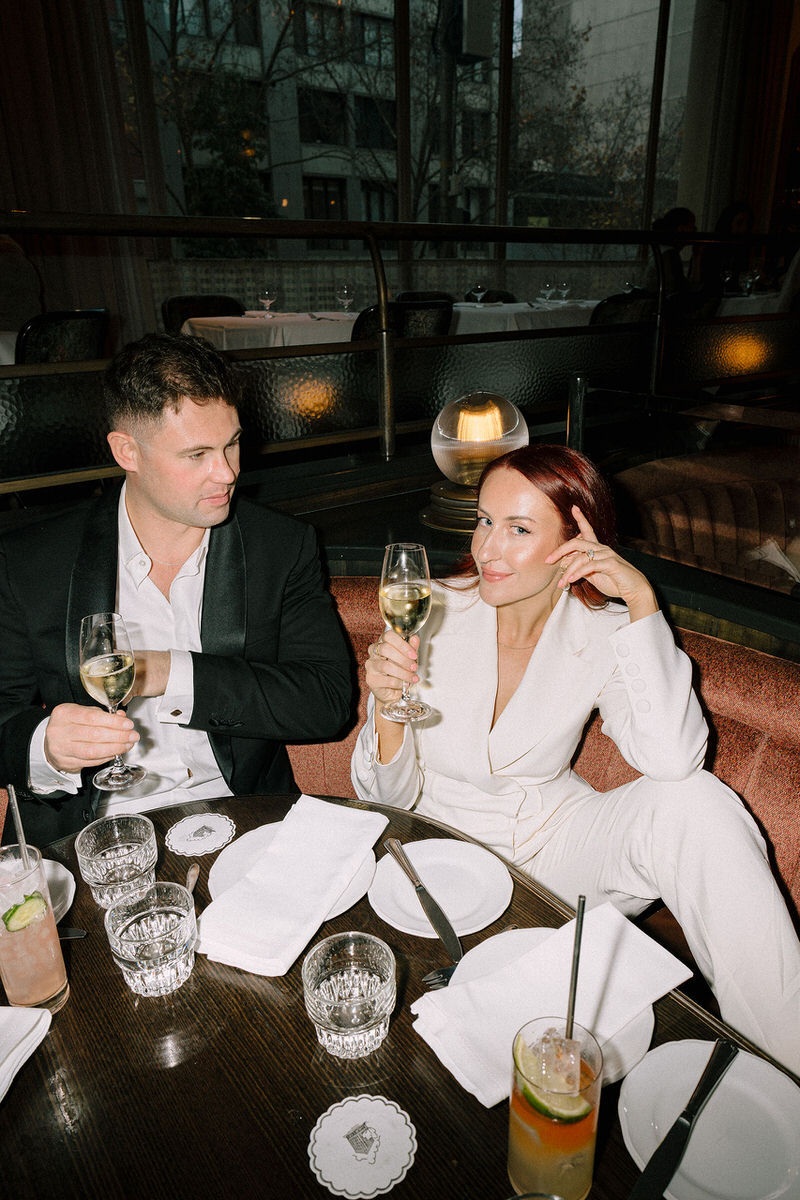
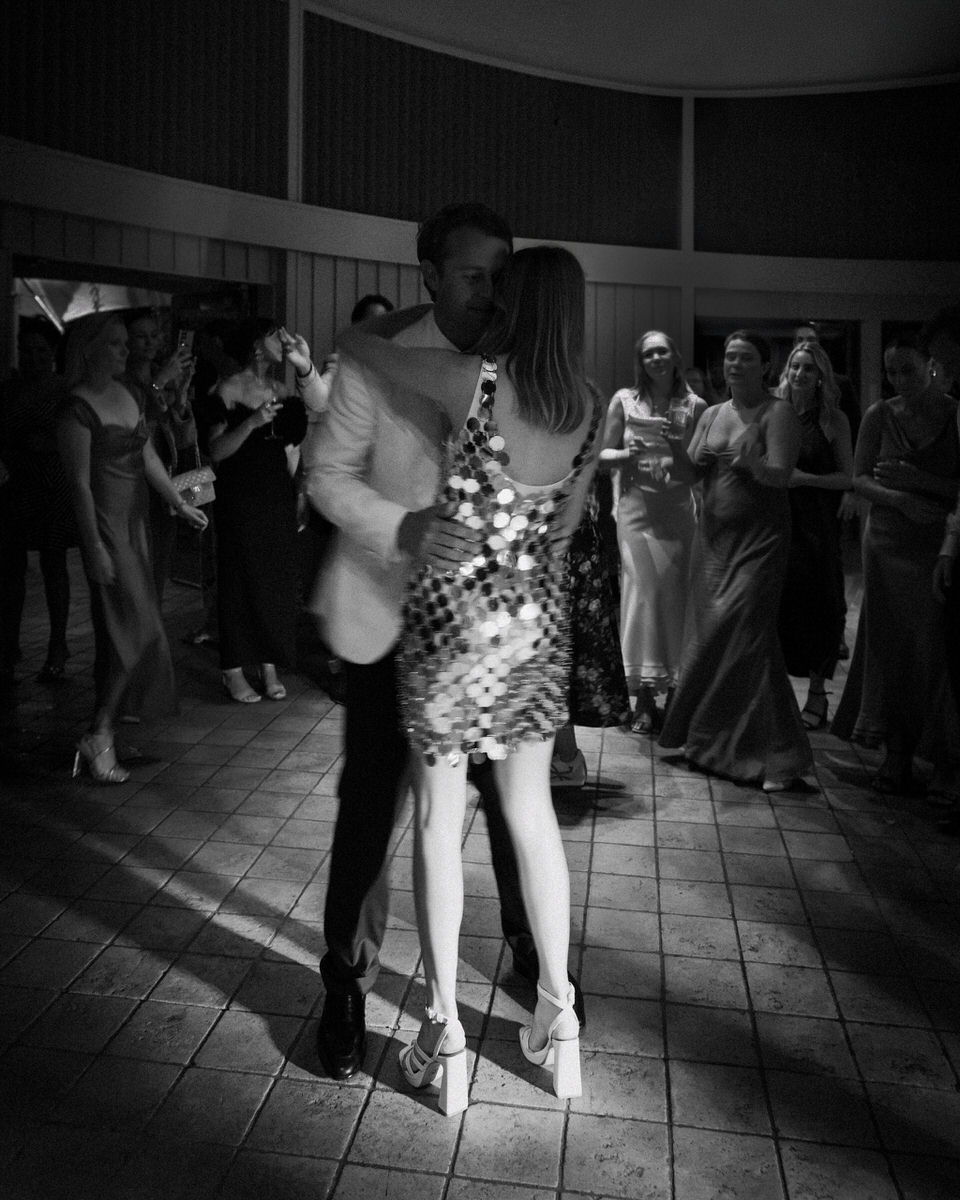
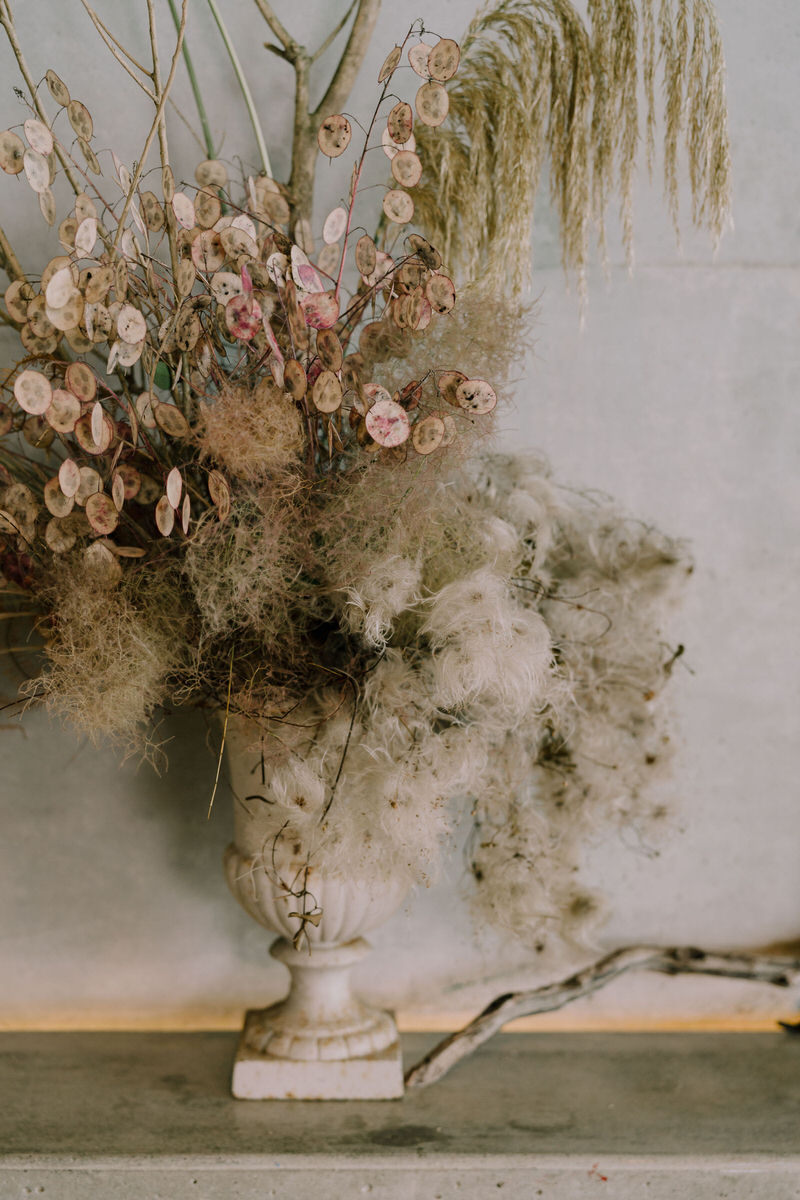
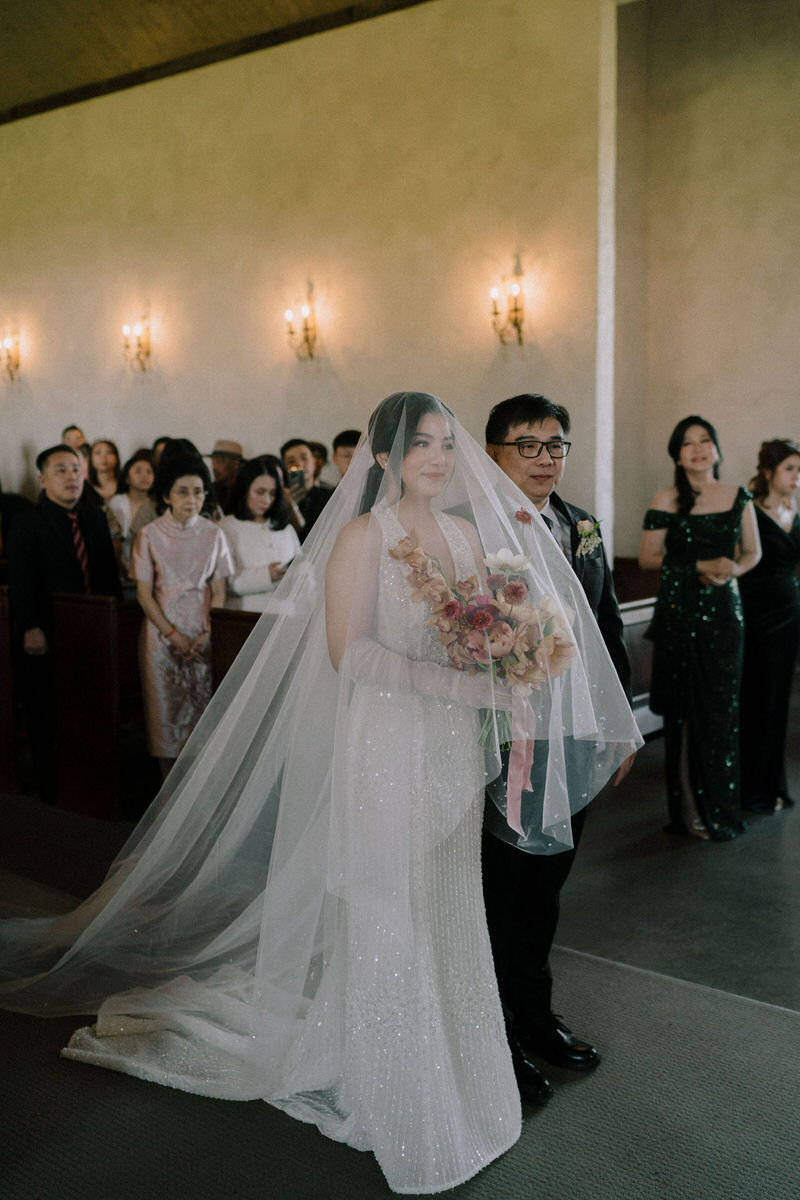
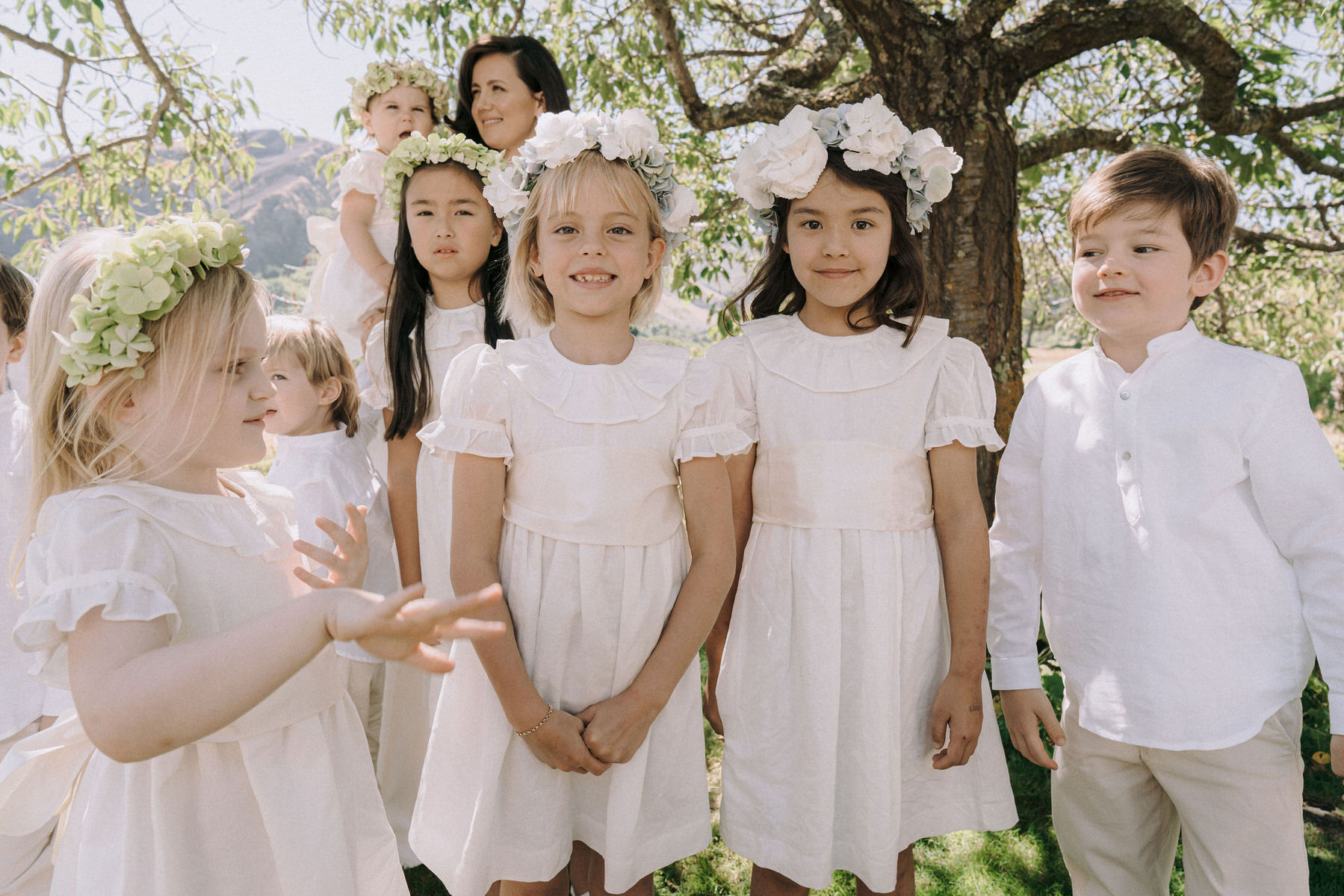
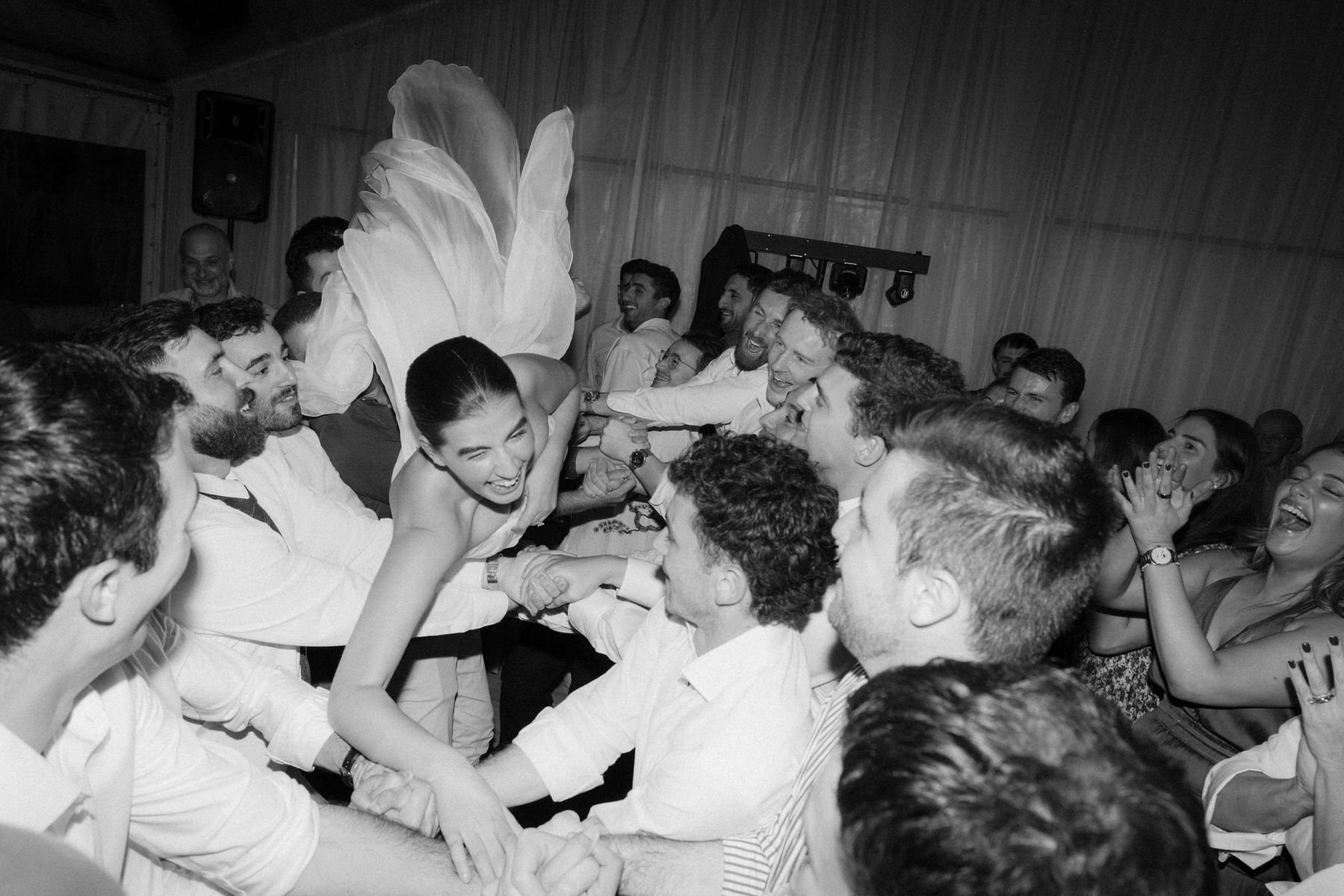
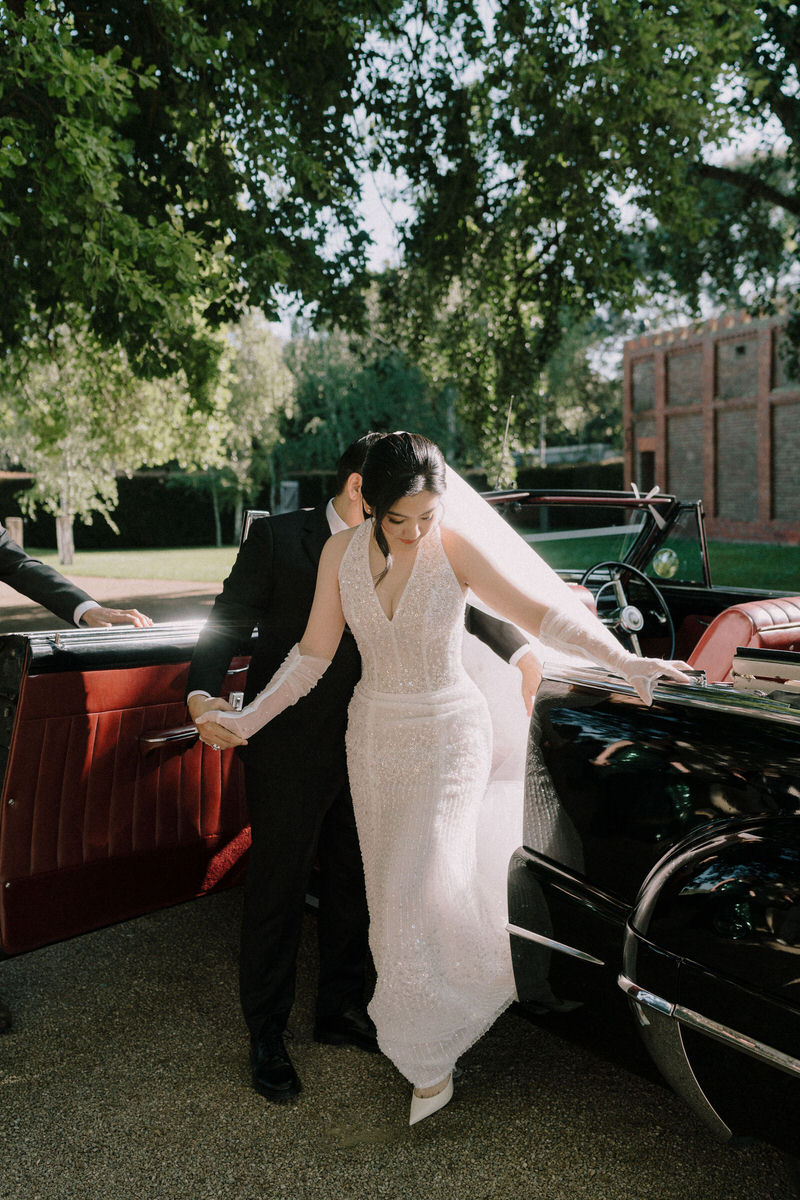
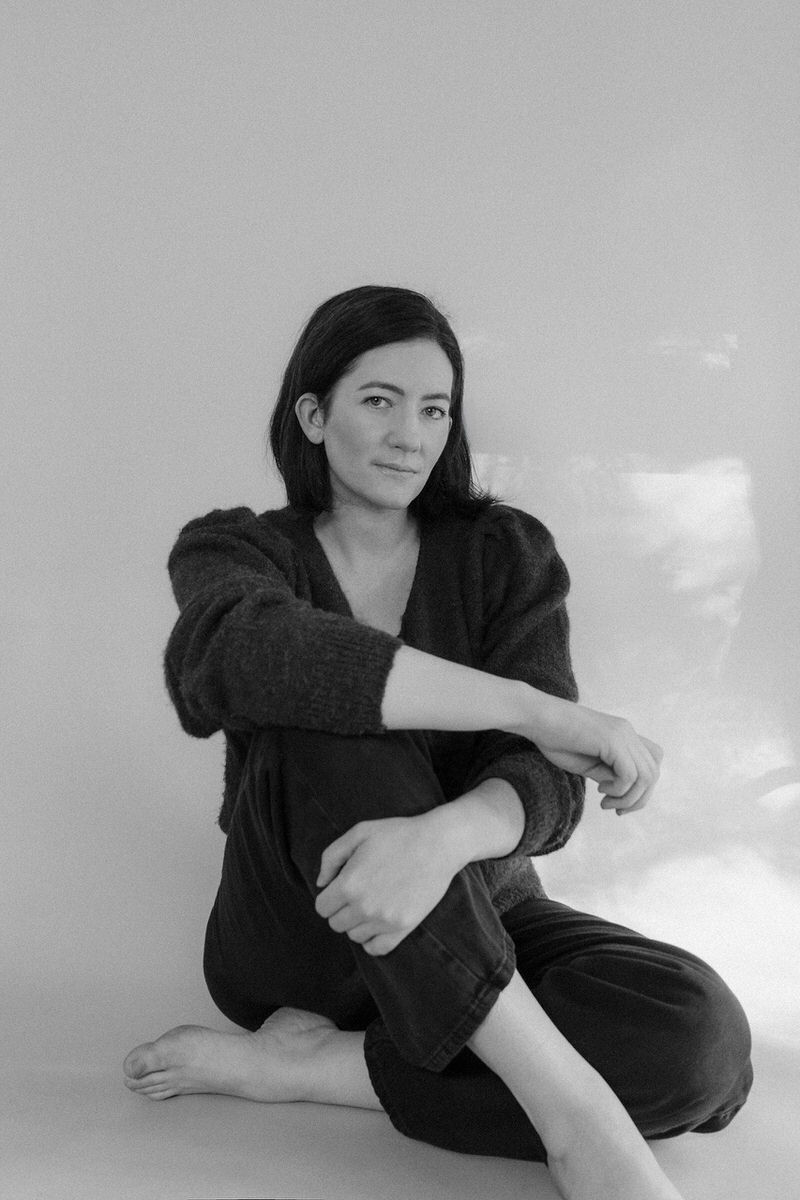
ABOVE Portrait of Danelle Bohane
Your imagery has a wonderful editorial quality, yet it never loses its emotional heart. Have fashion, art, architecture, or cinema shaped the way you see a wedding day?
I think my work is a natural extension of the things I’m naturally drawn to and the way I see the world. As (creative) humans, whatever we surround ourselves with inevitably finds its way into how we express ourselves, whether consciously or not.
Art, light, nature and architecture have all shaped the way I see, but ultimately, human beings are my greatest inspiration. I’m fascinated by people; how they move through spaces, how they connect with one another and the small ways they reveal themselves. All of those influences come together when I’m photographing a wedding, shaping both how I see the day and what I choose to frame.
You’ve witnessed weddings evolve through changing aesthetics, technology and social media. Looking beyond style, what do you think has fundamentally changed about why people gather to celebrate marriage today?
I think one of the biggest changes I’ve witnessed is that couples seem much more willing to celebrate marriage on their own terms, rather than simply following the expectations of family, tradition or their social circles, and that is something I notice particularly in Melbourne. Whether someone is deeply traditional or wants to throw the rulebook out entirely, there seems to be more freedom to ask, “What actually feels like us?”
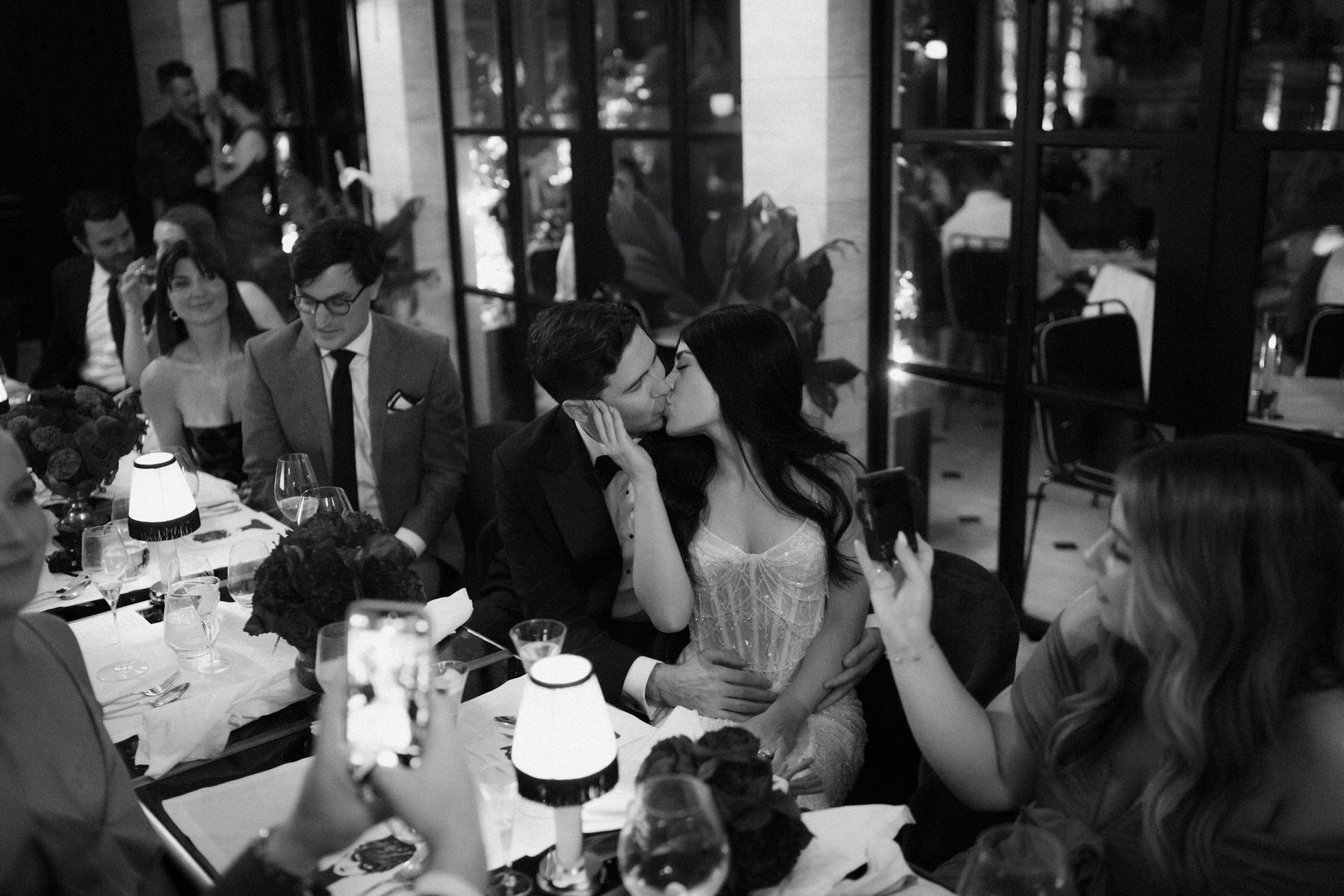
And yet, underneath all of that, I don’t think the reason we gather has changed very much. A wedding is still a celebration of something deeply human: being known, choosing someone and being loved by them. I think what has changed is that couples feel more permission to let that be enough. The wedding can look however they want it to look, but ultimately they are gathering the people they love to witness and celebrate that choice.
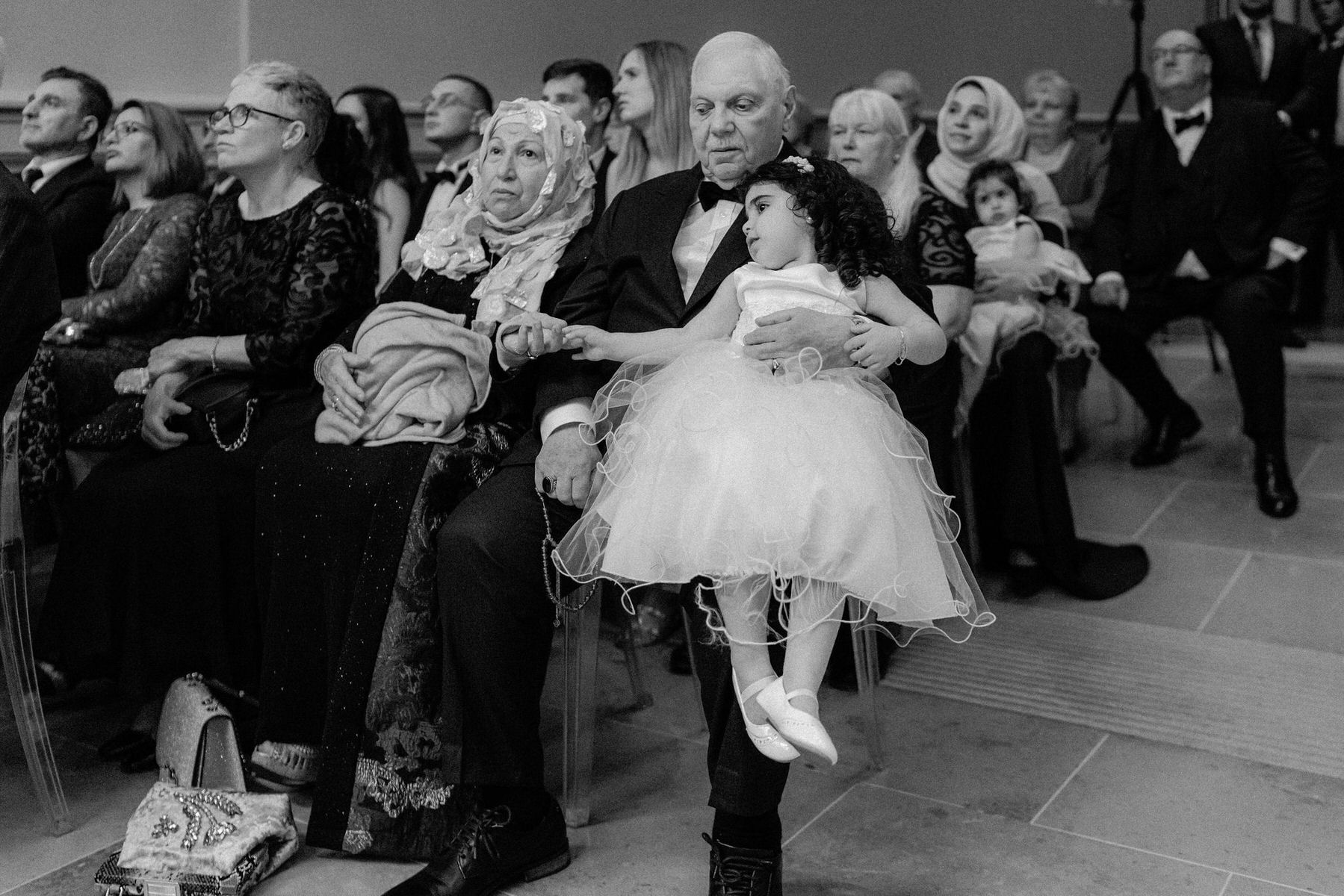
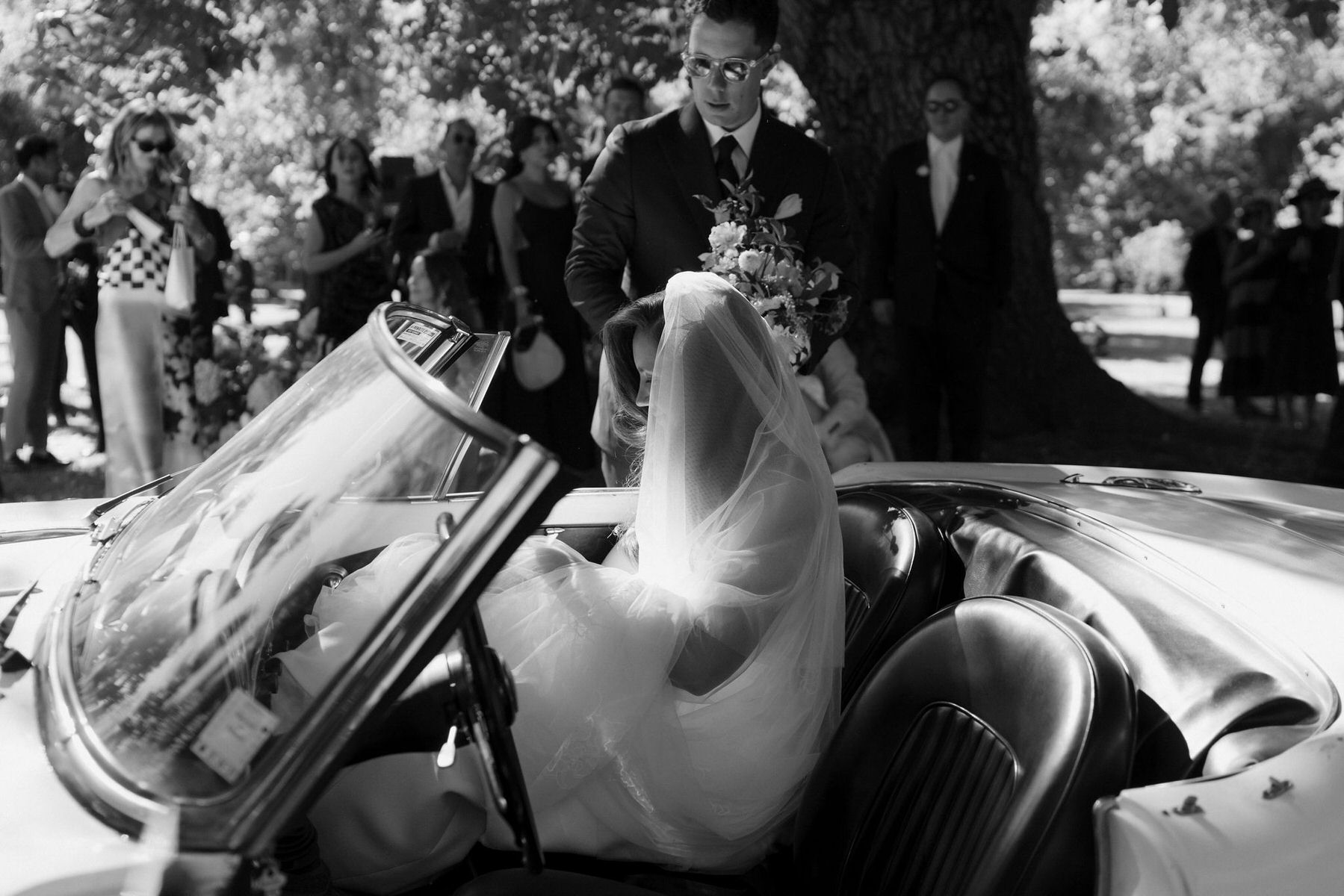
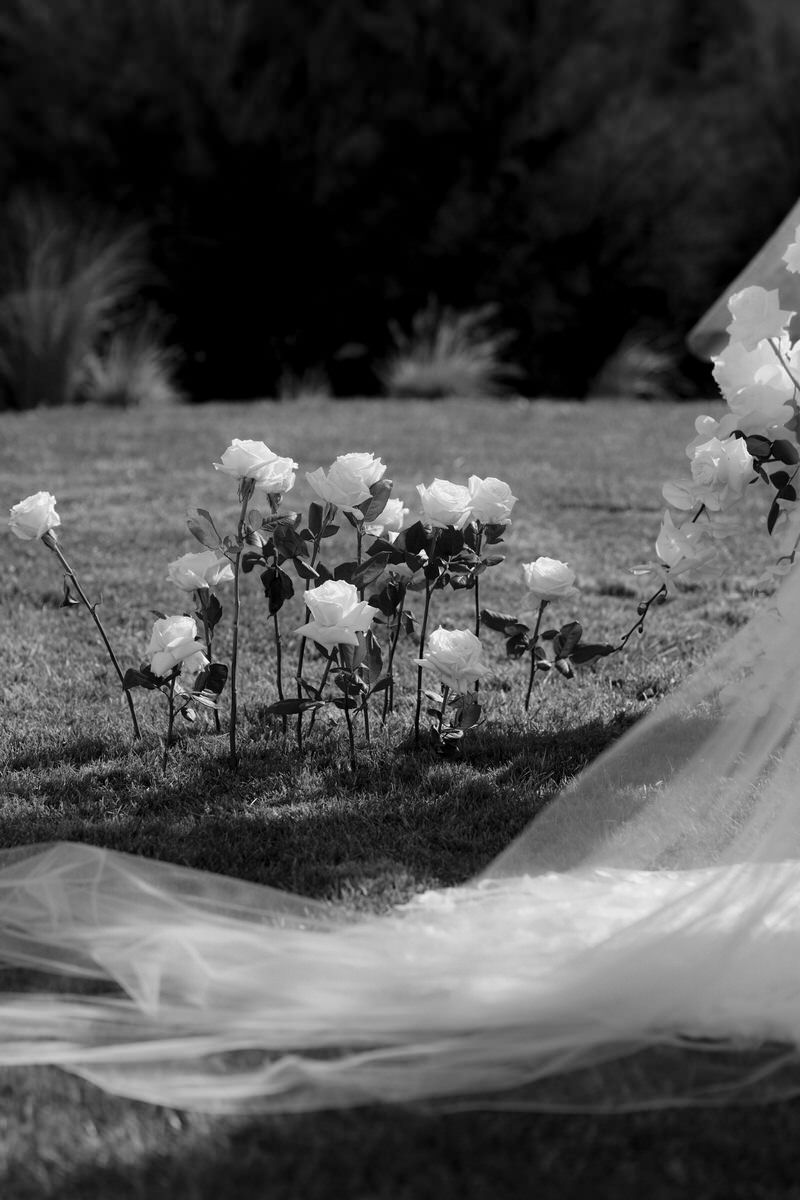
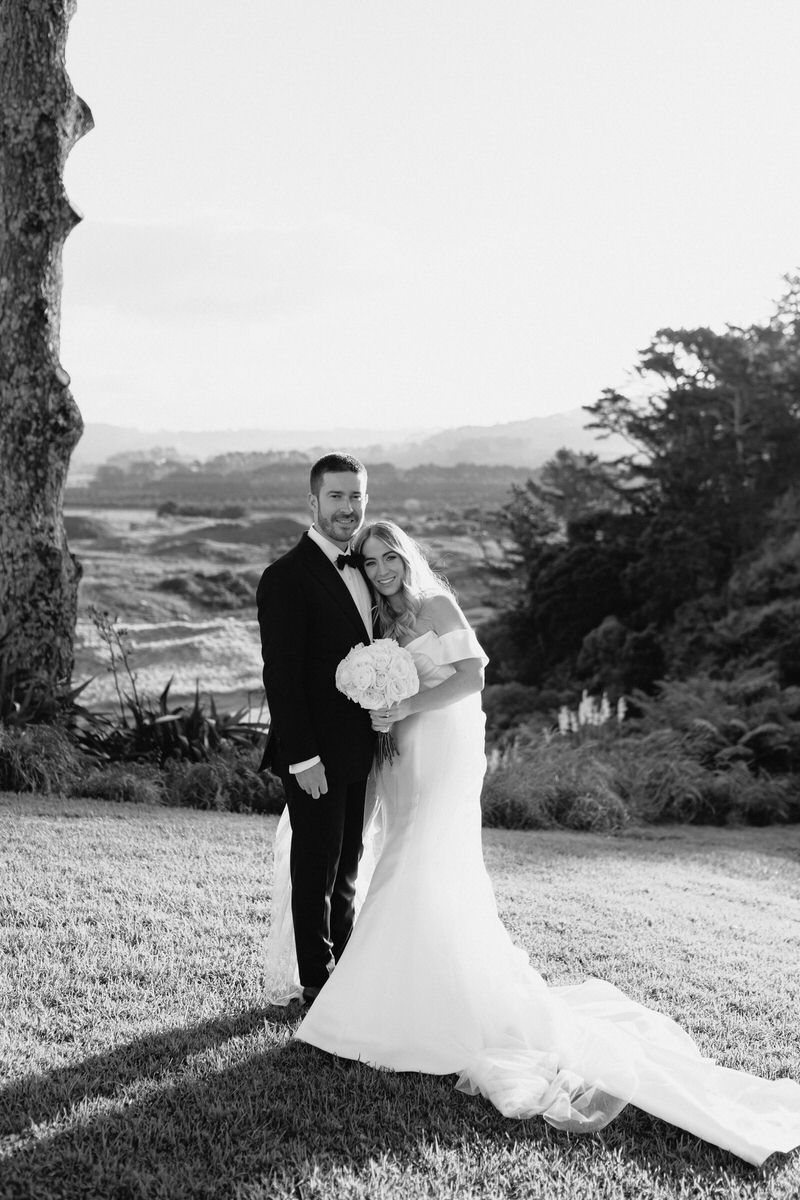
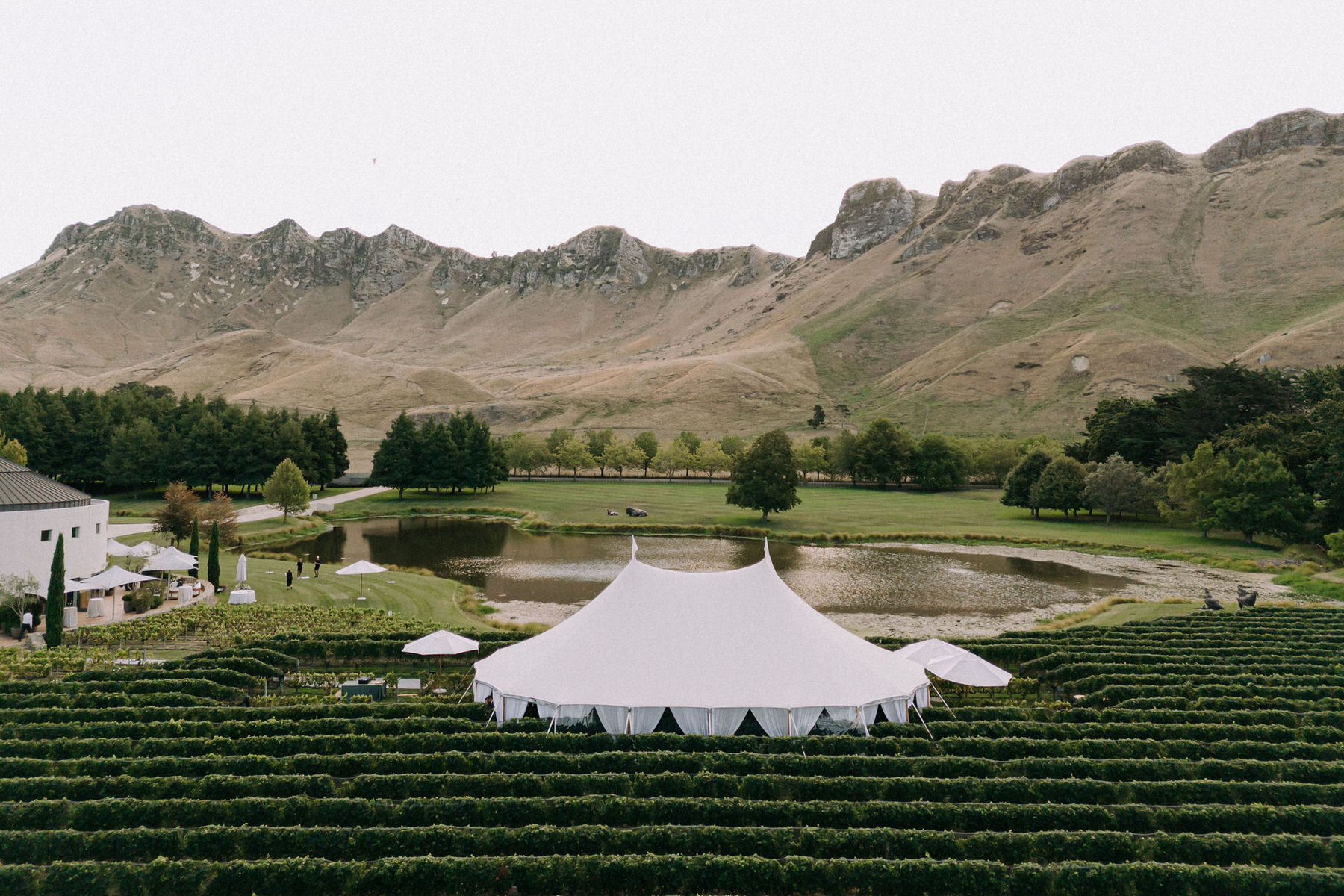
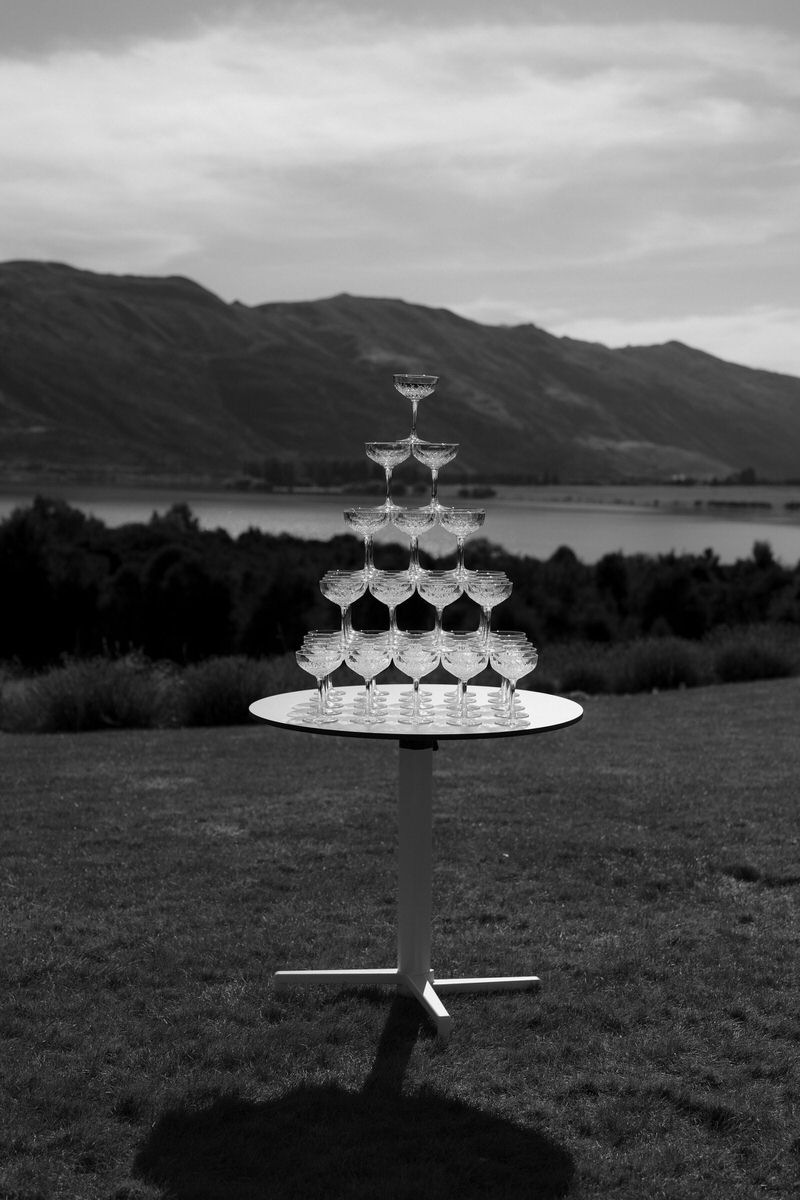
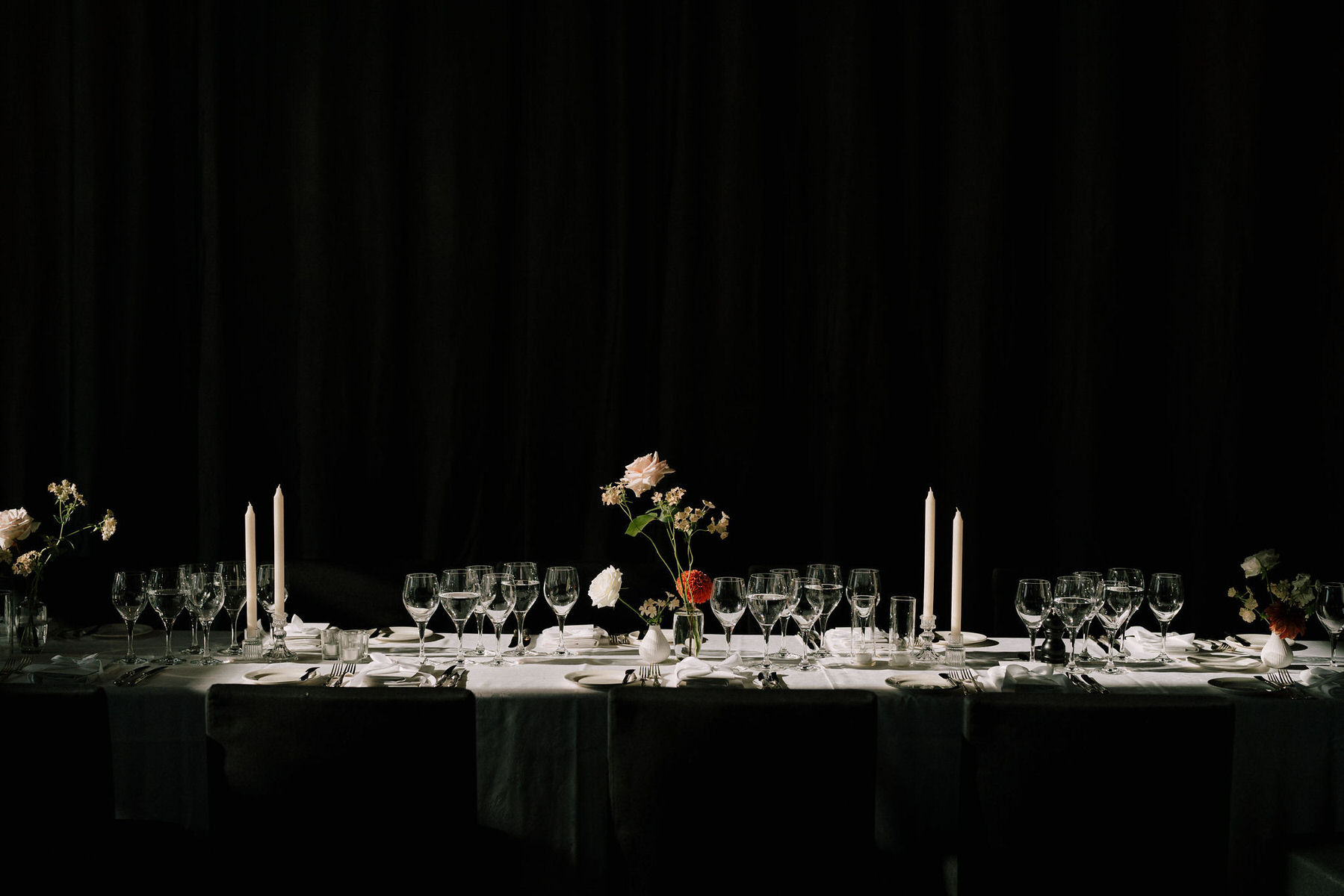
Your work is filled with beautifully observed details that many people would never notice in the moment. Do you think photographers are, by nature, people who simply pay closer attention to the world?
I can’t speak on behalf of every photographer, but I do think my own sensitive and observant nature has been a big part of shaping my photographic style. Wedding photography feels like a natural fit for that because there is so much happening beneath the obvious moments. There is also something about looking through a camera that heightens your senses. Once you place a frame around the world, you’re working within a constraint, and I actually think that can be where some of the best creativity comes from. You start noticing the light, the relationships, the gestures and all the small things that might otherwise pass you by. The frame forces you to make choices, and perhaps that is what makes you pay closer attention.
Becoming a mother has brought a new perspective to your life. Specifically, how has it changed your relationship with photography and the way you recognise connection?
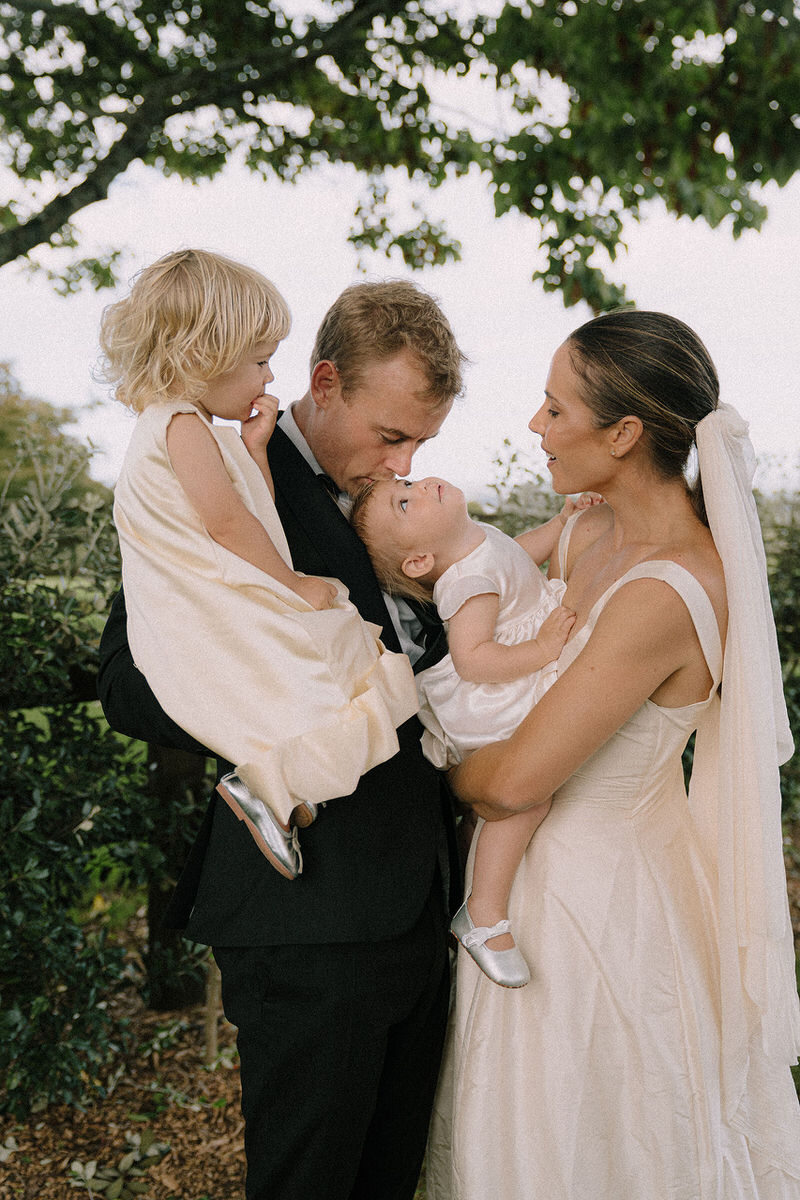
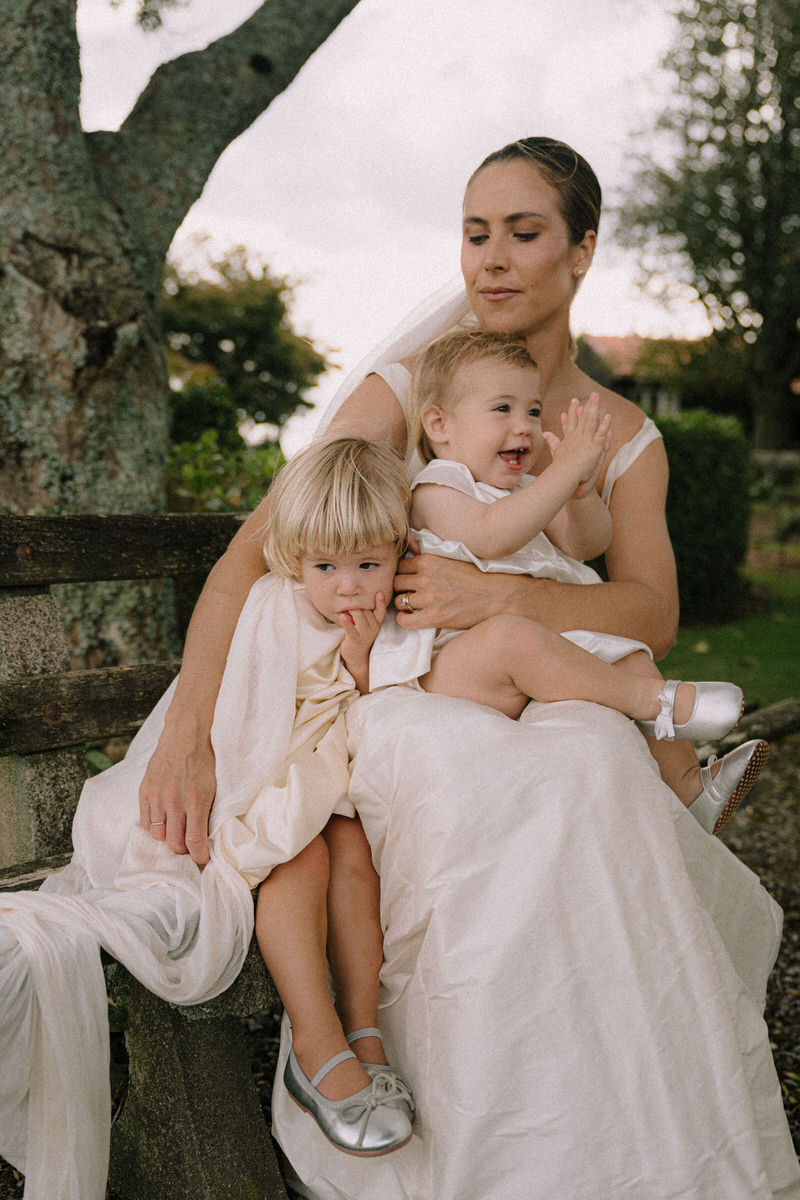
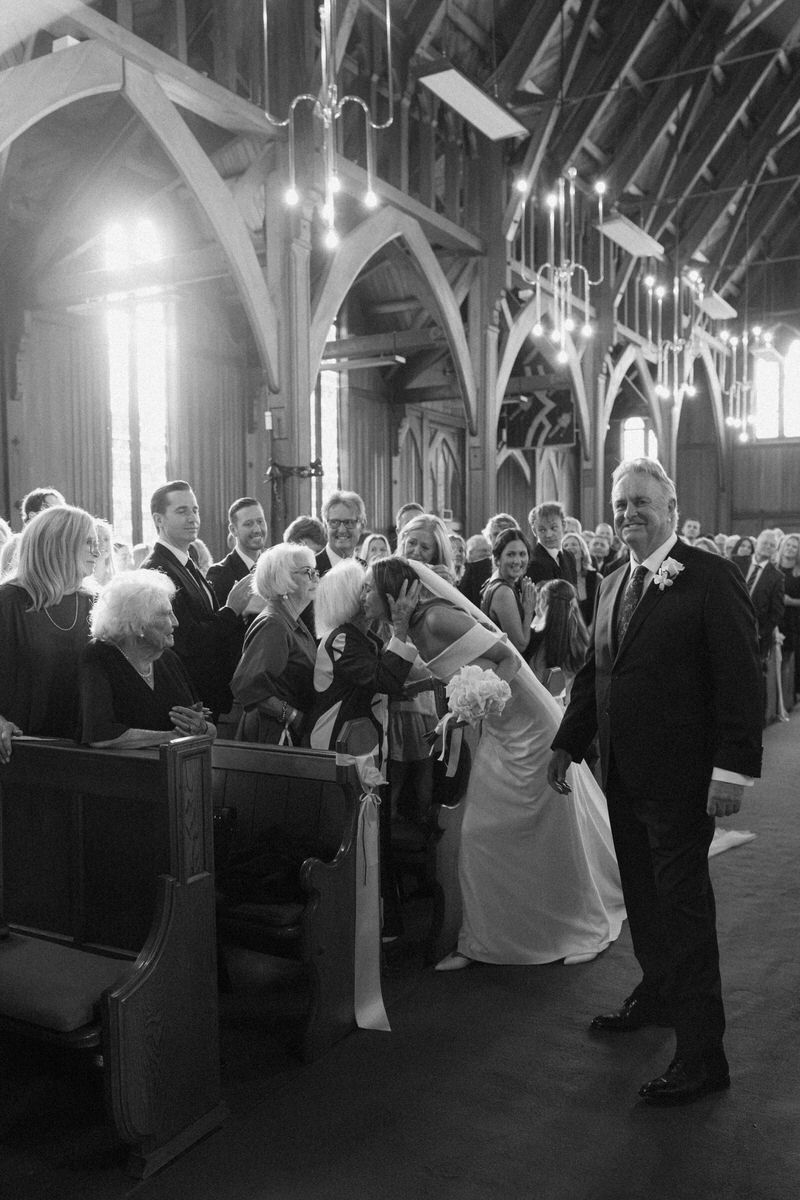
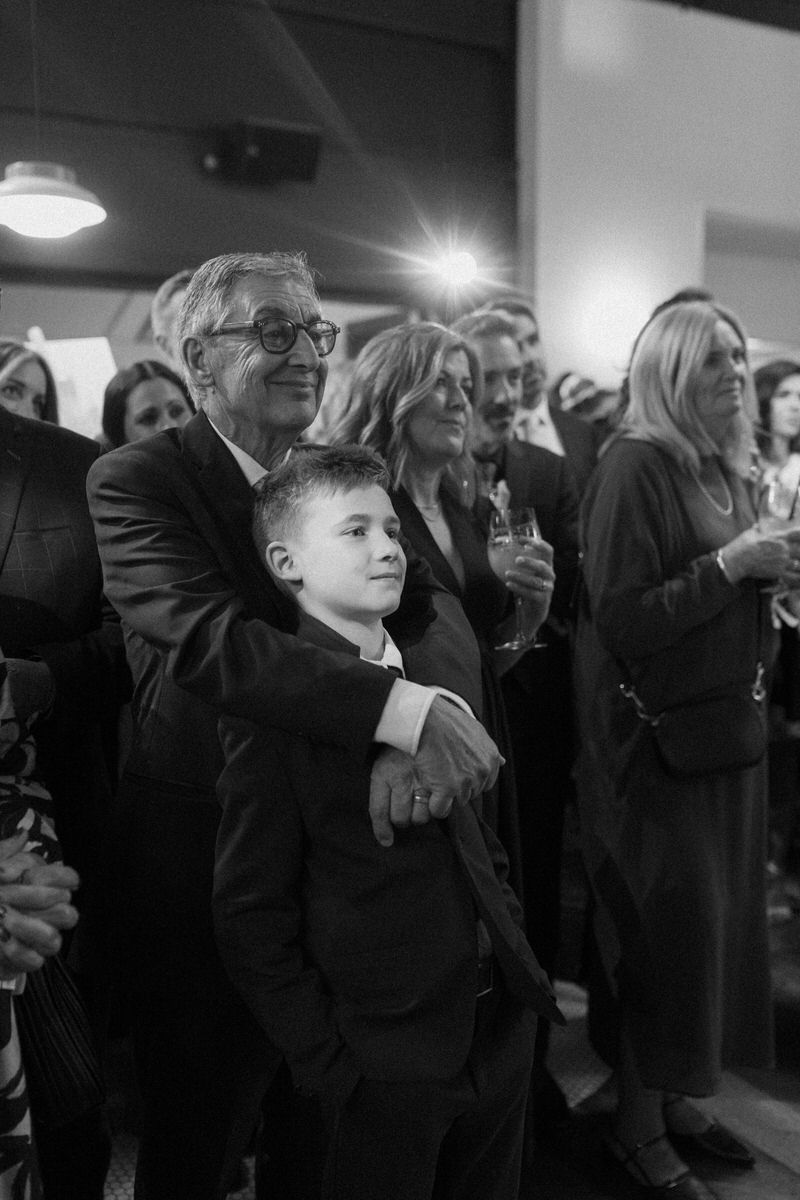
Motherhood has truly opened my eyes to the depth of love that a heart can hold, and I think that has changed the way I see weddings. I’m much more conscious now of all the different dimensions of love that exist within a wedding day. It isn’t only about the couple, but the parents, siblings, friends and generations of family who have often shared a lifetime together. I also find myself much more aware of the passage of time. I see my own children growing and changing so quickly, and it has made me more sensitive to how fleeting these moments are and how much meaning a photograph can hold as time passes. The people in front of my camera have a history together, and one day these images may be looked back on by people who aren’t even part of the story yet. I think that awareness has made me photograph weddings with an even greater appreciation for the family story that sits behind the day.
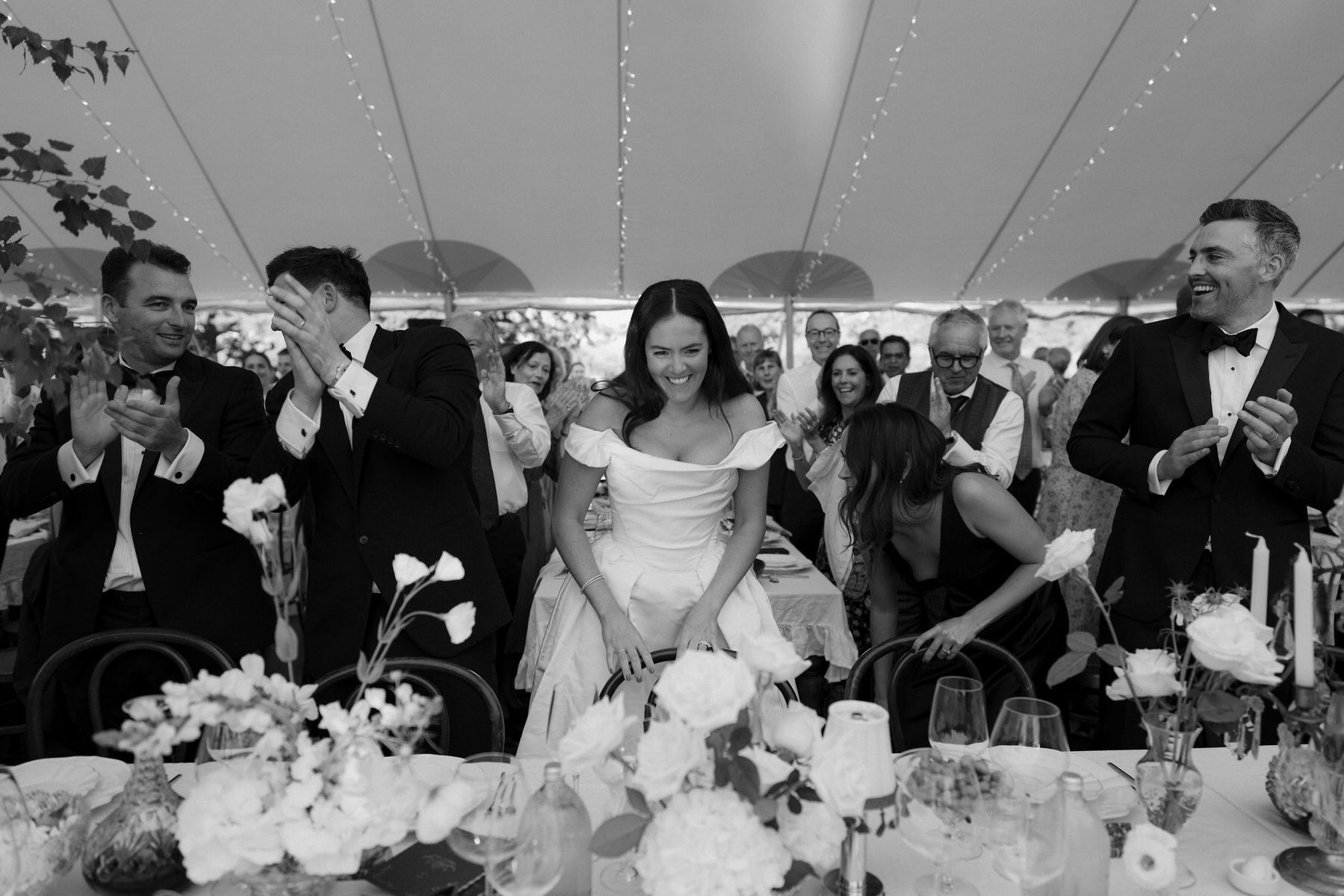
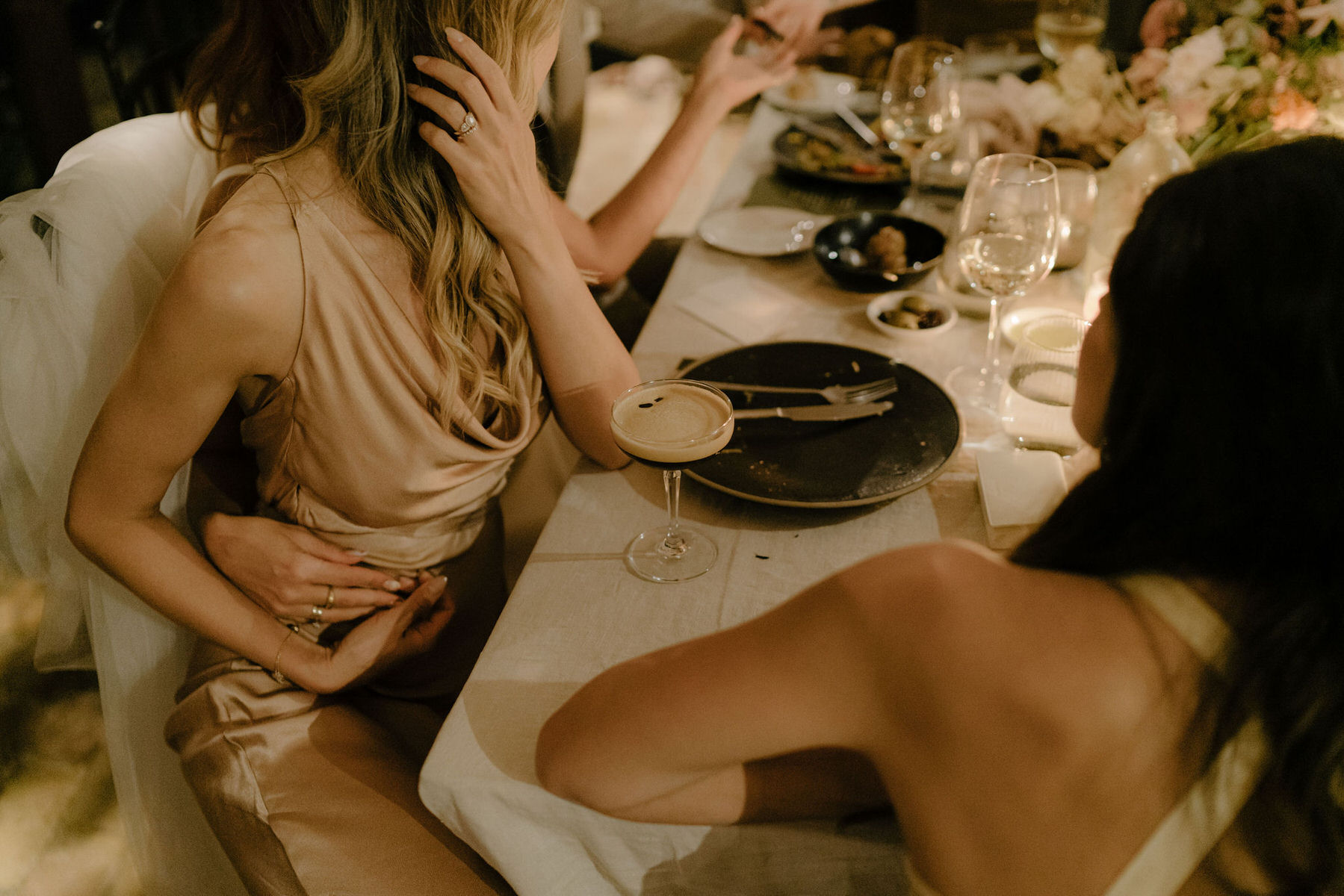
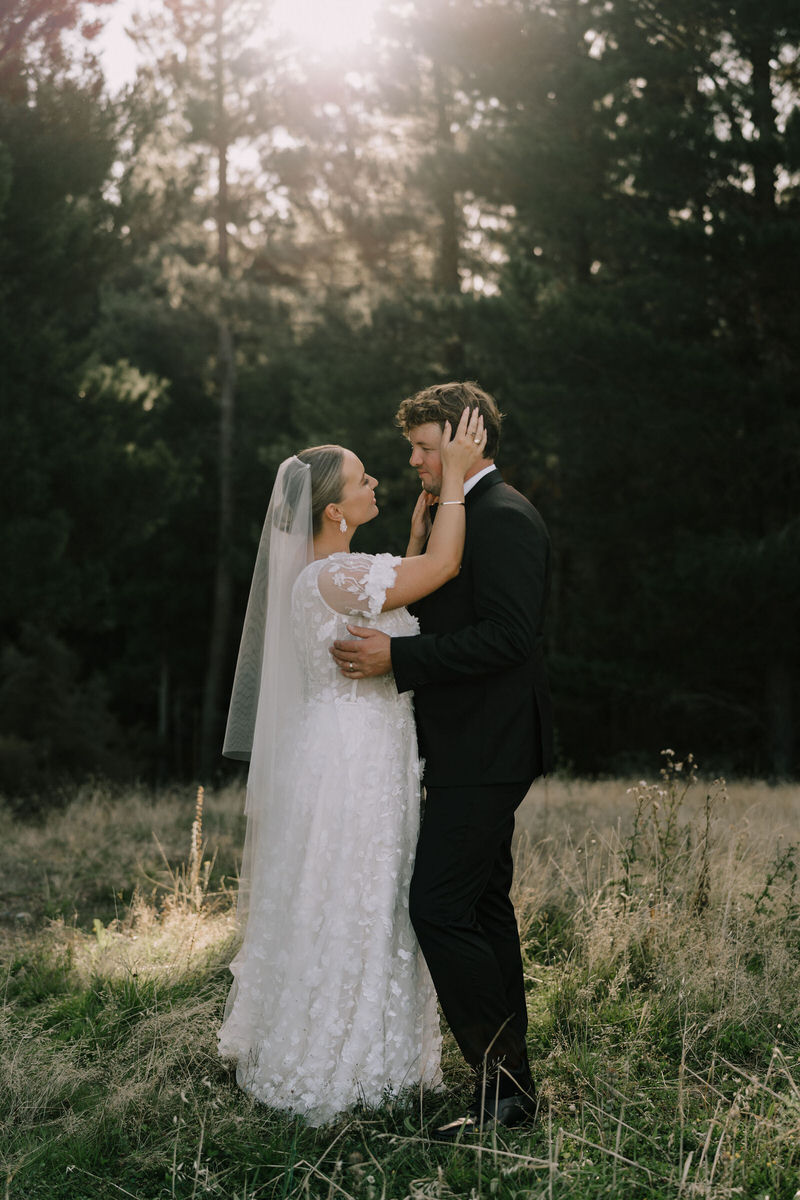
If you could ask every couple to forget just one expectation they have about a wedding day or wedding photography before the day begins, what would it be, and what do you hope they would embrace instead?
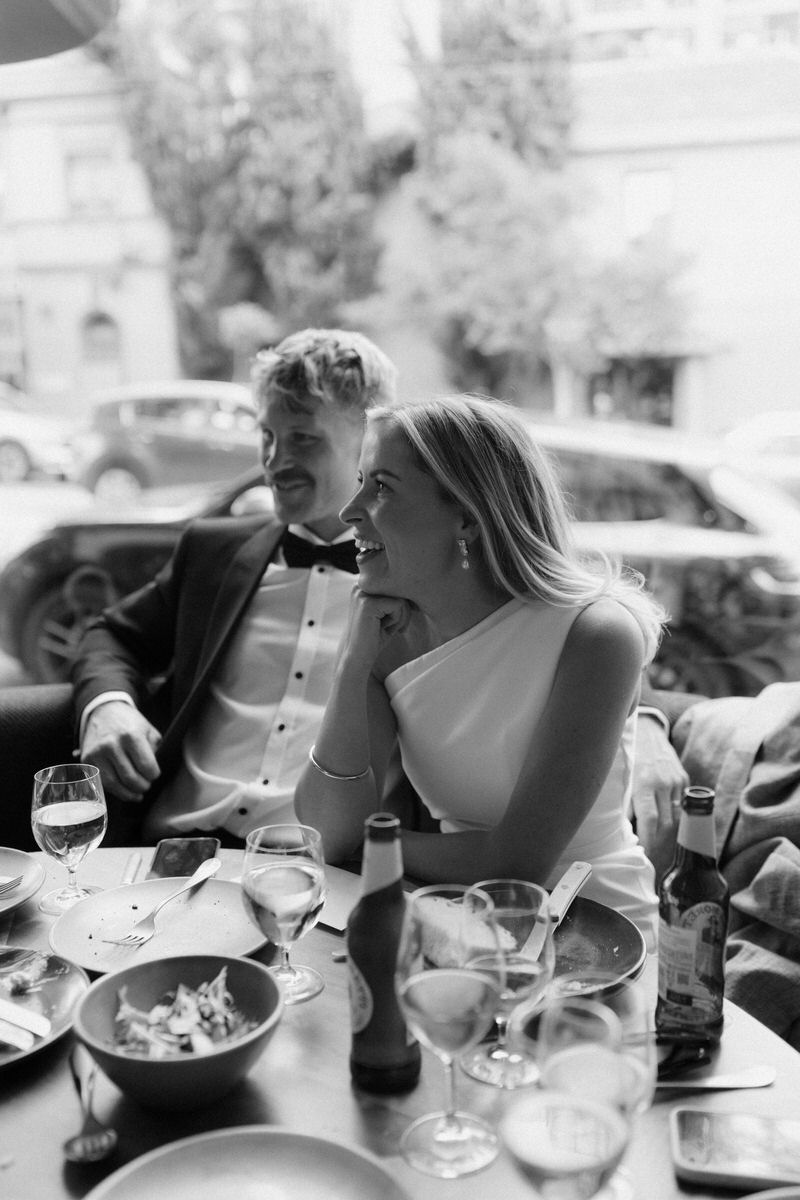
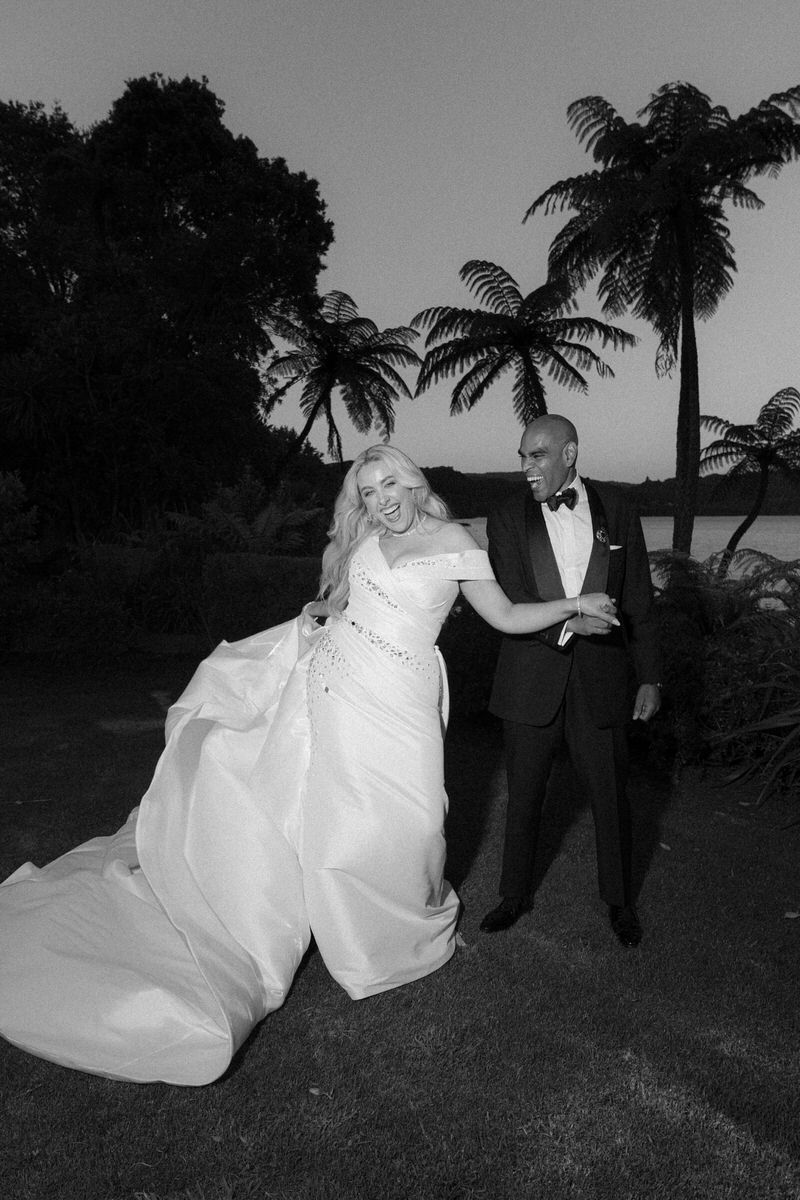
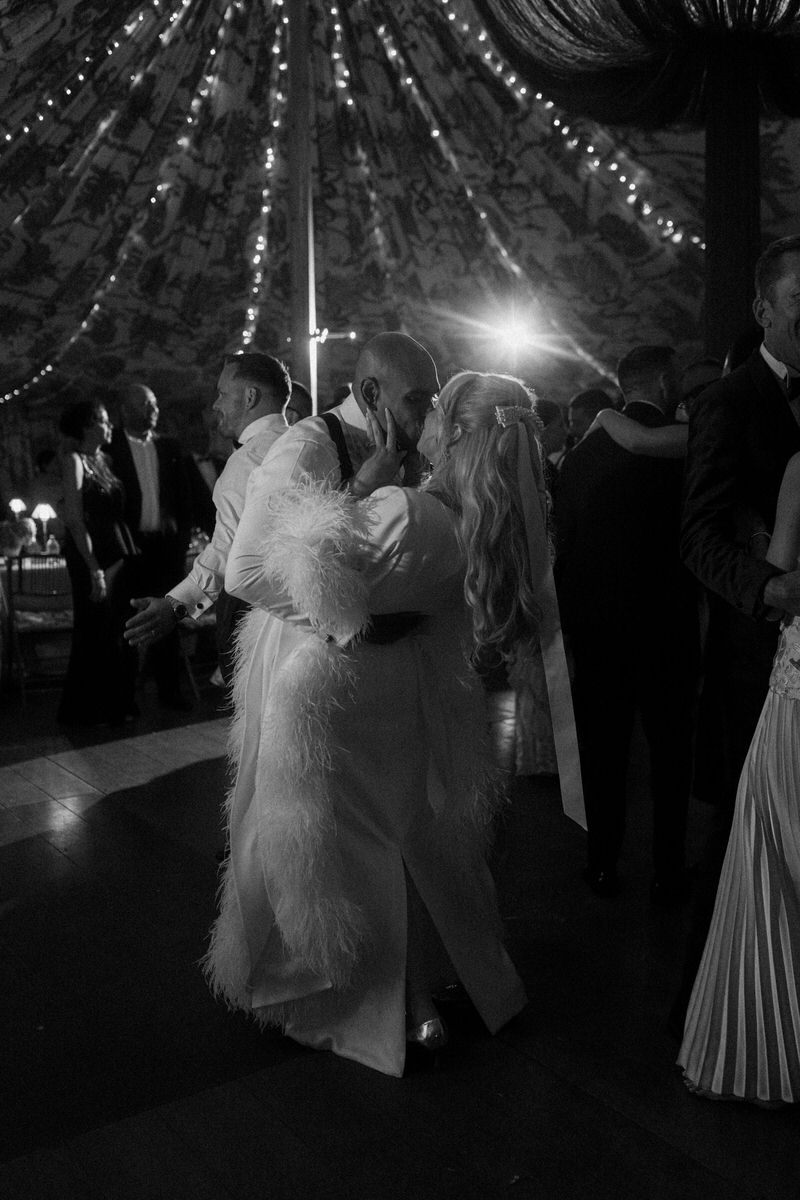
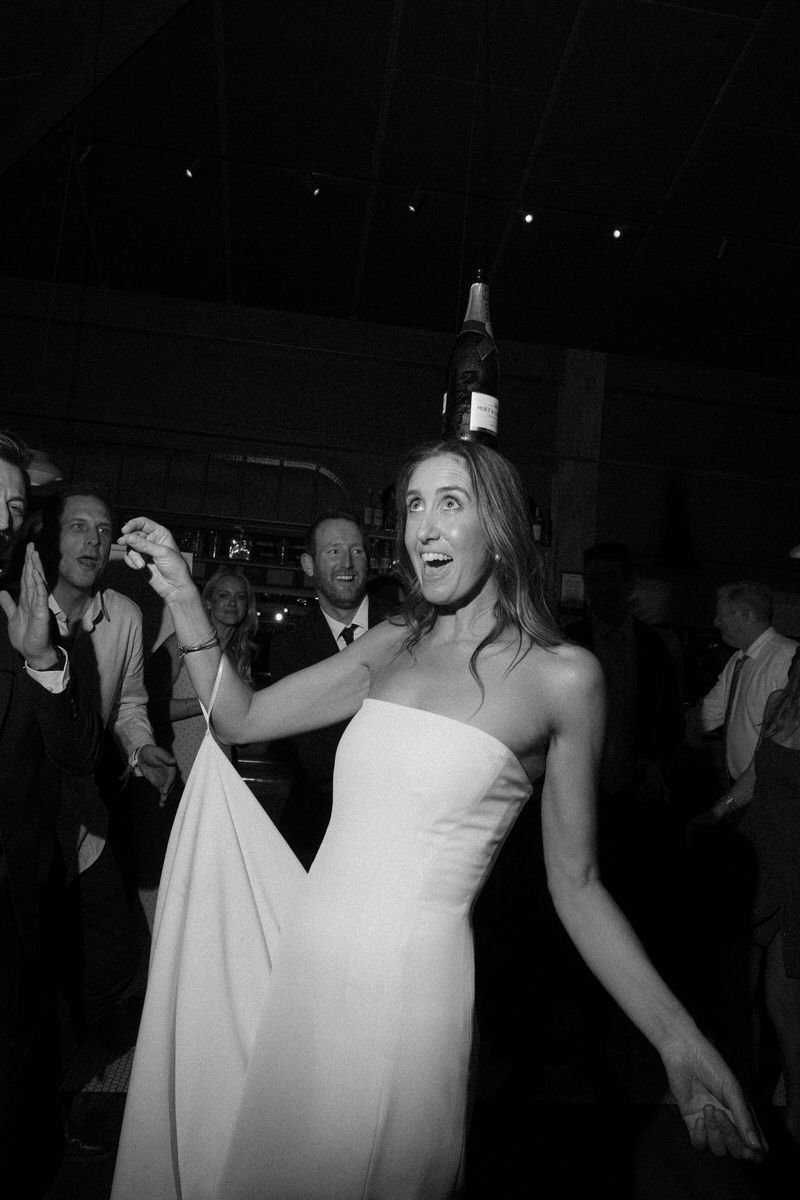
If I could ask couples to forget one expectation, it would be that their wedding day needs to unfold perfectly for the camera. Photographs are important, of course, but I think there can be a lot of pressure to perform for the camera, to know your angles, make sure every detail is captured or spend a large part of the day creating the “perfect” photographs.
I’d much rather they embrace being completely present in their own day. Be with the people you love, let yourself be surprised, laugh when something goes wrong, hold onto each other for a little longer. Those are the things you can’t really manufacture, and often they are what make the photographs feel most like you.
I think when you stop worrying about how you’re being photographed, you tend to be photographed more honestly. The images become a reflection of how the day actually felt, rather than a performance of what you thought it should look like.
Finally, after fifteen years of documenting love stories, what continues to surprise you? What still has the power to stop you in your tracks, even after all this time?
I still cry at weddings. After sixteen years, you’d think I’d have developed some professional immunity, but it’s not the case for me. I’ve also lived enough life now to appreciate that relationships are beautifully imperfect, and I think that gives me an even deeper appreciation for what it means to witness two people choosing each other.
What stays with me is how differently love reveals itself. There are moments I could never anticipate, often in the smallest or most unexpected interactions, that remind me just how layered human relationships are.
Experience has taught me how to anticipate a wedding, but it hasn’t taught me to predict people, and I hope it never does.
Quite simply, we believe Danelle is one of the finest wedding photographers working anywhere in the world today. To have her document your wedding is not only an extraordinary privilege, but also one of the safest creative decisions a couple could make. Time and again, she has proven that the most powerful photographs are not the loudest or the most elaborate, but the ones that capture the truth of a moment with honesty, grace and remarkable sensitivity.
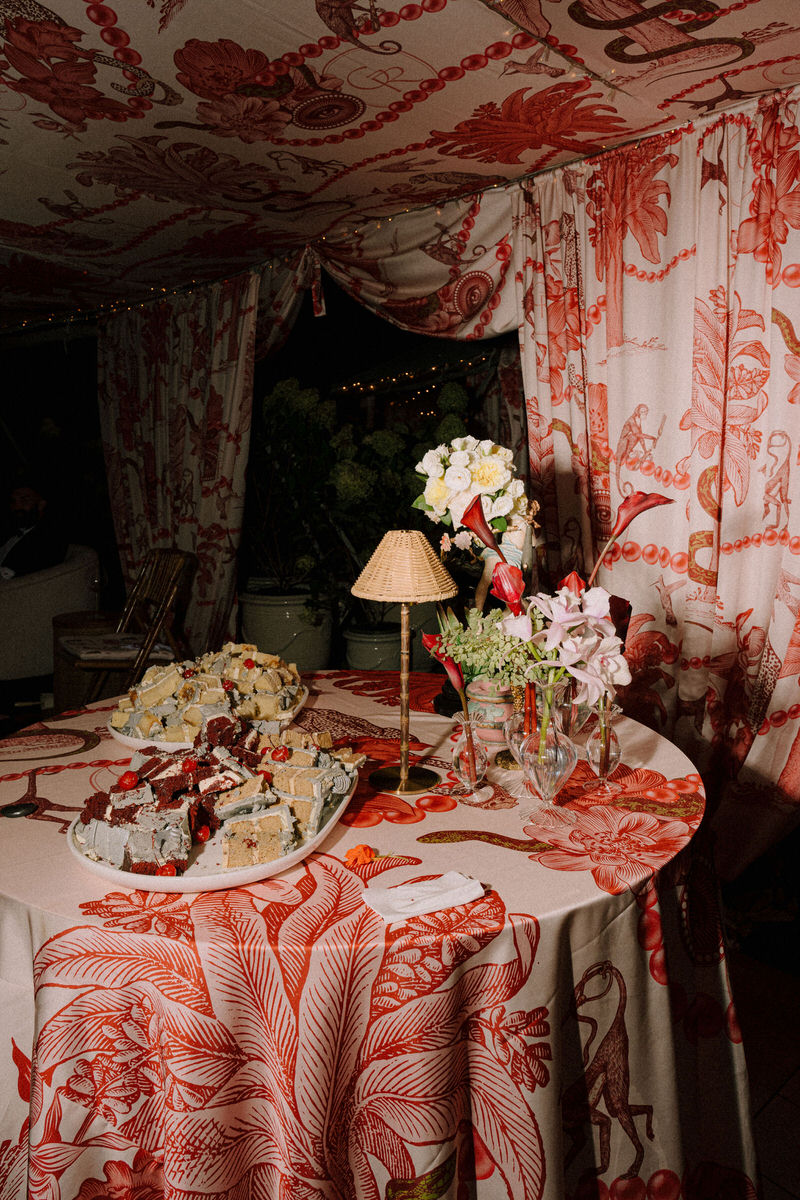
For more information, visit danellebohane.com and @danellebohane
Danelle Bohane