
This isn’t the end. It’s a return.
Kowtow has never treated sustainability as a trend. Now, the New Zealand label is taking one of the most ambitious and meaningful steps yet toward a truly regenerative fashion system.
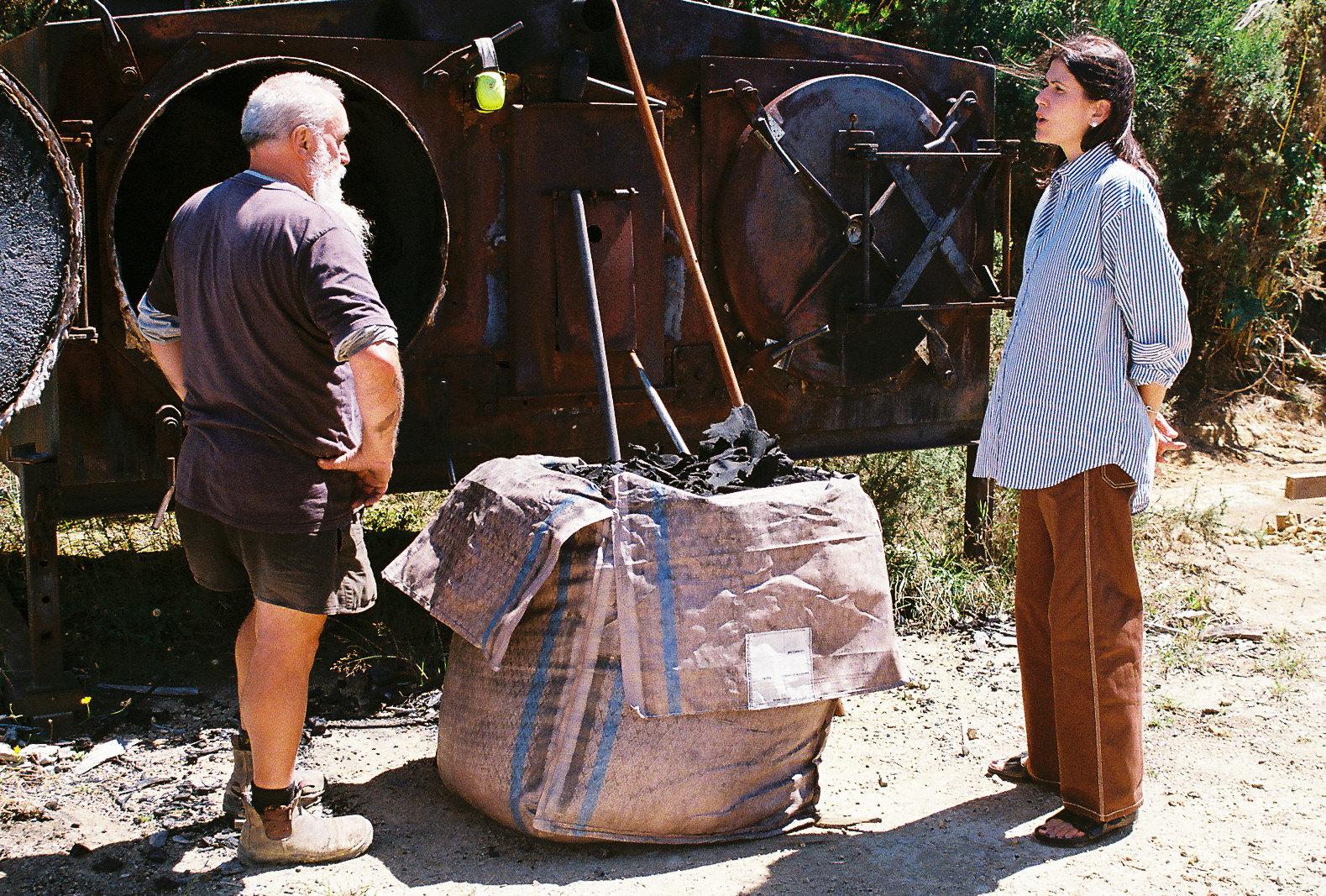
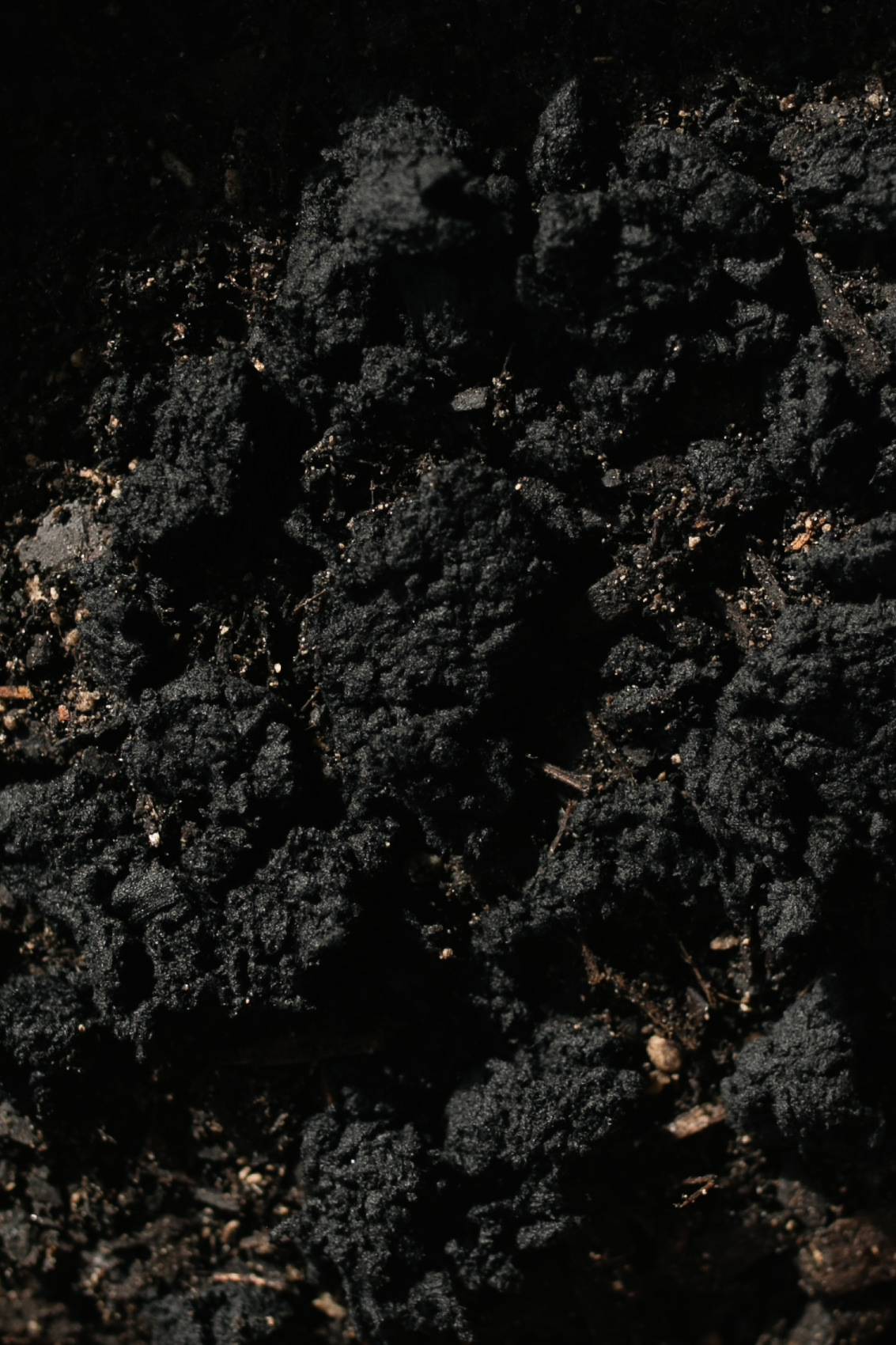
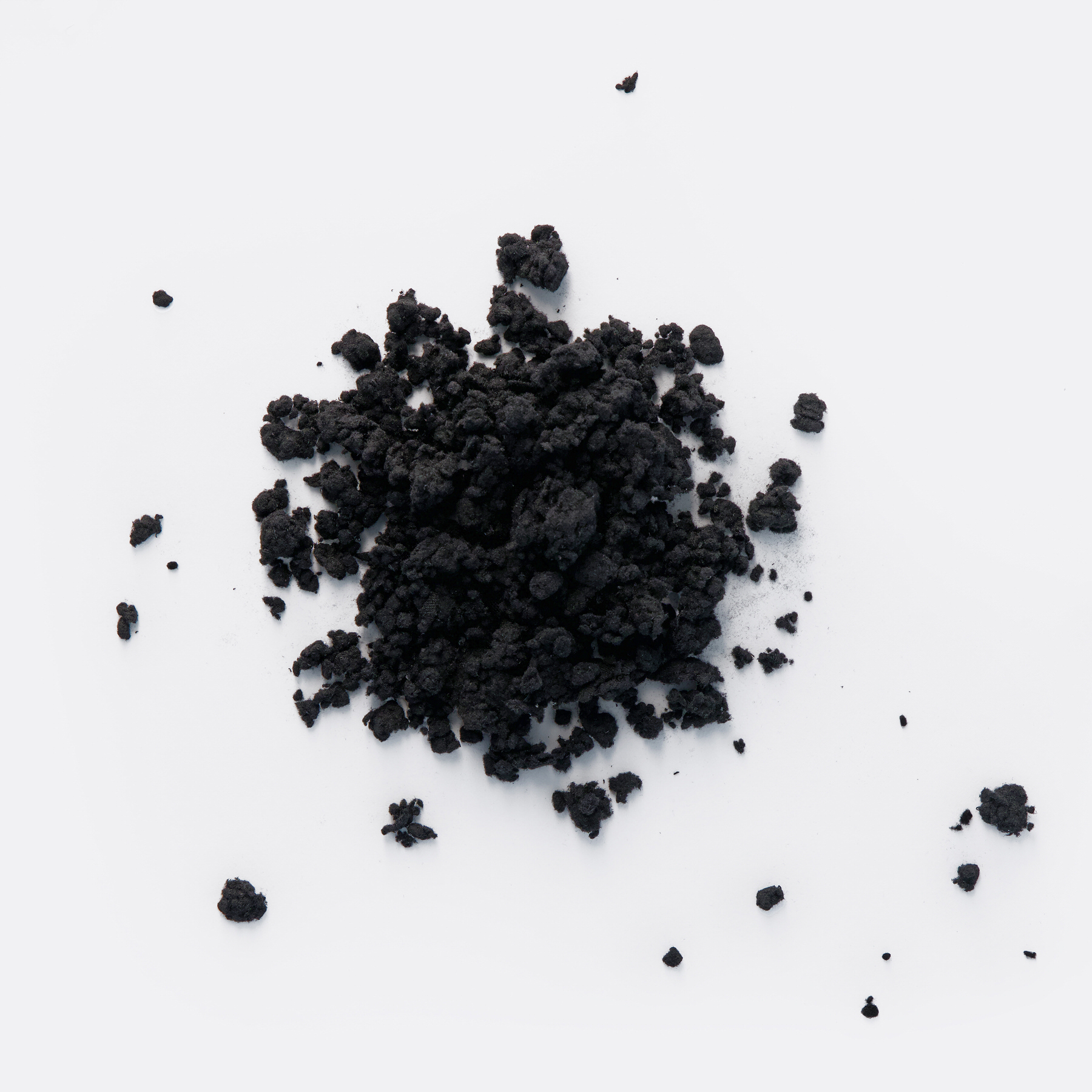
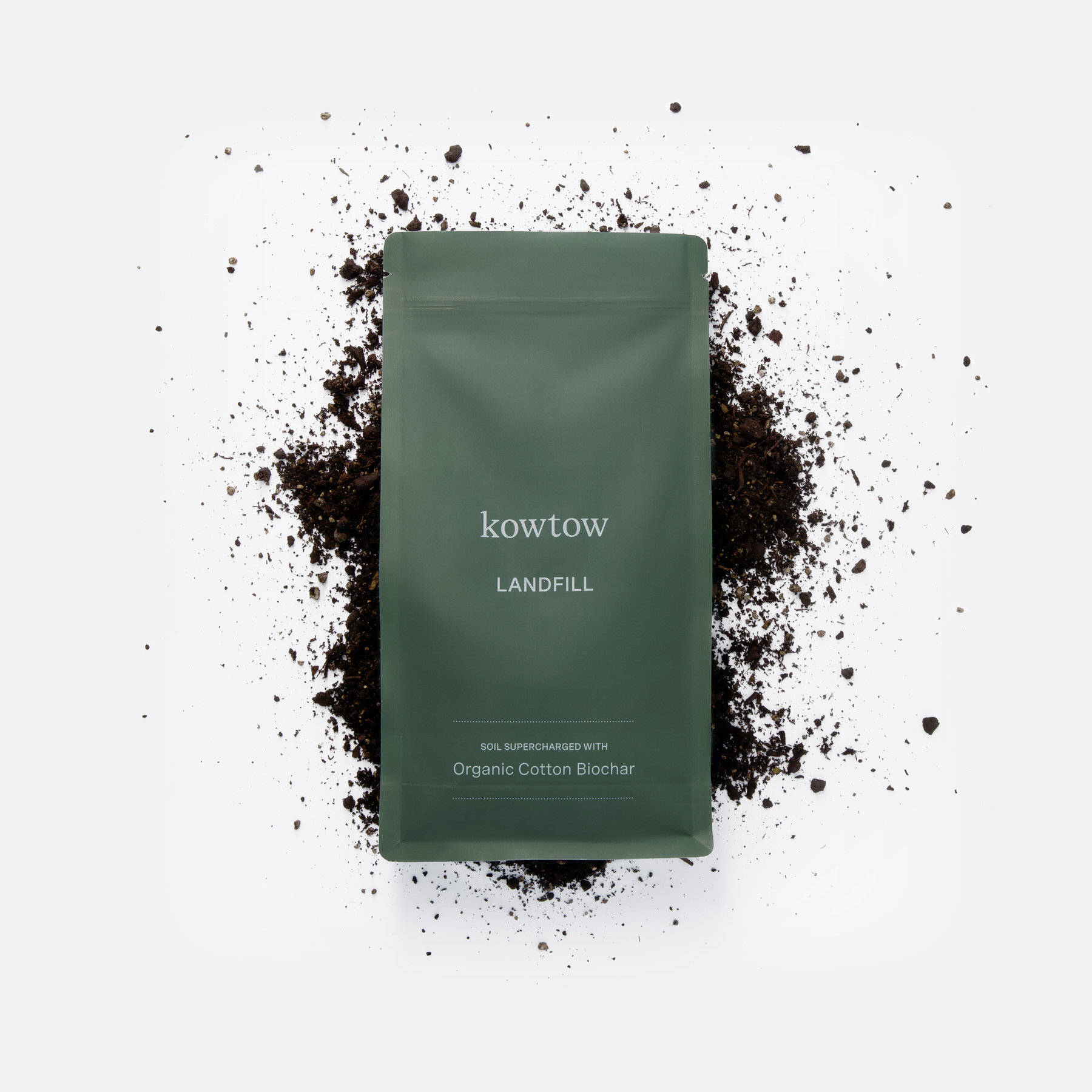
For more than twenty years, Kowtow has built its collections around a simple but rigorous belief: clothing should come from nature and return to it without harm. With the introduction of organic biochar into its circular model, the brand moves beyond sustainability as a mitigating act and into regeneration as a creative and environmental force. End of life Kowtow garments, once no longer repairable or wearable, can now be transformed into organic biochar, returning to the earth as a carbon-rich resource rather than landfill waste.

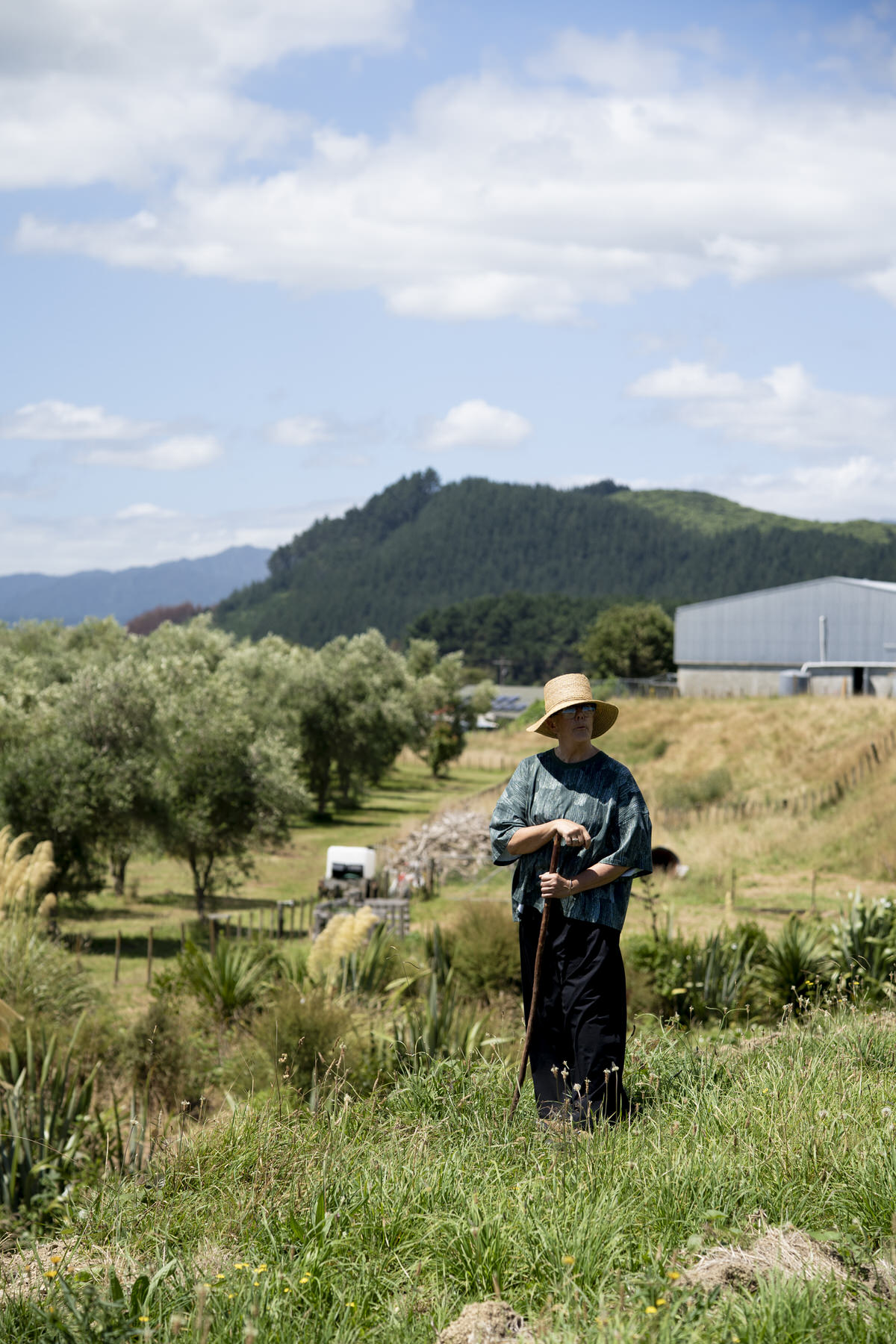
Above: Portrait of Gosia, founder of Kowtow




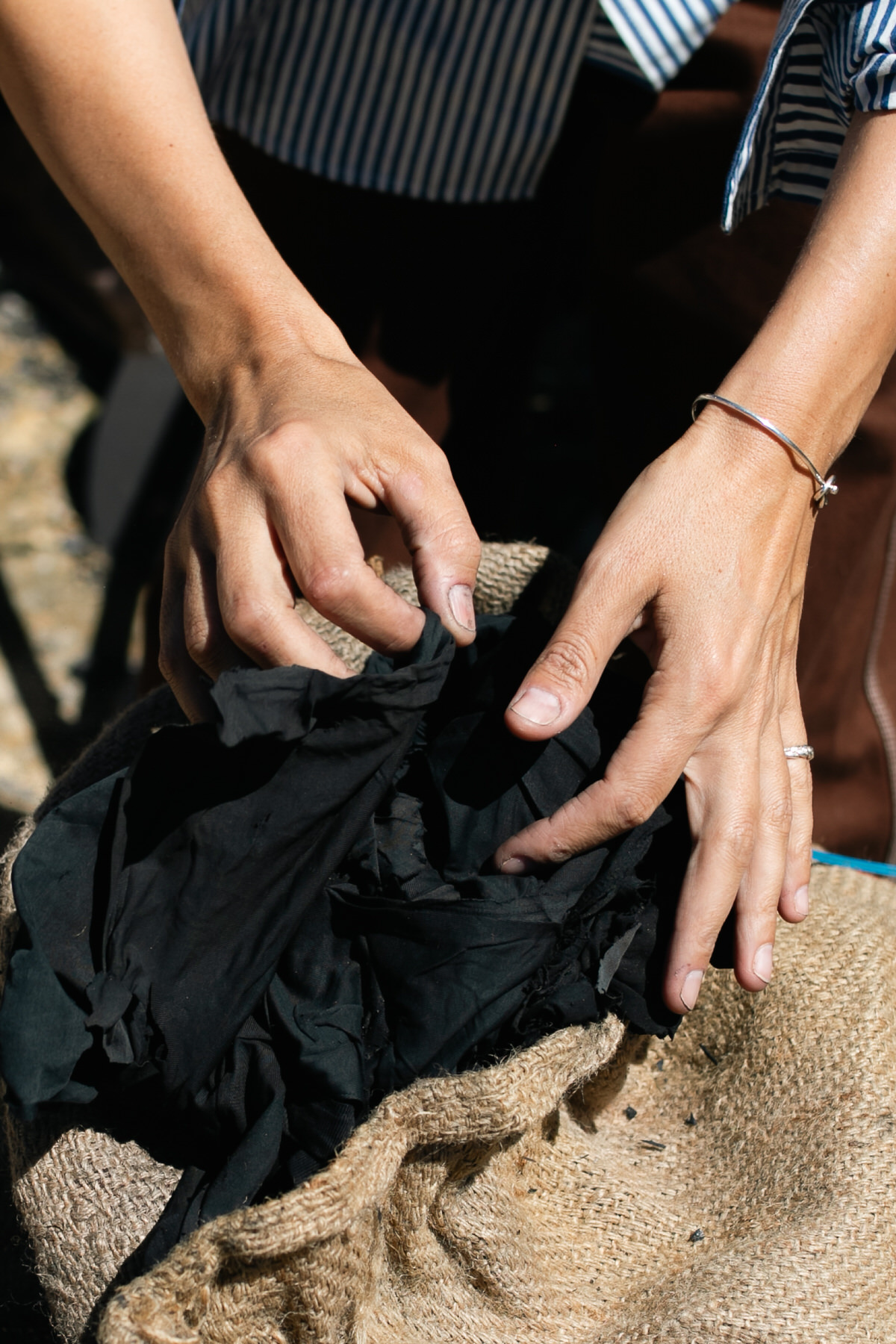
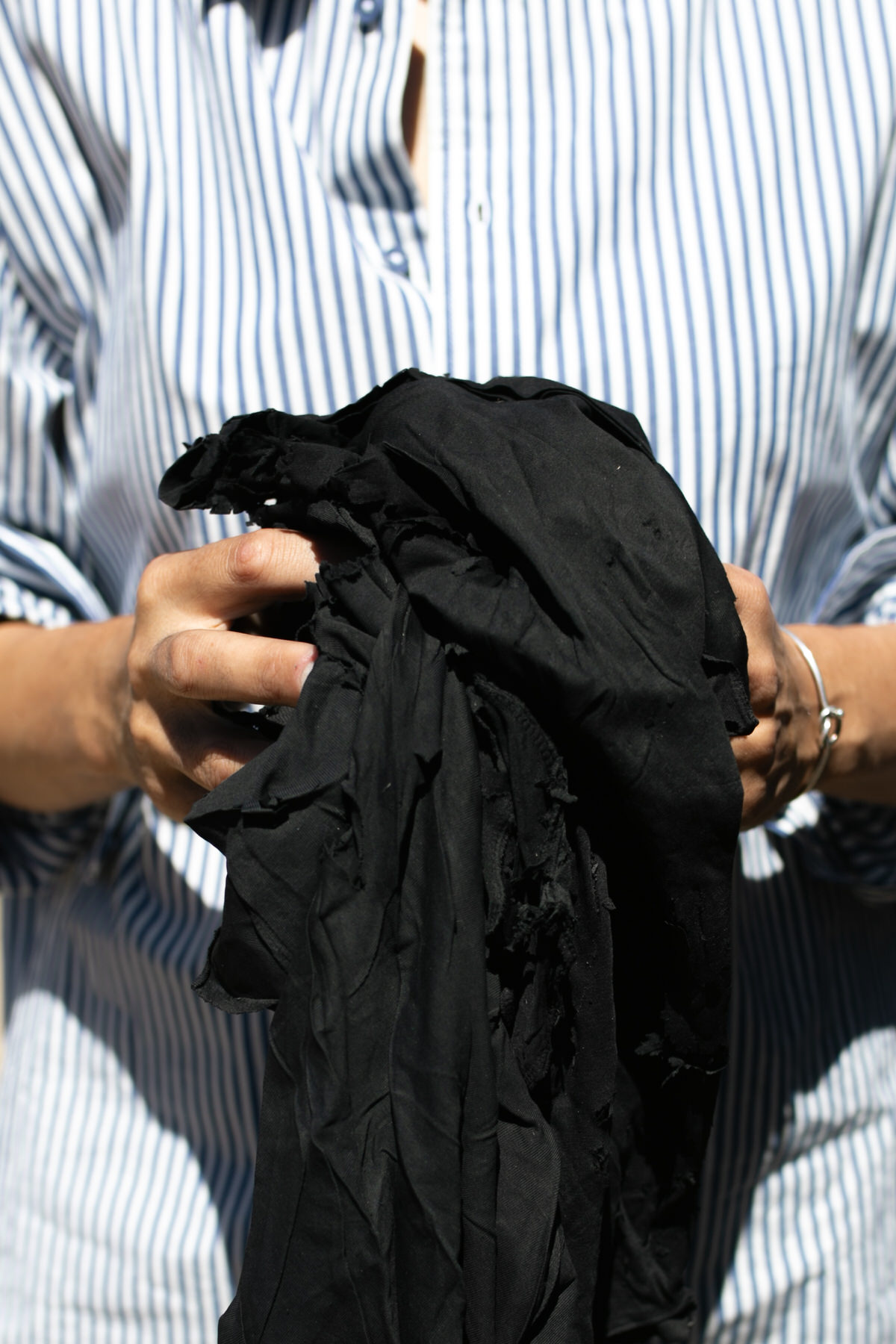
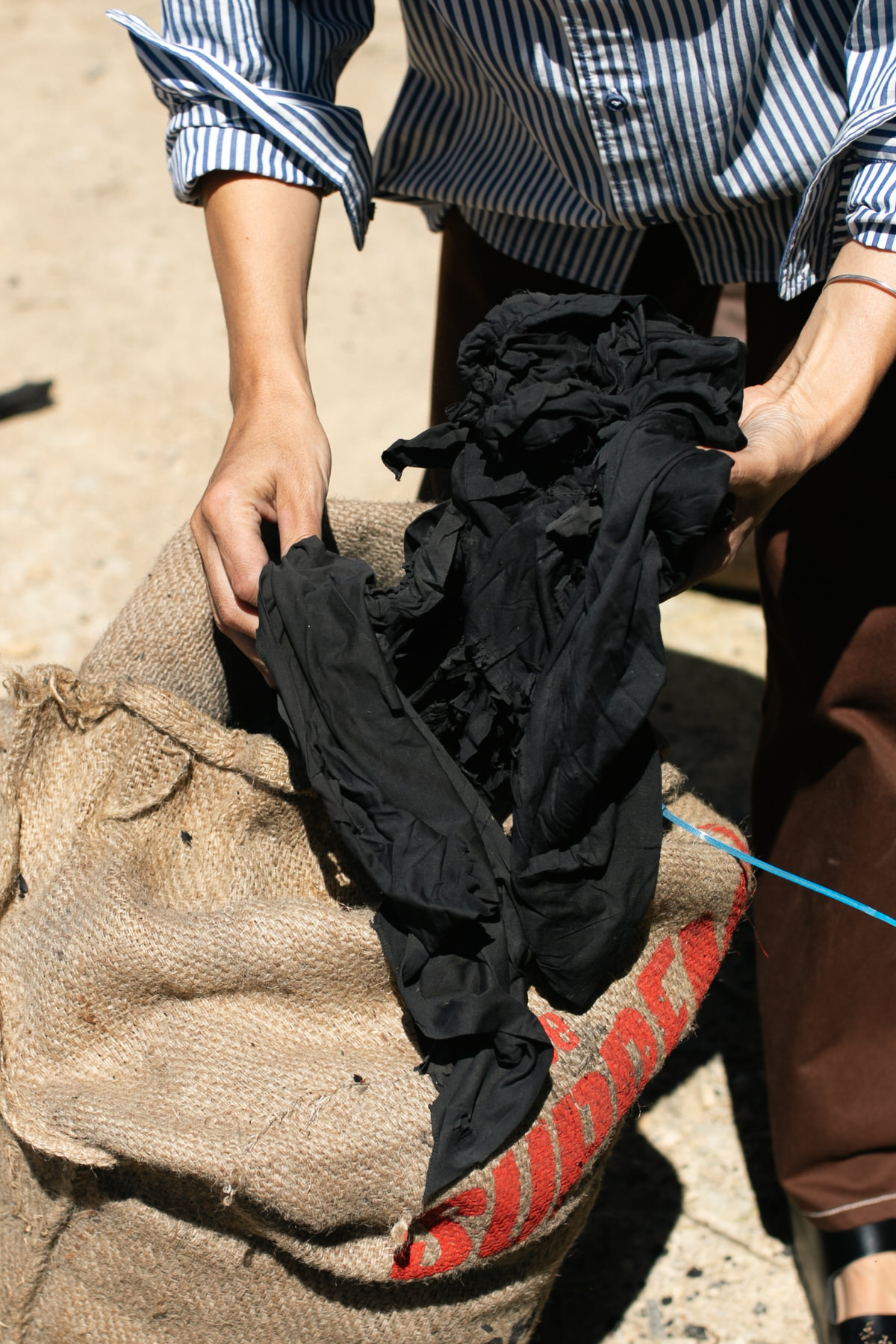
This is not symbolic circularity. It is a science-backed, scalable action. Through an ancient process refined by modern research, Kowtow’s plastic-free Fairtrade organic cotton garments are converted into biochar that locks carbon into the soil rather than releasing it into the atmosphere. The result is a closed-loop solution that enriches the ground, improves soil health, and actively contributes to climate resilience.
It is circularity elevated, where fashion becomes part of a regenerative ecosystem rather than an extractive one.
What makes this initiative particularly significant is its execution. Kowtow is the first global fashion brand to turn end-of-life one hundred per cent organic cotton garments into biochar at scale. While others may explore biochar in theory, Kowtow’s commitment to single-fibre design and the complete removal of plastic trims and hardware makes full garment regeneration possible. Every element is considered, every material chosen with its afterlife in mind.







“By unmaking what we’ve made, we give back,” says Head of Sustainability Tessa Bradley. “This isn’t the end of a garment’s life. It’s the start of something bigger, a future where fashion becomes a force that restores, not extracts.”
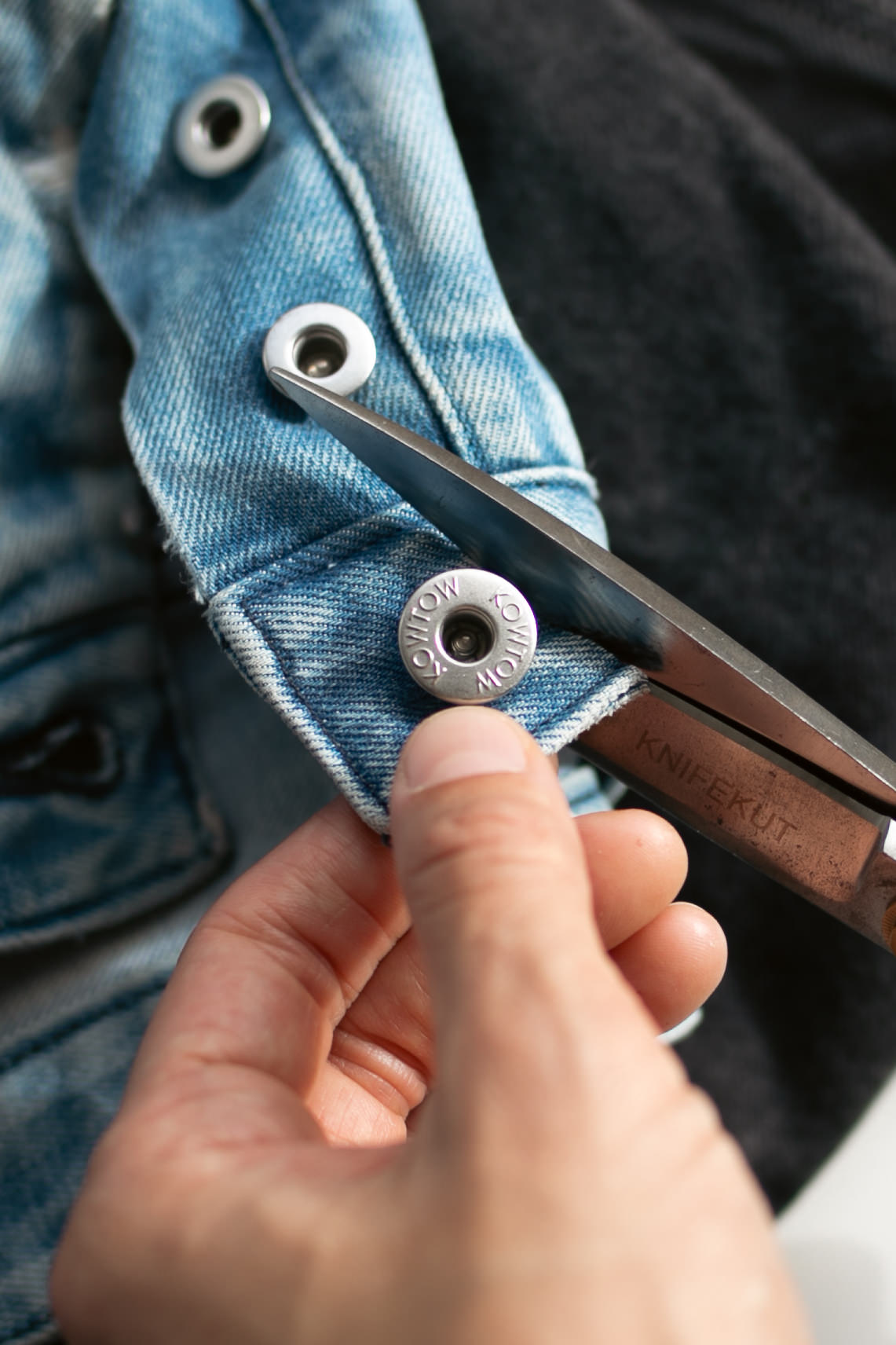

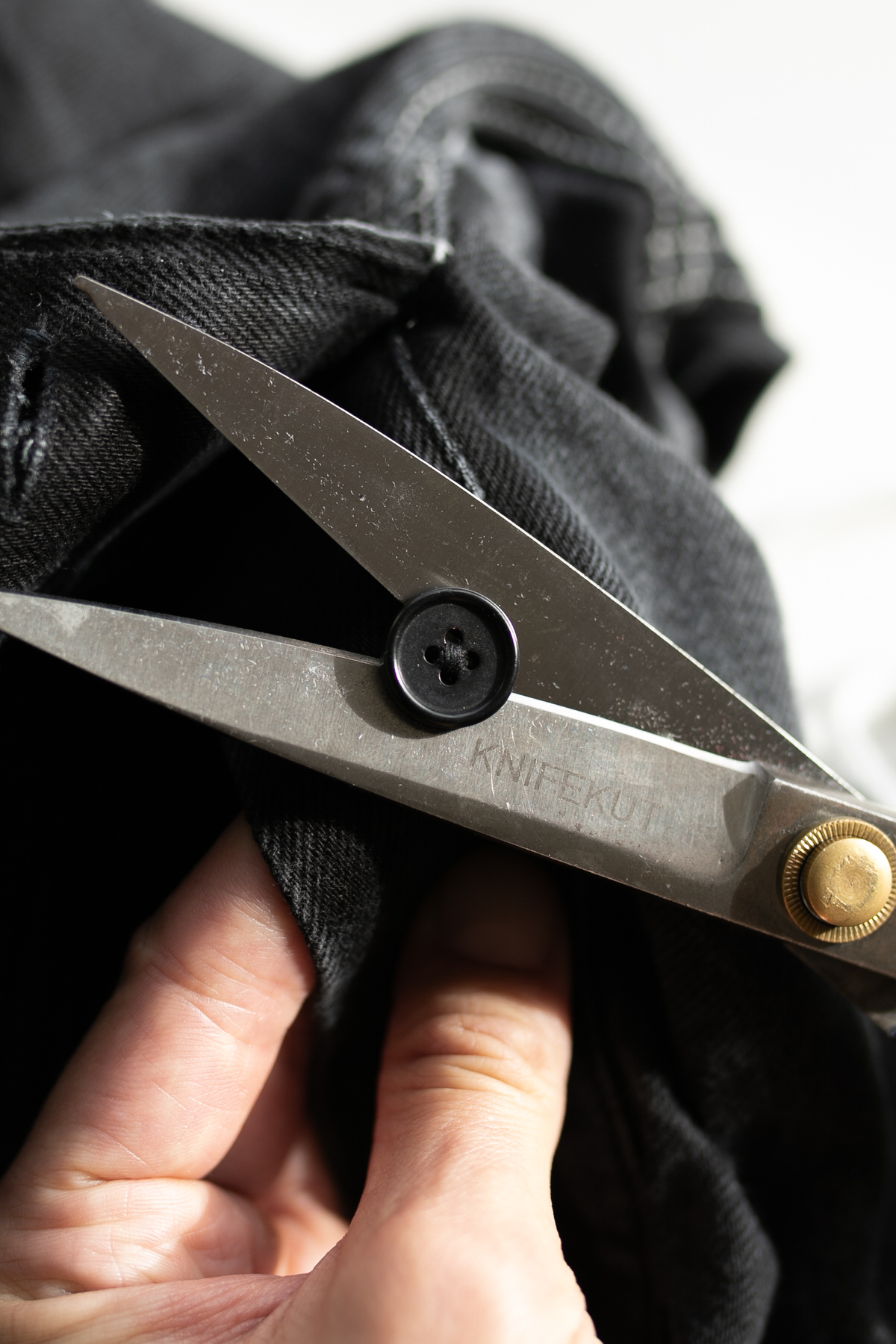
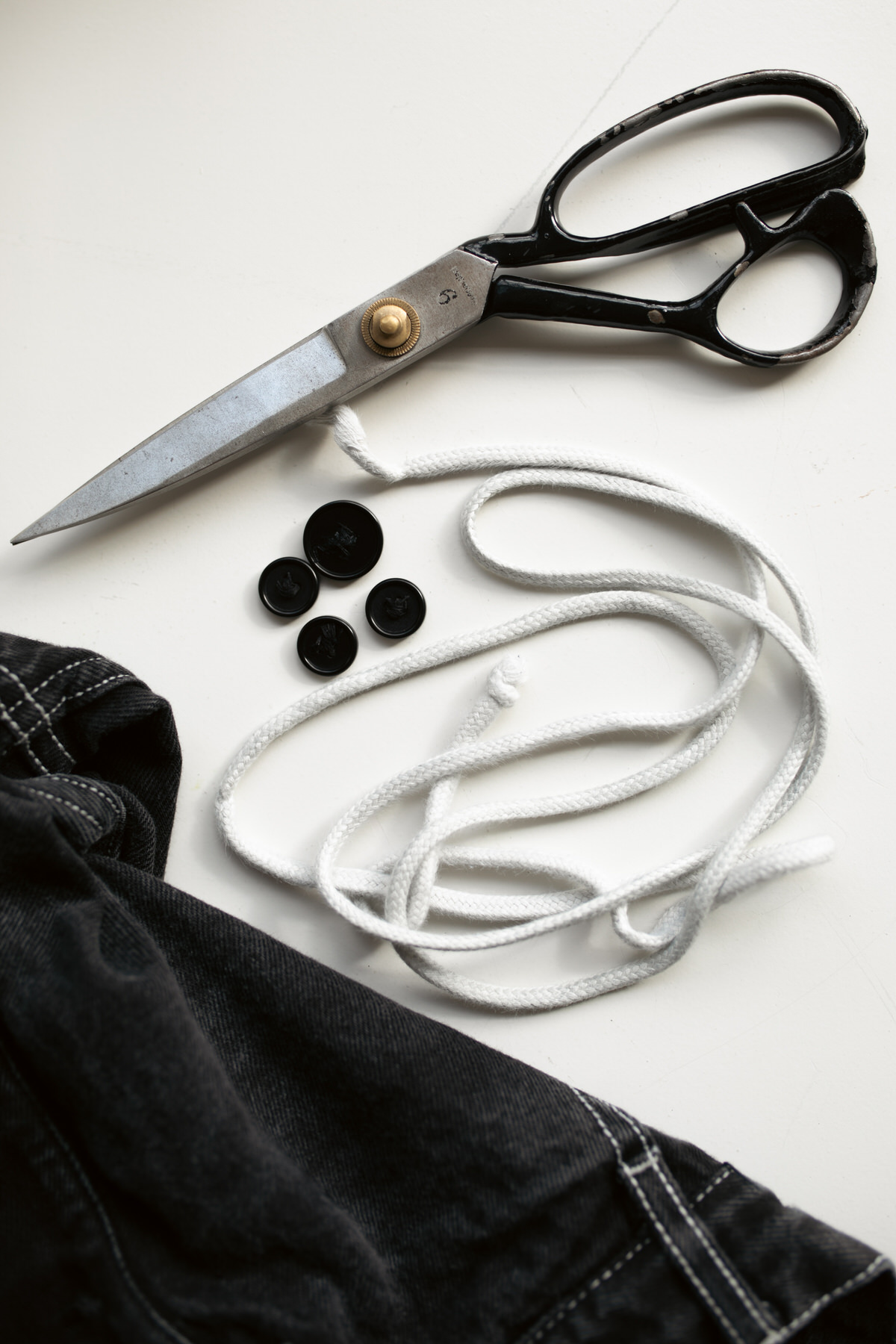

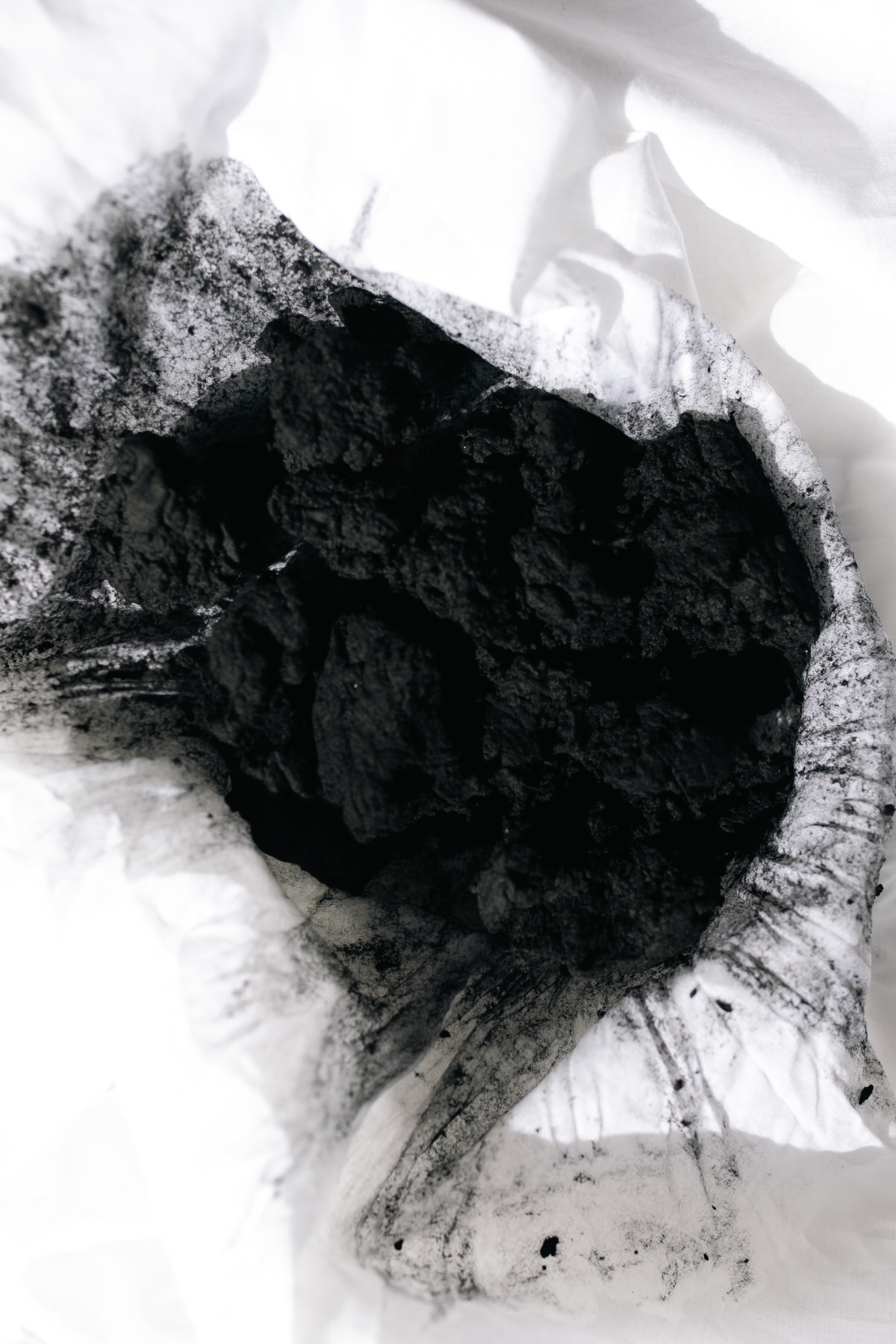

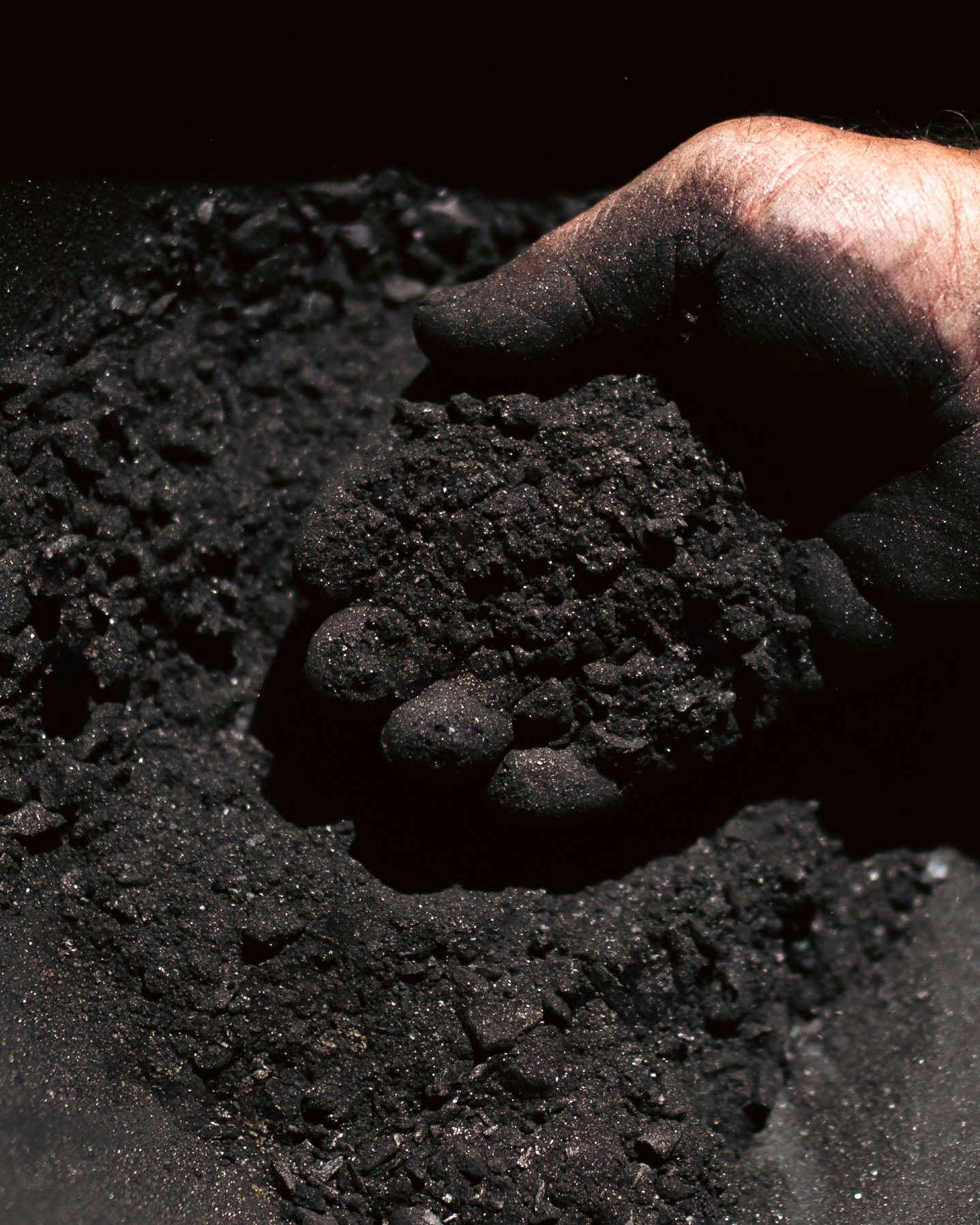
Through its Regenerate programme, customers are invited into this process. Garments that can no longer be repaired or resold can be returned to Kowtow, where components such as buttons are recycled, and the remaining cotton is transformed into biochar. Quite literally, clothing is returned to the ground. From 2026, this working solution will be fully integrated into the brand’s regenerative pathway.
Developed in collaboration with Carbon Options and The Good Carbon Farm, the process involves heating garments in a low-oxygen environment at high temperatures, not burning them, but converting them into pure carbon. The resulting biochar improves soil structure, helps retain nutrients and water, supports beneficial microorganisms, and rebuilds degraded land.






At a time when fashion is being asked to account for its impact with greater urgency, Kowtow’s approach feels both quietly radical and deeply hopeful. It is rare to see a New Zealand brand not only participating in the global sustainability conversation but actively leading it with clarity and conviction. This is environmental innovation anchored in design, discipline, and long-term thinking.
Kowtow’s ambition is refreshingly direct: champion circularity, celebrate soil, and regenerate the ground beneath us. In doing so, the brand offers a powerful reminder that the future of fashion does not lie in doing less harm, but in actively giving back.









For more information, visit nz.kowtowclothing.com and @kowtowclothing.