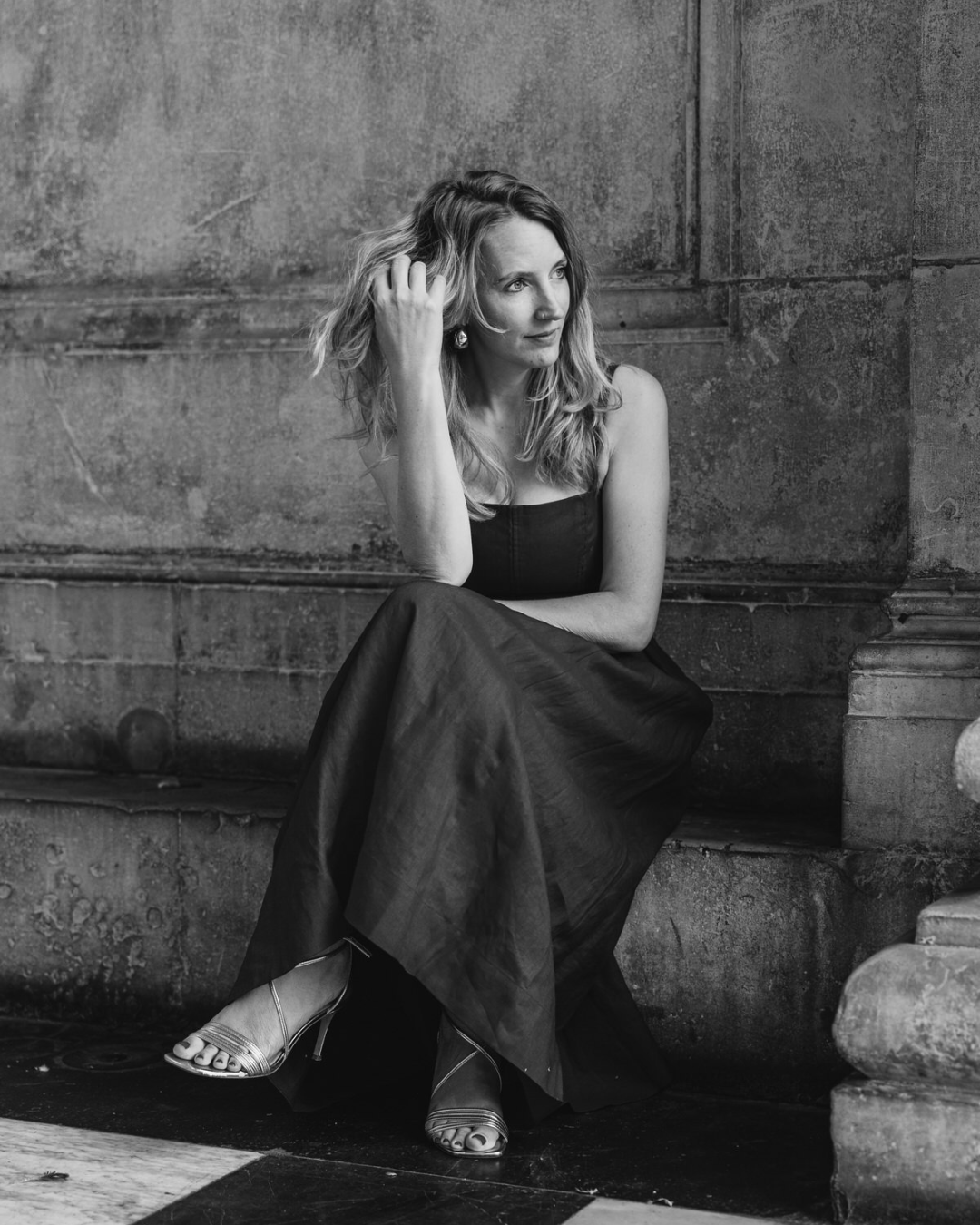
With a bold, unified approach, Lou Lou Event Design reshapes the language of modern events.
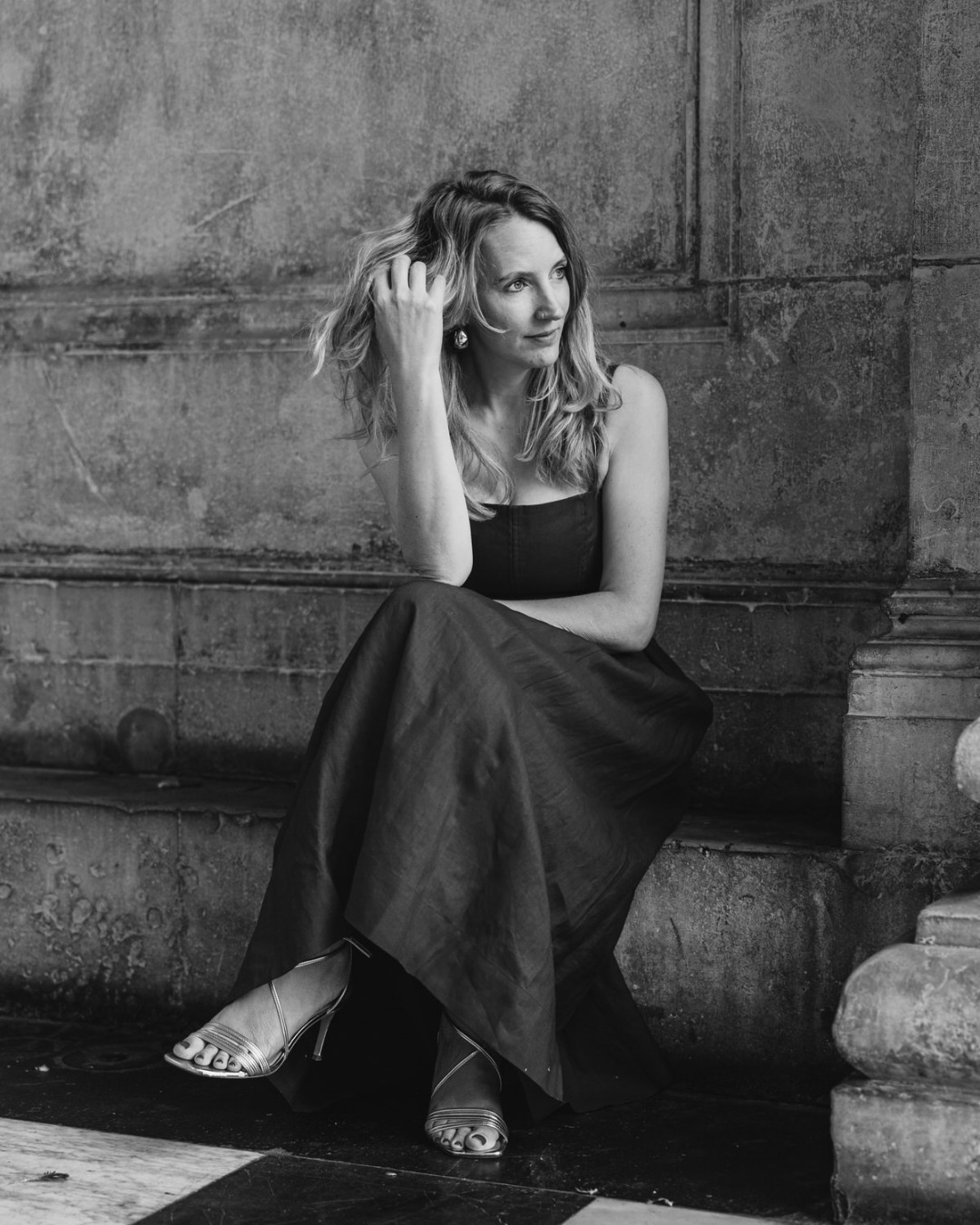
When it comes to creating a modern celebration, few do it with the precision and flair of LOU LOU EVENT DESIGN, a London-based studio with global reach. Offering styling, florals and stationery under one artful umbrella, the studio is redefining what it means to curate a cohesive event aesthetic. Fashion-forward and editorial in style, Lou Lou brings story, intention and design sensibility to every detail, crafting moments that are both visually striking and deeply personal. We sat down with founder Lou to learn more about her process, philosophy and what it means to lead in modern event design.
You’re one of the few creatives offering styling, florals and stationery as an integrated service. How does working across all three allow you to create a more intentional event?
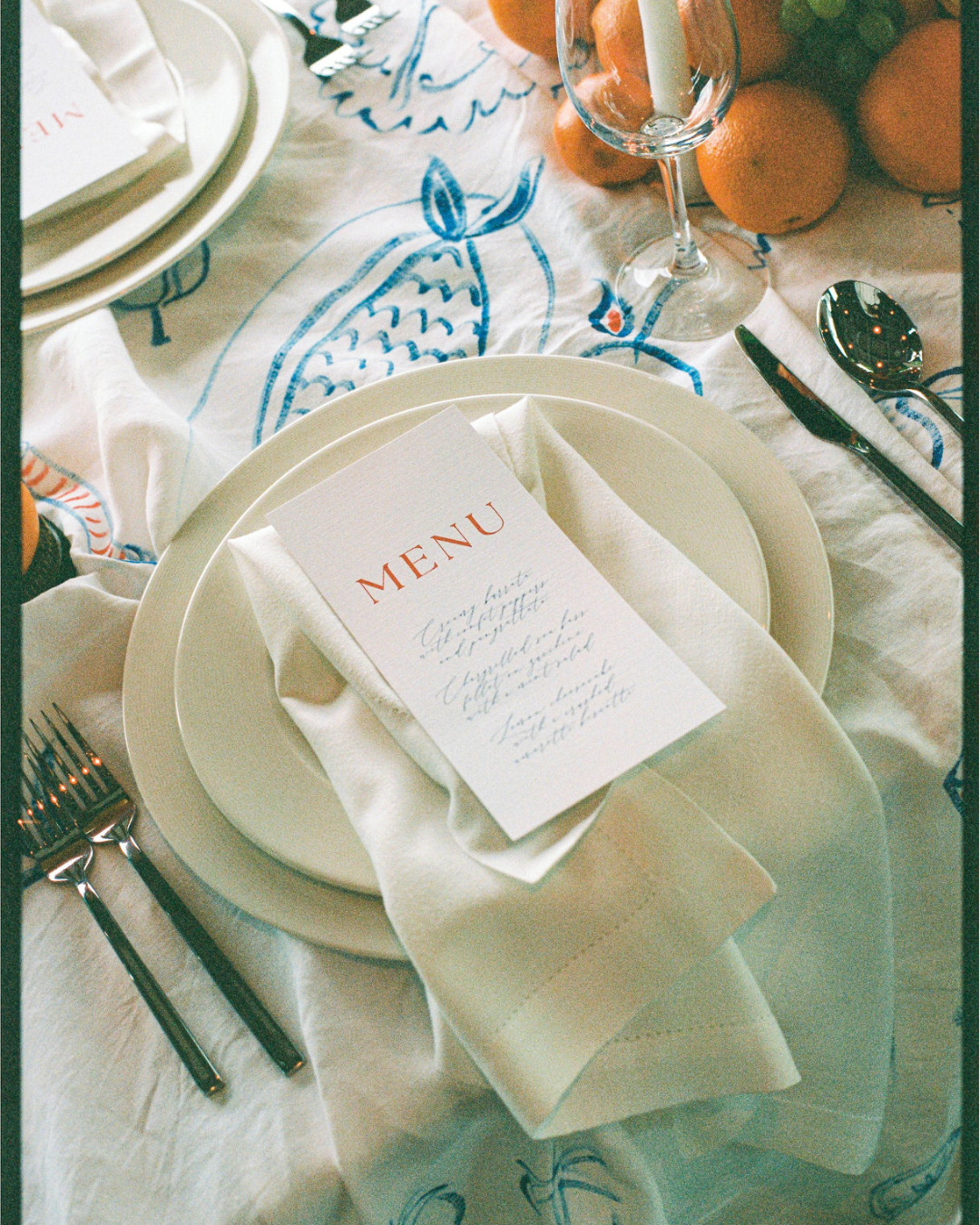
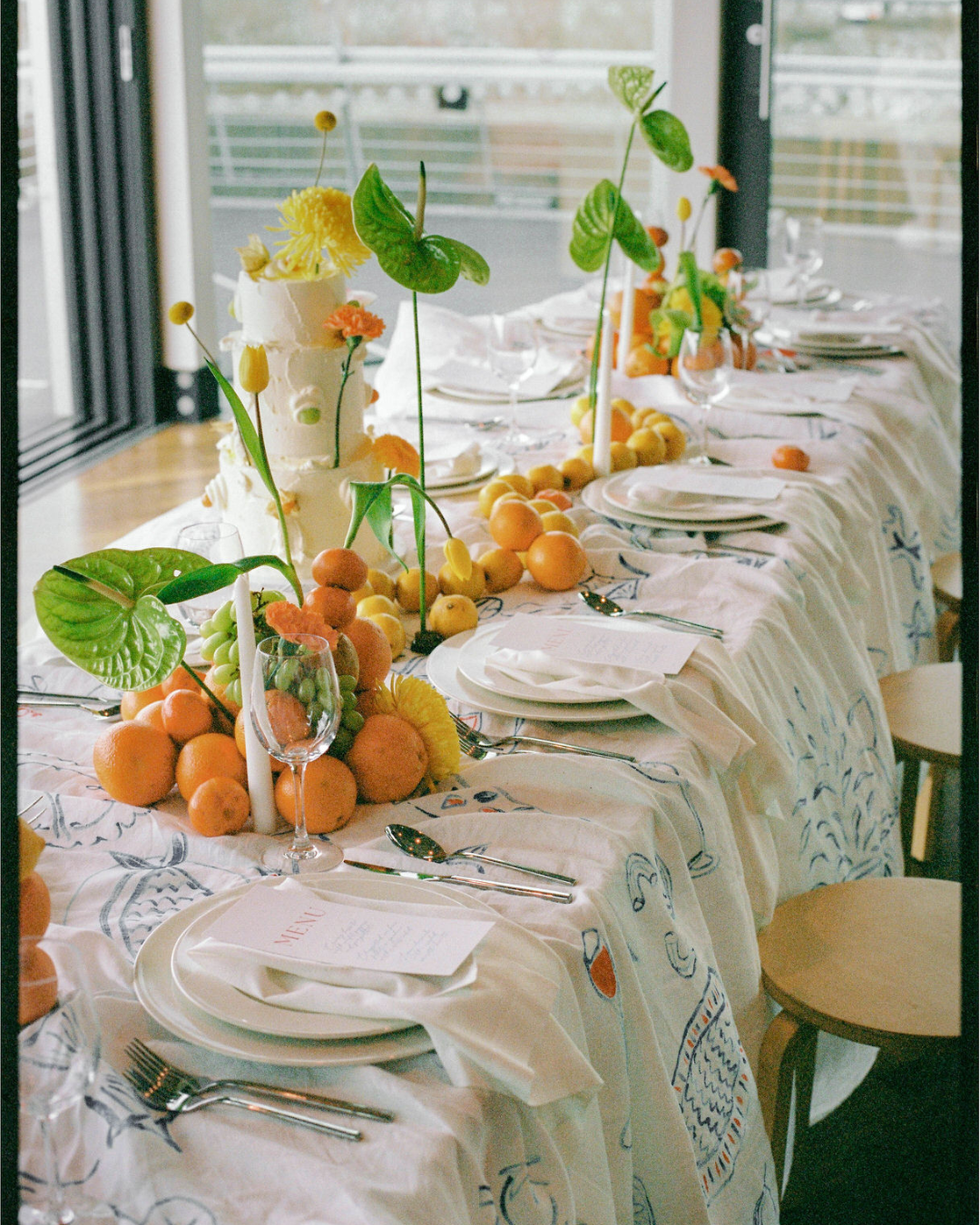
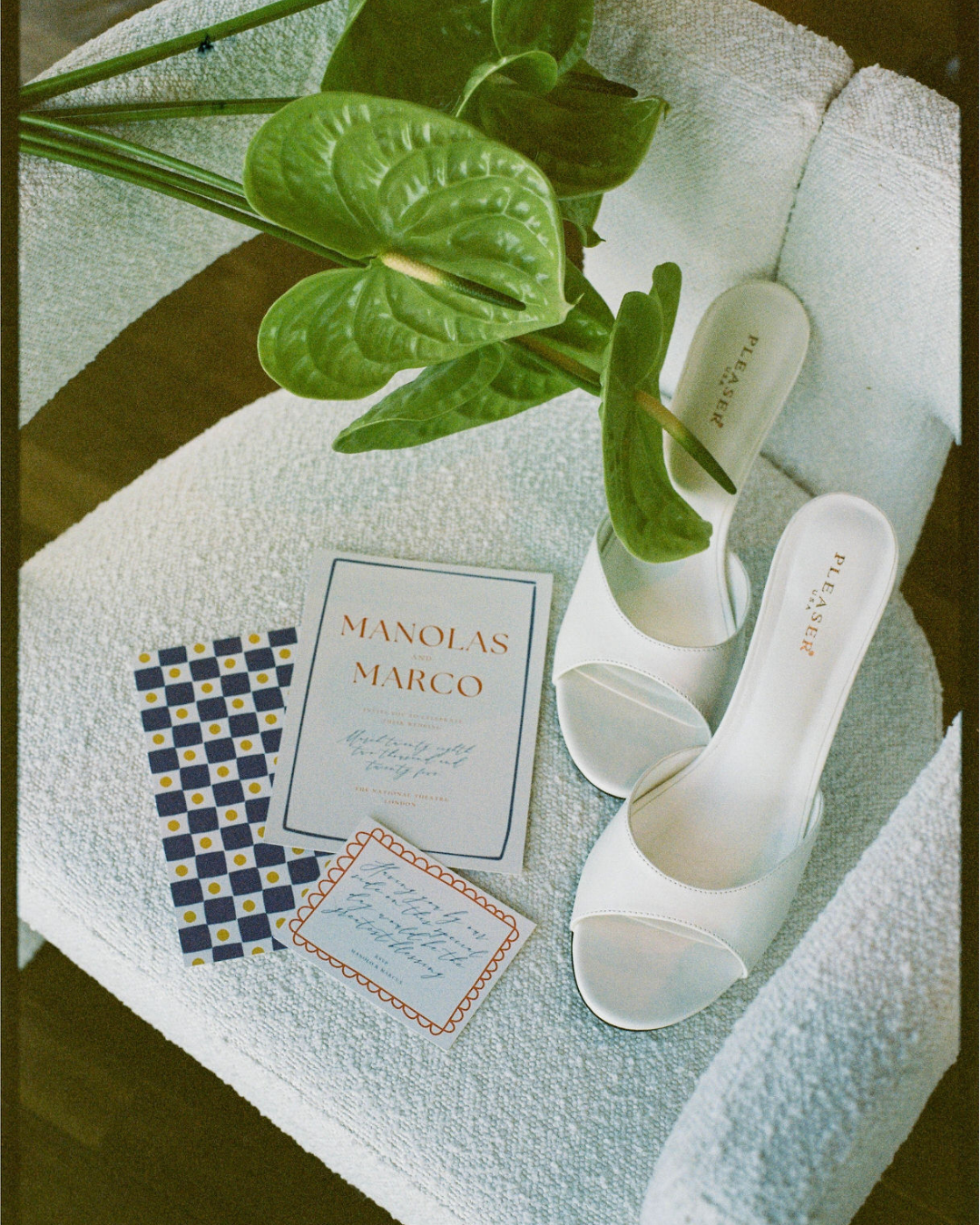
I always return to one philosophy: no design should exist in isolation. Styling, florals and stationery are part of the same story, and when that story is clear, the experience feels seamless and immersive. The stationery sets the tone, the flowers add atmosphere and emotion, and the styling ties every detail together with purpose. Having one creative vision ensures every choice speaks the same language. This holistic approach sparks creativity that can be lost when elements are designed separately, and allows me to weave recurring themes through palette, texture and pattern. Guests may not notice each detail, but they feel it — and those feelings create lasting impressions.
Where do you turn for inspiration outside the world of weddings?
Growing up in Singapore shaped much of my design language, with its unique blend of cultural heritage and modern innovation. I’m inspired by the city’s ability to make sustainability feel luxurious, which is something I’m mindful of in my own work. Now in London, I find constant inspiration in galleries, street style and the unexpected details of everyday life, whether it is a colour palette on a menu or the stripes of a parasol. Art and fashion also play a huge role. Designers like Ozwald Boateng, with his fearless use of colour and texture, remind me that an entire event aesthetic can be sparked by a single artwork or outfit.
How do you approach florals differently, and what new ideas or materials are exciting you right now?
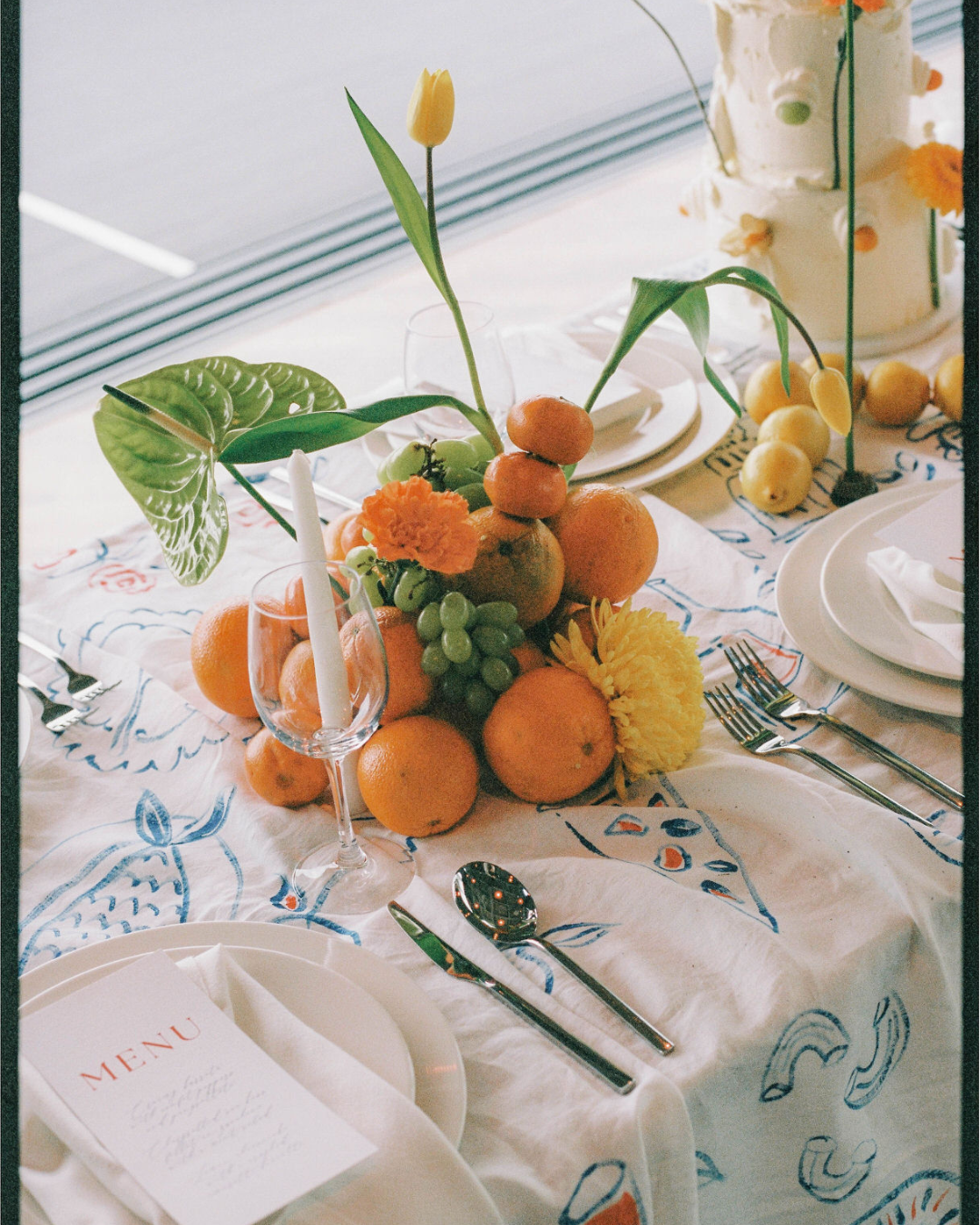
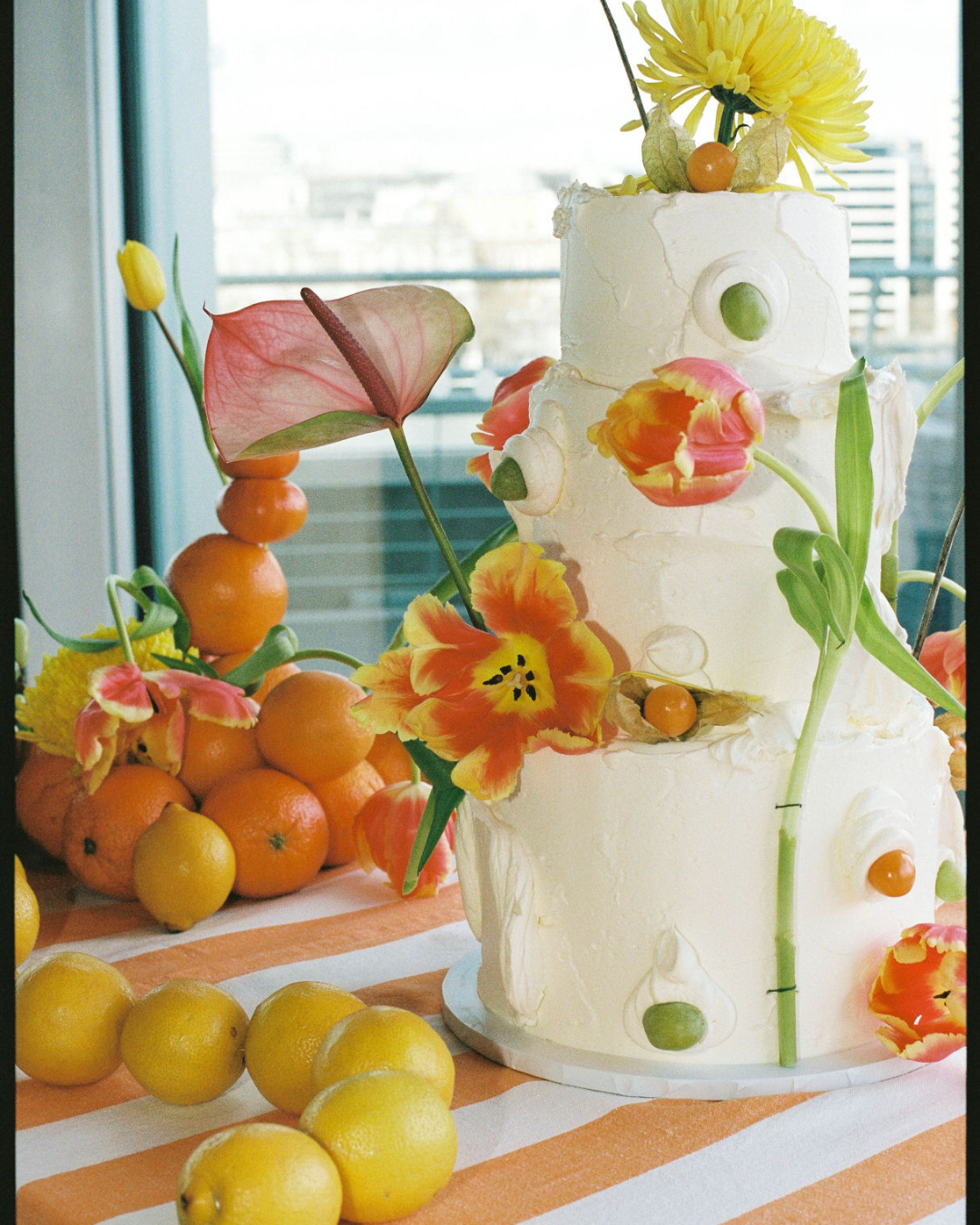
I see my floral work as sculptural installations, guided by a pared-back approach where minimalism becomes a statement. Inspired by Japanese Ikebana, I believe luxury and elegance come from intention rather than excess. At the moment, I’m drawn to incorporating unexpected natural elements such as branches, fruit, moss, even hops and barley, to create arrangements that feel tactile and organic.
How do you begin to shape the story of an event, and what design details do you believe hold the most power?
I start by getting to know my couples, their style, favourite places and inspirations, which helps me translate their personality into a visual mood. From there, we define a feeling rather than a theme, which guides everything from palette to typography. The most powerful details are often the smallest and most unexpected, like a hidden flourish in the florals or a personalised moment at the table. These touches create an atmosphere that feels intentional and unforgettable.
What does your design process look like?
I work closely with my couples to create a mood that feels personal, checking in often to keep the vision aligned. My background in graphic design means I usually start digitally, developing moodboards that evolve into full computer-aided design plans to communicate the concept clearly. At the same time, I’m very tactile, testing textures, linens, florals and stationery stocks, often creating mockups to see how everything works together in real life.
What is one so-called wedding rule you love to ignore, and what tends to happen when you do?
I often ignore the idea that a wedding should look the same from start to finish. Many of my couples prefer distinct segments, a romantic ceremony, an elegant dinner, and then an after party with full nightclub energy. Cohesion doesn’t have to mean uniformity. I like to carry a subtle thread, such as florals that shift in colour or a stationery motif that evolves. Letting the design evolve creates contrast, surprise and momentum, keeping the experience fresh and intentional.
Finally, what are your key pieces of advice for couples about to embark on their wedding journey?
Start by deciding how you want the day to feel, the atmosphere and emotions you want to evoke. Everything else, from styling to florals and stationery, should support that mood. With styling, prioritise cohesion over coordination; contrast and texture often create the most interesting results. For florals, trust your florist as a creative partner and focus on the mood rather than a fixed flower list, allowing them to work seasonally and expressively. Stationery is your first chapter, setting the tone well before the day, and it can weave through the celebration with menus, escort cards or signage.
Above all, trust your creative team and stay true to what feels authentic to you.
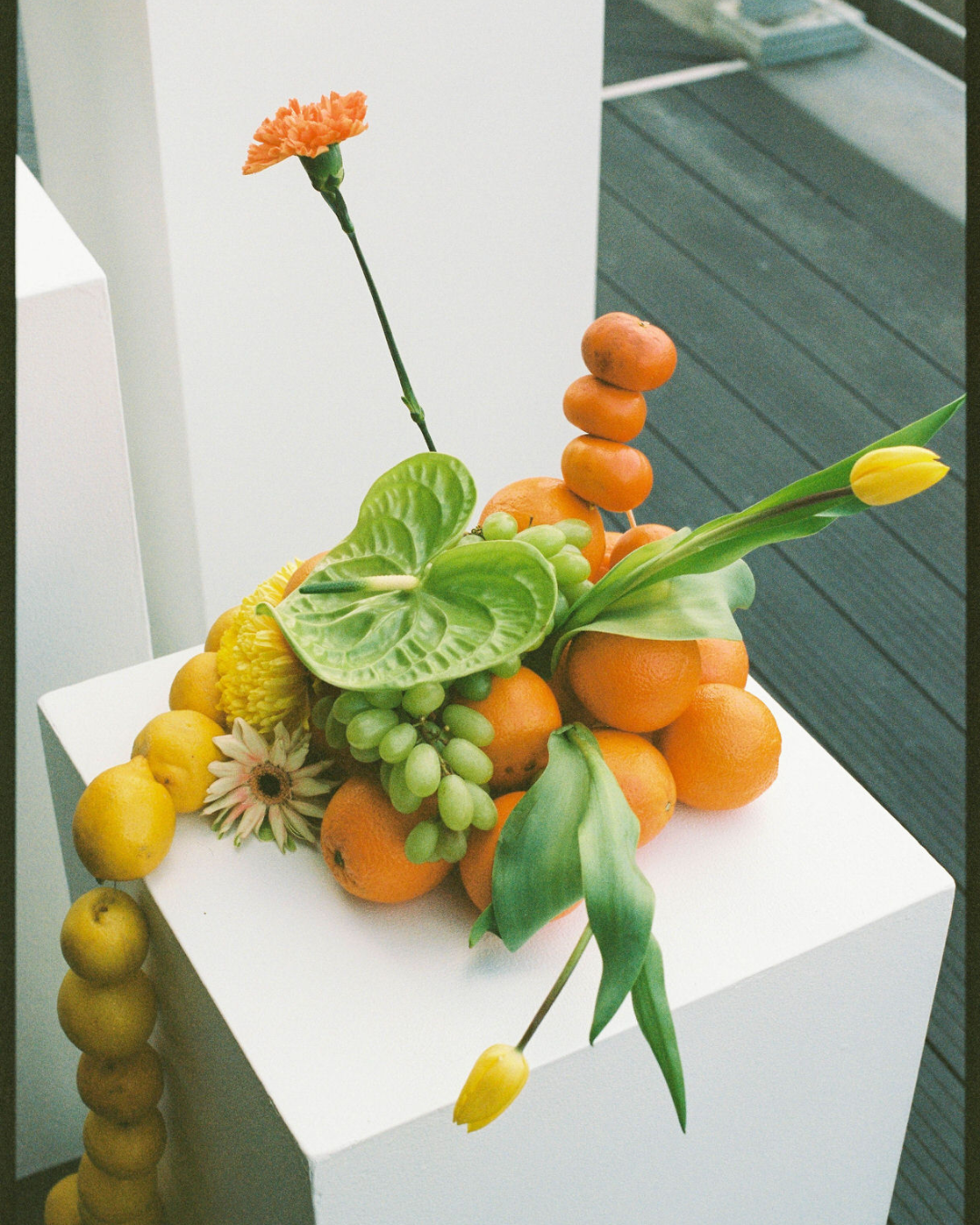
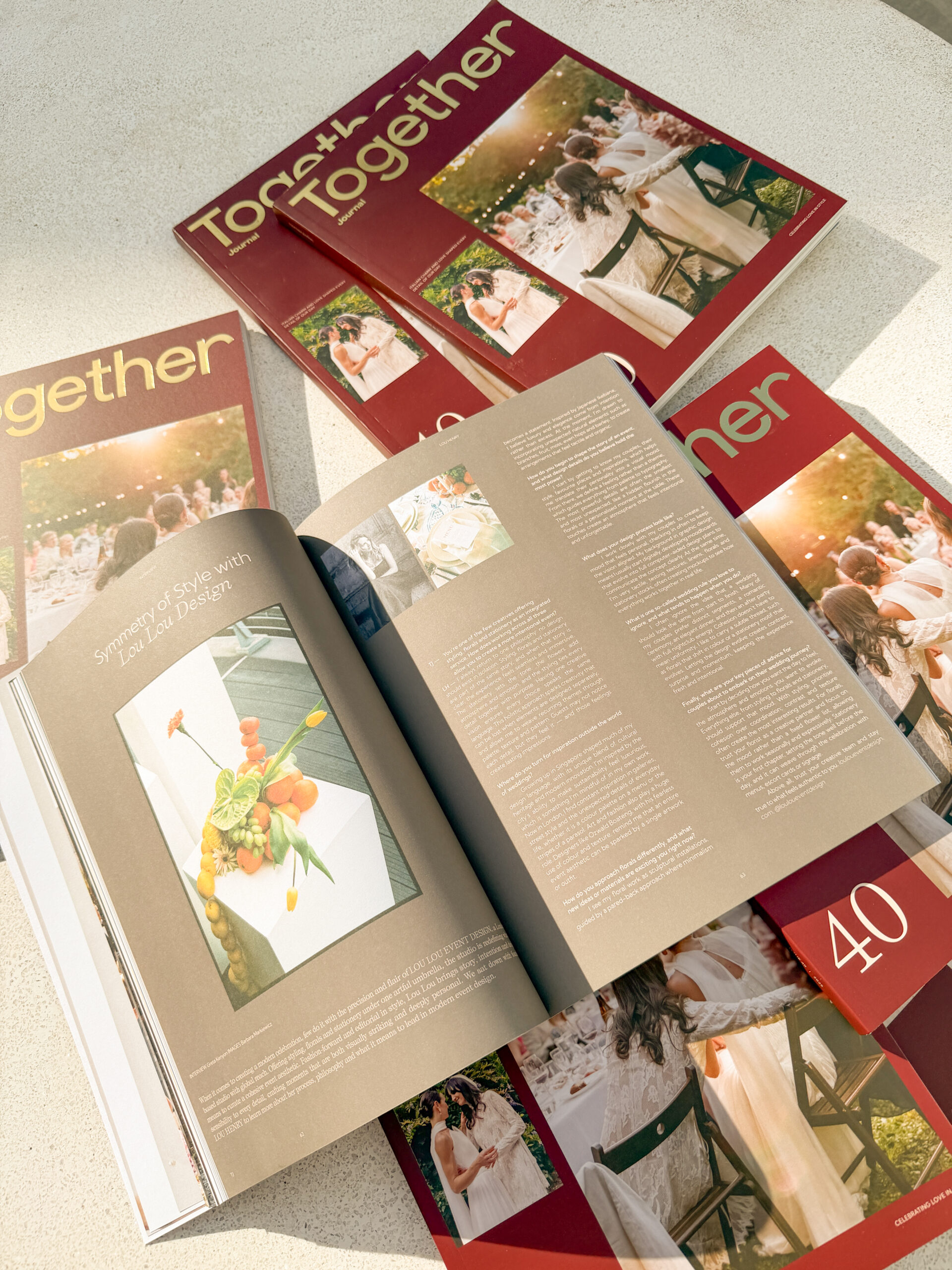
INTERVIEW Greta Kenyon IMAGES Barbara Markiewicz, @barbaramarkiewiczphotography
For more information, visit louloueventdesign.com and @louloueventdesign.
Lou Lou Event Design