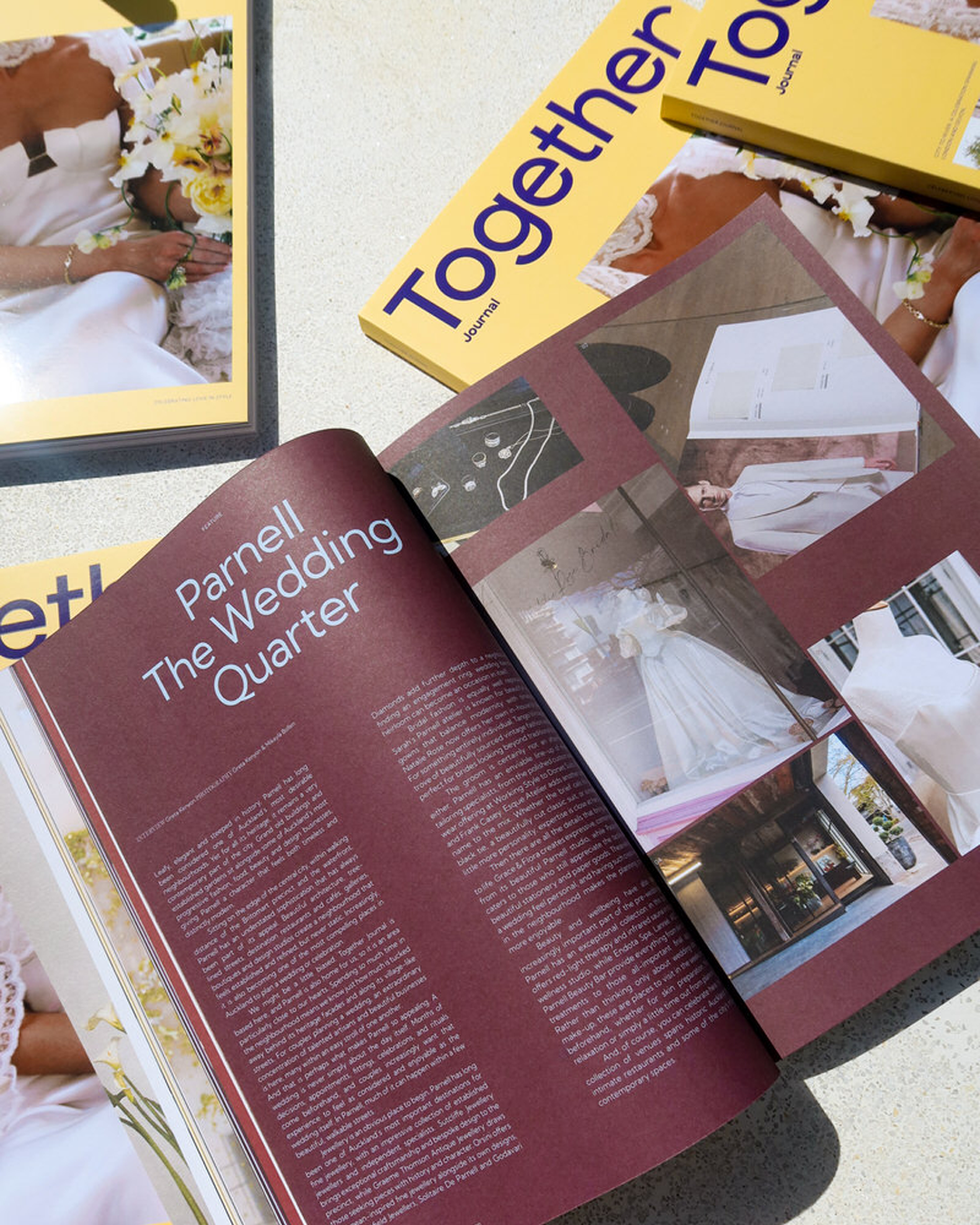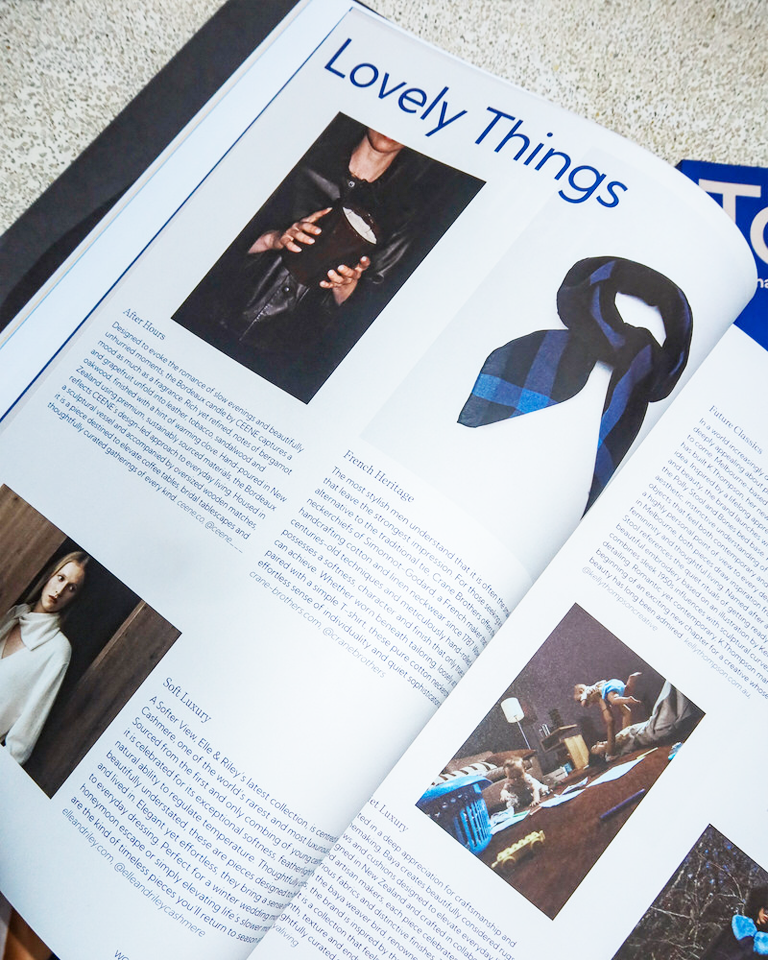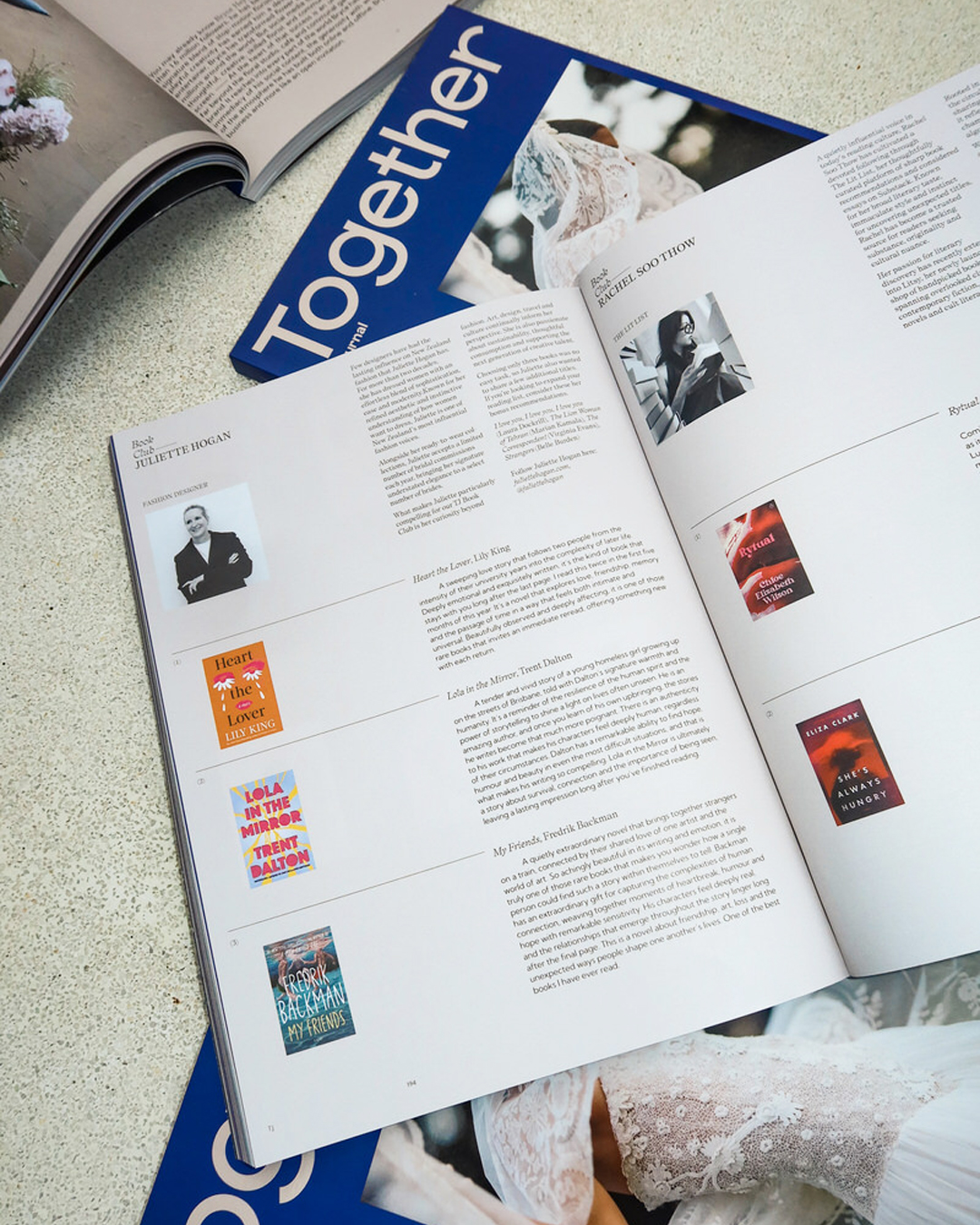
TJ Book Club Issue 43 celebrates the stories shaping fashion, culture and contemporary creativity.
TJ Book Club Juliette Hogan
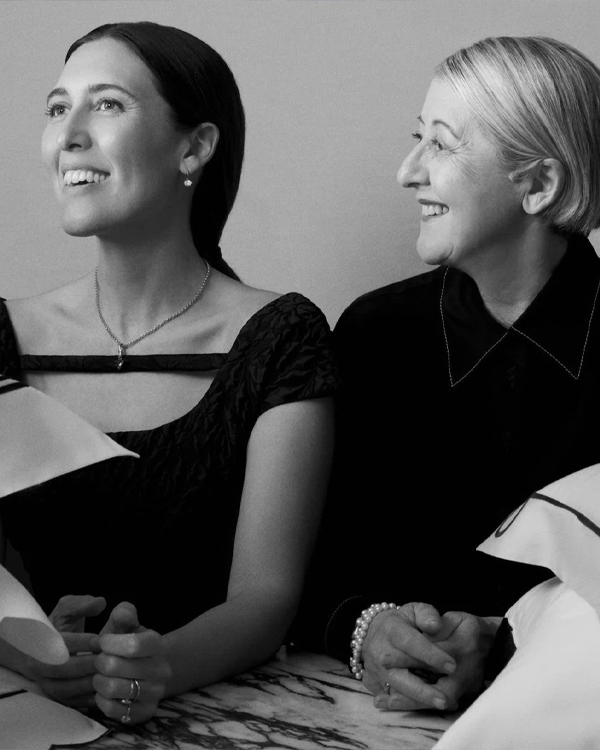
Few designers have had the lasting influence on New Zealand fashion that Juliette Hogan has. For more than two decades, she has dressed women with an effortless blend of sophistication, ease and modernity, building a devoted following that spans generations. Known for her refined aesthetic and instinctive understanding of how women want to dress, Juliette has created a brand that feels both aspirational and deeply wearable, earning her place as one of New Zealand’s most influential fashion voices.
After studying fashion and textile design at Parsons School of Design in New York City, Juliette returned home to establish her namesake label in 2004. What began as a small independent venture has grown into one of New Zealand’s most respected fashion houses. Throughout that journey, her creative vision has remained clear, while continuing to evolve alongside the women who wear her designs. Her collections balance polish with practicality, offering pieces that feel relevant, versatile and distinctly modern. Alongside her much-loved ready-to-wear collections, Juliette also accepts a highly limited number of bridal commissions each year, bringing her signature sense of understated elegance to a select number of very lucky brides. You can find out more about this service here.
What makes Juliette particularly compelling for our TJ Book Club is her ability to look beyond fashion itself. Deeply engaged with art, design, travel and culture, she approaches creativity with curiosity and openness, drawing inspiration from the world around her while maintaining a strong point of view. She is equally passionate about sustainability, thoughtful consumption and supporting the next generation of creative talent, playing an important role in shaping the wider New Zealand fashion community.
Away from the studio, Juliette lives in Auckland with her husband Dion and two daughters. Family, creativity and connection remain central to her world, informing both her personal outlook and professional approach. There is a warmth and authenticity to the way she moves through the industry that has earned lasting respect from clients, collaborators and peers alike.

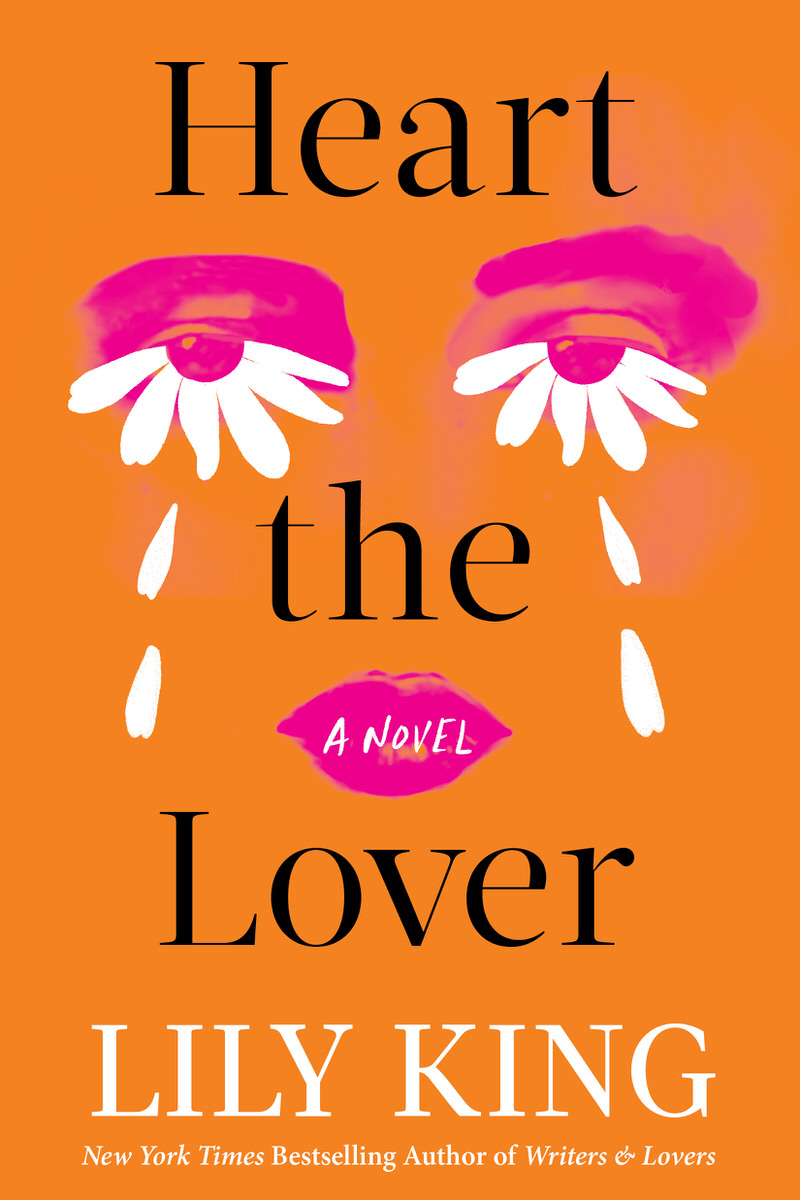
Heart the Lover, Lily King
A sweeping love story that follows two people from the intensity of their university years into the complexity of later life. Deeply emotional and exquisitely written, it’s the kind of book that stays with you long after the last page. I read this twice in the first 5 months of this year.
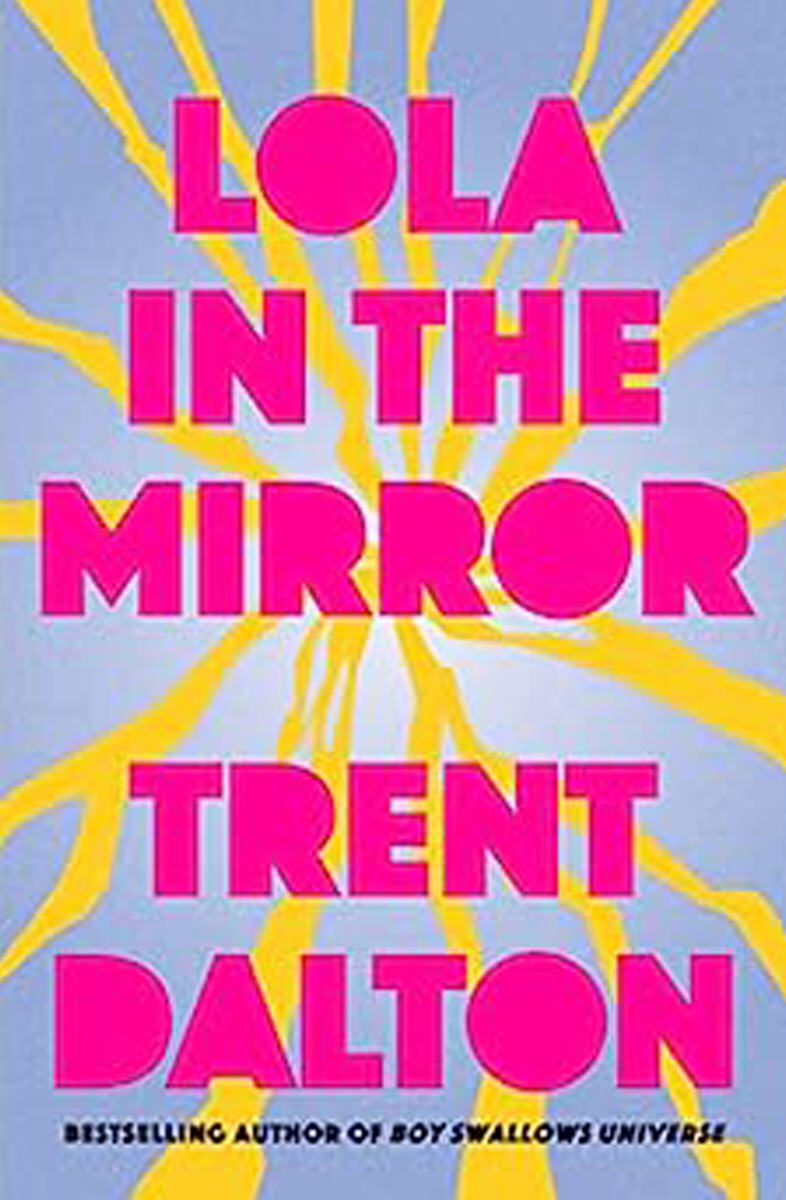
Lola in the Mirror, Trent Dalton
A tender and vivid story of a young homeless girl growing up on the streets of Brisbane, told with the warmth and humanity that Dalton does so beautifully. It’s a reminder of the resilience of the human spirit and the power of storytelling to shine a light on lives often unseen.
He is an amazing author, and once you learn of his own upbringing, the stories he writes become that much more poignant.
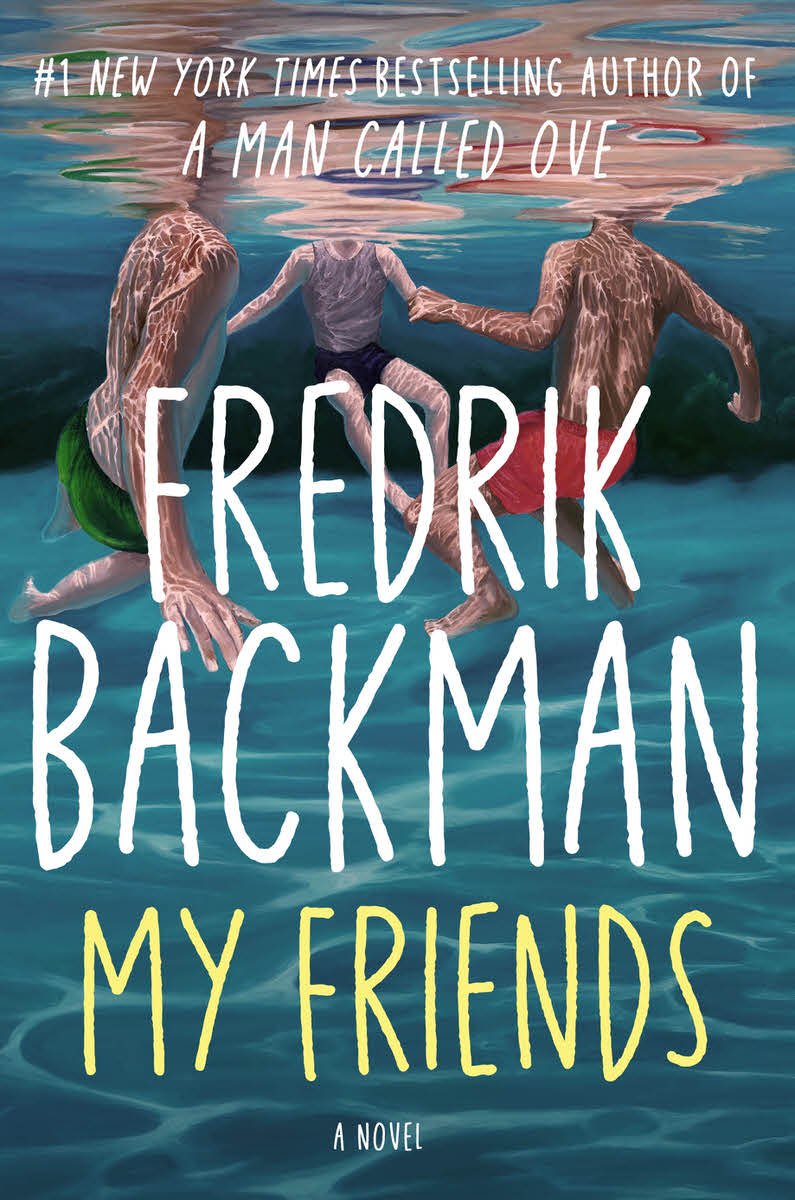
My Friends, Fredrick Backman
A quietly extraordinary novel that brings together strangers on a train, connected by their shared love of one artist and the world of art. So achingly beautiful in its writing and emotion — truly one of those rare books that makes you wonder how a single person could find such a story within themselves to tell. One of the best books I have ever read.
So hard to just select three – these are my other faves over the past year;
I love you, I love you, I love you (Laura Dockrill), The Lion Woman of Tehran (Marian Kamala), The Correspondent (Virginia Evans), Strangers (Belle Burden)
As someone who is constantly observing and drawing inspiration from the world around her, Juliette is a natural contributor to the Together Journal Book Club. Her selections offer a glimpse into the ideas, stories and perspectives that continue to shape her creative thinking, while also providing moments of pause and reset amidst the pace of everyday life. Thoughtful, inspiring and beautifully considered, they invite readers into the mind of a designer whose influence extends far beyond the clothes she creates.
You can follow Juliette Hogan here: juliettehogan.com and @juliettehogan.
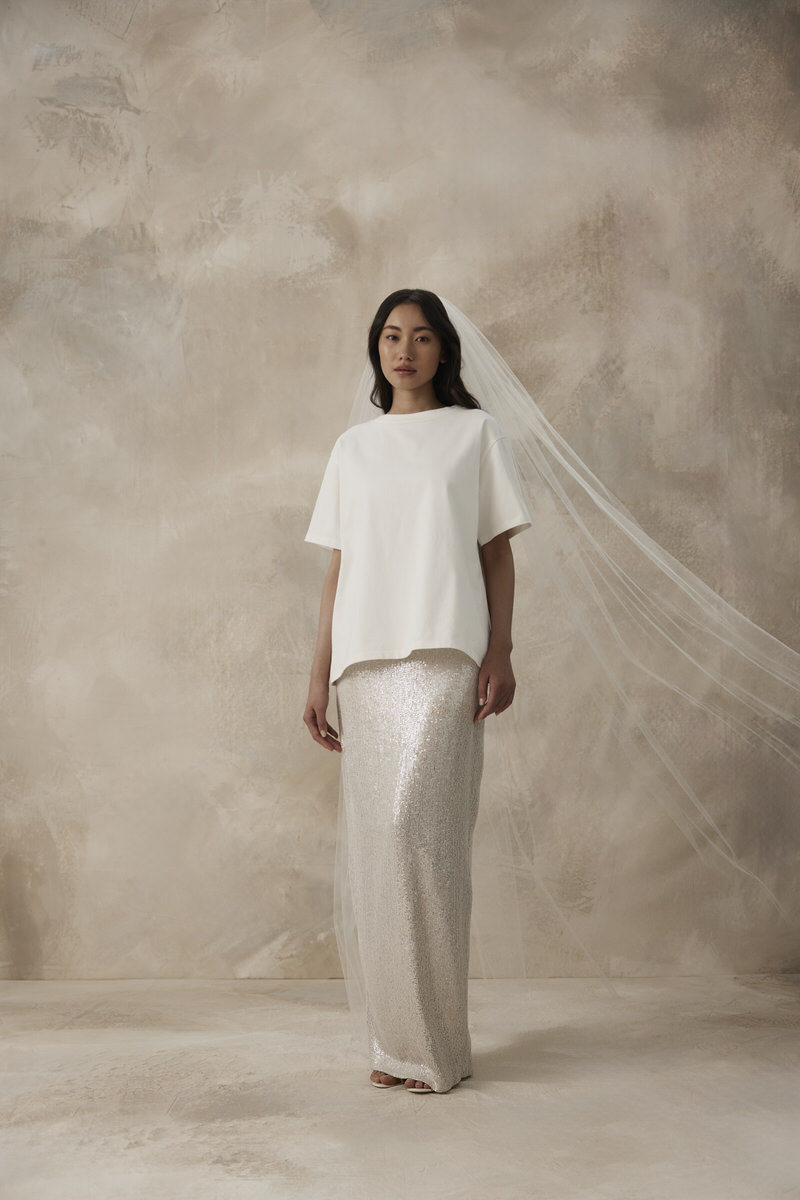
Rachel Soo Thow / The Lit List – Web Version
A quietly influential voice in today’s reading culture, Rachel Soo Thow has cultivated a devoted following through The Lit List, her thoughtfully curated platform of sharp book recommendations and considered essays on Substack. Known for her broad literary taste, immaculate style and instinct for uncovering unexpected titles, Rachel has become a trusted source for readers seeking substance, originality and cultural nuance.
Her passion for literary discovery has recently extended into Litsy, her newly launched shop of handpicked books spanning overlooked classics, contemporary fiction, graphic novels and cult literary finds. Rooted in the idea of reviving the circular process of reading, sharing and rediscovery, it reflects Rachel’s gift for championing books beyond the algorithm-driven hype cycle.
With a background in beauty and a finely tuned editorial eye, Rachel brings a distinctly modern perspective to the literary space, blending intelligence, curiosity and impeccable aesthetic sensibility. Endlessly curious and always searching for the next compelling read, she is exceptionally well placed to curate and review the standout books of the moment for the Together Journal audience in this issue.
For more information, visit @thelitlist__ and @litsyreads.
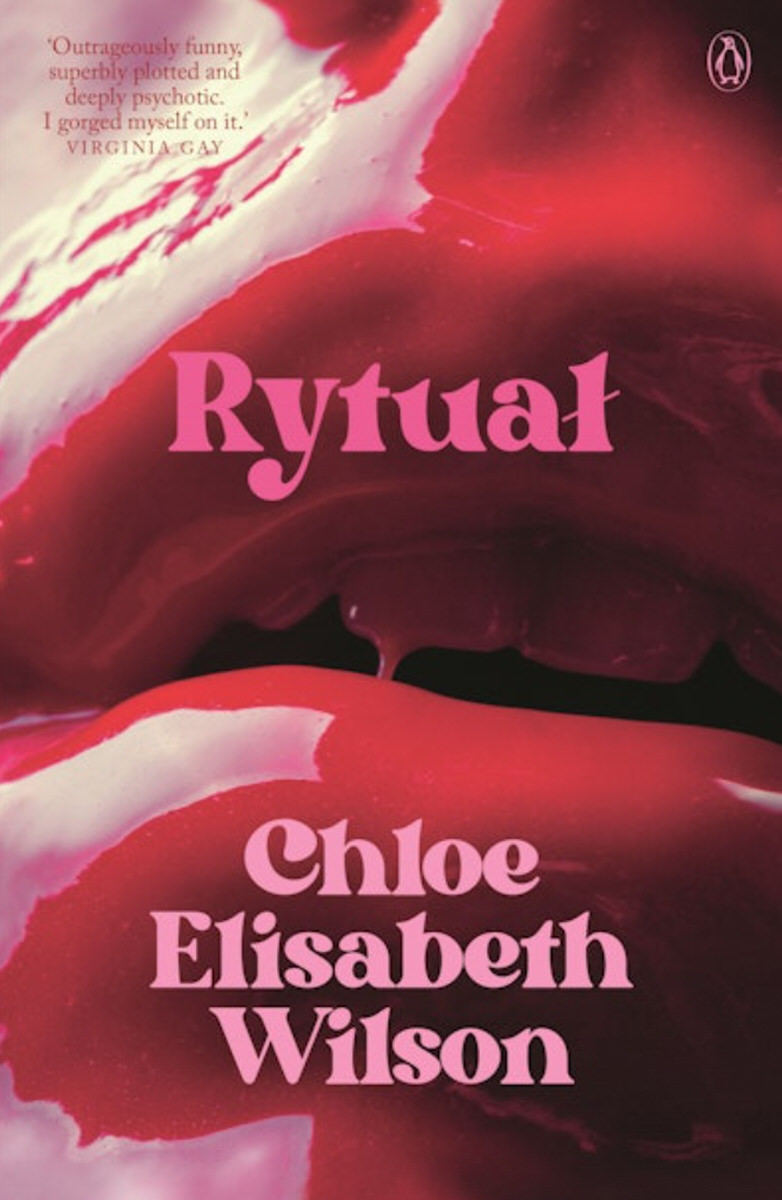
Rytual by Chloe Elisabeth Wilson
To anyone working in the beauty industry, this book is for you. Coming from the beauty industry myself and now living under the welcome saturation of infrared lights at Pilates during my spare time, I found Rytual addictive to read because it mimicked the industry with unnerving precision. Its founder, Luna Peters – equal parts Glossier girlboss and designer-clad Jim Jones – presides over a pink-lit empire where self-love is monetised, and trauma is a team-building exercise. Staff meetings feature cathartic confessions and office spaces are named after publicly wronged women. Empowerment is, of course, mandatory. Protagonist Marnie Sellick – a grieving, disillusioned screenwriter-turned-receptionist enters the beauty world in a sort of slow entanglement, and her relationship with Luna is equal parts desire, awe, and the desperate hunger of someone looking for a way out (or in). Each page seems to explore the seductive force of female charisma and power, cloaked in the language of liberation but spitting you out in the form of a millennial pink cocktail umbrella.
If Rytual owes a debt to the erotic thrillers of the ‘80s and ‘90s, it also interrogates them, reconfiguring tropes of seduction and madness with a feminist lens. Think films such as Basic Instinct and Dead Ringers; where once a femme fatale was punished, Wilson instead asks: what if she was right? The novel’s humour — dry, biting, and occasionally absurd —keeps the horror grounded and addictive – the satire skewers not just the commodification of femininity, but our complicity in it. Overall, Rytual is a stylish, sinister joyride through the soft-focus chaos of modern womanhood – beauty may be skin-deep, but obsession runs far deeper. Love the fact that this book is in the works of being picked up for a TV adaptation – I am so here for this.
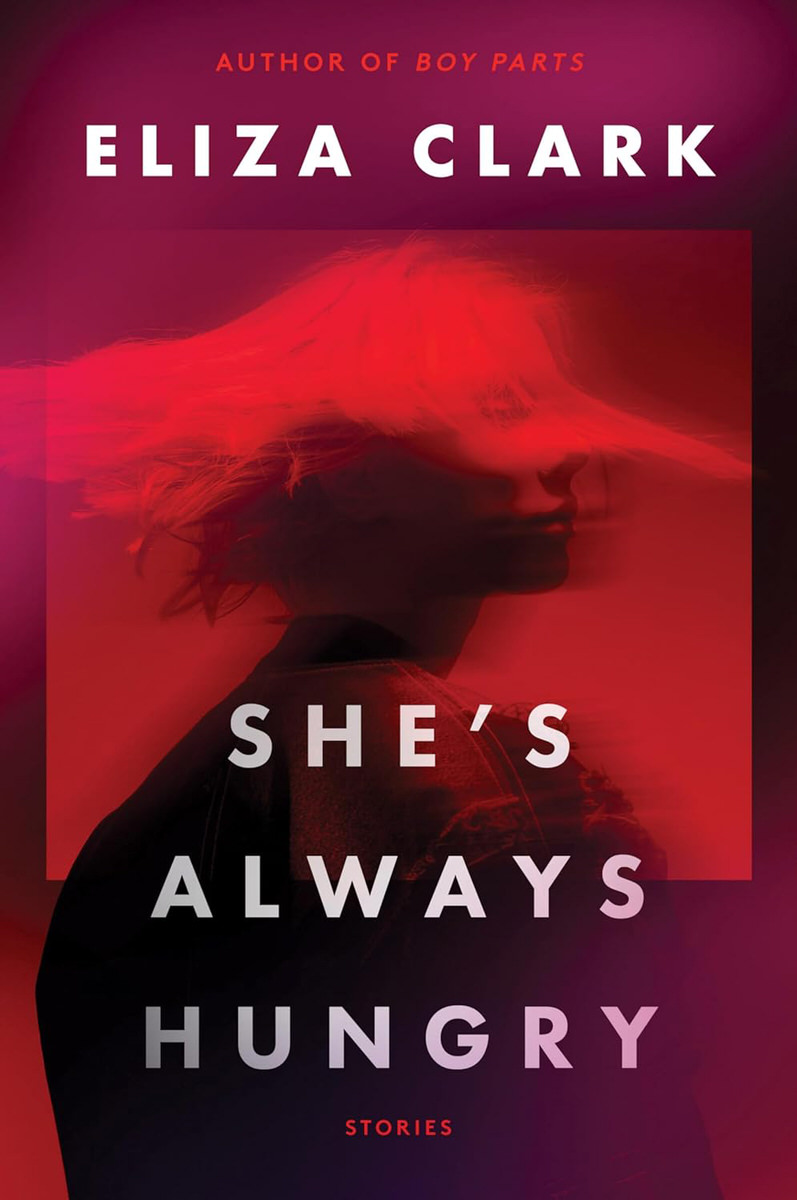
She’s Always Hungry – Eliza Clark
She’s Always Hungry by Eliza Clark is like the literary equivalent of eating something too spicy – it burns, it thrills, and you’re not quite sure whether you should thank the chef or ask for a glass of milk. Across 11 stories, Clark serves up a wild buffet of body horror, dark humour, and surreal social commentary, ensuring that her readers feel both repulsed and riveted at every turn.
The stories in this don’t just push boundaries; they throw them out the window. Clark is a master at blending the mundane and the monstrous. In Build a Body Like Mine, a tapeworm takes up residence in a narrator’s gut, maintaining her ideal weight while she dines on a Michelin-star tasting menu. It’s as grotesque as it is hypnotic – Clark’s ability to make you both wince and wonder how you’d handle such a predicament is nothing short of genius.
The collection also plays with genre, from sci-fi horror in Hollow Bones, where a parasitic alien gnaws through a scientist’s body, to a twisted take on mermaid mythology in the title story, which toys with themes of female power, sacrifice, and agency. And then there’s Shake Well, where a woman buys an acne solution on the black market for it to yield results as revealing as an open skull. Clark’s humour often lingers like an aftertaste – sickening but oddly satisfying.
Not all of Clark’s stories fit neatly into the same mould. Extinction Event, an eco-thriller, and Nightstalkers, a queer-hallucination in 1970s California, feel like outliers. But these brief excursions into other genres only add to the collection’s unpredictability, making it clear that Clark’s range is as wild as her imagination.
Clark has crafted a book that’s equal parts shock and awe – delighting in excess while exposing the raw, unflattering truths about the human body and desire. It’s a strange, unsettling ride that will leave you questioning your relationship with pleasure, pain, and everything in between. Don’t read this for comfort. Now PSA, I did like Boy Parts more, and this may have fallen a bit short, but there’s still Penance on my shelves soooooo…….
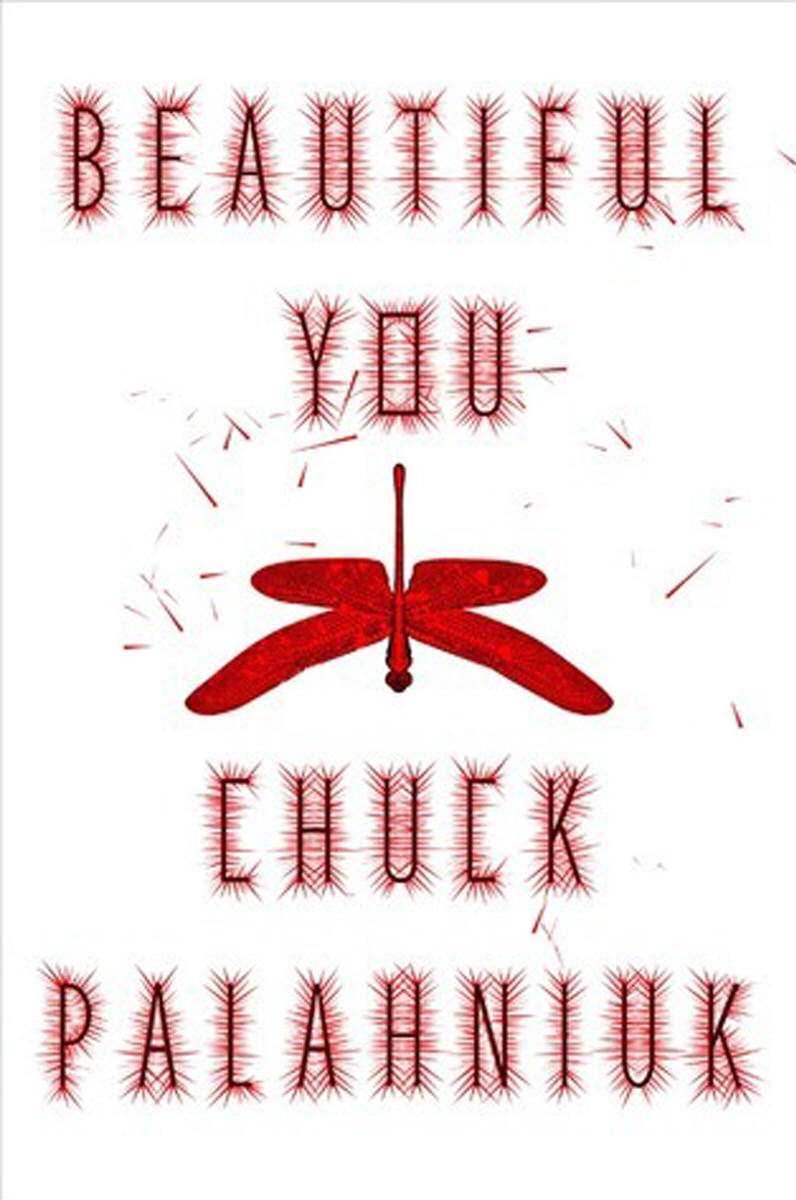
Beautiful You – Chuck Palahniuk
For those wanting a little bit of a smutty story combined with the elements of a thriller, then this is for you. Our “plain Jane” heroine Penny Harrigan, an unassuming low-level legal assistant, becomes the unlikely girlfriend / inadvertent global icon and unwitting test subject of billionaire tech magnate C. Linus “Climax Well” Maxwell, whose fortune comes from designing wildly successful sex toys for women that seem to promise transcendence but deliver something scarily close to societal collapse. As Penny is swept into Maxwell’s glamorous yet unsettling world, she discovers that his latest inventions are so potent they threaten to upend society entirely, sending women into self-imposed isolation and pushing civilisation toward collapse.
For readers unacquainted with Palahniuk’s penchant for provocation, the book’s unabashedly X-rated romp may feel like a dare or even a segway-version of Fifty Shades. The narrative is punctuated by absurd heights of erotic excess – there were moments where I felt disgustingly uncomfortable and had to look up from my page for a breather because the language was that explicit and descriptive. Yet beneath the outrageous surface lurks a recognisable moral fable about consumer culture and the encultured obligation for women to prioritise others’ desires over their own. It is a tidy message, though one sometimes obscured by the novel’s restless impulse to shock.
Beautiful You possesses a manic energy that some readers will find irresistible and perhaps a quick beach read, whilst others may recoil from its scattershot targets and tonal volatility. But whether perceived as wickedly funny or wickedly misguided, the novel is never, ever dull – I guess that’s what makes it part darkly comic and part an outrageous exploration of power, desire, and the dangers of a culture eager to commodify pleasure at any cost.
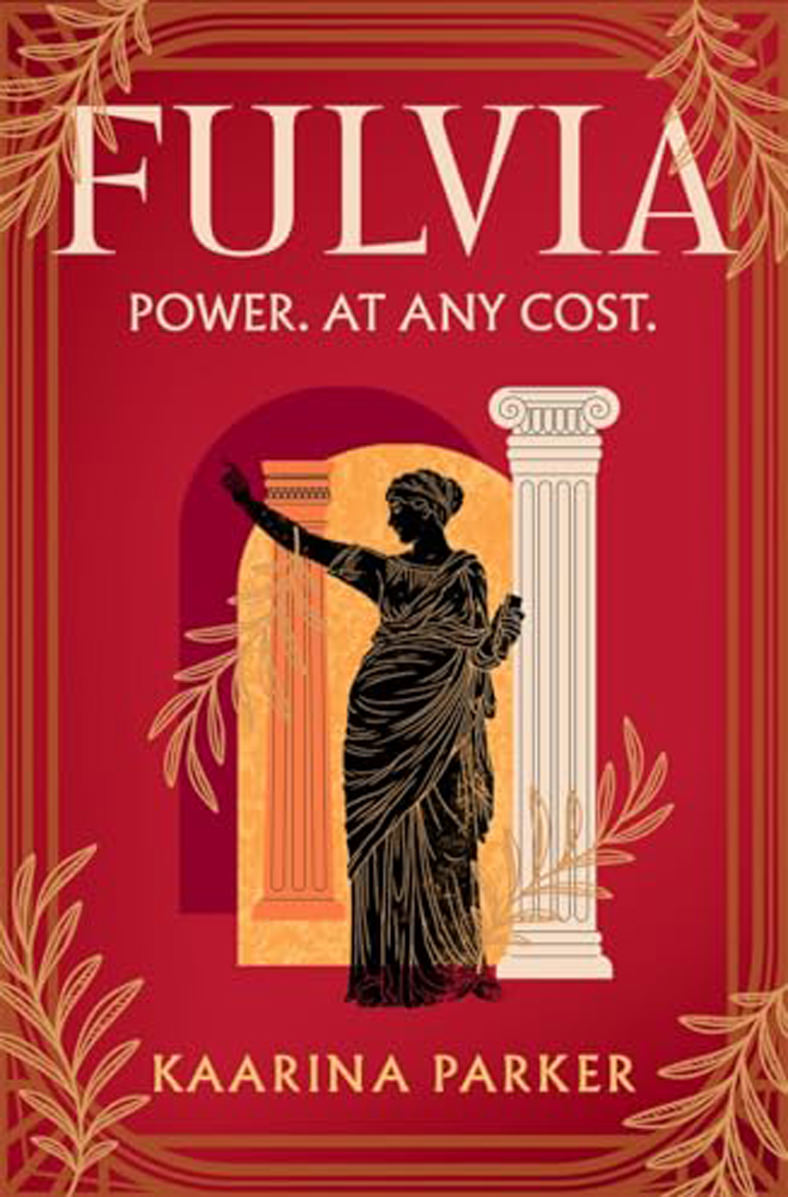
Fulvia – Kaarina Parker
You probably thought the words witty and historical wouldn’t be seen in a sentence together, but let me introduce the debut novel Fulvia by Kaarina Parker.
The novel delivers a sophisticated reimagining of the final years of the Roman Republic, foregrounding a historical figure whose political significance has long been marginalised within traditional historiography – Fulvia, in other words, was the badass woman of our dreams, challenging male political agencies in Rome.
Raised in relative comfort yet social obscurity, Fulvia’s transition from the Etruscan countryside to the volatile political arena of Rome is rendered with careful attention to both personal and structural forces. Her evolution from an ambitious outsider into a calculated political actor demonstrated how influence in the Republic was often exercised indirectly and through strategic alliances – take, for example, her marriage to the populist senator Clodius; it was a private domestic arrangement, but she knew what she was doing when she entered into this deliberate political partnership; enter Fulvia’s powers of navigation and manipulation.
One also has to marvel at Parker’s depiction of Rome – its social hierarchies, political factions, and everyday rhythms are immersive without becoming didactic. I have to admit that I don’t usually reach for historical fiction; it’s definitely not my go-to; however, from the first chapter of this novel, the tone is witty and precise with a dash of political complexities. The first-person narration throughout offers a nuanced portrayal of a woman whose authority is shaped by both strategic intelligence and personal sacrifice – each page succeeds in restoring Fulvia to the historical imagination, reclaiming a neglected voice with the sort of sass and wit that made reading this highly enjoyable and yet light.
For anyone wanting to dip their toes into historical fiction for the first time, let this novel be it.
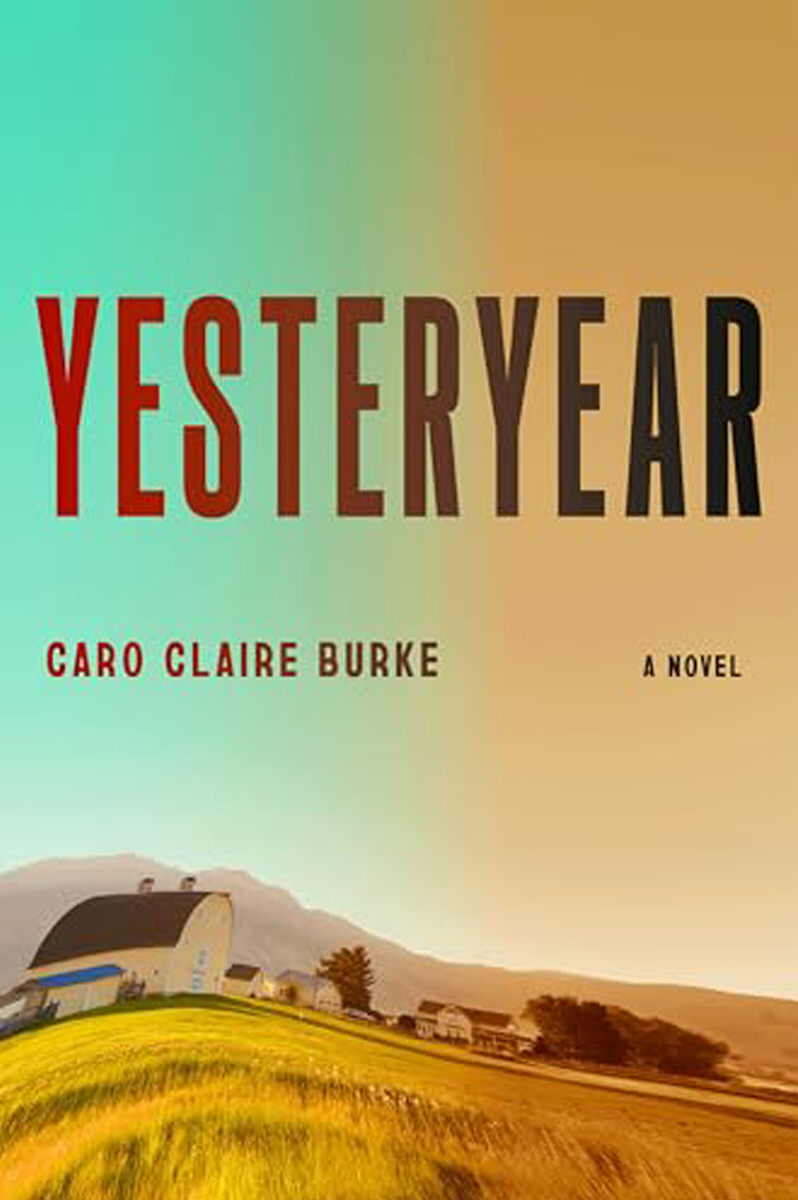
Yesteryear – Caro Claire Burke
It’s the book everyone is talking about…
But in all seriousness, I enjoyed this even though it took me 2 weeks to finish and the majority of the reviews are on some kind of weird hate-train because they find the main character unlikeable?! Um, taking a quick second here to mention that any book that has an unlikeable character to me is far more memorable than some cutesy rainbows and butterflies joy-spreading protagonist (perhaps that’s why my closest friends are also equally witty and sarcastic and most conversations involve guttural sighs of disappointment at humanity – anyways that’s another conversation haha).
Caro Claire Burke’s Yesteryear arrives cloaked in the sort of hype usually reserved for prestige television, and its premise almost justifies it: a tradwife influencer, intoxicated by prairie-core aesthetics and submissive-Christian branding, wakes to find herself seemingly stranded in 1855. It is an inspired conceit, equal parts satire and psychological horror, asking what happens when Instagram nostalgia collides with the brute material realities of “traditional” womanhood. You know the kind, the ones that make mulch transformed into paper for their children to draw on, the ones that happily submit to their husbands every food craving without fail, the ones that choose to submit to the interiors of the home over the independent realities of the modern working woman’s world. Natalie, the novel’s monstrously compelling protagonist, is less a caricature than a frighteningly plausible synthesis of internet celebrity, evangelical performance, and late-capitalist narcissism. Think Becky Sharp in a linen smock, or Amy Dunne armed with sourdough starter and a ring light – she’s drowning in cruel wit, suffering from a little psychosis and delusions of trad-grandeur with a dash of mother fever and yet, as the world dislikes her, the book is infectious as hell as we race to see just how she survives the confines of her own little homemade hell.
The depiction of motherhood as the spectacle is exhibited through Natalie’s exploitation of her children and recalls the real-life influencer cultures of Ballerina Farm and Ruby Franke cough and the unsettling ease with which family vlogging slips into commodified neglect. But if we take a step back from the ‘spectacle’, are we forced to also confront that this is what motherhood has become? Is this the only way to ‘celebrate’ and ‘acknowledge’ the traditions of motherhood and obtain ‘true meaning’ via flattery from the masses over social media? The very audience that can destroy one’s career at any moment, yet elevate it to ungodly heights. An audience that, despite its vagrant ‘keyboard warrior’ critiques, continues to watch with obsessive bated breath.