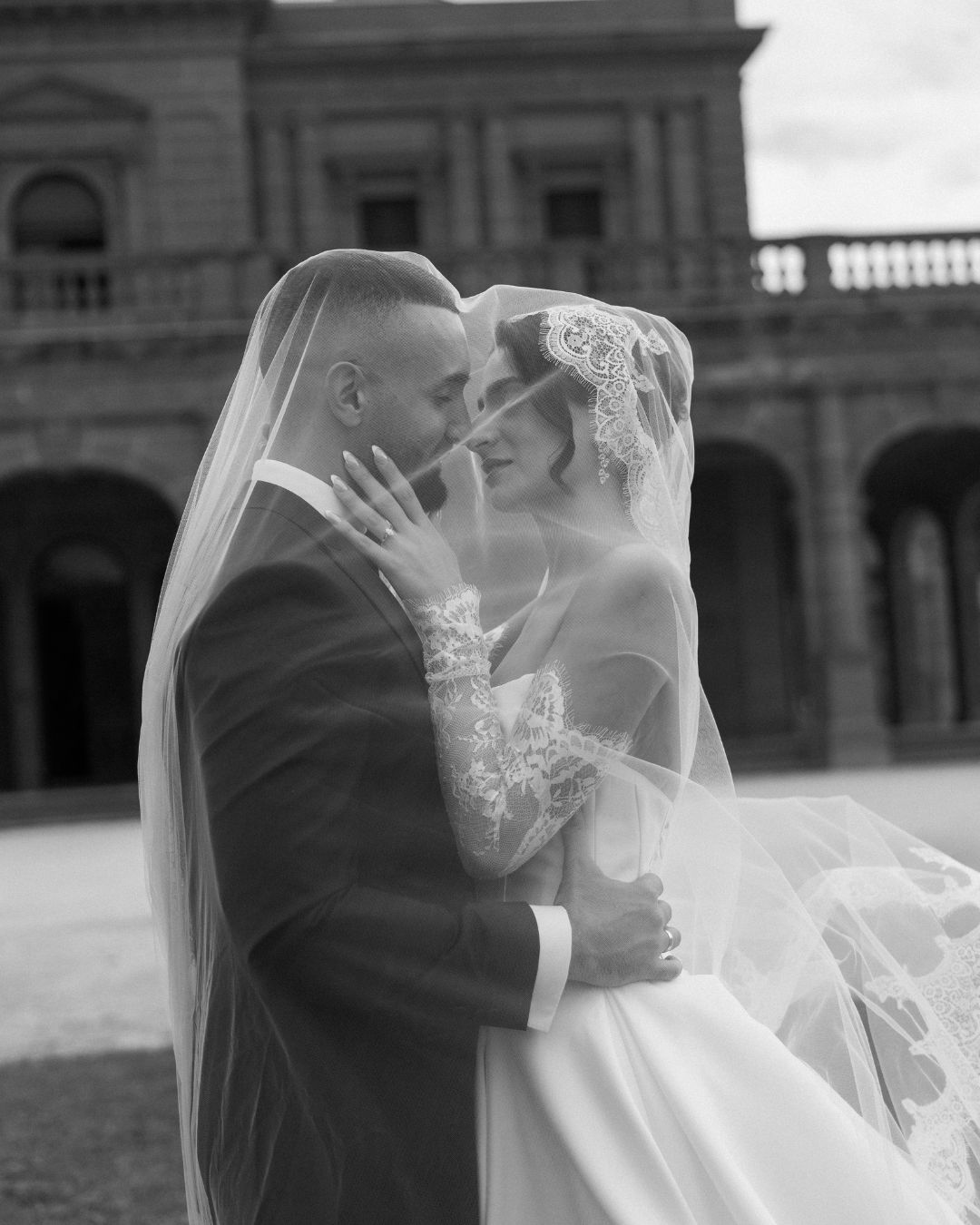
Artful imagery rooted in real moments.
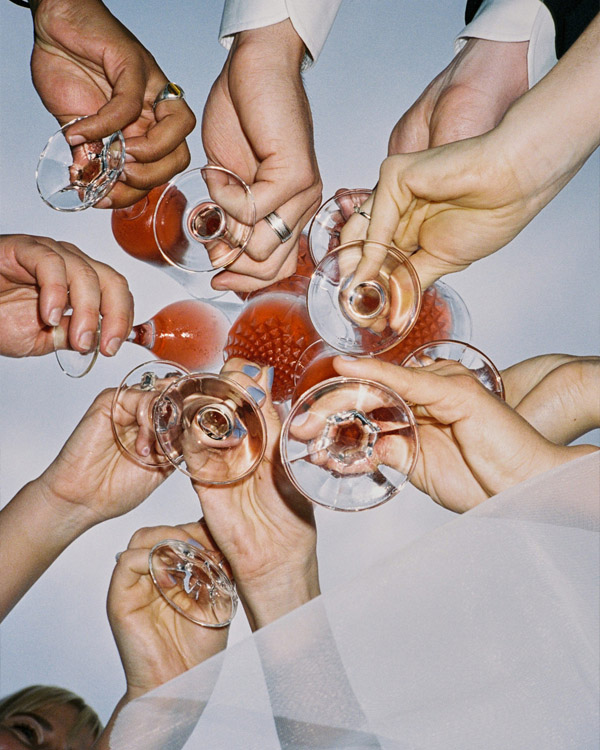
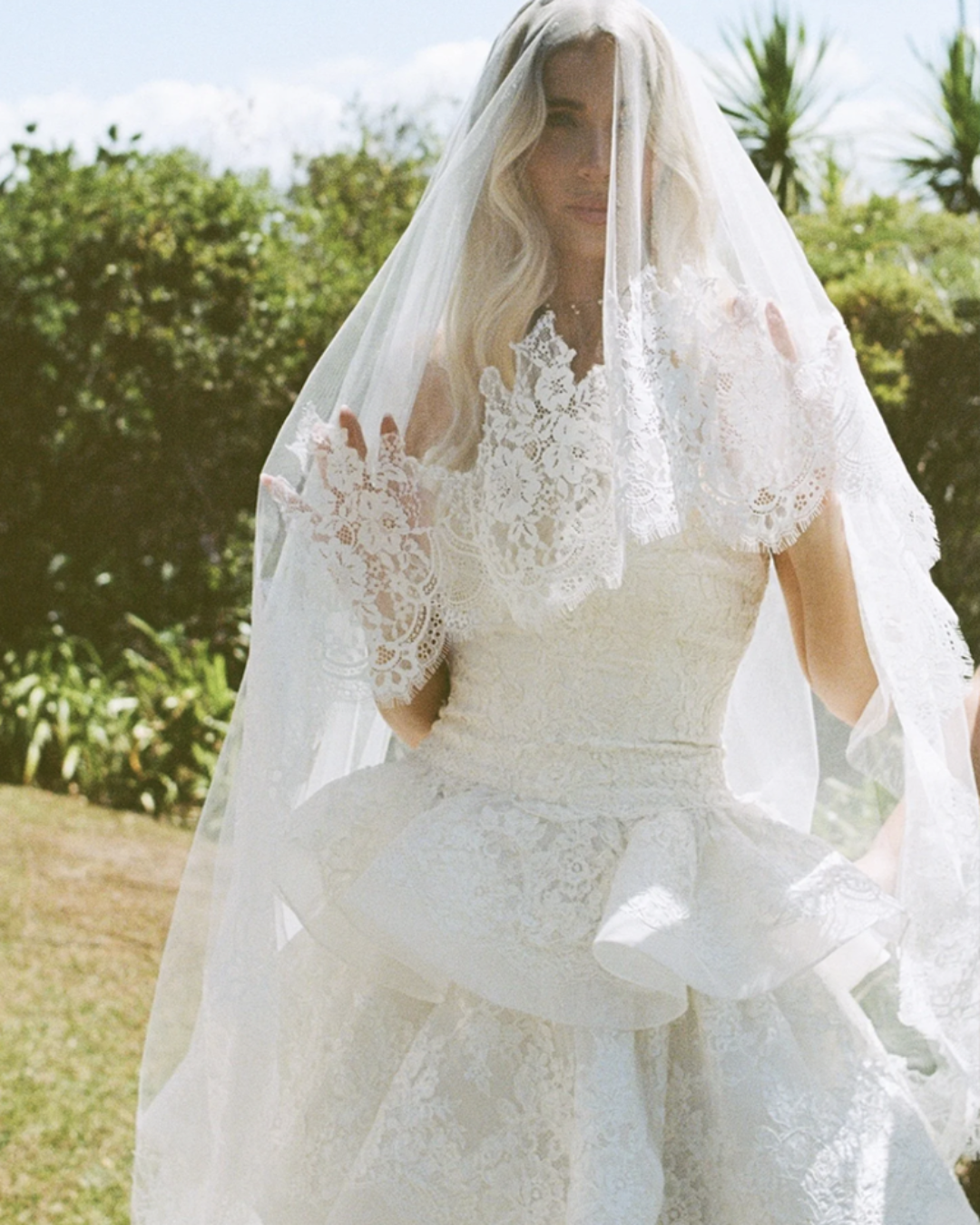
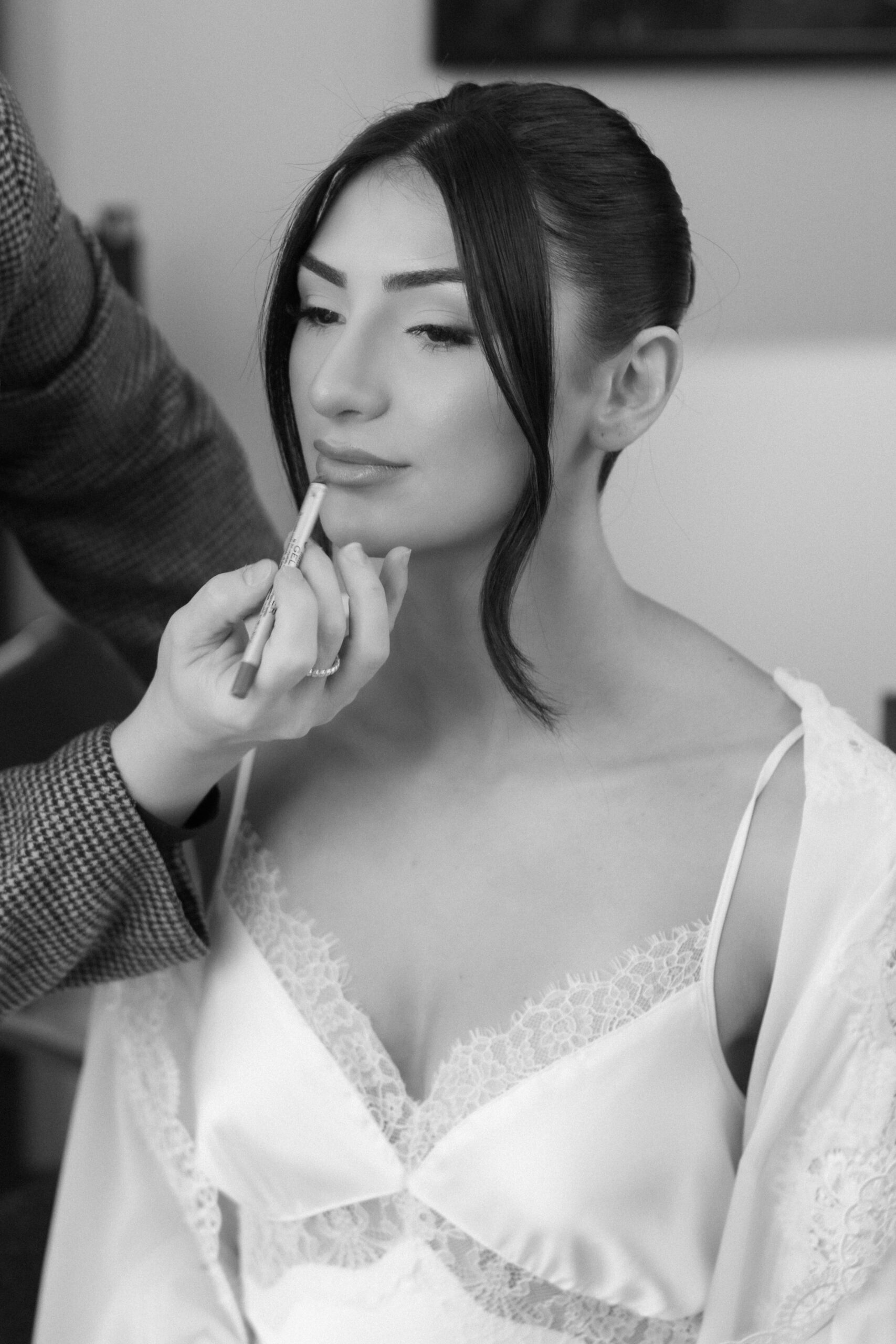
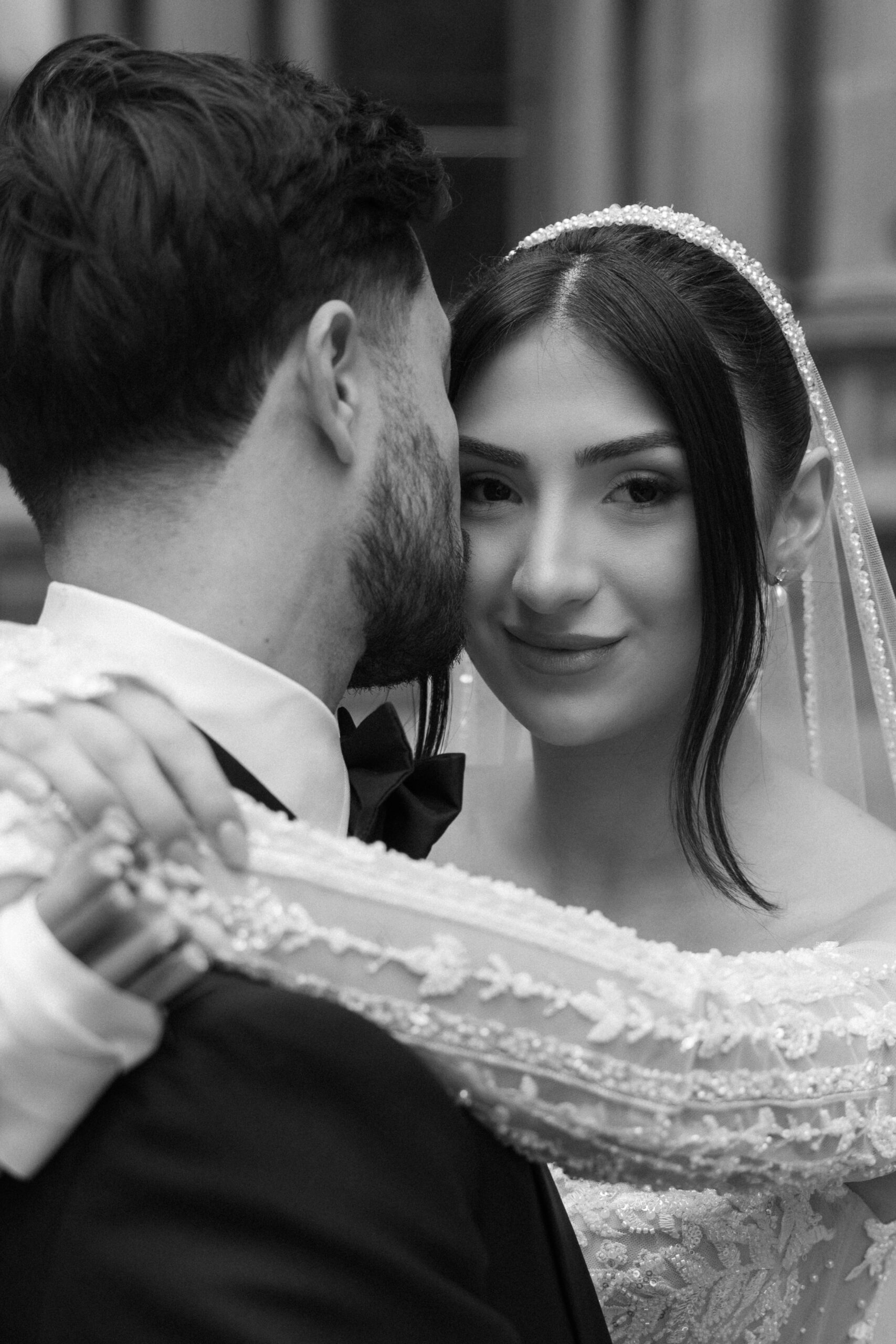
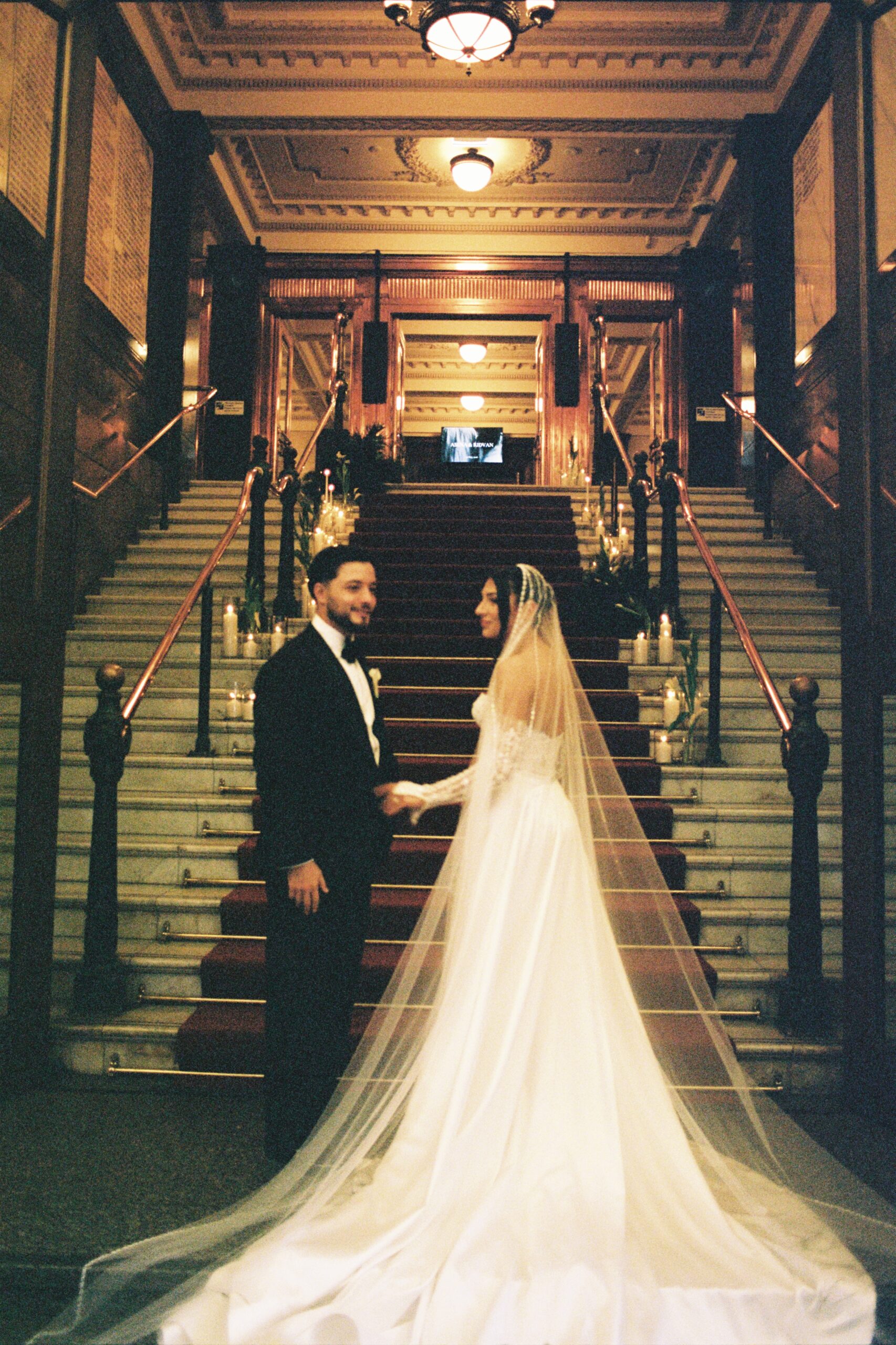
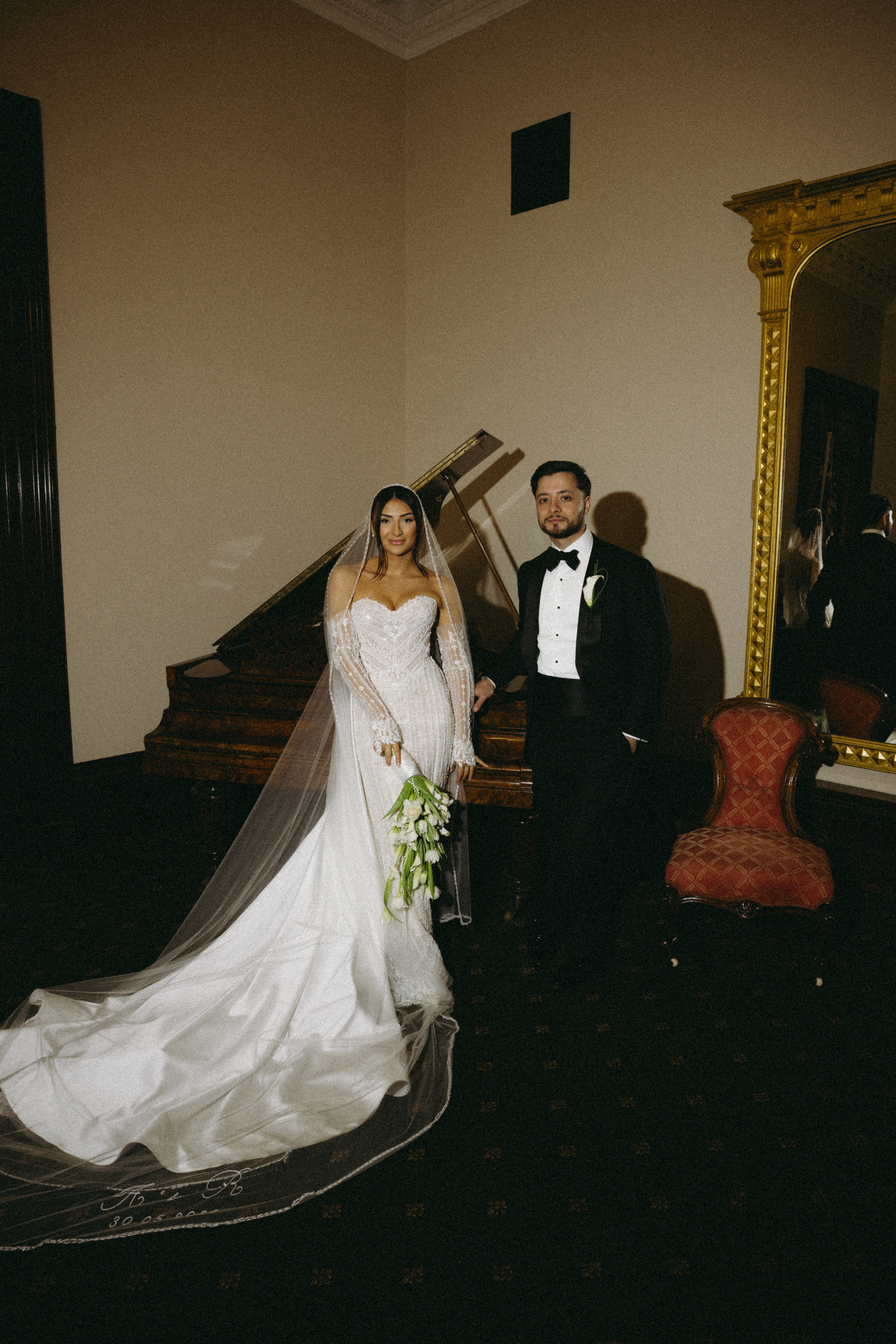
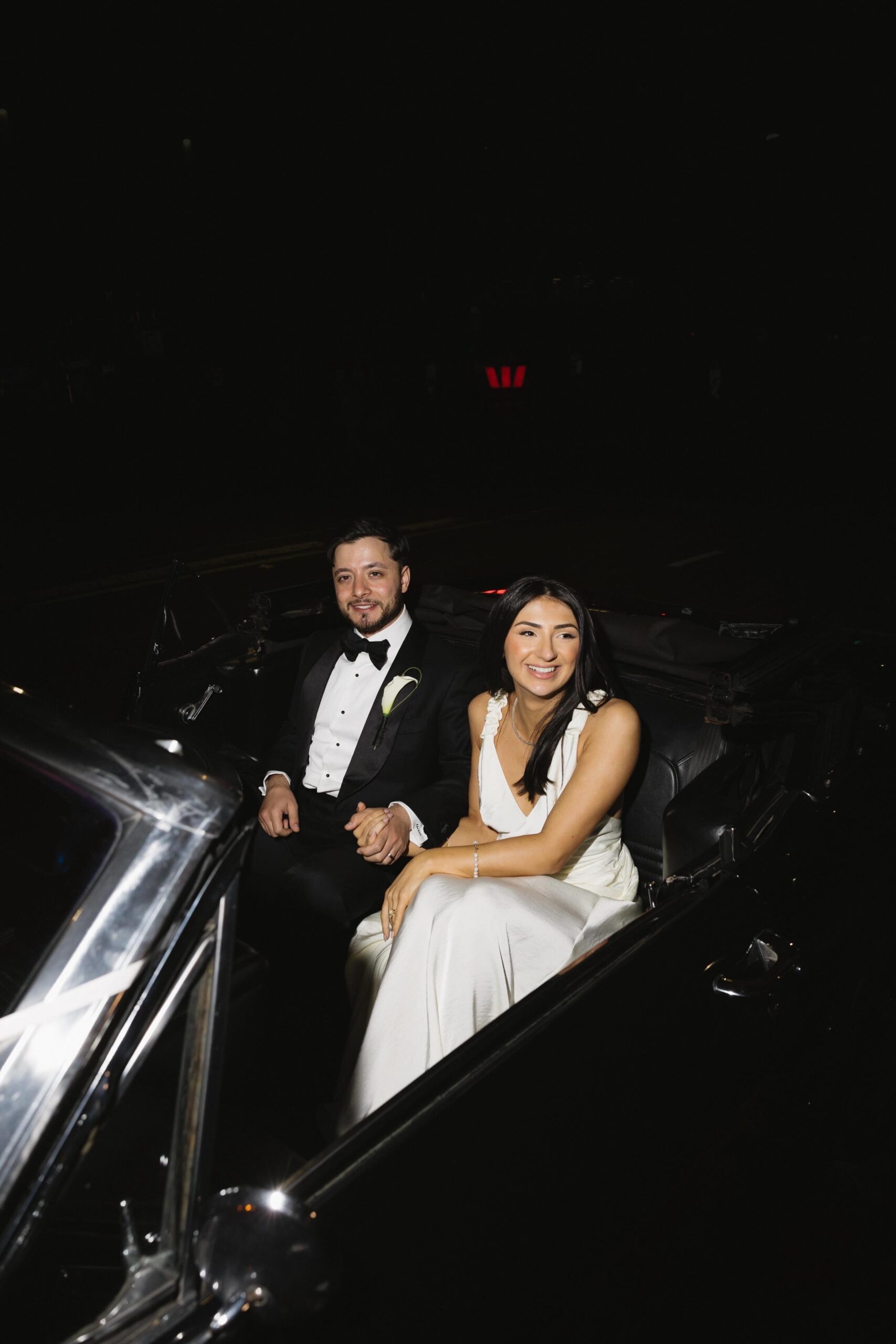
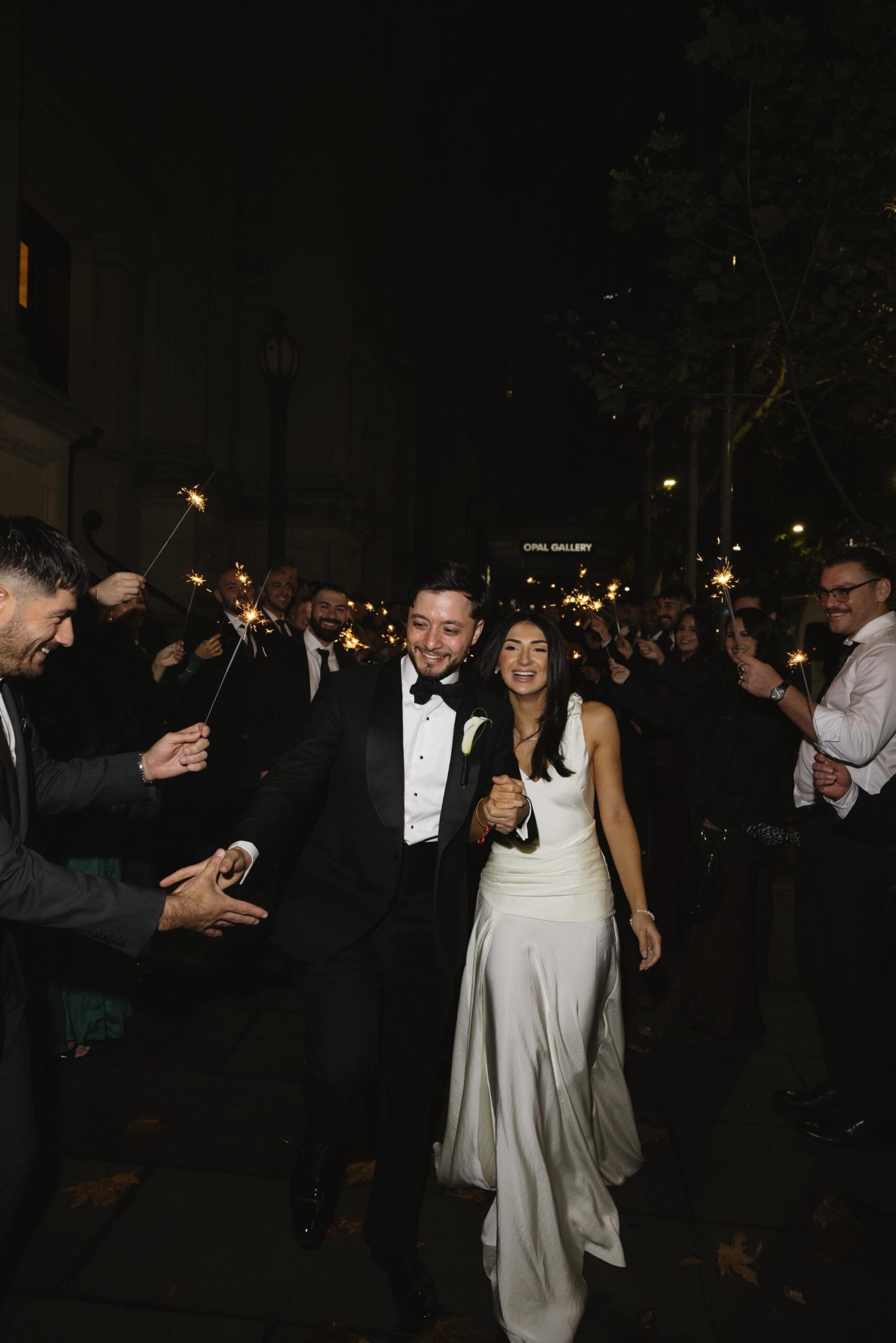
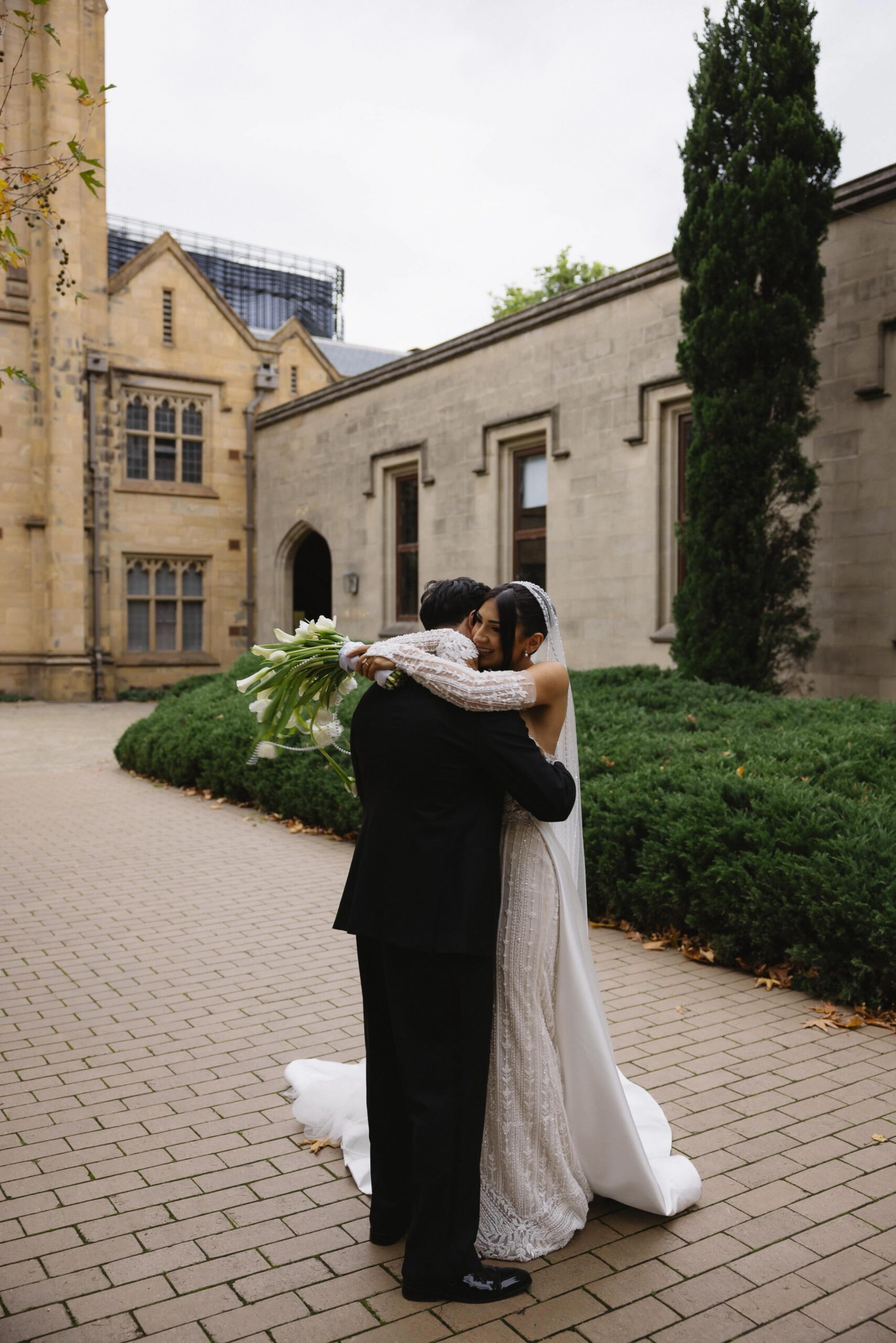
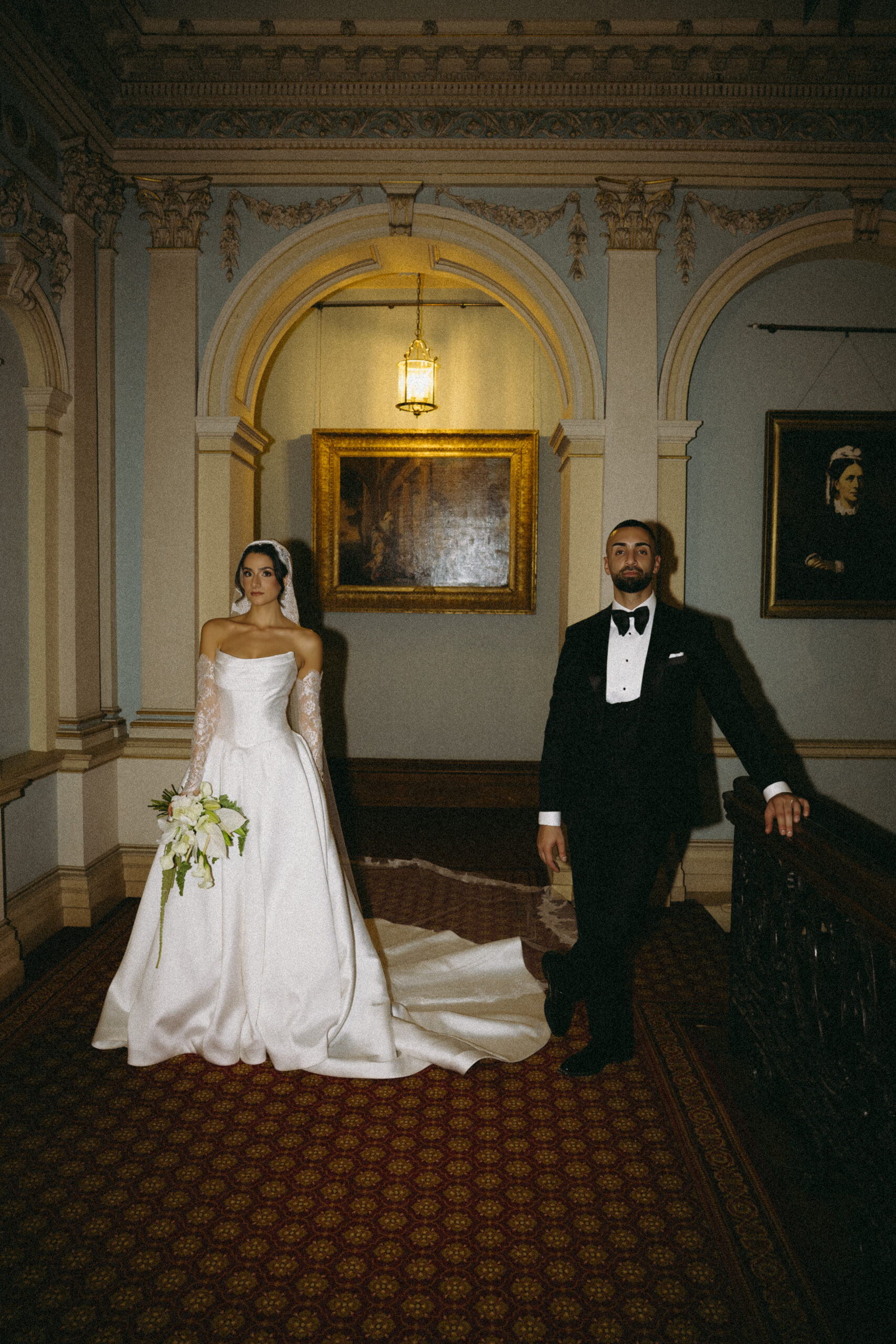
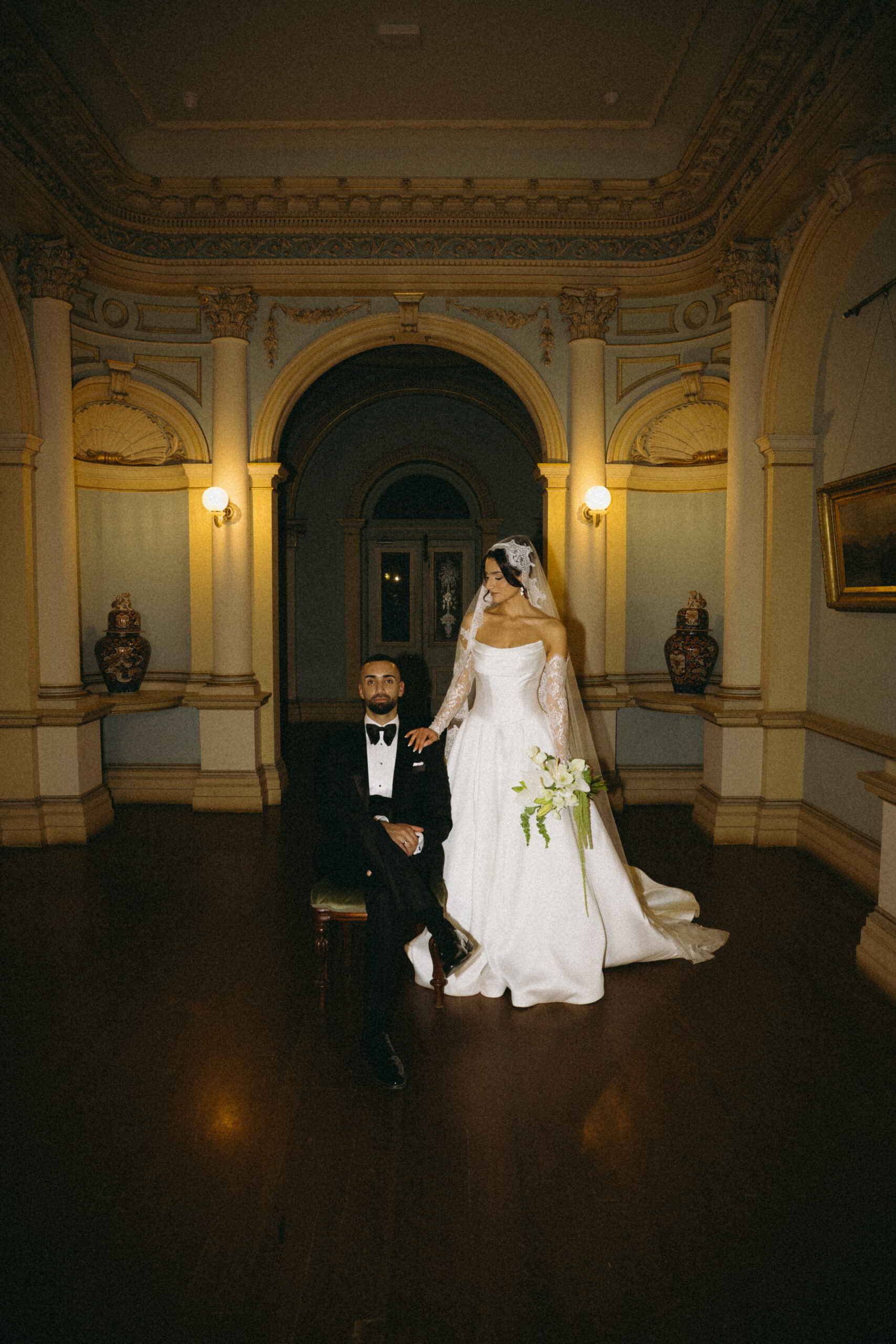
Studio Reván approaches wedding photography with a romantic, cinematic sensibility, drawing inspiration from fashion, architecture, cinema and the beautifully unpredictable nature of human connection. Their work finds a delicate balance between editorial refinement and honest, unguarded moments, allowing each celebration to unfold with its own distinct sense of atmosphere and feeling. With an instinct for beautiful light, movement and the details that might otherwise go unnoticed, Studio Reván looks beyond the obvious moments to capture the quiet gestures, fleeting expressions and in-between moments that give a wedding its soul. The result is imagery that feels considered yet lived-in, timeless yet deeply personal — photographs that preserve not only how a celebration looked, but how it felt to be there.
What first drew you to photographing weddings, and what continues to keep you curious about them?
I’ve always been drawn to photography as a way of preserving feeling, and weddings are one of those rare occasions where almost every human emotion exists in the same place. There’s anticipation, nervousness, joy, nostalgia, intimacy — and so much of it happens in moments that are completely unplanned.
What keeps me curious is that no two weddings can ever really be the same. Even when the traditions or settings are familiar, the people aren’t. Every couple has their own way of loving each other, their own families, their own history. I think my job is less about imposing a particular idea of what a wedding should look like and more about discovering what is already there.
What is the visual thread you feel runs through Studio Reván, even when every wedding looks completely different?
Romance, probably more than anything.
Not necessarily romance in the obvious sense, but a certain softness and nostalgia. I’m always looking for photographs that feel cinematic and considered while still being truthful to what was actually happening.
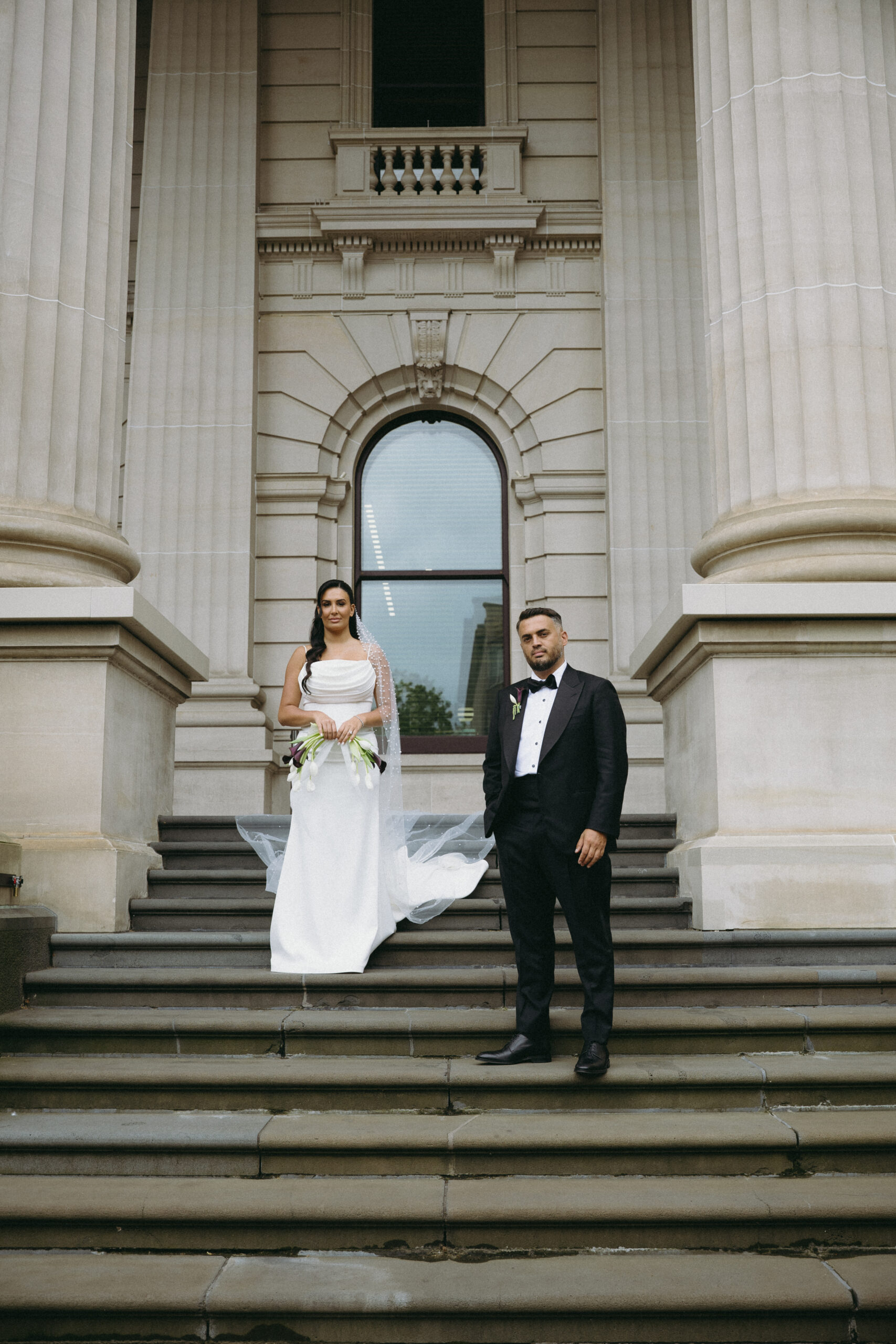
There’s an editorial influence in my work, but I never want that to come at the expense of emotion. I love beautiful composition, fashion, architecture and light, but ultimately I want the photographs to feel lived in. I think that balance between refinement and honesty is the thread that connects everything I photograph.
When you arrive at a wedding, what tends to catch your eye first?
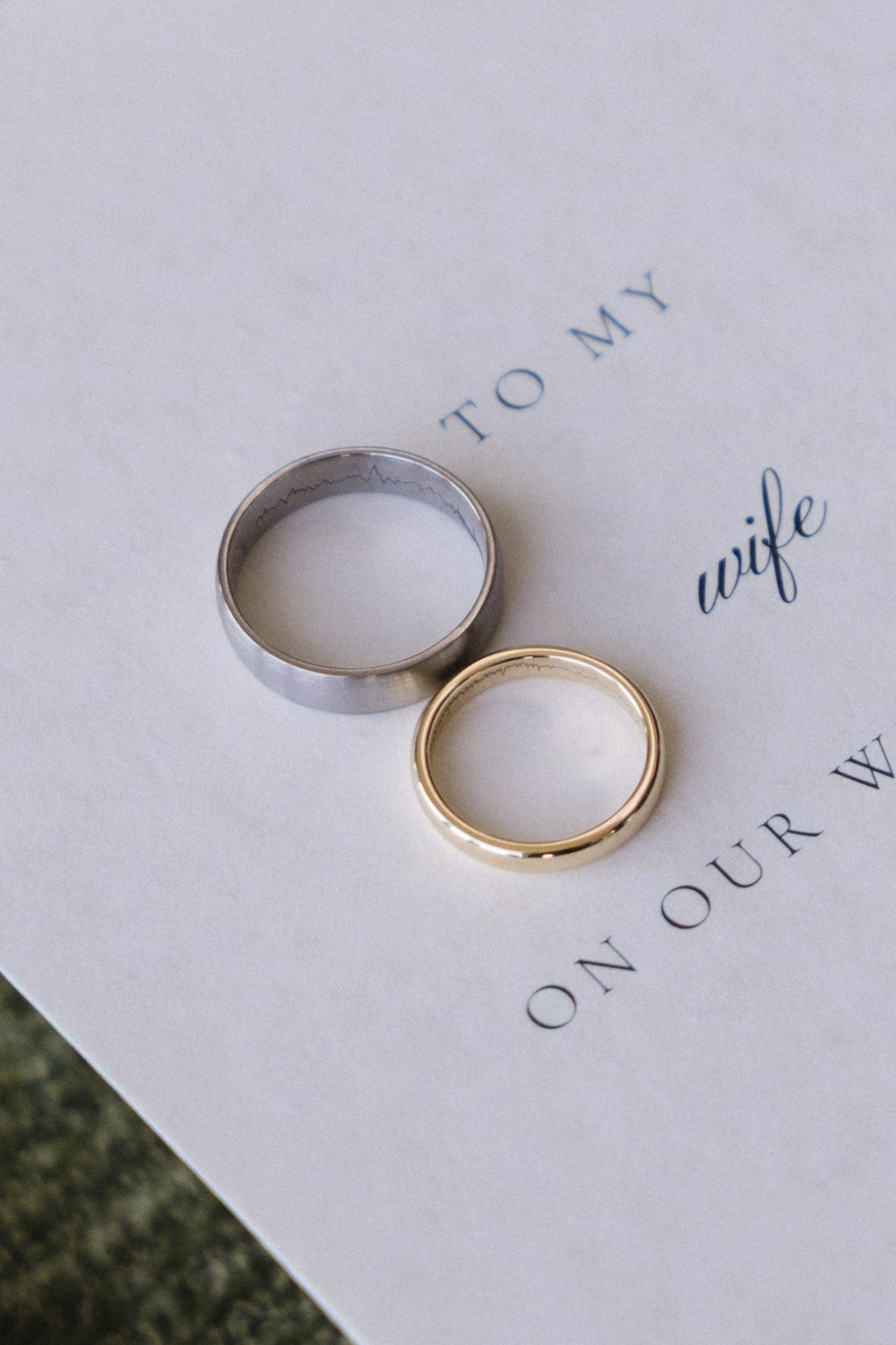
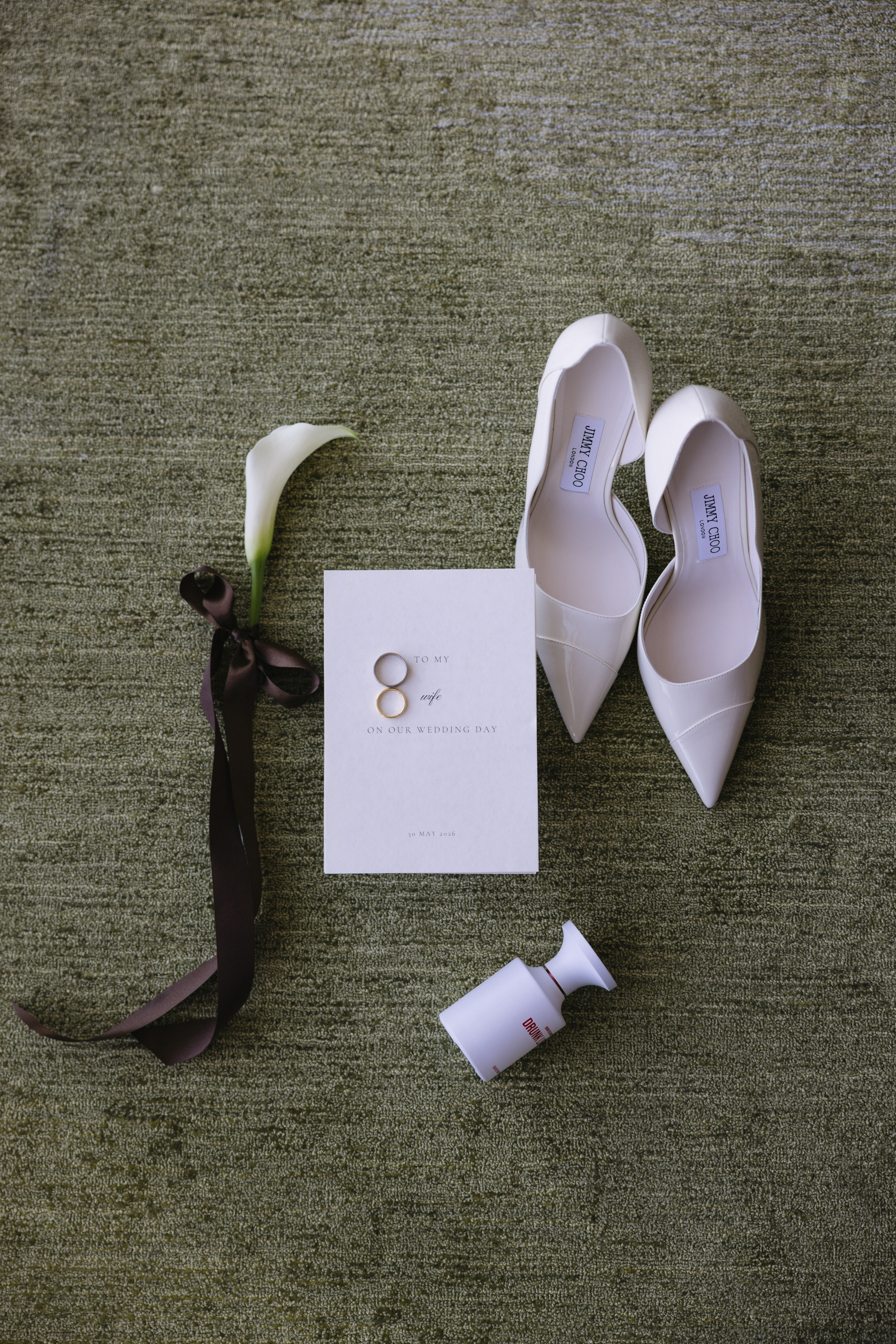
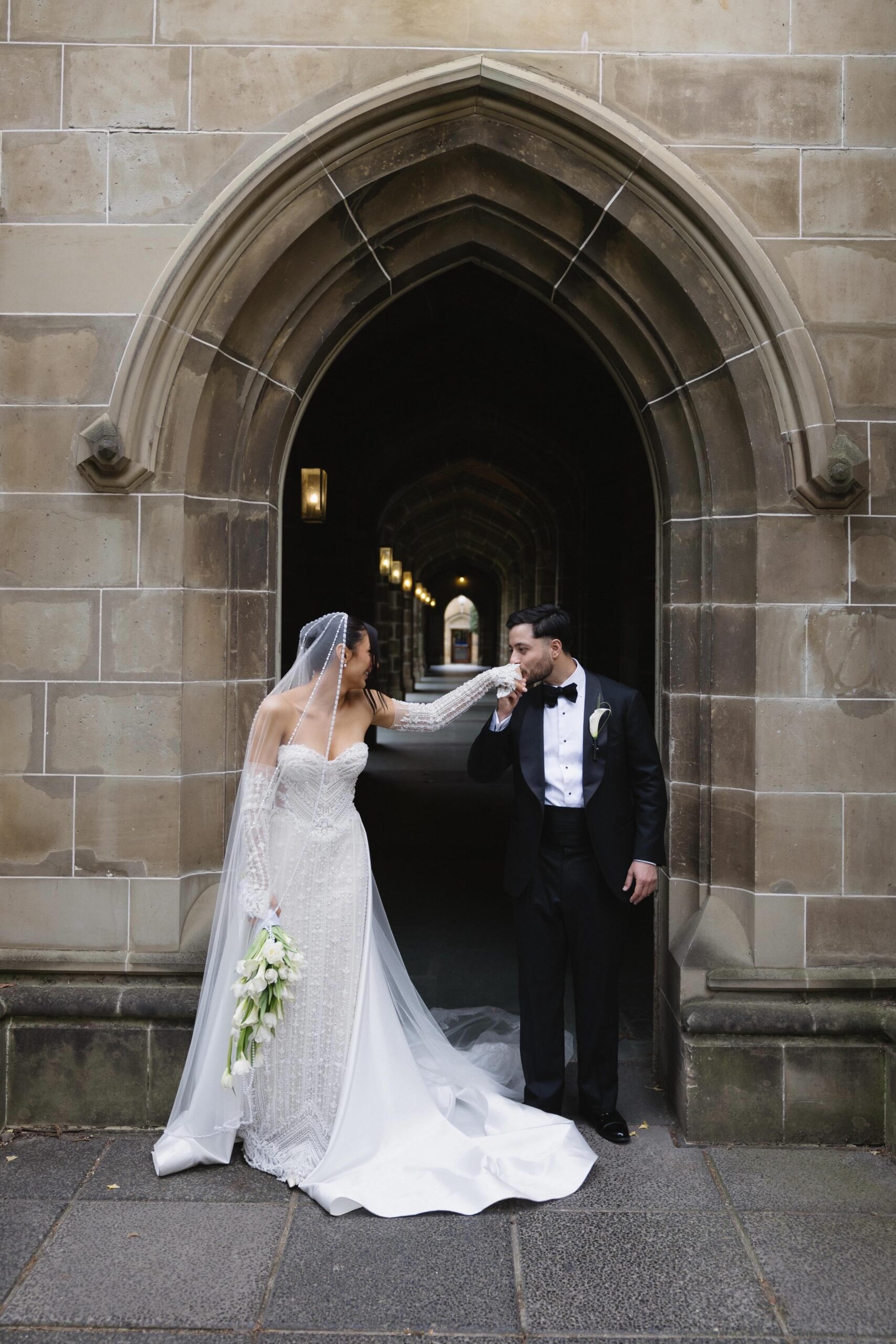
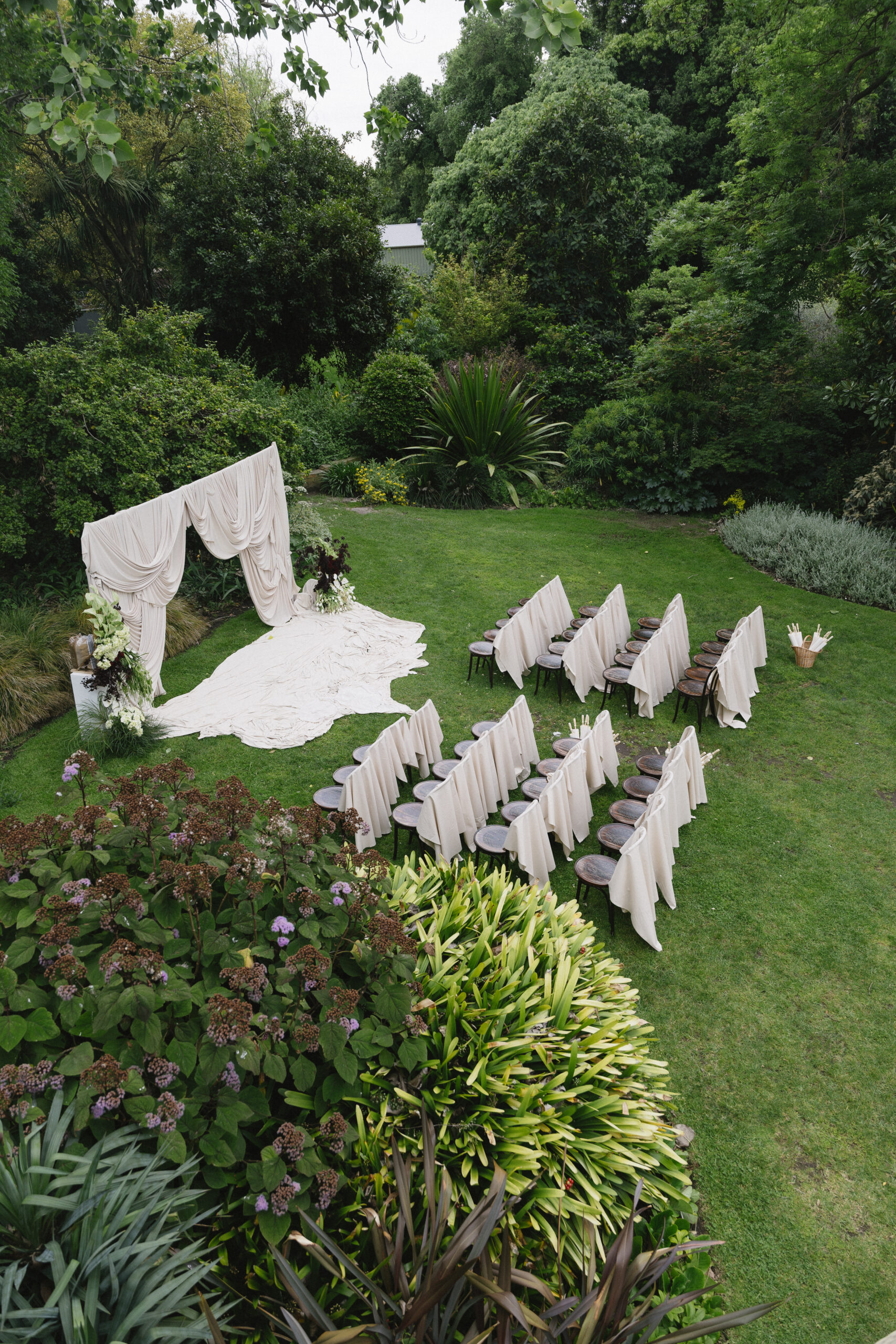
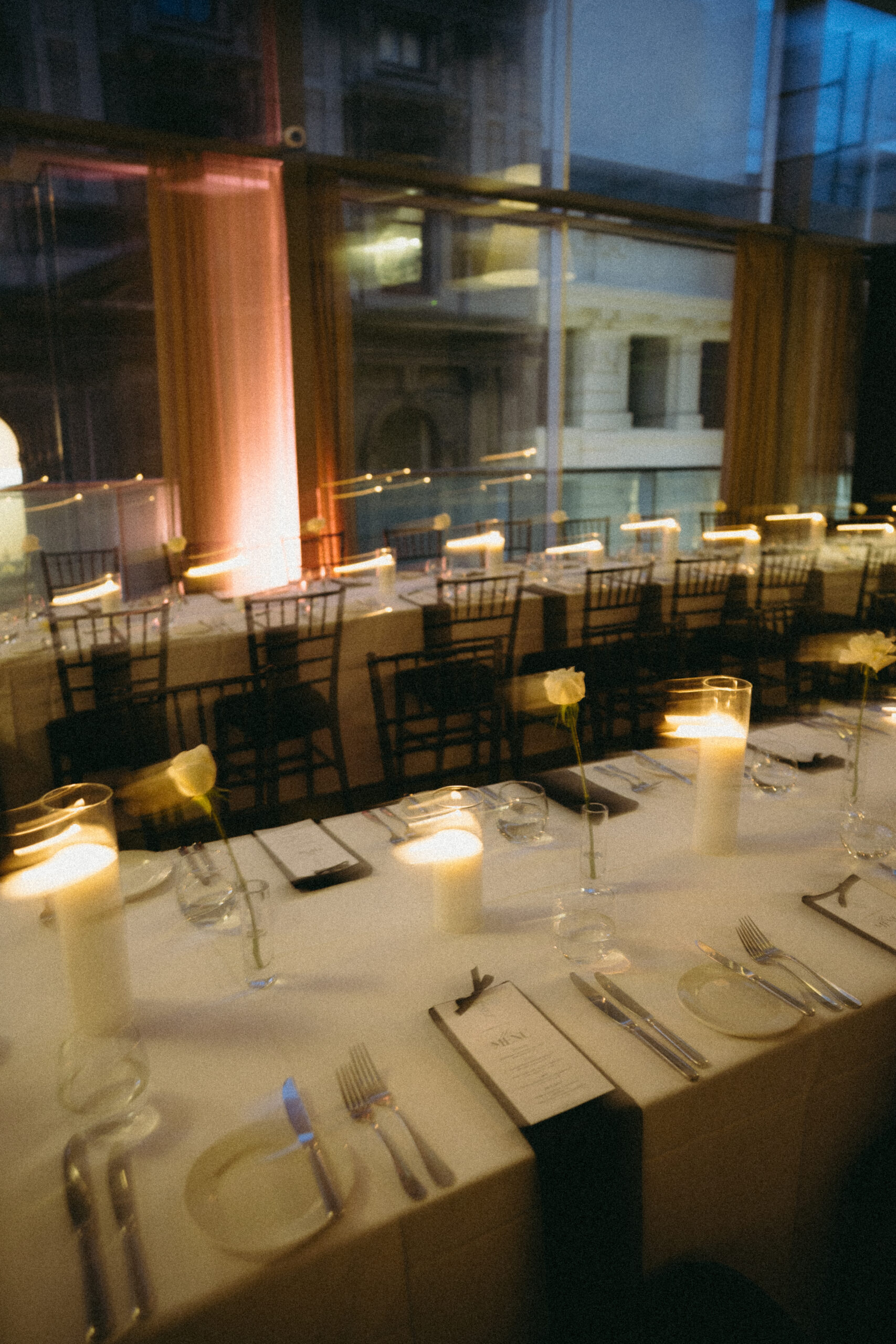
Light and environment. I’m usually subconsciously looking at how the light is entering a room, where the shadows fall, the architecture, the colours and the little details that give a place its character.
Then I start noticing people — who is nervous, who is quietly observing everything, the relationships within the room. Those things often tell me where the photographs are going to be before anything has really begun.
Your work has a strong editorial sensibility. How has your love of fashion shaped the way you photograph couples and their surroundings?
Before photography, I worked in fashion retail for quite a few years, and during that time I really fostered a love for style. I’ve never seen fashion as simply clothing; to me, style is a form of expression. It tells you something about a person before they have said anything at all.
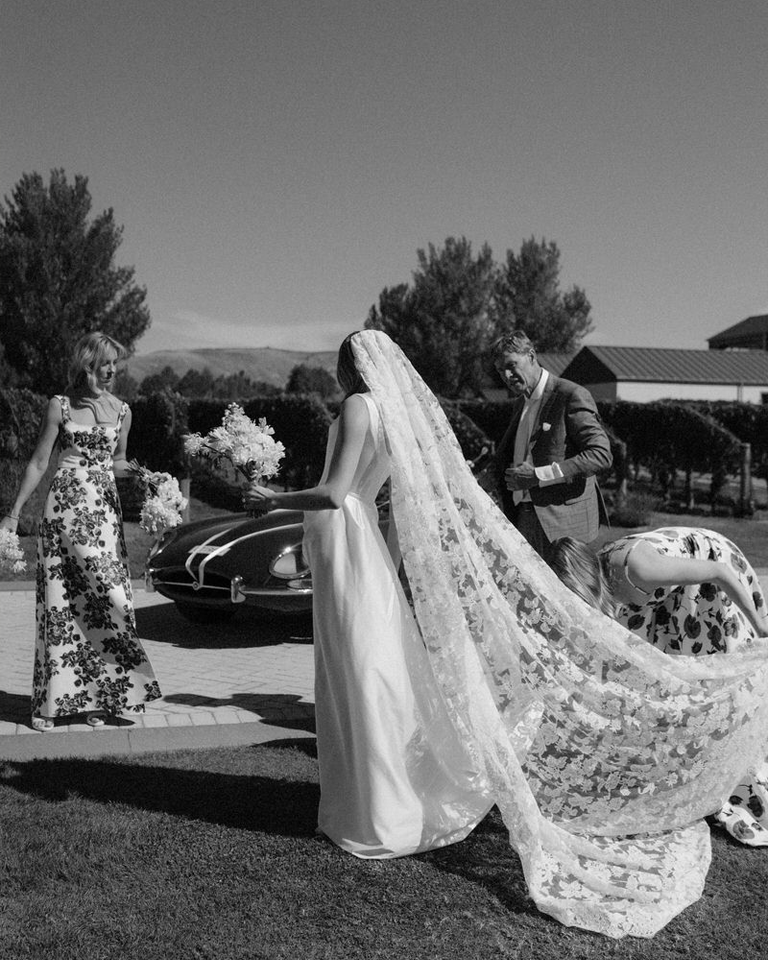
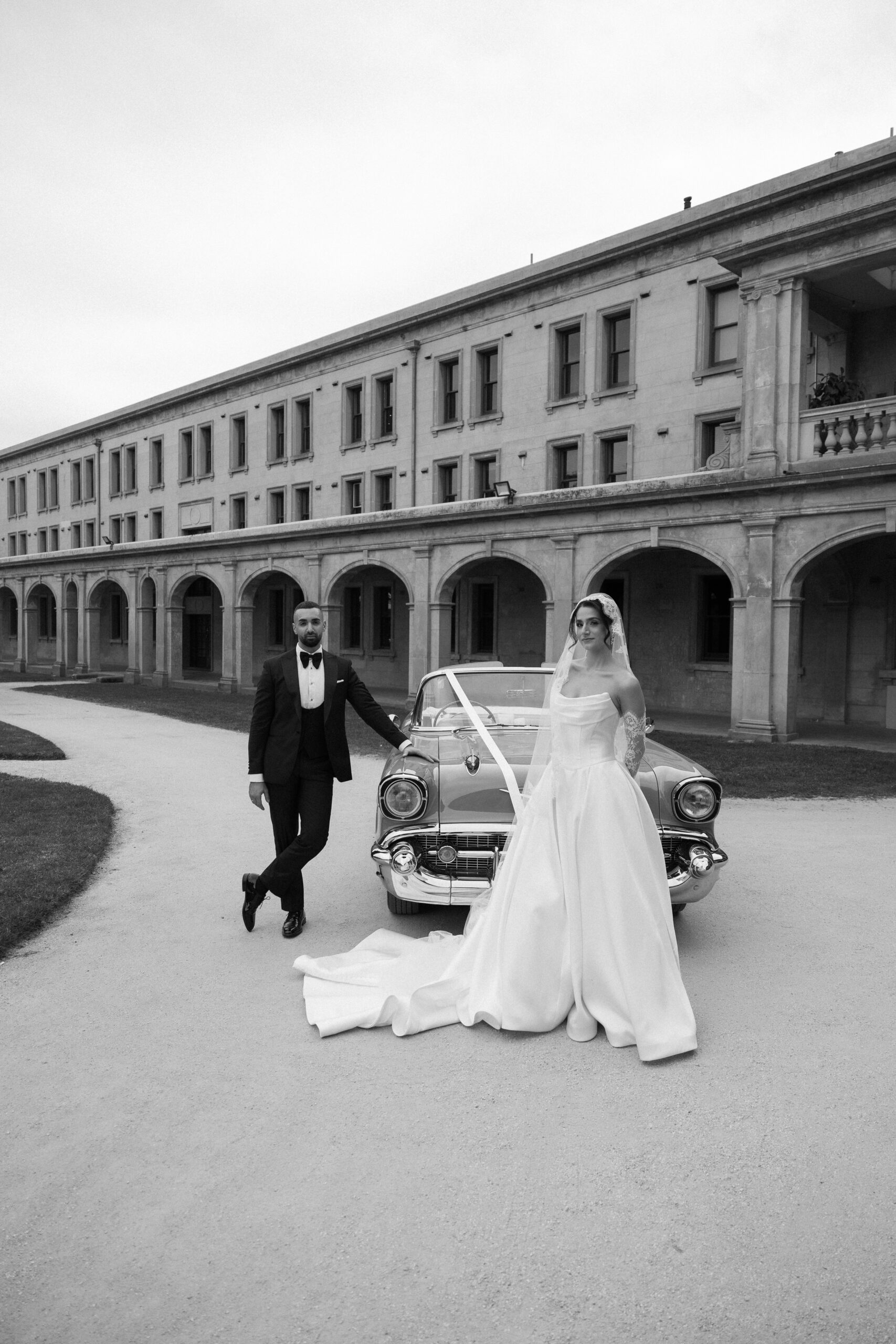
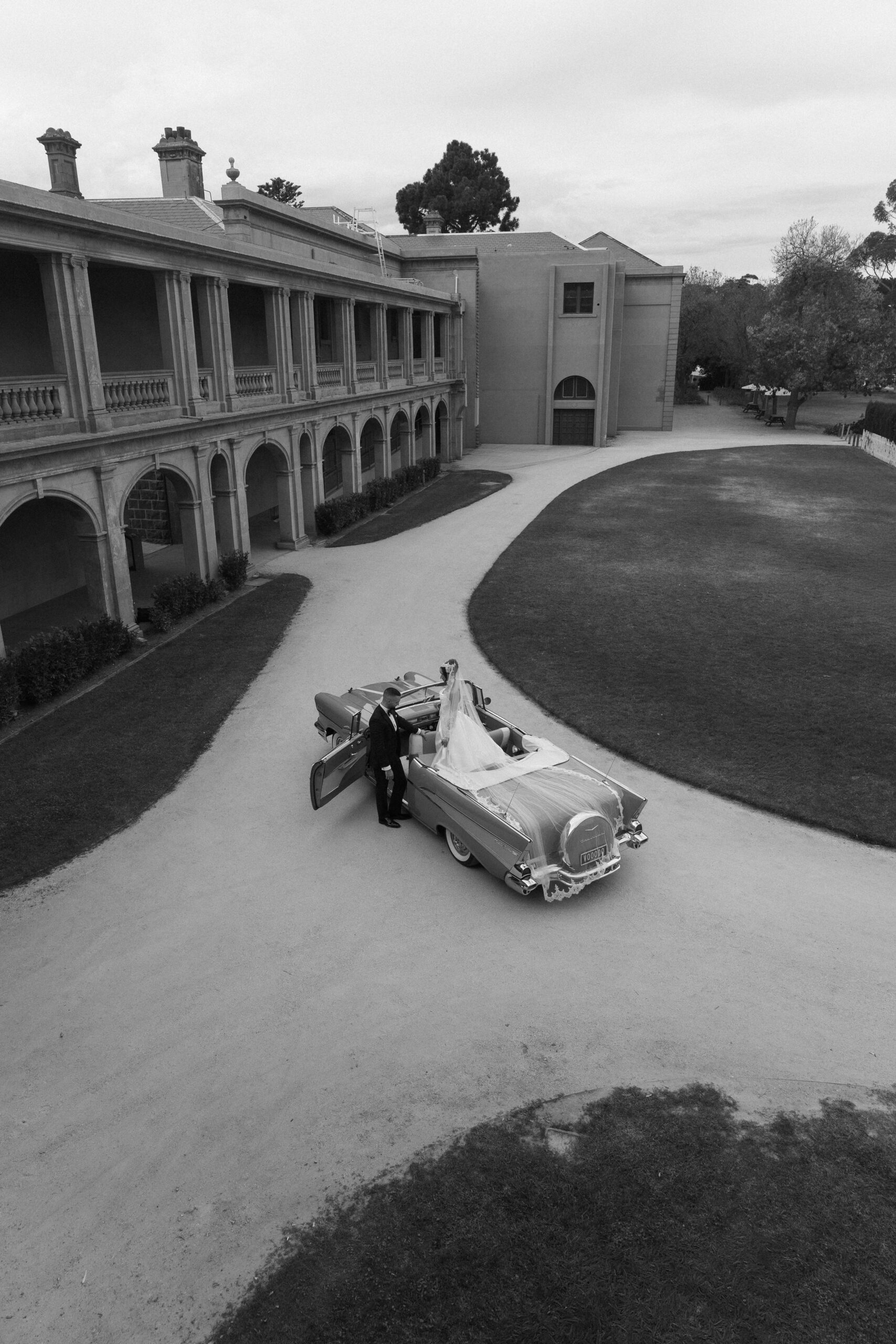
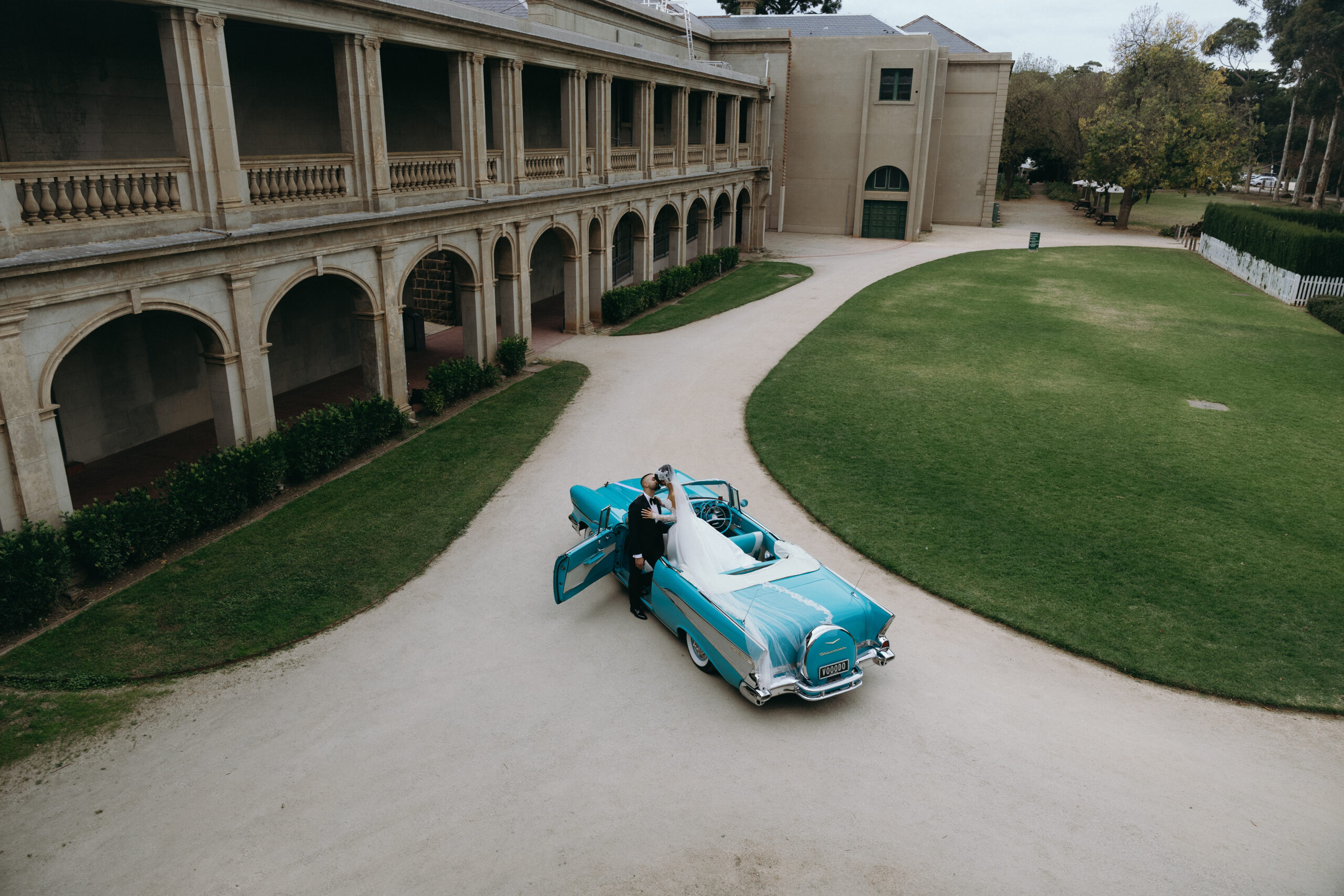
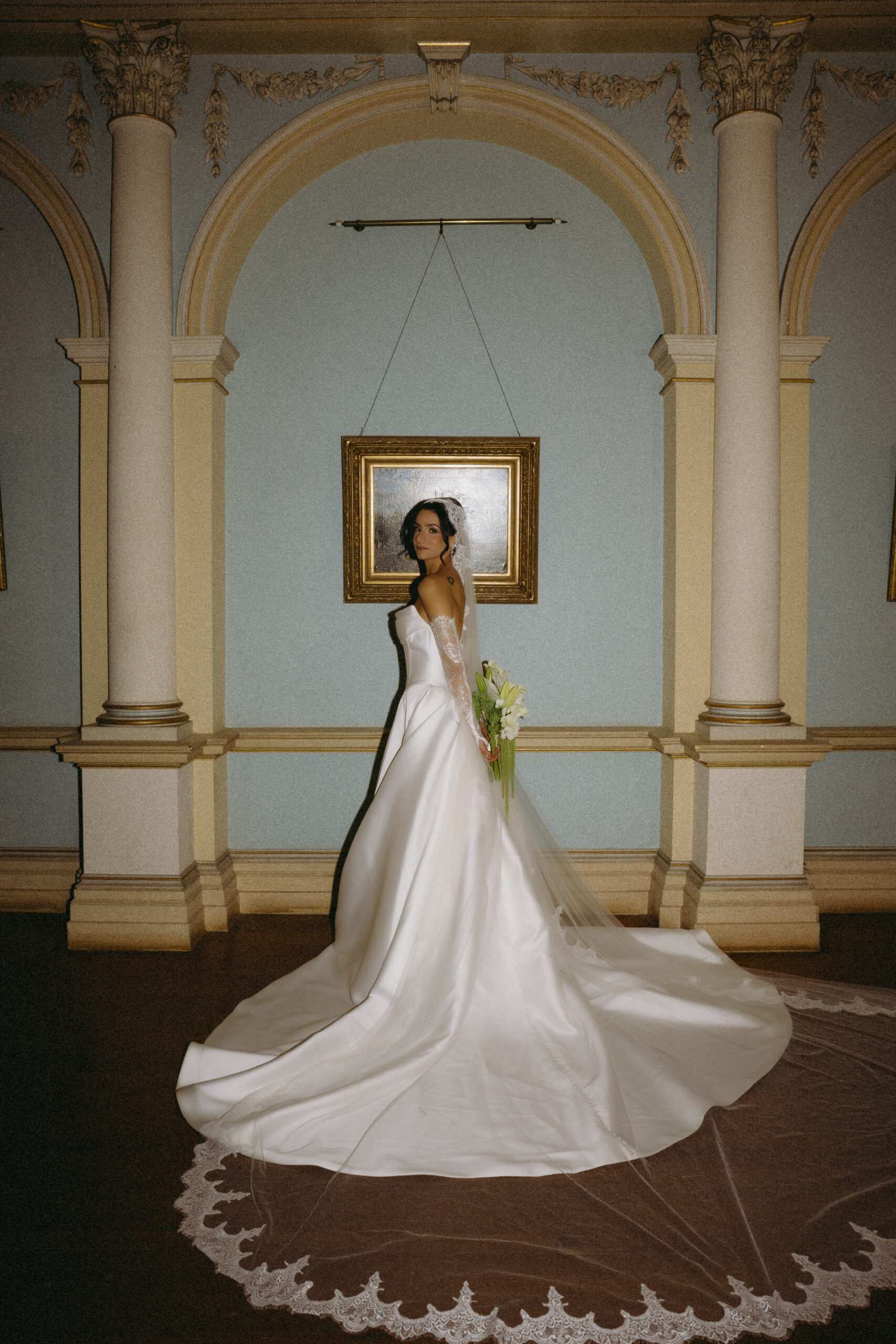
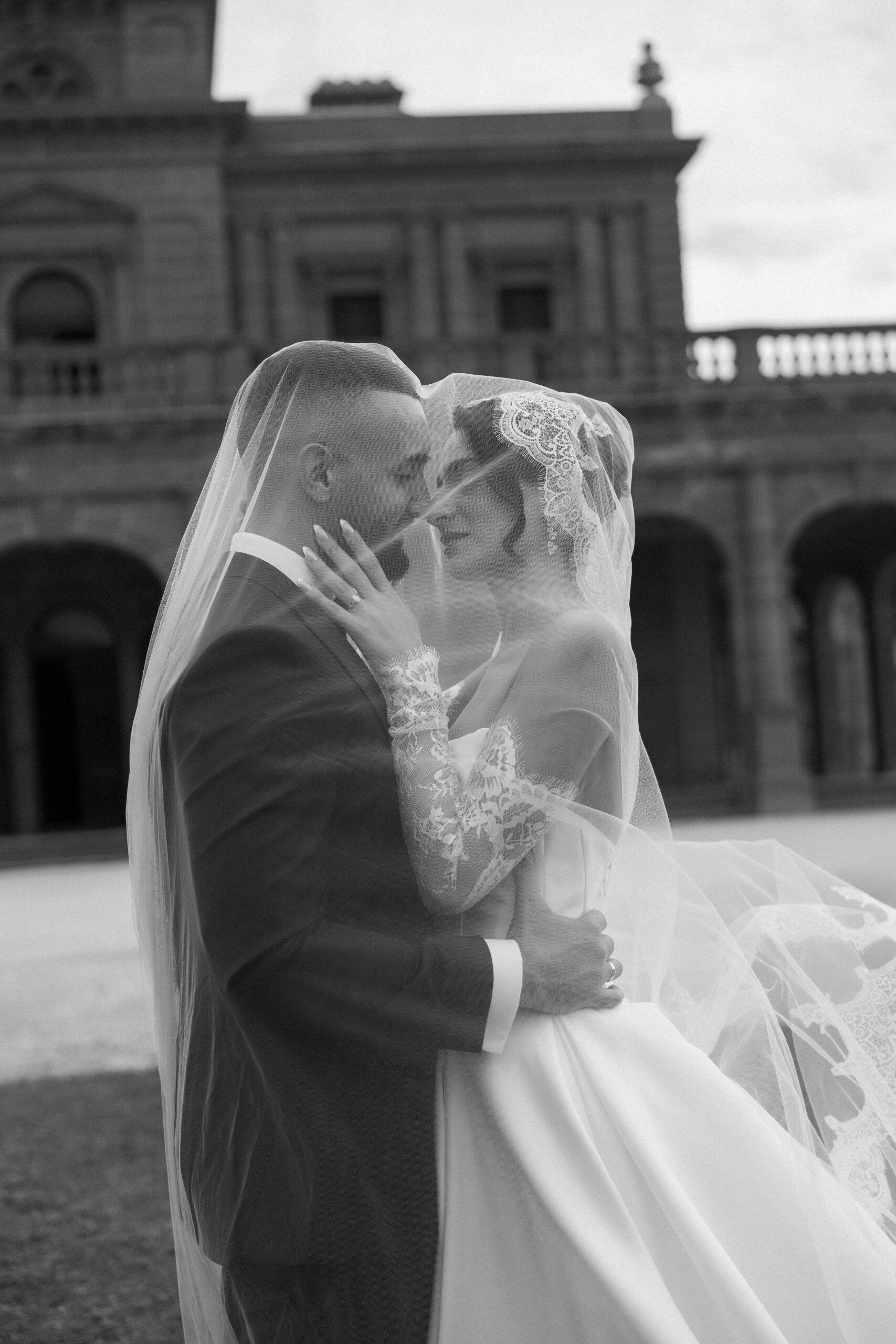
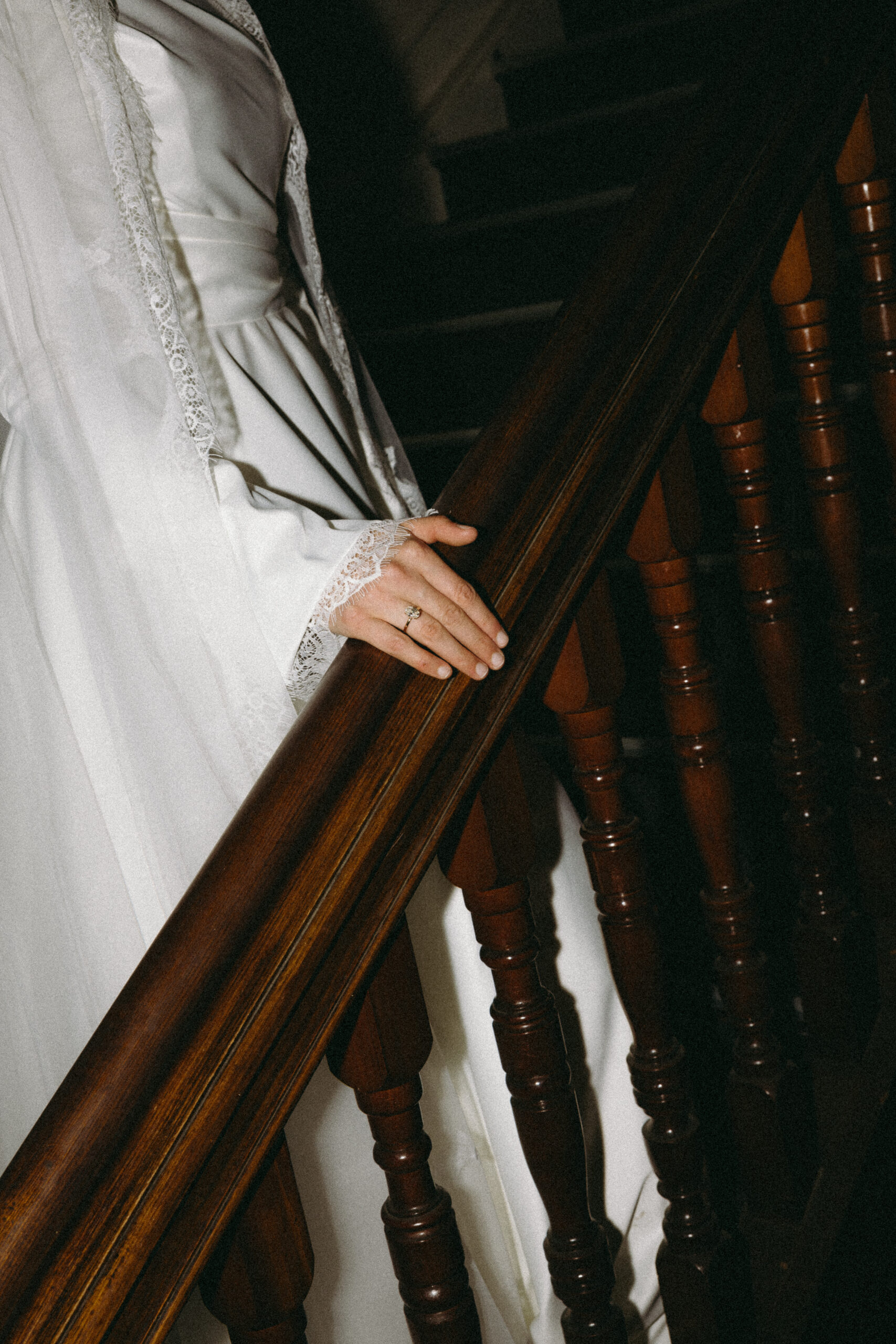
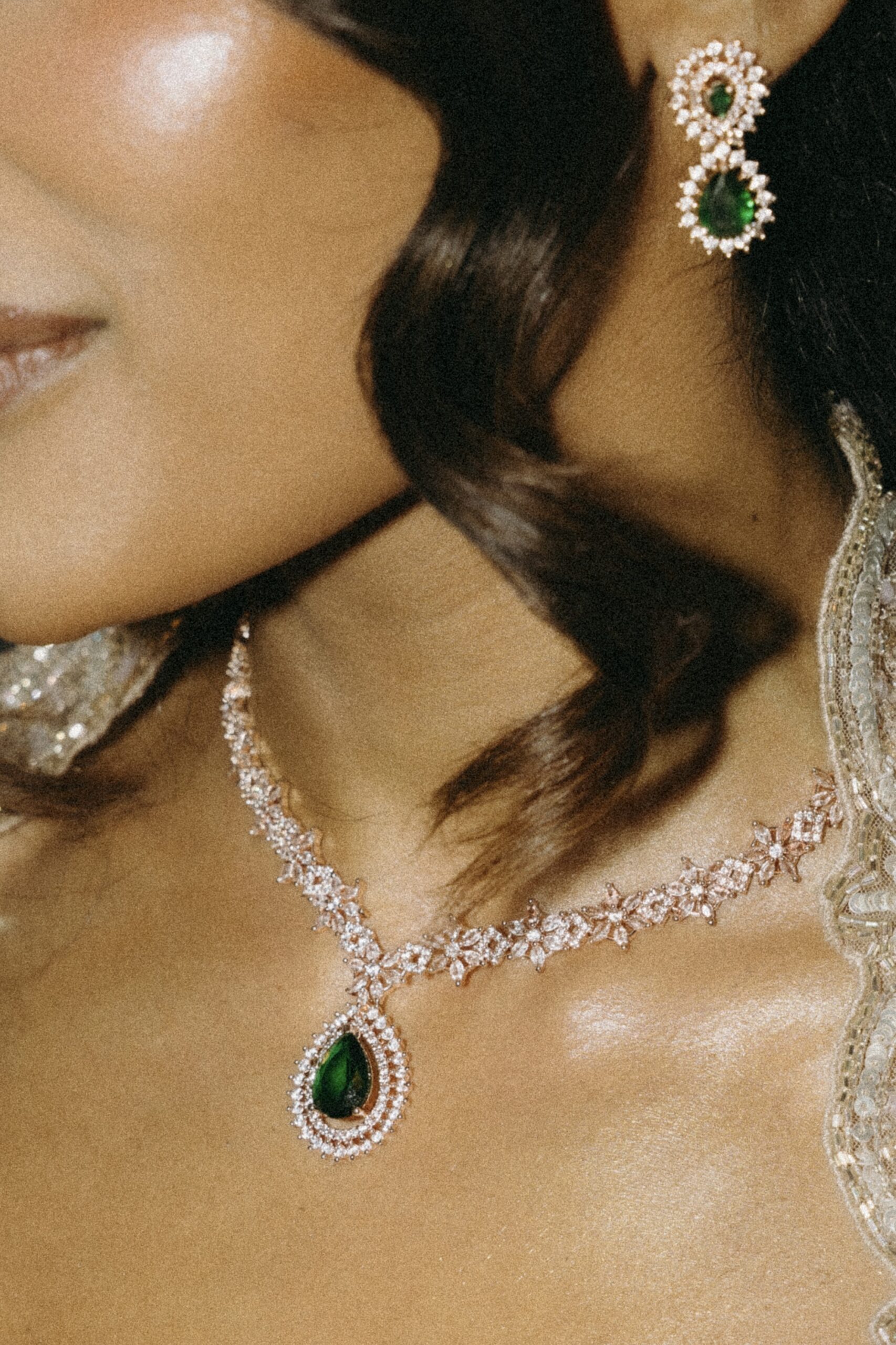
That has naturally carried into the way I photograph weddings. I notice silhouettes, movement, fabric, tailoring and the relationship between what someone is wearing and the environment around them. Sometimes the smallest gesture — the way a jacket falls, a veil catches the wind or a dress moves while someone is walking — can completely transform a photograph.
I think fashion taught me to pay attention to those details, but photography taught me not to make them too perfect. I’m much more interested in elegance that still feels human.
What are the little moments you find yourself looking for that a couple might not even realise are happening?
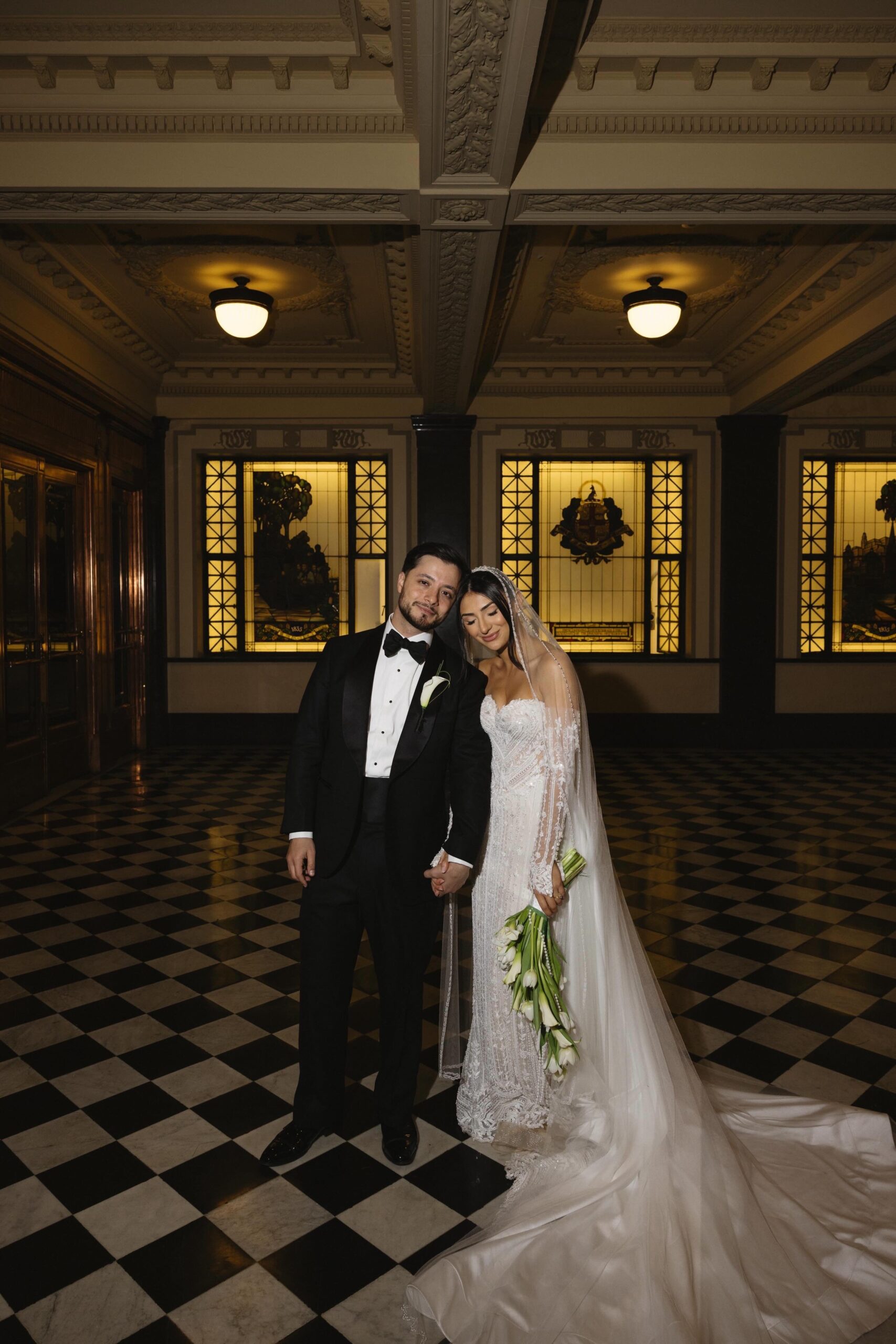
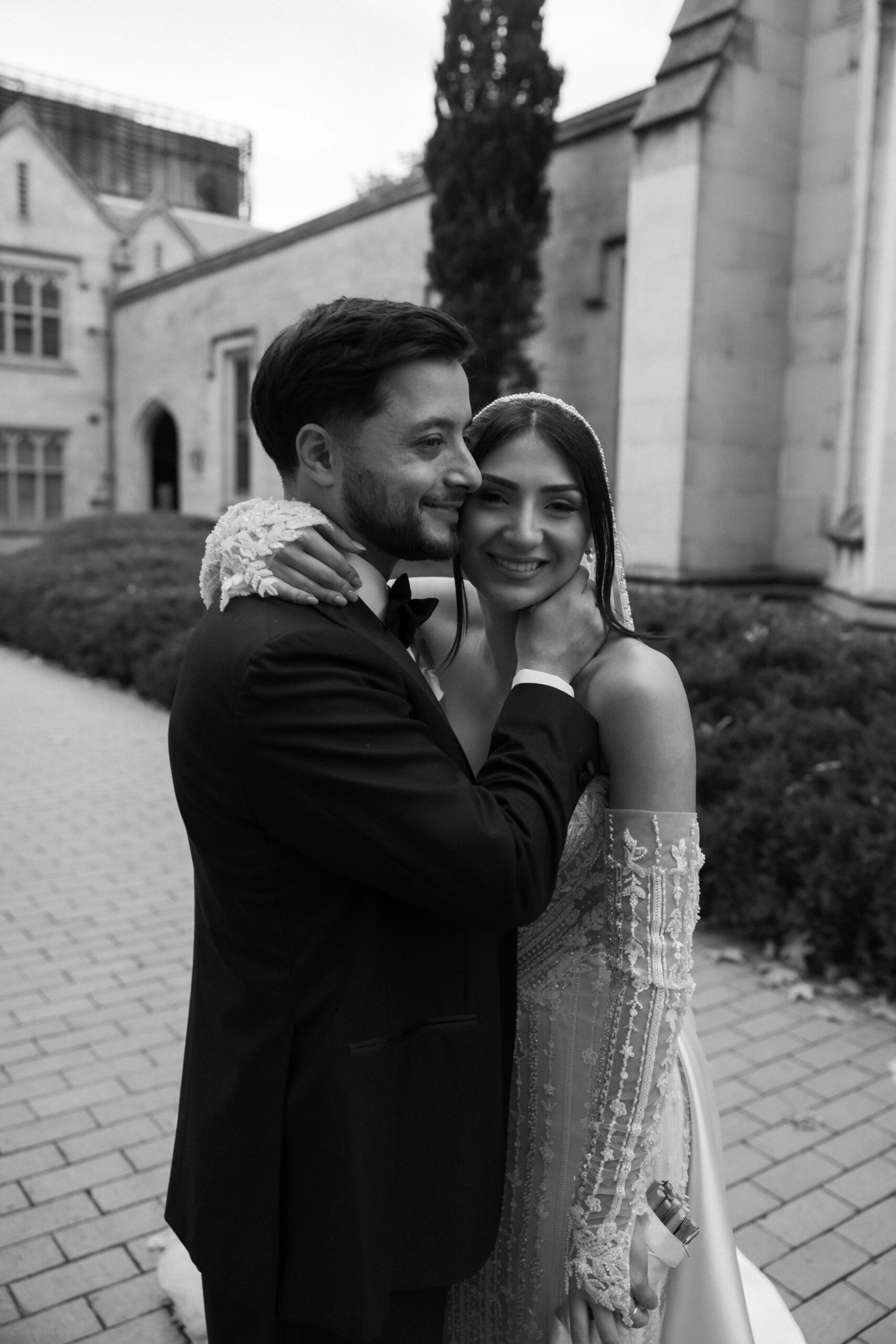
The moments immediately before and after the “important” moment.
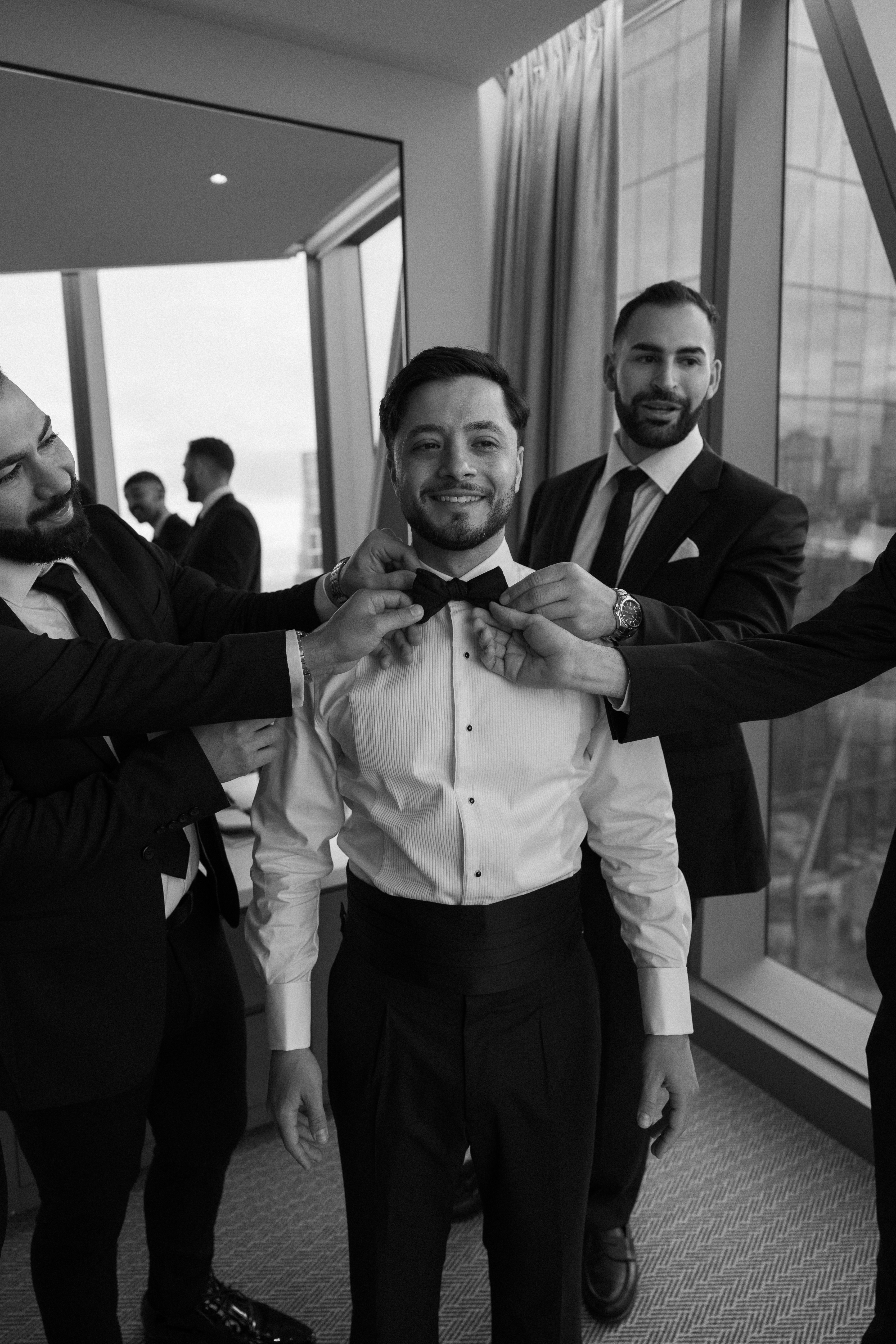
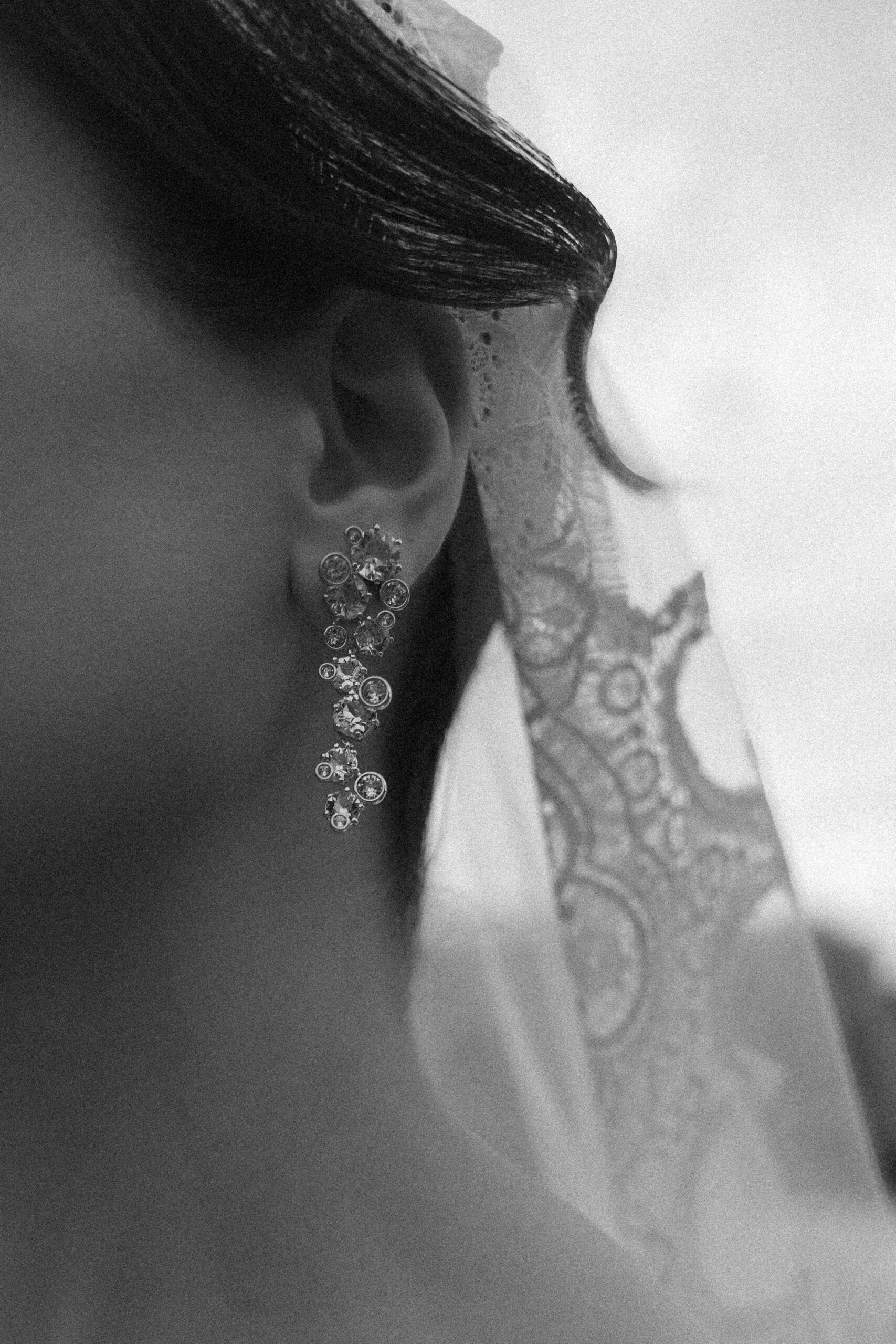
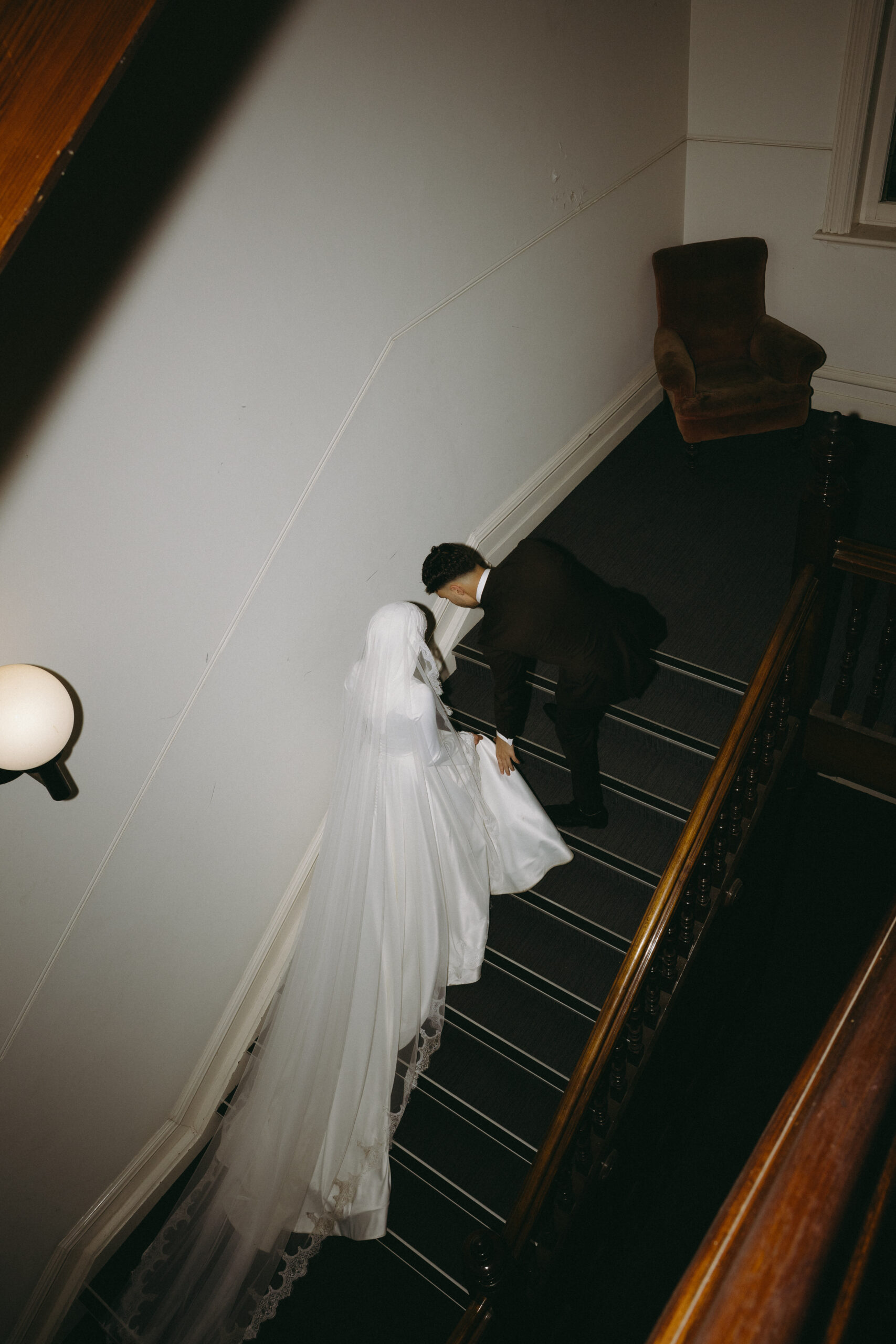
A parent watching quietly from across the room. Someone fixing a cuff or straightening a veil. A hand reaching for another hand underneath a table. The expression immediately after the ceremony when the couple suddenly realises they’re married.
Those photographs often become some of my favourites because nobody was performing for the camera. They’re incredibly ordinary moments at the time, but years later I think they can become extraordinary.
Is there a creative rule or convention within wedding photography that you have happily chosen to break?
Probably the idea that everything needs to be technically perfect.
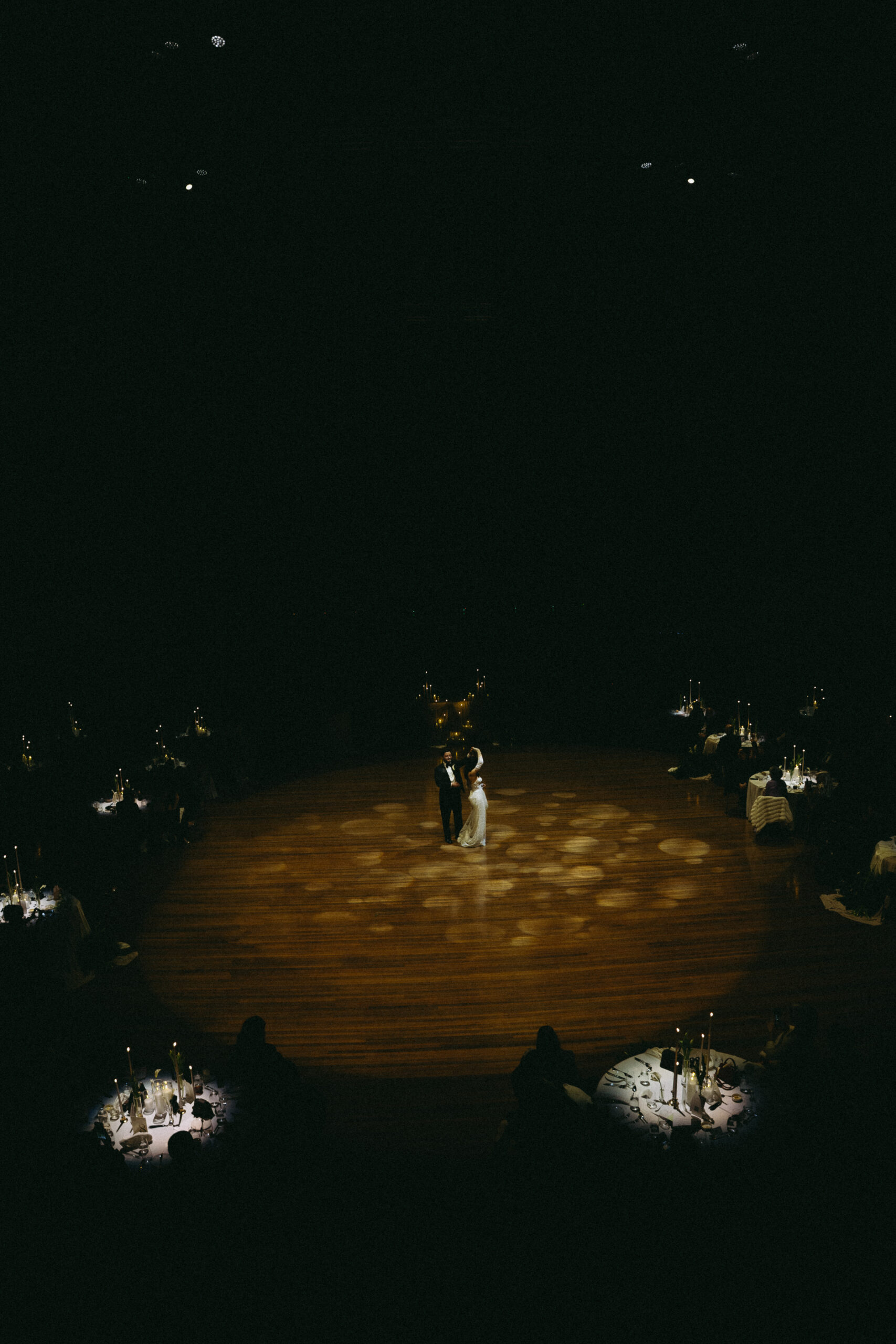
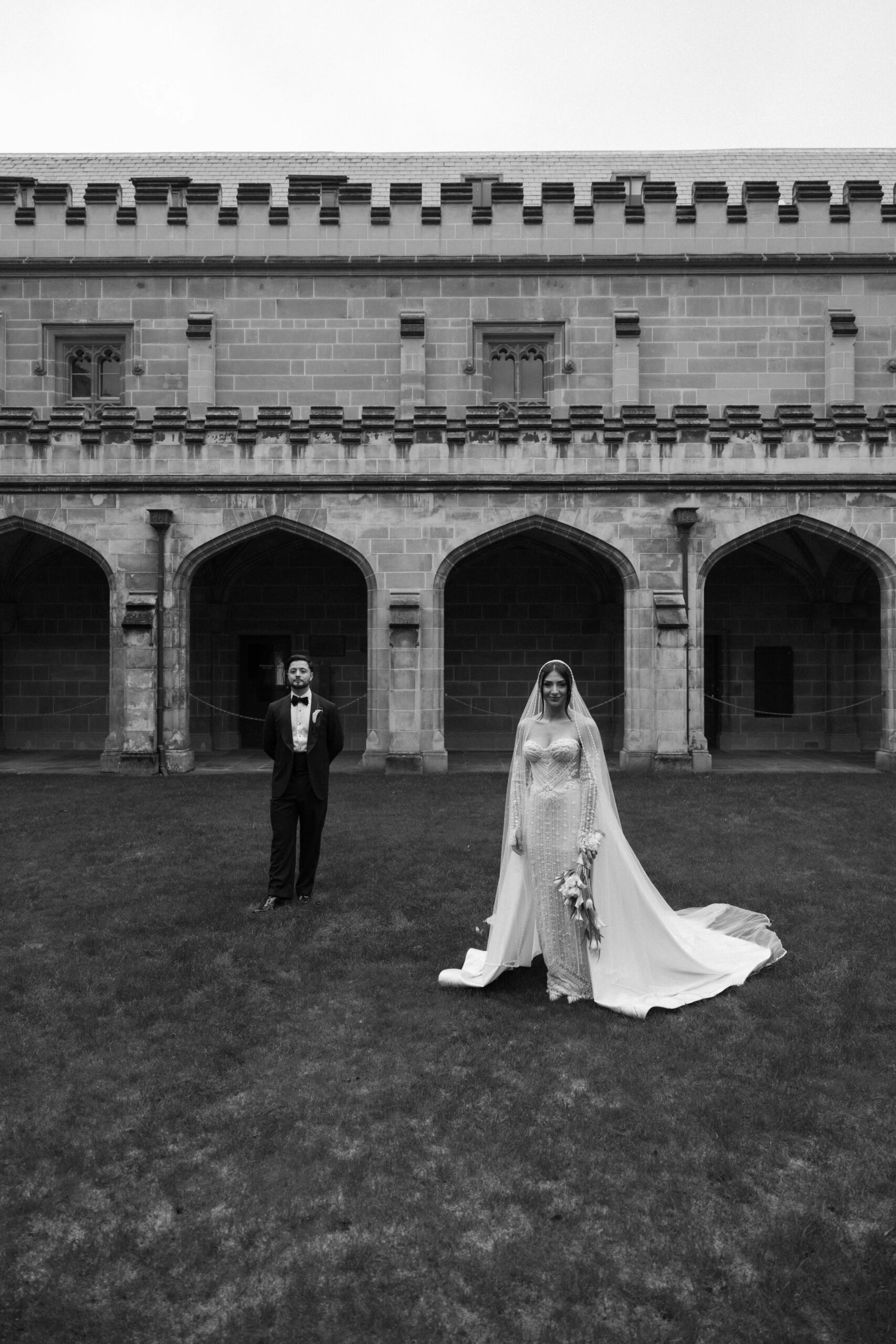
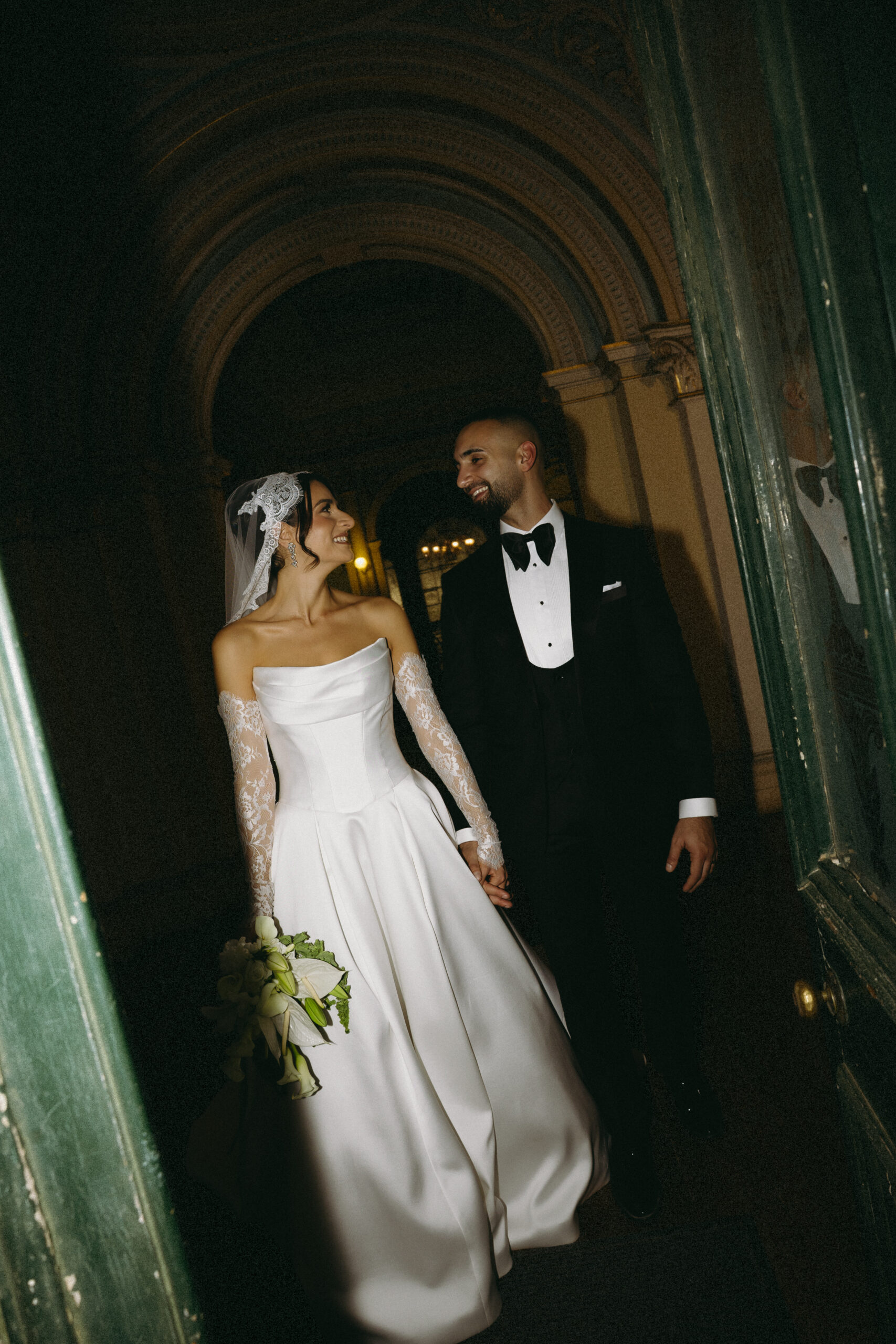
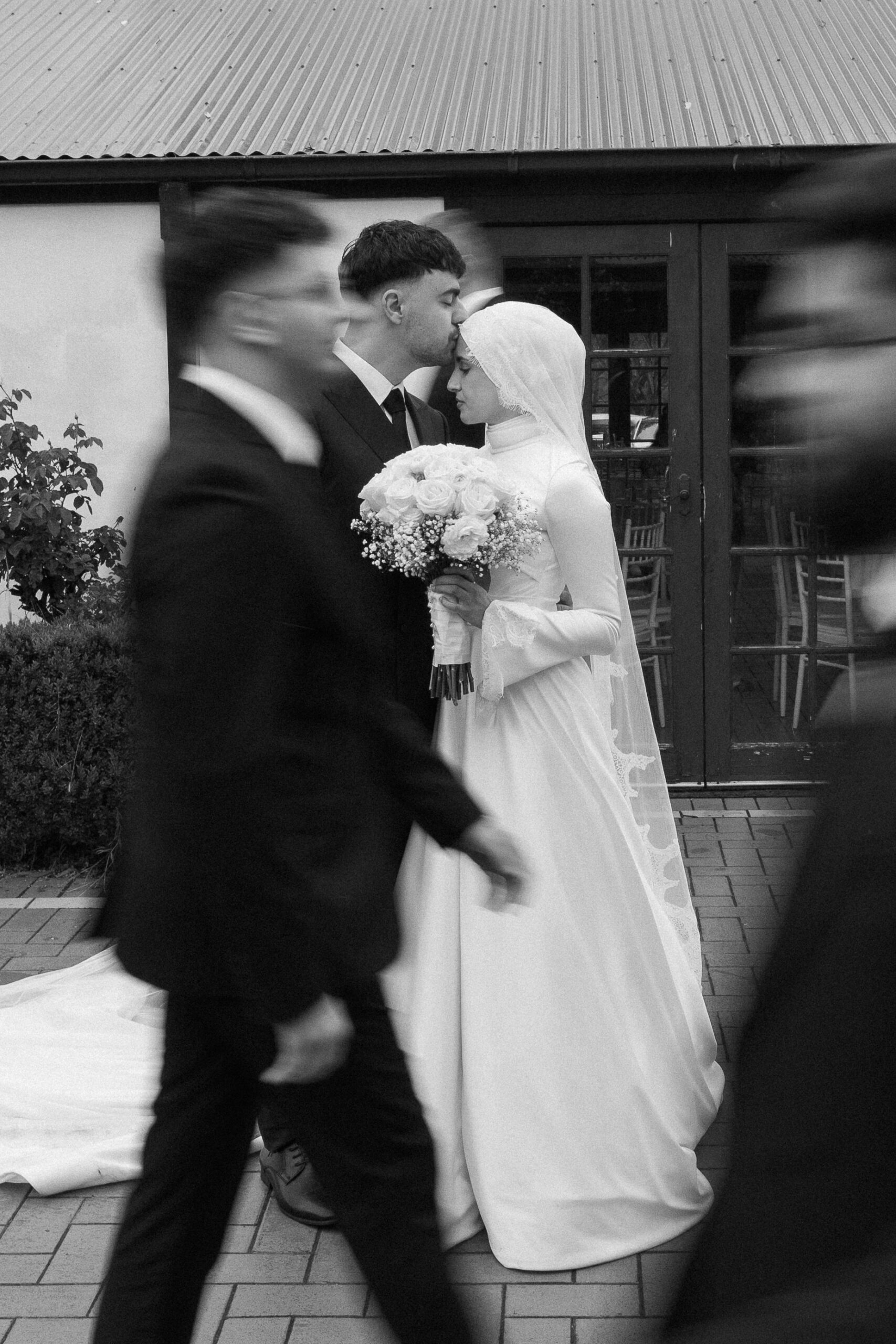
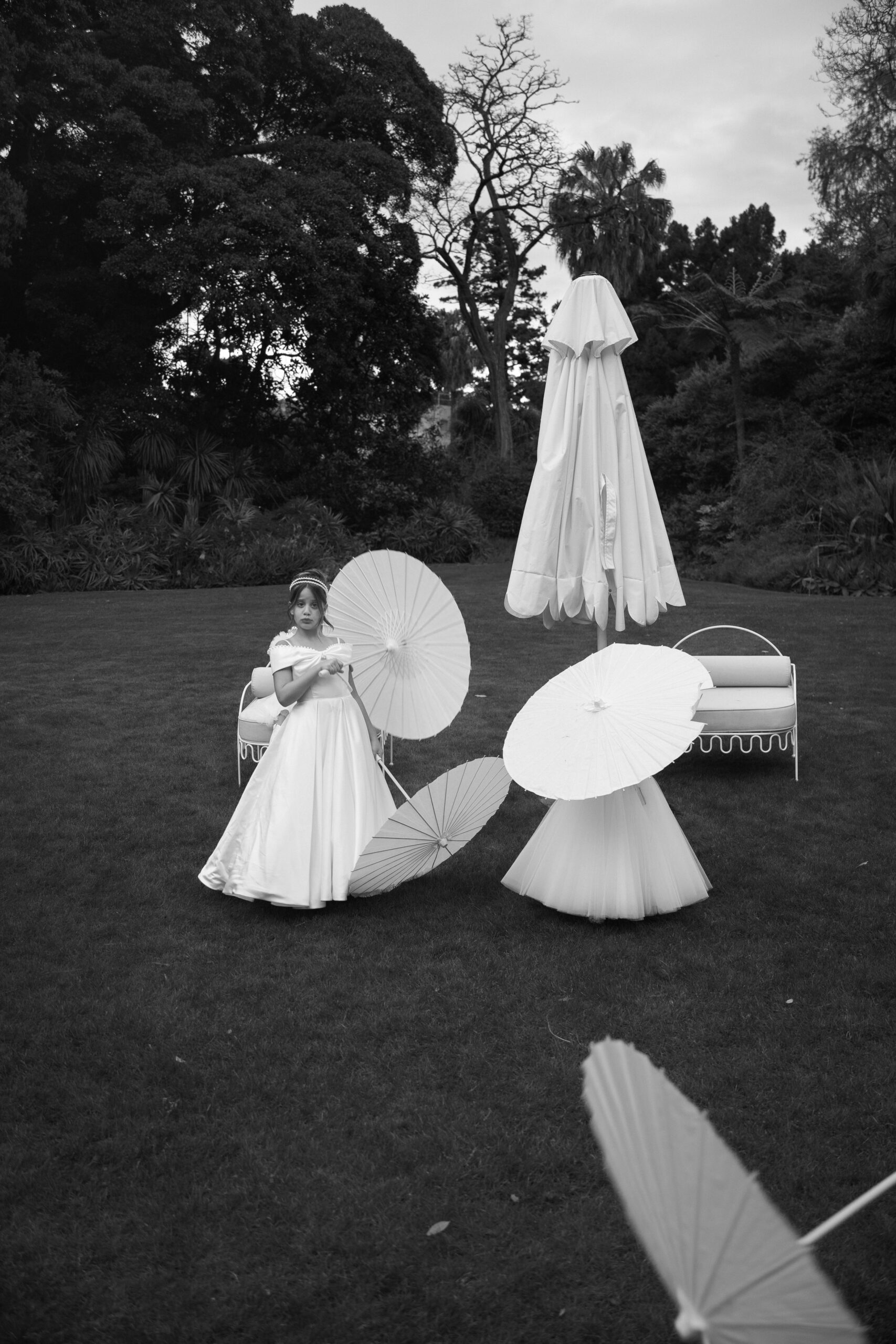
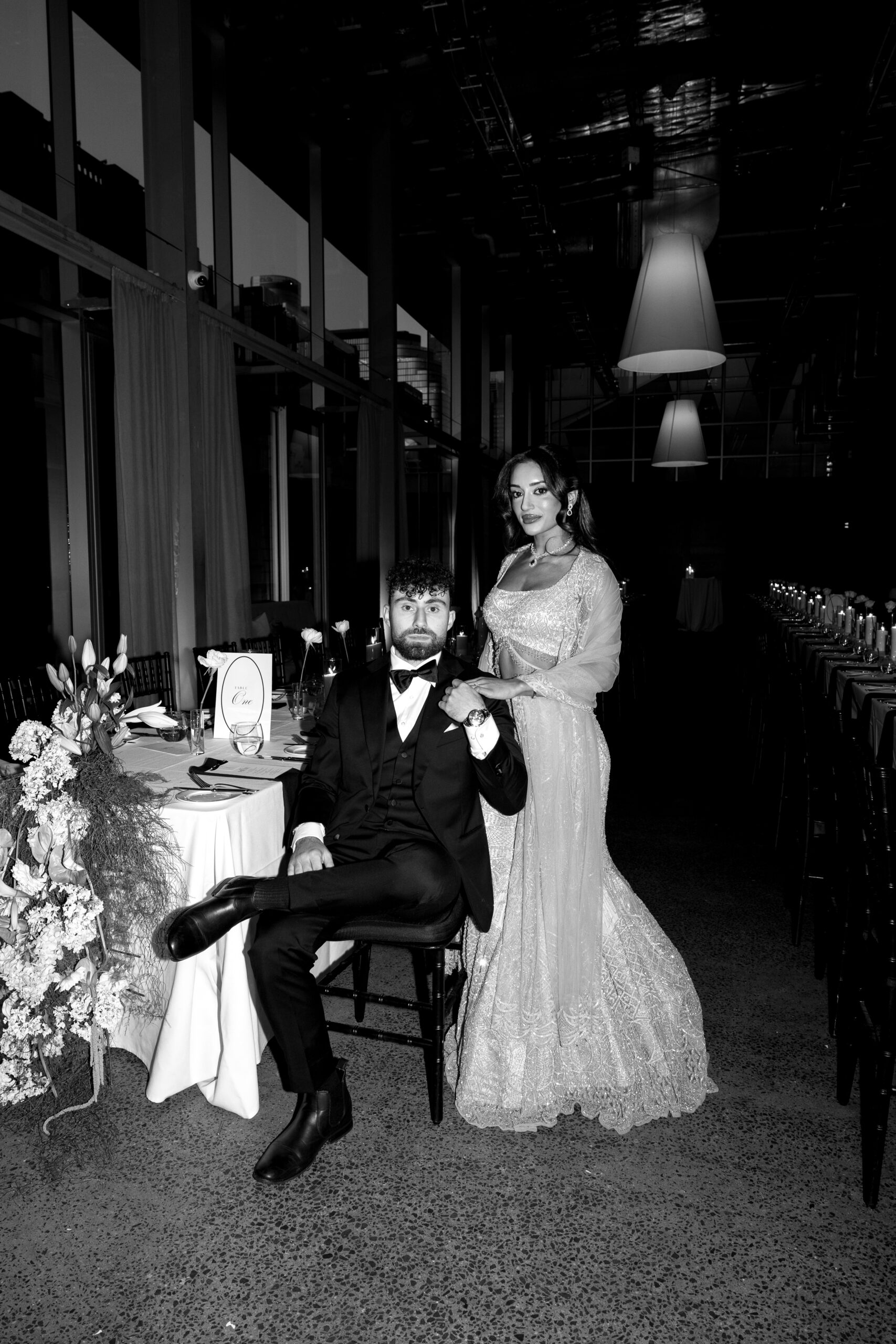
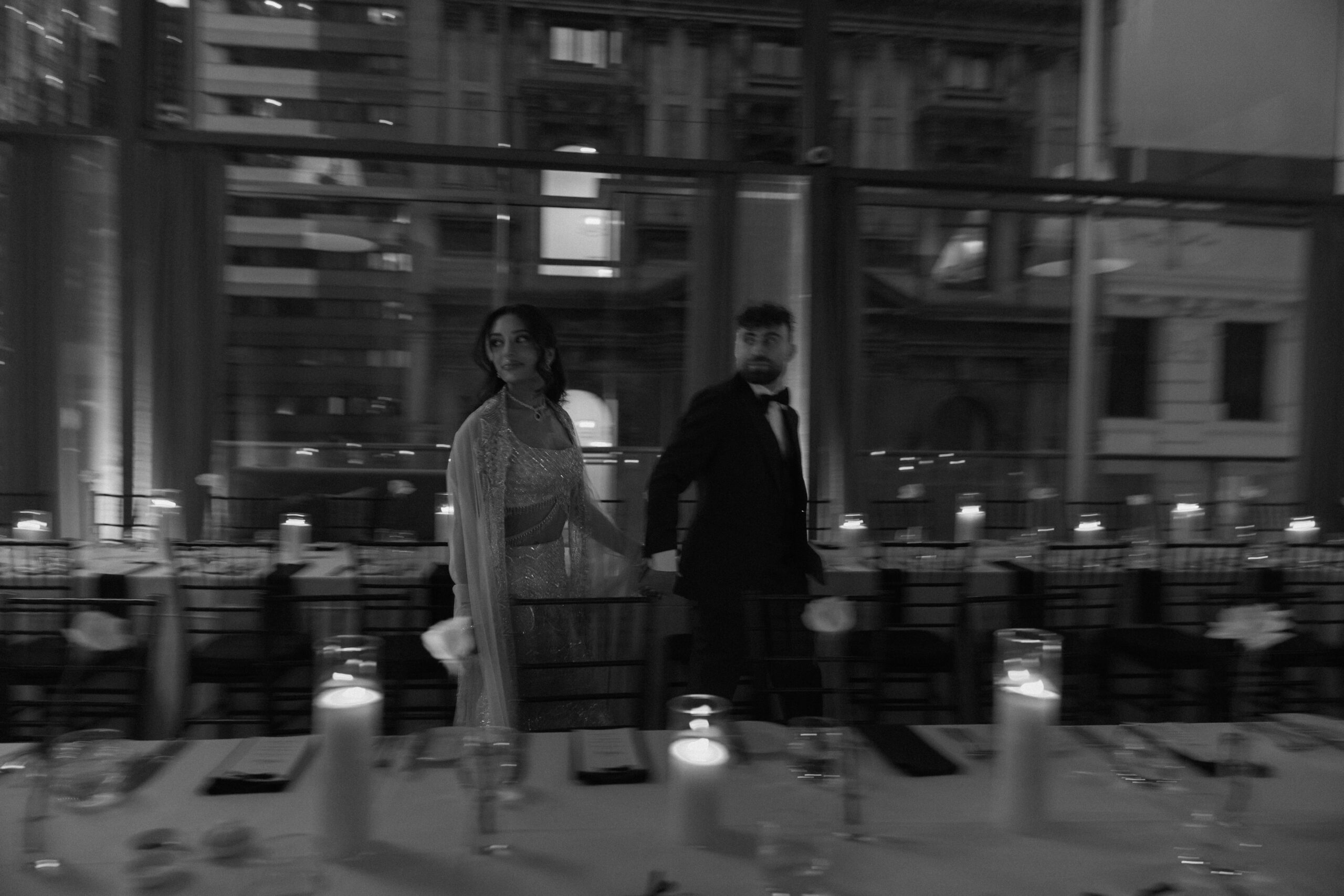
Some of my favourite photographs have motion blur, unusual framing, deep shadows or subjects that aren’t perfectly centred or even looking at the camera. If a photograph makes me feel something, I’m not particularly interested in whether it follows every conventional rule.
I also don’t think every part of a wedding needs to be turned into a photoshoot. Sometimes the best thing I can do is stop directing and simply observe.
What still makes you reach for your camera with that feeling of, “I have to photograph this”?
Beautiful light will always do it.
But increasingly it’s the combination of light and something completely ordinary — someone standing by a window, fabric moving in the wind, two people talking when they think nobody is watching. There’s something I love about finding beauty in situations that weren’t created specifically to be photographed.
That idea has become quite central to how I see the world: finding beauty in the ordinary.
What has been inspiring you outside of photography lately, and has any of it unexpectedly found its way into your work?
Cinema, literature, fashion and architecture are probably my biggest influences outside photography.
Cinema especially has shaped the way I think about atmosphere. I’m fascinated by how a single frame can suggest an entire story without explaining everything. Literature has a similar effect on me — sometimes what isn’t said is as important as what is.
Architecture and fashion have made me more conscious of form, proportion and space. None of those influences enter my work deliberately; I don’t arrive at a wedding trying to recreate something I’ve seen. They just become part of the visual vocabulary I carry with me.
If you could photograph a wedding anywhere in the world tomorrow, where would you go and what would you want to capture there?
I’d probably choose somewhere along the Mediterranean — somewhere with history, old stone, warm light and a landscape that feels like it has existed forever. Italy or Türkiye immediately come to mind.
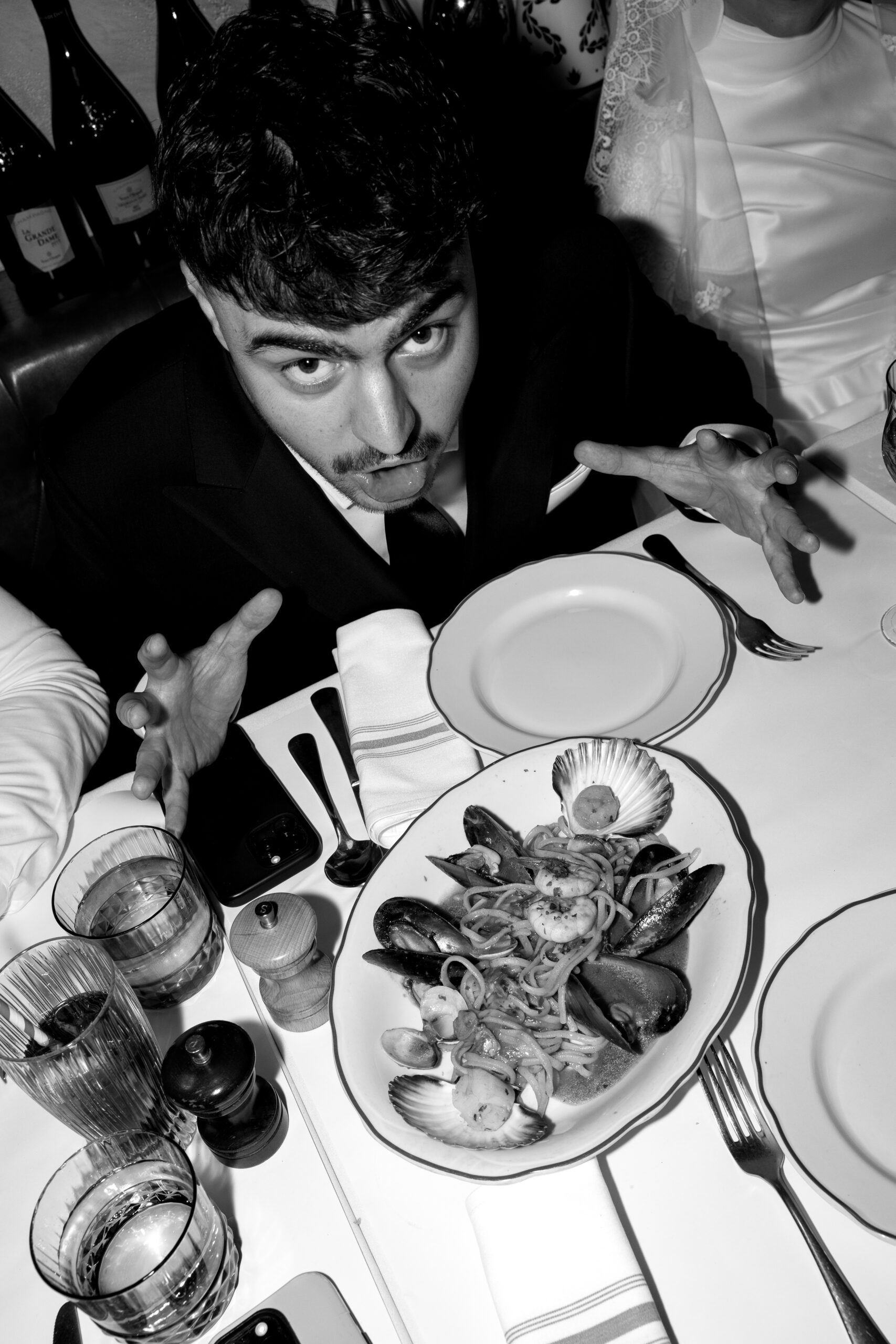
I’d want it to feel intimate rather than enormous: a long dinner outside, beautiful tailoring, people gathered around a table as the sun disappears, and that slightly chaotic energy that comes when everyone you love is in one place.
I think I’d spend just as much time photographing what happens between the major events as the events themselves.
Looking ahead, what are you hoping to see more of through your lens, and what would you love Studio Reván to be known for in the years to come?
I want to photograph more celebrations where couples feel completely free to make the day their own. Weddings with personality, beautiful environments, interesting fashion and, most importantly, genuine connection.
For Studio Reván, I’d love for the work to become recognisable without needing to see the name attached to it. Not because every wedding looks the same, but because there is a consistent feeling running through the photographs.
If, years from now, Studio Reván is known for imagery that feels romantic, cinematic and timeless, while still being deeply honest to the people in it, I think I’d be very happy with that.
For more information visit studiorevan.com and @studio.revan
Studio Reván