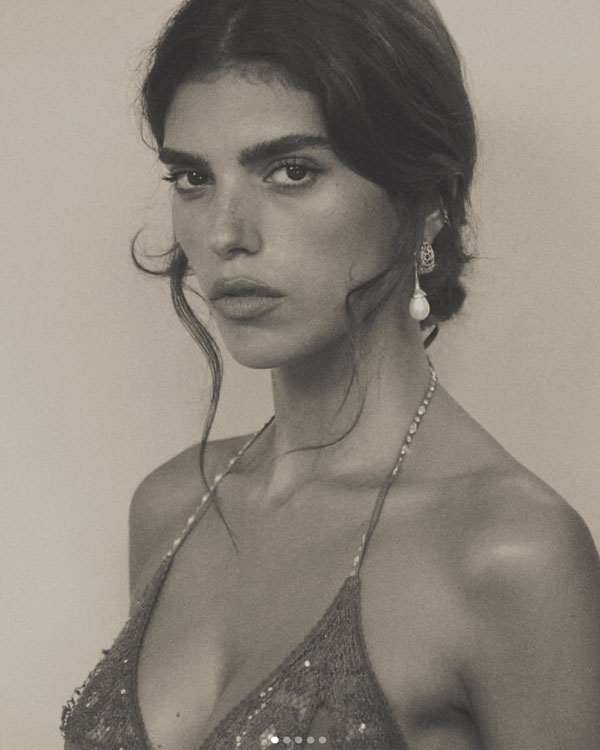
The art of image-making. A new perspective on bridal beauty.
Some of the most interesting creative voices in bridal today are those who refuse to see the industry through a purely traditional lens. Israeli hairstylist and photographer Yogev Avitan is one of them. Working at the intersection of fashion, beauty and image-making, he brings a distinctly editorial perspective to his craft, creating work that feels as relevant to the pages of a fashion magazine as it does to the modern wedding landscape.
What particularly interests us about Yogev is the way he moves between disciplines. He is not simply a hairstylist who photographs his finished work. Photography is an integral part of his creative process, informing how he conceives a look, considers its shape and movement, and ultimately presents it to the world. His understanding of hair, fashion, styling and composition allows these elements to work together as a complete visual expression, rather than as separate components.
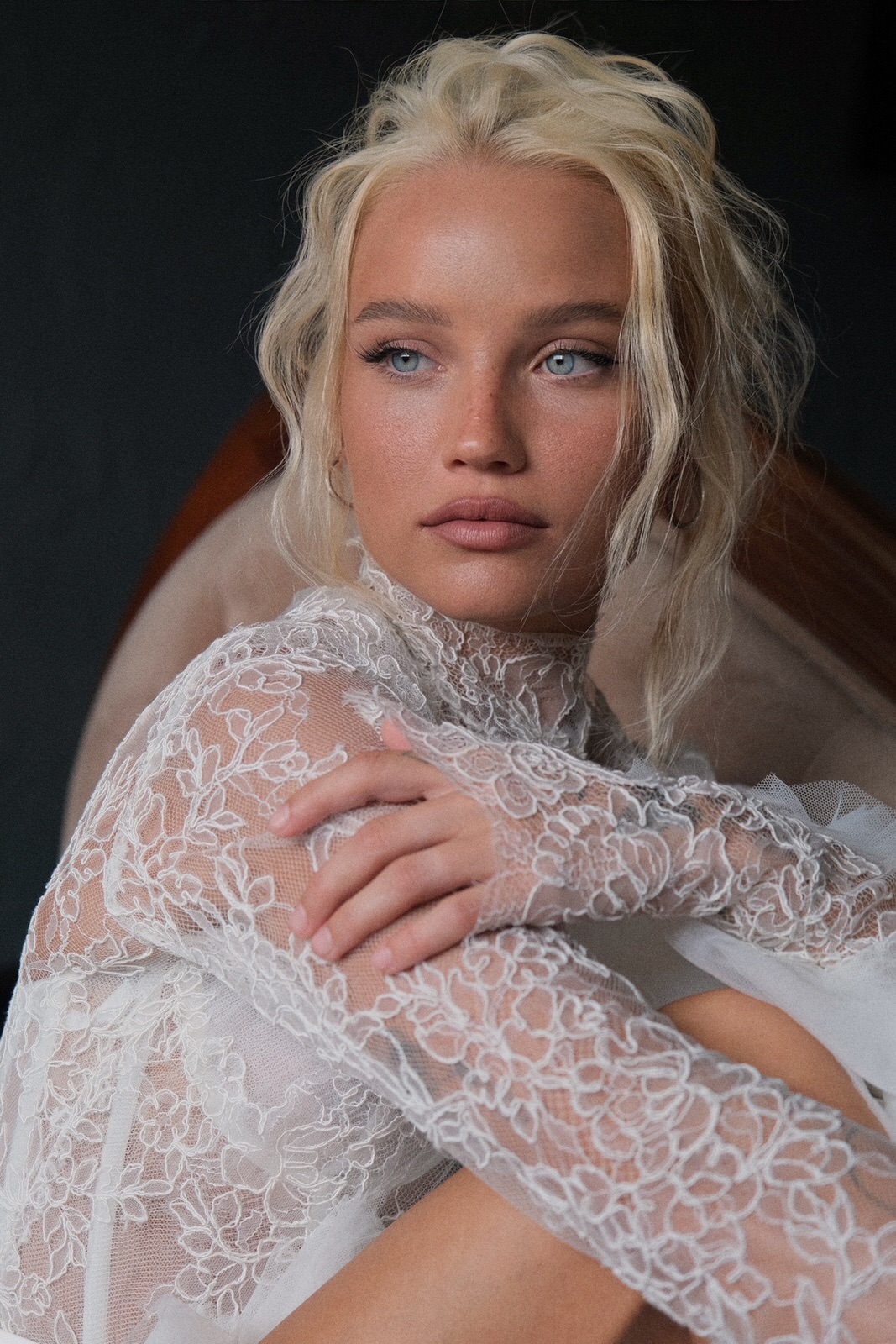
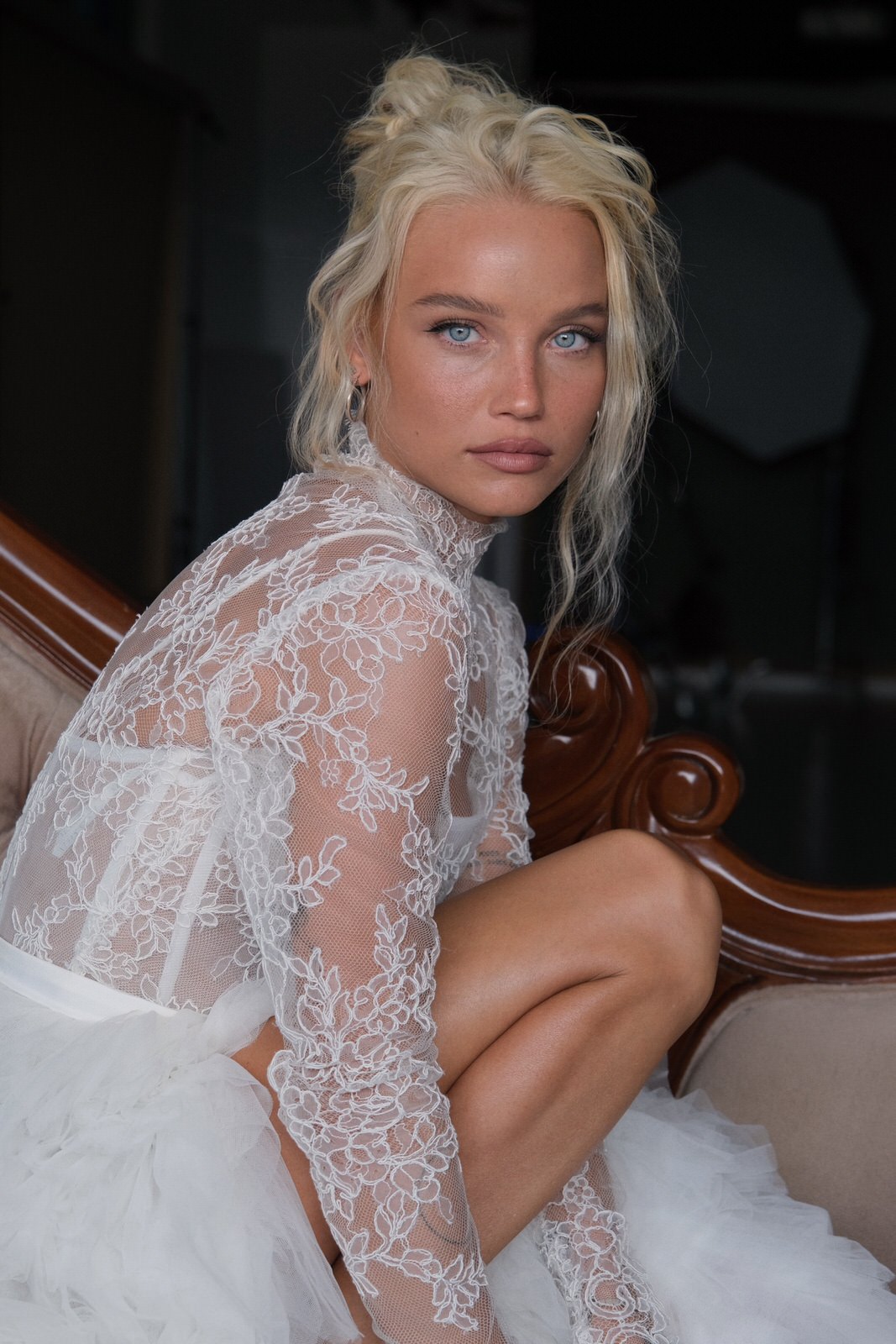
It’s a multifaceted approach that sets him apart. Hair becomes part of a larger fashion narrative, considered alongside the clothing, the woman wearing it and the atmosphere of the image. His work explores that compelling space between refinement and spontaneity, where something can feel beautifully polished without becoming overly controlled. There is a clear appreciation for individuality, and for the idea that great styling should enhance a woman’s character rather than impose an identity upon her.
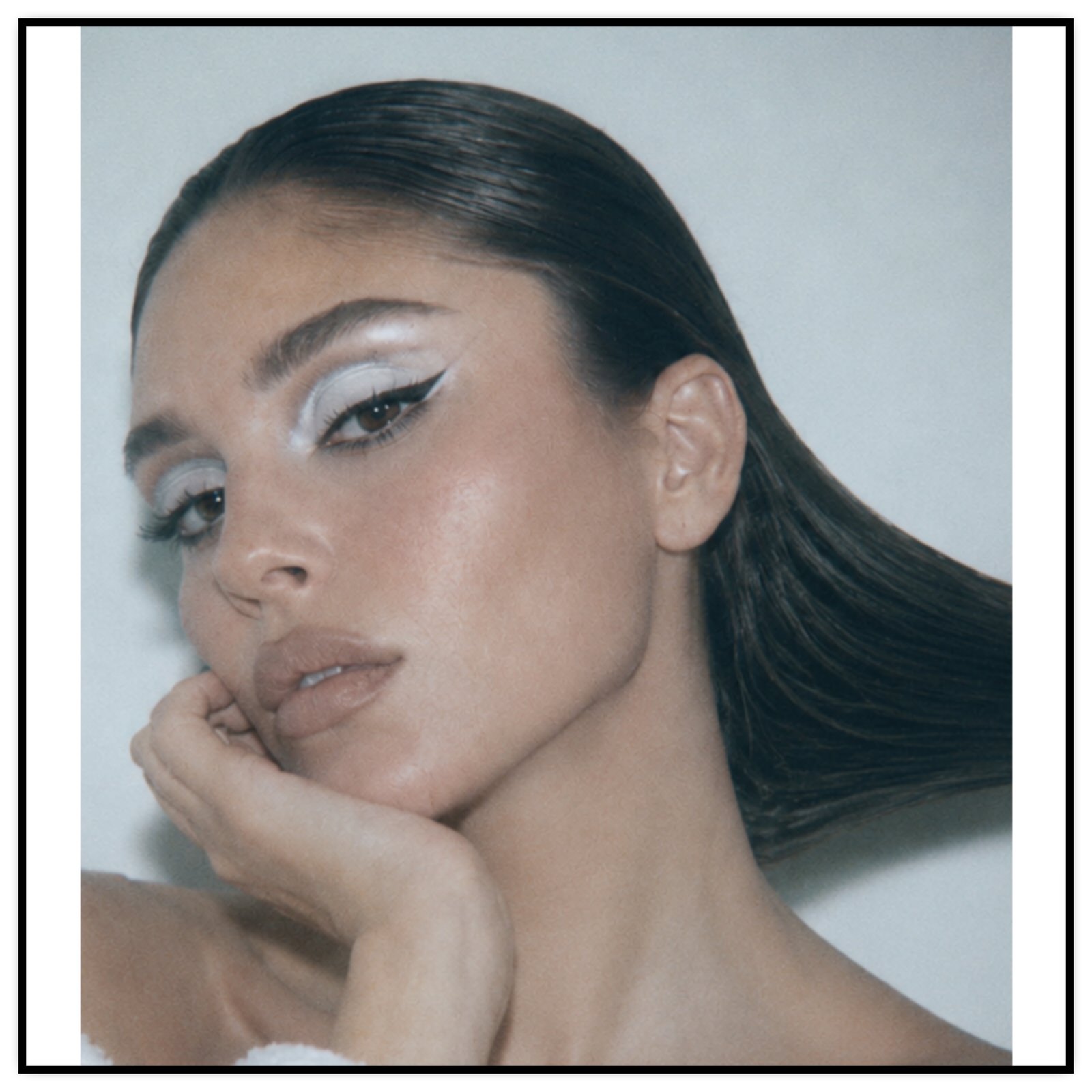
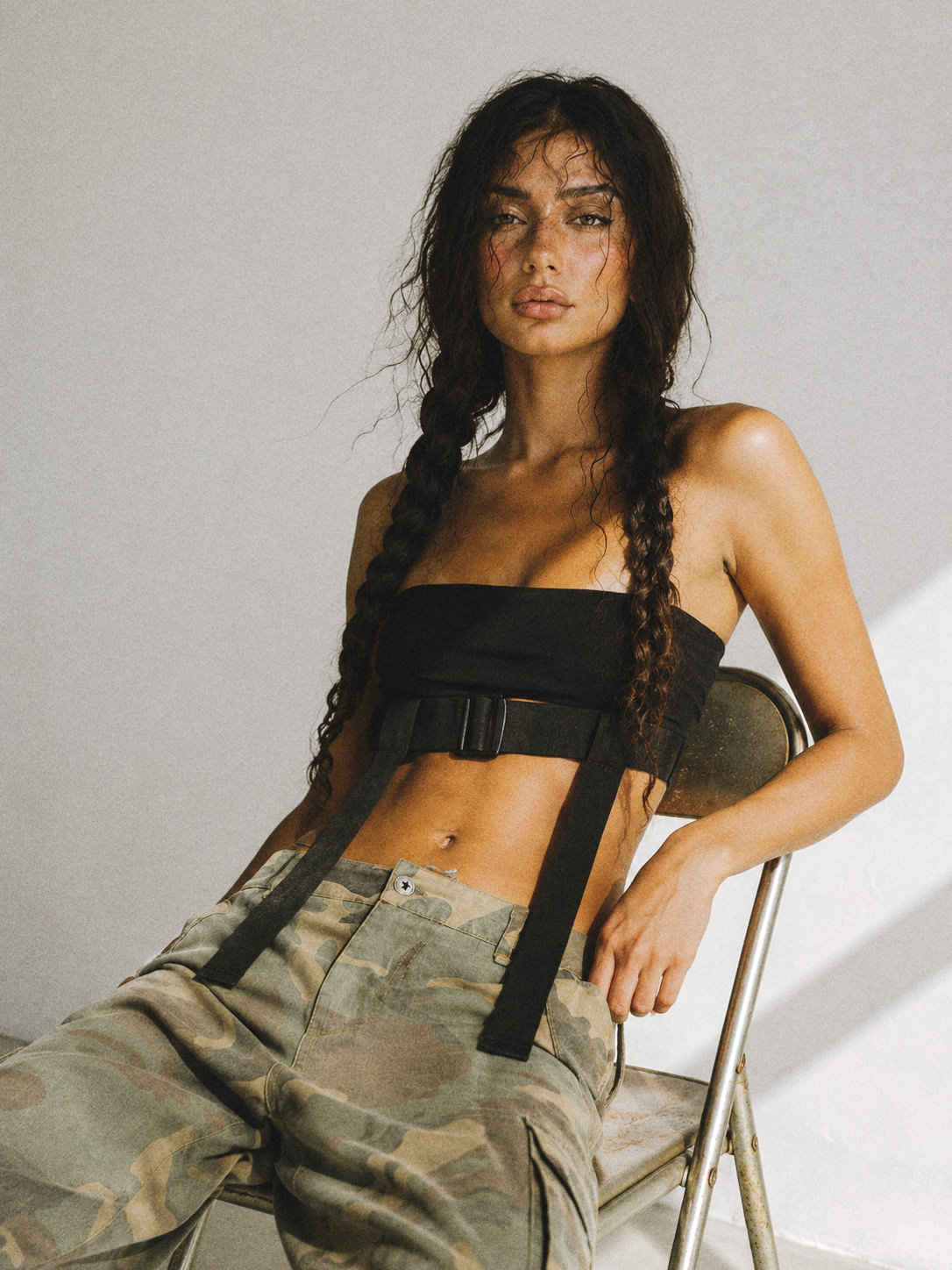
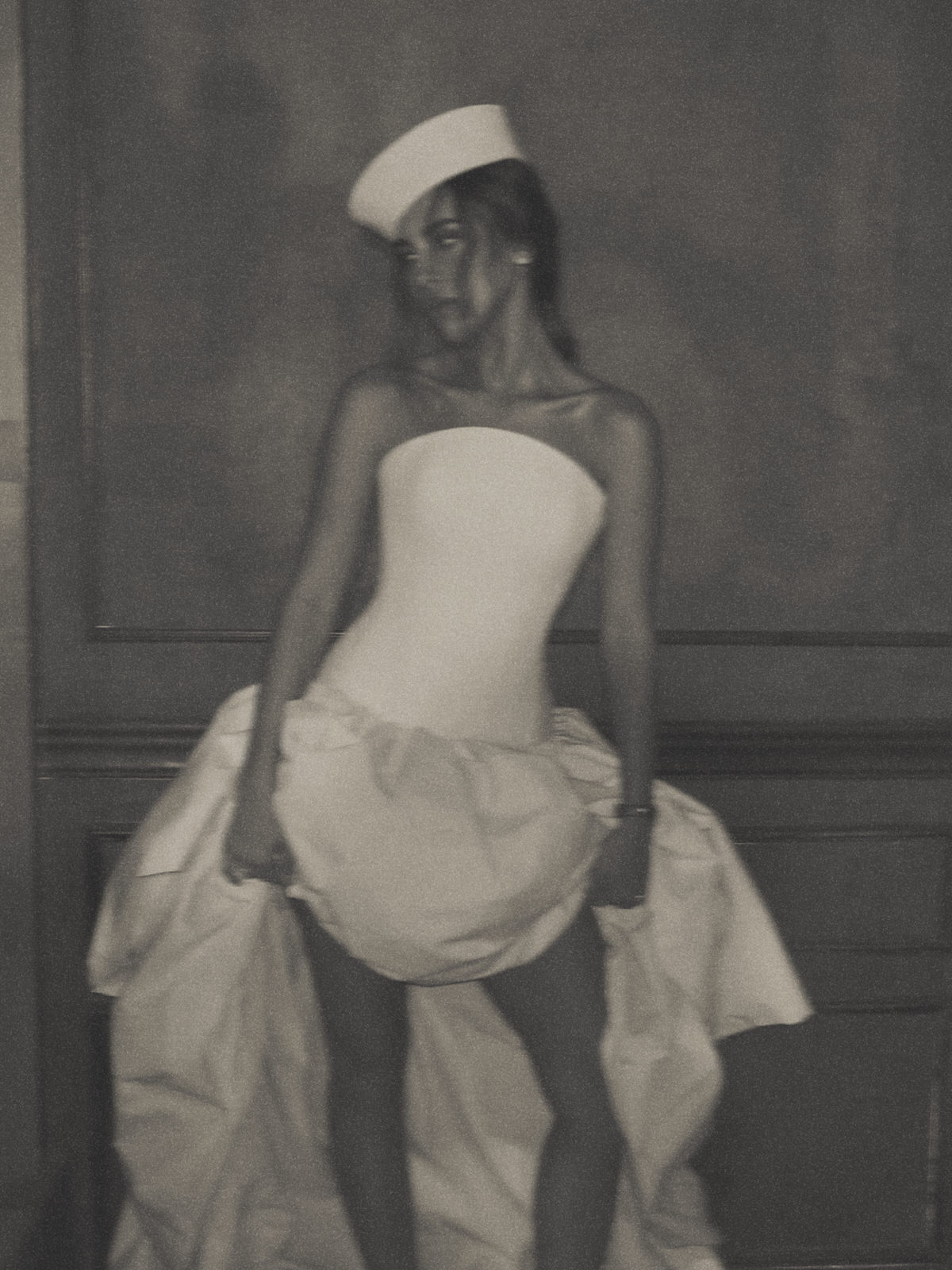
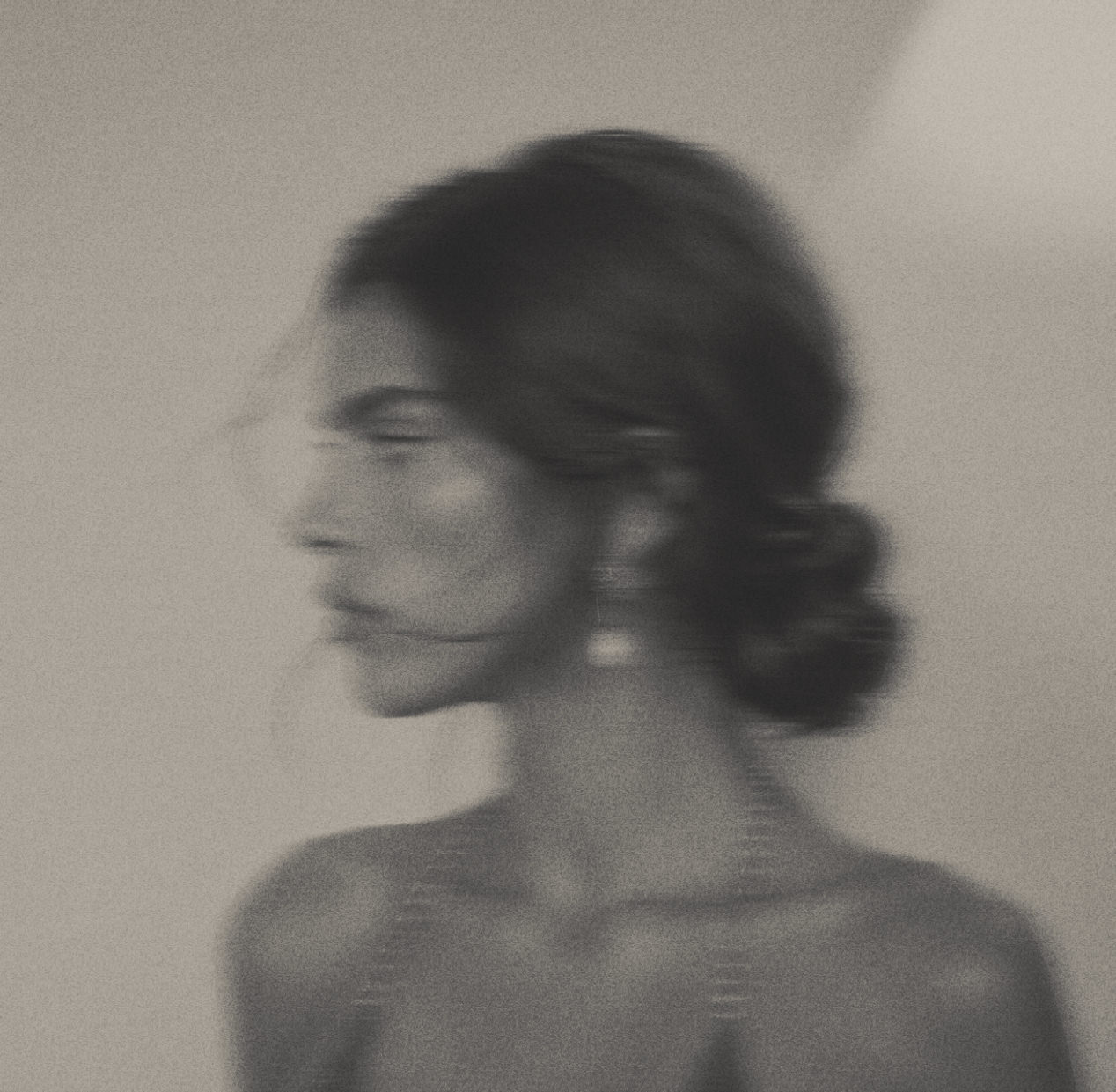
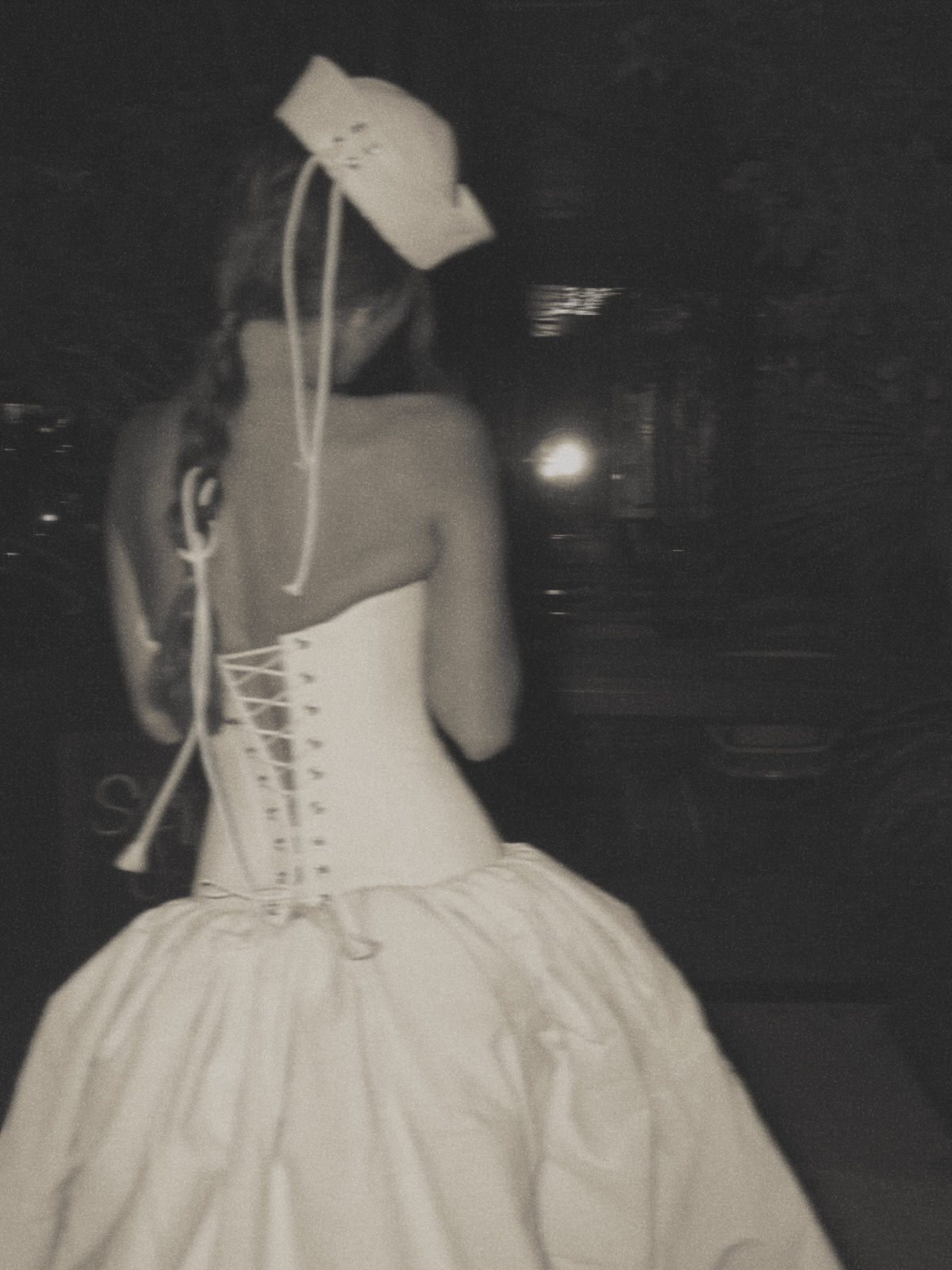
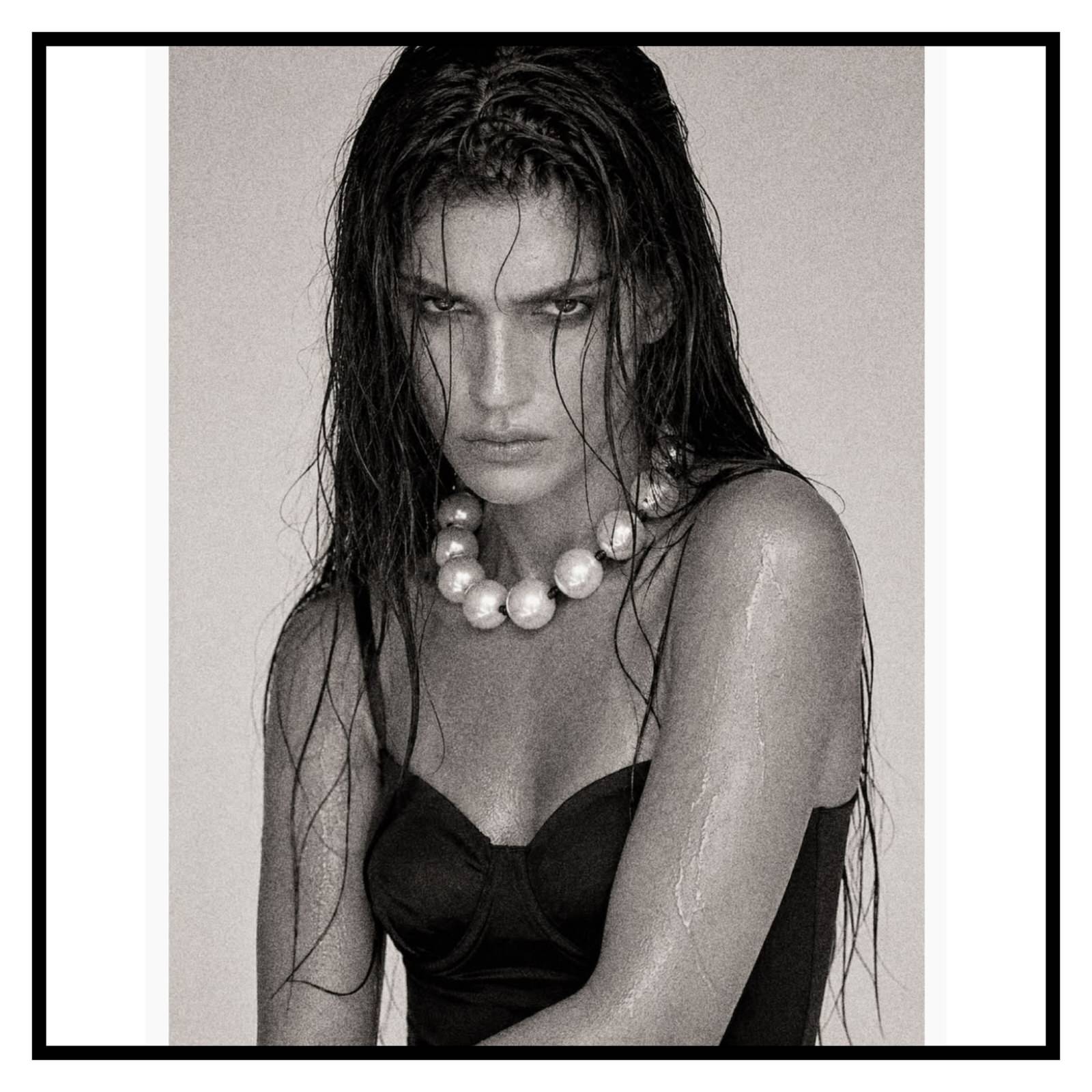
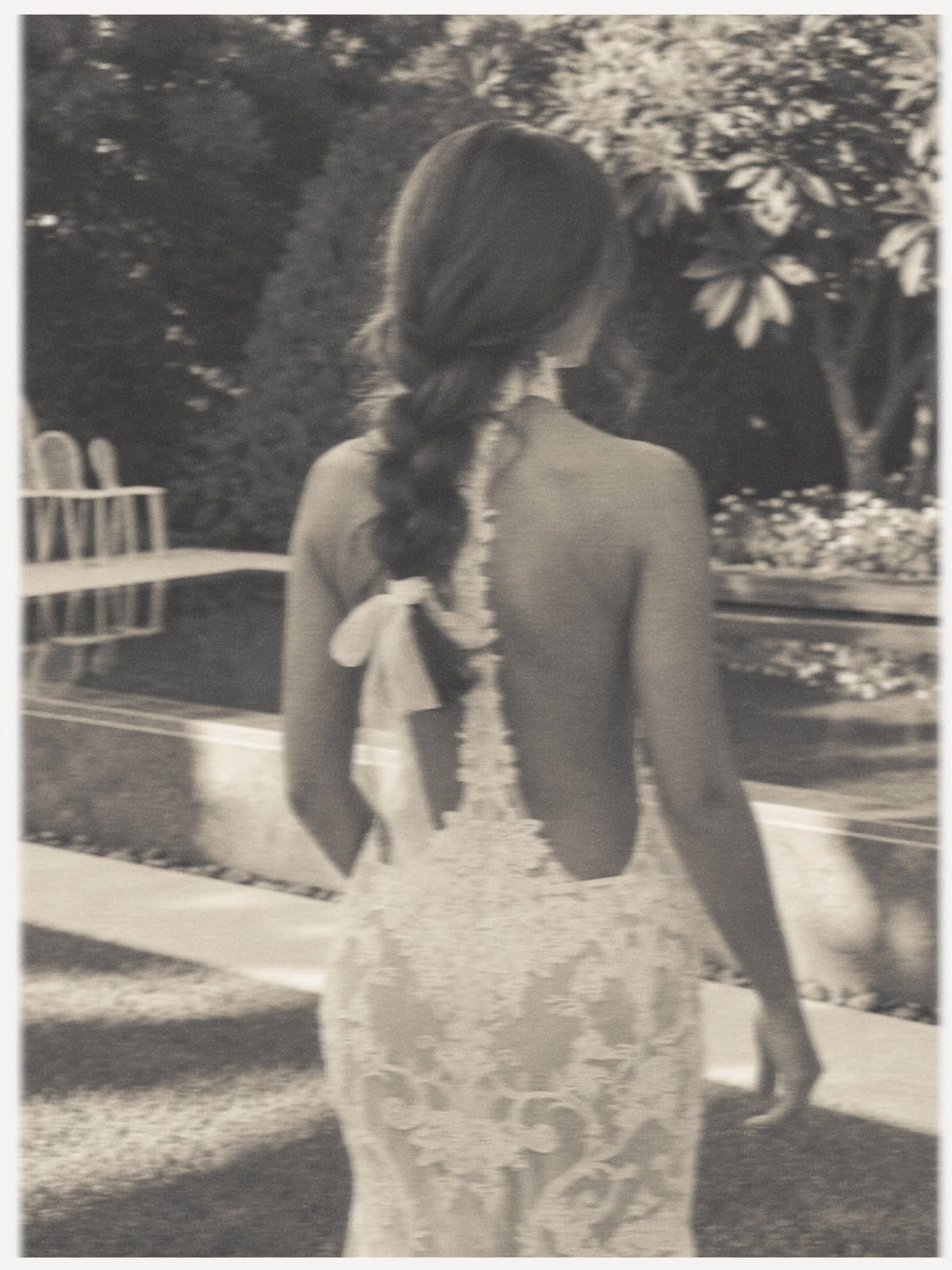
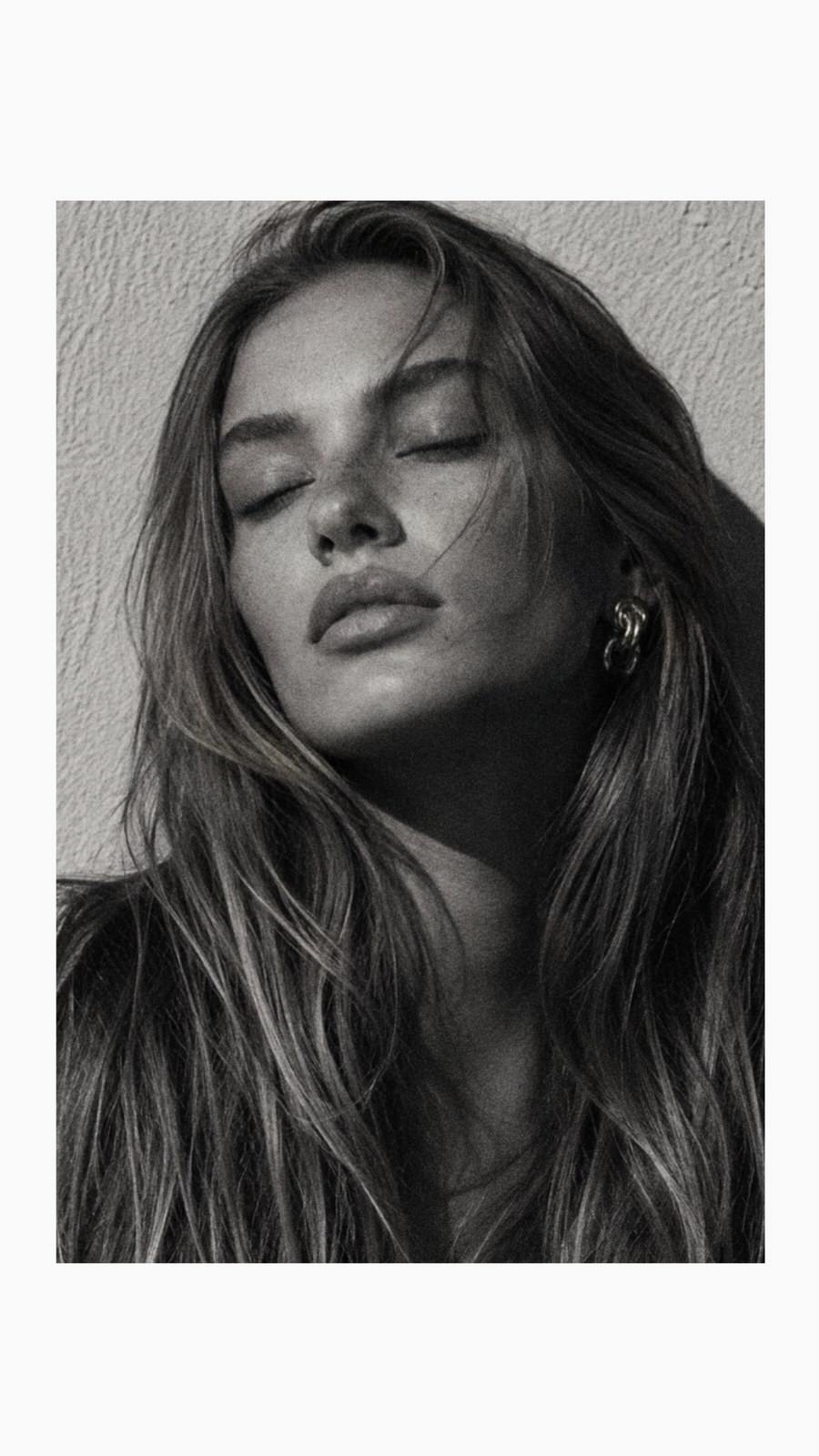
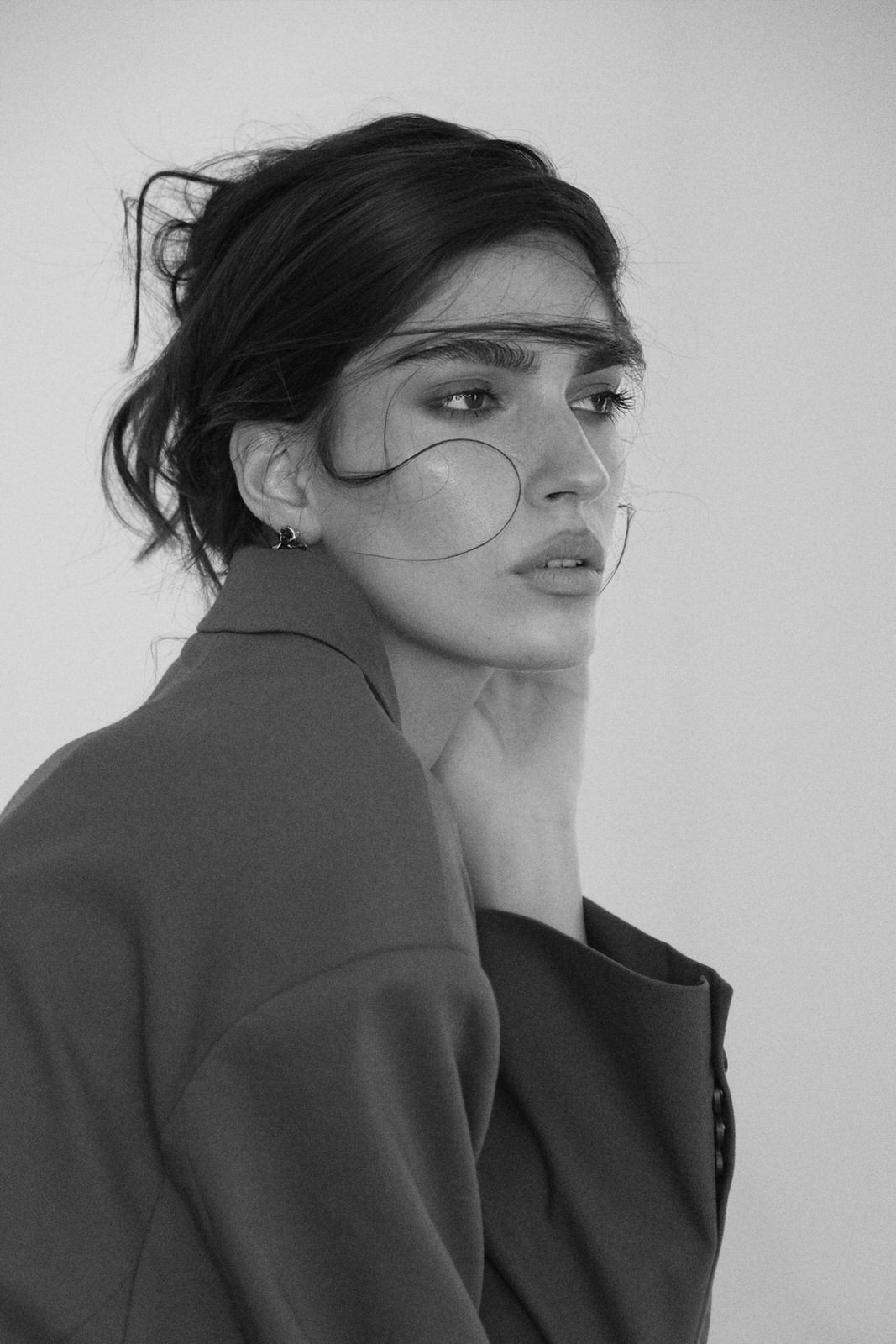
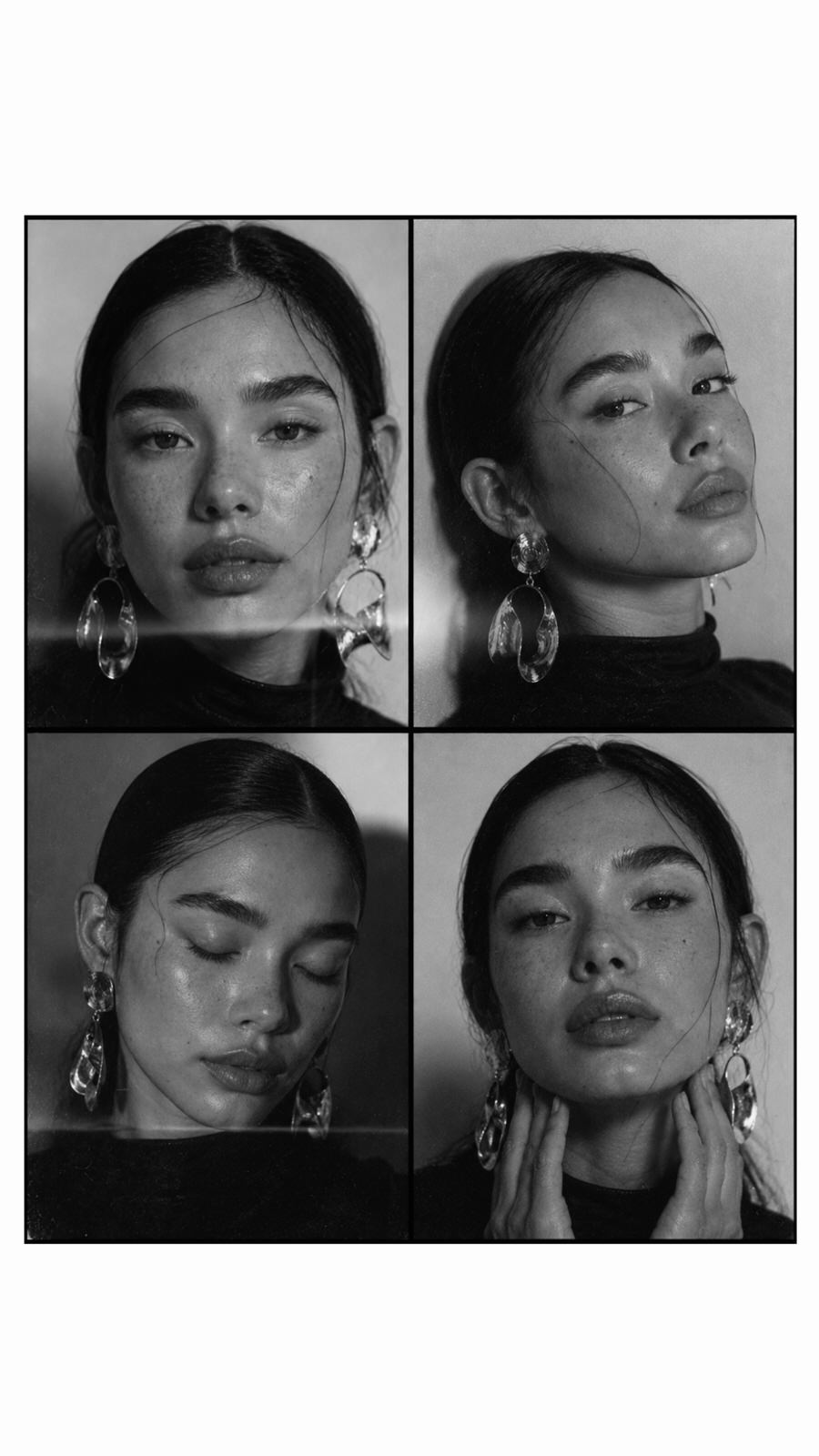
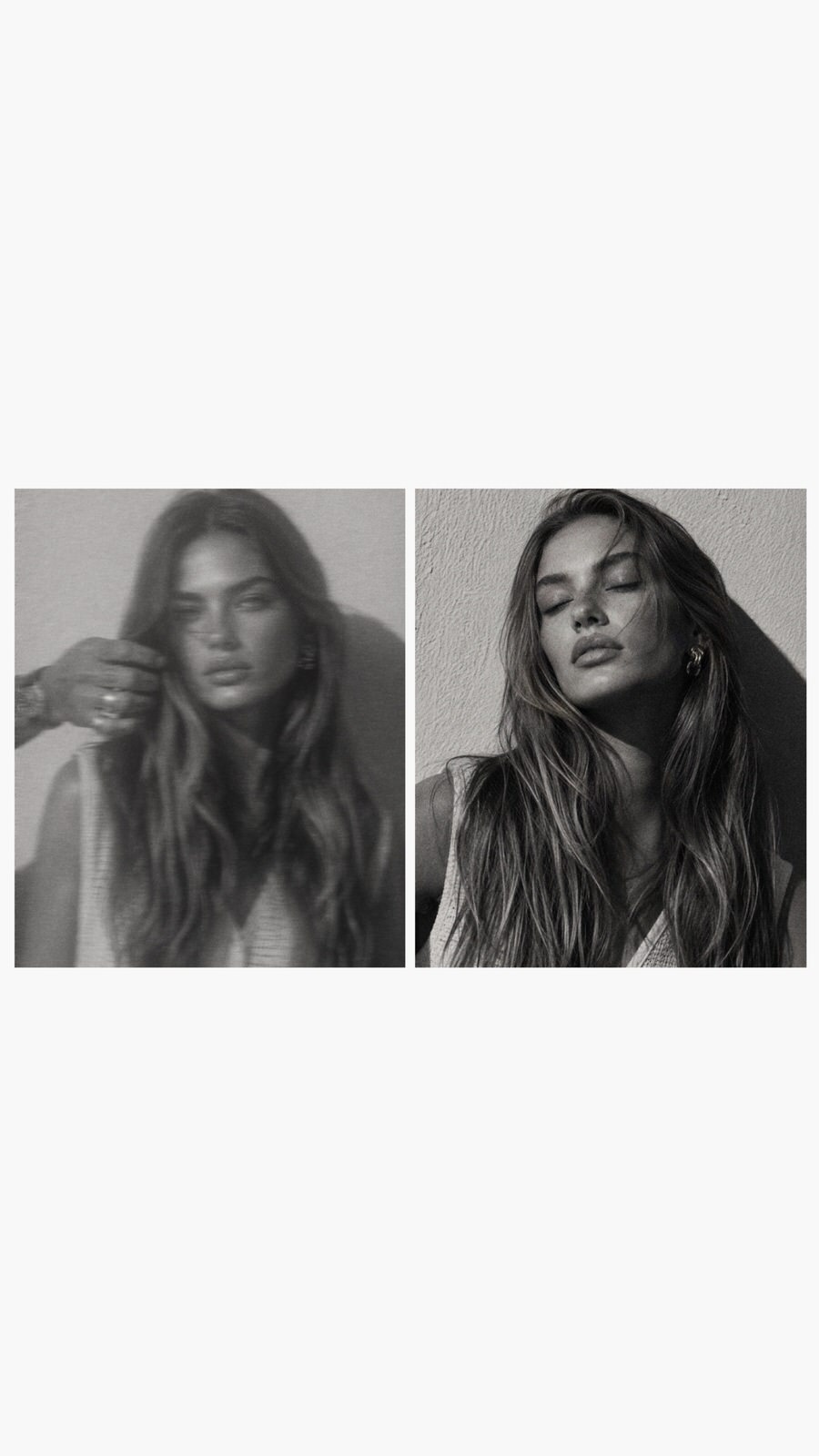
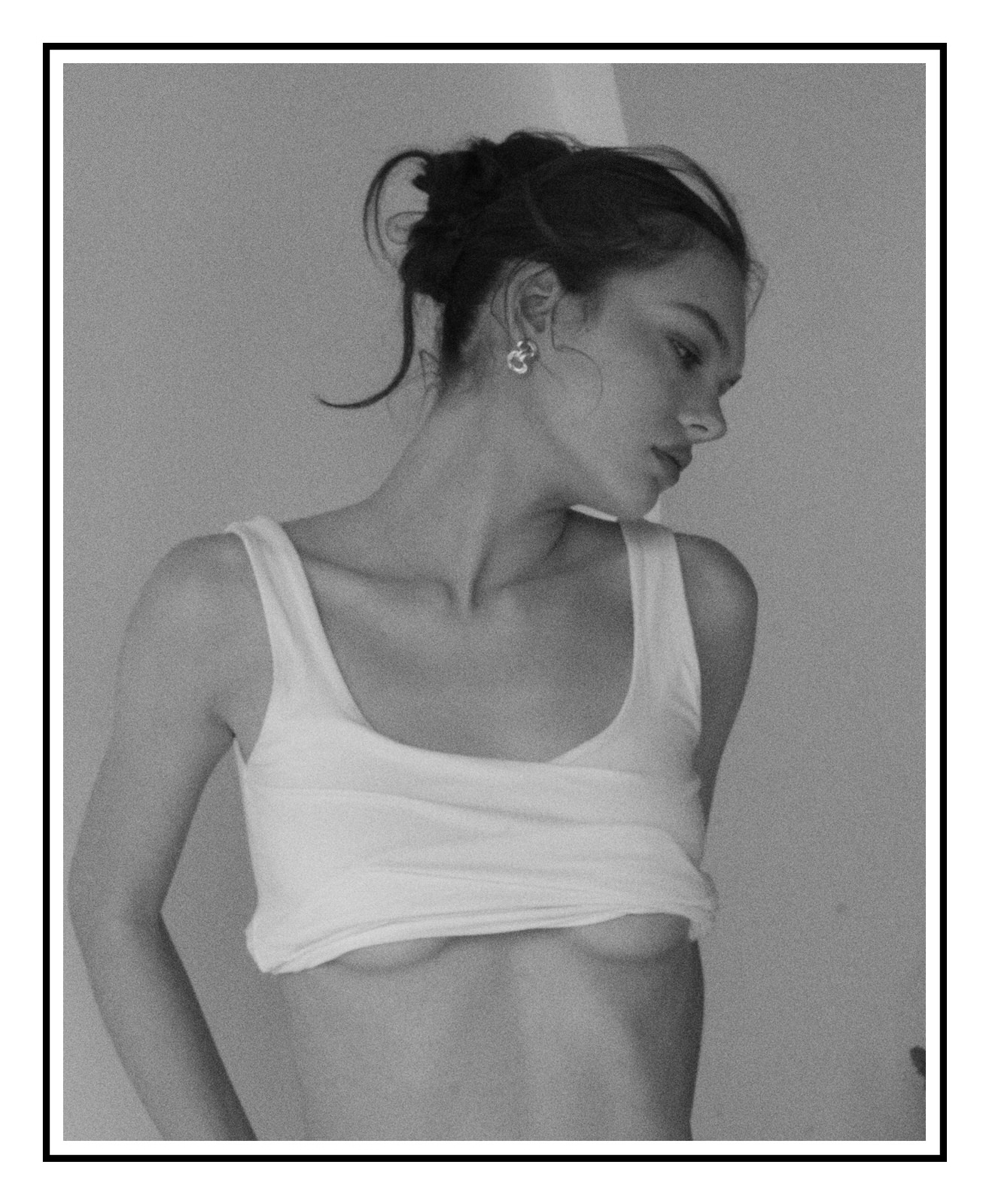
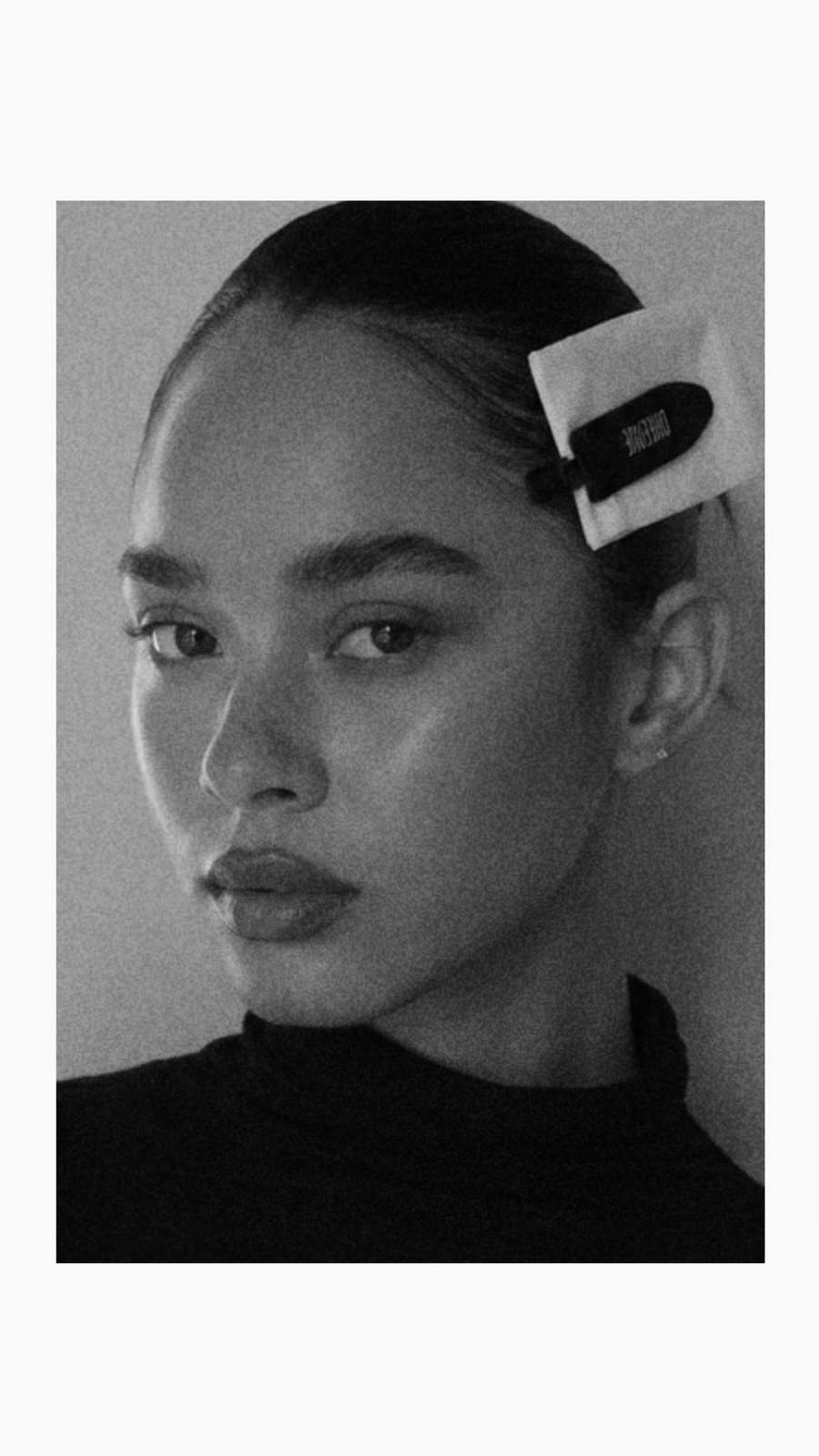
We are especially drawn to his recent black-and-white photographic work, and the way this pared-back approach places greater emphasis on form, texture, contrast and expression. Stripped of colour, the relationship between hair, face, fabric and silhouette becomes even more pronounced. The result has a fashion sensibility that feels both contemporary and timeless, with an intimacy that is particularly appealing. For us, it is this ability to think beyond the hairstyle and consider the entire image that makes his work so compelling.
It also speaks to a wider evolution taking place within bridal. As fashion becomes increasingly influential in the way modern brides approach their weddings, there is a growing appetite for beauty that feels more personal, expressive and creatively considered. The boundaries between bridal styling and fashion imagery are becoming less defined, opening up exciting possibilities for those willing to approach the familiar from a different perspective.
Yogev’s work sits comfortably within this changing landscape, while offering something distinctly his own. His combination of technical hairstyling, visual instinct and photographic storytelling presents a fresh way of thinking about bridal beauty, not simply as a service or a finishing detail, but as a creative discipline in its own right.
We speak with Yogev about developing his visual language, the relationship between hair and photography, his fashion influences and what the next chapter of bridal beauty might look like.
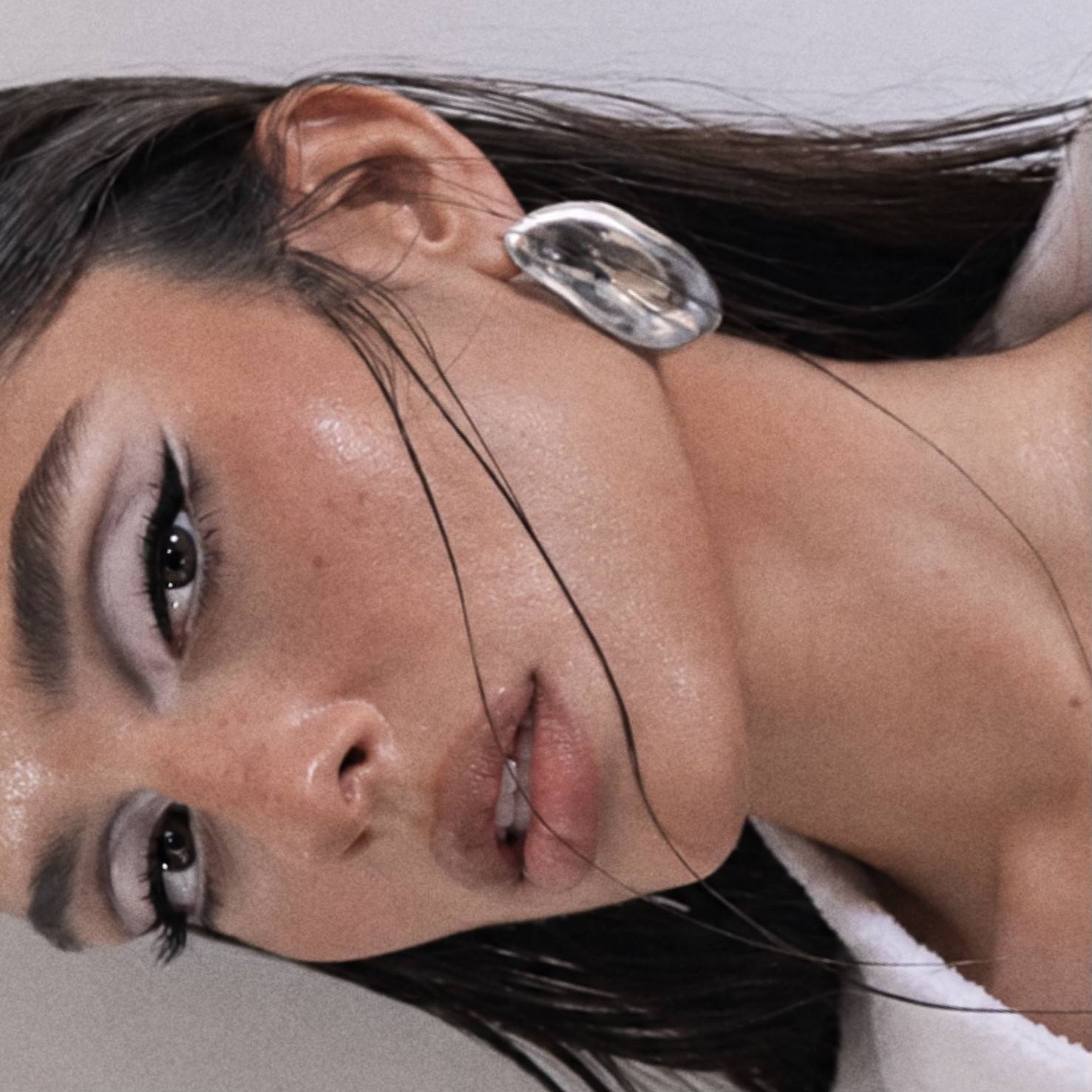
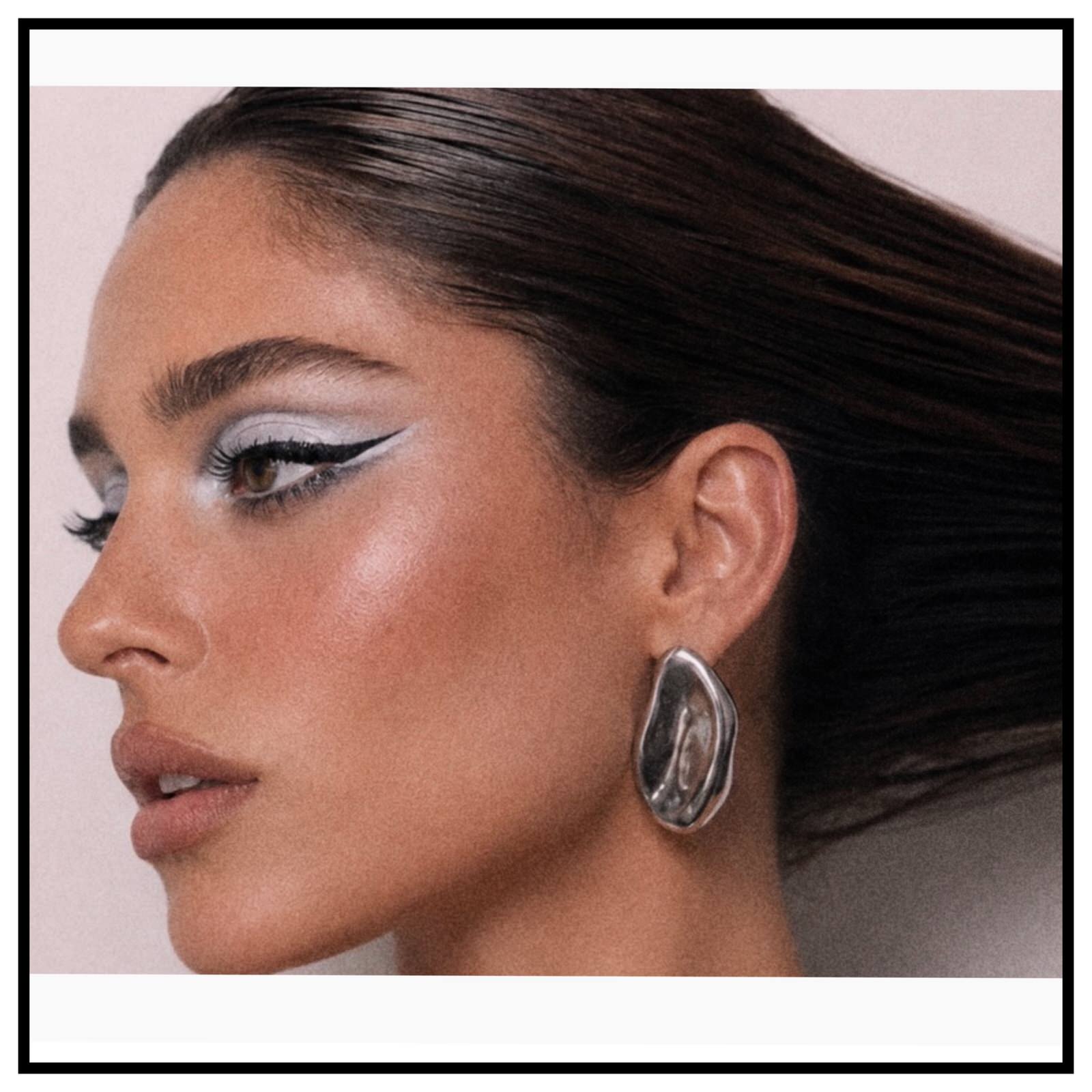
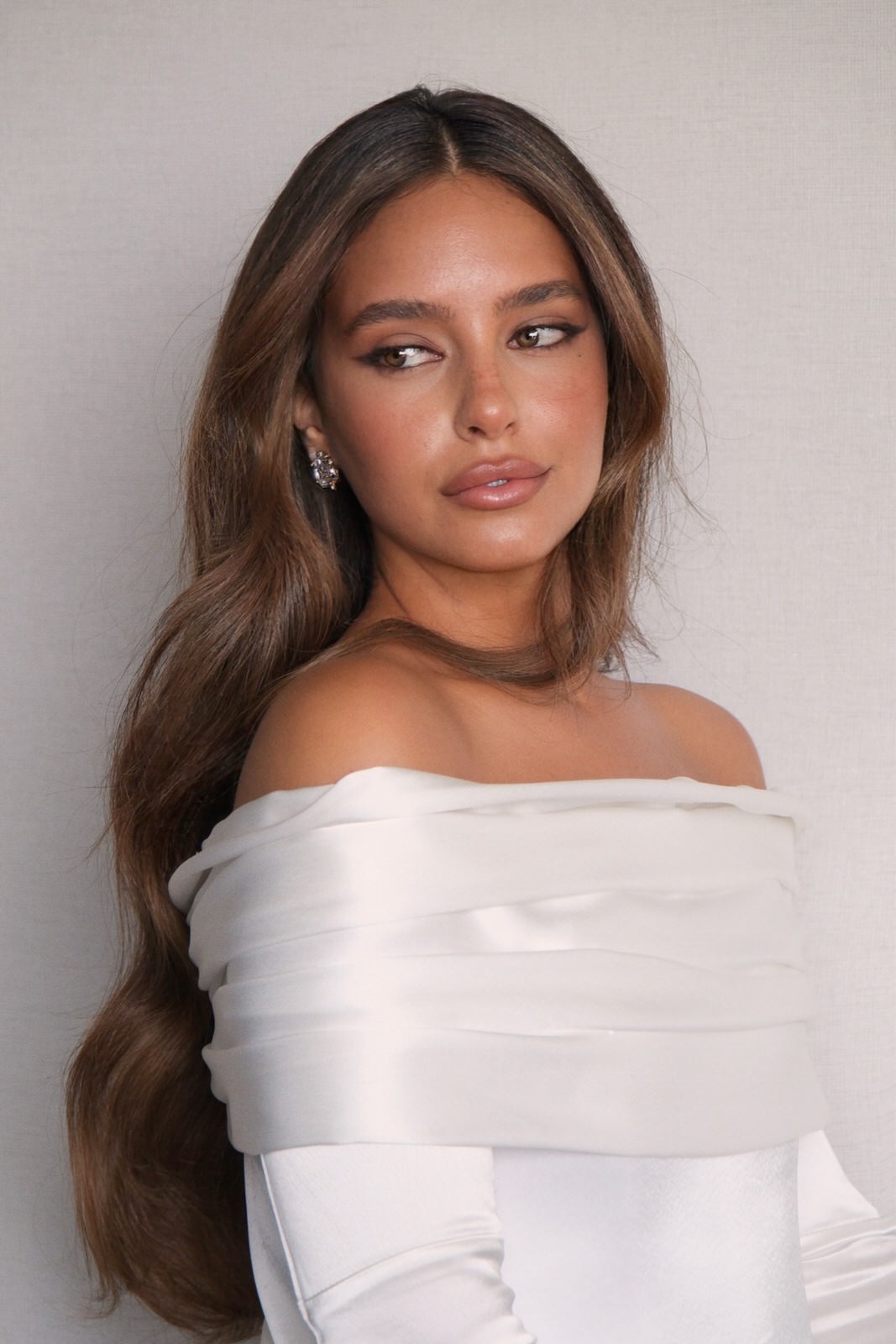
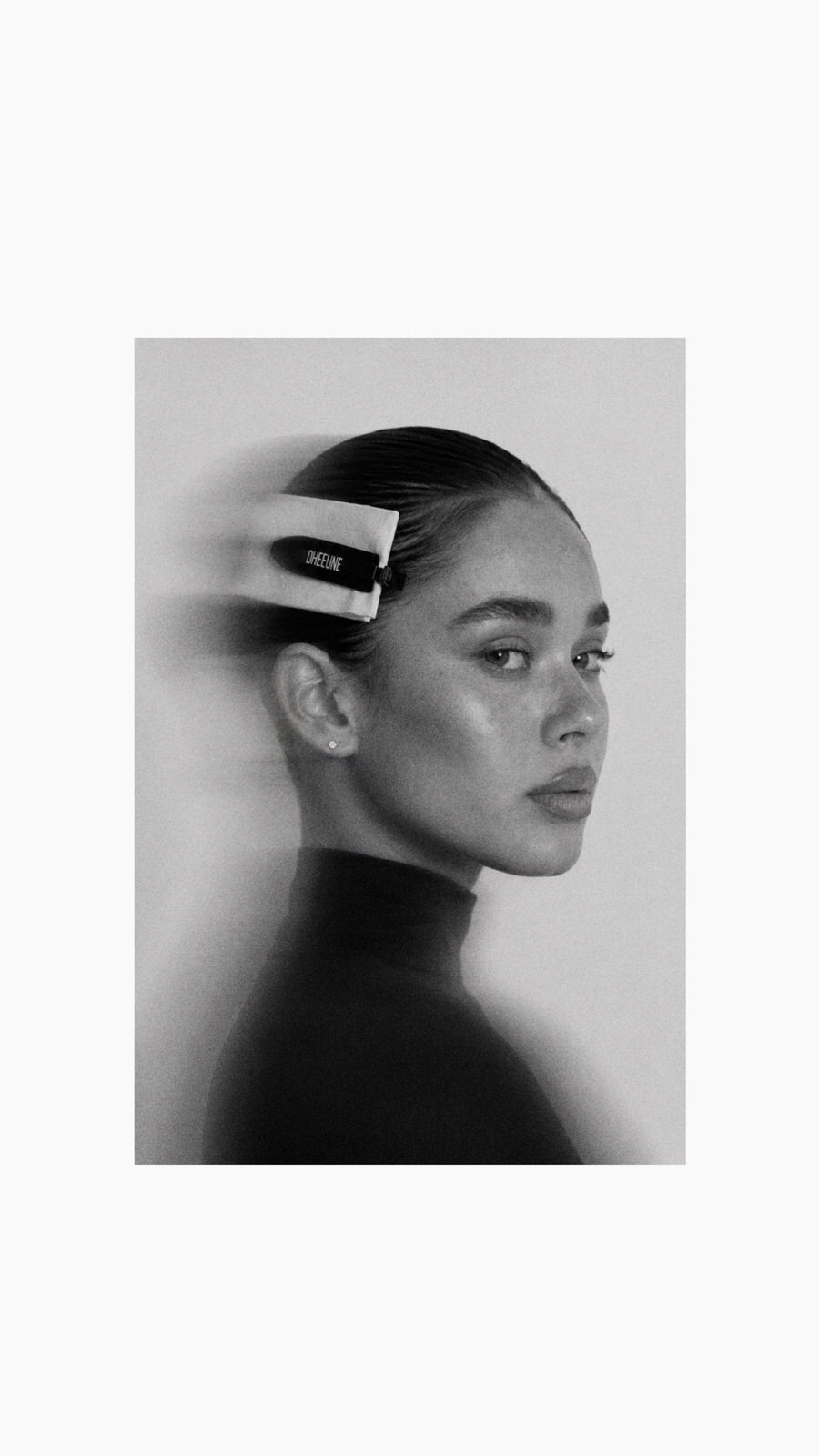
In Conversation
Your work feels closer to fashion image-making than conventional bridal hairstyling. How did this multidisciplinary approach develop, and at what point did photography become such an important part of your creative process?
My approach grew from a desire to see the whole image, not just the hairstyle. I’ve always paid attention to how hair sits with a woman’s features, her clothes, the light and the mood around her. Photography became a natural extension of that way of thinking. It allows me to express the complete vision, and it influences the way I create: I’m always considering shape, texture and movement, while making sure the woman herself remains at the centre of the image.
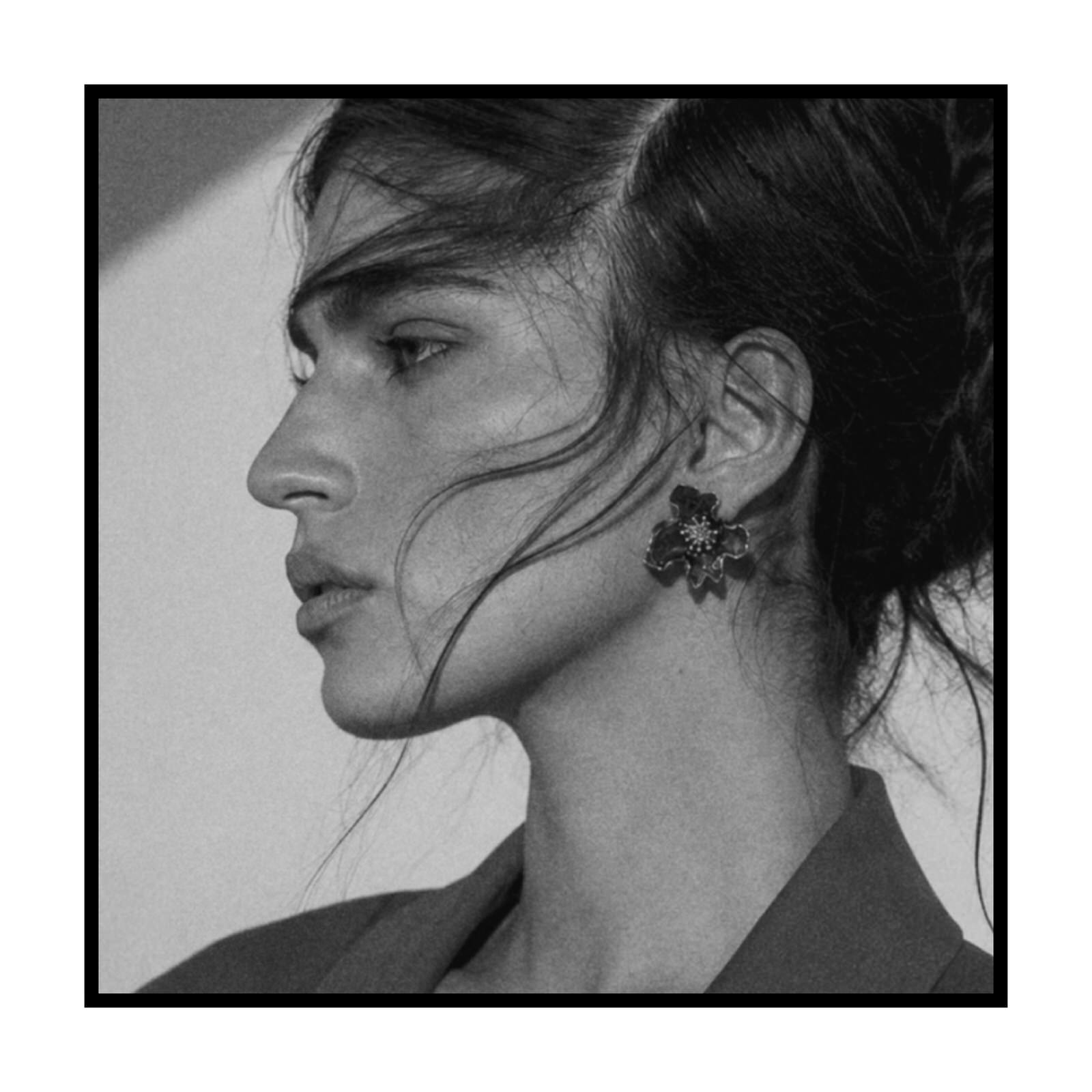
We particularly love your recent black-and-white photography. There’s something very striking about the way hair, clothing, texture and the female form come together in these images. What draws you to working in monochrome, and what does it allow you to communicate that colour perhaps doesn’t?
I’m drawn to black-and-white because it brings the image back to its essentials. Without colour, you notice the shape of the hair, the texture, the light on the face and the woman’s expression in a different way. I love that it can feel both timeless and very fashion-focused. There’s nowhere for a detail to hide, so every element has to feel considered. For me, monochrome creates a more intimate kind of beauty.
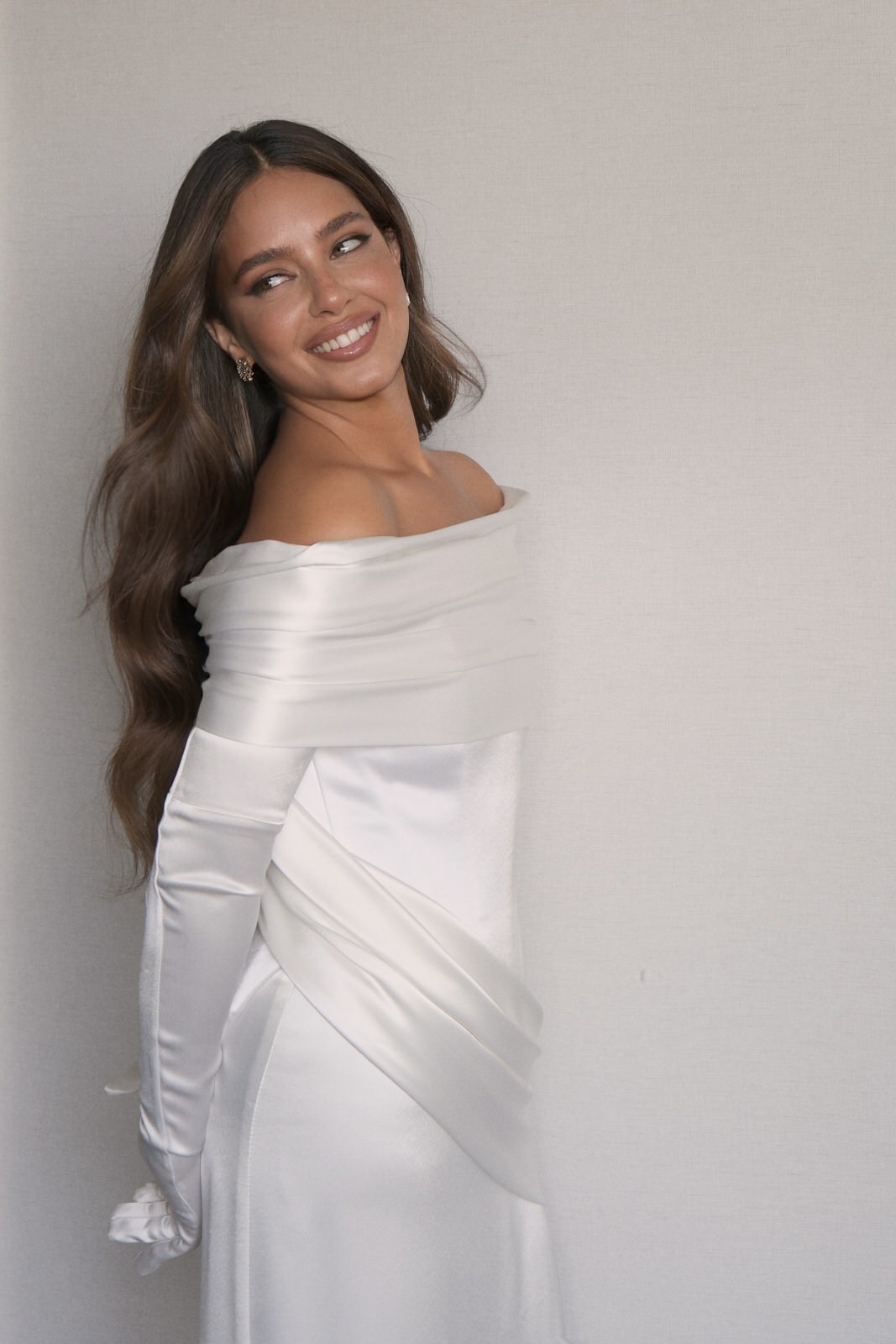
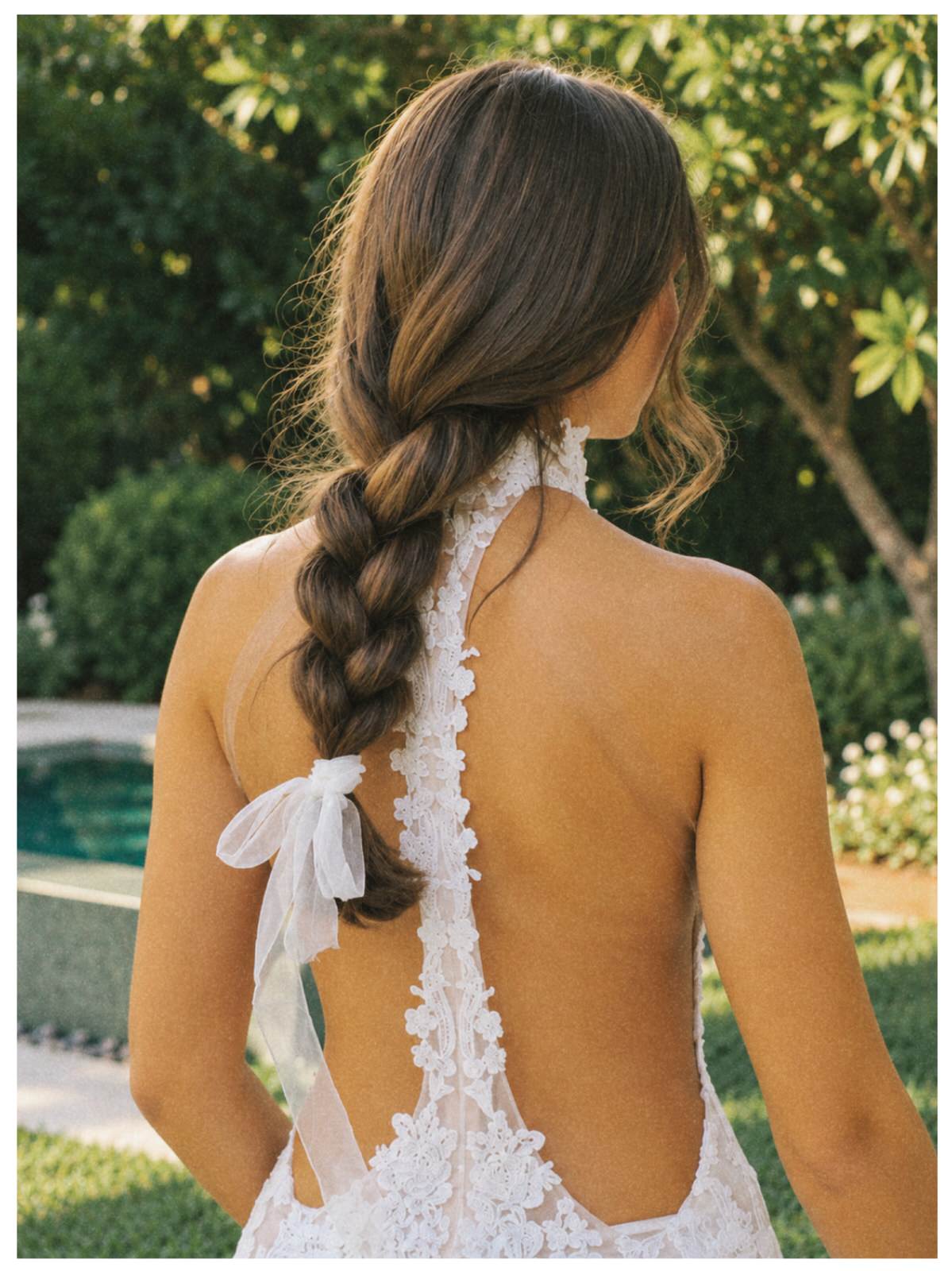
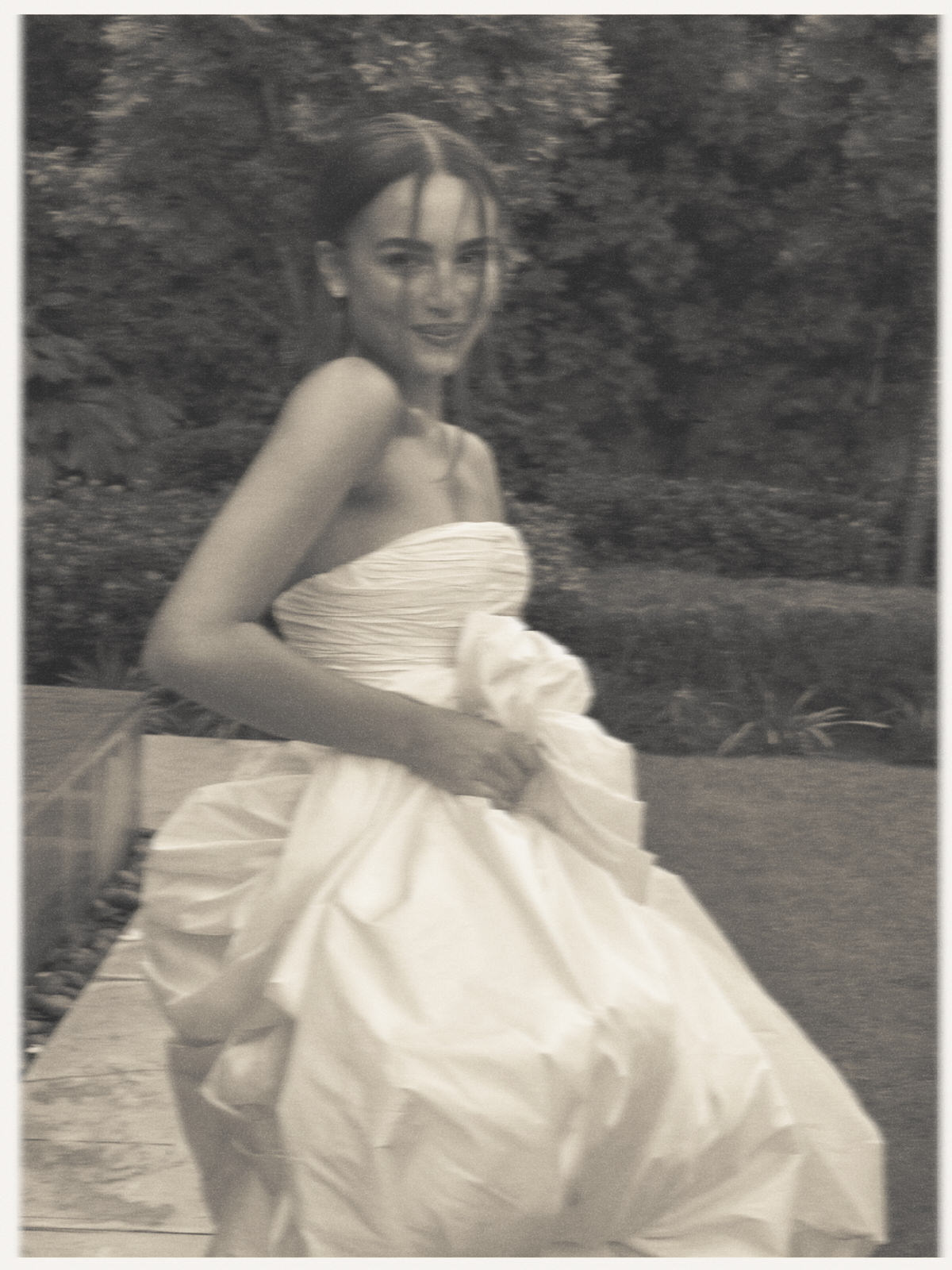
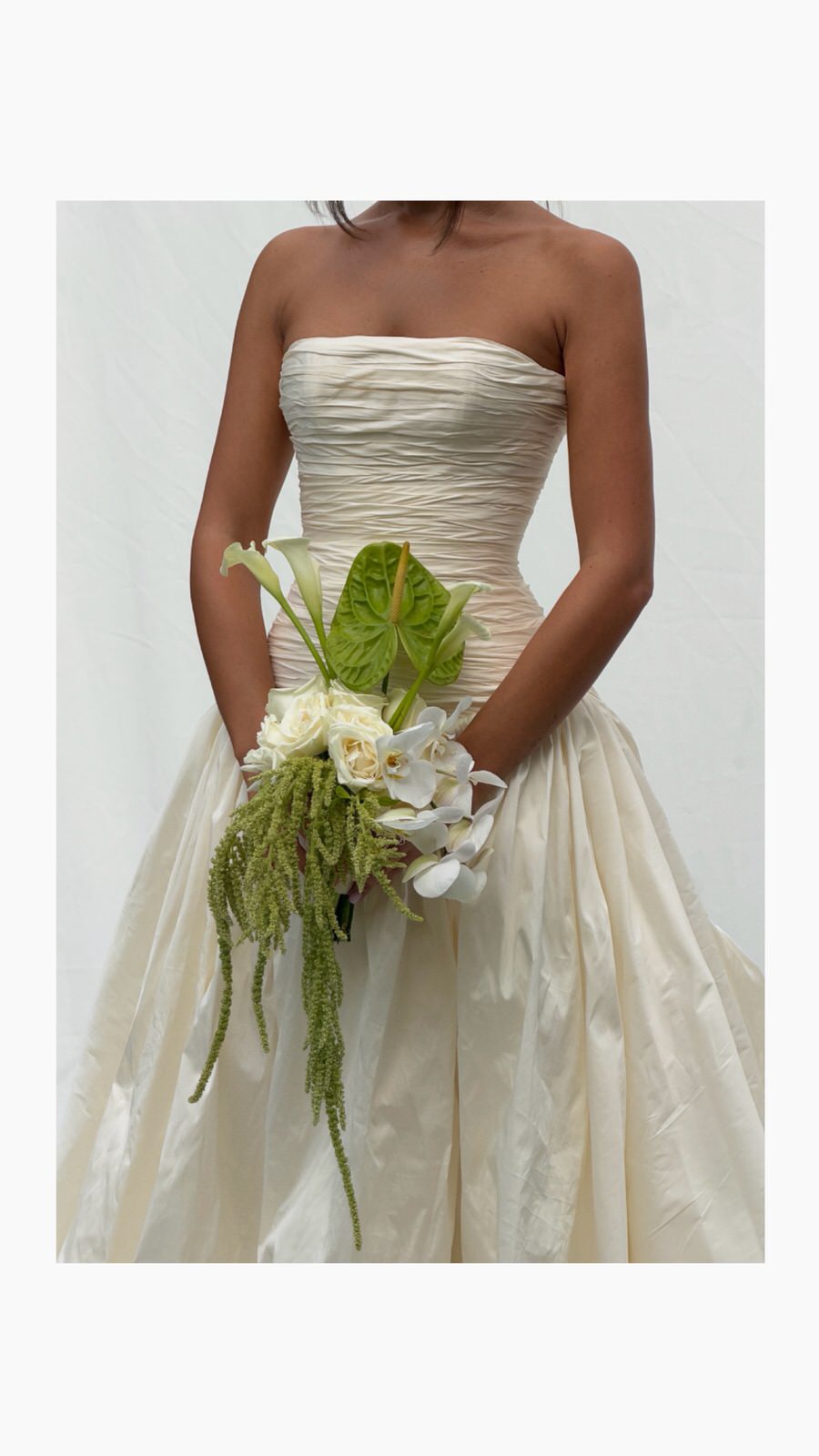
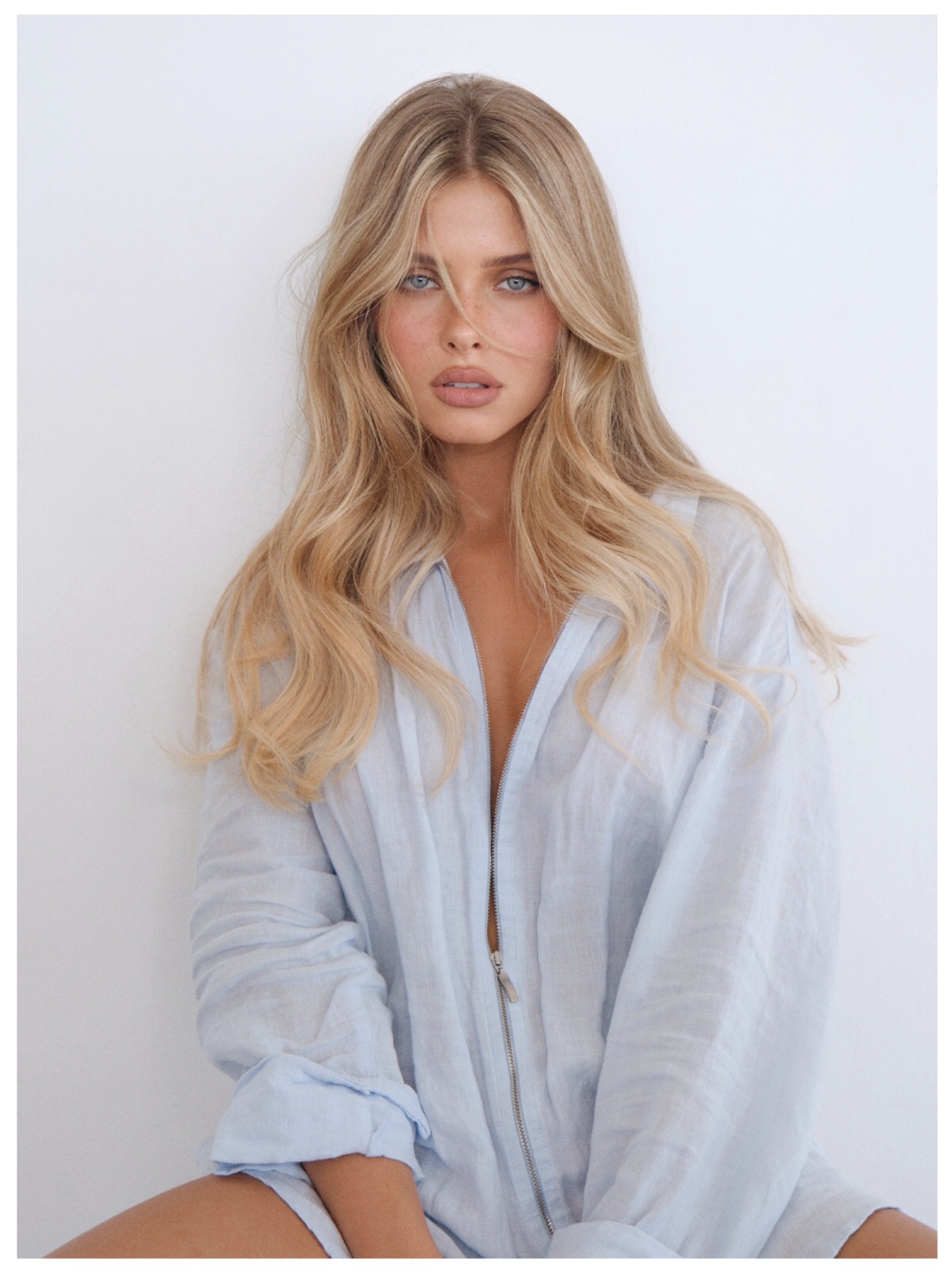
You have the rather unique advantage of being able to create the hair and then interpret it through your own lens. Does knowing how you want to photograph something influence the way you style it? And how much of the final image is instinctive versus carefully considered?
Definitely. When I create a look, I think about how it will move, how it will frame the face and how it will respond to light. Knowing I may photograph it makes me even more attentive to those details. But I never want the result to feel stiff or overworked. I like a look to feel polished, with softness and a little spontaneity. The image may begin with an idea, but the final result should still feel like the woman wearing it.
Fashion seems to be an important part of your visual language. We’d love to know more about the references that influence you. Are you drawn to particular photographers, designers, fashion eras, films or even art movements? Where do you find yourself looking for inspiration outside the beauty industry?
Fashion editorials are a constant reference point for me, especially images that feel confident, cinematic and timeless. I’m drawn to the balance between refinement and freedom: a considered shape, beautiful detail and just enough movement to keep the image alive. I love the visual worlds associated with Vogue and Saint Laurent, where elegance can still have attitude. I also find inspiration in the woman herself, the clothes, the setting, the light and the composition. Rather than following one fixed reference, I bring these elements together until the image feels personal and complete.
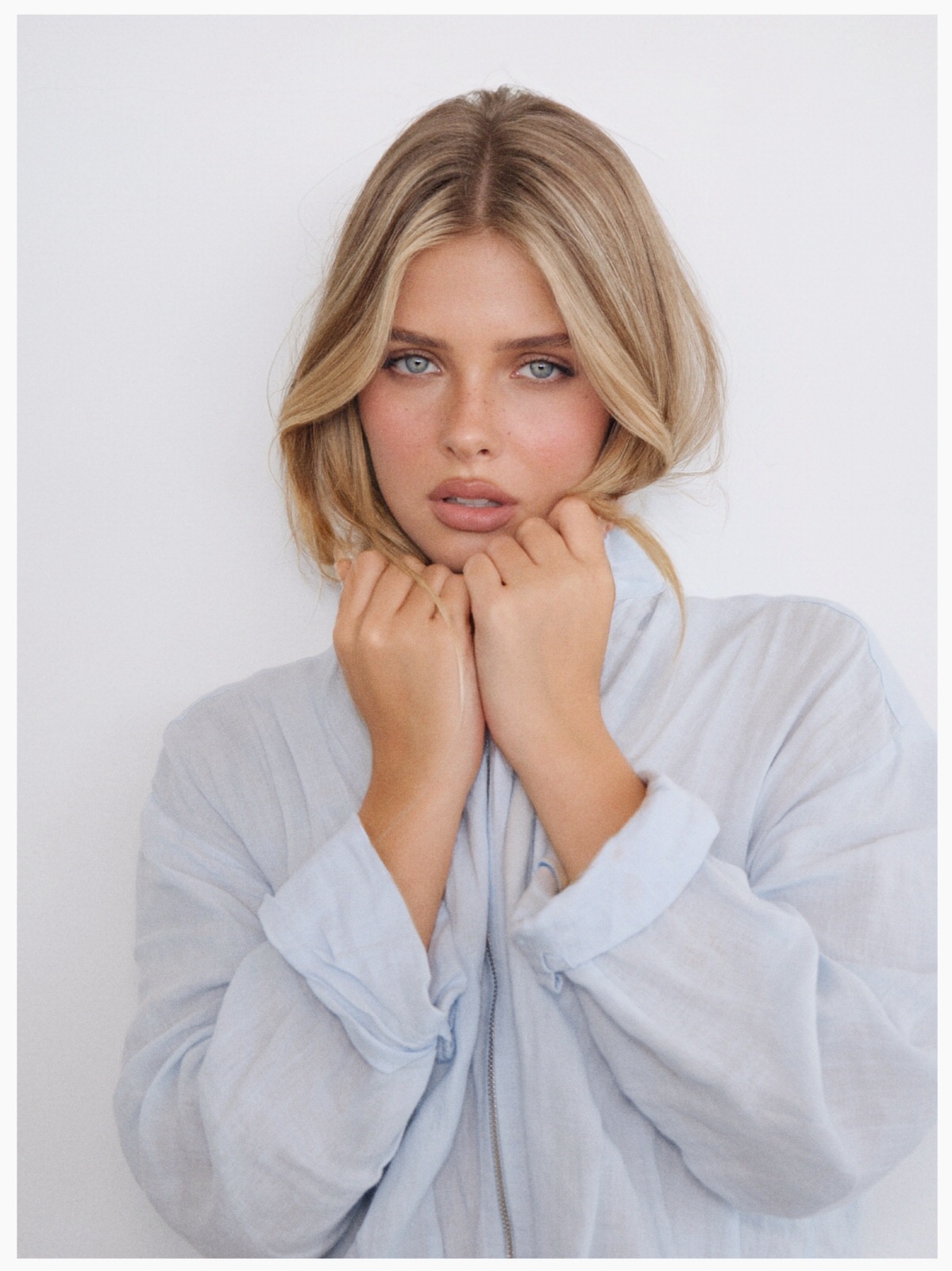
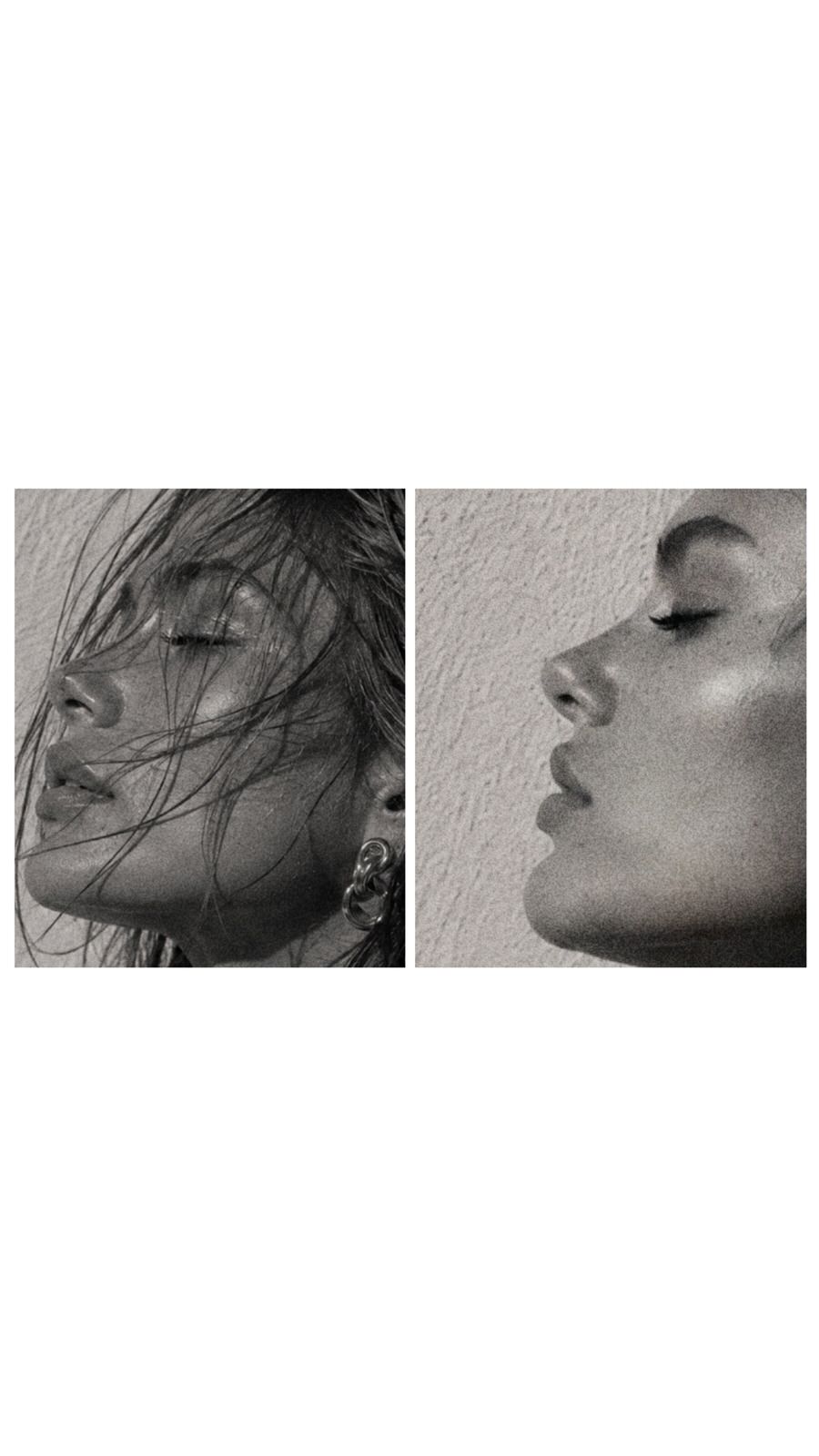
There’s an interesting tension in fashion between perfection and imperfection. A hairstyle can be technically flawless but sometimes it’s the movement, an unexpected detail or something slightly undone that makes an image extraordinary. How do you approach that balance in your own work?
I care a lot about precision, but I don’t think a beautiful result has to look too perfect. The finish should be clean and considered, while the hair still has softness, movement and a sense of life. Sometimes it’s the slightly undone detail that gives a look its personality. I try to know exactly what I want to refine — and what should be left alone. That balance is what keeps the work polished without making it feel controlled.
When you’re working with a bride, you’re both creating her look and potentially capturing moments as they unfold. How do you balance those two roles without disrupting the natural atmosphere of the day? And what are the little moments you’re most instinctively drawn to photograph?
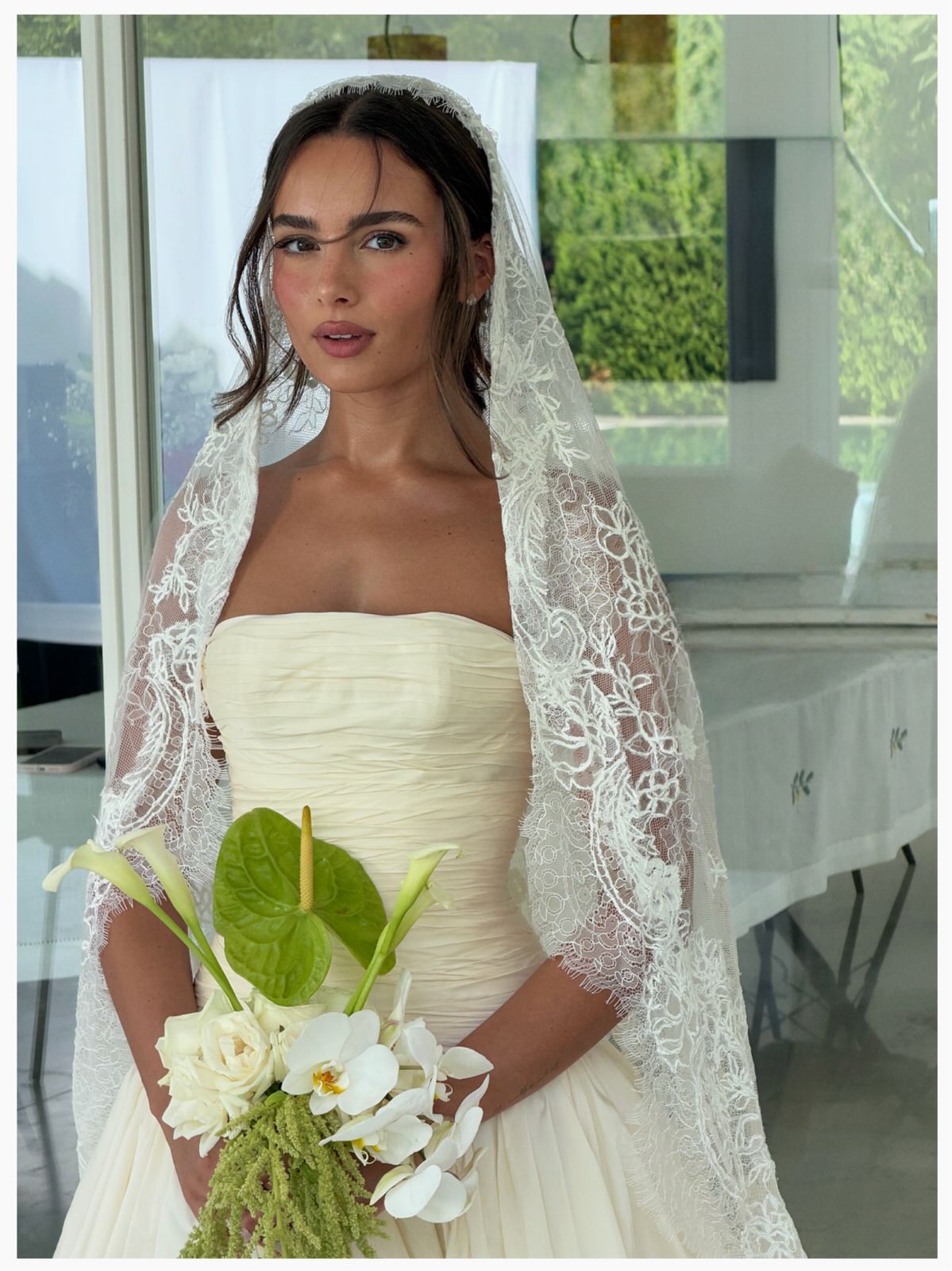
The bride’s experience has to come first. My main role is to create a look that feels right for her and to help her feel comfortable and confident. When I photograph, I’m careful to keep the moment natural and never let the camera take over. I’m drawn to the small, honest details — a gesture, a look, the movement of the hair or a quiet moment before the ceremony. Those details often say more than a posed image.
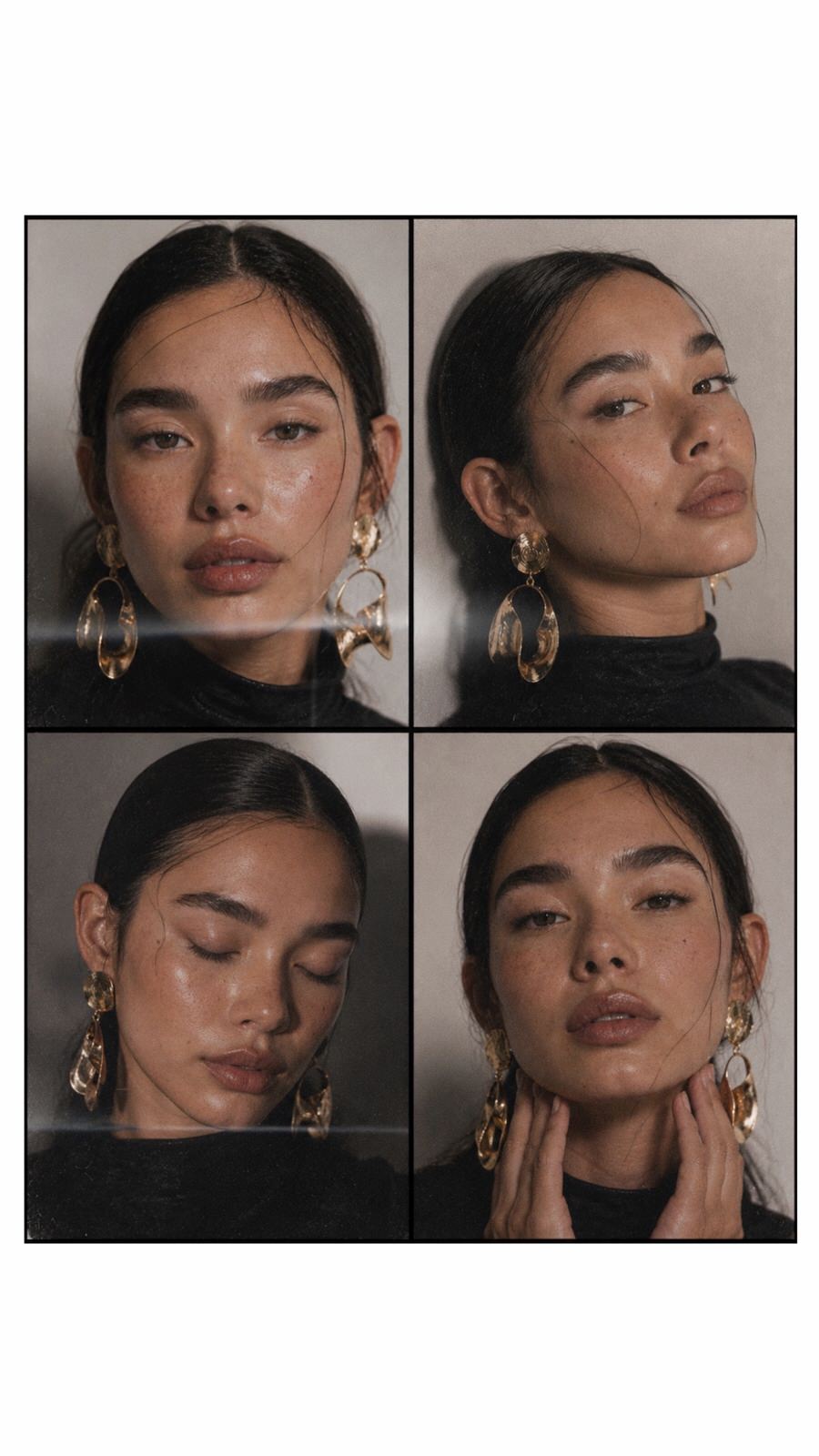
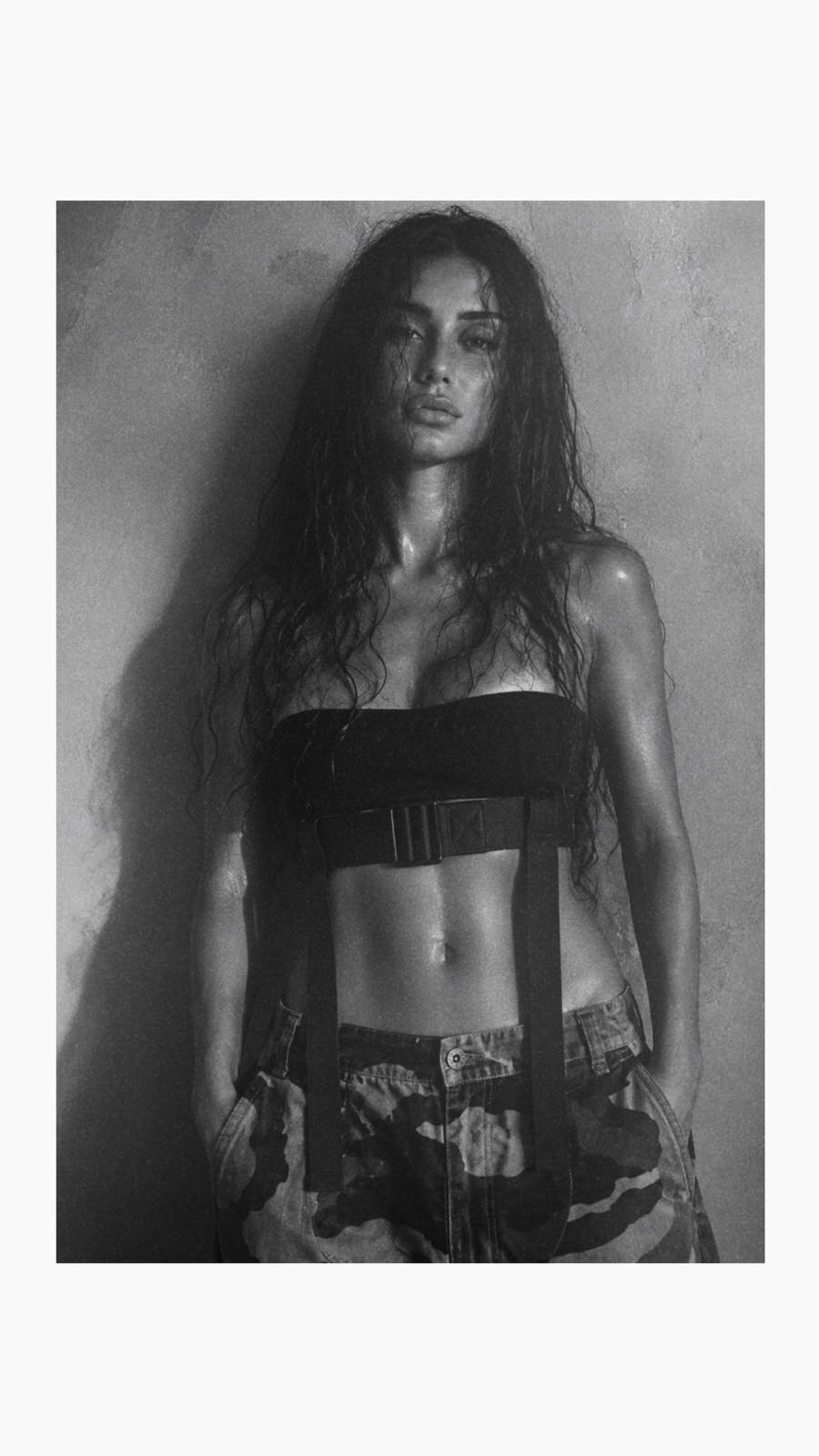
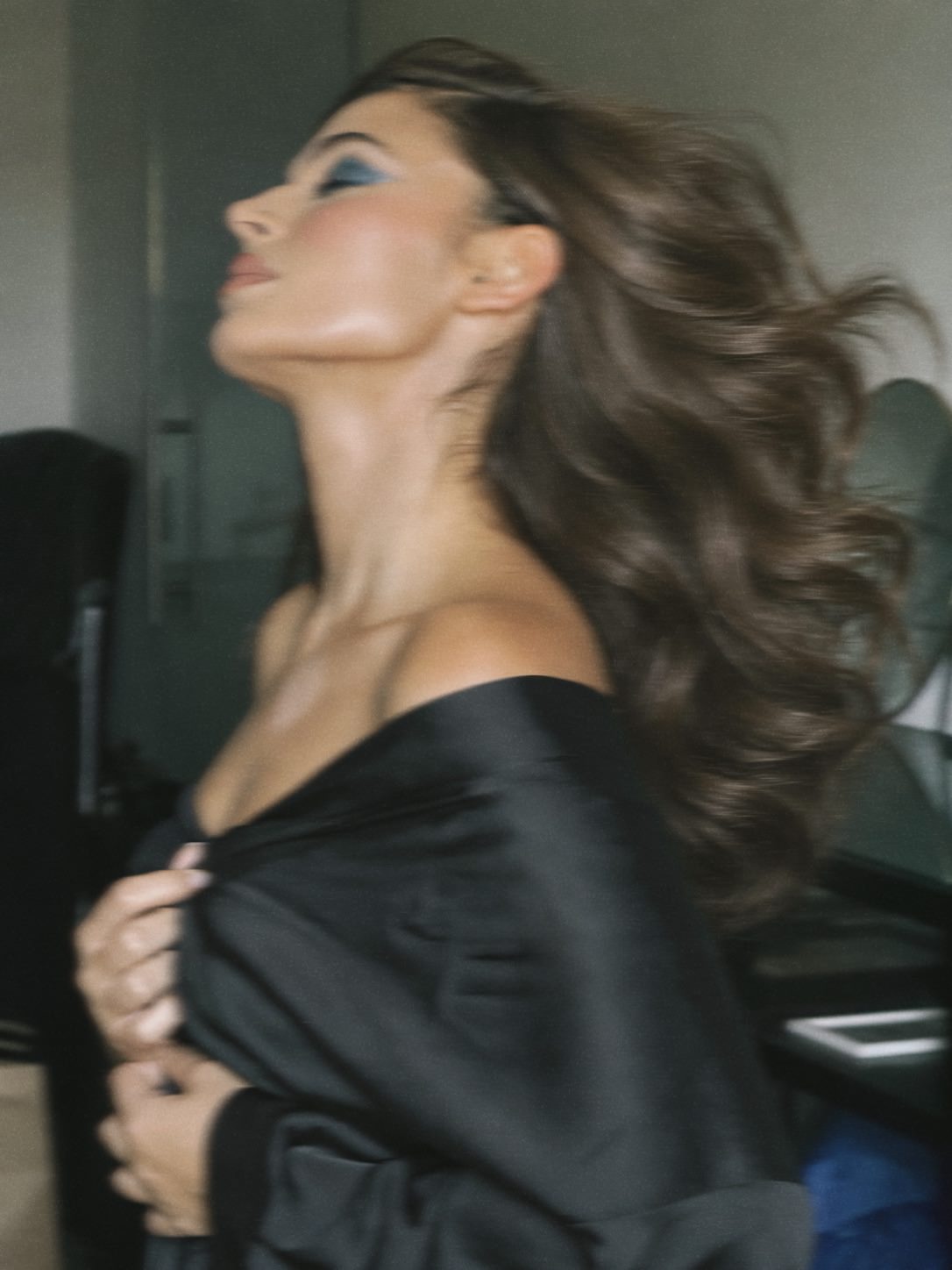
Bridal beauty is becoming increasingly influenced by fashion, and we’re seeing more women move away from traditional wedding hairstyles. What changes are you noticing in what brides are asking for? Are there particular shapes, textures or styling directions you believe we’ll be seeing more of?
I think brides are becoming more confident about bringing their own style into the wedding day. They still want to feel beautiful and special, but increasingly they want the look to feel like them — not like a version of a bride they’ve seen before. I’m seeing more interest in softness, movement and a fashion-aware approach. For me, the most exciting direction is beauty that feels individual: considered and elevated, but always connected to the woman wearing it.
If you could encourage brides to rethink one thing about their wedding-day hair, what would it be? And what advice would you give someone who loves fashion and wants a look that feels directional, but still completely authentic to her personality? I’d encourage brides not to choose a hairstyle simply because it is considered “bridal.” The best look is one that feels special for the occasion while still feeling true to the woman wearing it. If you love fashion, bring that point of view into the process — but don’t feel that you have to follow a trend or become someone else. The aim is to create a version of you that feels elevated, confident and completely authentic.
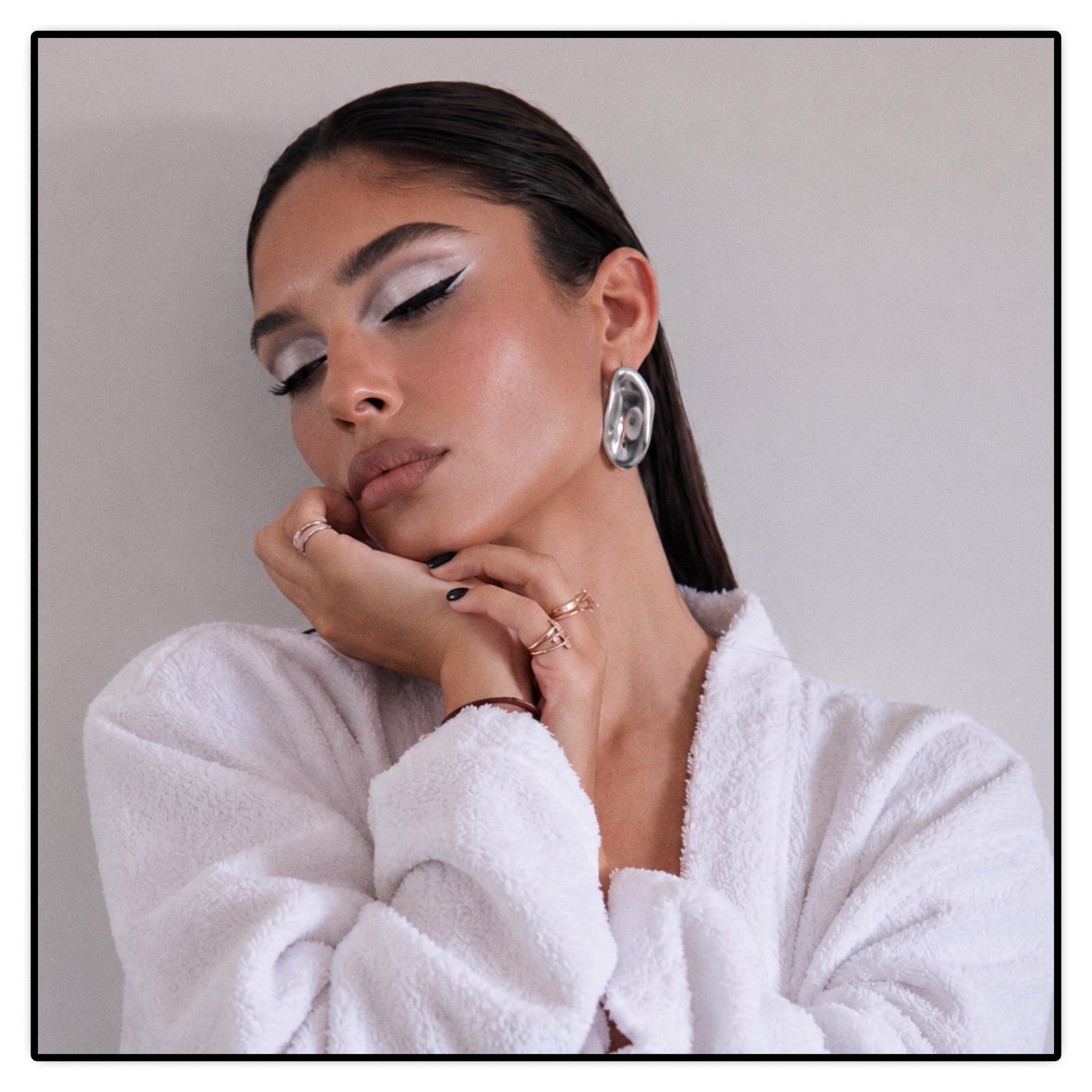
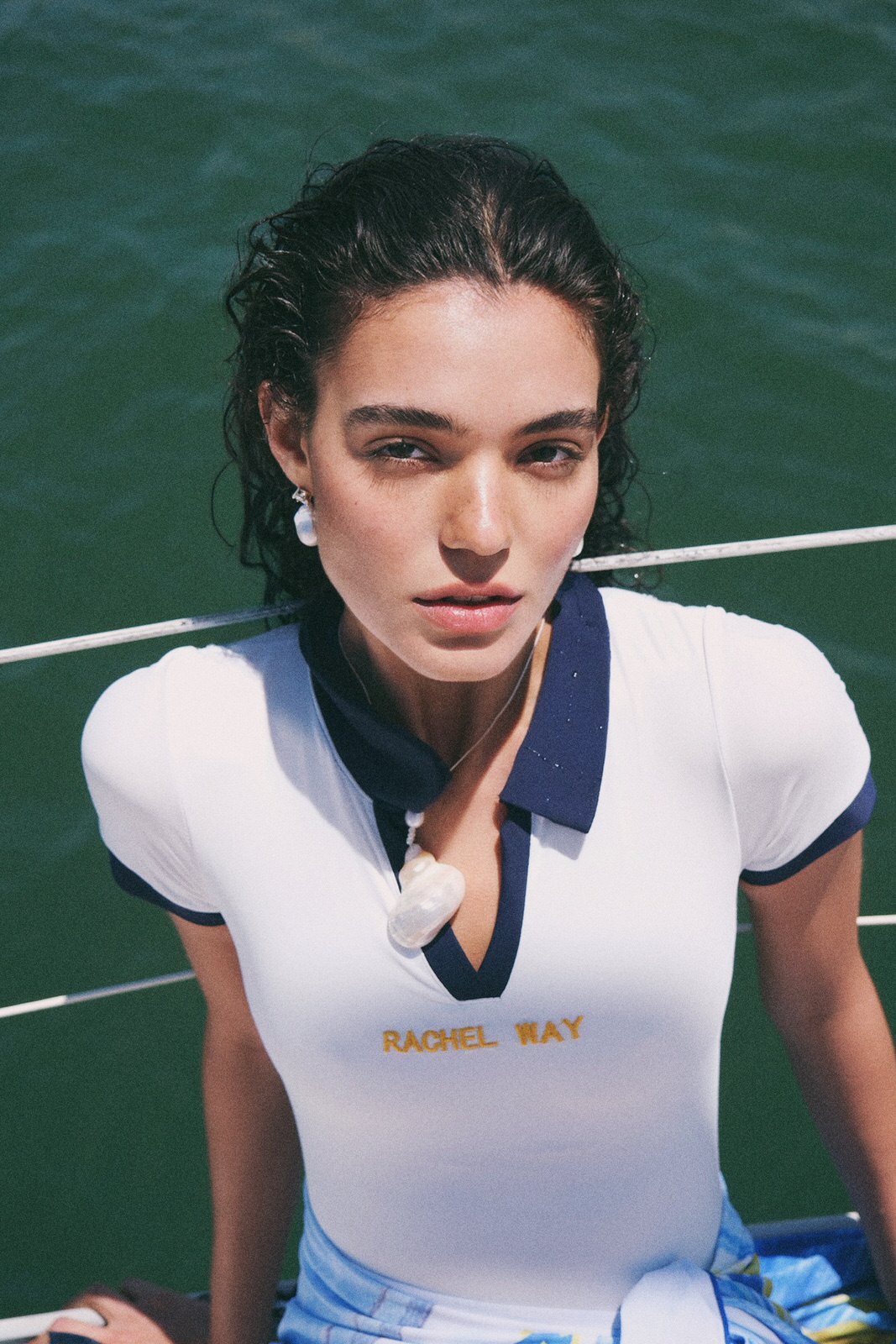
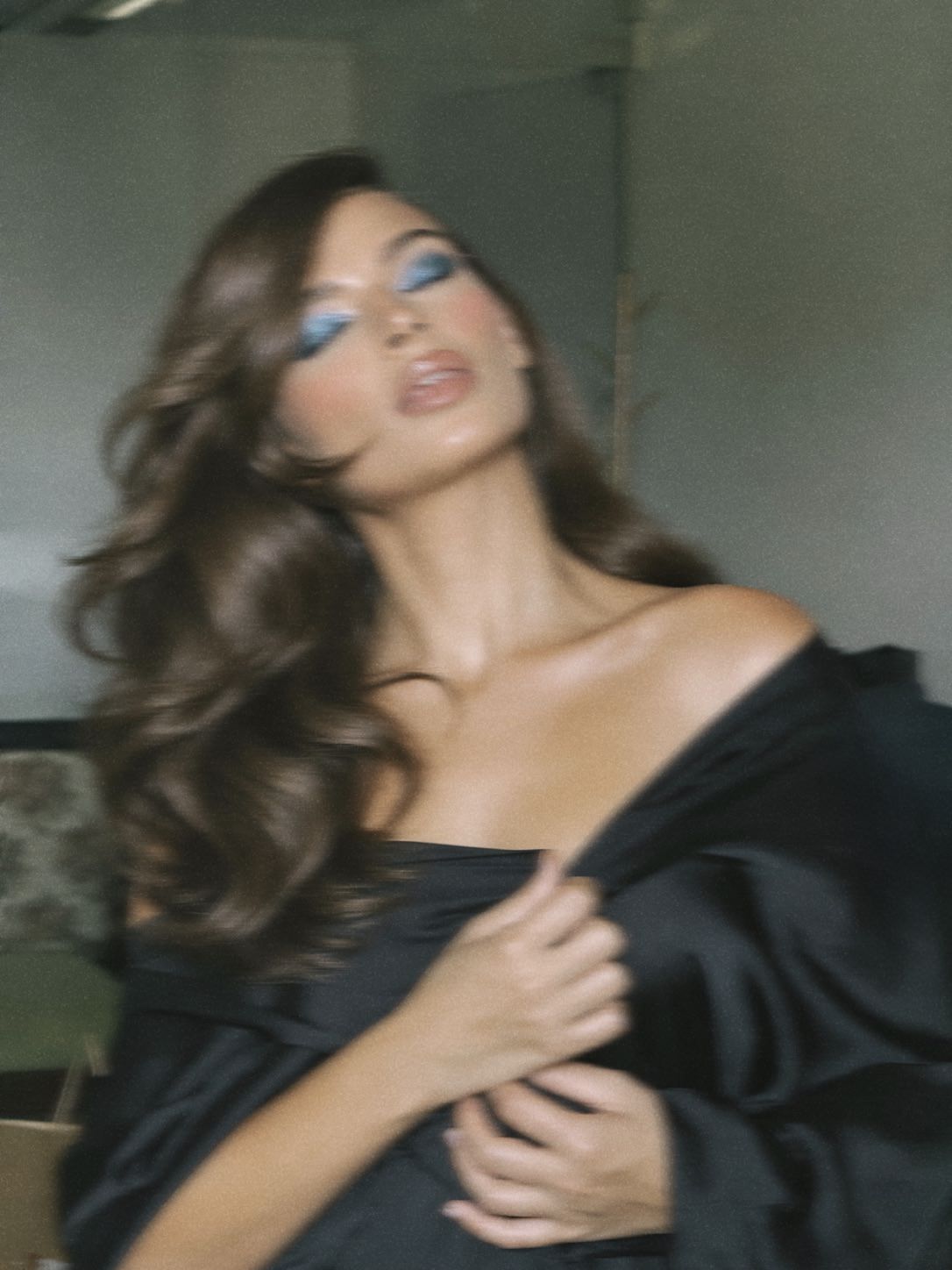
A slightly more playful question. Imagine you had complete creative freedom to produce a fashion story, with no brief, no client and no limitations. What would it look like? We’d love to hear about the hair, the fashion, the location, the photography and the overall mood.
I’d create something intimate and cinematic, with a strong fashion feeling but room for spontaneity. I imagine a woman in a minimal setting, beautiful clothes, expressive hair with natural movement, and light that becomes part of the story. I’d be drawn to close, honest frames rather than making everything feel too posed. I’d probably work in black and white, so the focus stays on form, texture and expression. I’d want the images to feel like a mood you can step into.
The worlds of beauty, fashion and image-making are evolving so quickly, particularly in the way creative work is shared and consumed. What excites you about where the industry is heading? And personally, are there new directions, techniques or creative collaborations you’re hoping to explore next?
What excites me is the growing freedom to see bridal beauty as part of a wider creative world — connected to fashion, photography and personal expression. I’d love to keep developing my own visual language and to create more work where hairstyling and image-making come together. I’m especially interested in collaborations that allow me to explore a strong idea from the first look through to the final photograph. For me, the next chapter is about continuing to create work that feels personal, distinctive and visually alive.
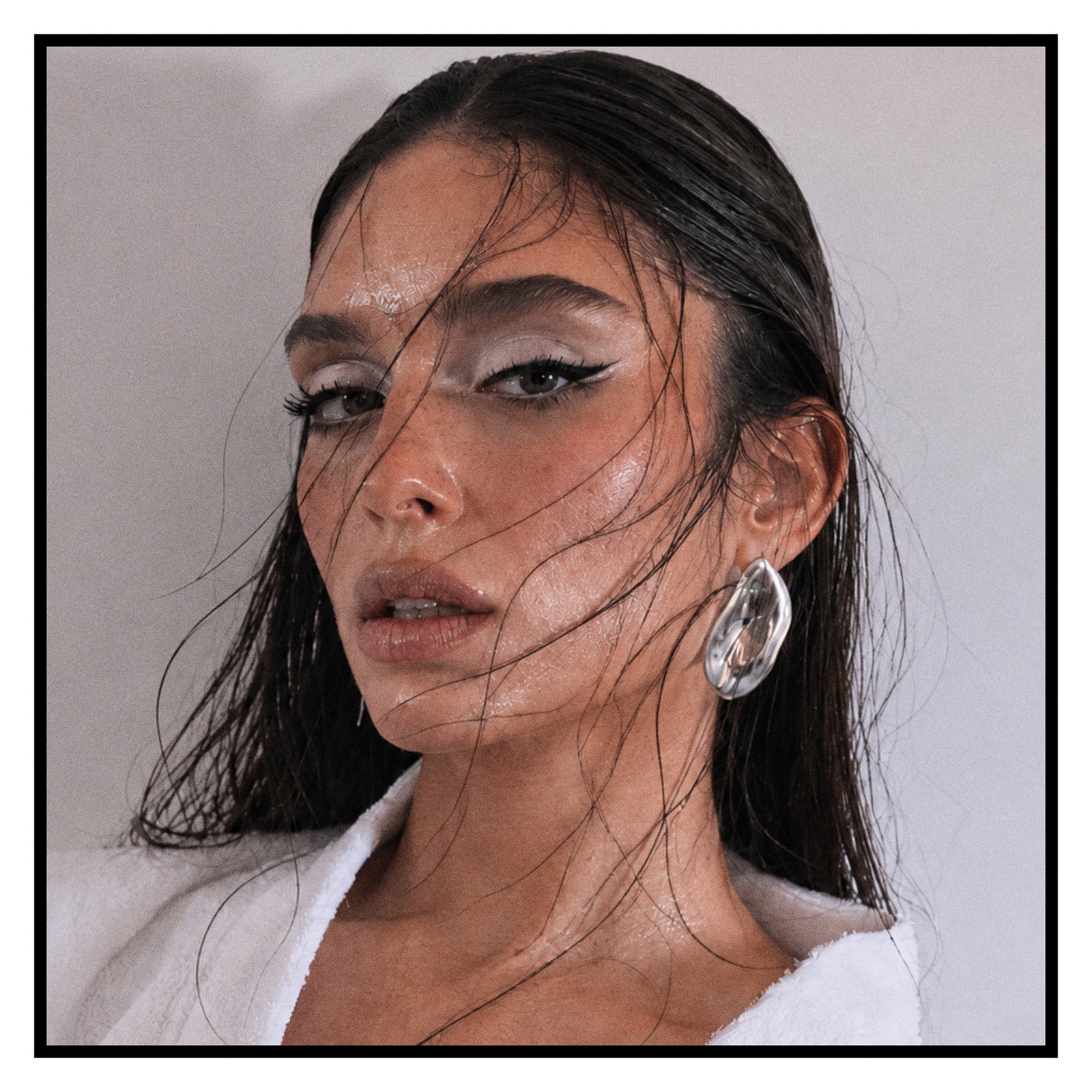
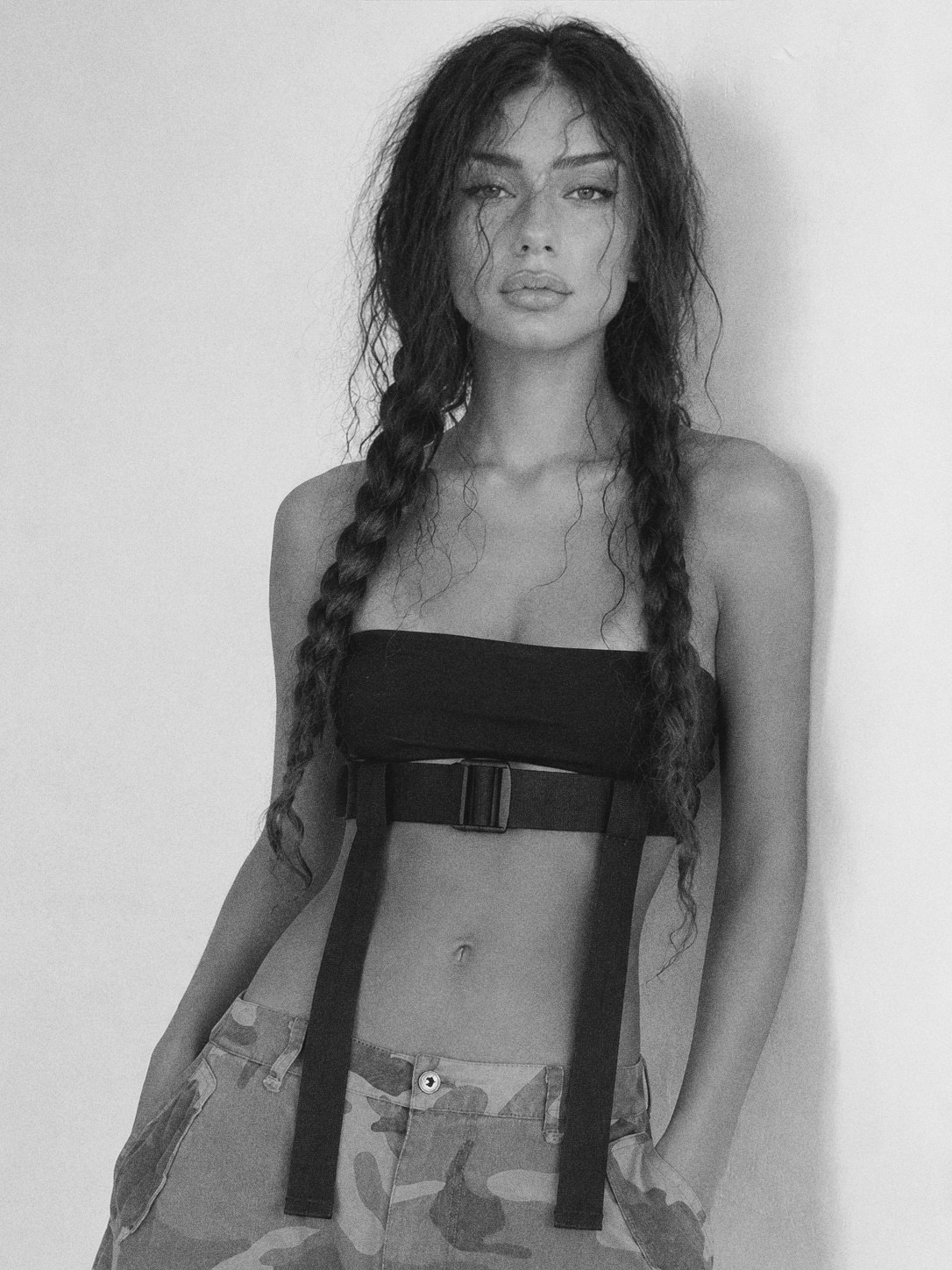
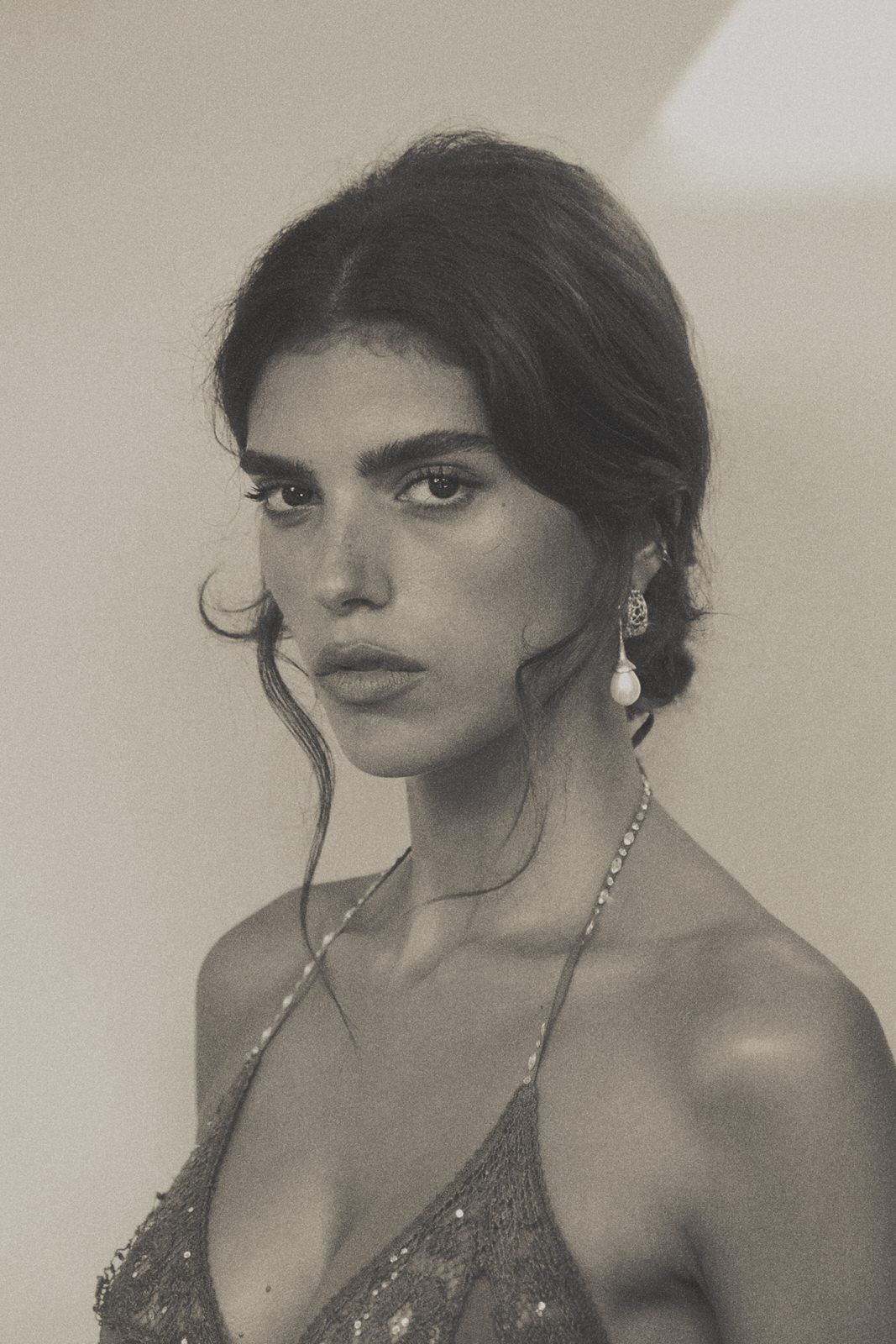
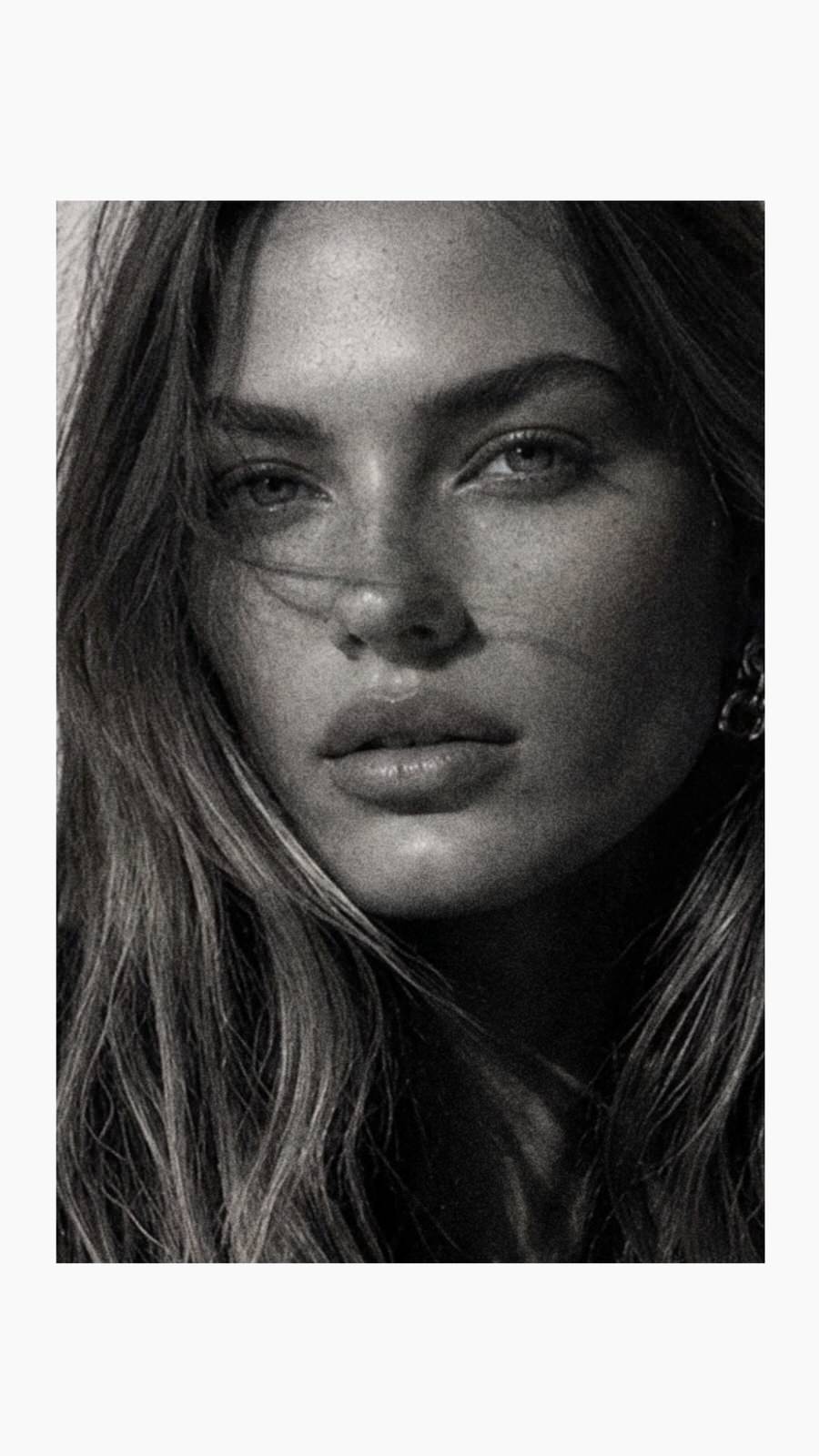
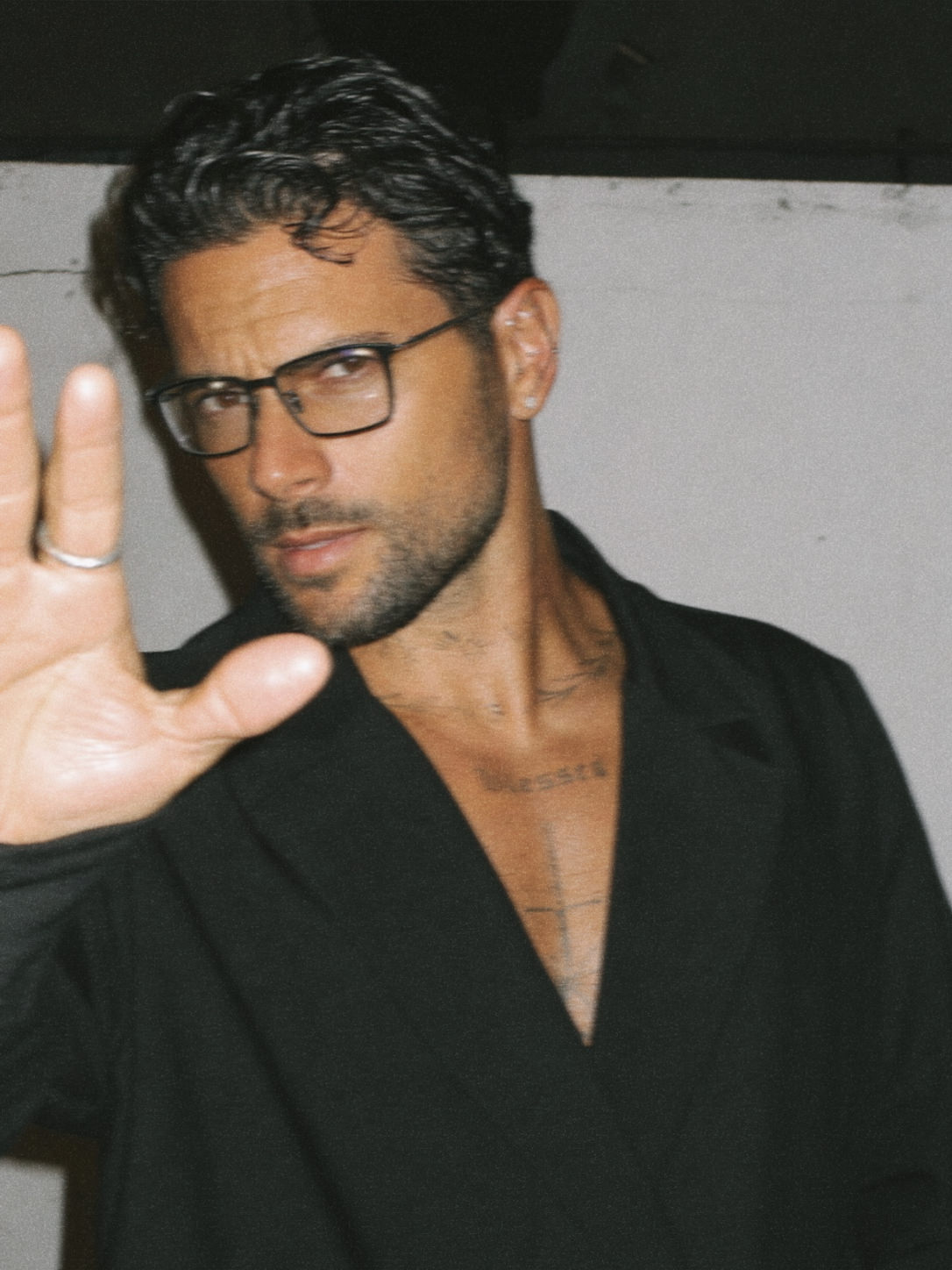
Photo of Yogev Avitan
For more information visit @yogev__avitan