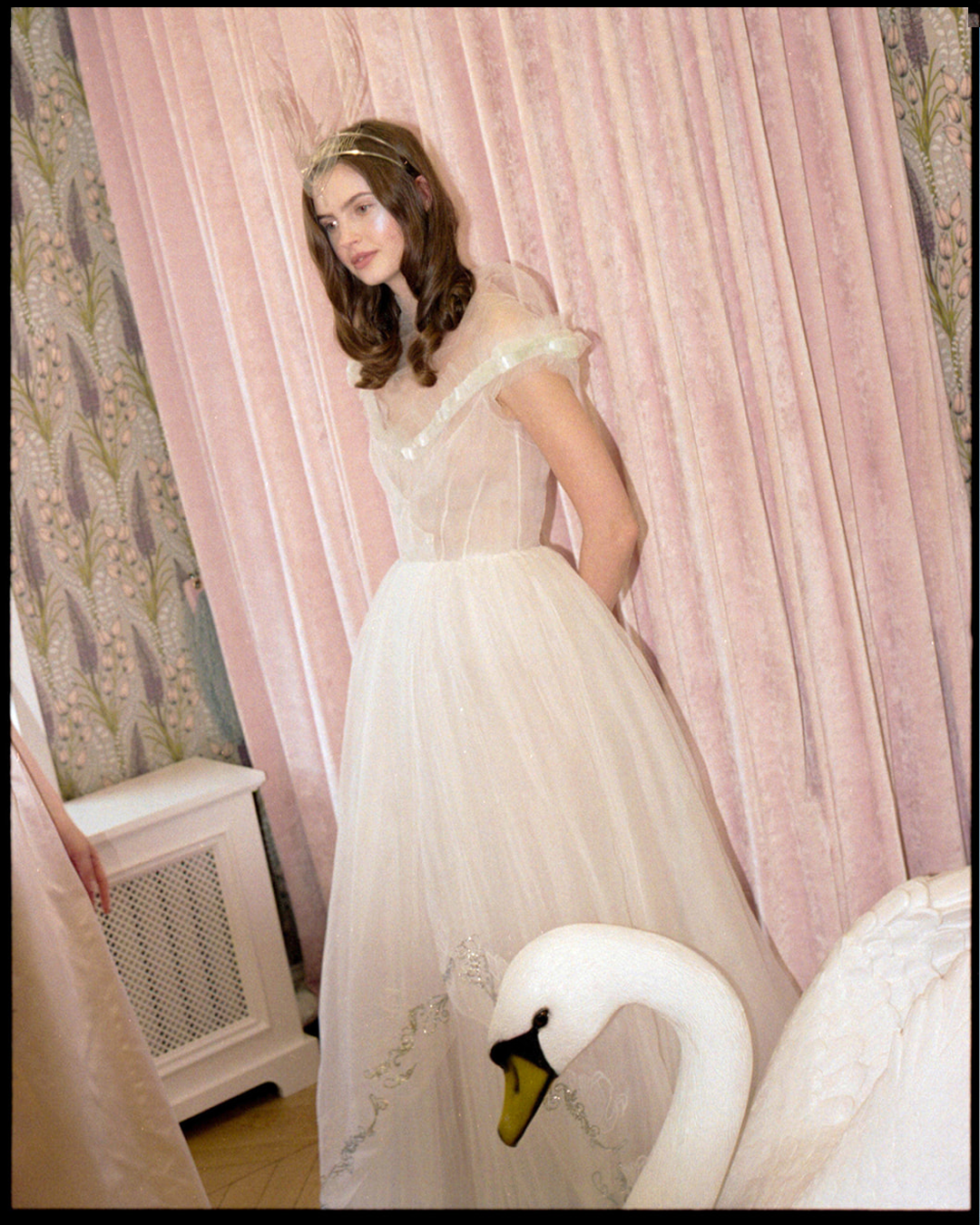
Images that feel lived in, not produced.
There are photographers whose work you admire, and then there are those whose work you feel. Valerie Thompson sits in both categories. A long-time friend and contributor to Together Journal, Valerie has helped shape and elevate our pages, capturing weddings that have been published both online and in print, contributing to our New York Bridal Fashion Week coverage, and even entrusting us with her own deeply personal celebration in print. Hers is a perspective we return to often, drawn to its emotive, tender and quietly nostalgic quality, always grounded in a modern, editorial sensibility.
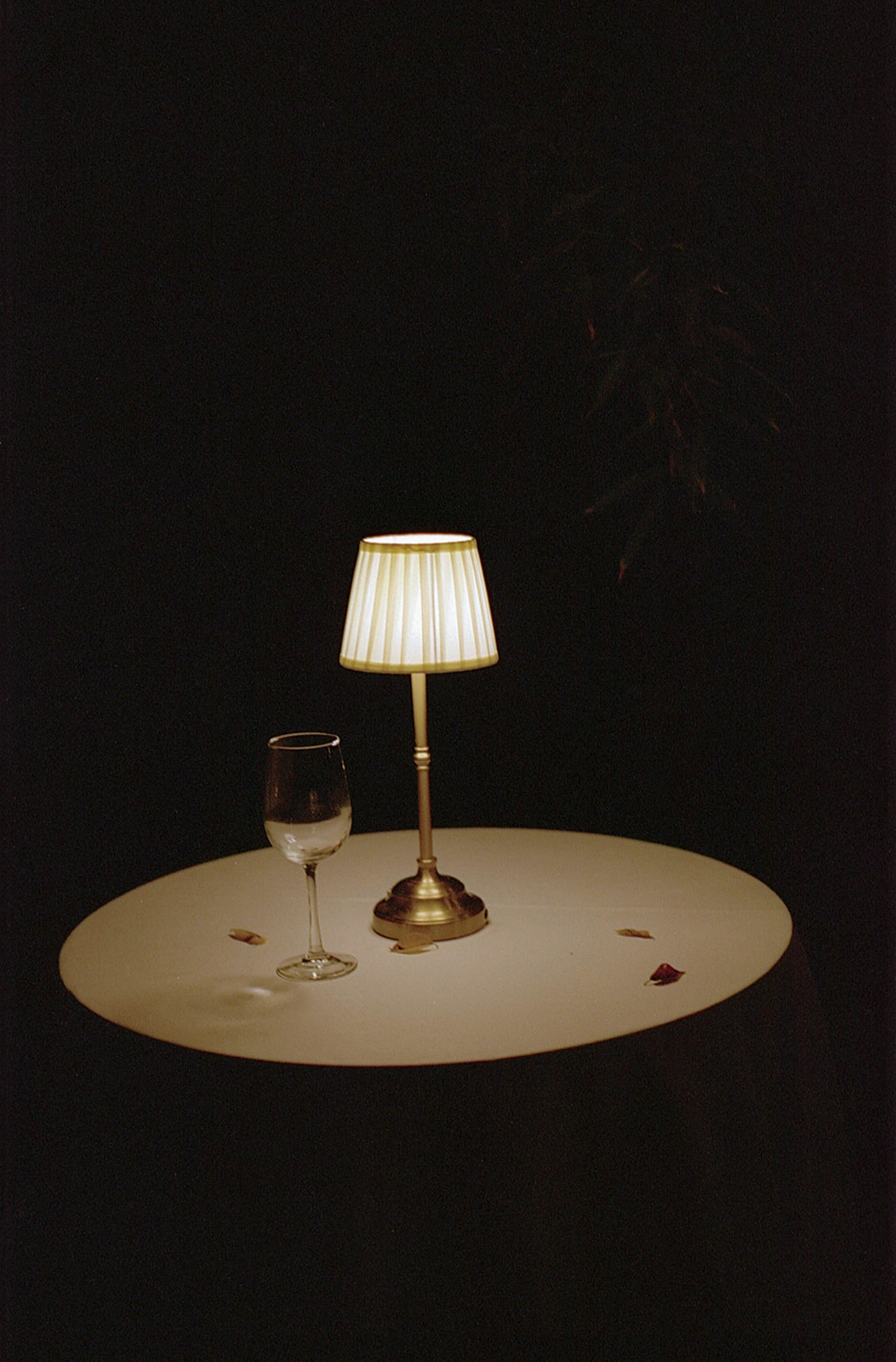
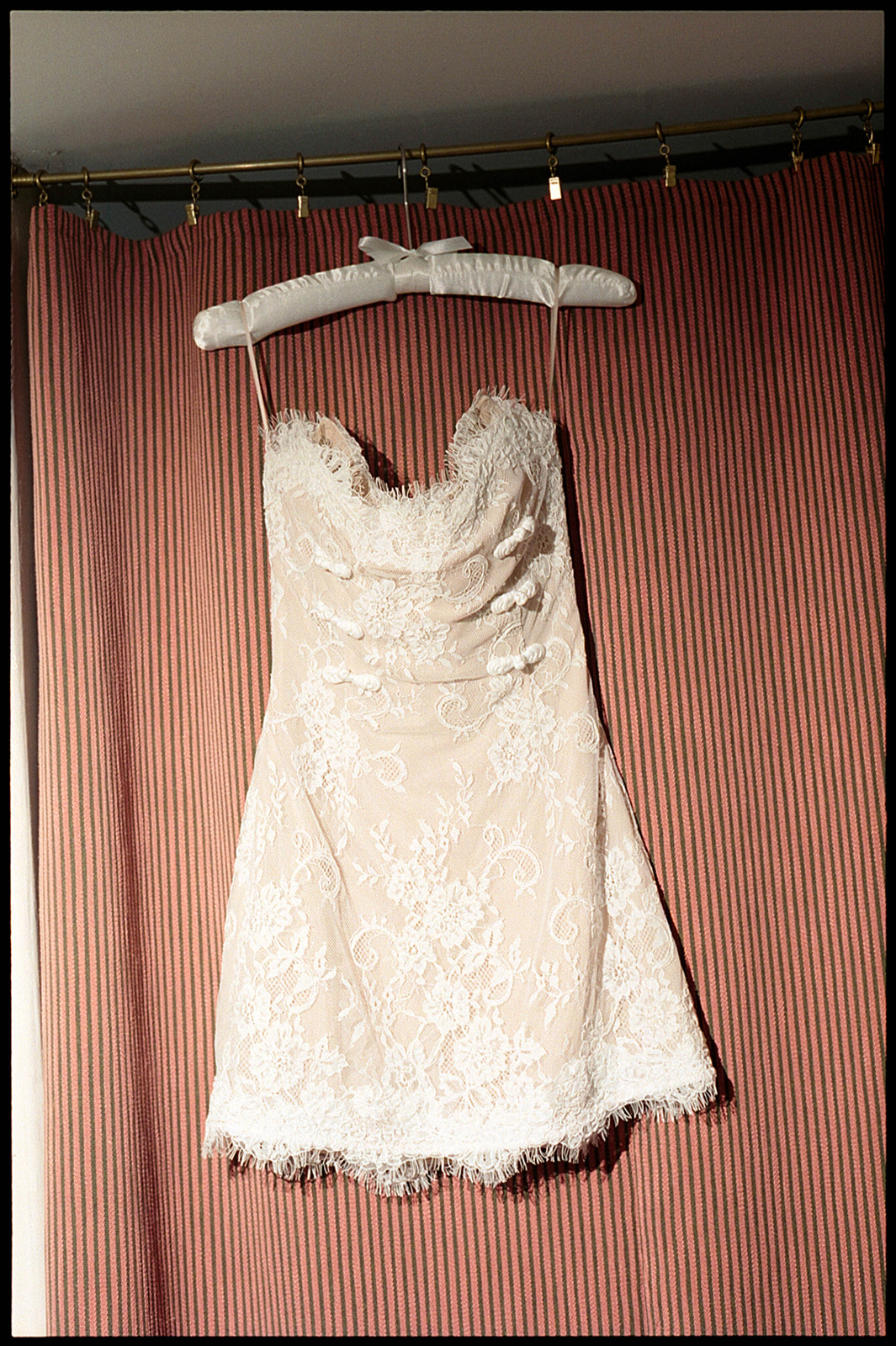
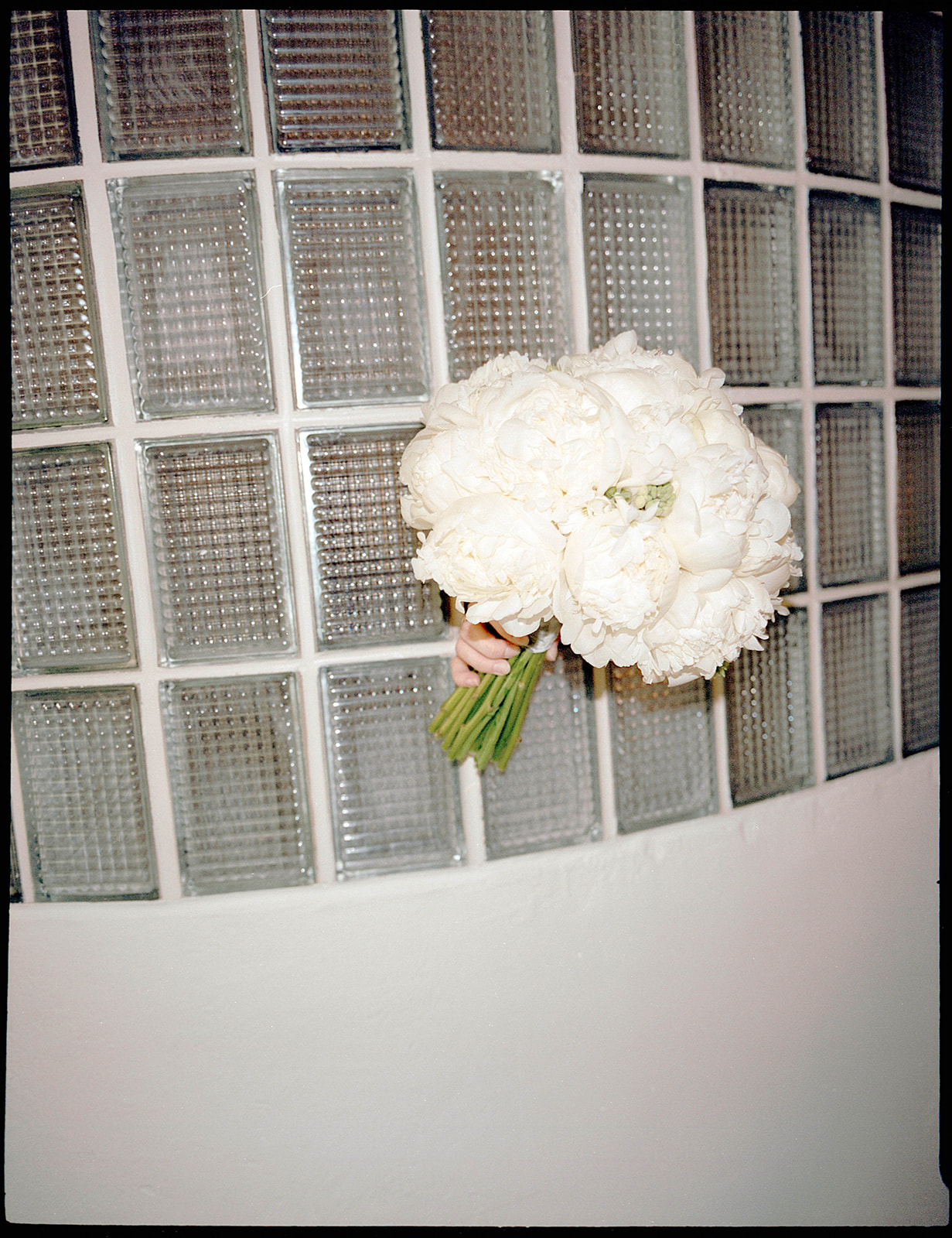
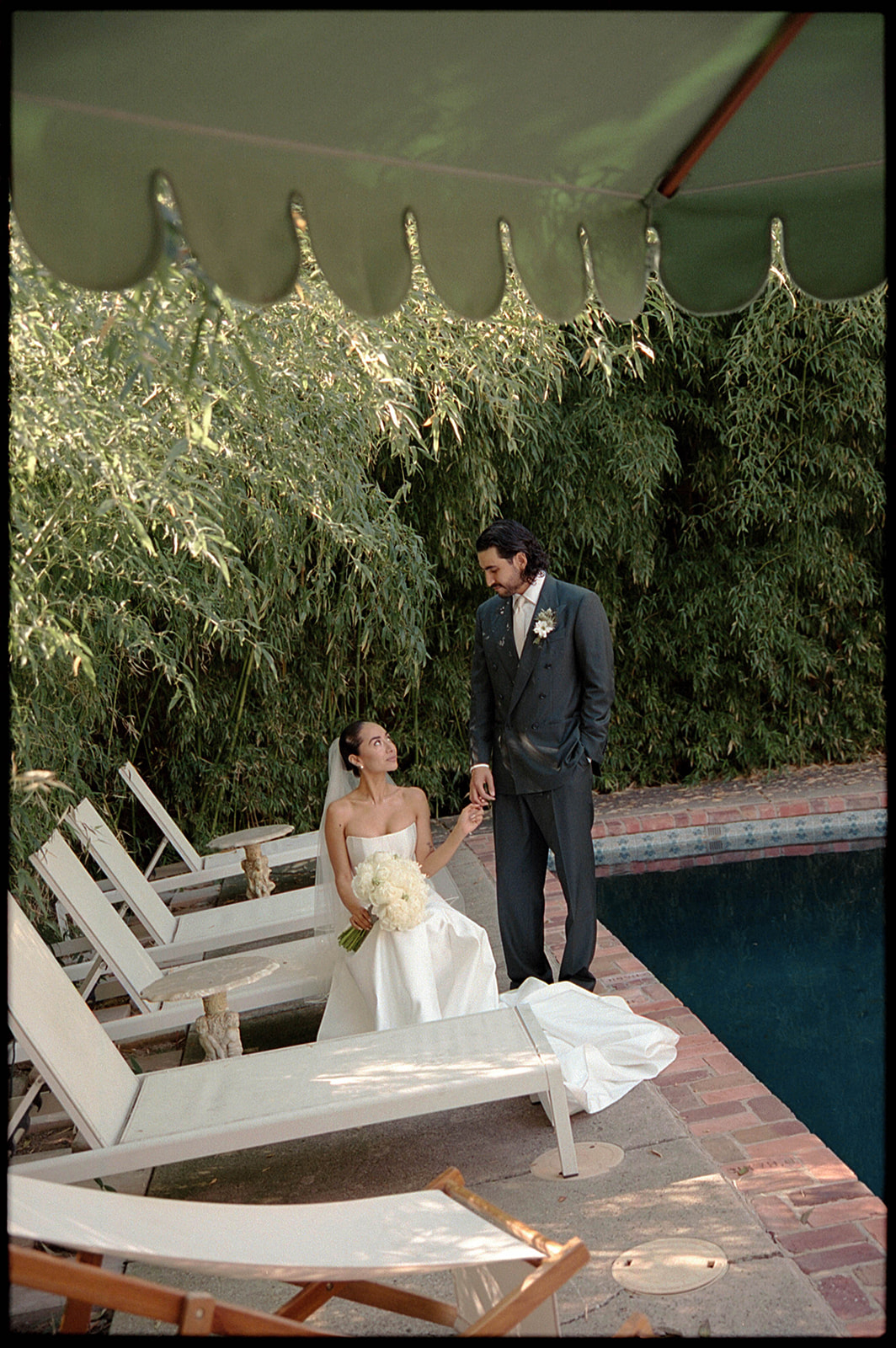
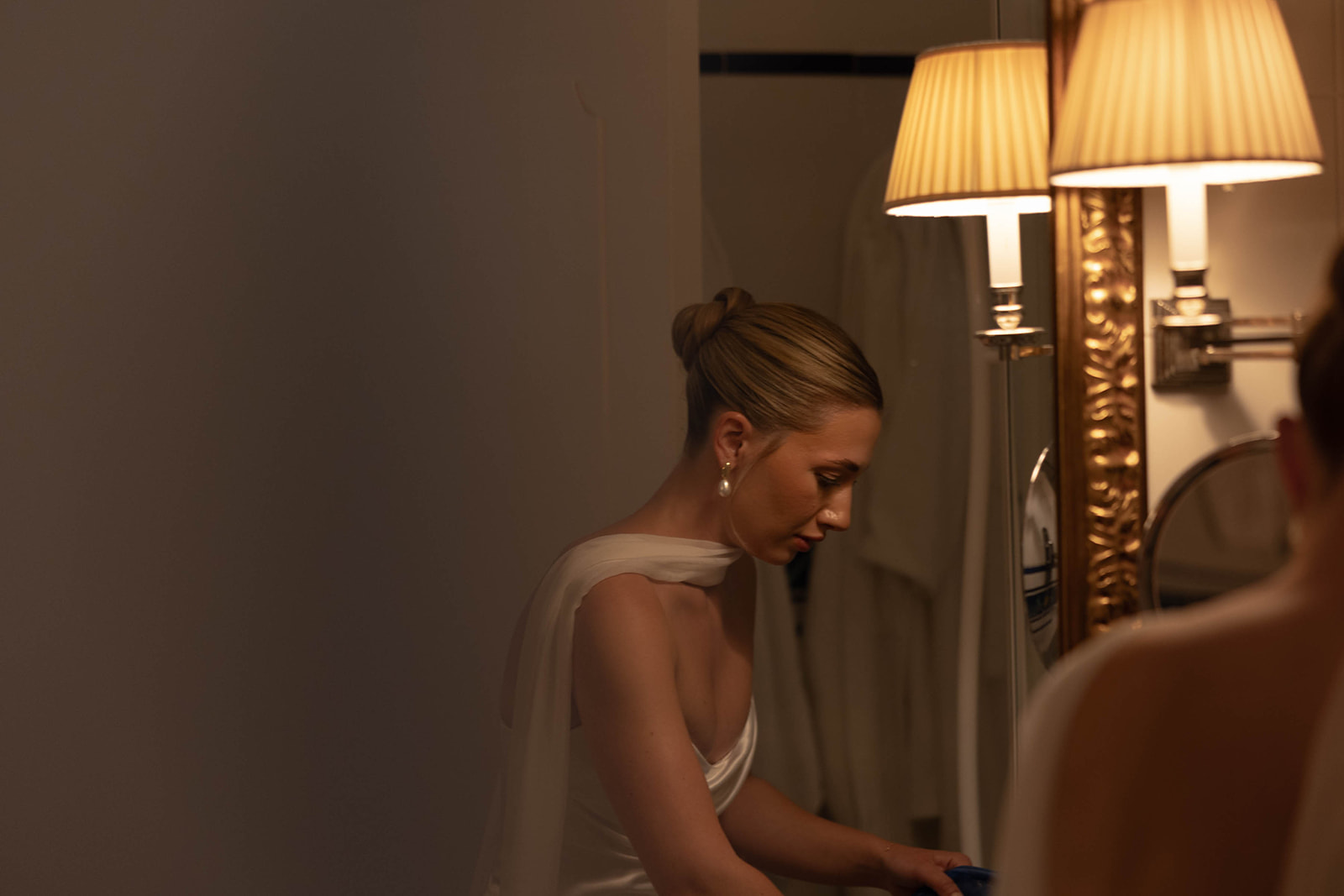
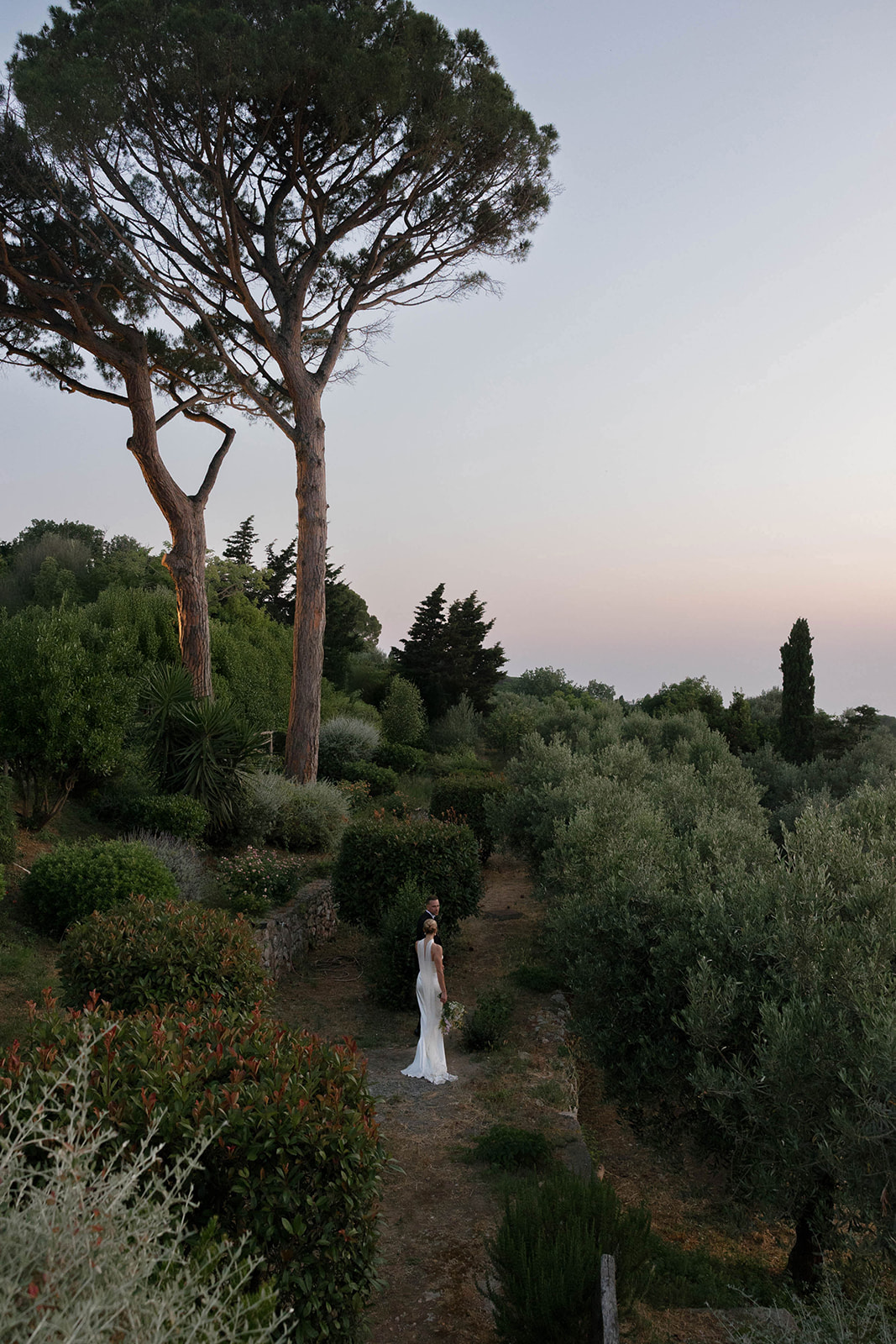
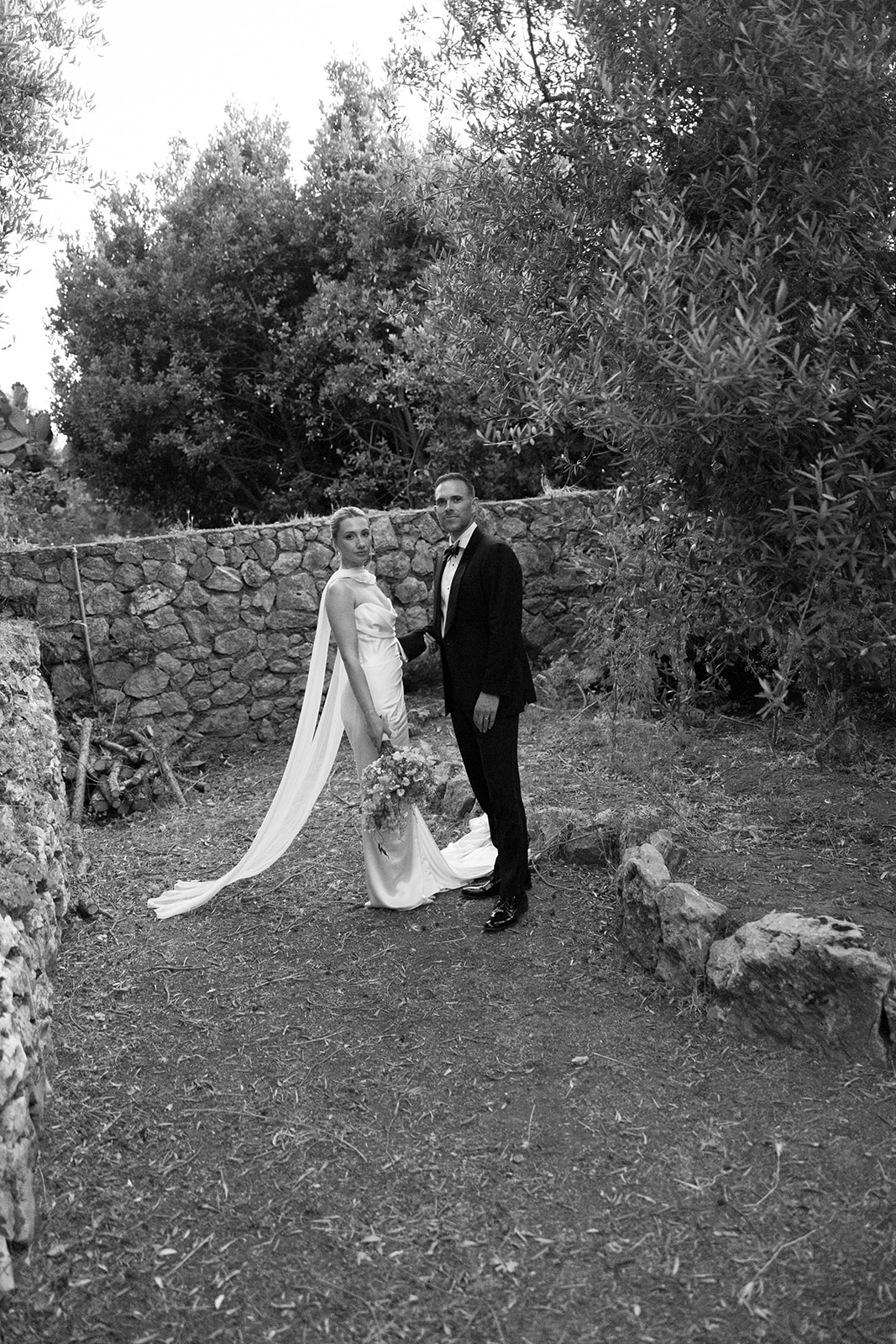
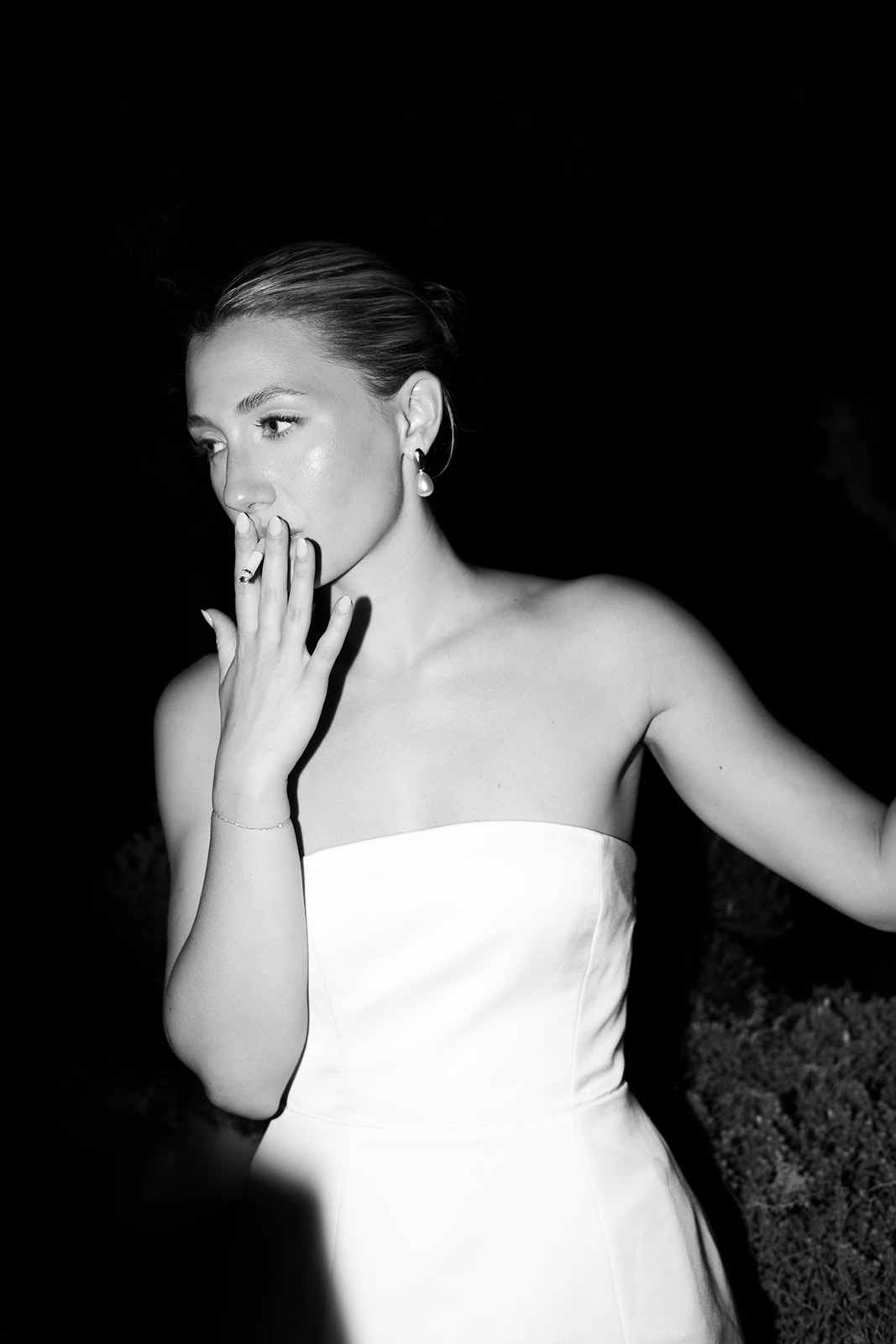
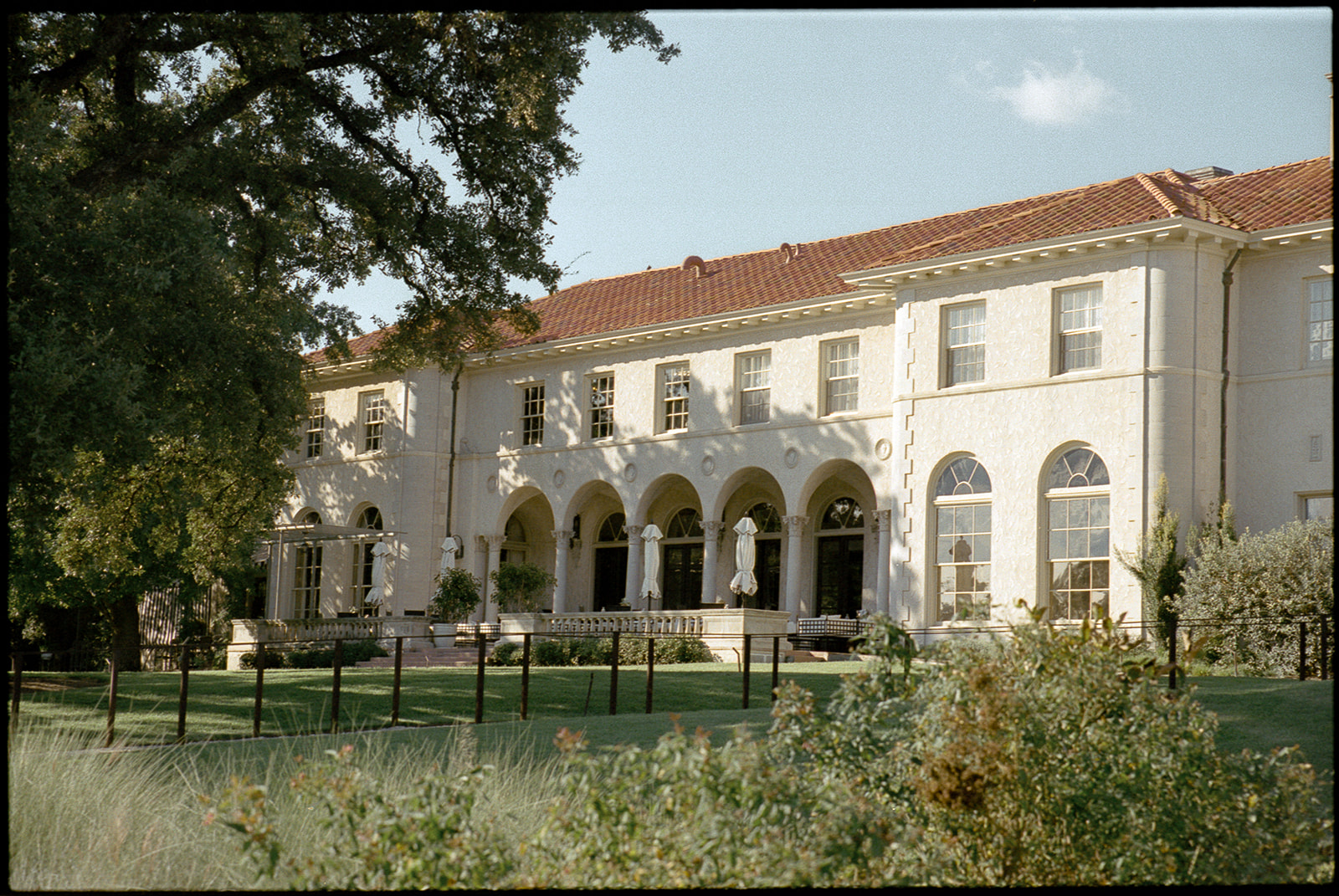
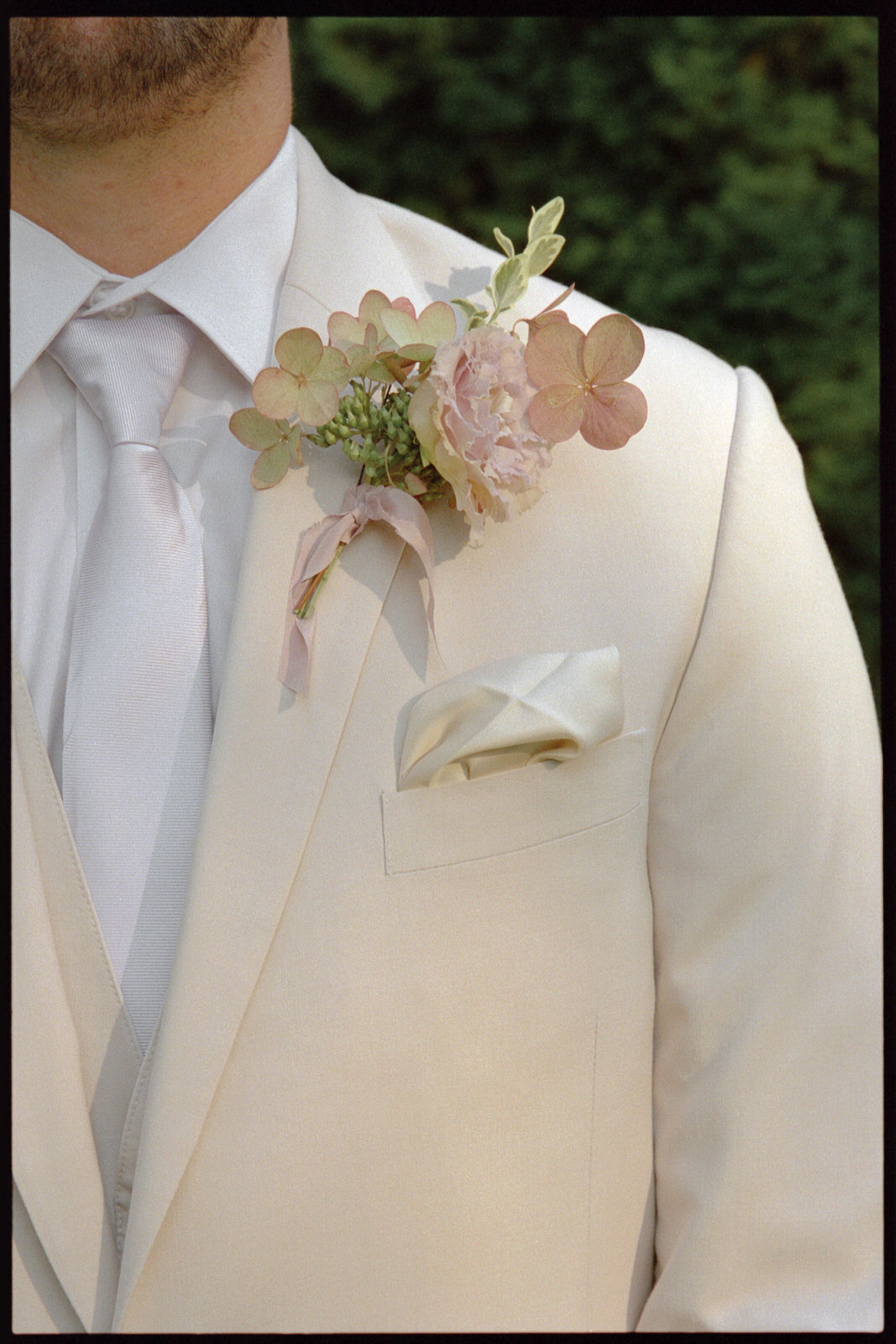
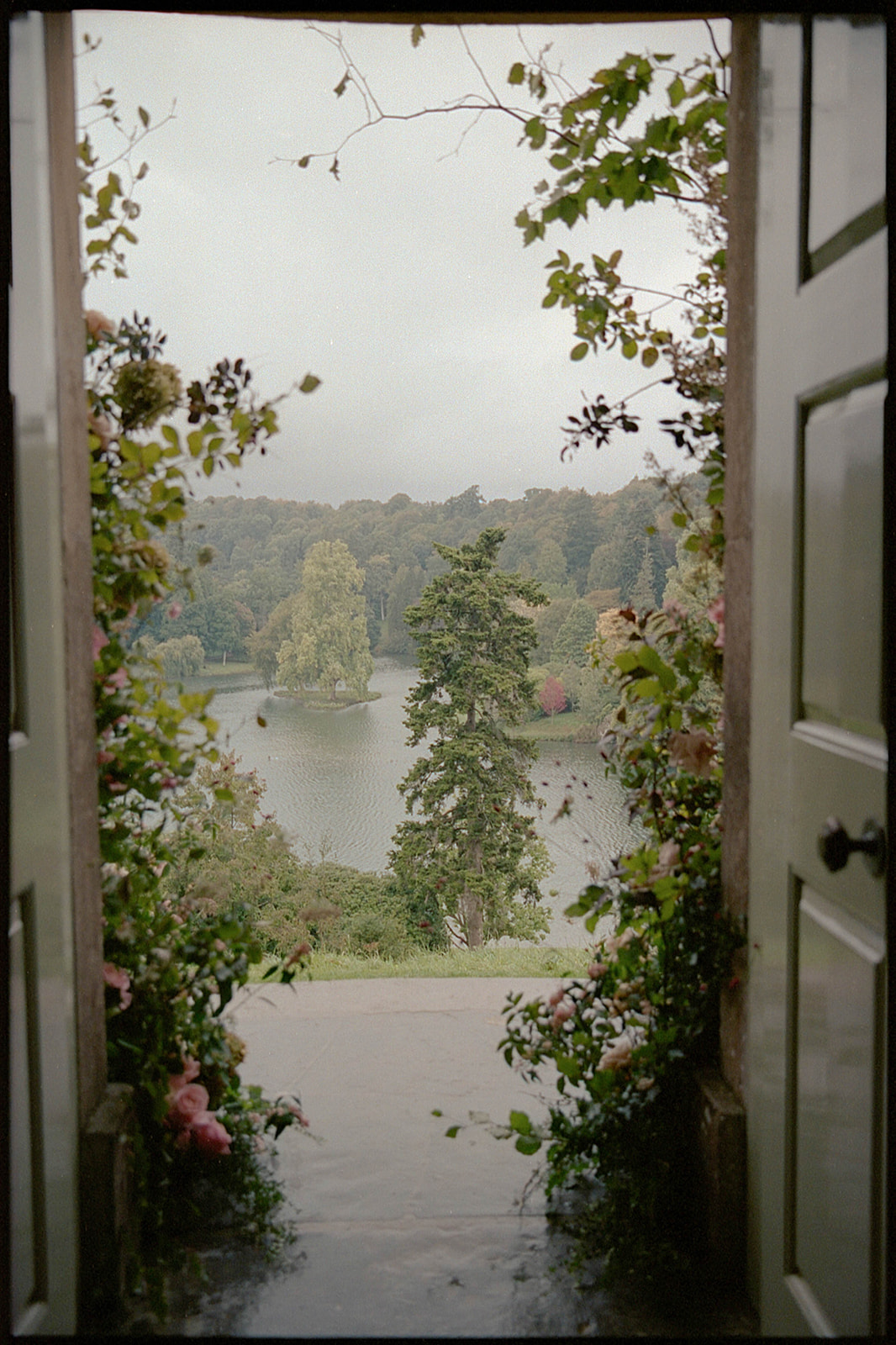
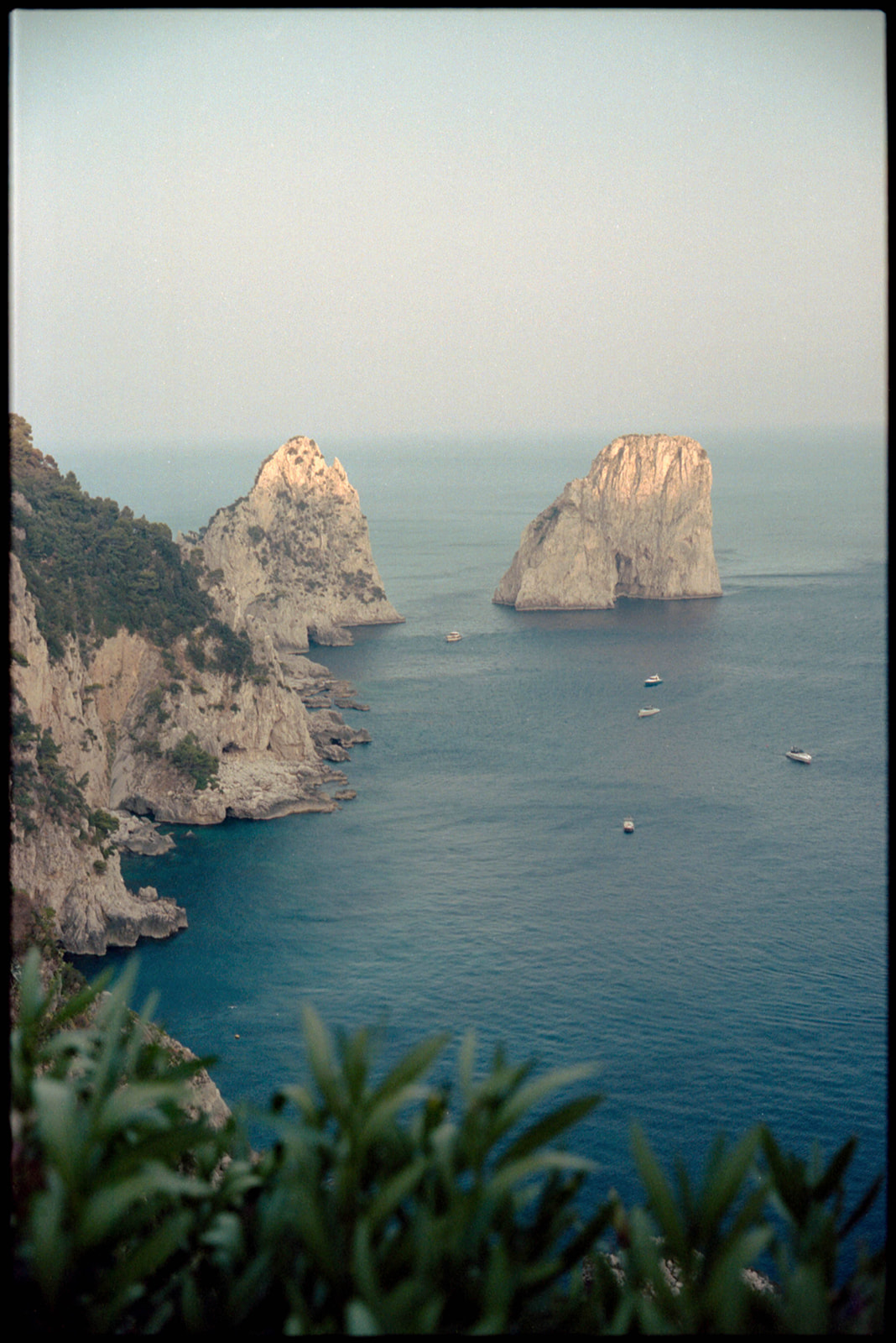
Working seamlessly across digital and analogue film, Valerie brings a rare duality to her craft. Her images feel lived-in and immersive, layered with meaning yet never overworked. There is an honesty to her approach, a sense that she is not simply documenting a wedding, but preserving a feeling. With a background in journalism, fine art and design, and a life shaped between Australia and America, her work carries both narrative depth and aesthetic clarity. She is, in every sense, a wedding vanguard, and someone we are endlessly proud to champion.
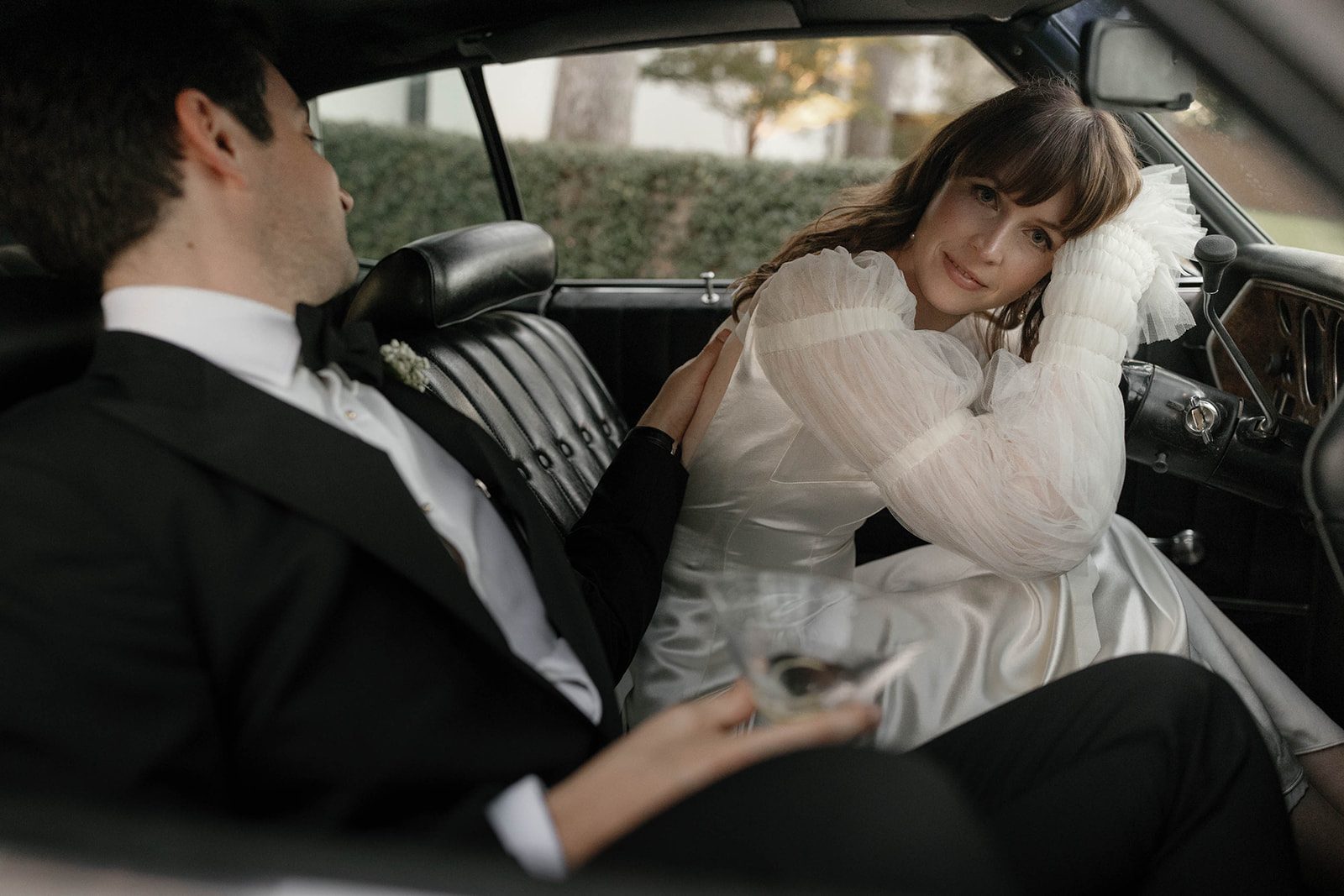
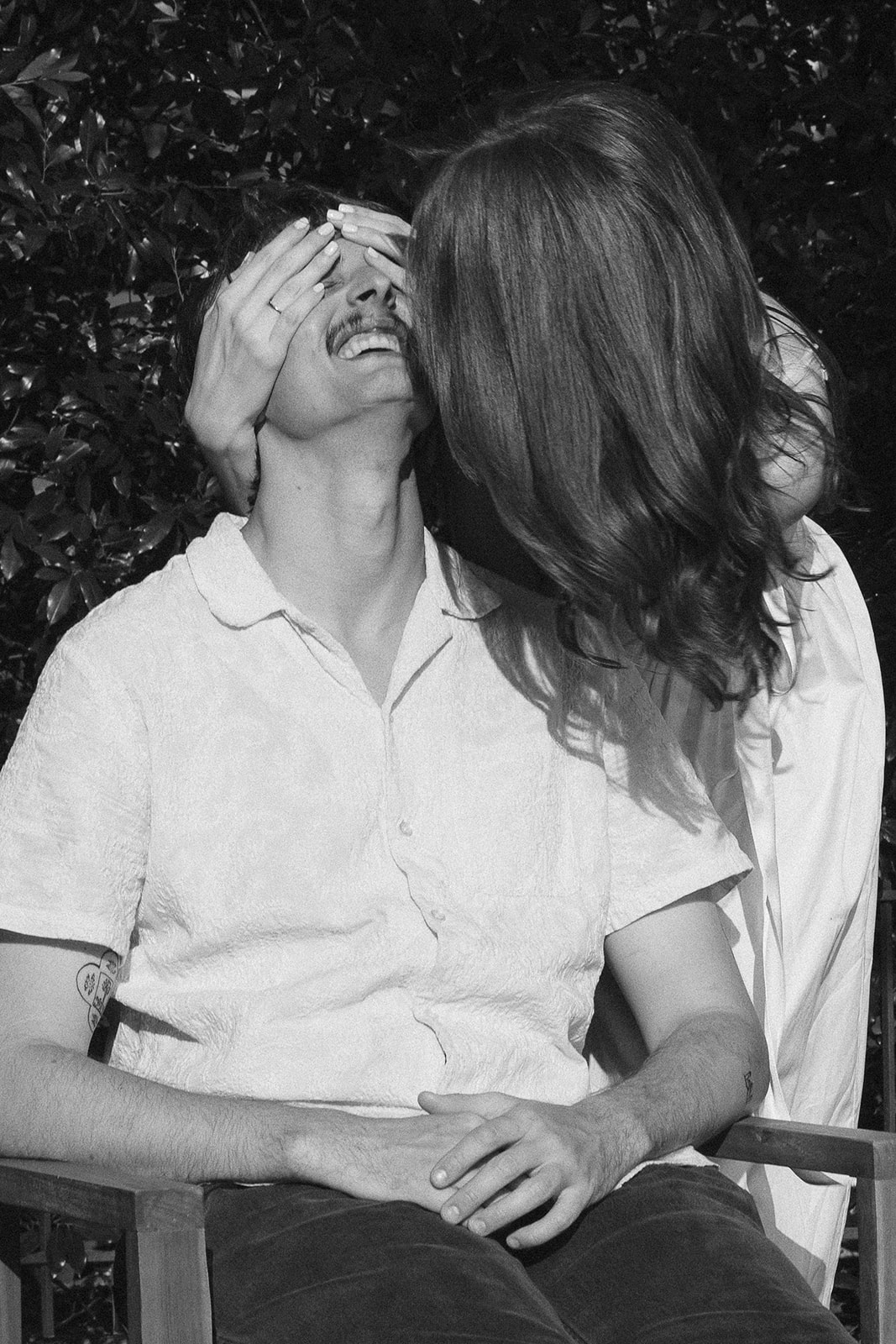
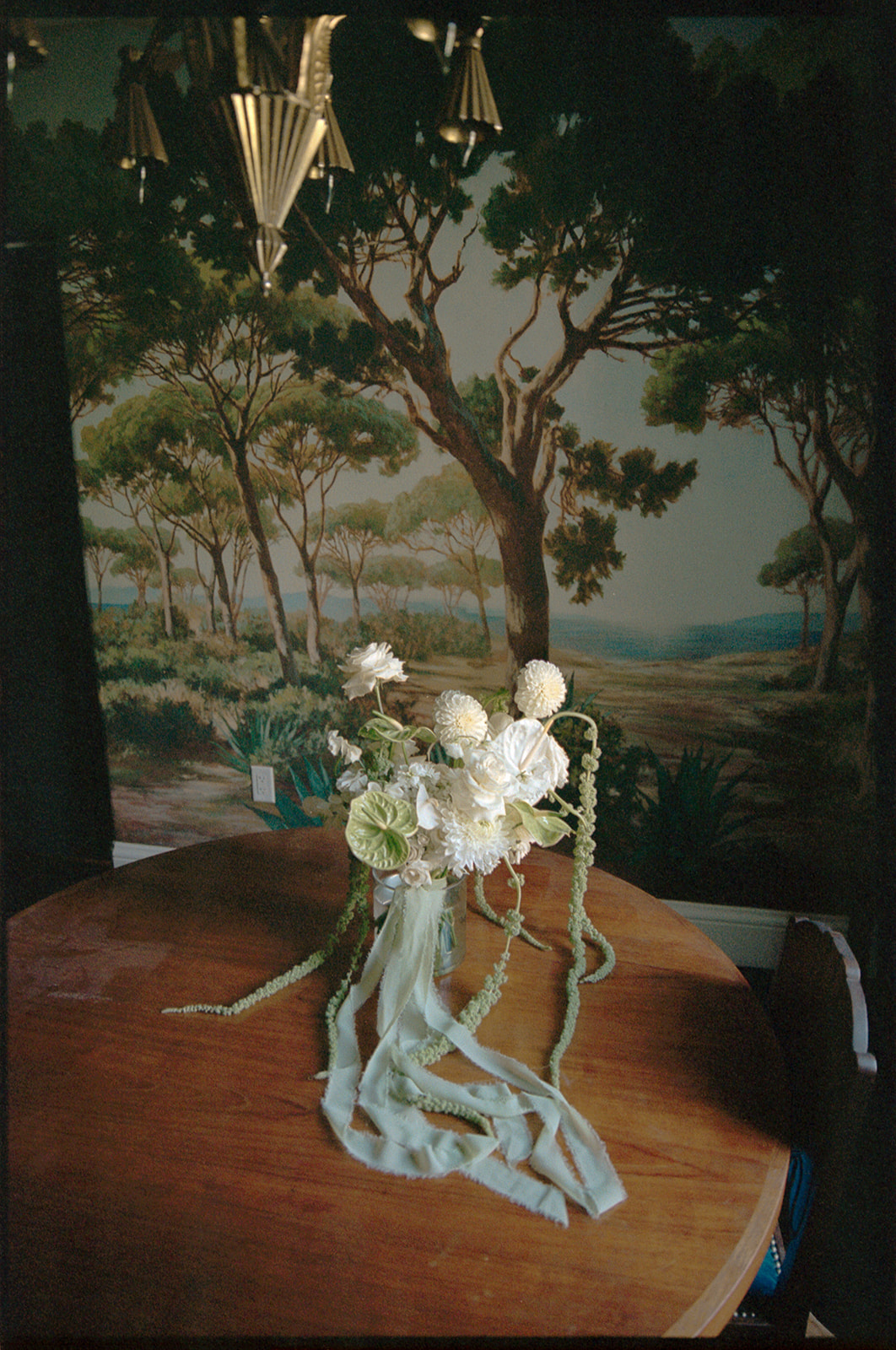
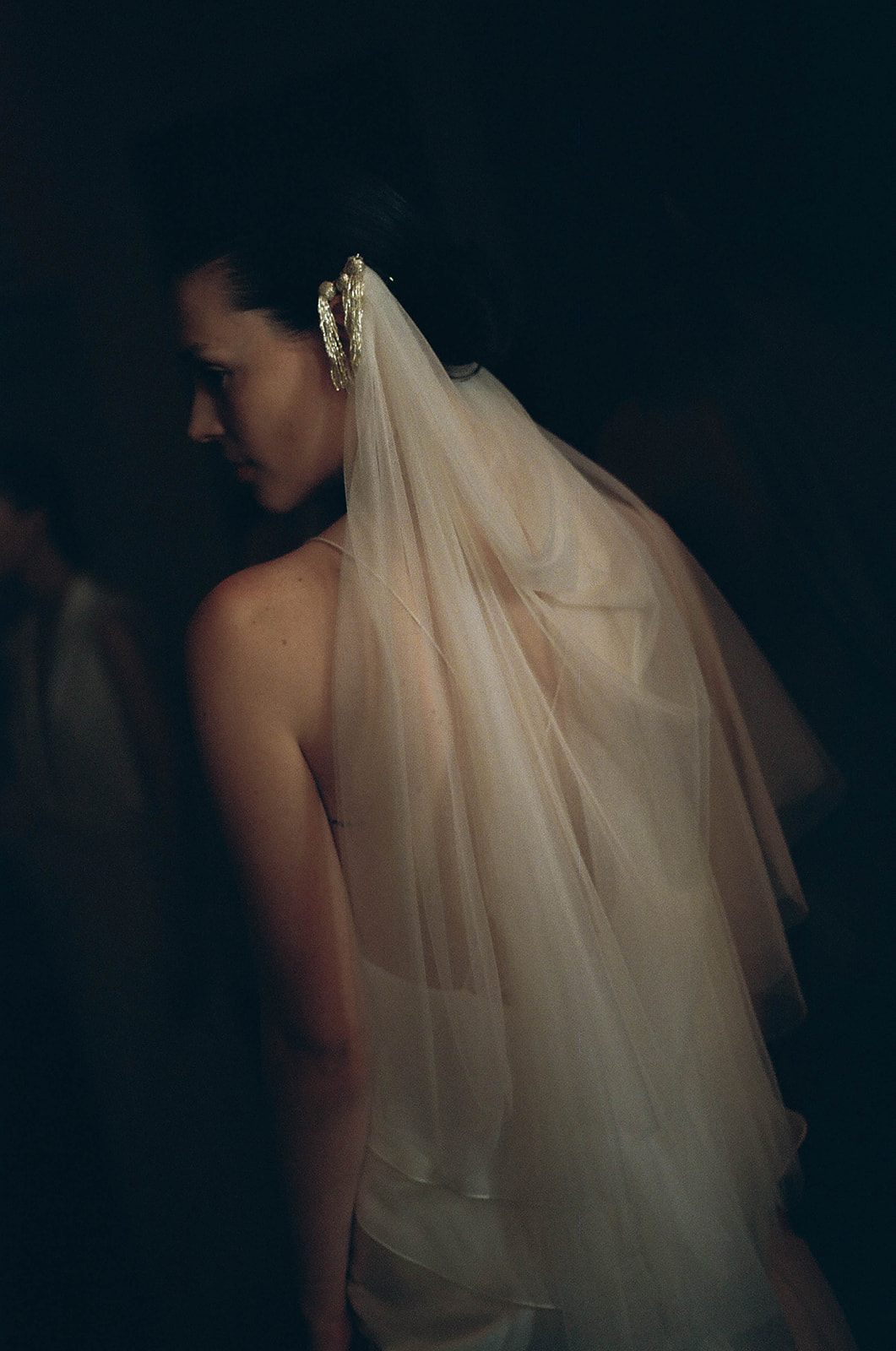
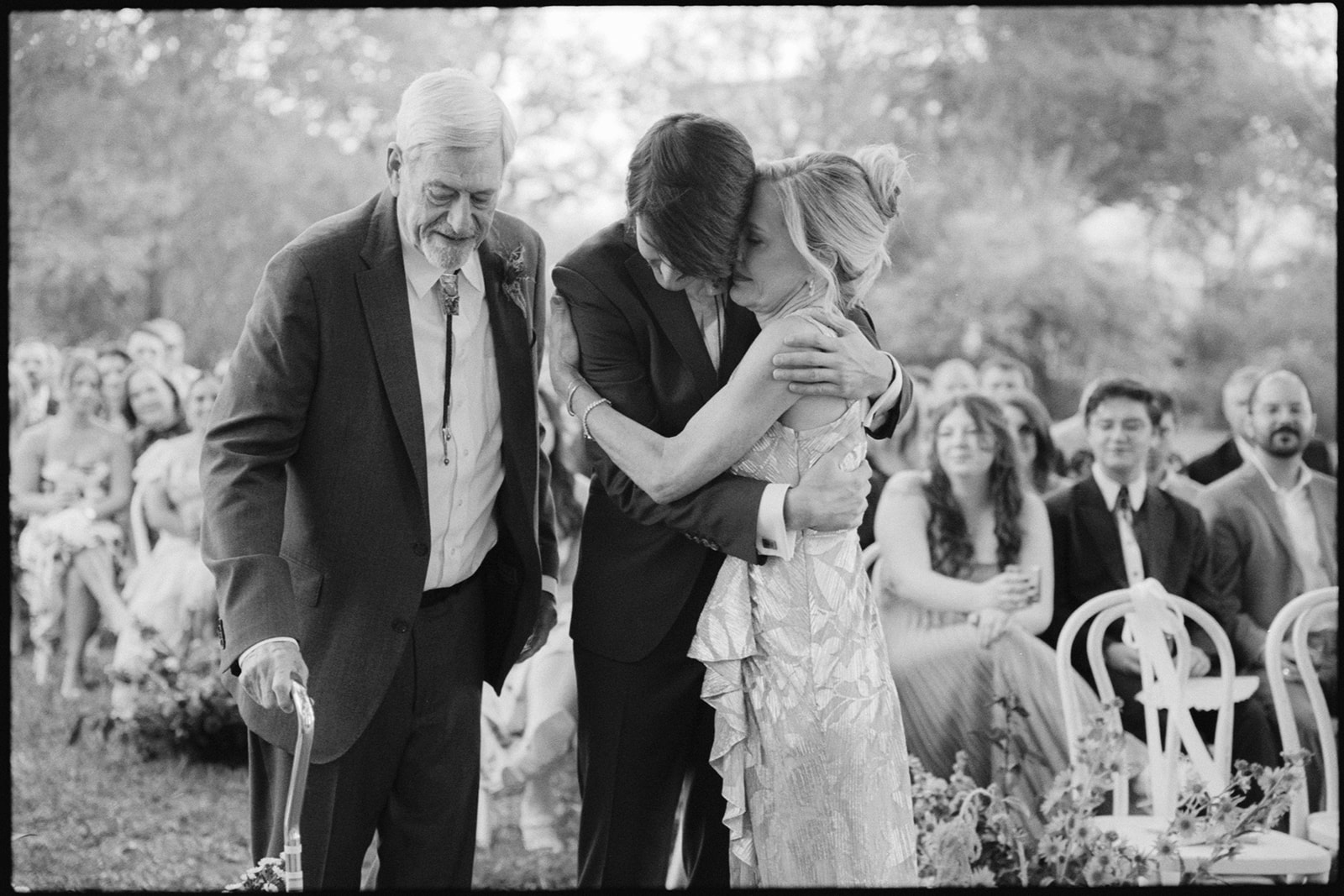
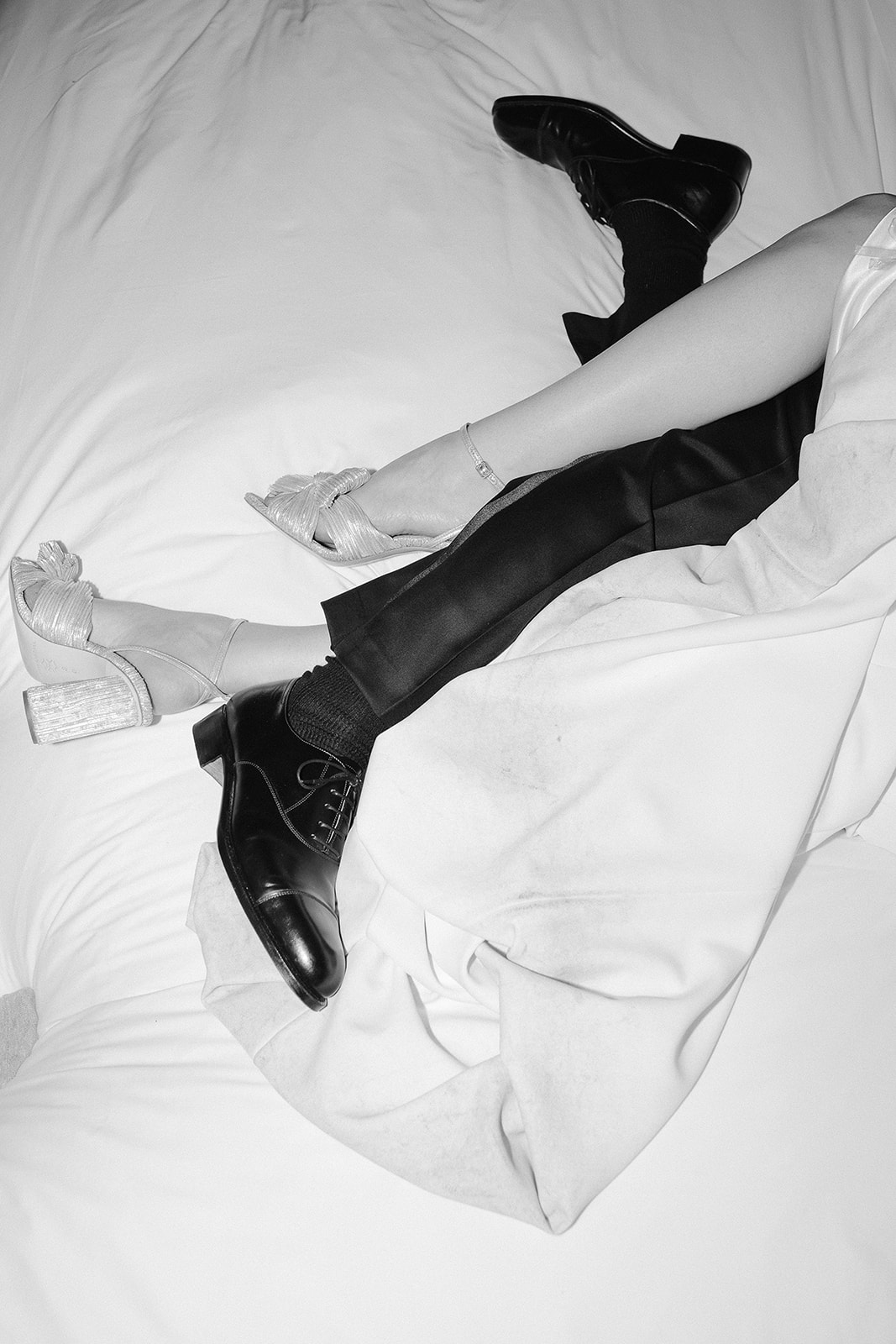
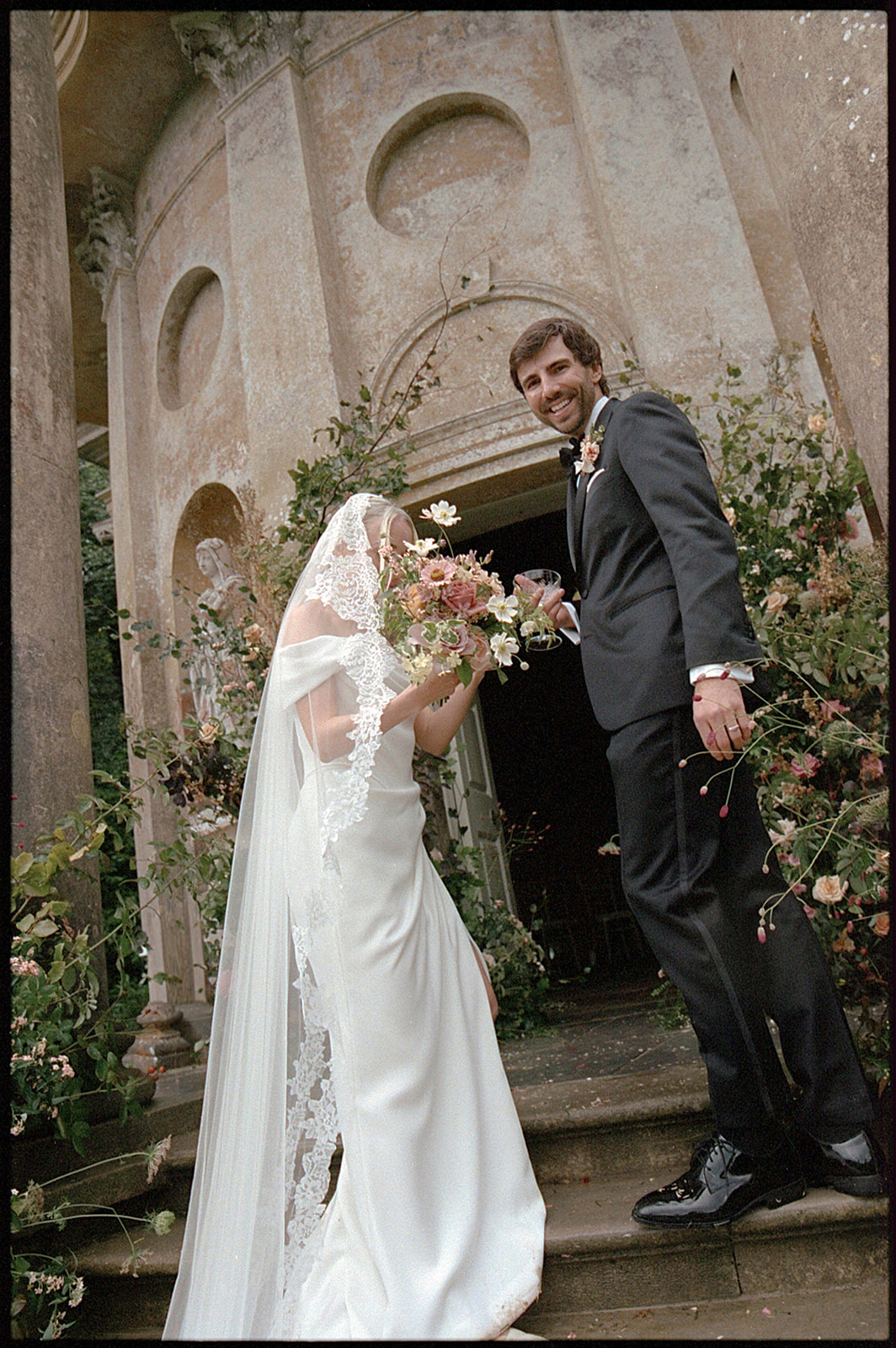
Your work has such a distinct emotional quality. How would you describe your visual language, and what do you feel defines a Valerie Thompson image?
Thank you. I began as a teenage documentarian in mid-2000s Australia, using cheap disposable cameras from the chemist. I was always chasing that feeling of bottling up a moment in a visceral way: living in a moment and then trying to immortalize it immediately after so I could come back to it. Then in college, I became deeply interested in literary and long-form journalism. The use of literary devices to build rich, layered scenes became central to what I now think of as my creative voice.
For me, images are expansive yet succinct, while my writing tends to be more verbose. I’ve never connected as strongly with film as many of my peers, but the images I’m drawn to feel alive, and largely like stills from a moment in motion. They hold not just the captured moment, but also what came just before and what’s about to unfold after the subject leaves the frame.
An image that defines my work is one that feels alive, revealing some sort of quiet shared truth about the human experience. Something subtle enough for people to step into, rather than simply observe.
You move fluidly between digital and analogue film. What does each medium allow you to express, and how do they work together to create the final narrative of a wedding day?
For me, both mediums and in fact each of my cameras has its distinct purpose. Digital lets me move quickly and economically, especially in challenging light. Film, on the other hand, carries a depth and texture all its own. To me, film renders moments more like they’re remembered than seen, closer to a dream or the mind’s eye. That quality invites a deeper emotional connection as the images echo our lived and imagined experiences, and people can step into the frame.
I think of the two as interchangeable rather than separate. I want my digital work to hold its own alongside film, and vice versa. Together, they create a narrative that shifts between clarity and feeling.
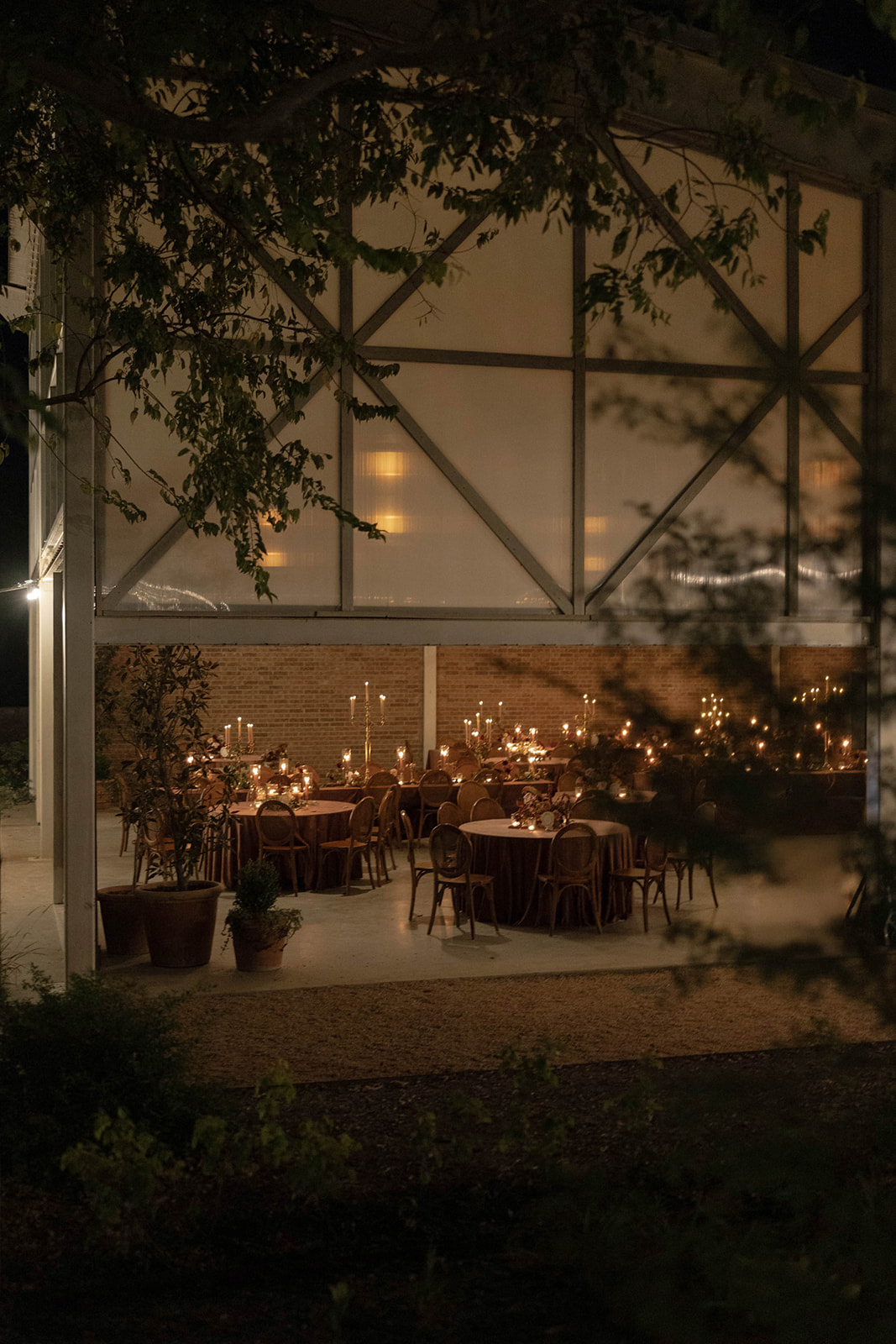
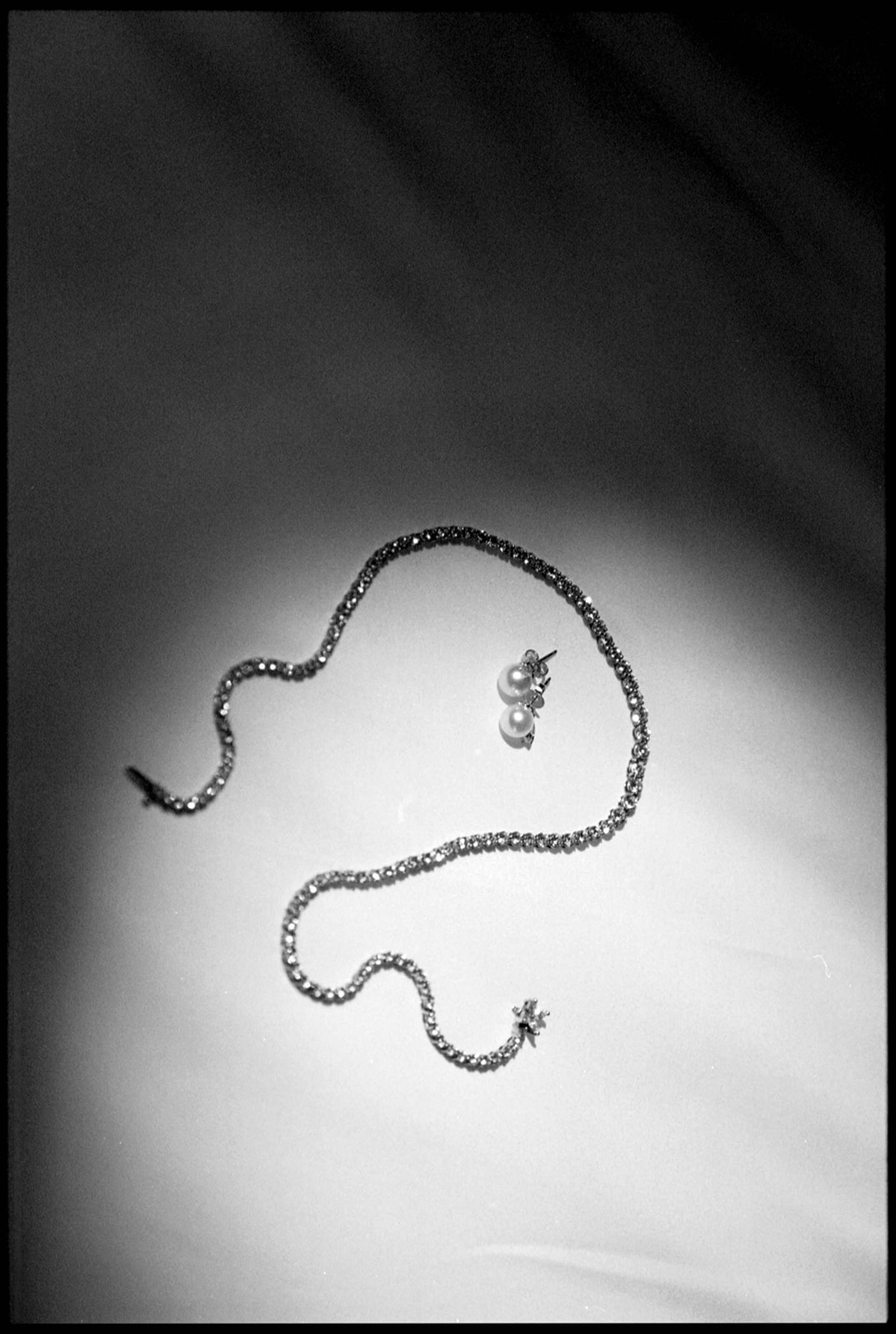
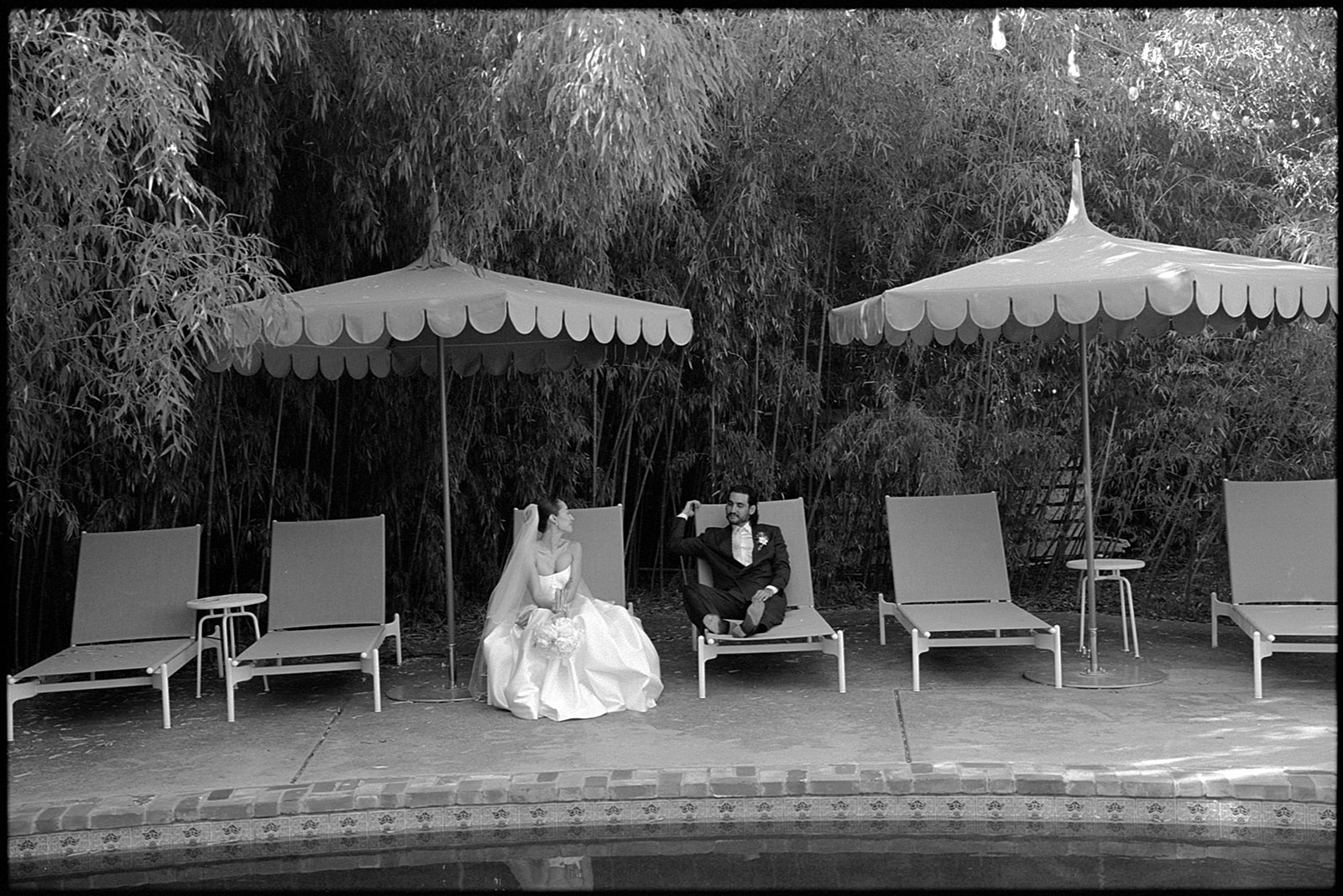
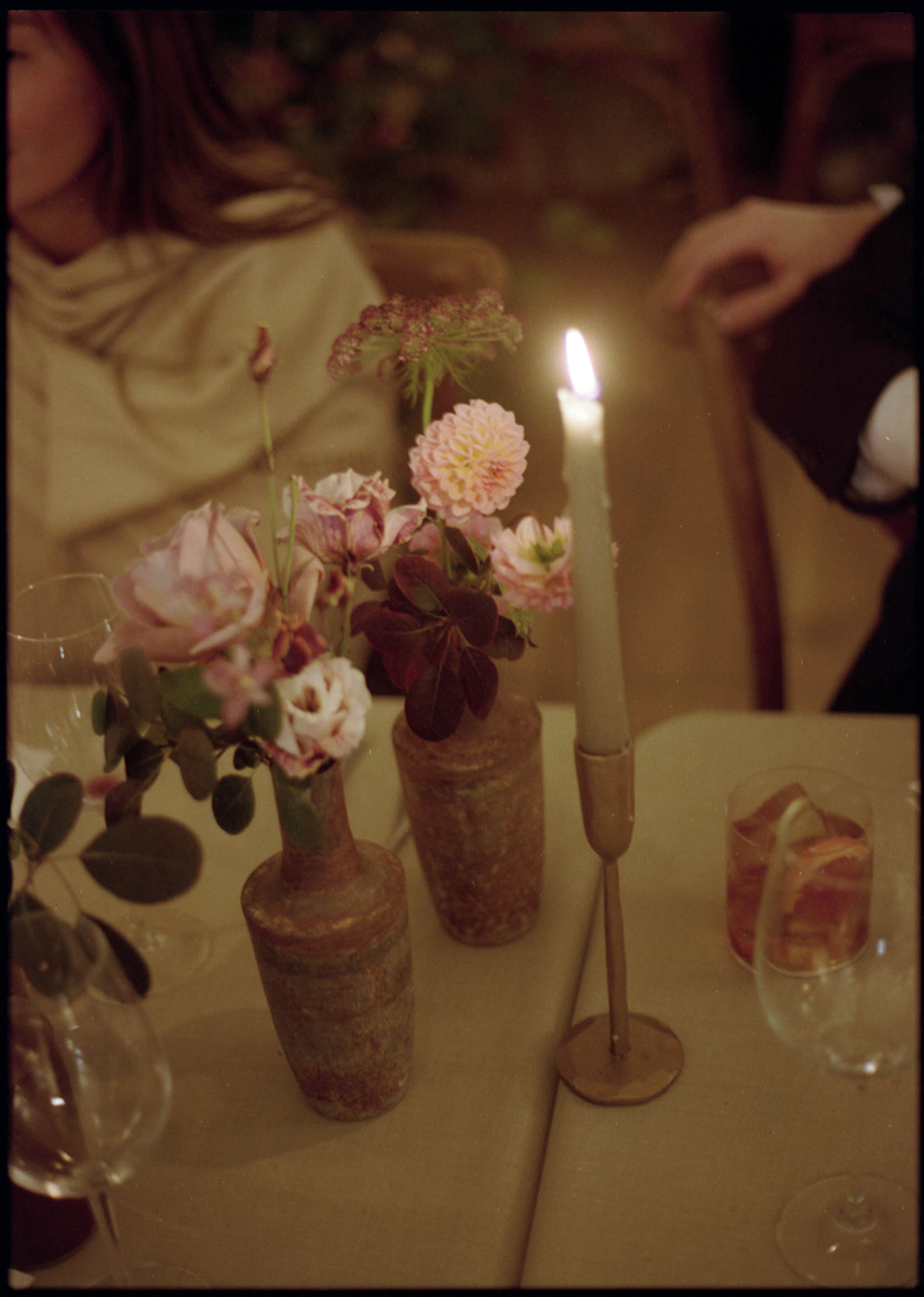
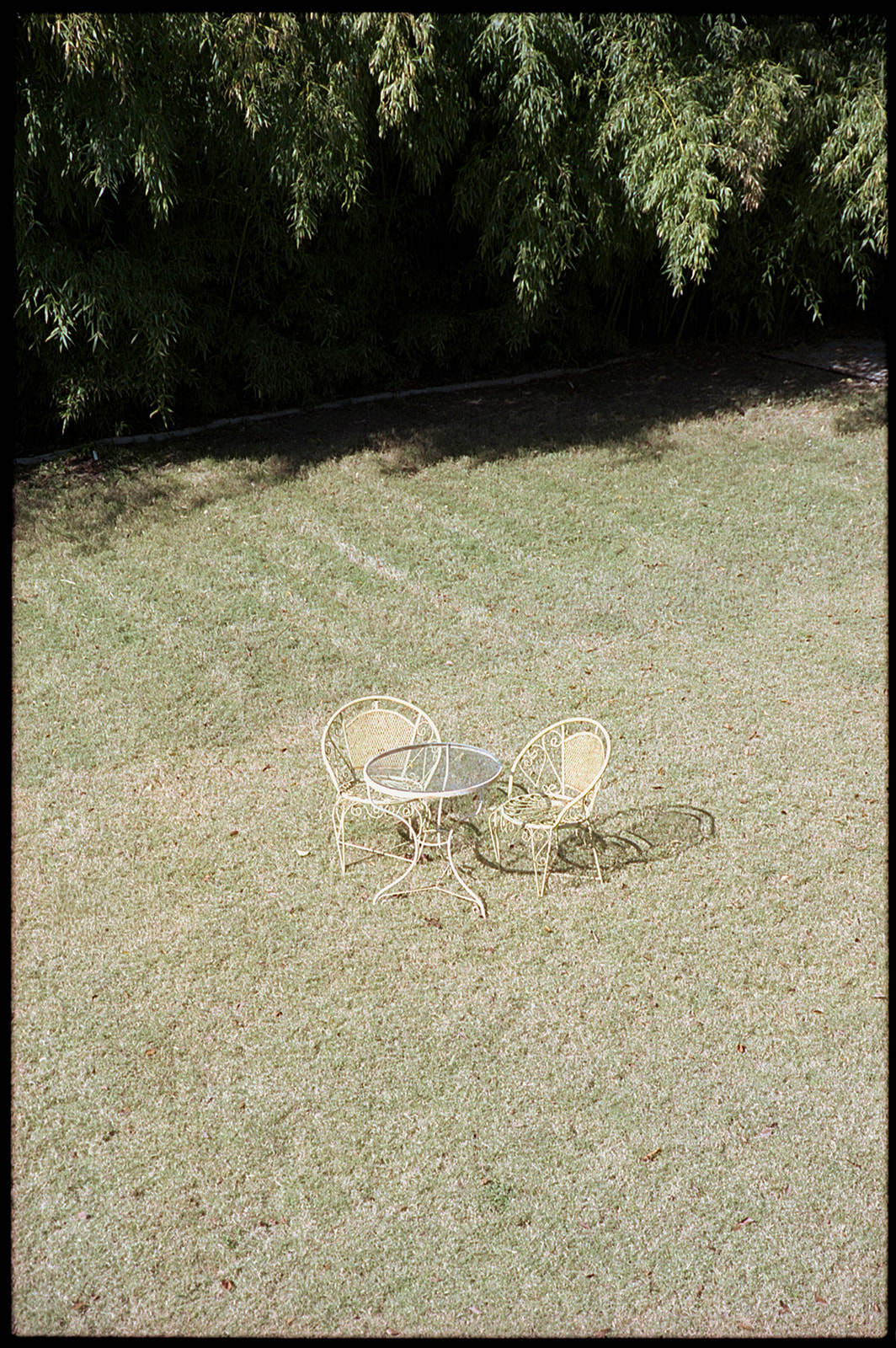
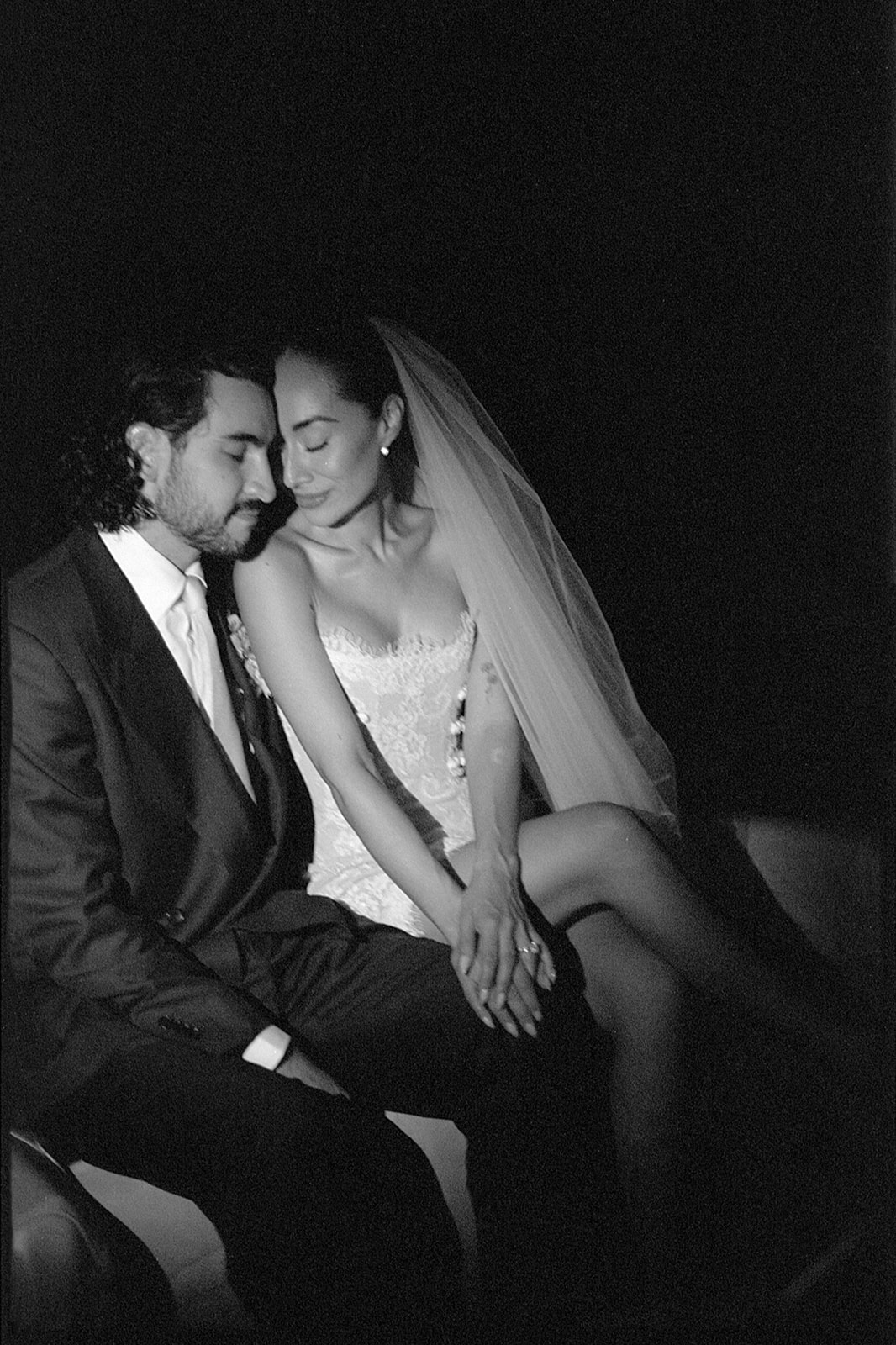
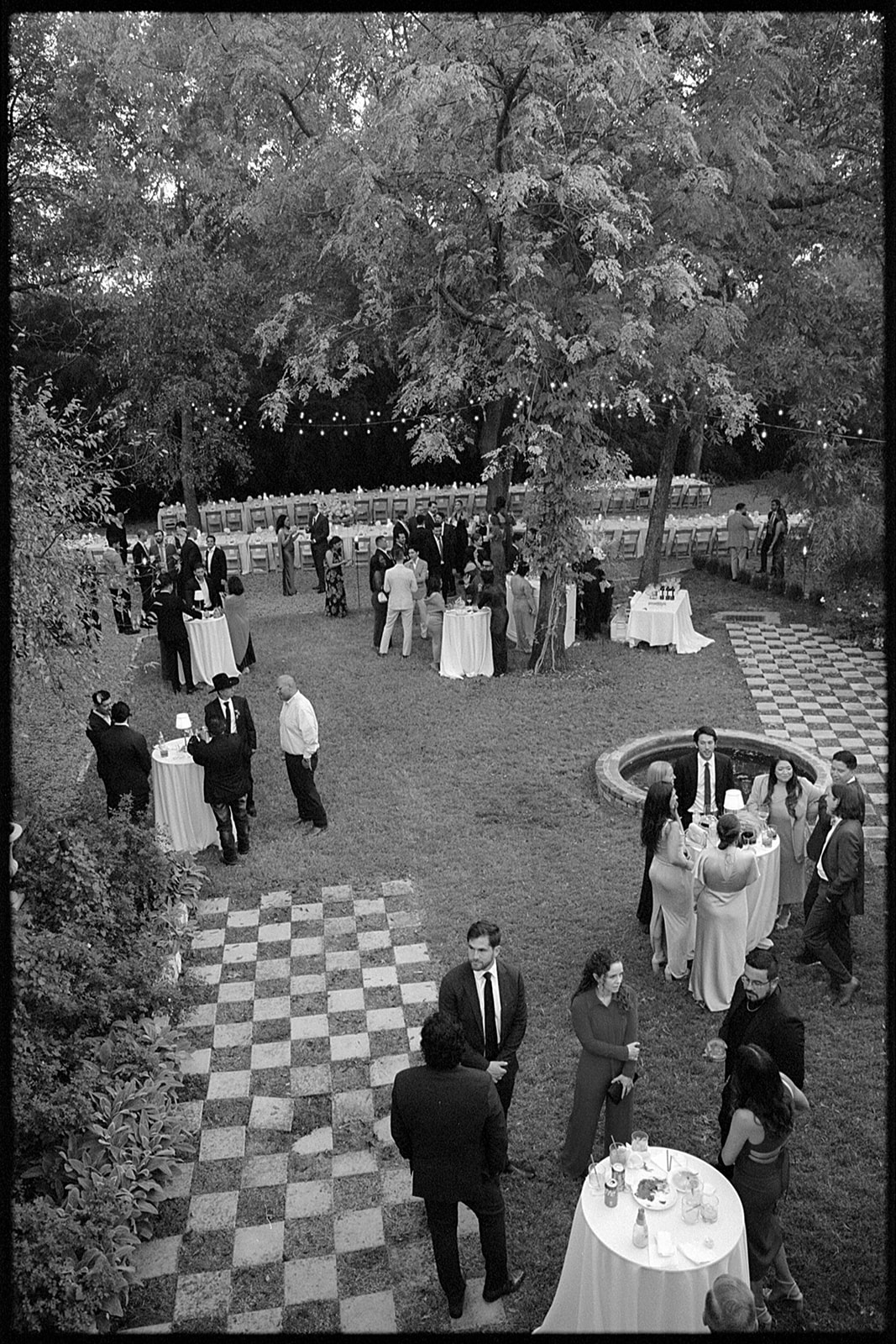
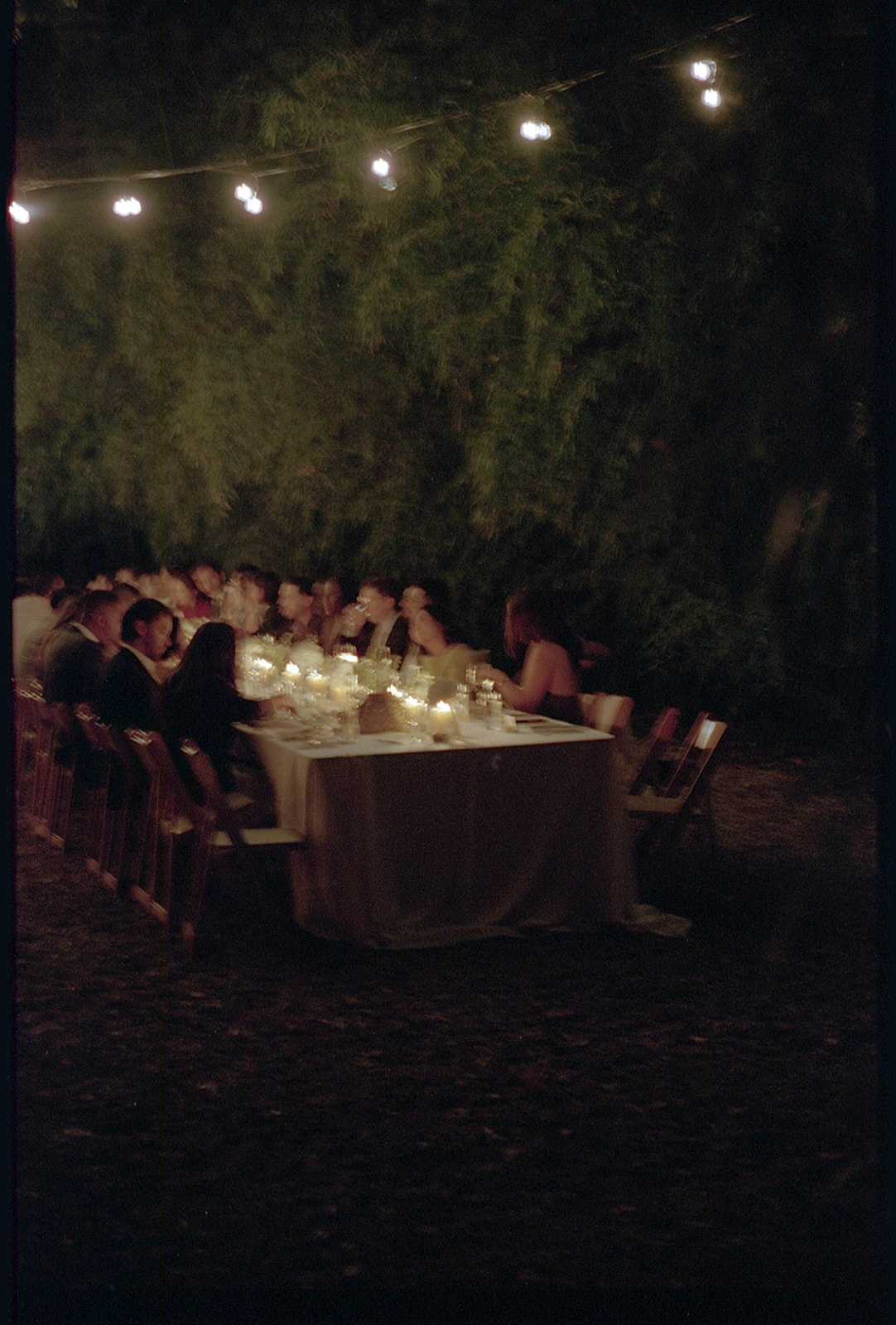
There is a beautiful sense of restraint in your work, where nothing feels over-directed. Can you talk us through your approach to presence versus direction on a wedding day?
Authenticity is always front of mind for me, and the ability to read a room is invaluable. I think you can tell when an image lacks soul. I’ve taken plenty of those images, so I know when I’m looking at it. Presence starts with a commitment to not letting a prescriptive narrative superimpose itself on top of the lived truth of a moment, and letting people be themselves always. And sometimes you just get lucky. I tell my couples I’ll never leave them hanging, but I also won’t ask them to perform what’s expected.
Your background in journalism, fine art and design is evident in the way you tell stories. How have these disciplines shaped your artistic process and the way you see moments unfold?
In different ways, all three practices have taught me that what you leave out is often as important as what you include. Create exhaustively and edit judiciously. Sometimes, also, you have to kill your darlings.
I am also constantly framing up vignettes as I move through my daily life, and “noticing” as a practice extends long past my work hours. More than anything, my background has trained me to look for what makes human nature beautiful, complex, irreverent and to recognize those qualities in a moment to be captured.
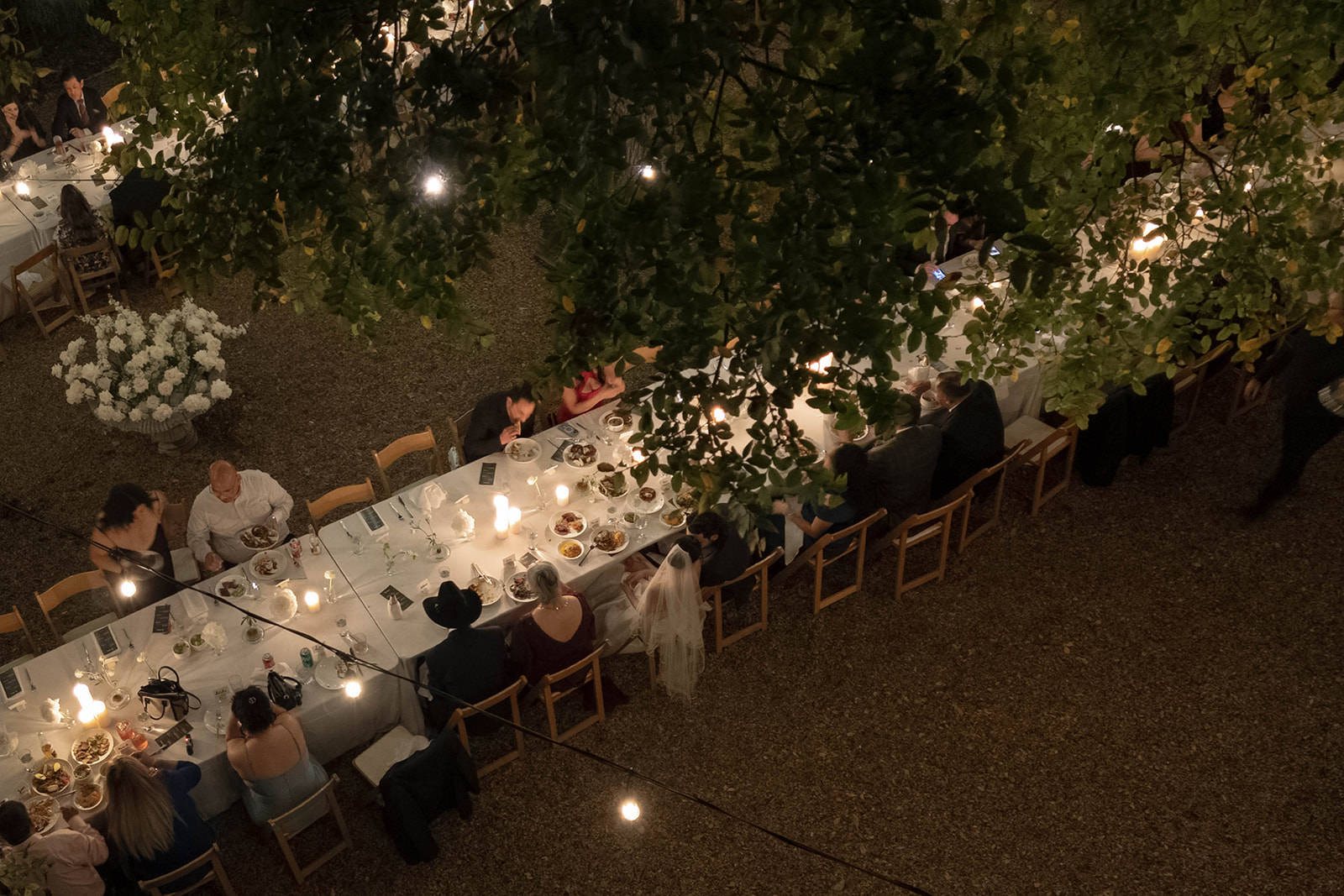
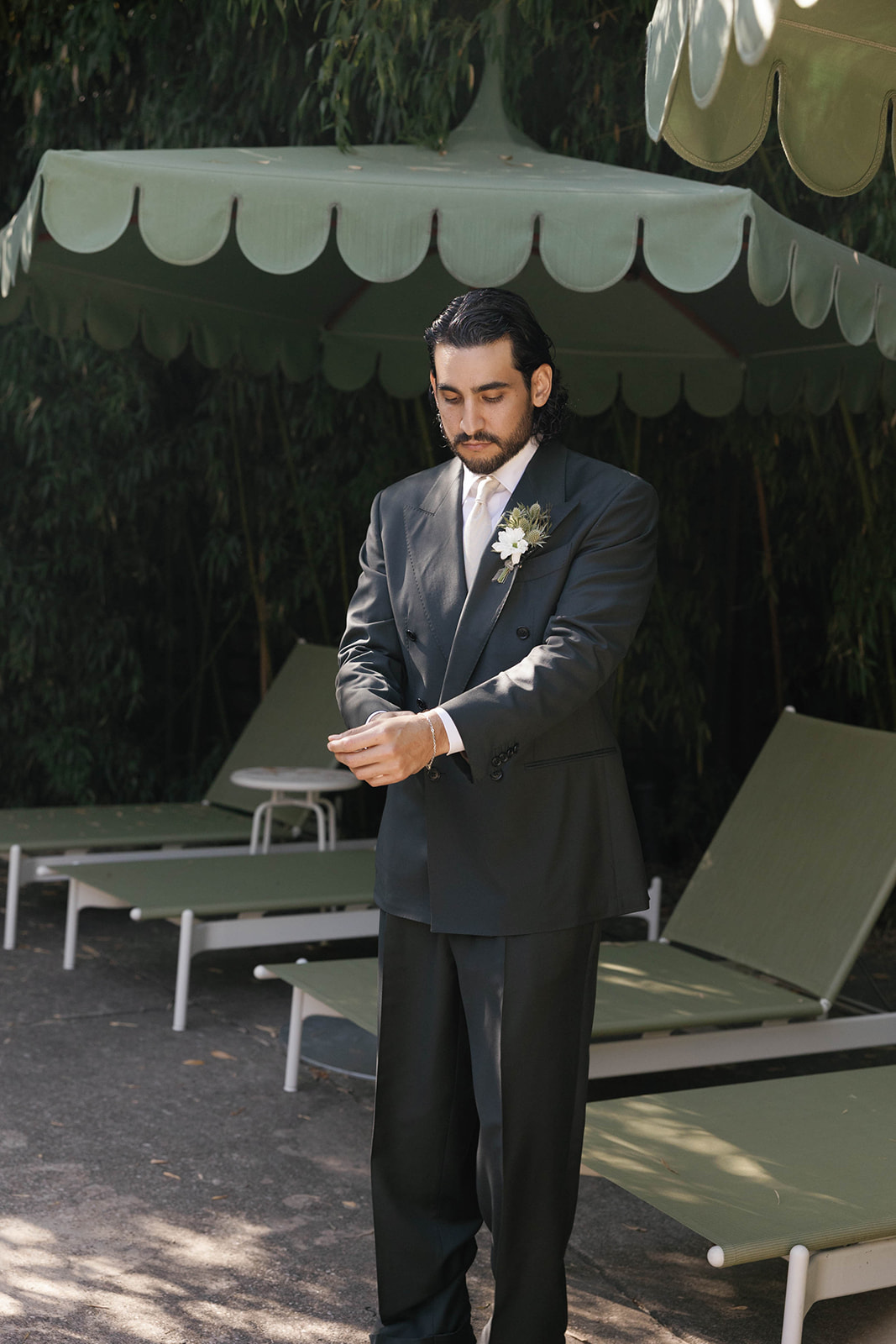
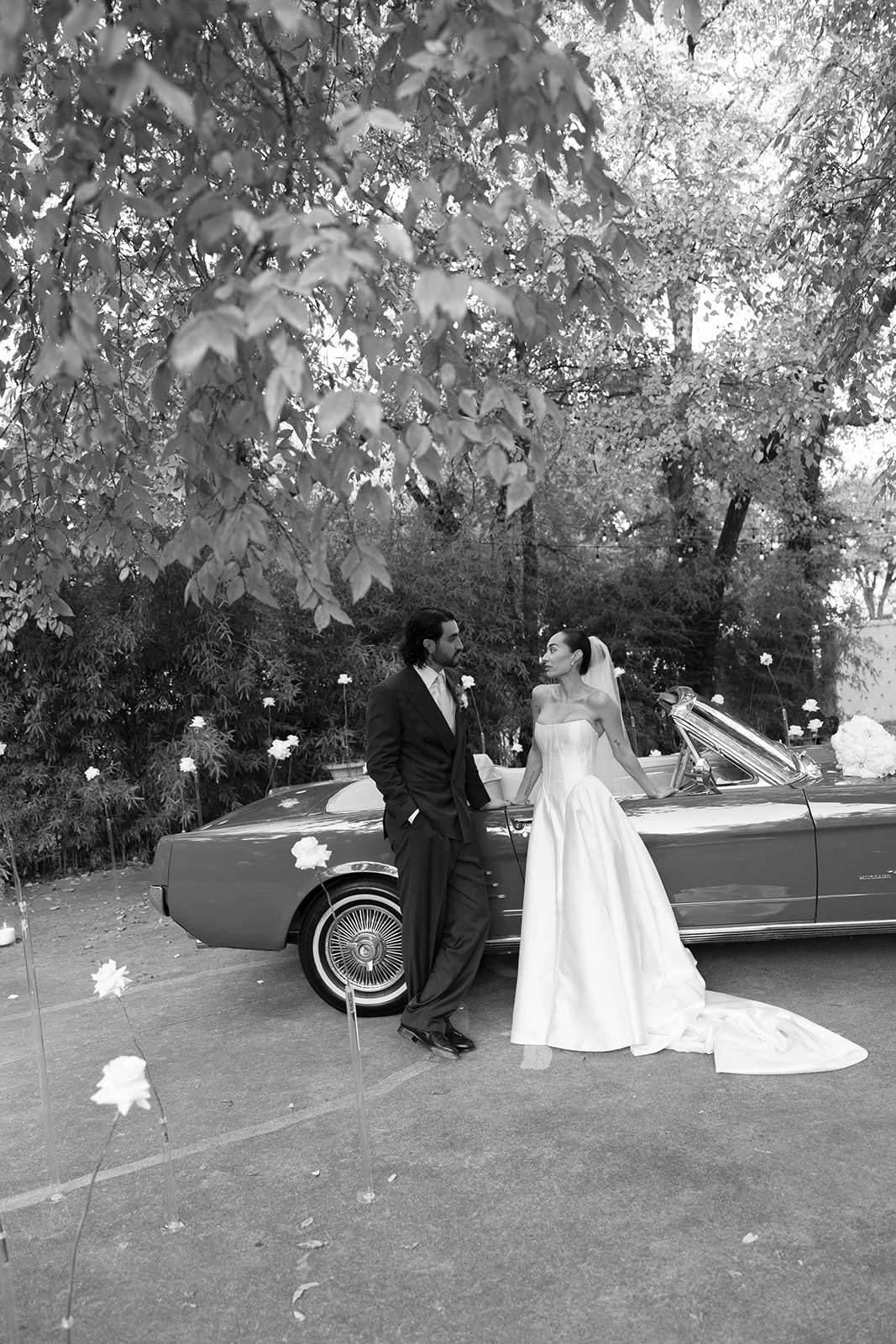
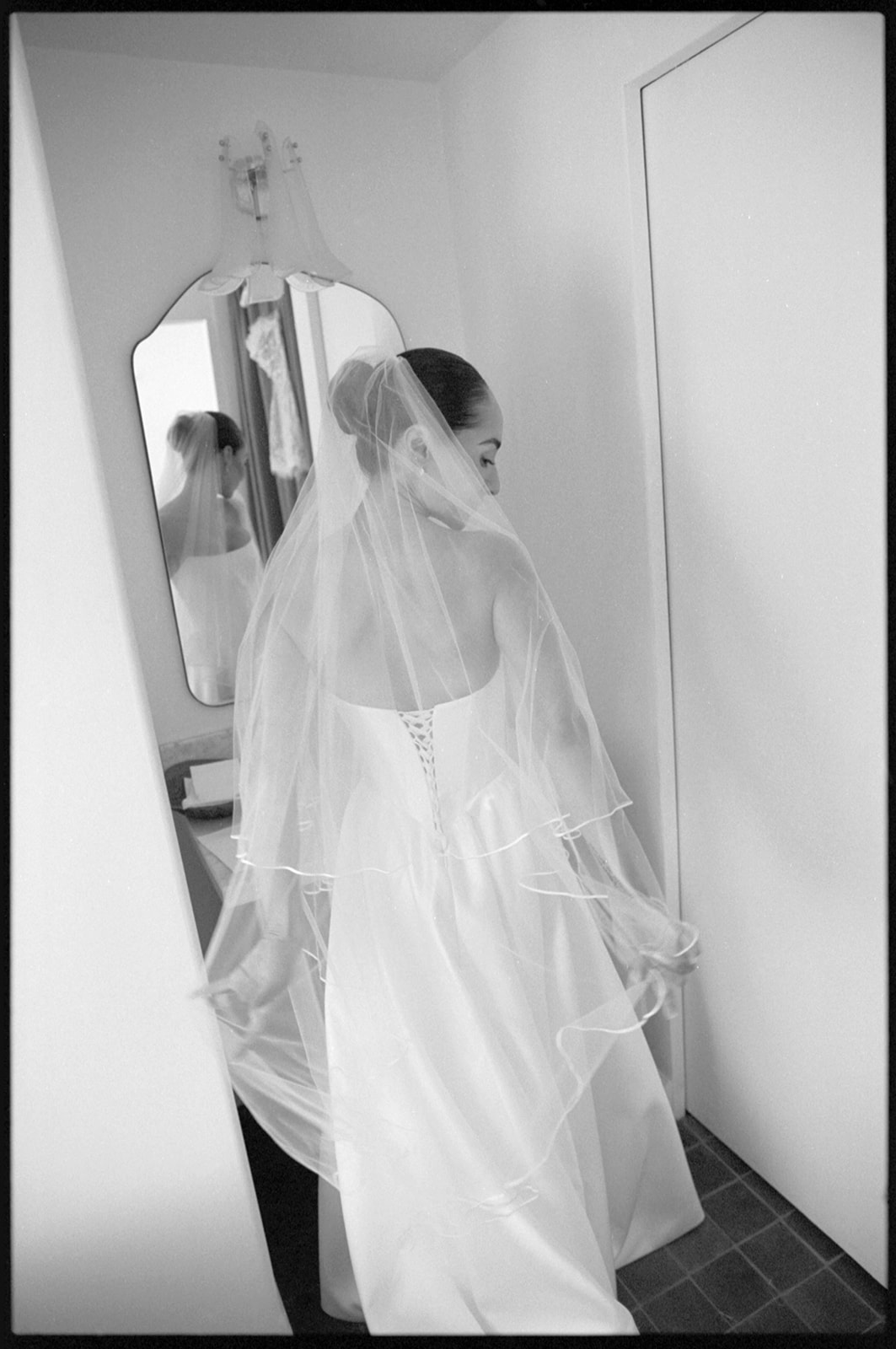
You often speak about capturing a wedding as it felt, rather than how it looked. How do you build trust with your couples to achieve that level of authenticity?
I think right from the start I try to make it clear to my couples that there’s no pretense or ego on my end, and I’m not mining their wedding for content. Our conversations focus on what they’re excited for, how they want to feel, and how they want to experience the day, rather than what the design plans are. While I care deeply about aesthetics, I want it to be understood that those details are the cherry on top, not the reason I’m there or what holds my attention.
Trust is built in how I show up:
Arrive early, stay late.
Shoot both selfishly and unselfishly.
Listen to stories, embed yourself among the couple’s friends and family.
Your images often hold subtle visual metaphors and layered meaning. What draws you to these quieter, more nuanced moments, and how do you train your eye to notice them?
Be where the obvious action isn’t, it’s the classic hiding in plain sight thing. I think so often we’re so locked in on the anticipated moment that we miss the unexpected. Of course, there are key moments that can’t be missed, but working in tandem with another photographer on my team often allows for this kind of flexibility of coverage.
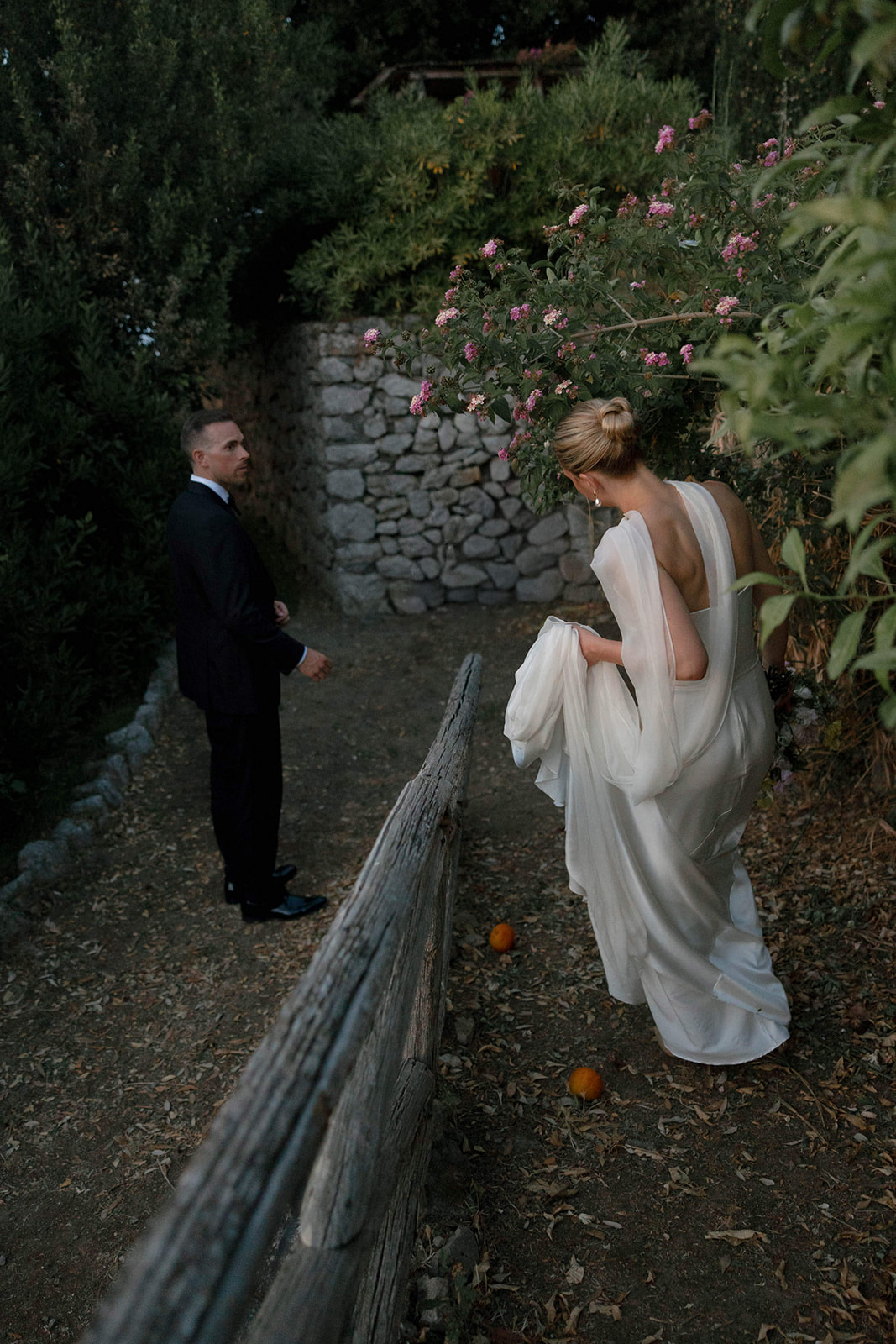
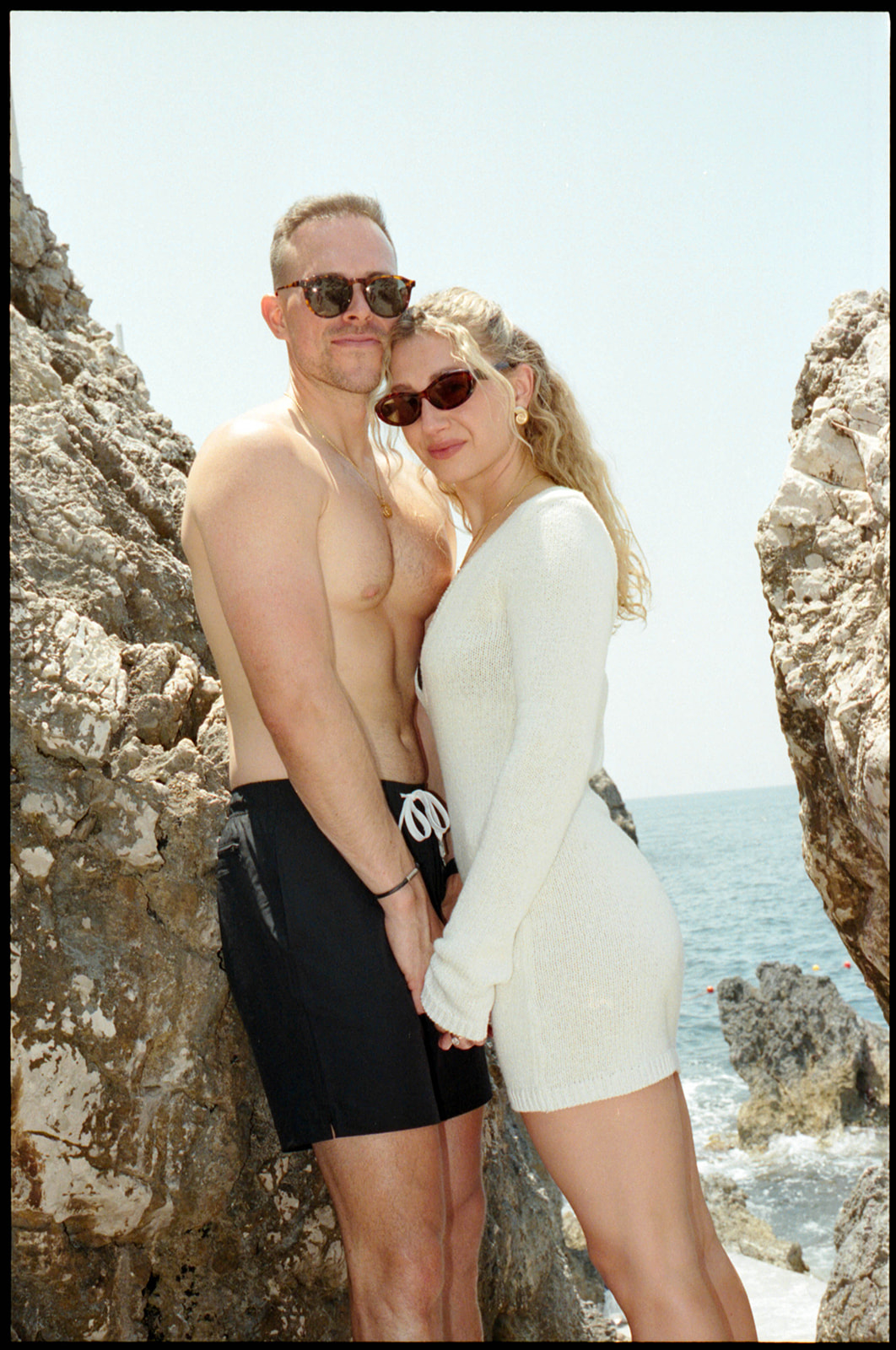
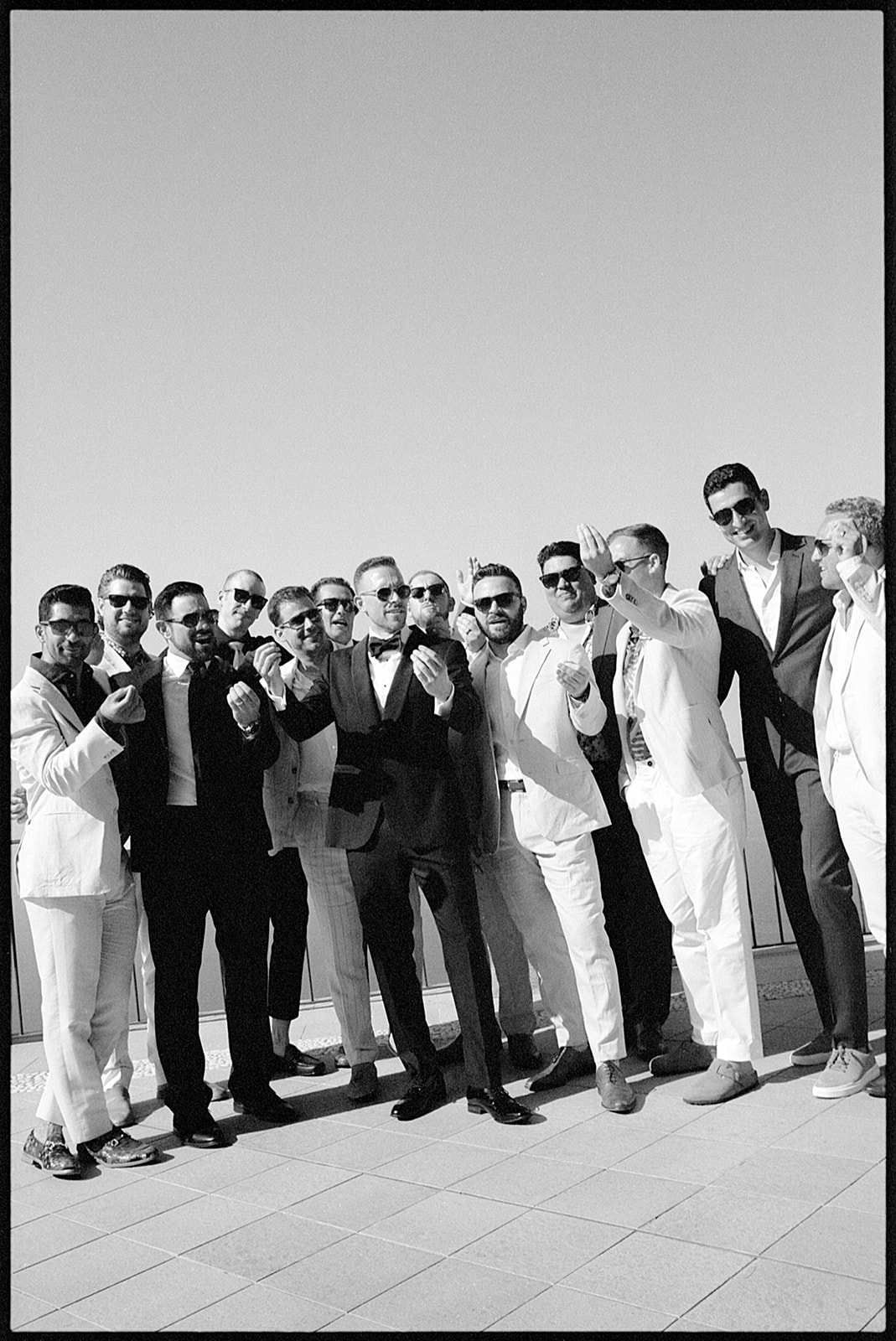
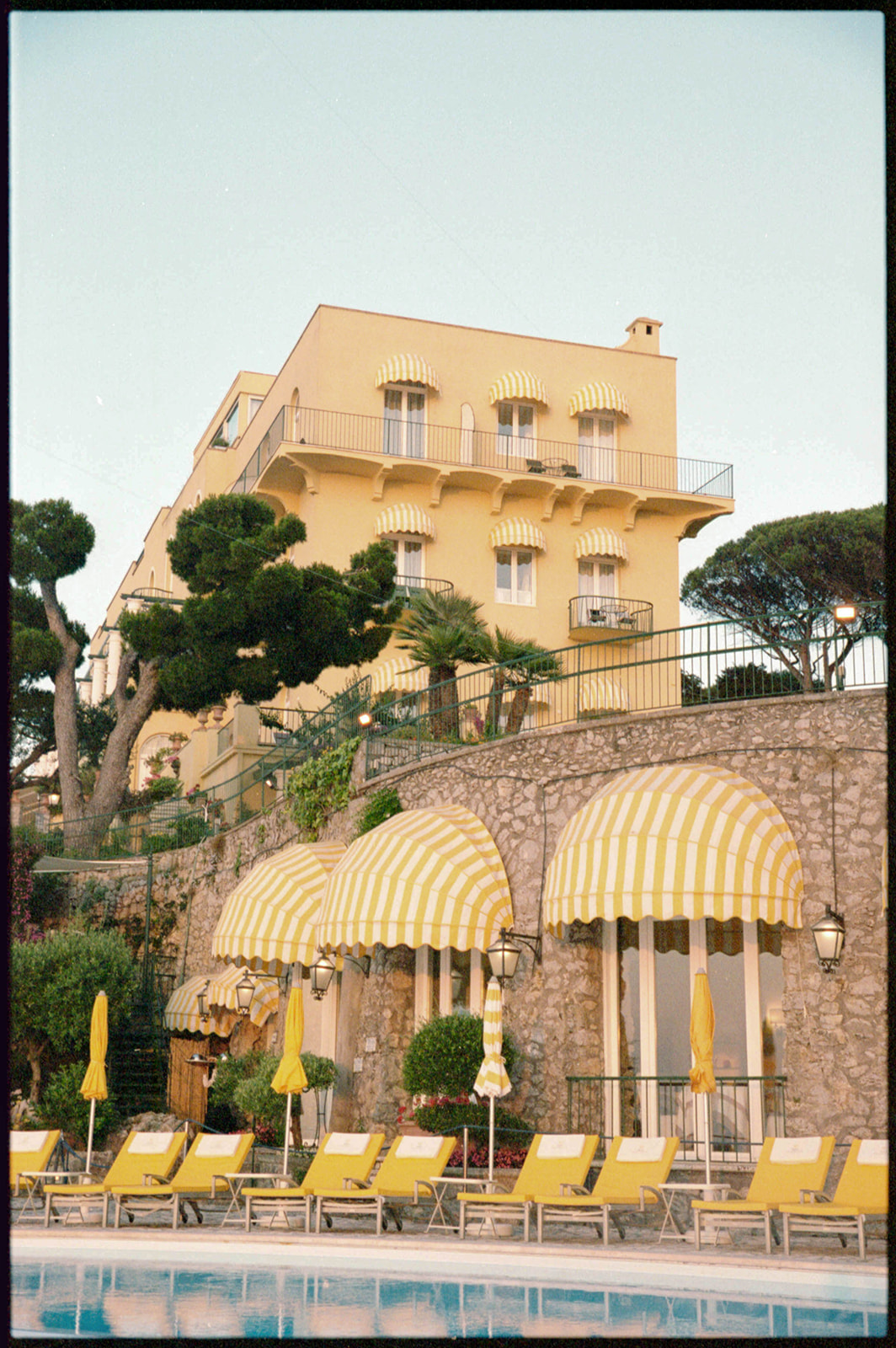
From your perspective, what are the true advantages for a couple in choosing a hybrid photographer with such a refined editorial eye?
A hybrid photographer typically treats film and digital as interchangeable tools, rather than film as an aesthetic add-on where the medium is tasked with carrying the image, rather than intention. A strong image is a strong image, regardless of how it’s made.
For couples, the advantage is consistency of vision. You’re not getting two different languages stitched together, but one cohesive way of seeing the day, translated across mediums. That means the emotional tone, pacing, and editorial sensibility remain intact whether the image is film or digital.
The photography and film space is constantly evolving. What are you seeing happening within the industry at the moment, and how do you anticipate it will shift in the coming years?
Weddings, to me, are inherently tender. They reveal something deeply human and finite. But in a world largely experienced online, where people curate how they’re seen, that tenderness can get flattened into content.
Couples today are more media-aware than ever, and there’s often a strong pull toward images not as a tangible artifact to be enjoyed in the private space, but more as “content” whose intrinsic value is tied up in its end use in the public online space.
That said, culture tends to correct itself. As we’ve seen with the return to analog practices like film, I think we’ll also see a growing shift toward privacy and intention, and protecting what feels sacred when everything else is made to be consumed.
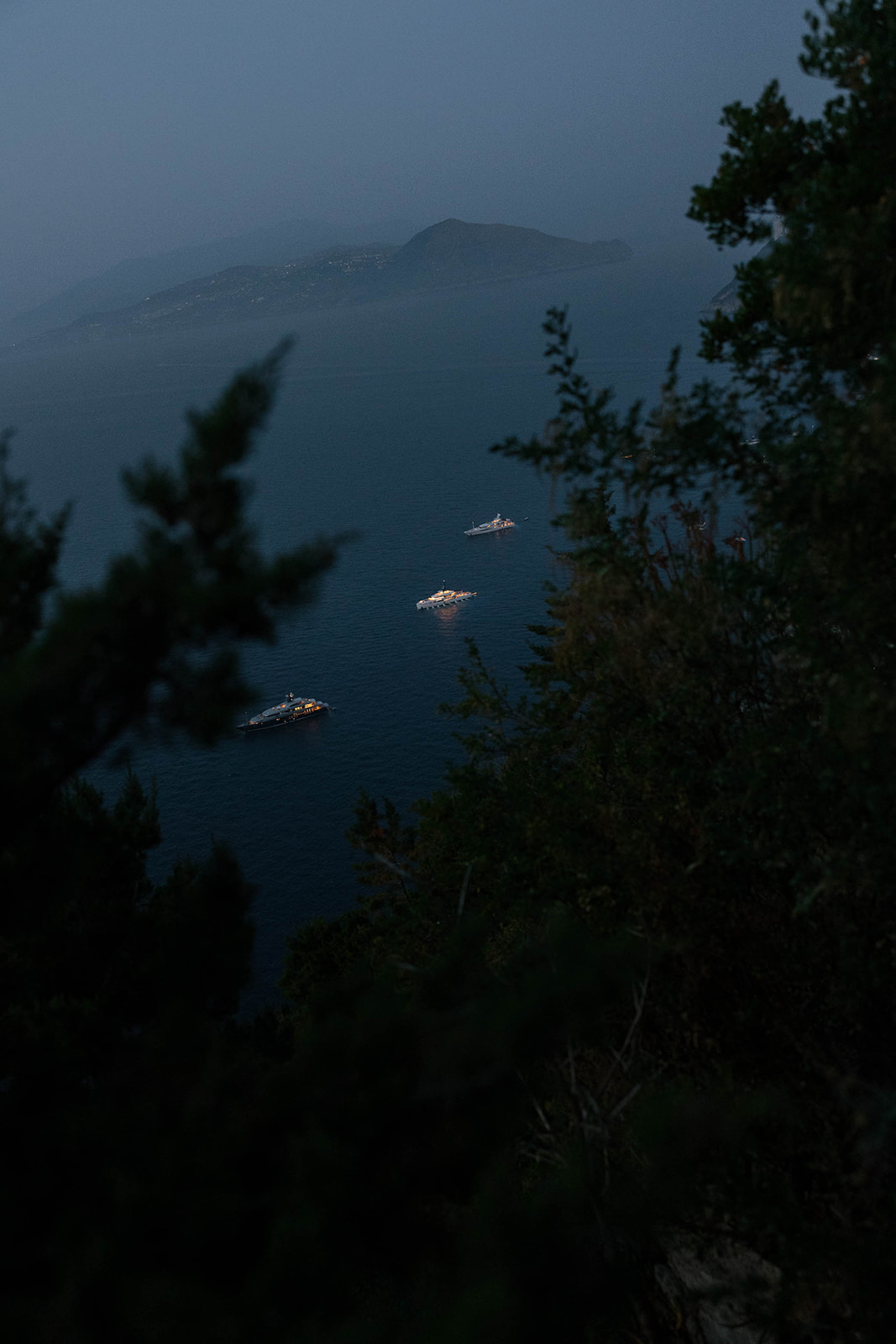
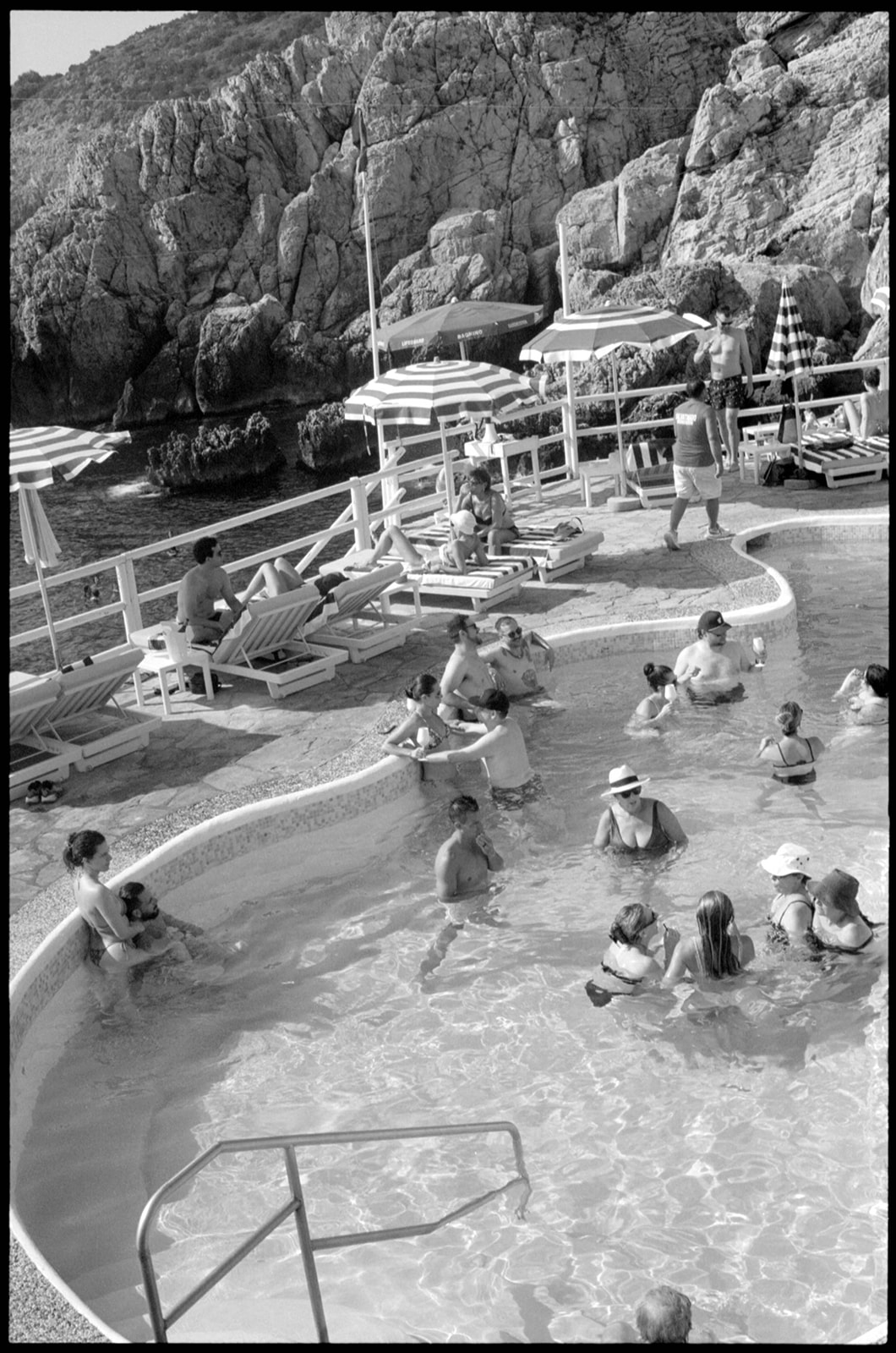
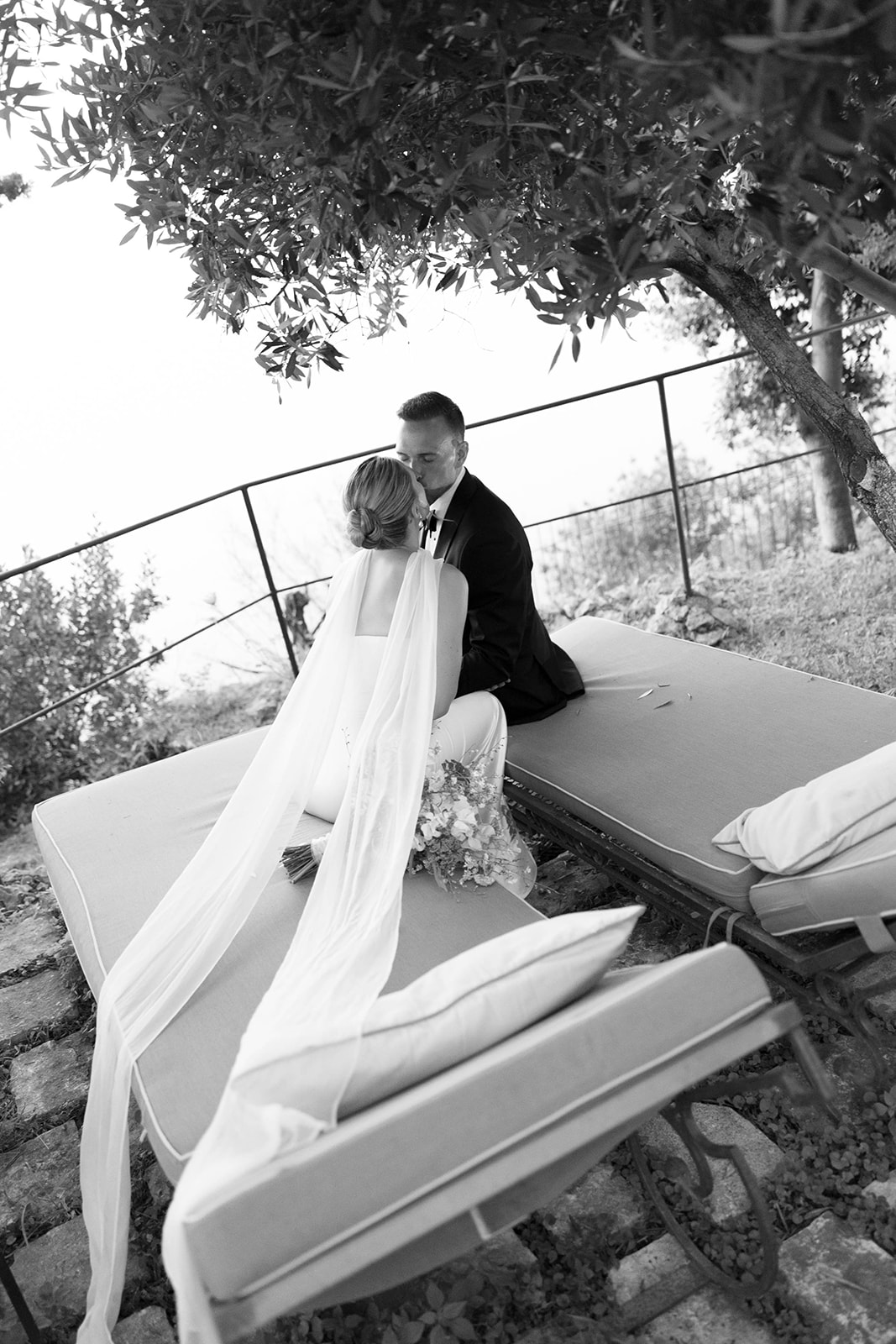
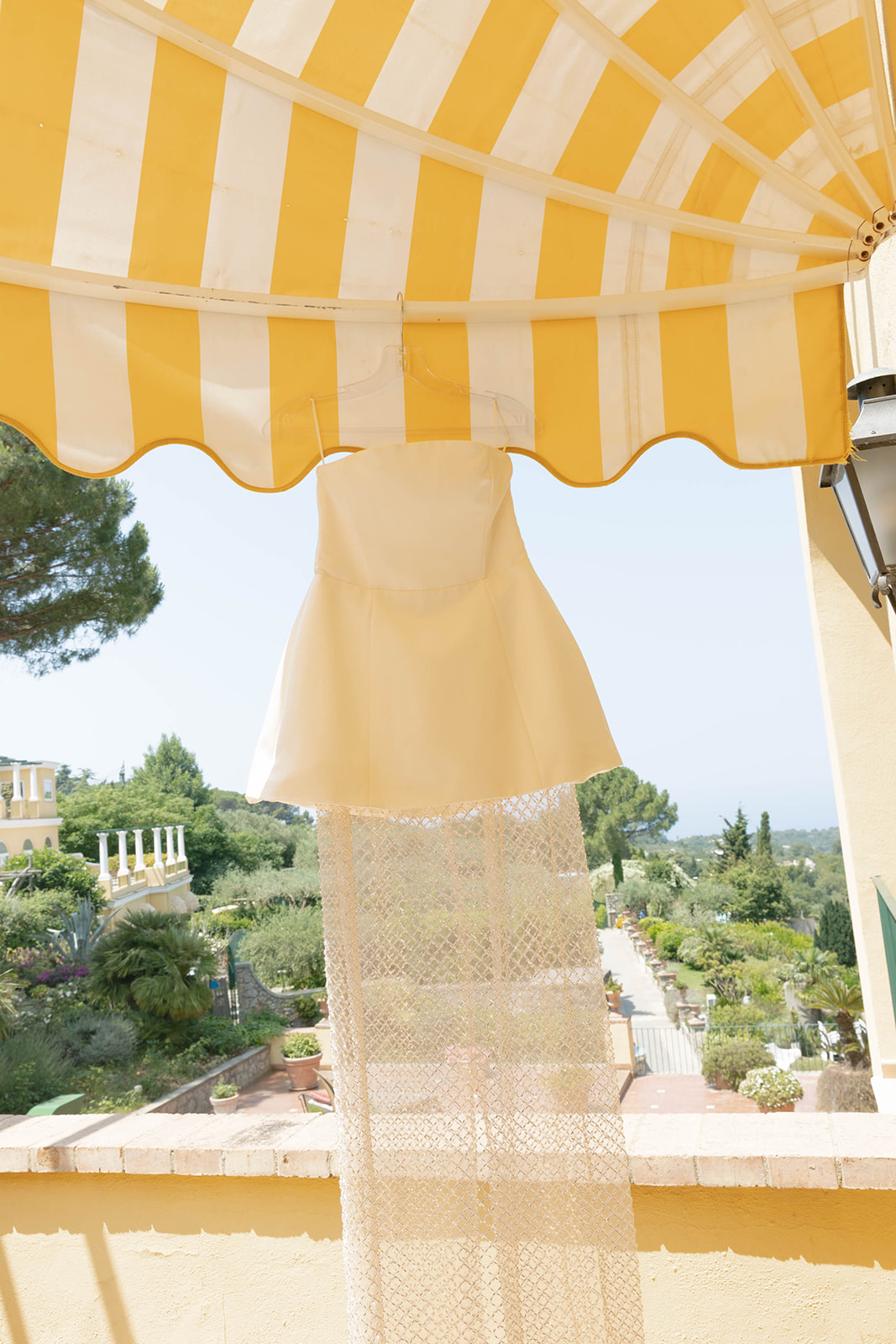
Looking ahead, are there particular destinations or environments that you feel creatively drawn to, or dream locations you hope to shoot in over the next few years?
I loved Portugal the moment I arrived. Lisbon has an undone, youthful energy despite being an old-world city. It feels like the kind of place made for a celebratory gathering of friends and family.
Mexico City is another. I’ve long admired Javier Senosiain’s organic architecture, and I love seeing weddings at Parque Quetzalcoatl. The amphitheatre feels made for a ceremony in the round.
My holy grail location is Taliesin West, Frank Lloyd Wright’s headquarters in Arizona.
I would also just love to shoot a wedding in Australia. I’ve been in the US for the last 16 years, so I left long before I started shooting weddings, and I have yet to shoot a wedding in my hometown or home country.
For couples beginning their search, what advice would you offer when it comes to choosing the right photographer, particularly one whose work feels deeply aligned with their values and vision?
It’s easy to feel overwhelmed by what’s out there. I’d suggest getting to know a photographer’s personal style as much as their work, since that’s what shapes their eye. What sort of aesthetic choices are they making in the course of their own lives? How do they style their own home? Where are they traveling to? What sort of music do they love, how do they approach styling themselves? If you both share a similar visual language from the get-go it’ll be easier to feel aligned and trusting of their process.
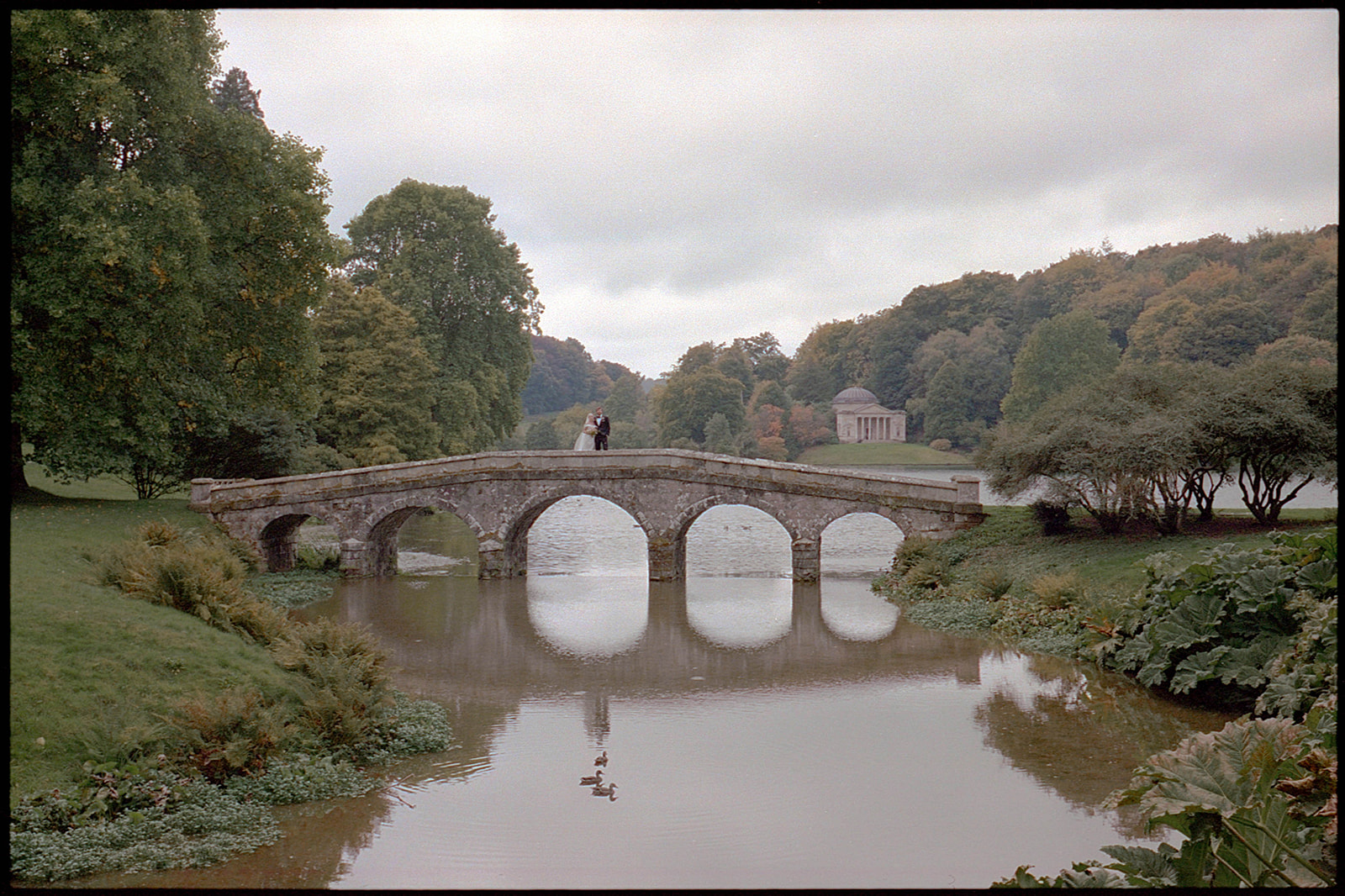
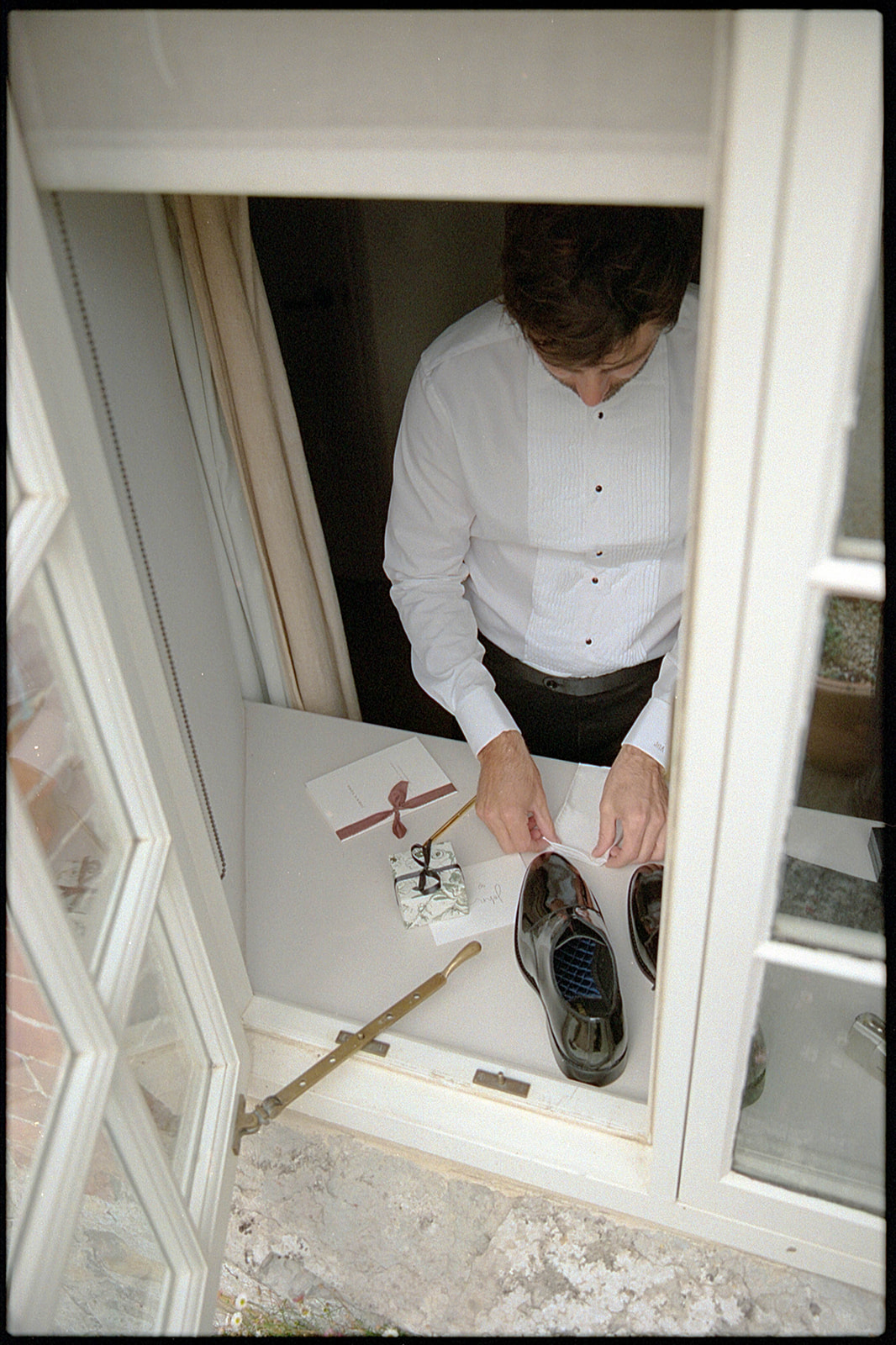
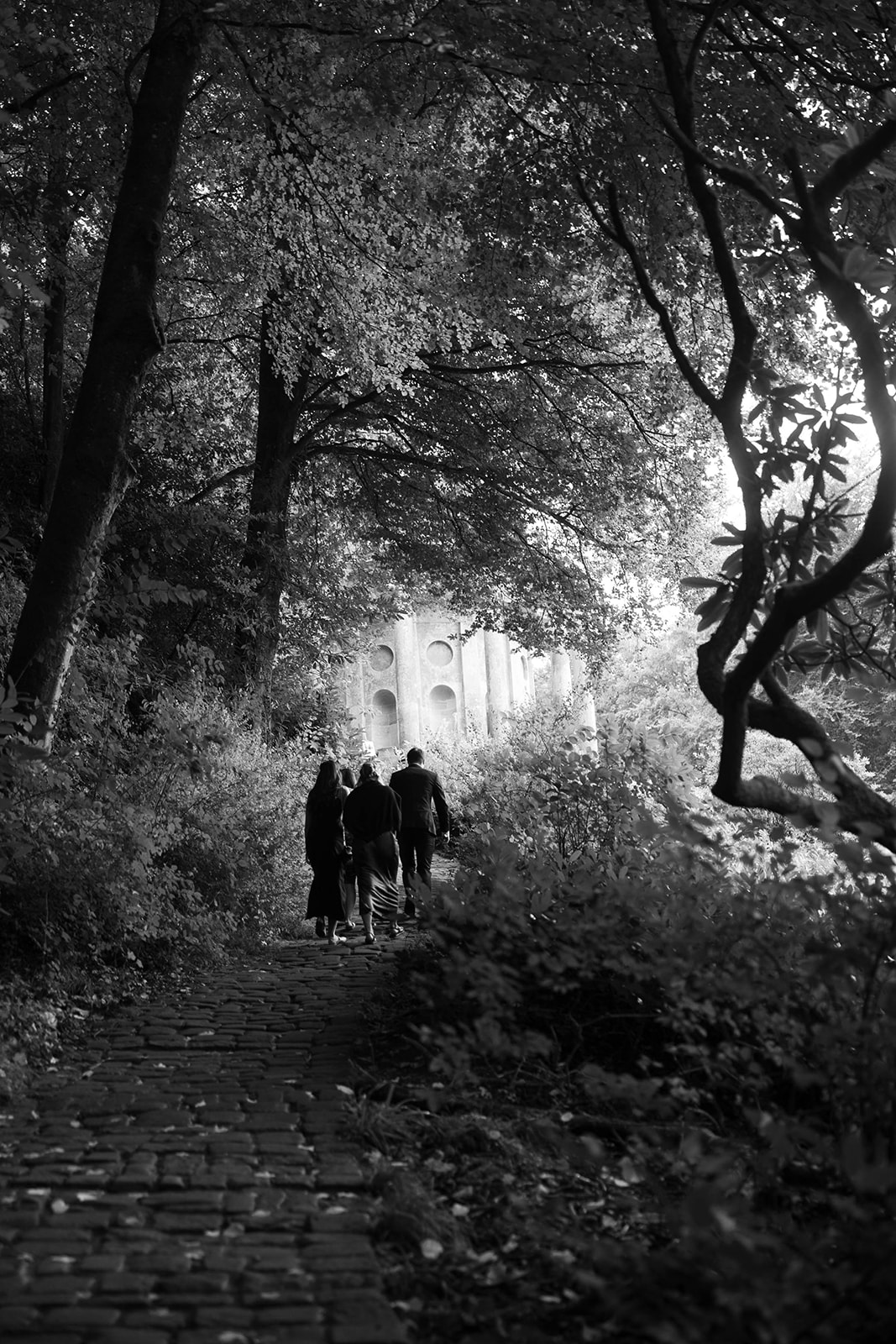
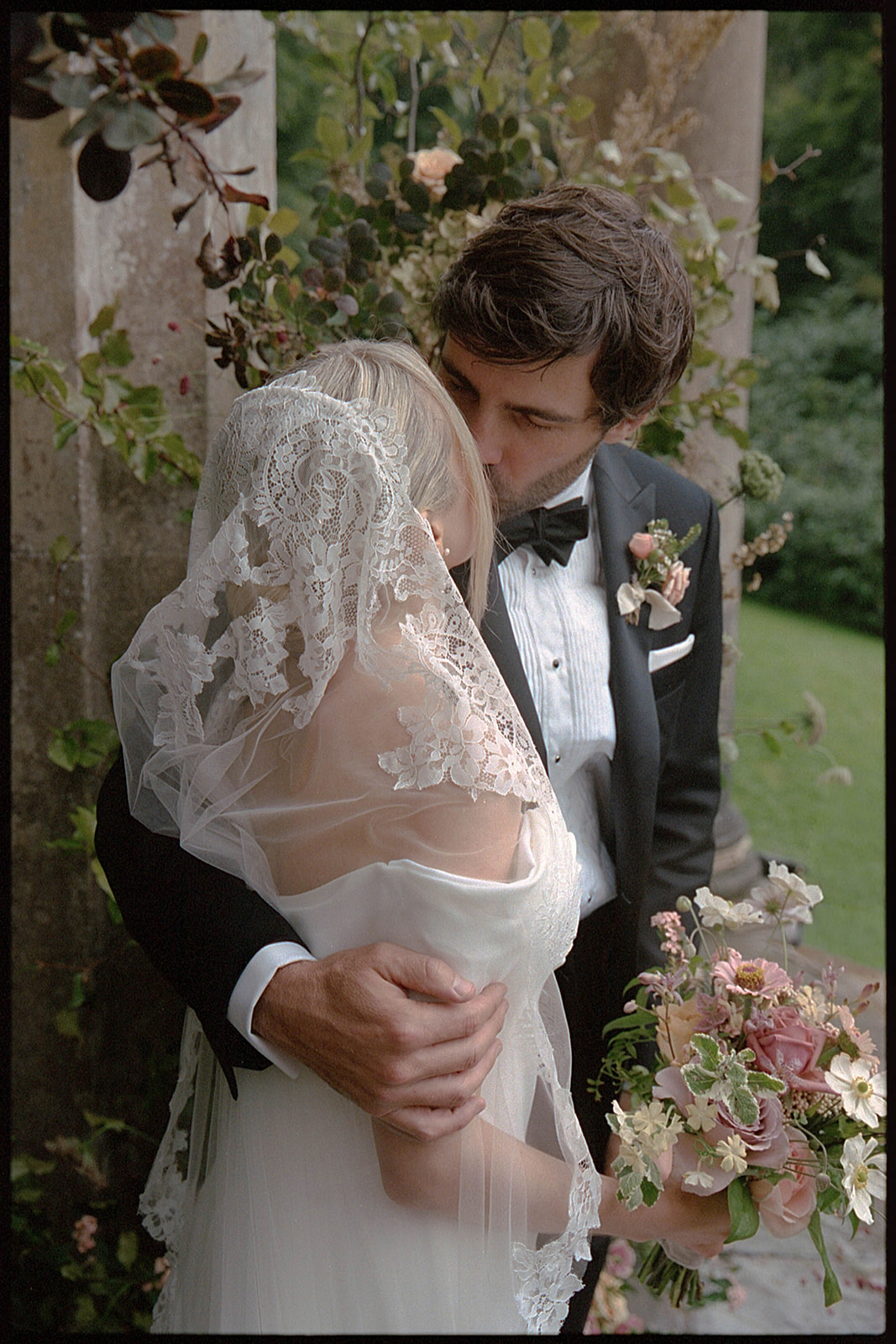
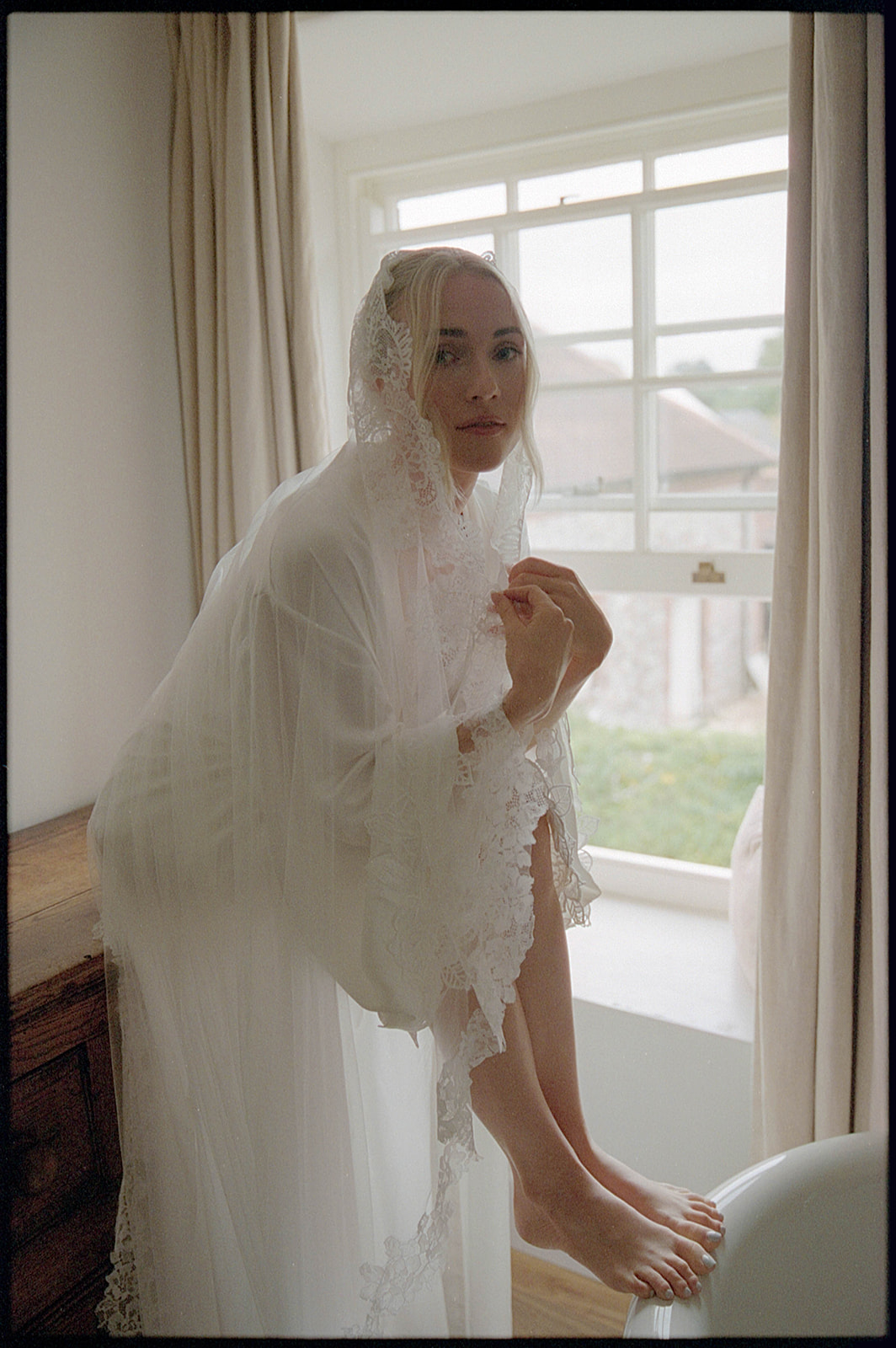
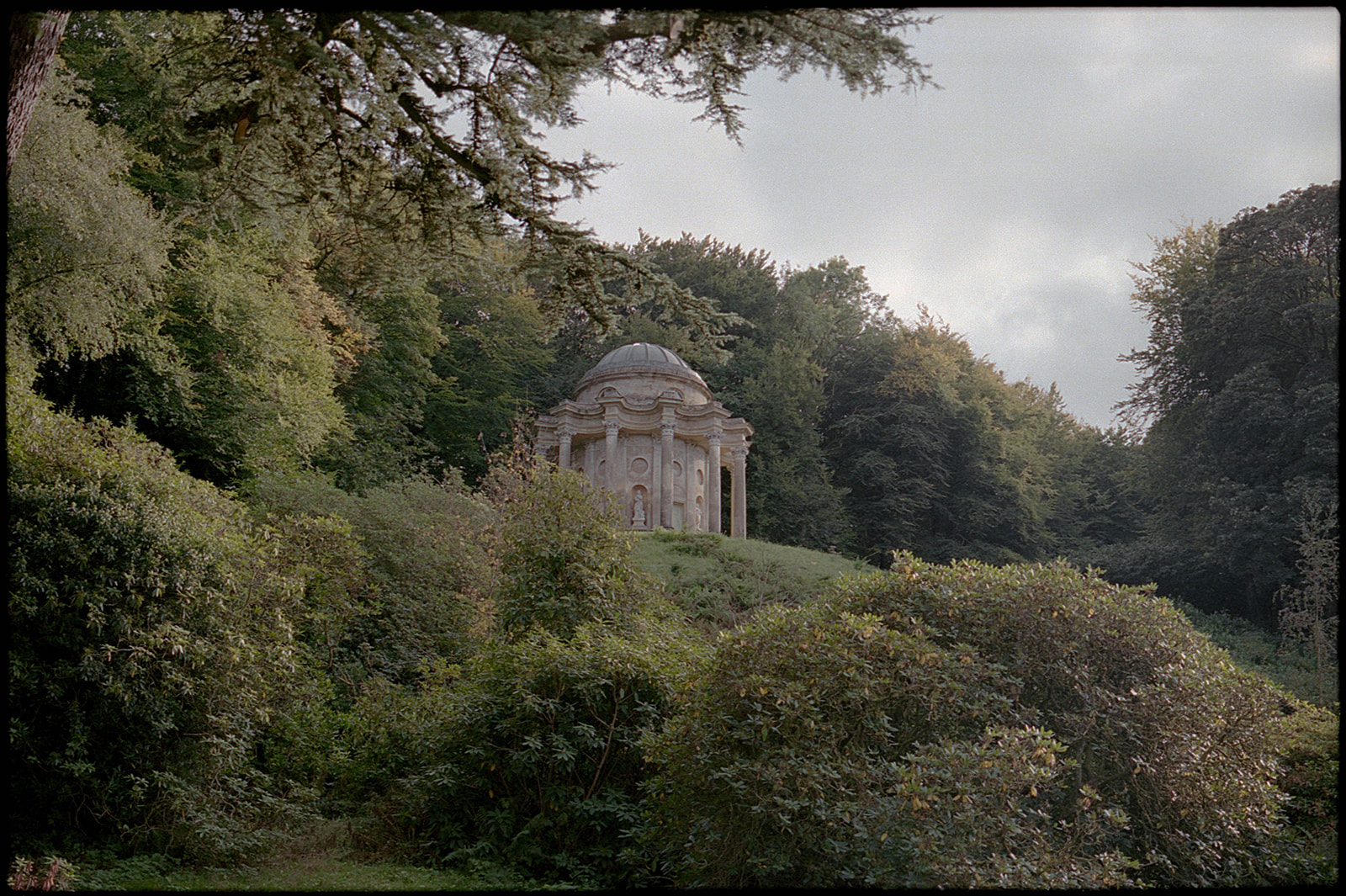
Valerie’s work reminds us that wedding photography, at its best, is not about perfection but about presence. It is about noticing, feeling and preserving the fleeting in a way that endures. As both a collaborator and a friend of Together Journal, she continues to inspire not only our pages but our perspective on what it means to document a life moment with honesty and artistry.
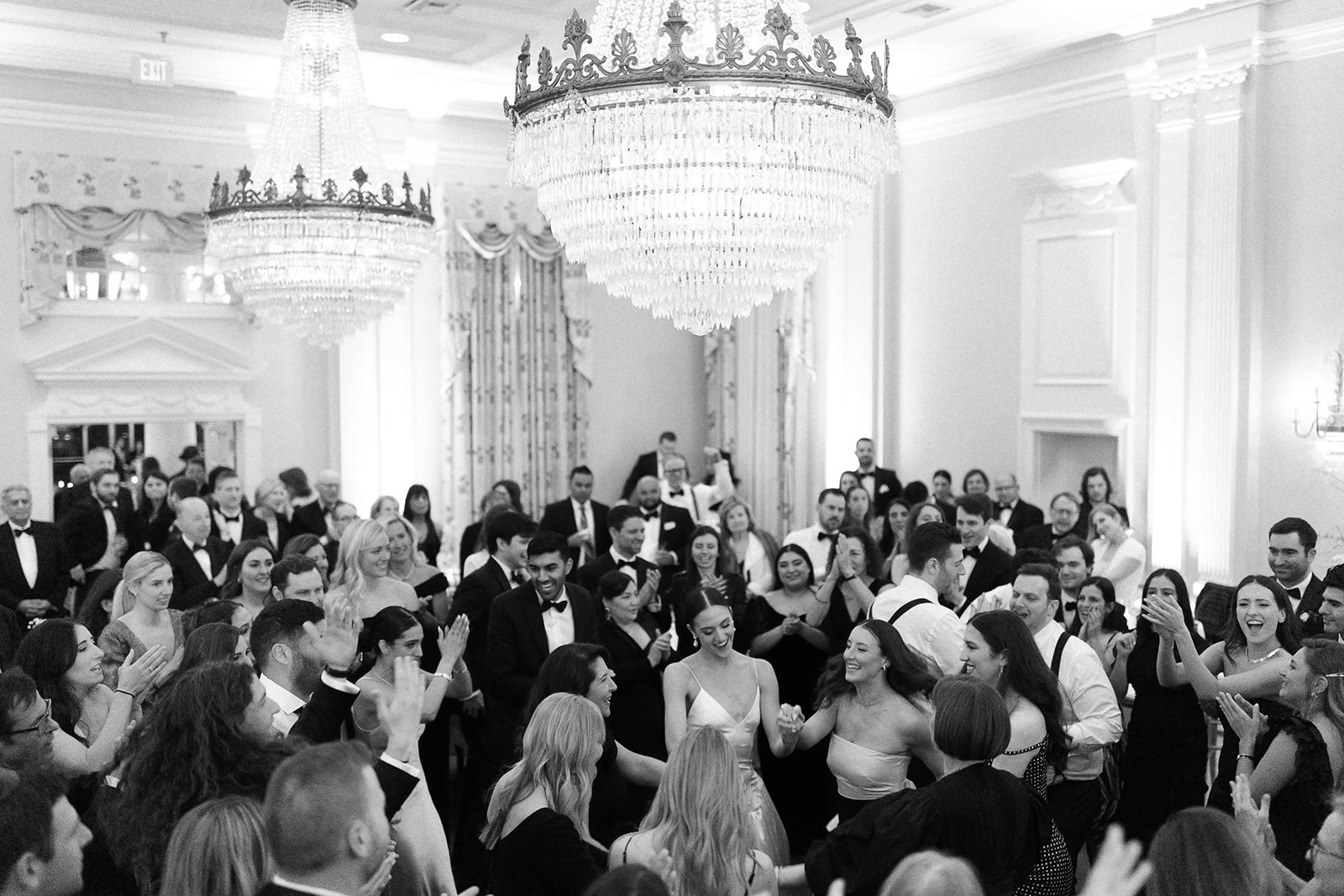
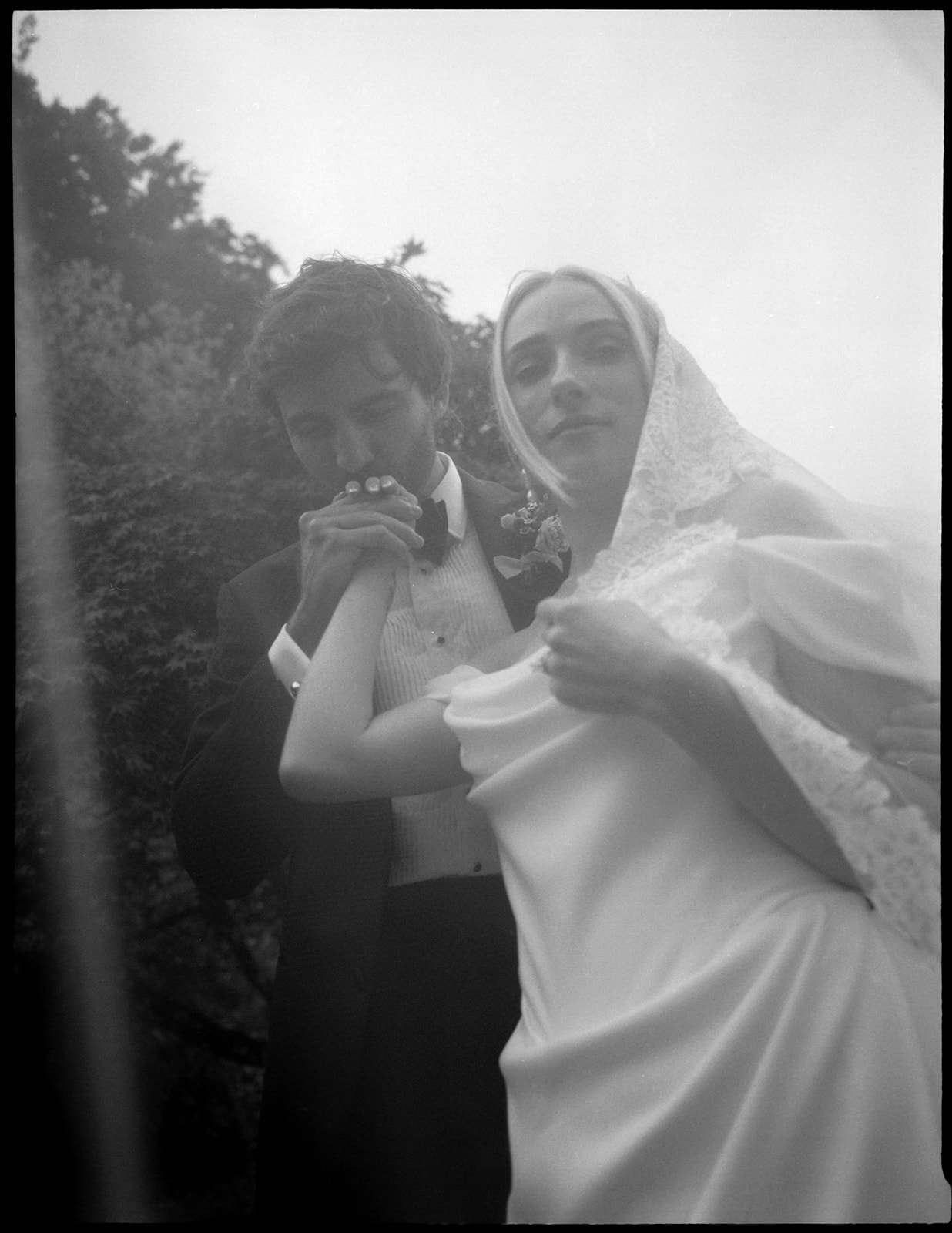
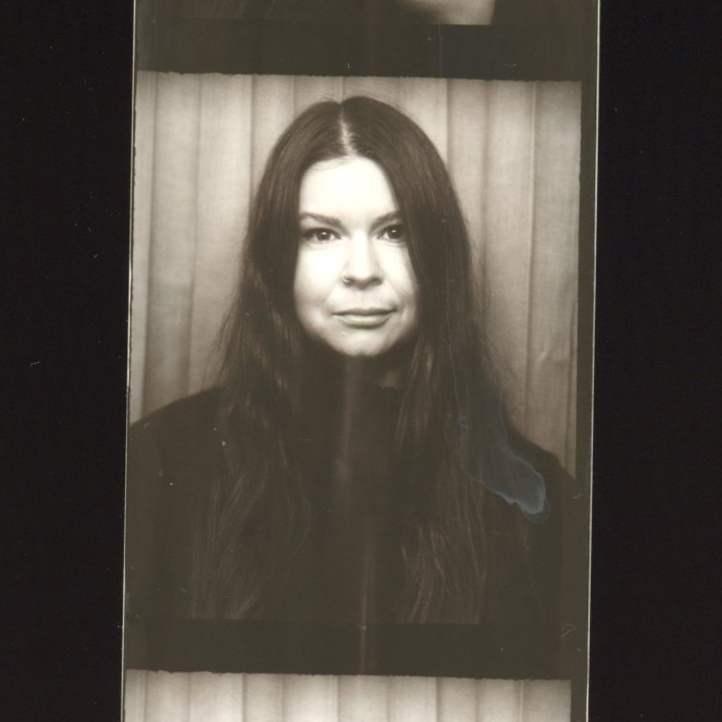
ABOVE Valerie Thompson
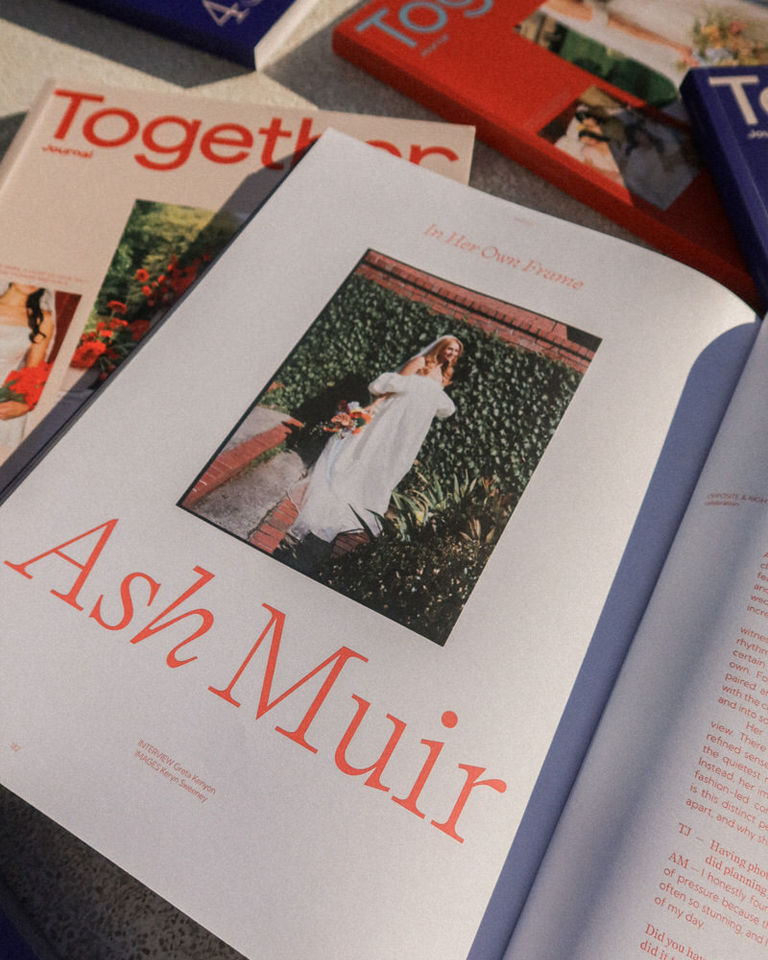
Valerie’s Work Published in Print: Madeline + Jake
Other Works Featured in Together Journal: NYBFW Alexandra Grecco show + NYBFW Honor Show
Valerie’s Wedding Published in Print: Valerie + Jacob
Explore more visit valeriethompsonphoto.com and @valeriethompsonphotography
Valerie Thompson