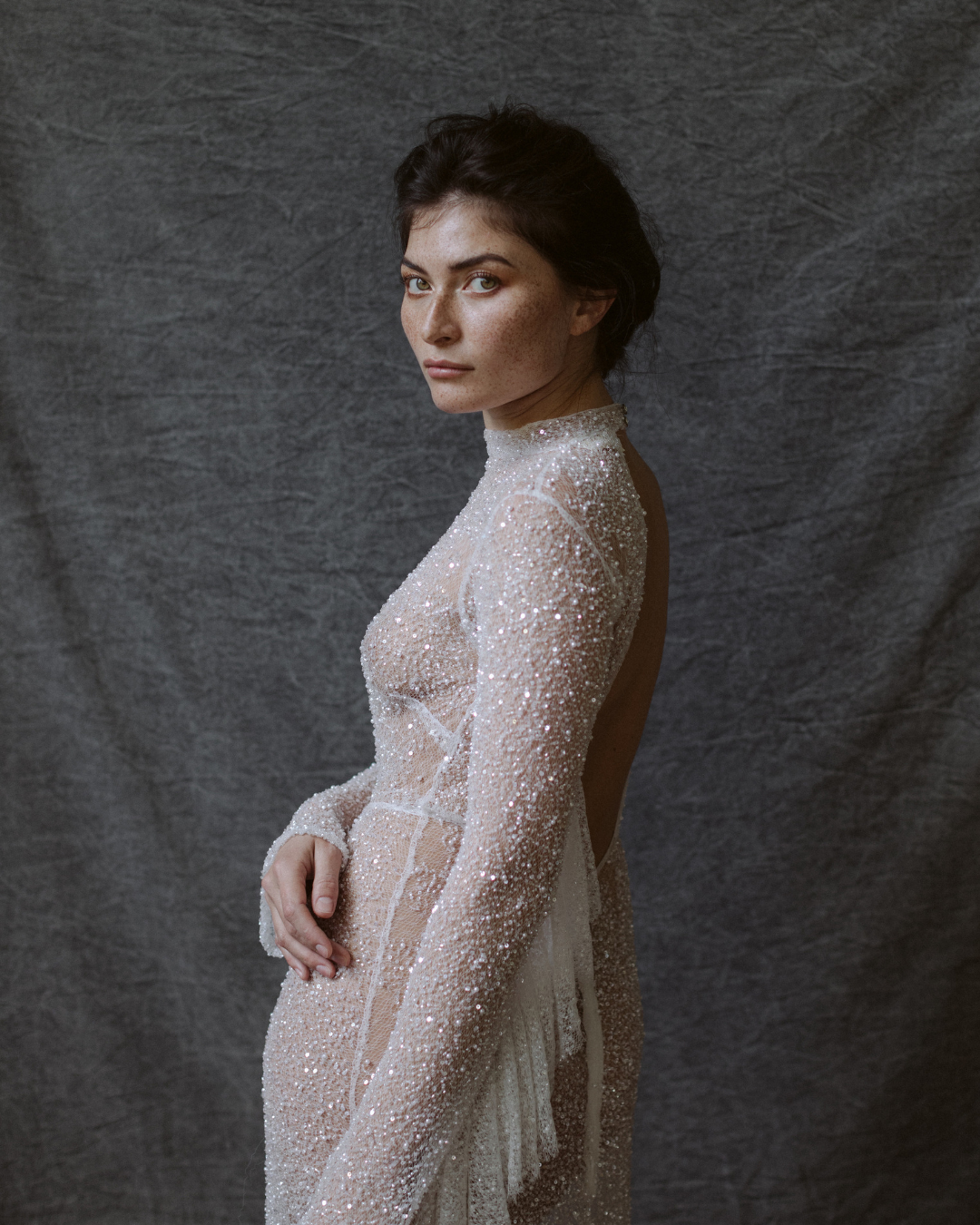
There is a quiet confidence to Sophie Bayly’s work. The kind that does not demand attention, yet lingers long after you have looked away.
A long-time friend of Together Journal and one of our favourite collaborators, Sophie has photographed many of our fashion and lifestyle editorials over the years, while her breathtaking wedding work has been featured across our pages time and again. Her images have long embodied the thoughtful, design-led sensibility we are so drawn to, making her an enduring and deeply valued part of the TJ creative community.
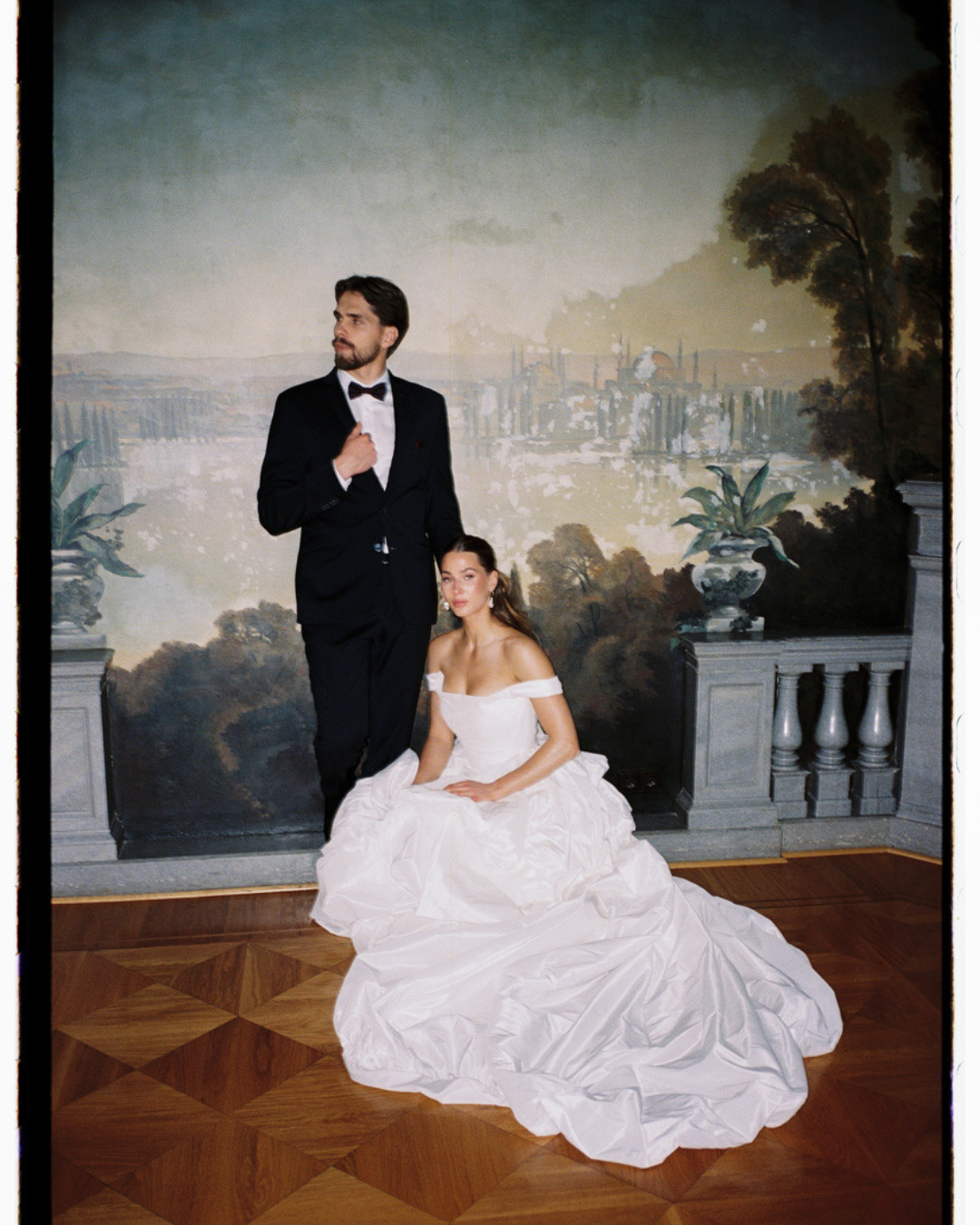
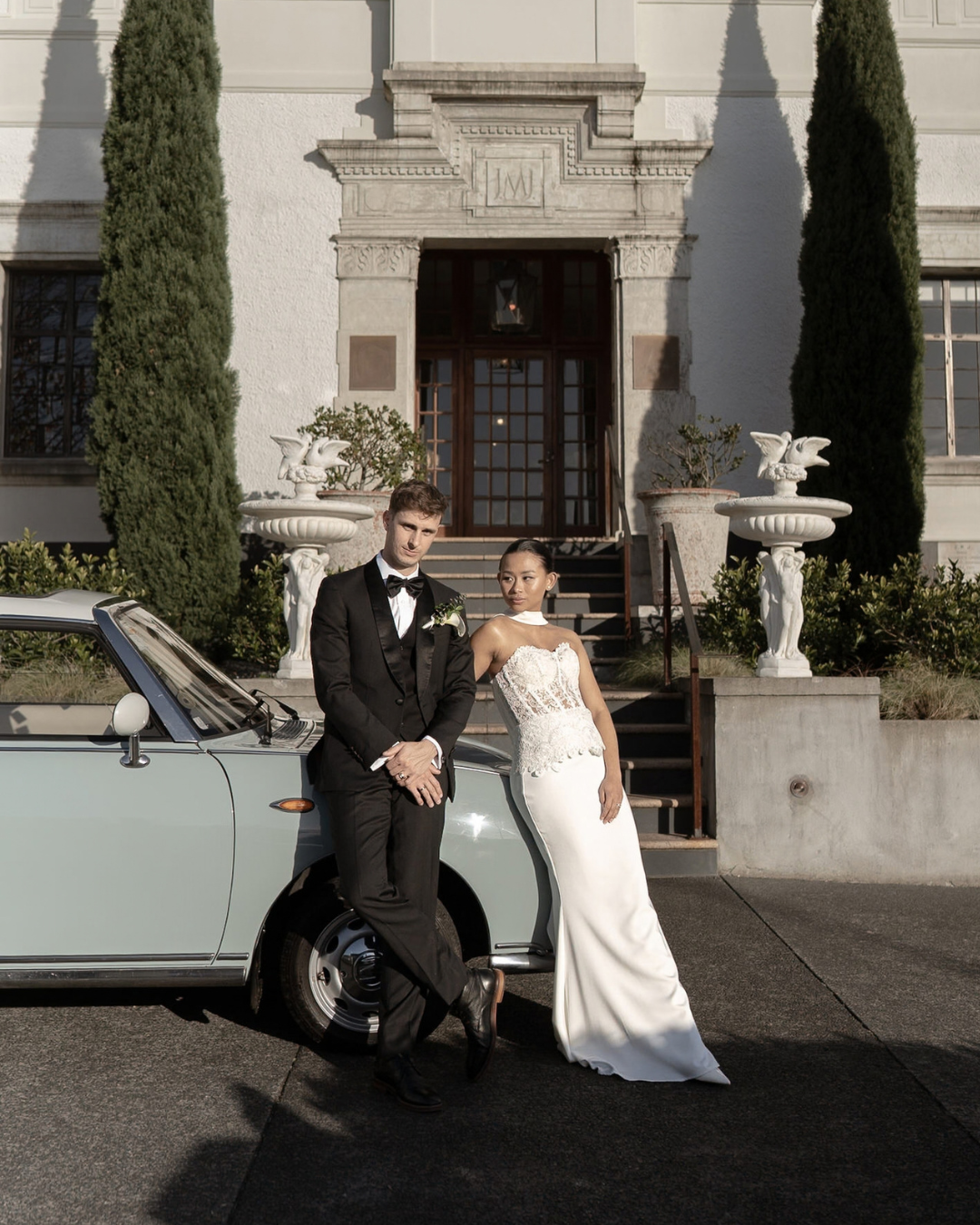
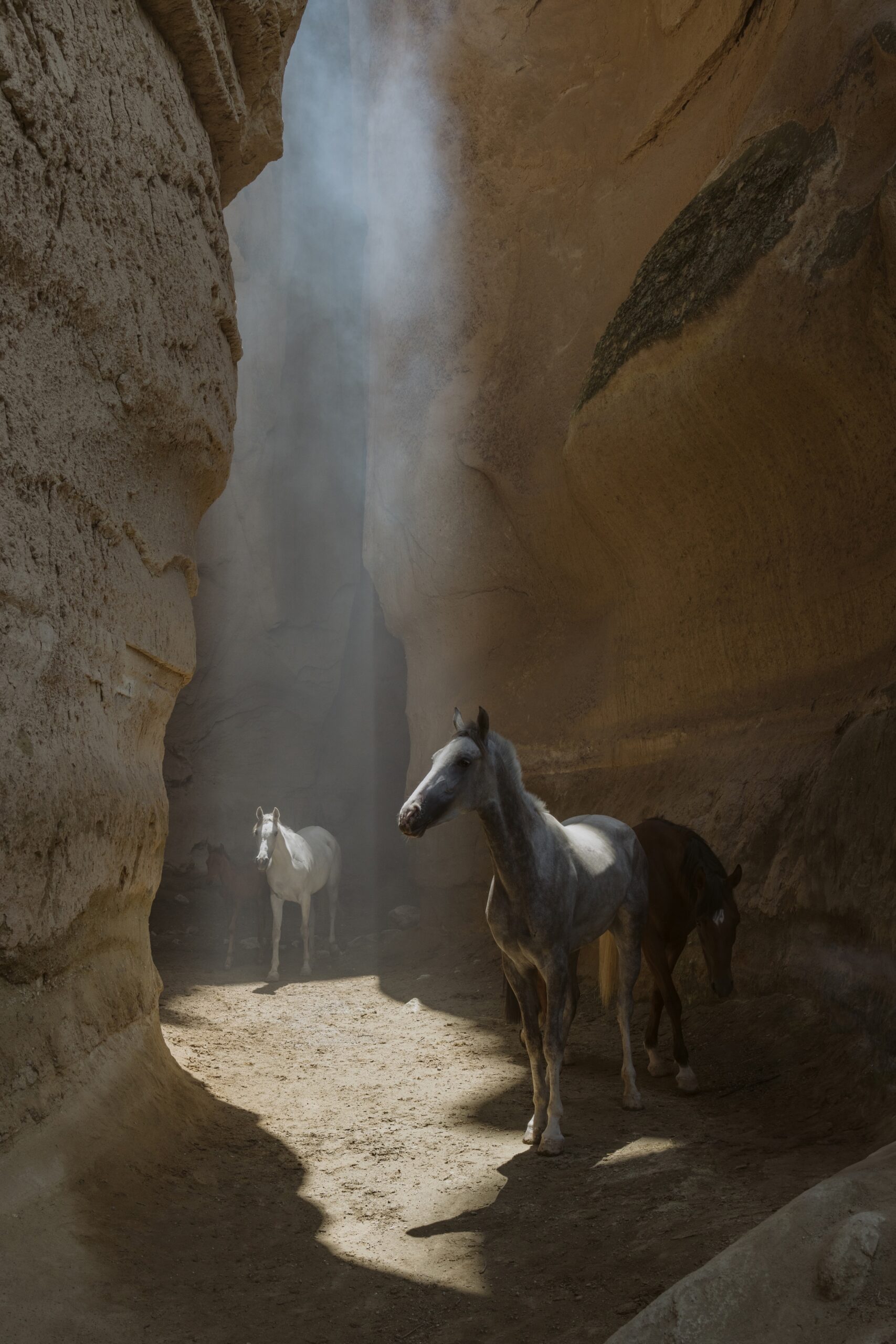
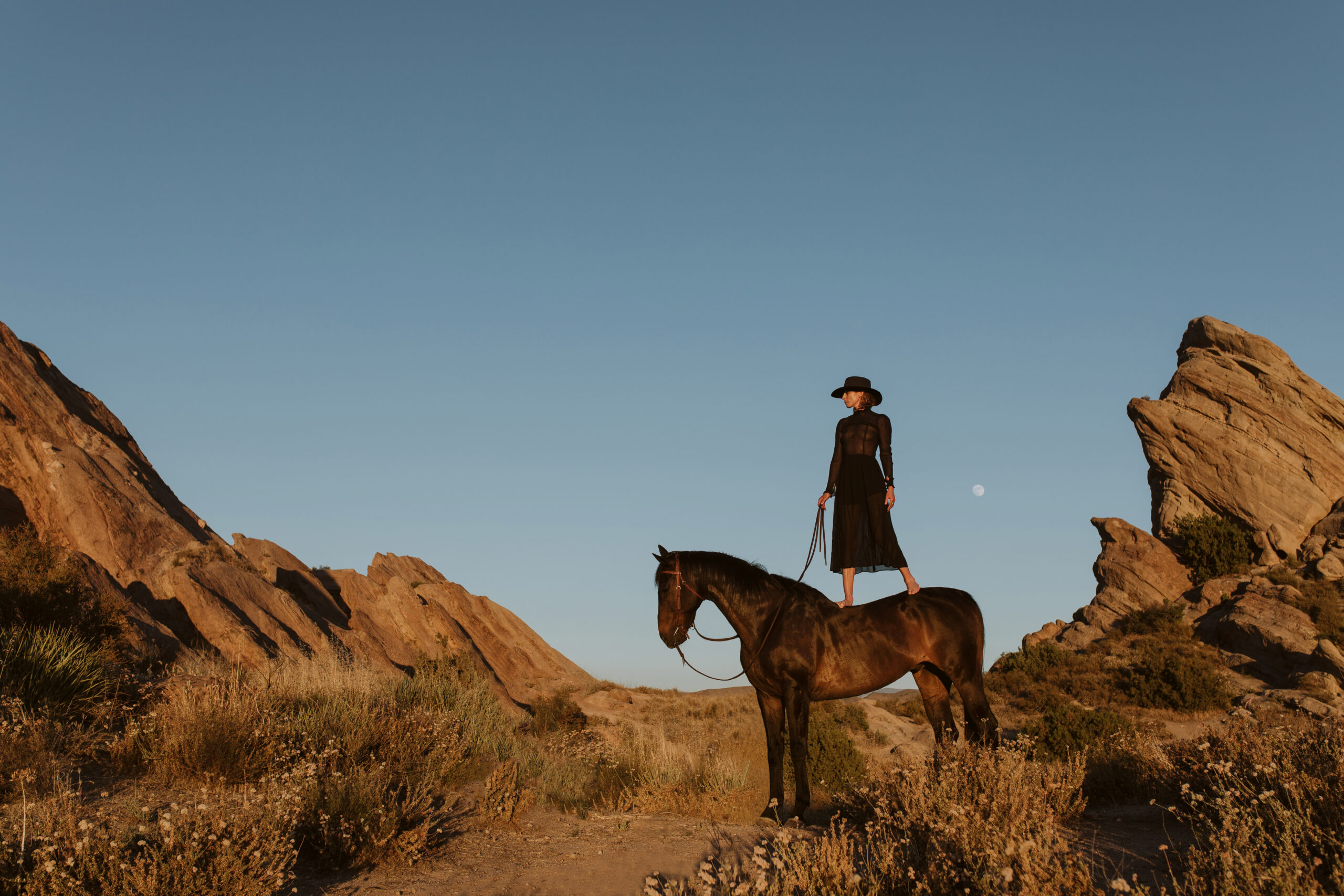
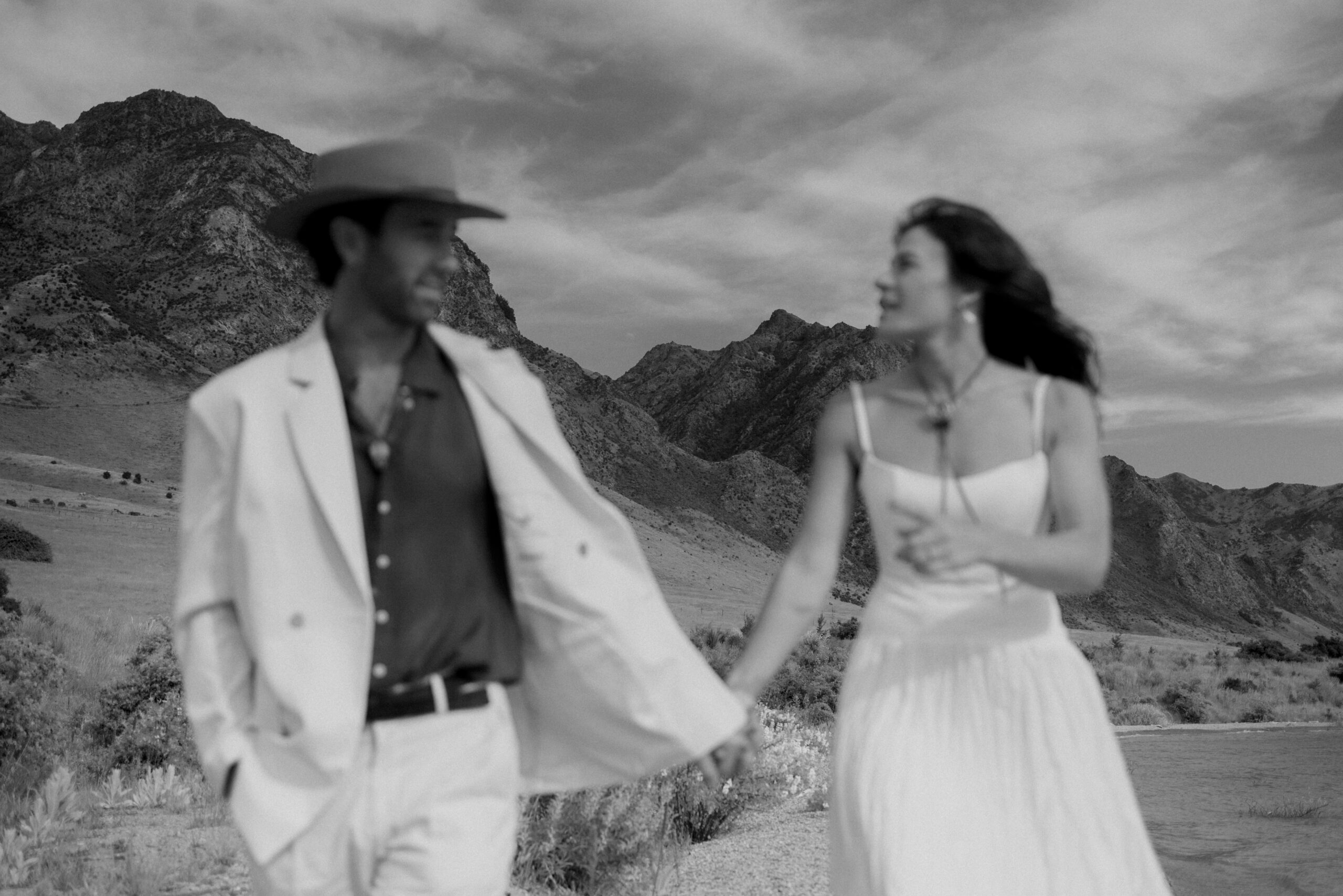
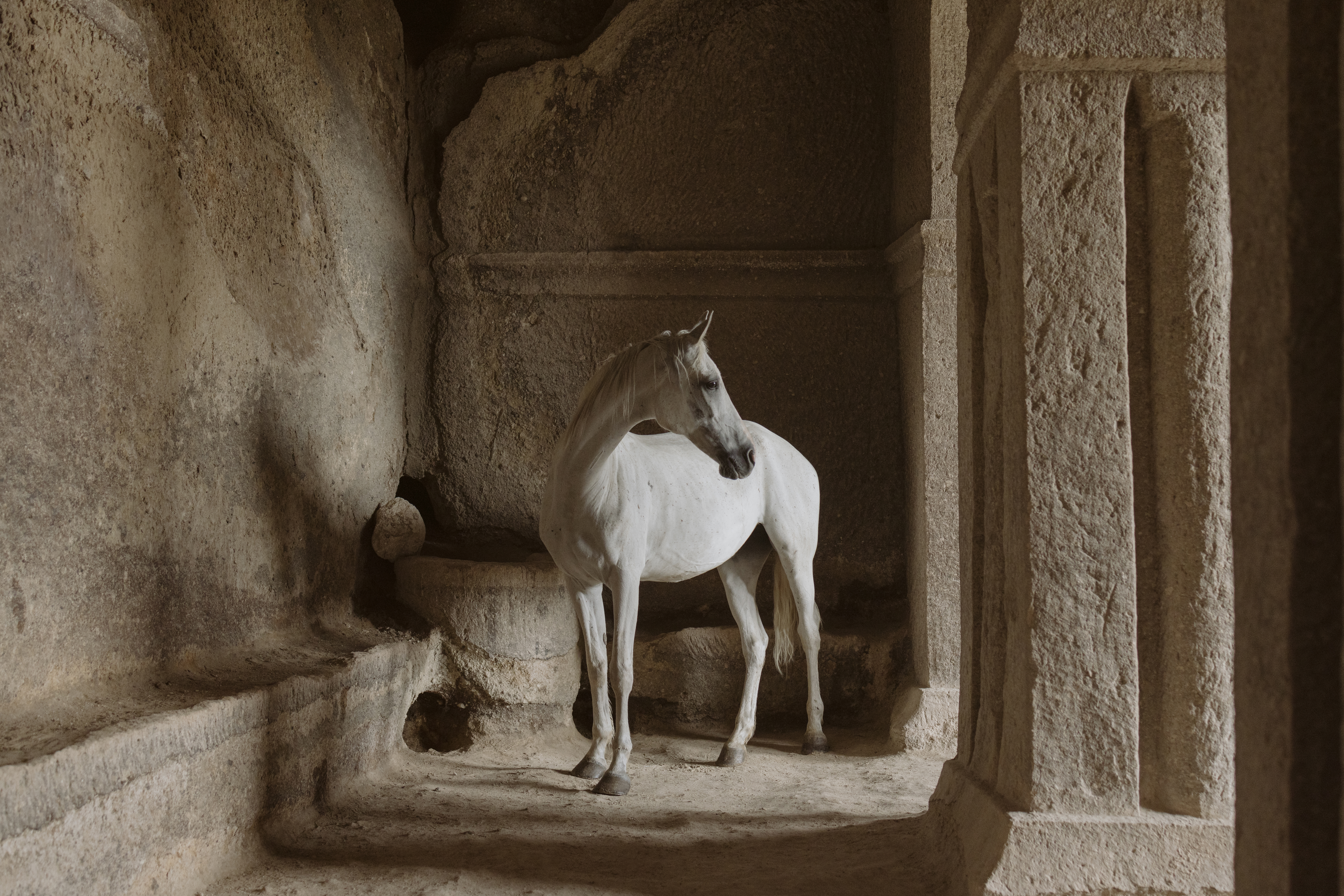
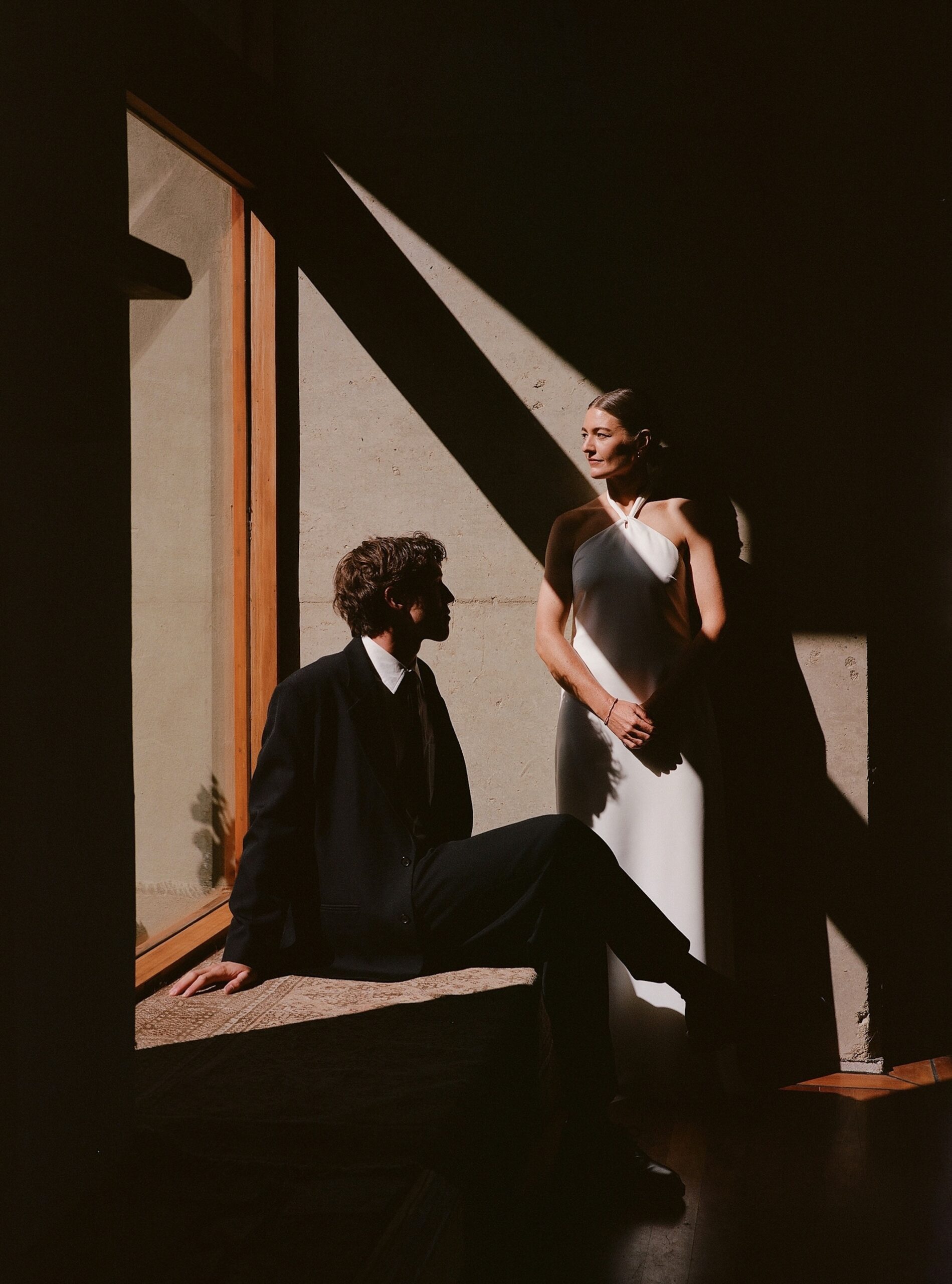
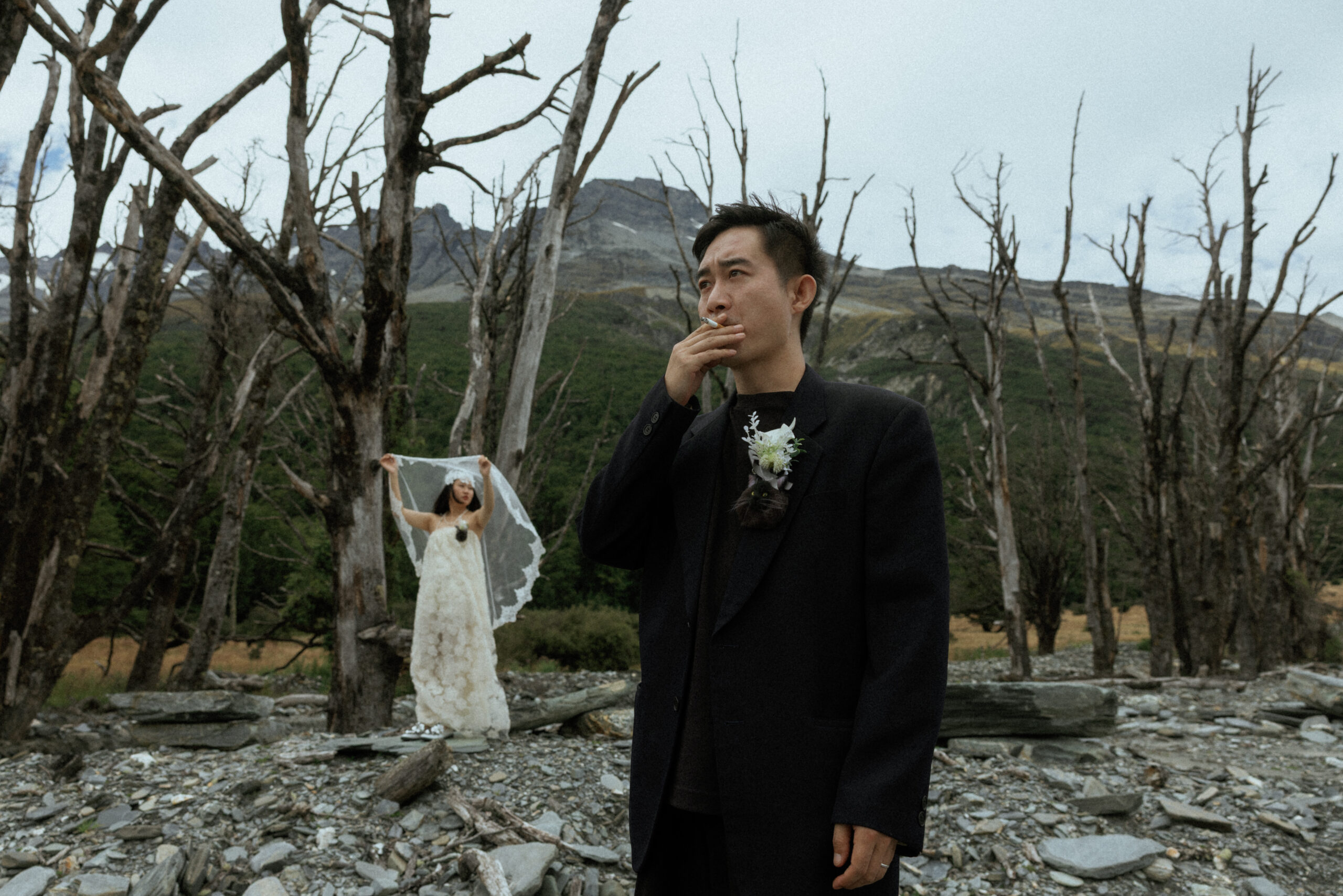
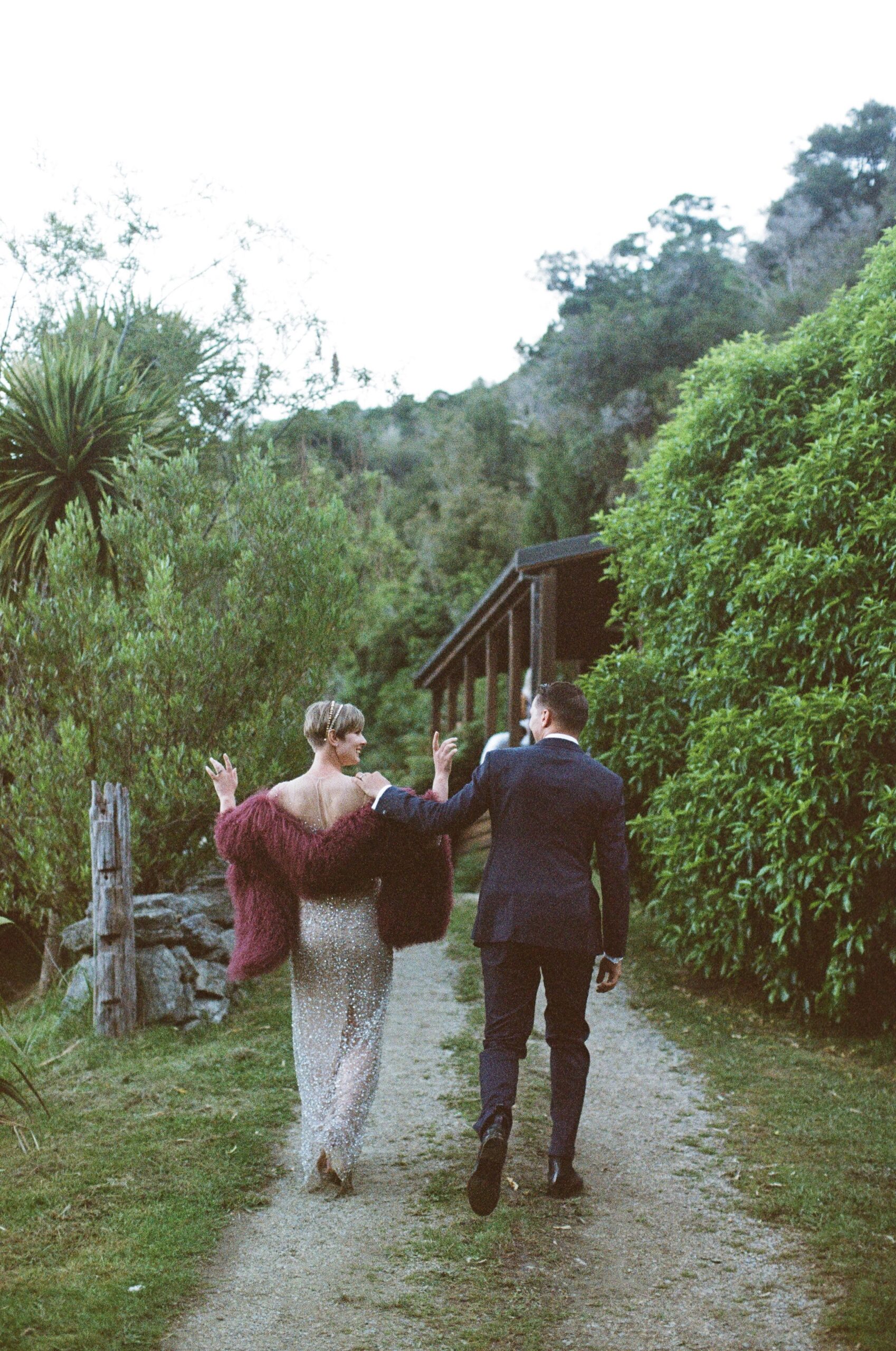
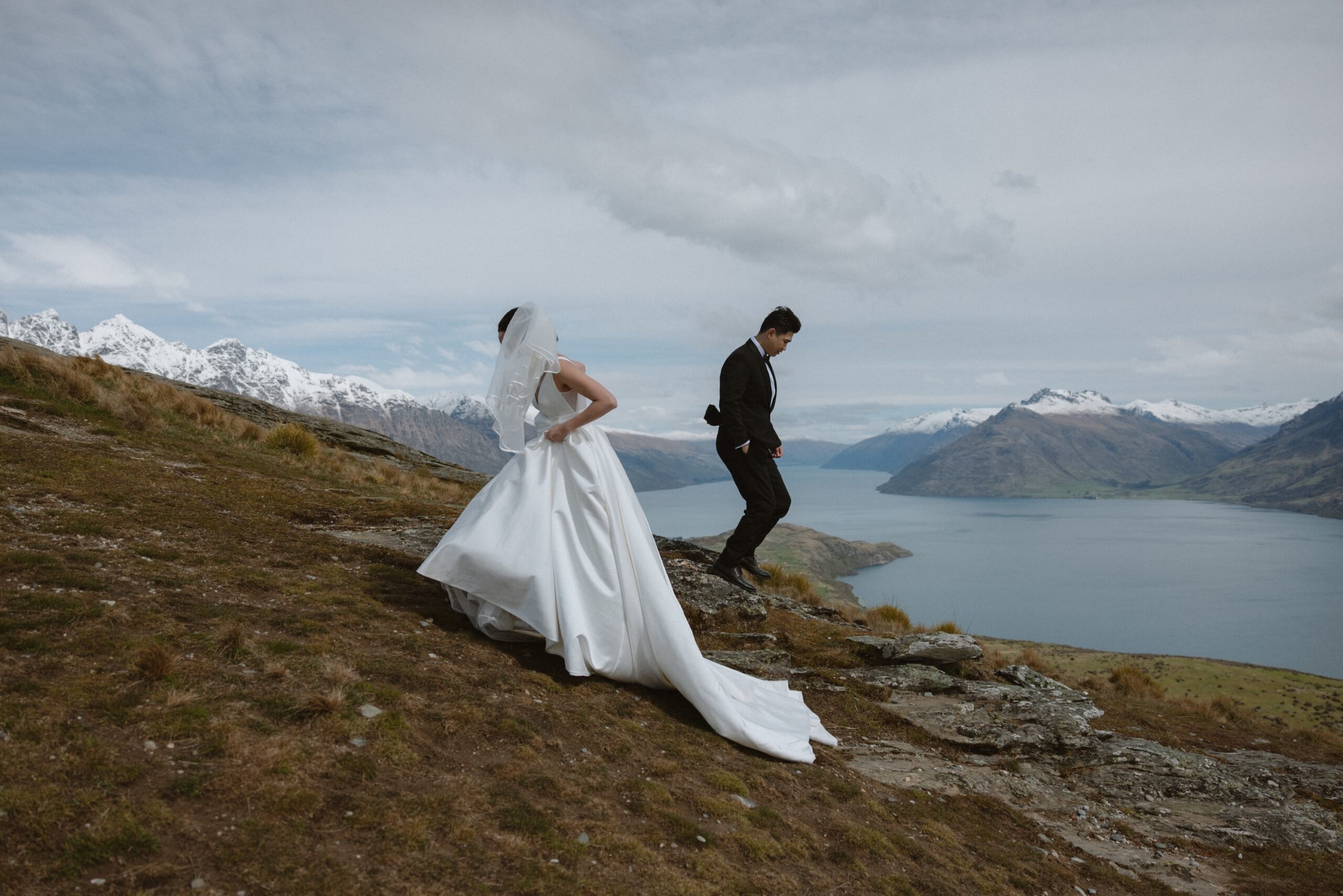
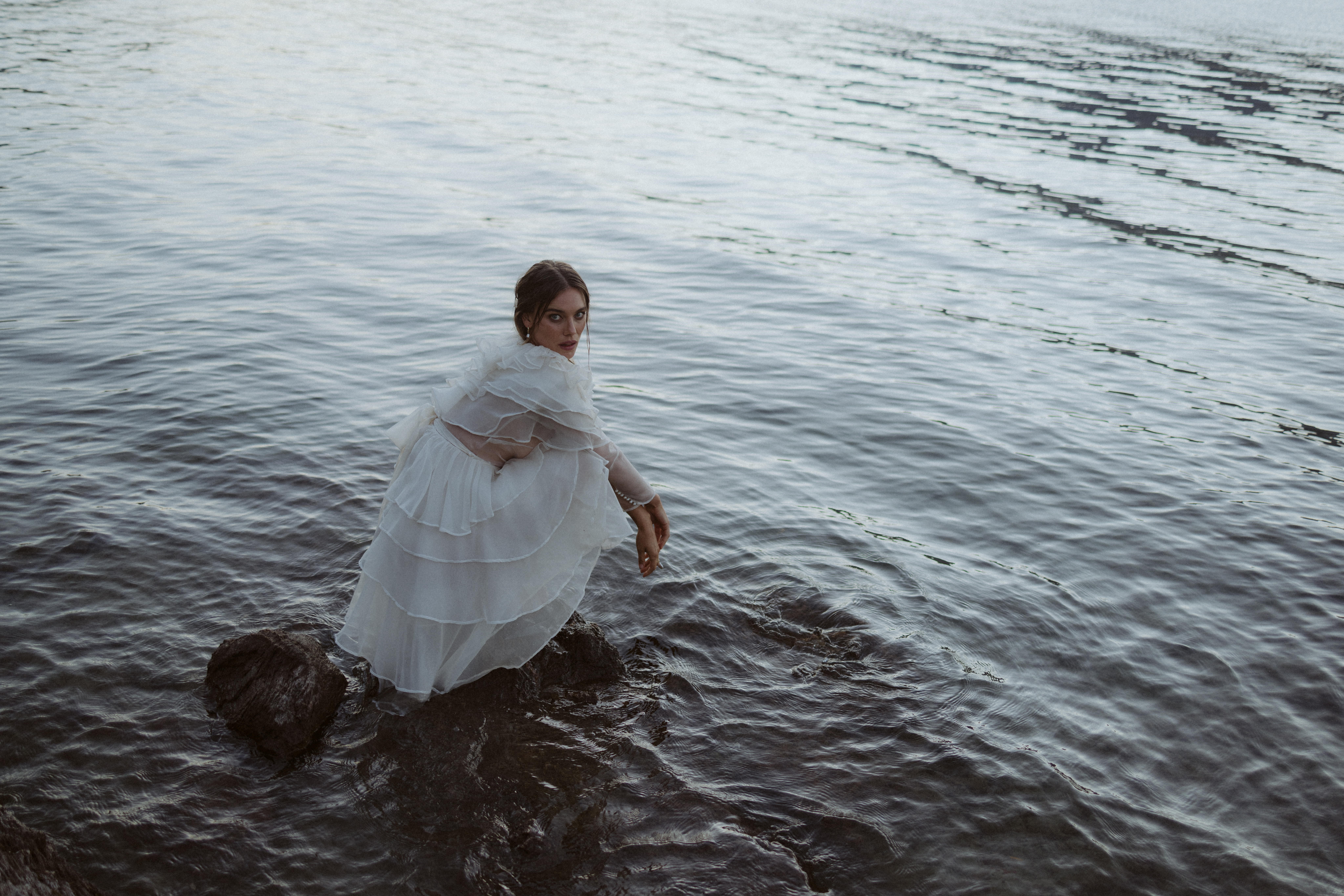
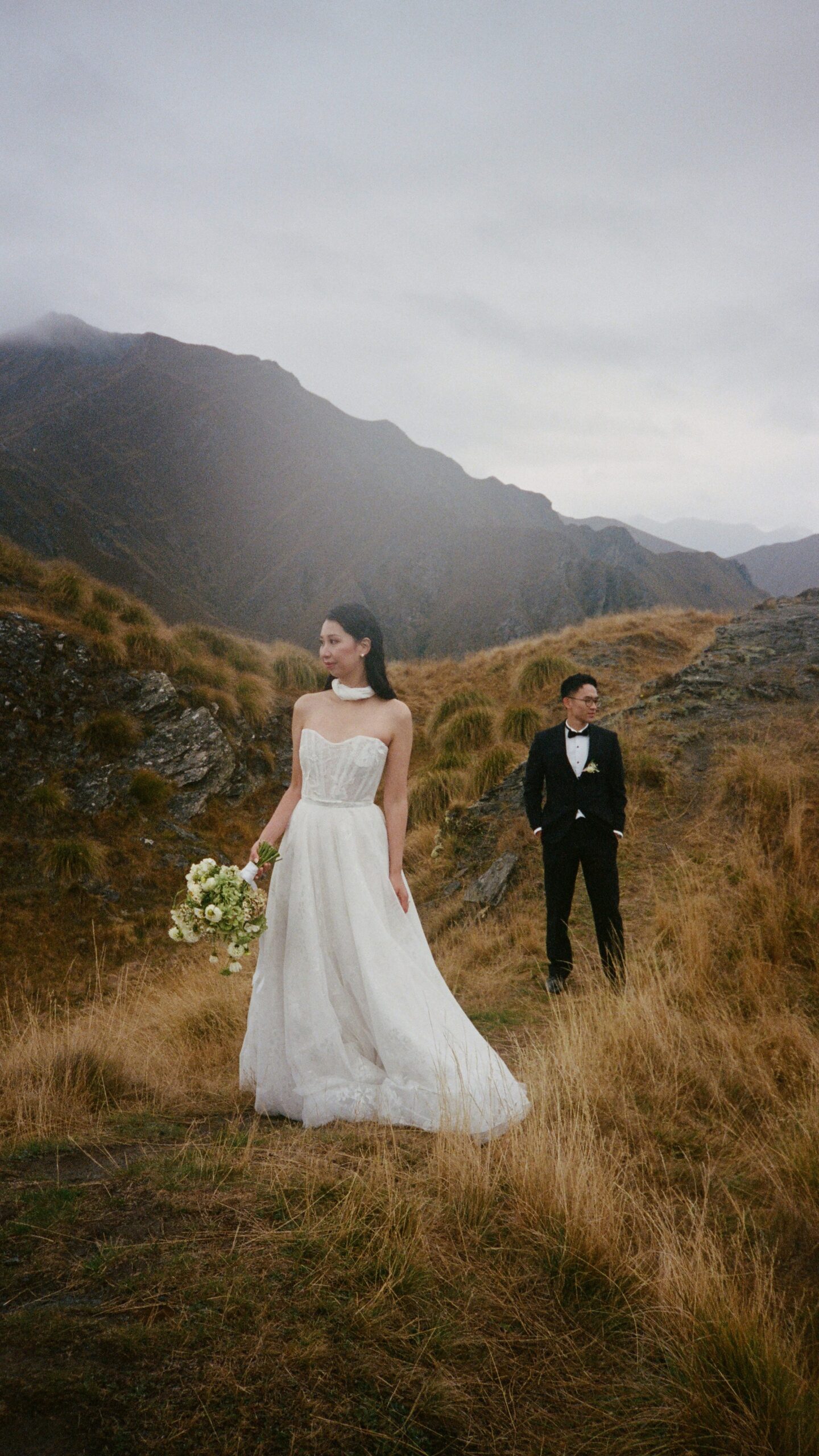
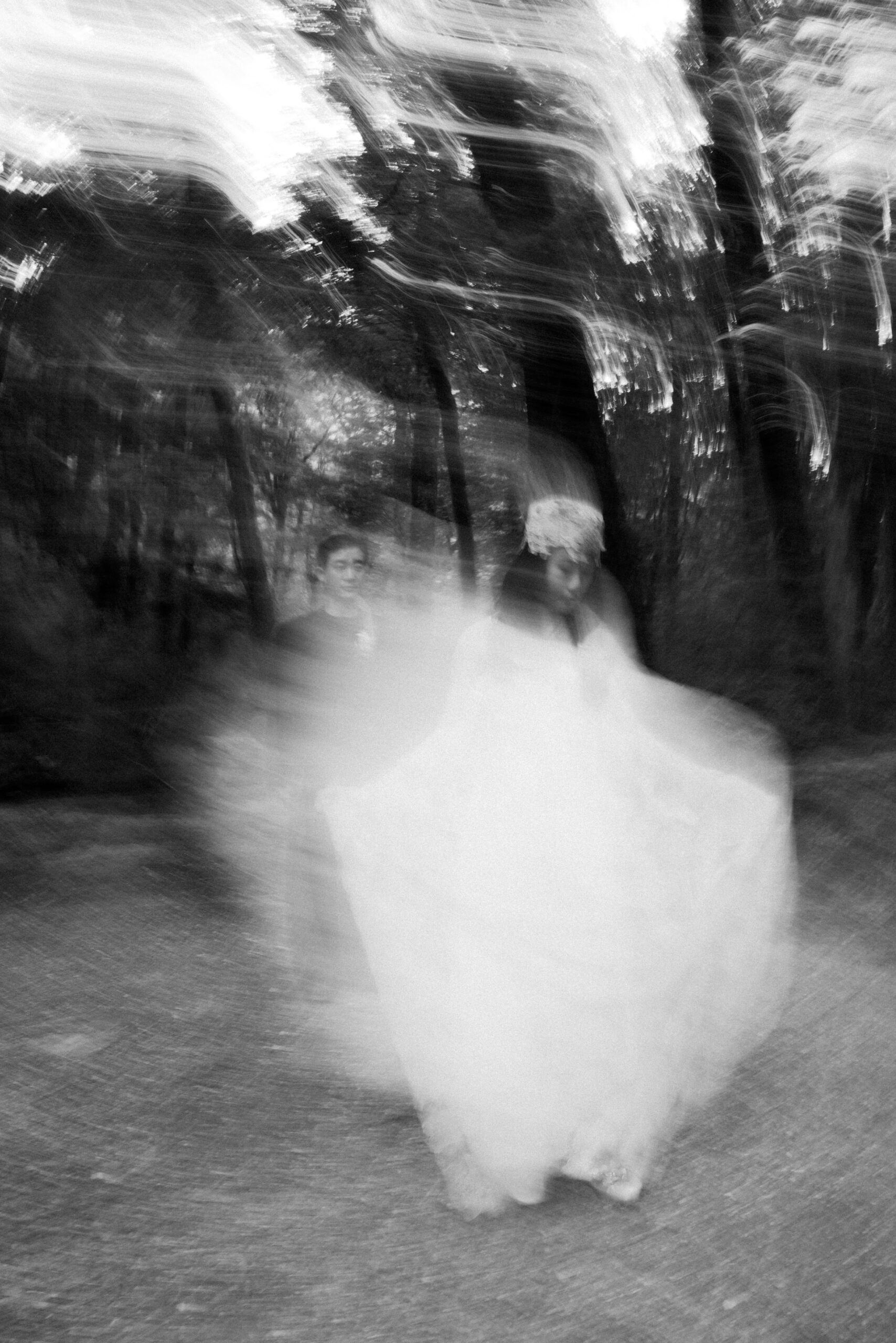
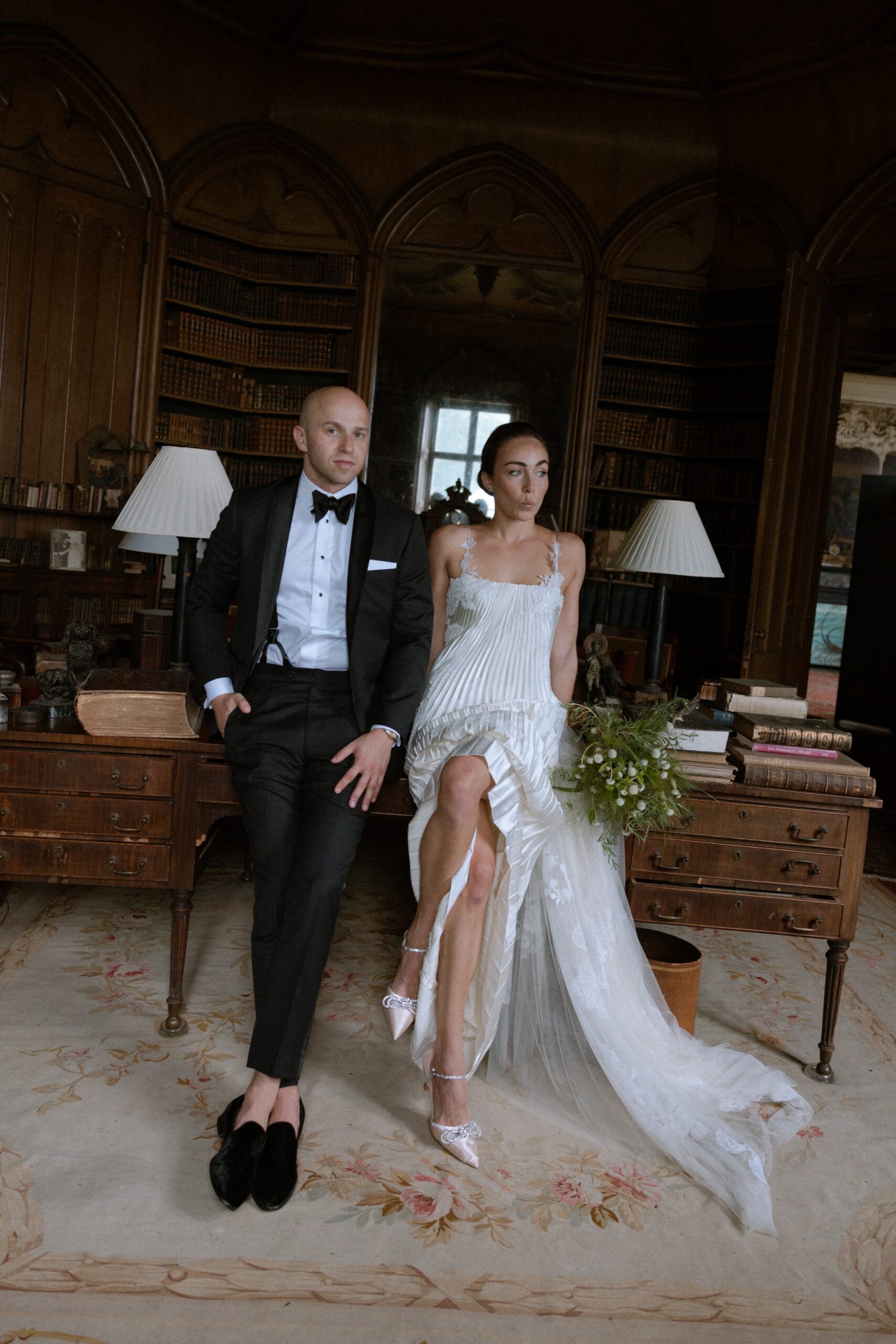
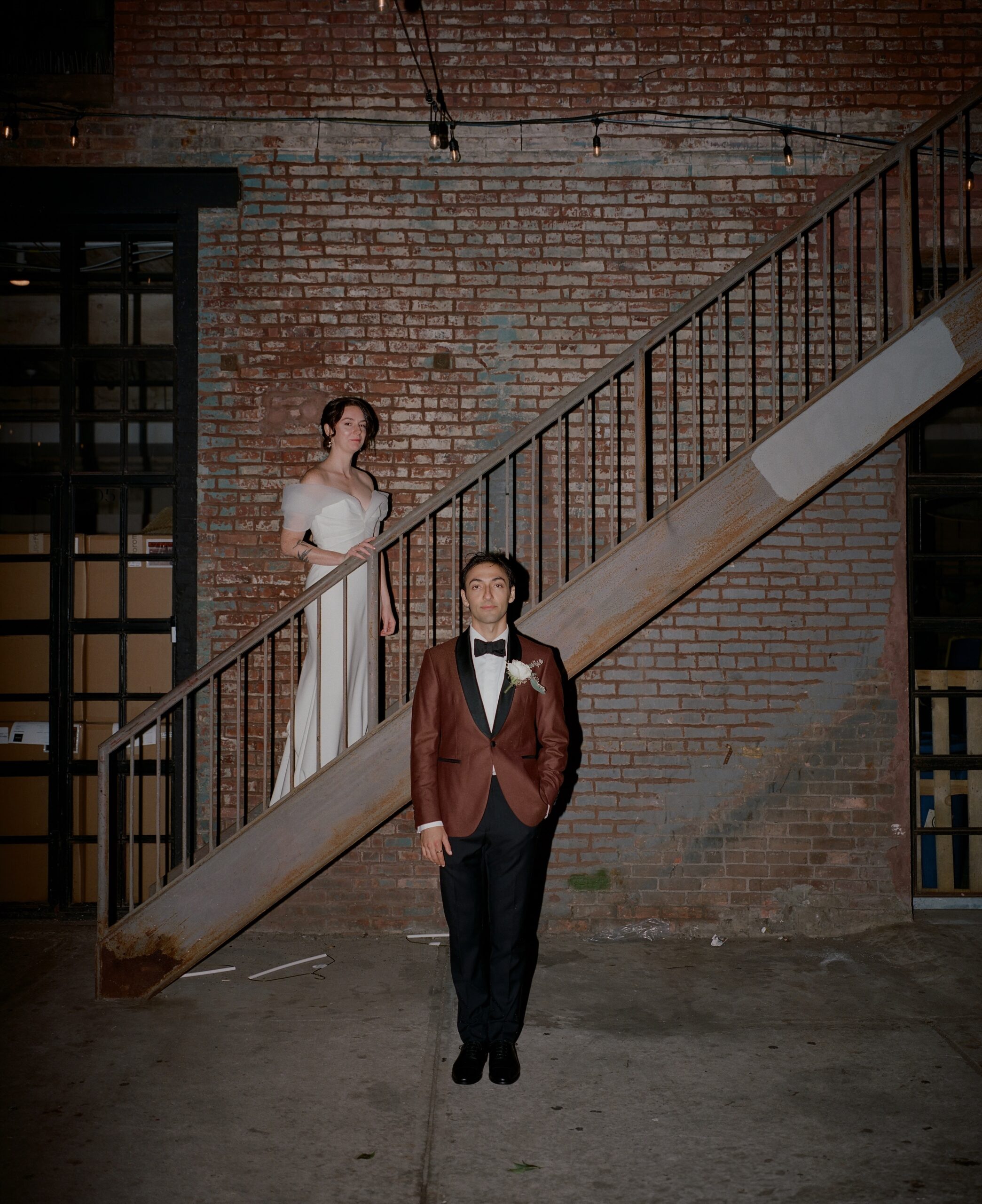
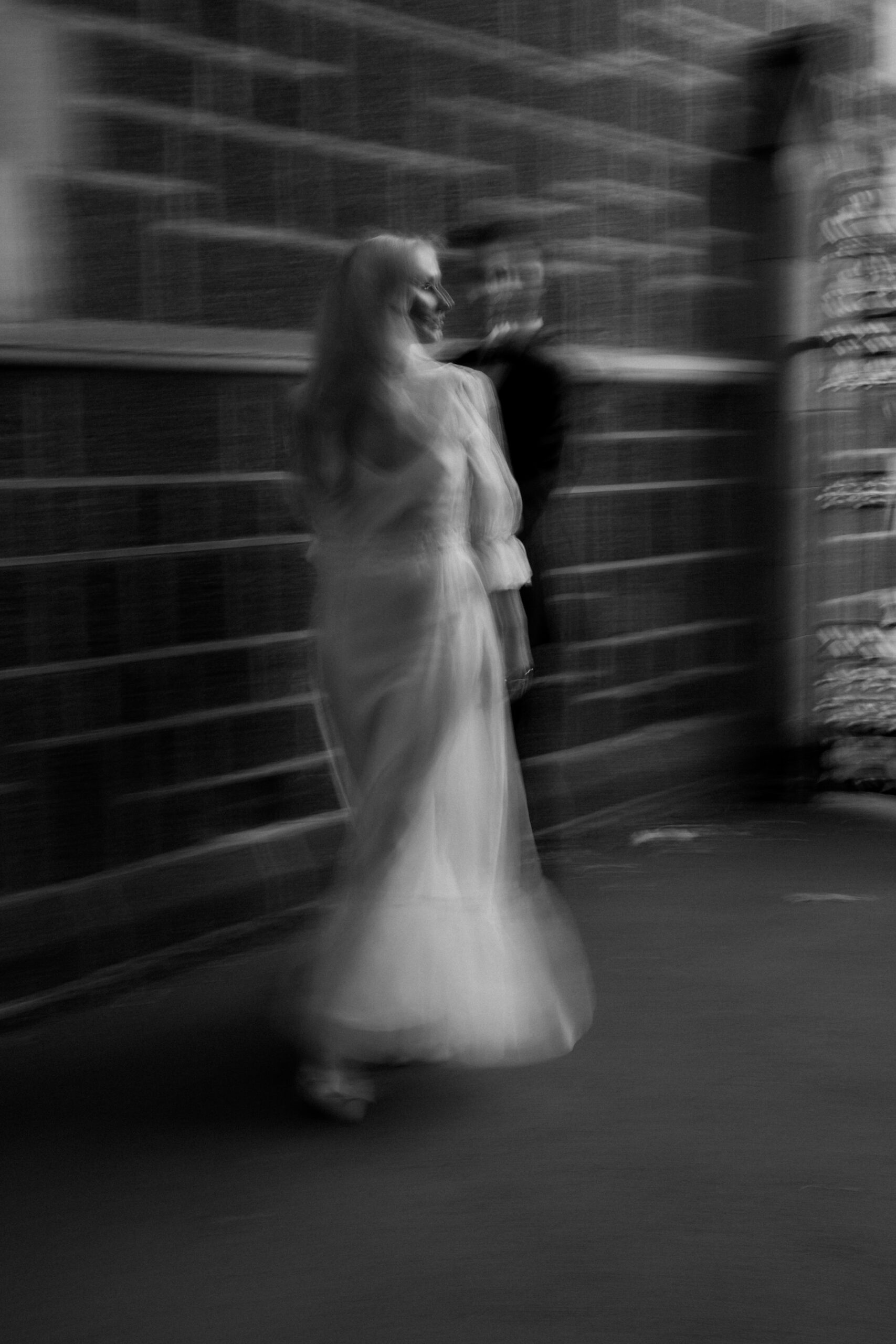
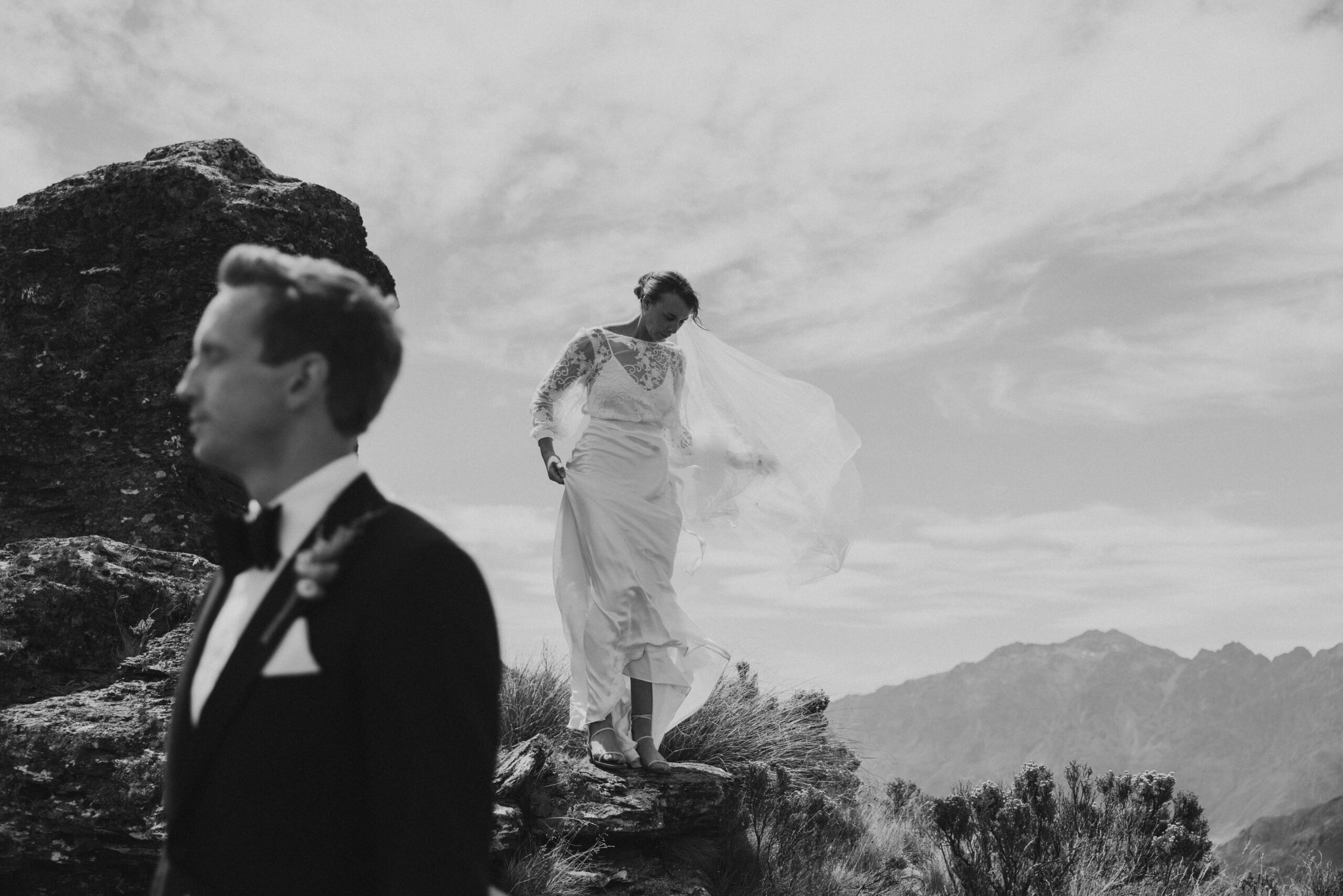
Based between Wānaka and Auckland, Sophie is part of a new wave of photographers bringing a distinctly editorial sensibility to the wedding space. With a background spanning fashion, commercial and equine photography, her images are shaped by a refined understanding of light, form and restraint. Drawn to monotone landscapes, minimalist composition and moments of unguarded connection, her work feels both contemporary and deeply atmospheric.
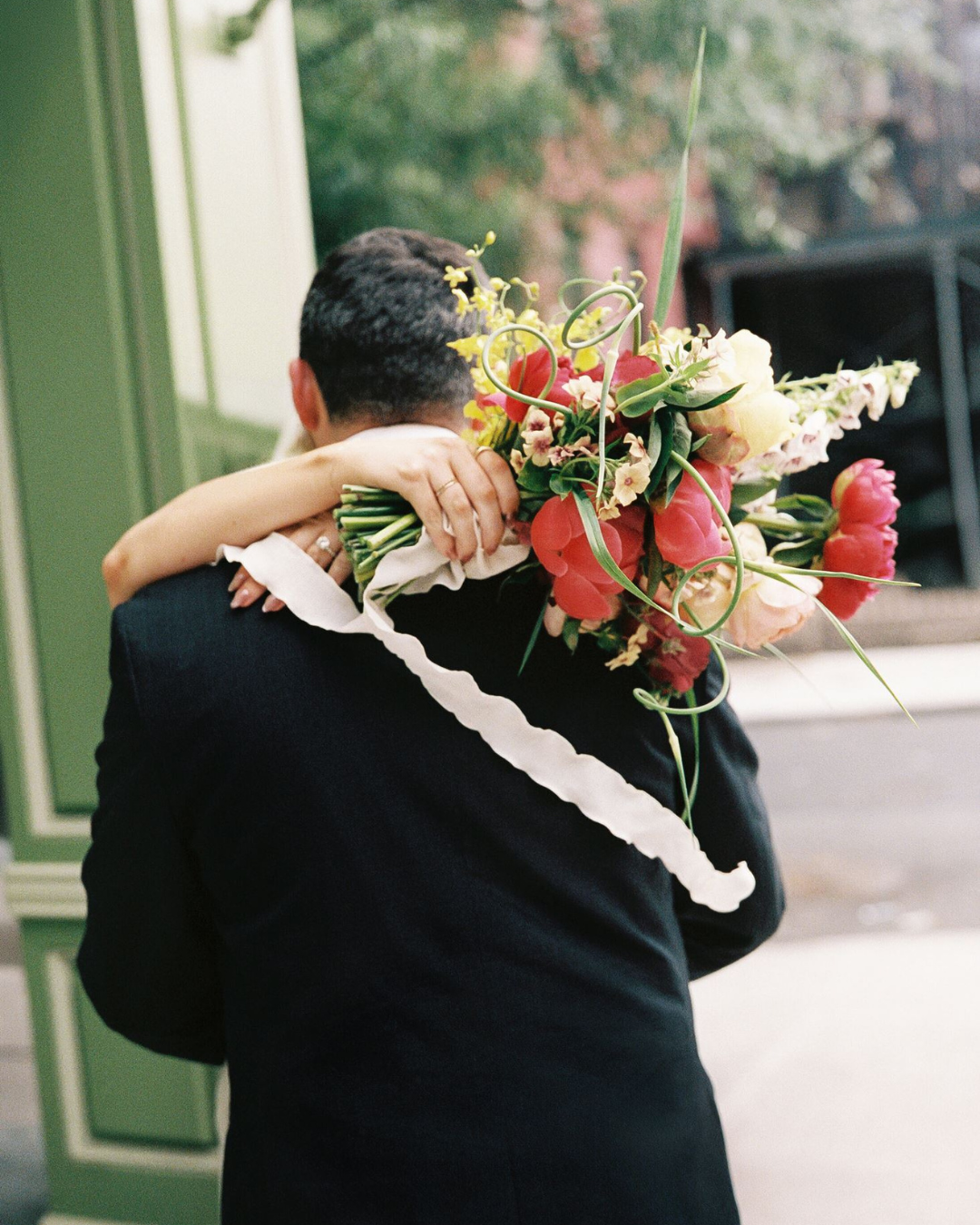
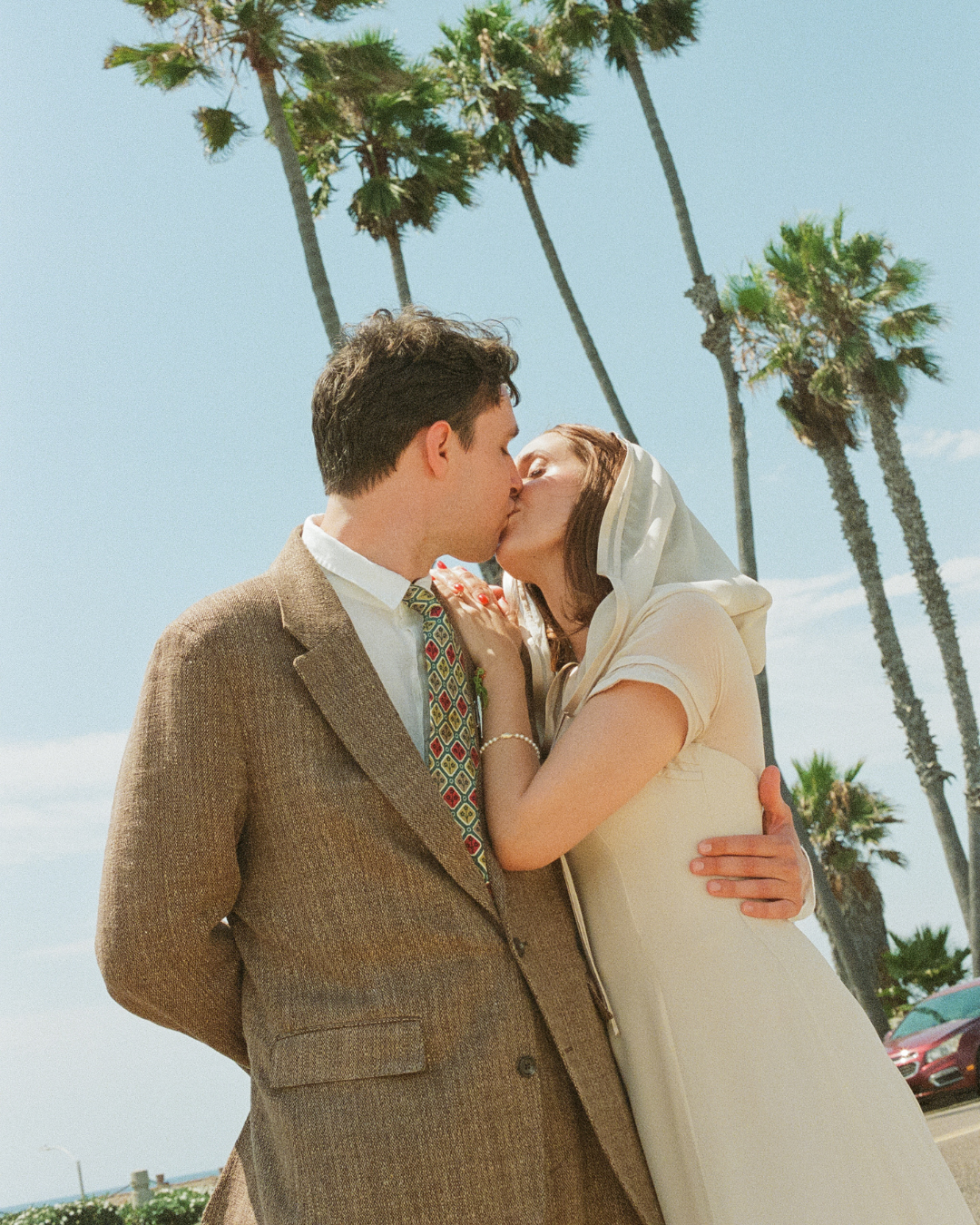
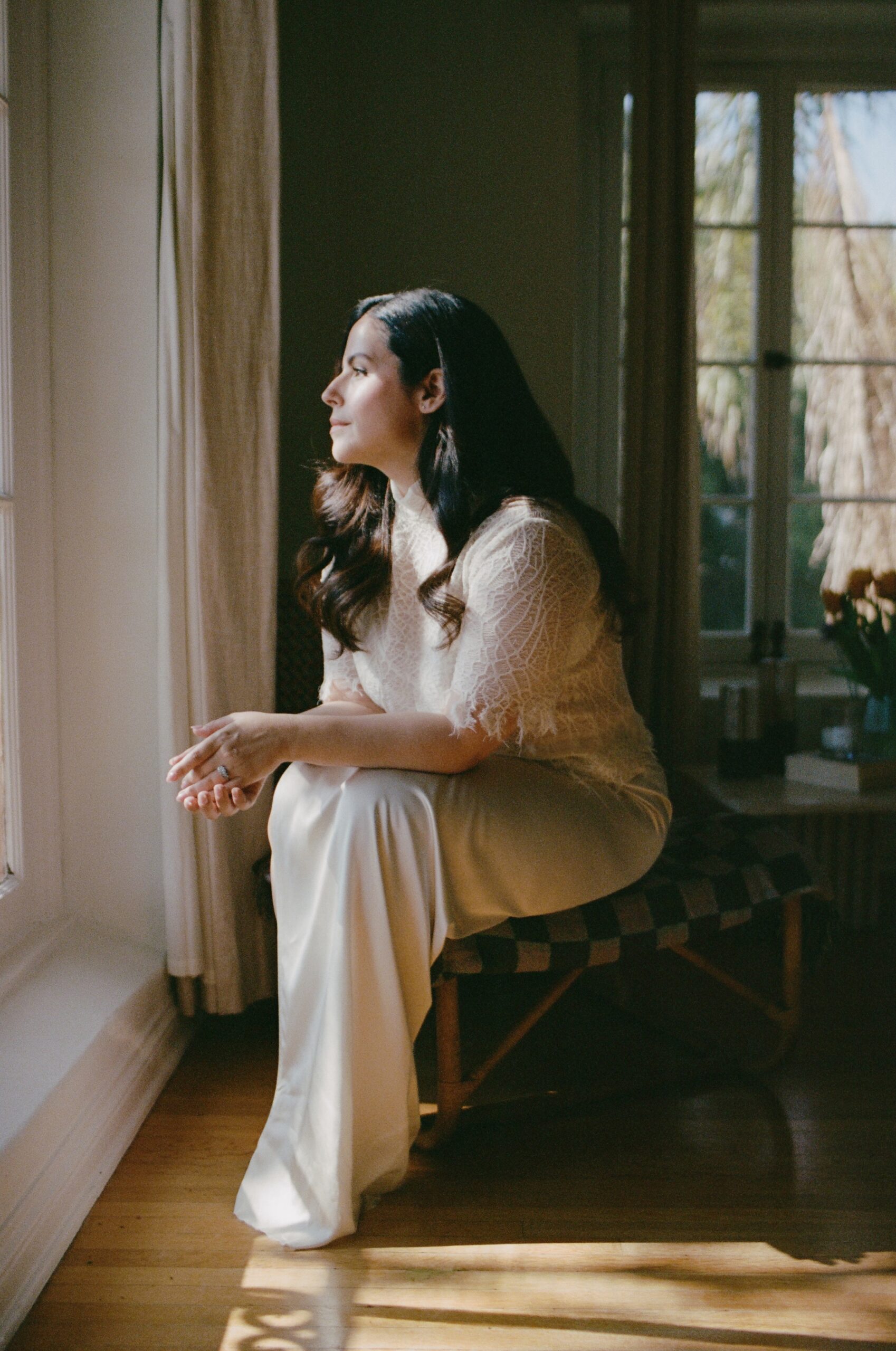
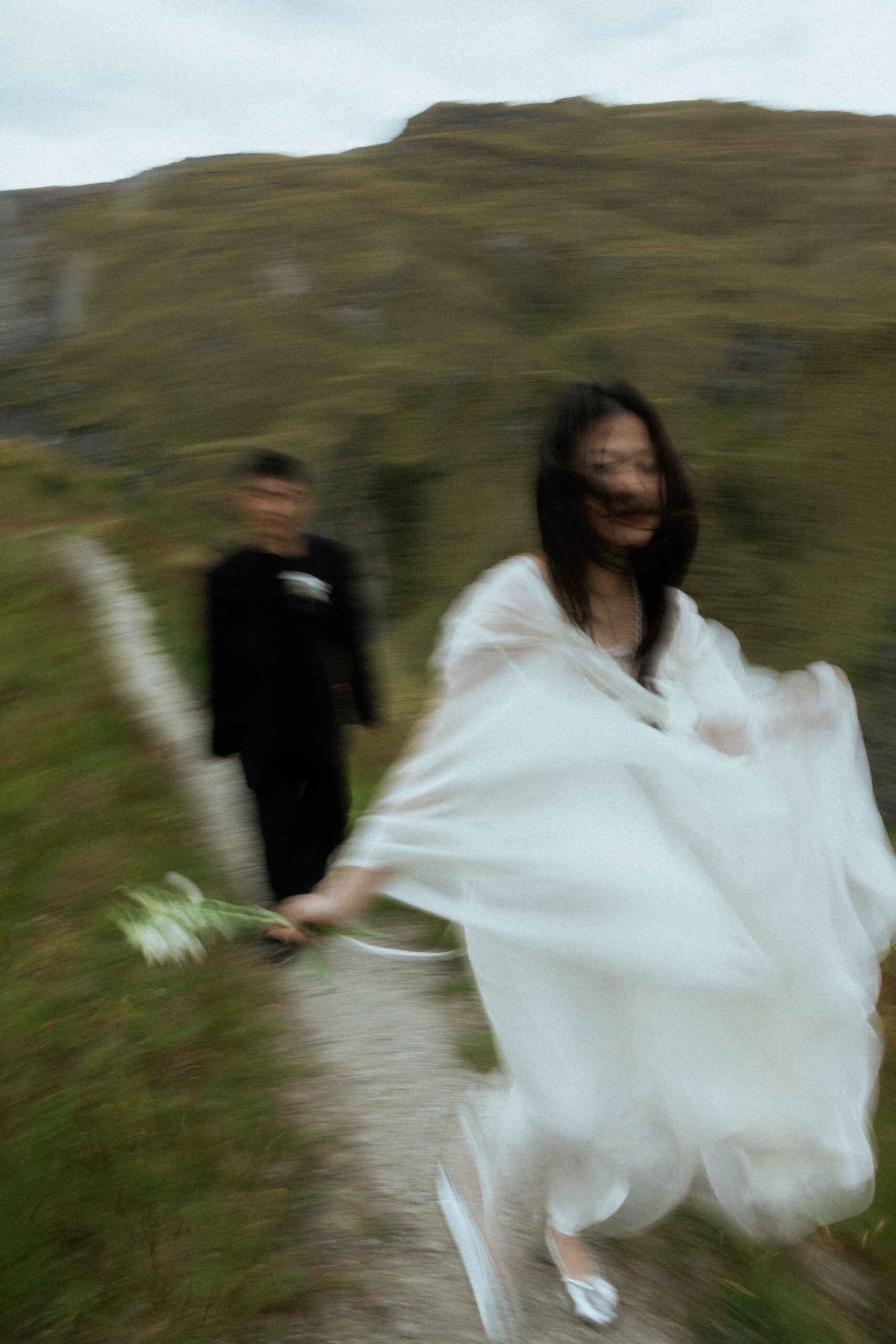
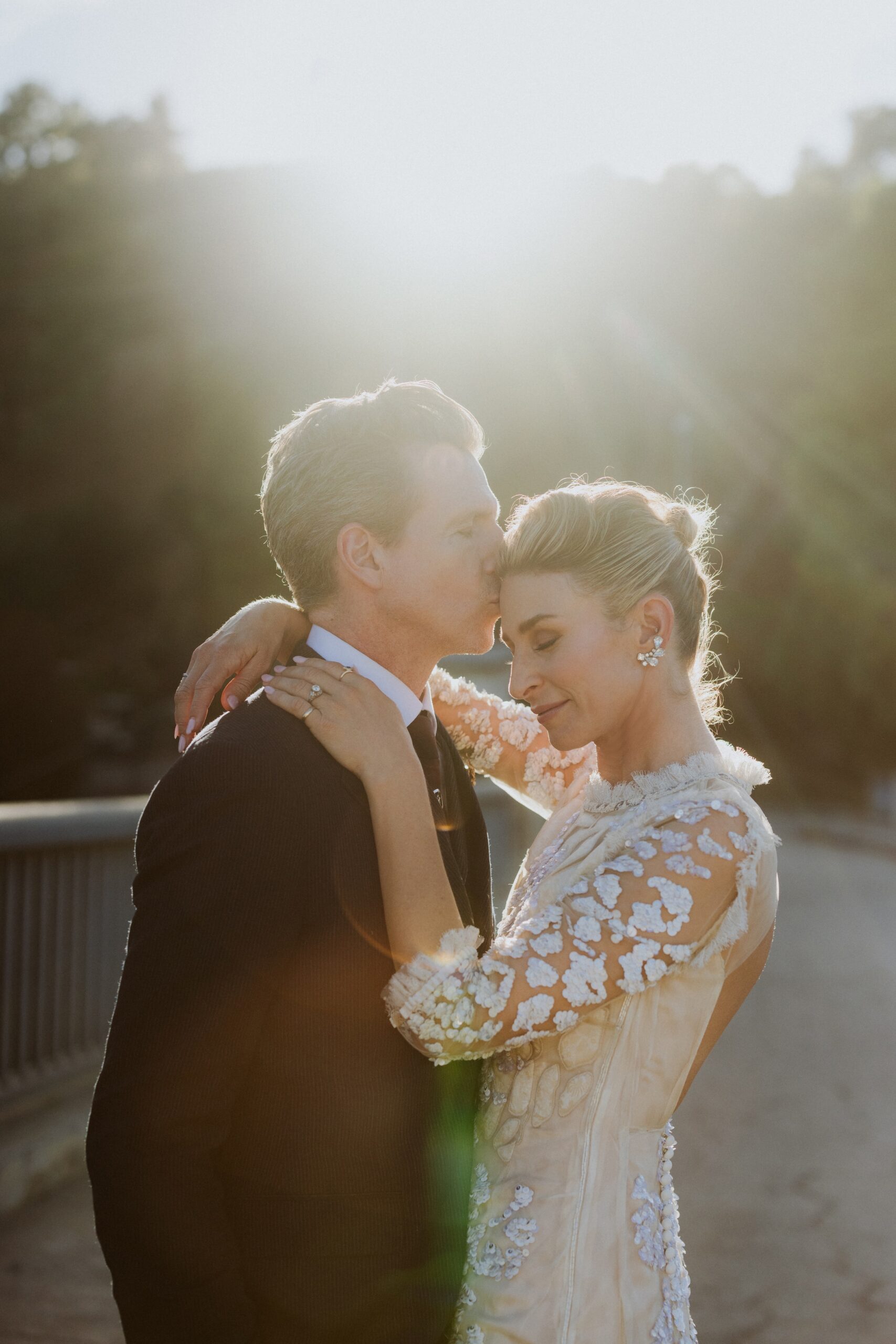
What sets Sophie apart is her instinct for observation over orchestration. Rather than manufacturing moments, she documents what already exists, the subtle exchange of a glance, the quiet geometry of light across a room, the emotional undercurrent running through a gathering. The result is imagery that feels honest, cinematic and quietly profound.
Having spent years documenting weddings alongside her work in fashion, commercial and equine photography, Sophie has developed a perspective that feels especially attuned to this current cultural shift, as couples move away from performative celebration in favour of something more intimate, grounded and meaningful. Her thoughtful approach reflects not only a finely honed aesthetic eye, but a deep understanding of ritual, human connection and the significance of gathering. In her hands, weddings are not simply beautiful occasions to be captured, but rare and deeply human moments of presence, vulnerability and remembrance.
Fresh, perceptive and creatively expansive, Sophie is bringing a new perspective to modern wedding photography, one shaped by fashion, place, lived experience and a genuine curiosity about the many ways love reveals itself.
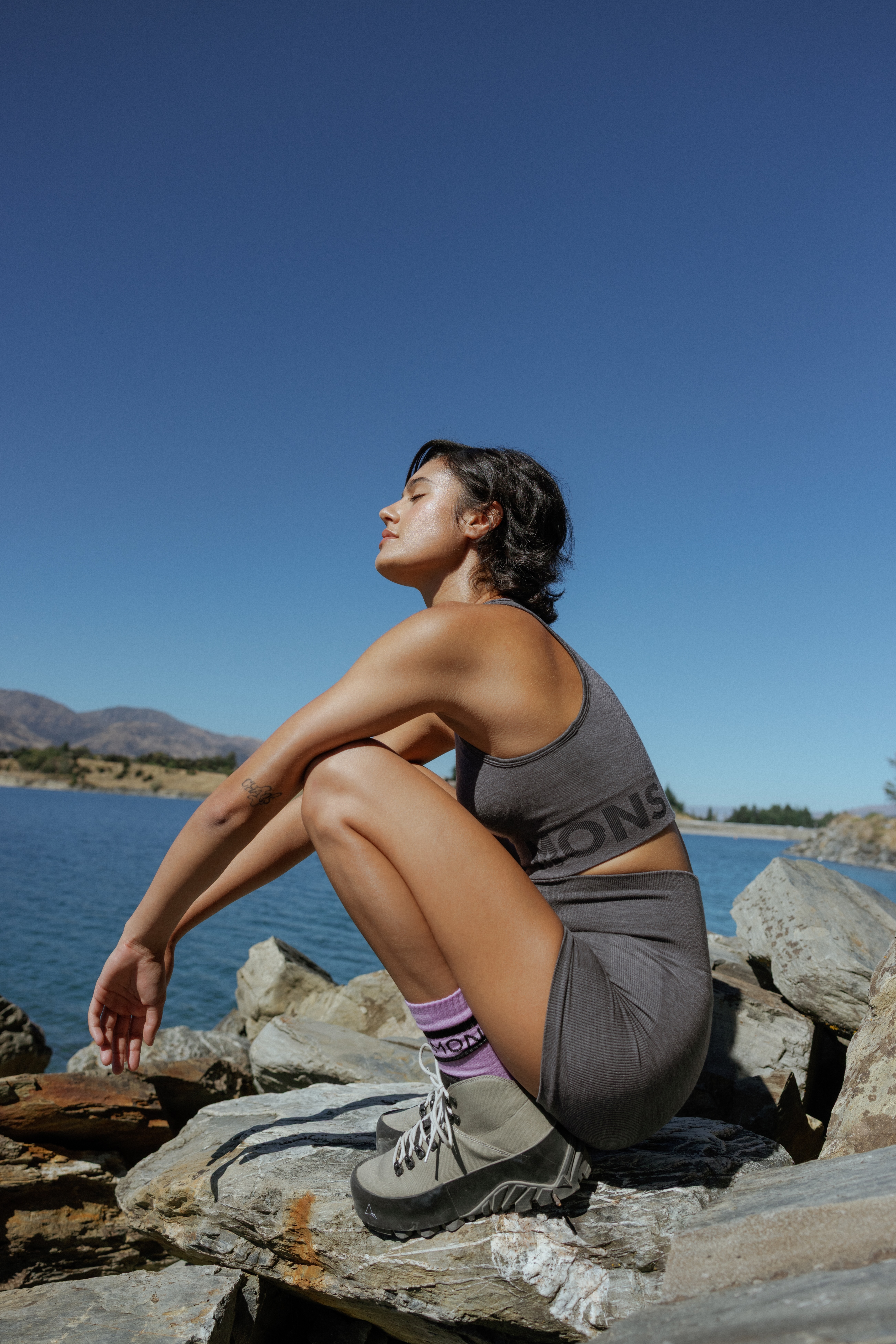
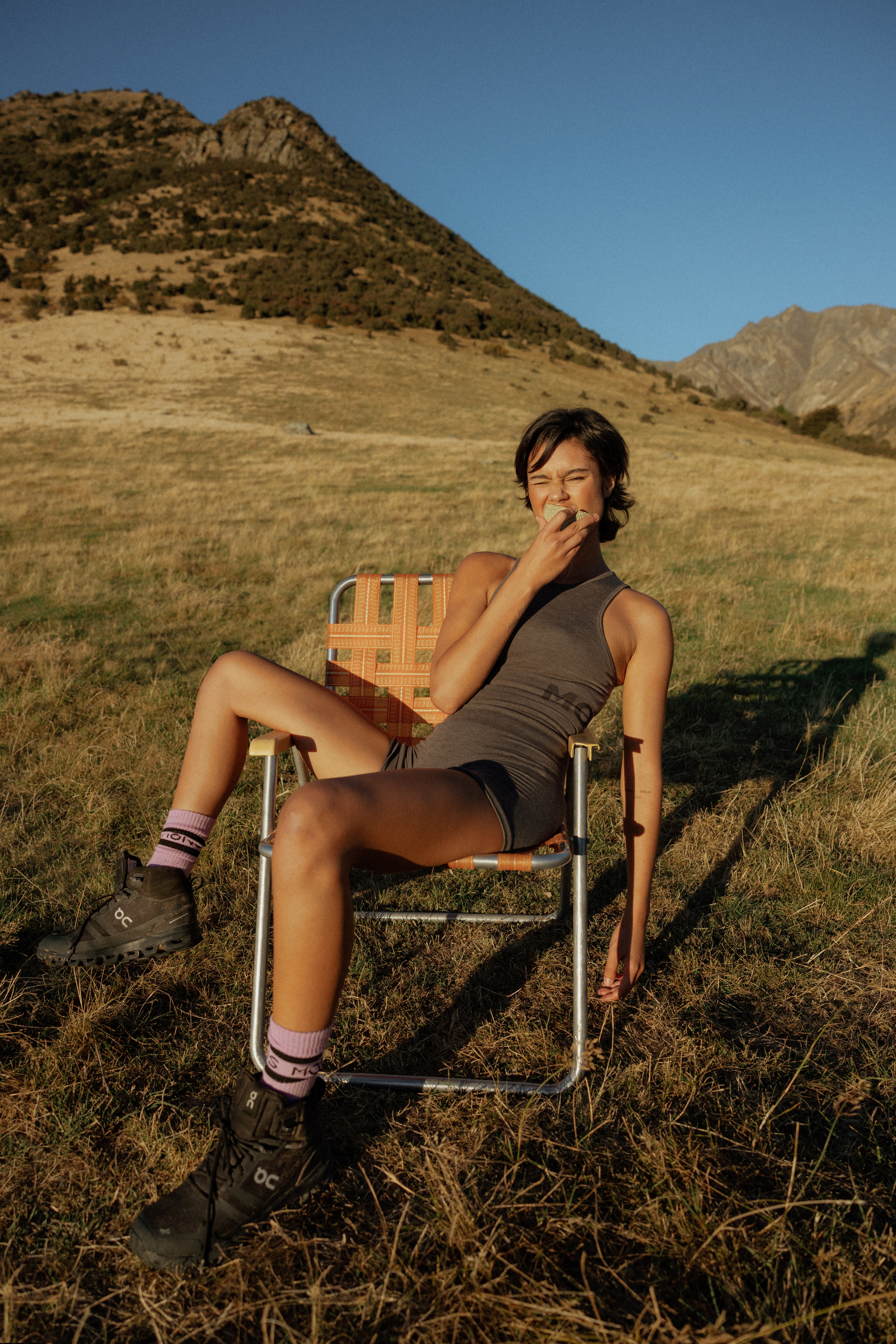
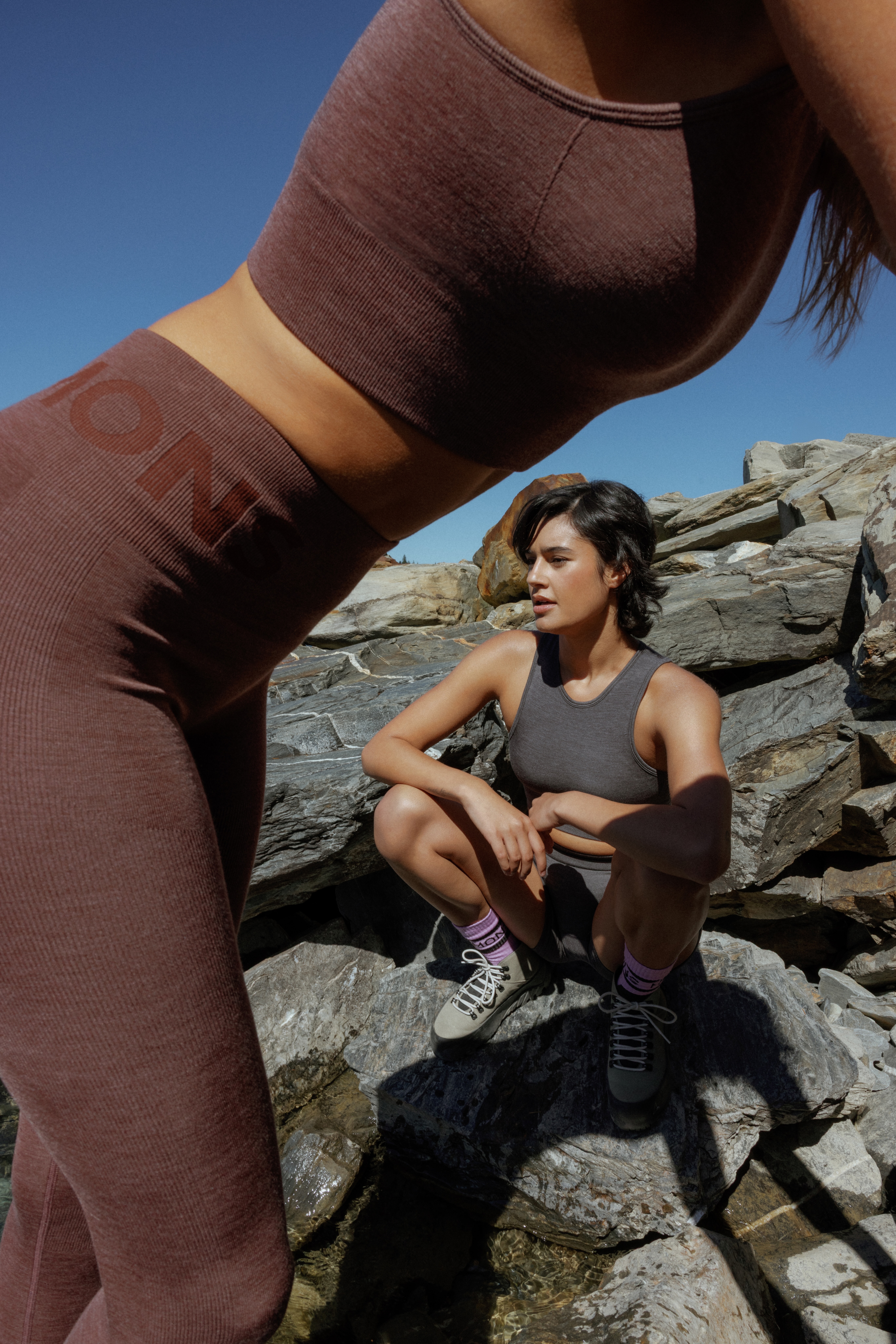
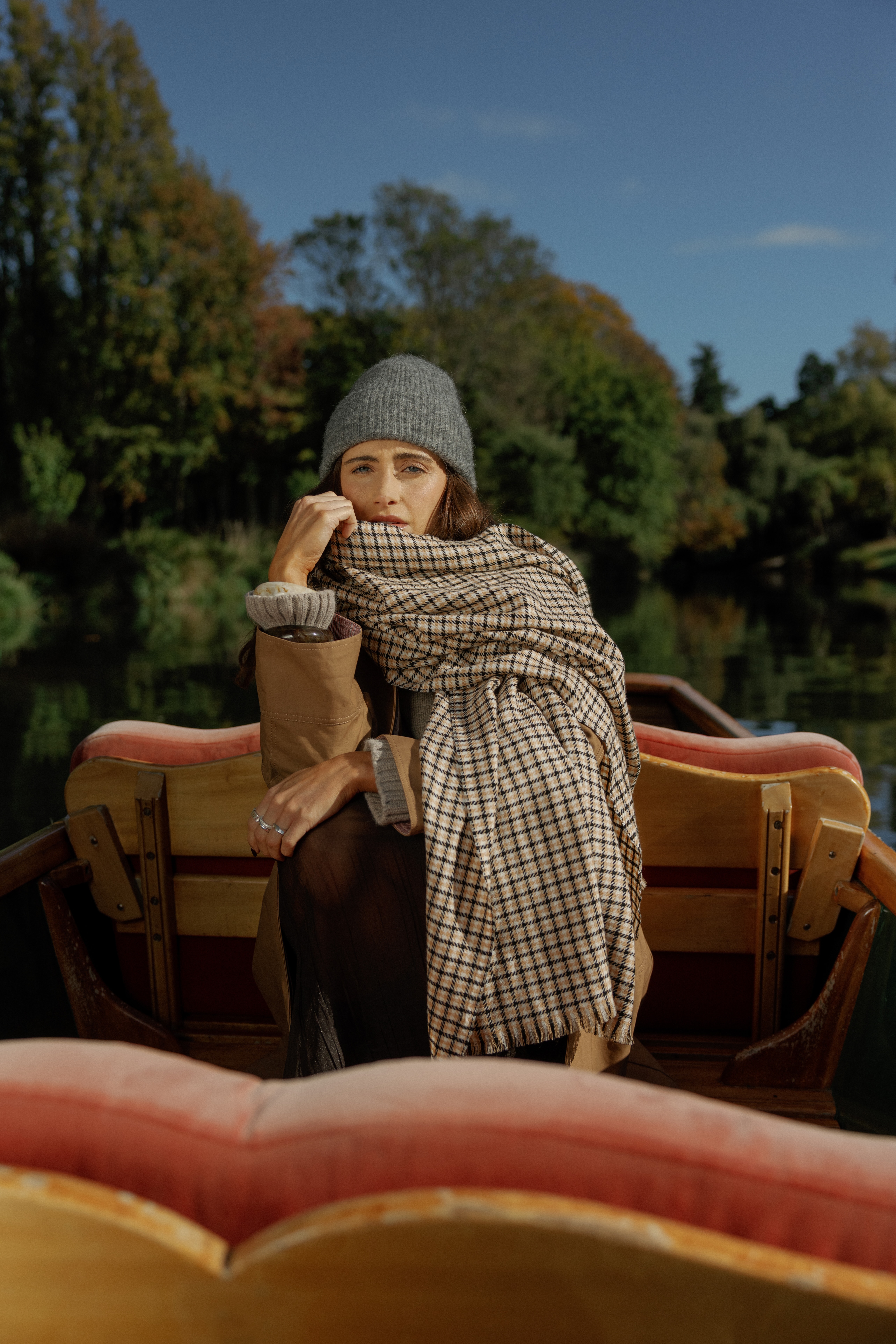
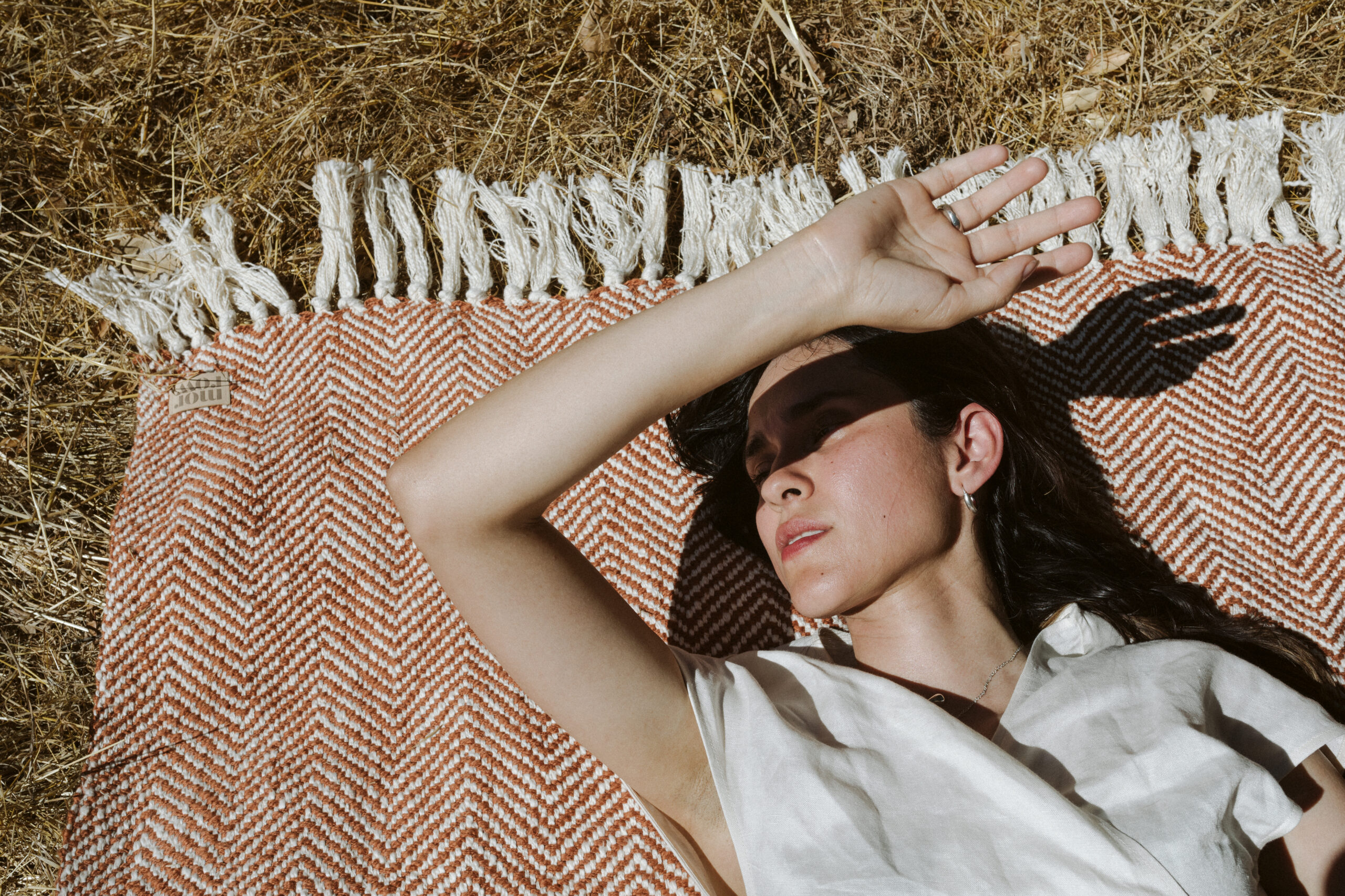
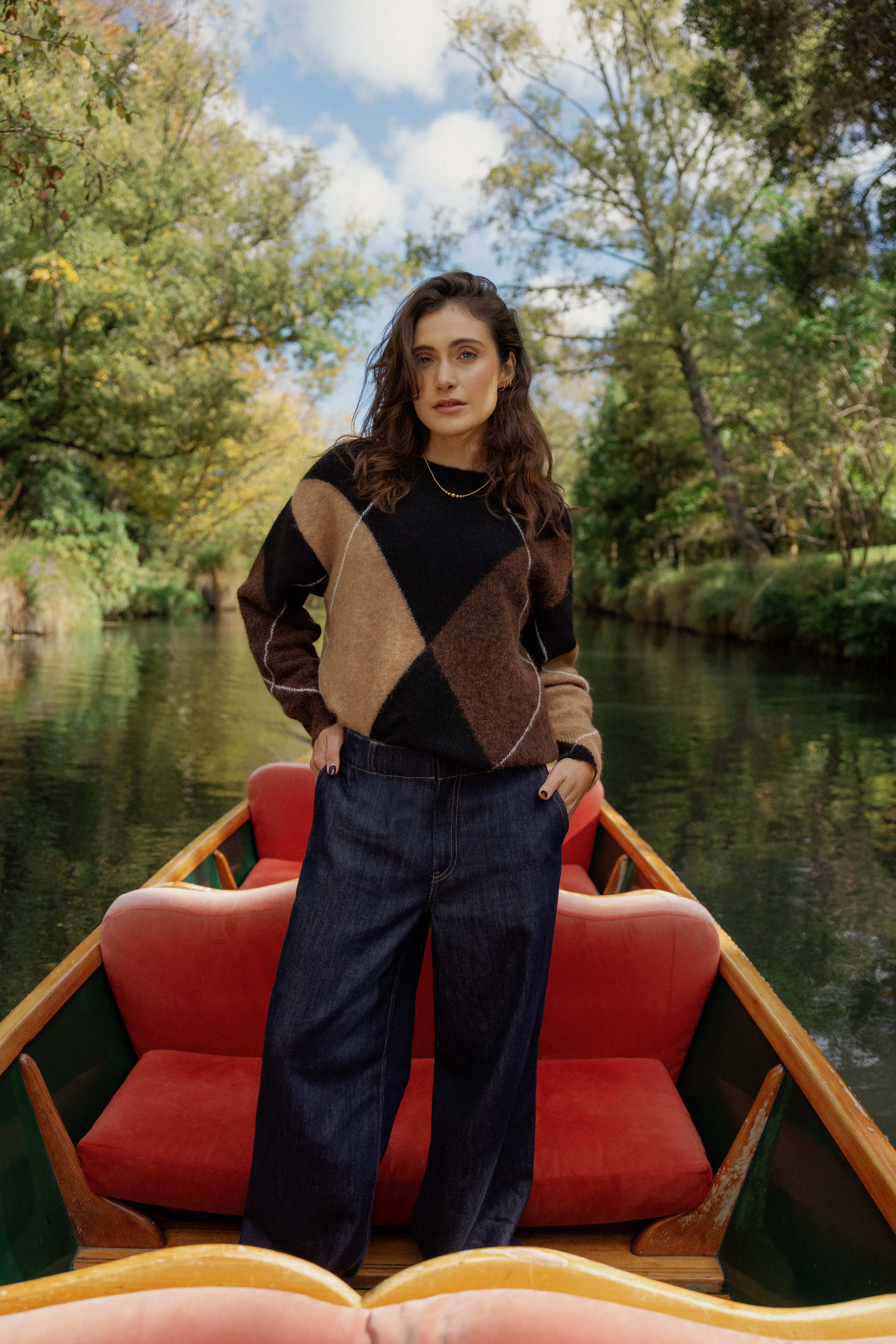
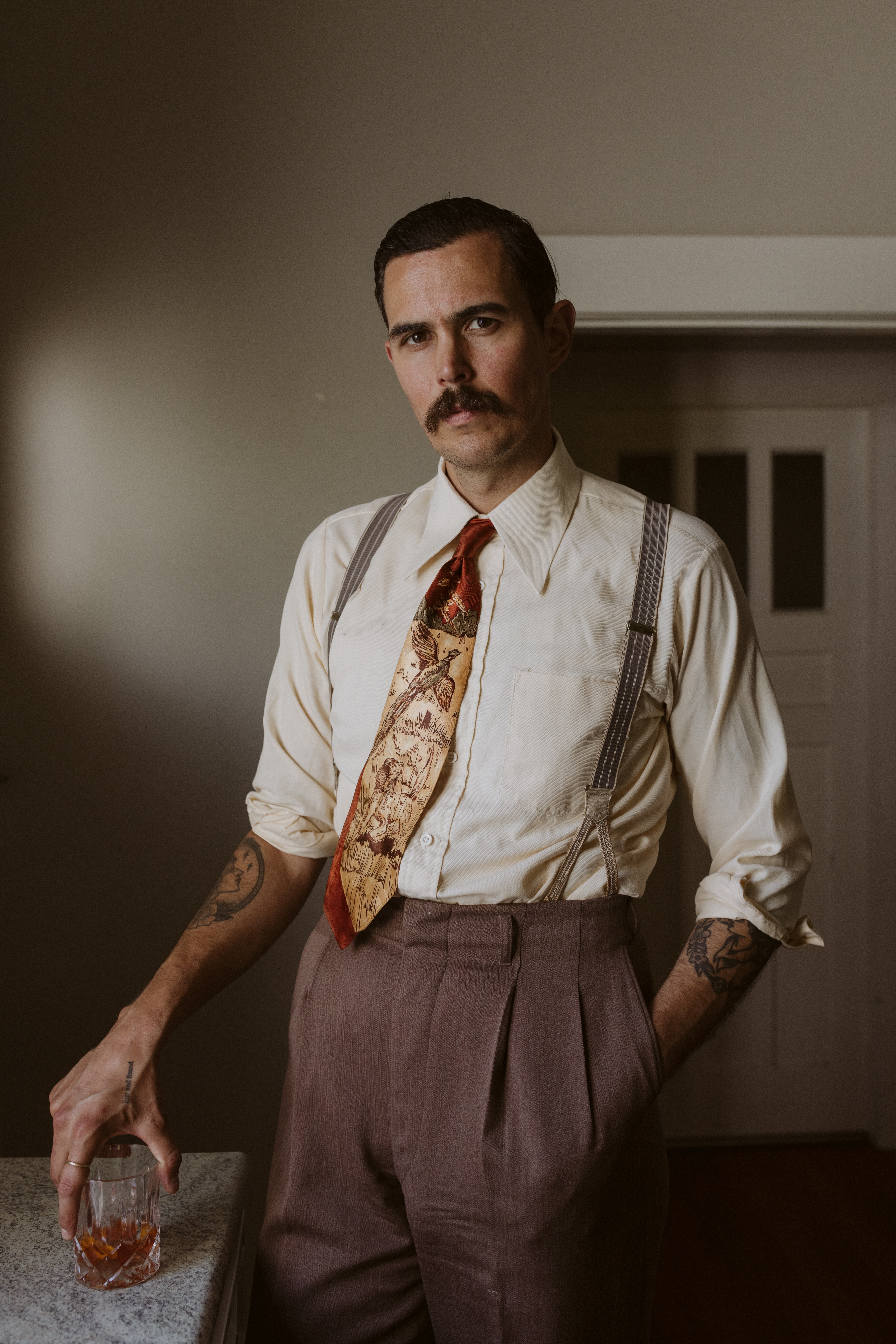
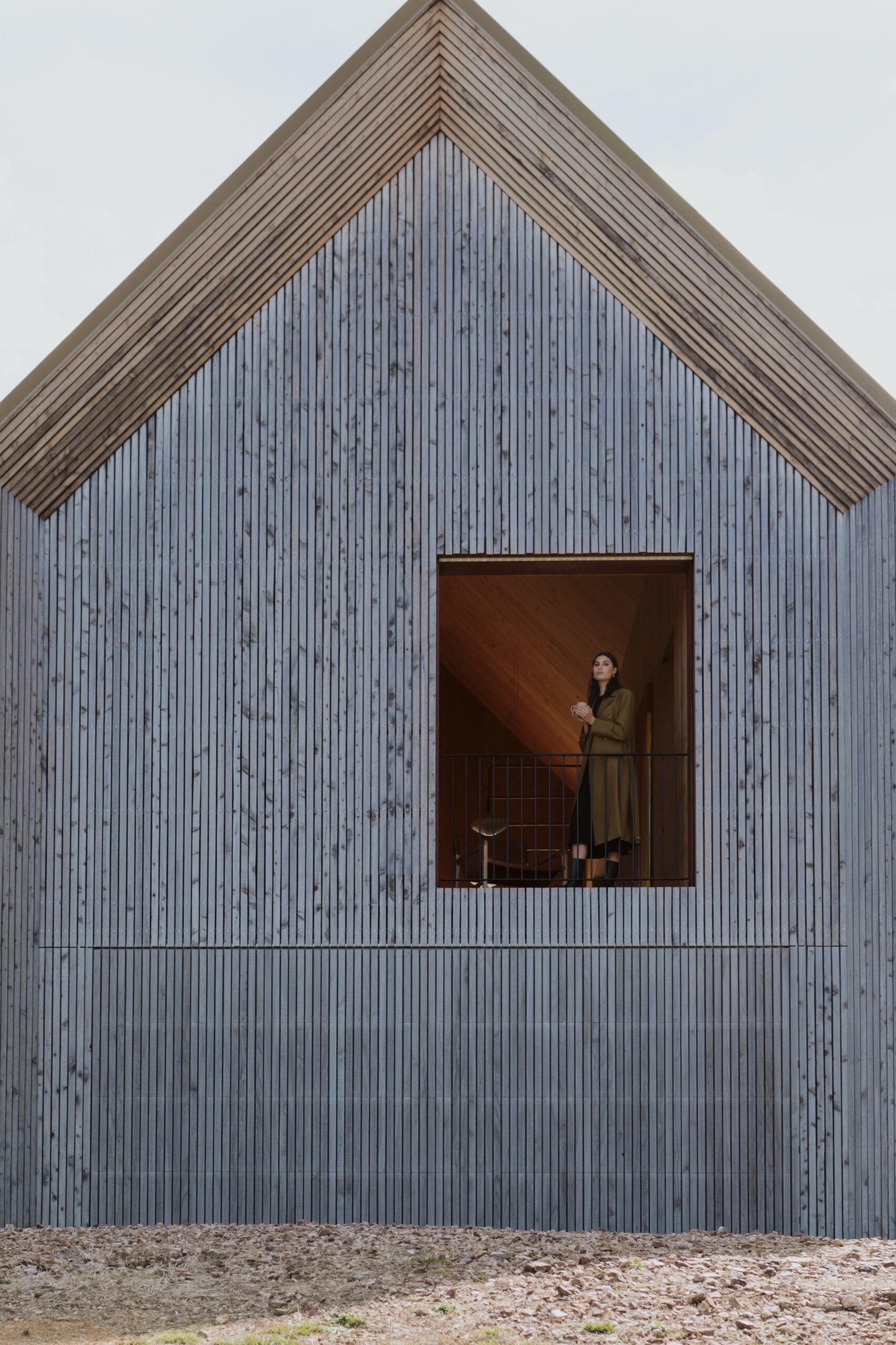
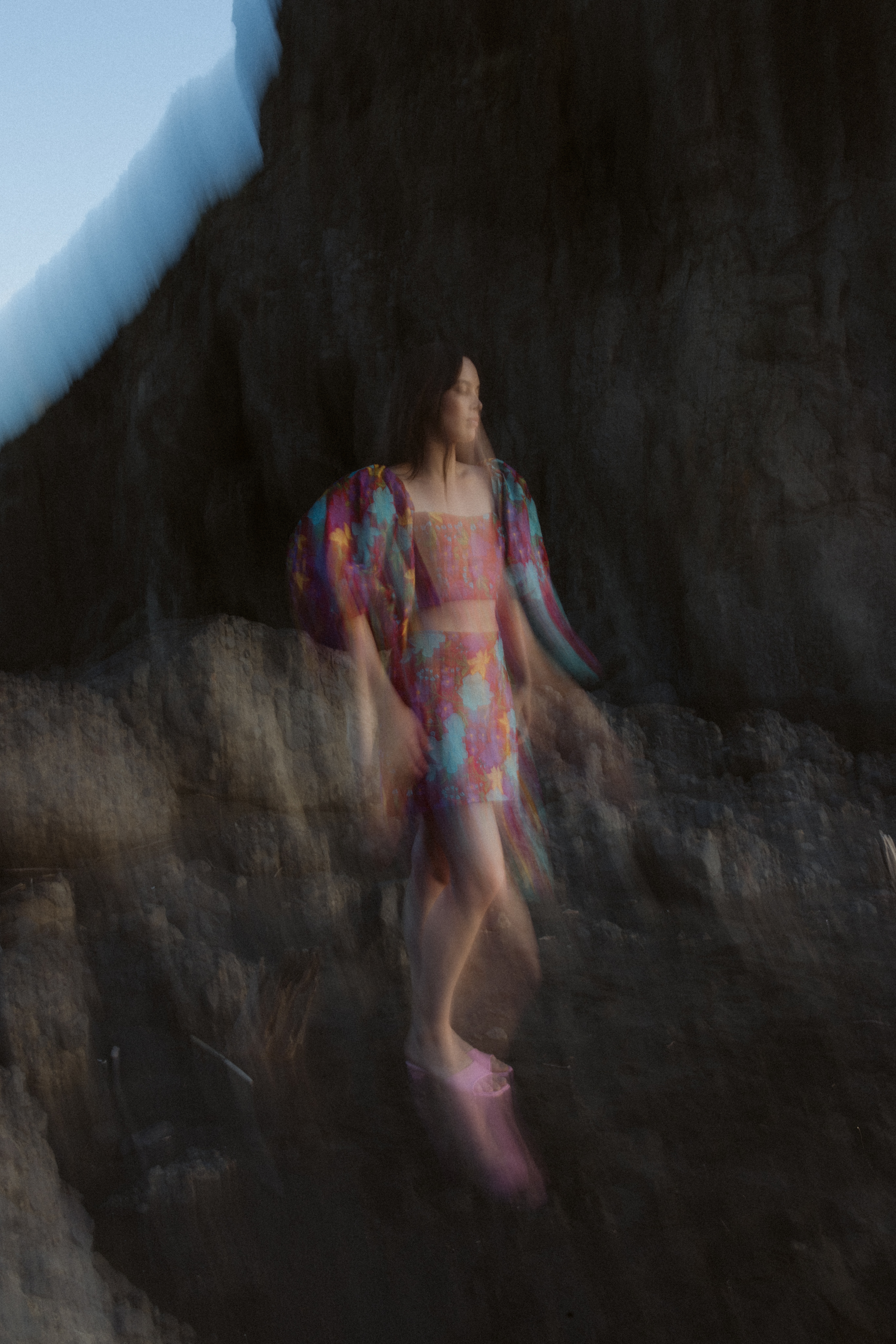
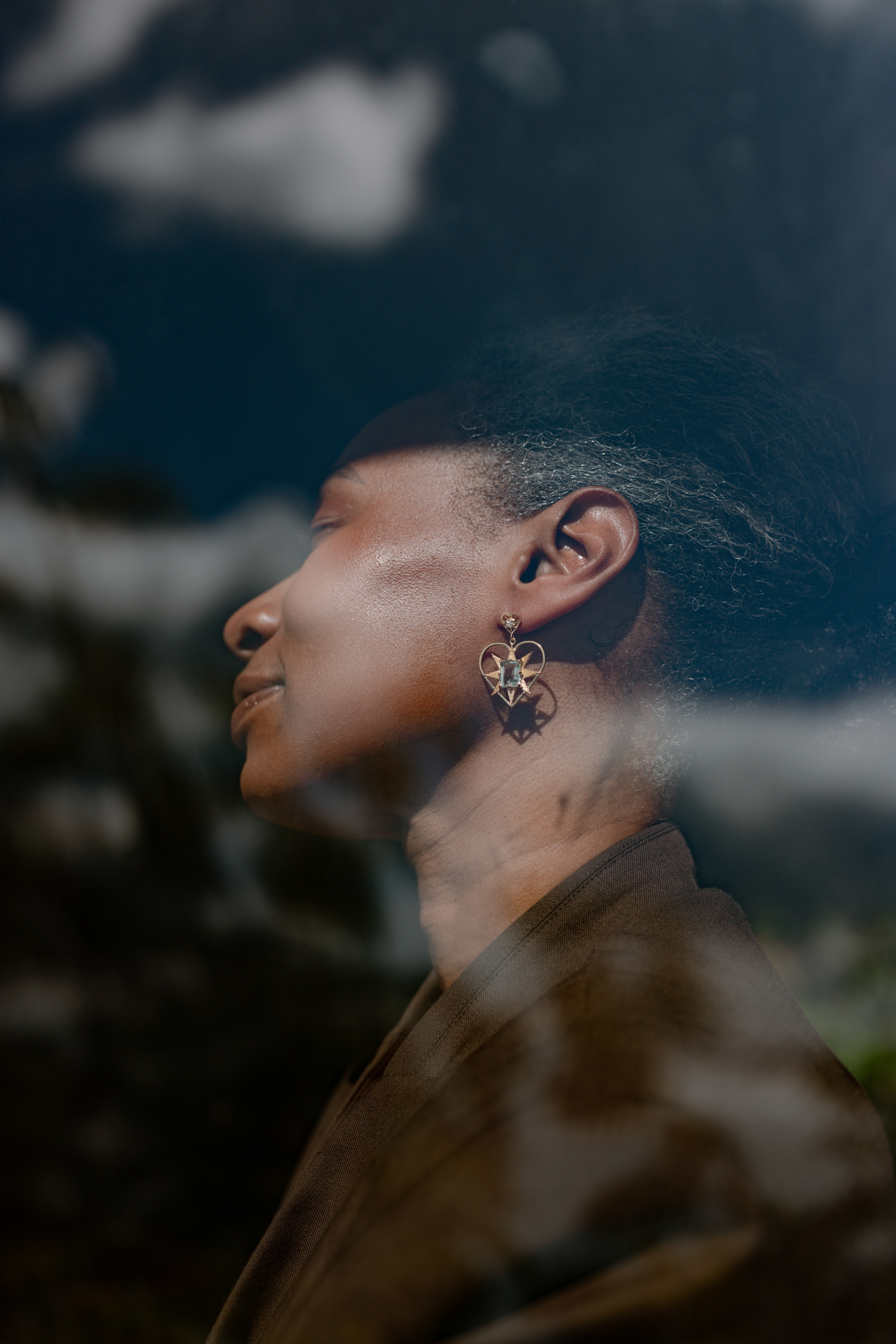
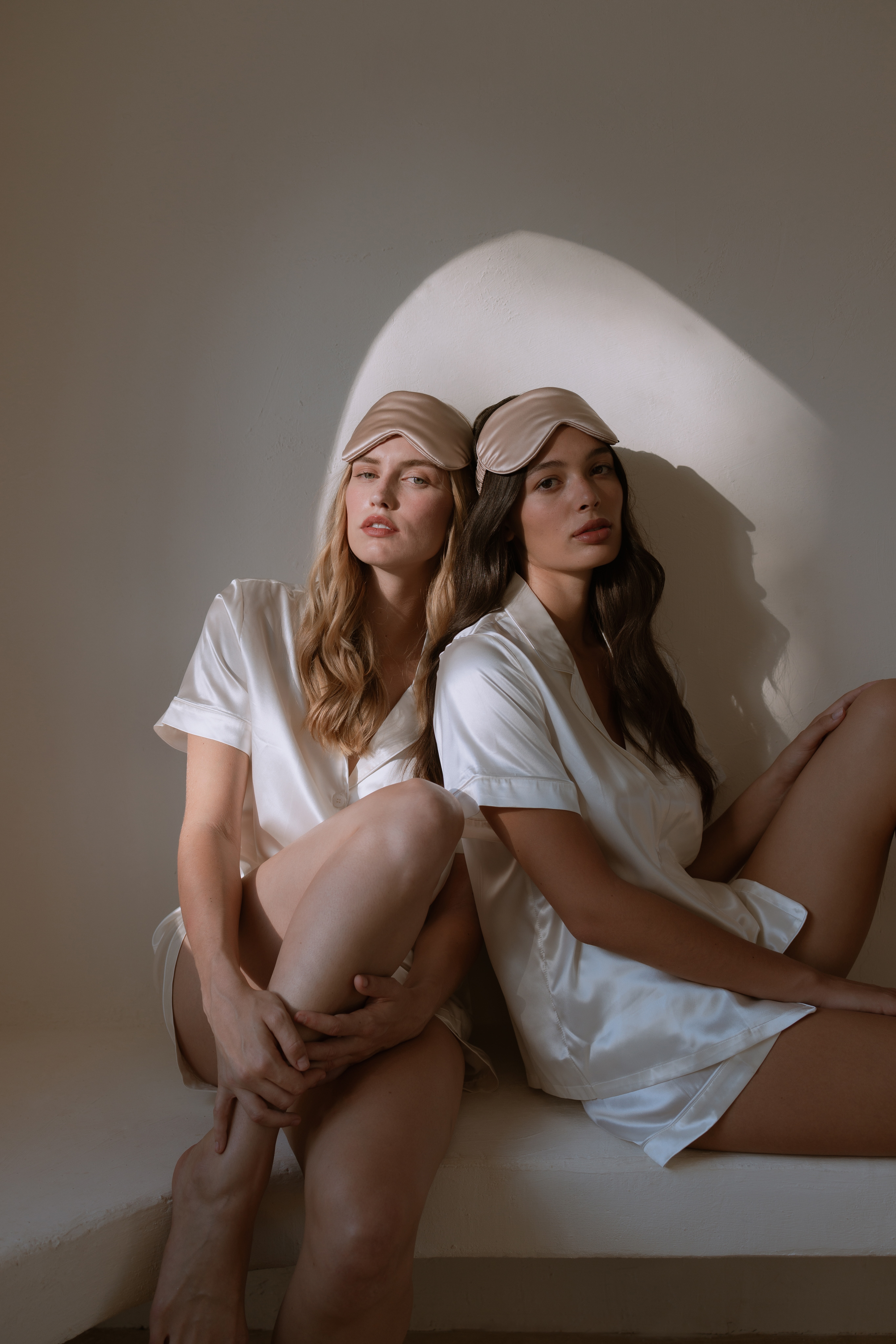
Your work feels incredibly restrained in the best possible way, considered, atmospheric and never overworked. What draws you to that quieter visual language when so much of the wedding world can lean towards spectacle?
I’m naturally a quiet observer. I like inhabiting the edge of things – one foot in, one foot out – moving through a scene without interrupting it, waiting for small moments, gestures or compositions to emerge on their own.
For a long time I thought being introverted was a disadvantage in this industry, but now I see it as one of my greatest strengths. Rather than forcing energy or performance onto people, I try to create enough calm that they can simply be themselves. People always reflect the energy around them, and I think my work carries that quieter emotional tone because of who I am.
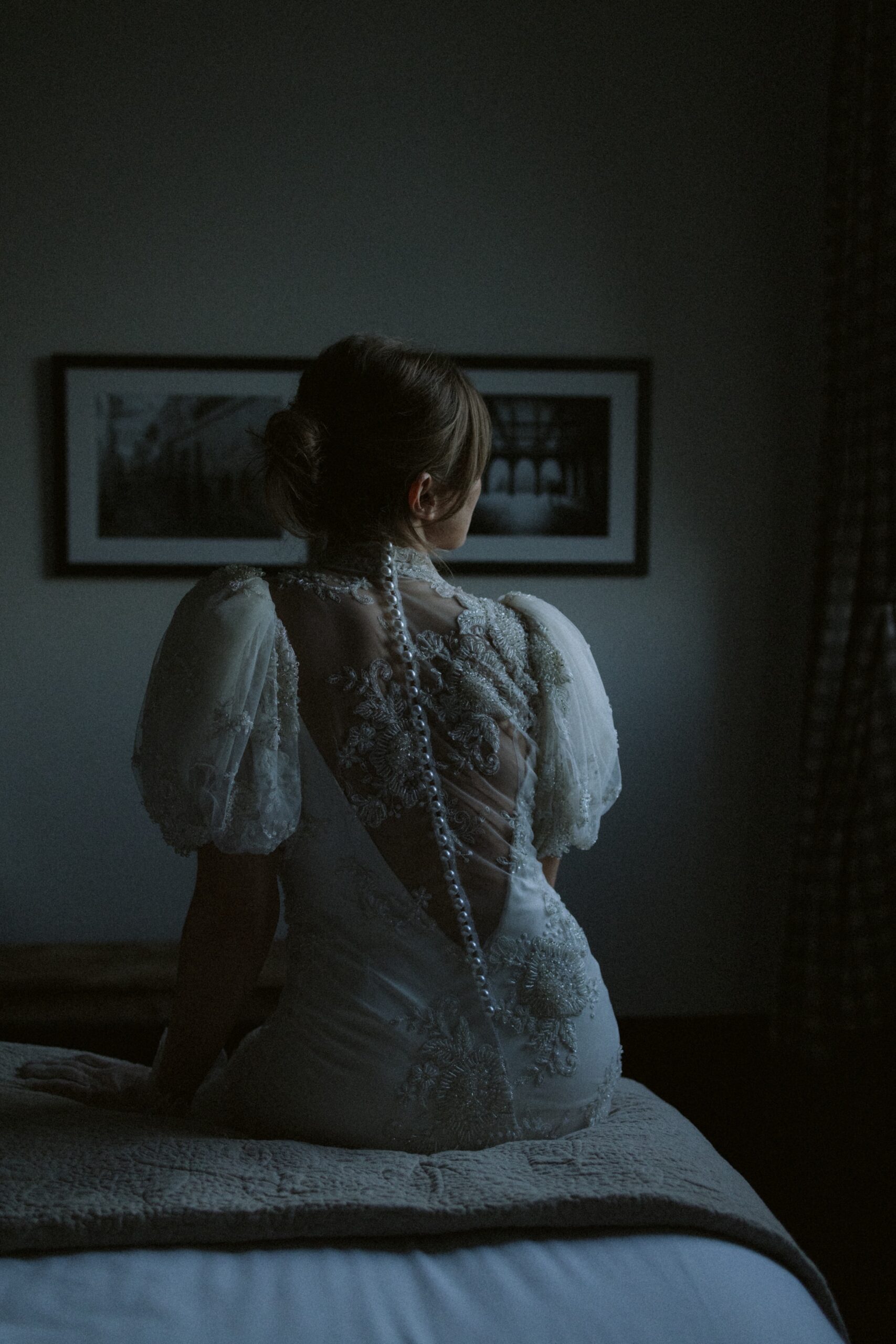
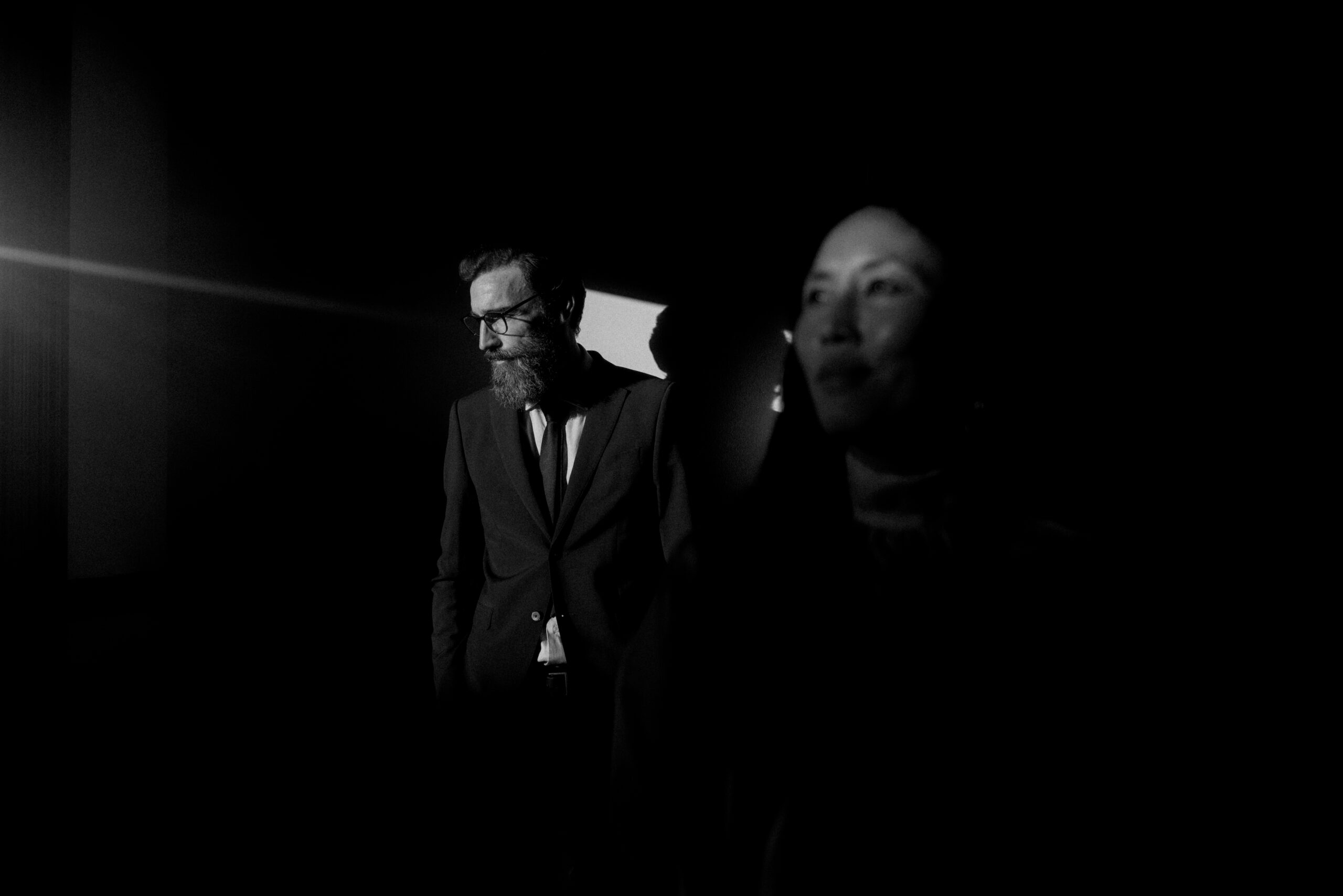
I’m far more interested in atmosphere, light and human connection than spectacle. The images that stay with me most are usually the quieter ones.
I think restraint can sometimes communicate confidence more powerfully than excess. Not every image needs to scream for attention. I’m often drawn to photographs that leave space for interpretation — images that quietly invite the viewer in rather than demanding a reaction from them.
Having worked across fashion, editorial, commercial and equine photography, what has the wedding space offered creatively that has surprised or challenged you most?
What surprised me most about weddings is how creatively and physically demanding they are. You have almost no control over the conditions – the weather changes, the light changes, emotions shift constantly – and moments only happen once. You have to anticipate them instinctively and respond in real time, often in difficult lighting or chaotic environments.
What people don’t always see is the level of sustained attention involved. I’m constantly observing, anticipating and searching for fleeting moments before they disappear. Staying that present for an entire day – emotionally, visually and intuitively – takes an enormous amount of energy.
In commercial or editorial work, there’s usually far more control. You can shape the lighting, refine the concept, repeat moments, work with assistants and producers. Weddings are different. It’s all happening live, and it’s all on you.
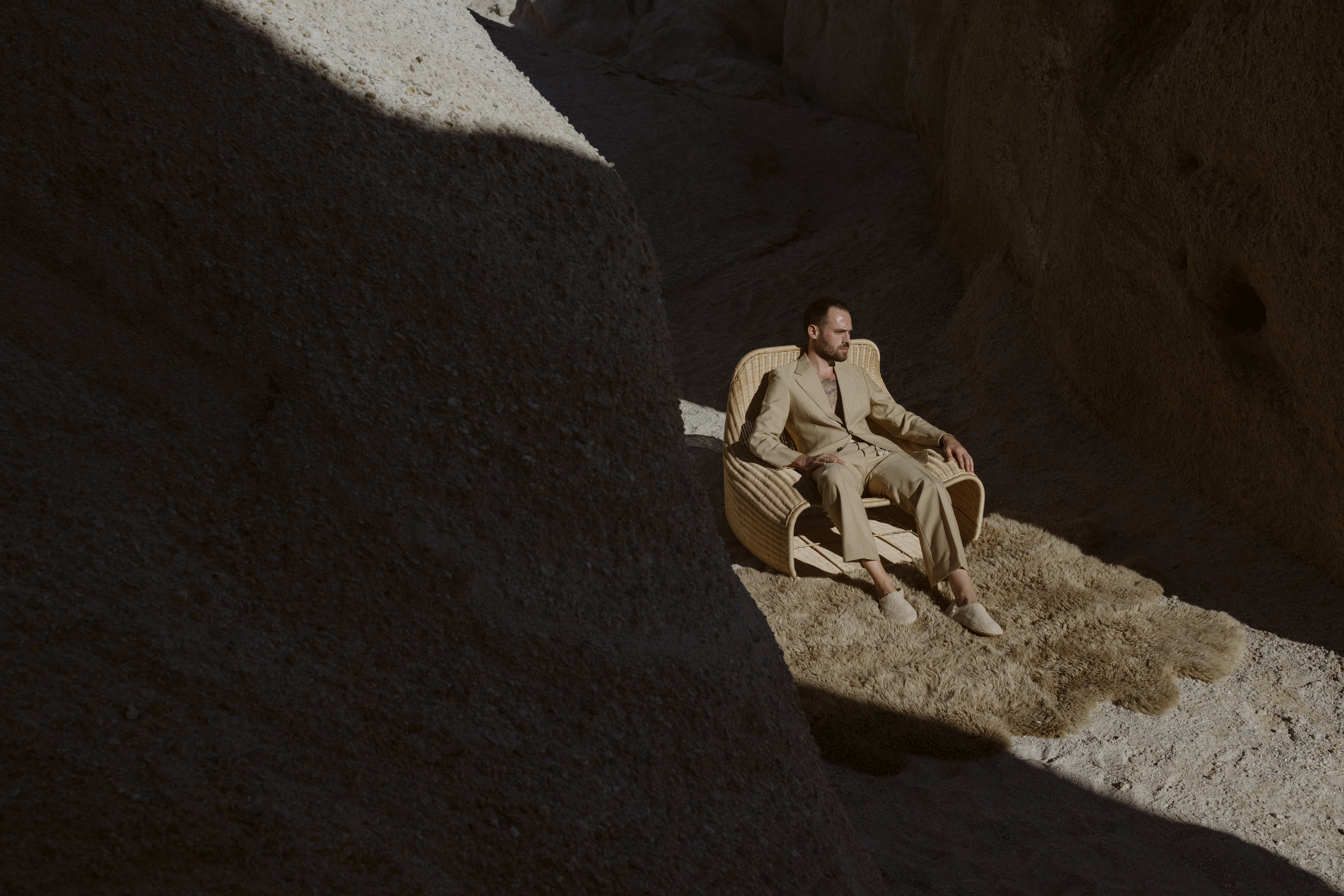
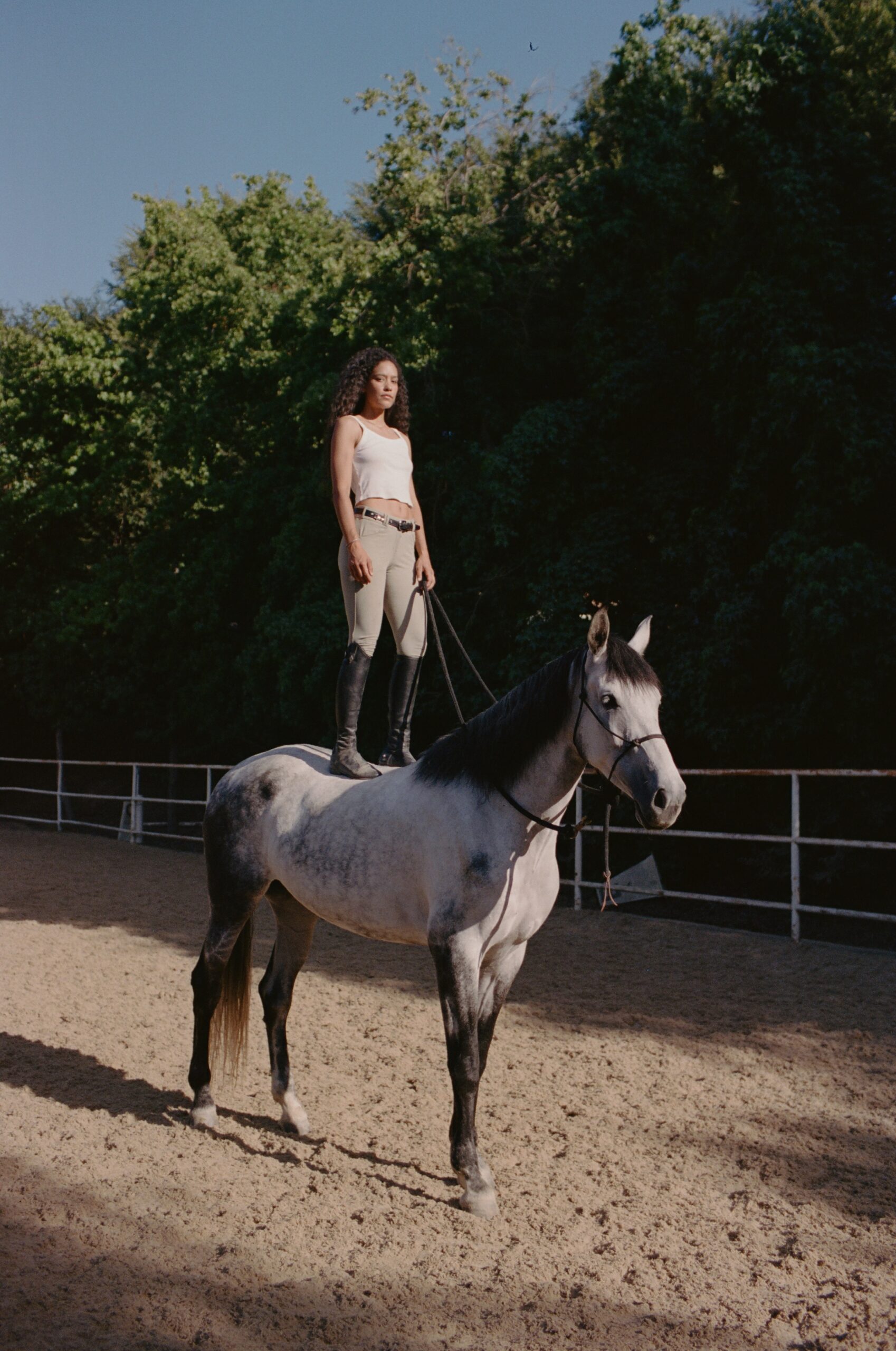
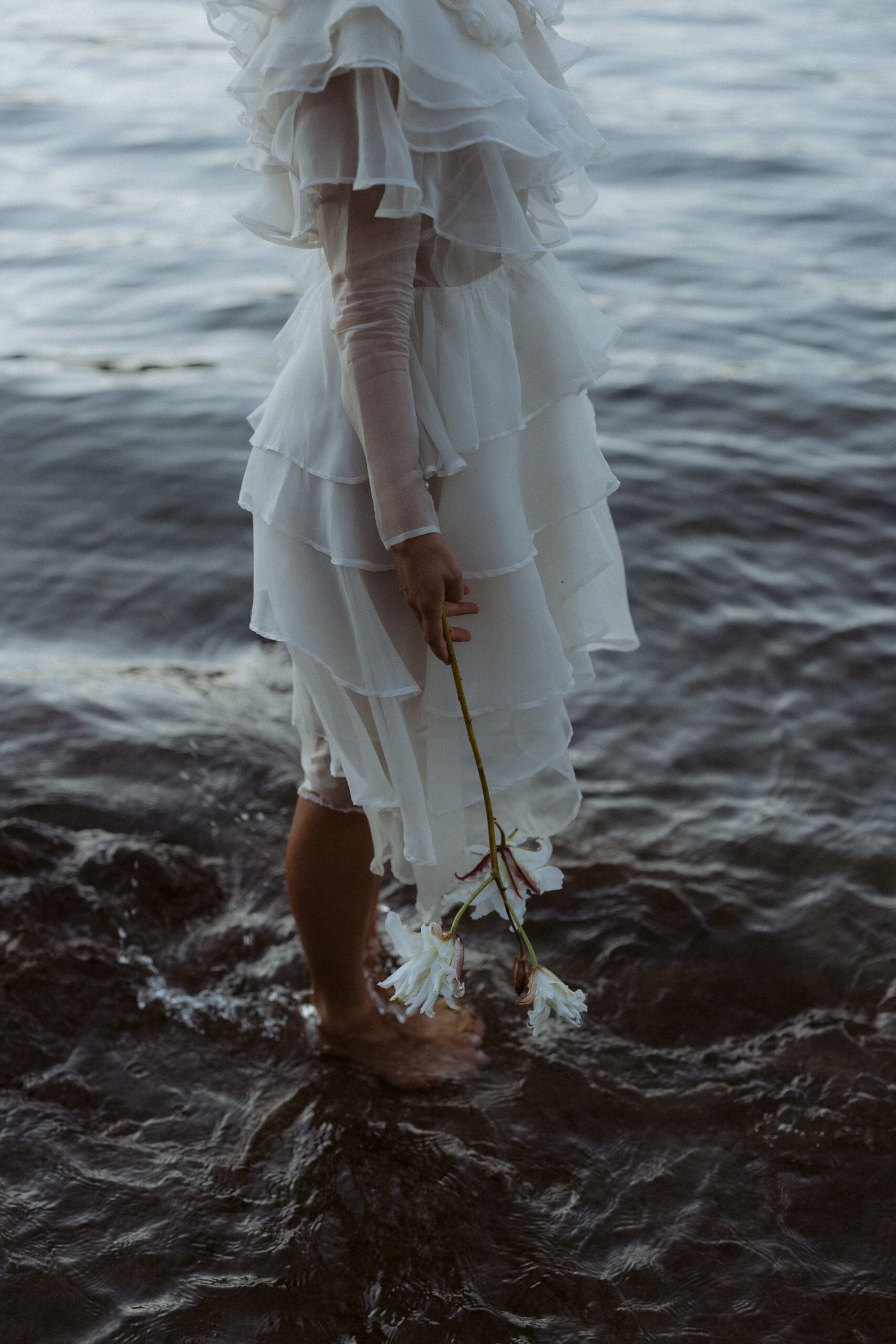
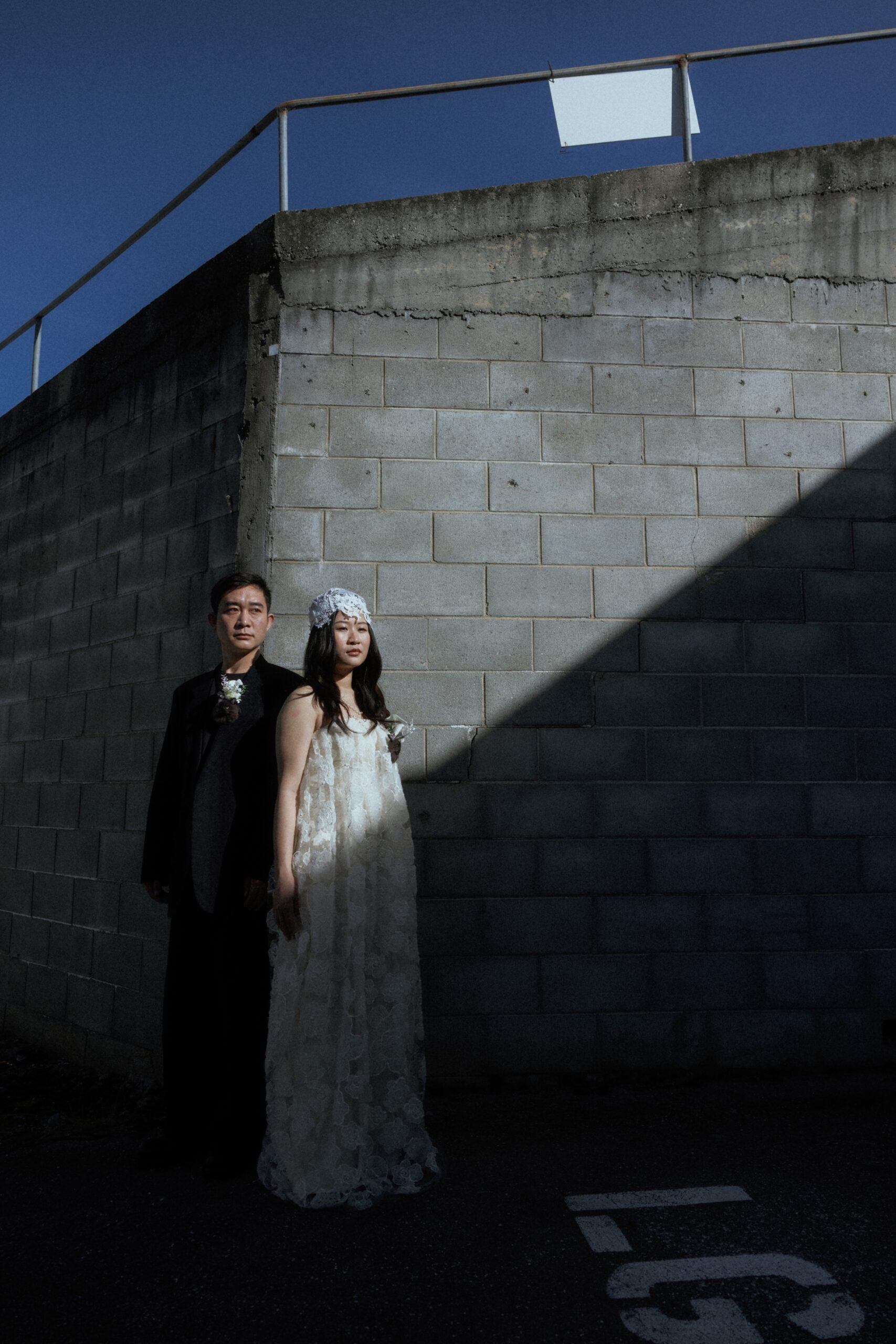
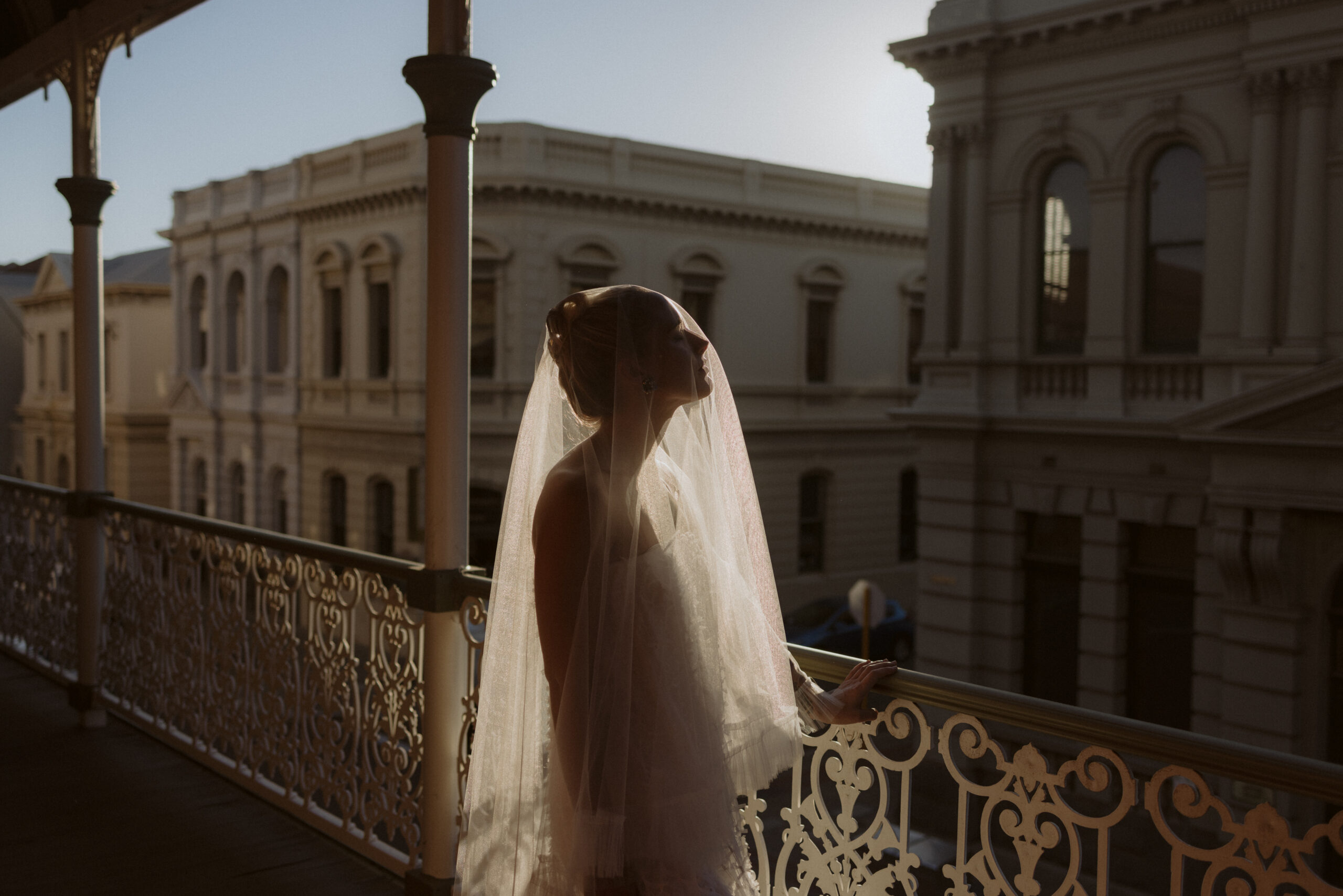
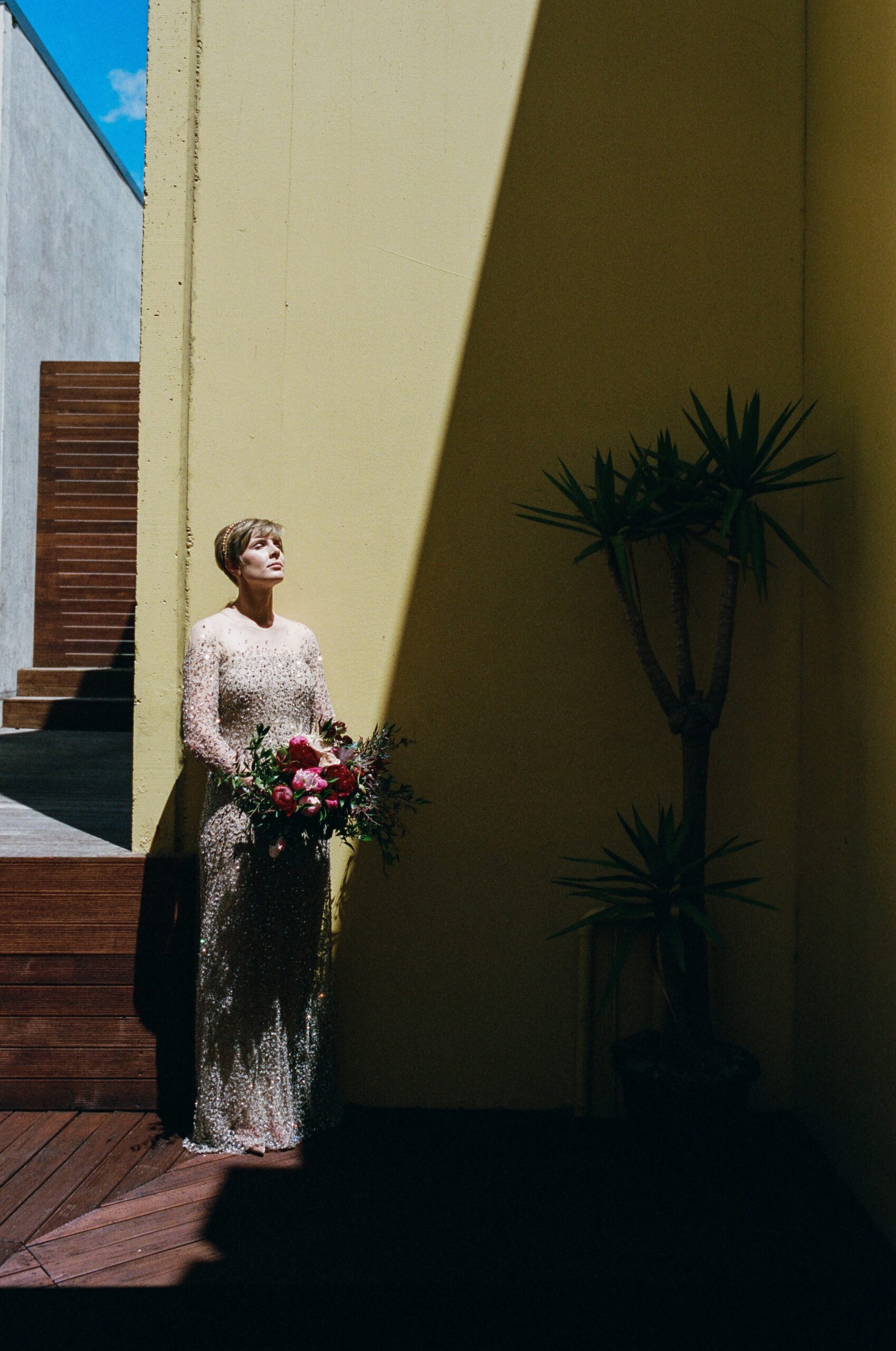
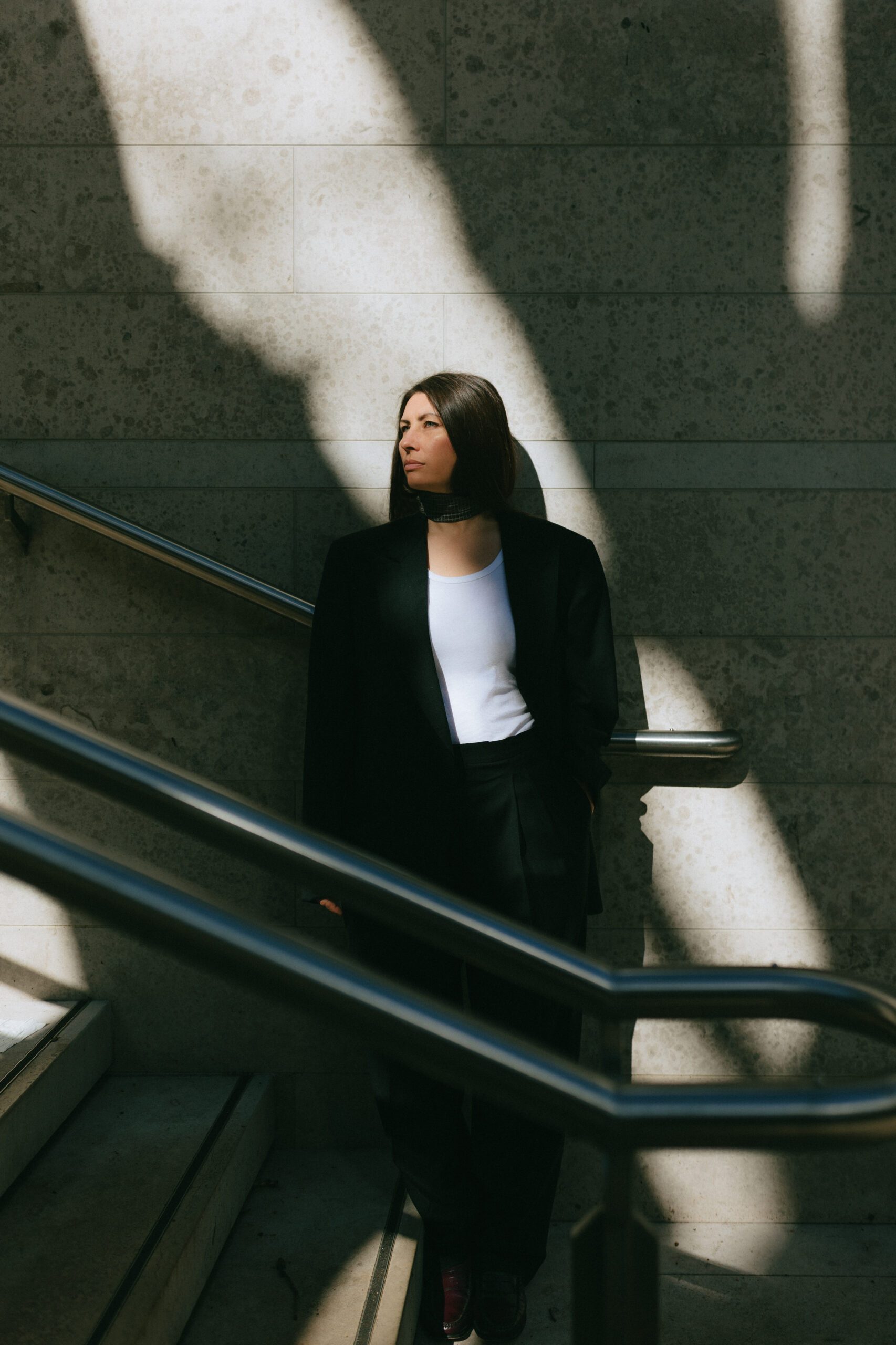
I actually think wedding photographers often have an advantage when moving into commercial work because they’re used to working under pressure and making compelling images in almost any environment. You learn to adapt quickly, work with people who aren’t trained in front of a camera, and still create something intentional and emotionally resonant.New Zealand’s light has also deeply shaped my approach. The light here is incredibly harsh and clean compared to many parts of the world. Rather than fighting it, I became obsessed with finding what I call “light pockets” – these shifting areas of contrast and softness that isolate a subject and create atmosphere within a frame. They’ve become a defining part of my visual language.
You’ve spoken about photography as observation rather than orchestration. In a culture increasingly shaped by performance and social media, how do you preserve authenticity in the images you make?
I think authenticity starts long before the wedding day itself. The work you consistently put into the world naturally attracts people who connect with that perspective, so I tend to photograph couples who more care about presence, connection and emotional depth than performance.
There’s also a huge amount of trust involved. If couples trust your eye, they stop trying to control every image and instead allow themselves to fully inhabit the day.
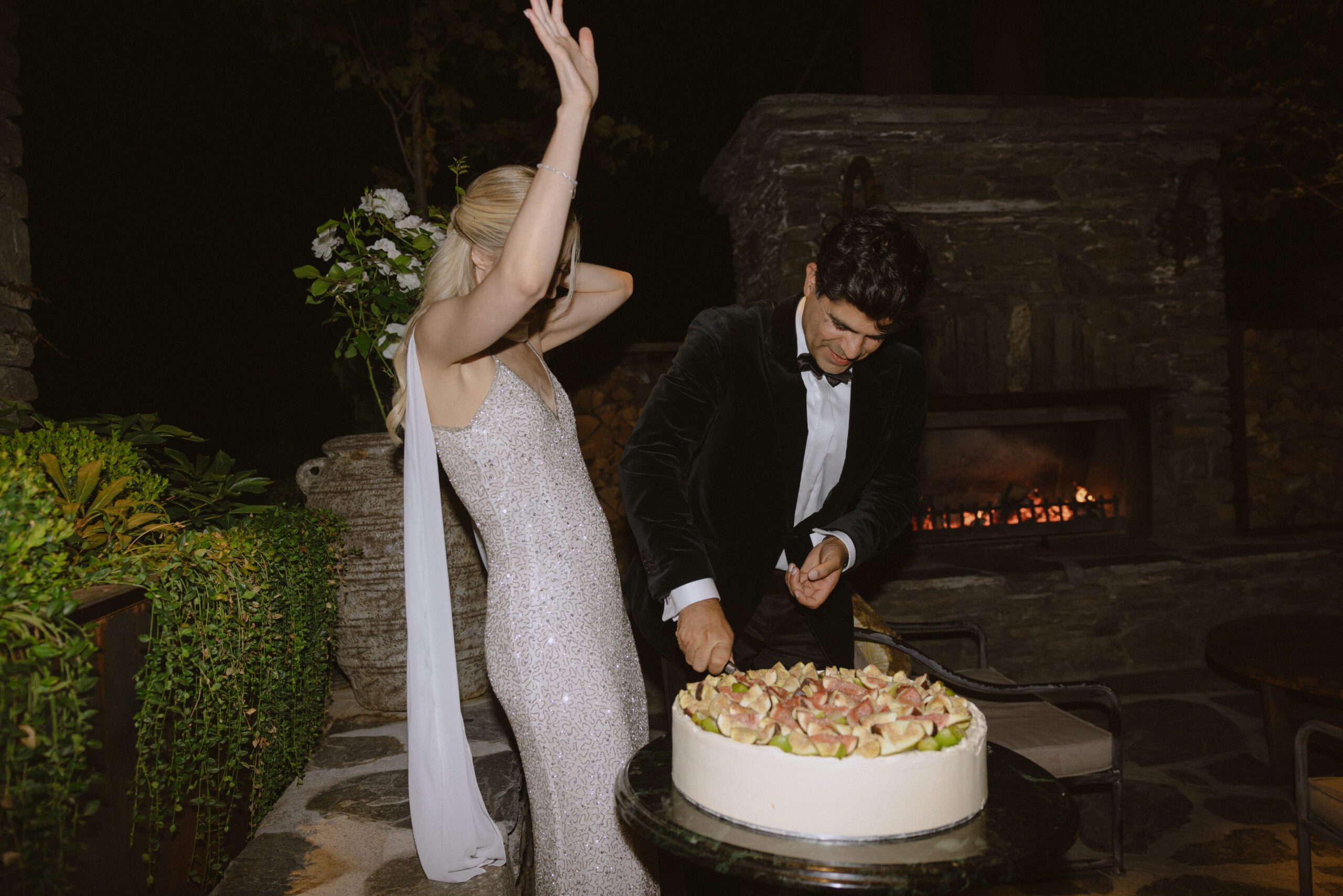
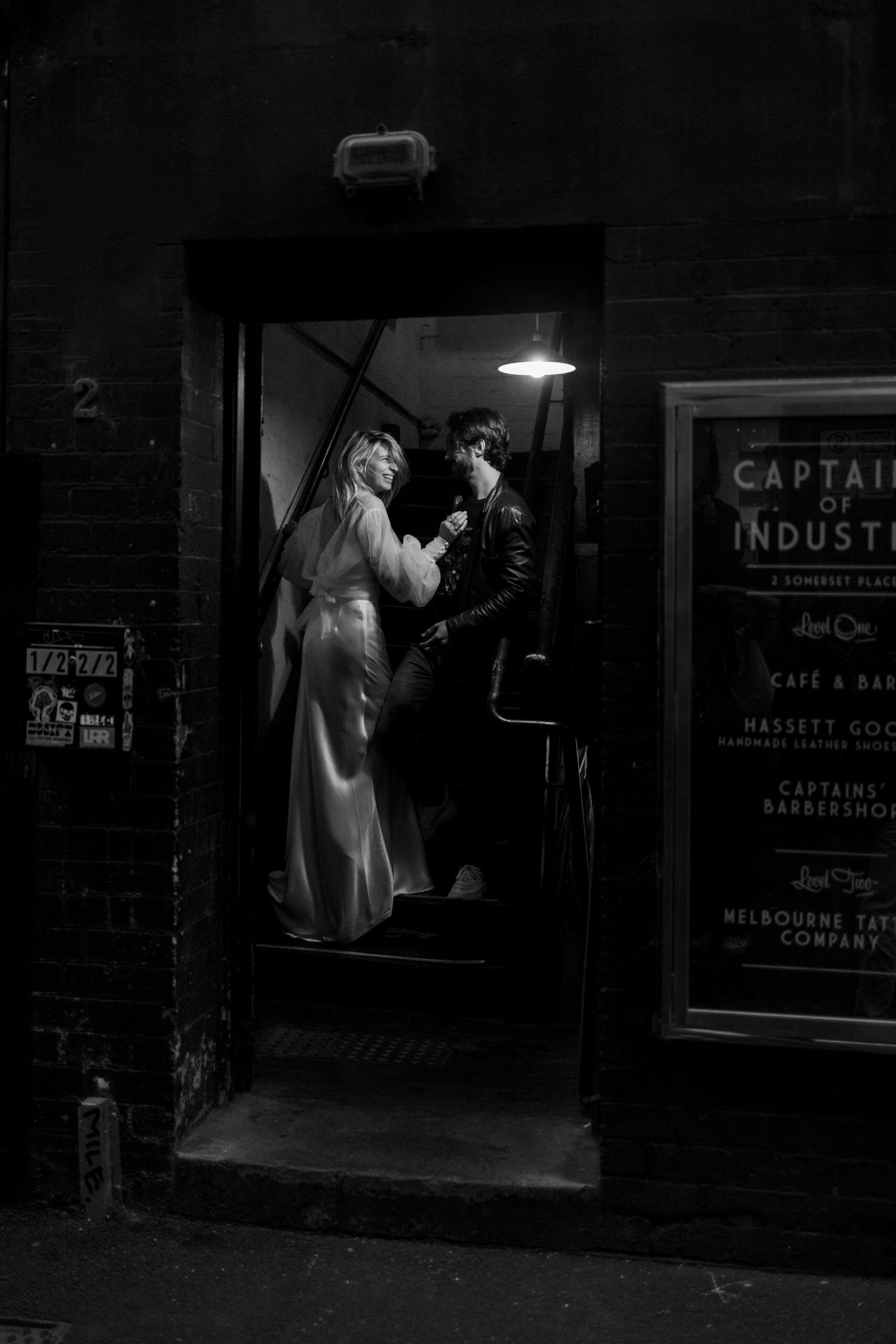
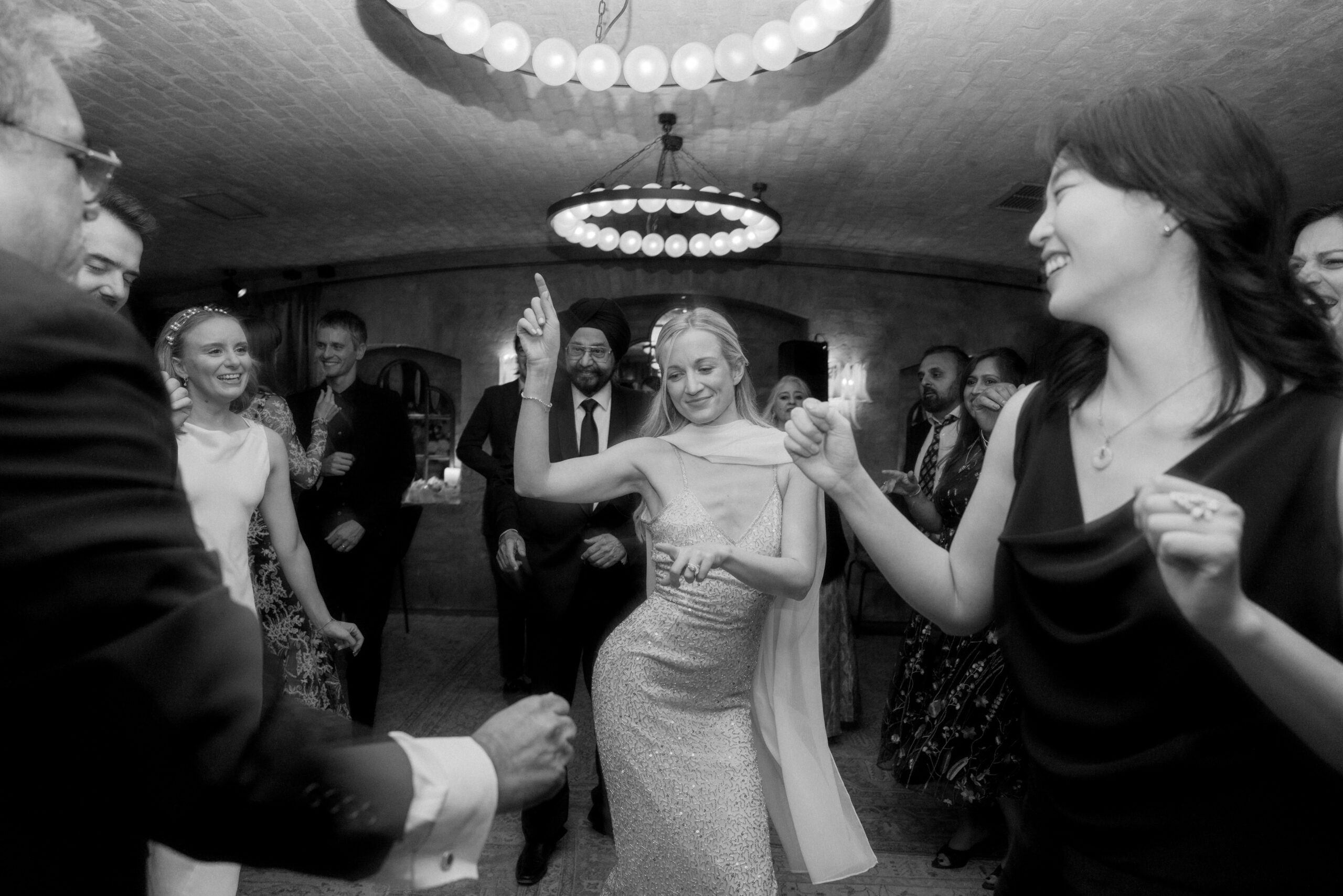
I’m not interested in manufacturing moments that look emotional. I’m interested in recognising when something real is already happening and being present enough to notice it. I’m also drawn to the strange little in-between moments at weddings – the humour, awkwardness and unpredictability of humans gathering together.
Curation is important too. What I share publicly isn’t everything I shoot. I’m always looking for emotional honesty and cohesion rather than simply documenting every visually impressive moment.
We’re consuming more images than ever before, yet I think people are craving photographs that actually make them feel something again. There’s a growing fatigue around perfection, over-curation and content that exists purely to perform online. The images that stay with people now often feel quieter, more human and emotionally truthful.
Weddings often sit at the intersection of beauty and emotion. How do you balance aesthetic composition with the unpredictability of human connection and fleeting feeling?
After photographing for so many years, composition has become instinctive. I’m rarely consciously thinking about rules or balance anymore, it’s more of a felt response.
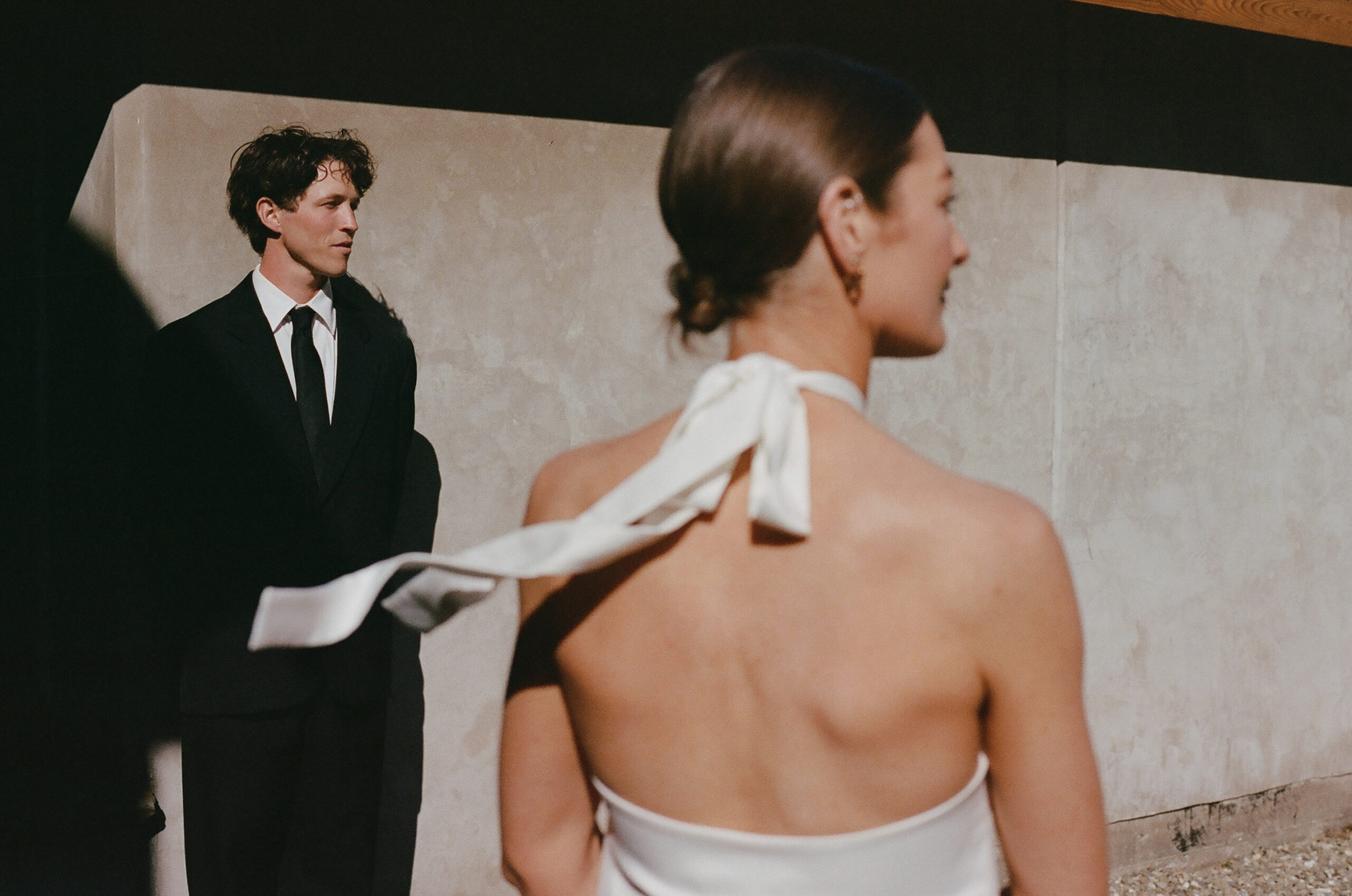
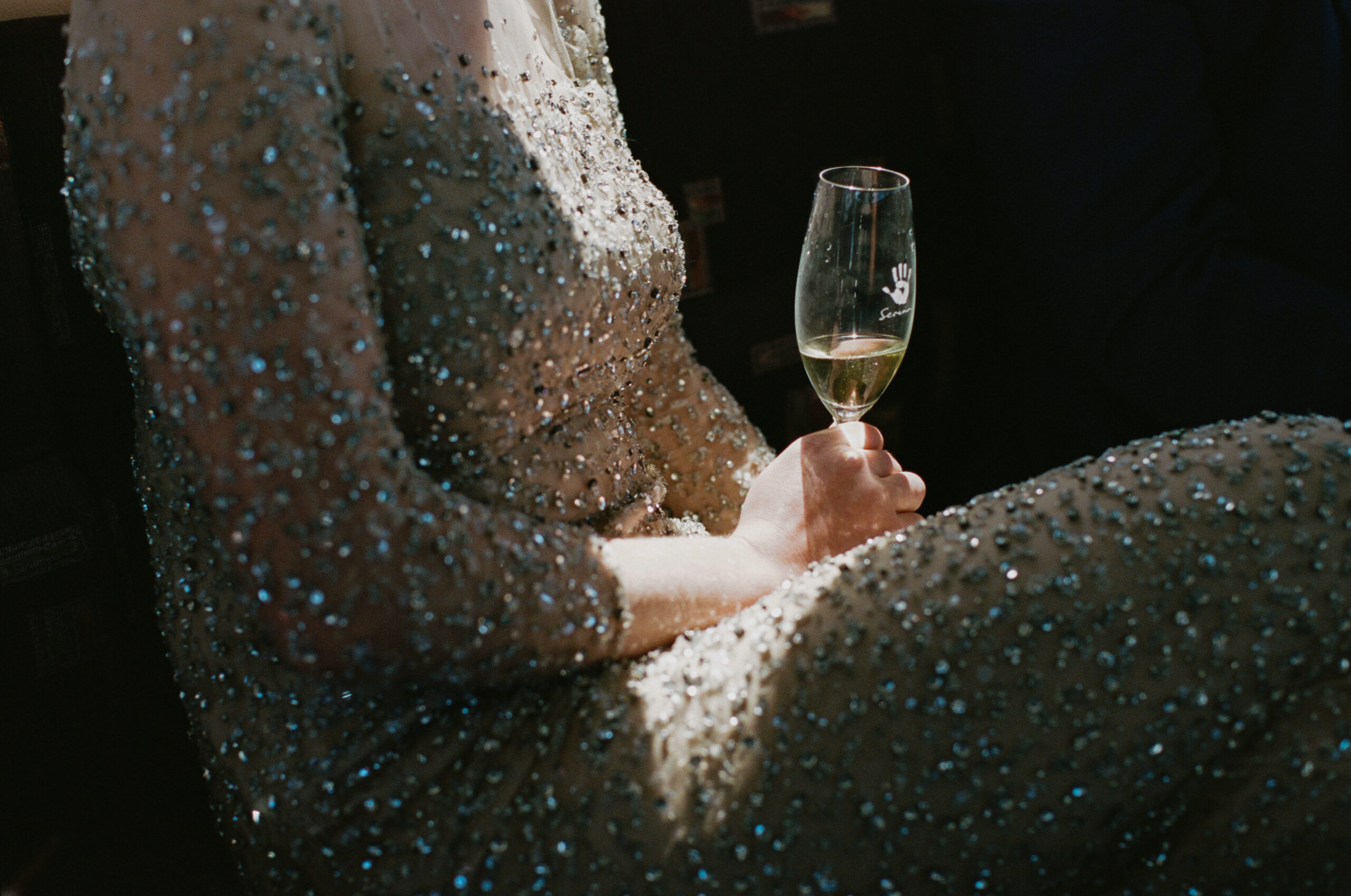
The challenge is creating space for emotion to exist naturally within that composition. You’re constantly balancing intuition and anticipation – recognising when the frame feels complete, then waiting just long enough for something human to happen within it — a glance, a breath, a shift in energy.The emotional layer is always the thing that elevates an image beyond aesthetics. A perfectly composed image without feeling rarely stays with you.
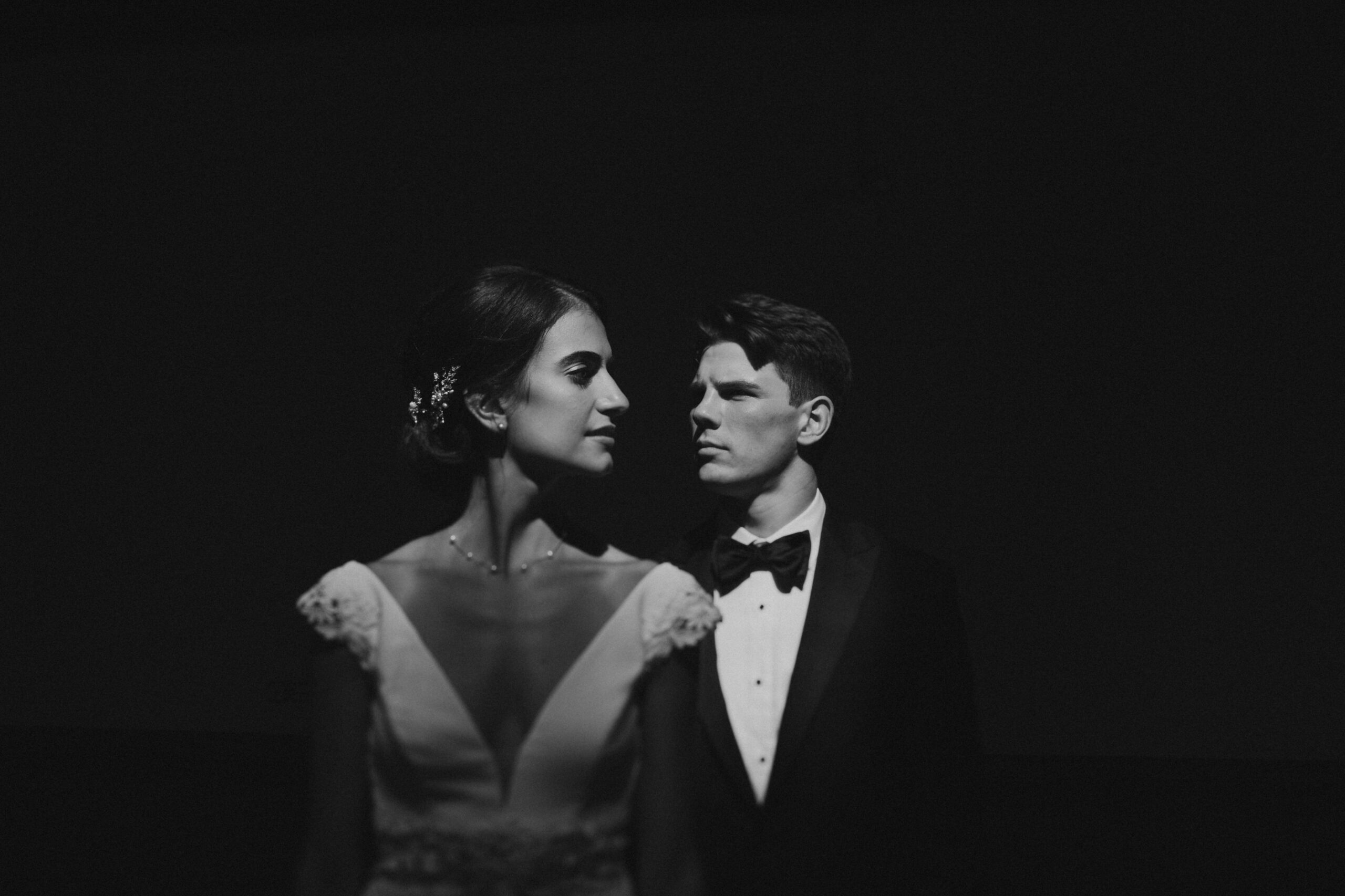
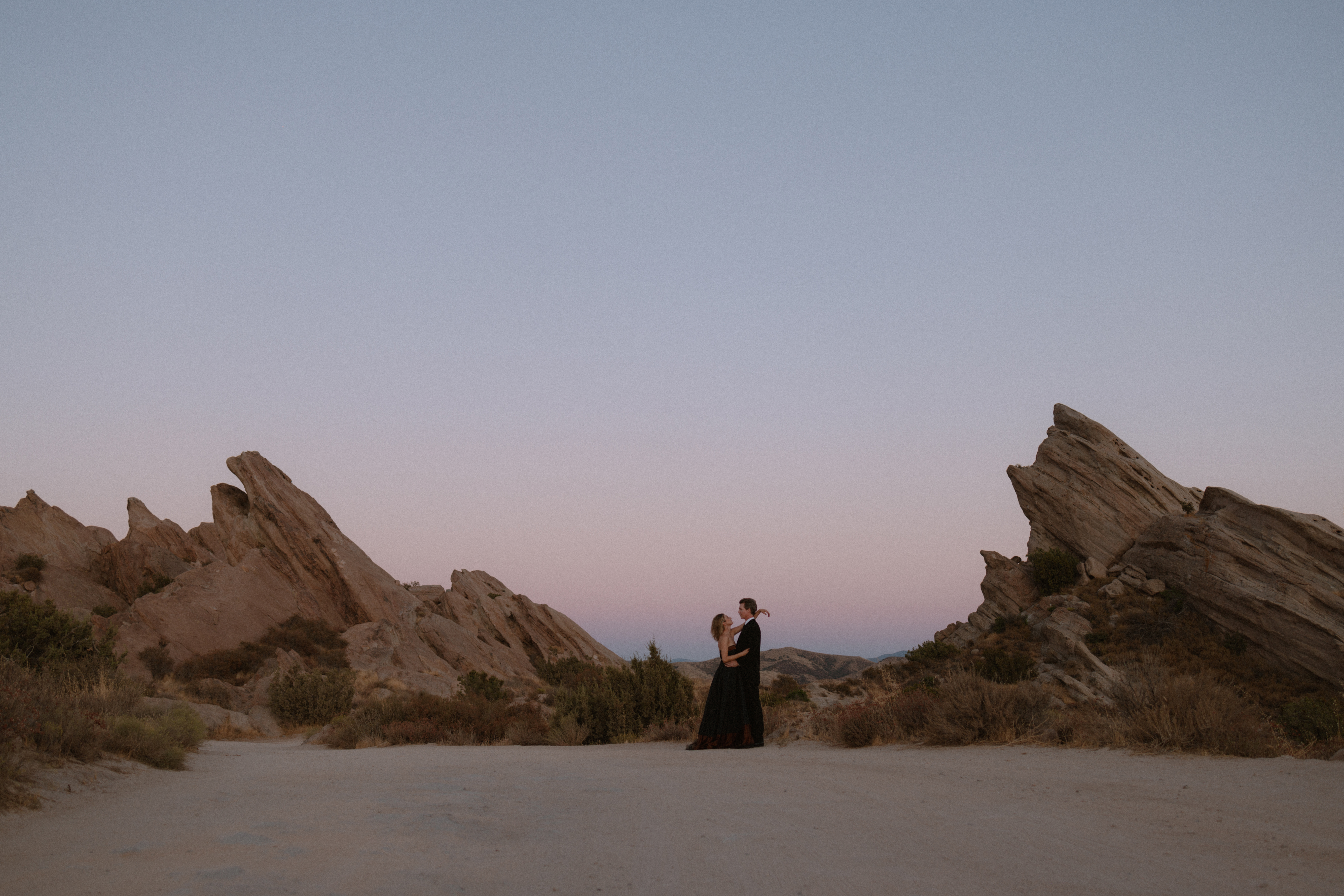
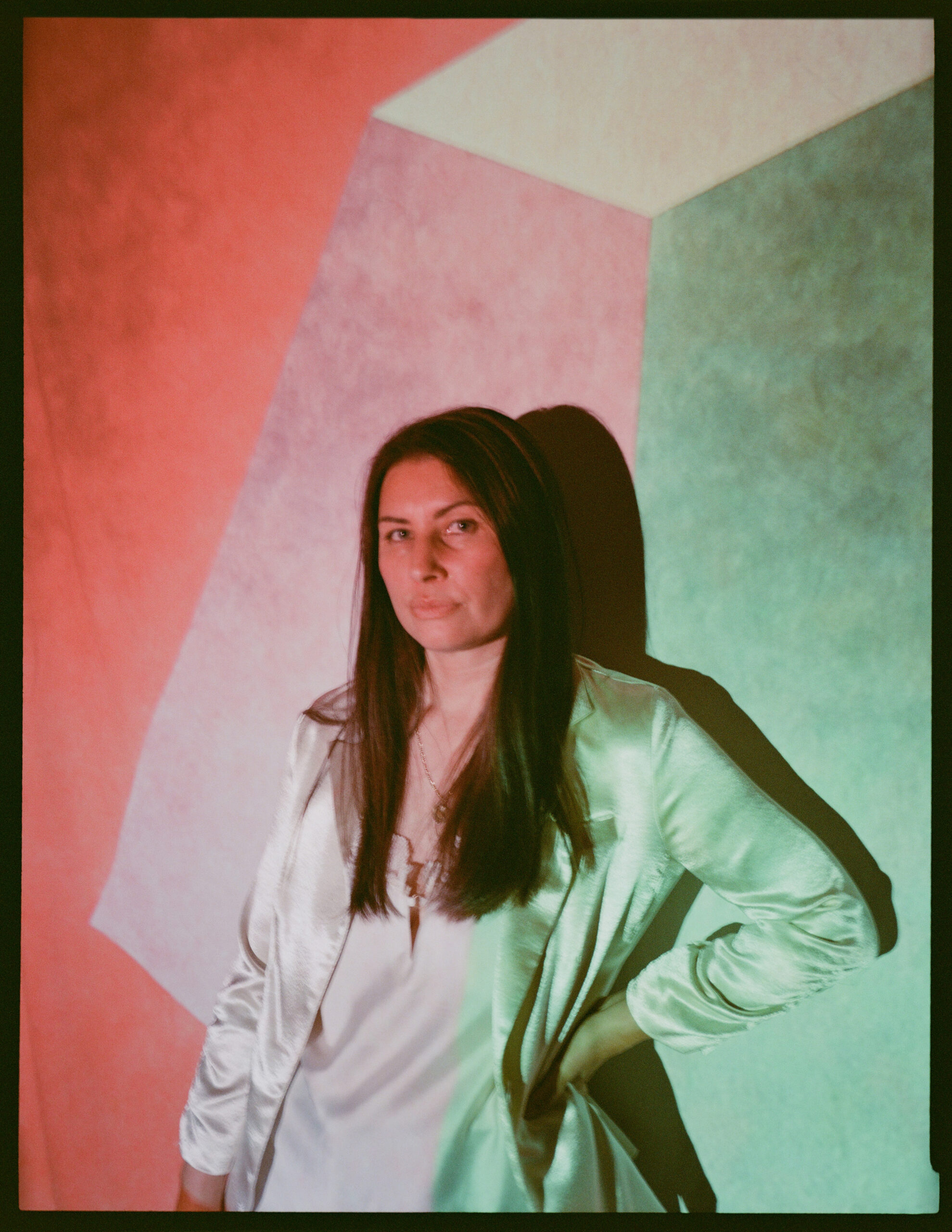
ABOVE Sophie Bayly
Having photographed so many celebrations, while also navigating your own experiences of love, loss and rebuilding, what has this work taught you about what actually sustains connection over time?
Photographing weddings for so many years alongside my own experiences of love, loss and rebuilding has changed the way I think about relationships.
I no longer see relationships through the lens of permanence alone. We tend to frame relationships that end as failures, but I don’t believe that anymore. Some relationships are chapters rather than lifelong stories, and they can still be deeply meaningful, transformative and beautiful for the time they exist.
Weddings are interesting because they’re moments of collective hope. Everyone gathers around this shared belief in love and possibility, yet no outsider truly knows the inner reality of a relationship. You can sometimes sense dynamics beneath the surface, but the truth of a relationship always exists privately between two people.
What seems to sustain connection over time, at least from everything I’ve experienced and observed, is the ability to truly see and hear each other – emotional safety, honest communication, self-awareness, a mutual willingness to grow, and the ability to repair after conflict rather than avoid it.
Your eye for light is extraordinary. Are you chasing a particular kind of light, mood or atmosphere when you shoot, or is it something more instinctive?
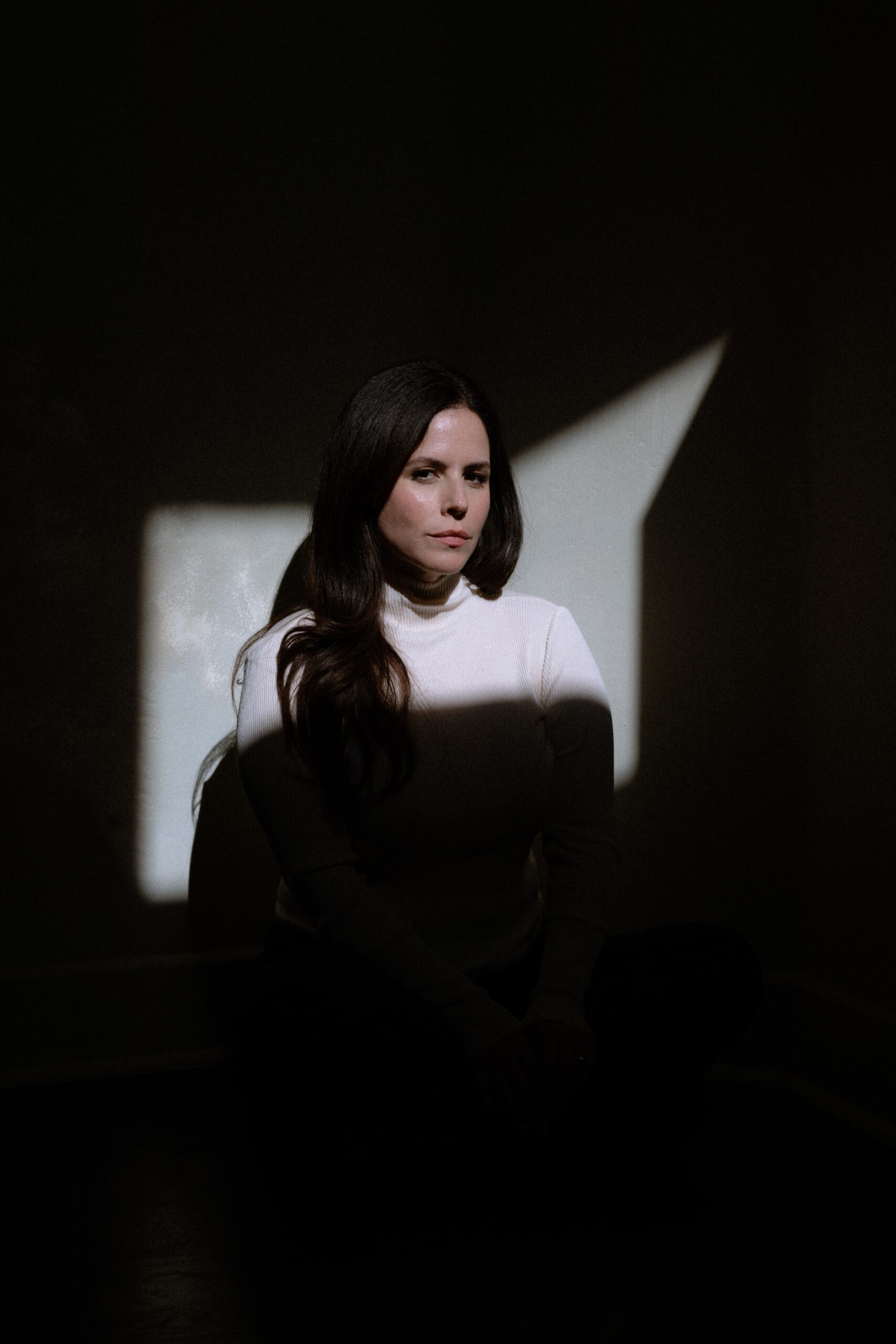
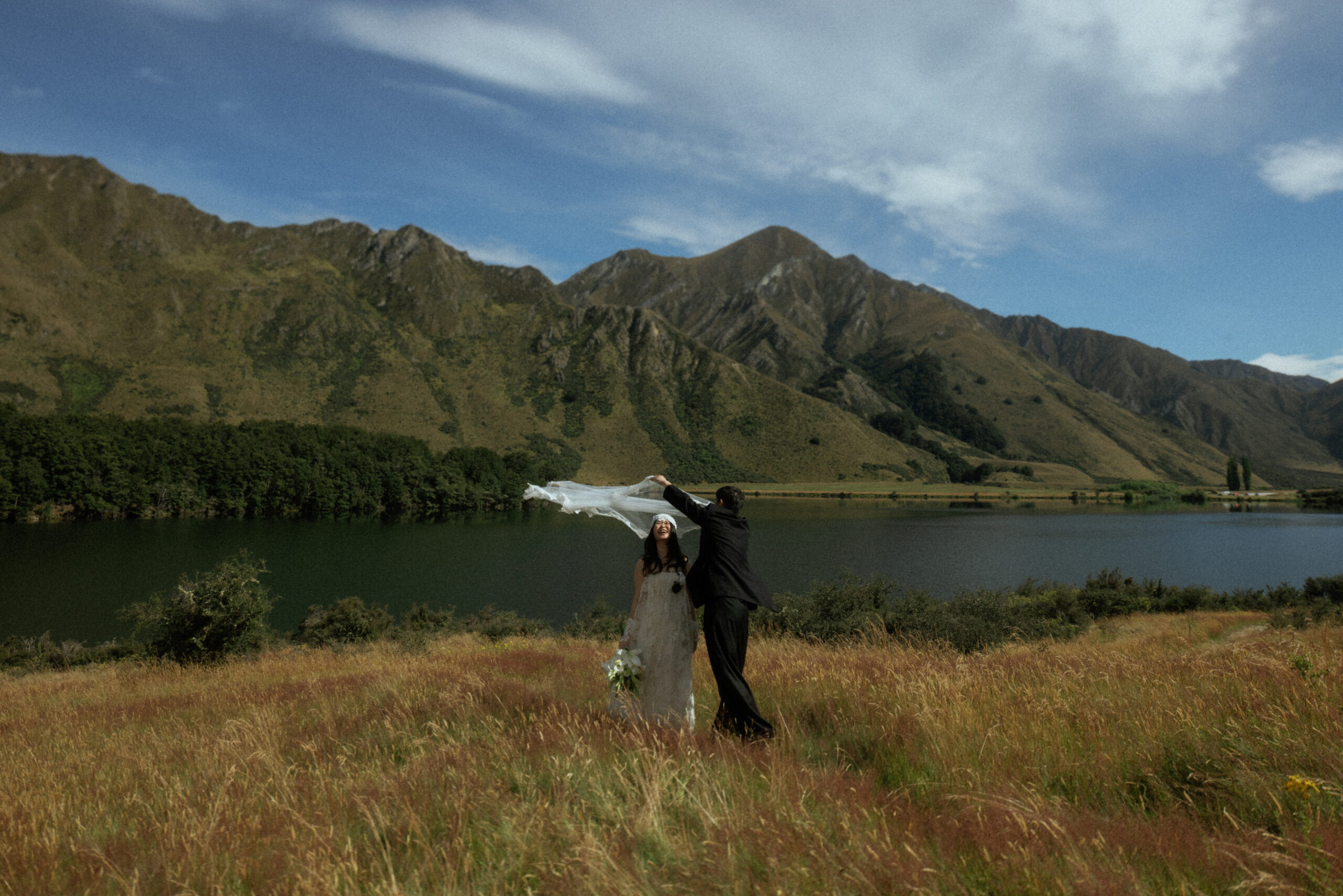
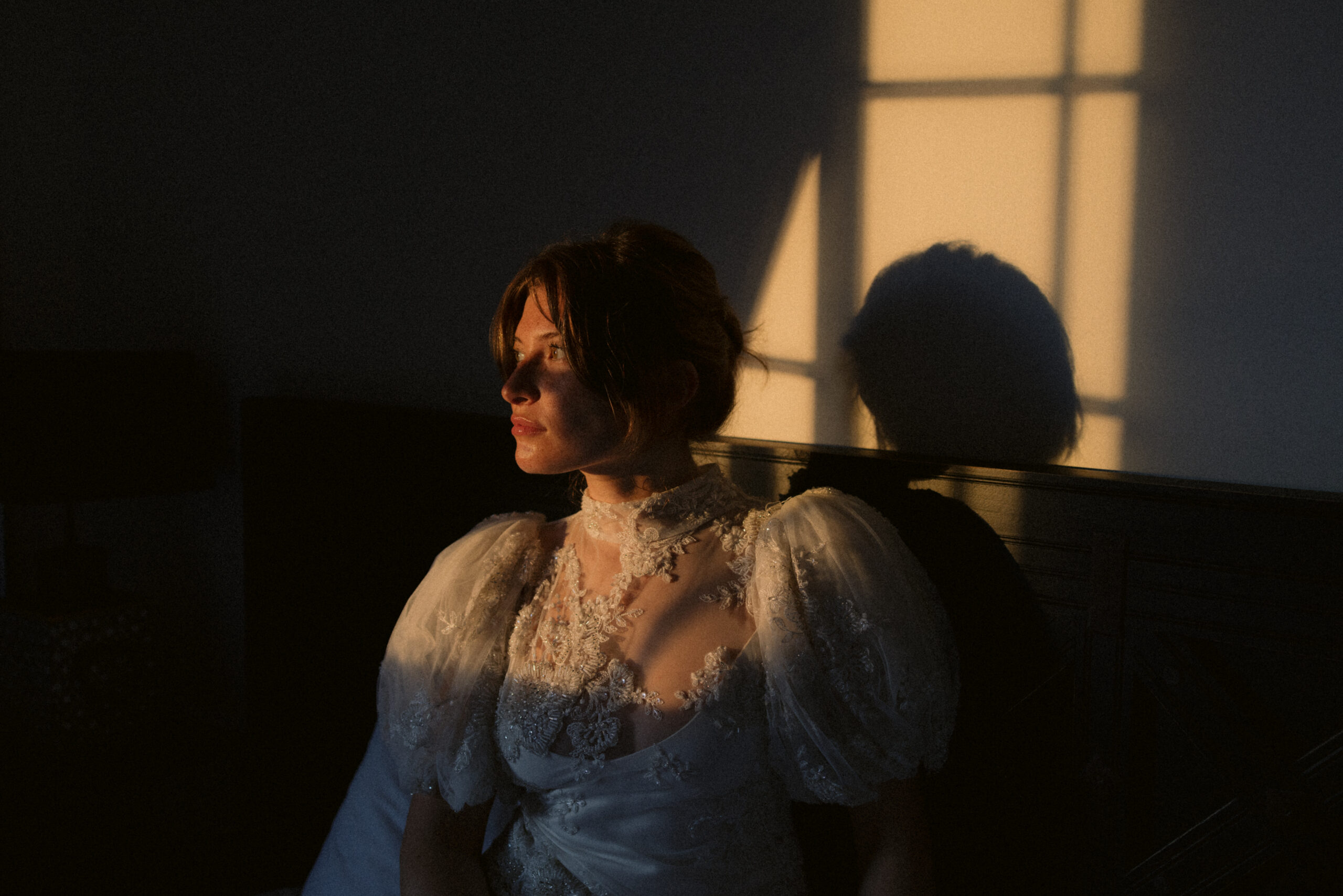
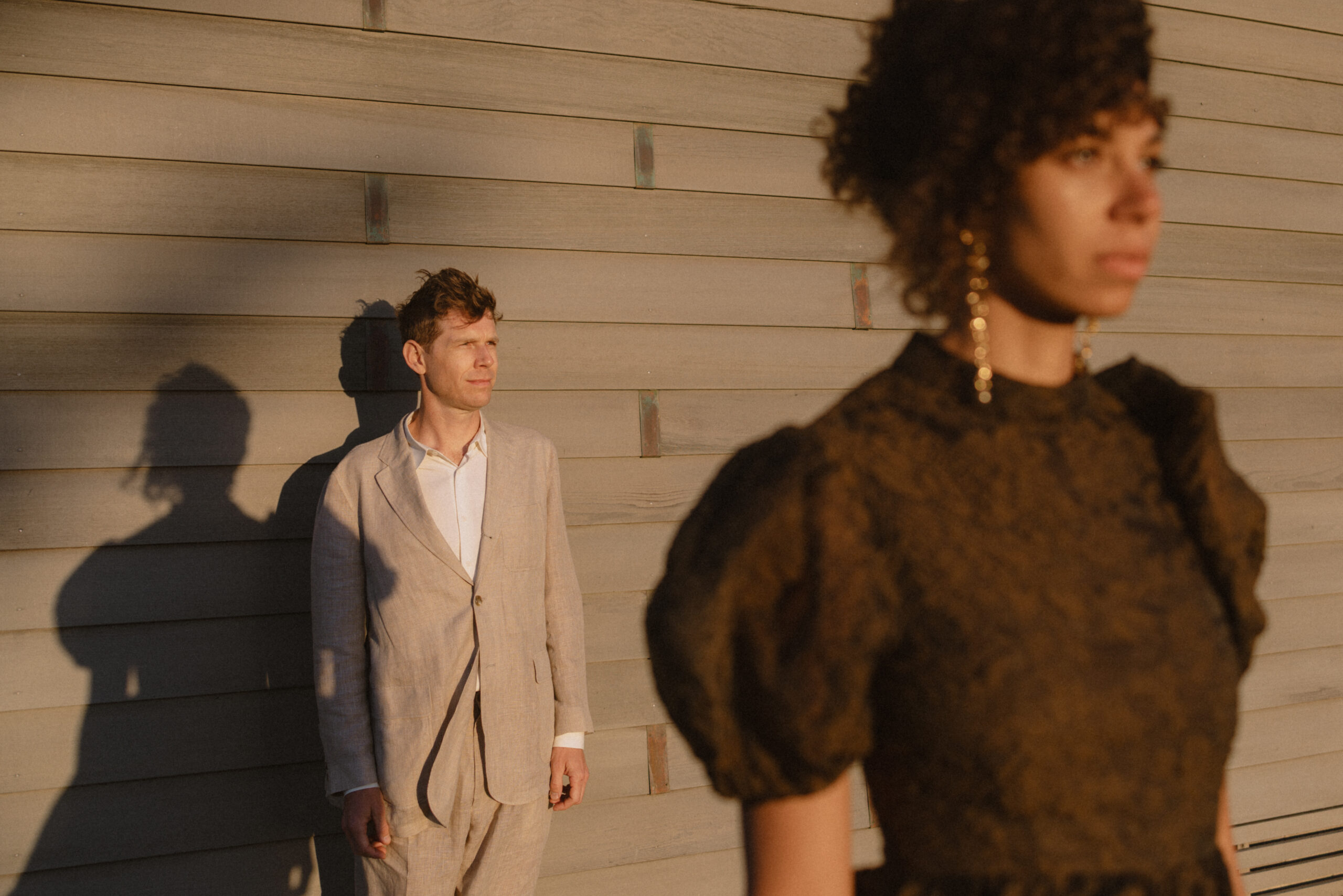
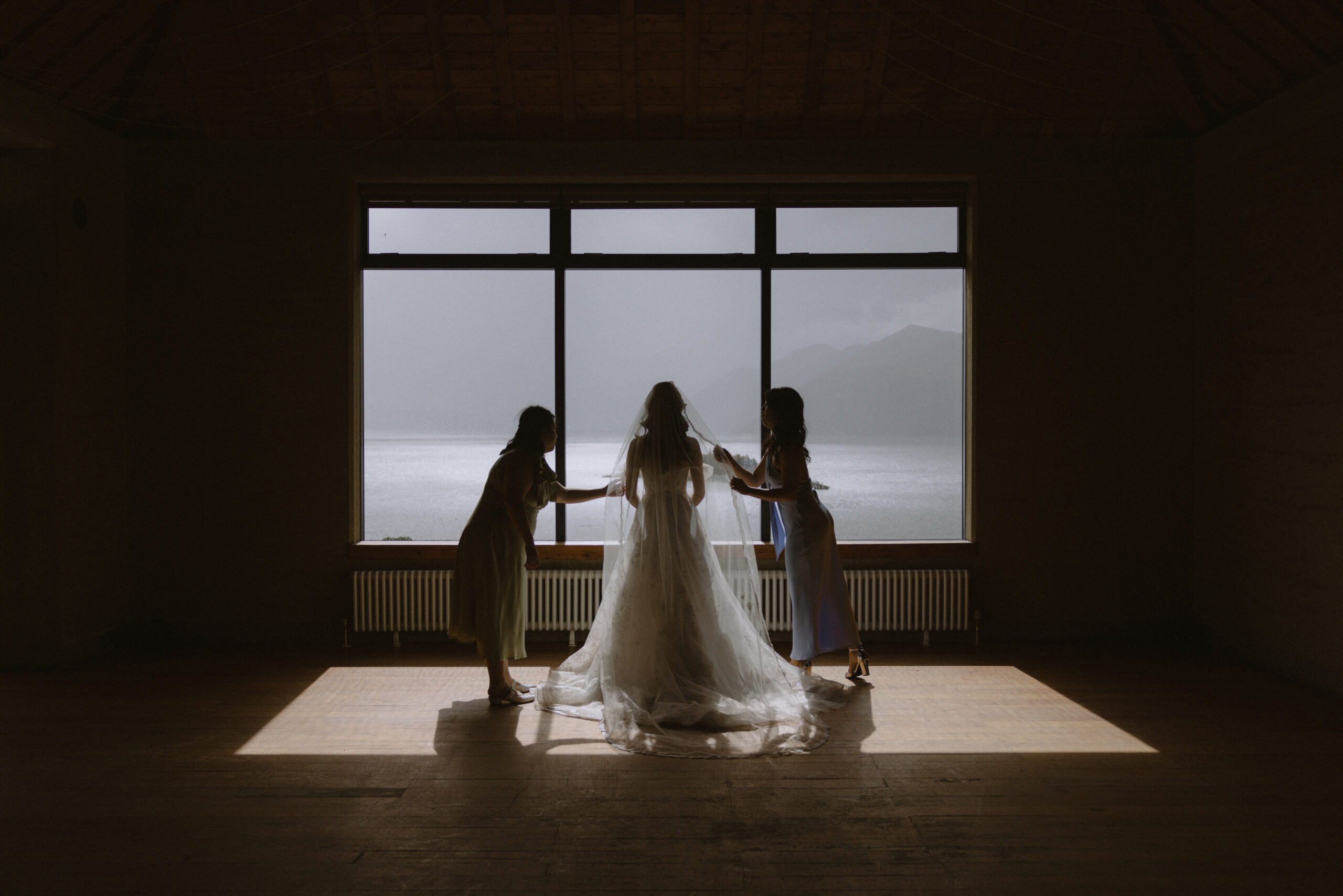
I’m endlessly drawn to “light pockets” – small shifting areas of light and shadow, both indoors and outdoors, that instantly create mood and atmosphere.
Light has emotional weight to me. It can isolate someone, soften them, create tension, intimacy or stillness within a frame. I’m interested in noticing where the light already feels alive, then allowing the subject to inhabit that space naturally while I search for the composition around them.
Because light is constantly moving, even the same location can feel entirely different moments later. That unpredictability is part of what keeps photography endlessly interesting to me.
What visual references outside of weddings are currently shaping your work, whether that is a fashion campaign, a film still, an artist, a landscape or even a horse in motion?
Your input affects your output, so whatever I’m consuming inevitably finds its way into the way I see and photograph the world.
At the moment I keep returning to the work of photographer Richard Avedon. I’ve been looking through his book Immortal – these close-up black and white portraits of older notable men that feel incredibly unguarded and human. You see every wrinkle, every line, every trace of a life lived. There’s nothing performative about them. Avedon had this extraordinary ability to get people to stop acting for the camera and simply let him in. The portraits can be confronting, even unflattering at times, but they always feel truthful.
I notice how quickly that kind of visual input affects my own eye. A few days ago I walked past my elderly neighbour sitting quietly on a stool in his kitchen with a pocket of light falling across his face. I instinctively photographed him on my iPhone, then later edited the image in black and white, leaning into clarity and texture, clearly channelling Avedon’s influence and trying to capture not just his appearance, but the feeling of age, time and all the life held within him.
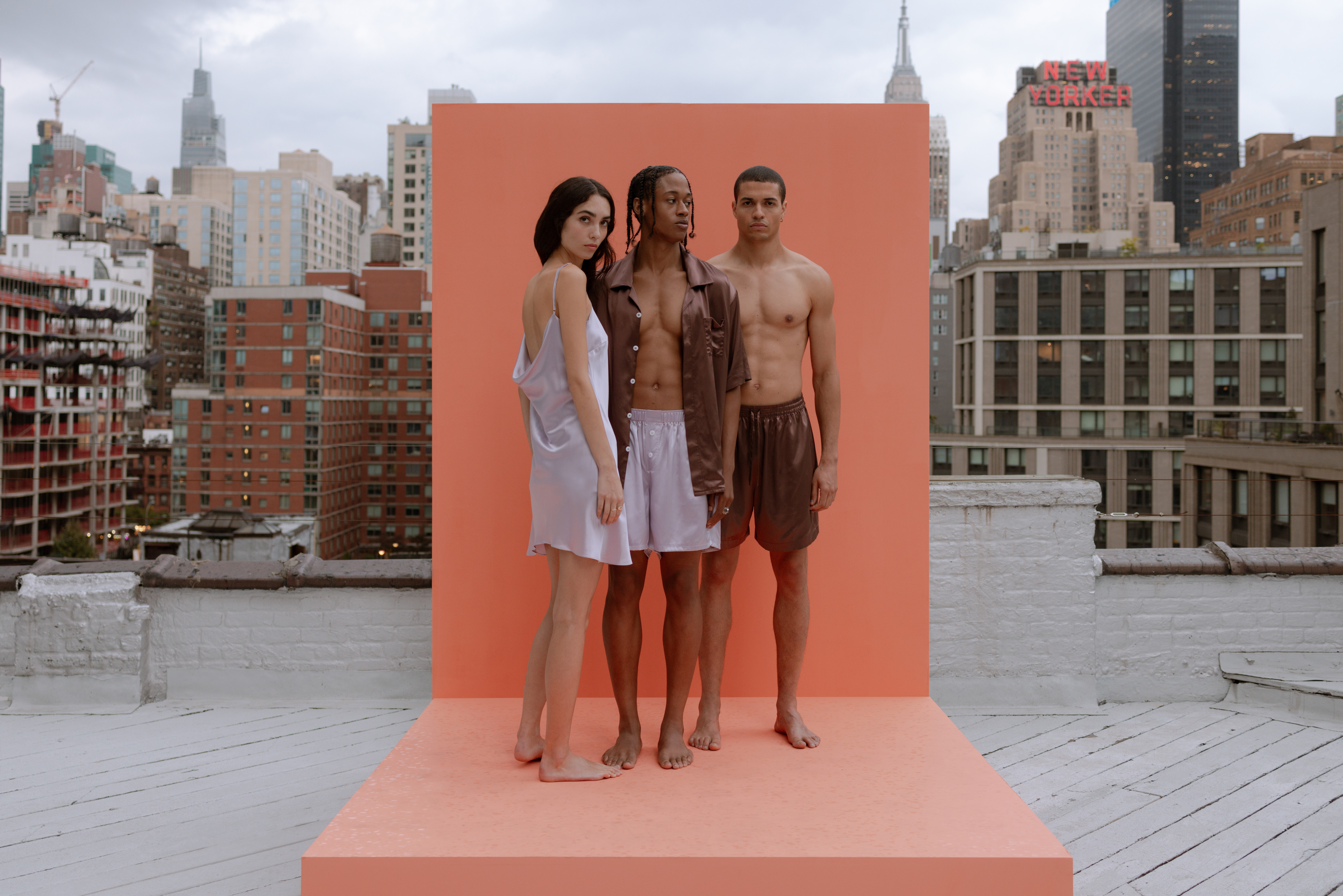
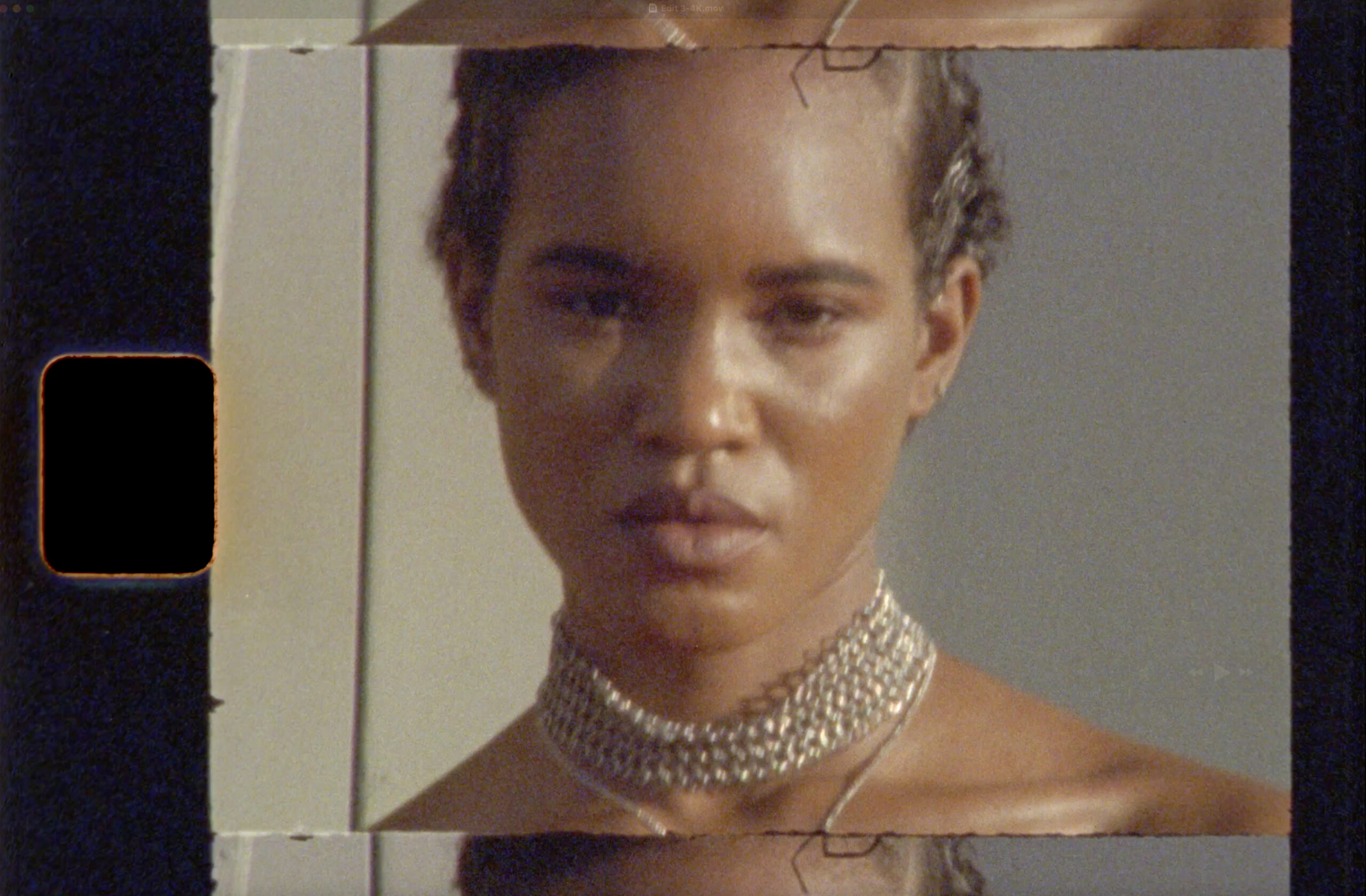
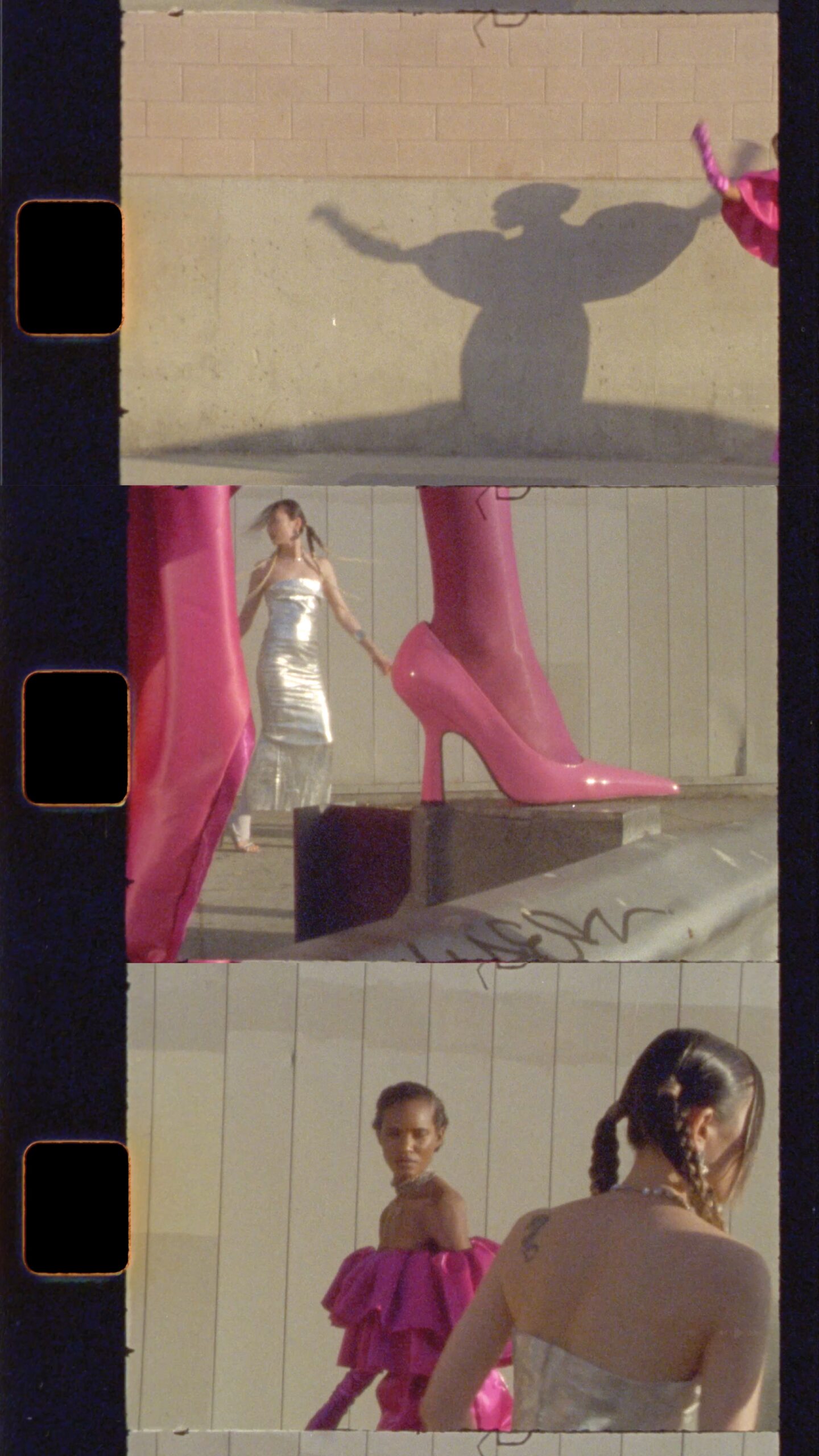
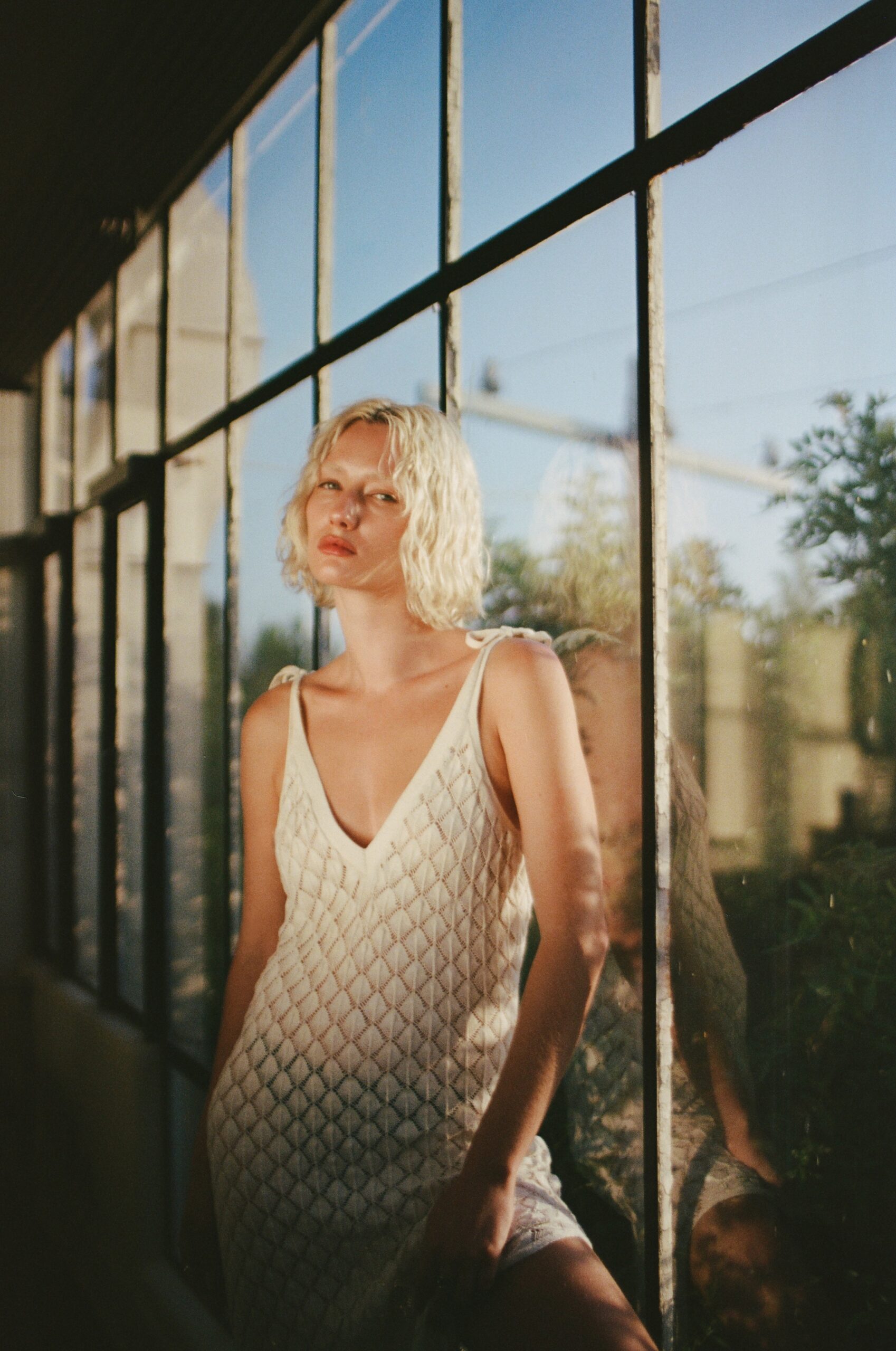
I’m also currently inspired by DP Tom Black and director Stella Blackmon. Their work for brands like Jacquemus and Babaa feels so refreshing to me – slow, atmospheric, slightly quirky and emotionally textured. Because they both shoot on analog film, the colour and softness have a depth that digital still struggles to replicate. One of their recent campaigns became a major reference point for a fashion shoot I worked on recently.
Photographer Hojjat Hamidi is another huge inspiration. He shoots entirely on iPhone, yet his images feel National Geographic in their emotional depth. His work embodies so many things I’m drawn to visually – darkness, atmosphere, light pockets, emotional honesty, the sense that you’re seeing the soul of a person. There’s an intimacy to his work that makes people feel completely unguarded. I love that he proves compelling photography has far less to do with equipment than people think. Ultimately it’s always about light, composition, and human connection coming together at once.
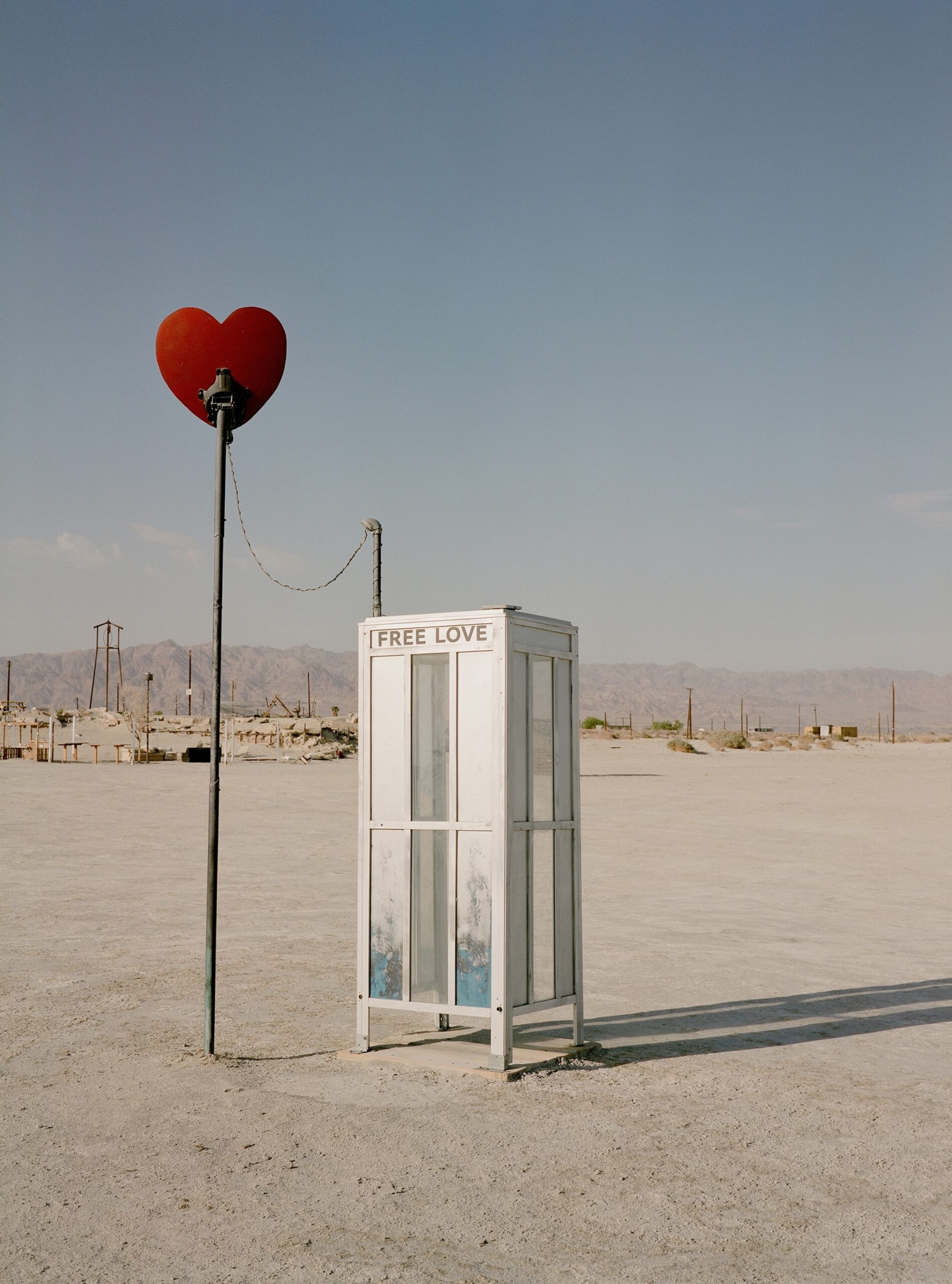
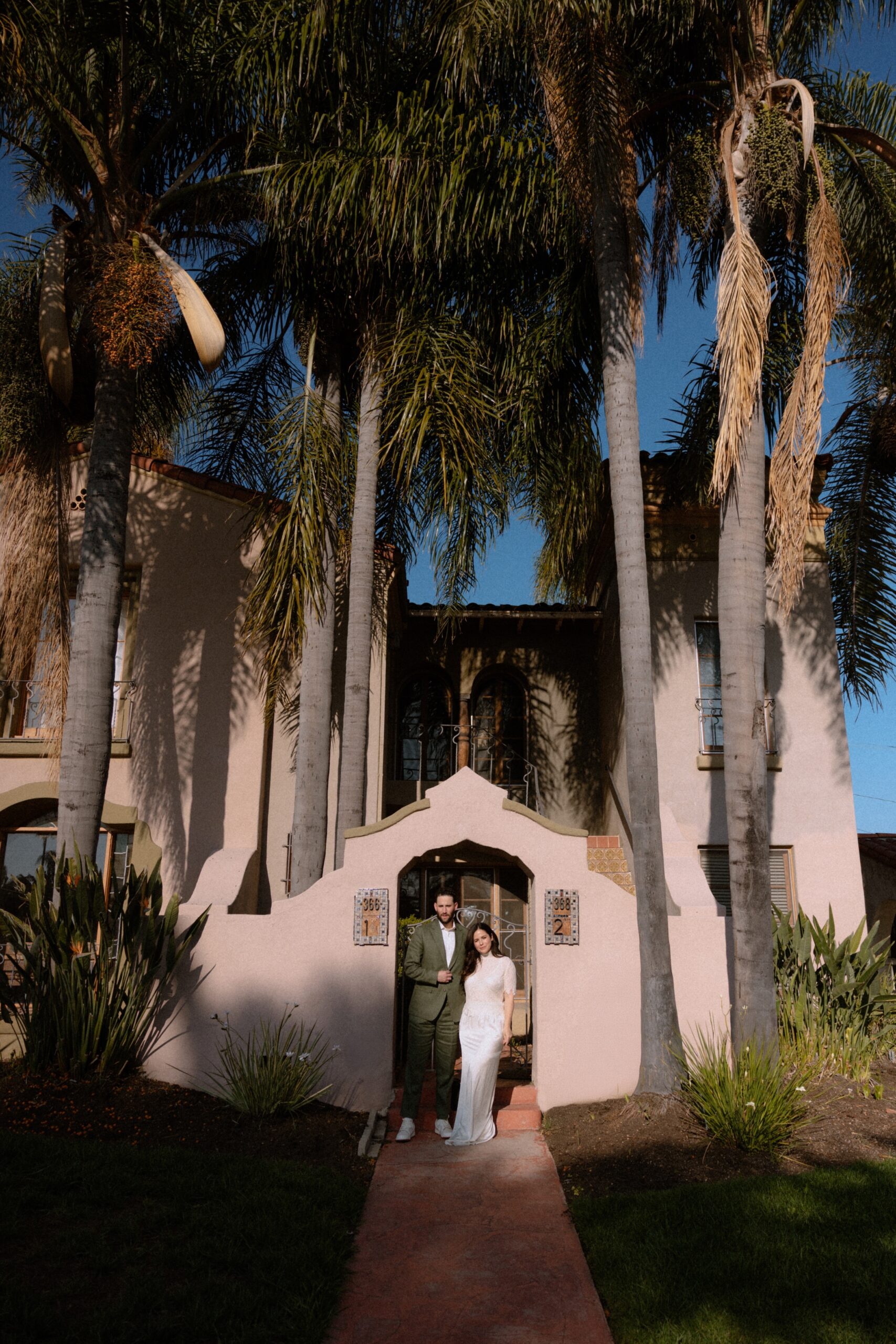
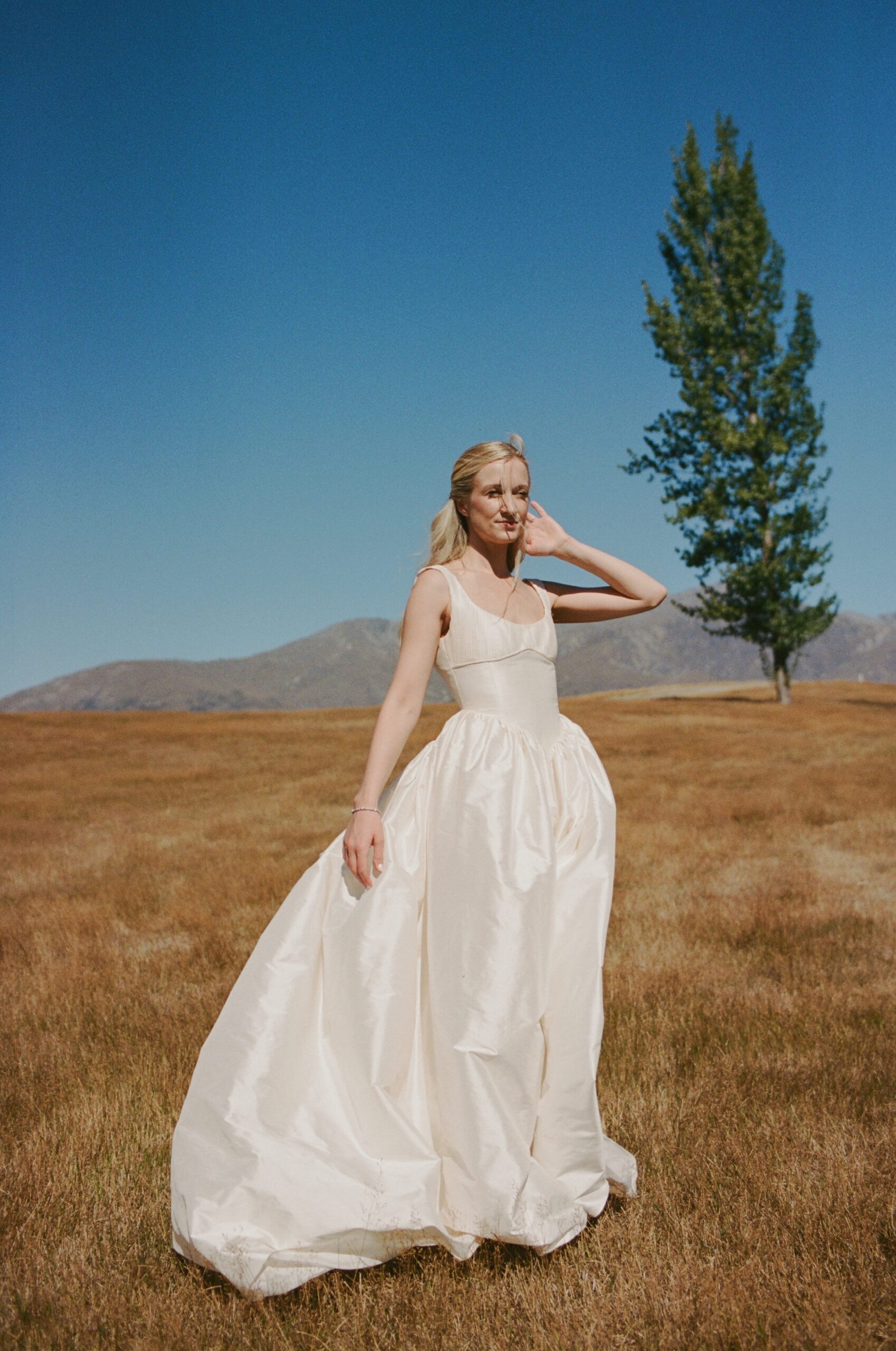
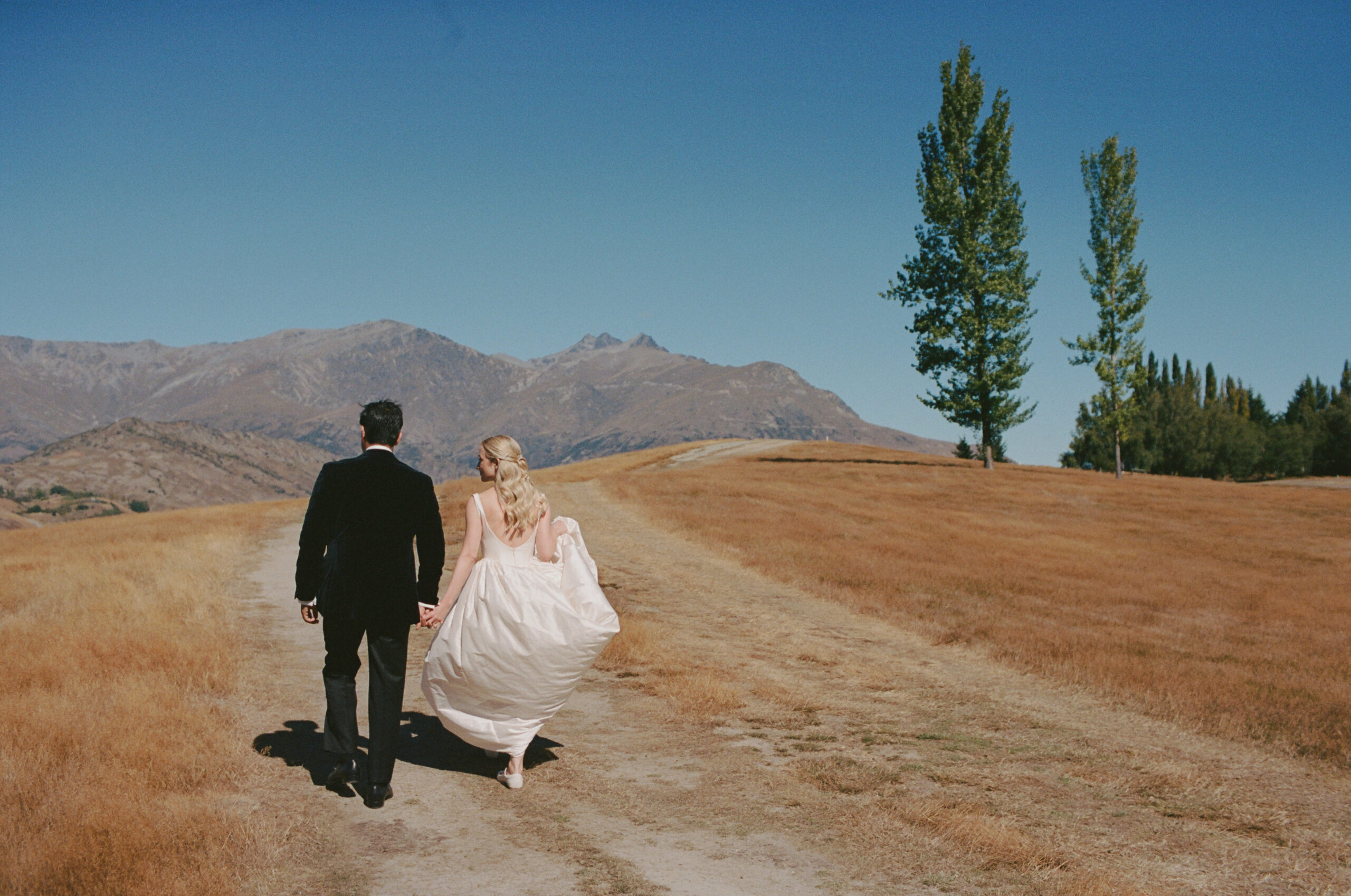
Outside of photographers and filmmakers, the Central Otago landscape itself shapes my work – especially the transition from late summer into autumn. The bright greens disappear and everything shifts into these muted browns, golds and earthy tones that feel naturally aligned with my visual language. I’m drawn to restrained colour palettes, so this season always feels creatively energising to me. There’s also something emotionally affecting about autumn in Central Otago – the crisp air, falling leaves, the sense that change is arriving. It feels like a reminder that everything is temporary, which probably explains why I’m so drawn to photographing fleeting moments in the first place.
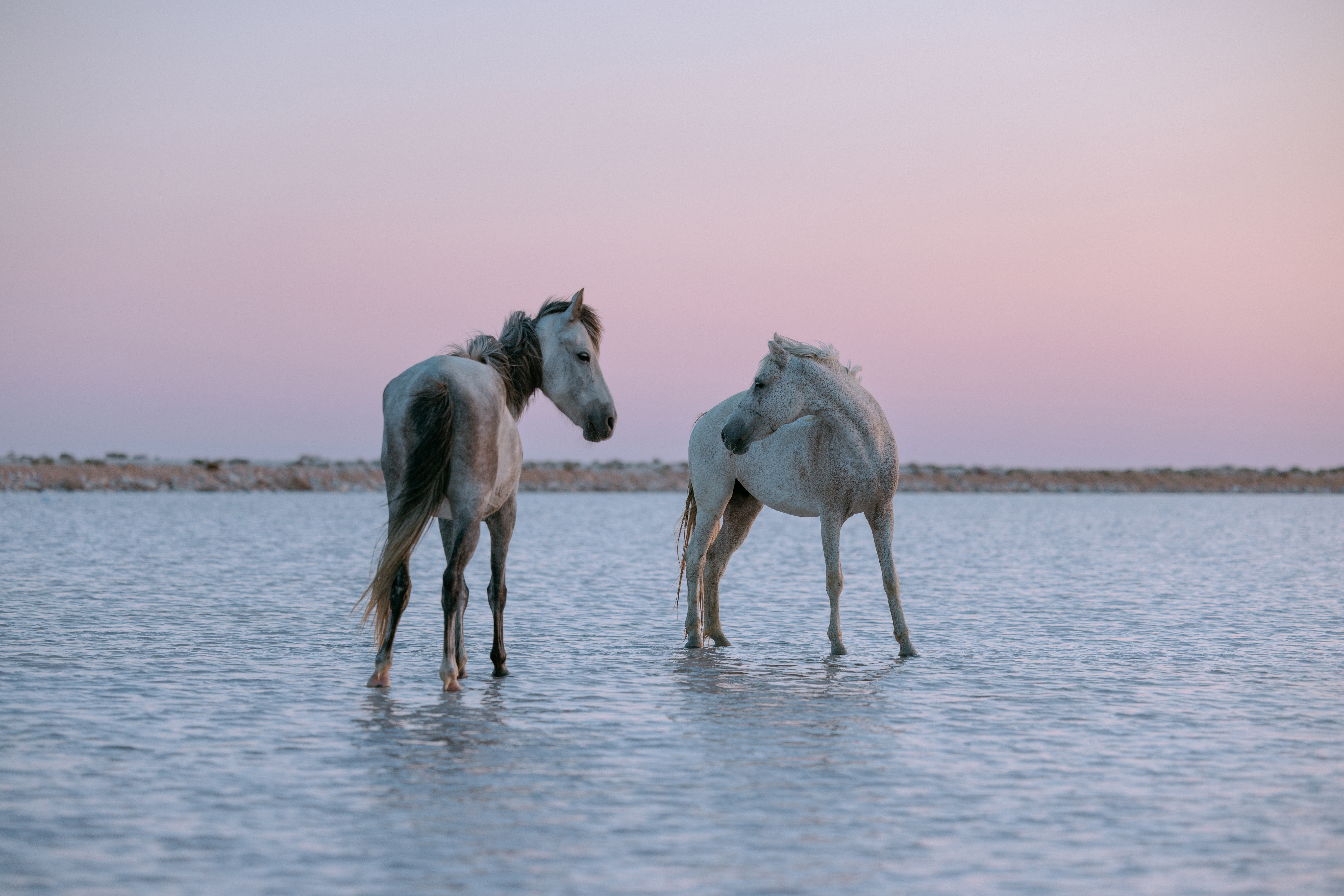
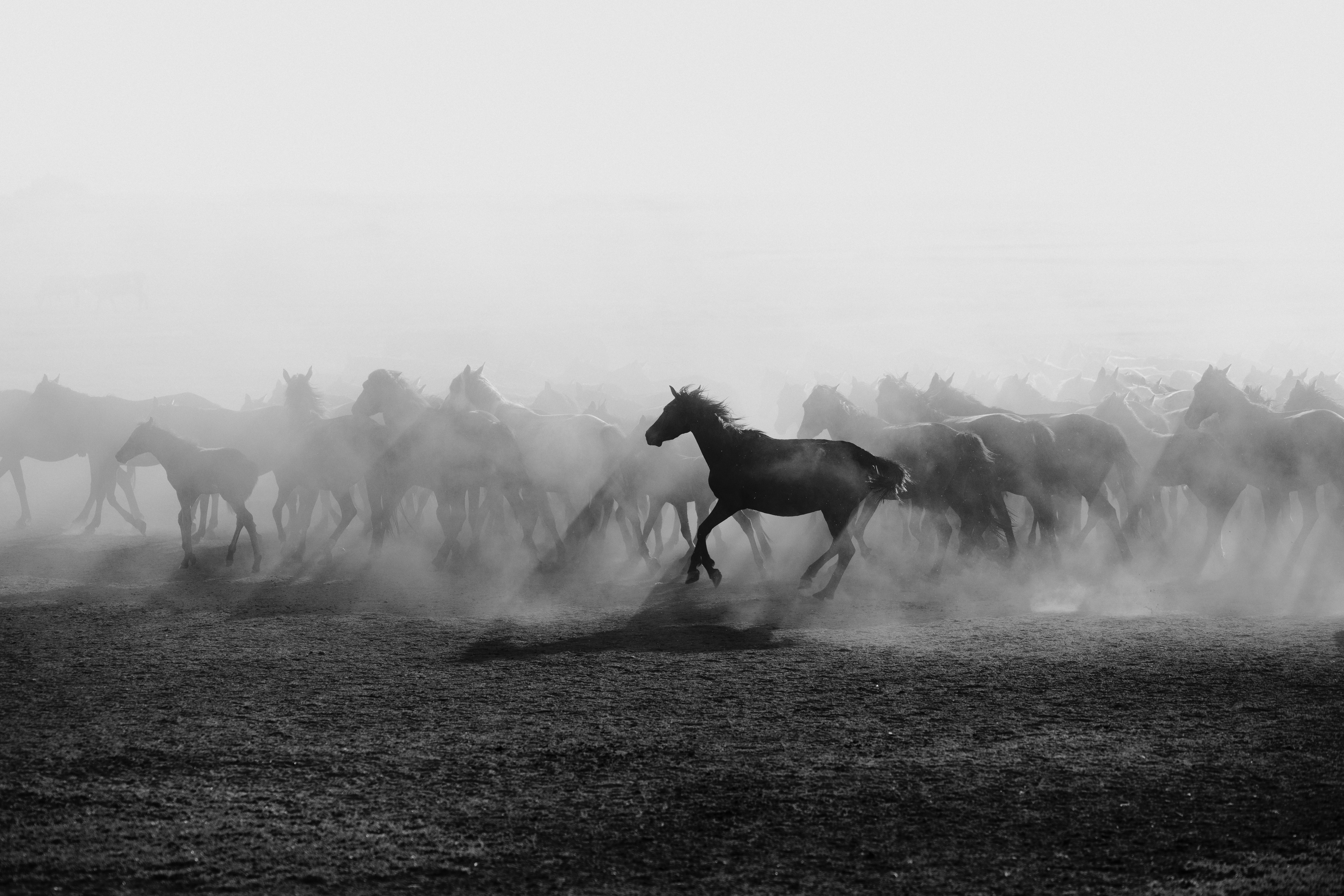
Horses have also always been a grounding force in my life and work. I’m endlessly drawn to photographing them, particularly because being around them creates an immediate sense of calm in me, even when they’re completely wild, unpredictable or misbehaving. There’s something deeply regulating and honest about their presence.
They communicate through energy and instinct, so photographing them feels less like directing and more like quietly witnessing whatever emotional atmosphere already exists. They exist completely in the present moment. Nothing about them feels performative or self-conscious.
There seems to be a growing shift away from weddings as performance towards something more intimate and emotionally grounded – which we love. What are you noticing in the couples you photograph, and what excites you about where this space is heading?
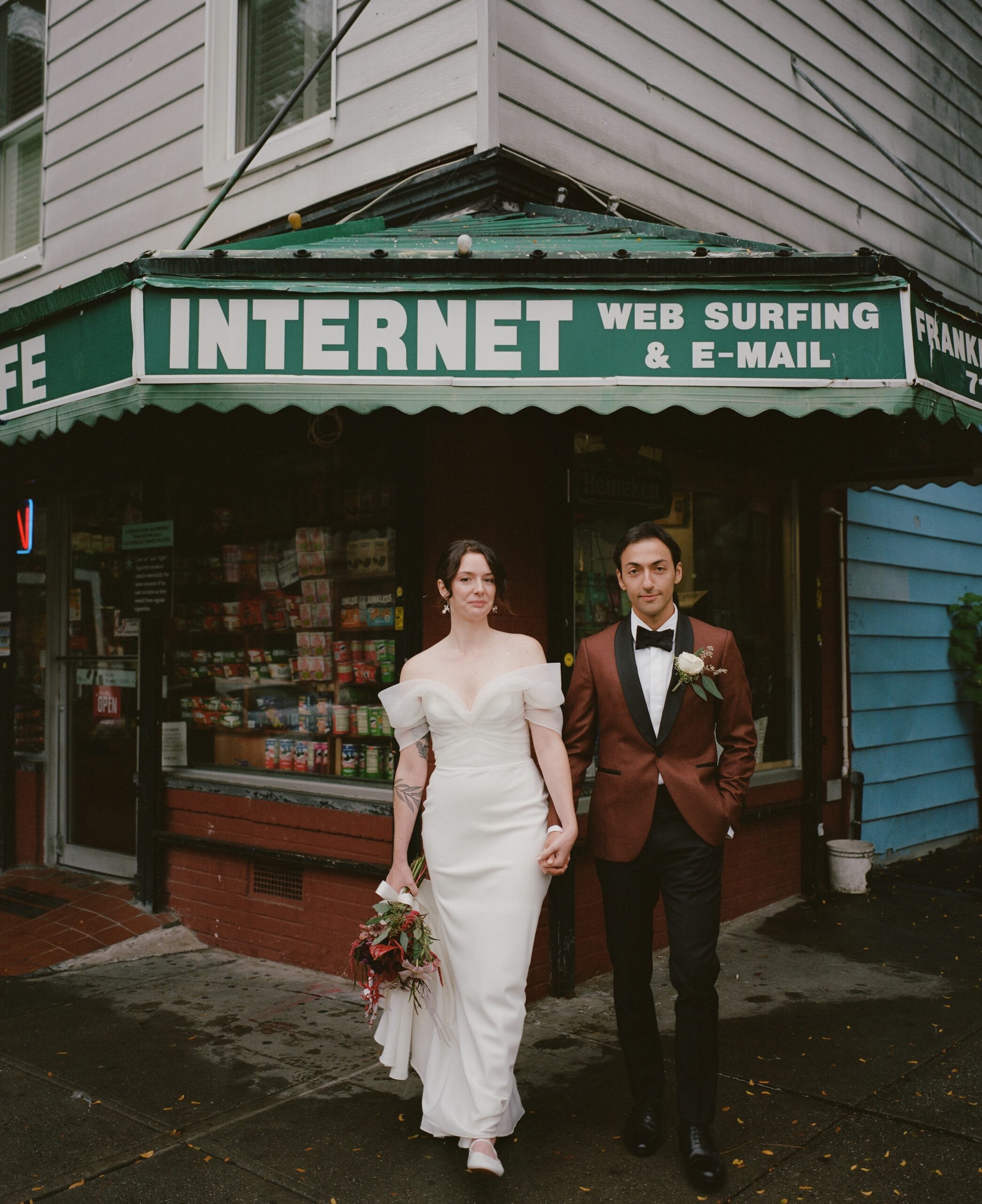
I think people are exhausted by constant performance and content culture. Weddings became increasingly aestheticised and publicly consumed over the past decade, and now I’m noticing many couples moving back toward something more grounded and emotionally meaningful.
They still care deeply about beauty and atmosphere, but increasingly the priority is experience rather than performance – gathering their people together, genuine connection, being present enough to actually feel the day rather than curate it for an audience.
That shift really excites me because I think the most powerful wedding imagery comes from emotional honesty, not perfection.I think photographs become more valuable with time. What might initially feel like a beautiful image of a wedding eventually becomes evidence of people, relationships and moments that no longer exist in the same form. Over time, photographs stop being about aesthetics and start becoming emotional history.
Looking ahead, what do you hope to capture more of in the years to come, not just visually, but emotionally and culturally?
As I get older, I feel increasingly drawn toward work that contributes something meaningful beyond aesthetics alone.
There are so many projects I want to do – a summer artist residency in Antarctica, an environmental portrait series of all my relatives in the Philippines, horse-related documentary projects. I’m interested in work that explores place, identity, connection, human resilience and social justice.
One organisation I deeply admire is Too Young to Wed, founded by photographer and journalist Stephanie Sinclair, which raises awareness around child marriage. Their photography workshops for young girls deeply resonate with me because they use image-making as a form of agency and self-expression rather than simply documentation.
Weddings themselves have also changed for me over the years. When I first started, I was far more focused on aesthetics, trends and whether something felt “bloggable.” Back then it was all mason jars, bunting and shooting everything wide open on a 50mm lens.
Now I care much more about emotional depth and presence. I’m drawn to couples who are genuinely connected, emotionally open and able to fully inhabit the experience of the day rather than perform it. I still care deeply about beauty and visual atmosphere, but those things feel secondary now – they support the feeling rather than replace it.
Photography has changed the way I move through the world. I notice light constantly, but also small emotional details – body language, changes in people’s energy, moments of tenderness or loneliness that other people might miss. I think spending years observing human behaviour so closely inevitably makes you more aware of the fragility and fleetingness of life itself.
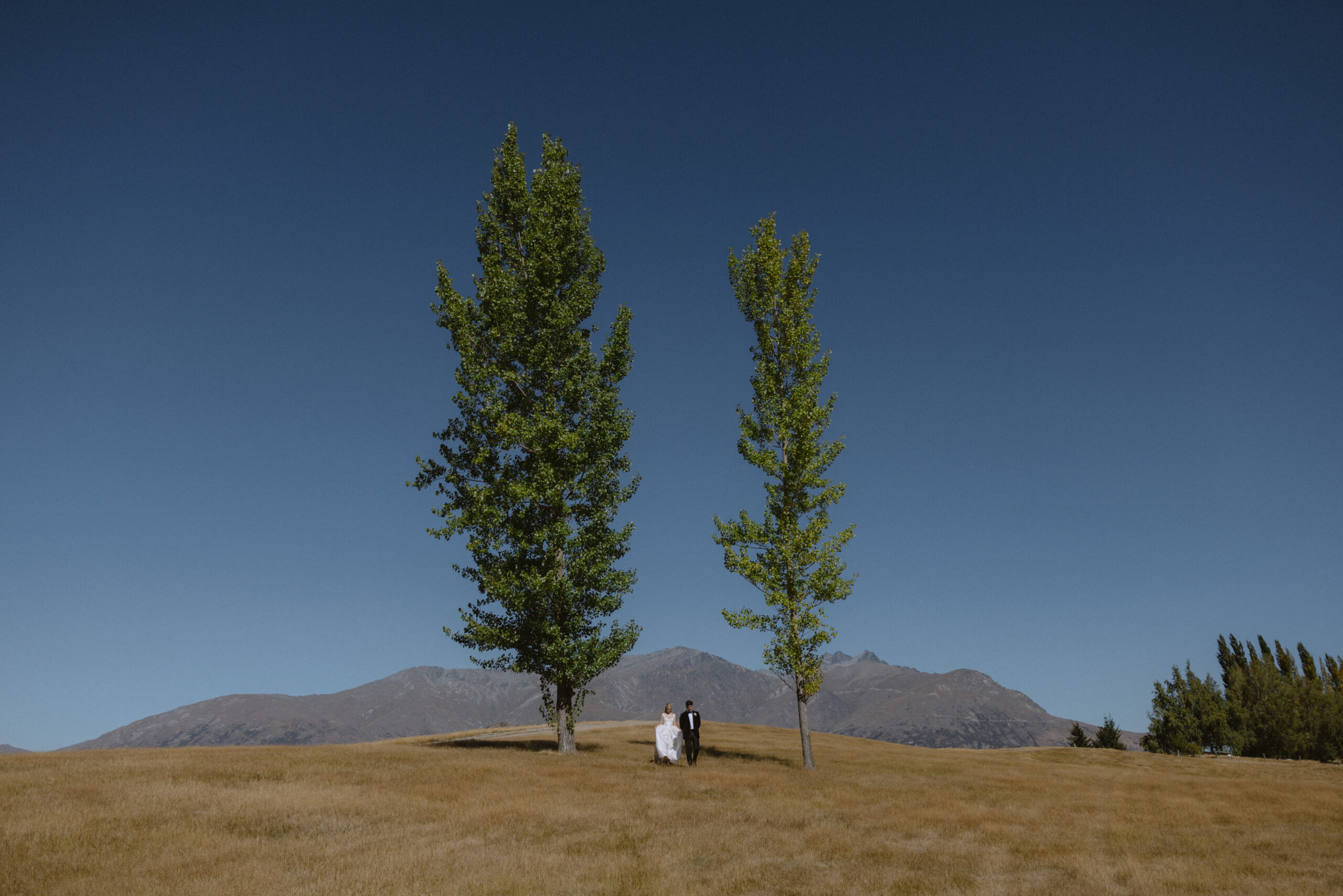
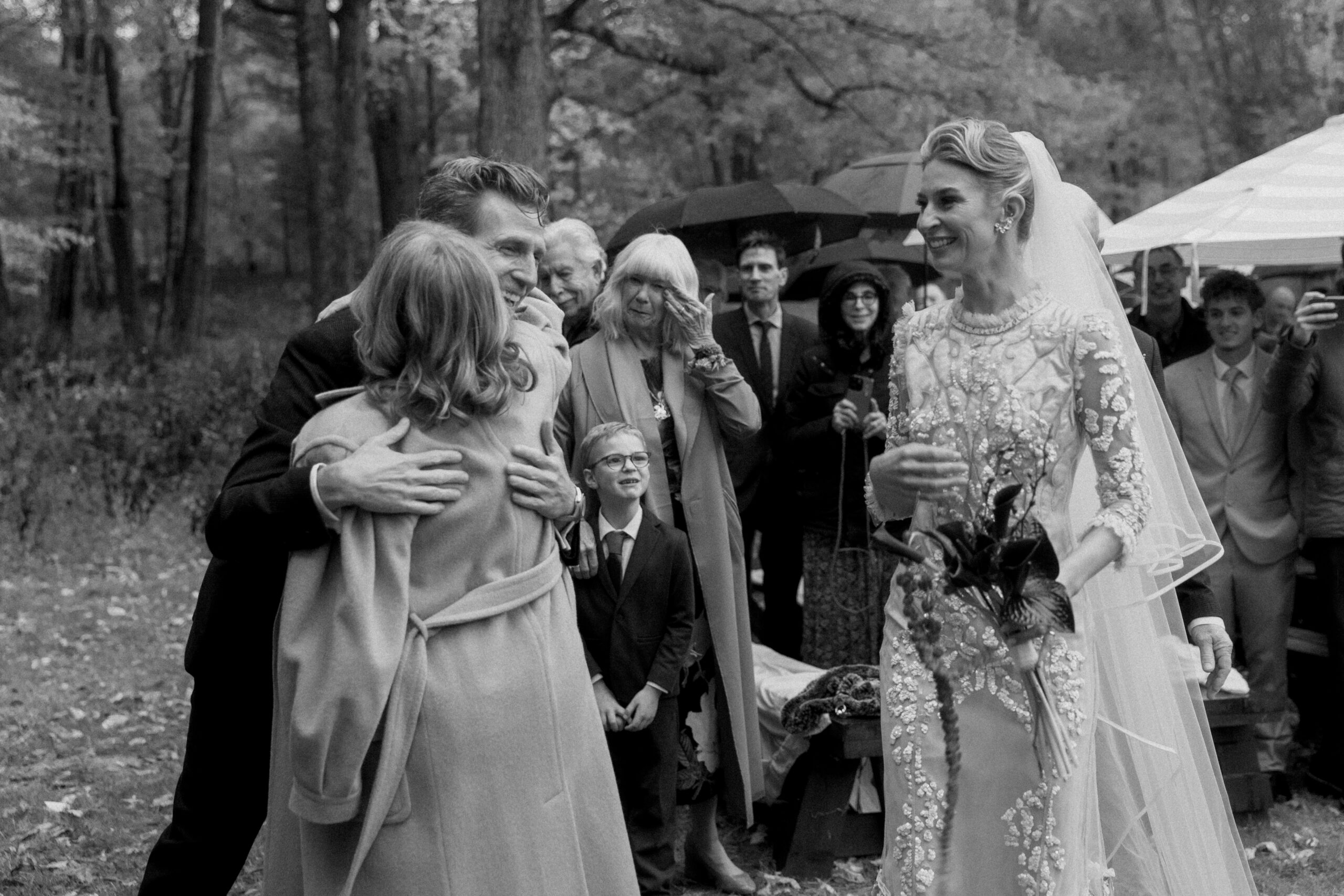
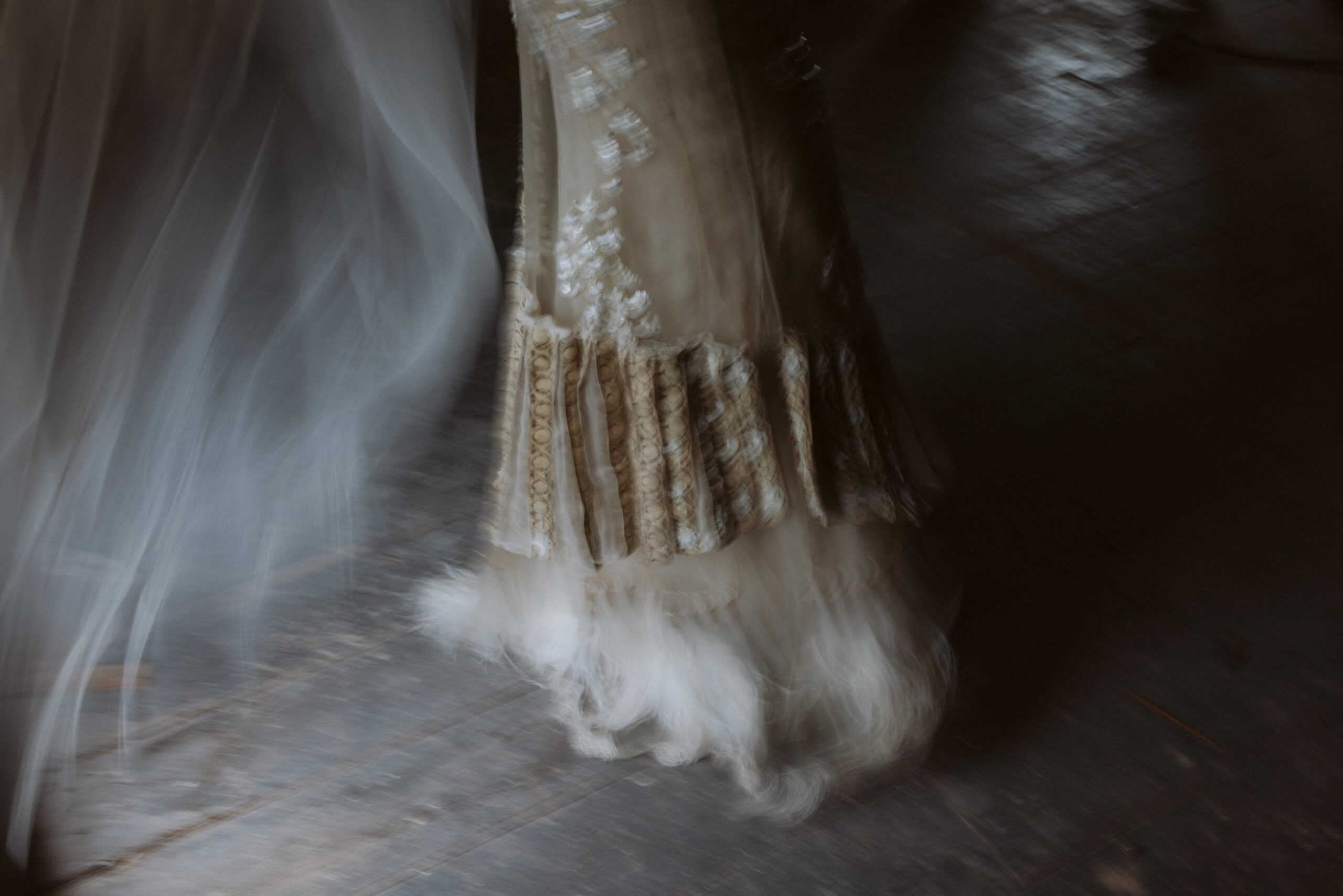
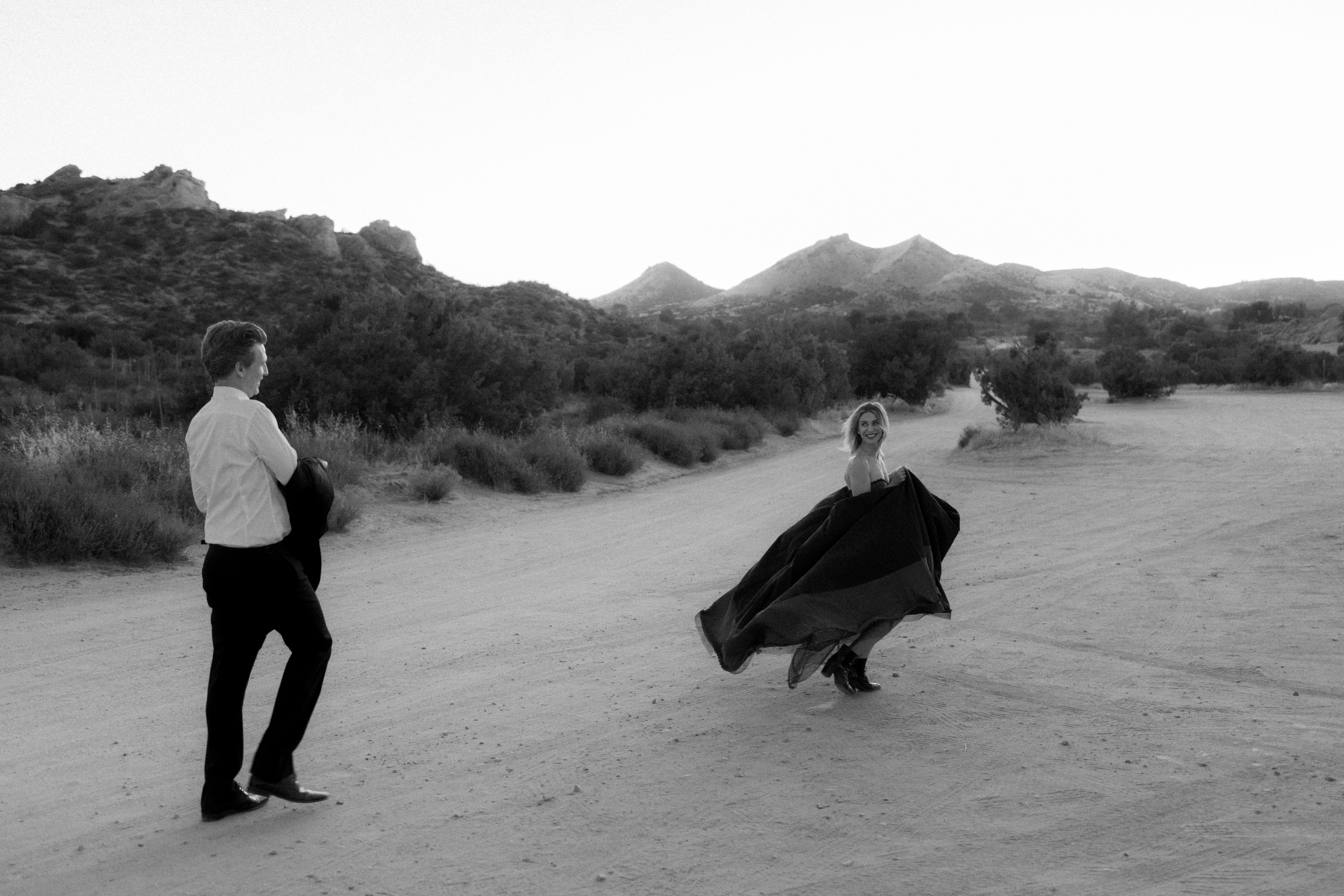
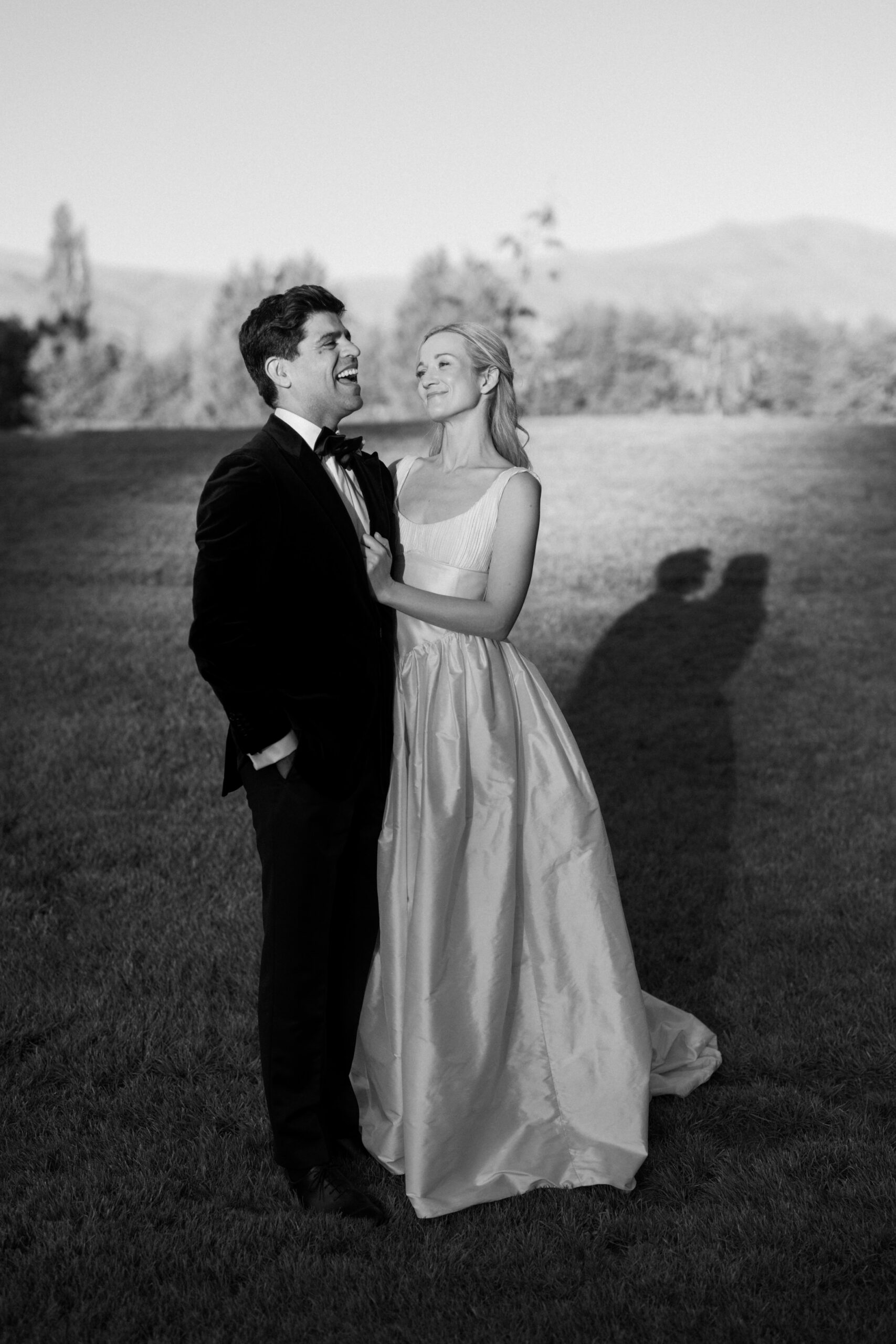
ABOVE Sophie Bayly
Explore more: visit sophiebayly.com and @sophie_bayly_weddings, @baylysophie, @baylyshorses