A refined, intentional lens where raw emotion meets timeless editorial grace.
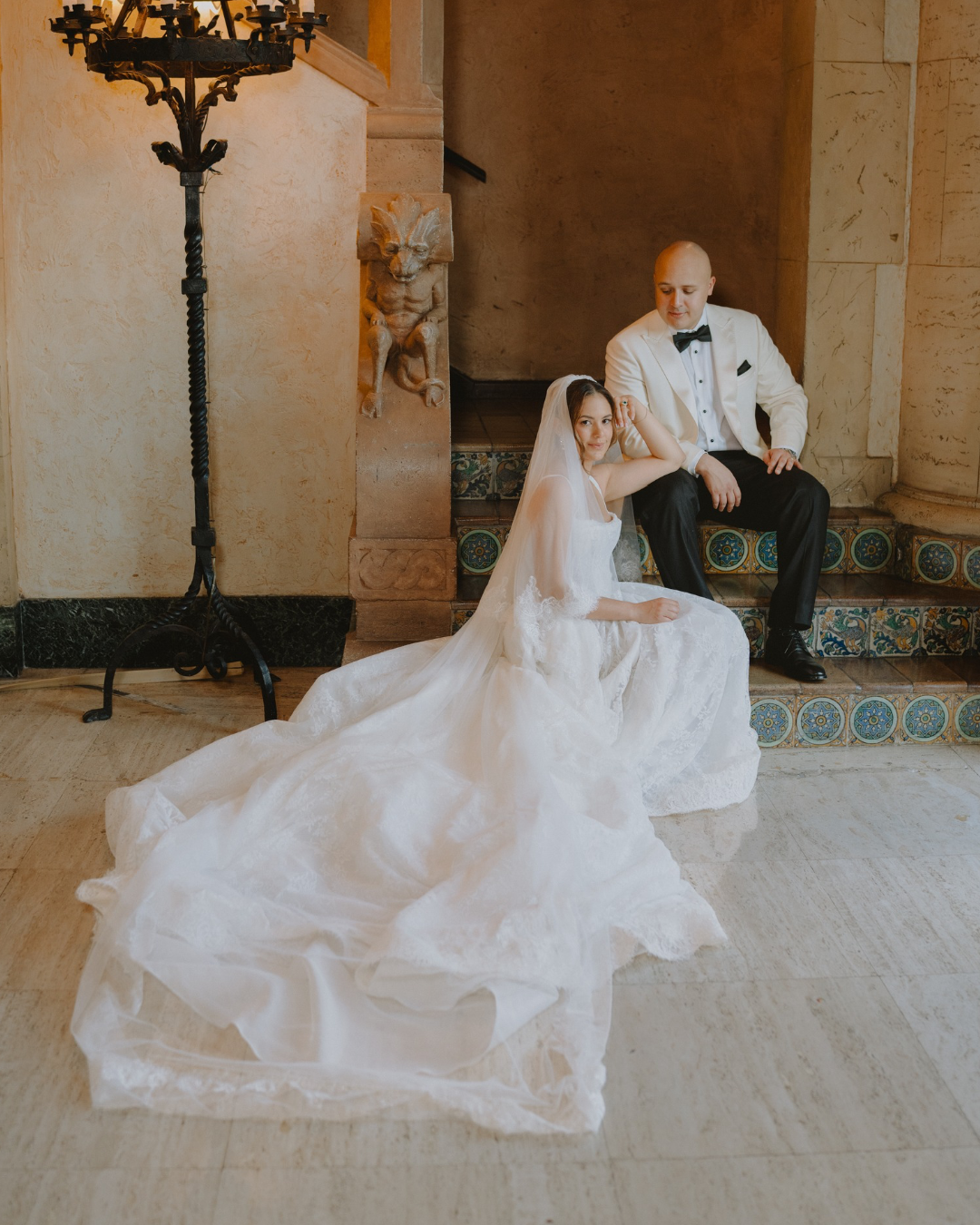
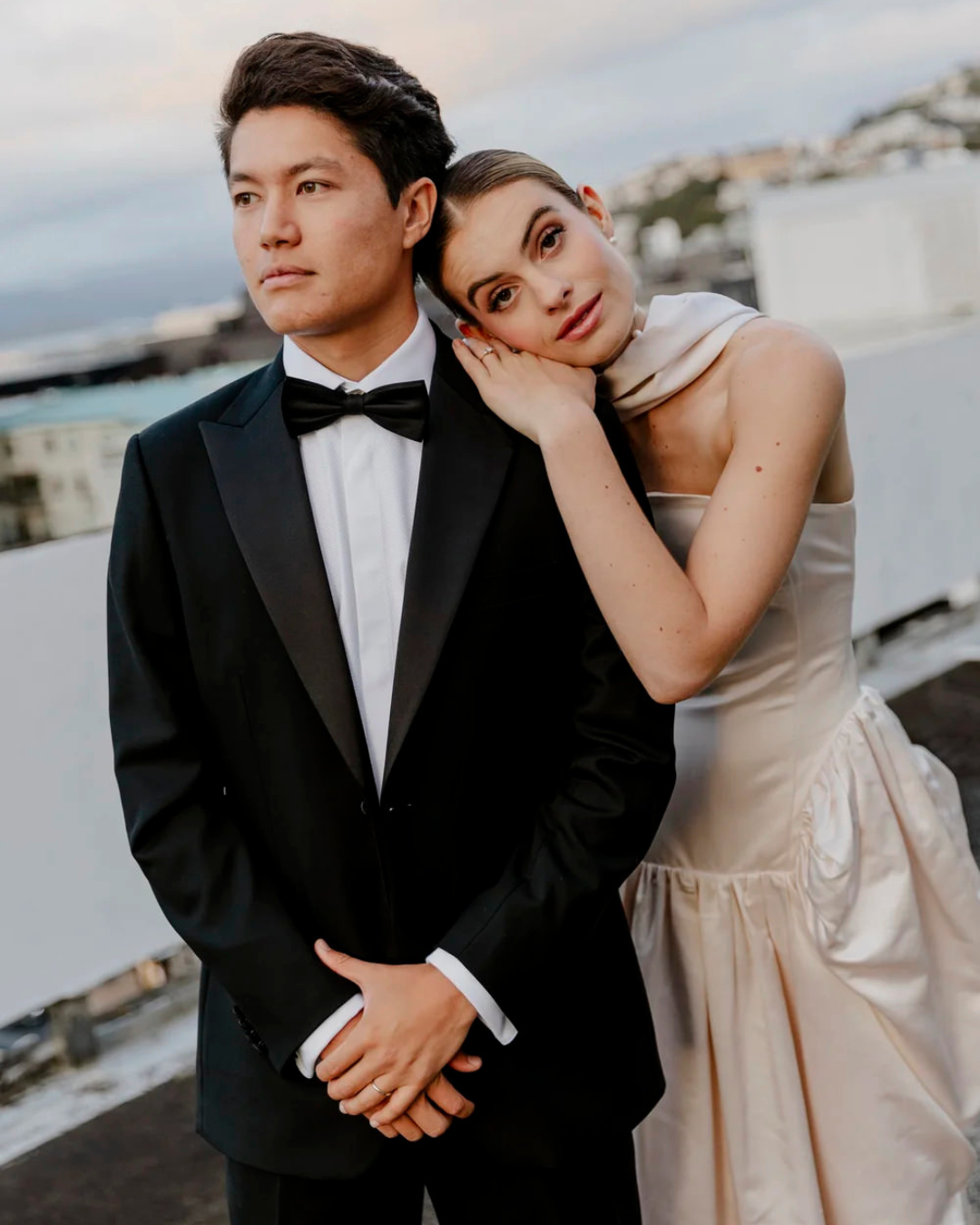
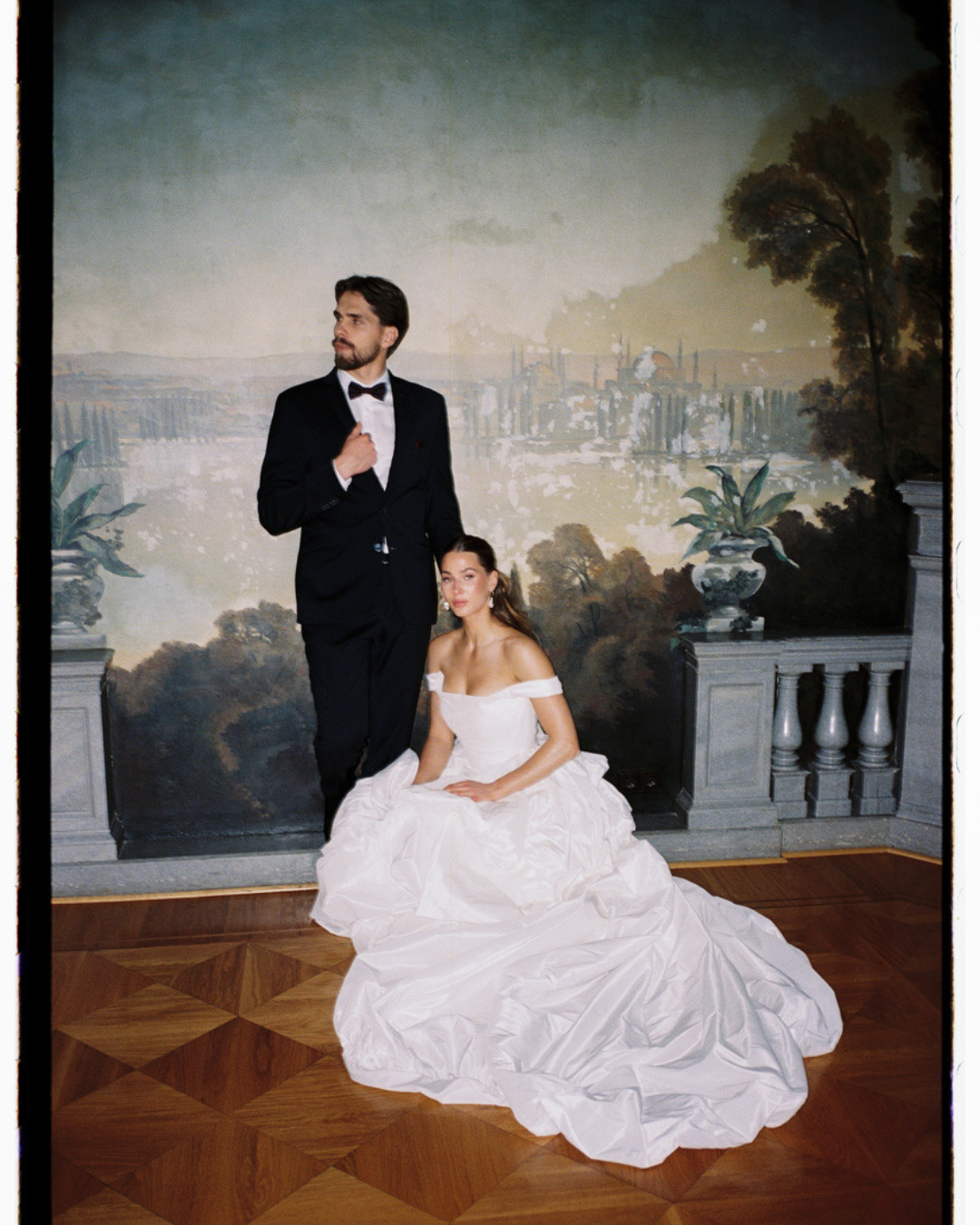
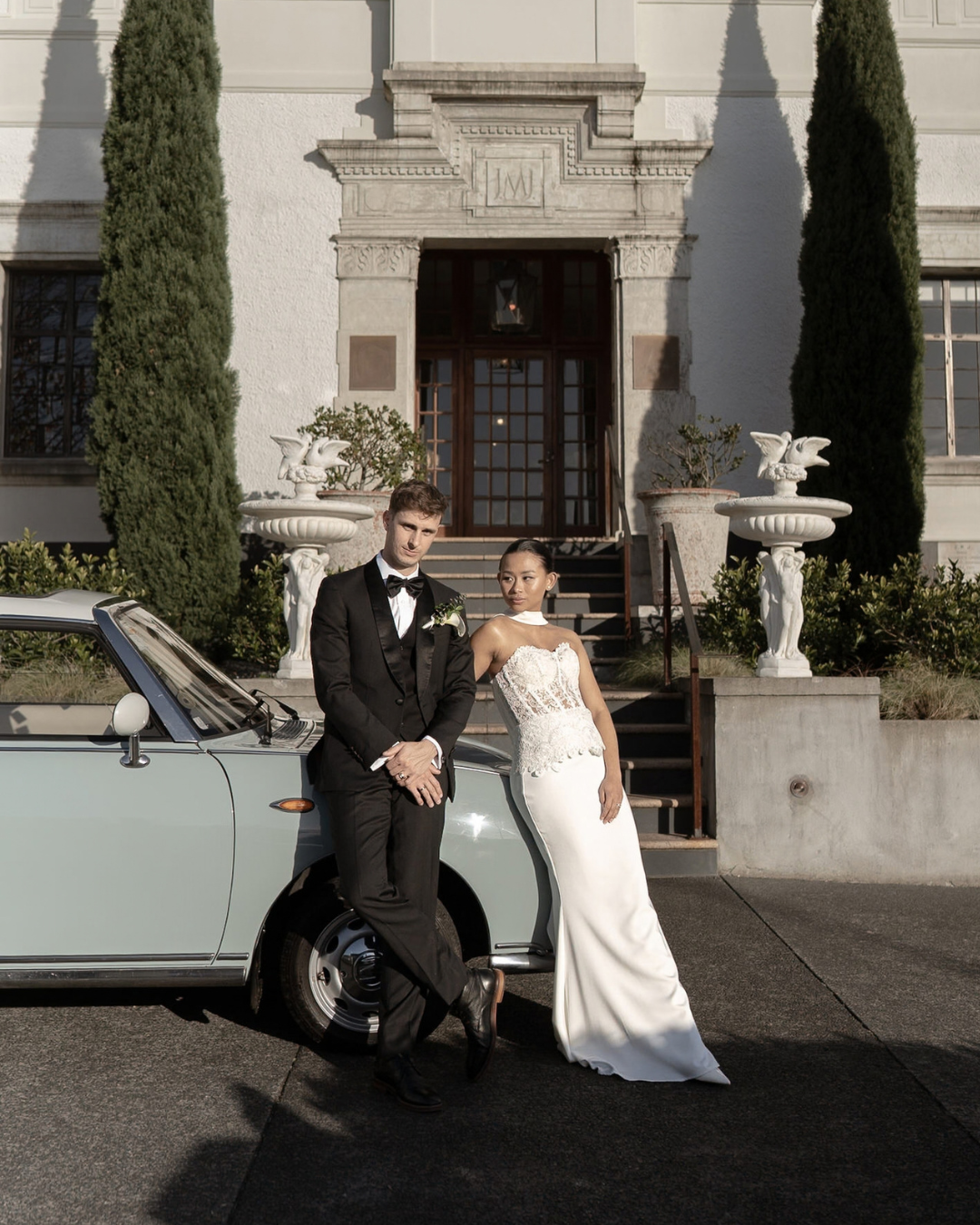
In her work, Sharon Kastelein redefines refinement through a lens of intentionality, where the heartbeat of raw emotion breathes life into artfully composed frames. Balancing a keen documentary instinct with an editorial sensibility, she captures the quiet, in-between moments—the lingering glance or the way a veil catches the light—to translate the true atmosphere of a wedding day. By prioritizing truth over fleeting trends and fostering a grounding presence of trust, Sharon creates timeless narratives that feel both deeply personal and elegantly immersive, ensuring the environment and the couple’s energy remain authentically connected.


Your work is often described as refined and emotive. How do you define refinement in a visual sense, and what does emotion add that polish alone cannot?
To me, refinement isn’t about perfection; it’s about intentionality. It is the conscious choice of what to leave out of the frame so that the focus remains on what matters. While ‘polish’ can make a photograph look beautiful, emotion is what makes it live. Without that raw, human element, an image is just a static composition. Emotion adds a heartbeat to the polish. It’s the difference between seeing a wedding and feeling the gravity of the moment.
There’s a beautiful restraint to your imagery, nothing feels overstated. How do you approach composition in a way that honours understated elegance?
I try to create space within my images. I’ve learned that a photograph doesn’t need to be ‘loud’ to be powerful. My approach to composition is often about finding a quiet balance—observing the light, the lines of a building, or the way a veil moves, and letting those elements breathe. By not over-directing or over-complicating the frame, the elegance comes forward naturally.


You blend documentary instinct with an editorial sensibility. How do you preserve authenticity while still creating images that feel artfully composed?
It’s a delicate dance between being an observer and a curator. My documentary instinct is about patience–waiting for that unexpected pause or a genuine laugh. The editorial side is my ‘eye’ for where that moment should sit within the frame. I don’t want to change what is happening; I just want to find the most beautiful perspective to capture it from.
Atmosphere plays a powerful role in your storytelling. What are you looking for, beyond the obvious moments, that helps you capture the true mood of a day?
I look for the in-between moments that often go unnoticed, yet define the true mood. It’s the silence just before a ceremony begins, the way a hand lingers on a shoulder, or a glance that stays a second too long. These subtle details act as the connective tissue of the wedding day. They translate the atmosphere in a way a standard portrait cannot, making the narrative feel both intentional and complete.


A strong sense of place runs through your portfolio. How do you ensure a destination feels immersive and intentional rather than simply scenic?
I believe a location only feels immersive through the layers that exist beyond the obvious view. My focus is on the interaction between the couple and the environment: how they inhabit the space and how the natural elements of the location respond to their presence. By weaving this connection with the specific textures and light of the place, the destination becomes an intentional part of the narrative rather than just a scenic backdrop. It’s about ensuring the environment isn’t just seen, but truly felt through their experience of it.
Texture and light appear to guide many of your frames. Do you find yourself responding more emotionally or intuitively to these elements when you shoot?
It is definitely intuitive. My travels taught me how to observe how light and textures interact within a space. When I’m shooting, I don’t just ‘see’ these elements; I feel how they shape the atmosphere. While I am very intentional about the final frame, the process of finding it is deeply instinctive. It’s a very personal way of observing that allows me to translate the energy of the room into the story, ensuring the final image feels as honest as the moment itself.


The couples you work with value intentionality. How does that shared appreciation for detail and meaning influence the rhythm of the wedding day as you document it?
When a couple values intentionality, there is a natural sense of trust. That trust creates a very calm, ease-filled rhythm. Because they know I am attuned to the details that matter to them, they feel free to simply be present. My role is to hold that space for them, maintaining a grounding presence so they can let their day unfold exactly as it was meant to.
Your photographs feel timeless rather than trend-driven. What decisions — creatively or philosophically — help you create work that will still resonate decades from now?
I always ask myself: ‘What will they want to remember in thirty years?’ Usually, the answer isn’t a specific trend; it’s the way a father looked at them or the honest joy of their friends dancing. Philosophically, I prioritize truth over trends. If an image is rooted in genuine emotion and intentional composition, it will never go out of style. It’s about creating something grounded in reality, ensuring the work remains a timeless reflection of who they are, rather than a reflection of a fleeting moment in time.


Looking ahead, are there particular landscapes, cities, or architectural settings that feel creatively aligned with where you’d like your work to evolve?
I’ve always been drawn to the intersection of history and minimalism. Looking ahead, I’m focused on evolving my work within settings that balance those two worlds—from the raw, sun-drenched textures of Puglia and the faded elegance of Tuscan villas, to sculptural, modern architecture like the minimalist homes in Mallorca that feel so rooted in the earth. Ultimately, it’s not just about a beautiful backdrop; it’s about how a location aligns with the couple. I want the setting to feel intentional and specifically chosen for them, where every element comes together to tell their story. When the architecture and the couple’s energy match, everything just clicks. That is where my work feels most at home.
For couples seeking a photographer whose work feels deeply personal and elevated, what conversations should they be having before making their choice?
Beyond looking at a portfolio, I think couples should talk about feeling. Ask a photographer how they navigate the energy of a room and how they make people feel comfortable when the camera is on them. For work to be truly personal, there needs to be a human connection. You should feel that your photographer doesn’t just see your wedding as a ‘job,’ but truly sees you.


For more information visit sharonkastelijns.com and sharonkastelijns.photography. Explore more of Sharon Kastelijns in the Together Journal Online Directory.
Sharon Kastelijns